
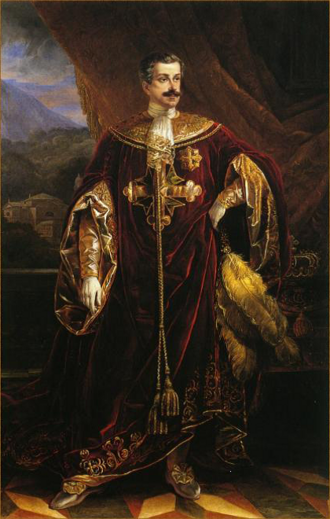
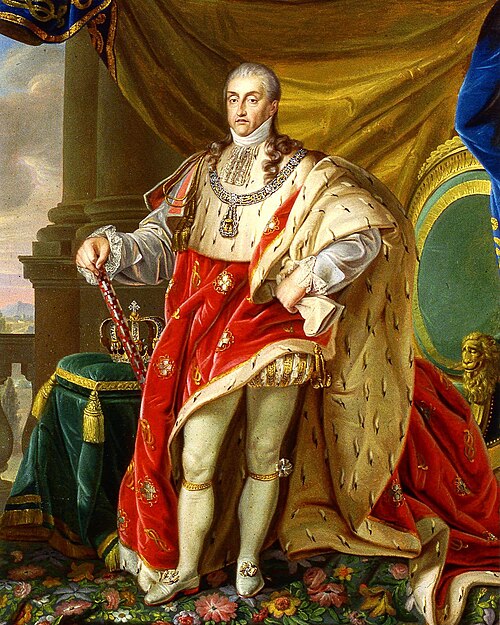
Savoy of California
When Jon-Greg Prescowitz died, he left everything to his grandson, under the stipulation he get rid of the toy-boy name his mother gave him, and adopt…
Victor Emanuel “Felix” Stuttmeister
“Upon reading this Will, you are hereby heir to the The Order of Saint Lazarus. Enclosed is the seal that Victor Prescowitz gave me on his death bed. His daughter, Victoria, made sure our father died alone. But, fate found a way. This amazing secret would have been lost due to the greed of Outside Art Destroyers. It is your destiny to find the True Shroud of Turin, that is the….
SHROUD OF LAZARUZ
Lazarus taught a different teaching than Jesus, that involved a cup – a grail! There is an amazing treasure that Count Leonetta Cipriani brought from New York to Belmont. It might be the treasure of the Knight Templars that Napoleon found. Part of that treasure is…..golden bees!
To be continued
The Order of Saint Lazarus, founded c. 1119, originated from a hospital for leprosy in Jerusalem established around 1100 by “Brothers of Saint Lazarus.”[7] These knights protected Christian pilgrims and specialized in the relief of leprosy; many members were themselves lepers who had been knights in other orders.
6/5/2023
Victor Paladin Stuttmeister
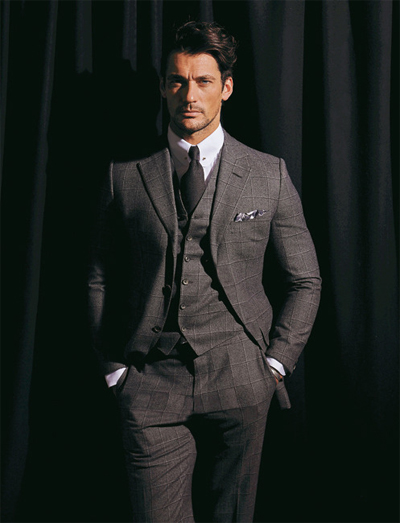
The Victorious Paladin of San Francisco
by
John Presco
Copyright 2023
A week after Victor Paladin Stuttmeister turned twenty-one, his great uncle, John Rosamond Prescowitz died. The executor’s of John’s estate searched high and low for an heir, and alas found Victor. In the reading of the Will, Victor was instructed to talk to the head of Notre Dam Namur, that was just purchased by Stanford. Father Connors was very glad to see Victor, who was led down in the basement into a secret room that was built below the original portable house that Carl Janke brought around the Cape. Count Cipriani had bought one of the six houses after Victor Emanuel made him the Palatine of California. There were a variety of weapons on the walls of this room, along with photographs.
“This is your great grandfather, Victor Ralf Stuttmeister. He was a Paladin. He came to America from Berlin when he was a boy. Leonetti Cipriani took a liking to Victor, and took him on a tour of Italy when he was sixteen. It is alleged the Count initiated Victor in the order of the Paladin Knights, who Charlemagne ordained when he conquered Italy. They descend from Queen Rosamunda and the Welf lineage she and her husband sired . The Paladins made war on the Lombards for many generations. They were hired assassins’ for the Papacy that was loyal to Victor Manuel, the first King of Italy. Victor is a cousin of Victor Emanuel ‘Felix’ Stuttmeister who is buried in the family tomb in Berlin. He was, and you are, the Heir to the Kingdom of Italy.
Victor pulled out two dueling pistols In the trunk.
“Who are these men with my grandfather?”
“The man in the middle is a Sufi Magician steeped in Chinese martial arts. The dangerous looking man was the head of Sardinian Mafia in San Francisco. He was known as the Assassin of Corsica.. His grandson hunted down Nazi generals in Italy, and dispatched them. I am instructed not to tell you his name lest you become too curious. Somethings are best left unknown. What you need to know, is, there are two claimants to your thrown.”
Father Connors handed Victor a scroll with a seal.
“What is this?
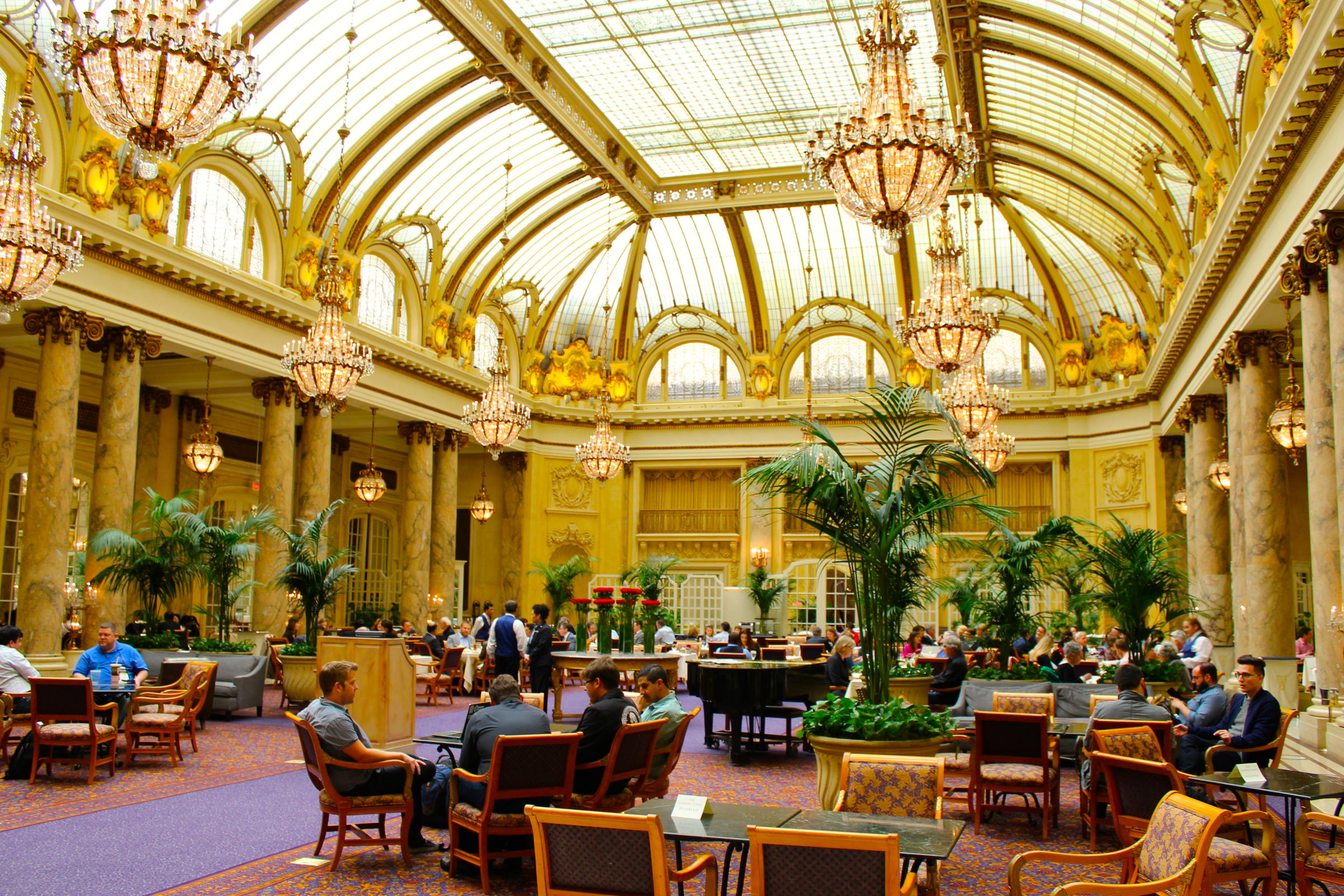
This is the perpetual deed to the Presidential suite at the Palace Hotel given to your great uncle by William Ralston, the man who built San Francisco?
“And this?”
“This is the original deed to the Anacondan Mine, that William Sharon came to own after Ralstons apparent sudicded.I have my dobts1”
Tjree days after settling into the Raston Sutie, victoria got a call..
“Hello. My name is Victoria Rosemond Bond. I believe we are third cousins. I just took a DNA test and found you. Do you mind if I and my wife stop by for a visit?
“Sure. I just moved into my fancy digs, and would love to have my kin over!”
Hanging up, Victor contemplated the term “my wife” while he watched Niki Haley tear into LGBTQ folks, like other Republican candidates were.
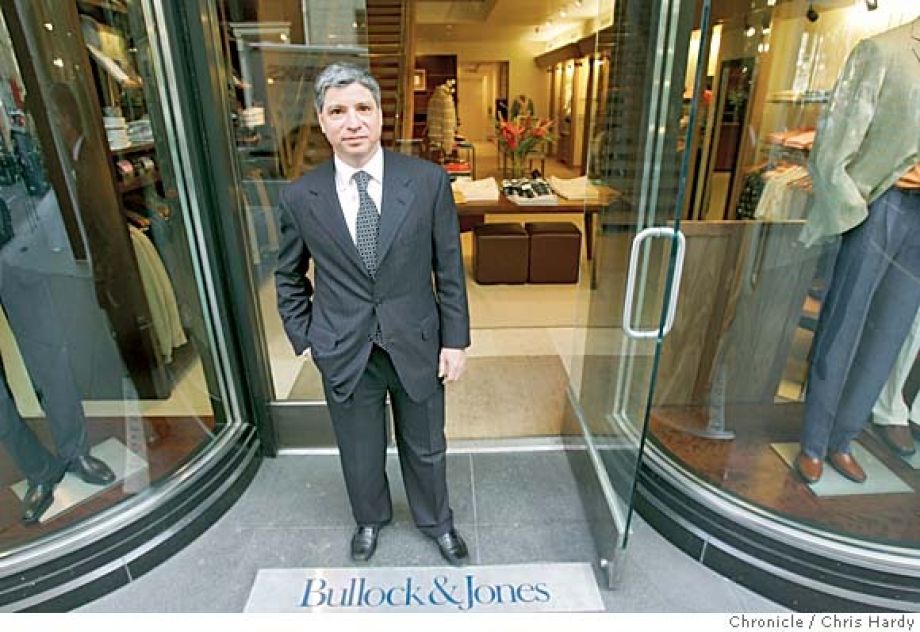
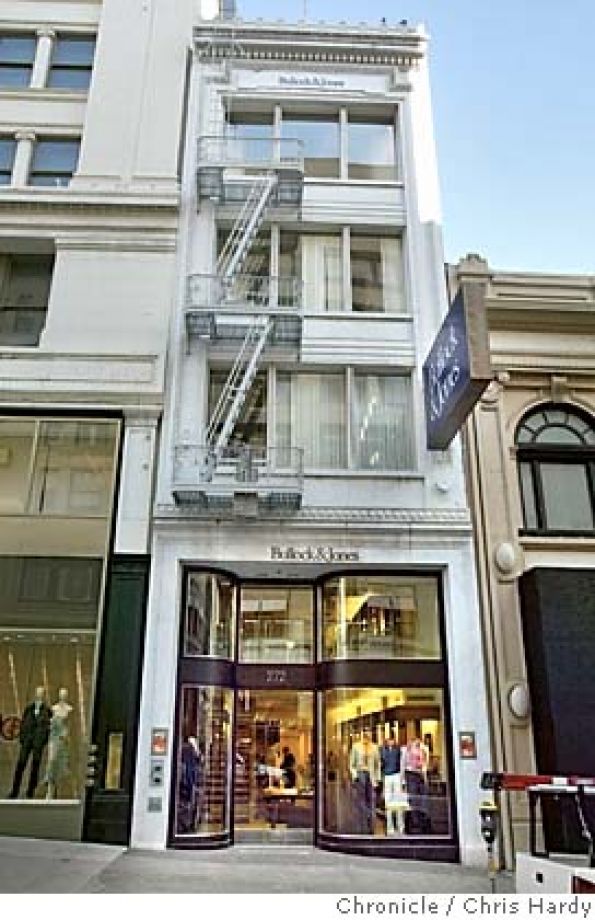
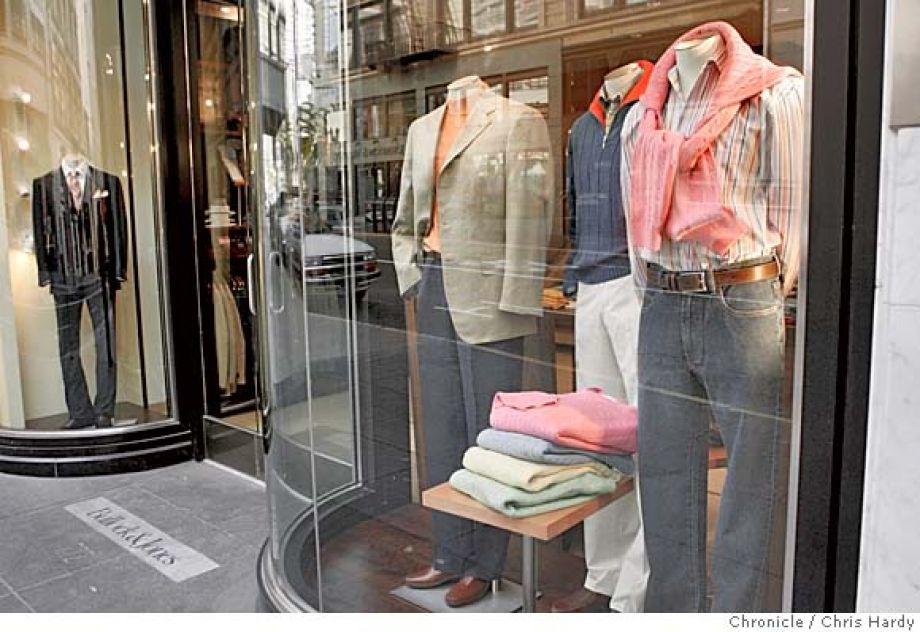
Victor sighed, and picked up the card that was in the trunk in the hidden Ralston room. He was told he could get free clothing and suits from his kin Johnny Prescowitz, who owned Bullock & Sons. Best dress up for my cousin, even though she is a Lesbian. Is she bringing her wife?
The front desk wanted to warn their new tenant what was coming up the elevator, but felt very threatened. When Victor opened the door, a big Amazon woman dressed in Indian garb gently pushed him against the wall, and expertly frisked him, as if he was being fitted for a suit.
In the Roman imperial period, a palatinus was one of the closest retainers of the emperor, who lived in the imperial residence as part of the emperor’s household. The title survived into the medieval period, as comes palatinus. However, the modern spelling paladin is now reserved for the fictional characters of the chanson de geste, while the conventional English translation of comes palatinus is count palatine. After the fall of Rome, a new feudal type of title, also known simply as palatinus, started developing. The Frankish kings of the Merovingian dynasty (reigned 480–750) employed a high official, the comes palatinus, who at first assisted the king in his judicial duties and at a later date discharged many of these himself. Other counts palatine were employed on military and administrative work.[3]
Miriam’s Wardrobe
Posted on March 20, 2018 by Royal Rosamond Press

2 i. Victor Rudolf Stuttmeister, born May 29, 1846 in New York; died January 19, 1893 in German hospital in San Francisco.
Italy may have abolished its monarchy 75 years ago, but having no real power hasn’t stopped its royal family from feuding.
Direct descendants of Italy’s last king are divided over who should lead the family. For thousands of years, only men in the family could rule. All that changed when the current head of the royal House of Savoy, Vittorio Emanuele di Savoia, issued a decree on his granddaughter’s 16th birthday granting her the power to eventually lead the family.
Princess Vittoria di Savoia — who is also a rising star on Instagram — is now the first woman in 1,000 years to become the family figurehead.MORE: Harry, Meghan deny report Queen Elizabeth not consulted over baby Lilibet’s name
“I think it’s a very important act, especially now in 2021 where women are standing so much for their rights,” she told ABC News in her first ever on-camera interview.
Vittoria’s father, Emanuele Filiberto, prince of Venice, said the move is a sign of the times.

Surely enough, Vittoria’s rise in royal ranks comes as more and more royal women across Europe are taking over their countries’ thrones.
“I think the next generation of royalties in Europe will mainly be women because if you look at Spain, if you look at Sweden, if you look at Norway, if you look at Belgium, England, well, we have a fantastic example with the Queen,” he said.
But, of course, there are those who oppose the young princess.
Prussian Colony In California
Posted on January 21, 2020 by Royal Rosamond Press


Eureka! Mexico was going to sell California to Prussia for $6 million dollars. Carl Janke, brought six portable houses around the Cape in 1848 – before the Gold Rush! One of them was Ralston House. Was Belmont going to be the Capitol of New Prussia? I just found her when I google the King of Prussia who ruled in 1846. My angel has been leading me to her in my book ‘The Royal Janitor’. https://en.wikipedia.org/wiki/Prussia
Frederick married Victoria, Princess Royal, eldest daughter of Queen Victoria
The question I have been asking, is what kind of kingdom was John Fremont going to establish in the West, that Starr King talked him out of? Did Lincoln know about the Prussian offer? What about Chile? The Germans had a colony there that William Stuttmeister dwelt in before he came to California. Are we looking at a hidden Prussian Kingdom – blessed by Victoria – Princess Royal, whom the Osborne House was built!
The Empress and Emperor of Prussia are Harry Windsor’s close kindred. They took away Harry’s uniform today. Will he wear a crown and the Emperor of California? Will Harry and Meghan sit in the grandstand and watch their troops? Will the transformation of the Republican Party, start here?
John Presco
President: Royal Rosamond Press
Freedom On Liberty Street
Posted on September 20, 2017 by Royal Rosamond Press
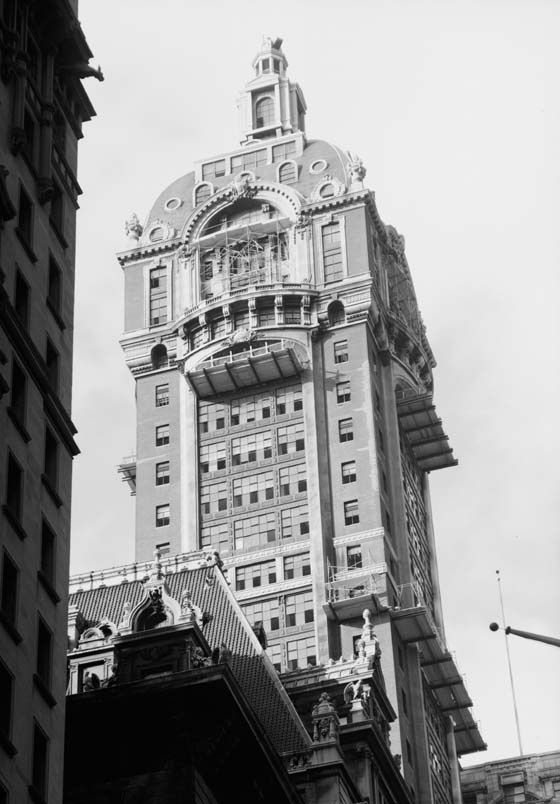
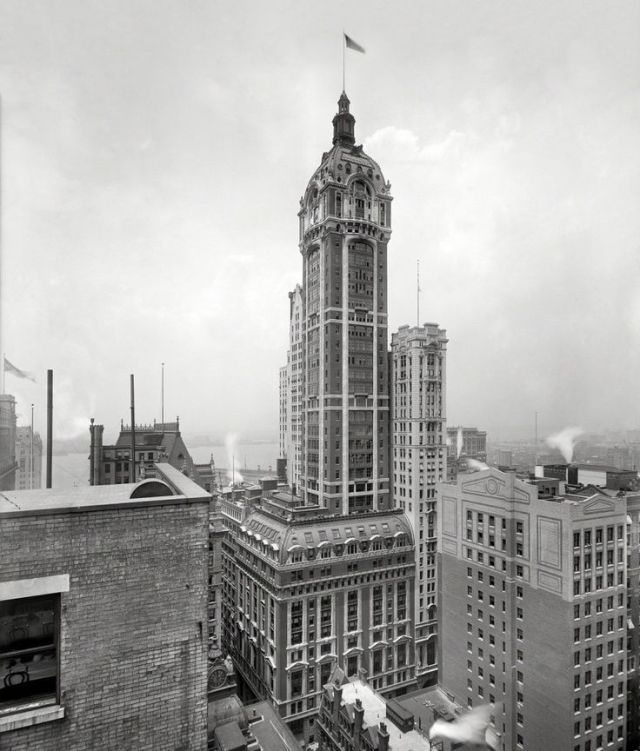
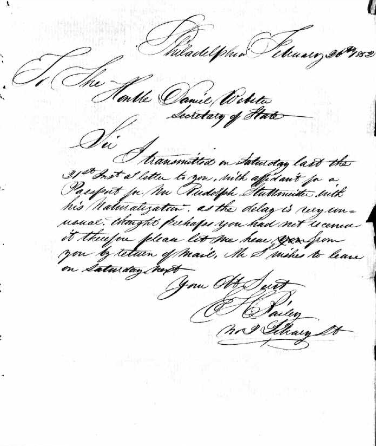
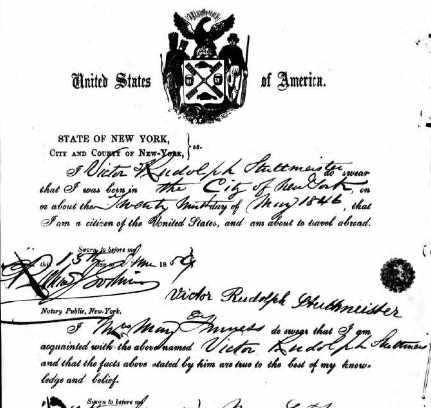
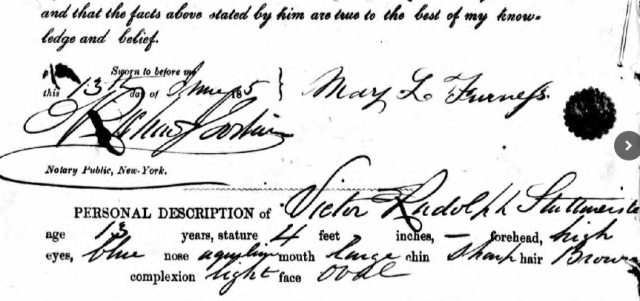
My Stuttmeister ancestors came to New York and lived on Liberty Street where the Trade Towers once stood. I now suspect they were Ministers. They came to Chili, also. Thirteen year old Victor Rudolph Stuttmeister applied for a passport when he was thirteen years of age. He had a high forehead, an aquiline nose, a large mouth, a sharp chin, brown hair, and blue eyes. Rudolph had six children and was a New York City Physician. Phillip, Mary, and Lizzie are born in New York City. Bertha is the first child to be married in California. This family were pioneers in San Francisco, Belmont, and Lagunitas in Marine County where Beryl and Leonard Buck moved after living in Oakland for many years.
Jon Presco
6 1006 __21 Stuttmeister Rudolph 57 M W Physician 12,000 6,000 Germany X X
7 1006 __21 Stuttmeister Matilda 42 F W Keeping House New York X X
8 1006 __21 Stuttmeister Victor 24 M W New York X X
9 1006 __21 Stuttmeister Bertha 10 F W California X X
10 1006 __21 Stuttmeister Willie 8 M W California X X
11 1006 __21 Stuttmeister Alice 3 F W California X
12 1006 __21 Stuttmeister Mary 16 F W New York X
13 1006 __21 Stuttmeister Lizzie 14 F W New York X
14 1006 __21 Stuttmeister Phillip 18 M W New York
Name:Rudolph Stuttmeister Arrival Date:12 Jul 1843 Age:27Gender:M (Male)Port of Arrival: New York Port of Departure: Hamburg, Germany Place of Origin: Deutschland Ship: Stephani
Rudolph or Rudolf (French: Rodolphe, Italian, Portuguese and Spanish: Rodolfo) or Rodolphe is a male first name, and, less commonly, a surname. It is a Germanic name deriving from two stems: Rod or Hrōð, meaning “fame”, and olf meaning “wolf” (see also Hroðulf; cf. Adolf).
1888: From the Daily Alta, an article on the marriage of Dr. William O.
Stuttmeister and Augusta D. Janke.
Daily Alta California, Volume 42, Number 14175, 24 June 1888
STUTTMEISTER-JANKE.
One of the most enjoyable weddings of the past week took place at
Belmont, Wednesday morning last, the contracting parties being Miss
Augusta Janke, daughter of Mr. and Mrs. August Janke of Belmont,
and Dr. Wm. Stuttmeister of San Francisco. The house was
handsomely decorated with a rich profusion of ferns and flowers, and
at the appointed hour was filled with the relatives and intimate friends
of the contracting parties. At 11 o’clock the wedding march was played
and the bridal party entered the parlor. The bride was attended by Miss
Alice Stuttmeister, a sister of the groom, and Miss Minnie Janke, a
sister of the bride, as bridesmaids, and Dr. Muldownado and Wm.
Janke, a cousin of the bride, were groomsmen. The Rev. A. L. Brewer
of San Mateo performed the beautiful and impressive ceremony under
an arch composed of flowers and greens very prettily arranged, after
which the guests pressed forward and offered their congratulations.
The bride was attired in a very pretty and becoming costume of the
crushed strawberry shade, and wore a corsage bouquet of orange
blossoms. She carried a handsome bouquet of white flowers. After the
guests had paid their compliments the bride and groom led the way to
the dining-room, where the wedding dinner was served and the health
of the newly married pair was pledged. The feast over, the guests
joined in the dance, and the hours sped right merrily, interspersed with
music singing and recitations, until the bride and groom took their
departure amid a shower of rice and good wishes. Many beautiful
presents were received. Dr. and Mrs. Stuttmeister left Thursday
morning for Santa Cruz and Monterey, where they will spend the
honeymoon. On their return they will make their home in Belmont.
1911: Dr. Willian O. Stuttmeister was practicing dentistry in Redwood
City, CA. (Reference: University of California, Directory of Graduates,
1864-1910, page 133).
Records from Tombstones in Laurel Hill Cemetery, 1853-1927 – Janke
– Stuttmeister
Mina Maria Janke, daughter of William A, & Cornelia Janke, born
February 2, 1869, died March 1902.
William August Janke, native of Hamburg, Germany, born Dec. 25,
1642, died Nov. 22, 1902, son of Carl August & Dorette Catherine
Janke.
Frederick William R. Stuttmeister, native of Berlin, Germany, born
1612, died January 29, 1877.
Mrs. Matilda Stuttmeister, wife of Frederick W.R. Stuttmeister, born
1829, died March 17, 1875, native of New York.
Victor Rudolph Stuttmeister, son of Frederick W.R. & Matilda
Stuttmeister, born May 29, 1846, died Jan. 19, 1893, native of New
York.
Richard Boone in the episode “Genesis” (1962), before becoming the famed “knight without armor”, Paladin
Paladin prefers to settle the difficulties clients bring his way without violence, but this rarely happens. When forced, he excels in fisticuffs. Under his real name, which is never revealed, he was a dueling champion of some renown. Paladin is a graduate of the United States Military Academy at West Point and a veteran of the American Civil War, in which he served as a Union cavalry officer.
His permanent place of residence is the Hotel Carlton in San Francisco, where he lives the life of a successful businessman and bon vivant, wearing elegant custom-made suits, consuming fine wine, playing the piano, and attending the opera and other cultural events. He is an expert chess player, poker player, and swordsman. He is skilled in Chinese martial arts, and is seen in several episodes receiving instruction and training with a Kung Fu master in San Francisco. He is highly educated, able to quote classic literature, philosophy, and case law, and speaks several languages. He is also president of the San Francisco Stock Exchange Club.[3]
When out working, Paladin changes into all-black Western-style clothing. His primary weapon is a custom-made, first-generation .45 caliber Colt Single Action Army Cavalry Model revolver[4] with an unusual rifled barrel, carried in a black leather holster (with a platinum chess knight symbol facing the rear), hanging from a black leather gunbelt. He also carries a lever-action Marlin rifle (with a platinum chess knight symbol facing the rear seen in “The Hunt”) strapped to his saddle. In some episodes, he has a two-shot Remington derringer concealed under his belt; in other episodes, it is a single-shot Merrimack Arms “Southerner” derringer.

This calling card was the identifying graphic of the Have Gun – Will Travel series.
Paladin gives out a business card imprinted with “Have Gun Will Travel” and an engraving of a white knight chess piece, which evokes the proverbial white knight and the knight in shining armor. A closeup of this card is used as a title card between scenes in the program.
A Man Called Paladin, Frank C. Robertson’s novelization of the season-six premiere “Genesis”, gives Paladin’s real name as Clay Alexander.[5]
Descendants of Dorthia Matilda Oltman
Generation No. 1
1. Dorthia Matilda5 Oltman (Jurgen4 Oltmann, Jacob3, Jurgen2, Peter1) was born September 13, 1829 in New York, NY, and died March 17, 1875 in San Francisco, CA. She married Frederick William R. Stuttmeister. He was born 1812 in Germany, and died January 29, 1877 in San Francisco, CA.
Children of Dorthia Oltman and Frederick Stuttmeister are:
2 i. Victor Rudolf6 Stuttmeister, born May 29, 1846 in New York; died January 19, 1893 in German hospital in San Francisco.
3 ii. Bertha Matilda Stuttmeister, born January 02, 1860 in Califonia; died May 07, 1931 in Merritt Hospital in Oakland, California. She married Wilham E. C. Beyer; born in Germany.
4 iii. William Oltman Stuttmeister, born 1862. He married Augusta Janke June 1888.
+ 5 iv. Alice L. Stuttmeister, born October 13, 1868 in San Francisco, CA; died February 13, 1953 in Roseville Community Hospital in Oakland, CA.
Generation No. 2
5. Alice L.6 Stuttmeister (Dorthia Matilda5 Oltman, Jurgen4 Oltmann, Jacob3, Jurgen2, Peter1) was born October 13, 1868 in San Francisco, CA, and died February 13, 1953 in Roseville Community Hospital in Oakland, CA. She married William Broderick October 02, 1897. He was born Abt. 1871 in Ohio.
Children of Alice Stuttmeister and William Broderick are:
+ 6 i. Frederick William7 Broderick.
+ 7 ii. Melba Charlotte Broderick.
Generation No. 3
6. Frederick William7 Broderick (Alice L.6 Stuttmeister, Dorthia Matilda5 Oltman, Jurgen4 Oltmann, Jacob3, Jurgen2, Peter1) He married (1) ?? Babour Bef. 1932. He married (2) ?? Abt. 1932.
Children of Frederick Broderick and ?? Babour are:
8 i. Frederick8 Broderick.
9 ii. Beverly Broderick.
Children of Frederick Broderick and ?? are:
+ 10 i. Daryl8 Broderick, born January 21, 1933.
11 ii. William Gardiner Broderick.
7. Melba Charlotte7 Broderick (Alice L.6 Stuttmeister, Dorthia Matilda5 Oltman, Jurgen4 Oltmann, Jacob3, Jurgen2, Peter1) She married (1) Victor Hugo Presco. He was born July 1885 in Hartford, CT. She married (2) Joseph Wilkin.
Child of Melba Broderick and Victor Presco is:
+ 12 i. Victor William8 Presco, born August 12, 1923; died November 1994.
Generation No. 4
10. Daryl8 Broderick (Frederick William7, Alice L.6 Stuttmeister, Dorthia Matilda5 Oltman, Jurgen4 Oltmann, Jacob3, Jurgen2, Peter1) was born January 21, 1933. She married Paul Bulkley.
Child of Daryl Broderick and Paul Bulkley is:
13 i. Kimberly9 Bulklley.
12. Victor William8 Presco (Melba Charlotte7 Broderick, Alice L.6 Stuttmeister, Dorthia Matilda5 Oltman, Jurgen4 Oltmann, Jacob3, Jurgen2, Peter1) was born August 12, 1923, and died November 1994. He married Rosemary Rosamond.
Children of Victor Presco and Rosemary Rosamond are:
+ 14 i. Mark9 Presco, born September 07, 1945.
+ 15 ii. Greg Presco, born October 08, 1946.
+ 16 iii. Christine Presco, born October 24, 1947; died March 26, 1994.
+ 17 iv. Vicki Presco, born May 14, 1952.
Generation No. 5
14. Mark9 Presco (Victor William8, Melba Charlotte7 Broderick, Alice L.6 Stuttmeister, Dorthia Matilda5 Oltman, Jurgen4 Oltmann, Jacob3, Jurgen2, Peter1) was born September 07, 1945.
Child of Mark Presco is:
18 i. Cean10 Presco, born 1969.
15. Greg9 Presco (Victor William8, Melba Charlotte7 Broderick, Alice L.6 Stuttmeister, Dorthia Matilda5 Oltman, Jurgen4 Oltmann, Jacob3, Jurgen2, Peter1) was born October 08, 1946.
Child of Greg Presco is:
19 i. Heather10 Hanson.
16. Christine9 Presco (Victor William8, Melba Charlotte7 Broderick, Alice L.6 Stuttmeister, Dorthia Matilda5 Oltman, Jurgen4 Oltmann, Jacob3, Jurgen2, Peter1) was born October 24, 1947, and died March 26, 1994. She married (1) Garth Benton. She married (2) Larry Sidle.
Child of Christine Presco and Garth Benton is:
20 i. Shannon10 Sidle, born 1968.
17. Vicki9 Presco (Victor William8, Melba Charlotte7 Broderick, Alice L.6 Stuttmeister, Dorthia Matilda5 Oltman, Jurgen4 Oltmann, Jacob3, Jurgen2, Peter1) was born May 14, 1952. She married James Dundon.
Child of Vicki Presco and James Dundon is:
21 i. Shamus10 Dundon.

San Sebastian Avenue
by
John Presco
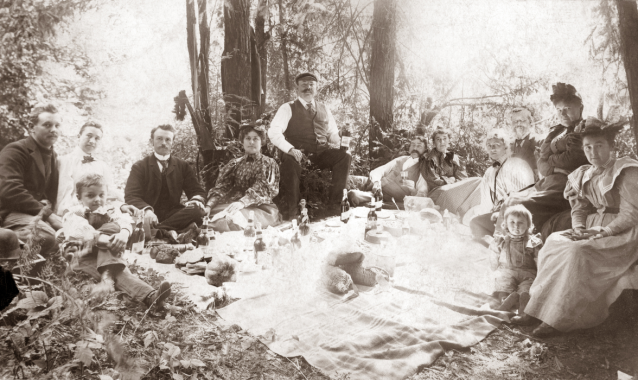
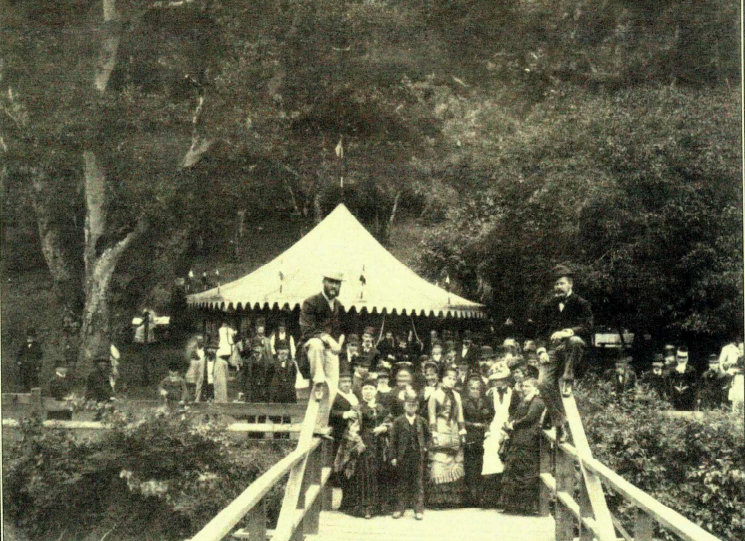
The Stuttmeister family might have been the wealthiest family to step foot in Belmont California after William Ralston. How about Cark Janke? That is William Stuttmeister on left, and William Janke holding children. Are those the infamous Twin Pines? This family got married at Ralston Hall, and took the Janke Stagecoach to Halfmoon Bay. The Stuttmeisters got pelts in the New world. Amalie is listed as a millionaire. Did she invest in America?
The Stuttmeisters lived on Berliner Straffe and may have known the Janke family, who may have operated a beer garden – with amusement. Wealthy people lived here. Did the Stuttmeisters fiancé Carl Janke’s expedition to California? Were they members of the Berlin Turnverein?
John Presco
https://publicdomainreview.org/collection/hamann-turner/
Recreational and residential area
In the late 18th century, Charlottenburg’s development did not depend only on the crown. The town became a recreational area for the expanding city of Berlin. Its first true inn opened in the 1770s, in the street then called Berliner Straße (now Otto-Suhr-Allee), and many other inns and beer gardens were to follow, popular for weekend parties especially. Berliners seeking leisure and entertainment came by boat, by carriage and later by horse-drawn trams, above all to a large amusement park at the shore of the Spree river called Flora, that went into bankruptcy in 1904.

Age 53 —Listed as a Millionaire
1912 • Berlin, Germany
Jahrbuch des Vermögens und Einkommens der Millionäre in Preussen,1912, Band 1 von Rudolf Martin2 media
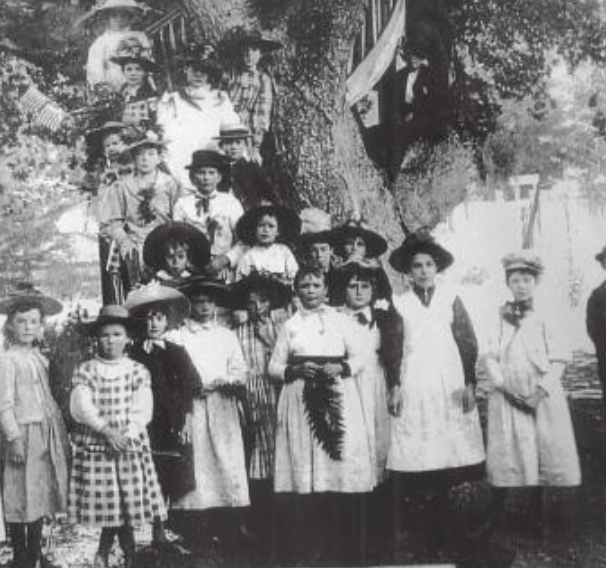


Johannes Hermann Stuttmeister
1826–1890
BIRTH 24 MARCH 1826 • Berlin, Brandenburg, Preußen
DEATH 8 JAN 1890 • Berlin, Berlin, Deutschland
Skip to sourcesFilter
Facts
- 1826(AGE)Select factAge 0 —Birth24 March 1826 • Berlin, Brandenburg, Preußen5 sources
- 1826Select factBaptism4 Mai 1826 • Berlin, Brandenburg, Preußen1 source
- 1826Select fact
 Baptism04 May 1826 • Friedrichswerder Berlin,Brandenburg,Prussia1 source1 media
 - 183610Age 10 —Death of father Friedrich Wilhelm Stuttmeister (1771–1836)Aft. 1836 • Berlin, Berlin, Deutschland
- 184822Age 22 —Death of half-sister Marie Caroline Sophie Suttmeister (1802–1848)26 Aug 1848 • Berlin
- 185226Select fact
 Age 26 —Address1852 • Brüderstrasse 44, Berlin, Germany1852 Allgemeiner Wohnungsanzeiger für Berlin lists this address for H. Stuttmeister, Furrier and Peltware trader. The business is listed as Brüderstrasse 1.6 media
 - 185226Select fact
 Age 26 —The Fur Shop at Brüderstrasse 1 and Schlossplatz1852 • Berlin GermanyThe photograph is from before 1890 and shows part of the neighbouring house Brüderstraße 2 before it was demolished in 1890. To the right of it the searched no. 1 (picture Mi- B 808) (Berlin History Association)1 media
 - 185327Select fact
 Age 27 —The Stuttmeister Family Fur Shop1853 • Berlin, GermanyThis is a photo of Brüderstrasse 1 and Schlossplatz after WWII. The Suttmeister’s sold the fur shop in 1866.1 media
 - 185529Select factAge 29 —Marriage22 Aug 1855 • Berlin, Brandenburg, PreußenHenriette Theodore Emma Pohlig1834–18991 source
- 185529Select fact
 Age 29 —Address1855 • Friedrichsgracht 56, Berlin, GermanyStuttmeister H., listed as Furrier and Pelts ware trader residing at this address.3 media
 - 185529Select factViewAge 29 —The Fur Shop at Brüderstrasse1/Schloss Platz1855 • Berlin (Alt Cöln)https://www.stadtbild-deutschland.org/forum/gallery/index.php?image/2349-stadtschloss-4/ https://www.stadtbild-deutschland.org/forum/gallery/index.php?image/2348-stadtschloss-7/
- 185529Select fact
 Age 29 —Family Business1855 • bruderstrasse 1/schlossplatz, Berlin, GermanyThis was the location of the Stuttmeister fur shop on the corner of Schlossplatz and Brüderstrasse 1 across from the Berlin City Palace. They sold the shop in 1866 to Gustav Bender. This is an advertisement for their fur wares in a magazine.1 media
 - 185630Age 30 —Birth of daughter Agnes Emma “Hedwig” Stuttmeister (1856–1908)15 Juli 1856 • Berlin, Brandenburg, Preußen, Germany
- 185630Age 30 —Death of mother Amalie Dorothea Friederike Sparschuh (1783–1856)25 Aug 1856 • Königs Wusterhausen, Königs Wusterhausen, Teltow, Brandenburg, Germany
- 185832Age 32 —Birth of son Wilhelm Erdmann Arthur Stuttmeister (1858–1862)12 Oct 1858
- 185933Age 33 —Birth of daughter Amalie Charlotte Johanne Elisabeth Stuttmeister (1859–1912)26 December 1859
- 185933Select factAge 33 —Hermann Stuttmeister’s business1859 • BerlinAccording to the Allgemeine Wohnungsanzeiger of 1859, Hermann Stuttmeister was also an importer of furs from North America; perhaps he enlisted the help of his emigrated brother. (Information from the Berlin Historical Association)
- 186034Age 34 —Birth of son Victor Emanuel “Felix” Stuttmeister (1860–1899)20 December 1860 • Berlin, Germany
- 186135Age 35 —Birth of son Friedrich Heinrich “Hugo” Stuttmeister (1861–1914)16 November 1861 • Berlin, Prussia, Germany
- 186235Age 35 —Death of son Wilhelm Erdmann Arthur Stuttmeister (1858–1862)17 Jan 1862
- 186236Select fact
 Age 36 —Address19 May 1862 • Salzburg, AustriaJohannes Hermann Stuttmeister visits Salzburg.2 media
 - 186236Select fact
 Age 36 —Travel in Austria18624 media
 - 186539Select factAge 39 —Address1865 • Schöneberger Ufer 28, Berlin, GermanyThe address book gives the entry of Stuttmeister, H., Landowner (Gutsbesitzer), Schöneberger Ufer 28. 29. Pt. E. 8-9. The “H” could refer to Hermann or his son Hugo.1 media
- 186943Select fact
 Age 43 —Address2 Nov 1869 • Erzherzog-Karl-Stadt, Vienna, Wien, Vienna, AustriaJohannes Hermann appears to have moved to Vienna for some time. He is also seen in Salzburg.2 media
 - 187145Age 45 —Birth and death of son Stuttmeister (1871–1871)6 Mai 1871 • Berlin, Brandenburg, Preußen
- 187347Select fact
 Age 47 —Address1873 • Berlinerstrasse 3, Berlin, GermanyListed as Neubau (new construction), E. (Eigentümer) or Owner, Rittergutsbesitzer (Estate owner) (Berlin: Schoneberger Ufer 28).Hernig, Portier (Butler)3 media
 - 187750Age 50 —Death of half-brother Friedrich Wilhelm “Rudolph” Stuttmeister (1815–1877)29 Jan 1877 • California
- 187751Select factAge 51 —Address1877 • Schöneberger Ufer 28, Berlin, GermanyThe address book gives the entry of Stuttmeister, H., Landowner (Gutsbesitzer), Schöneberger Ufer 28. 29. Pt. E. 8-9. The “H” could refer to Hermann or his son Hugo.
- 187953Select factAge 53 —Address1879 • Schöneberger Ufer 28, Berlin, Germany
- 188155Select factAge 55 —Membership in Nachweis der Grossen Landes-Loge der Freimaurer voJune 1881 • BerlinHe is mentioned on page 82 of the Nachweis der Grossen Landes-Loge der Freimaurer von Deutschland zu Berlin …as being a member of St. Johannis lodge zum Goldene Schiff https://zum-goldenen-schiff.de/
- 188256Select fact
 Age 56 —Address1882 • Berlinerstrasse 3, Berlin, Germany1882 Berlin Charlottenburg Addressbook lists, Stuttmeister, H., Gutsbesitzer., Berlinerstrasse 3.I. E.1 media
 - 188357Select fact
 Age 57 —Address1883 • Berlinerstrasse 3, Berlin, Germany1883 Berlin Charlottenburg Addressbook lists, Stuttmeister, H., Gutsbesitzer., Berlinerstrasse 3.I. E2 media
 - 188761Select factAge 61 —Passenger List18871887 passenger list says that a Hermann Stuttmeister, age 50 departed Germany. No more info available.
- 188963Select factAge 63 —Wannsee Sailing Club1889 • Wannsee, Berlin, Berlin, Germany2 media
- 189063Select fact
 Age 63 —Death8 Jan 1890 • Berlin, Berlin, Deutschland5 sources2 media
 - 1898Select factAddress1898 • Schwedter Strasse 14, Berlin, Germany1898 Address book for Berlin and Suburbs “Addressbuch für Berlin und seine Vororte” lists: Schwedter Strasse 14, E. (Emily) Stuttmeister, E, Rentiere (Landlord). Emma was the wife of Johannes Hermann Stuttmeister
- 1899Select factDeath of his wife Emma Stuttmeister1899 • Berlin, Germany
- Select factBurialBerlin-Mitte, Mitte, Berlin, Germany
https://www.ancestry.com/family-tree/person/tree/110989485/person/310136793483/facts
Amalie Charlotte Johanne Elisabeth Stuttmeister
1859–1912
Fact detailsMediaSource citations
Fact details
1912
Berlin, Germany
Jahrbuch des Vermögens und Einkommens der Millionäre in Preussen,1912, Band 1 von Rudolf Martin
https://www.ancestry.com/family-tree/person/tree/110989485/person/310099194306/facts
Esplanade, term from the French for a large space or forecourt, as we can see it between rows of houses or fortifications and the associated city.
in 1874 the road was created by the landowner Stuttmeister (Charlottenburg), which probably belonged to this terrain. The route still without a name is drawn on the map from 1877. Originally should at the end of the Esplanade, a free place on a map of 1902 called Wilhelm Platz, built. On that map, runs the Esplanade also at right angles. That running to the North, as the Wilhelmplatz only projected piece, was however not the Esplanade annexed to, but was subsequently named Trienter road. The South side of the Esplanade ranks to Prenzlauer Berg, the northern side to Pankow.
Recreational and residential area
In the late 18th century, Charlottenburg’s development did not depend only on the crown. The town became a recreational area for the expanding city of Berlin. Its first true inn opened in the 1770s, in the street then called Berliner Straße (now Otto-Suhr-Allee), and many other inns and beer gardens were to follow, popular for weekend parties especially. Berliners seeking leisure and entertainment came by boat, by carriage and later by horse-drawn trams, above all to a large amusement park at the shore of the Spree river called Flora, that went into bankruptcy in 1904.
From the 1860s on the wealthy Bourgeoisie of Berlin discovered Charlottenburg as a residential area, among the first were Gerson von Bleichröder and Ernst Werner von Siemens, who had a villa built in the Berliner Straße in 1862. At the same time industrial companies like Siemens & Halske and Schering erected large factories in the north-east, at the border with the Moabit district of Berlin. In 1877 Charlottenburg received town privileges and until World War I saw an enormous increase of population with 100,000 inhabitants as of 1893 and a population of 306,000 in 1920, being the second largest city within the Province of Brandenburg, after Berlin.
Prussia Reborn In New World
Posted on January 27, 2020 by Royal Rosamond Press


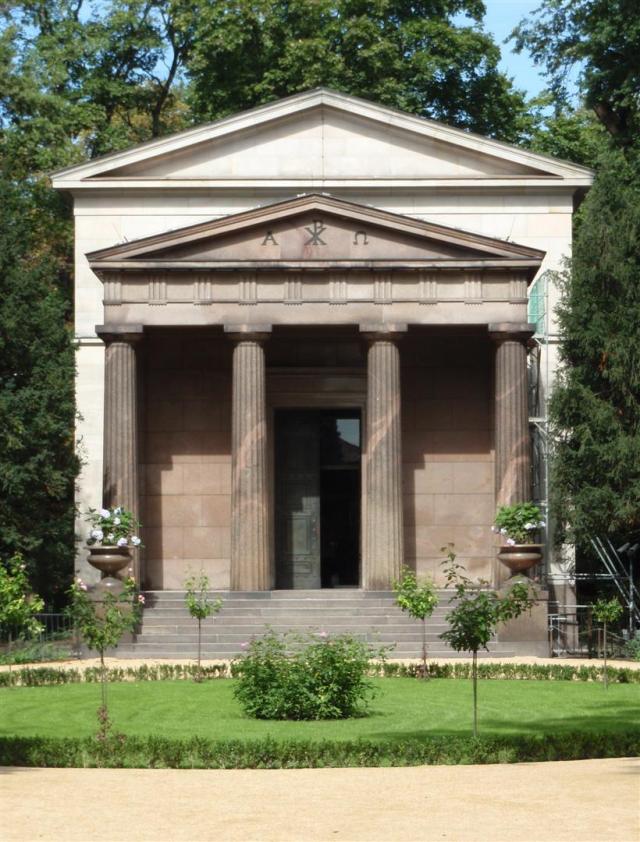

I suspect many Prussians came to Chile.
John
https://en.wikipedia.org/wiki/German_Chileans
Hamburg and Valparaíso[edit]

Valparaíso, Chile, in 1830
In 1818 Chile became independent from Spain and began to engage in trading with more nations. The port city of Valparaíso became a major center for trade with Hamburg, with commercial travellers and merchants from Germany staying for lengthy periods of time to work in Valparaíso. Some settled there permanently.
On 9 May 1838 Club Alemán de Valparaíso, the first German cultural organization was established in the city. German residents and visitors held cultural functions here. The club began to organize literary, musical and theatre productions, contributing to the cultural life of the city. Aquinas Ried, a physician, became widely known in the city for composing operas, and for writing poetry and plays. The club had its own orchestras and academic choir (singakademie) which would perform works composed by local musicians.[5] During World War I, the German Club of Valparaiso welcomed Admiral Maximilian von Spee‘s East Asia Squadron of the Imperial German Navy after they fought the Battle of Coronel off the Chilean coast.[6]
Colonization of Southern Chile[edit]
Main article: German colonization of Valdivia, Osorno and Llanquihue
The Chilean government encouraged German immigration in 1848, a time of revolution in Germany. Before that Bernhard Eunom Philippi recruited nine working families to emigrate from Hesse to Chile.
The origin of the German immigrants in Chile began with the Law of Selective Immigration of 1845. The objective of this law was to bring people of a medium social/high cultural level to colonize the southern regions of Chile; these were between Valdivia and Puerto Montt. The process was administered by Vicente Pérez Rosales by mandate of the then-president Manuel Montt. The German immigrants revived the domestic economy, and they changed the southern zones. The leader of the first colonists, Karl Anwandter, proclaimed their goals:
The Hermann Nautical Museum
Posted on April 29, 2016by Royal Rosamond Press

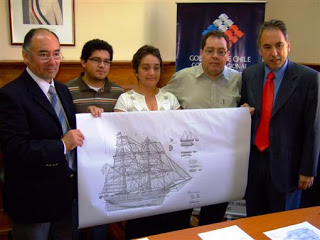


Alas a member of our family had a real chance be in a museum.
Here is a e-mail written by my cousin Daryl Broderick-Bulkley. Rudolph Stuttmeister appears to be a recruiter for the German Colony in Chile. Stuttmeister appears be the name of the area later named Charlottenburg. Did the Stuttmeisters own and develop this land? There was a amusement park named Flora? Were the Jankes involved? With the revelation Victor Emanuel established a colony in Belmont California, one wonders if the Stuttmeisters were not experienced in establishing colonies for refugees. Did that have Huguenot roots? Berlin was a haven for them.
Jon Presco
The other puzzler is, did the HERMAN stop in Philadelphia before going on
to Valparaiso, and pick up passengers? My ancestor arrived in the US
before 1844, as he was married on that date, so eight years later he is
traveling to Chili, and what was the attraction? And where was his wife?
More puzzles! Or did he travel back to Germany, and take this emmigrant
ship to Chili from Hamburg? I guess I cannot rule that out.
Has anyone done any extra reading about the Germans who went to Chili? I
noticed from the passenger list, broken down by occupations, there were
three doctors, l lawyer, and various professions represented, along with a
few farmers, carpenters, etc. which I found intriguing. Stuttmeister did
not travel as a physician, but as a `Commercial’. He was a doctor.
Anyone have any comments on this?
“German immigrants arrived in Chile following the failure of the
liberal revolutions of 1848 in Germany. They settled the rainy and,
until then, largely unimproved provinces south of the Biobío River.
This region had remained largely controlled until the mid-19th
century by the indigenous Araucanians. The German settlers
introduced small industries and farming and in the lake district
established resorts that remain popular with tourists. Small groups
of settlers from Italy, Austria, Switzerland, Spain, and Yugoslavia
also came in the mid-19th century. Most of them settled in the same
area as the Germans.
One of the ships used for the German emigration to Chile in the mid-nineteenth was the brig “Hermann”. This boat made five trips to Chile transporting German settlers and their families to the port of Corral in southern Chile, and Valparaiso. He also made several trips from Hamburg to Australia transporting settlers and the United States of America.
There is a Chilean project to build a replica and turn this into a museum of immigration in Valdivia, but now it seems that this project is stopped.
http://historiadevaldivia-chile.blogspot.com/2013/10/barcos-inmigracion-alemana.html
Barco “Hermann” Captain OA Kleingarn
31.07.1852 Hamburg to Valdivia and Valparaiso
| Passenger | Occupation | Origin |
| Backhaus, Franz | LDM. | Berlin |
| Bentjerodt, Heinr. | Hutmacher | Berkel (OVC.) |
| Betz, Marie | – | Egelsheim (W.) |
| von Bock, Eugen | Gelehrter | Kempten (W.) |
| Breckle, Gottlieb | Zimmermann | Osweil (W.) |
| Callisen, Ernst | LDM. | San Francisco (Cal.) |
| Gebhardt, Emil | Mechniker | Ludwisgburg (W.) |
| Gebhardt, Ernst | LDM. | Ludwisgburg (W.) |
| Gebhardt, Gustav | LDM. | Ludwisgburg (W.) |
| Greve, Hermann | Seifensieder | Frankfurt a. OR. |
| Greve, Wilhelmine | – | Frankfurt a. OR. |
| Hahn, Nicolaus | Dr. med. | Korb (W.) |
| Heindl, Ernst | Backer | Passau (Bay.) |
| Holtz, Joh. Ludw. | Kfm. | Schonbach (Meckl.) |
| Jensen, Christian | Tischler | Tondern |
| Kapf, Adelaide | – | Ludwisgburg (W.) |
| Landbeck, … | – | Mossingen |
| Michael, August | Maurer | Prauska (W.) |
| Otto, Baptiste | LDM. | Rietenhausen (W.) |
| Ohlsen, Maria | – | Flensburg |
| Rohlffs, Ernst | – | San Francisco (Cal.) |
| Roth, C. Theod. | Zimmermann | Neuenburg (W.) |
| Stahlmann, Wilh. | Sattler | Hildesheim |
| Stillfried, Hugo | LDM. | schlesien |
| Stuttmeister, Rud. | Kfm. | Philadelphia (Am.) |
| Tietz, Pauline | – | Frankfurt a. OR. |
| Tyroldt, Joh. ML | LDM. | Culmbach (W.) |
“After Victor Emmanuel became King of Sardinia he appointed Cipriani to be his first consul in San Francisco.”
Cipriani’s home was brought around the Cape by my kindred, Carl Janke, whose daughter married William Stuttmeister. I believe my kindred were chosen to help found the Sardinian Colony that would support Victor Emmanuel’s kingdom. This is astonishing! With the history of John Fremont and his wife, Jessie Benton, my kindred are the Acme of California History.
Janke Park, Hall, And Stagecoach Line
“German immigrants arrived in Chile following the failure of the
liberal revolutions of 1848 in Germany. They settled the rainy and,
until then, largely unimproved provinces south of the Biobío River.
This region had remained largely controlled until the mid-19th
century by the indigenous Araucanians. The German settlers
introduced small industries and farming and in the lake district
established resorts that remain popular with tourists. Small groups
of settlers from Italy, Austria, Switzerland, Spain, and Yugoslavia
also came in the mid-19th century. Most of them settled in the same
area as the Germans.
Letter From Charlottenburg
Posted on August 14, 2011by Royal Rosamond Press


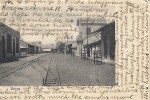

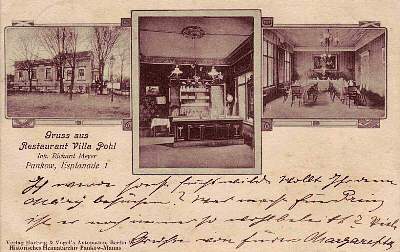
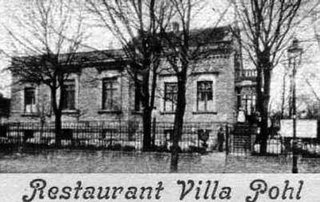
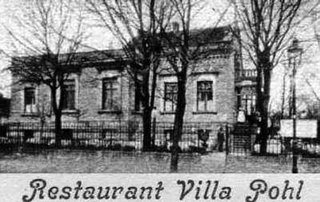
Folks who met the Prescos sensed there was an air of nobility around us. For some reason we felt special, and others treated us such.On this site you will find the Stuttmeister Villa in the Pankow area of Berlin near, or in, Charlottenburg. It was a very exclusive area where the very rich had homes. The address of Villa Pohl is No.1 Esplanade St. which is Berlin Way on the marriage certificate of Frederick William Stuttmeister. We knew next to nothing of our this history. I believe in genetic memory.
http://www.ansichtskarten-pankow.de/pankowhaeuserv.htm
The cremated remains of Alice and William Broderick are in Oakland.
Jon Presco
Copyright 2011
Charlottenburg is a locality of Berlin within the borough of Charlottenburg-Wilmersdorf, named after Queen consort Sophia Charlotte (1668–1705). It is best known for Charlottenburg Palace, the largest surviving royal palace in Berlin, and the adjacent museums.
Charlottenburg was an independent city to the west of Berlin until 1920 when it was incorporated into “Groß-Berlin” (Greater Berlin) and transformed into a borough. In the course of Berlin’s 2001 administrative reform it was merged with the former borough of Wilmersdorf becoming a part of a new borough called Charlottenburg-Wilmersdorf. Later, in 2004, the new borough’s districts were rearranged, dividing the former borough of Charlottenburg into the localities of Charlottenburg proper, Westend and Charlottenburg-Nord. In addition, Charlottenburg features a number of popular kiezes.
The Stuttmeisters were Teutonic Knights
“1874 were put on the road by the owner of manor Stuttmeister
(Charlottenburg), probably this terrain belonged. On the map of 1877
the route is drawn in still without names.”
The marriage cirtificate of William Stuttmeister says they lived on
Berlin Way. The main road through Charlottenburg castle was called
the road to Berlin. I was told the Stuttmeisters owned a great
estate in Berlin. It appears Charlottenburg Castle was built on the
Stuttmeister estate where Trekhener horses were long raised for the
King of Prussia and his wife Charlotte Stewart. Vic’s mother’s
middle name was Charlotte.
The Invalids’ Cemetery (German: Invalidenfriedhof) is one of the oldest cemeteries in Berlin. It was the traditional resting place of the Prussian Army, and is regarded as particularly important as a memorial to the German Wars of Liberation of 1813-15.
The development was accompanied by an urban planning of broad streets and sidewalks, parks and spacious residential buildings, especially around the southern Kurfürstendamm area, which enabled large parts of Charlottenburg to preserve their affluent residential character. “The richest town of Prussia” established a Royal Technical College in 1879 (which later became the Berlin Institute of Technology), followed by the Physikalisch-Technische Reichsanstalt and the College of the Fine Arts. A new town hall with a 88 m (289 ft) tall spire was erected on the occasion of its 200-year jubilee in 1905 and an opera house opened in 1912. The history of Charlottenburg as a municipality in its own right ended with the Greater Berlin Act of October 1, 1920, when the town became a part of Berlin. The Province of Brandenburg was administered in Charlottenburg from 1918 until the province’s dissolution in 1946 after World War II.
In the 1920s the area around the Kurfürstendamm evolved into the “New West” of Berlin, a development that had already started around 1900 with the opening of the Theater des Westens, the Café des Westens and the Kaufhaus des Westens, followed by several theatres, cinemas, bars and restaurants, which made Charlottenburg the Berlin centre of leisure and nightlife. Artists like Alfred Döblin, Otto Dix, Gottfried Benn, Else Lasker-Schüler, Bertolt Brecht, Max Liebermann, Stefan Zweig and Friedrich Hollaender socialized in the legendary Romanisches Café at the Kaiser Wilhelm Memorial Church. However the days of the Golden Twenties came to an end with the rise of the Nazi Party. In World War II the area around the Breitscheidplatz was heavily damaged by air raids and the Battle of Berlin.[citation needed]
Nevertheless after 1945 the Kurfürstendamm area quickly regained its importance, as with the partition of the city in the Cold War it became the commercial centre of West-Berlin. It was therefore the site of protests and major demonstrations of the late 1960s German student movement, that culminated on June 2, 1967 when student Benno Ohnesorg was shot by a police officer during a demonstration against Mohammad Reza Shah Pahlavi at the Deutsche Oper.[citation needed]
Before the reunification of Berlin, Charlottenburg was the center of West Berlin, with many high market bars and restaurants. After 1990 German reunification Charlottenburg struggled with the rise of the Mitte borough as Berlin’s historic centre.[1] The “City West” is still the main shopping area, offering several major hotels, theatres, bars and restaurants.
[edit] Sights
Town hall, about 1905
Theater des Westens
Museum Berggruen
[edit] Overview
Beside the palace, Charlottenburg is also home to:
the old and new Kaiser Wilhelm Memorial Church on the Breitscheidplatz, built in 1895 by Franz Schwechten and in 1961 by Egon Eiermann, the former West Berlin landmark
the Europa-Center, Berlin’s first shopping mall opened in 1965
Bahnhof Zoo, the main railway station in Berlin until the opening of Berlin Hauptbahnhof in 2006
the adjacent Berlin Zoological Garden, opened in 1844, officially located on the territory of the neighbouring Tiergarten locality
Kurfürstendamm avenue, first laid out about 1542, today together with the Tauentzienstraße Berlin’s main shopping area
Technical University of Berlin with about 27,000 students, founded in 1879
Berlin University of the Arts with about 4,500 students
Charlottenburg Town Hall, built in 1905
Charlottenburg Gate
Luisenkirche on Gierkeplatz, built in 1823 by Karl Friedrich Schinkel
the Amerika Haus on Hardenbergstraße, built in 1957 by the United States Information Agency
the Malteser-Hilfsdienst (Order of Malta) building at Alt-Lietzow str. 33
the Literaturhaus on Fasanenstraße and the nearby Institute for Media and Communication Policy
[edit] Theatres
Deutsche Oper Berlin on Bismarckstraße, opened in 1912, one of the three Berlin opera houses with relief in memory of Benno Ohnesorg by Alfred Hrdlicka, 1971 (installed in 1990)
Theater des Westens musical theatre on Kantstraße, built in 1896
Renaissance-Theater on Hardenbergstraße, 1902, rebuilt in Art deco design by Oskar Kaufmann in 1927
Schillertheater by Max Littmann, 1906
Tribüne theatre, 1919
Theater am Kurfürstendamm, 1921
[edit] Museums
Museum Berggruen for classic modern art
Museum Scharf-Gerstenberg for surrealist art
both located in the former Gardes du Corps barracks at Charlottenburg Palace, built by Friedrich August Stüler 1859
Museum für Vor- und Frühgeschichte (Museum for Pre- and Early History)
Museum of Photography and Helmut Newton Foundation, next to Bahnhof Zoo
Bröhan Museum for Art Nouveau and Art Deco
Literaturhaus Berlin and
Käthe Kollwitz Museum on Fasanenstraße
Gipsformerei (Replica workshop) of the Berlin State Museums
Beate Uhse Erotic Museum
From Wikipedia, the free encyclopedia
Jump to: navigation, search
For the neighborhood Charlottenburg-Nord, see Charlottenburg-Nord. For the village in Timiş County, Romania, see Bogda.
List of Grand Masters
Victor Emanuel “Felix” Stuttmeister
He was a younger brother of two other rulers of Savoy Charles Emmanuel IV and Victor Emmanuel I. He spent his childhood with his sister Maria Carolina and his younger brother, Giuseppe Benedetto Placido, Count of Moriana, at the Castle of Moncalieri.
Charles Felix (Italian: Carlo Felice Giuseppe Maria; 6 April 1765 – 27 April 1831) was the King of Sardinia and ruler of the Savoyard states from 12 March 1821 until his death in 1831. He was the last male-line member of the House of Savoy that started with Victor Amadeus I, and caused the line of Victor Amadeus I’s younger brother Thomas Francis to seize the throne after Felix’s death.
The Order of Saint Lazarus, founded c. 1119, originated from a hospital for leprosy in Jerusalem established around 1100 by “Brothers of Saint Lazarus.”[7] These knights protected Christian pilgrims and specialized in the relief of leprosy; many members were themselves lepers who had been knights in other orders.
In 1572, Pope Gregory XIII united the Order of Saint Lazarus in perpetuity with the Crown of Savoy. Duke Emmanuel Philibert merged it with the Order of Saint Maurice, making the Grand Mastership hereditary in the House of Savoy. The Pope granted the Duke authority over vacant commanderies globally, with the exception of those in the states of the King of Spain (the Kingdoms of Naples, Sicily, Sardinia, and the Duchy of Milan). In England and Germany, these commanderies were suppressed by the Protestant Reformation.
 Rosamond Press

Leave a comment