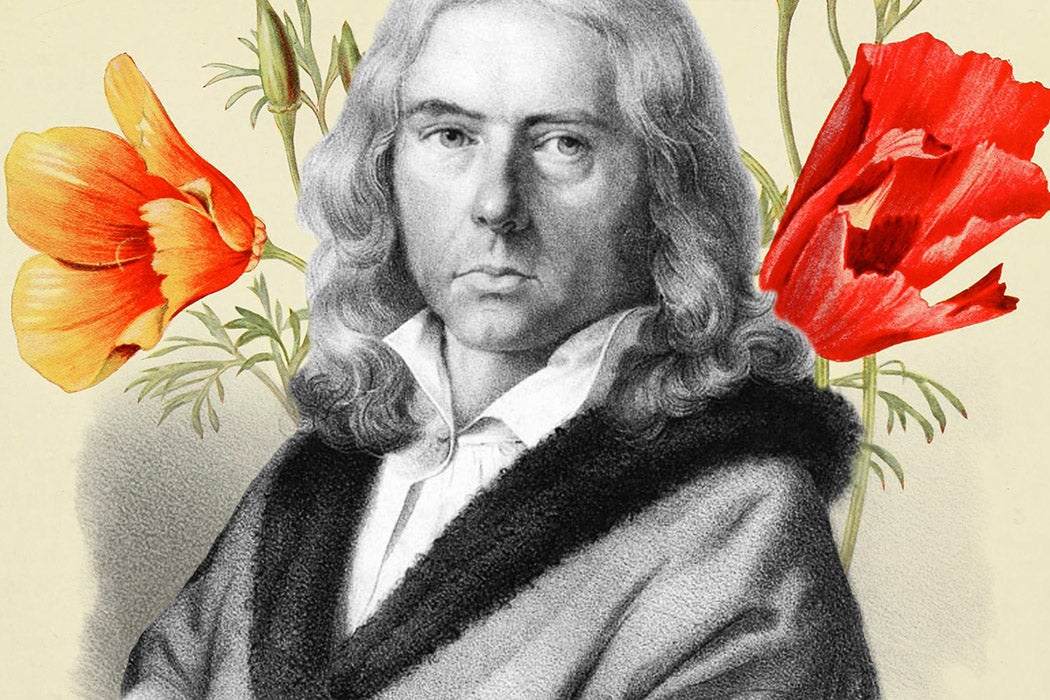
Adelbert von Chamisso
5/27/2026
Otters and Golden California Poppies
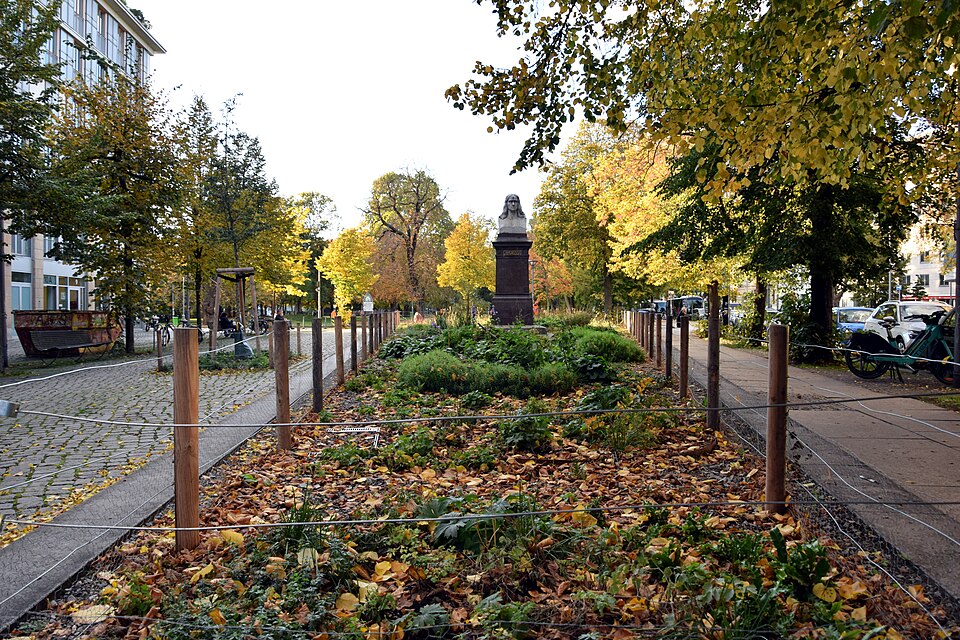

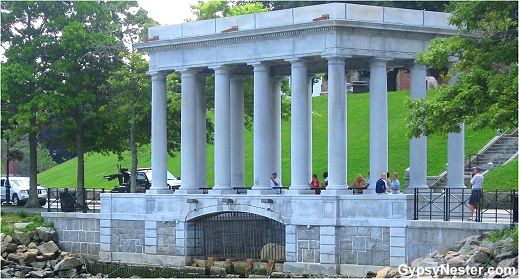
In Berlin-Mitte, in Monbijou Park , a marble bust by the sculptor Julius Moser was erected in the 1880s in honor of the poet . Moser presented the plaster model to the Botanical Museum in 1902 because Chamisso had worked in its herbarium for almost twenty years. [ 16 ]
Capturing Beauty
“What has God wrought?”
My initial post was made around 8:30 AM. In rereading it I was astounded to read the Wikipedia citation Aelbert Von Chamisso. Several hours later I sent an e-mail to the Russian Embassy in Washington. I was deeply inspired. Did Adelbert know the Stuttmiester family in Berlin? Did he encourage my ancestors to….
“Go West!”
Dear Sirs;
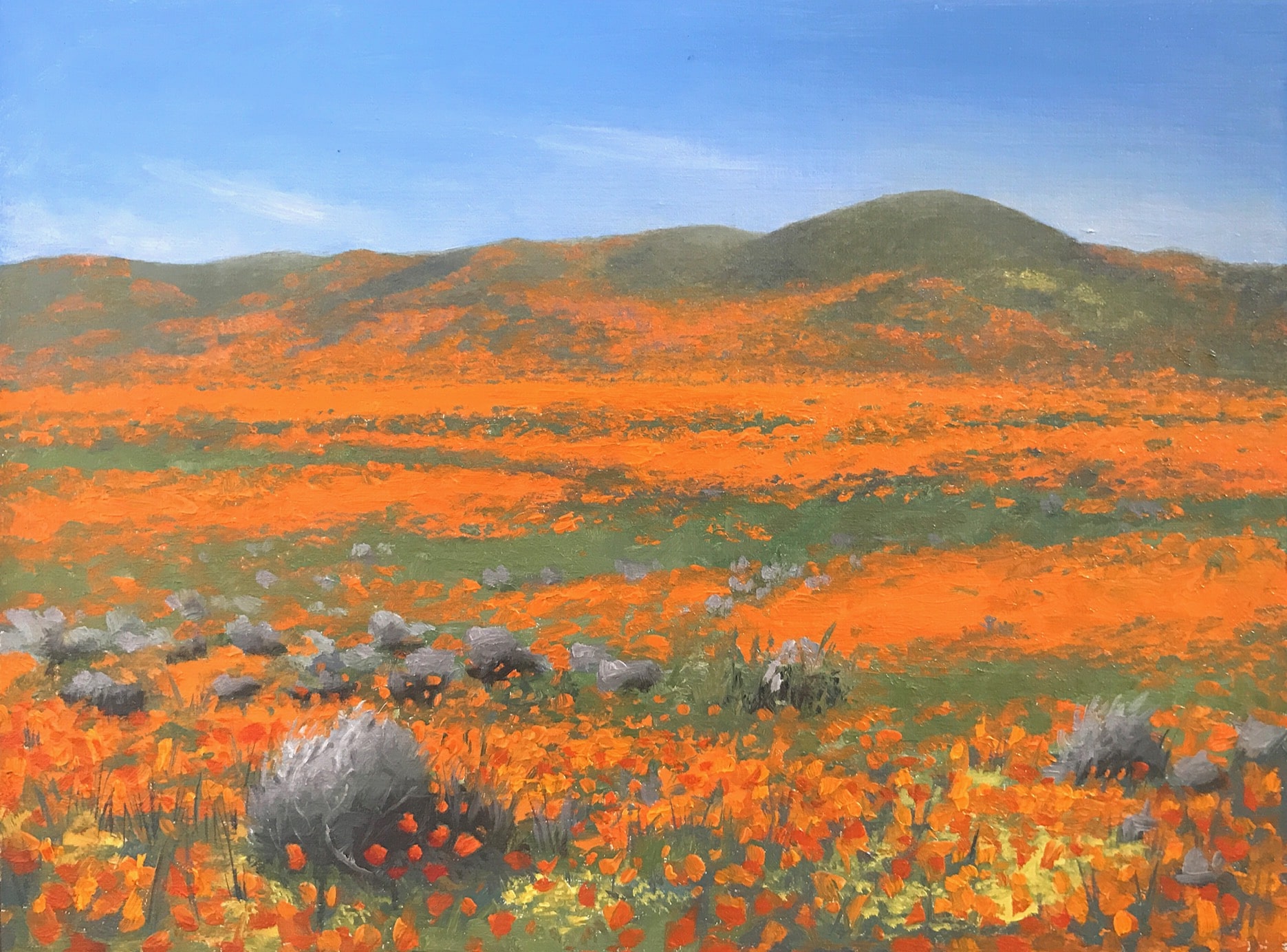
Today I made a pro-founded cultural discovery. I found a bust of Adelbert Von Chamisso, done by Julius Moser, who rendered a replica of ‘Christus’ for the Stuttmeister monument in a cemetery in Berlin. Adelbert appears to have sailed through the Golden Gate (before the bridge was built) and as a botanist, recorded the California Poppy. On this day, May 27, 2026, I see a ‘Hand across the water’ offering Cultural; Peace between the People of Russia, and the People of the United States.
I was born in 1946. In the last several days I have watched twenty five hours of film on World War Two. I have seen the coming together of the Russian and American troops, a couple of times. It would be a cultural crime for my generation to not be able to make peace. Come to California…..
I am going to post this e-mail on my blog.
John Presco
President: Royal Rosamond Press
In 1815, Chamisso was appointed botanist to the Russian ship Rurik,[3] fitted out at the expense of Count Nikolay Rumyantsev, which Otto von Kotzebue (son of August von Kotzebue) commanded on a scientific voyage round the world.[1] He collected at the Cape of Good Hope in January 1818 in the company of Krebs, Mund and Maire.[4] His diary of the expedition (Tagebuch, 1821) is a fascinating account of the expedition to the Pacific Ocean and the Bering Sea. During this trip Chamisso described a number of new species found in what is now the San Francisco Bay Area. Several of these, including the California poppy,
Although Russian-American relations in general have seen huge degradation during the past years which was not initiated by Russia, with our bilateral contacts shut down by the U.S. side in many areas, culture remains one of the few spheres where constructive cooperation is still possible. We are confident that maintaining and developing relations in this domain is vital for improving mutual understanding and trust between nations, and is a keystone for building a dialogue on other issues. We believe it’s important to develop bilateral interaction in such spheres as music and theatre, modern art and cultural heritage, education and science, history and literature, folk traditions and customs of our countries.
Overcrowded performance halls hosting Russia’s leading theatres, such as the Bolshoi and the Mariinsky, of world-famous classical music and jazz stars – Vladimir Spivakov, Denis Matsuev, Anna Netrebko, Igor Butman and many others speak volumes of their popularity in America. Moreover, the American classical stage is now home to a large number of dancers and singers of Russian origin. For instance, the traditions of the American ballet have been established by Russian choreographers and dancers.
The Embassy of the Russian Federation in the USA within the bounds of its capacities supports and organizes various cultural events. The Embassy’s cinema club is a venue for regular screenings of Russian movies, which always appeal to the interest of English-speaking audience.
We work to facilitate scientific and educational cooperation between Russian and American universities and institutions, to promote state-sponsored and private student exchanges. We appreciate the contribution to these activities made by the Carmel Institute of Russian Culture and History that provides extensive educational programs in these areas which also include academic exchanges with a number of Russian institutions.
The Russian Cultural Center (RCC) with a residence in a historical building in Washington, D.C., serves one of the major sites for holding different cultural and public events. Its main goals include familiarizing local audience with the history and culture of Russia’s peoples, supporting teaching and studying of the Russian language, and sponsoring science, education, sports and tourism activities. For these purposes the RCC organizes a great number of events, which promote better understanding and stronger friendship ties between our nations.
The RCC is an official exam center for Russian Language Proficiency Testing. Free Government scholarships in Russia for U.S. students are offered by the RCC on a regular basis. It has strong ties with a number of U.S.-Russia organizations, as well as with universities, museums and other cultural institutions both in the USA and Russia.
An important goal of the RCC’s work is developing cooperation with the Russian compatriots living in the USA by supporting various projects aimed at maintaining their cultural and ethnic identity and their connection with Russia.
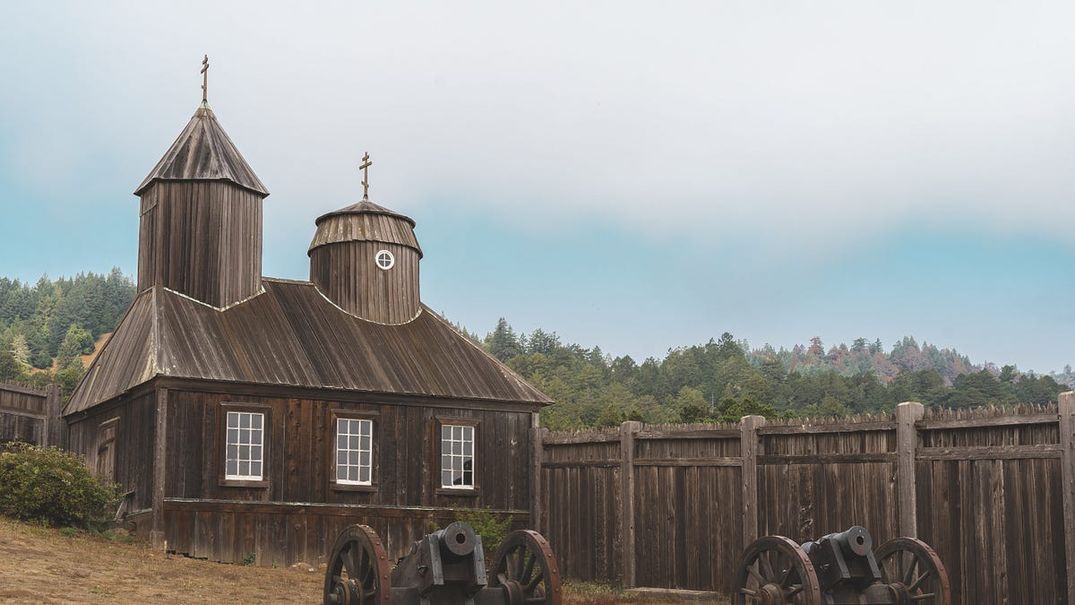
We are particularly devoted to the preservation of the Russian-American historical and cultural heritage, a lot of which dates back to hundreds of years, and we appreciate the assistance of Russian compatriots in this area. In 2017 a relevant Interagency Group was formed under the auspices of the Russian Foreign Ministry (link) uniting not just representatives of the federal ministries and agencies, but also members of scientific and academic community, business and public organizations who care about the well-being of these sites. In this context the Russian-American initiative “Fort Ross” plays an important role having already become an independent project aimed at maintaining close historical ties between the two peoples regardless of any temporary peculiarities of the political climate. Another round of the conference took place for the first time in Russia (Pskov and Izborsk, the latter being a sister-fortress to Fort Ross) in May, 2017.
However, the revival of Russia’s activity in museum and exhibition exchanges with the USA is still hindered by the absence of reliable legal guarantees from the U.S. side that cultural objects coming from Russian public collections will be immune from any action by the U.S. authorities. This situation is primarily related to unlawful claims by a New York – based religious organization “Agudas Chassidei Chabad” regarding the collection of Rabbi Shneerson, which poses a real threat of seizure of Russian objects of cultural significance if brought to the USA.
Adelbert von Chamisso
7/31/2024
Stuttmeister and The California Fur Trade

San Sebastian Avenue
by John Presco
The Stuttmeister family got wealthy dealing in pelts and furs. Where did they get them? How about California? Did member of my family come to California to take pelts, or, were they agents for the early trappers – that may have come with John Sutter to California. Sutter was very involved in trapping, and came to Oregon where John Astor was taking pelts. My kin, Thomas Hart Benton, was Astor’s attorney. Astor paid Washington Irving to author a book about the Beaver State. But the San Francisco Bay was teeming with beavers – and otters!
Not once did the head Historian of Belmont comment on the photos of my Stuttmeister family. Nor did Cynthia McCarthy – who used images of the Janke family to enrich herself. They both treated me like shit for personal reasons. Denny had it out for his dad. Do we know his name? If I had not persisted in studying my family history, I would not be able to connect Belmont – founded by Carl Janke – with the the California Fur Rush – and the Germans that came with Sutter, who were members of the Turnverein. Carl Jake came to California – before the Gold Rush – with six portable houses that were not meant for Gold Miners, but for a Turnverein Colony – that he may have thought about founding in Sacramento! This very sound theory – puts Belmont on the map, and is equivalent to the history of the Massatuchetts Bay Colony, and ever the Pilgrims. Did Denny Lawhern make the Sutter connection – and oppress it – because he hates Germans, like his Doggitt ancestor did – in Brattain?
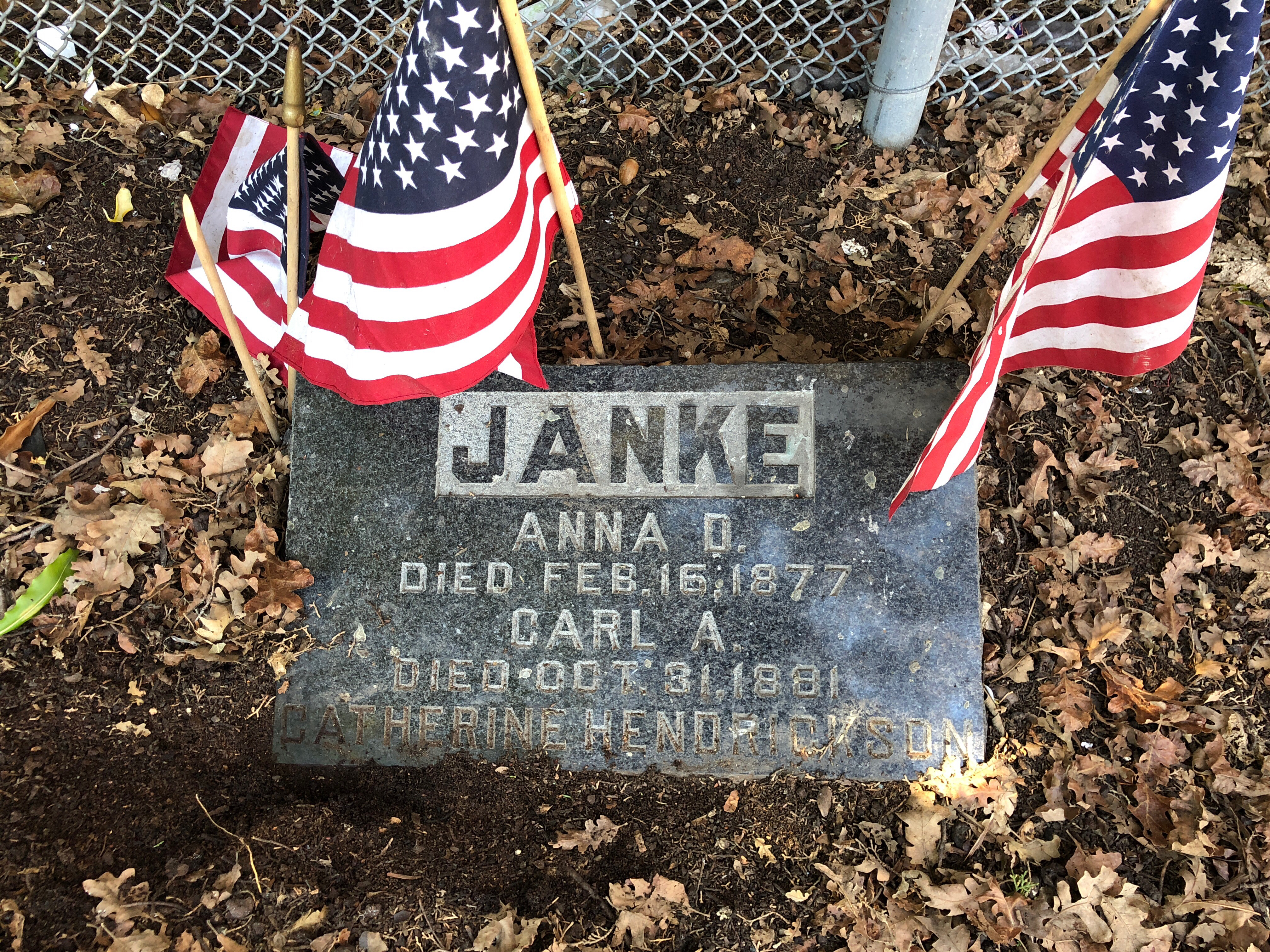
I am activity seeking a attorney who will give me full access to all the Historic Societies in the area. I am going to stop the sale to Stanford, and demand they do a thorough historic study, including forensics. I suspect Lawhern had a hold on the City of Belmont.My kin, Doris Vannier was a member of the BHS and spoke about putting a plaque on a Bay tree, after discussing the tombstone we see above, placed in Redwood City, where William Stuttmeister, and William Janke had a dental office!
I have made no agreement with anyone concerning thi history. I suspect one person of being a Claim Jumper. Everything I have written about Belmont – is copyrighted. Because there are religious considerations, all my written study is protected by my special copyright for ministers.
When Denny beheld the Stuttmeister crypt in Berlin, he went into shock. He felt his grubby and stubby fingers losing grip on the city he came to conquer. It took Mr. Lawhern five days to respond to me. I suspect he ransacked this blog looking for evidence I was not kin to Janke and Stuttmeister who got married at Ralston Hall. This is a Pioneer Wedding! Only when he found my posts on Kamala Harris and the German Turnverein, did he feel emboldened to give me…….The Bum’s Rush!
I do get to talk about Denny Lawhern in a very despairing way, because he trashed Real History, in order to get back at his daddy!
“How the mighty, and the tiny – have fallen!”
John Presco
Copyright 2024
How Russia Almost Owned a Big Piece of California
7 min read
Imagine: a group of Russian soldiers on patrol, overlooking Bodega Bay just north of San Francisco. Is this scene an alternate history from the 1990s hit show Sliders? Something to do with Donald Trump? Totally made this up? Actually, it’s real history — back in the early 19th century, Russia owned significant chunks of what is today California.
Back in the 1800’s, Russia’s presence in Northern California was part of the country’s broad effort to trade and settle across the West Coast. Russia had established a fur trading colony in Alaska, but the settlement was short on food and struggled to become self-sufficient. In order to relieve the Alaskan colony of these food shortages, the Russians moved south to California to create agricultural settlements. In an interesting twist of fate, the Russians were in California before newly independent Americans started expanding westward.
Sponsored

Rezanov sets sail for California
In 1806, explorer and ambassador Nikolai Rezanov, fresh off his unsuccessful mission to open up trade between Russia and Japan, decided to undertake a voyage down the coast of North America in order to visit the Spanish settlements in California. The Russians were sick and starving — they needed to land a successful bartering deal with the Spaniards in order to survive in the region.

Upon arriving in San Francisco, Rezanov met with the Spanish governor of the colony, Don José Darío Argüello. While there, he also began a romance with the governor’s daughter, 15-year-old Concepción Argüello. They became engaged to be married, and Rezanov promised to return to his love. This was a classic Romeo and Juliet story between the two competing colonial powers.
After an extended stay in the Spanish outpost, the Russians set sail to return to Alaska. The trip had confirmed to Rezanov that the whole northwest coast of North America was ripe for the taking. He hatched a plan to establish a Russian settlement in California and to annex the entire region to Russia.
First, however, he needed to get the approval of the Russian Tsar. Unfortunately, while traveling to St. Petersburg, Rezanov died of exhaustion in Siberia. Neither his grand plans for North America nor his marriage to Concepción Argüello came to fruition.
Establishment of Fort Ross and Russian California
The idea of establishing a settlement in California didn’t die with Rezanov. The governor of Alaska, Alexander Baranov, liked the idea so in 1808, he sent two ships under the command of explorer Ivan Kuskov with orders to claim the northern area of San Francisco for Russia.
After returning back to Alaska, Kuskov undertook several expeditions in order to chart the coast of California and to find a good place for the new settlement. He found it in 1812, naming today’s Bodega Bay as the Gulf of Rumyantsev. Kuskov’s party determined that this spot just a short distance to the north would be perfect for the first Russian colony in California.
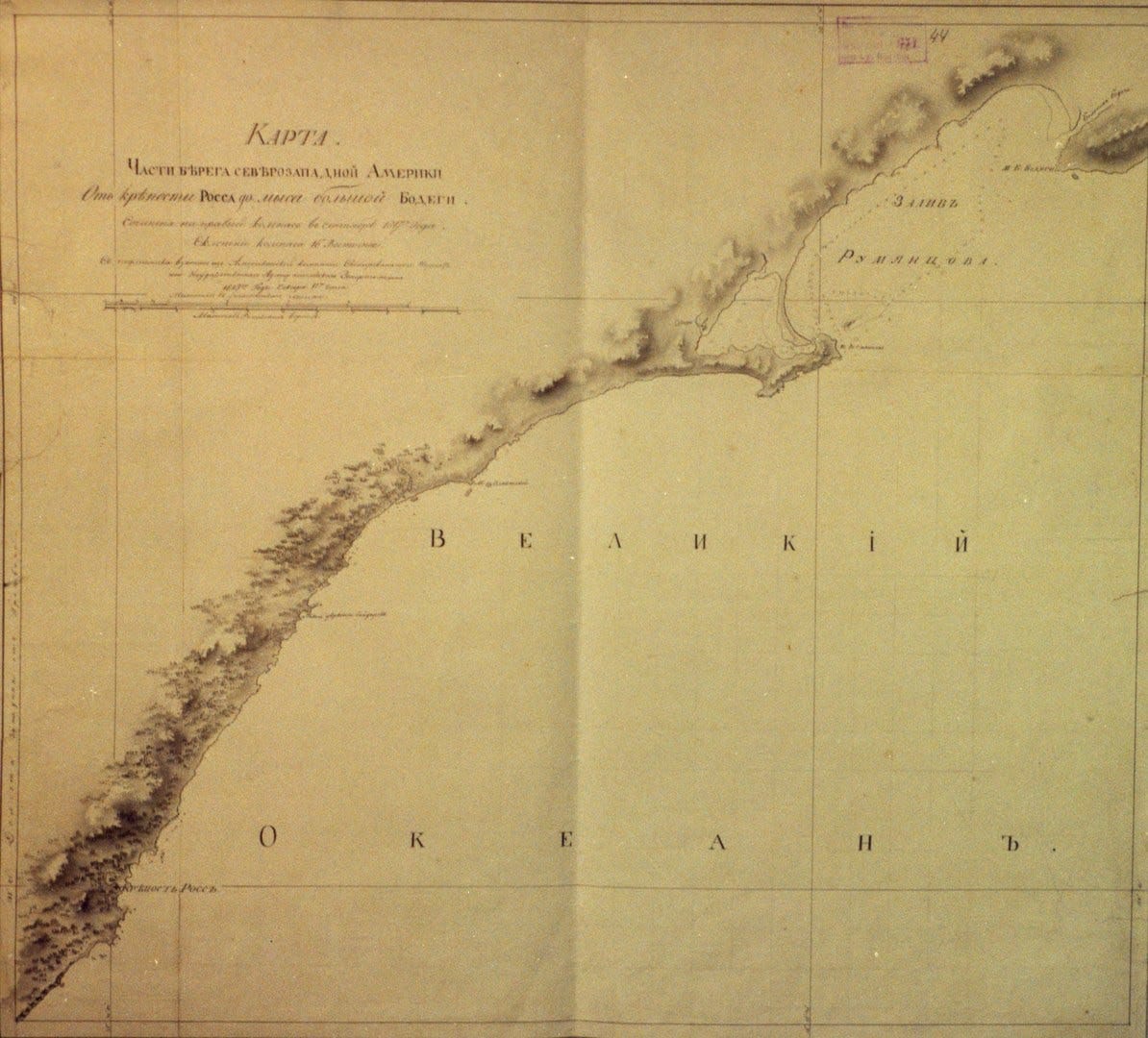
Fort Ross was born. The area was home to the native Kashaya Pomo people, but the Russians found plenty of land to occupy. They established a main fort and built a smaller port a few miles down the coast. Later, they built a sealing station on the Farallon Islands as well.
Over the years, the Russians expanded further afield, establishing several farming communities in the area. While the main purpose of the local settlements was to produce food, the settlers also engaged in various types of manufacturing. The Russians built windmills, constructed ships, and produced various goods that they traded with the Spanish settlements further south.
Initially, Russian and Alaskan employees of the Russian-American Company — which was funded by Emperor Paul I of Russia to colonize and trade across the region — spent a significant chunk of time hunting for sea otter furs in the wide waters off the coast of California. This had been one of the main economic activities in Alaska as well, and brought in significant amounts of money. Many of these furs made their way to China, where they were in great demand.
The end of the Russian colony
Ultimately, as you’re aware, the colony didn’t succeed. The intensive hunting for furs in the region by the Russians and other powers resulted in the near extinction of sea otters in California waters by the 1820s. And while it had originally been founded with the intention of providing food for the Alaskan colony, the effort wasn’t sufficient.The climate of Northern California didn’t lend itself to growing certain crops in large quantities.
Those weren’t the only problems. The international situation was also becoming untenable. The real scramble for California was just beginning. In 1821 the Russian government proclaimed the “Ukaz of 1821,” claiming the whole of the Pacific Northwest as being under its own sovereignty. That same year, Mexico became independent from Spain, which had wider implications for the Russians. The Mexicans considered California one of their northern provinces, and started making more of an effort to consolidate their holdings.
The British were also making advances in the region; loads of trappers from Hudson’s Bay Company began showing up in Northern California in the 1820s and 1830s. However, it was becoming evident that the primary power in the area was the United States of America, which was pursuing its “Manifest Destiny” by conquering land as far west as they could.
The only time the Russians tried to enforce the sovereignty they’d declared in the region ended in failure. In 1822, the Russian Navy seized an American ship, the Pearl, that had been sailing between Alaska and Boston. After the U.S. government protested, the ship was released in 1824 and compensation was paid.
Sign up for The Bold Italic newsletter to get the best of the Bay Area in your inbox every week.
This incident showed how weak Russia’s hold on the territory really was. It was starting to become clear that under the current circumstances, some other power could easily swoop in and take over.
That didn’t stop Russians from planning for expansion, though. In 1824, Dmitry Zavalishin proposed an extensive Russian colonization plan of California, which would see large numbers of freed Russian serfs being transported to the territory. Zavalishin wanted to extend Russian control over all of Northern California at least to the Sacramento River, if not beyond. While it was debated heavily, the Russian foreign minister Karl Nesselrode argued against it, which convinced the Russian Tsar not to back it.
In another plan, retired admiral Nikolay Mordvinov wrote to Nesselrode suggesting that the Russians expand their area of control around the Fort Ross colony in all directions, all the way to the Rocky Mountains if possible. In 1825, the Russian-American Company even suggested taking away San Francisco from the Mexicans. However, none of these plans found serious support in the upper echelons of the government. This would mark the last time any serious discussion of expanding the Russian presence in the Americas was held.
Faced with impending pressures from other colonizing nations in the late 1830s, the Russians decided to sell their California colony. They found a willing buyer in John Sutter, a naturalized Mexican citizen of Swiss origin.

The terms of the sale stipulated that Sutter was to pay the Russians $30,000 for the territory. Some Russian historians claim that the entire sum was never paid. Whether that is true or not, in December 1841, Russian California was no more. That was the last time the Russian flag flew over a territory that now belongs to the continental United States. Their only holding on the continent was Alaska; that too would end up being sold to the United States in 1867.
In another interesting twist of fate, Sutter’s employees discovered gold a few years later in the area around modern-day Sacramento, which kicked off the California Gold Rush.
What could have been
While it only survived for about 30 years, the Russian colony left a lasting mark on Northern California. Its legacy can be found in the unsurprisingly named Russian River, as well as an interesting community in the area composed of Russians and the peoples of their empire: Aleuts, Germans, Finns, Ukrainians, and other nationalities.
The Kashaya Pomo language also shows borrowings from Russian and various Alaskan languages due to these contacts. For example, many of the words for different types of livestock, crops, as well as various types of goods entered the native languages in this way.
While the Russian efforts in California were ultimately doomed, they are an interesting piece of history that remains largely unknown to most people.
Had Rezanov lived, he might have succeeded in securing more funds for his plans, bringing in more settlers from Russia, and establishing a stronger control of the area by the Russian Empire. Instead, the Russian colony in California that was set up after his death was only a small scale enterprise.
California Fur Trade
Before the 1849 California Gold Rush, American, English and Russian fur hunters were drawn to Spanish (and then Mexican) California in a California Fur Rush, to exploit its enormous fur resources.[1] Before 1825, these Europeans were drawn to the northern and central California coast to harvest prodigious quantities of southern sea otter (Enhydra lutris nereis) and fur seals (Callorhinus ursinus), and then to the San Francisco Bay Area and Sacramento – San Joaquin River Delta to harvest beaver (Castor canadensis), river otter (Lontra canadensis), marten, fisher, mink, gray fox (Urocyon cinereoargenteus), weasel, and harbor seal. It was California’s early fur trade, more than any other single factor, that opened up the West, and the San Francisco Bay Area in particular, to world trade.[2]

The massive increase of hunting and trapping in the 19th century caused the near extinction of many species in the state by 1911, including the California Golden Beaver and California Sea Otter.[3]
Coastal or maritime fur trade
The earliest record of fur being traded with Europeans in California was in 1733 of Spanish missionaries trading with tribes in upper and lower California for sea otter pelts. [3]

Just three years after Juan de Ayala sailed the first ship to pass through the Golden Gate in 1775, North America’s Pacific Coast fur trade began, but not by the Spanish who had sailed the California coast since João Rodrigues Cabrilho‘s voyage in 1542 and Sebastián Vizcaíno‘s mapping of coastal California in 1602. It began in 1778 with Captain James Cook‘s third voyage, when otter skins were obtained at Nootka Sound on the Northwest Coast and, although Cook was killed in Hawaii on the way to China, his men were shocked at the high prices paid by the Chinese.[4] A profit of 1,800% was made. In 1783, when John Ledyard reported in Connecticut that enormous profits could be made selling otter skins to China, New England began sending American ships to hunt sea otter, and later, beaver, on the Pacific coast as early as 1787.[4] That the California fur trade had begun by 1785, just ten years after Ayala landed in San Francisco Bay, is evidenced by the Spanish issuance of regulations to govern the collection of otter skins in California.[5] The west coast fur trade enabled New England merchants to recover from the economic collapse which followed the American Revolutionary War, and was exacerbated by closure of British home and colonial ports to American trade.[6]
France sent La Pérouse to California in 1786 to investigate the fur trade opportunity and he “obtained about a thousand sea otter skins which he sold in China for ten thousand dollars” and shared that “The Indians…at Monterey…catch them on land with snares…”. La Perouse also said that “Antecedent to this year (1786) an otter’s skin bore no higher value than two hare’s skins; the Spanish never suspected that they would be much sought after.”[5] Apparently the Spanish had not earlier appreciated the value of furs, being from warmer climes, despite sea otter described in 1776 off Fort Point (then Cantil Blanco) in San Francisco Bay by Father Pedro Font on the De Anza Expedition. Font wrote, “I beheld a prodigy of nature, which is not easy to describe…. We saw the spouting of young whales, a line of dolphins or tunas, besides seals and otters…”[7] However, they mounted a major commercial otter hunting enterprise in California when Vicente Vasadre y Vega arrived just one month before La Perouse, and implemented a plan whereby all otter skins had to be sold to him and they quickly recruited the Christian Indians at the Missions to bring in pelts. Vasadre sailed to San Blas on November 28, 1786 with 1,060 otter skins, to be shipped to the Philippines on the Manila galleons.[8]
Robert Gray, captain of the ship Columbia rediscovered the mouth of the Columbia River in 1792 on his second voyage to the Pacific Coast.[9] Although the Spanish explorer Bruno de Heceta came to the river’s mouth in 1775, no other explorer or fur trader had been able to find it since. By the 1790s American ships dominated the coastal fur trade south of Russian America.[4] In fact, Bostonian ships dominated the fur trade between California and China through the 1820s, when the sea otter supply was exhausted, and well before the first American mountain man, Jedediah Smith pioneered overland to California in pursuit of beaver pelts in 1826.[10]

The Russian-American Company‘s Ivan Kuskov sailed into Bodega Bay in 1809 on the Kad’yak and returned to Novoarkhangelsk (Sitka) with beaver skins and over 2,000 sea otter pelts.[11] They settled Fort Ross and vicinity in order to pursue the animals in the region and to provide food for their Alaskan settlements.[12] In his 1896 history of the Russian settlement of California, Thompson wrote of Kuskov’s first voyage to Bodega Bay in 1809: “After carefully exploring the surrounding country, some temporary buildings were erected, some otter and beaver skins were procured, and friendly relations were established with the Indians”.[11] Before establishing a southern colony at Fort Ross, the Russian-American Company contracted with American ships beginning in 1810, providing them with Aleuts and baidarkas (kayaks) to hunt otter on the coast of Spanish California.[13] From 1810 to 1812, Americans contracted to the Russians snuck Aleuts into San Francisco Bay multiple times, despite the Spanish capturing or shooting them while hunting sea otters in the estuaries of San Jose, San Mateo, and San Bruno and around Angel Island.[13] Kuskov, this time in the schooner Chirikov, returned to Bodega Bay in 1812; finding otter now scarce, he sent a party of Aleuts to San Francisco Bay where they met another Russian party and an American party and caught 1,160 sea otters in three months.[14] By 1817, sea otters in the area were practically eliminated and the Russians sought permission from the Spanish and the Mexican governments to hunt further and further south of San Francisco.[15] In 1824, Russian-American Fur Company agent and writer Kiril Timofeevich Khlebnikov contracted with Captain John Cooper to take several of their hunting baidarkas on his trading schooner Rover along with Aleut hunters to hunt sea otter as far south as the 30th parallel on the Baja California peninsula.[16]
The American ships Albatross under Nathan Winship O’Cain under his brother Jonathan Winship were sent from Boston in 1809 to establish a settlement on the Columbia River. In 1810, they met up with two other American ships at the Farallon Islands, the Mercury and the Isabella, and at least 30,000 seal skins were taken.[17][18] By 1822, the Farallons’ fur seal hunt had diminished to 1,200 annually and the Russians suspended the hunt for two years.[16] Although American ships had already exploited the islands, the Russians maintained a sealing station in the Farallon Islands from 1812 to 1840, taking 1,200 to 1,500 fur seals annually, .[19] From 1824 on, the subsequent catch continued a steady decline until only about 500 could be taken annually; within the next few years, the seal was extirpated from the islands.[20]
The California fur trade ended as fur-bearers of all kinds were depleted in the first half of the nineteenth century. After sailing up and down the California coast, Richard Henry Dana recorded on May 8, 1836 at his last stop in San Diego how the trade in cattle hides had overtaken the fur trade: “Our forty thousand [cattle] hides and thirty thousand horns, besides several barrels of otter and beaver skins, were all stowed below, and the hatches calked down.”[21] As the marine fur-bearers became too depleted to hunt and contracts with the Hudson’s Bay Company provided food for the Alaskan settlements, the Russians abandoned Fort Ross in 1841.
By the end of the 19th century, California sea otters had been hunted to near extinction. The US government began to manage sea otter as a valuable natural resource in 1911. However, due to the previous two centuries of unregulated exploitation of the species, it was uncertain whether they would be able to revive the population.[3]
California fur-bearers today
In 2019, California State Legislature passed a bill banning the manufacturing, import, and sale of new fur products in the state. The law went into effect beginning January 1, 2023.[22]
California golden beaver are recolonizing the Bay Area by traversing north San Francisco Bay (from east to west) : Kirker Creek in the Dow Wetlands of Pittsburg, Fairfield Creek in Cordelia, Alhambra Creek in Martinez, Southampton Creek in Benicia State Recreation Area, the Napa Sonoma Marsh in north San Pablo Bay, the Napa River, and Sonoma Creek. These beaver likely emigrated from the Delta which once sustained the densest beaver populations in North America.[23] In addition, beaver were re-introduced in the 1930s by the California Department of Fish and Game to Pescadero Creek and sometime before 1993 in Lexington Reservoir in the south San Francisco Bay area, where they have colonized Los Gatos Creek, then the Guadalupe River, and then traversed the south Bay to colonize Coyote Creek in East San Jose and up to Matadero Creek in Palo Alto.[24]

The spring 2019 sea otter survey counted 2,962 sea otters in the central California coast, down from an estimated pre-fur trade population of 16,000. [25] California’s sea otters are the descendants of a single colony of about 50 southern sea otters discovered near the mouth of Bixby Creek along California’s Big Sur coast in 1938;[26] their principal range is now from just south of San Francisco to Santa Barbara County.[27] The US Geological Survey reports that the 5 year trend for sea otter population counts for the northern range was positive at 9.4 percent growth per year while the southern edge of the range had minimal growth at 0.55 percent per year. [25] A colony of translocated sea otters near San Nicholas Island is showing population growth after ten years of low numbers. In 1991, only 16 individuals remained out of the original 139 from only a year prior, however, the current population is around 100 otters which follows the trend of other successful sea otter translocations. [28]
Both the California golden beaver and southern sea otter are considered keystone species, with a stabilizing and broad impact on their local ecosystems.
.jpg)
Northern fur seals (Callorhinus ursinus) were one of the first species to become protected through legislation with an international Fur Seal Treaty in 1911 which banned hunting fur seals in the ocean. The Marine Mammal Protection Act identifies the Northern Fur Seal population as depleted with the California population of fur seals estimated to be around 14,000. In 1966, the United States Congress passed the Fur Seal Act which banned the hunting of fur seals with the exception of substance hunting by Indigenous Americans. [29] The seals began to recolonize the Farallon Islands in 1996.[20]
In contrast, the Pacific Harbor seal (Phoca vitulina richardsi) is considered a species of least concern for endangerment of extinction. Their pelts were not nearly as popular as the otter or beaver. According to the Marine Mammal Center, the population of Pacific Harbor Seals off the coast of California is estimated to be around 34,000 individuals.[30]
The Stuttmeister Fur Shop – Berlin
Posted on July 26, 2024 by Royal Rosamond Press

San Sebastian Avenue
by
John Presco
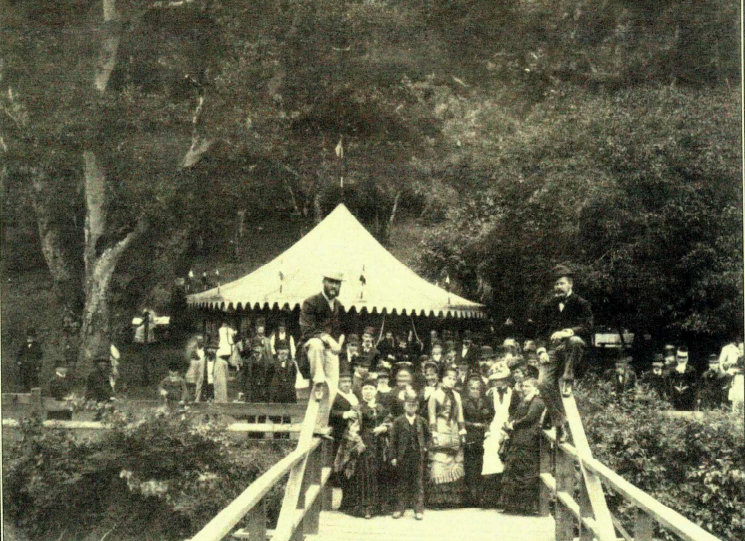
The Stuttmeister family might have been the wealthiest family to step foot in Belmont California after William Ralston. How about Cark Janke? That is William Stuttmeister on left, and William Janke holding children. Are those the infamous Twin Pines? This family got married at Ralston Hall, and took the Janke Stagecoach to Halfmoon Bay. The Stuttmeisters got pelts in the New world. Amalie is listed as a millionaire. Did she invest in America?
The Stuttmeisters lived on Berliner Straffe and may have known the Janke family, who may have operated a beer garden – with amusement. Wealthy people lived here. Did the Stuttmeisters fiancé Carl Janke’s expedition to California? Were they members of the Berlin Turnverein?
John Presco
Three Flags – One Grave
Posted on May 27, 2023 by Royal Rosamond Press
It is 8:33 A.M. May 27, 2023 – and I am still in shock having discovered my grandparents are buried in the same grave! I saw TWO flags put on one gravestone. That was a half hour ago. THEN – I see another flag! There are three of my ancestors buried in the same grave! WHY? Did the caretakers conclude this was a very poor family? William Stuttmeister knew they were Belmont before he died. At great expense to himself, he moved the Jankes to Colma after they were evicted from the Odd Fellow cemetery – at great expense! This was a wealthy pioneer family whose graves keep being defiled! They were moved to the Union cemetery i 1972?
Below is a video I made after I met with LDS Sisters who wanted to meet at the genealogy center to look at these illustrious people who have a magnificent crypt in Berlin. I don’t know if I told them I was considering putting Amanda Gorman in my painting of the two pages saving our electoral votes.
John Presco
“Originally Carl abd Doretha were buried under a huge bay tree there and bodies later moved to the Union Cemetary “during the dark of night” my mother used to tell us.”
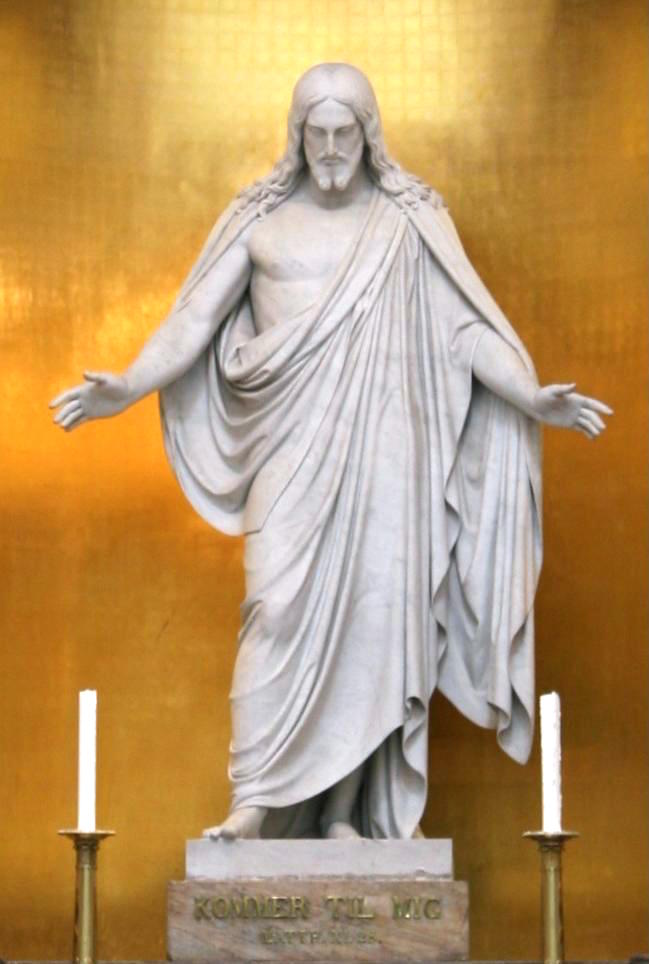

I believe the New Zion will be where the new LDS Temple is going to be built, a mile or more away from where I live. The Mormons built their cosmology on DNA and Family Trees. Deseret lies next to the Louisiana Purchase. I can now SEE all of what I saw in part. I have been called MAD by all who bonded with me. I kept a record of my Fantastic Quest! I can Baptize by the river.
Janke and Turner Abolitionists
Posted on February 24, 2021 by Royal Rosamond Press


I willbe contacting ‘Finding Your Roots’ to helpmewith the mostastounding genealogical story of all time
Awake Amongst The Liars and Sleepers
Posted on May 5, 2019 by Royal Rosamond Press
Brief Life History of Elizabeth Dorothy
When Elizabeth Dorothy Janke was born on 14 November 1844, in Hamburg, Germany, her father, Carl August Janke, was 24 and her mother, Dorothea, was 24. She had at least 1 son and 6 daughters with Amassa Parker Johnson. She lived in Belmont, San Mateo, California, United States in 1880. She died on 20 January 1929, in San Francisco, California, United States, at the age of 84, and was buried in Colma, San Mateo, California, United States.
Belmont A Capitol of German Culture
Union Cemetery is a historic cemetery on Woodside Road (CA 84) near El Camino Real in Redwood City, San Mateo County, California. The cemetery was named a California Historical Landmark #816 in 1967, then added to the National Register of Historic Places in 1983.[4]
History[edit]
Founded in 1859, this is the site of the first American burial ground in San Mateo County, and was originally located just outside the town limits of Redwood City.[5][4] The cemetery officially closed in 1918, but it was used for many years after that for burial of the poor.[5] There are special cemetery plots for the Masonic Order, members of the International Order of Odd Fellows and the California volunteers who fought during the Civil War.[5]
Soldier statue[edit]
The life-sized metal sculpture of a civil war veteran was erected during 1889 for a Memorial Day celebration, the earliest such celebration on the Peninsula.[5] The statue was paid for by Jane Lathrop Stanford.[6] It was vandalized in 1958, 1959 and 1969, but was subsequently repaired, and in 1999 it was replaced with a replica constructed of more durable material.[5][6]
he historic Union Cemetery at 316 Woodside Road in Redwood City will host a Memorial Day event featuring music, speeches, the decorating of graves, and the traditional anvil firing as the community gathers to honor soldiers.
The event will take place from 10 a.m. to 11:30 a.m. on Monday, May 29.
As parking can be challenging, organizers encourage biking, walking, and carpooling to Union Cemetery. Transportation to seating area is available for folks who need assistance.
Union Cemetery is a California Historic Landmark and listed in the National Register of Historic Places and is one of the oldest burial grounds in San Mateo County. The cemetery has been closed, officially, since 1918, although Redwood City administrators used it as a paupers’ field, which is defined as a place for the burial of unknown, unclaimed or indigent people. During the Depression, those unable to afford a more prominent place continued to bury their loved ones at Union Cemetery.
Lerona Rosamond
Posted on June 5, 2016 by Royal Rosamond Press


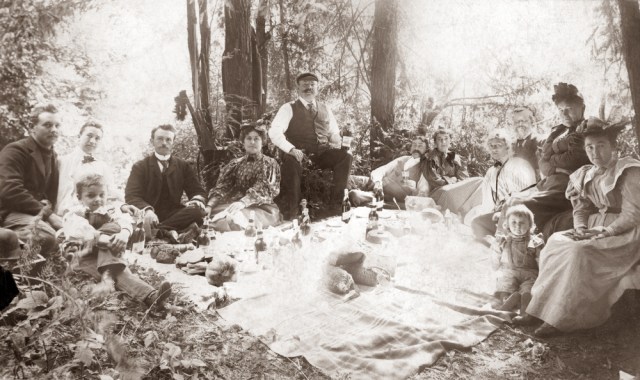
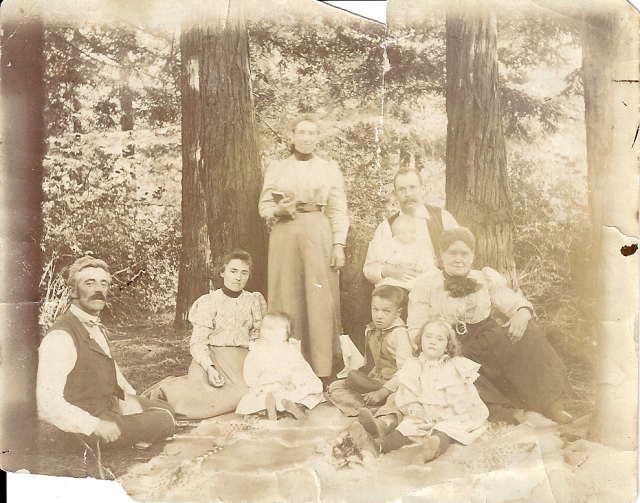
William Oltman Stuttmeister went to the University of California and practiced dentistry in San Francisco. He bought two vacation properties in San Geronimo where he retired and died. The Maillard, Count Cipriani, Napoleon, and Prince Victor Napoleon connection is interesting. Is this the continuation of the Belmont Colony? Was this land purchased with a recovered treasure? Many have searched for the lost treasure of Sir Francis Drake near this valley overlooked by the ‘Sleeping Maiden’ mountain.
Below is a video showing Cipriani’s home inside Ralston’s additions. It was a portable house. An expert needs to compare this with the Tanforan cottages. Samples of the wood and screws need to taken and compared to the houses Janke brought around the Cape. William married Augusta Janke.
Generation No. 1
1. Dorthia Matilda5 Oltman (Jurgen4 Oltmann, Jacob3, Jurgen2, Peter1) was born September 13, 1829 in New York, NY, and died March 17, 1875 in San Francisco, CA. She married Frederick William R. Stuttmeister. He was born 1812 in Germany, and died January 29, 1877 in San Francisco, CA.
Children of Dorthia Oltman and Frederick Stuttmeister are:
2 i. Victor Rudolf6 Stuttmeister, born May 29, 1846 in New York; died January 19, 1893 in German hospital in San Francisco.
3 ii. Bertha Matilda Stuttmeister, born January 02, 1860 in Califonia; died May 07, 1931 in Merritt Hospital in Oakland, California. She married Wilham E. C. Beyer; born in Germany.
4 iii. William Oltman Stuttmeister, born 1862. He married Augusta Janke June 1888.
+ 5 iv. Alice L. Stuttmeister, born October 13, 1868 in San Francisco, CA; died February 13, 1953 in Roseville Community Hospital in Oakland, CA.
Jon Presco
http://www.historicunioncemetery.com/Person.php?person=Janke%2C+Dorette+Catherine
http://www.historicunioncemetery.com/Marker.php?markername=JANKE
| From the 1950 headstone survey — (and the current stone) JANKE ANNA D Died Feb 16, 1877 CARL A. Died Oct. 31, 1881 CATHERINE HENDRICKSON — From the 1937 headstone survey — (apparently there was a different stone) Carl August Janke, born in Dresden, Germany Oct. 1806, died Belmont, Calif. Sept. 2, 1881 Dorette Catherine, wife of Carl August Janke, born in Hamburg, Germany, July 21, 1813, died in Belmont, California, Feb 16, 1877 Mutter Heinrich, mother of Dorette Catherine Janke, born in Island of Heligoland, Germany, 1781 died in Belmont, California 1876 |
Carl Augustus Janke
BIRTH Oct 1806 Dresden, Stadtkreis Dresden, Saxony (Sachsen), Germany DEATH31 Oct 1881 (aged 74–75) Belmont, San Mateo County, California, USA BURIALUnion Cemetery Redwood City, San Mateo County, California, USA Show Map
Carl Augustus Janke
BIRTH Oct 1806 Dresden, Stadtkreis Dresden, Saxony (Sachsen), Germany DEATH31 Oct 1881 (aged 74–75) Belmont, San Mateo County, California, USA BURIALUnion Cemetery Redwood City, San Mateo County, California, USA Show MapMEMORIAL ID186938257 · View Source
SHARE
SAVE TO
TOGGLE DROPDOWN
Carl Augustus Janke was a local merchant in the city of Belmont, California he founded Belmont Park in 1865 which was modeled after a German beer garden. Janke subsequently he founded a local soft drink bottling plant, the first industry for the town of Belmont.
— From the 1937 headstone survey — (apparently there was a different stone)
Carl August Janke, born in Dresden, Germany Oct. 1806,
died Belmont, Calif. Sept. 2, 1881
Dorette Catherine, wife of Carl August Janke,
born in Hamburg, Germany, July 21, 1813,
died in Belmont, California, Feb 16, 1877
Mutter Heinrich (spelled Catherine Hendrickson on the gravestone), mother of Dorette Catherine Janke,
born in Island of Heligoland, Germany, 1781 died
in Belmont, California 1876
William August Janke
BIRTH Dec 1841 Hamburg, Germany DEATH22 Nov 1902 (aged 60) San Francisco, San Francisco County, California, USA BURIALCypress Lawn Memorial Park Colma, San Mateo County, California, USA PLOTGarden / Section: PRIMROSE GARDEN 2 HILLSIDE
Cornelia Turk Janke
BIRTH 24 Dec 1846 Frankfurt am Main, Stadtkreis Frankfurt, Hessen, Germany DEATH27 Jul 1938 (aged 91) San Francisco, San Francisco County, California, USA BURIALCypress Lawn Memorial Park Colma, San Mateo County, California, USA
Minnie Janke
BIRTH Feb 1869 California, USA DEATH4 Mar 1902 (aged 33) San Francisco, San Francisco County, California, USA BURIALCypress Lawn Memorial Park Colma, San Mateo County, California, USA PLOTGarden / Section: BIRCH Lot: LOT 189 Division: DIV 5
Added by E. Sweeney
Advertisement
Augusta D. Janke Stuttmeister
BIRTH Sep 1866 California, USA DEATH25 Dec 1938 (aged 72) San Francisco, San Francisco County, California, USA BURIALCypress Lawn Memorial Park Colma, San Mateo County, California, USA PLOTWS-Unit 3 Tomb Rooms Lot/Section/Panel: U2 MEMORIAL ID87628501 · View Source
SHARE
SAVE TO
TOGGLE DROPDOWN
Gravesite Details
Family Members


Twin Pines Park is the hub of Blemont Parks & Recreation. From Geocache GC1JB51, titled Sarsaparilla Park:
In the 1870s, Belmont was a whistle stop on the Southern Pacific railroad, an aspiring suburb to San Francisco and a base for tycoons like William Ralston who had built country mansions in the canyons and hills to the west. In 1876, two German immigrants brought some industry to town. Carl Augustus Janke and his son Carl Ferdinand founded the Belmont Soda Works just north of The Corners (now Ralston and El Camino). The Jankes manufactured a variety of fizzy drinks, most notably sarsaparilla, and delivered them to San Francisco and points south along the railroad.
The Jankes turned out to be entertainment entrepreneurs as well. They bought up a dozen acres on the south side of Belmont Creek and established Belmont Park and picnic grounds. Patterned after the beer gardens of their German heritage, it offered a 300 person dance pavilion, a carousel, a running track and walking trails, an ice cream parlor, plenty of picnicking space and of course drinks – beer and plenty of sarsaparilla (which might have been spiked with cocaine in that era). The Jankes made a mutually profitable deal with the Southern Pacific to run weekend picnic special trains from the city to Belmont Park. The place often hosted large crowds, with one notable affair being 8,000 people for an Odd Fellows fraternal gathering.
With drink and crowds came trouble. Drunken brawls were not uncommon, and on one occasion a shoot-out between gangs left a man dead (some modern problems are not new.) A private jail was installed at the park, beneath the dance hall floor, and the Southern Pacific put special police on its excursion trains. But as Belmont and other Peninsula settlements grew, the weekly influx of rowdies was seen as a problem that outweighed their commercial benefits. Under pressure from the locals, the railroad cancelled its party train specials by 1900. Belmont Park went into a quick decline, and was mostly subdivided for other uses. The present park and the civic center are part of its remains, with little to show of its checkered past.
Some features of Twin Pines Park are a children’s playground and the Buckeye, Redwood, or the Meadow picnic areas. Facility rentals include the Lodge, Cottage, Manor, or Twin Pines Senior & Community Center.
I posted this in 2011
From the Daily Journal archives
Belmont’s party place got too wild
- By Joan Levy Daily Journal correspondent
- Apr 5, 2004 Updated Jun 28, 2019
- 0
Belmont Park was started to be a German biergarten, but it turned out to be a picnic ground in a more American style. Carl Janke bought ex-governor McDougal’s place in Belmont. He envisioned a bucolic spot where gentlemen could take their leisure, sip beer and talk. The 12-acre wooded strip along Belmont Creek seemed perfectly suited for this. Janke was born in Hamburg, Germany about 1814, came to California in 1850 and to the Peninsula in 1859. He wanted a home in Belmont.
The park opened around 1866 and soon was popular with people from San Francisco. It was not to be the typical biergarten that Janke envisioned. It attracted small American-style family picnics and huge organizational celebrations. Janke juggled his diverse clientele on the three days a week the park was open. Wednesday was the day for quiet Sunday School picnics. Sunday was for the bigger and more boisterous crowds. That was when they hired the bands and tapped the kegs.
The main entrance to Belmont Park was on Ralston Avenue near 6th Avenue. At the large white gate a fee was collected for the use of the grounds. Up Ralston Avenue was the carriage entrance and stables. To the South was Janke’s home.
Along the creek there was an amusement park with a merry-go-round. A dance pavilion that could accommodate 300 was built around a tree trunk. There was a bar at one end and an ice cream parlor at the other.
There was also a dining hall and some refreshment stands. Janke had a track built for foot racing and pony cart racing. There was a shooting gallery for sharpshooters.
Other early German immigrants to the Peninsula had started breweries to produce their favorite beverage, but Janke and his partner Henry Carstans manufactured soda. Their plant was located on Old County Road near Ralston Avenue in Belmont. They started the operation in 1875 and had a ready market at Janke’s place. They produced sarsaparilla of several different varieties.
Steamers brought people by way of Ralston’s pier at Belmont. At night they could return to the city by special train. One Sunday in 1876, a party of 8,000 members of the Odd Fellows Lodge made the trek in 75 railroad cars. Over time, the crowds became more unruly. It was the scene of a kidnapping, when little Annie Mooney disappeared and was never found. Then in 1880, there was a shoot-out between rival San Francisco gangs during which Dave Condon killed Jerry Stanton. Janke installed a private jail under the dance pavilion, and the Southern Pacific hired special police to monitor the excursion trains. Still, violence and vandalism plagued the peaceful picnickers.
Janke retired, and the management of the park fell to his sons.
Finally, the railroad refused to carry the picnic groups to or from Belmont due to their uncontrollable behavior. This contributed to the demise of the enterprise in the late 1890s.
The park closed and the land was converted to other purposes. In 1906, George L. Center built a sturdy home on the grounds. Later it became the site of a sanitarium for treating nervous disorders and alcoholism.
Now, Twin Pines Park marks the location of Janke’s dream for a biergarten.
Rediscovering the Peninsula appears in the Monday edition of the Daily Journal. For more information on this or related topics, visit the San Mateo County History Museum, 777 Hamilton St., Redwood City.
John
Royal Wedding at Belmont
Posted on September 10, 2011 by Royal Rosamond Press



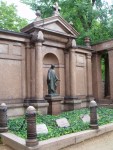
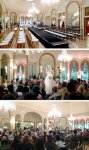

Belmont means ‘Beautiful Mountain’. Many folks who aspire to being California Royalty, get married at Ralston Hall in Belmont. To envision oneself as a banking heiress whose Daddy owned gold and silver mines, and then be whisked off your feet by a Knight of the Realm who takes you to his stately home in Merry Ol England, is the Acme of good breeding!
“A REGAL WEDDING FEAST; MARRIAGE OF MISS SHARON AND SIR THOMAS HESKETH.
SAN FRANCISCO, Dec. 24.–The most brilliant wedding ever celebrated in California took place last evening at Belmont, the princely country seat of Senator William Sharon. Mr. Sharon’s daughter Flora, a petite brunette of 19 years, was united, in the presence of about 150 invited guests, to Sir Thomas Henry Fermor Hesketh, Baronet, of Rufford Hall, Lancashire, England.”
Louis Tevis was the daughter of Lloyd Tevis the President of Wells Fargo Bank. She married into the Breckenridge family who were not only Kentucky Bluebloods, they are kin to the Royal Stewarts as I discovered! Louis did not know this when she got a divorce, and then marries William Sharon, a partner of William Ralston President of the Bank of California! How many banks is that?
Now, all over the internet are claims there is a divine bloodline that descends from Jesus and Mary Magdalene that begat the Stewarts and the Freemasons, who in turn owned banks. Why not gold and silver mines? Surely folks kin to King Solomon would want to have a gold collection as big as this Davidic King who collected 666 talons of gold a year in taxes! Wow! How much silver was taken out of the Comstock mine that Sharon owned?
Last month I tried to communicate some doubt to a bunch of nasty Sinclair folk, that they are all what they make themselves out to be. Surely if they own God’s blood, then His Divine Will would have bid the Sinclairs to do truly wonderous things on His Green Earth – like find plenty of gold in the new world! Actually, they do make the claim the Money Pit is their doing, their Templar line finding all this gold in the ground – then putting it back where no one can spend it – not even the Sinclairs! The check is in the mail!
What was perfectly clear when Sir Thomas sailed into San Francisco Bay, he was looking for a rich heiress to marry – like so many other landed Brits before him – so he would have the monies to remodel his decaying estates. Thomas struck pay dirt when he married Louis Tevis Breckenridge at Ralston Hall, where my great grandparents were married in what may have been seen as the Oddfellow marriage of the century. Surely the Knight Templars in this Masonic-like fraternity, compared the Stuttmeister-Janke union as ordained.
Louis took no chances, and moved the Hand of Fater back into the Breckenridge-Stewart lineage, when her son married Florence Witherspoon Breckenridge, thus tying another knot that links this titled family to the Bentons and Prescos, via the marriage of the world famous artist, Christine Rosamond Benton!
My parents died without this knowlege, and the father of my niece, Garth Benton knew nothing about it. Since Christine died, I have sent letters to the Court that are filed in Rosamond’s Probate, that speak of the Grail, Knight Templars – did mention the Stewarts?
What is curious, is that the Oddfellows, and the Orange Lodge which Bennett Rosamond was the Grand Master of, beleived they were the remnants of the Royal Kings of Judea. Did I tell you that my niece, Drew Benton, descends from Colonel Thomas Hart Benton the Grand Master of the Iowa Freemasons, who saved Albert Pike’s Masonic Library, and thus the Scotish Rite? Add it all up, folks!
Gold and Silver Mines
Big Banks
Knight Templars
Freemasons
Royal Lineages
Senators
Congressmen
Signer of Constitution
Diasporic Lineages
Looks like God’s Work to me!
“The child plays
The toy boat sails across the pond
The work now has just begun
Oh child
Lokk what you have done ”
Jon Presco
Copyright 2011
Furthering the cause was the marriage of Flora’s son Thomas to another American heiress, Florence Louise Witherspoon Breckinridge. The union kept the Fermor-Heskeths in silver, at least until next week.
Flora’s branch of the Sharons does not appear to have any heirs left in the Bay Area, at least according to an online family history, and an official said there seems to be no interest in the goods at Ralston Hall — still a fine place for a wedding. Going once…….
Louise married John Witherspoon Breckenridge, son of Congressman, Senator, Vice President, Presidential Candidate and Confederate General John C. Breckenridge, c. 1878 and lived in San Rafael, CA. Their marriage ended in divorce and she married secondly Frederick W. Sharon.
8/8/2022
Belmont A Capitol of German Culture
I posted much history about my German Ancestors on the Facebook of the Belmont Historical Society, and got no response after three days. I then posted on the Marin Cadettes and the Black Panthers. I suggested a Militia be formed around Vice President Kamala Harris, who was born in Oakland where Jack London grew up. My reasoning was, that from the Janke family of Belmont sprang MY FAMOUS FAMILY HISTORY including our marriage into the Benton-Fremont family, and the Getty-Fleming family.
John Presco
off them. They pay her rent and buy her a new car. https://rosamondpress.com/…/meet-snitty-cynthia-karpa…/
- Teresa WilliamsVery well spoken!


1
- Like
- · Reply
- · 5w
- Greg PrescoI am third generation Oakland where Kamala was born. This morning I spent four hours posting my family history of Carl Janke, a Belmont Pioneer, and all my posts were taken down. There was confusion why my posts were not shown last night. I hope no on… See More
 ROSAMONDPRESS.COMJanke and Turner AbolitionistsJanke and Turner Abolitionists
- Like
- · Reply
- · Remove Preview
- · 3d
- Greg PrescoPeople who do not want to wake up have to be moved to the side of the road. https://rosamondpress.com/…/04/kamala-daughter-of-oakland/
 ROSAMONDPRESS.COMKamala ‘Daughter of Oakland’Kamala ‘Daughter of Oakland’
- Like
- · Reply
- · Remove Preview
- · 3d
- Greg PrescoI set out to get funding for the first time. The Awake Ones have got to invent a real way to fund. I have been preparing the way for Kamala for two years. https://rosamondpress.com/2020/08/29/the-marin-shipmates/
 ROSAMONDPRESS.COMThe Marin ShipmatesThe Marin Shipmates
- Like
- · Reply
- · Remove Preview
- · 3d
- Greg PrescoKamala is linked to the Black Panthers. This is real history. Are we going to allow her to be CLEANSED and made presentable? To whom? https://rosamondpress.com/2020/11/28/marin-city-sea-cadets/
 ROSAMONDPRESS.COMMarin City Sea CadetsMarin City Sea Cadets
- Like
- · Reply
- · Remove Preview
- · 3d
- Greg PrescoMy friend, Ed Howard is trying to save the history of this park and have it play a big part of our future. We have to get off the insipid merry-go-round they have made for us. If we stay on it, then it is on us! https://rosamondpress.com/2021/01/01/ken… See More
 ROSAMONDPRESS.COMKennedy Brothers at Defremery ParkKennedy Brothers at Defremery Park
- Like
- · Reply
- · Remove Preview
- · 3d
- Greg PrescoThe A fell of JANKE in the big earthquake. https://rosamondpress.com/…/altanorte-deutshe-california/
- Like
- · Reply
- · 3d
Black Franciscan Turners
Posted on August 29, 2020 by Royal Rosamond Press


The Jealous Historical Society
Posted on February 28, 2021 by Royal Rosamond Press
Dear Mr. Mayor;
Someone on the Belmont Historical Society suggested I have violated their copyright, by posting an image of William Janke, who may be in a family photograph this is posted on their facebook page. About twelve of my posts have been removed, which alarms me, because I offer NEW family information – that could be used without my permission! Being related this famous family does not rate with this clic who are described as “we”. To be invited by an origination connected with the City of Belmont, to contribute your family history, then be treated like you are a outsider and parasite – is outrageous! This goes against the tradition of other Historical Societies – who encourage descendant of famous people to contribute – because there is no telling what they have, or, if they are going to put that Society in their will. I demand a full investigation. I would like to see your bi-laws.

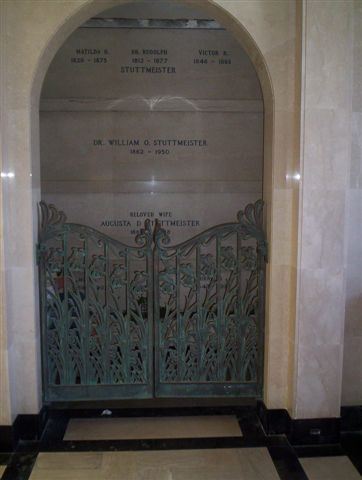

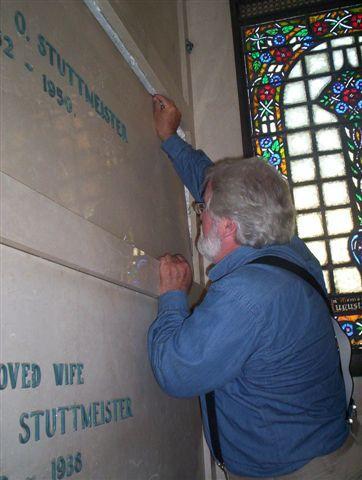

Someone on the Belmont Historical Society suggested I have violated their copyright, by posting an image of William Janke, who may be in a family photograph this is posted on their facebook page. About twelve of my posts have been removed, which alarms me, because I offer NEW family information – that could be used without my permission! Being related this famous does not rate with this clic who are described as “we”. To be invited by an origination connected with the City of Belmont, to contribute your family history, then be treated like you are a outsider and parasite – is outrageous! This goes against the tradition of other Historical societies – who encourage descendant of famous people to contribute – because there is not telling what they have, or if they are going to put that Society in their will. I demand a full investigation. I would like to see your bi-laws.
John Presco
President: Royal Rosamond Press
braskewitz@yahoo.com
“The Belmont Historical Society Facebook page features posts and information pertaining to Belmont, San Mateo County, California and its history. Everyone is encouraged to send us messages. We will review the content for its interest to our followers.”
Here is Cynthia guarding her small town from an outsider whose family made most of Belmont’s history. It boggles the mind! Surely progressive investors are grateful for the warning. I live in Sprigfield Oregon that has been called Springtucky. How about Belabama?
“We are related to historic people somewhere.
Belmont Historical Society, Belmont, CA sent Today at 9:39 AM
There’s no competition, for Pete’s sake.
Belmont Historical Society, Belmont, CA sent Today at 9:39 AM
Maybe your friend the editor can explain copyright to you.
Belmont Historical Society, Belmont, CA sent Today at 9:39 AM
Everyone is related to “historic people.”
(2) Belmont Historical Society, Belmont, CA | Facebook
My name is Cynthia McCarthy and you can blame me and me alone, not the Belmont Historical Society. You can email me at cgkmccarthy@gmail.com.

Belmont Historical Society, Belmont, CA sent Today at 11:02 AM
You were advised that any further threats, accusation or name-calling would result in your being blocked from this page. I have not read your newspaper nore do I intend to. Your posts have been subject to the same review as anyone else’s. Again, this is Cynthia Karpa McCarthy, not the president or any other officer of BHS. Please blame me entirely.
Belmont Historical Society, Belmont, CA sent Today at 8:03 AM
Cipriani describes himself as Florentine in his diaries even though he was from Corsica. He recounts meeting another Italian speaker in Nevada and tells him he’s “Florentine, thank God!” Belmont Historical Society, Belmont, CA sent Today at 8:03 AM One of the photos and captions is from the book I wrote. I am not certain if you think much of this information is mew to us.
Where are my posts? I just read this on your page. I am compelled to write an article on my blog-newspaper – for the arts – about your harassment and oppression of my CONNECTION to MY family history – that irks you – because you think you own MY family information. WE are not related. To hint I am violating your copyright, is harassment. I want your name. Here is your chance to make clear to the People of Belmont, why you are censoring information THEY may find interesting and revelent. That you allow a post of a Hollywood actress, who just went to school in Belmont, goes against the criteria you apply to me that is TOO SPECIAL. I suspect you don’t like other things I wrote about on my newspaper and are electing yourself to be a police force.
I am compelled to write an article on my blog-newspaper – for the arts – about your harassment and oppression of my CONNECTION to MY family history – that irks you – because you think you own MY family information. WE are not related. To hint I am violating your copyright, is harassment. I want your name. Here is your chance to make clear to the People of Belmont, why you are censoring information THEY may find interesting and revelent. That you allow a post of a Hollywood actress, who just went to school in Belmont, goes against the criteria you apply to me that is TOO SPECIAL. I suspect you don’t like other things I wrote about on my newspaper and are electing yourself to be a police force.
We have an automatic reply set that says we will respond as soon as we can.
You sent February 25 at 9:21 AM
Thanks. Sorry
8:01 AM
Belmont Historical Society, Belmont, CA is responding to a comment you made on their Page. View comment.

Belmont Historical Society, Belmont, CA sent Today at 8:03 AM
Cipriani describes himself as Florentine in his diaries even though he was from Corsica. He recounts meeting another Italian speaker in Nevada and tells him he’s “Florentine, thank God!”Belmont Historical Society, Belmont, CA sent Today at 8:03 AMOne of the photos snd captions is from the book I wrote. I am not certain if you think much of this information is mew to us.
You sent Today at 8:44 AM
What are you suggesting? Who is us? The Janke family is MY family not your family. Millions of families brag on their family history no matter how mundane. This is all I am doing. I did not come to battle with volenteers who I thought would be glad to hear from descendants of the Founder of Belmont. I thought MY history was being rejected as it was twenty years ago by kin of your famous cop who controlled the city history. I never encountered the way you set up your facebook group and assumed the worst and appologised. I even removed post to show I am not at war with a group of volunteers who may be working on books and have written books. I know being related to historic people gives me an advantage. The Benton’s are kin to the Bonaparte family that Cipriani had extensive relationship with.
Belmont Historical Society, Belmont, CA sent Today at 8:44 AM
Greeting! Thanks Greg for your message. We are not here right now, but we’ll get back to you as soon as we can. We are a small organization with a handful of volunteers. Thank you for your patience.
You sent Today at 8:53 AM
New to us? I don’t get this statement. I can get the opinion of a professional writer as to what he makes of this. You may be treating me as a outsider a author who thinks he is in competition with you
You sent Today at 9:00 AM
Here is my good friend, Mark Gall. For 25 years we have discussed out family history. He grew up in Hunter’s Point and will be in my book. Our mutual friend also went to Harvard and wrote a Eisenhower bio. He was an editor for Double Day. How long has each member of the Belmont Society been volunteering to gather my family history? Thank you for the good job you have done. https://pages.uoregon.edu/mgall/vita.htm
We are related to historic people somewhere.Belmont Historical Society, Belmont, CA sent Today at 9:39 AMThere’s no competition, for Pete’s sake.Belmont Historical Society, Belmont, CA sent Today at 9:39 AMMaybe your friend the editor can explain copyright to you.Belmont Historical Society, Belmont, CA sent Today at 9:39 AMEveryone is related to “historic people.”
You sent Today at 9:50 AM
Are you suggesting I am violating YOUR copyright, or, a group’s copyright? I just want to make sure. There is strong evidence that MY family has been collecting OUR history for hundreds of years. Here is the proof the Benton family is kin to the Bonaparte family who were close friends of Cipriani. My famous artist sister married the artist, Garth Benton, the cousin of the artist Thomas Hart Benton. My niece Drew Benton is an artist, and so am I. This constitutes a artistic dynasty – when you include my mother’s cousin, the actress Elizabeth Rosemond Taylor. https://www.wikitree.com/wiki/Benton-1403Zebulon Howell Benton (1811-1893) | WikiTree FREE Family Treewikitree.com
Belmont Historical Society, Belmont, CA sent Today at 9:51 AM
Sir, our organization is interested solely in Belmont. Best of luck with your endeavors.
You sent Today at 10:00 AM
Are you suggesting that if Harry Truman was born in Belmont, you would exclude the fact he was President? The Bonapartes were world famous and were preparing to invade California and had extensive dealings with Cipriani who they may have been trying to employ in their designs on U.S. Territory. Did Cipriani live in Belmont? You brought his name up in our chit-chat. It appears you are preparing to get me banned from your facebook. You appear to be setting me up. Are you saying I can not post on the Palace Hotel that Ralston built – outside Belmont city LIMITS? You are trying to LIMIT me. I wonder if other city history originations do this.
You sent Today at 10:04 AM
I would like to see a copy of your bi-laws, that should suggest YOU encourage people to contribute THEIR history. It looks like you are DISCOURAGING me.
As of 10:20 P.M. on 2/25/21 these posts are up.
I subscribe to the ideas of Richard Florida who says creative people and investors want to be a part of a progressive, tolerant, and open Bohemian lifestyle. They do not want to move to a place that is closed and claimed by the locals who don’t trust outsiders. https://www.theguardian.com/…/gentrification-richard…

- Cynthia Karpa McCarthyPlease be advised that further threats, accusations or name-calling will result in your being blocked from the page. Thank you.
- Like
- · Reply
- · 20h
- Greg PrescoI apologize.
- Like
- · Reply
- · 20h
- Belmont Historical Society, Belmont, CAThanks.
- Like
- · Reply
- · 20h
- Belmont Historical Society, Belmont, CAGreg Presco Hi Greg , I have been enjoyed some of your posts and photos that are directly related to the Belmont area and you have provided some new photos and information that will be put in a file, but please try not to post anything that is off topic or is not Belmont Area related. Thank you ,Denny Lawhern Belmont Historian
- Like
- · Reply
- · 19h
- · Edited
- Greg PrescoFor several days I have been looking for a backer to buy this house in Belmont in order to open a gallery and have a home for my newspaper blog, Royal Rosamond Press. Here is Lawrence Chazen who was a partner of Christine in her first gallery. He was my father’s private lender in his real estate loan business. He is a advisor for the Getty family and a partner in PlumbJack along with the Newsom and Pelosi family. William Ralston is titled ‘The Man Who Built San Francisco’. The Getty family picked up the gauntlet – and run San Francisco and the State of California. They are interested in banks. They like to invest in historic places that honor the arts and artists. https://rosamondpress.com/…/07/19/what-is-lawrence-chazen/
Greg PrescoBelmont Historical Society, Belmont, CA
Yesterday at 5:20 PM · I am going to contact the Mayor about the removal of my posts. Who are you?26 Comments2 SharesLikeCommentShare
Comments
Oldest
- Belmont Historical Society, Belmont, CAWe are a group of volunteers who promote Belmont history and maintain the Belmont Historical Society’s collection in the History Room in Twin Pines Park.
- Like
- · Reply
- · 14h
- Belmont Historical Society, Belmont, CAThe mayor of Belmont is Charles Stone. You may reach him through this website: https://www.belmont.gov/…/council…/city-council
BELMONT.GOVCity Council | City of BelmontCity Council | City of Belmont
- Like
- · Reply
- · 14hHide 24 Replies
- Greg PrescoWhy don’t you say there is a delay in posts appearing? I tried to give you this information twenty years ago and someone got threatened and – did nothing! Someone was claiming they were kin to Janke. Is there some kind of unclaimed property? My grandf… See More
 ROSAMONDPRESS.COMAm I In Contact With Aliens?Am I In Contact With Aliens?
- Like
- · Reply
- · Remove Preview
- · 14h
- Greg PrescoPeople get jealous. I am in a battle with outsiders who have written books and movie scripts about my family. Here is my grandmother Mary Magdalene Rosamond sitting next to Norbert. Her daughter, Rosemary, married Victor William Presco the only child … See More
- Like
- · Reply
- · 14h
- Belmont Historical Society, Belmont, CAOrganization Facebook pages have administrators who post to their pages, which is standard practice. Our automatic reply says that we respond as soon as we can. Your Notifications have been posted within twenty-four hours of receipt, not bad for an org… See More
- Like
- · Reply
- · 14h
- · Edited
- Belmont Historical Society, Belmont, CASir, your Notifications have been posted.
- Like
- · Reply
- · 14h
- Belmont Historical Society, Belmont, CAIn answer to your initial question, my name is Cynthia McCarthy.
- Like
- · Reply
- · 14h
- Greg PrescoMuch of our history – has no home – because historians and famous families run into roadblocks all the time, and give up. I am working with a black man to get a grant for recording the black history of Oakland. What an ordeal. People ASSUME famous fam… See More
- Like
- · Reply
- · 13h
- Greg PrescoBelmont Historical Society, Belmont, CA They did not show up all last evening. Thank you very much.
- Like
- · Reply
- · 13h
- Greg PrescoBelmont Historical Society, Belmont, CA I thought they were being deleted. I could see them, then they were gone.
- Like
- · Reply
- · 13h
- Belmont Historical Society, Belmont, CANo, sir. Facebook page administrators post notifications. Otherwise you would have spam posted on your page for your followers every day. It might take me a few days before posts I share from this page to the You Know You’re from Belmont page to show up, but I understand that the administrator will get to it when she can.
- Like
- · Reply
- · 13h
- Greg PrescoCan you post a message saying this?
- Like
- · Reply
- · Page responded privately
- · 13h
- Greg PrescoThe Stackpole history is an orphan. My good friends was very close with them. Ralph camped at Lake Temescal in Oakland with famous artists and writers. https://rosamondpress.com/…/04/am-i-stackpoles-historian/
 ROSAMONDPRESS.COMAm I Stackpole’s Historian?Am I Stackpole’s Historian?
- Like
- · Reply
- · Remove Preview
- · 13h
- Greg PrescoI feel so relieved!!!!! The tension historians feel is epic. These people become your children. You want them to do well – long after they are dead! I look at the painting of Freida, and she is alive! Thank you!
- Like
- · Reply
- · 13h
- Greg PrescoI took my newfound daughter to visit the Janke-Stuttmeister crypt that was damaged in the earthquake The A in JANKE had fallen off. I wondered if I would be believed because of this. That was twenty years ago. I welcome all challenges to my information… See More
- Like
- · Reply
- · 13h
- Greg PrescoThis crypt was lost – now found! When I saw it – I gasped. Minnie comes from Wilhelmina.
- Like
- · Reply
- · 13h
- Greg PrescoMy newborn grandson, Tyler Hunt. I did not know I had a daughter.
- Like
- · Reply
- · 13h
- Greg PrescoWilliam O. Stuttmeister moved his kin to Colma after the Oddfellow graveyard was dug up. This is a Tiffany window. This is his gift to the City of Belmont and all its citizens. You are all welcome to visit this shine of respecting our family history, a… See More
- Like
- · Reply
- · 13h
- Greg PrescoHere is the Stuttmeister monument in Berlin. This very wealthy family gave it all up to come to dwell in our Democracy…that they believed in! They wanted to know how it felt. They wanted to contribute to freedom.
- Like
- · Reply
- · 13h
- Greg Prescohttps://rosamondpress.com/…/knight-stuttmeister…/
 ROSAMONDPRESS.COMKnight Stuttmeister (Stallmeister)Knight Stuttmeister (Stallmeister)
- Like
- · Reply
- · Remove Preview
- · 13h
- Cynthia Karpa McCarthyIf you would like your notifications to show up as posts on the page, post them as comments to your previous posts. Thank you.
- Like
- · Reply
- · 13h
- Greg PrescoThanks! I could not seed my first post. There is more that I will post tomorrow.
- Like
- · Reply
- · 13h
- Greg Prescohttp://www.historicunioncemetery.com/Person.php…
 HISTORICUNIONCEMETERY.COMHistoric Union CemeteryHistoric Union Cemetery
- Like
- · Reply
- · Remove Preview
- · 12h
- Greg PrescoBelmont is sitting on a gold mine of history. I suspect these cottages belonged to Carl Janke who brought six portable houses to Belmont in 1849. Count Cipriani screwed his house together, that Ralston added on to. Carl tried looking for gold, and may … See More
 ROSAMONDPRESS.COMTanforan CottagesTanforan Cottages
- Like
- · Reply
- · Remove Preview
- · 12h
- Greg PrescoBelmont is The Hub of History. https://rosamondpress.com/…/10/royal-wedding-at-belmont/
 ROSAMONDPRESS.COMRoyal Wedding at BelmontRoyal Wedding at Belmont
- Like
- · Reply
- · Remove Preview
- · 11h
- Greg PrescoBelmont has the real Gone With The Wind. https://rosamondpress.com/…/statue-of-john…/
 ROSAMONDPRESS.COMStatue of John Breckenridge CastlemanStatue of John Breckenridge Castleman
- Like
- · Reply
- · Remove Preview
- · 11h
Meet Snitty Cynthia Karpa McCarthy
Posted on March 1, 2021 by Royal Rosamond Press



The Jealous Historical Society | Rosamond Press
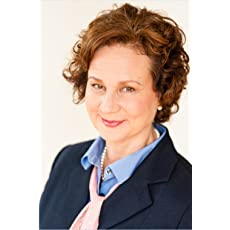
Here she is, the devil who played evil mind games with me – and dead members of my family!. She wrote a book on the City of Belmont – and did not tell me for three days. We were having a squabble over how the facebook for the Belmont Historical Society is set up. My first posts identified me as a close relative of Carl Janke. Did Snitty Miss Cynthia – jump for joy and say;
“Oh by God! I thought you were all dead. I wrote a book on your family. Have you read my book? Do you have more family photos – and history?
One of the first posts I posted was on Cipriani found La California in Italy. did she jump for joy at this news. Did she tell me this was fantastic research. This is a ex-librarian. Don’t they take a oath to respect writers of books, and the history of people – written by relatives. What gets me, she did not approve the Tiffany window in the Janke-Stuttmeister crypt with the name of Augustus Janke on it. Why would she withhold this beautiful historic image from the people of Belmont. I suspect she is a parasite and a thief who stayed up all night pouring through the blog – that she said she did not know existed1 Outrageous. I spoke about the deaths in the family and the books and movie scripts about my famous sister. Is she gong for another Rosemond Book? You think she would have said
“Your sister is Rosamond? Oh my God, I had some of her work. And her grandfather is Carl Janke? Oh my God. Lets co-author a book together!”
But, what got me, is, she took down this photo of the Janke-Stuttmeister crypt after I told her this is where my grandfather moved OUR DEAD after they were dug up from their not final resting place, the Oddfellow cemetery.
As fate would have it, I posted my video of Chuck Kesey on his brothers mural, on Davina Hurt page. Snitty Catherine falsely claimed in her history book, the Grateful Dead lived, or, practiced their music in Ralston Hall. I have been on the bus with Kesey. I believe I posted on Nancy Hamren who worked at the Kesey Creamery and made a famous a yogurt. I will be letting The Dead Family – found all over the world – know that I came upon a trap-door spider that FEEDS OFF THE DEAD. My grandparents knew Joaquin Miller, who was promoted by Ida Culbreth, the head of the Oakland Library. This is a CONSPIRACY! Snitty said she is the only one to blame. How many read my posts, and knew I was handing them a gold mine? Did they should a warning. Did thy say;
“You need to talk to Cynthia Karpa McCarthy! You two have alot in common!”
No we don’t.
Here is the Satan-Cherry atop the who stinking History Theft. I posted on the Tanforan Cottages and my theory Cipriani bought one of Janke’s homes he brought around the Cape in 1849. I said this;
“Someone needs to look at these houses to see if they are screwed together.”
I belive I posted on the dumb claim Ciriani tore down a house in Italy and had it shipped to Belmont. Miss Snitty stole that idea from aother alleged historian, Dd Snitty say;
“Wow! Fantastic theory! Can you come here! Well ut you up in a fine hotel. We can get the city to lend us some construction workers!”
“We will review the content for its interest to our followers.”
How many others shared with THE REVIEWERS and got the same treatment – and walked away? I told Cynthia to let me post away, and if THE REVIWERS don’t like it, tell me, and I will take it down. How many visitors to this group – that give a rat’s ass. I will lodge a complaint with facebook.
Tanforan Cottages | Rosamond Press
John Presco
Greg Presco Hi Greg , I have been enjoyed some of your posts and photos that are directly related to the Belmont area and you have provided some new photos and information that will be put in a file, but please try not to post anything that is off topic or is not Belmont Area related. Thank you ,Denny Lawhern Belmont Historian
“My name is Cynthia McCarthy and you can blame me and me alone, not the Belmont Historical Society. You can email me at carthy@gmail.com.
“Midway between San Francisco and San José, Belmont is where an Italian count reconstructed his villa transported from Italy,“
“The Belmont Historical Society Facebook page features posts and information pertaining to Belmont, San Mateo County, California and its history. Everyone is encouraged to send us messages. We will review the content for its interest to our followers.”
Here is Cynthia guarding her small town from an outsider whose family made most of Belmont’s history. It boggles the mind! Surely progressive investors are grateful for the warning. I live in Sprigfield Oregon that has been called Springtucky. How about Belabama?
“We are related to historic people somewhere.
Belmont Historical Society, Belmont, CA sent Today at 9:39 AM
There’s no competition, for Pete’s sake.
Belmont Historical Society, Belmont, CA sent Today at 9:39 AM
Maybe your friend the editor can explain copyright to you.
William Stuttmeister moved his Janke kin to Colma after the outrage of their graves being opened and evicted. I am going to bring a lawsuit against Belmont if my posts are not restored. This is very traumatic! An outrage made fresh by a jealous ingrate who complained about volunteering. I’ll run your page – all by myself!
I am third generation Oakland where Kamala was born. This morning I spent four hours posting my family history of Carl Janke, a Belmont Pioneer, and all my posts were taken down. There was confusion why my posts were not shown last night. I hope no one is playing boyscout with this very important history. I worked with the Upstairs Art Association, and Oakland Redevelopment, something I read you are interested in. Too many townfolk want to create what they read in the Sally, Dick, and Jane books thinking this is the kind of history they deserve. One of my grandfather’s is associated with Sleepy Hollow and is in Hawthorne’s ‘The Scarlet Letter’. https://rosamondpress.com/…/janke-and-turner-vigilantes/
The Jealous Historical Society | Rosamond Press
Jackie Jensen And William Stuttmeister | Rosamond Press
Christine Rosamond – Wikipedia
Rosamond Publishing – About the Artist
Midway between San Francisco and San José, Belmont is where an Italian count reconstructed his villa transported from Italy, where a silver king created “the White House of the West,” and where the Warlocks, a fledgling 1960s rock band, honed the sound they would make famous under another name, the Grateful Dead. Spanish explorers called Belmont’s vales “la Cañada del Diablo,” or “the Devil’s Canyon,” either after the locally famous winds or because the native Ohlone believed the canyon to be inhabited by spirits. Belmont’s historic advantage of being on the bay side of the shortest route to the Pacific coast meant easier access to another type of spirits during Prohibition, fueling a minor red-light district across the tracks on Old County Road. A century or more ago, Belmont’s wooded hills attracted sanitariums and prep schools. Today, its woods and trails draw residents from more developed neighboring towns.
Cynthia Karpa McCarthy, a former newspaper reporter and editor, is a librarian in San Mateo County. A California native, she enjoys reading and researching California history, particularly about Leonetto Cipriani, a Corsican who briefly lived in Belmont, California.
played in–possibly both of them.
Fireside Lounge, 2322 El Camino Real, San Mateo (August 1965)
The Fireside Lounge was run more on the Las Vegas model, if without the gambling. There was dinner and drinks to go with the dancing, sometimes a floor show, or topless dancers late at night. The object for a band was to keep people dancing so that they would buy drinks. I have written about the Fireside Lounge elsewhere, albeit with respect to another band.
According to McNally and Jackson in The Illustrated Trip, The Warlocks played one or a few gigs at The Fireside Lounge in August of 1965. It was probably a sort of “audition” gig, but the band didn’t return there, to my knowledge.

The In Room, El Camino Real, Belmont (mid-September to late October 1965)
The In Room was a popular nightclub in Belmont, although I have not yet been able to identify the exact location (on the map, I located it El Camino Real and Ralston Avenue, a principal intersection the business strip, and The In Room was certainly near there). McNally describes it as
a heavy hitting divorcee’s pick-up joint, the sort of swinging bar where real-estate salesmen chased stewardesses and single women got plenty of free drinks. Dark, with red and black as the color scheme, it was the kind of place that sold almost nothing but hard liquor (p.88)
The Warlocks were booked at the In Room for six weeks, from mid-September until late October of 1965. They played five 50-minute sets a night, five nights a week. 150 sets later, The Warlocks were a real band. The first week they had backed The Coasters for a set each night, but for the balance of the run they covered the gig themselves. They would start out playing almost straight-up, but as they got higher and the night got looser, their playing got more “barbaric.” Oddly enough, they started to build their own audience of nascent freaks, who would show up for the later sets, distinctly different than the hard-drinking pick up crowd. One night, for example, a band of Tacoma transplants called The Frantics ended up hanging out there, which is how Moby Grape guitarist Jerry Miller and Jerry Garcia first met.
The In Room was in Belmont, half way between Palo Alto and San Francisco. The Warlocks had played a little further up the El Camino (The Fireside and Big Al’s), but the In Room stood for a mid-point. The Warlocks were a real band making real money (if not a lot), but they were still doing their own thing and finding their own audience, so they were half way there.
| An ad for the In-Room at The Chalet, a hotel at 635 Old County Road in Belmont. This ad was from the Friday, February 12, 1966 edition of the San Mateo Times |
Update: Fellow scholar Dave Sorochty tracked down a contemporary ad for The In-Room, in the San Mateo Times (from February 12, 1966). The hotel was called The Chalet (see the picture above), and the lounge was called the In-Room. The actual address was 635 Old County Road. Note in the ad that the host is Rich Romanello; about a year later, Romanello was running a nearby club called Winchester Cathedral, and he promoted the initial incarnation of the groundbreaking Sly And The Family Stone.
[There is some general talk that The Warlocks played some High School dances in the South Bay in Fall 1965. It is possible, but its important to remember that in the 60s and 70s everybody in the South Bay had a Grateful Dead/Jerry Garcia story, and most of them were wishful thinking. Every High School had a story about how the Dead played there back in the day, or Jerry Garcia went there, and they can’t all of been true. Supposedly the Warlocks played Palo Alto High School on September 19, 1965, but it has been impossible to confirm this]
Pierre’s, Broadway at Columbus, San Francisco (early November 1965)
At some point, The Warlocks made Phil Lesh’s former roommate, Hank Harrison, into their manager. Harrison did very little for the group in his brief tenure. One gig he did get them was playing at a topless joint on North Beach called Pierre’s. Pierre’s, on the corner of Broadway in Columbus, the same corner as City Lights Bookstore, had been a popular Latin Jazz nightspot in the early 1960s. As topless joints took over Broadway, Pierre’s went topless as well, but the club was fading.
Cynthia Karpa McCarthy played an evil game with me and my dead. She kept removing posts, but, never told me she wrote a book on Belmont with photos of members of my family. She, and another kept threatening to take down my posts, knowing how valuable they are – especially my family photographs. This constitute Conspiracy. All evidence I exist, or posted on a site guided by the City of Belmont, is being erased. My posts on the City Managers office, are being taken down. Thank God I posted my information here – in duplicate! I also made copies of our exchange. I told Cynthia I posted here. I believe there is a Coverup! My full name is John Gregory Presco. When I reportedon the anarchist of Eugene Oregon they went after me. They filed a false abuse report. I got deaht threats. THIS is worse -by far! This FEIND has no love, or RESPECT, for my ancestors. She feeds off them. They pay her rent and buy her a new car. https://rosamondpress.com/…/meet-snitty-cynthia-karpa…/
- Teresa WilliamsVery well spoken!
- Like
- · Reply
- · 5w
- Greg PrescoI am third generation Oakland where Kamala was born. This morning I spent four hours posting my family history of Carl Janke, a Belmont Pioneer, and all my posts were taken down. There was confusion why my posts were not shown last night. I hope no on… See MoreROSAMONDPRESS.COMJanke and Turner AbolitionistsJanke and Turner Abolitionists
- Like
- · Reply
- · Remove Preview
- · 3d
- Greg PrescoPeople who do not want to wake up have to be moved to the side of the road. https://rosamondpress.com/…/04/kamala-daughter-of-oakland/ROSAMONDPRESS.COMKamala ‘Daughter of Oakland’Kamala ‘Daughter of Oakland’
- Like
- · Reply
- · Remove Preview
- · 3d
- Greg PrescoI set out to get funding for the first time. The Awake Ones have got to invent a real way to fund. I have been preparing the way for Kamala for two years. https://rosamondpress.com/2020/08/29/the-marin-shipmates/ROSAMONDPRESS.COMThe Marin ShipmatesThe Marin Shipmates
- Like
- · Reply
- · Remove Preview
- · 3d
- Greg PrescoKamala is linked to the Black Panthers. This is real history. Are we going to allow her to be CLEANSED and made presentable? To whom? https://rosamondpress.com/2020/11/28/marin-city-sea-cadets/ROSAMONDPRESS.COMMarin City Sea CadetsMarin City Sea Cadets
- Like
- · Reply
- · Remove Preview
- · 3d
- Greg PrescoMy friend, Ed Howard is trying to save the history of this park and have it play a big part of our future. We have to get off the insipid merry-go-round they have made for us. If we stay on it, then it is on us! https://rosamondpress.com/2021/01/01/ken… See MoreROSAMONDPRESS.COMKennedy Brothers at Defremery ParkKennedy Brothers at Defremery Park
- Like
- · Reply
- · Remove Preview
- · 3d
- Greg PrescoThe A fell of JANKE in the big earthquake. https://rosamondpress.com/…/altanorte-deutshe-california/
- Like
- · Reply
- · 3d
- Greg PrescoWilliam Stuttmeister moved his Janke kin to Colma after the outrage of their graves being opened and evicted. I am going to bring a lawsuit against Belmont if my posts are not restored. This is very traumatic! An outrage made fresh by a jealous ingrate… See More
- Like
- · Reply
- · 3d
- · Edited
- Greg PrescoThis is the Tiffany window inside the family crypt with the name Ausutus Stuttmeister on it. I presented this as a gift to all the people of Belmont this morning and a selfish jealous monster shat all over it. Most cities would kill for this history t… See More
- Like
- · Reply
- · 3d
- Greg PrescoMy sister is the world famous artist, Christine Rosamond Benton. She married into the famous Benton family that married John Fremont. This painting is of our black maid Lena and her sisters. My mother raised four children almost by herself. Christine i… See More
- Like
- · Reply
- · 3d
- Greg PrescoIn 2011 I was in touch with a member of the Sharon Family and a member of the Fermor-Hesketh family about reviving the Sharon Family reunion at the Palace Hotel, that was built by William Ralston ‘The Man Who Built San Francisco’. He lived in the Belm… See More
 ROSAMONDPRESS.COMSharon-Hesketh Family of PiedmontSharon-Hesketh Family of Piedmont
- Like
- · Reply
- · Remove Preview
- · 2d
- · Edited
- Greg Prescohttps://rosamondpress.com/2021/02/26/belle-la-rose-mountain/
 ROSAMONDPRESS.COMBelle La Rose MountainBelle La Rose Mountain
- Like
- · Reply
- · Remove Preview
- · 2d
- Greg PrescoDear Davina; I have done all I can to avoid a fight with the Belmont Historical Society. Cynthia poo-pooed my family history, said it was not important because many people are kin to famous people. Then she tried to oppress me by claiming I am violati… See More
 ROSAMONDPRESS.COMThe Jealous Historical SocietyThe Jealous Historical Society
- Like
- · Reply
- · Remove Preview
- · 4h
- Greg PrescoI posted about a descendant of Carl Janke rescuing the ‘Golden Boy’. Jacki Jensen suffered from drug and alcohol abuse, that is revelent, because hence – many athletes ad famous have suffered -and their families! History coming from descendants does no… See More
 ROSAMONDPRESS.COMJackie Jensen And William StuttmeisterJackie Jensen And William Stuttmeister
- Like
- · Reply
- · Remove Preview
- · 4h
- · Edited
- Greg PrescoDavina; I became aware of the Belmont Historical Society when I saw a house on Zillow for sale in Belmont. I called the realtor and asked about the history of it. I have been looking for backers for my art gallery and newspaper – and a real home for my… See More
- Like
- · Reply
- · 3h
- Greg PrescoI came up with new name for Belmont…Belabama! Beautiful Alabama!
- Like
- · Reply
- · 3h
- Greg PrescoI hope you become Mayor again and let the world kow your are open for business and diverse ideas. Here I am talking to Chuck Kesey, who makes Nancy’s yogurt, about his brother’s mural and the Grateful Dead being thrown out of a bar they were playing in… See More
 YOUTUBE.COMChuck Speaks of MuralChuck Speaks of Mural
- Like
- · Reply
- · Remove Preview
- · 2h
- Greg PrescoBelmont appears to be seen as a conservative stronghold? If true – why! The area to Santa Cruz and Big Sur has been a Mecca for Bohemian types who created a ten billion dollar a year alternative economic reality – that everyone can use due to the coronavirus. Established restaurants are closing for good. How come a group of conservatives did not save the Cliff House? You need someone like me who is not afraid to ask the hard questions. Perhaps the solutions are real easy? http://hilltromper.com/…/la-honda-creek-open-space…

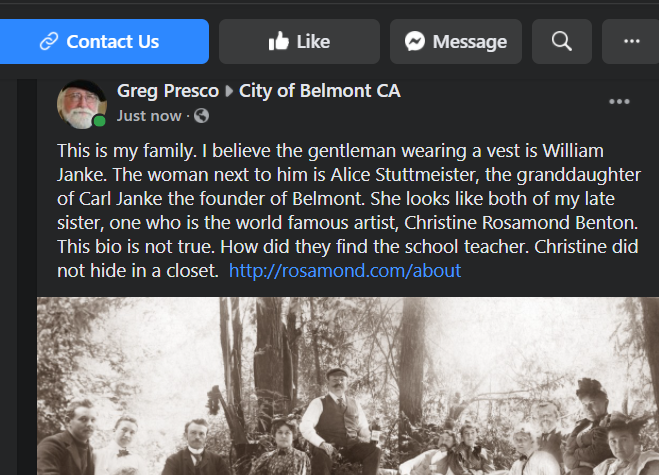
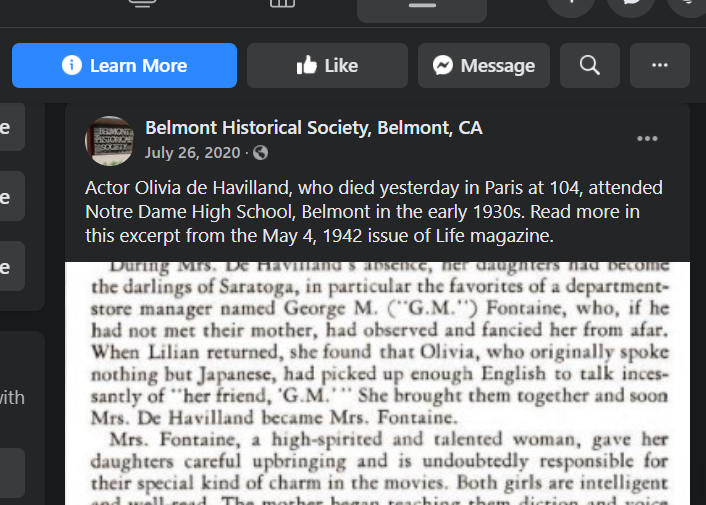
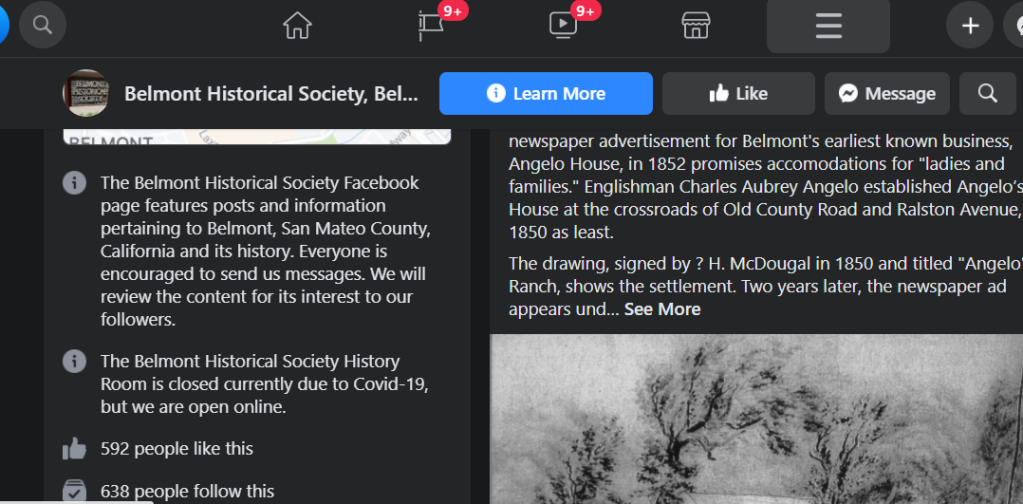
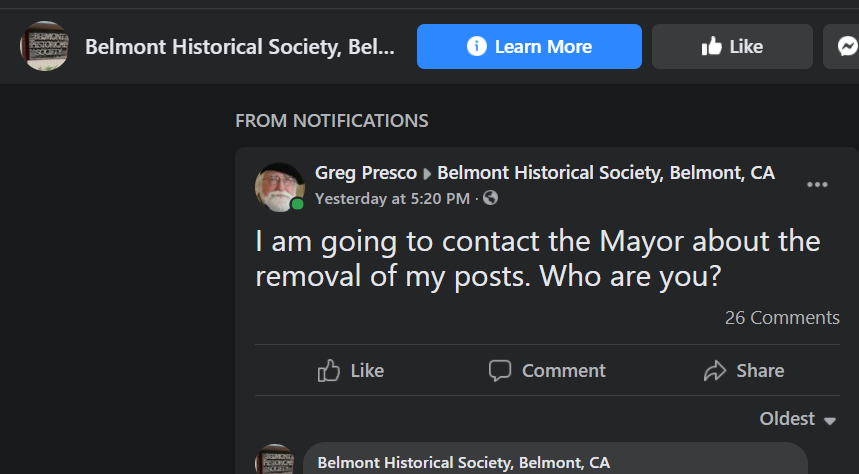

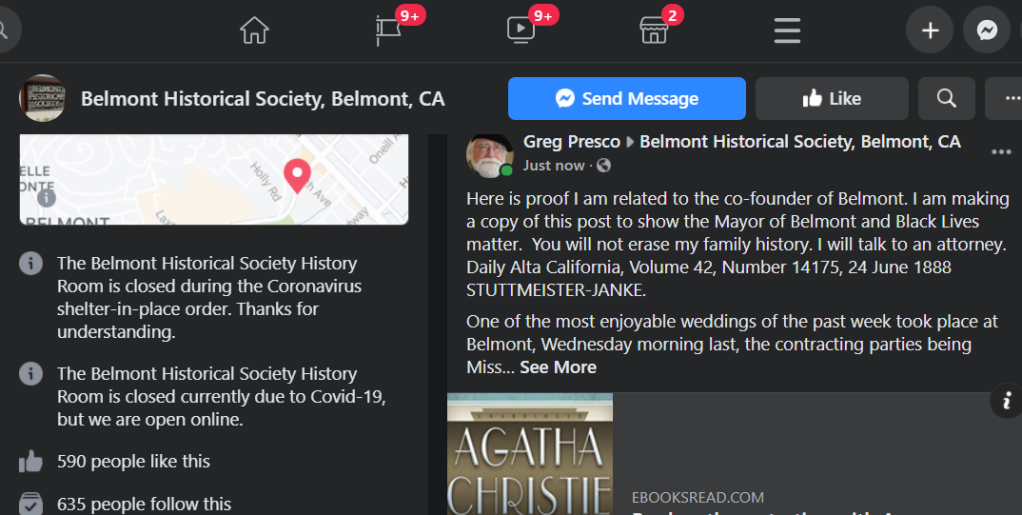
Prussian Colony In California
Posted on January 21, 2020 by Royal Rosamond Press


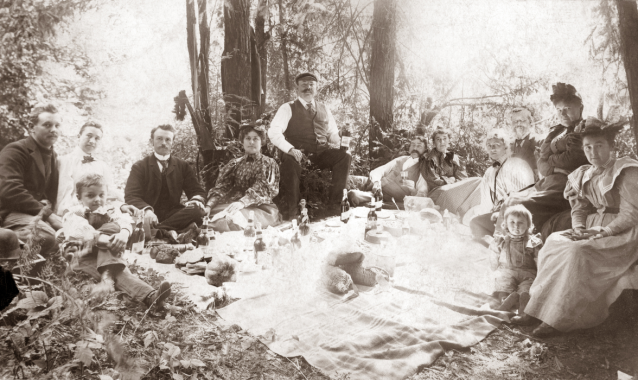
Eureka! Mexico was going to sell California to Prussia for $6 million dollars. Carl Janke, brought six portable houses around the Cape in 1848 – before the Gold Rush! One of them was Ralston House. Was Belmont going to be the Capitol of New Prussia? I just found her when I google the King of Prussia who ruled in 1846. My angel has been leading me to her in my book ‘The Royal Janitor’. https://en.wikipedia.org/wiki/Prussia
Frederick married Victoria, Princess Royal, eldest daughter of Queen Victoria
The question I have been asking, is what kind of kingdom was John Fremont going to establish in the West, that Starr King talked him out of? Did Lincoln know about the Prussian offer? What about Chile? The Germans had a colony there that William Stuttmeister dwelt in before he came to California. Are we looking at a hidden Prussian Kingdom – blessed by Victoria – Princess Royal, whom the Osborne House was built!
The Empress and Emperor of Prussia are Harry Windsor’s close kindred. They took away Harry’s uniform today. Will he wear a crown and the Emperor of California? Will Harry and Meghan sit in the grandstand and watch their troops? Will the transformation of the Republican Party, start here?
John Presco
President: Royal Rosamond Press
For other princesses named “Victoria”, see Princess Victoria (disambiguation).
| Victoria | |
|---|---|
| Princess Royal | |
| German Empress consort Queen consort of Prussia | |
| Tenure | 9 March 1888 – 15 June 1888 |
| Born | 21 November 1840 Buckingham Palace, London, England, United Kingdom |
| Died | 5 August 1901 (aged 60) Schloss Friedrichshof, Kronberg im Taunus, Grand Duchy of Hesse, German Empire |
| Burial | 13 August 1901Friedenskirche, Potsdam, Kingdom of Prussia, German Empire |
| Spouse | Frederick III, German Emperor (m.1858; died 1888) |
| Issue | Wilhelm II, German EmperorCharlotte, Duchess of Saxe-MeiningenPrince HenryPrince SigismundViktoria, Princess Adolf of Schaumburg-LippePrince WaldemarSophia, Queen of the HellenesMargaret, Landgravine of Hesse |
| Full nameVictoria Adelaide Mary Louisa | |
| House | Saxe-Coburg and Gotha |
| Father | Prince Albert of Saxe-Coburg and Gotha |
| Mother | Victoria of the United Kingdom |
Victoria, Princess Royal (Victoria Adelaide Mary Louisa;[1][2][3] 21 November 1840 – 5 August 1901) was German Empress and Queen of Prussia by marriage to German Emperor Frederick III. She was the eldest child of Queen Victoria of the United Kingdom and Prince Albert of Saxe-Coburg and Gotha, and was created Princess Royal in 1841. She was the mother of Wilhelm II, German Emperor.
Educated by her father in a politically liberal environment, Victoria was betrothed at the age of sixteen to Prince Frederick of Prussia and supported him in his views that Prussia and the later German Empire should become a constitutional monarchy on the British model. Criticised for this attitude and for her English origins, Victoria suffered ostracism by the Hohenzollerns and the Berlin court. This isolation increased after the rise to power of Otto von Bismarck (one of her most staunch political opponents) in 1862.


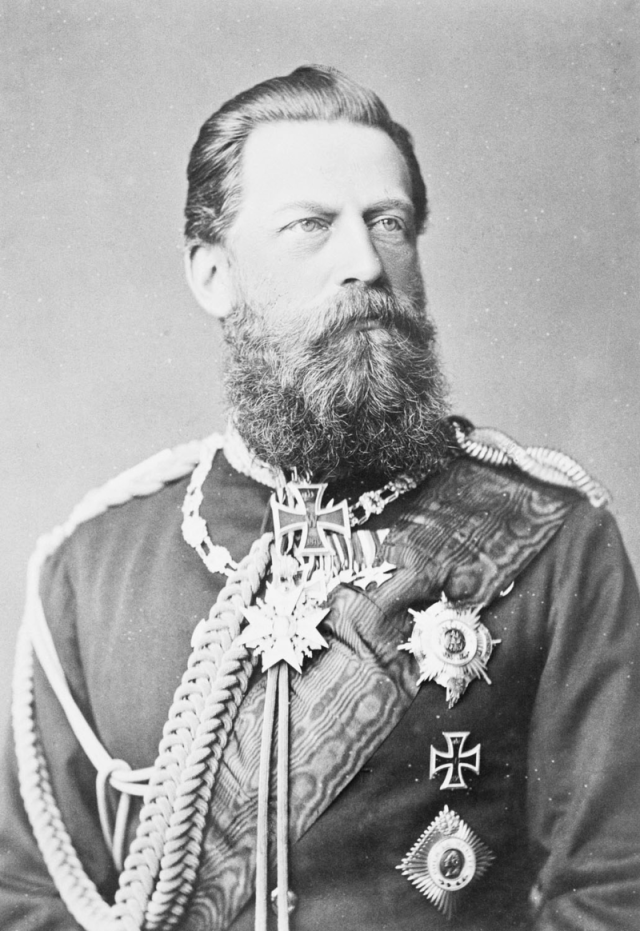
Prussia
Prussia, alone among the contenders for California, had no colonies of its own. All but without a navy of its own, and the weakest and smallest of the European great powers, its position as a candidate for the vast state of California upon the other side of the world can seem unlikely at first. Friedrich Ludwig von Roenne, the German ambassador to the United States, was a vigorous proponent of colonies, and wrote the following to Christian von Bunsen, the Prussian ambassador to the United Kingdom, as follows:
I fully agree with you that now is the moment, under the rule of our excellent King, who has a genuine German mind and heart, which beats aloud for everything that is noble, to lay the foundations of the greatness of our beautiful German Fatherland, in a political as well as in a commercial sense. England will always, as you say, see in us an awkward rival, but the time has arrived when we must act in a bold and independent way, and this can only happen if we are united as if we have a Navy and colonies. What a country Germany could become in such circumstances! She would be the equal of any other . . .
Your idea of purchasing California is an excellent one. I would never have thought of doing such an audacious thing, but, nevertheless, as early as the year 1837 I already had the notion, for when I reported on the condition of immigrants- especially with regard to the question of establishing a penal colony- I called attention to the possibility that Mexico might agree to give up a piece of land in California. The idea of buying all California deserves in every way to be preferred to this. The many Germans who go there yearly from the United States very soon cease to be Germans; they adopt local manners and customs and are entirely lost to Germany. On the other hand, a completely German colony, even long after migration, would retain for our German manufactures a permanent market and yield all the profit to the Mother Country. The possession of such a colony would also provide a good training-ground for our army and offer innumerable other benefits.
Upper California- which alone can be considered- if one can trust the many descriptions of it which which have been produced- the [latest] is I believe that by Alexander Forbes,12 published in 1839 in London- is one of the finest countries in the world, and on account of its happy position between the tropical and northern zones, is capable of bringing forth all the products which are suitable for exchange with the Mother Country, and which also would even be sought after by Mexico and the South American states. It is only necessary that it should be in the possession of an active, industrious and energetic people, and who would dispute these qualities to our German countrymen? These are the qualities whereby they earn so much respect here in the United States. No people on earth are better as cultivators of the soil than the Germans.
England, France and the United States would no doubt look at such an undertaking with jealous eyes, but I can hardly believe they would use force to prevent it from happening. Certainly not the United States! But in any case it would be a good thing, before taking any of the contemplated steps, to assure the cooperation of Denmark through her Navy. Only then would we be powerful enough, and have the means to carry out this plan.
The sovereignty of Mexico over California may hardly at be said at present to be more than a paper one-as a matter of fact I don’t exactly know what the situation is. Three years ago independence was declared.13 Nevertheless it would be very important vis-à-vis the other powers that sovereignty should be ceded by Mexico. Actual possession could then easily be secured without the use of very much force being required. Also, I am inclined to think, because of the looseness of the existing connection, that she would be readily disposed to entertain such a proposition. In any case she would prefer to see Germans there to the English, the Americans or the Texans, and I believe that even these two last would prefer to have Germans to the English.
Nevertheless I am not absolutely in a position to say whether this is likely to have enthusiastic acceptance on the part of Mexico. If Denmark appreciated her advantage she would not hesitate for a moment to cooperate in the closest possible way with Germany. The time is past- or at least should be- when smaller nations should see advantage in being hostile to their more powerful neighbours. . . . The smaller states can only reckon on the continuance of their independence if they don’t stand in the way of their larger neighbours. . .
Ludwig von Roenne’s words were not just idle musings. He planned to negotiate with Denmark for the usage of the Danish navy in communications with the colony, and to have his colleague Baroth von Gerolt, a fluent Spanish speaker, conduct negotiations with the Mexicans. However, in December 1842, he Mexican ambassador to the United States in Washington DC. Talking with Mr. Almonte, the Mexican ambassador, he was convinced that the Mexicans saw advantage in ceding Northern California to the Germans, rather than, as rumors put it, to the American or the English. For the Mexicans, the idea was that it would form an effective buffer state between them and the Americans. He would go ahead as well to contact William Hogan, a former US congressman and the equivalent of a lobbyist, who declared his support for the endeavor. This all came to nought : at this points sources differ with either that the Prussian government advanced no further, quietly shelving the project, or that it proceeded as far as negotiations with the Mexicans in Washington and London for the sum of some $6 million to purchase the colony, but then abruptly dropped out of negotiations. Whichever that it was, California would not be painted in Prussian blue.
- Prussia
The smallest and the weakest of the European great powers, and lacking in a navy, Prussia’s capability to hold onto the distant colony of California is one which presents itself as doubtful. Although many German colonists came to the United States in the 19th century, few of these were ones that the Prussian state could call upon or view as loyal to its projects : many came from outside of Prussia, such as in Saxony, and of those that came from Prussia, a great number were German liberals fleeing from oppression at home. Prussia’s capability to send colonists was limited, while its limited navy meant that supporting its colony through military means was equally problematic. It was envisioned that Denmark would enable Prussia to support its colony through the support of the Danish navy, but this raises the great problem of colonies : that colonial and continental politics diverged. If Danish support would enable the Prussians to guard their colony, in Europe, Germany desired Schleswig-Holstein, under Danish control, and if, as historically, this conflict flared into war, it would make Danish-German colonial cooperation infeasible. Still, lacking a navy didn’t historically preclude colonial endeavors, such as Belgium’s colony in the Congo, created by a state almost entirely lacking in a navy, Prussia had a famed army and government administrative system, and at least some German settlers might be drawn to California. A continued Prussian hold over California might be unlikely, but with careful management of power politics and an iron hand, Prussia might have been able to forestall American interest in the region long enough to secure it.




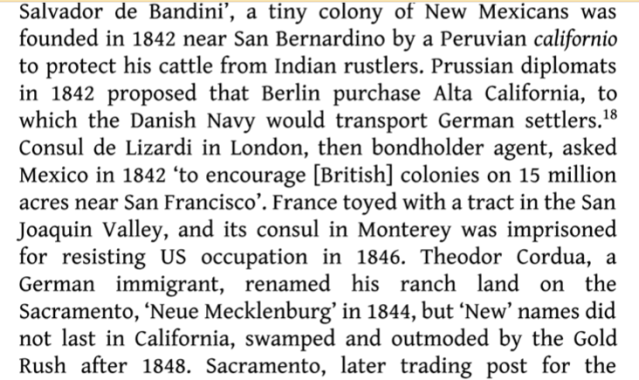
Frederick married Victoria, Princess Royal, eldest daughter of Queen Victoria of the United Kingdom. The couple were well-matched; their shared liberal ideology led them to seek greater representation for commoners in the government. Frederick, in spite of his conservative militaristic family background, had developed liberal tendencies as a result of his ties with Britain and his studies at the University of Bonn. As the Crown Prince, he often opposed the conservative Chancellor Otto von Bismarck, particularly in speaking out against Bismarck’s policy of uniting Germany through force, and in urging that the power of the Chancellorship be curbed. Liberals in both Germany and Britain hoped that as emperor, Frederick III would move to liberalize the German Empire.
https://www.alternatehistory.com/forum/threads/california-deutsche.162789
Stuttmeister Tomb in Colma
Posted on August 3, 2011by Royal Rosamond Press
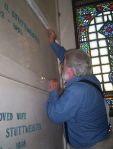

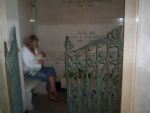
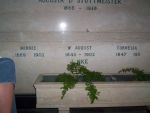


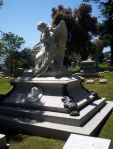


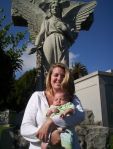

A curator for the Oakland Museum called me yesterday and asked me to e-mail him the photograph of my kinfolk having a picnic in the Oakland Hills. I had just returned from Dot Dotsons in Eugene where Jo framed a enlargement of this historic event in a antique frame I purchased. She did a splendid job!Thanks to the Trust my uncle Vincent Rice left me, I have more funds to investigate and record my lost family history. Being poor I have had to endure hardship in order to visit my newfound daughter and newborn grandson in California. Tyler’s father was not there for his son, so when I went to see him for the first time I made a point to ground him in the history of my father’s people whom I and my cousin had just discovered were in a tomb at Cypress Lawn in Colma.
We three were the first kin to enter this tomb in many years. Tyler took an early lunch when Heather breast-fed her son on a marble bench facing the Tiffany window. Afterwards we went atop a hill and had a picnic next to these beautiful angels. Heather told me Tyler remembers being there. I was amazed when I saw his eyes follow a plane in the sky, and then smile.
My friend, Joy, had given me a special AA coin with the image of an angel on it for my late sister, Christine Rosamond, that I slipped into a crack made by an earthquake.
When we drove through San Francisco on our way home, I told Heather this was her and Tyler’s town now, for the Stuttmeisters are listed as a pioneer family, and made the Blue Book. In some respects, this was a Baptism.
Were The Stuttmeisters Prussian Royalty
Posted on August 3, 2011by Royal Rosamond Press
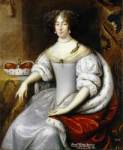


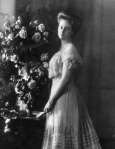
I found a video of the Dorotheenstadt cemetery this morning. The Stuttmeister family are placed at the entrance. Millions of Berliners have walked past their grave. They appear to be kin to Dorothea von Holstein Glücksburg, Second Wife of the Elector Frederick William, the “Great Elector”, or, they adopted their names in order to honor them. Hedwig is Schleswig-Holstein. This family is very close to the Windsors and married Kaiser Wilhelm. There is rumor the Soviet Union looted all that belonged to this family and there is a search underway to restore lands seized by the East Germans to their rightful owners.My father, Victor William Presco, was an only child. His mother’s middle name was Charlotte. Her mother was Alice Stuttmeister. Victor married Rosemary Rosamond whose ancestors allegedly were Huguenots who are buried in the Huguenot cemetary next to the the Dorotheenstadt cemetary that was named after Dorothea von Holstein.
Jon Presco
Copyright 2011
AGNES EMMA HEDWIG STUTTMEISTER
DOROTHEA SOPHIA STUTTMEISTER
AMALIE CHARLOTTE JOHANNE ELISABETH STUTTMEISTER – International Genealogical Index / GE
Gender: Female Christening: 06 MAR 1860 Sankt Petri, Berlin Stadt, Brandenburg, Preussen
Name: Philippine Auguste Amalie Brandenburg Schwedt
Born: 10 Oct 1745 at Of, Schwedt, Brandenburg, Prussia
Name: Sophie Dorothea Marie Prussia [5] Note
Born: 25 Jan 1719 at Berlin, Brandenburg, Prussia
Dorothea von Holstein
Born: 10/09/1636 in the castle of Glücksburg
Died: 8/16/1689 in Carlsbad (Bohemia)
Burial: Cathedral Berlin
The heirs to the Commonwealth realms are descended from Prince Philip of Greece and Denmark, a paternal grandson of George I of Greece. However, by Letters Patent of 8 February 1960, Queen Elizabeth II declared that her children with Prince Philip would belong to the House of Windsor, as would any agnatic descendants who enjoy the style of Royal Highness, and the title of Prince or Princess. (Those who do not have that style and title would bear the surname Mountbatten-Windsor.)[3]
The agnatic lineage is continued from Friedrich Wilhelm, Duke of Schleswig-Holstein-Sonderburg-Glücksburg.
• Christian IX of Denmark
The House of Schleswig-Holstein-Sonderburg-Glücksburg (Danish: Slesvig-Holsten-Sønderborg-Lyksborg, the latter name is also spelled Glücksborg), known as the House of Glücksburg (or House of Glücksborg) for short, is a German ducal house, junior branches of which include the royal houses of Denmark and Norway, the deposed royal house of Greece, and the heir to the thrones of the Commonwealth realms[1][2] (although in the latter case, they are, by royal proclamation, declared to be members of the House of Windsor[3]). The family is named after Glücksburg in northernmost Germany, and is a cadet branch of the House of Oldenburg that is descended from King Christian III of Denmark. However, as the elder line of the House of Oldenburg became extinct in the 19th century, the House of Glücksburg is now the senior surviving branch of the House of Oldenburg.
This particular line comes from the Dukes of Schleswig-Holstein-Sonderburg-Beck. The last of them became Duke of Glücksburg and changed his title accordingly to Friedrich Wilhelm, Duke of Schleswig-Holstein-Sonderburg-Glücksburg. He was married to Princess Louise Caroline of Hesse-Kassel, a granddaughter of King Frederick V of Denmark.
Neither the Dukes of Beck nor of Glücksburg were sovereign rulers – they held their lands in fief to the sovereign dukes of Schleswig and Holstein (who were also the Kings of Denmark in personal union) and, before 1773, the Dukes of Holstein-Gottorp.
The heirs to the Commonwealth realms are descended from Prince Philip of Greece and Denmark, a paternal grandson of George I of Greece. However, by Letters Patent of 8 February 1960, Queen Elizabeth II declared that her children with Prince Philip would belong to the House of Windsor, as would any agnatic descendants who enjoy the style of Royal Highness, and the title of Prince or Princess. (Those who do not have that style and title would bear the surname Mountbatten-Windsor.)[3]
The agnatic lineage is continued from Friedrich Wilhelm, Duke of Schleswig-Holstein-Sonderburg-Glücksburg.
• Christian IX of Denmark
• George I of Greece
• Prince Andrew of Greece and Denmark
• Prince Philip of Greece and Denmark[2]
• Charles, Prince of Wales[2]
• Prince William, Duke of Cambridge[2]
http://en.wikipedia.org/wiki/Holstein-Sonderburg-Gl%C3%BCcksburg
http://en.wikipedia.org/wiki/Sophia_Dorothea_of_Schleswig-Holstein-Sonderburg-Gl%C3%BCcksburg
http://forum.alexanderpalace.org/index.php?topic=533.15
7. AGNES EMMA HEDWIG STUTTMEISTER – International Genealogical Index / GE
Gender: Female Christening: 06 SEP 1856 Sankt Petri, Berlin Stadt, Brandenburg, Preussen
8. ALBERTUS FRIEDERICH STUTTMEISTER – International Genealogical Index / GE
Gender: Male Christening: 11 JUL 1745 Jerusalem, Berlin Stadt, Brandenburg, Preussen
9. DOROTHEA SOPHIA STUTTMEISTER – International Genealogical Index / GE
Gender: Female Christening: 03 AUG 1807 Jerusalem, Berlin Stadt, Brandenburg, Preussen
10. EMILIE FRIEDRICKE STUDTMEISTER – International Genealogical Index / GE
Gender: Female Christening: 26 JAN 1806 Sankt Nikolai, Berlin Stadt, Brandenburg, Preussen
11. AMALIE CHARLOTTE JOHANNE ELISABETH STUTTMEISTER – International Genealogical Index / GE
Gender: Female Christening: 06 MAR 1860 Sankt Petri, Berlin Stadt, Brandenburg, Preussen
12. FRIEDRICH HEINRICH STUTTMEISTER – International Genealogical Index / GE
Gender: Male Christening: 30 JAN 1862 Sankt Elisabeth, Berlin Stadt, Brandenburg, Preussen
13. JOH. CARL STUTTMEISTER – International Genealogical Index / GE
Gender: Male Christening: 20 AUG 1747 Jerusalem, Berlin Stadt, Brandenburg, Preussen
14. JOHANNES HERMANN STUTTMEISTER – International Genealogical Index / GE
Gender: Male Christening: 04 MAY 1826 Friedrichswerder Berlin, Brandenburg, Preussen
15. CARL HEINRICH STUTTMEISTER – International Genealogical Index / GEDr.
Gender: Male Christening: 15 APR 1805 Sankt Nikolai, Berlin Stadt, Brandenburg, Preussen
16. CATHARINA DOROTHEA STUTTMEISTER – International Genealogical Index / GE
Gender: Female Christening: 02 AUG 1743 Jerusalem, Berlin Stadt, Brandenburg, Preussen
17. VICTOR EMANUEL FELIX STUTTMEISTER – International Genealogical Index / GE
Gender: Male Christening: 07 MAR 1861 Sankt Petri, Berlin Stadt, Brandenburg, Preussen
Name: Margrave Friedrich Wilhelm Brandenburg Schwedt [1] Note
Born: 27 Dec 1700 at Oranienbaum, Anhalt, Germany [2]
Married: 10 Nov 1734 at Potsdam, Brandenburg, Prussia
Died: 4 Mar 1771 at Wildenbruch, Brandenburg, Prussia [4]
Father: Philipp Wilhelm Margrave Brandenburg Schwedt
Mother: Princess Johanna Charlotte Anhalt-dessau
WIFE
Name: Sophie Dorothea Marie Prussia [5] Note
Born: 25 Jan 1719 at Berlin, Brandenburg, Prussia [6]
Died: 13 Nov 1765 at Schwedt, Brandenburg, Prussia [7]
Father: King Frederick William I Hohenzollern Of Prussia
Mother: Sophia Dorothea Hanover
CHILDREN
Name: Princess Friederike Of Brandenburg-schwedt
Born: 18 Dec 1736 at , Brandenburg, Germany
Died: 9 Mar 1798 at Stuttgart
Husband: Duke Friedrich Ii Of Wurttemberg
Name: Anna Elisabeth Luise Prussia
Born: 22 Apr 1738 at Of, Schwedt, Brandenburg, Prussia
Died: 10 Feb 1820
Husband: Prince Of Prussia Ferdinand
Name: Georg Philipp Wilhelm Brandenburg Schwedt
Born: 10 Sep 1741 at Of, Schwedt, Brandenburg, Prussia
Died: 28 Apr 1742
Name: Philippine Auguste Amalie Brandenburg Schwedt
Born: 10 Oct 1745 at Of, Schwedt, Brandenburg, Prussia
Died: 1 May 1800 at Berlin, Brandenburg, Prussia
Husband: Frederick Ii Von Hessen-cassel Landgrave Of Hesse Cassel
Name: Georg Philipp Wilhelm Brandenburg Schwedt
Born: 3 May 1749 at Of, Schwedt, Brandenburg, Prussia
Died: 13 Aug 1751
Sophia Dorothea of Schleswig-Holstein-Sonderburg-Glücksburg
From Wikipedia, the free encyclopedia
Jump to: navigation, search
Portrait of Sophia Dorothea by Jacques Vaillant, 1682
Her tomb
Dorothea Sophia of Schleswig-Holstein-Sonderburg-Glücksburg (28 September 1636 – 6 August 1689) was a German noble, Electress of Brandenburg as the spouse of Frederick William, Elector of Brandenburg.
Contents
[hide]
• 1 Biography
• 2 References
• 3 Ancestry
• 4 Succession
[edit] Biography
Sophia Dorothea was born in Glücksburg. The great-granddaughter of King Christian III of Denmark, she was the daughter of Philip, Duke of Schleswig-Holstein-Sonderburg-Glücksburg and Sophia Hedwig of Saxe-Lauenburg. She was the sister of Auguste of Schleswig-Holstein-Sonderburg-Glücksburg
In 1653 she married Christian Louis, Duke of Brunswick-Lüneburg, brother-in-law to king Frederick III of Denmark. The marriage was childless. In 1665 her first spouse died and she moved to the Herzberg Castle. On 14 June 1668 she remarried to the Great Elector. In 1670, she purchased Brandenburg-Schwedt and other fiefs for her sons. In 1676, she became the commander of her own regiment, Regimentes zu Fuß (1806: No. 7). In 1678 and 1692 she equipped two fleets for the Brandenburg state.
She died at Karlsbad, and is buried in Berlin Cathedral. The Dorotheenstadt neighbourhood of Berlin was a present to her from her husband and is named after her.
Ancestors of Sophia Dorothea of Schleswig-Holstein-Sonderburg-Glücksburg
[edit] Succession
Sophia Dorothea of Schleswig-Holstein-Sonderburg-Glücksburg
House of Schleswig-Holstein-Sonderburg-Glücksburg
Cadet branch of the House of Oldenburg
Born: 28 September 1636 Died: 6 August 1689
German royalty
Vacant
Title last held by
Luise Henriette of Nassau
Duchess consort of Prussia
14 June 1668 – 29 April 1688 Succeeded by
Sophia Charlotte of Hanover
Electress consorts of Brandenburg
14 June 1668 – 29 April 1688
Vacant
Title last held by
Dorothea of Denmark
Duchess of Brunswick-Lüneburg, Princess of Lüneburg
9 October 1653 – 15 March 1665 Vacant
Title next held by
Benedicta Henrietta of the Palatinate and Éléonore Desmier d’Olbreuse
Vacant
Title last held by
Anne Eleonore of Hesse-Darmstadt
Duchess of Brunswick-Lüneburg, Princess of Calenberg and Göttingen
9 October 1653 – 15 March 1665
Frederick William (German: Friedrich Wilhelm) (16 February 1620 – 29 April 1688) was the Elector of Brandenburg and the Duke of Prussia (“Brandenburg-Prussia”) from 1640 until his death. He was of the House of Hohenzollern and is popularly known as the Great Elector (Der Große Kurfürst) because of his military and political skill. Frederick William was also a staunch pillar of the Calvinist faith, associated with the rising commercial class. He saw the importance of trade and promoted it vigorously. The Great Elector’s shrewd domestic reforms gave Prussia a strong position in the post-Westphalia political order of north-central Europe, setting Prussia up for elevation from duchy to kingdom, achieved under his successor.
There is a thread on Crownprincess Cecilie in “The Hohenzollerns”.I’d like to begin a new thread on other Kaiser Wilhelm ‘s daughteers-in-law.How did they look like? What characters they had? Was their married life happy? How were they getting on with formidable Kaiser?
With a short legenda each of Princesses,except Cecilie discussed earlier.
1.Princess Eithel Friedrich,nee Duchess Sophie Charlotte of Oldenburg (1879-1964),eldest daughter of Duke Friedich August and Princess Elisabeth of Prussia. “Lotta” married Eithel Friedrich in 1906 and was divorced in 1926.The married couple had no children (they said EF was a homosexual).It seems Sophie Charlotte wanted to marry and leave her parental home becouse of endless conflicts with her step-mother.May be Prince EF was not the best refuge for Lotta.
.Princess August Wilhelm,nee Prss Alexandra Victoria of Schleswig-Holstein-Gluksburg (1887-1957), 2d daughter of Duke Friedrich Ferdinand and Prss Caroline Mathilde of Schleswig-Holstein-Augustenburg. So Alexandra Victoria was a 1t-cousin of her spouse as her mother was a sister of Empress Augusta Viktoria. Alexandra and Auwi married in 1908,divorced in 1920,they had only one son.She married again.
For me she was the prettiest d-in-law of Kaiser (after Cecilie,of course).
4. Princess Oskar (at first Grafin von Ruppin),nee Countess Ina von Bassewitz (1888-1973).She was the only “non-royal” d-in-law of Kaiser and they said that Wilhelm liked her most of all his d-in-laws. Ina and Oskar married in 1914 and had a very happy family life .The yhad 4 children.
The Dorotheenstädti church
In the year 1687 the Dorotheenstädti church was inaugurated as the tenth place of worship in Berlin and as the first Protestant building of churches. Nearly 200 years in Berlin no more church had been built. By the plague of the yearly 1598 and the Dreißigjährigen war the population had decreased/gone back to at the most 10,000 inhabitants. But in the death year of the large cure prince 1688 18 became already. – to 20,000 inhabitants indicated, and around 1700 were already 29.000. – Frenchmen, Dutchmen, Pfälzer and Welsch Swiss enriched not only the statistics, but likewise the economic, cultural and church development of the city.
If one regards the perspective plan of the fortress Berlin, which the kurfürstliche made land measurer Johann Bernhard Schulz 1688, then „the new city at that time is “, which in the year 1676 after the second wife of Friedrich Wilhelm Dorothea was designated, particularly well to recognize: From the citizen of Berlin „new Thor ” out goes it westward over the fortress ditch into the long-drawn-out Dorotheenstadt, which is protected by „a horn work “. A vierreihige lime tree avenue, to which the cure princess is to have done the first spade line, particularly falls in the eye, and in the west one sees the new church, which exhibits whole a considerable height compared with its surface. Before the church was delighted, the inhabitants held their service the summer over in the free one „under the lime trees “, in the winter met them in the house „Hamburg messenger ” Paul Grothe.
In the year 1674 the cure prince had already given his agreement to the building to a small church, at which both lutherische and reformed preachers should exercise their office. 1678 were begun with the Kirchbau, and at the 3rd Advent 1687 – thus nearly after one decade! – one inaugurated the church in presence of the cure prince Friedrich. That happened with two services on the same day: In the morning the reformed Hofprediger Stosch preached, in the afternoon the lutherische preacher Ranslebens. The argument between the two protestant denominations, which were in certain respects at that time further from each other, moved as today the large churches in Germany the whole people. The sympathy of the cure prince was on sides of the reformed ones, and for reasons of the reasons of state tried it, the conflicts, which expenditure-fenced from the Lutheranern for conscience reasons became to hold down by force. In the year 1683 it had forbidden even a Katechismus, which contained hard attacks against the calvinistische teachings. Also the fact that the church did not receive a Biblical name, was designated but simply after the new suburb, is out of consideration opposite the reformed ones to be explained.
By the edict of potsdam the cure prince 1685 had offered made of France the refugee Protestant in Prussia a new homeland. While in the year 1680 the municipality from 600 Lutheranern and only 37 reformed existed, now the number of the calvinistischen Christians increases. In addition the cure prince gets dutchmen as a building master and craftsmen into his residence. Far more largely however is the number of the French Réfugiés: In the Dorotheenstadt live in the year 1697 already 1615 Frenchmen, that is almost half of all inhabitants. In the year 1698 the national gentleman of the French municipality permits the sharing of the church. Against reimbursement of half of all past expenditures and with the obligation to take part in the future in the preservation of the church you are transferred half of the property at the place of worship. In the course 18. Century should decrease however the number of the Frenchmen in the Dorotheenstadt and the need the use of the church become smaller, since 1705 the French church was built on the gendarme market and 1733 a special chapel in the French hospital, Friedrichstraße 129, near the Oranienburger gate. After some arguments with that in the meantime protestant unierten German municipality in the Dorotheenstadt finally gave up the French municipality in the year 1858 their joint possession right at the church.
One receives a good impression of the first church building by the multicolored illustration on a porcelain cup, which was given to the preacher father (1831-1880) by two Konfirmandinnen and today in the Märki museum is located. The building „forms in the sketch a Greek cross with three right-angled arms, polygon for closed altar area and four low cultivations in the angles of the cross arms, thus a simple central plant “. Since the cathedral church received a new pulpit in the year 1690, the old cathedral pulpit of the church was left to Dorotheenstäd tables. Probably in the year architect, painters and mathematicians the Rütger of long field the church, built the 1695 deceased of which a sandstone intending board in the southern Kreuzflügel reminded.
The bells had called already before completion of the building of churches „under the lime trees ” to the service. The largest was provided with the coat of arms of the cure prince and its wife Sophie Dorothea from the house Holstein luck castle. In the year 1680 it had rung „to the thanks because of the pommerschen Viktoria “, i.e. conquest Stettins. She came to completion of the building into the tower, the two different into an opening of the roof. The middle bell from the year 1723 carried the inscription:
Since Friedrich Wilhelm sat on of Prussia king throne a right Salomon of the large Friedrichs son ward my CASTING made to play there and sound if our Zion wants the highest victim to bring.
Johann Porst, which went then as Propst to pc. Nikolai, published a Gesangbuch, which should find as certification of pietistischer Frömmigkeit far spreading and even to 1905 was again printed during its time at Dorotheen in the year 1708 (first anonymous): „Clergyman and lovely songs, which the spirit of the faith by Dr. Martin Luthern, Johann army man, Paul Gerhard and other one its tools in the previous and current times sealed. “- From 1709 to 1719 the after times Propst of pc. Petri, Johann Gustav Reinbeck, „Beichtvater of the queens” and a taught theologian, was preacher at the new church.
Like many churches in Berlin changed also the Dorotheenstädti in the course 19. Century their face. While French occupation at the beginning of the century had stranger troops – by the way Bavaria – in the church lived, which mutilates monuments, organ pipes taken out, coffins in the Grabgewölbe broken open and the old cathedral pulpit burned. Already since the year 1750 the church ground had served as installing chamber for of Prussia soldiers. All of this did not contribute straight to the preservation of the church. Thus one decided 1861 „to a complete renewal of the church in modern brick forms, with retention of the old sketch, on which on 21 November 1863 the new inauguration took place “. The preachers of the Jerusalemskirche said in their greeting to the colleagues: „We feel also in as much connected you in the spirit as your church, as the unsrige, was similar a monument of the union convicition of our prince house and our protestant population still before the introduction of the union. “
On 18 February 1831 into the Dorotheenstadt as on the Friedrichswerder – both churches were united at the time still in a Pfarrsystem with one another – the 1817 of the king had been carried out proclaimed union. The statute signed by ministers and church executive committees begins with the words: „Stops from now on at the municipalities of the two in all remaining, as before, united Parochien Confessions under separated complete, and forms instead of two for each church only one protestant uniierte municipality. “It is still mentioned that this is valid for all members of the municipality, if the reformed ones not already held themselves among them „the year ago 1817 with express explanation to another reformed municipality”.
It is remarkable that in the year 1846 by the Ministry for the religious affairs the employment of a Universitätspredigers was ordered, which should hold for Dorotheenstäd tables in the church services for the students. At the 3rd Advent 1847 this – for Berlin probably first „übergemeindliche ” Pfarrstelle, apart from the Militärseelsorge – was opened by a service, with which also the catholic rector at that time of the university held a speech. The Studentenpfarramt was maintained however only up to the year 1856. It was then transferred to the emperor Friedrich Gedächtniskirche.
In the year 1902/03 the church was again transformed. In place of the past timber ceiling it received a Tonnengewölbe. The emperor and its wife gave marble reliefs of the large cure prince and the cure princess Dorothea, which today in the garden „of the Schleiermacherhäuser ” (Johannes Dieckmann, early pigeon road 3) to see are. On the right of and to the left of the Altarapsis now two chapels were set. One found as communion chapel use, which took up others the monument of the count of the Mark, which had in the dark confessed one hundred years. This marble monument for with eight years the deceased the natural son of the king Friedrich Wilhelm II. and the Trompeterstochter Wilhelmine Enke, the later countess Lichtenau, was the first large work of Gottfried Schadow and represents in the judgement R. Borrmanns 1893 „the first work of the modern German art in Berlin “. It is located today – without inscription and Girlande – in (east) the citizens of Berlin national gallery.
Already before 250 years there were indications of an at that time still rare tolerance at the Dorotheenstädti church: Not only that the preachers and municipality members of the two protestant confessions forced themselves by their common place of worship mutually „to the bearing SAMness “; it also is reported, „that one with funerals and corpses of having an accident, suicides, Komödianten and the catholics not the strict, often even schimpfliche way did not observe, which were with other churches of Berlin use “: Funeral in a special corner of the cemetery, no bell ring and no candles.
The first Kirchhof was, as generally usually, around the place of worship put on. A free standing monument reminded of the imperial-Russian colonel general Konstantin von Stourdza, who had taken itself in the year 1806 in the zoo the life. A large part of the deceased was buried however in the Kirchengewölbe. Last burying at the old Kirchhof took place in the year 1876, after fifty had been already adjusted years before the funerals officially.
A second cemetery – on the left Spreeufer, which lock Monbijou opposite – was long occupied starting from 1708 about 50 years. In the year 1912 the municipality – together with Friedrichswerder – received the Dorotheenstädti Kirchhof existing this very day, which should become the historically most important cemetery of Berlin. There rest philosopher spruce and Hegel, which sculptors and architects Schinkel, Stüler, Schadow and smoke, which physician hoof country, who antiquity researcher Boeckh, which printer Litfaß and finally from our time heal ne Weigel, Bertold break, Arnold branch and Heinrich man. Starting from 1842 the municipality used a further Kirchhof at the reading road, in the today’s western part of the city. There the Zirkusdirektoren Renz, Schumann and shrubs are buried. Only temporarily – from 1889 to 1912 — the municipality had also a cemetery at the Schamberger road, which was called Tegeler Chaussee at that time.
At the beginning of this century at the Dorotheenstädti church still another minister was active, who admits beyond the borders of the municipality was: D. Wilhelm Schneemelcher, starting from 1902 Secretary-General of the protestant-social congress, founder of the magazine „protestant-socially “. In the church special services were regarded from 1921 to 1923 as Germans from Russia. Berlin was the goal of many refugees also at that time.
In place of 1917 20 years sold bell later a new bell in service were taken, whose inscription represents also a piece „to church history “: „Which the world war us took, has the time of the German unit us again-brought by the welfare service of our municipality and our woman wife in the third realm 1936. To see “- beside it was, as in the chronicle from the year 1937 is noted, the iron cross and – the swastika. In this chronicle it means also: „The burning Reichstag dome became us with all concern over coming heavy events a Fanal of a new free and strong Germany without party spirit and internal fights, like it whenever in Reichstag the damage for the reputation and those will our people expenditure-fenced became.”
On 23 November 1943 the Dorotheenstädti church was heavily damaged with a bomb attack easily, on 21 June 1944. Although it was classified still six years later than receive-worth, the ruin fell 1968 finally the pointed heel to the victim. The municipality is come up in Friedrichswerder. The name of the earlier quarter and its church is only resumed today by the two Kirchhöfe in the east and in the west. Also the Dorotheenstraße, which had been called originally „last road “, was umgewidmet: It is called now Clara Zetkin road. From „the lime trees ” out there the newurban Kirchstraße – this name is still received – leads toward Spree at a parking lot past, which is intended for the half for cars of the opposite message of the United States of America. The entire parking lot is noticeable by its own tree existence: Schnurbäume, God trees and genuine Robinien. There once the first Protestant place of worship of Berlin stood.
The cemetery of Dorotheenstadt is located in the heart of Berlin. It is one of the most interesting cemeteries in Germany, and the final resting place of German playwright Bertolt Brecht.
The cemetery was established in 1762, and although it has only 300 graves, more German artists, philosophers, and politicians are buried here than anywhere else. The tombstones of this cemetery read like the Who’s Who of Berlin’s intellectual and artistic elite.
Stroll through the cemetery which is shaded by giant trees, and you’ll discover the resting places of the philosophers Georg Wilhelm Friedrich Hegel and Johann Gottlieb Fichte, of writers like Heinrich Mann and Arnold Zweig, or the former German President, Johannes Rau.
Highlights
• The highlight of the cemetery of Dorotheenstadt is the grave of Bertolt Brecht and his wife, the actress Helene Weigel.
The couple lived in the house right next to the cemetery. Fans of Brecht often leave red carnations on his grave, a symbol for his political views.
• No flowers, but expensive cigars adorn the headstone of German dramatist and theatre director Heiner Müller, a trademark of this German artist.
• Another very impressive tomb here is the one of Karl Friedrich Schinkel, the German architect who designed many neoclassicist buildings in Berlin.
He did not only build the landmarks Gendarmenmarkt and the Old Museum, but he also designed his own gravestone.
The Dorotheenstadt is an area of Berlin comprising the area north of
Behrenstrasse (the street parallel and just south of Unter den Linden),
south of the River Oder, east of the Brandenburger Tor, and west of a line
formed by Oberwallstrasse/Falconstrasse/Niederwallstrasse. It was laid
out as a Vorstadt of Berlin in 1674. The record undoubtedly refers to a
baptism in the Dorotheenst”adtische Kirche, erected in 1677 as a
Simultankirche, for the use of both Lutherans and Reformed (merged into
the Evangelische Kirche der Union in 1831). 1680-1840 joined with the
Friedrichswerder Kirche; now Friedrichswerder[-Dorotheenstadt]
Kirchengemeinde. The original church registers for 1677-1874 were
destroyed during World War II, but microfilm copies prepared by the
Reichsstelle f”ur Sippenforschung/ Reichssippenamt in the 1930’s and
1940’s survive in the Evangelisches Zentralarchiv in Berlin. The Family
History Library in Salt Lake City has copies of these microfilms, and you
can borrow copies through any LDS (Mormon) Family History Center.
The Dorotheenstadt cemetery, officially the “Cemetery of the Dorotheenstadt und Friedrichswerder Parishes”, is a landmarked burial ground located in the Berlin district of Mitte which dates to the late 18th century. The entrance to the 17,000 m2 plot is at 126 Chaussee Straße (next door to the Brecht House, where Bertolt Brecht and Helene Weigel spent their last years, at 125 Chaussee Straße). It is also directly adjacent to the French cemetery (also known as the cemetery of the Huguenots), established in 1780, and is sometimes confused with it.
A small area surrounded by a low hedge is reserved for members of the nearby Berlin Academy of Arts, among others René Graetz, Anna Seghers, Erich Arendt and Lin Jaldati, a Jew who survived three concentration camps to make a successful career as a dancer and singer of Jewish songs.
The Marin Shipmates
Posted on August 29, 2020 by Royal Rosamond Press


Yesterday I am sitting on the bus bench looking at these two good ol boys come out of a black Japanese-built beater – with a Confederate flag on top. They had big guts and grey hair. They were letting it all hang out after Franklin Graham gave our President ABSOLUTION in the White House Rose Garden. They then went inside a phone store. I debated about crossing the street and yanking that flag from atop the car. These seniors were about my age. Were they looking to go down in a blaze of glory? I then thought about going over and talking to them, inform them I am about to form a branch of the Black Panther Party called…
MARIN SHIPMATES
I bought MARINSHIPMATES.COM before I went to see my doctor. The night before, I watched a old movie about MARINSHIP. It was about the Government BUYING land in Marin County, and city named MARIN CITY to build Liberty Ships – and oil tankers. Then I see King Faidal and his bodyguards coming aboard the flag ship
Share this:
ccc
 Rosamond Press

.png)
Leave a comment