My cousin Elizabeth and I share the same great grandfather, James Rosamond, who owned slaves in South Carolina where Nikki Haley lives. She did well tonight in the New Hampshire primary. But, she dishonors the history of our ancestors, and all peoples who were once slaves, and, all people who liberated slaves, the foremost being, Moses – the Jew. Liz did convert to Judaism, and thus owns abolitionist religious roots. Joseph was sold into slavery by his brethren.
Someone altered our linage to the Rosenbergs, but luckily I saved it, I will be lodging a compliant.
Rosemond, James of Abbeville County, Will Typescript (Mss Will: Estate Record Book 1, Page 329; Estate Packet: Box 80, Pkg 1949) (2 Frames):
WILL OF JAMES ROSEMOND
In the Name of God amen, I James Rosemond of the State of South Carolina and Abbeville County being in a tolerable state of health but Calling to mind the uncertainty of life do make and ordain this my Last will and Testament in way and manner following that is to say I will and desire that all my just debts and funeral Charges be paid & satisfied Imprimus I Leave and bequeath to Marry my Loving Wife two Negro Wenches that is one Named Nell and the other Charity and likewise two Negro boys one Named Ralph and the other Sam for her use and for the Maintainence of her and my Children during her Life and Likewise my Wife shall have three horses that is to say my Brown horse and Black Gray & young Bay mare and plantation tools sufficient to work the plantation and Likewise I Leave for her use my whole stock of Cattle Excepting two or three which I allow her to Give to her Son James when she thinks he has ocassion for them and Likewise for the use of my wife and Children I Leave the one half of my hogs & sheep and the other half to be sold and Likewise I Give to my Wife all the household furniture that she thinks she has Occassion for Item I will and desire tha my Son Nathaneil shall have my Negro Smart but that he shall be sold and the money to be put to Interest untill he the sd. Natl. does Come of age and Likewise to my Son Natl I Give and bequeath my part of a tract of nine hundred and forty seven acres of Land Lying in Lawrence County on the Waters of Saluda and Reedy rivers near to where Ruben Piles Esqur now Lives Item to my son Thomas I leave and bequeath my Negro named George Item to my son Benjamin I Leave and bequeath my Negro girl named Jenny Item to my son Samuel I Leave & bequeath my Negro girl named Elon Item to my Daughter Mary I Leave & bequeath my Negro girl named Nancy. Item I Leave and bequeath to my three sons Thomas Benjamin and Samuel the Rest of my Lands to be Equally Devided amongst them to be given to them as they Come of age but the tract I now live on I alow my Wife to have the use of it while she Lives and at her death the Same to be divided as above. Item the Negro fellow Sam that I purchased from George Welded and my Stills and all my other property not above mentioned I desire that they shall be sold at publick Sale to the highest bidder except one horse Calld my young Bay and a saddle which I give to my wifes son James Dahorty Item my will is that at the Death of my Wife the four Negroes that I Leave to her for her Maintainence for Life Shall be Devided amongst my four Sons Nathaniel, Thomas, Benjamin and Samuel in manner following that is to say to my son Nathaniel I Leave and bequeath my Negro wench named Nell and to my son Thomas l Leave and bequeath the Above named aegro girl Named Charity, and to my son Benjamin I Leave & bequeath the above named Ralph and to my son Samuel I Leave and bequeath the above named Negro Sam My two sons Nathneal Thomas if their Negros should have any increase before she comes of age shall make up an equal proportion with one of them selves to my Daughter Mary and if they the sd. wenches should not have any encrease my four Sons shall make up to my Daughter Mary an equal proportion with them selves without exposing any of the the sd Negroes to sale Item my will and Desire is that all the monies arising from the sale of the above mentioned after paying all my just Debts shall be equally Devided between my wife and four sons and a horse and saddle to my Daughter Mary besides her equal share with the rest and I do hereby Constitute and ordain this my last will and Testament and desire it to be Received by all as such and I do hereby make & Disanul all former Wills and testaments by me made or ordained and I do Constitute and ordain Samuel Rosemond and James Watts Executors and mary my Wife executrix of this my last will and testament Given under my hand and sealed with my seal this fifteenth day of July A.D. one thousand seven hundred and ninety five.
James Rosemond (seal)
Signed sealed in presence of
Jas. Watts Wm Norwood Robert Ingram
The House of Rosenberg (Czech: Rožmberkové, sg. z Rožmberka) was a prominent Bohemian noble family that played an important role in Czech medieval history from the 13th century until 1611. Members of this family held posts at the Prague royal (and later imperial) court, and were viewed as very powerful lords of the Kingdom of Bohemia. This branch of the Vítkovci clan was initially founded by Vítek III, the son of Witiko of Prčice.
Around 1250, the Vítkovci clan settled at the Rožmberk Castle in the region of Český Krumlov, then about 1253 erected the Český Krumlov Castle. The Český Krumlov Castle thus became the residence of the Lords of Rosenbergs for the next three hundred years. It was the Rosenbergs who influenced the appearance of southern Bohemia to a great extent. The coat of arms and emblem of this family was represented by a red five-petalled rose on a silver field, which is still often seen in a considerable part of southern Bohemia.
A daughter of Oldřich II was Perchta of Rosenberg, who is identified with the Rosenbergs “White Lady” ghost tales, and current residents of the area still report seeing Perchta’s spirit around the castle.
The decline of the House of Rosenberg began with William and Peter Vok, the sons of Jošt III, both being raised under the guardianship of their uncle, Peter V.
William of Rosenberg is generally considered the most significant representative of the family, making the Český Krumlov area the centre of southern Bohemian cultural and political life.
After William’s death in 1592, his younger brother Peter Vok assumed the position of reigning lord. In 1601, he was forced to sell the Krumlov castle to Rudolf II, Holy Roman Emperor. Peter Vok transferred his residence after the sale to Třeboň, where he died in 1611. Peter Vok brought to a close the three-hundred-year-long reign of this illustrious dynasty.
Witiko or Vitico of Prčice (Czech: Vítek z Prčice, German: Witiko von Purschitz; c. 1120–1194) was a Bohemian nobleman and liensman of the Přemyslid dynasty. He was the ancestor of the Vítkovci family and the subject of the historical novel Witiko by Adalbert Stifter published in 1867.[1]
A noble Vítek (diminutive from Vít, Vitus) descending from Prčice south of Prague was first documented in an 1134 deed. An alleged relation with the Italian Orsini family, as claimed by his descendants John (1434–1472) and Jošt of Rosenberg (1430–1467), has not been established.
In 1184 Vitico was appointed burgrave in Prácheňsko and was able to acquire extended estates in South Bohemia. He again appeared at the court of Duke Conrad II in 1189. Through his four sons, he was the progenitor of several Vítkovci branches, among them the House of Rosenberg (Rožmberk).
“One of the most ancient and distinguished families of the Roman nobility, whose members often played an important rôle in the history of Italy, particularly in that of Rome and of the Papal States.
The Roman or principal line of the family, from which branched off a series of collateral lines as time went on, may be traced back into the early middle Ages, and a legendary ancestry goes back even as far as early Roman times. The Roman line, as well as its branches, had large possessions in Italy and were the rulers of numerous and important dominions, fortified towns, and strongholds. In Rome, the Orsini were the hereditary enemies of the equally distinguished Colonna: in the great medieval conflict between papacy and empire, the latter were for the most part on the side of the emperor and the leaders of the Ghibelline party, while the Orsini were ordinarily champions of the papacy and leaders of the Guelph party. The Orsini gave three popes to the Church — Celestine III, Nicholas III, and Benedict XIII — as well as many cardinals and numerous bishops and prelates. Other members of the family.
The founder of the family was Vítek III, the son of Vítek z Prčice. The Rosenberg thus originated as one of family branches of the Vítkovci. The family residence, the Rosenberg castle, was founded around the year 1250 by Wok (1262) who was also at the establishment of the monastery in Vyšší Brod in 1259. After the Lords of Krumlovdied out in 1302, Jindřich I took over the Krumlov castle as well as the whole property of the allied family branch and he transferred the family residence to Krumlov. The Krumlov castle thus became the residence of the Lords of Rosenberg for the next three hundred years. Peter I. von Rosenbergheld the post of the superior chamberlain at the court of John of Luxembourg. His wife was a widow of the Czech King Václav III. – Viola Těšínská. His oldest son Jindřich perished together with John of Luxembourg in the battle of Crecy in August of 1346. Another significant personage of the family was a son of Oldřich II. – Heinrich III.von Rosenbergwho lead the Union of Nobility, which was displeased by the reign of King Václav IV. The Union of Nobility therefore imprisoned the king in 1396 at the castle in Český Krumlov. Heinrich’s son Ulrich II von Rosenbergbelonged to the Czech members of the nobility who defended the interests of Czech Catholic nobility and of Sigismund of Luxembourg during the stirring times of the Hussite wars. A daughter of Ulrich II was Perchta von Rosenberg who is identified with the Rosenberg “White Lady” (see Tales of the White Lady). The renowned personage Peter IV. von Rosenbergmeant, for the Rosenberg dynasty, the development of economic activities (namely fishing and the mining of heavy metals), the beginnings of humanism and the Renaissance, and especially the affirmation of a significant position of the Rosenbergs among leading Bohemian families.
The decline of the family of Rosenberg is linked with Wilhelm and Peter Wok, the sons of Jošt III, who were brought up in the guardianship of their uncle Peter V. Wilhelm von Rosenbergwas indisputably the most significant representative of the family as he made Český Krumlov the centre of cultural and political life. After his death in 1592, his younger brother Peter Wok von Rosenbergassumed the reign. In 1601, he was forced to sell the Krumlov castle to the Emperor Rudolf II of Habsburg. Peter Wok transferred his residence after the sale to Třeboň where he died in 1611. Peter Wok brought to a close the three-hundred-year-long history of one of the most influential Czech noble families – the Rosenbergs.
Vítek III. the Younger of Prčice and Plankenberk (before 1194 – after 1244) was the lord of Prčice and Plankenberk and is considered the founder of theRosenberg family.
According to Václav Březan, the unknown daughter was Anežka. However, here Březan again erroneously proceeded from the will of Vok of Rožmberk, where he bequeathed property to the son of this unknown daughter of Vítek the Younger: “Item pueris sororismee do Pritschit in cambium”. Further, this will reads: “….. Et quinque marce auri solvantur inde pueris domini Bawari secundum”. (see JSH, volume LVII/1, p87 ). In the translation of these references, Březana was led by the erroneous assumption that the son of the unknown daughter of Vítek the Younger and the son of Bavor II of Strakonice were the same person. Březan therefore believed that the unknown daughter was Anežka, but it is demonstrably Anežka – the illegitimate daughter of Přemysl Otakar II.
In this part, Březan made one more mistake. He attributed two other sons to Vítek: Nicholas (he is a Prague bishop; he mistakenly took this assumption from Hájek’s chronicle) and Burian (this person only figures in the documents of Wenceslas I from 1250 as a witness of Borso de Rysenburch).
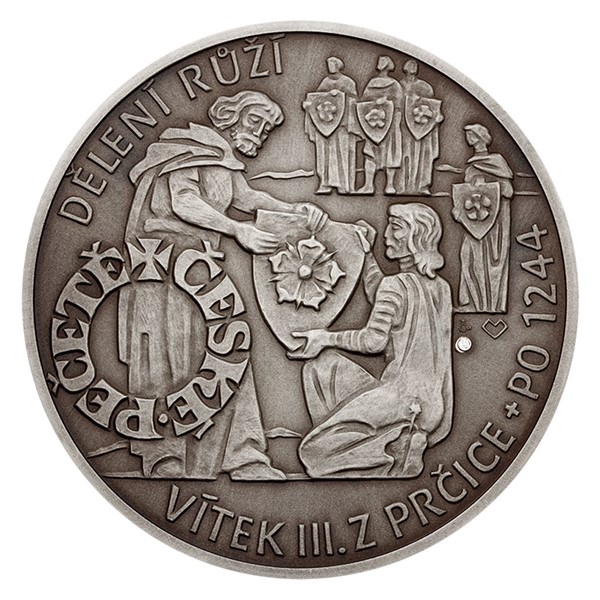
Silver medal Czech Seals – Vítek III form Prčice and Plankenberk standThe Czech Seal cycle of the Czech Mint which perceives our history with the unique optics of the world of sigillography, is made of silver medals beautified with patina. After a pair of mintages dedicated to our rulers the third issue opens a chapter reminiscent of the distinct social class of the medieval world – the nobility – represented by Witco III. of Prčice and Plankenberk.
The origins of the powerful Vítkovci clan date back to the second half of the 12th century and associate with the heraldic story of the division of roses, according to which Witco I of Prčice divided roses of different colors between his five sons. One of the sons – Witco III. of Prčice and Plankenberk, who received a silver shield with a red rose from his father, is considered to be the founder of the Lords of Rosenberg. Only one specimen of his seal, which belongs to the so-called pedestrianshield-shaped seals, remained well preserved. “From the viewpoint of iconography, there is an interesting Norman type shield that shapes the seal. The armament of standing noble medieval warrior consists of another shield, spear with a battalion and pot-shaped helmet corresponding with the 13th century. The knight’s armor is covered by the upper skirt called the surcot. The german predicate DE PLANKHINBERC is also mentioned in the inscription besides the name WITKO,” explains the author of the medal, czech expert historian and academic sculpor Michal Vitanovský.
There is no Beat-Bohemian leadership in America. Christine’s parents and Boston house is in my book ‘The Gideon Computer’ – that is coming true! I am….The Last Bohemian Standing! It looks like I was chosen to do Revelations that many deluded evangelicals assign to EX-president, Donald Trump who made a fake cote of arms.
John of Bohemia
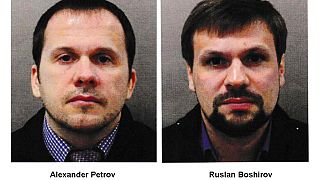
“Alexander Petrov” and “Ruslan Boshirov”, since identified as GRU agents Anatoly Chepiga and Alexander Mishkin, are wanted in connection with a blast in the Czech Republic – Copyright AP
SHARE THIS ARTICLE
Czech police are hunting the two Russians wanted over the 2018 Salisbury poisonings in the UK in connection with a massive explosion at a Czech arms depot in 2014.
Detectives said they had ascertained Russia’s military intelligence agency, the GRU, had been involved in the deadly blast in October 2014 in the eastern town of Vrbetice, in which two workers were killed.
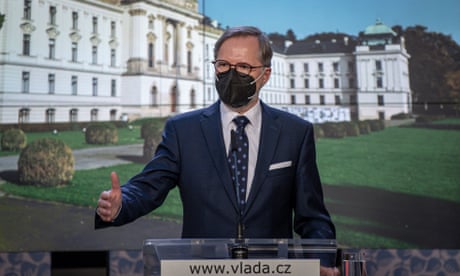
The Czech Republic’s coalition government is on a collision course with the country’s populist president after it vowed to end controversial security arrangements at Prague’s historic castle, established supposedly to prevent terror attacks.
Vít Rakušan, the interior minister, said he would ask police and security services to review measures in place at the 70,000 sq metre complex, which is the country’s most visited tourist attraction and also the official residence of the Czech president, Miloš Zeman.
Writing on Twitter, Rakušan, a member of the liberal Mayors and Independents party (Stan), decried the metal detectors and armed officers guarding the castle’s four entrances as a “war fortification” that marred its status as a revered emblem of national identity.Advertisement
“Prague castle is a symbol of Czech statehood,” he tweeted. “It belongs to all of us. And we are not really all terrorists, as we may now feel when we visit it. I have asked the relevant institutions to review all the security measures that have created a war fortification around the castle.”
Rakušan told Czech journalists the police would seek the opinions of all relevant bodies. “They will assess and comment on the necessity of the existing measures and possibly work on a new security regime,” he added. “I believe an assessment of the current massive measures is in order.”
The stringent regime – requiring visitors to empty their pockets and put their possessions on a conveyor belt – was fiercely criticised when it was introduced in 2016 after Islamist attacks in Paris and Brussels. The checks caused long queues at the castle gates, with guides complaining that they increased the time and cost of organised tours.
Critics insisted the castle’s status as public property rendered such measures inappropriate, while doubting the credibility of an Islamist threat in a country with a small Muslim population.
Some claimed the steps were prompted less by fear of terrorism than anger over a stunt carried out in 2015 by anti-Zeman activists, who managed to access the castle roof and fly a pair of large red boxer shorts in protest at the president’s vocal support for authoritarian regimes in Russia and China.
Zeman’s office said the security measures had been implemented on police advice.
While there was no immediate response on Rakušan’s comments, Zeman is likely to resist any change to the arrangements. His office accused two MPs from the interior minister’s party of “spreading misinformation” last month when they wrote an open letter to him calling for the security regimen to be lifted.
Zeman, whose term ends in 2023, has spent little time at the castle recently. He was admitted to Prague’s central military hospital with an undisclosed illness the day after a parliamentary election last October and spent 46 days there before being taken to the official presidential countryside retreat in central Bohemia, where he has been recuperating.
The last official occupant of the castle to be attacked was Reinhard Heydrich, who was head of the Nazi occupation administration running Bohemia and Moravia during the second world war. He was ambushed by British-trained Czechoslovak resistance fighters in 1942 and later died of his injuries. Heydrich did not live in the castle because he feared it was an easy target but was travelling there in an open-topped car when he was attacked.
The castle is thought to date back to 870 when its first walled building was constructed. It was later the seat of ancient Bohemian kings and the Holy Roman emperor. Adolf Hitler spent a night there after Nazi Germany invaded Czechoslovakia in March 1939.
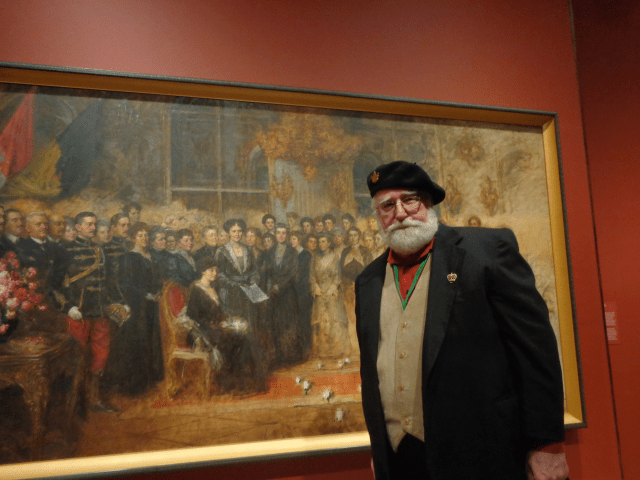
For several years I have been trying to bring to the attention of the Austrian Government the existence of the large canvas at the University of Oregon Museum titled ‘The Last Audience of the Habsburgs’ that was smuggled out of Austria. Alas, I have found just the right person. He is my kindred, Karl Schwarzenberg, who himself had to flee a oppressive regime. Karl opposes Putin, and backs Britain. I will contact him and see if he would like to come give a talk on this painting. His relative, Prince Felix Schwarzenberg, restored the Habsburg Empire.
Karel Schwarzenberg is the Prince of Schwarzenberg, Duke of Krumlov, former first Deputy Prime Minister and Minister of Foreign Affairs of the Czech Republic and honorary Chairman of Top 09 party. Schwarzenberg was also a Member of the Senate of the Czech Parliament and a candidate for the President of the Czech Republic in the 2013 presidential election. He is noted as a pro-European member of the center-right governing coalition.
Schwarzenberg’s family, who once ranked among the oldest and wealthiest aristocrats in Central Europe, had to leave the Czechoslovakia after the Communist coup of 1948. He spent most of his adult life in Austria to plot against communism. He is a great proponent of human rights and has been for his entire life. In 1989, he was awarded, together with Lech Wałesa, the Council of Europe’s Human Rights Award. Lan Anh Vu sat down with Schwarzenberg to learn more about his political life, the challenges he faced and his advice for young people across the world when it comes to pursuing a career in politics.
As told to Lan Anh Vu
My Career in Politics
In my early childhood, I was an observer of politics. In 1948, when the Communists took over, I was ten years old when I had to leave the Czechoslovakia and move to Austria. When I went to the school in Vienna to study law, I engaged in some political activities and became active in promoting human rights. At Munich university where I studied Graz and forestry, I was elected to student government. Due to the early death of my adoptive father, Jindrich Schwarzenberg, I had to cut my studies short and start managing the family properties.
From 1984 to 1991, I became president of the International Helsinki Federation for Human Rights. I pushed for human rights in Europe and was negotiating the question of human rights in the former USSR, Bulgaria, Kosovo and the Czech Republic.
When the Communist regime fell in 1989 , I returned to live in the Czechoslovakia and work for the late President Vaclav Havel. In 1990, I was appointed as the Chancellor of the Office of the President.
Some people told me I should become a senator. I first ran in the senate elections in 2002 and was unsuccessful, and in 2004 I ran again, succeeded and was elected a senator. Three years later, I became the foreign minister of the Czech Republic. Politics has been a constant part of my life ever since childhood.
My whole life I fought for liberty and democracy. I always thought that if you had opportunities ahead, you have responsibilities and should do something for your country.
When this unfinished canvas was first exhibited in Eugene fifty years ago, it was described as a “painting with a history as romantic as old Vienna.” Given that it was smuggled into the United States in a carpet roll by a political refugee, this claim is not unfounded.
The artist began the work in October of 1918 at Schönbrunn Palace, where the young Empress Zita (1892 – 1989) received an audience of war orphans and a group of wealthy noblewomen, the Organization of War Godmothers, who had “adopted” them. Within hours, Empress Zita (shown seated on her throne), her husband, and their own eight children were forced to flee across the Swiss border because of the contentious political climate. Despite several attempts, they were never able to reestablish themselves on their thrones; both the Emperor and Empress died in exile.
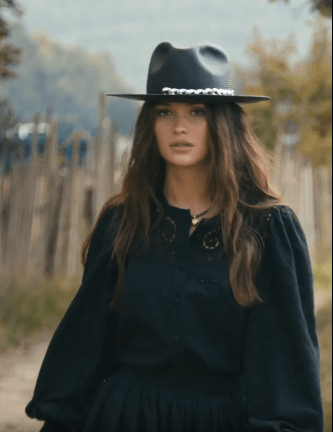
This morning I looked at homes for sale in Lincoln Nebraska. I found one on Rose St. that flamed my imagination. In 1970 I got off the train in Lincoln Nebraska to see Rena. I told her my idea to come live in Lincoln and find a studio where I would paint her. This was my destiny. It is not too late to…..come home to my Bohemian People. I bought a vintage camera that uses film. I could find models and do Bohemian fashion shots – and paintings! I googled models and beauty pageants in Nebraska….and here she comes, my vision again.
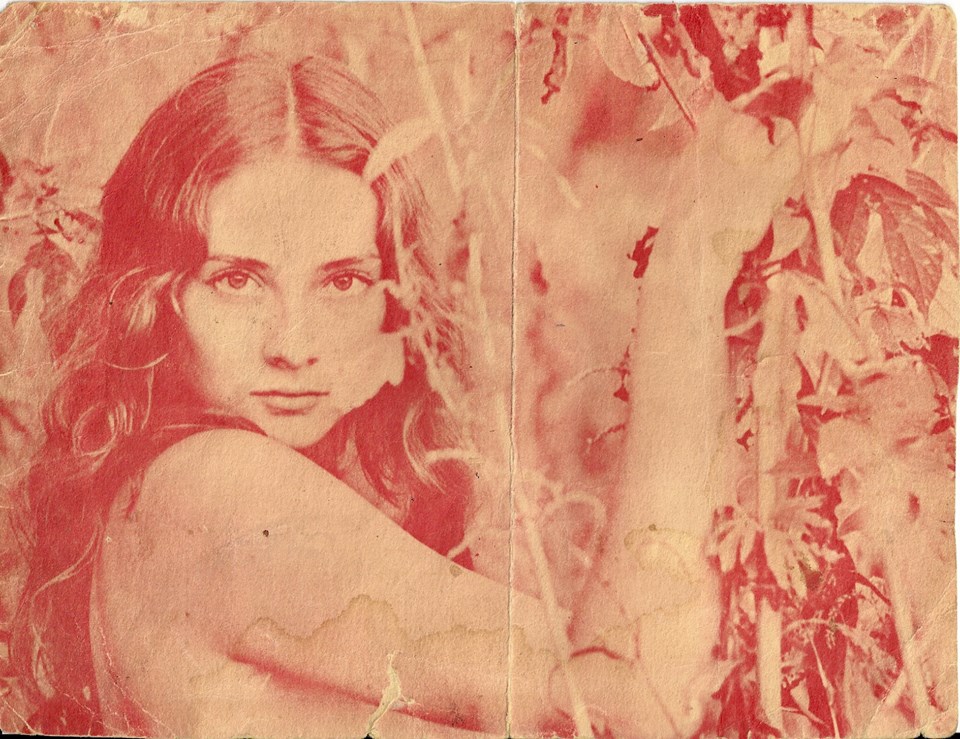
The first book of Capturing Beauty is coming to a close. When you save a beautiful young maiden, you must never let her go. You must follow her to the ends of the earth. You must have her, like King David had to have Bathsheba. Since I last say Rena Easton in Lincoln Nebraska, I solved the riddle of the ages. I know the relationship between Jesus and David.
My first blog, The Bohemian Democratic Register, crashed, or was sabotaged. It was named after the Eugene Democratic Register that Joaquin Miller was the editor for. He was a member of the Bohemian Club that was made up of Writers, Artists, and Journalists.
My famous sister was there on the pier when I met Rena Easton Christensen who lived with her grandmother in Grand Island Nebraska. She knew I found my new muse. When Christine saw the second painting of Rena I did in 1971, she took up art and was hard pressed to tell people why she was painting beautiful women. I have the antidote that will end – my published book!
I have followed The White Bohemian Roses seen in this painting of the Habsburgs. I traced my Rosamond kin to royal Bohemians. I found the Rose Sword and Grail. I own the greatest Art Story – of all time! I will go and live in Nebraska, on Rose Street. I will be with – my people! I will promote my people, here, and abroad! I will search for beautiful young women, there, so I can capture their beauty with a brush – and a lens! I will be famous! Art Justice – will prevail! I have persevered!
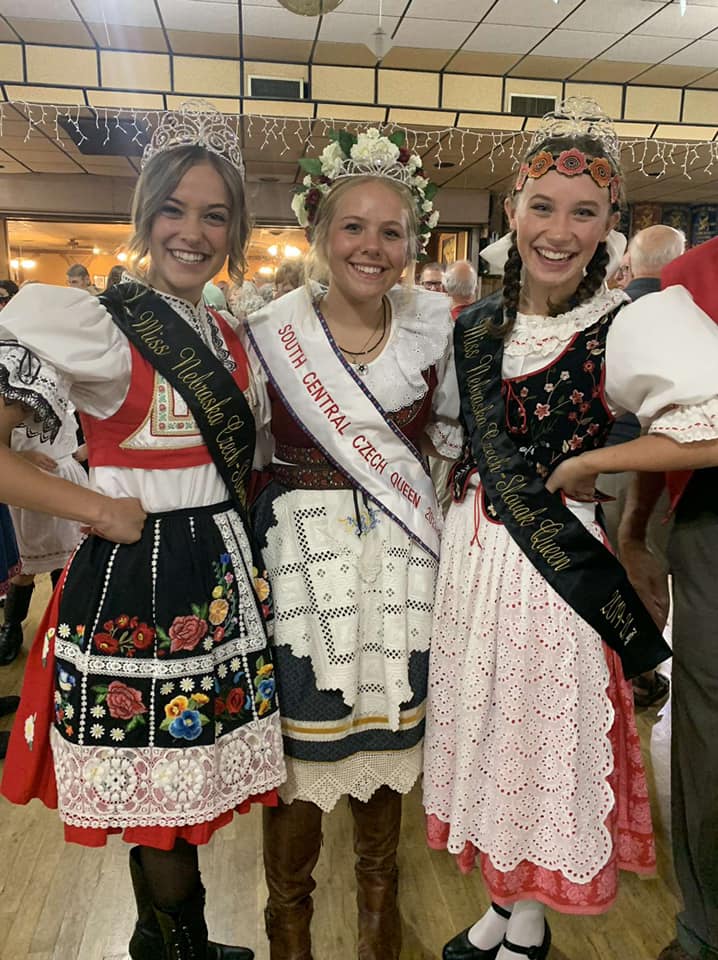
In the 1860s, many Czechs primarily from Bohemia and Moravia immigrated to Nebraska. Edward Rosewater and John Rosický, early Omaha newspaper editors originally from Bohemia, encouraged countrymen to come by extolling promises of free land in frontier Nebraska. By 1880 Czechs were the most concentrated ethnic group in Omaha. …
Komenský Clubs were founded in Nebraska, including in Omaha, Lincoln and other cities where there were numerous Czech immigrants. When the Bohemian National Alliance was formed in 1914, its midwestern district was headquartered in Omaha. Czechs in the city helped promote Bohemian independence after World War I. The nation of Czechoslovakia was created in the break-up of the Austro-Hungarian Empire. By 1920 an estimated 3,500 immigrants lived in Omaha’s Bohemian Town. Czech Nebraskan – Wikipedia
Omaha, Nebraska, October 9th, 1912, having come to this country when thirteen years of age. The women in her family were noted for their fine cooking, so that she acquired her art through a natural inheritance. However, while good cooking is in the main an inborn art, it can be learned by perseverance, patience and diligence. – ROSE ROSICKÝ. Omaha, Nebraska, March 25th, 1915.
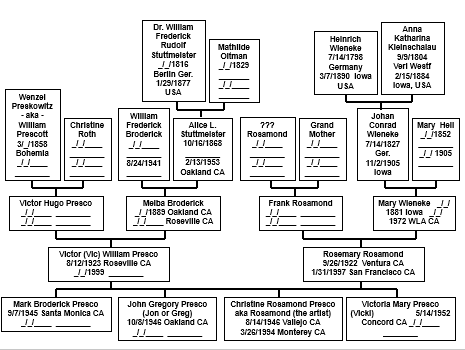
Wenzel Preskowitz was born in month 1858, at birth place , to Anton Preskowitz and Maria Preskowitz (born Studcika) .Anton was born in Bohemia. Maria was born in Bohemia. Wenzel married Christine Preskowitz (born Roth) .Christine was born in Germany.They had 3 children: Oscar Presco and 2 other children .Wenzel passed away in 1941, at age 82 at death place , Connecticut.
Perchta was born in 1429 as the daughter of one of the most powerful men in the Kingdom of Bohemia, Oldrich II of Rozmberk. Her mother, Katerina of Vartenberk died early, yet Perchta spent a happy childhood in her beloved Cesky Krumlov. She grew up, together with her sister Anezka and several other children of her age, and was looked after by her relatives and the female retinue. She had more siblings: sisters Lidmila and Katerina, who died as a child, and brothers Jindrich, Jost and Jan.
When Perchta reached the age of 20, she obeyed the wish of her father and married prince Jan of Liechtenstein, who was the lord of Mikulov and Valtice in South Moravia and in the Austrian Steiregg. The marriage was arranged for profit reasons: Oldrich placed great hopes in the power contacts of his future son-in-law, and expected Jan, who possessed a large wealth, not to require a much too high dowry.
Liechtenstein, on the contrary, wanted to solve his financial problems with the dowry. In this deal, Perchta became a mere item of goods with nobody taking her feelings into consideration.
Soon after Perchta’s arrival in Mikulov the differences between the character traits of both spouses started to become more and more visible. Jan spent a lot of time on entertainment, tournaments and carouses, which never attracted Perchta. She was fairly well educated for that time and preferred spiritual enjoyments. Liechtenstein felt irritated by her being so “virtuous”, and kept picking quarrels. He reproached her for her low dowry and kept reducing her expenses so that she and her servants lived in poverty in the end.
Her mother-in-law, Hedvika of Pottendorf, too, added fuel to the flames and did not miss an opportunity to hurt the young lady. Perchta did not have any support from anybody and her situation was desperate. Her situation was not even improved by the births of her daughter and son. The only short moments of happiness she had were her rare visits to ?eský Krumlov.
Perchta and Jan of Liechtenstein’s marriage later became a public affair. Perchta appealed to her father, brothers and mediators from among the nobility related for help. The dispute was even dealt with by the king George of Pod?brady. However, the couple never reconciled again. In the end, Perchta left Jan of Liechtenstein and returned to Cesky Krumlov spending the last years of her life in Vienna.
Jan of Liechtenstein died in 1473 and Perchta outlived him by three years. She is buried in the Liechtenstein tomb of the Monastery of Virgin Mary of Scotland in Vienna.
Legend has it that the dying Jan of Liechtenstein called Perchta to his deathbed and asked her for forgiveness. Yet Perchta could not forgive him, for which Jan cursed her. According to this curse she has to appear as the White Lady in Rozmberk residences at night until somebody frees her. For centuries people have believed in her supernatural abilities and held her for a patroness of family seats and their inhabitants.
Until today, both inhabitants of and visitors to the former Rozmberk seats meet the White Lady. Apart from the castle of Rozmberk, her picture can be seen in Cesky Krumlov, Trebon, Jindrichuv Hradec and Telc. These places are connected with the fate of Perchta of Rozmberk, and her ghost has been appearing here for centuries.
Witiko von Prčice, (auch Witego de Purschitz; Witiko I. von Prčice; Veit von Prčitz[1]; Vorname auch Witek; Witko, Witigo; Witego; Prädikat auch von Purschitz; von Prschitz; tschechisch Vítek z Prčice; Vítek I. z Prčice; Vítek nejstarší; * vor 1120; † 1194) war ein böhmischer Adliger, der in den Diensten der herrschenden Přemysliden stand. Er gilt als Stammvater der Witigonen, die sich unter seinen Söhnen in vier Familienzweige verästelten.
Witikos Herkunft und Geburtsdatum sind nicht bekannt. Sein Prädikat „von Prčice“ (von Purschitz) leitet sich von Prčice bei Sedletz ab. Erstmals erwähnt wurde er 1134. Für das Jahr 1165 ist er als Mundschenk und von 1169 bis 1175 als Truchsess am Hofe des Herzogs Vladislav II. nachgewiesen. Von diesem wurde er als Gesandter zum Kaiser Friedrich Barbarossa gesandt. 1177 war er Burggraf von Glatz. 1179 soll er an der Schlacht bei Loděnice teilgenommen haben, die zwischen den Herzögen Vladislav II. und Friedrich ausgetragen wurde.
1184 wurde Witiko zum Burggrafen von Prácheň (Castellan de Prahen)[2] ernannt. Vermutlich in dieser Position erwarb er umfangreiche Ländereien in Süd- und Mittelböhmen sowie im Mühlviertel, die er an seine vier Söhne vererbte, die jeweils eigene Familienzweige begründeten.
Seine Söhne waren:
* Witiko d. Ä. von Prčice (Vítek starší z Prčice; Vítek II.), belegt 1213–1236; Begründer der Linie Krumau, die 1302 ausstarb.
* Witiko von Prčice und Blankenberg (Vítek mladší z Prčice a z Blankenberka; Vítek III. z Prčice a z Blankenberka); begründete die Linie der Rosenberger, an die 1302 die Besitzungen der ausgestorbenen Krumauer Linie übergingen. Mit Peter Wok von Rosenberg starb diese Linie 1611 aus. * Heinrich I. von Neuhaus; Begründer des Familienzweigs der Herren von Neuhaus, der 1604 ausstarb * Witiko von Klokot[3] (Vítek z Klokot; Vítek IV.), belegt 1220–1234; Begründer der Linie Landstein, die 1381 ausstarb. Romanheld [Bearbeiten]
1867 veröffentlichte Adalbert Stifter, der ein Kenner der böhmischen Geschichte des Mittelalters war und selbst aus Südböhmen stammte, den historischen Roman Witiko. Der Protagonist des Romans ist Witiko von Prčice, den er möglichst authentisch darzustellen versucht.
Legende [Bearbeiten]
Die Abstammung der Witigonen von dem römischen Geschlecht der italienischen Orsini ist nicht belegt und gehört in den Bereich der Legende. Sie kam dadurch zustande, dass Ulrich II. von Rosenberg zur Steigerung des Prestiges der Rosenberger eine fiktive genealogische Abkunft von den Fürsten Orsini konstruierte. Sie wurde zwischen 1469 und 1481 auf Wunsch von Ulrichs Söhnen Johann und Jost von drei Mitgliedern der Familie Orsini bestätigt. Die Legende wurde nach 1594 von dem Rosenberger Hofchronisten und Archivar Václav Březan in seinen „Monumenta Rosenbergica“ aufgegriffen und dadurch verbreitet. 1609 nahm sie Březan auch in den Kurzen und summarischen Auszug aus der Rosenbergischen Chronik auf. Dort lautet die Witiko betreffende Überschrift in Kapitel I deshalb irreführend: „O knížeti vlaském Vítkovi, kterýž se nejprv do těchto krajin dostal“ (Vom italienischen Herzog Witiko, welcher als erster in dieses Land kam).
Literatur [Bearbeiten]
* Anna Kubíková: Rožmberské kroniky. Krátky a summovní výtah od Václava Březana. České Budějovice 2005. ISBN 80-86829-10-3.
Witiko von Prčice, (auch Witego de Purschitz; Witiko I. von Prčice; Veit von Prčitz[1]; Vorname auch Witek; Witko, Witigo; Witego; Prädikat auch von Purschitz; von Prschitz; tschechisch Vítek z Prčice; Vítek I. z Prčice; Vítek nejstarší; * vor 1120; † 1194) war ein böhmischer Adliger, der in den Diensten der herrschenden Přemysliden stand. Er gilt als Stammvater der Witigonen, die sich unter seinen Söhnen in vier Familienzweige verästelten.
Witikos Herkunft und Geburtsdatum sind nicht bekannt. Sein Prädikat „von Prčice“ (von Purschitz) leitet sich von Prčice bei Sedletz ab. Erstmals erwähnt wurde er 1134. Für das Jahr 1165 ist er als Mundschenk und von 1169 bis 1175 als Truchsess am Hofe des Herzogs Vladislav II. nachgewiesen. Von diesem wurde er als Gesandter zum Kaiser Friedrich Barbarossa gesandt. 1177 war er Burggraf von Glatz. 1179 soll er an der Schlacht bei Loděnice teilgenommen haben, die zwischen den Herzögen Vladislav II. und Friedrich ausgetragen wurde.
1184 wurde Witiko zum Burggrafen von Prácheň (Castellan de Prahen)[2] ernannt. Vermutlich in dieser Position erwarb er umfangreiche Ländereien in Süd- und Mittelböhmen sowie im Mühlviertel, die er an seine vier Söhne vererbte, die jeweils eigene Familienzweige begründeten.
Seine Söhne waren:
* Witiko d. Ä. von Prčice (Vítek starší z Prčice; Vítek II.), belegt 1213–1236; Begründer der Linie Krumau, die 1302 ausstarb.
* Witiko von Prčice und Blankenberg (Vítek mladší z Prčice a z Blankenberka; Vítek III. z Prčice a z Blankenberka); begründete die Linie der Rosenberger, an die 1302 die Besitzungen der ausgestorbenen Krumauer Linie übergingen. Mit Peter Wok von Rosenberg starb diese Linie 1611 aus. * Heinrich I. von Neuhaus; Begründer des Familienzweigs der Herren von Neuhaus, der 1604 ausstarb * Witiko von Klokot[3] (Vítek z Klokot; Vítek IV.), belegt 1220–1234; Begründer der Linie Landstein, die 1381 ausstarb. Romanheld [Bearbeiten]
1867 veröffentlichte Adalbert Stifter, der ein Kenner der böhmischen Geschichte des Mittelalters war und selbst aus Südböhmen stammte, den historischen Roman Witiko. Der Protagonist des Romans ist Witiko von Prčice, den er möglichst authentisch darzustellen versucht.
Legende [Bearbeiten]
Die Abstammung der Witigonen von dem römischen Geschlecht der italienischen Orsini ist nicht belegt und gehört in den Bereich der Legende. Sie kam dadurch zustande, dass Ulrich II. von Rosenberg zur Steigerung des Prestiges der Rosenberger eine fiktive genealogische Abkunft von den Fürsten Orsini konstruierte. Sie wurde zwischen 1469 und 1481 auf Wunsch von Ulrichs Söhnen Johann und Jost von drei Mitgliedern der Familie Orsini bestätigt. Die Legende wurde nach 1594 von dem Rosenberger Hofchronisten und Archivar Václav Březan in seinen „Monumenta Rosenbergica“ aufgegriffen und dadurch verbreitet. 1609 nahm sie Březan auch in den Kurzen und summarischen Auszug aus der Rosenbergischen Chronik auf. Dort lautet die Witiko betreffende Überschrift in Kapitel I deshalb irreführend: „O knížeti vlaském Vítkovi, kterýž se nejprv do těchto krajin dostal“ (Vom italienischen Herzog Witiko, welcher als erster in dieses Land kam).
Literatur [Bearbeiten]
* Anna Kubíková: Rožmberské kroniky. Krátky a summovní výtah od Václava Březana. České Budějovice 2005. ISBN 80-86829-10-3.
Vítkovci, též páni z Růže (německy Witigonen, či Wittigonen), patřili k nejsilnějším domácím rozrodům. Za zakladatele tohoto starého českého rodu je považován Vítek I. z Prčice, ale nejspíše je rod mnohem starší. Jméno Vitek je buď zdrobnělina Víta, po jeho úctě v českém království, a nebo má slovanský význam “pán”/”vládce” jako ve jméně Svantovít.
z Prčice, někdy uváděný jako Vítek nejstarší (před rokem 1120 – 1194, uváděný také německy jako Witiko von Prčice, Veit von Prčitz či latinsky jako Witego de Purschitz) je považován za zakladatele rodu Vítkovců.
Přesné místo ani datum jeho narození není známo. Je první známou osobou z rodu Vítkovců, jednoho z nejstarších českých šlechtických rodů, který ve středověku svou politickou mocí i majetkem patřil k zároveň nejvýznamnějším.[1]
Velmož Vítek I. je poprvé doložen k roku 1169, kdy se prokazatelně pohyboval na dvoře krále Vladislava II. ve funkci královského stolníka.[2] Po Vladislavově rezignaci v roce 1172 byl nejprve na straně jeho syna Bedřicha a účastnil se i jednání s císařem Friedrichem Barbarossou v letech 1172–1173.[1] Potom se přiklonil ke knížeti Soběslavovi II., na jehož dvoře je opět uváděn jako stolník.[2] Roku 1177 byl jmenován kladským purkrabím.
Po návratu Bedřicha do Čech ale znovu přešel na jeho stranu a v roce 1179 za něj bojoval v bitvě u Loděnice. Za to mu pravděpodobně kníže Bedřich daroval Prčici (v roce 1184 byl už uváděn jako Vítek z Prčice) a jmenoval ho i správcem Prácheňského kraje.[1][2] V témže roce byl jmenován kastelánem prácheňského hradu a získal další majetky ve středních a především jižních Čechách.
Roku 1185 byl proti vydání Vitorazska, patřícího k české koruně, Kuenringům. Když byl roku 1189 na sněmu v Sadské přijat nejstarší český zákoník Zemská statuta knížete Konráda III., vystupoval Vítek jako svědek.
Potomci Vítek I. z Prčice měl prokazatelně čtyři syny, z nichž nejstarší byl Jindřich (?–1237). U dalších neznáme přesně jejich jména ani data narození a úmrtí, jsou uváděni jako Vítek II. starší, Vítek III. mladší, Vítek IV. z Klokot. Jako pátý, nelegitimní syn bývá uváděn Sezema (to byl ale možná synovec). Podle rodové pověsti mezi tyto potomky rozdělil před smrtí svůj majetek a tak vzniklo pět rodových větví Vítkovců známé jako dělení růží.[1]
Legenda Jedna z legend praví, že Vítkovci mají původ v římském rodu italských Orsiniů. Legenda vznikla tak, že Oldřich II. z Rožmberka kvůli zvýšení prestiže rodu Rožmberků vytvořil fiktivní genealogickou linii knížat Orsiniů. Ta byla na přání Oldřichových synů Jana a Jošta mezi roky 1469 až 1481 dokonce potvrzena třemi členy rodu Orsiniů; byla dokládána i podobností erbů. Legendu po roce 1594 znovu oživil rožmberský dvorní kronikář a archivář Václav Březan ve svém díle „Monumenta Rosenbergica“ a ta se tak šířila dále, ačkoliv nebyla jinak doložena. V roce 1609 ji Březan zapsal také ve svém zkráceném výtahu z rožmberské kroniky Kurzen und summarischen Auszug aus der Rosenbergischen Chronik. Nadpis první kapitoly: „O knížeti vlaském Vítkovi, kterýž se nejprv do těchto krajin dostal“, je tudíž zavádějící.
Reference
JUŘÍK, Pavel. Jihočeské dominium. Praha: Libri, 2008. 443 s. ISBN 978-80-7277-359-6. Kapitola Historie rodu Vítkovců a Rožmberků, s. 38–71. (česky)
FRIEDRICH, Gustavus. Codex diplomaticus et epistolaris regni Bohemiae, tomus I (805–1197). 1. vyd. Praha: [s.n.], 1907. 568 s. Dostupné online. S. 218, 244, 274.
Literatura POLÁCH, Jaroslav: Páni z Krumlova – Rod Záviše z Falkenštejna, Veduta, České Budějovice 2014 Constantin von Wurzbach: Rosenberg, Vitek von. In: Biographisches Lexikon des Kaiserthums Oesterreich (BLKÖ), díl 27. Kaiserlich-königliche Hof- und Staatsdruckerei, Wien 1874, s. 12 Matthäus Klimesch (vyd.): Norbert Heermann’s Rosenberg’sche Chronik. Praha 1898 Vratislav Vaníček: Die Familienpolitik der Witigonen und die strukturellen Veränderungen der südböhmischen Region im Staatenverband König Přemysl II. Ottokars. In: Böhmisch-österreichische Beziehungen im 13.Jahrhundert. Praha 1998, ISBN 80-85899-42-6, s. 85–105 Anna Kubíková: Rožmberské kroniky. Krátký a sumovní výtah od Václava Březana. České Budějovice 2005. ISBN 80-86829-10-3
Rodokmen Vítkovců je následující[3]
Vítek I. z Prčice (?–1194) + ? → zakladatel Vítkovců
–Jindřich Vítkovic z Prčice a Hradce (?–1237) + ? → zakladatel pánů z Hradce Vítek z Hradce (1218–1259) Sezema z Kosové Hory (po 1218 – asi 1259) + ? z Řečice
–Vítek II. starší z Prčice (?–1236) + ? z rodu Markvarticů → zakladatel pánů z Krumlova
–Vítek III. mladší z Prčice a Plankenbergu (?–před 1250) + N? von Schwarzburg → zakladatel pánů z Rožmberka
–Vítek IV. z Prčice a Klokot (? – po 1236) → zakladatel pánů z Landštejna
–Sezema z Prčice, Ústí a Řečice (? – asi 1220) → zakladatel pánů z Řečice
Witikův původ a datum narození nejsou známy. Jeho predikát „von Prčice“ (von Purschitz) je odvozen od Prčice u Sedlce. První zmínka o něm pochází z roku 1134. V roce 1165 je zaznamenán jako číšník a v letech 1169 až 1175 jako správce na dvoře vévody Vladislava II. V zimě roku 1172 byl spolu s pražským biskupem Fridrichem I. vyslán na dvě diplomatické mise k císaři Fridrichu Barbarossovi. V roce 1177 byl purkrabím z Glatzu. V roce 1179 se prý zúčastnil bitvy u Loděnice, kterou svedli vévodové Vladislav II. a Fridrich. Od roku 1181 se kromě dříve běžného jména „Vítek“, které je deminutivem od Víta (Veit), traduje i německá podoba jména „Witigo“.
V roce 1184 byl jmenován purkrabím na Prácheň (Castellan de Prahen). Pravděpodobně v této pozici získal rozsáhlé pozemky v jižních a středních Čechách. V roce 1185 byl u toho, když byla oblast Weitra, která tehdy patřila Čechám, přidělena Kuenringerům. Když roku 1189 na soudním dni v Sadské vévodou Konrádem III. Při kodifikaci českého zemského práva vystupoval také jako svědek.
Své rozsáhlé pozemky předal svým čtyřem synům, z nichž každý založil vlastní rodové větve: Witiko d. A. z Prčice (Vítek starší z Prčice; Vítek II), doloženo 1213–1236; Zakladatel českokrumlovské linie, která vymřela roku 1302. Witiko z Prčice a Blankenberga (Vítek mladší z Prčice a z Blankenberka; Vítek III. z Prčice a z Blankenberka); založil rožmberskou linii, na kterou v roce 1302 přešel majetek zaniklé českokrumlovské linie. Tato linie vyšla s Petrem Vokem z Rožmberka v roce 1611. Jindřich I. z Neuhausu; Zakladatel rodové větve pánů z Neuhausu, která vymřela v roce 1604. Witiko z Klokot[2] (Vítek z Klokot; Vítek IV), doloženo 1220–1234; Zakladatel rodu Landstein a Witingau, který vymřel roku 1381.
Witiko von Prčice, (auch Witego de Purschitz; Witiko I. von Prčice; Veit von Prčitz[1]; Vorname auch Witek; Witko, Witigo; Witego; Prädikat auch von Purschitz; von Prschitz; tschechisch Vítek z Prčice; Vítek I. z Prčice; Vítek nejstarší; * vor 1120; † 1194) war ein böhmischer Adliger, der in den Diensten der herrschenden Přemysliden stand. Er gilt als Stammvater der Witigonen, die sich unter seinen Söhnen in vier Familienzweige verästelten.
Witikos Herkunft und Geburtsdatum sind nicht bekannt. Sein Prädikat „von Prčice“ (von Purschitz) leitet sich von Prčice bei Sedletz ab. Erstmals erwähnt wurde er 1134. Für das Jahr 1165 ist er als Mundschenk und von 1169 bis 1175 als Truchsess am Hofe des Herzogs Vladislav II. nachgewiesen. Von diesem wurde er als Gesandter zum Kaiser Friedrich Barbarossa gesandt. 1177 war er Burggraf von Glatz. 1179 soll er an der Schlacht bei Loděnice teilgenommen haben, die zwischen den Herzögen Vladislav II. und Friedrich ausgetragen wurde.
1184 wurde Witiko zum Burggrafen von Prácheň (Castellan de Prahen)[2] ernannt. Vermutlich in dieser Position erwarb er umfangreiche Ländereien in Süd- und Mittelböhmen sowie im Mühlviertel, die er an seine vier Söhne vererbte, die jeweils eigene Familienzweige begründeten.
Seine Söhne waren:
* Witiko d. Ä. von Prčice (Vítek starší z Prčice; Vítek II.), belegt 1213–1236; Begründer der Linie Krumau, die 1302 ausstarb.
* Witiko von Prčice und Blankenberg (Vítek mladší z Prčice a z Blankenberka; Vítek III. z Prčice a z Blankenberka); begründete die Linie der Rosenberger, an die 1302 die Besitzungen der ausgestorbenen Krumauer Linie übergingen. Mit Peter Wok von Rosenberg starb diese Linie 1611 aus. * Heinrich I. von Neuhaus; Begründer des Familienzweigs der Herren von Neuhaus, der 1604 ausstarb * Witiko von Klokot[3] (Vítek z Klokot; Vítek IV.), belegt 1220–1234; Begründer der Linie Landstein, die 1381 ausstarb. Romanheld [Bearbeiten]
1867 veröffentlichte Adalbert Stifter, der ein Kenner der böhmischen Geschichte des Mittelalters war und selbst aus Südböhmen stammte, den historischen Roman Witiko. Der Protagonist des Romans ist Witiko von Prčice, den er möglichst authentisch darzustellen versucht.
Legende [Bearbeiten]
Die Abstammung der Witigonen von dem römischen Geschlecht der italienischen Orsini ist nicht belegt und gehört in den Bereich der Legende. Sie kam dadurch zustande, dass Ulrich II. von Rosenberg zur Steigerung des Prestiges der Rosenberger eine fiktive genealogische Abkunft von den Fürsten Orsini konstruierte. Sie wurde zwischen 1469 und 1481 auf Wunsch von Ulrichs Söhnen Johann und Jost von drei Mitgliedern der Familie Orsini bestätigt. Die Legende wurde nach 1594 von dem Rosenberger Hofchronisten und Archivar Václav Březan in seinen „Monumenta Rosenbergica“ aufgegriffen und dadurch verbreitet. 1609 nahm sie Březan auch in den Kurzen und summarischen Auszug aus der Rosenbergischen Chronik auf. Dort lautet die Witiko betreffende Überschrift in Kapitel I deshalb irreführend: „O knížeti vlaském Vítkovi, kterýž se nejprv do těchto krajin dostal“ (Vom italienischen Herzog Witiko, welcher als erster in dieses Land kam).
Literatur [Bearbeiten]
* Anna Kubíková: Rožmberské kroniky. Krátky a summovní výtah od Václava Březana. České Budějovice 2005. ISBN 80-86829-10-3.
2. ↑ Burg Prácheň bei Horažďovice 3. ↑ Klokoty jetzt ein Stadtteil von Tábor
Witikos Herkunft und Geburtsdatum sind nicht bekannt. Sein Prädikat „von Prčice“ (von Purschitz) leitet sich von Prčice bei Sedletz ab. Erstmals erwähnt wurde er 1134. Für das Jahr 1165 ist er als Mundschenk und von 1169 bis 1175 als Truchsess am Hofe des Herzogs Vladislav II. nachgewiesen. Von diesem wurde er im Winter 1172 zusammen mit dem Prager Bischof Friedrich I. mit zwei diplomatischen Missionen zu Kaiser Friedrich Barbarossa gesandt. 1177 war er Burggraf von Glatz. 1179 soll er an der Schlacht bei Loděnice teilgenommen haben, die zwischen den Herzögen Vladislav II. und Friedrich ausgetragen wurde. Seit 1181 ist neben dem bis dahin gebräuchlichen Namen „Vítek“, das ein Deminutiv von Vít (Veit) ist, auch die deutsche Namensform „Witigo“ überliefert.
1184 wurde er zum Burggrafen von Prácheň (Castellan de Prahen) ernannt. Vermutlich in dieser Position erwarb er umfangreiche Ländereien in Süd- und Mittelböhmen. 1185 war er zugegen, als das Weitraer Gebiet, das damals zu Böhmen gehörte, an die Kuenringer verliehen wurde. Als 1189 auf dem Hoftag in Sadská durch Herzog Konrad III. das böhmische Landrecht kodifiziert wurde, trat er ebenfalls als Zeuge auf.
Seine umfangreichen Ländereien vererbte er an seine vier Söhne, die jeweils eigene Familienzweige begründeten:
Witiko d. Ä. von Prčice (Vítek starší z Prčice; Vítek II.), belegt 1213–1236; Begründer der Linie Krumau, die 1302 erlosch.
Witiko von Prčice und Blankenberg (Vítek mladší z Prčice a z Blankenberka; Vítek III. z Prčice a z Blankenberka); begründete die Linie der Rosenberger, an die 1302 die Besitzungen der ausgestorbenen Krumauer Linie übergingen. Mit Peter Wok von Rosenberg erlosch diese Linie 1611.
Heinrich I. von Neuhaus; Begründer des Familienzweigs der Herren von Neuhaus, der 1604 erlosch.
Witiko von Klokot[2] (Vítek z Klokot; Vítek IV.), belegt 1220–1234; Begründer der Linie Landstein bzw. Witingau, die 1381 erlosch.












 Rosamond Press
Leave a comment