Savoy of California
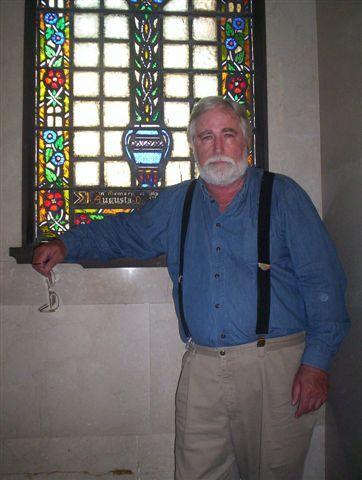
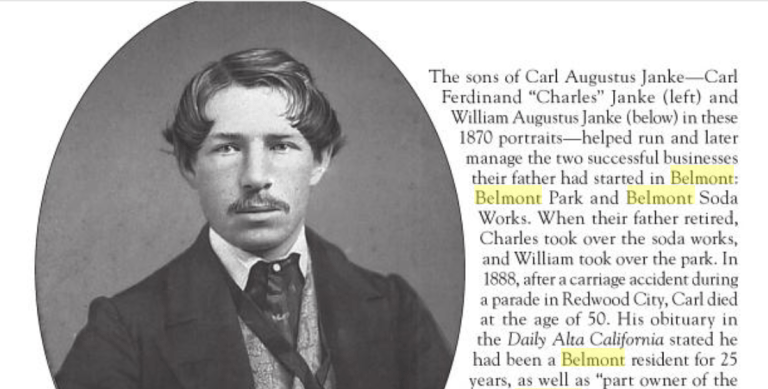
If Virginia Hambley and I get married, then Christine Rosamond Benton will be in the Bourmont Family Tree, and Captian Isaac Hull, and General Louis Bourmony will be United in the History of waging war in the area of the world that is being terrorized by rockets launched from Iran. Full scale war in imminent, that might last twenty years? When did it ever end. When will Governor Newson step in and put a stop to the oppression of the history of the descendants of Carl Janke by Cynthia McCarthy and some members of thee Belmont Historical Society! I want Newson to prove Emmet House and store did not belong to William Janke, and William Stuttmeister, who were partners in a Dentist Office in Redwood City. Where did these men, and their wives live in Belmont? One of my first posts on the Facebook of the BHS, was about….
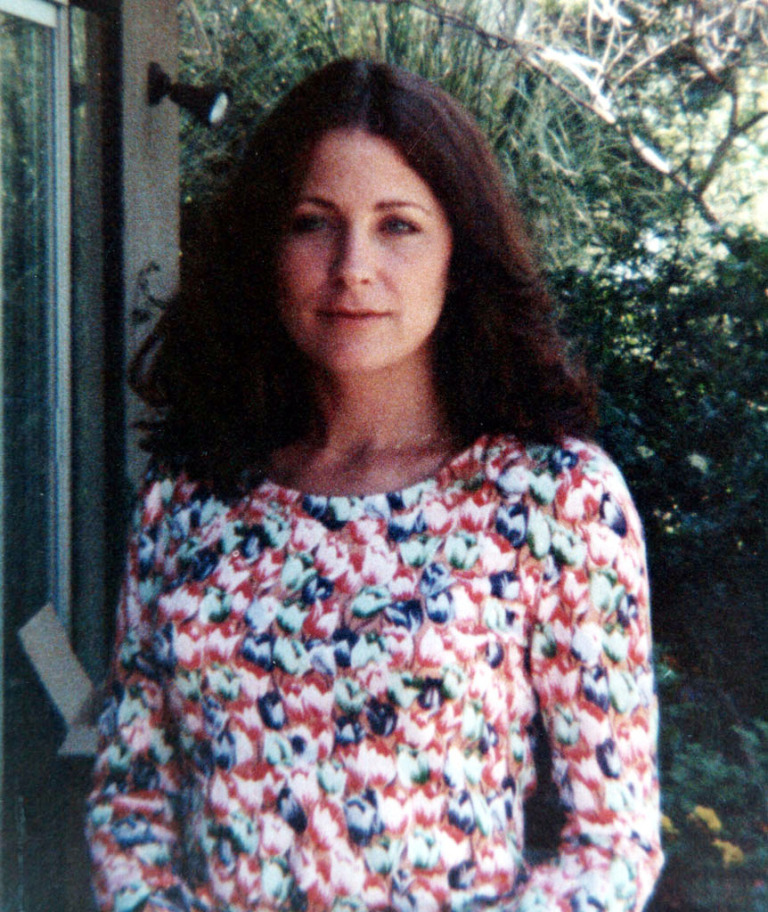
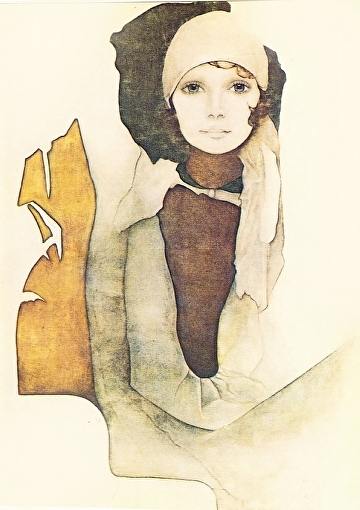
CHRISTINE ROSAMOND BENTON THE GREAT GREAT GRANDUAGHTER OF JANNKE AND WILLIAM STUTTMEISTER
Outside authors have written about my famous family – and opened us wide to every grifter-parasite in California who seek to exploit our sexually abused children. The BHS should have helped publish my book, and recognize Royal Rosamond Press as one of the largest blogs in the world dedicated to
THE ARTS
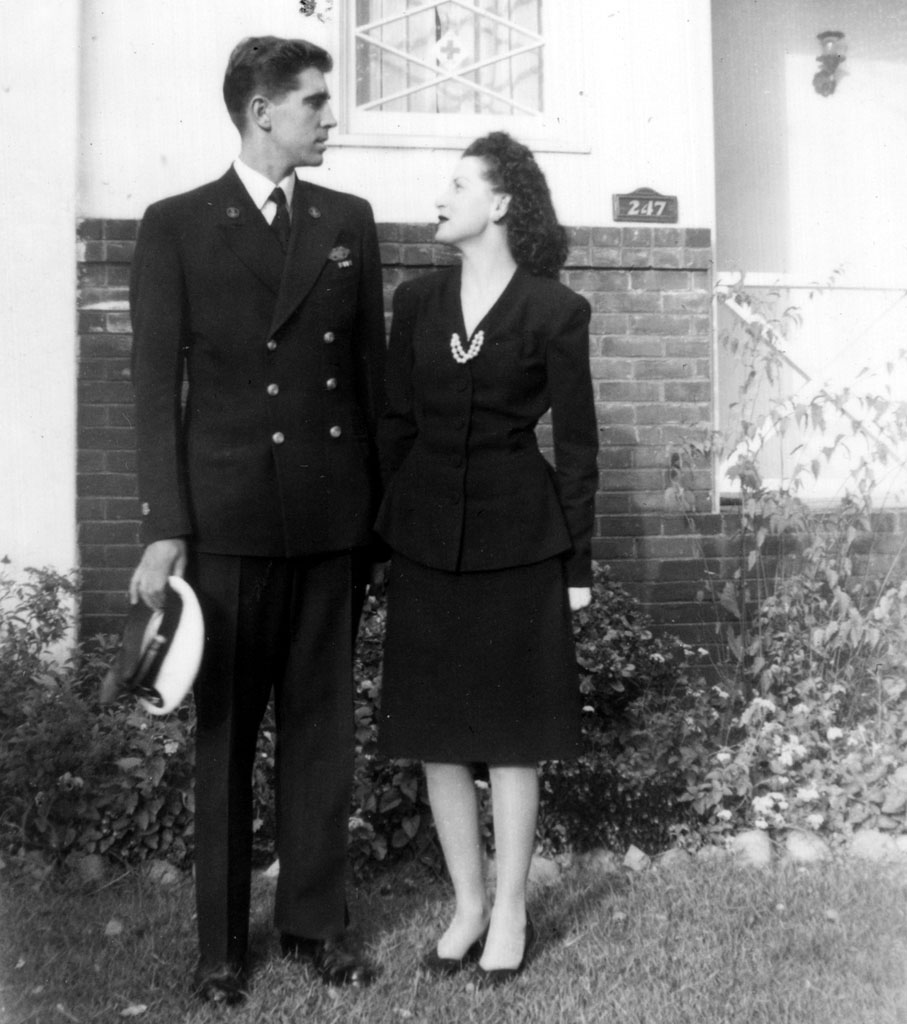
Here are my parents…Victor William Presco, and, Rosemary Rita Rosamond. Victor is the great, great grandson, and Rosemary is the granddaughter of author…Royal Rosamond Press. Good looking couple. Carl Janke is looking down from heaven and smiling! His DNA and History – will be carried on!
Denny Lawhern did an extensive genealogical study of his family tree, and made many citizens of Belmont aware of it. He taught seniors at the home how to do a family tree, Four days after my first post, Lawhern finally makes an appearance. He claims he just became aware of me, and assures me the posts he and The Belmont Mob removed – would be replaced. He lied. Not once did he mention Rosamond, and her grandfather, William Stuttmeister, who married Augustus Janke at Ralston Hall

Marriage and private life

In November 1773, Charles married Marie Thérèse of Savoy. In 1775, Marie Thérèse gave birth to a boy, Louis Antoine, who was created Duke of Angoulême by Louis XVI. Louis-Antoine was the first of the next generation of Bourbons, as the king and the Count of Provence had not fathered any children yet, causing the Parisian libellistes (pamphleteers who published scandalous leaflets about important figures in court and politics) to lampoon Louis XVI’s alleged impotence.[5] Three years later, in 1778, Charles’ second son, Charles Ferdinand, was born and given the title of Duke of Berry.[6]
5/27/2023
Three Flags – One Grave
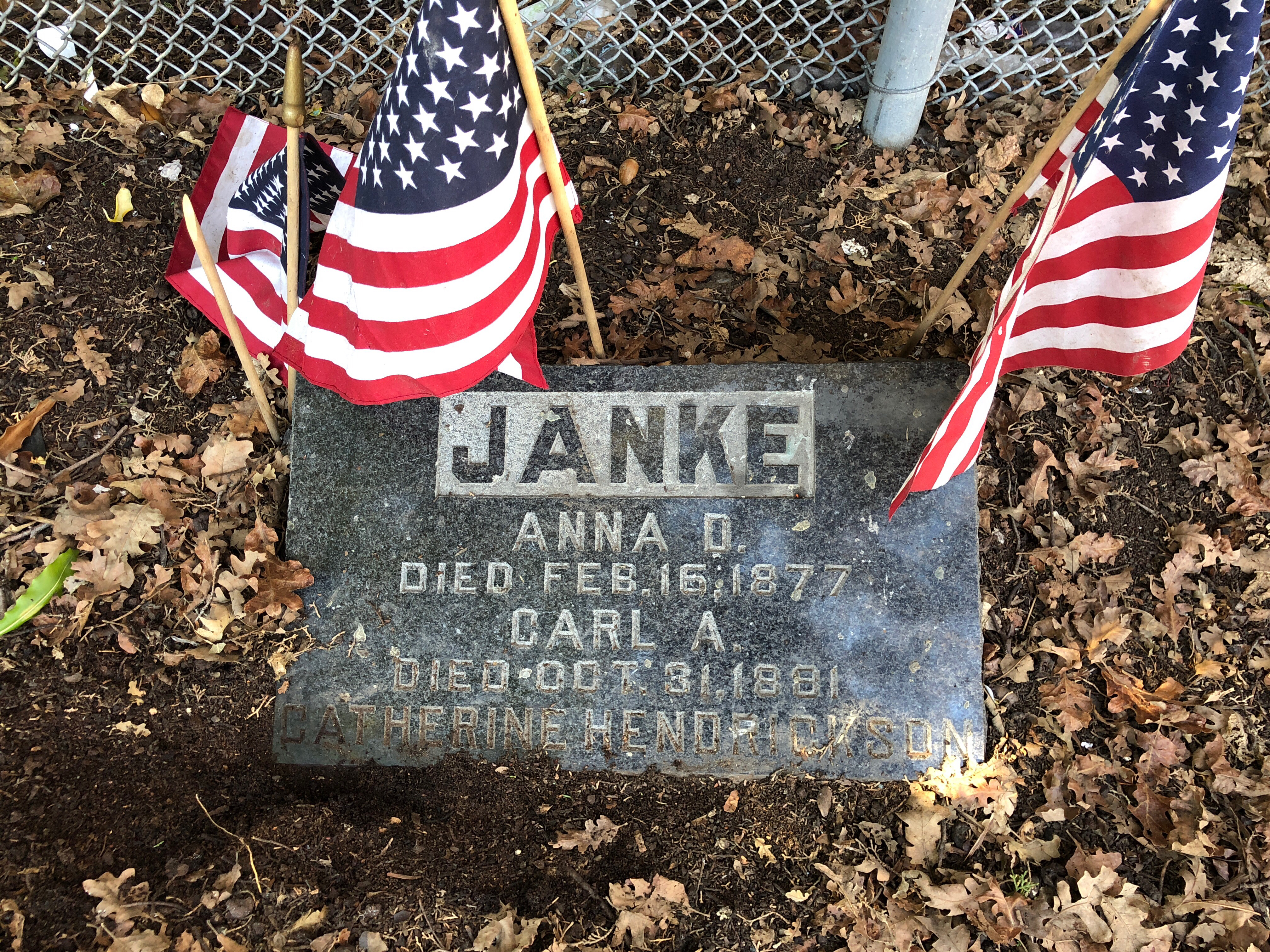
It is 8:33 A.M. May 27, 2023 – and I am still in shock having discovered my grandparents are buried in the same grave! I saw TWO flags put on one gravestone. That was a half hour ago. THEN – I see another flag! There are three of my ancestors buried in the same grave! WHY? Did the caretakers conclude this was a very poor family? William Stuttmeister knew they were Belmont before he died. At great expense to himself, he moved the Jankes to Colma after they were evicted from the Odd Fellow cemetery – at great expense! This was a wealthy pioneer family whose graves keep being defiled! They were moved to the Union cemetery i 1972?
5/19/2012
Philip Boileau and Christine Rosamond
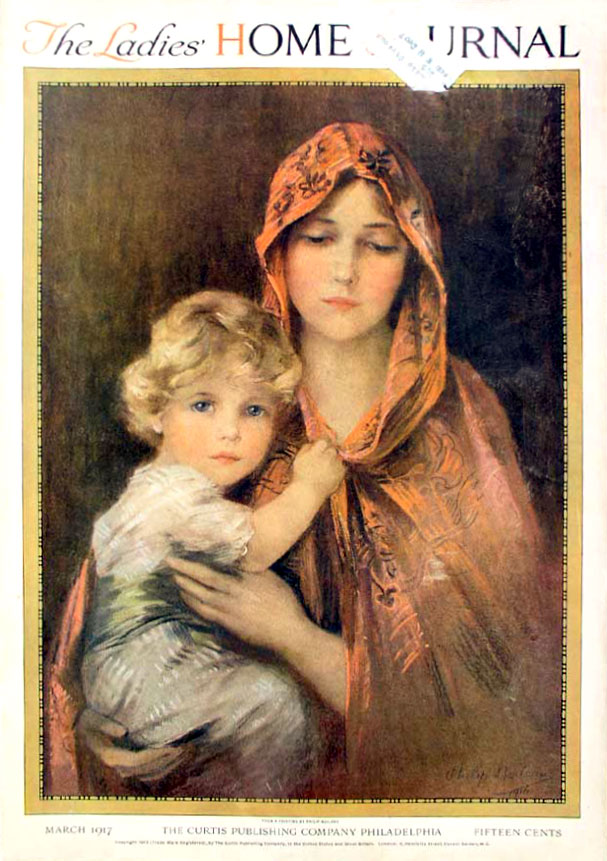
- another. At death…..will we part.Jon Presco
3/27/2015
America’s First Victory Over Terrorism


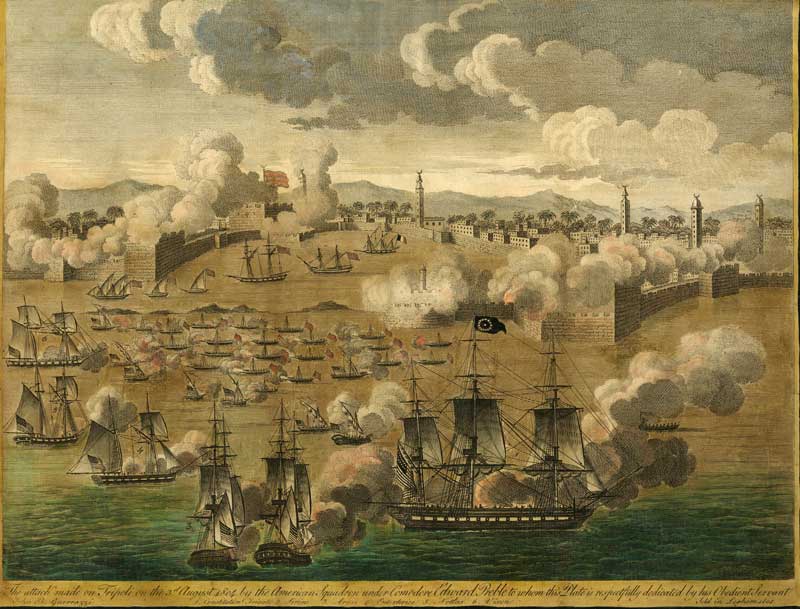
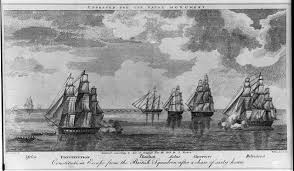


Yesterday I made two profound discoveries.
1. My great, great, great grandfather, Captain Isaac Hull directed, and engaged the enemy in America’s first War Against Islamic Terrorists.
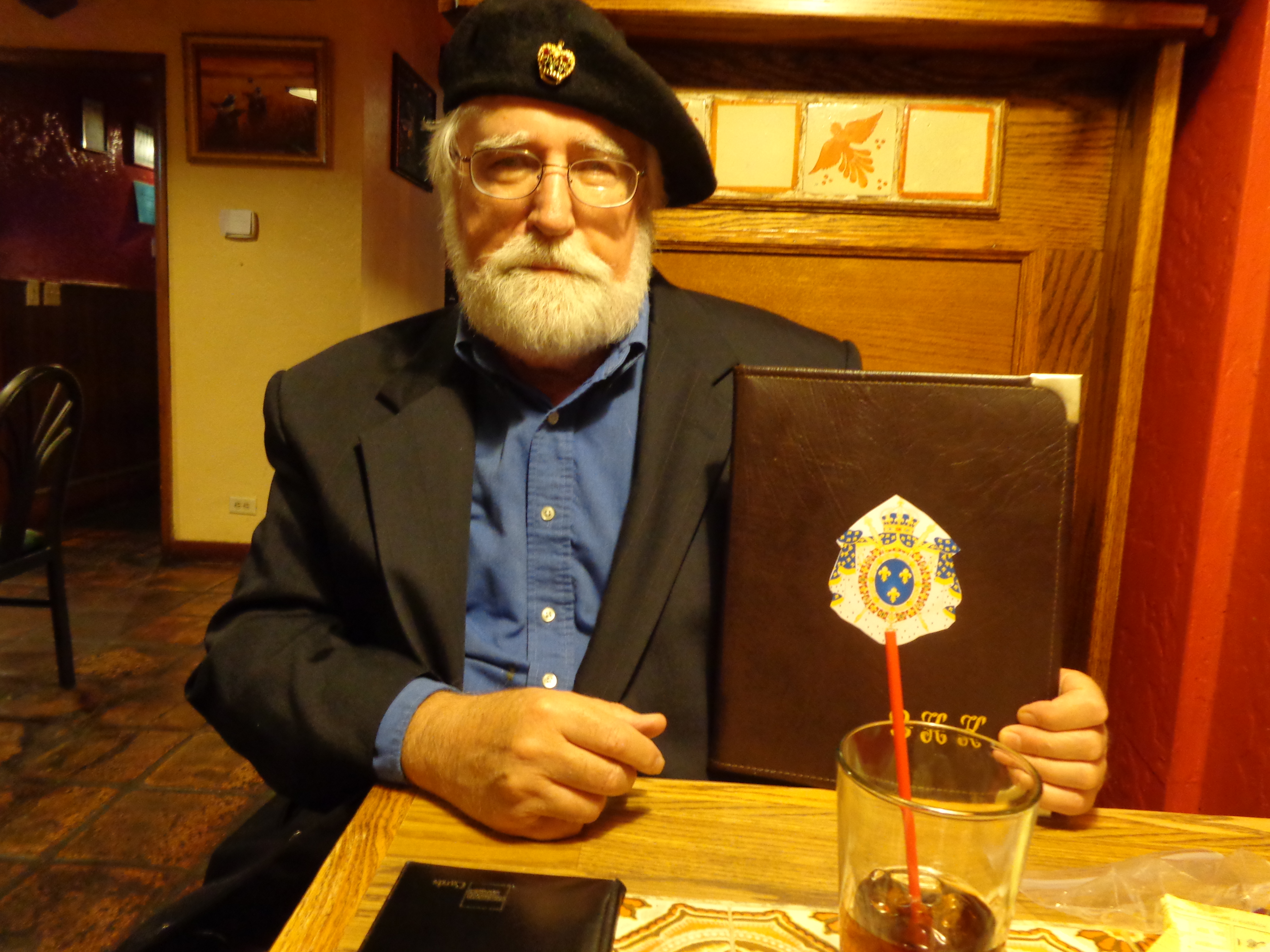
2. Virginia Hambley’s great great, great grandfather, Louis de Bourmont, brought French legitimists before King Miguel, and recognized him a heir to the throne of France. Miquel is the grandfather of Empress Zita who fled to America when Hitler put a price on her head. Zita’s son was Otto Von Habsburg. Bourmont was in many respects similar to Jean of Arc, minus the religious visions. He was very keen on following a bloodline.
“Miguel was assisted by the French General Bourmont, who, after the fall of Charles X of France came with many of his legitimist officers to the aid of the king of Portugal (that is, Miguel).”
“http://en.wikipedia.org/wiki/Miguel_I_of_Portugal
Louis de Bourmont backed Henry Count of Chambord as the rightful heir to the thrown of France. Louis commanded the land forces that took major cities in Algiers. When de Bourmont refused to recognize to support the “Citizen King” Louis-Philippe, he was relieved of his command. Who knows how much territory de Bourmont would have taken in the second War against Muslim Terrorist. Louis must have studied the success of Hull and William Eaton that ended with the Treaty of Tripoli that produced Article X1.
It is my intention to compose a letter the President of the United States and the U.S. Senate making them aware of Hull and Bourmont who served Nation and King, and not God/Jesus. I am seeking a attorney to help me bring a lawsuit against Tom Cotton, and the Senators who signed his letter. There is powerful evidence these men were motivated by their religious ambitions they shared with Benjamin Netanyahu. Together these men grievously interfered with the negotiations with Iran who militias have handed ISIS defeats in Iraq. Many Republicans are altering true American history in order that it be subserviant to their faux religious history. Boehner’s attorney has quit the lawsuit against President Obama who has ordered our Air Force to bomb ISIS.
http://www.msnbc.com/rachel-maddow-show/stopping-the-next-tom-cotton-stunt-it-starts
Here is a letter from my kindred the Department of the Navy. He lists three Marines who shed their blood in Tunisia where there was a attack on the museum that was home to the Bey Captain Isaac Hull did battle with.
My bond with Virginia will last a lifetime. Her mother looks very much like Louis de Bourmont.
Jon Presco
Copyright 2015

http://en.wikipedia.org/wiki/Henri,_Count_of_Chambord
UNITED STATES BRIG Argus
DERNE 28th April 1805
SIR, I have the honor to inform you, that at 9 O.Clock in the morning of the 27th being about 10 Miles to the Eastward of the Town of Derne, with the Hornet in Company, we discovered the Nautilus at Anchor very close to the shore, which led us to suppose that Capt. Dent had fallen in with Mr. Eatons Army, as he had been sent in shore for that purpose the day before. — We made all sail for the Nautilus, and at 1/2 past 10 spoke her, and was informed by Capt. Dent that he had, had communication with Mr. Eaton the night before, and that he wished to have the field Pieces landed as soon as possible, and that Mr. Eaton intended to make an attack upon Derne as soon as he could get possession of them, being then about two and a half miles from the Town, and the Enemy having sent him a chalenge, hoisted out our Boat to send the field Pieces on shore with such supplies as Mr. Eaton was in want of, but on approaching the shore we found that it was impossible to land the Guns without hauling them up an almost perpendicular rock Twenty feet above the Boat. But with the perseverence of the Officer and men sent on this service, they effected the landing one of them, by hauling them u the steep Rock. Mr. Eaton finding that we should loose time in landing the other, sent it off again informing me that he should march for the Town as soon as he could possibly mount the field Piece that he had on shore, gave Lieutenant Evans Orders to stand close in shore, and cover the Army while they were preparing to march, in case the Enemy should come out against them, as they had already made their appearance in large numbers outside of the Town, gave Orders for the necessary preparations to be made for the attack by Sea upon the Town and Batteries, and stood down very close to the Town. — At 2 P.M. Mr. Eaton began the attack by Land, at same time the Hornet Lieut. Evans Anchored with Springs on his Cables, within One hundred Yards of the Battery of eight Guns, and commenced a heavy fire upon it.
The Nautilus took her station to the Eastward of the Hornet, at 1/2 a miles distance from shore, and opened upon the Town & Battery. The Argus Anchored without, and a little to the Eastward of the Nautilus, and began firing on the Town and Battery — The fort kept up a heavy fire for about an hour, after which the shot flying so thick about them, they abandoned it, and run into the Town and Gardens back — The Guns of the Vessels were turned on the Beach, and kept a heavy fire upon the Enemy to clear the way for the few brave Christians Mr. Eaton had with him, to enter the fort as they were gaining ground very fast though a heavy fire of Musquetry was constantly kept upon them from behind the Houses and old Walls near the shore. At about half past 3 we had the satisfaction to see Lieut. O.Bannon, and Mr. Mann Midshipman of the Argus, with a few brave fellows with them, enter the fort, haul down the Eenemys flag, and plant the American Ensign on the Walls of the Battery, and on turning the Guns of the Battery upon the Town, they found that the Enemy had left them in great haste, as they were found primed and loaded at their hand. —
Whilst our men were turning the Guns of the Battery upon the Town, Hamet Bashaw had taken possession of the back part of it, which brought the Enemy between two fires, which soon silenced them, and about four in the Afternoon we had complete possession of the Town and Fort, sent all our Boats on shore, for the purpose of carrying Amunition to the Fort, and to bring off the wounded men, as soon as possible, that they might be dressed. — Mr. Eaton gave the necessary Orders at the Fort, and went into the Town to see every thing quiet, and to make arrangements for the Towns being well guarded during the night. At half past five, he returned on board to get his wound dressed, having received a Musquet Ball thro’ his left wrist. — On collecting our men we found one killed and Thirteen Wounded, a list of which I have the honor to send you. — (Signed) ISAAC HULL
John Wilton, a Marine…Killed
William Eaton Esqr…Wounded
David Thomas, Marine…Wounded
Bernard O’Brian, Marine…Wounded
George Emanuel (Greek)…Wounded
Spedo Levedo (Greek)…Wounded
Bernardo Jamase (Greek)…Wounded
Nicholo George (Greek)…Wounded
George Goree (Greek)…Wounded
Capt. Lucca (Greek)…Wounded
Names unknown 3 (Greek)…Wounded
Angelo Fermosa (Maltee)…Wounded
Source: Naval Documents Related to the United States Wars with the Barbary Powers, Volume V (1944): pp. 547-548.


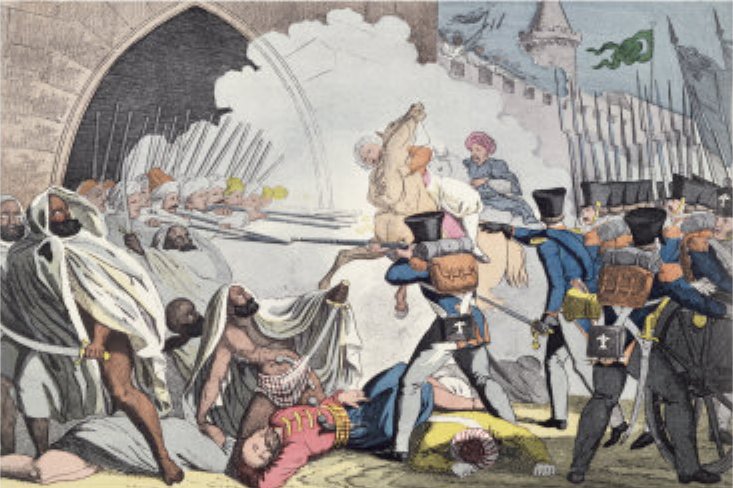

He served the restored Louis XVIII (reigned 1814–24) in the French expedition to suppress an uprising in Spain (1823). Six years later he was appointed minister of war in the tottering government of the ultrarightist Prince de Polignac. In Algeria in 1830, Bourmont’s speedy conquest earned him a marshal’s baton. Refusing to support the “Citizen King” Louis-Philippe, he became implicated in the plots of the Duchess de Berry (1832) and went into exile in Portugal. There—as always on the side of absolutism—he aided the pretender Michael in the civil war of 1833–34. After the victory of the constitutional forces, he retired to Rome. He later returned under the amnesty of 1840 to France, where he remained a staunch supporter of the Bourbon pretender Henri, Count de Chambord.
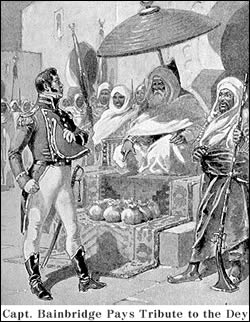
| The events of September 11, 2001 shocked the United States out of its complacency concerning its invulnerability. Even though the U.S. has the most powerful military machine on earth, it might be of little avail; it seems that a new type of war will be fought. A war that will need resolve, years of effort, and new tactics.This is not the first conflict in which America has faced such deprivations against life and property. There was another time when it was determined that diplomacy would not only be futile, but humiliating and in the long run disastrous. A time when ransom or tribute would not buy peace. A time when war was considered more effective and honorable. And, a time when war would be fought, not with large concentrations of military might, but by small bands peopled with individuals of indomitable spirit.Almost 180 years ago our infant country attacked Tripoli under circumstances that are eerily similar to contemporary times. That conflict, immortalized in the Marine Corps Hymn, “From the Halls of Montezuma to the shores of Tripoli” called the Tripolitan War or the Barbary Pirate War, came shortly after we gained our independence from England. The United States chose to fight the pirates of Barbary, rather than pay tribute, as did all the other nations who traded in the Mediterranean Sea. The decision was bold, but the eventual victory by the tiny United States Navy broke a pattern of international blackmail and terrorism dating back more than one hundred and fifty years. |
| Though Decatur is the best-remembered hero of the 1st Barbary War, Captain William Eaton led the conflict’s most daring raid. Eaton, the former consul of Tunis, established an alliance between the United States and the former Bashaw of Tripoli Hamet Karamanli, who had been deposed by his brother Yusuf Karamanli (Jusef Caramanli). In the Spring of 1805, Eaton and Hamet marched an army of 400 Arab and Greek mercenaries across the Libyan Desert and attacked Tripoli’s second city of Derna. They easily captured the city with the help of three American ships led by Captain Isaac Hull. Before the force could continue on to Tripoli, General Consul Tobias Lear and the Danish Consul Nicholas C. Nissen, reached a peace settlement with the Bashaw. The agreement stipulated that after paying a $60,000 ransom, the United States no longer needed to offer tributes to Tripoli. Americans celebrated the treaty as a victory for free trade, Hamet returned to exile in Egypt, Eaton returned to America, and the war with Tripoli came to an end. |
| Andrew Sterret, captain of the Enterprise, won the first American victory of the war. On August 1, 1801, Sterret captured Rais Mahomet Rous’ 14-gun corsair Tripoli. The Enterprise inflicted heavy casualties on the enemy without suffering a single loss. However, because the United States Congress had not formally declared war with Tripoli, Sterret could not take the Tripoli as a prize and instead threw its guns overboard and released the ship. Sterret returned to Baltimore where he and his crew were celebrated as heros. Sterret’s victory is commemorated in the 1801 poem “Sterret’s Sea Fight“: |
When troubles with the Barbary states heated up in 1802, he went to the Mediterranean as First Lieutenant of the frigate Adams. Hull later commanded the schooner Enterprise and the brig Argus, receiving promotion to the rank of Master Commandant in 1804 and to Captain in 1806. During the next few years, he supervised the construction of gunboats and, in 1809 and 1810, was successively given command of the frigates, Chesapeake, President and Constitution.
On the return of the Constitution to Boston, Lieutenant Hull was directed to superintend the repairs of the ship; but before this service was completed, he was ordered to proceed as first lieutenant of the frigate Adams to the Mediterranean. He subsequently commanded the schooner Enterprise of 12 guns, and rendered in her effectual aid to Captain Rodgers in the John Adams, in capturing a large corsair before the harbor of Tripoli. The next vessel that he was appointed to command was the Argus of 16 guns, which was in 1804; in which year, also, he was promoted to the rank of a master-commandant. He was made a captain in 1806. In the Argus, he cruised for some time off the coast of Morocco to watch the movements of corsairs in the ports of that state; and after rejoining Commodore Preble’s squadron off Tripoli, he was ordered to the Bay of Naples, and charged with the protection of American property in the event of the French gaining possession of that city. The next office intrusted to him was the conveying, on board of his vessel, of General Eaton and his officers to Alexandria, in Egypt. He at length returned to the United States, after an absence of four years and three months, and was immediately ordered to superintend the construction of gun-boats, in pursuance of the system adopted during the administration of President Jefferson. He was successively appointed to the command
http://encyclopaedic.net/american-encyclopedia-biography/commodore-isaac-hull
In 1802, Hull headed to the Mediterranean as first lieutenant of the Adams and then was given his first command on the Enterprise. In 1803, Stephen Decatur delivered Hull’s new command: the Argus. Hull commanded the Argus for three years, cruising in the Mediterranean with Edward Preble. His most important role there was as support for the marine expedition of William Eaton. While commanding the Argus, Hull was promoted to master commandant in 1804 and then to captain in 1806.
http://abbymullen.org/preblesboys/items/show/3469
In May 1804, Eaton was given the commission of a navy lieutenant and sent back to the Barbary regencies, under the supervision of Commodore James Barron, to find Hamet Caramelli and enlist his cooperation in the war.[12] Eaton found Caramelli in Alexandria and signed an agreement with him,[14] although it is unclear if he had the authority to do so.[12] This contract, which was forwarded to Secretary of State Madison, specified that the United States would provide cash, ammunition and provisions for Hamet Caramelli’s re-installation as pasha.[16] It also designated William Eaton as “General and Commander in Chief” of the land forces that were to be used to carry out the operation.[16] The agreement defined the relationship between Caramelli and Eaton as well as their mission, but was never ratified by the United States Senate.[16]
The Americans included eight marines and two navy midshipmen. It was with that force that Eaton and Caramelli made the 600 mile trek from Alexandria to Derne, a coastal city within the realm of Tripoli. By the time the band had reached the Gulf of Bomba, they had eaten their last rations and the Arab factions were on the verge of mutiny. Eaton had written to Captain Isaac Hull of the USS Argus requesting that the ship meet them there with supplies, but when they arrived on April 15, there was no ship to be seen. The next day, however, the Argus appeared as Hull had seen the smoke from their fires. After resupplying, they continued their journey, and on April 27, 1805, Eaton’s forces attacked and took control of Derne.[10][13] “Captain Presley O’Bannon of the U.S. Marine Corps raised the American flag for the first time over a conquered foreign city.”[14] At the Battle of Derne, one marine was killed and two were wounded. Eaton was wounded in the left wrist.[16]
Twice Yusef Caramelli’s forces tried and failed to take back the city. With the bey of Derne on the run and Hamet Caramelli reestablished in Derne, Eaton thought to march toward Tripoli. He requested reinforcements from Barron but instead received word that US Consul-General Tobias Lear was negotiating peace with Yusef Caramelli . Then he received word from Lear himself that he was to surrender Derne as peace had been reached on June 4.[16] The terms of the treaty required the US to pay $60,000 for the release of the crew of the Philadelphia. Hamet Caramelli and his entourage of about 30 were allowed to leave, but his wife and family were held captive until 1807, as provided in the treaty.[13]
Aftermath[edit]
Although Eaton returned to the United States to a hero’s welcome, he was disappointed and embittered by the treaty and outraged that ransom had to be paid for the freeing of the hostages. He had been denied victory in Tripoli and his agreement with Hamet Caramelli was left unkept. Furthermore, the government owed him money that he had fronted for the expedition. He complained loudly that the government was guilty of duplicity in regard to Hamet Caramelli. His complaints drew the attention of Jefferson’s enemies in the Federalist party.[16]
William Eaton (23 February 1764[1] – 1 June 1811[2]) was a United States Army officer and the Consul to Tunis (1797–1803). He played an important diplomatic and military role in the First Barbary War between the United States and Tripoli (1801–05). He led the first foreign United States military victory at the Battle of Derne by capturing the Tripoli subject city of Derne in support of the restoration of the pasha, Hamet Caramelli.[3] William Eaton also gave testimony at the treason trial of Aaron Burr.[4] He served one term in the Massachusetts State Legislature. Eaton died on June 1, 1811 at the age of forty-seven.
http://liarsforjesus.com/footnotes_7.htm
In 1804, during the fourth year of the First Barbary War, the former American consul to Tunis, William Eaton returned to the Mediterranean. Titled “Naval Agent to the Barbary States,” Eaton had received support from the US government for a plan to overthrow the pasha of Tripoli, Yusuf Karamanli. After meeting with the commander of US naval forces in the area, Commodore Samuel Barron, Eaton traveled to Alexandria, Egypt with $20,000 to seek out Yusuf’s brother Hamet. The former pasha of Tripoli, Hamet had been deposed in 1793, and then exiled by his brother in 1795.
After contacting Hamet, Eaton explained that he wished to raise a mercenary army to help the former pasha regain his throne. Eager to retake power, Hamet agreed and work began to build a small army. Eaton was aided in this process by First Lieutenant Presley O’Bannon and eight US Marines, as well as Midshipman Pascal Peck. Assembling a ragtag group of around 500 men, mostly Arab, Greek, and Levantine mercenaries, Eaton and O’Bannon set off across the desert to capture the Tripolitan port of Derna.
Departing Alexandria on March 8, 1805, the column moved along the coast pausing at El Alamein and Tobruk. Their march was supported from the sea by the warships USS Argus, USS Hornet, and USS Nautilus under the command of Master Commandant Isaac Hull. Shortly after the march began, Eaton, now referring to himself as General Eaton, was forced to deal with a growing rift between the Christian and Muslim elements in his army. This was made worse by the fact that his $20,000 had been used and money to fund the expedition was growing scarce.
On at least two occasions, Eaton was forced to contend with near mutinies. The first involved his Arab cavalry and was put down at bayonet-point by O’Bannon’s Marines. A second occurred when the column lost contact with Argus and food became scarce. Convincing his men to eat a pack camel, Eaton was able to stall until the ships reappeared. Pressing on through heat and sand storms, Eaton’s force arrived near Derna on April 25 and was resupplied by Hull. After his demand for the city’s surrender was refused, Eaton maneuvered for two days before initiating his attack.
Dividing his force in two, he sent Hamet southwest to severe the road to Tripoli and then attack the western side of the city. Moving forward with the Marines and the other mercenaries, Eaton planned to assault the harbor fortress. Attacking on the afternoon of April 27, Eaton’s force, supported by naval gunfire, met determined resistance as the city’s commander, Hassan Bey, had reinforced the harbor defenses. This permitted Hamet to sweep into the western side of the city and capture the governor’s palace.
Grabbing a musket, Eaton personally led his men forward and was wounded in the wrist as they drove the defenders back. By the end of the day, the city had been secured and O’Bannon hoisted the US flag over the harbor defenses. It was the first time the flag had flown over a foreign battlefield. In Tripoli, Yusuf had been aware of the approach of Eaton’s column and had dispatched reinforcements to Derna. Arriving after Eaton had taken the city, they briefly laid siege before assaulting it on May 13. Though they pushed Eaton’s men back, the attack was defeated by fire from the harbor batteries and Hull’s ships.
I find it appropriate that on this day, April 27, the 206th anniversary of the first major battle conducted overseas by the United States of America, the Bataan ARG and Marines of the 22nd MEU take station off the shores of Tripoli.
The United States Navy and the United States Marine Corps have been in these waters before, and just like 206 years ago the maritime services find themselves fighting a tyrant in Tripoli while supporting an insurgency movement across Libya. One wonders if the outcome in 2011 will be similar to 1805.
Aftermath:
The Battle of Derna cost Eaton a total of fourteen dead and several wounded. Of his force of Marines, two were killed and two wounded. O’Bannon and his Marines’ role has been commemorated by the line “to the shores of Tripoli” in the Marine Corps Hymn as well as the adoption of the Mamaluke sword by the Corps. Following the battle, Eaton began planning a second march with the goal of taking Tripoli. Concerned about Eaton’s success, Yusuf began suing for peace. Much to Eaton’s displeasure, Consul Tobias Lear concluded a peace treaty with Yusuf on June 4, 1805, which ended the conflict. As a result, Hamet was sent back to Egypt, while Eaton and O’Bannon returned to the United States as heroes.
11/4/2014
Gunboat Diplomacy & War Against White Slavery





For a week now ‘The Masked Rose of Paris’ has been attacking Turkey and the old Ottoman Empire for seizing Cypress.
“The UN should focus on matters concerning Turkeys occupation of EU member Cyprus since 1974 , and must launch UN wide economic sanctions of Turkey, for its continued British State Sponsored Turkish military occupation of EU member Cyprus since 1974 Expel Britain from the European Union and Dissolve the Rogue Turkish ISIS State. Britain and Turkey are attacking the Euro Currency , via all the Turkish military violations on Greece and Cyprus since 1974.”
Today I took the time to see what she was upset about. As it turns out, fate has taken a seat at this table of high-stakes energy piracy. And, who is in the middle of it, Nobel Oil, and my arch enemy, Lawrence Chazen, a CEO of Noble, and ex-partner of the late sister, Rosamond, who I just introduced to the Rose because I want to do a drawing of her and bring her into the creative family fold.
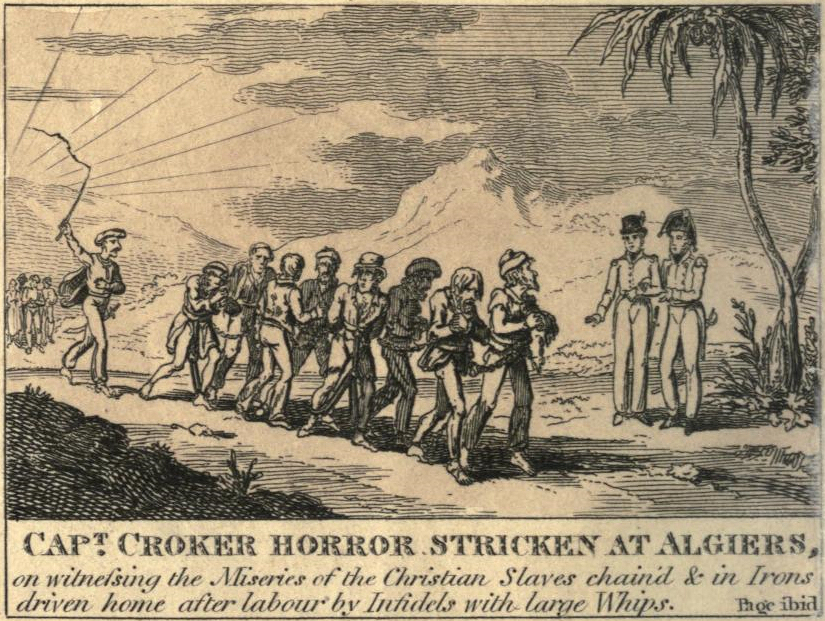
Our great, great, grandfather, Isaac Hull was the Captain of the U.S. Constitution that was built to battle the Cossaire Pirates of the Barbary Coast who took a million Europeans as their slaves. I have wondered why some Kurds have blue eyes. What became of the children of these women that were used as sex slaves? European slaves must have fathered children.
Muslim men have a problem with adultery. They are so afraid their wives will cheat on them, that they make them their prisoners. Then they kidnap the women of other men and make them their sex-slaves lest they commit adultery. In the Koran one can have sex with your slave.
In the war against the ISISlavers, one must not recognize national borders. We the people of the world must draw a line in the sand that separates them from all the women of the world. It is not a matter of white slaves, or black slaves when it comes to this World War of Liberation that frees womankind first! Let Old Ironsides fire the first volley in this battle!
For Lady Liberty!
“The USS Constitution, a 44-gun U.S. Navy frigate built to fight Barbary pirates off the coast of Tripoli, is launched in Boston Harbor. The vessel performed commendably during the Barbary conflicts, and in 1805 a peace treaty with Tripoli was signed on the Constitution‘s deck.Though Turkey has threatened to block extraction of natural gas offshore Cyprus, the Greek Cypriot government has vowed to move forward with exploration and drilling.”
Turkey mentions “gunboat diplomacy” and threatens war. What if a Turkish gunboat sinks Noble’s drilling platform.
Jon the Nazarite
Yet the bonanza could equally inflame conflict. Turkey has claimed the blocs to the south of Cyprus as far as Egyptian waters. “If poorly managed, Cypriot gas could harden political divisions. Ankara does not recognise the government in Nicosia and has threatened military force if Cyprus allows drilling in the disputed maritime zone,” said Rem Korteweg, an energy expert at the Centre for European Reform.
The US has begun to intervene, pushing the two sides to renew peace talks. The Greek and Turkish Cypriots have signed a document laying out general principles.
http://en.wikipedia.org/wiki/USS_Constitution
http://en.wikipedia.org/wiki/USS_Enterprise_(1799)
Cypriot Foreign Minister Ioannis Kasoulides said that while the two countries were nowhere near an agreement, he was hopeful that progress would be made, and in the meantime, drilling would continue. “Groups like Noble Energy, ENI and Total would not be investing billions in exploration here if they really thought Turkey was going to stop them,” the foreign minister said.
Turkey is opposed to Cyprus exporting oil and gas – saying the energy wealth also belongs to Turkish Cypriots — and been accused of “gunship diplomacy” by the Greek Cypriots. Turkey lays claim to the hydrocarbon blocks to the south of Cyprus and extending to the border of Egyptian waters.
The ongoing issue was resurfaced in international media earlier this month when a Norwegian ship exploring in Cypriot waters was intercepted by a Turkish warship and forced to retreat.
Cypriot officials believe that there may be as much as 60 trillion cubic feet (Tcf) of natural gas in Cypriot waters.
A second axis is the strategic relations cultivated between Greece, Cyprus and Israel, as evidenced by Israeli Foreign Minister Avigdor Lieberman’s upcoming visit to Nicosia next week and Prime Minister Benjamin Netanyahu following in late November.
A third axis concerns the deepening of cooperation with major powers, which involves providing support in various forms. In a letter sent to Cyprus President Nicos Anastasiades on Wednesday, French President Francois Hollande stressed that “the position of France with regard to the right of Cyprus to exploit freely the natural resources within its Exclusive Economic Zone is clear and firm,” adding that “international law, and specifically the Law of the Sea, must be respected by all states including Turkey.”
Finally, there is the energy dimension. Amid Turkey’s provocations in Cyprus’s EEZ – where several Western firms, including US company Noble Energy, are currently operating – Greek Energy Minister Yiannis Maniatis is set to visit the US for talks with his American counterpart Ernest Moniz and Under Secretary for Economic Growth, Energy, and the Environment Catherine Novelli. Maniatis will also meet with representatives of American energy giants and give a speech at the Center for Strategic and International Studies (CSIS), a prominent American think tank based in Washington DC, as well as Columbia University in New York, regarding energy developments in the Eastern Mediterranean. The Greek minister is expected to analyze the role of Greece and Cyprus in boosting Europe’s energy security, which is also a key strategic objective for Washington.
By invoking international law, being on military alert, strengthening strategic alliances with regional players, and harmonizing with the geostrategic interests of the US and EU (as well as the economic interests of large international companies) in the region, Athens and Nicosia are taking cautious and systematic steps during a difficult period hoping to find more substantial backing among their allies and partners.
http://www.ekathimerini.com/4dcgi/_w_articles_wsite3_1_30/10/2014_544165
| Holding Turkey to account for its violation of the United Nations Convention on the Law of the Sea is certainly the first step that Greece and Cyprus must take in response to Turkey’s growing assertiveness in the Eastern Mediterranean over the past few weeks. After Ankara sent the Barbaros, a seismic survey vessel, inside Cyprus’s exclusive economic zone (EEZ), and given its intention to set up a drilling platform within the island’s maritime borders, it makes sense to stress the recognition of Cyprus’s international status and national sovereignty. |
http://en.wikipedia.org/wiki/Turkish_invasion_of_Cyprus
The Barbary pirates, sometimes called Barbary corsairs or Ottoman corsairs, were pirates and privateers who operated from North Africa, based primarily in the ports of Salé, Algiers, Tunis, and Tripoli. This area was known in Europe as the Barbary Coast, a term derived from the name of its Berber inhabitants. Their predation extended throughout the Mediterranean, south along West Africa‘s Atlantic seaboard and even South America,[1] and into the North Atlantic as far north as Iceland, but they primarily operated in the western Mediterranean. In addition to seizing ships, they engaged in Razzias, raids on European coastal towns and villages, mainly in Italy, France, Spain, and Portugal, but also in the British Isles, the Netherlands and as far away as Iceland. The main purpose of their attacks was to capture Christian slaves for the Ottoman slave trade as well as the general Muslim market in North Africa and the Middle East.[2]
While such raids had occurred since soon after the Muslim conquest of the region, the terms Barbary pirates and Barbary corsairs are normally applied to the raiders active from the 16th century onwards, when the frequency and range of the slavers’ attacks increased and Algiers, Tunis and Tripoli came under the sovereignty of the Ottoman Empire, either as directly administered provinces or as autonomous dependencies known as the Barbary States. Similar raids were undertaken from Salé and other ports in Morocco.

Göke (1495) was the flagship of Kemal Reis at the Battle of Zonchio.
Corsairs captured thousands of ships, and long stretches of coast in Spain and Italy were almost completely abandoned by their inhabitants, discouraging settlement until the 19th century. From the 16th to 19th century, corsairs captured an estimated 800,000 to 1.25 million people as slaves.[2] Some corsairs were European outcasts and converts such as John Ward and Zymen Danseker.[3] Hayreddin Barbarossa and Oruç Reis, the Barbarossa brothers, who took control of Algiers on behalf of the Ottomans in the early 16th century, were also famous corsairs. The European pirates brought advanced sailing and shipbuilding techniques to the Barbary Coast around 1600, which enabled the corsairs to extend their activities into the Atlantic Ocean,[3] and the impact of Barbary raids peaked in the early to mid-17th century.
http://en.wikipedia.org/wiki/Order_of_Saint_Stephen
Until the American Declaration of Independence in 1776, British treaties with the North African states protected American ships from the Barbary corsairs. Morocco, which in 1777 was the first independent nation to publicly recognize the United States, became in 1784 the first Barbary power to seize an American vessel after independence. The Barbary threat led directly to the creation of the United States Navy in March 1794. While the United States managed to secure peace treaties, these obliged it to pay tribute for protection from attack. Payments in ransom and tribute to the Barbary states amounted to 20% of United States government annual expenditures in 1800.[21] The First Barbary War in 1801 and the Second Barbary War in 1815 led to more favorable peace terms ending the payment of tribute. However, Algiers broke the 1805 peace treaty after only two years, and subsequently refused to implement the 1815 treaty until compelled to do so by Britain in 1816.
When troubles with the Barbary states heated up in 1802, he went to the Mediterranean as First Lieutenant of the frigate Adams. Hull later commanded the schooner Enterprise and the brig Argus, receiving promotion to the rank of Master Commandant in 1804 and to Captain in 1806. During the next few years, he supervised the construction of gunboats and, in 1809 and 1810, was successively given command of the frigates, Chesapeake, President and Constitution.
4/10/2021
Count Cipriani and Napoleon




The daughter of Lenonetto, Lisi Cecilla Cipriani, appears to have been employed as a spy. Her great uncle had many conversations with the Napoleon family who made plans to invade California from Mexico. My kin, John Fremont, with the help of the Jessie Scouts, thwarted this plan. This is as close to much of European History as any territory that comprises the United States, as you can get. It has sat over there in the city of Belmont, in a captured state, that is resisted being shared with the rest of the Bay Area, and California!
Yesterday I purchased my THIRTY-FOUR year sober AA coin on Amazon. I bought an Angel Coin for Cristine, and put it in William Stuttmeister niche on our family tomb, where rest his bones. The 91 earthquake opened a crack. With Lisi’s treatise on The Romance of the Rose and the poetry of Dante, alas we have the touchstone and branding my grandfather, Royal Rosamond, worked hard at. Lisi mentions the play Troylus which was one of Shakespeare’s problem plays. I mentioned Belmont having a Shakespeare theatre. Rena as Helen may now be Rena as Cressida.
John Presco
Troilus and Cressida – Wikipedia
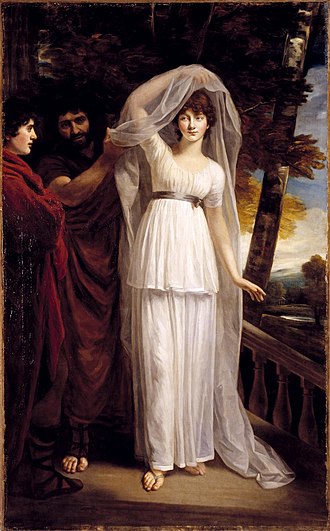

Studies in the Influence of the Romance of the Rose upon Chaucer (jstor.org)
Cipriani of Roman Times | Rosamond Press
In 1851 he brought to Belmont a prefabricated house in 1,200 parts,
to be fastened together with 700 hooks and 26,000 screws. He invested
in local realestate but lacked the Midas touch. The Count sold his
prefab house and sailed back east to organize a wagon train to move
overland to the Pacific. In 1853 the Count left Missouri with 11
wagons, 24 hired hands, 500 cattle, 600 cattle, 60 horses, and 40
mules. He wrote an account of this six-month journey that became the
book ‘The California and Overland Diaries of Count Leonetto Cipriani’
by Ernest Falbo.
Belmond Hotel Cipriani – Wikipedia
Count Cipriani was born in Centuri Corsica, on October 10,
1812. On his father’s side he is descended from an old Florentine
family of Ghibellines, which after a long struggle with the vitorious
Guelfs, found refuge in Corsica in the fifteenth century. On his
mother’s side he is descended from Saint Francis Caracciolo of
Naples, and thus Saint Aquinas. This struggle inspired Shakespear to
write ‘Romeo and Juliet’ and thus the question “What is in a name?”
came to be.
“Returning to Paris in October, 1855, he was warmly received
by his friend Prince Napoleon who overwhelmed him with questions
about his travels in America. “I answered them the best I could.”
Cipriani wrote, “But , it is a veritable deluge….We keep talking
about my journeys, of the Sanora, of conquering it.” Perhaps he
thought of seizing it for France and hoped the prince might persuade
his cousin the Emperor to finance the undertaking. “It is an idea in
the air,” he added, “that I would willingly undertake, if necessary
capital and men were available.”
To another member of the imperial household, Jerome
Bonaparte, ex-king of Westphalia, Cipriani revealed tha the had
considerable investments in California and hinted at receiving
interest of twelve to fifteen percent a month on his money. He also
boasted of his house in Belmont which “out there is considered
magnificent.”
On behalf of the Emperor Napoleon 3, he visited King Victor
Emanuel of Sardinia to explore the possibilities of a matrimonial
arrangement between the ruling houses as a prelude to a political-
military alliance between France and Sardinia. The conversation
eventually turned to Cipriani’s overland journey of 1853, which
apparently had not escaped the king’s notice. “I have heard tell,” he
said, “of a great journey of yours, with you on horseback and camping
out.”
“For eight solid months, Your Majesty,” Cipriani replied,
making certain to include the time he left San Francisco in February
to October, 1853.
“But it is true.” the king continued, “that you led covered
wagons and crossed the Rocky Mountains where there was roads, and
great rivers without any bridges.”
The above is from the ‘California and Overland Diaries of
Count Leonetto Cipriani’. a journey that may constitute the first
cattle drive. What this diary reveals is France’s plan to conquer
Mexico, and perhaps the Western United States.
Sardinian Kingdom Founds SF Colony
Posted on April 27, 2016 by Royal Rosamond Press
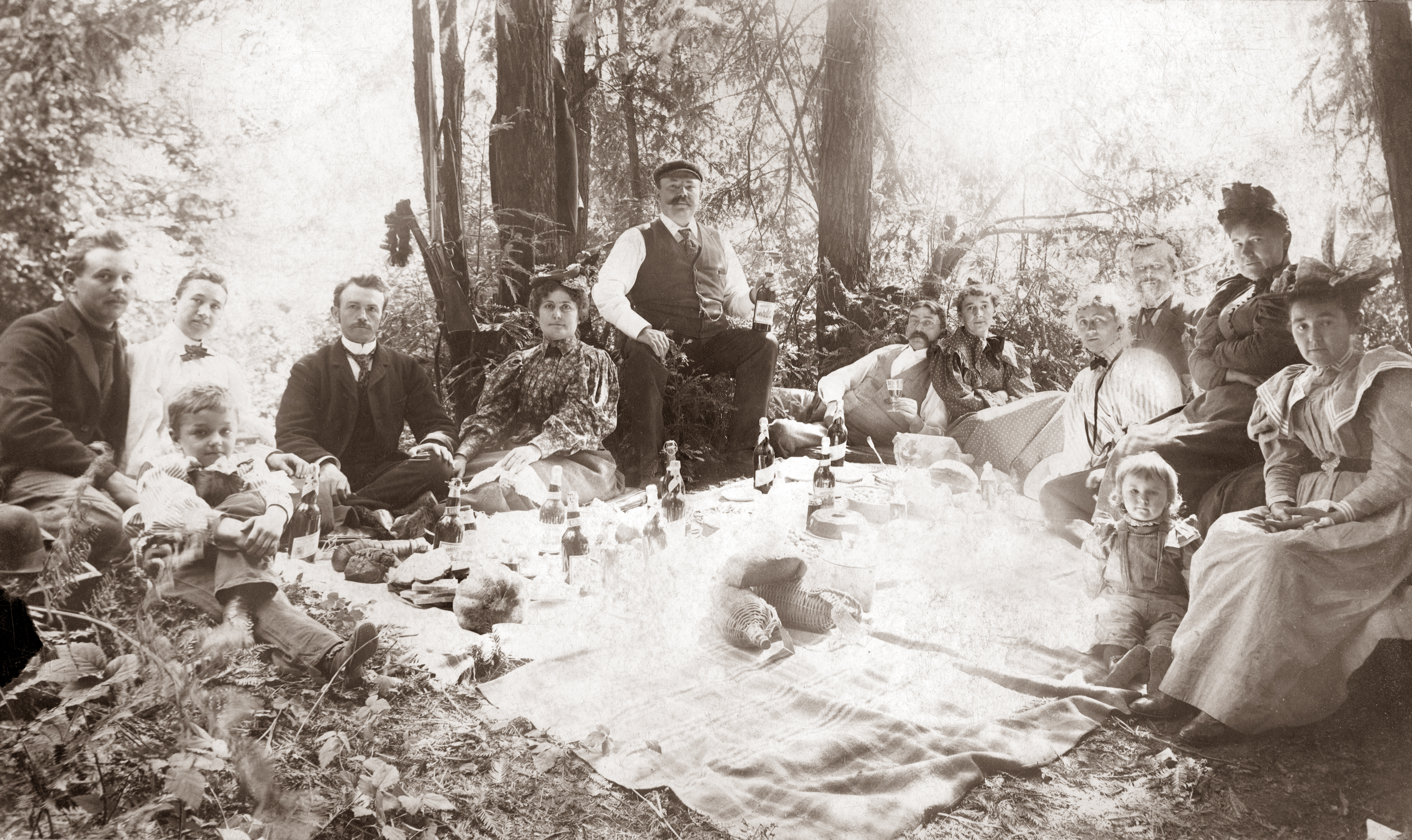
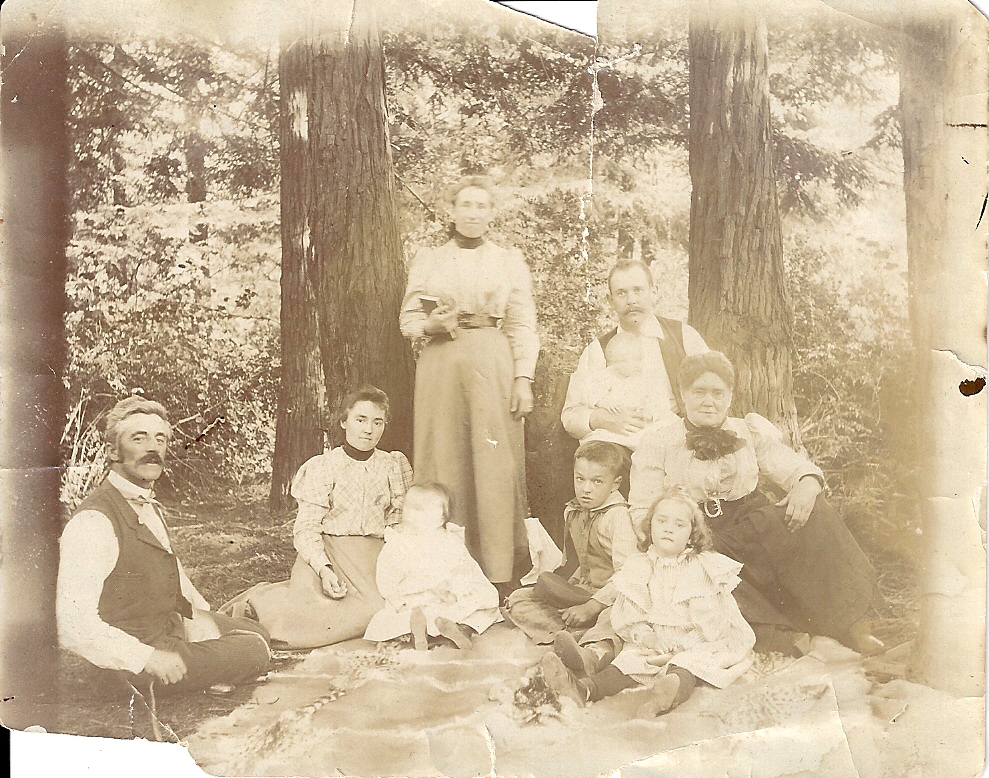
Not only have I found Sleeping Beauty Rosa, I have found her Kingdom in San Francisco!
“After Victor Emmanuel became King of Sardinia he appointed Cipriani to be his first consul in San Francisco.”
Cipriani’s home was brought around the Cape by my kindred, Carl Janke, whose daughter married William Stuttmeister. I believe my kindred were chosen to help found the Sardinian Colony that would support Victor Emmanuel’s kingdom. This is astonishing! With the history of John Fremont and his wife, Jessie Benton, my kindred are the Acme of California History.
Many historians have wondered why the Italian Mafia was not present in California (with the exception of Big Bone Remmer) It appears the Sardinians own the franchise. Now I understand why, and how, my father, Victor William Presco, was a “made man”. The Stuttmeisters may be Italian-Germans. Here is William Stuttmeister and Cipriani.
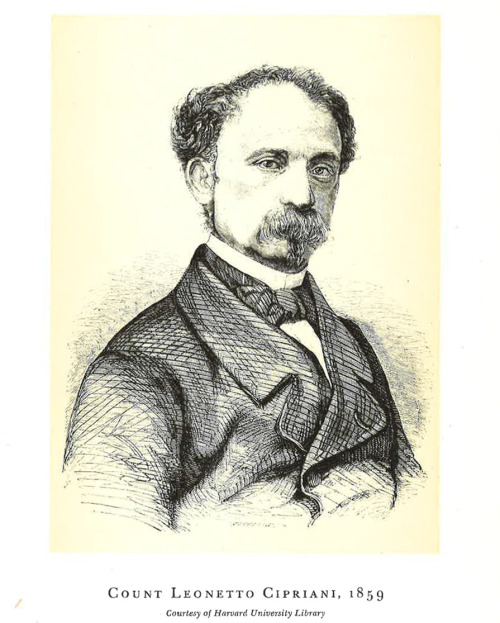
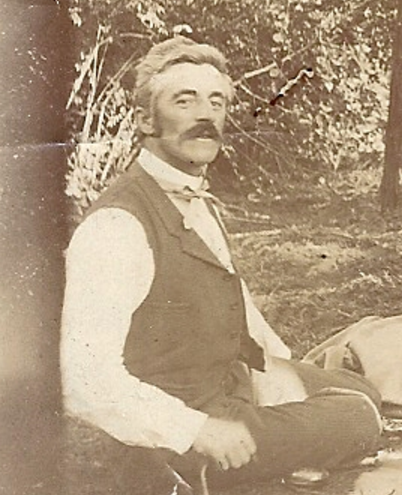
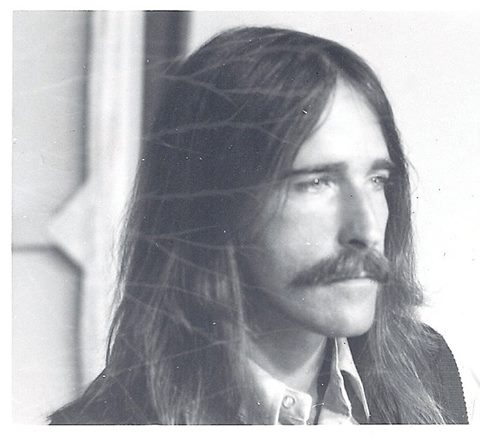
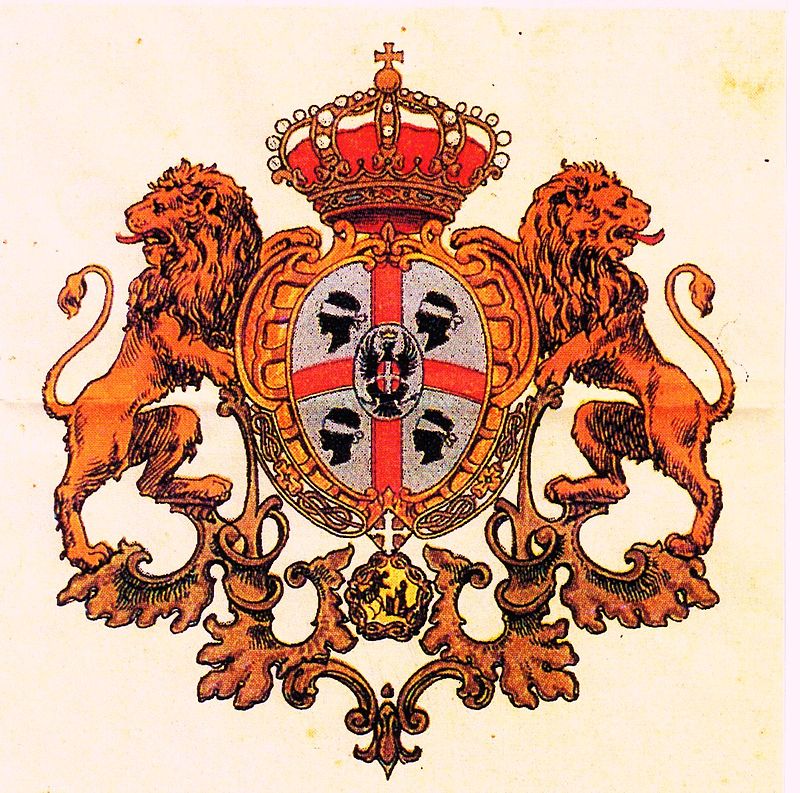
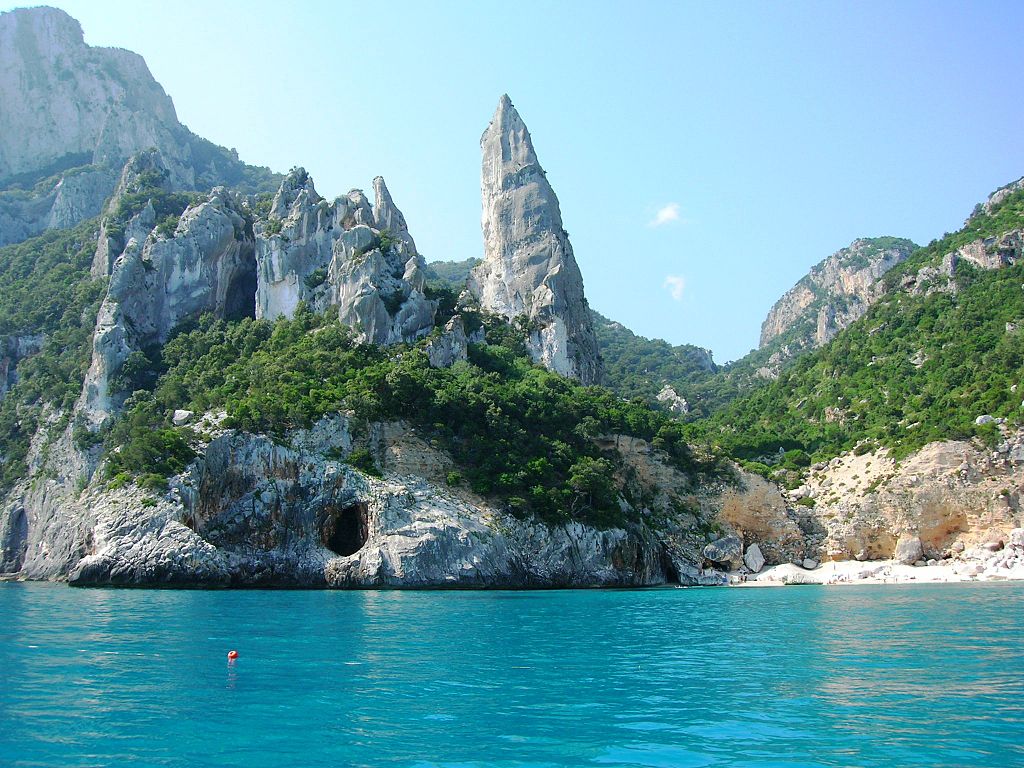
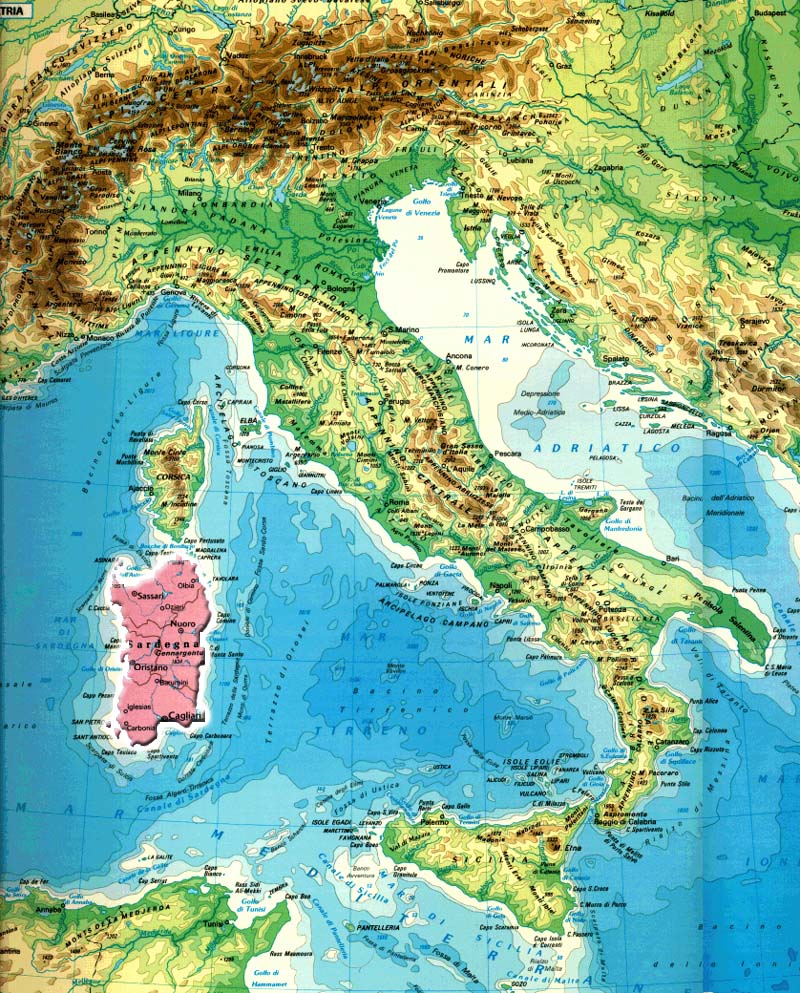
I declare myself the Cultural Embasador of the Kingdom of Sardinia. I will establish a cultural exchange between Sardinia and its California Colonly. I will make Sardinia the the Tourist Mecca for San Francisco natives. We will form a Art Exchange program based upon the works of Frederico Biesta, a owner of a SF newspaper. There will be a Festival Sardinia Day held in Belmont.
This is the history that Christine Rosamond Benton – a world famous artist – would want to read and be a part of. Instead,
Christine came to live with me at the Idle Hands Commune in San Francisco paid for by Betty Williams, who was married to Col. Zorthian, a Armenian who was titled ‘The Last Bohemian’. We knew the manufacturers of LSD that fueled the Kesey Revolution. Nancy Van Brasch lived with us. Jessie Benton was a good friend of Lewis Kossuth who lived with Giuseppe Mazzini in London. She and John had a bodyguard made up of Hungarian Forty-Eighters who also fought the Papal Army in Europe. Wenzel Anton Prescowitz was a Forty-Eighter from Bohemia. We are looking at the most radical people in the world that would form the Abolitionist Republican Party.
This is the Invisible Revolution that made California a Colony of the Kingdom of Sardinia that was surrounded by the Habsburgs who had backed the Papacy for a thousand years. This is why Count Cipriani drove a herd of cattle to California known for its fruit and vegetables. The Rose of the World Revolution would not be starved out. If Opus Dai had a mortal enemy, it was Victor Emanuel, and Belle Marie Rosa.
http://burlingameproperties.com/en/communities/belmont/carlmont
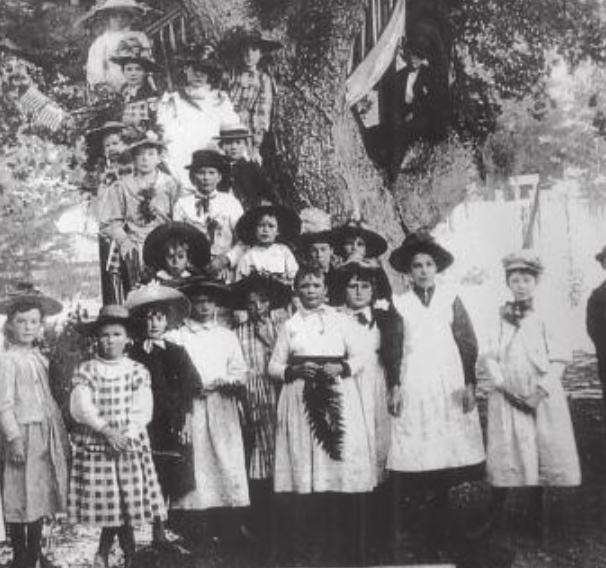
Click on top photo to enlarge. There is a gun hanging in the tree between my father;s grandfather, William Broderick, and his wife, Alice Stuttmeister, who looks like Christine and Vicki. We lived with Beema and Beepa in Oakland where these folks fled after the San Francisco after the earthquake. The gentleman holding the wine may be the father of William Broderick. There is no lineage for this branch who I suspect were the Illuminati, and sold barrels to bootleggers during Prohibition. Who do you think owns that rifle? How many Catholics fell in the sights of this weapon?
There is a black wreath hung in the tree next to the rifle. What message does that give?
http://www.britannica.com/topic/Carbonari
Then there are the Rougemont Knight Templars that owned the Shroud of Turin. They were the Dukes of Athens, and very possible my kindred on my mother Rosemary’s side. The Stuttmeisters were Teutonic Knights. President Obama sent more troops to fight ISIS from Germany.
To my loyal friends, Marilyn Reed, and Amy Sargent, history will honor you as Good Souls, who cared about my mental and physical health. Like I told my sixteen year old daughter after we met for the first time……
“All’s well, that ends well.”
Jon Presco
Copyright 2016
http://www.academia.edu/5778858/The_Italian_Colony_of_San_Francisco_during_the_Italian_Risorgimento
http://www.britannica.com/event/Risorgimento
After Napoleon’s defeat in 1815, the Italian states were restored to their former rulers. Under the domination of Austria, these states took on a conservative character. Secret societies such as the Carbonari opposed this development in the 1820s and ’30s. The first avowedly republican and national group was Young Italy, founded by Giuseppe Mazzini in 1831. This society, which represented the democratic aspect of the Risorgimento, hoped to educate the Italian people to a sense of their nationhood and to encourage the masses to rise against the existing reactionary regimes. Other groups, such as the Neo-Guelfs, envisioned an Italian confederation headed by the pope; still others favored unification under the house of Savoy, monarchs of the liberal northern Italian state of Piedmont-Sardinia.
Victor Amadeus initially resisted the exchange, and until 1723 continued to style himself King of Sicily rather than King of Sardinia. The state took the official title of Kingdom of Sardinia, Cyprus and Jerusalem, as the house of Savoy still claimed the thrones of Cyprus and Jerusalem, although both had long been under Ottoman rule.
Towards the Kingdom of Italy[edit]
On 17 March 1861, law no. 4671 of the Sardinian Parliament proclaimed the Kingdom of Italy, so ratifying the annexations of all other Apennine states, plus Sicily, to the Kingdom of Sardinia.[17] The institutions and laws of the Kingdom were quickly extended to all of Italy, abolishing the administrations of the other regions. Piedmont became the most dominant and wealthiest region in Italy and the capital of Piedmont, Turin, remained the Italian capital until 1865, when the capital was moved toFlorence. But many revolts exploded throughout the peninsula, especially in southern Italy, and on the island of Sicily, because of the perceived unfair treatment of the south by the Piedmontese ruling class. The House of Savoy ruled Italy until 1946 when Italy was declared a republic by referendum. In this referendum the southern regions, including Sardinia, voted overwhelmingly in favor of the House of Savoy, with the results being 63.8% in favor of maintaining the monarchy.
It appears that Cipriani was successful in uniting the House
of Savoy with the Bonapartes, and thus the House of Stuart. Prince
Napoleon Joseph Charles Paul of France, Pr Napoléon, married in Turin
in 1859, Princess Clothilde of Savoy daughter of Victor Emanuel. From
this union would come other Bonapartes with the name Victor. Prince
Napoléon Victor Jérôme Frédéric, Prince LOUIS Jérôme Victor Emmanuel
Léopold Marie, and, Prince Charles Marie Jérôme Victor
Was the Jacobite ‘Order of the White Rose’ somewhat successful
in their plan to put the Stuarts on a throne and rule the world?
There appears to contention with the Prussians who can claim the same
ancestry through the Winter Queen of Bohemia, Elizabeth Stuart,
daughter of King James, and thus the Hanovers who are in all regards,
the Windsors.
Before introducing the issue of the relationship between theColony and the central government, let us look into this type of political immigration which was characterised by different social implications and cultural backgrounds. In fact, one of these political immigrants was the young Leonetto Cipriani (1812-1888), destined to become the first Sardinian Consul of San Francisco. Assigned the tasks of improving trade between the Sardinian Kingdom and California,
’ in 1852, in quarters which he had physically brought from home. Curiously, the newborn Sardinian Consulate was constructed from 1200 pieces of wood, transported by sea and personally assembled by Cipriani and his entourage. Undoubtedly the official representative of the Sardinian Kingdom was welcomed with “interestand distinction” within a young Italian community which needed political support. Cipriani ’s activity in San Francisco essentially concerned the financial enhancementof the Colony, by improving maritime trade with the homeland. To this end the Consul enlisted the help of Nicola Larco and widely favoured him, funding the most lucrative initiatives of the Ligurian entrepreneur Cipriani was also a romantic: both his venturesome choice of emigrating to California and his early resignation can be traced to this inclination. In any case, more relevant than Cipriani’s impetuous nature is his list of citizens of the Kingdom, which he sent to Turin in 1853: this document is the first original report giving the names and activities of early Italian pioneers in California. Thanks to the list, we are introduced to a number of Italian residents in the West, including Larco and another personage who would later become historically significant: a certain Federico Biesta, vaguely and informally defined as a property owner Possibly even more interesting than the names included on the list is the exclusion of certain others. For instance, though his presence in San Francisco during the same period is well-established, the Sardinian Consul did not mention Felice Argenti, founder of the 1941 North American Chapter of the Giovine Italia. We now know that many others were also excluded from the list as well as Argenti: the new Consul, in fact, deliberately
http://sanfranciscoitaly.com/post/123993261859/meet-the-first-italian-consul-in-san-francisco
Share this:
One response to “Gunboat Diplomacy & War Against White Slavery”
Royal Rosamond PressMarch 19, 2021 at 7:58 amEditReblogged this on Rosamond Press and commented:Royal Rosamond wrote in one of his books Captain Isaac Hull is his great, great grandfather. We are on the brink of war. Our enemies know the Republican party destroyed itself and our Democracy. We got a College Alumni Club in Belmont pretending they got a two party system while they sell my family history out the side door. History is their enemy – when it does not out money in their pocket.
 Rosamond Press
_the_flagship_of_Kemal_Reis.jpg)
Leave a comment