In this day, July 28, 2026, I declare Belmont a French City! Why? Denny Lawhern led a coven of white men (gardeners) to wipe out the truth Germans co-founded Belmont, and then allowed Cynthia McCarthy – to grab my ancestors’ history with the help of her husband and two sons (who went to Cal) who owns the campus of Norte Dame de Namur, and Ralston Hall, where I suspect the boneS of Napoleon came to rest, or, the head of Cipriani! On this day….I declare…..
CIPRIANI DAY!
I will now seek a Saul like Guy to sue Belmont for not honoring
CARL JANKE DAY
I demand the Mayor of Belmont go look in the archives of the Belmont Historic Society, and see if theRE is any trace of….
THE STUTTMEISTER TOMB
The City of Belmont bRought disgrace to my ancestors, and caused my offspring
TO DISRESPECT ME
Aristocratic: A noble birth in a wealthy family, fruit of the union between the Blin de Bourdon and the Fouquesolles families. Françoise’s family was one of the oldest in Picardy, in the north of France. It traced its heritage to the eleventh century. In the Middle Ages there was an adage with respect to the name. When something was considered good, people said that it was “good as a Blin.”
On this day, February 18th. I claim all the Belmont that was deeded to the University of California. I suspect parts of Belmont was scurred for King Carlos 111 and was GIVEN to the Sisters of Norte Dam De Nmur who are connected to the House of Bourbon. No way would they pay for such expensive land. I insister the University of California make public all Deeds and Bill of Sales to this Sacred Property that I believe Carl Janke was the Caretaker of. This why this land was not developed, long with the Janke property that included Twin Pines Park. Right after the Sisters bought the property, Belmont became a City in 1926. This is why Carl Janke dressed as King Carlos for the Masque Ball. He might be related to him. His son took the name Charles. U demand a DNA tese!
I gifted the New Orleans Territory to my late fiancé Virgoa Hambley. This was a ACT OF GOD because there is poweful eivdence I descnd from the Meringian Franks. I can Unifiry all of Europe against all it foes! Come gather around me – all Knight Templars!
King John De California
Did you know that Yo Solo is Spanish for “I Alone?” In fact, that motto has something to do with Spanish Louisiana Governor Bernardo de Gálvez and how he was honored for his bravery during the American Revolution! Check out this video to learn about this lesser-known history and discover how Spanish Louisiana aided the American Patriots in their fight against the British during the American Revolution.
In 1780 King Carlos sent an official request to Spanish America, asking that they donate to the American colonial cause. He asked for 2 pesos per Spanish citizen and one peso per Indian. There are some rare books with lists of those people who gave “donativos.” For example, there is New Mexico’s Contribution to the American Revolution[2].
Loans were also made. For example, Havana residents donated to De Grasse’s expedition to Yorktown in 1781. Mexico later repaid this money with interest. [3]
On October 1, 2013 on the day the Government of the United States ceased to exist due to the successful take-over of our Democracy by the Tea Party secessionists, I, John Presco, proposed to, Virginia Hambley de Bourmont, and she accepted.
With this proposal, I presented to my fiancé the Louisianans Territory as held by her illustrious French Ancestors.
Let it be known, that on this day, October 2, 2013, that I John Gregory Presco lay claim to the California and the Oregon Territory as it was known to my illustrious ancestors the Benton and Fremont family, who egregiously ignored the Constitution and the Economic Idealogy of Jeane-Baptise Say, who married into the de Bourmont Anjou family, who are this very day trying to restore the Monarchy of France. Good luck!
I believe the only chance the Orlean de Anjou claimants have, is to back the New Found Kingdoms in America that take in most of the land west of the Missouri River – that was illegally taken by the ideology of ‘Manifest Destiny’ as promoted by my kindred, Senator Thomas Hart Benton. Now that this democracy ceases to exist, I hereby make null and void the purchase of the Oregon Territory from Britain.
Let it be known, that I, the rightful King of California and Oregon, will return California to Mexico and the Mexican People, if they back my claim, and make my bride-to-be and her beloved kindred – the Titular and Dynastic Rulers of the New Kingdom of California-Mexico!
It is my desire to see my kindred merrily taking part in all festivities these great people are known for, with pomp, and royal flare that will be paid for by the Mexican people via a Royal Tax. This is a small price to pay for solving half of the immigration problem.
Sincerely
John Presco
Titular King of Oregon and California
P.S. also let it be known I am the Rightful Leader of the Republican Party – in exile!
During the reign of the third Bourbon king of Spain, Charles III (1759-88), the Bourbons introduced important reforms at home and in the colonies. To modernize Mexico, higher taxes and more direct military control seemed to be necessary; to effect these changes, the government reorganized the political structure of New Spain into twelve intendencias , each headed by an intendente under a single commandant general in Mexico City, who was independent of the viceroy and reported directly to the king.
The economic reforms were directed primarily at the mining and trade sectors. Miners were given fueros and were allowed to organize themselves into a guild. Commerce was liberalized by allowing most Spanish ports to trade with the colonies, thus destroying the old monopoly held by the merchants of the Spanish port of Cádiz.
The Bourbon reforms changed the character of New Spain by revising governmental and economic structures. The reforms also prompted renewed migration of Spaniards to the colonies to occupy newly created government and military positions. At the same time, commerce, both legal and illegal, was growing, and independent merchants were also welcomed. The new monied classes of miners and merchants were the real promoters of the successes of the reforms enacted by the Bourbons.
Data as of June 1996
The beginning of the eighteenth century in Spain coincided with the crowning of Spain’s first Bourbon king. Under the Habsburgs, Spain had been ruined by wars abroad and conflicts at home. The new Bourbon administration that assumed power in 1707 was determined to effect structural changes in Spain’s government and the economy to centralize power in the monarch. The colonies also received increased attention, mainly in terms of their defense and the reorganization of their economies.
The House of Bourbon-Parma (Italian: Casa di Borbone di Parma) is an Italian cadet branch of the House of Bourbon. It is thus descended from the Capetian dynasty in male line. The name of Bourbon-Parma comes from the main name (Bourbon) and the other (Parma) from the title of Duke of Parma. The title was held by the Spanish Bourbons as the founder was the great-grandson of Duke Ranuccio II Farnese, Duke of Parma. Since 1964 a cadet branch of the House of Bourbon-Parma rules Luxembourg as Grand Duke.
Louise Marie Thérèse d’Artois (Louise Marie Thérèse; 21 September 1819 – 1 February 1864) was a duchess and later a regent of Parma. She was the eldest daughter of Charles Ferdinand, Duke of Berry, younger son of King Charles X of France and his wife Carolina of Naples and Sicily, daughter of King Francis I of the Two Sicilies.
Princess Zita of Bourbon-Parma (Zita Maria delle Grazie Adelgonda Micaela Raffaela Gabriella Giuseppina Antonia Luisa Agnese; 9 May 1892 – 14 March 1989) was the wife of Emperor Charles of Austria. As such, she was the last Empress of Austria, Queen of Hungary and Croatia, and Queen of Bohemia. Born as the seventeenth child of the dispossessed Robert I, Duke of Parma and his second wife Infanta Maria Antonia of Portugal, Zita married the then Archduke Charles of Austria in 1911. Charles became heir presumptive to the Emperor Franz Joseph I of Austria in 1914 after the assassination of his uncle Archduke Franz Ferdinand of Austria, and acceded to the throne in 1916 after the old emperor’s death. After the end of World War I in 1918, the Habsburgs were deposed when the new countries of Austria, Czechoslovakia, Hungary and the State of Slovenes, Croats and Serbs were formed. Charles and Zita left for exile in Switzerland and later Madeira, where Charles died in 1922. After her husband’s death, Zita and her son Otto served as the symbols of unity for the exiled dynasty. A devout Catholic, she raised a large family after being widowed at the age of 29, and never remarried. Asteroid 689 Zita is named in her honour.
On October 1, 2013 on the day the Government of the United States ceased to exist due to the successful take-over of our Democracy by the Tea Party secessionists, I, John Presco, proposed to, Virginia Hambley de Bourmont, and she accepted. With this proposal I presented to my fiancé the Lousianana Territory as held by her illustrious French Ancestors.
Let it be known, that on this day, October 2, 2013, that I John Gregory Presco lay claim to the California and the Oregon Territory as it was known to my illustrious ancestor the Benton and Fremont family, who egregiously ignored the Constitituion and the Economic Idealalogy of Jeane-Baptise Say who married in to the de Bourmont Anjou family who are this very day trying to restore the Monarchy of France. Good luck! I believe the only chance the Orlean de Anjou caiments have, is backing the New Found Kingdoms in America that take in most of the land west of the Missouri River, that was illegally taken by the idealogy of ‘Manfest Destiny’ as promoted by my kindred, Senator Thomas Hart Benton.
Let it be known, that I, the rightful King of California and Oregon whill return Calfinofrina to Mexcio and the Mexican People if they back my claim and make my bride to be and her beloved kindred the Titular and Dnynastic Rulers of the New Kingdom of Mexico. It is my desire to see my kindred merrilyt takingpart in all festitifities these great people are known for, with pomp, and royal flare.
Sincerely
John Presco
Titular King of Oregon and California
Robert I (Italian: Roberto I Carlo Luigi Maria di Borbone, Duca di Parma e Piacenza; 9 July 1848 – 16 November 1907) was the last sovereign Duke of Parma and Piacenza from 1854 to 1859, when the duchy was annexed to Sardinia-Piedmont during the unification of Italy. He was a member of the House of Bourbon, descended from Philip, Duke of Parma the third son of King Philip V of Spain and Elizabeth Farnese.
The agreement includes the possible purchase of the main NDNU campus in Belmont, including Ralston Hall, Koret Field, NDNU Theater, and Cunningham Chapel. The property included in the agreement is outlined above with a yellow dashed line. https://belmont.stanford.edu/about
To: Governor Newsom
From: John Presco
I am the great grandson of Carl Janke, the founder of Belmont. I suspect he was a member of the Turnverein Germans who came with John Sutter to California from Saint Louis, and later brought six portable homes around the Cape to Belmont California in 1848. It stands to reason Janke already has buyers for these homes. After much study I conclude the Franciscan Order bought some of these homes and placed them on a large parcel of land they called Belmont, or Canada del Diablo. I have a theory the Monks saw Mount Diablo from a hill above Belmont. The setting sun created what is called, Alpenglow, that turned Diablo a crimson red. Was this a sign to build a Mission here that I suspect Count Leonetti was ordained to support, and is why he came West with a wagon train, and cattle? Cipriani did not dismantle his home in Italy and have it shipped to Belmont. I suspect the house he assembled with 5,000 screws was one of the Janke houses, that was built atop the primetime structure the Monks made that was raised. Building atop the original structure may have sustained land grant rules, Janke’s house is within Ralston Hall this day.
I suspect Cipriani lived in San Francisco after he was appointed Italian Council, and added a structure for his residence when he came to stay in Belmont, that was under his protectorate. He may have left the Mission in charge of a unknown person when he moved to Italy. Carl Janke had to be fully aware of this. How William Ralston came to own this Mission, needs to be investigated. He might have had a religious agreement, that was not respected by William Sharon when he moved in. I can not find an history of contact with Carl Janke and Sharon. Both men had to be aware of the two graves mentioned by Russel Estep who was a founding member of the Belmont Historic Society. I suspect they are the graves of Franciscan Monks that were put in a designated Franciscan cemetery. There is a sculpture of Saint Francis in back of Ralston Hall made by Benny Buffano. I suspect it was paced there after the two tombstones were removed. I suspect there are other Franciscan buried on the hill, who got wooden markers that deteriorated, are a simply engraved rock that were taken as souvenirs.
On this day, I John Presco claim this hill, and all the grounds that were designated to the College of Norte Dame De Namur. One article on the Ralston house says there were four acres. I will go by this area, that I suspect includes much of Twin Pines Park where Carl Janke was buried under a Bay tree, along with his wife, and possibly his mother-on-law. This suggests Janke understood there was an established and ordained graveyards that surrounded a stone mission, that my have been an attraction to Janke’s These Park, which may be the first in California. I suspect Simon Mezes created a fictional Spanish family, the Tanforan family, and took the large track of land the Governor of Mexico gave the the Franciscan Order. I suspect Simon heard the Franciscans had abandoned the Mission when they moved to San Francisco, that is named after Saint Francis.
The confusion began with the Mexican Secularization Act of 1833, officially called the Decree for the Secularization of the Missions of California. The Franciscan Order had to give up vast tracks of land, but were allowed to keep land that may have been sizable. Simon Mezes wins all of a track for the Arguello family – that might have included Franciscan property. I suspect the Franciscans sold Carl Janke a large track of their land to keep it out of the clutches of Simon Mezes who ended up with 7,000 acres. His son is born in Belmont and manages his family property.
“Mexico ceded California to the United States in 1848 and California became the 31st state in 1850. The arrival of large numbers of settlers put Mexican land titles at risk and members of the Argüello family, holders of the vast Rancho de las Pulgas, were forced to defend their land titles in court. Attorney Simon Mezes successfully defended the claim for the Argüellos and was paid for his services with nearly 7,000 acres, much of what is now Redwood City.”
My cousin (who I never met) brought up the removal of the three bodies in the middle of the night, at a Belmont Historic Society meeting in 1992. I have the minutes. She and another person wanted Denny Lawhern to ask the City to pay for a plaque to put on the Bay tree sating their Pioneer Contributions. This was never done. The original marker for the three Jankes, was replaced, I suspect because it was vandalized. I suspect it was a large metal monument – that may have been moved – three times! This marker may have contained a declaration of a land grant. Doris Vanier listed a large area of land owned by her great grandfather in a document founding ‘Carl Janke Day’ that was signed by the Mayor of Belmont – and City Seal – applied.
Because I am being stalked by someone who reads my blog, and who began to overlay his fake family history over mine – saying anyone can make a land claim – I hereby claim all the land mentioned by Mrs. Vannier. In a private letter I will say who this person is, and categorized the ill treatment I received when I posted on the BHS Facebook over three years ago. I suspect a cover-up, and possible conspiracy.
It stands to reason the Franciscan Friar did not want to live in the infamous SF Fog, and built their mission in a fog-free place, where they could climb hill and see the Wondrous Alpenglow. Was a statue of Saint Francis put on this hill Down below they could see the stone mission – with graves around it. Then came Carl Janke with his six homes. I believe my beautful vison has restored – The Truth!
I have written you several times on this matter, and you NEVER responded. You left a great grandson of a California Pioneer un-protected! There are vultures flying overhead – governor! There are DEAD BODIES without tombstones. Your beautiful wife went to Stanford. She needs to lead this study of Belmont History. I put political pressure on your family tree. Member of my Wieneke family became members of the Order of Sant Francis and founded Briarcliff College. I have a spiritual connection to Saint Francis via Meher Baba, an Avatar from India who flew into SF airport. I will make Kamala Harris aware of this after I anoint my cousin Elizabeth Rosemond Taylor the Spiritual Saint of a claim I will make – for all of California, There is such a thing as a Celestial Deed!
Governor, you and Jenny got to go to the Seibel Ranch in Montana and recognize the Christian Foundations of the old ranch building that were torn down. Thomas Siebel came from San Mateo County that has wiped out most of it’s history in order to build expensive housing for High Tech Workers. This is the fate of Belmont – who insults me this very day! They want me to go away – and die! The tenant of Christianity is the promise you can be reborn. My cousin, Elizabeth Rosemond Taylor is reborn every other day to satisfy the whimsy of attention getters. You need to talk to the Governor of Montana about making it real. Jenny needs to make another film about strong pioneer women! Franciscan Friars take a vow of celibacy, and thus are often adopted by heterosexual families whose children enter the Order. If they had offspring, then, it stands to reason the OSF would own most of California and be Dynastic.
You need to put together a panel to study what can be titled Artificial Rich Cowboy Intelligence, where an owner builds high density, high tech cities of no empathy, then movies to his mega-ranch in order to touch Indians, and get in touch with his roots – that are not in The Country! But – let’s pretend! May I suggest you levy a ‘Pretend Tax’. There might not be a God? – is the question by those left behind! Only from ones high saddle, does everything look good? Jesus on horseback, or on zn ass, riding north out of Baja California.
Siebel angers neighbors for tearing down historic buildings
GRASS RANGE, Mont. — California computer billionaire Thomas M. Siebel has angered some central Montana ranchers by tearing down two historic buildings on the N Bar Ranch he bought last June.
Former owner and manager Tom Elliott, neighboring ranchers and historians are dismayed.
“I think it’s a tragedy, personally. It’s so senseless,” Elliott said.
Siebel, a San Mateo, Calif. software mogul ranked No. 105 in Forbes magazine’s latest list of the world’s richest people, is worth an estimated $4.2 billion.
The two buildings he razed were on the National Register of Historic Places. N Bar Ranch manager Doug Groats said he had no idea the buildings has special status.
“I wasn’t aware that they needed to be protected,” Groats said. “We have all those houses that if we just let them sit there the mice and the rats would take over.”
Darrell Abbott, who lives a few miles west of the N Bar’s headquarters, said Siebel has torn down the cook house, a storage shed made of rock and an old homestead known as the Pike place.
The cookhouse was built in 1885 of square-hewn logs. The rock house, built in the 1930s, housed the electrical generating equipment for the ranch complex. The structures were two of 13 buildings at the ranch headquarters listed in 1991 by the Elliotts on the National Register of Historic Places.
A one-and-a-half story farm house built in 1930 and also listed on the register, was moved off the property.
“We like to be notified if they’re going to move any of the buildings or tear them down,” said Kate Hampton of the Montana Historical Society. “Moved buildings lose their integrity of association.”
But since the buildings are privately owned, the society has no say about what happens to the structures.
Hampton said large cattle operations from the turn of the century are significant to the state’s history. Few of them are left.
Siebel said he intends to be a good neighbor. He plan to run the N Bar as a commercial cattle operation, he said, much like the 70,000-acre Dearborn Ranch he owns near Wolf Creek. According to state officials familiar with the operation, the Dearborn’s land is conservatively managed to maintain adequate grass for cattle and wildlife. Although public hunting isn’t allowed on the ranch, some non-fee hunting by ranch employees and friends is allowed.
“What we’re trying to do is clean it up,” Siebel said of the N Bar. “We want to improve the habitat for the wildlife, improve the riparian habitat. We want to ranch it in a responsible way.”
Siebel said the beauty of the ranch attracted him to the place. He spent time on the McKay ranch near Red Lodge as a youngster and worked on a ranch near Bellevue, Idaho, after graduating from college, he said. “Hopefully (the N Bar) will be a showcase ranch,” Siebel said. “I think it’s just a great resource. We want to improve it so it’s one of the great ranches in the state.”
Royal officials provided horses for the 20 Franciscan friars to ride up the Camino Real. All accepted the offer, except for Serra and one companion, a friar from Andalusia. Strictly following the rule of his patron saint Francis of Assisi that friars “must not ride on horseback unless compelled by manifest necessity or infirmity,” Serra insisted on walking to Mexico City. He and his fellow friar set out on the Camino Real with no money or guide, carrying only their breviaries. They trusted in Providence and the hospitality of local people along the way
Once fully implemented, the secularization act took away much of the California Mission land and sold it or gave it away in large grants called ranchos.[2][3] Secularization also emancipated Indigenous peoples of California from the missions and closed the monjeríos,[4] although only a minority of Indigenous peoples were distributed land grants, which left many of them landless to work the ranchos.[5]
After four years of trying to get the City of Belmont, and its exclusive Historic Society, to get my family History – right – and correct the egregious mistreatment of their Founding Family, I am bid by my deceased to raise them, and our history – from the dead……and do what I will!
I havea taken the liberty to rename Belmont, Jankeville, after my great, great, grandfather, Carl Jake, who I suspect was ruined by Leland Stanford who is title a ‘Robber Baron’. Leland and his greedy wife ay be responsible for the demise of Mezeville.
There are so many ways to treat my family history. One way is th author a script for a cable series that will be titled……’JANKEVILLE’
Like any worthy Western, it will begin with the Janke Stage traverse the new road from Belmont to Halfmoon Bay, with newlyweds on board. Willian Stuttmeister, and Augustus Janke were married at Ralston Hall once owned by William Ralston ‘The Man Who Built San Francisco’. When William came to Belmont, he purchased the portable house that Count Leonetti Cipriani had put together with 5,000 screws. This was one of the home Carl Janke brought around the Cape in 1848. This home s described as a “farmhouse” around which Ralston Hall was built.
With the appearance of the Heritage Masterplan, being promoted by a convicted felon on trial for Insurrection, I was found INNOCENT! Family and friends – betrayed me! I found myself…..
STANDING ALONE!
And the whistle blow. It’s high noon. Here come Leland Stanford’s half mile long train bringing 1,500 Odd Fellows to Tanforan, the German Wonderland that Carl built around an ancient oak and bay tree.
Mezesville
Main content start
The discovery of gold at Sutter’s Fort in 1848 ushered in a period of rapid change in California as thousands of immigrants flooded into the state and the non-native population grew from 20,000 to 100,000 in one year.
Mexico ceded California to the United States in 1848 and California became the 31st state in 1850. The arrival of large numbers of settlers put Mexican land titles at risk and members of the Argüello family, holders of the vast Rancho de las Pulgas, were forced to defend their land titles in court. Attorney Simon Mezes successfully defended the claim for the Argüellos and was paid for his services with nearly 7,000 acres, much of what is now Redwood City.
The building boom that resulted from the Gold Rush created a demand for lumber and over two dozen sawmills were established in the Santa Cruz Mountains to supply redwood and Douglas fir. Much of this lumber was transported to Redwood Creek and then shipped by barges on San Francisco Bay.
About a mile southeast of Mezesville was Sweeny Ranch, first owned by Myles Sweeny beginning in the late 1800s. Stanford Redwood City is located within the former ranch lands. Myles Sweeny was an Irish immigrant who made his fortune as a liquor importer and distributor in San Francisco and then became president of Hibernia Bank. The Sweenys lived in San Francisco and maintained the land in Redwood City for growing hay and grazing cattle. After his death, Sweeny’s daughters sold the ranch.
By the end of the century Redwood City had grown into a small town of some 1,600 residents. At the opening of Stanford Redwood City in 2019, the city had grown to nearly 90,000.
Françoise Blin de Bourdon was a native of Picardy. Her family belonged to the old nobility of France. She was the youngest child of Viscount Pierre Louis Blin de Bourdon and the Baroness Marie Louise Claudine de Fouquesolles.
William Stuttmeister, married Augustus Janke at Ralston Hall where the Sisters of Norte Dame de Namur found a home for their college. To find your bloodline piled in a grave together, invokes a mountain of literature. Indeed – it is the Deed of Many Stories! My dead, will go, where they will go. I own the Sea Beast of de Anjou and Merovee. Dan Brown and his wife, eavesdropped on our Gmail groups? Is that too a legend that took on real life?
The Notre Dame de Namur University campus developed around Ralston Hall Mansion. William Chapman Ralston built Ralston Hall shortly after purchasing the property in 1864.[17] William Ralston was a pivotal figure in the gold and silver bonanzas, which helped Ralston amass wealth. Ralston Hall was built with a steamboat gothic design on the interior, which is rumored to have been influenced by Ralston’s love of boating from a young age.[18] The interior of Ralston Hall is strikingly shaped like the inside of a boat.[18] Ralston Hall was built as an entertainment destination.[18] After William Ralston died, his business partner, William Sharon, came to control the mansion.[18] Sharon was a United States senator representing Nevada from 1875 to 1881.[18] Ralston Hall has been used for a variety of jobs throughout its history; Ralston Hall held one of the largest American weddings when William Sharon’s daughter Flora married Sir Thomas Fermor-Hesketh of England.[18] Notre Dame De Namur was chartered by the State of California in 1868 but was not affiliated with Ralston Hall until 1922.[18] The mansion was a finishing school for young women until 1898.[19] Since 1923 Ralston Hall has been affiliated with Notre Dame de Namur University.[19]
Françoise Blin de Bourdon was a native of Picardy. Her family belonged to the old nobility of France. She was the youngest child of Viscount Pierre Louis Blin de Bourdon and the Baroness Marie Louise Claudine de Fouquesolles. She received her early training at the home of her maternal grandmother. From the age of six years until she made her First Holy Communion, she attended the school of the Bernardines; she completed her education with the Ursulines of Amiens.
When Françoise was nineteen, she left Gézaincourt for Bourdon, as her parents wished her to make her debut into society. For several years she was one of the gayest members of the brilliant society of her time and was presented at the Court of Louis XVI and Marie Antoinette. For a while the charms of the world dazzled her, but she soon tired of what seemed to her a frivolous, useless life. She became more religiously oriented.
Thus her life passed happily until the Reign of Terror loosed its madness on the land. Early in 1793 her aged father was imprisoned at Amiens; a few months later she herself was dragged from her home by a frantic mob, all in the name of Liberty. She was taken to a house of detention at Amiens where she learned that her father, her brother, his wife, and child were all prisoners. Her entreaties to see them were harshly silenced. Every day a long list of victims was announced for execution. After seven months’ imprisonment, she read the names of her father and herself among the proscribed. The day set for their execution was July 29, 1794, but their lives were saved by the fall of Robespierre on the preceding day, As her grandmother had died from the effect of so many horrors, Françoise, after her release from prison, returned to the home of her brother in the Rue des Augustins.
In 1807 he took advantage of an amnesty to rejoin the French army and served in several campaigns until 1814. He rose in rank to become a general of division. During this period, he was suspected of being an agent of the Comte d’Artois and passing information to France’s enemies. Though he was notoriously anti-Napoleon and many officers did not trust him, he was employed again during the Hundred Days. Immediately after the campaign began, he deserted to the Prussian army with Napoleon’s plans. King Louis XVIII of France gave him a command in the Spanish expedition of 1823.
Promoted to Marshal of France, he was put in command of the Invasion of Algiers in 1830. However, after the July Revolution, he refused to recognize King Louis-Philippe of France and was sacked. After being involved in a plot against the new government, he fled to Portugal in 1832. He led the army of Dom Miguel in the Liberal Wars, and when the liberals won, he fled to Rome. He accepted another amnesty, this time in 1840, and died in France six years later.
There is reality, fantasy, and the business of illusion making. My dear friend Virginia – is the Lost Princess! I have talked about writing a new kind of book in this blog that is chock full of mini stories. My waitress says she would purchase Quibi.
Françoise Blin de Bourdon (Mother Saint-Joseph between 1816 and 1838).
This is the story of the great friendship between Julie Billiart, Françoise Blin de Bourdon, without which the Congregation would never have seen the light of day!
One of the gifts that the Congregation considers as its most precious is the fact that it is born of a deep friendship between two women. This is one of those friendships that can figure among the greatest in religious life.
Françoise possessed an immense capacity for friendship. We are going to speak especially of that which united her to Julie.
The story of 22 years of friendship between Julie and Françoise (between 1794-1816)
Born in the middle of the 18th century (Julie in 1751 and Françoise in 1756), in the north of France, from very different backgrounds, the first 40 years of their lives are not alike in their exterior circumstances but offer great similarities with respect to their relationship with God. They both had a rich interior life. Julie dies in 1816, after 22 years of friendship and collaboration with Françoise. The Congregation of the Sisters of Notre Dame of Namur is founded on an UNPREDICTABLE friendship between two very DIFFERENT French women. [Julie and Françoise had very different personalities: the first joyful, extroverted; the other more reserved. They also differed in their origins and education: the one from a modest milieu and who attended the village school; the other from the aristocracy with an excellent education. However, we will see how Julie and Françoise resembled one another in their way of living for God.
1. The Life of Françoise Blin de Bourdon before meeting Julie
In four words: Aristocratic, well-educated, chatelain and Carmel.
Aristocratic: A noble birth in a wealthy family, fruit of the union between the Blin de Bourdon and the Fouquesolles families. Françoise’s family was one of the oldest in Picardy, in the north of France. It traced its heritage to the eleventh century. In the Middle Ages there was an adage with respect to the name. When something was considered good, people said that it was “good as a Blin.”
Françoise Blin de Bourdon, Lady of Gézaincourt
When her parents married in 1748, her father, Pierre-Louis Blin de Bourdon, was 42 years of age and her mother, Marie-Louise-Claudine de Fouquesolles, was 17. Born on March 8, 1756, and preceded by a brother, Louis-Marie-César and a sister, Marie-Louise-Aimée, she was the third and last child and was baptized the day after her birth, on the feast of Sainte Françoise Romaine. Only 25 years of age and with two other children, 2 and 3 years old, Françoise’s mother was encouraged to leave the newborn with her parents at Gézaincourt, a vast and beautiful country manor with gardens (about 19 miles from Amiens). Aside from a few trips to Bourdon where her parents possess a chateau, she spends her childhood at Gézaincourt with her maternal grandparents, the baron and baroness de Fouquesolles. Françoise’s grandmother, with the assistance of a governess, Mademoiselle Ursula, introduces the young child to her first educational experiences, religious and secular. Françoise is raised with love. She was an obstinate and strong-willed child. * Well-educated At the age of six, Françoise became a boarder with the Benedictines in Doullens. It was there that she was confirmed when she was eight years of age. In 1768, she was sent for two or three years to the Ursulines in Amiens to complete her education. At 19, in order to prepare for her introduction into French society, she frequents the salons of Paris and is presented to the Court at Versailles. She was a friend of the sister of King Louis XVI, Madame Élisabeth.
Illustration by T.J. Bond dans Mother St. Joseph by SND, Sands and Co, Glasgow, 1964.
Françoise was 25 when her sister and brother marry and she now finds herself alone with her parents at Bourdon. This is a sacrifice for her since she got along well with her brother who was a true friend and confidant. He establishs himself in Amiens where he buys a town home on the rue des Augustins.
Three years later, at age 28: her maternal grandfather and her mother died (her grandfather on February 24, 1784, and her mother on April 2). Her mother was 53 when she died, 10 months after a carriage accident.
Françoise suffered greatly from these losses.
Chatelain and Carmel:
Françoise doesn’t stay long with her father because her duty calls her to Gézaincourt. She must assist her grandmother and assume her duties as chatelain of the vast domain. She gives herself to her grandmother and the villagers and she distributes alms to the poor. There she manages the vast domain and its dependencies. She also visits the sick and cares for them by means of medicinal herbs that she cultivates; the villagers freely ask advice of the “good young lady.” The pastor later affirms that Françoise went each day to Mass, prayed at length and received communion often. [Françoise seemed to be aware that she was preparing herself to manage the future Congregation by becoming a good administrator in order to make good decisions and expand the Institute. [Cf. Mémoire de Cécile Dupont for the purpose of obtaining her Masters in History: The SND de Namur, Educational Entrepreneurs (1804-1842), Louvain-la-Neuve, 2014].
In her writings are found notes that show a deep commitment to God. In these personal notes, she had written, in 1783, “partial conversion; imperfect light” and, in 1785 (age 29), “full or complete conversion with the unshakeable resolve to remove from my life all that could separate me from my end or goal.” She wanted to enter a Carmelite monastery.
In 1789, the Revolution breaks out. Françoise, because of her social standing, will suffer terribly during the French Revolution.
Illustration by T.J. Bond dans Mother St. Joseph by SND, Sands and Co, Glasgow, 1964.
In 1793, the members of the Blin de Bourdon family (her father, more than 80 years of age, and Françoise’s brother) were among those falsely accused of having fled the country, were imprisoned. In February of 1894, Françoise is arrested in place of her grandmother – who dies on March 18 – and is conducted to prison in Amiens. Because of overcrowding in the prisons, prisoners were given the option of begin transferred to the Carmelite monastery where the Carmelites were being held captive. Only Françoise accepted the transfer. [Françoise will not encounter them but she hears them pray.] It is only after the death of Robespierre that they will all be freed on August 3 and 4, 1794; Françoise then rejoins her brother at the Hotel Blin, in Amiens. The Viscount leaves for Bourdon; Françoise stays in Amiens. It is there that she will meet Julie.
A few words on Julie’s life: As for Julie, she suffers terribly during the French Revolution because of her fidelity to the Church and her deep faith. Forced to flee her village that she had never left, at 40 years of age, paralyzed, having lost the use of speech, having known several dwellings in Gournay-sur-Aronde and in Compiègne, she was retrieved in October of 1794 by an aristocrat well known in Cuvilly, the Countess Baudoin.
2. The Meeting
A Little after Julie’s arrival at the Hotel Blin (cf. April’s theme), Madame Baudoin proposes to Françoise that she meet Julie.
Comic of Saint Julie, Editions du Signe, 2000.
Françoise, who didn’t have too many occupations at the time, accepts. Françoise was to write later about this encounter in her Memoires:
“This young woman had leisure in abundance and was quite willing tocome, though when she found she could not understand the invalid’s labored speech the visits seemed less attractive…. Finally, in spite of a natural repugnance which she had at first experienced, a friendship grew between them, as events will show.”
Julie is immediately drawn to Françoise. She had already seen her in a vision (see the theme for the month of May) and recognizes her.
In the beginning, the encounter with Julie (43 years old) and Françoise (38) is difficult: Julie could hardly express herself and Françoise does not understand her.
It is interesting to note that it is Françoise who ministers to Julie. She makes the decision to perform an act of charity, a work of compassion. According to Saint Francis de Sales, the love of friendship is not merely a feeling but a resolute effort following a decision…. What begins with an act of compassion is transformed into one of the most beautiful examples of spiritual friendship between two women.
One of the foundations of friendship is that it should grow in time. Very quickly, then, the bonds of affection grew between the two women. Visits become more and more frequent. Both had an affinity for things spiritual.
3. In the friendship between Julie and Françoise, we can see 3 stages.
The first state is situated between 1794-1799.
The friendship begins
with a resemblance between the two women. (The two women had been tested by the SUFFERING endured during the height of the French Revolution – Julie, paralyzed, and Françoise tested by the deaths of her mother and her grandparents and by a period of terrifying imprisonment. Both emerged from their sufferings more FAITH-FILLED and committed to growth in goodness.
The friendship between Julie and Françoise is the only perfect kind of friendship, the Ancients would say: it is based on goodness or virtue. Julie and Françoise resembled one another in their goodness. And, the RECIPROCITY in the recognition of the GOOD proper to each one is evident. There is a mutual benevolence which expresses itself by the fact that each desires growth in the love of God for the other. It is a “Jesus-centered affectionate friendship.” We can say that, from the beginning, the friendship between Julie and Françoise was of a spiritual order.
Saint Augustin writes that he would feel the need to approach, to know and to bind himself in friendship to a person whose love for Christ had been proven in some trial or persecution. Such was the case for Julie and Françoise whose love for Christ had been tested before their encounter.
Soon, a little community forms around Julie’s bedside. In addition to Françoise, the daughters of Madame Baudoin invited their friends, the young women of the Méry and Doria families. Father Thomas, in hiding at the Hotel Blin, guides the group and celebrates the Eucharist. Children are baptized and confirmed in Julie’s room. But this association had only an ephemeral existence. Françoise remains as Julie’s only companion.
Françoise stays one year in Amiens.
Between 1795 and 1797, Françoise travels to Gézaincourt and to Bourdon to be near her sick father. During these two years of separation, Françoise and Julie write many letters to each other. Françoise returns to Amiens after the death of her father. The letters from Julie to Françoise are saved: 33 letters where one can discover the affection that they had for one another. They expressed their friendship. And, as Saint Francis de Sales said: the lack of communication (union of hearts) can end a friendship.
Julie quickly becomes the “Mother” in their correspondence. While Françoise is the one of social standing and the first to offer her assistance, it is Julie who becomes the spiritual director in whom there is complete trust.
After the death of her father, Françoise was free to consecrate herself to God as she wished. But, she had doubts as to the shape of the project: she was hesitating to become a Carmelite. It is then that Julie informs her what she had seen in a vision when she was hiding in Compiègne: some women religious and among them was the face of Françoise that Julie did not recognize at the time. Françoise returns to Amiens with confidence.
The end of 1797, a new “Terror” breaks out. Father Thomas, pursued into the Hotel Blin, escapes his aggressors on June 15, 1799. The next day, Father Thomas, Françoise, Julie and her niece, Felicity, seek shelter in Bettencourt. Together, they evangelize the village. Julie’s health improves and she begins to speak.
In every friendship, there is a second and a third phase:
Between 1799-1803 (this is the second stage of their friendship relationship): Happy period where they live together in Bettencourt – the friends share their interior life and each shares in the qualities of the other.
Importance of communication: ) cf. Aristotle: “”If friends are not able to be present to one another and if they are not able to communicate, the friendship will die.”) Friendship has to be worked at and takes time.
There begins the time that Saint Francis de Sales calls, “the gentle struggle of friendship”. Friendship requires frankness; misunderstandings are inevitable (and there will be some between Julie and Françoise, notably due to the distance between them and their exchange of letters when one will be in Amiens and the other at Namur).
Friendship is strengthened through many shared difficulties, patience exhibited, tenderness, consideration, sharing of burdens.
There is a visible change in Julie and Françoise’s relationship from director and directee to that of a mutually recognized equality.
In February, 1803, Father Thomas, Julie and Françoise return to Amiens. The two friends receive some orphan girls in a modest house on the rue Neuve.
The third and last stage in the development of true friendshipis its perfection: union in diversity. Friends at this point communicate every aspect of themselves becoming one of heart and soul. As Aristotle said: “One soul in two bodies.”
Testimonies abound related to the obvious union of Julie and Françoise who were in total harmony despite striking temperamental differences (cf. Memoires, Blin): “Mère Julie, in a spirit of humility and Christian prudence, which never relies on itself alone, consulted [Mother Blin] as collaborator and friend… and the two were one in heart and soul.” “Mère Julie’s character was very different from Mother Blin’s but they were so united that there was never any real disagreement between them.” Julie was rather extroverted, quick to act; Françoise was reserved, introverted.
On February 2, 1804, Julie, Françoise and Catherine Duchâtel (who will die a few months later) make their vow of chastity and commit to consecrate their life to Christian education. They take the name, Sisters of Notre Dame, and received a rule from Father Varin. Françoise, as was the custom at the time, takes the name Sister Saint Joseph.
On October15, 1805, Julie, Françoise, Victoire Leleu and Justine Garson make their religious vows. The next day, Mère Julie is elected superior general. On June 18, 1806, the statutes of the Association called Notre Dame are approved by Napoleon. The opening of free schools is authorized. Françoise brings her wealth to the Congregation.
A conflict breaks out in Amiens with the superior of the Congregation, Father de Sambucy. He demands that Sister Saint Joseph bequeath the totality of her fortune to the house in Amiens exclusively. The two foundresses refuse these propositions. Father de Sambucy skillfully influences the Bishop of Amiens, Monsignor Demandolx, and succeeds in obliging Julie to leave the diocese of Amiens on January 12, 1809.
Illustration by T.J. Bond dans Mother St. Joseph by SND, Sands and Co, Glasgow, 1964.
During this conflict, Françoise gives witness to her deep friendship for Julie (sharing of burdens).
The first Sisters of Notre Dame are established in Namur on July 7, 1807, at the request of Monsignor Pisani de la Gaude. The Bishop of Namur welcomes them with great kindness and offers them a house near the bishopric. Sister Saint Joseph is named superior of the community. Thanks to Françoise’s fortune, the Sisters buy a larger house, rue des Fossés (the actual Motherhouse). Namur become the Motherhouse of the Sisters of Notre Dame. Many schools are established.
4. After Julie’s death(After 22 years of friendship, Françoise will live another 22 years without Julie)
In 1816, after Mère Julie’s death, Mother Saint Joseph is elected superior general and will remain so until the end of her life. She faithfully continues the work of her friend; she edits the rule, completes foundations in Liège and Dinant, creates those at Thuin, Verviers, Philippeville and Bastogne.
Her great concern will be to preserve the unity of the Congregation under the Dutch regime between 1815-1830. By forbidding all foreign teaching authority, William I, is the source of many worries for Mother Saint Joseph. -King William fixes the number of sisters authorized to be in each house. -The Sisters are obliged to take an examination before a Committee of Instruction. -Françoise wants to resign as superior general in favor of a sister of Flemish origin for the good of the Congregation.
Finally, in December of 1824, she receives the document of naturalization and becomes a citizen of the Netherlands.
[After having caused so much worry, King William 1 comes to Namur in 1829. He visits the school and leaves saying to her “Madame, a woman like you should never die!” (cf. the Annals of the Congregation)] -Meanwhile, Mother Saint Joseph had accepted to take responsibility for hospices since the schools were no longer viable.
Mother Saint Joseph and King William I, illustrated by T.J. Bond dans Mother St. Joseph by SND, Sands and Co, Glasgow, 1964.
In 1835, in spite of the opposition of some sisters, she keeps intact the spirit of the Institute. This is what is called the great trial; a sad trial that came from her own daughters who threatened the existence of the Institute. One sister plotted the Reform of the Congregation of the Sisters of Notre Dame (18 sisters were in on the secret, one of whom was the Mistress of Novices). Their intention was to establish two membership categories: lay sisters who would be responsible for the domestic tasks and choir sisters for teaching. The intended goal of this new organization was to educate in the boarding school girls of the leisure class. This project directly targeted two of the original three essential founding purposes of the Institute: -equality of the sister -dedication to the instruction of the poor
The preservation of the general government had already earned for Julie an expulsion from Amiens.
With the assistance of Sister Ignace Goethals, Mother Saint Joseph prevailed in this struggle but at the price of great suffering. Three sisters left the Institute; the others recognized their errors and, after public reparation, were readmitted. Françoise died at Namur, at the age of 82, (February 9, 1838).
5. Conclusion
What touches us particularly with Françoise is the contrast between this woman of the nobility who tried to live simply (in the Congregation, there is no distinction between lay and choir sisters). And, this was not easy for her or her family. In Amiens, when she went into town dressed in a religious costume, this caused an embarrassment, to the discomfort of her family. Françoise came from the highest ranks of French aristocracy but she never used her fortune to exert any influence or power over others. As Sister Jo Ann Recker explains, her true power of influence resided, rather, in her ability to transform the life of others by means of friendship. And Françoise possessed a tremendous capacity for friendship. She had the unique ability to forget self and to be sincerely concerned about the welfare of the other: from her grandmother whom she loved so much, to her childhood friend, (Jeanne de Franssu with whom she remained close until her death), to her friend, Julie Billiart, and her dear sister in religion, Sister Anastasia Leleu. She was able to see the greatest good in each person she encountered. God drew Julie and Françoise together for something special. He led them to a unity in diversity to make possible the development of the Institute.
May this example of friendship between two women be a source of inspiration for you!
Ave Maria! Ave Maria! maiden mild! Listen to a maiden’s prayer! Thou canst hear though from the wild Thou canst save amid despair Safe may we sleep beneath thy care Though banish’d, outcast and reviled – Maiden! hear a maiden’s prayer; Mother, hear a suppliant child! Ave Maria!
Five days ago, I sent my daughter and her unborn child a photograph of what I believe is an angel hovering over the head of Mary Dominica who is Mary Magdalene Rosamond’ cousin. None of the women on Heather’s empowerment group, responded, this is because they are witch-base. I am fighting off witches that hover over my unborn grandchild. Kim Haffner is one of them. I suspect she has been sending pregnant Heather – poison!
I was born this day to Rosemary Rita Rosamond. None of the witches honor my mother and Heather’s grandmother. They are frauds. Many women’s empowerment groups honor the grandmother.
The piece was composed as a setting of a song (verse XXIX from Canto Three) from Walter Scott‘s popular epic poem The Lady of the Lake,[2] in a German translation by Adam Storck [de] (1780–1822),[3] and thus forms part of Schubert’s Liederzyklus vom Fräulein vom See. In Scott’s poem the character Ellen Douglas, the Lady of the Lake (Loch Katrine in the Scottish Highlands), has gone with her exiled father to stay in the Goblin’s cave as he has declined to join their previous host, Roderick Dhu, in rebellion against King James. Roderick Dhu, the chieftain of Clan Alpine, sets off up the mountain with his warriors, but lingers and hears the distant sound of the harpist Allan-bane, accompanying Ellen who sings a prayer addressed to the Virgin Mary, calling upon her for help. Roderick Dhu pauses, then goes on to battle.[4]
Schubert’s arrangement is said to have first been performed at the castle of Countess Sophie Weissenwolff in the little Austrian town of Steyregg and dedicated to her, which led to her becoming known as “the lady of the lake” herself.[5]
The opening words and refrain of Ellen’s song, namely “Ave Maria” (Latin for “Hail Mary”), may have led to the idea of adapting Schubert’s melody as a setting for the full text of the traditional Roman Catholic prayer “Ave Maria“. The Latin version of the “Ave Maria” is now so frequently used with Schubert’s melody that it has led to the misconception that he originally wrote the melody as a setting for the “Ave Maria”
Above is a photo of me taken at a Bible Study at the LDS church in Springfield where some commented on the crown I wore. They were not happy my tithe would be so small after learnindg I am on SSI
“So the last will be first, and the first will be last.”
I have paid my dues, the son of Victor Hugo Preco worked his twon son ten hours a day. He paid us a dollar a day. After out mother drove our tyrant from our home with a knife, he emptied his sons bank accounts of $400 dollars each. I was elevemn I heard the bad news.
‘These who were hired last worked only one hour,’ they said, ‘and you have made them equal to us who have borne the burden of the work and the heat of the day.’
13 “But he answered one of them, ‘I am not being unfair to you, friend. Didn’t you agree to work for a denarius? 14 Take your pay and go. I want to give the one who was hired last the same as I gave you. 15 Don’t I have the right to do what I want with my own money? Or are you envious because I am generous?’
16 “So the last will be first, and the first will be last.”
As the Godfather of the House of Savoy in America, I don’t……
NEED ANYONE TO GET THE JOB DONE
When Virginia got down on one knee, took my hand, and proposed to me, she raised my status in this world. For doing this, I got down on one knee, proposed marriage – and gave her the Lousiana Territory! Some people thought me
THE JOKER
If you know you have paid your dues, and owe no one anything, Then you can follow me!
JP
7/19/2016
Virginia’s Labyrinth
After discovering more videos I took of my dear friend, Virginia Hambley, I called her and said;
“I am so grateful I got to know you. There is no one like you. You are one of a kind. I just watched these videos of you, and I just had to call you and tell you I love you!”
The American Delegation of Savoy Orders is one among 35 delegations of the Dynastic Orders of the Royal House of Savoy located throughout Europe, Japan, and the Americas.
This website is designed to provide information about the Savoy Dynasty, the Savoy Orders, its members, activities, news, and recent events, as well as links to related sites on the Internet. It gathers in one place the history of Savoy, the Savoy family, and the Savoy Orders of chivalry, as well as information about the activities and members of the Savoy Orders. Please note that the Members Pages are password protected.
Welcome Message
Message from H.R.H. Prince Dimitri of Yugoslavia, Delegate of the Order of Saints Maurice and Lazarus for the United States
The Royal House of Savoy is one of the oldest royal dynasties in Europe, which celebrated its millennium in 2003. This section includes a detailed history and portraits with biographies of the Counts, Dukes and Kings of the Savoy dynasty; castles and palaces associated with or constructed by the Savoys; and royal abbeys and chapels erected or endowed by Savoy family members.
The mission of the Savoy Orders is to strengthen and spread the chivalric spirit in the contemporary era through dedication and solemn commitment to humanitarian ideals, mainly the protection of the sick, the poor and the weak. Thus, to be admitted to a chivalric order of the House of Savoy is not just to receive a high honor, but also to commit to active support and participation by making charitable contributions and engaging in benevolent work. While deeply rooted in the past, the Savoy Orders are actively engaged in the challenges of modern society. The generous participation of the Knights, Dames and friends of the Order of Saints Maurice and Lazarus and the Order of Merit of Savoy fosters the continuation of the Savoy Orders’ role in humanitarian and hospitaller assistance and support for its cultural, education and social initiatives.
The American Delegation of Savoy Orders is part of the International Association of Dames and Knights of the Royal House of Savoy. The Dynastic Orders of the Royal House of Savoy are historically dedicated to works of charity. While deeply rooted in the past, the Savoy Orders are actively engaged in the challenges of modern society. Activities of the American Delegation include financial support of the fundraising charitable, humanitarian, cultural and education events of the American Foundation of Savoy Orders, Incorporated, a 501(c) 3 registered charity. The American Delegation also organizes and participates in social activities and events nationally and internationally throughout the year.
On a national level, each year the Savoy Orders sponsor a number of social activities, anniversary observances and religious services. Activities of the American Delegation include financial support of the fundraising charitable, humanitarian, cultural and educational events of the American Foundation of Savoy Orders, Incorporated. The Delegation also arranges for the Knights and Dames of the Savoy Orders to attend the celebration of Masses during the year: a commemorative Mass and dinner for St. Lazarus Day in February or March and an Investiture Ceremony and Mass in December in conjunction with the Savoy Foundation’s annual winter reception and gala dinner dance, Ballo di Savoia.
On an international level, the American Delegate, with members, candidates and friends of the American Delegation of Savoy Orders, attends the annual Capitolo Generale (Chapter General) of the Savoy Orders, usually held each year in Geneva, Switzerland or in Rome, Italy. Preceding the formal investiture ceremonies, the American Delegate welcomes the American members, candidates and their families and friends at a private welcome dinner at a local restaurant or private club. The next day, a formal installation ceremony is presided over by H.R.H. Prince Emanuele Filiberto, the Grand Master, together with the Grand Chancellor of the Savoy Orders and members of the Royal Family. On this occasion, diplomas and insignia are presented to the new members and newly promoted members of the Savoy Orders. The same evening, a formal benefit gala dinner raises funds for the international charitable works of the Savoy Orders. The following day there is a solemn Mass and procession of Knights and Dames in their church robes, followed by a benefit luncheon.
American Foundation
The American Delegation of Savoy Orders’ charitable works in North America are directed by the American Foundation of Savoy Orders, a not-for-profit, non-governmental organization (NGO) in roster consultative status with the United Nations Economic and Social Council. The Savoy Foundation has funded charitable grants to aid children’s causes; hospice care for the poor, sick and infirm; ambulance purchases for hospitals; emergency disaster relief efforts throughout the world
As a charitable organization, the American Foundation of Savoy Orders’ mission, history and current grant making strategies are rooted in supporting local, national and international charities focusing in medical, educational and humanitarian assistance fields.
As soon as the news of the election of Cardinal Robert Francis Prevost as Successor of Peter was received, His Royal Highness Prince Emanuele Filiberto, Duke of Savoy, Prince of Piedmont and Prince of Venice, released the following statement:
“It is with deep emotion that I share the joy of the House of Savoy in receiving the news of the election of Cardinal Robert Francis Prevost as Successor of Peter…
Not only have I found Sleeping Beauty Rosa, I have found her Kingdom in San Francisco!
“After Victor Emmanuel became King of Sardinia he appointed Cipriani to be his first consul in San Francisco.”
Cipriani’s home was brought around the Cape by my kindred, Carl Janke, whose daughter married William Stuttmeister. I believe my kindred were chosen to help found the Sardinian Colony that would support Victor Emmanuel’s kingdom. This is astonishing! With the history of John Fremont and his wife, Jessie Benton, my kindred are the Acme of California History.
Many historians have wondered why the Italian Mafia was not present in California (with the exception of Big Bone Remmer) It appears the Sardinians own the franchise. Now I understand why, and how, my father, Victor William Presco, was a “made man”. The Stuttmeisters may be Italian-Germans. Here is William Stuttmeister and Cipriani.
I declare myself the Cultural Embasador of the Kingdom of Sardinia. I will establish a cultural exchange between Sardinia and its California Colonly. I will make Sardinia the the Tourist Mecca for San Francisco natives. We will form a Art Exchange program based upon the works of Frederico Biesta, a owner of a SF newspaper. There will be a Festival Sardinia Day held in Belmont.
Christine came to live with me at the Idle Hands Commune in San Francisco paid for by Betty Williams, who was married to Col. Zorthian, a Armenian who was titled ‘The Last Bohemian’. We knew the manufacturers of LSD that fueled the Kesey Revolution. Nancy Van Brasch lived with us. Jessie Benton was a good friend of Lewis Kossuth who lived with Giuseppe Mazzini in London. She and John had a bodyguard made up of Hungarian Forty-Eighters who also fought the Papal Army in Europe. Wenzel Anton Prescowitz was a Forty-Eighter from Bohemia. We are looking at the most radical people in the world that would form the Abolitionist Republican Party.
This is the Invisible Revolution that made California a Colony of the Kingdom of Sardinia that was surrounded by the Habsburgs who had backed the Papacy for a thousand years. This is why Count Cipriani drove a herd of cattle to California known for its fruit and vegetables. The Rose of the World Revolution would not be starved out. If Opus Dai had a mortal enemy, it was Victor Emanuel, and Belle Marie Rosa.
Click on top photo to enlarge. There is a gun hanging in the tree between my father;s grandfather, William Broderick, and his wife, Alice Stuttmeister, who looks like Christine and Vicki. We lived with Beema and Beepa in Oakland where these folks fled after the San Francisco after the earthquake. The gentleman holding the wine may be the father of William Broderick. There is no lineage for this branch who I suspect were the Illuminati, and sold barrels to bootleggers during Prohibition. Who do you think owns that rifle? How many Catholics fell in the sights of this weapon?
There is a black wreath hung in the tree next to the rifle. What message does that give?
Then there are the Rougemont Knight Templars that owned the Shroud of Turin. They were the Dukes of Athens, and very possible my kindred on my mother Rosemary’s side. The Stuttmeisters were Teutonic Knights. President Obama sent more troops to fight ISIS from Germany.
To my loyal friends, Marilyn Reed, and Amy Sargent, history will honor you as Good Souls, who cared about my mental and physical health. Like I told my sixteen year old daughter after we met for the first time……
After Napoleon’s defeat in 1815, the Italian states were restored to their former rulers. Under the domination of Austria, these states took on a conservative character. Secret societies such as the Carbonari opposed this development in the 1820s and ’30s. The first avowedly republican and national group was Young Italy, founded by Giuseppe Mazzini in 1831. This society, which represented the democratic aspect of the Risorgimento, hoped to educate the Italian people to a sense of their nationhood and to encourage the masses to rise against the existing reactionary regimes. Other groups, such as the Neo-Guelfs, envisioned an Italian confederation headed by the pope; still others favored unification under the house of Savoy, monarchs of the liberal northern Italian state of Piedmont-Sardinia.
Victor Amadeus initially resisted the exchange, and until 1723 continued to style himself King of Sicily rather than King of Sardinia. The state took the official title of Kingdom of Sardinia, Cyprus and Jerusalem, as the house of Savoy still claimed the thrones of Cyprus and Jerusalem, although both had long been under Ottoman rule.
On 17 March 1861, law no. 4671 of the Sardinian Parliament proclaimed the Kingdom of Italy, so ratifying the annexations of all other Apennine states, plus Sicily, to the Kingdom of Sardinia.[17] The institutions and laws of the Kingdom were quickly extended to all of Italy, abolishing the administrations of the other regions. Piedmont became the most dominant and wealthiest region in Italy and the capital of Piedmont, Turin, remained the Italian capital until 1865, when the capital was moved toFlorence. But many revolts exploded throughout the peninsula, especially in southern Italy, and on the island of Sicily, because of the perceived unfair treatment of the south by the Piedmontese ruling class. The House of Savoy ruled Italy until 1946 when Italy was declared a republic by referendum. In this referendum the southern regions, including Sardinia, voted overwhelmingly in favor of the House of Savoy, with the results being 63.8% in favor of maintaining the monarchy.
It appears that Cipriani was successful in uniting the House of Savoy with the Bonapartes, and thus the House of Stuart. Prince Napoleon Joseph Charles Paul of France, Pr Napoléon, married in Turin in 1859, Princess Clothilde of Savoy daughter of Victor Emanuel. From this union would come other Bonapartes with the name Victor. Prince Napoléon Victor Jérôme Frédéric, Prince LOUIS Jérôme Victor Emmanuel Léopold Marie, and, Prince Charles Marie Jérôme Victor Was the Jacobite ‘Order of the White Rose’ somewhat successful in their plan to put the Stuarts on a throne and rule the world? There appears to contention with the Prussians who can claim the same ancestry through the Winter Queen of Bohemia, Elizabeth Stuart, daughter of King James, and thus the Hanovers who are in all regards, the Windsors.
Before introducing the issue of the relationship between theColony and the central government, let us look into this type of political immigration which was characterised by different social implications and cultural backgrounds. In fact, one of these political immigrants was the young Leonetto Cipriani (1812-1888), destined to become the first Sardinian Consul of San Francisco. Assigned the tasks of improving trade between the Sardinian Kingdom and California,
’ in 1852, in quarters which he had physically brought from home. Curiously, the newborn Sardinian Consulate was constructed from 1200 pieces of wood, transported by sea and personally assembled by Cipriani and his entourage. Undoubtedly the official representative of the Sardinian Kingdom was welcomed with “interestand distinction” within a young Italian community which needed political support. Cipriani ’s activity in San Francisco essentially concerned the financial enhancementof the Colony, by improving maritime trade with the homeland. To this end the Consul enlisted the help of Nicola Larco and widely favoured him, funding the most lucrative initiatives of the Ligurian entrepreneur Cipriani was also a romantic: both his venturesome choice of emigrating to California and his early resignation can be traced to this inclination. In any case, more relevant than Cipriani’s impetuous nature is his list of citizens of the Kingdom, which he sent to Turin in 1853: this document is the first original report giving the names and activities of early Italian pioneers in California. Thanks to the list, we are introduced to a number of Italian residents in the West, including Larco and another personage who would later become historically significant: a certain Federico Biesta, vaguely and informally defined as a property owner Possibly even more interesting than the names included on the list is the exclusion of certain others. For instance, though his presence in San Francisco during the same period is well-established, the Sardinian Consul did not mention Felice Argenti, founder of the 1941 North American Chapter of the Giovine Italia. We now know that many others were also excluded from the list as well as Argenti: the new Consul, in fact, deliberately
During the nineteenth century many prominent Italian travelers visited the Far West. One of the earliest visitors was Leonetto Cipriani (1812-1888). Cipriani was born in Corsica but his family roots (like those of Napoleon Bonaparte) were in Tuscany. After the Battle of Waterloo the family returned to Tuscany where it established a successful mercantile business. Cipriani was eventually appointed by Grand Duke Leopold II to be governor of Livorno and in that capacity established relations with King Carlo Alberto (King of Sardinia) and Louis Napoleon (President of France). – See more at: http://sanfranciscoitaly.com/post/123993261859/meet-the-first-italian-consul-in-san-francisco#sthash.e7UAQ3f2.dpuf
After Victor Emmanuel became King of Sardinia he appointed Cipriani to be his first consul in San Francisco. Cipriani’s memoirs, which contain narratives of three separate journeys to California in 1851, 1853 and 1871, were published in1934. He recorded some very interesting encounters. In fact, the accounts of his two earliest journeys are the only central overland narrative written by an Italian. Throughout his travels he encountered local leaders and diplomats as well as other Italians. In Salt Lake City he met Brigham Young and other members of the Mormon hierarchy, with whom he established good relations, as well as an Italian musician named Gennaro Capone. In San Francisco, he was introduced to the French and Austrian Consuls as well as Nicola Lauro who he described as “the richest Italian merchant in the city” and his cousin Ottavio Cipriani. He also describes how he assembled his elegant prefabricated home in Belmont, the first of consequence on the San Francisco peninsula, later to become the Ralston mansion.
His memoirs Avventure della mia vita (pictured above) were published more than forty-five years after his death and were based on a manuscript that is still located in Bastia, Corsica in the original sea chest that he used during his travels. These memoirs were first translated into English by Ernest Falbo and published as California and Overland Diaries of Count Leonetto Cipriani from 1853 through 1871 (Portland, OR: The Champoeg Press, 1962). More recently I had the honor to examine the Cipriani archives in Bastia, Corsica. I included excerpts from Cipriani’s account in my documentary history of European travelers (including other prominent Italians) who visited Utah entitled “On the Way to Somewhere Else” (Salt Lake City: University of Utah Press, 2010) which is still in prin
The Papal States were territories in the Italian Peninsula under the sovereign direct rule of the pope, from the 8th century until 1870. They were among the major states of Italy from roughly the 8th century until the Italian Peninsula was unified in 1861 by the Kingdom of Piedmont-Sardinia. At their zenith, they covered most of the modern Italian regions of Lazio (which includes Rome), Marche, Umbria and Romagna, and portions of Emilia. These holdings were considered to be a manifestation of the temporal power of the pope, as opposed to his ecclesiastical primacy. After 1861, the Papal States, reduced to Lazio, continued to exist until 1870. Between 1870 and 1929, the pope had no physical territory at all. Eventually Italian leader Benito Mussolini solved the crisis between modern Italy and the Vatican, and, in 1929, the Vatican City State was granted sovereignty.
Count Cipriani was born in Centuri Corsica, on October 10,
1812. On his father’s side he is descended from an old Florentine family of Ghibellines, which after a long struggle with the vitorious Guelfs, found refgue in Corsica in the fifteenth century. On his mother’s side he is descended from Saint Francis Caracciolo of Naples, and thus Saint Aquinas. This struggle inspired Shakespear to write ‘Romeo and Juliet’ and thus the question “What is in a name?” came to be.
Royal Rosamond Press dedicates this closure to my chapter ‘Bohemians and Bankers’ to Cipriani, a man who shaped the West, and knew the ancestor of Rosamond, the ‘Rose of the World.
John Presco
Copyright 2003
“Returning to Paris in October, 1855, he was warmly received by his friend Prince Napoleon who overwhelmed him with questions about his travels in America. “I answered them the best I could.” Cipriani wrote, “But , it is a veritable deluge….We keep talking about my journeys, of the Sanora, of conquering it.” Perhaps he thought of seizing it for France and hoped the prince might persuade his cousin the Emperor to finance the undertaking. “It is an idea in the air,” he added, “that I would willingly undertake, if necessary capital and men were available.” To another member of the imperial household, Jerome Bonaparte, ex-king of Westphalia, Cipriani revealed tha the had considerable investments in California and hinted at receiving interest of twelve to fifteen percent a month on his money. He also boasted of his house in Belmont which “out there is considered magnificent.” On behalf of the Emperor Napoleon 3, he visited King Victor Emanuel of Sardinia to explore the possibilities of a matrimonial arrangement between the ruling houses as a prelude to a political- military alliance between France and Sardinia. The conversation eventually turned to Cipriani’s overland journey of 1853, which apparently had not escaped the king’s notice. “I have heard tell,” he said, “of a great journey of yours, with you on horseback and camping out.” “For eight solid months, Your Majesty,” Cipriani replied, making certain to include the time he left San Francisco in February to October, 1853. “But it is true.” the king continued, “that you led covered wagons and crossed the Rocky Mountains where there was roads, and great rivers without any bridges.”
The above is from the ‘California and Overland Diaries of Count Leonetto Cipriani’. a journey that may constitute the first cattle drive. What this diary reveals is France’s plan to conquer Mexico, and perhaps the Western United States.
“Cipriani must have followed with close interest the activities of Count Raousset-Boulbon and other French filibusters in the Sonora province of Mexico. The French consul in San Francisco, in difficulty with the American government for his alleged support of such filibustering activity, wrote to the Sardinian Ministry of Foreign Affairs in 1854 that he was grateful (moral) support he was receiving from Colonel Cipriani. That Cirpiani had entertained some such expedition in the Sonora is clear from his memoirs though there is no evidence of any actual participation.”
https://books.google.com/books?id=ESusAAAAIAAJ&pg=PA213&lpg=PA213&dq=frederico+biesta+cerruti&source=bl&ots=yMSEfYTxVz&sig=e2EUDGXoyaBRpHftjQRoFAGpUzk&hl=en&sa=X&ved=0ahUKEwiqvbWyxq_MAhWHKGMKHdfKBIYQ6AEILDAE#v=onepage&q=frederico%20biesta%20cerruti&f=falseWith the ‘Gold Rush’ came foreigners who sought to fulfillthe manifest destiny of their nations who now feared the growingrichness and power of America and the role she might play on theworld stage. One could say pre-emptive strikes were made againstthe “boastful barbarians” as Count Cipriani titled most of theAmericans he encountered. Without a doubt he followed with interestthe moves of Count Gaston Raousset-Boulbon, who arrived in SanFrancisco on August 22, 1850, just at moment US laws segregated theforeign people who came to search for California riches. His arrivalcoincided with the move of thousands of French-people who looked fora way out of the wars in their country, who came to find substanceand well-being in California. Not finding any gold, Raousett wonderedif California’s gold extended into the Mexican State of Sonora. I amsure Ciprinai wondered this as well, and he may have organized hiscattle drive for such an expedition, he selling some Californiaproperty to the Rothschilds to bank-roll his adventure that theBonapartes were well aware of.
Raousset-Boulbon made his first trip to Mexico in February 1852. Once in Mexico City, he met Consul André Levasseur who introduced him to investors of a company called La Restauradora whose majority partner was Jecker, Torre and Co. On April 7, 1852, Raousset- Boulbon singed a contract with La Restauradora on which he is appointed jointly with an “agent”, who he met in San Francisco, to explore all places in northern Sonora, and discover gold mines.. The Count returned to San Francisco, and recruited a company of about 270 men, in addition to weapons and food. On May 19, 1852, he left San Francisco, on the Archival Gracie to arrive Guaymas, Sonora, the first day of July, under a spectacular welcome provided by the Guaymas people and Sonora authorities. But in no time it was clear he was a rebel. Raousset-Boulbon granted the company with a flag with the French colors and the words “Indepéndance de Sonora”. On October 1852, General Navarro and Blanco faced Roausset near Hermosillo. The treaty with the French company was dissolved, but Blanco guaranteed the security of the French. Raousset-Boulbon, who had hidden in Guaymas, and did not sign the treaty. The project in ruin, the French nobleman returned to San Francisco where he consolidated his mission in Sonora: Becoming rich with the supposed Sonora gold Putting a stop to the US expansionism. Reestablish the pure Latin-blood on the Americas. Taking revenge on Mariano Arista.
Back in Mexico, Arista was deposed and replaced by Juan Bautista Ceballos as the presidency, then by Manuel María Lombardini, who in turn was succeeded by Santa Anna, and Gandsen, US minister to Mexico. Raousset-Boulbon departed from San Francisco on June 16, 1853, arriving in Mexico City on July 7. He met Santa Anna and discused with him his colonization project in Sonora by bringing 6,000 emigrants from Upper California from Europe in six years. Santa Anna refused the proposals and Raousset-Boulbon’s forces were finally defeated by General José María Yáñez on July 13, 1854. He is shot dead on August 12, 1854. Around 1860 a group of rich Mexican emigrants met in Europe, they had fled the Juarez revolution. Catholic and conservative, they looked for support in Europe for their plan to establish a monarchy in Mexico. They needed money, troops and a genuine European noble. The Bonapartes had tried to bestow nobility upon Cipriani, but he refused fearing to become more of a puppet then he was. Victor Emanuel had made him Governor of Balogna, and he would become the first President of the United Kingdom of Italy. Cipriani would marry an American, Mary Tolly Worhtington of Baltimore County who a descendant of George Washington. Cipriani descends from the famous Caracciolo family of Naples, and appears to be the son of Napoeleon’s major dommo, Franchesci Cipriani. The whole truth is not being told here, and Cipriani may have been playing down the royal hand he was dealt.
Jerome Bonaparte married Elizabeth Patterson, and wealthy heiress. Emperor Napoleon had marred Marie-Louis von Habsburg, and it was a Habsburg that be amply qualified to become the first Emperor of Mexico. Napoleon III. gave the emigrants troops, French financial circles assured their assistance. The French supported the conservatives in the civil war with the radicals and occupied the capital. They planned an expansion of France on the American continent close to the United States of America, torn up by the civil war. Maximilian supported aspect of the Confederacy, it said he financing Quantril. After the Civil War many Confederate officers and politicians found sanctuary in Mexico. The brother of the emperor Franz Josef, archduke Ferdinand Max, seemed to be a suitable candidate. He was married to the Belgian princess Charlotte. As commander of the Austrian navy and governor general of Milan, he could not live all his ideas. Poet, lover of large gestures, an emperor throne was enticing for him. In addition he was honestly convinced to be able to bring law and peace to Mexico. In 1863, pushed by Napoleon III., the ambitious Maximilian and its wife Charlotte, fulfilled by romantic ideas, are proclaimed emperor of Mexico. Charlotte saw herself as co-emperor, perhaps even as the actual emperor, requesting her husband to finally show his qualities – in Mexico. Perhaps she wanted also to flee the bores the Miramar castle and the shades of the more beautiful empress Elisabeth. The Austrian court was suspicious about this adventure, Maximilian had to resign any rights of succession to the Austrian throne. An Austrian volunteer corps followed him. Their uniforms aroused the mockery of the Mexican children. On the trip the couple prepared for their new job: How to behave at the audience, how to place guests at diner, which medals to be given, what uniforms the guards should wear. But the emperor found only few followers and an indebted government. The Mexican empire remained limited to a considerable number of generals, ministers, chamberlains, stable masters, cooks, gardeners and palace guards, plus some land owners and businessmen, who profited from the emperor. Maximilian, a Sombrero on his head, traveled around the country, gave dinners and distributed medals. He adopted a small Mexican boy as his son, his mother reclaimed him back later. This was a gesture my father would imitate as he loved history and admired the Habsburgs. The republicans became stronger and advanced. Vienna stood briefly before the 1866 war against Prussia and Italy, and permitted only a limited recruitment of volunteers. But they sent from the imperial collections the shield of Montezuma and the report by Cortez to Karl V., how he had won victory against the Aztecs. The USA supported the opponents of the emperor, conforming to the Monroe doctrine “America the Americans”. They demanded and obtained that the recruitment of volunteers in Austria was stopped, 2000 men already embarked had to leave their ships. With the victory of the north in the American civil war 1865 the decision fell also in Mexico. In vain, empress Charlotte searched assistance. She arrived in Europe after the battle of Königgrätz. In Paris, which had an assistance contract with Mexico, she got the answer from Napoleon III., “it would be good, if her majesty would not hang on to illusions”. Napoleon did not want to invest money into an affair without future. She did not even bother to go to Vienna. Franz Josef did not want to hear anything of its brother, specially not since the Viennese rallied after the lost war against Prussia “Vivat emperor Maximilian”, who seemed to them as more liberal and the better emperor for Austria. Her last hope was the Pope, who could have talked to Napoleon and Franz Josef, concluded a concordat with Mexico and convinced the Mexican catholic church. But Pius IX. only wanted to pray. Charlotte fell into depression, one night fled from the hotel and required lodging in the Vatican. Her brother brought the mentally ill Empress back to Miramar. The French troops withdrew. Maximilian was on the way back to Austria, however his Belgian and Austrian advisor’s, specifically father Fischer convinced him not to give up the throne. Even his mother now requested from him to endure as long this “can happen with honor “. His wife had written in a memorandum before her departure that “abdication is condemning himself, an certification of inability, acceptable for the old and stupid, but not for a prince of 34 years full of live and future.” But his armed forces were small and little motivated. On May 15th, 1867 Maximilian handed his sword to the partisan leader Escobedo. He was taken prisoner. He could have fled, but he had refused to leave his most devoted officers. He was condemned to death. In the prison he complained briefly before his execution, that he was here because he had followed his wife. Now the diplomacy got into motion to prevent that a member of the ruling European dynasty would be shot like a simple murderer. Franz Joseph restored Maximilian’s rights to the succession of the Austrian throne and asked the American secretary of state to intervene. On June 19th, 1867 Maximilian was executed on the Cerro de las Campanas, a hill near the city Queretaro together with the generals Miguel de Miramon and Thomas Mejia – latter an Indian – scarcely 350 years after the murder of Montezuma by Spanish mercenaries. Maximilian gave a golden piece of twenty pesos to each soldier of the firing squad. He was idealist, a human full of liberal thoughts and had honestly hoped to bring the Mexican people liberty and internal peace, “a figure of beautiful, pure knighthood, which will teach up- striving souls that it there is something higher than the bare life and benefit” wrote Adalbert Stifter. He was idealist, a human full of liberal thoughts and had honestly hoped to bring the Mexican people liberty and internal peace, “a figure of beautiful, pure knighthood, which will teach up- striving souls that it there is something higher than the bare life and benefit” wrote Adalbert Stifter.
It appears that Cipriani was successful in uniting the House of Savoy with the Bonapartes, and thus the House of Stuart. Prince Napoleon Joseph Charles Paul of France, Pr Napoléon, married in Turin in 1859, Princess Clothilde of Savoy daughter of Victor Emanuel. From this union would come other Bonapartes with the name Victor. Prince Napoléon Victor Jérôme Frédéric, Prince LOUIS Jérôme Victor Emmanuel Léopold Marie, and, Prince Charles Marie Jérôme Victor Was the Jacobite ‘Order of the White Rose’ somewhat successful in their plan to put the Stuarts on a throne and rule the world? There appears to contention with the Prussians who can claim the same ancestry through the Winter Queen of Bohemia, Elizabeth Stuart, daughter of King James, and thus the Hanovers who are in all regards, the Windsors.
Did the Jacobite movement come to America? I am authoring a biography of my family, and came upon Count Leonetto Cipriani who became the President of Italy.
Jon
“On behalf of the Emperor Napoleon 3, he visited King Victor Emanuel of Sardinia to explore the possibilities of a matrimonial arrangement between the ruling houses as a prelude to a political- military alliance between France and Sardinia.”
“It appears that Cipriani was successful in uniting the House of Savoy with the Bonapartes, and thus the House of Stuart.”
Anarchists, Jacobites, Masons & Manifest Destiny
The City of Belmont California was founded by Count Cipriani who appears to be related to the Anarchists of Italy, who may have had something to do with Sissi’s assasination. Anarchists Clubs sprang up in Italy in response to the Hapsburg’s and Austria coming to rule Italy. Opposed by the Piedmontese and the Milanese, Count Leonetto Cipriani would champion the cause of a free and democratic Italy.
“A writer hostile to Cipriani accused him of forbidding his son Italian citizenship because he did not want the boy to be a subject of an Italy that, after 1882, was allied with the traditional enemy, Hapsburg Austria. Cipriani seldom forgave and never forgot an enemy.”
Whether Leonetto Cipriani is related to the infamous Italian Anarchist, Amilcare Cipriani, I do not know. But, they surely had the same cause, that would come to shape the culture of San Francisco, if not the whole Pacific Coast, and not just the Italian community. It appears that Cipriani was successful in uniting the House of Savoy with the Bonapartes, and thus the House of Stuart. Prince Napoleon Joseph Charles Paul of France, Pr Napoléon, married in Turin in 1859, Princess Clothilde of Savoy daughter of Victor Emanuel. From this union would come other Bonapartes with the name Victor. Prince Napoléon Victor Jérôme Frédéric, Prince LOUIS Jérôme Victor Emmanuel Léopold Marie, and, Prince Charles Marie Jérôme Victor Was the Jacobite ‘Order of the White Rose’ somewhat successful in their plan to put the Stuarts on a throne and rule the world? There appears to contention with the Prussians who can claim the same ancestry through the Winter Queen of Bohemia, Elizabeth Stuart, daughter of King James, and thus the Hanovers who are in all regards, the Windsors.
Count Cipriani was born in Centuri Corsica, on October 10, 1812. On his father’s side he is descended from an old Florentine family of Ghibellines, which after a long struggle with the vitorious Guelfs, found refuge in Corsica in the fifteenth century. On his mother’s side he is descended from Saint Francis Caracciolo of Naples, and thus Saint Aquinas. This struggle inspired Shakespear to write ‘Romeo and Juliet’ and thus the question “What is in a name?” came to be.
“Returning to Paris in October, 1855, he was warmly received by his friend Prince Napoleon who overwhelmed him with questions about his travels in America. “I answered them the best I could.” Cipriani wrote, “But , it is a veritable deluge….We keep talking about my journeys, of the Sanora, of conquering it.” Perhaps he thought of seizing it for France and hoped the prince might persuade his cousin the Emperor to finance the undertaking. “It is an idea in the air,” he added, “that I would willingly undertake, if necessary capital and men were available.”
To another member of the imperial household, Jerome Bonaparte, ex-king of Westphalia, Cipriani revealed tha the had considerable investments in California and hinted at receiving interest of twelve to fifteen percent a month on his money. He also boasted of his house in Belmont which “out there is considered magnificent.”
On behalf of the Emperor Napoleon 3, he visited King Victor Emanuel of Sardinia to explore the possibilities of a matrimonial arrangement between the ruling houses as a prelude to a political- military alliance between France and Sardinia. The conversation eventually turned to Cipriani’s overland journey of 1853, which apparently had not escaped the king’s notice. “I have heard tell,” he said, “of a great journey of yours, with you on horseback and camping out.”
“For eight solid months, Your Majesty,” Cipriani replied, making certain to include the time he left San Francisco in February to October, 1853. “But it is true.” the king continued, “that you led covered wagons and crossed the Rocky Mountains where there was roads, and great rivers without any bridges.”
The above is from the ‘California and Overland Diaries of Count Leonetto Cipriani’. a journey that may constitute the first cattle drive. What this diary reveals is France’s plan to conquer Mexico, and perhaps the Western United States.
“Cipriani must have followed with close interest the activities of Count Raousset-Boulbon and other French filibusters in the Sonora province of Mexico. The French consul in San Francisco, in difficulty with the American government for his alleged support of such filibustering activity, wrote to the Sardinian Ministry of Foreign Affairs in 1854 that he was grateful (moral) support he was receiving from Colonel Cipriani. That Cirpiani had entertained some such expedition in the Sonora is clear from his memoirs though there is no evidence of any actual participation.”
In 1851 he brought to Belmont a prefabricated house in 1,200 parts, to be fastened together with 700 hooks and 26,000 screws. He invested in local realestate but lacked the Midas touch. The Count sold his prefab house and sailed back east to organize a wagon train to move overland to the Pacific. In 1853 the Count left Missouri with 11 wagons, 24 hired hands, 500 cattle, 600 cattle, 60 horses, and 40 mules. He wrote an account of this six-month journey that became the book ‘The California and Overland Diaries of Count Leonetto Cipriani’ by Ernest Falbo.
But, I have just touched the surface, for it appears Count Cipriani was a relative of Napoleon’s’s major donmo, Franchisci Cipriani who was a fellow Tuscan, whose family knew the Bonapartes well, and were with him in the end, in the emperor’s exile on St. Helena. What is truly extraordinary, is, there have recently appeared several books, and a couple of television documentary in Europe suggesting it is the body of Franchesci Cipriani who was found in the coffin of Napoleon when it was exhumed and moved from England to France. You will hear more about this as this genealogical tale, and mystery, unfolds.
Count Cipriani would make seven more voyages to the United States, dabbling in mining, ranching, and the stock market. When Cipriani was called home to serve in the Italian Senate in 1853, he turned over his consular duties to a most unlikely Italian, Patrice Guillaume Dillon, the French consul with the Irish last name. Dillon was responsible for all matters concerning all the Italians in the Far West. Since he could not read or write Italian, Dillon employed a friend of Cipriani’s, Frederico Biesta. Biesta would eventually serve as acting consul for Sardinia within the French Consulate. What is going on here?
Biesta was born in Turin, the home of the Holy Shroud, and served in the Army of King Charles Albert of Sardinia with considerable distinction. He was made a cavalier. After six months he had to turn to his friend Cipriani for financial help, and because of his many talents, Cipriani became his backer. When the French government reassigned Dillon to Port au Prince in 1857, Biesta became acting consul of Sardinia. Everyone expected him to be named permanently, but to everyone’s dismay he was passed over, and a native of London, Benjamin Davidson got the post.
Davidson owed his selection to the fact he was the local agent of the Rothschild banking house of London. Count Cavour’s of Sardinia policies were commonly said to be financed by loans from the Rothschilds. European Bankers were eager to have their agents in consulates where thy could be on the lookout for financial opportunities. Napoleon had his agents all over thw world and was forever at war with Jacob Rothschild
Members of the emporers family were said to be Freemasons. I suspect Dillon was a Mason, as was Bret Harte, the Californian writer and poet who was the discovery of Jesse Benton Fremont, the wife of the founder of the Republican Party, and its first Presidential candidate, John Fremont who was titled ‘The Trail Blazer’, he a Pioneer of the West. Jesse Benton is an ancestor of my niece Drew Benton, whose father, Garth Benton, married my late siser, the world renowned artist who signed he art by her middle name, Rosamond, which is my mother Rosemary’s maiden This name hails from Rougemont Switzerland.
Ralston’s’ death by drowning in San Francisco Bay while taking his usual swim, has been titled a murder by some, it said his demise coming at the hands of the agents for Rothschild Banking. William Sharon would come to own the chateau of Cipriani, and beget a powerful family of politicians and bankers, including the founder of Welles Fargo. These bankers are related to the famous Preston family who are kin to the Benton family, and thus my niece.
When Ralston needed silver and gold bullion to back up his bank notes and stop a run on his, and other Sand Francisco banks, he had a un- named person let him into the San Fransisco Mint, and in the middle of the night they carried a couple of tons of bullion through the streets. In the morning, Ralston showed the people the large pile of gold and silver stacked-up in his bank. I believe this person who worked in the Mint was Bret Harte, as it was Jesse Benton who got him the job at the mint, where was minted the first U.S. coin where on is printed these words “In God We Trust”. Some believe this motto is of Masonic origin.
A Veteran Italian Editor Passes Away. He Died With His Pen in His Hand While at Work Translating Telegrams. The veteran Italian editor, soldier and diplomat. Fedeilco Kle>>ta, died in his apartments on Mdtitgouieiy street at 7 o’clock yesterday morning. He passeci away quiellyiwith lits pen in his hand, and seemed as If he was going to sleep, so peaceful was the end.
i-‘ederico Uiesta was one of the best- known Kalians in California, tie was looked upon by bis own people as a man of high Intellectual attainments, and was respected by them. Somewhat irritable in disposition, but most reserved Iv manner, he counted his intimate friends only by hundreds, but ihose that he had loved him and appieciaied his intellectual aitainnients. At the tune of his death he was trausl.tlne telegrams lor the Ittliau paper L’Elvezia, and woiKed up to the lait moment, and ouiv stopped wiiting to die. lie had been sick for some time w itn a torm of anaemia, hut his deaib was unexpected by any
atiacue of the Italian consulate, m which he tilled me position of secretary naUl 1857, when lie went to British Columbia ana engaged iv tne business of assayer. He only remained at It for a few yeais and returnrd to California, agaiu taking a position In i he Italian consulate. From that time on lie rilled various offices of bis Government until 1881, when he went Into journalism eniliely. Ha started the tii>>t Italian paper in California, called LEctio della l’atn.i, and was also editoi of the illustrated l ■au i r, La Patria, ISefote coming to this country Federico Biesia was in the Italian army under Klnc diaries Albert, aud In the revolution of 1849 gained
considerable distinction in the service. At the battle of Novarra he was ihe l’«;irer of the mi I’oitani dispatches from the King to bis son. Yicioi Emanuel. For his .ictiou ou that occasion he was made a chevalier. The life of lederico Diesta was filled with work, and he passed away knowing, he had done every duty sei him.
Victor William Presco made several expiditions across the border and was good friends and partners with Americans who have been titled the “Mexican Mafia”. He smuggled Connie, his Mexican bride to be, over the border in a marijuana shipment, and it was his desire to make Connie’s eleven children his heirs, which he did, much to the consternation of Vicki who saw this a more grandstanding from a man who commanded attention everytime he walked into a room, and got it; for Victor was a Leo, a Lion-King in his own mind, and was forever conducting loyalty checks. I know he heard things from his mother. His cousin Bill was hoisted atop a great wall in Belmont at ten, and told to go get his stolen legacy. But, when one has lost a fortune, or a title, one quickly learns to not talk about it, as one can be titled “delusional” – especially when one has nothing to show for their royal adventures and contacts with the high and mighty. Vic was present when his daughter presented her portrait of Jimmy Stuart to the actor my father was mistaken for when he and Rosemary came out of a theater in Westwood, Vic just out of the Merchant Marines. This was the only male she rendered because of the striking resemblance. I do not know if Jimmy is a Stuart royal. But, Vic wore the same white suit Jimmy wore in the painting, and upon it was a large blazon. I asked Rosemary about it, and she said my father had paid a genealogist to research his background, and apparently he had found he was of a noble birth. He was very secretive about this. Christine may have known, for in our last conversation she spat this question at me; “You don’t know who I am!” I wondered at this, and answered; “Yes I do. You are my sister.
Like myself, Rosemary and Vic loved world history, and they were at peace when they conducted their long discussions about world events. This no doubt had a influence on their children, and the art of Rosamond, who revived realism in the 70s in regards to her portraits. And what is history without its portraits and busts of famous people? Rosamond was the model for many of the ‘Rosamond Women’. I consider my sister to be a new Pre-Raphaelite artist – and model – who had conversations with Joaquin Miller’s daughter on the phone, she known as the ‘White Witch’ of Oakland, and is not unlike the White Dame de Rougemont. Here is an account of Miller’s dinner with the Pre-Raphaelites.cc
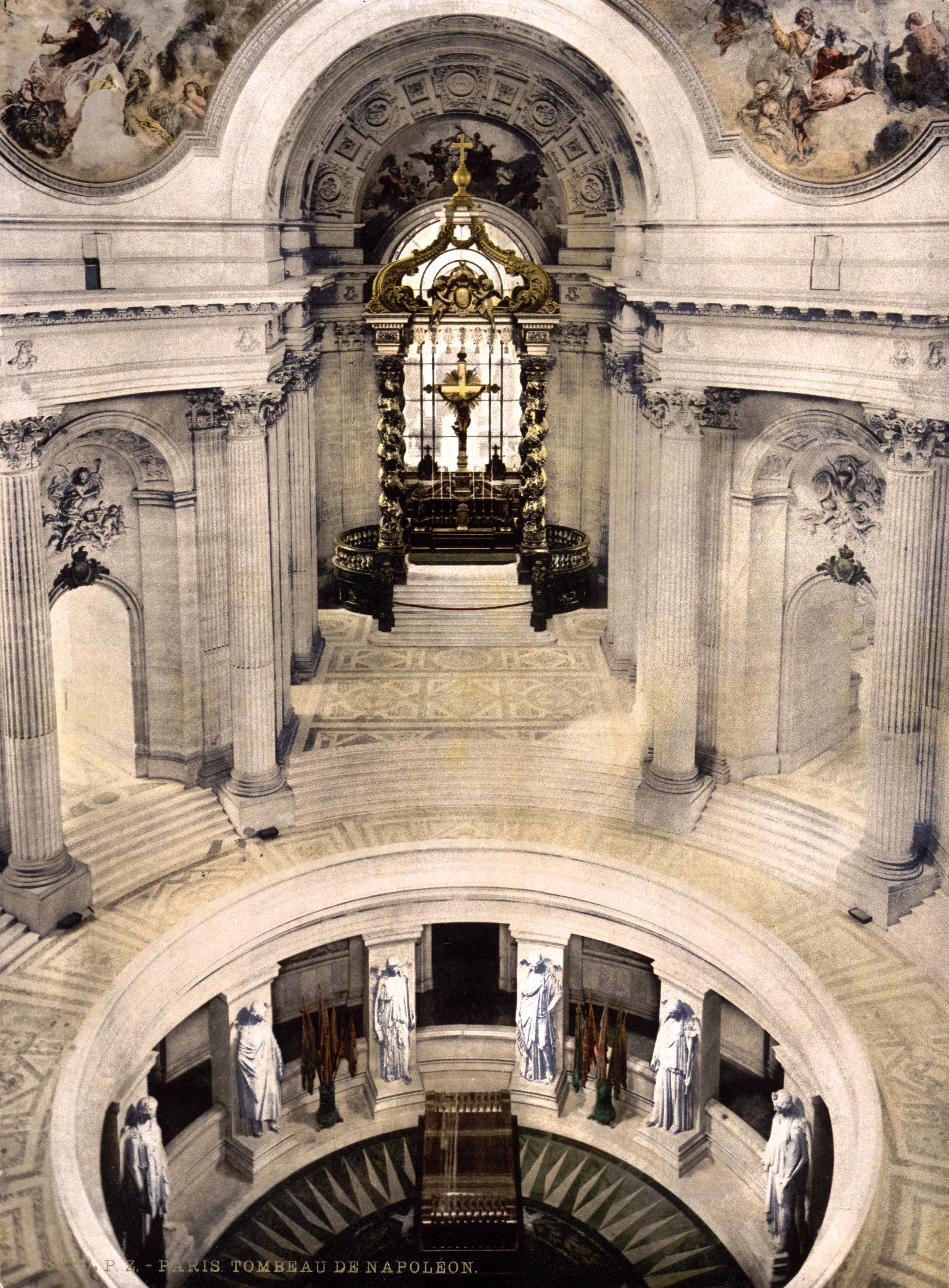
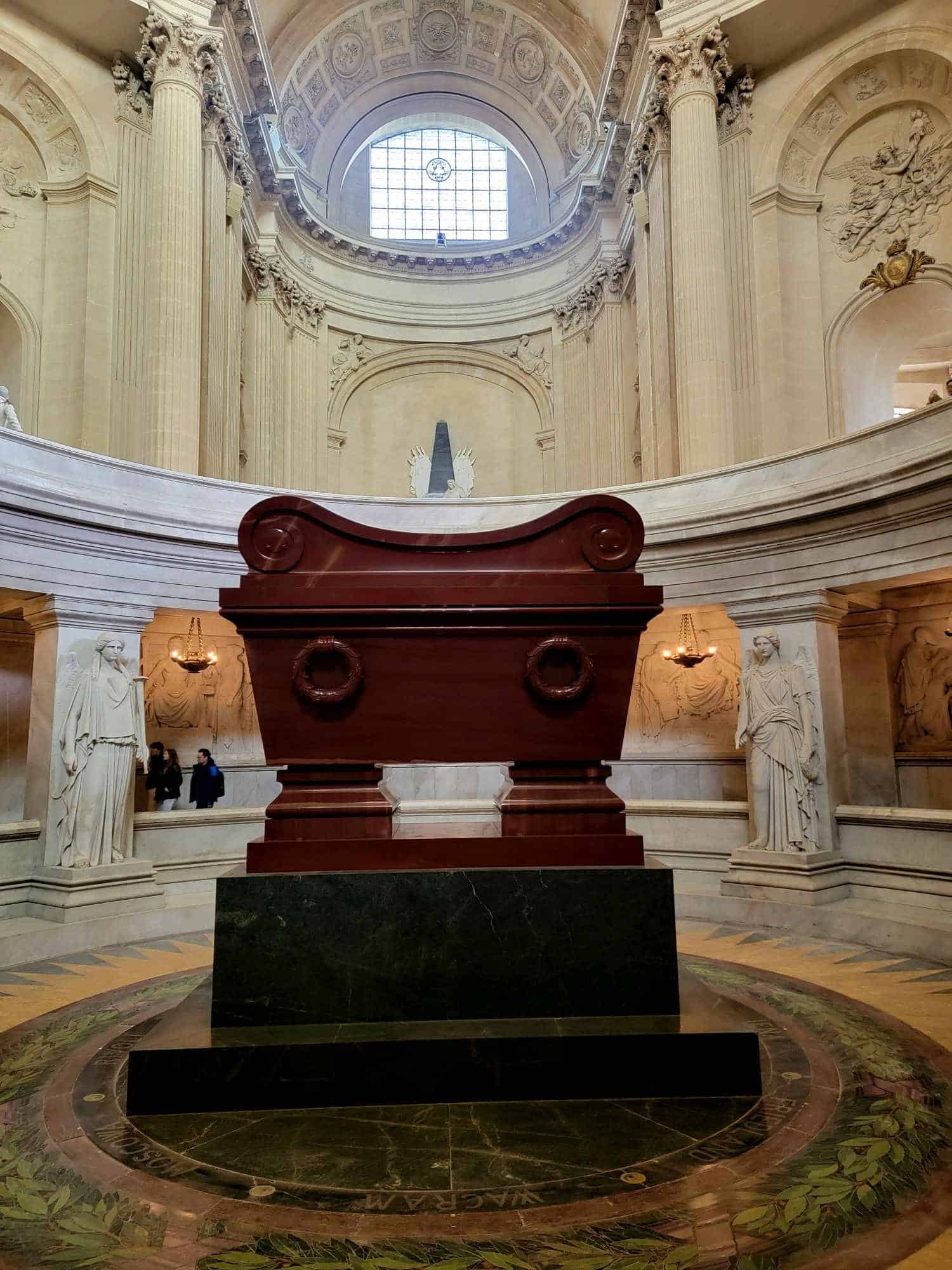
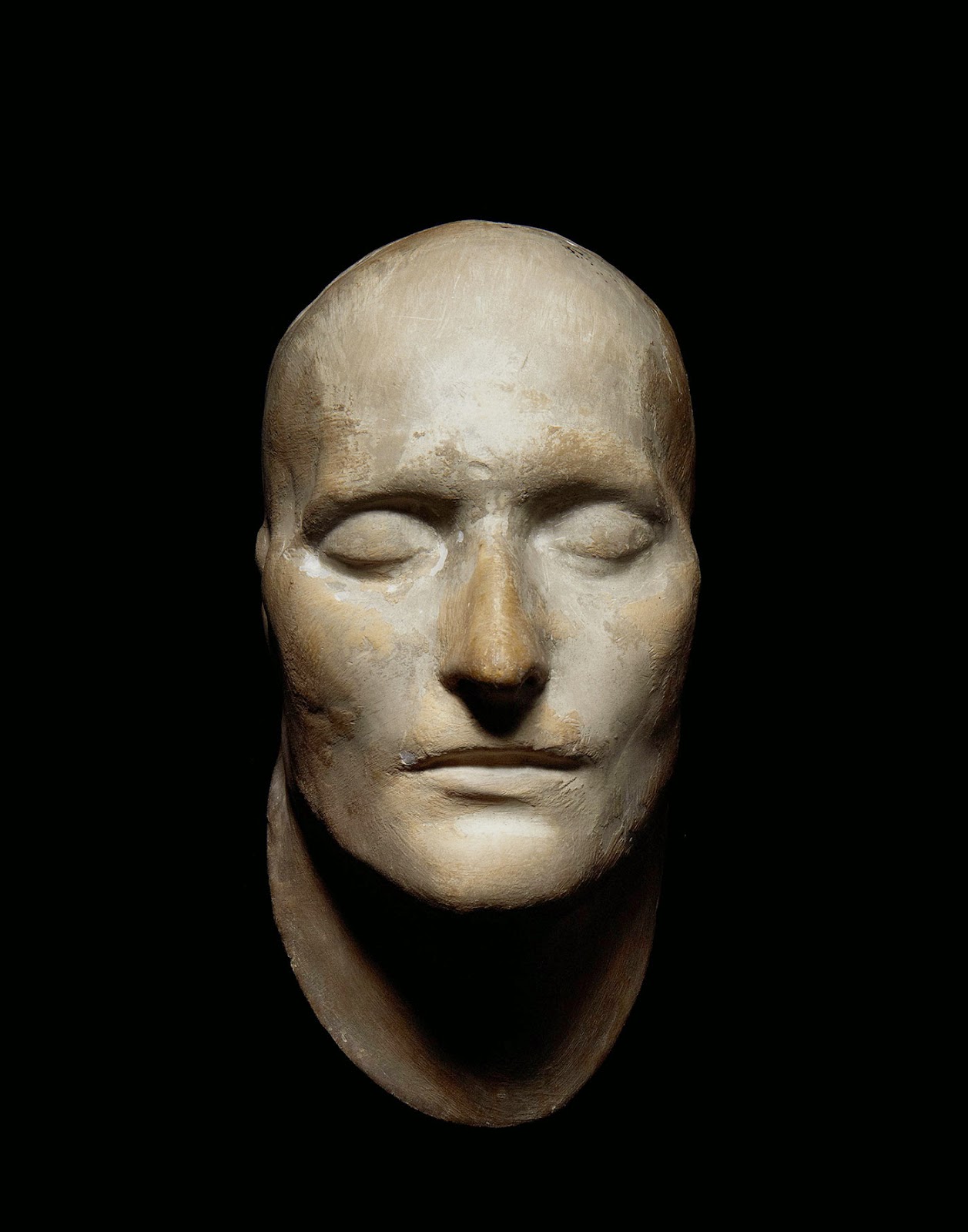
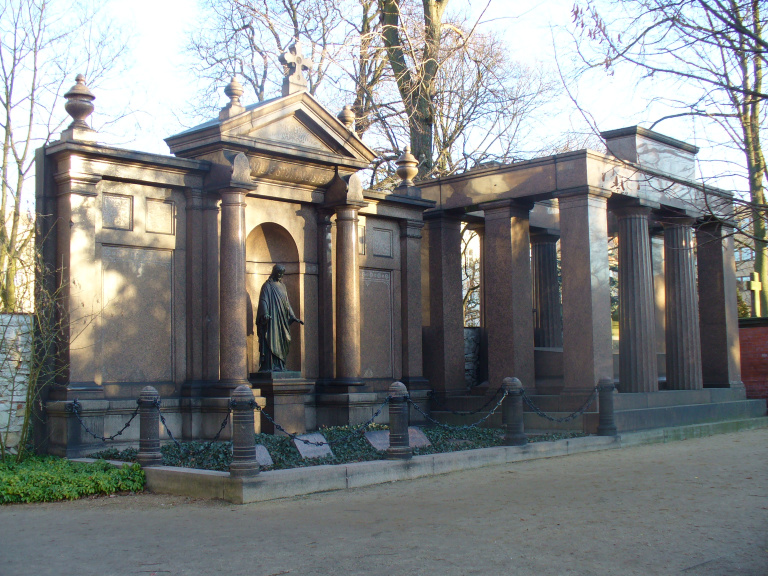
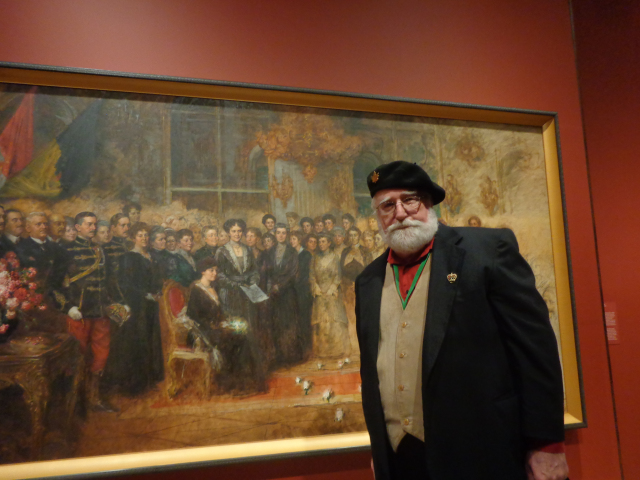
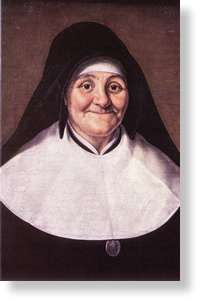


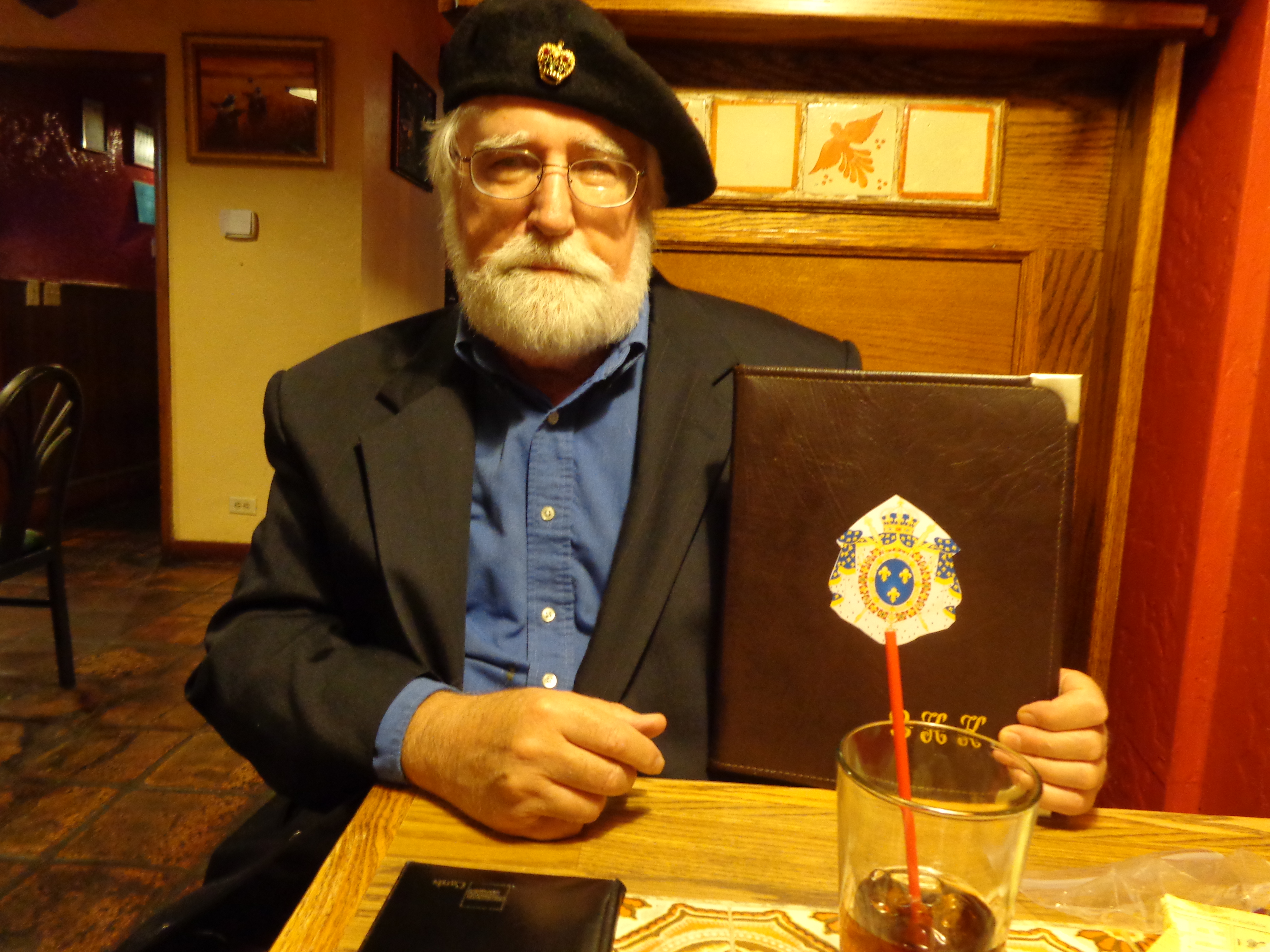


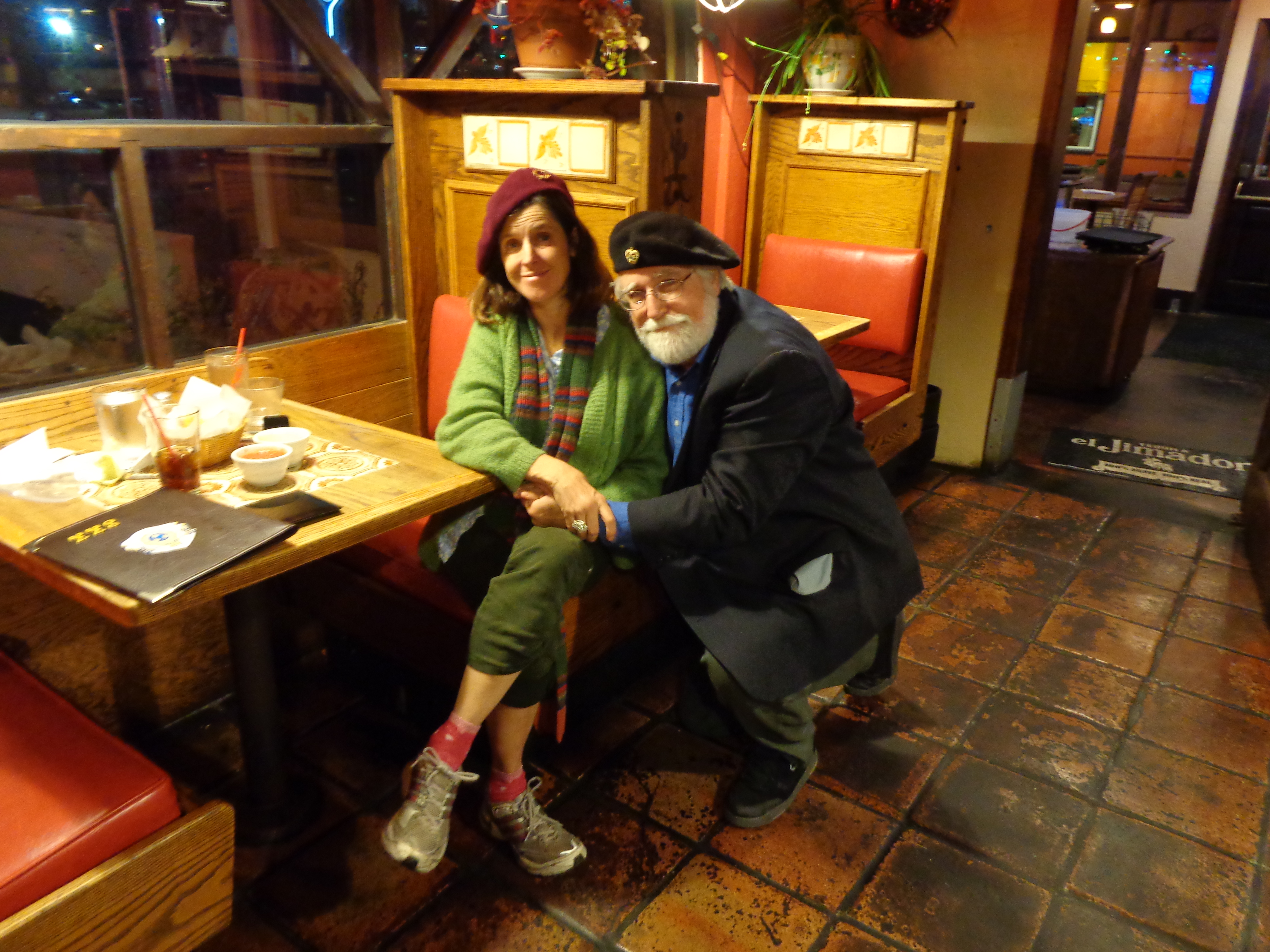
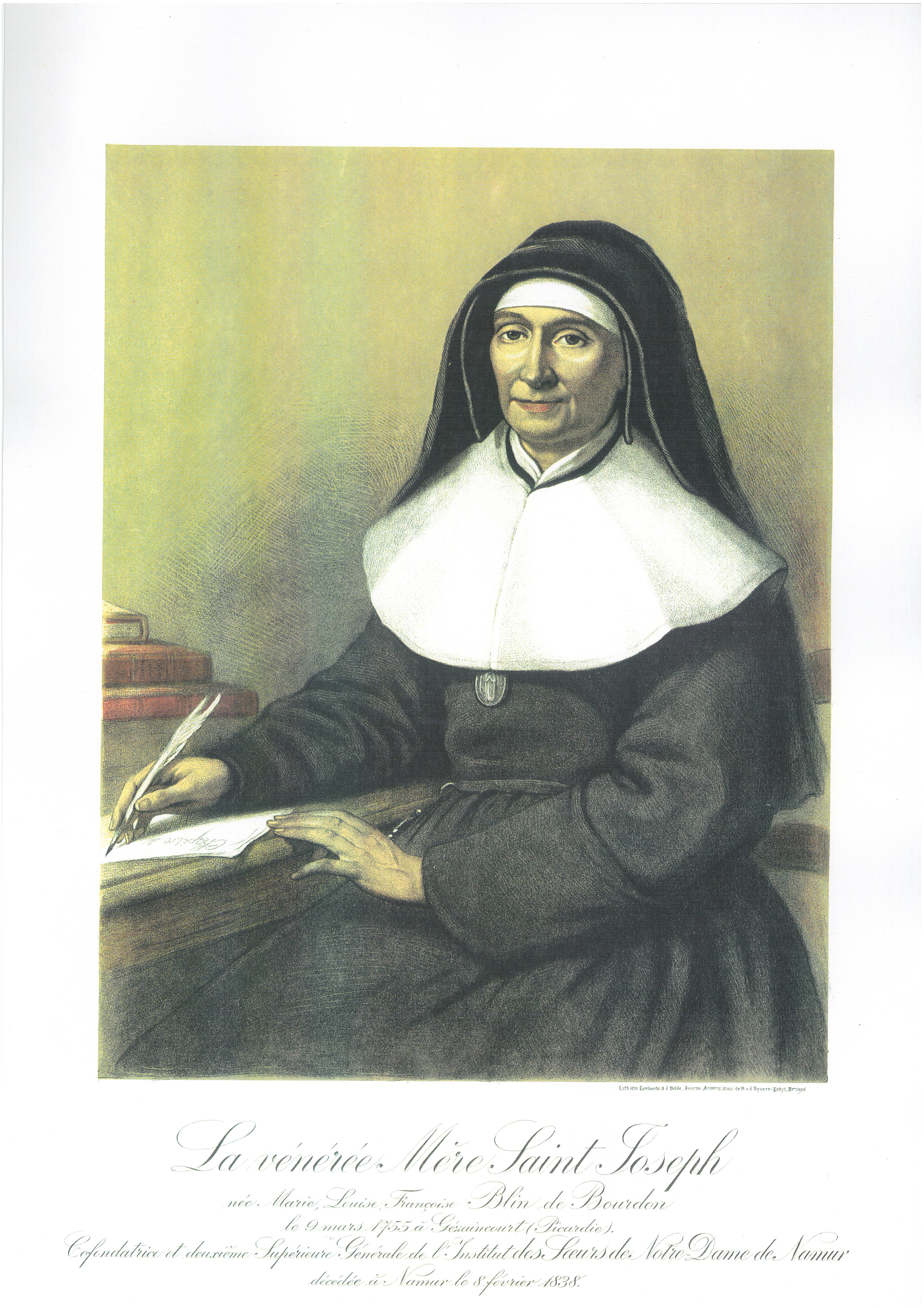













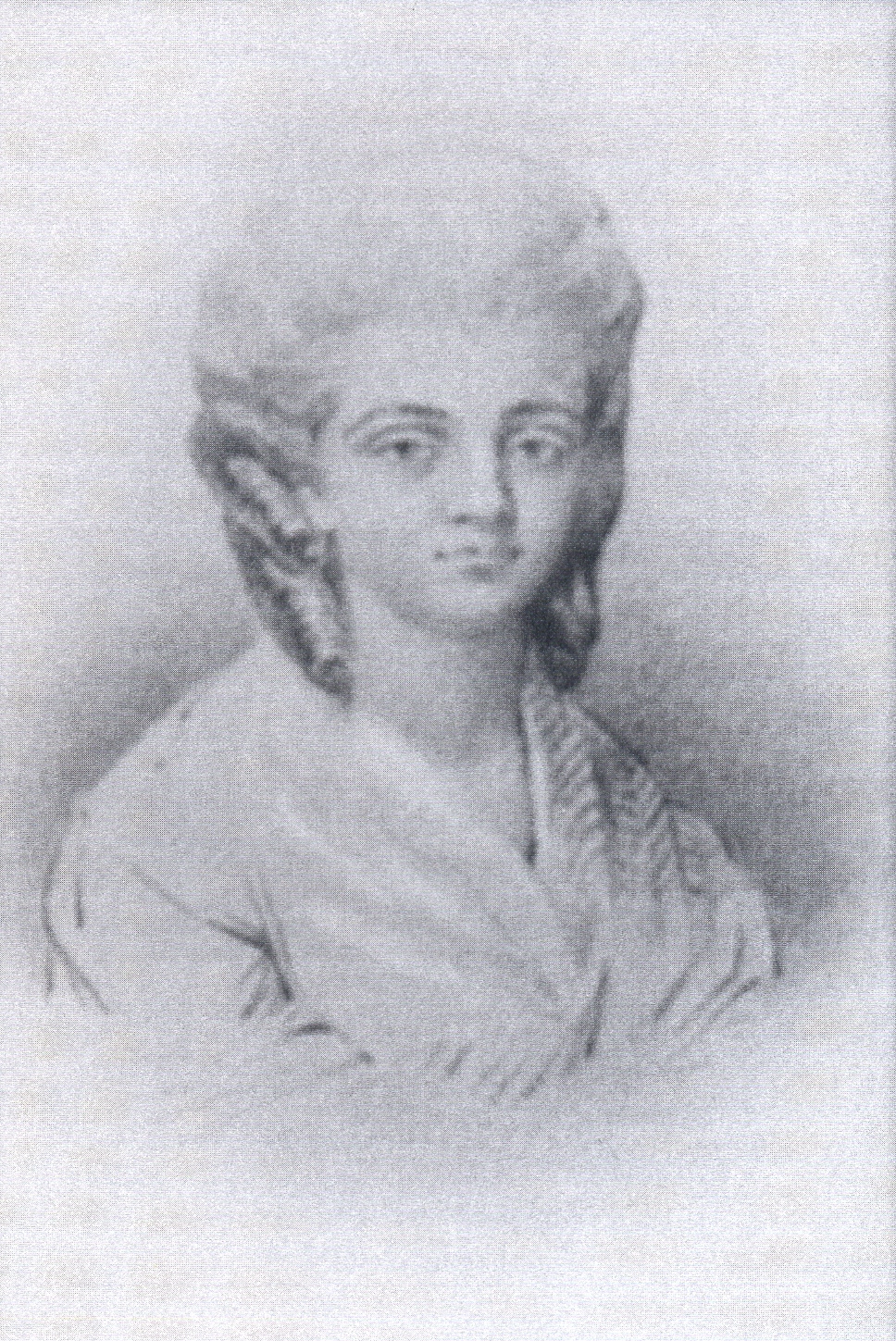
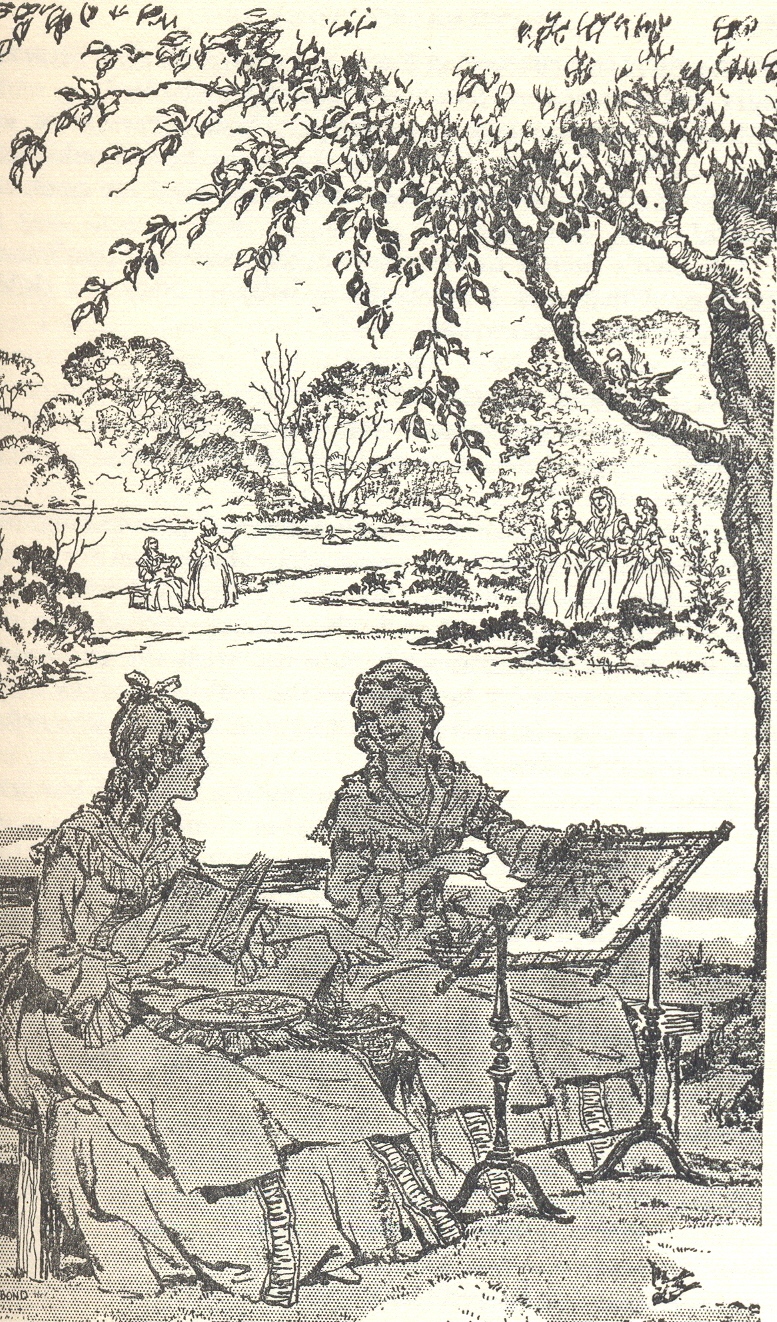



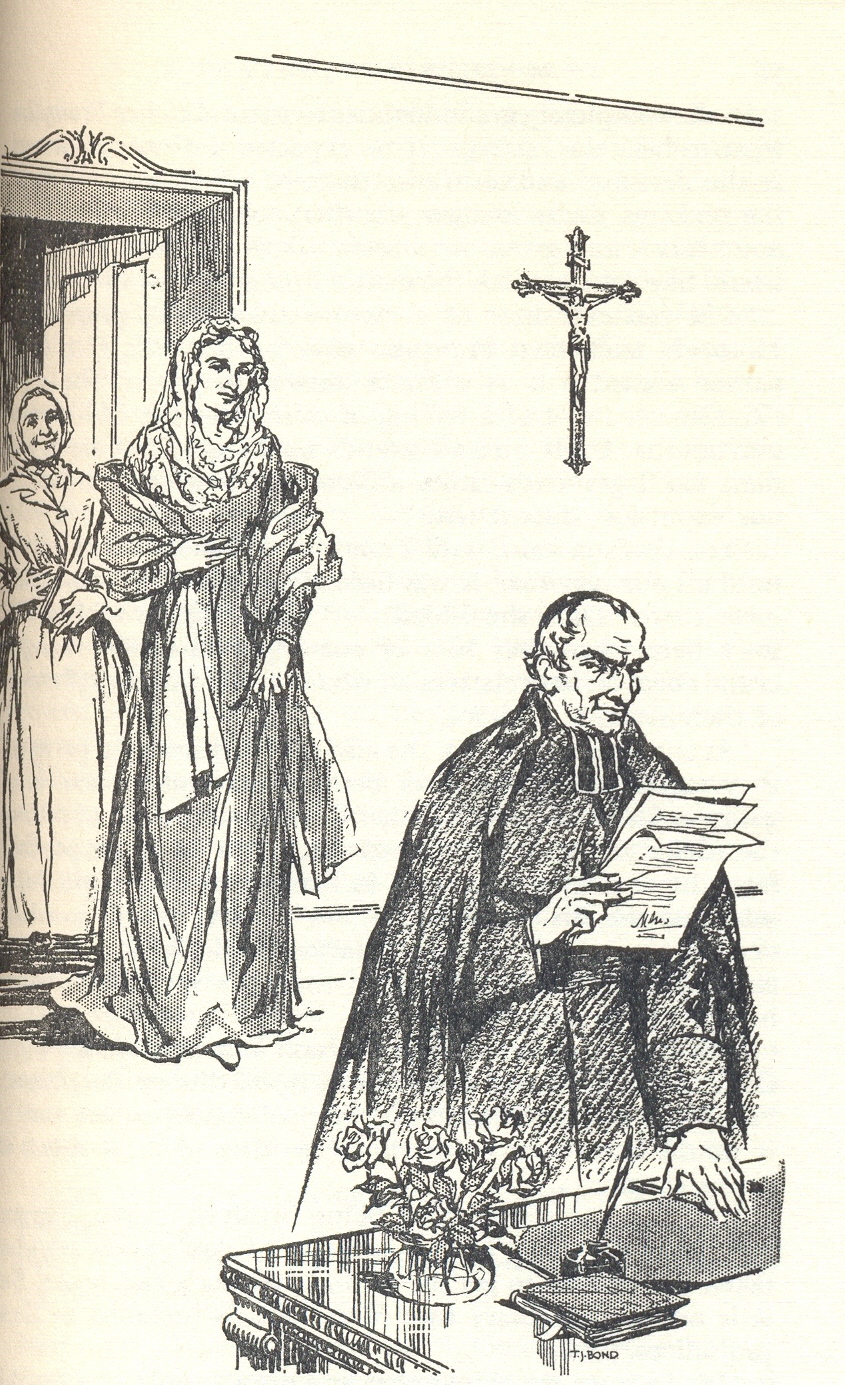
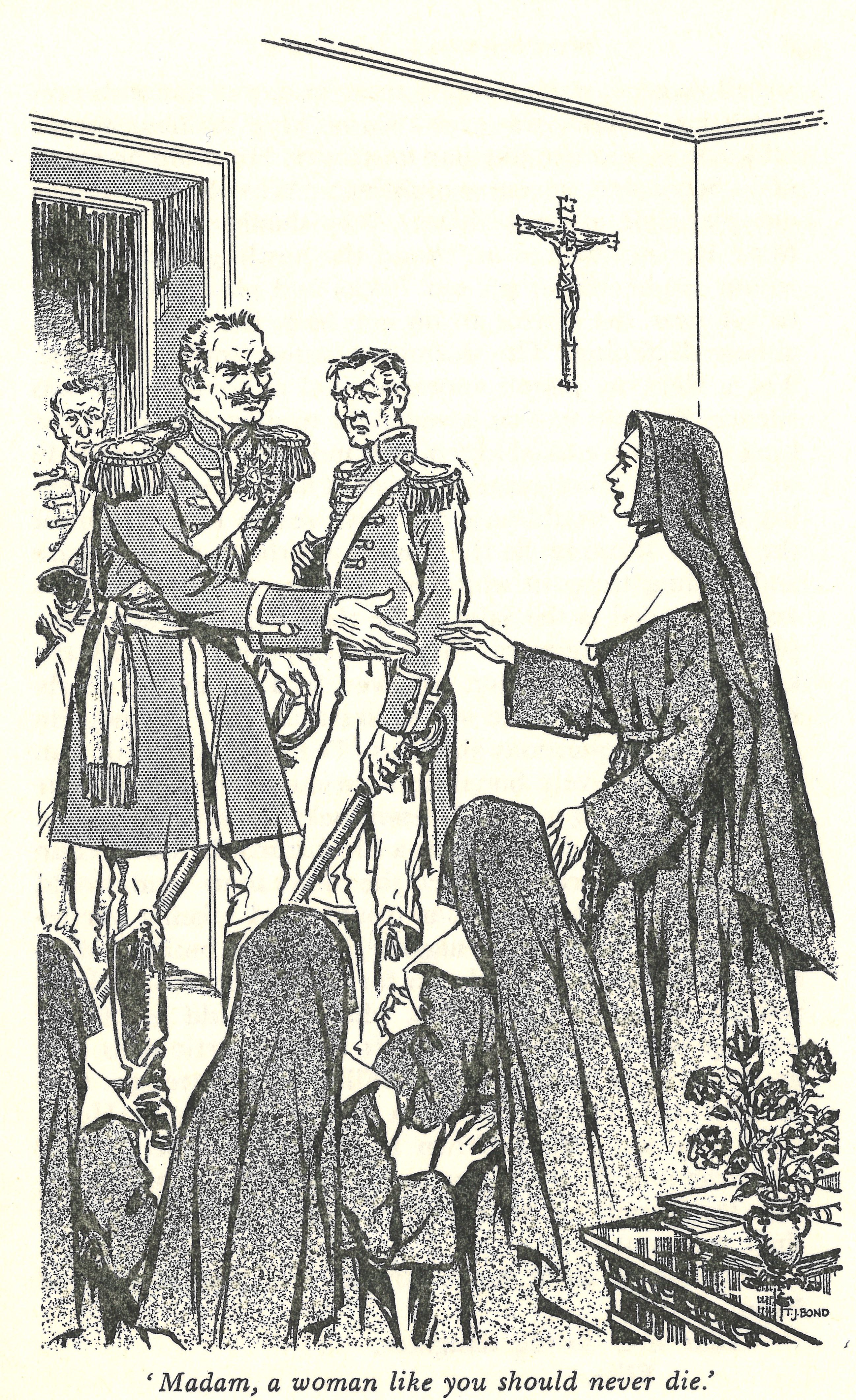
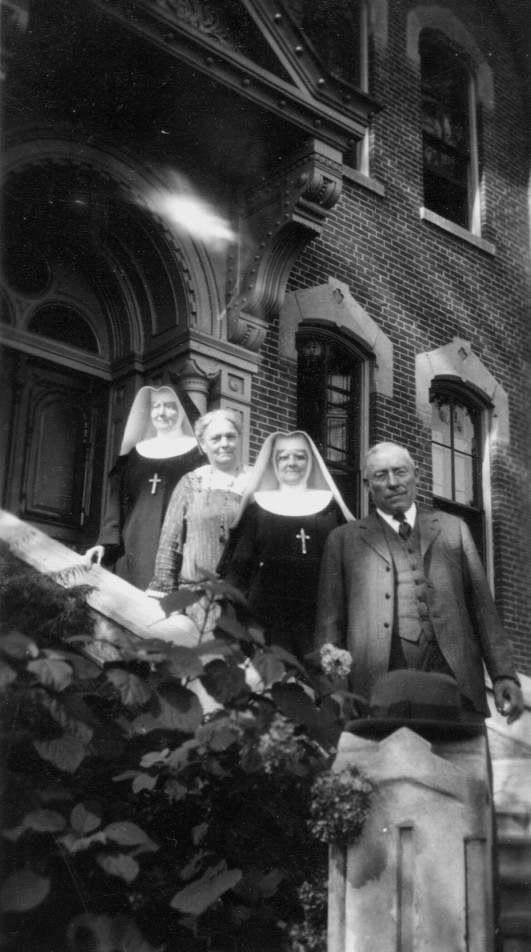






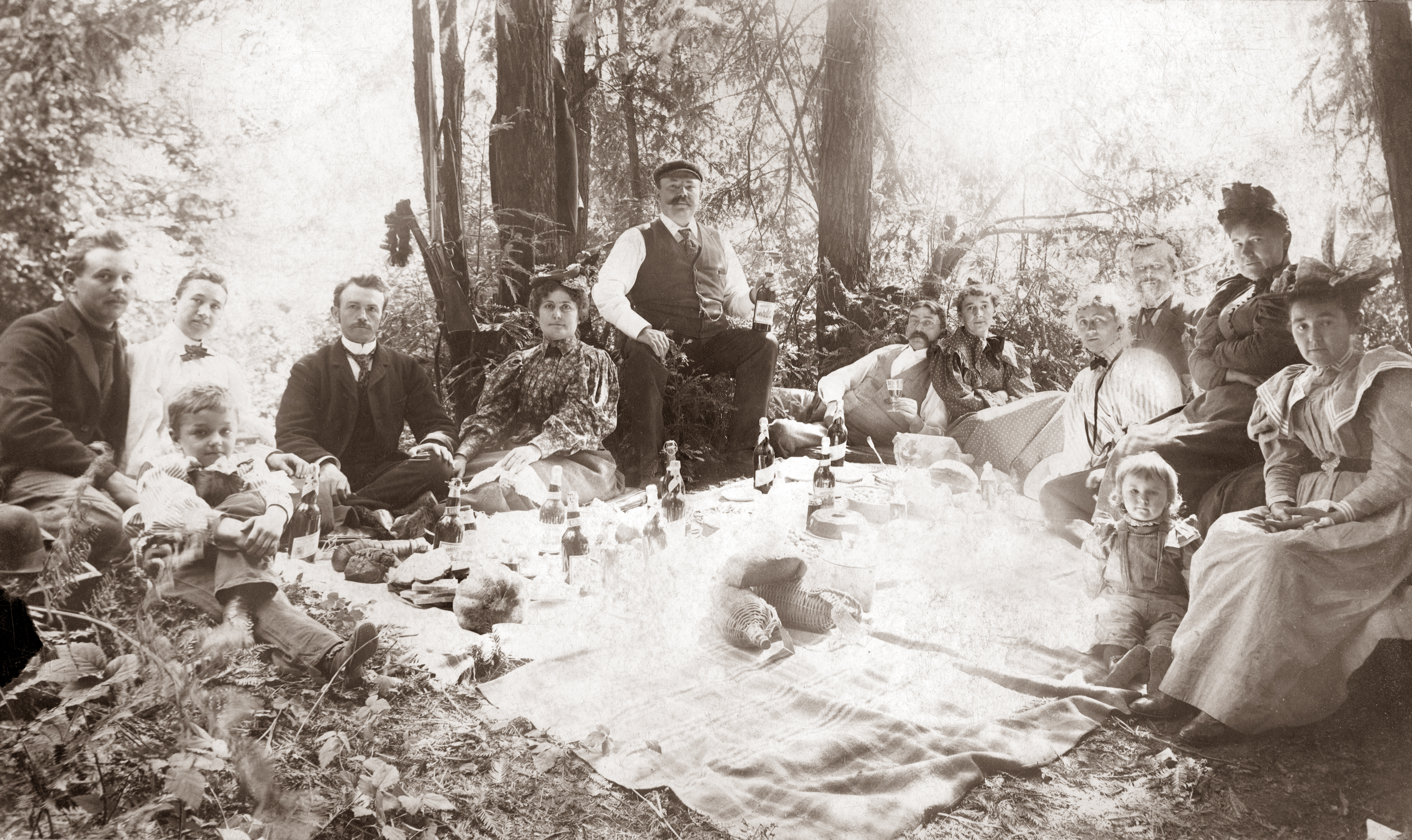
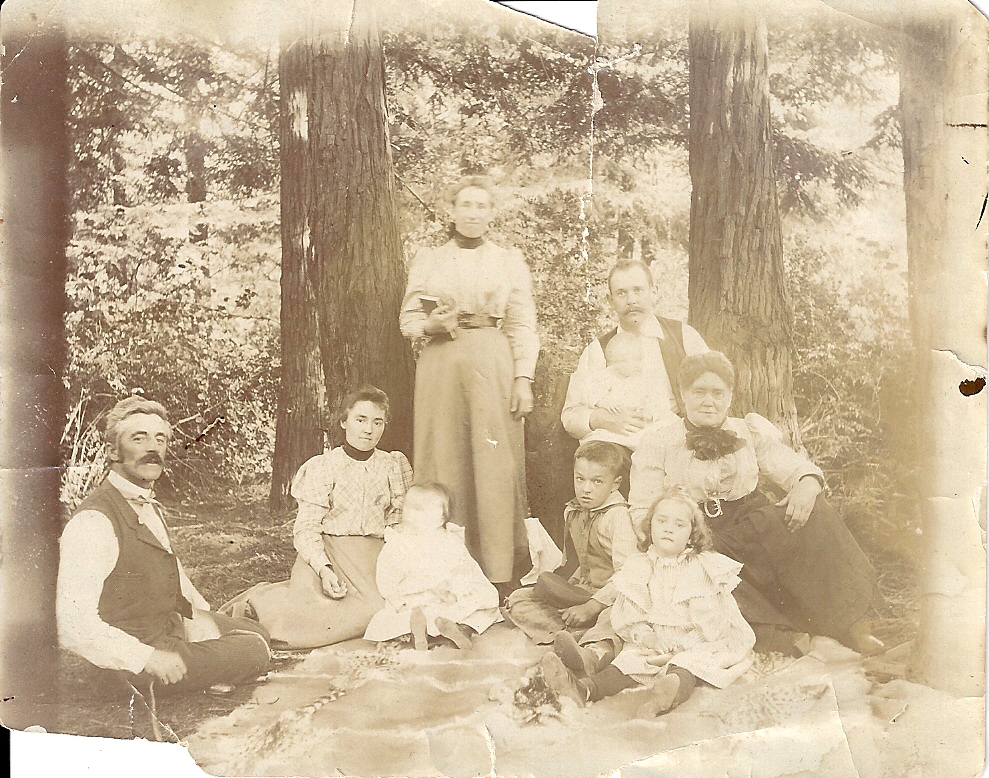
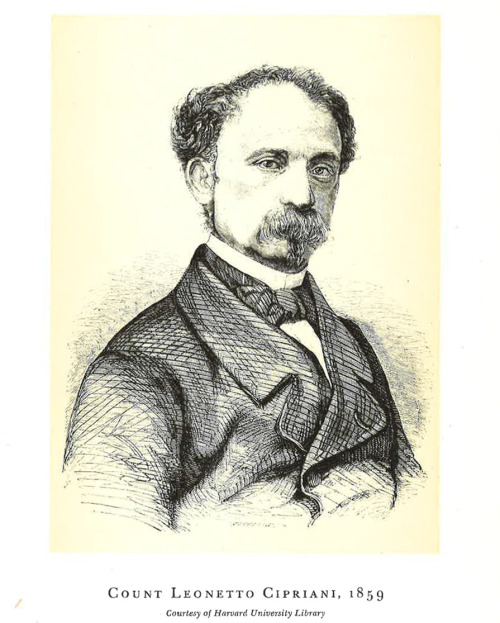
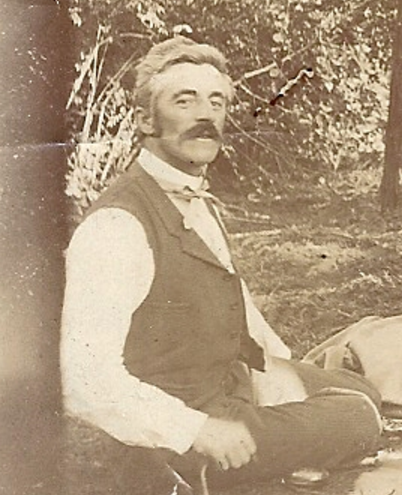
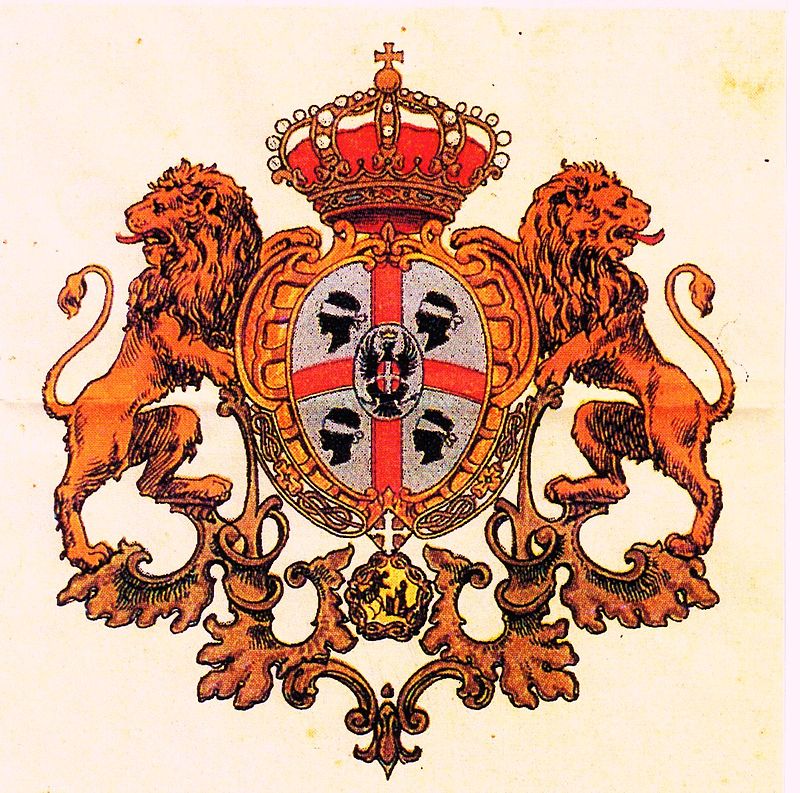
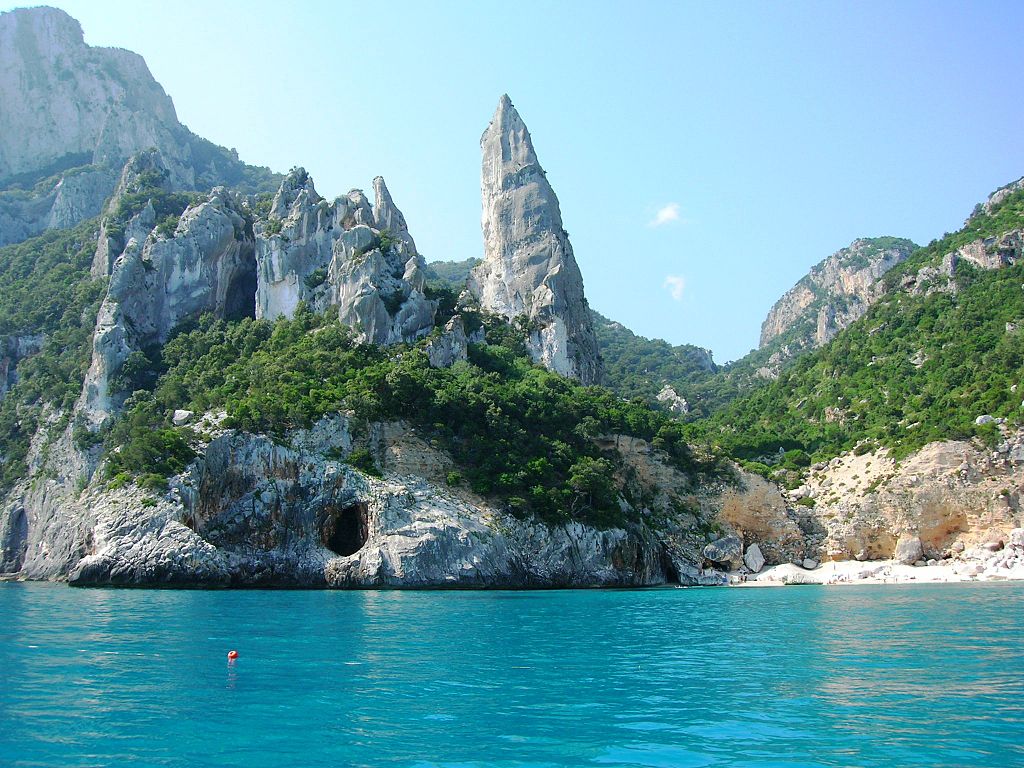
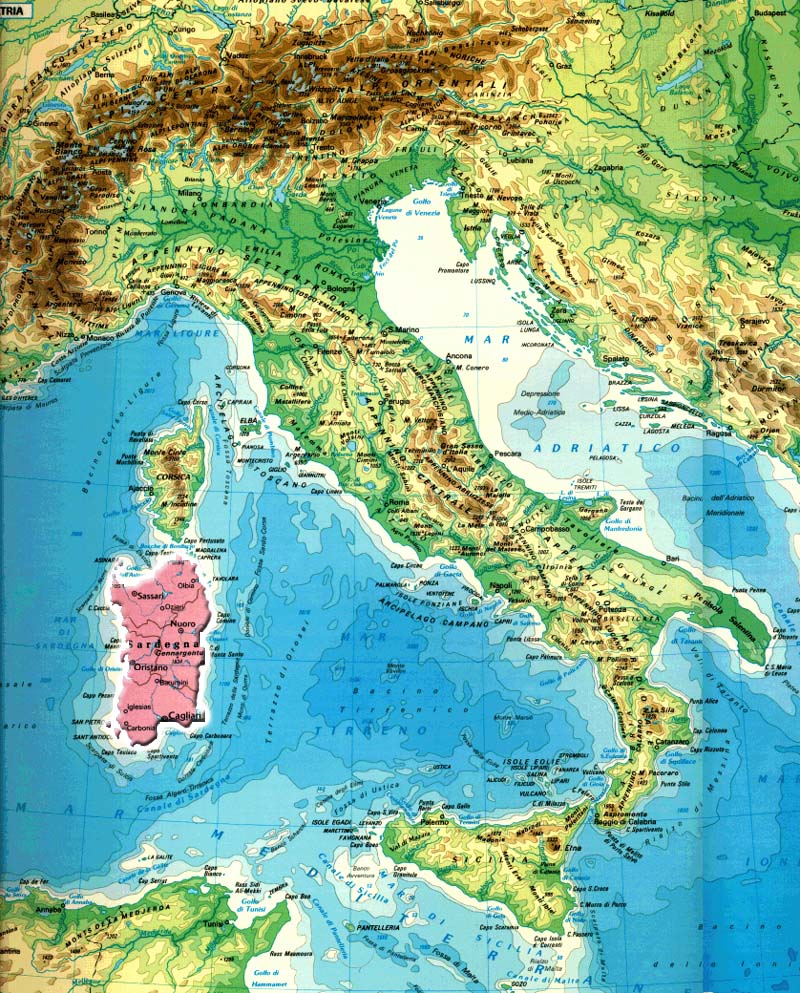
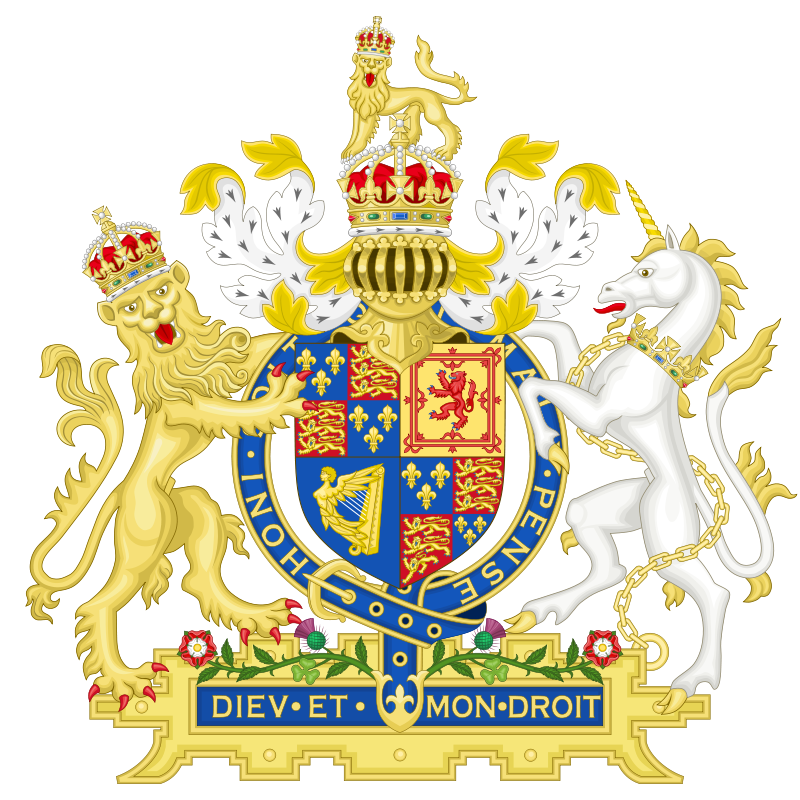
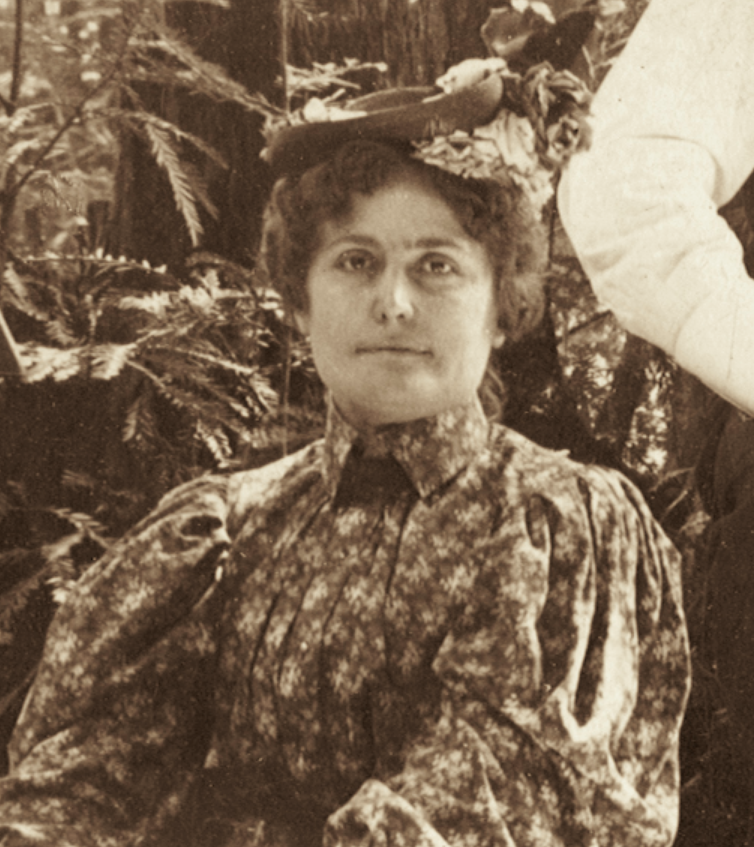
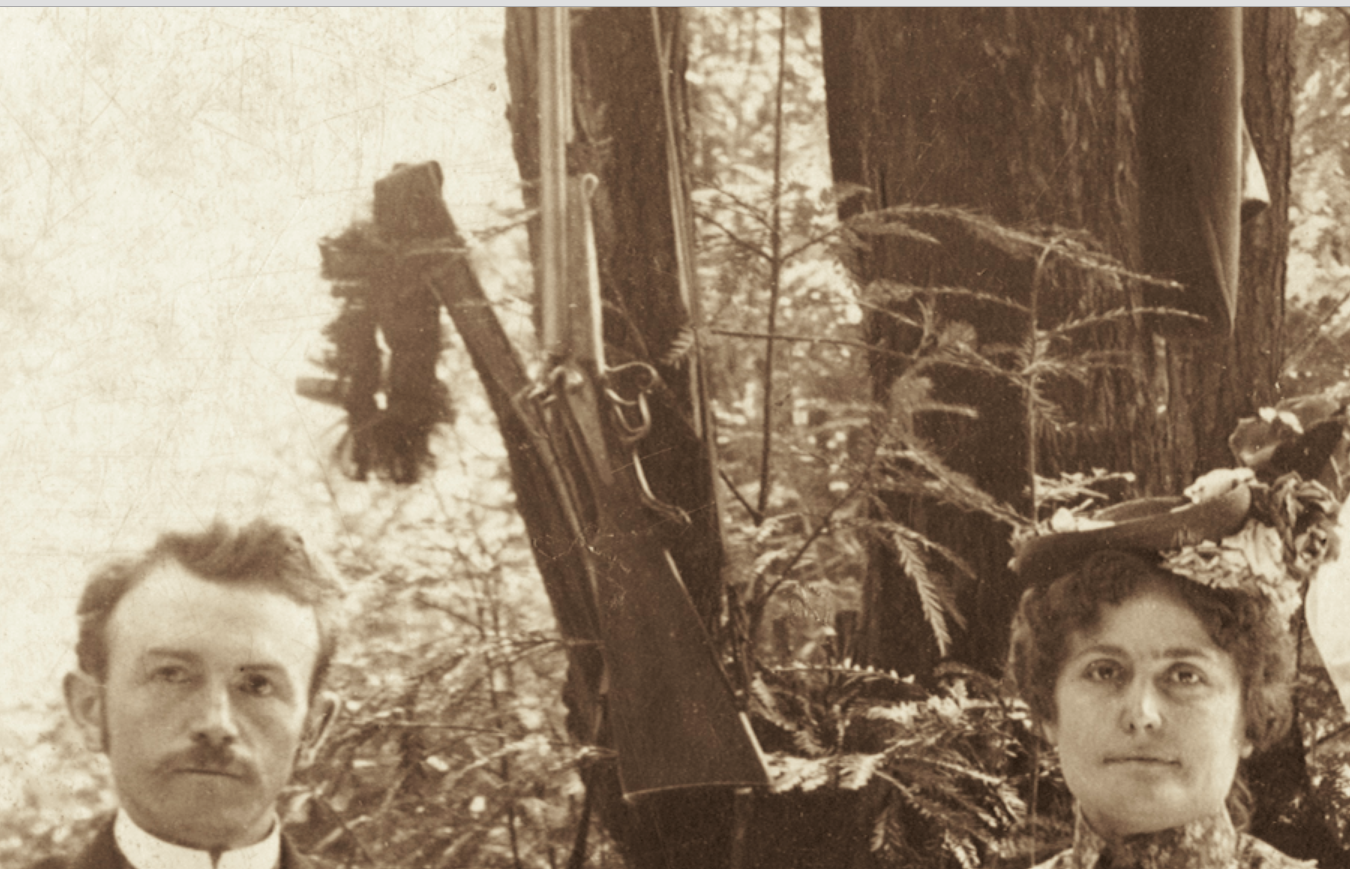
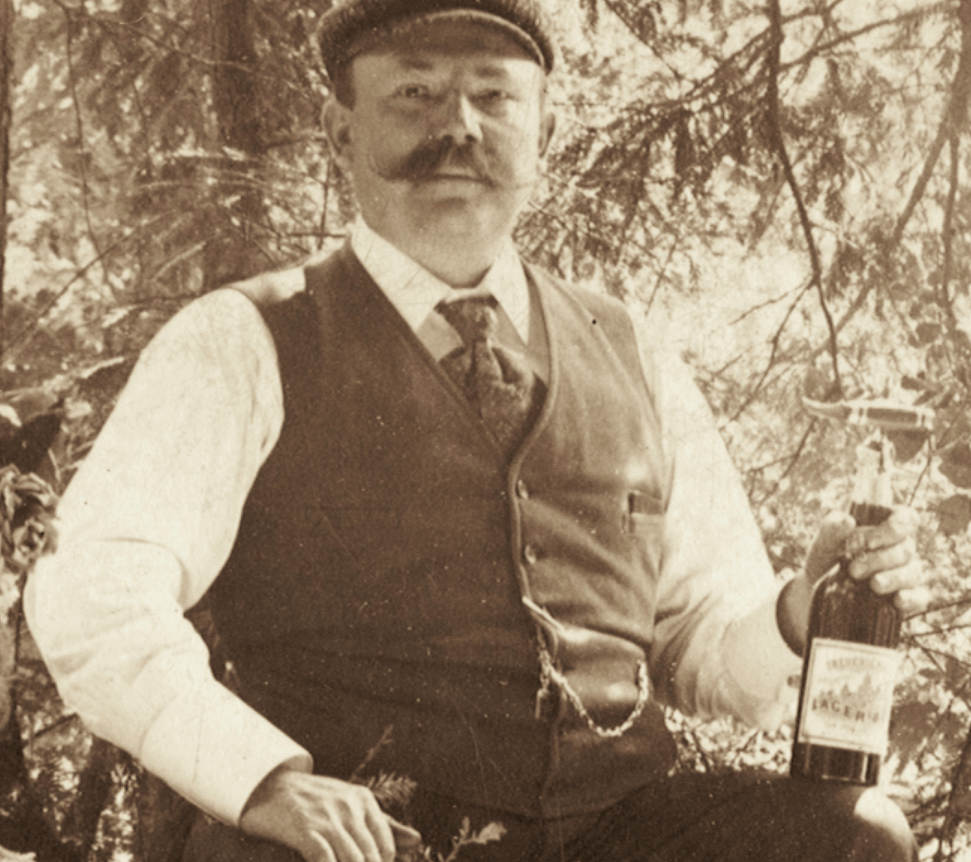
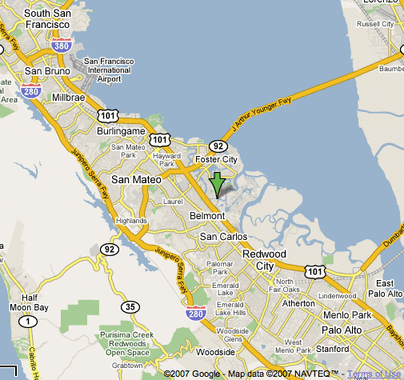


 Rosamond Press
Leave a comment