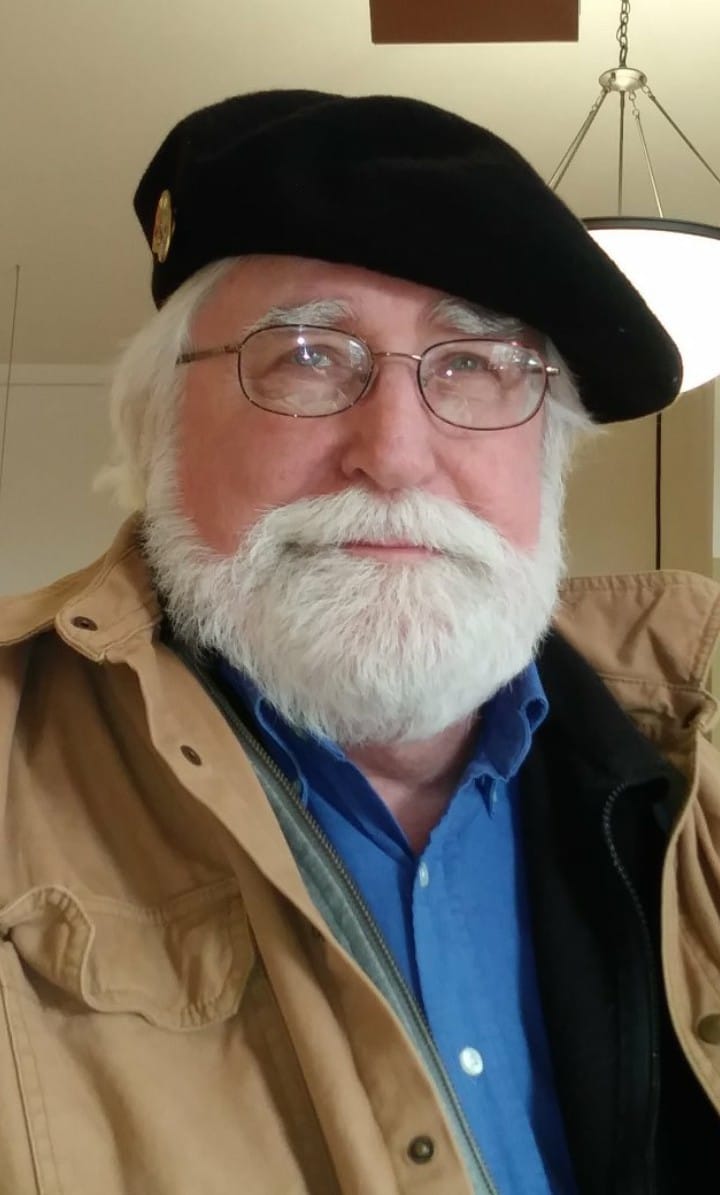
On this day, January 29, 2026, I John Gregory Presco announce I am a
WRITE-IN CANDIDATE FOR OFFICE OF PRESIDENT OF THE UNTITED STATES
The German People are being given a bad name. On the news I saw a young student in Eugene say on camera;
“We are the future! I don’t want to live in a Fascist State!”
How many young people know anything about German History, in Europe, and here in America. My Stuttmeister ancestors are listed as San Francisco Pioneers. William Stuttmeister married the daughter of Carl Janke as Ralston Hall. where I hope to celebrate the Hundredth anniversary of the City of Belmont, we helped found, and celebrate my entry into Americans Politics again, as a Republican.
John
A write-in candidate is a candidate whose name does not appear on the ballot but seeks election by asking voters to cast a vote for the candidate by physically writing in the person’s name on the ballot. Depending on electoral law it may be possible to win an election by winning a sufficient number of such write-in votes, which count equally as if the person were formally listed on the ballot.



Connie’s aunt said Christine and I were talking our own language. We were eight and nine and playing cards. When we spoke to each other, we were channeling our refined German genetics. Christine and I adored each other and were inseparable. We would take hikes all over the Oakland Hills. We spoke on the phone with Juanita Miller. As the ‘White Witch’, Juanita gave advice on the phone for the Love Lorn. We pretended to be married, on the verge of divorce. We disguised our voice so we would sound older.
Little did we know, we were a hundred years old. Our silent ancestors spoke to us in the background. They begged us not to forget them. Now, I alone exist. Christina has left me alone among the base savages, the uncultured incestuous greedy ones. The Haters of Beauty and Art have overrun our Museum. I have taken the place of the Blue Ghost that came to stand at the foot of my beloved sister’s bed when she was ten. I tend to them all. I am the Phantom Muse of the Art Opera.
They want us to be guilty of something so we will carry their conspiracy around our ankle like a ball and chain. They want money to pour from our wounds so they can feed their ugly vanity. They are obsessed with making their dumb friends, jealous, and having children out of wedlock. They constantly want to get their hair done, and their fingernails painted so they can do their dance of – Hating the Fathers!
What do we got to hide? We were German Radicals who left Germany before both world wars. We founded the Republican Abolitionist Party. We were Lincoln’s bodyguards. A hundred thousand of us fought against the Confederacy for the Emancipation of the Slaves – and we won! We are not The Losers! We were Evangelicals as well as Socialists and Freethinker. Take your guilt – and shove it!
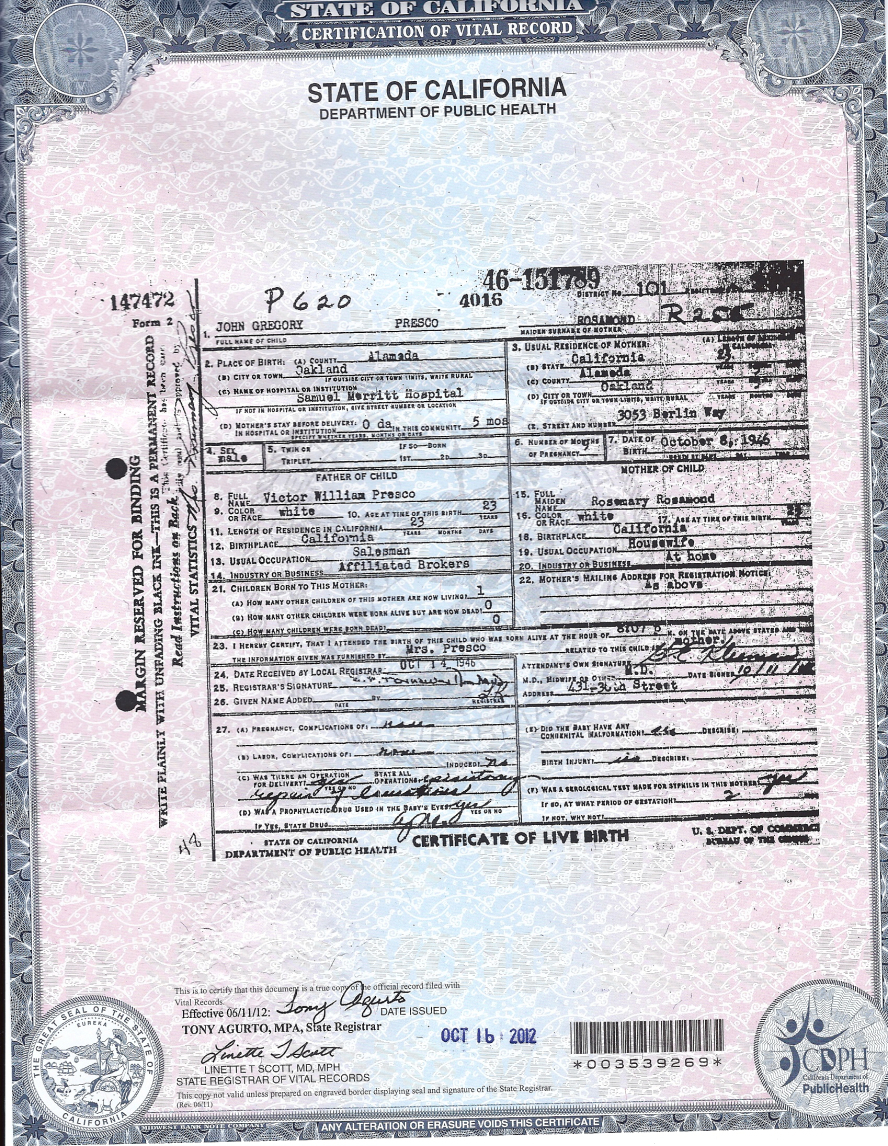
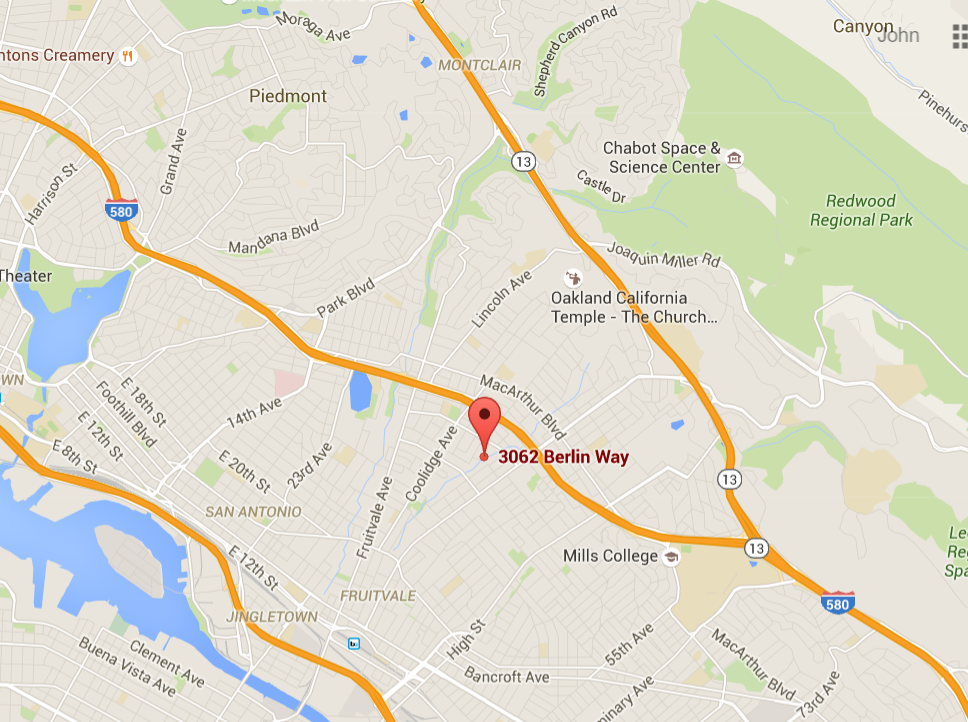
On October 31, 2012, the California Department of Public Health mailed me a copy of my birth certificate. My mother and father were living on Berlin Way where William Stuttmesiter and his cousin, William Buyer built over forty new homes on this street, and on Maple Street just around the corner.
My father had a framed marriage certificate of Frederick William Stuttmeister to a women named Charlotte. Vicki Presco did not have this certificate as I hoped. Vic’s mother’s middle name was Charlotte. Some citation on the web have Charlottenburg as the meaning of the name Stuttmeister. No. 1 Berlin Way was the address on this certificate. This street was founded by a King of Prussia who was into the Arts, thus one finds several famous Art Colleges here.
Berlin Way appears to have been the Bohemian district. The theatre and early cinema was here, as was an amusement park named ‘Flora’. Consider Carl Janke’s theme park in Belmont. It appears my grandfathers were German Bohemians, perhaps related to the Prince of Orange and who was a Rosicrucians. Consider Falcon art college and Godschalk Rosemondt. The House of Orange married into the Kings of Prussia. Here is the unseen Enlightenment. Here is the core of British Royalty, even its creative branch.
There is a German club in the Oakland Hills that resembles Carl Janke’s German theme park in Belmont. I hear our music and the laughter of our people. We are alive!
Jon Presco
Copyright 2016




https://rosamondpress.com/2016/05/22/janke-park-hall-and-stagecoach-line-2/
https://rosamondpress.com/2016/05/22/sardinian-kingdom-founds-sf-colony-2/
https://rosamondpress.com/2012/10/14/godeschalk-rosemondt-renaissance-man/
7. AGNES EMMA HEDWIG STUTTMEISTER – International Genealogical Index / GE
Gender: Female Christening: 06 SEP 1856 Sankt Petri, Berlin Stadt, Brandenburg, Preussen
8. ALBERTUS FRIEDERICH STUTTMEISTER – International Genealogical Index / GE
Gender: Male Christening: 11 JUL 1745 Jerusalem, Berlin Stadt, Brandenburg, Preussen
9. DOROTHEA SOPHIA STUTTMEISTER – International Genealogical Index / GE
Gender: Female Christening: 03 AUG 1807 Jerusalem, Berlin Stadt, Brandenburg, Preussen
10. EMILIE FRIEDRICKE STUDTMEISTER – International Genealogical Index / GE
Gender: Female Christening: 26 JAN 1806 Sankt Nikolai, Berlin Stadt, Brandenburg, Preussen
11. AMALIE CHARLOTTE JOHANNE ELISABETH STUTTMEISTER – International Genealogical Index / GE
Gender: Female Christening: 06 MAR 1860 Sankt Petri, Berlin Stadt, Brandenburg, Preussen
12. FRIEDRICH HEINRICH STUTTMEISTER – International Genealogical Index / GE
Gender: Male Christening: 30 JAN 1862 Sankt Elisabeth, Berlin Stadt, Brandenburg, Preussen
13. JOH. CARL STUTTMEISTER – International Genealogical Index / GE
Gender: Male Christening: 20 AUG 1747 Jerusalem, Berlin Stadt, Brandenburg, Preussen
14. JOHANNES HERMANN STUTTMEISTER – International Genealogical Index / GE
Gender: Male Christening: 04 MAY 1826 Friedrichswerder Berlin, Brandenburg, Preussen
15. CARL HEINRICH STUTTMEISTER – International Genealogical Index / GEDr.
Gender: Male Christening: 15 APR 1805 Sankt Nikolai, Berlin Stadt, Brandenburg, Preussen
16. CATHARINA DOROTHEA STUTTMEISTER – International Genealogical Index / GE
Gender: Female Christening: 02 AUG 1743 Jerusalem, Berlin Stadt, Brandenburg, Preussen
17. VICTOR EMANUEL FELIX STUTTMEISTER – International Genealogical Index / GE
Gender: Male Christening: 07 MAR 1861 Sankt Petri, Berlin Stadt, Brandenburg, Preussen
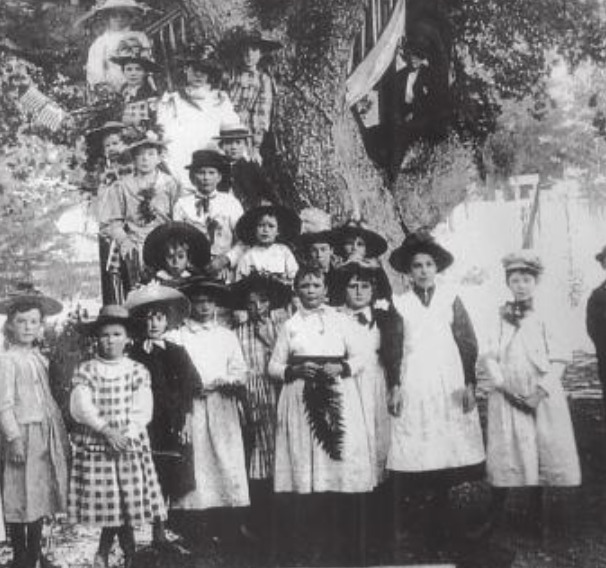
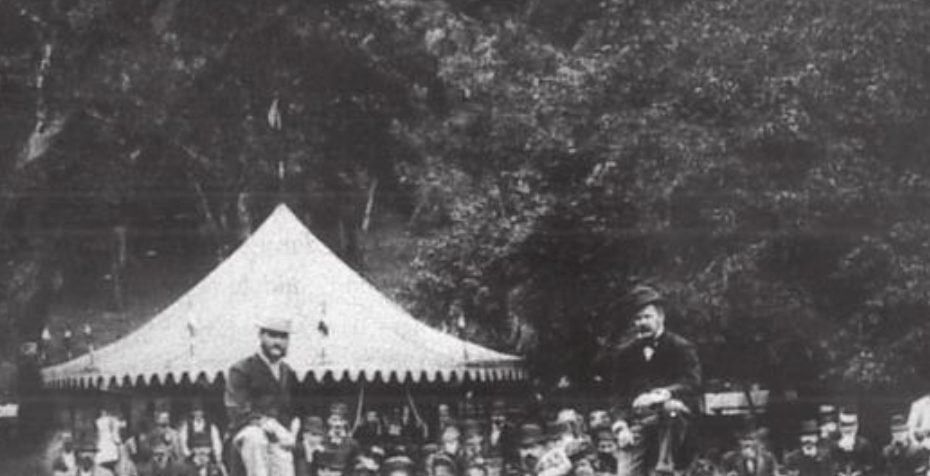
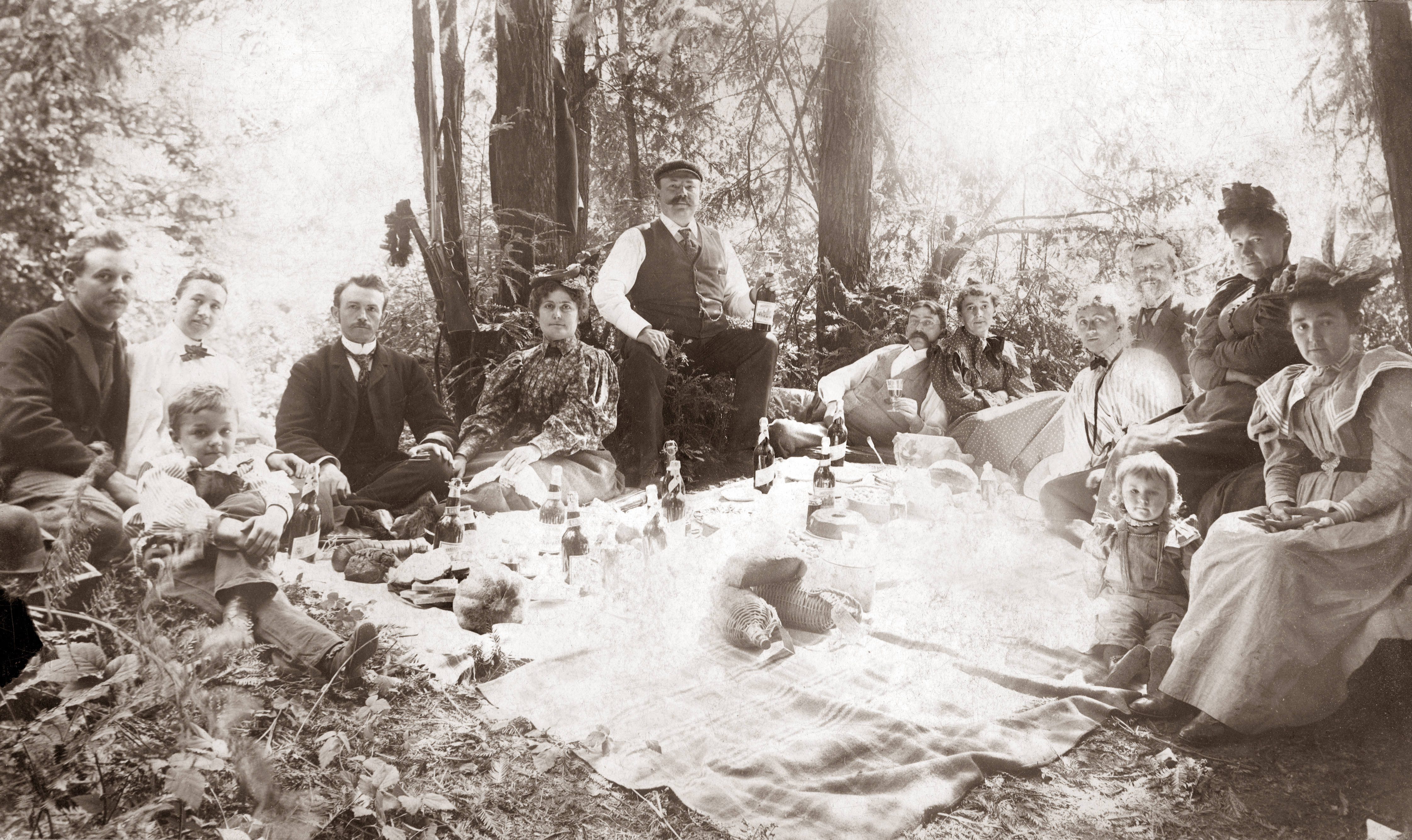
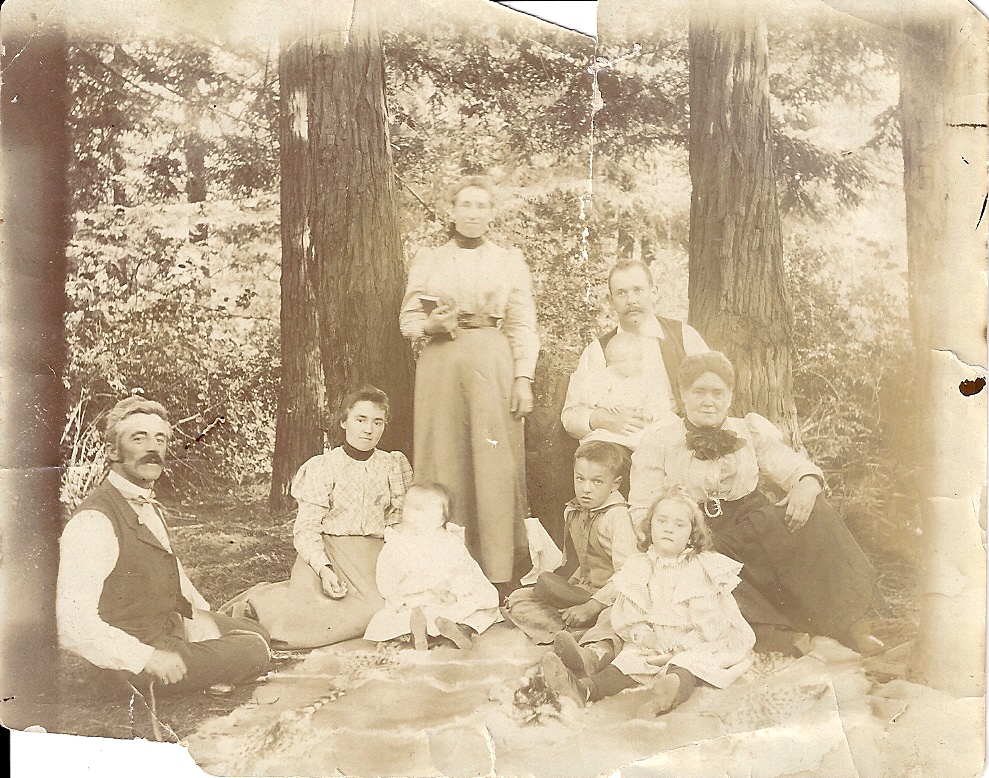
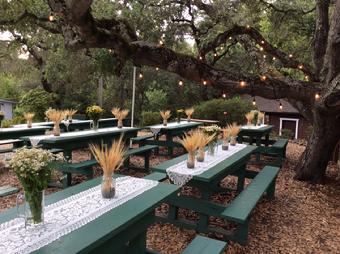
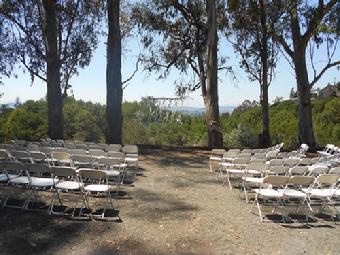
The Oakland Nature Friends is a branch of the worldwide Nature Friends, an international organization founded in Vienna in March of 1895 dedicated to the appreciation of nature, outdoor activities, conservation and international friendship and understanding.
The Oakland Nature Friends is a private, not-for-profit organization for the use of its members, but warmly welcomes visitors to our Festivals held throughout the year where we enjoy and celebrate culture, music, dance, and food!
http://thenaturefriendscorporation.org/specialoccasions.html
http://thenaturefriendscorporation.org/specialoccasions.html
khttp://thenaturefriendscorporation.org/specialoccasions.html
http://acfloodcontrol.org/resources/photo-gallery
http://www.oaklandmomma.com/2016/03/04/appreciation-awareness-oaklands-dimond-canyon/
cJanke Park, Hall, And Stagecoach Line
The Art League held a event in Mill Valley that looks like a Renaisance Fair.
The Stuttmeister Fur Shop – Berlin

San Sebastian Avenue
by
John Presco
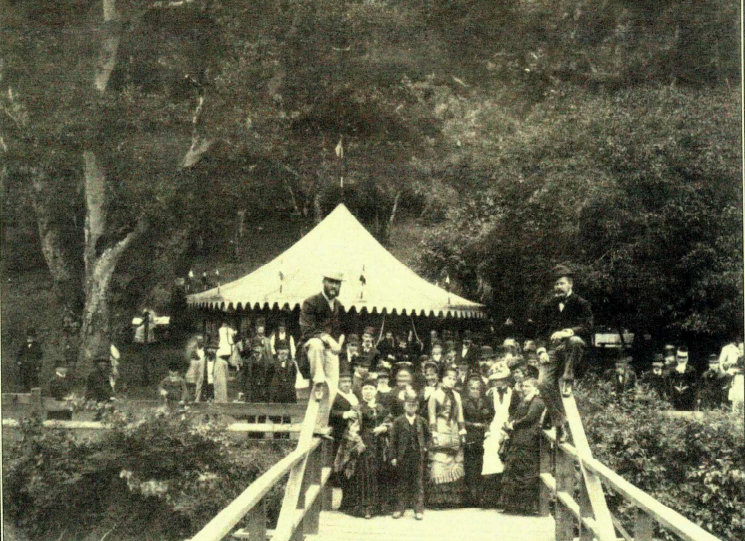
The Stuttmeister family might have been the wealthiest family to step foot in Belmont California after William Ralston. How about Cark Janke? That is William Stuttmeister on left, and William Janke holding children. Are those the infamous Twin Pines? This family got married at Ralston Hall, and took the Janke Stagecoach to Halfmoon Bay. The Stuttmeisters got pelts in the New world. Amalie is listed as a millionaire. Did she invest in America?
The Stuttmeisters lived on Berliner Straffe and may have known the Janke family, who may have operated a beer garden – with amusement. Wealthy people lived here. Did the Stuttmeisters fiancé Carl Janke’s expedition to California? Were they members of the Berlin Turnverein?
John Presco
Recreational and residential area
In the late 18th century, Charlottenburg’s development did not depend only on the crown. The town became a recreational area for the expanding city of Berlin. Its first true inn opened in the 1770s, in the street then called Berliner Straße (now Otto-Suhr-Allee), and many other inns and beer gardens were to follow, popular for weekend parties especially. Berliners seeking leisure and entertainment came by boat, by carriage and later by horse-drawn trams, above all to a large amusement park at the shore of the Spree river called Flora, that went into bankruptcy in 1904.

Age 53 —Listed as a Millionaire
1912 • Berlin, Germany
Jahrbuch des Vermögens und Einkommens der Millionäre in Preussen,1912, Band 1 von Rudolf Martin2 media
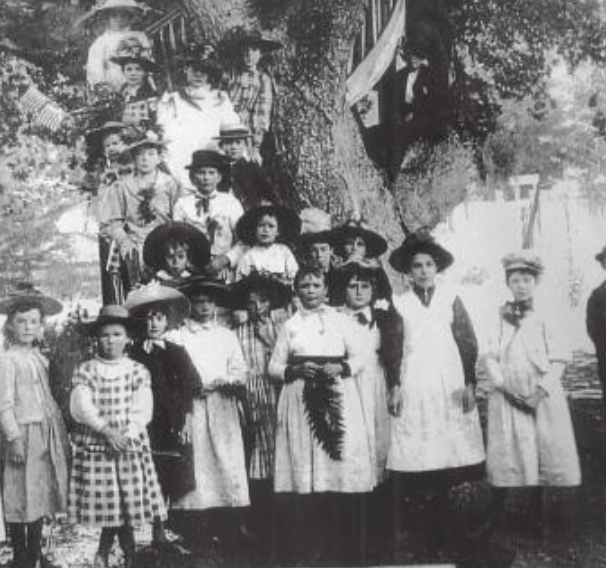


Johannes Hermann Stuttmeister
1826–1890
BIRTH 24 MARCH 1826 • Berlin, Brandenburg, Preußen
DEATH 8 JAN 1890 • Berlin, Berlin, Deutschland
Skip to sourcesFilter
Facts
- 1826(AGE)Select factAge 0 —Birth24 March 1826 • Berlin, Brandenburg, Preußen5 sources
- 1826Select factBaptism4 Mai 1826 • Berlin, Brandenburg, Preußen1 source
- 1826Select fact
 Baptism04 May 1826 • Friedrichswerder Berlin,Brandenburg,Prussia1 source1 media
 - 183610Age 10 —Death of father Friedrich Wilhelm Stuttmeister (1771–1836)Aft. 1836 • Berlin, Berlin, Deutschland
- 184822Age 22 —Death of half-sister Marie Caroline Sophie Suttmeister (1802–1848)26 Aug 1848 • Berlin
- 185226Select fact
 Age 26 —Address1852 • Brüderstrasse 44, Berlin, Germany1852 Allgemeiner Wohnungsanzeiger für Berlin lists this address for H. Stuttmeister, Furrier and Peltware trader. The business is listed as Brüderstrasse 1.6 media
 - 185226Select fact
 Age 26 —The Fur Shop at Brüderstrasse 1 and Schlossplatz1852 • Berlin GermanyThe photograph is from before 1890 and shows part of the neighbouring house Brüderstraße 2 before it was demolished in 1890. To the right of it the searched no. 1 (picture Mi- B 808) (Berlin History Association)1 media
 - 185327Select fact
 Age 27 —The Stuttmeister Family Fur Shop1853 • Berlin, GermanyThis is a photo of Brüderstrasse 1 and Schlossplatz after WWII. The Suttmeister’s sold the fur shop in 1866.1 media
 - 185529Select factAge 29 —Marriage22 Aug 1855 • Berlin, Brandenburg, PreußenHenriette Theodore Emma Pohlig1834–18991 source
- 185529Select fact
 Age 29 —Address1855 • Friedrichsgracht 56, Berlin, GermanyStuttmeister H., listed as Furrier and Pelts ware trader residing at this address.3 media
 - 185529Select factViewAge 29 —The Fur Shop at Brüderstrasse1/Schloss Platz1855 • Berlin (Alt Cöln)https://www.stadtbild-deutschland.org/forum/gallery/index.php?image/2349-stadtschloss-4/ https://www.stadtbild-deutschland.org/forum/gallery/index.php?image/2348-stadtschloss-7/
- 185529Select fact
 Age 29 —Family Business1855 • bruderstrasse 1/schlossplatz, Berlin, GermanyThis was the location of the Stuttmeister fur shop on the corner of Schlossplatz and Brüderstrasse 1 across from the Berlin City Palace. They sold the shop in 1866 to Gustav Bender. This is an advertisement for their fur wares in a magazine.1 media
 - 185630Age 30 —Birth of daughter Agnes Emma “Hedwig” Stuttmeister (1856–1908)15 Juli 1856 • Berlin, Brandenburg, Preußen, Germany
- 185630Age 30 —Death of mother Amalie Dorothea Friederike Sparschuh (1783–1856)25 Aug 1856 • Königs Wusterhausen, Königs Wusterhausen, Teltow, Brandenburg, Germany
- 185832Age 32 —Birth of son Wilhelm Erdmann Arthur Stuttmeister (1858–1862)12 Oct 1858
- 185933Age 33 —Birth of daughter Amalie Charlotte Johanne Elisabeth Stuttmeister (1859–1912)26 December 1859
- 185933Select factAge 33 —Hermann Stuttmeister’s business1859 • BerlinAccording to the Allgemeine Wohnungsanzeiger of 1859, Hermann Stuttmeister was also an importer of furs from North America; perhaps he enlisted the help of his emigrated brother. (Information from the Berlin Historical Association)
- 186034Age 34 —Birth of son Victor Emanuel “Felix” Stuttmeister (1860–1899)20 December 1860 • Berlin, Germany
- 186135Age 35 —Birth of son Friedrich Heinrich “Hugo” Stuttmeister (1861–1914)16 November 1861 • Berlin, Prussia, Germany
- 186235Age 35 —Death of son Wilhelm Erdmann Arthur Stuttmeister (1858–1862)17 Jan 1862
- 186236Select fact
 Age 36 —Address19 May 1862 • Salzburg, AustriaJohannes Hermann Stuttmeister visits Salzburg.2 media
 - 186236Select fact
 Age 36 —Travel in Austria18624 media
 - 186539Select factAge 39 —Address1865 • Schöneberger Ufer 28, Berlin, GermanyThe address book gives the entry of Stuttmeister, H., Landowner (Gutsbesitzer), Schöneberger Ufer 28. 29. Pt. E. 8-9. The “H” could refer to Hermann or his son Hugo.1 media
- 186943Select fact
 Age 43 —Address2 Nov 1869 • Erzherzog-Karl-Stadt, Vienna, Wien, Vienna, AustriaJohannes Hermann appears to have moved to Vienna for some time. He is also seen in Salzburg.2 media
 - 187145Age 45 —Birth and death of son Stuttmeister (1871–1871)6 Mai 1871 • Berlin, Brandenburg, Preußen
- 187347Select fact
 Age 47 —Address1873 • Berlinerstrasse 3, Berlin, GermanyListed as Neubau (new construction), E. (Eigentümer) or Owner, Rittergutsbesitzer (Estate owner) (Berlin: Schoneberger Ufer 28).Hernig, Portier (Butler)3 media
 - 187750Age 50 —Death of half-brother Friedrich Wilhelm “Rudolph” Stuttmeister (1815–1877)29 Jan 1877 • California
- 187751Select factAge 51 —Address1877 • Schöneberger Ufer 28, Berlin, GermanyThe address book gives the entry of Stuttmeister, H., Landowner (Gutsbesitzer), Schöneberger Ufer 28. 29. Pt. E. 8-9. The “H” could refer to Hermann or his son Hugo.
- 187953Select factAge 53 —Address1879 • Schöneberger Ufer 28, Berlin, Germany
- 188155Select factAge 55 —Membership in Nachweis der Grossen Landes-Loge der Freimaurer voJune 1881 • BerlinHe is mentioned on page 82 of the Nachweis der Grossen Landes-Loge der Freimaurer von Deutschland zu Berlin …as being a member of St. Johannis lodge zum Goldene Schiff https://zum-goldenen-schiff.de/
- 188256Select fact
 Age 56 —Address1882 • Berlinerstrasse 3, Berlin, Germany1882 Berlin Charlottenburg Addressbook lists, Stuttmeister, H., Gutsbesitzer., Berlinerstrasse 3.I. E.1 media
 - 188357Select fact
 Age 57 —Address1883 • Berlinerstrasse 3, Berlin, Germany1883 Berlin Charlottenburg Addressbook lists, Stuttmeister, H., Gutsbesitzer., Berlinerstrasse 3.I. E2 media
 - 188761Select factAge 61 —Passenger List18871887 passenger list says that a Hermann Stuttmeister, age 50 departed Germany. No more info available.
- 188963Select factAge 63 —Wannsee Sailing Club1889 • Wannsee, Berlin, Berlin, Germany2 media
- 189063Select fact
 Age 63 —Death8 Jan 1890 • Berlin, Berlin, Deutschland5 sources2 media
 - 1898Select factAddress1898 • Schwedter Strasse 14, Berlin, Germany1898 Address book for Berlin and Suburbs “Addressbuch für Berlin und seine Vororte” lists: Schwedter Strasse 14, E. (Emily) Stuttmeister, E, Rentiere (Landlord). Emma was the wife of Johannes Hermann Stuttmeister
- 1899Select factDeath of his wife Emma Stuttmeister1899 • Berlin, Germany
- Select factBurialBerlin-Mitte, Mitte, Berlin, Germany
Amalie Charlotte Johanne Elisabeth Stuttmeister
1859–1912
Fact detailsMediaSource citations
Fact details
1912
Berlin, Germany
Jahrbuch des Vermögens und Einkommens der Millionäre in Preussen,1912, Band 1 von Rudolf Martin
Esplanade, term from the French for a large space or forecourt, as we can see it between rows of houses or fortifications and the associated city.
in 1874 the road was created by the landowner Stuttmeister (Charlottenburg), which probably belonged to this terrain. The route still without a name is drawn on the map from 1877. Originally should at the end of the Esplanade, a free place on a map of 1902 called Wilhelm Platz, built. On that map, runs the Esplanade also at right angles. That running to the North, as the Wilhelmplatz only projected piece, was however not the Esplanade annexed to, but was subsequently named Trienter road. The South side of the Esplanade ranks to Prenzlauer Berg, the northern side to Pankow.
Recreational and residential area
In the late 18th century, Charlottenburg’s development did not depend only on the crown. The town became a recreational area for the expanding city of Berlin. Its first true inn opened in the 1770s, in the street then called Berliner Straße (now Otto-Suhr-Allee), and many other inns and beer gardens were to follow, popular for weekend parties especially. Berliners seeking leisure and entertainment came by boat, by carriage and later by horse-drawn trams, above all to a large amusement park at the shore of the Spree river called Flora, that went into bankruptcy in 1904.
From the 1860s on the wealthy Bourgeoisie of Berlin discovered Charlottenburg as a residential area, among the first were Gerson von Bleichröder and Ernst Werner von Siemens, who had a villa built in the Berliner Straße in 1862. At the same time industrial companies like Siemens & Halske and Schering erected large factories in the north-east, at the border with the Moabit district of Berlin. In 1877 Charlottenburg received town privileges and until World War I saw an enormous increase of population with 100,000 inhabitants as of 1893 and a population of 306,000 in 1920, being the second largest city within the Province of Brandenburg, after Berlin.
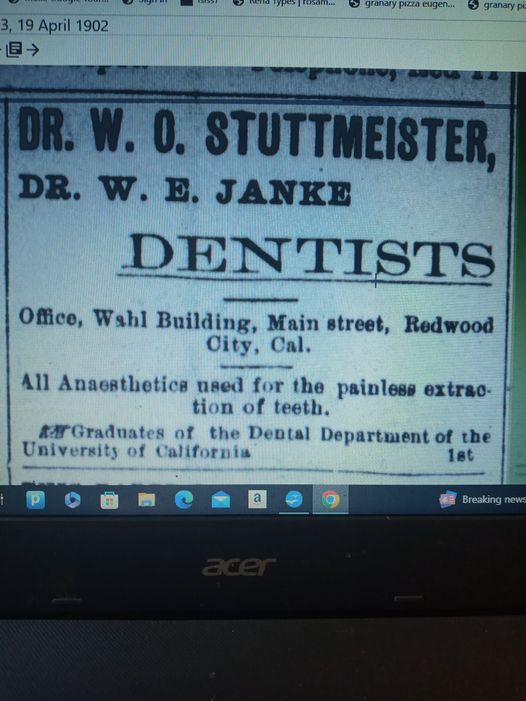
Dr. Janke & Dr. Stuttmeister

Wahl Building exterior.
San Sebastian Avenue
by
John Presco
ALL RIGHTS RESERVED
What a red letter day! I fuund two newspaper items that join the Janke and Stuttmeister family. William Stuttmeister and William Janke graduated from the University of California School of Dentistry (at the same time?) and Stuttmeister may have met Augustus Janke through her brother. They got married in Ralston Hall, and took the Janke stagecoach to honeymoon in Halfmoon Bay. The two Williams grads, then opened a dental office in the Wahl Building. How ideal! This is a far cry from the newspaper accounts that slime the Janke family, that may have caused them to be dug out of their grave in the middle of the night. Alas I find a article in the Times Gazzette – that tells the truth! They were good and honest people, who ran Belmont Park – AND OWNED A LOT OF LAND! Alas – the motive!
How perfect! You got the hardware store, the drug store, the bar, and upstairs , the dentist office. I can’t use my magnifying glass. Is it possible the family names are on the window?
What could go wrong? How about the war with Germany? I suspect there was anti-German sentiments in the area. There looks like a lot of vandalism at the Union cemetery. I’m going to ask the Governor and the heads of Archeology at UC Berkeley and Stanford should do a complete study – along with Israel! We have to put an end to the hatred. We got another Hitler on our hands who is selling Lost Heritage. I am reminded of John Steinbeck. We now know William Augustus Janke owned Belmont Park and do a records search. Did her leave lot of money to his daughter Augusts who bought eight track of land in Woodcare? Where else? Did William get dug out of his grave at the Oddfellows cemetery in SF?
I should have been encouraged to bring my newspaper to Belmont – and make a new Belmont Soda! Is there a soda fountain in Ryan’s Drug Store – with ice-cream floats? I was denied my American Heritage by hostile members of the Belmont Historical Society!
John Presco
President: Royal Rosamond Press
EXTRA! On July 21, 2024, I found an article in the Redwood Gazzette Times about the court battle over the legacy of Pioneer Carl A. Janke. Finding out his father was dying, William A, Janke CHARTERED a locomotive in San Francisco and sped to Belmont in or get there before Carl died. What is interesting, Elizabeth Johnson is claiming FIVE ACRES near the center of Belmont. She is the mother of Doris Vannier who said Elizabeth told her the Janke grave was dug up in the middle of th night. This is evidence a LAND FIGHT took place! Is the BHS aware of this article – and fight – that I copyright!
John Presco
Copyright 2024
JANKE’S JOURNEY. The Big Belmont Stake in Course of Probate. Twe«l) .r»,r Mllr,’ Itldr .n . 1 mm. live-1 hr Lrgnl Srarrh for • MflsaiKK
Text
Why may this text contain mistakes?
JANKE’S JOURNEY. The Big Belmont Stake in Course of Probate. Twe«l) .r»,r Mllr,’ Itldr .n . 1 mm. live-1 hr Lrgnl Srarrh for • MflsaiKK
On the 13th of Sup ten; her last) Carl Augnst Janke, of Belmont, died of the disuast) Known as diabetes, leaving three surviving children, and considerable projierty. His will has been tiled fur probate in the Super* ior Court at Redwood City, ami for the past three weeks, a protracted legal contest between the heirs has been going on. The litigation is being conducted by Fox & Ross, of Redwood, representing the contestan s, and Kincaid & Fitzpatrick, with Charles F. U Hanlon, an enterprising young advocate uf San Francisco fur the will The costs uf the suit are rapidly roiling up. Extended short hand notes of the testimony are being taken, and medical experts Lum a distance, including the distinguished Dr. Shurtlefl* of the Napa State asylum, are prolonging the issue, to the eminent satisfaction of the legal luminaries engaged in the trial. From the mass of material already extracted from the mouths of willing and unwilling witnesses, and from other information the interesting particulars which follow are extracted.
At the time of the last illness of the deceased, William August Janke, the secund son,who occupied a store in a Belmont building belonging to his father was in San Francisco. Upon receiving the news that his parent just lingered in he shadows of the unknown and the hereafter, he hastened like a dutiful son to his bedside. Chartering a locomotive he reached the bed of the dying not long before death closed around the aged man. A notary was brought from Redw‘»od, and the will was prepared and witnessed some 36 hours before the eyelids of the deceased closed on Earth forever. By the terms of the testament, the picnic grounds and resort known as Belmont park, valued all the way from twenty to thirty thousand dollars, was bequeathed to Charles F. and William A., his two sons to share alike. A sum of 53.500 in in money was left, one third each to his three children, (the two sons aforesaid, and his daughter Elizabeth the wife of a resident of Belmont named Johnson,) all of whom are residents of this county. A store in Belmont owned by the testator, was left to Mrs Johnson, together with a tive acre lot which it is claimed already belonged to her husband. The land on which this siore is, was left to the two sons, and all the personal property to the son William August Janke.
Thu contest is made on the ground of mental incapacity of the Accused, and undue influence. It is sought to be proven, that the disease from which the old man suffered, was so painful and severe that his mmd was affected. Diabetes is said by the books to be an affection of the urinary organa, and is excruciating in the extreme. Irregularity in the making of the will is also endeavored to be shown. The whereabouts of a sum of $50,000, which the dead man had from the sale of real estate in San Francisco, is a matter of great interest and anxiety to counsel. Thus far it has not been found, and if discovered, and the will is sustained as the personal property of the estate, it would add materially to the legacy of the son William August. The events surrounding the drafting of the will, substantially are, as the contestants expect to prove them, that upon the return of William A. by express, ho had an interview with his father in the sick chamber, and that the rest of the family were directed to leave the room. A witness named Schmoll translated the contents of the will to the father and children, the whole conversation being conducted in the German language. ‘ These are the principal points of contention between the lawyers, and as usual in an extended trial over an important stake they are conducting the case with vigor, and occasionally indulging themselves in a little humorous relaxation. The eminent, but juvenile jurist from San Francisco, is conducting his case with much enthusiasm. During the trial he seems to have determined to put a certain question, not only agaiqst the objection of opposing counsel, but his associates as well. Judge Kincaid thereupon retorted on him with the sarcasm—“As Senior counsel in this case your Honor I withdraw that question.” The young man submitted.
Wahl Building exterior (c.1915). The Wahl Building on Main Street was built in 1883 by William Wahl, a native of Germay. The building housed small businesses on the ground floor and professional offices on the second floor. The Wahl Building was torn down in 1928 when Broadway was extended through Main Street.


EXTRA! EXTRA!
I just found a Masque Ball with Janke members in it, and a Hull. This is a dream com tru in regrds to my daughter, Heather Hanon, coming into my life when she was sixteen. We has dinner with Nancy Hmren, Hether wanted me to promote her as a singer!
John Presco
Copyright 2024
THE MASQUERADE BALL. A Very Successful Carnival in Germania Hall. The Hook and Ladder Company Pleased With Their Hall. Henutlfiil Costume*.
Text
Why may this text contain mistakes?
THE MASQUERADE BALL. A Very Successful Carnival in Germania Hall. The Hook and Ladder Company Pleased With Their Hall. Henutlfiil Costume*.
“ Is she a man.” “•No, I think she is a girl.” The band was playing a lively air and all the gaily decked masquers with their strange, fanciful and pretty costumes were in motion. The jovial jester, the sober monk, “ legrande dame,” ‘‘la Espanola Scnora,” the Mexican hidalgo, Italian nobleman and American gentleman were all there. A boot-black jostled against the Spaniard and Tojtsy against the dude; the ghost walked into the pumpkin and his Satanic majesty found Night to be a pleasant companion. A Chinaman tried to strike up a conversation with a couple of Southerland sisters, the representatives of the regular army got stranded near the Five Points, while the Grand Army man and several American Hug girls seemed intuitively attracted toward each other, and clowns, Italians, sailors, last year beauties, Indians, cowboys, Irishmen,, plump arms, tapir limbs, sable faces and a thousand and one gauzy, gaudy and gilded beings with filmy laces aud fairy-like dresses, floated here and there to the tinkle of bells and a tambourine, the ripple of laughtet and whispered joke, and wound in and out, up and down in a maze of delicious figures, tints and colors. It was the night of the annual masquerade ball given by the Hook and Ladder Company. Every fellow who had one had brought his sweetheart, lost her and then enjoyed the privilege of trying to find her. A clasp of the hand, a whispered word and then they recognized each other and were already for the evening’s pleasure. The fellow who did not have a sweetheart turned clown or something else and punched the fellow in the ribs who had one. Some three hundred people and over came for the privilege of sitting down, keeping still and watching other people’s fun for the two hours proceeding 11 o’clock, when every body had a chance to dance.
Many of the costumes were very pretty and those who assumed special characters were generally quite successful in carrying them out. Excellent music added to the enjoyment. The general management of the ball was good and reflected credit on the firemen in charge, who all appeared in the regulation red shirt. The decorations were harmonious and effective. Upon the right bands of red, white and blue were stretched along the side wall with groups of fans in the loupes. Fire axes were crossed and a central wreath encircled a fireman’s hat. Similar colored cloth on the left was arranged in graceful forms between the windows and emblematic ladders were hung near the tnlddfe. Kvergreen ropes rtretchetf from the four corners to the center of the room and below hung a huge wreath with a silver ladder within. Claude Fox, C. A. Jacobus, C. E. Knights, Miss Frye and Miss Minnie Stalter were appointed a committee to award the various prizes offered. Shortly before 11 o’clock they awarded them as follows: For the best sustained lady costume, “ Topsy,” Mies Gertrude Lindsey of Belmont. For the most original lady character, “Money Costume,” Miss Lulu Janke of Belmont. For the prettiest lady costume, “Fancy Dress,” Miss Frankie Morris of San Francisco. A . For the best sustained gentleman character, “ Chinaman,” James Moscow of Redwood City. For the most original gentleman costume, “Five Points,” Phil Steinhaimer of Redwood City. For the prettiest gentleman costume, “Don Carlos,” Wm. Janke. Mr. Thompson was Floor Manager and Dan Daly, P. Genochio, W. Havey and T. Thompson the Floor Committee. Antone Genochio, Dan Mullen and H. Mourot constituted the Committee of Arrangements. The Reception Committee consisted of O. Dodge, J. Daly, L. Bettannier, M. Boyd, R. Badie, J. Metes, A. Hanson, Geo. Whooton, L. Genochio and Jos. Kussell. The supper was served at Price’s Hotel, where the large dining hall had been nicely decorated with evergreen. Three tables were arranged the entire length of the room and presented a pretty Scene previous to the supper, with the crystal ware reflecting the colors of numerous bouquets. Supper was served 280 people, 140 being seated at one time.
The following persons appeared In costumes: LADIES. Miss A. E, Bowan, washerwoman; May Nolen of Menlo Park. Night and Day; EmmaG. Hwift, Five O’clock Tea; Mamie Deiuhuiit, Morning; Mrs.Solen, red domino; Mollie Leinls, fancy dress; Mary F. Hull of San Carlos, fancy dress; Af. E. Whooten, butter cup; Hallie Nelson, Stare and stripes; Lizzie Minner of San Francisco, Kate Castleton; Mrs. Snow, peasant girl; Addle Underhill, sea foam; Belle Crowe, Greek; Mrs. J. F. Johnston, pearls; Rose Janke of Belmont, Christmas; Jennie Bady, egg shells; Mrs. H. W. Schaberg, Grecian; Gertrude Lindsey of Belmont, Topsey;Ella Williamson, tin queen; E. Heiner, Venetian fishermaid; Fannie Lovie, Venetian flshermald; Marie Hefner; lire lassie; Mrs. Hornberger, Italian organ Srlnder: Emma Grimmenstoin, domino; irs.Grimmenstein, domino; Alice Lathrop Irish washwoman; Mrs. Gray-Moore, Italian match peddler; Carrie Wlnfree, lace peddler; Mrs.lndig, domino; Mamie Grlmmenstein, domino; Annie Grimmensteln, domino; Aggie Wbooton, Goddess of Liberty; Alice Claffv, Ivy loaves; NellieClaffy, autumn; Lucy Bottgor, fancy dress; Kato Claffy; Christmas; Mainie Nealon, Italian vegetable woman; Lizzie Groner, girl of tho forest; Mollie Betzold, domino; Martha Shafer, flower girl; Lizzie Bowell of Belmont, domino; Maud Beeson, fancy dress; Bertha Plump, fancy dress; Lizzie Krumlinde, market woman: F. D.,Klng of Mountain Brow, pink domino; Mario Clarendon of Nan Francisco, page: Minnie Hooper of Han Francisco, Topsy; L. King, pink domino; Frankie Morris of Han Francisco, fancy dress; Mrs. Berry, pink domino; Grace Thompson, Gipsy fortune teller;
Mrs. C. Lovle, old maid; Lizzie King, chrysanthemum; Mrs. Townsend, domino; Lillian Lipp, The Midnight Girl; Mary Levy, card girl; Mrs. Bennet, domino; Anne Sahiberg, lace girl, Fannie Miller, fancy dress; Nettle Ashley, fancy dress; A. Murphy, Red Riding Hood; Annie Cook, spring: Ixiulse MHz, the American Dollar; Salma Sahllierg, domino; Hllnut Sahiberg, domino; Lillie Dahlgreen, flower mill; Klttie Murphy, domino; Lizzie Kelly of Woodside, twin sisters:BailieKreiss.Woodslde, twin sisters; Emma Harvey, morning; Aunle O’Brien, Cinderella; Delia Murray, ribbons; Mrs. C. H. Davis, fancy dress; Mamie Heaney, domino; Mamie Clifford, Night, Lulu Janke of Belmont, U. 8. Coin; Mary Genochio, fisherman’s wife; Carrie Jones, butterfly; Ida Barre of Belmont, fruit girl: Ida Hayes of Belmont, fancy costume; Phoebe Johnson, Belmont, fancy dress; Marguerite Scott of Searsvllle, fancy dress; Mrs. Harris, Milpetas; Miss MeGelby, fancy dress; Blanche Stafford, domino; Mrs. Jamieson. Spanish lady; Lillie Neuman of Woodside, fancy dross; Annie Donald, fancy dress; Alice Weslergroen, pepper tree; Alta De Roche of Belmont, Japanese; Annie Johnson of Belmont, Japanese; liheda Johnson, Grecian Maid; Maud Lindsey of Belmont, winter; Mrs. Fron, domino; M.Thursen, Daughter of the Regiment. GENTLEMEN. Chas. Wentworth, white domino; O. Cullen, domino;W.Jones, Button’s shoe blade; Ed. Tribolet, Turk; D. Ritchie of Menlo Park, Morpheus, God of Sleep; Charles C. Hughes, black domino; J.V.Swift, domino; F. Miller of Menlo Park, Turk; G. F. Rolff, domino; J.Tribolet, summer;C.Herman, clown; Richard Venner of San Mateo, clown; Bydlue Dick noy of San Francisco, black domino; Willie Crowe, old woman; Willie Coulaco of San Francisco, black domino; Harry P.Macaulay. Mexican cowboy; W. Lovle, swell;JohnClaffey,domino; M. 8. Orr of San Carlos, dude; T.G. Thompson, Mlcado; J. McLeod, Crazy Jane; Geo. F. Whooton, baker; M. H. F. Thompson, clown; E. H. Sampson, clown; A. Joseph, clown; Johnnie Tribolet, lady; L. Indlg, as you like It; F. D. King, black domino; W. A. Janke of Belmont, Don Carlos; C. Christ, some puinkins; Edward Kingsley, of Belmont, clown; G. P. Hull of San Carlos; drummer; C. Dunlap, hunter; J. 8. Mason, sailor; W. William, Chief Indian; Arthur Elvln, domino; Geo. Douglass, cow boy; John Elvln, comic; John Smith, a ghost; L. A. Felix ot San Jose, dynamite; C. N. Hancock of Ban Mateo, what is it; Edward Thompson, old woman ; man; PhilSteinhouser, Five Points; John Cullen, domino; H. C. Smith, stage driver, James Moscow, Chinaman; A. D. Walsh, domino; H. W. Schaberg, domino; John F. Johnston,domino; A. Hull,traveling agent; W.E.Wagner, around the town; W.S. King, domino; John W. McNulty of Wcxxleido, sailor; W. F. McCormick of Woodside, domino; George McNulty of Woodside, domino; Bon Saunders, clown; Thne. Doan of San Francisco, black domino; G. Kroiss of Woodside, Chinese peddler; Dan. C. Murphy, hunter; J. Dickey, domino; Chas. Cloud, band master; W. G. Stevenson of Belmont, Indian; L. Heiner, McGinty ;A. M. Miller, Hamlet; J. Van Eynde, Drum Major, F. Bennett, darky; Joseph Cronin, domino; Carl Stalter, domino; G. Emskill, demlno; J. A. McPhern, cow boy; Phil Forrest, orliodlnce dance; J. H. Hallett of Woodside, domino; E. H. Greeley, devil.
Don Carlos (German: Don Karlos, Infant von Spanien,[nb 1][1] German pronunciation: [dɔn ˈkaʁlɔs ɪnˈfant fɔn ˈʃpaːni̯ən] ⓘ) is a (historical) tragedy in five acts by Friedrich Schiller; it was written between 1783 and 1787 and first produced in Hamburg in 1787.
Plot
[edit]
The title character is Carlos, Prince of Asturias and the play as a whole is loosely modeled on historical events in the 16th century under the reign of King Philip II of Spain. Don Carlos is a Prince of Spain, given to the Spanish Inquisition by his father (who also wants to marry Carlos’ lover) due to his Libertarian creeds. Another great Romantic character is the Marquis of Posa dying for the liberty of the Dutch Republic as well as ruling Catholic Spain during the Reformation and the Counter-Reformation.
Share this:
Royal Rosamond Press
William Oltman Stuttmeister
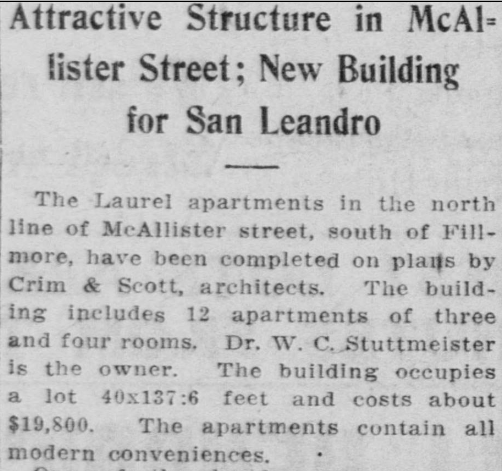
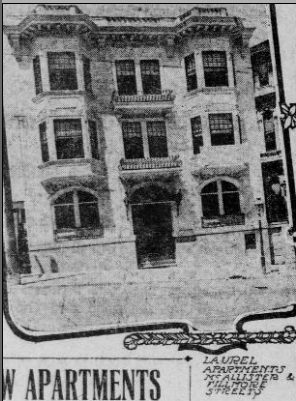


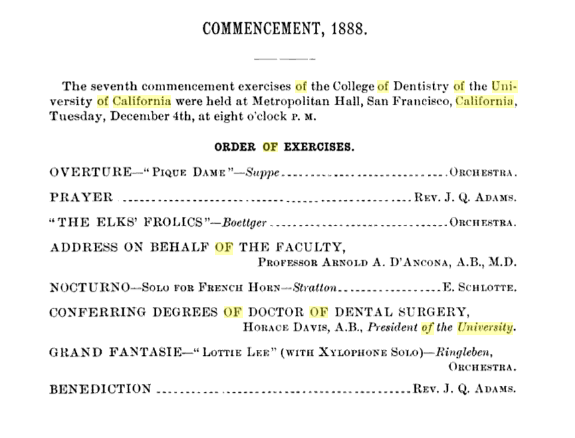
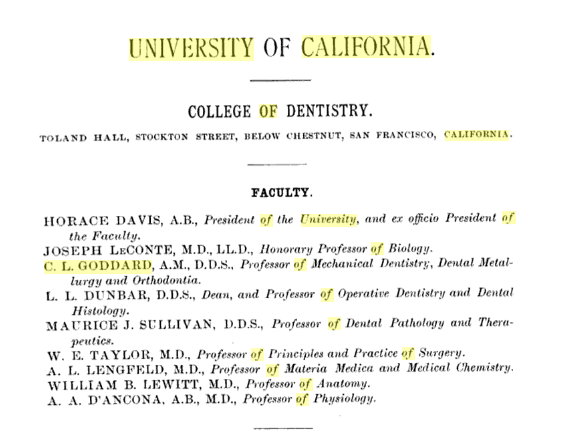


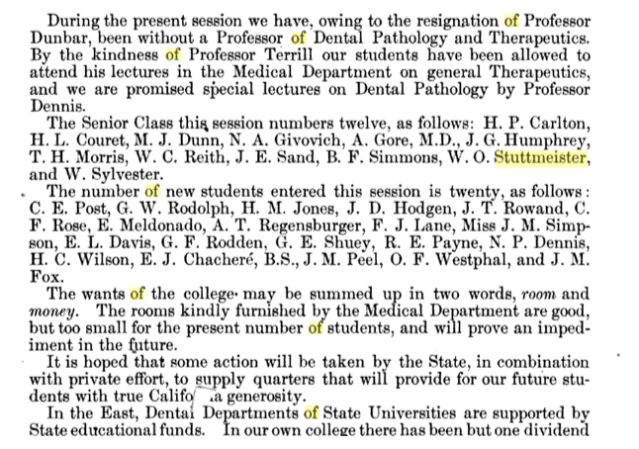

I am considering authoring a biography of my great, great grandfather, William Oltman Stuttmeister. But, I do see a serial, a Black Mask treatment……
Doctor Stuttmeister
Yesterday I found a image of an appartment building William built on McCallister street in 1910 four years after the earthquake. My great, great, grandfather helped rebuild San Francisco. This morning I found an old photo of the Dental College he attended in San Francisco that became a part of the University of California. That these apartments are named ‘Laurel’ goes with my theory that William built around forty homes in the Laurel District – that could have been named by him. William, who helped build Oakland, is a pioneer in the field of Dentistry, and is labeled such by Redwood City. The Stuttmeisters lived in Fruit Vale, and their kin, the Jankes, founded the City of Belmont. They are listed as Pioneers of San Francisco.
In contrast, is my father’s father, Victor Hugo Presco. He was a gambler in the Barbary Coast made famous in a couple of movies. I can write a Grasshopper and the Ant tale about two men whose grandfather’s immigrated from Germany. One is a Bohemian fair-thee-well, and the other is a ambitious student at the University of California. William is a Humphry Van Wayden type whose seed will give birth to Captain Victor von Wolf Presco, real estate pirate, and father of a famous female artist and hippie spiritualist egghead a.k.a. ‘Blacky’. My father told me he raised his two sons using Wolf Larsen as a model. He made a loan to Jack London’s daughter. Jack worked in Belmont at a boys school doing laundry. It is evident the family mythos is based on real people.
My real father, Victor William Presco, played violin at Oakland High, and William played violin for the Oakland Symphony Orchestra. Did he hear the ‘Pique Dame’ as an honored Alumni?
P.S. What is going on?!! I just googled ‘Pique Dame’. She is the Queen of Spades! Last night I watched ‘Cloud Atlas’. The music at the end of my life – has been found!
John Presco
Stuttmeister Tomb in Colma


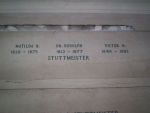
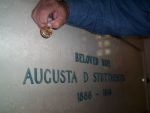

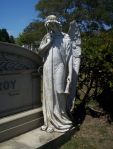


A curator for the Oakland Museum called me yesterday and asked me to e-mail him the photograph of my kinfolk having a picnic in the Oakland Hills. I had just returned from Dot Dotsons in Eugene where Jo framed a enlargement of this historic event in a antique frame I purchased. She did a splendid job!
Thanks to the Trust my uncle Vincent Rice left me, I have more funds to investigate and record my lost family history. Being poor I have had to endure hardship in order to visit my newfound daughter and newborn grandson in California. Tyler’s father was not there for his son, so when I went to see him for the first time I made a point to ground him in the history of my father’s people whom I and my cousin had just discovered were in a tomb at Cypress Lawn in Colma.
We three were the first kin to enter this tomb in many years. Tyler took an early lunch when Heather breast-fed her son on a marble bench facing the Tiffany window. Afterwards we went atop a hill and had a picnic next to these beautiful angels. Heather told me Tyler remembers being there. I was amazed when I saw his eyes follow a plane in the sky, and then smile.
My friend, Joy, had given me a special AA coin with the image of an angel on it for my late sister, Christine Rosamond, that I slipped into a crack made by an earthquake.
When we drove through San Francisco on our way home, I told Heather this was her and Tyler’s town now, for the Stuttmeisters are listed as a pioneer family, and made the Blue Book. In some respects, this was a Baptism.
Hermann, an ethnic German, is an officer of the engineers in the Imperial Russian Army. He constantly watches the other officers gamble, but never plays himself. One night, Tomsky tells a story about his grandmother, an elderly countess. Many years ago, in France, she lost a fortune at cards, and then won it back with the secret of the three winning cards, which she learned from the notorious Count of St. Germain. Hermann becomes obsessed with obtaining the secret.

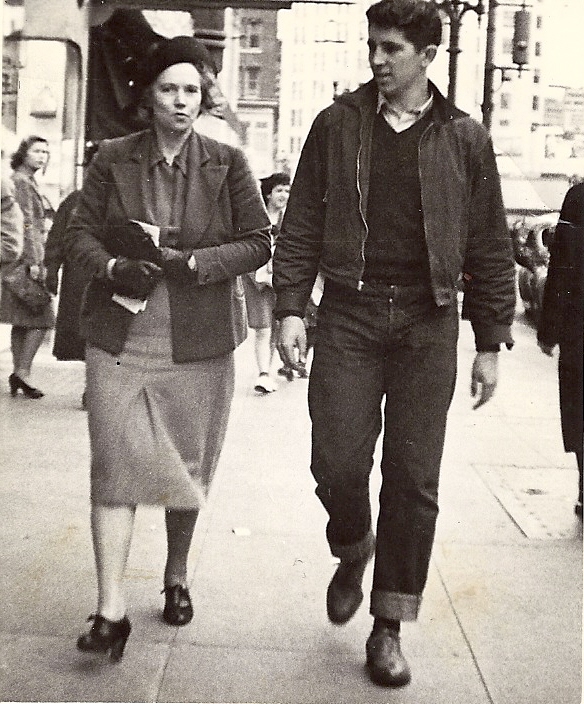
University Affiliation
By 1870, Toland Medical College had a class of thirty students and had already granted diplomas to forty-five graduates. In that year, Toland sought to affiliate his medical school to the University of California, which itself was not yet two years old. In March 1873, the trustees deeded the Toland Medical College to the University of California Regents and the faculty minutes for the first time bore the heading, “The Medical Department of the University of California.”
As San Francisco’s population continued to grow, Hugh Toland’s influence and wealth also increased, earning an estimated $40,000 per year. In 1864, he decided to establish a medical school in San Francisco and purchased land for that purpose in North Beach, at Stockton and Francisco, opposite the San Francisco City and County Hospital. A handsome building was soon completed, and Toland Medical College was open for enrolment. Clinical instruction and dissecting experience were the centerpieces of Toland’s educational program, reflecting his training and experience in Parisian hospitals where clinical findings were carefully correlated with autopsy results.
On a foggy night in 1850, Mary Rutledge (Miriam Hopkins), accompanied by retired Colonel Marcus Aurelius Cobb (Frank Craven), arrives in San Francisco Bay aboard the Flying Cloud. A gold digger, she has come to wed the wealthy owner of a gold mine who lost his mine when the roulette wheel landed on red 13 times at the Bella Donna . The men at the wharf reluctantly inform her that her fiancé is dead, murdered most likely by Louis Chamalis (Edward G. Robinson), the powerful owner of the Bella Donna restaurant and gambling house. Mary is upset, but quickly pulls herself together and asks the way to the Bella Donna.
San Francisco is a 1936 musical–drama directed by Woody Van Dyke, based on the April 18, 1906 San Francisco earthquake. The film, which was the top-grossing movie of that year,[3] stars Clark Gable, Jeanette MacDonald, and Spencer Tracy. The then very popular singing of MacDonald helped make this film a hit, coming on the heels of her other 1936 blockbuster, Rose Marie. Famous silent film directors D. W. Griffith and Erich von Stroheim worked on the film without credit. Griffith directed some of the mob scenes while von Stroheim contributed to the screenplay.[4]
The first man is “Blackie” Norton (Clark Gable), a saloonkeeper and gambler. He owns the Paradise Club on Pacific Street in the notorious Barbary Coast. The other is Blackie’s childhood friend, Father Tim Mullen (Spencer Tracy), a Roman Catholic priest.
Blackie hires Mary Blake (Jeanette MacDonald), a promising, but impoverished, classically trained singer from Benson, Colorado. She becomes a star attraction at the Paradise, especially for singing “San Francisco” (a song composed for the movie, which became one of the city’s official anthems).[5] The club piano player, “The Professor” (Al Shean), can tell Mary has a professionally trained voice. Mat (Ted Healy), Blackie’s good friend at the Paradise, wisely predicts that Mary is not going to stay on the “Coast”.
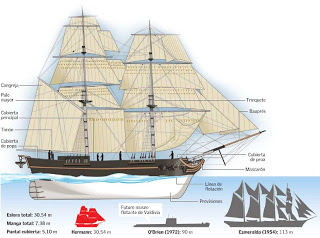
The Herman
06/06/11 at 9:44 PM
You are a good researcher! You remarked that someone lived in Pankow? That is new to me. This German family left Mecklenburg in 1732. They became citizens of Berlin. They started out selling pelts, and that grew into furs with a large warehouse in Berlin. One Stuttmeister, who was a builder/architect had his office at the Kaiser’s court. They grew quite wealthy. Kim went to the Records department and received a list of all the residences that the Stuttmeister had in Berlin, and she took pictures of all the churches, where they were baptized and the properties they had owned. . Freddie has always said that the Stuttmeister was not their true name, but the records in Germany indicate that Stuttmeister was their legal name.
Daryl Bulkley
Victor and Rosemary were living on Berlin Way in Oakland when I was born. The Stuttmeister family were Evangelicals who lived on Berlin Way in Berlin. It is becoming clear that I am ordained to restore and reform the German Church. The fake Laws of Jesus has to go.
Prussia Reborn In New World
Posted on January 27, 2020 by Royal Rosamond Press


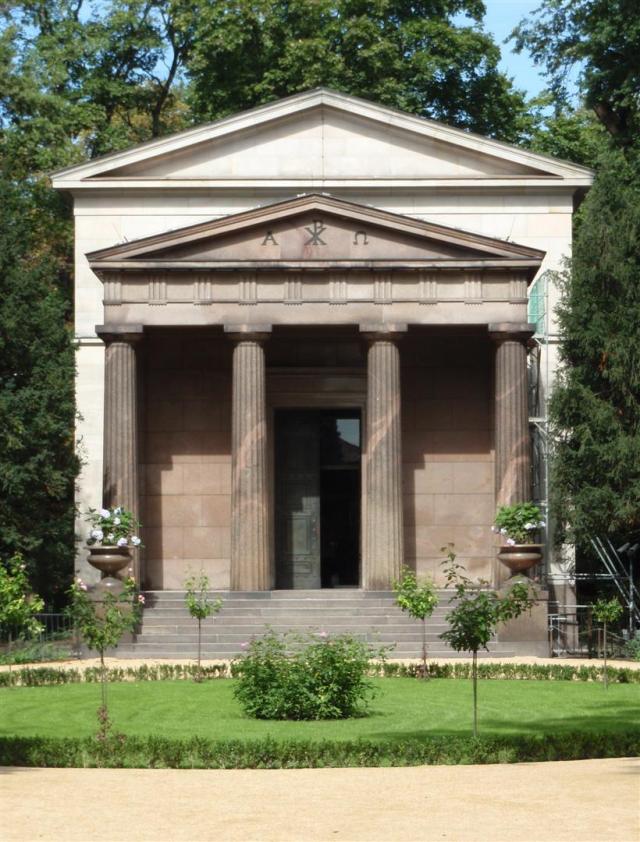

I suspect many Prussians came to Chile.
John
Hamburg and Valparaíso[edit]

Valparaíso, Chile, in 1830
In 1818 Chile became independent from Spain and began to engage in trading with more nations. The port city of Valparaíso became a major center for trade with Hamburg, with commercial travellers and merchants from Germany staying for lengthy periods of time to work in Valparaíso. Some settled there permanently.
On 9 May 1838 Club Alemán de Valparaíso, the first German cultural organization was established in the city. German residents and visitors held cultural functions here. The club began to organize literary, musical and theatre productions, contributing to the cultural life of the city. Aquinas Ried, a physician, became widely known in the city for composing operas, and for writing poetry and plays. The club had its own orchestras and academic choir (singakademie) which would perform works composed by local musicians.[5] During World War I, the German Club of Valparaiso welcomed Admiral Maximilian von Spee‘s East Asia Squadron of the Imperial German Navy after they fought the Battle of Coronel off the Chilean coast.[6]
Colonization of Southern Chile[edit]
Main article: German colonization of Valdivia, Osorno and Llanquihue
The Chilean government encouraged German immigration in 1848, a time of revolution in Germany. Before that Bernhard Eunom Philippi recruited nine working families to emigrate from Hesse to Chile.
The origin of the German immigrants in Chile began with the Law of Selective Immigration of 1845. The objective of this law was to bring people of a medium social/high cultural level to colonize the southern regions of Chile; these were between Valdivia and Puerto Montt. The process was administered by Vicente Pérez Rosales by mandate of the then-president Manuel Montt. The German immigrants revived the domestic economy, and they changed the southern zones. The leader of the first colonists, Karl Anwandter, proclaimed their goals:
The Hermann Nautical Museum
Posted on April 29, 2016by Royal Rosamond Press

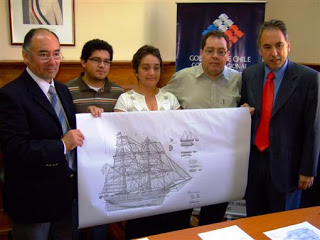


Alas a member of our family had a real chance be in a museum.
Here is a e-mail written by my cousin Daryl Broderick-Bulkley. Rudolph Stuttmeister appears to be a recruiter for the German Colony in Chile. Stuttmeister appears be the name of the area later named Charlottenburg. Did the Stuttmeisters own and develop this land? There was a amusement park named Flora? Were the Jankes involved? With the revelation Victor Emanuel established a colony in Belmont California, one wonders if the Stuttmeisters were not experienced in establishing colonies for refugees. Did that have Huguenot roots? Berlin was a haven for them.
Jon Presco
The other puzzler is, did the HERMAN stop in Philadelphia before going on
to Valparaiso, and pick up passengers? My ancestor arrived in the US
before 1844, as he was married on that date, so eight years later he is
traveling to Chili, and what was the attraction? And where was his wife?
More puzzles! Or did he travel back to Germany, and take this emmigrant
ship to Chili from Hamburg? I guess I cannot rule that out.
Has anyone done any extra reading about the Germans who went to Chili? I
noticed from the passenger list, broken down by occupations, there were
three doctors, l lawyer, and various professions represented, along with a
few farmers, carpenters, etc. which I found intriguing. Stuttmeister did
not travel as a physician, but as a `Commercial’. He was a doctor.
Anyone have any comments on this?
“German immigrants arrived in Chile following the failure of the
liberal revolutions of 1848 in Germany. They settled the rainy and,
until then, largely unimproved provinces south of the Biobío River.
This region had remained largely controlled until the mid-19th
century by the indigenous Araucanians. The German settlers
introduced small industries and farming and in the lake district
established resorts that remain popular with tourists. Small groups
of settlers from Italy, Austria, Switzerland, Spain, and Yugoslavia
also came in the mid-19th century. Most of them settled in the same
area as the Germans.
One of the ships used for the German emigration to Chile in the mid-nineteenth was the brig “Hermann”. This boat made five trips to Chile transporting German settlers and their families to the port of Corral in southern Chile, and Valparaiso. He also made several trips from Hamburg to Australia transporting settlers and the United States of America.
There is a Chilean project to build a replica and turn this into a museum of immigration in Valdivia, but now it seems that this project is stopped.
http://historiadevaldivia-chile.blogspot.com/2013/10/barcos-inmigracion-alemana.html
Barco “Hermann” Captain OA Kleingarn
31.07.1852 Hamburg to Valdivia and Valparaiso
| Passenger | Occupation | Origin |
| Backhaus, Franz | LDM. | Berlin |
| Bentjerodt, Heinr. | Hutmacher | Berkel (OVC.) |
| Betz, Marie | – | Egelsheim (W.) |
| von Bock, Eugen | Gelehrter | Kempten (W.) |
| Breckle, Gottlieb | Zimmermann | Osweil (W.) |
| Callisen, Ernst | LDM. | San Francisco (Cal.) |
| Gebhardt, Emil | Mechniker | Ludwisgburg (W.) |
| Gebhardt, Ernst | LDM. | Ludwisgburg (W.) |
| Gebhardt, Gustav | LDM. | Ludwisgburg (W.) |
| Greve, Hermann | Seifensieder | Frankfurt a. OR. |
| Greve, Wilhelmine | – | Frankfurt a. OR. |
| Hahn, Nicolaus | Dr. med. | Korb (W.) |
| Heindl, Ernst | Backer | Passau (Bay.) |
| Holtz, Joh. Ludw. | Kfm. | Schonbach (Meckl.) |
| Jensen, Christian | Tischler | Tondern |
| Kapf, Adelaide | – | Ludwisgburg (W.) |
| Landbeck, … | – | Mossingen |
| Michael, August | Maurer | Prauska (W.) |
| Otto, Baptiste | LDM. | Rietenhausen (W.) |
| Ohlsen, Maria | – | Flensburg |
| Rohlffs, Ernst | – | San Francisco (Cal.) |
| Roth, C. Theod. | Zimmermann | Neuenburg (W.) |
| Stahlmann, Wilh. | Sattler | Hildesheim |
| Stillfried, Hugo | LDM. | schlesien |
| Stuttmeister, Rud. | Kfm. | Philadelphia (Am.) |
| Tietz, Pauline | – | Frankfurt a. OR. |
| Tyroldt, Joh. ML | LDM. | Culmbach (W.) |
“After Victor Emmanuel became King of Sardinia he appointed Cipriani to be his first consul in San Francisco.”
Cipriani’s home was brought around the Cape by my kindred, Carl Janke, whose daughter married William Stuttmeister. I believe my kindred were chosen to help found the Sardinian Colony that would support Victor Emmanuel’s kingdom. This is astonishing! With the history of John Fremont and his wife, Jessie Benton, my kindred are the Acme of California History.
Janke Park, Hall, And Stagecoach Line
“German immigrants arrived in Chile following the failure of the
liberal revolutions of 1848 in Germany. They settled the rainy and,
until then, largely unimproved provinces south of the Biobío River.
This region had remained largely controlled until the mid-19th
century by the indigenous Araucanians. The German settlers
introduced small industries and farming and in the lake district
established resorts that remain popular with tourists. Small groups
of settlers from Italy, Austria, Switzerland, Spain, and Yugoslavia
also came in the mid-19th century. Most of them settled in the same
area as the Germans.
Letter From Charlottenburg
Posted on August 14, 2011by Royal Rosamond Press

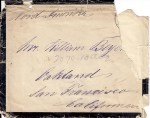

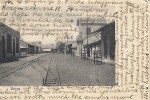

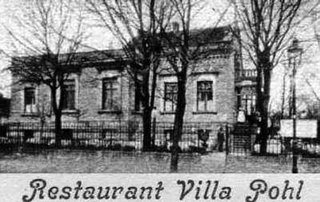
Folks who met the Prescos sensed there was an air of nobility around us. For some reason we felt special, and others treated us such.On this site you will find the Stuttmeister Villa in the Pankow area of Berlin near, or in, Charlottenburg. It was a very exclusive area where the very rich had homes. The address of Villa Pohl is No.1 Esplanade St. which is Berlin Way on the marriage certificate of Frederick William Stuttmeister. We knew next to nothing of our this history. I believe in genetic memory.
http://www.ansichtskarten-pankow.de/pankowhaeuserv.htm
The cremated remains of Alice and William Broderick are in Oakland.
Jon Presco
Copyright 2011
Charlottenburg is a locality of Berlin within the borough of Charlottenburg-Wilmersdorf, named after Queen consort Sophia Charlotte (1668–1705). It is best known for Charlottenburg Palace, the largest surviving royal palace in Berlin, and the adjacent museums.
Charlottenburg was an independent city to the west of Berlin until 1920 when it was incorporated into “Groß-Berlin” (Greater Berlin) and transformed into a borough. In the course of Berlin’s 2001 administrative reform it was merged with the former borough of Wilmersdorf becoming a part of a new borough called Charlottenburg-Wilmersdorf. Later, in 2004, the new borough’s districts were rearranged, dividing the former borough of Charlottenburg into the localities of Charlottenburg proper, Westend and Charlottenburg-Nord. In addition, Charlottenburg features a number of popular kiezes.
The Stuttmeisters were Teutonic Knights
“1874 were put on the road by the owner of manor Stuttmeister
(Charlottenburg), probably this terrain belonged. On the map of 1877
the route is drawn in still without names.”
The marriage cirtificate of William Stuttmeister says they lived on
Berlin Way. The main road through Charlottenburg castle was called
the road to Berlin. I was told the Stuttmeisters owned a great
estate in Berlin. It appears Charlottenburg Castle was built on the
Stuttmeister estate where Trekhener horses were long raised for the
King of Prussia and his wife Charlotte Stewart. Vic’s mother’s
middle name was Charlotte.
The Invalids’ Cemetery (German: Invalidenfriedhof) is one of the oldest cemeteries in Berlin. It was the traditional resting place of the Prussian Army, and is regarded as particularly important as a memorial to the German Wars of Liberation of 1813-15.
The development was accompanied by an urban planning of broad streets and sidewalks, parks and spacious residential buildings, especially around the southern Kurfürstendamm area, which enabled large parts of Charlottenburg to preserve their affluent residential character. “The richest town of Prussia” established a Royal Technical College in 1879 (which later became the Berlin Institute of Technology), followed by the Physikalisch-Technische Reichsanstalt and the College of the Fine Arts. A new town hall with a 88 m (289 ft) tall spire was erected on the occasion of its 200-year jubilee in 1905 and an opera house opened in 1912. The history of Charlottenburg as a municipality in its own right ended with the Greater Berlin Act of October 1, 1920, when the town became a part of Berlin. The Province of Brandenburg was administered in Charlottenburg from 1918 until the province’s dissolution in 1946 after World War II.
In the 1920s the area around the Kurfürstendamm evolved into the “New West” of Berlin, a development that had already started around 1900 with the opening of the Theater des Westens, the Café des Westens and the Kaufhaus des Westens, followed by several theatres, cinemas, bars and restaurants, which made Charlottenburg the Berlin centre of leisure and nightlife. Artists like Alfred Döblin, Otto Dix, Gottfried Benn, Else Lasker-Schüler, Bertolt Brecht, Max Liebermann, Stefan Zweig and Friedrich Hollaender socialized in the legendary Romanisches Café at the Kaiser Wilhelm Memorial Church. However the days of the Golden Twenties came to an end with the rise of the Nazi Party. In World War II the area around the Breitscheidplatz was heavily damaged by air raids and the Battle of Berlin.[citation needed]
Nevertheless after 1945 the Kurfürstendamm area quickly regained its importance, as with the partition of the city in the Cold War it became the commercial centre of West-Berlin. It was therefore the site of protests and major demonstrations of the late 1960s German student movement, that culminated on June 2, 1967 when student Benno Ohnesorg was shot by a police officer during a demonstration against Mohammad Reza Shah Pahlavi at the Deutsche Oper.[citation needed]
Before the reunification of Berlin, Charlottenburg was the center of West Berlin, with many high market bars and restaurants. After 1990 German reunification Charlottenburg struggled with the rise of the Mitte borough as Berlin’s historic centre.[1] The “City West” is still the main shopping area, offering several major hotels, theatres, bars and restaurants.
[edit] Sights
Town hall, about 1905
Theater des Westens
Museum Berggruen
[edit] Overview
Beside the palace, Charlottenburg is also home to:
the old and new Kaiser Wilhelm Memorial Church on the Breitscheidplatz, built in 1895 by Franz Schwechten and in 1961 by Egon Eiermann, the former West Berlin landmark
the Europa-Center, Berlin’s first shopping mall opened in 1965
Bahnhof Zoo, the main railway station in Berlin until the opening of Berlin Hauptbahnhof in 2006
the adjacent Berlin Zoological Garden, opened in 1844, officially located on the territory of the neighbouring Tiergarten locality
Kurfürstendamm avenue, first laid out about 1542, today together with the Tauentzienstraße Berlin’s main shopping area
Technical University of Berlin with about 27,000 students, founded in 1879
Berlin University of the Arts with about 4,500 students
Charlottenburg Town Hall, built in 1905
Charlottenburg Gate
Luisenkirche on Gierkeplatz, built in 1823 by Karl Friedrich Schinkel
the Amerika Haus on Hardenbergstraße, built in 1957 by the United States Information Agency
the Malteser-Hilfsdienst (Order of Malta) building at Alt-Lietzow str. 33
the Literaturhaus on Fasanenstraße and the nearby Institute for Media and Communication Policy
[edit] Theatres
Deutsche Oper Berlin on Bismarckstraße, opened in 1912, one of the three Berlin opera houses with relief in memory of Benno Ohnesorg by Alfred Hrdlicka, 1971 (installed in 1990)
Theater des Westens musical theatre on Kantstraße, built in 1896
Renaissance-Theater on Hardenbergstraße, 1902, rebuilt in Art deco design by Oskar Kaufmann in 1927
Schillertheater by Max Littmann, 1906
Tribüne theatre, 1919
Theater am Kurfürstendamm, 1921
[edit] Museums
Museum Berggruen for classic modern art
Museum Scharf-Gerstenberg for surrealist art
both located in the former Gardes du Corps barracks at Charlottenburg Palace, built by Friedrich August Stüler 1859
Museum für Vor- und Frühgeschichte (Museum for Pre- and Early History)
Museum of Photography and Helmut Newton Foundation, next to Bahnhof Zoo
Bröhan Museum for Art Nouveau and Art Deco
Literaturhaus Berlin and
Käthe Kollwitz Museum on Fasanenstraße
Gipsformerei (Replica workshop) of the Berlin State Museums
Beate Uhse Erotic Museum
From Wikipedia, the free encyclopedia
Jump to: navigation, search
For the neighborhood Charlottenburg-Nord, see Charlottenburg-Nord. For the village in Timiş County, Romania, see Bogda.
Share this:
Royal Rosamond Press
Leave a comment
Write a comment…

Comment
This site uses Akismet to reduce spam. Learn how your comment data is processed.
Laurel District


Laurel Street may have been developed by William Stuttmeister. Rosemary told me they gave the names of trees to the new streets of Fruit Vale. I found the streetcar line that Melba took with her infant son sitting on Joaquin Miller’s lap. There is a street fair in Laurel Village.
The Fruit Vale steetcar would end at the Oakland Ferry that Melba would board to go see the father of her son who was living in the Barbary Cost. This is right out of Steinbeck.
Captain Gregory
And how many people crossing Fruitvale Avenue at MacArthur Boulevard in the Dimond District know that a streetcar line, the Highland Park & Fruit Vale, crossed there with its passengers from the old town of Brooklyn at the foot of today’s 13th Avenue?
Developers like E. C. Sessions in the Dimond District and the Realty Syndicate’s Francis Marion “Borax” Smith in the Laurel created streetcar lines like these to carry potential customers to see the property they had for sale.
(Sessions’ line stretches back to 1875. Smith and his Key System were relative latecomers to the game.) Sessions and Smith succeeded in bringing people out to these Oakland suburbs to purchase property and settle in. Before long, stores and shops (and in the Dimond’s case, beer gardens) sprouted up near the ends of these lines. Over time these shops and gardens became shopping centers.
The streetcar line blossomed along with the districts, and by 1915 Laurel and Dimond residents could catch a streetcar to downtown Oakland. They could also ride these lines to the Southern Pacific train station at 12th and Webster streets or, for a time, to the 16th Street Depot in West Oakland.
http://www.eastbaymodern.com/blog/summer-events-in-oakland.html
Weekend Fun ~ 3rd Annual Oaktoberfest!!
Tomorrow my new neighborhood of Dimond is hosting their third annual Oaktoberfest (note spelling) to celebrate the district’s German heritage with good ol’ fashioned beer drinking. Yay!
The East Bay Express has a nice write-up in A Shining Dimond District by Ellen Cushing so I’m not going to repeat it all here. But in a bottle cap, the central Dimond District was dense with a number of popular German-styled beer gardens from the 1890’s through the early 20th century, until Prohibition effectively shut them all down. The most famous was Charlie Tepper’s Hotel which featured music and dancing every Sunday and was located on Hopkins Street (now MacArthur Blvd) just west of Fruitvale Avenue. [photos below] The building still stands today at 2030-C MacArthur Blvd.
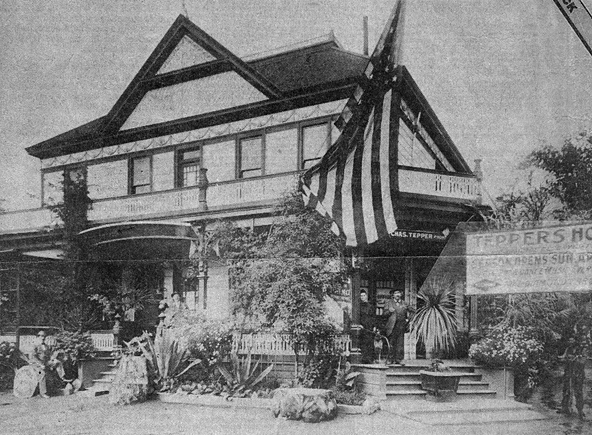
photo courtesy Oakland Tribune
The sign in front that read “Take Diamond Cars” referred to the old streetcar line that used to run from downtown Oakland (13th and Washington) up to Fruitvale and MacArthur. Oh how I long for that streetcar now…
photo courtesy DimondOakland
Other establishments included the Hermitage (actually French), Neckhaus, and Bauerhofer’s. These family friendly destinations attracted not only local residents – apparently Dimond has a high concentration of German descendants – but also vacationers from San Francisco, Marin County, San Jose, and as far as Sacramento. See Dimond’s Beer Gardens for more info and great historical photos.
Come check out Dimond Oaktoberfest tomorrow. Festivities run from 11am to 6pm, centered around the Fruitvale and MacArthur intersection. There’ll be something for everyone… music, art, food, and of course, beer.
Dimond Oaktoberfest 2008 (the 1st!) on Flickr
Saturday, August 13, 2016 | 11 am to 6 pm
MacArthur Blvd between 35th Ave and 38th Avenue, Oakland
FREE
The Laurel Street Fair is proud to be celebrating their 17th year of maintaining an admission free, outdoor festival that is open to all.
2016 proves to be their biggest year yet; featuring over three blocks of locally made accessories and crafts, fantastic visual & performance artists, free community yoga, an engaging children’s carnival & petting zoo, a mouth-watering collection of local chefs & pop-up kitchens.
California Beer Society’s Laurel Biergarten “Pouring Oakland’s finest brews” will be featuring over 20 local craft beers, and, of course, a musical line up that honors Oakland’s exceptionally beautiful & diverse population.
http://sf.funcheap.com/laurel-street-fair-neighborhood-celebration-oakland/
http://macarthurmetro.org/201408/feature/4525#_self
Oakland’s Laurel District
First in the Series:
History is All Around Us
On August 15, 2007, I published the first in a series of books that will feature Bay Area history. This first book focuses on the neighborhood where I’ve lived for twenty years. The second book will appear in February 2008 and will feature Oakland’s 220-acre Victorian-era Mountain View Cemetery.
Click here to see a sample chapter.
Here’s what Hills Newspapers history writer Erika Mailman had to say:
PEOPLE WHO ARE Oakland history buffs inevitably encounter Dennis Evanosky at some point. An enthusiast who created www.oaklandhistory.com for the pure love, Evanosky firmly believes in getting history out to the people. To that end, he is the author of several local history books. His latest creation is “Oakland’s Laurel District,” which he released right around the time of the Laurel World Music Festival last month. “The history is conversational, like Dennis, and full of fun facts,” says Luan Stauss, owner of Laurel Bookstore. “He gives you lots of tips on where to go to see what is described, and the text is peppered with all the names of people we now know of because of street names. It brings the past alive in our little community.”
For instance, Evanosky writes about two early farmers in Laurel: John M. Redding and James Quigley. Today, their legacies are the streets named for them. In 1862, Redding met with Don Antonio Peralta, son of the man who was granted the entire East Bay as a gift for good soldiering. Peralta sold land to Redding to establish his farm. Next door, James and Bridget Quigley, Irish immigrants, also bought land from Peralta. With two other men, farmer George Adams and builder William Toler, the region that would become Laurel was settled.
The book is peppered with maps and includes recurring sidebars called “See for yourself,” which allow you to lace up your shoes and go take a look at some of the things Evanosky writes of, such as the only surviving old growth redwood from the original logging days of the 1800s or Luis Maria Peralta’s San Jose adobe.
“Oakland’s Laurel District” also touches on more recent history, pointing out current businesses and what they used to be. The Goodwill Store was once the Hopkins Theater, Launderland was a Safeway, and the King Kong Restaurant was once a Piggly-Wiggly! The (former) Hilltop Tavern (next door to King Kong), Evanosky writes, “is the only National Park Service Ethnic Historic Indian Site in Alameda County . . . the American Indian Movement met here and planned the 1969 takeover of Alcatraz.”
Such a neighborhood-specific book was seemingly built forthe Laurel Bookstore to sell. And indeed, Stauss encouraged Evanosky to write it. She also suggested that he write a history of Mountain View Cemetery since so many patrons ask if something like that exists — Evanosky obliged, and that book will be coming out later in 2007. The Laurel book, as a badge on the cover attests, is the first in a series of local histories Evanosky will be producing with the Stellar Media Group.
“I love to support writers and how much closer to home can you get than a book about the district where your store is? Love that. But also it gets people talking about how long they’ve been here, what they remember and what things were like in the past. That’s a wonderful bit of unintentional community building,” Stauss says.
“I have the book on both the front counter and in the window and every day someone is delighted to see the pictures of old Laurel. The people interested range from young black men to elderly white folks, all who live here and have a ton of pride in our neighborhood. Everyone loves to see what the area used to look like from the photos, the maps and the drawings included.”
So is the book selling well? Like hotcakes.
“We’ve sold nearly one a day on average since it came in. Dennis was kind enough to get me 10 copies a couple of days before the Laurel World Festival and we’d sold all but two by the time he came to the booth that day to talk about the book,” Stauss says. One book a day is an amazing statistic for an industry where most books never sell more than 2,500 copies.
And how many people crossing Fruitvale Avenue at MacArthur Boulevard in the Dimond District know that a streetcar line, the Highland Park & Fruit Vale, crossed there with its passengers from the old town of Brooklyn at the foot of today’s 13th Avenue?
Developers like E. C. Sessions in the Dimond District and the Realty Syndicate’s Francis Marion “Borax” Smith in the Laurel created streetcar lines like these to carry potential customers to see the property they had for sale.
(Sessions’ line stretches back to 1875. Smith and his Key System were relative latecomers to the game.) Sessions and Smith succeeded in bringing people out to these Oakland suburbs to purchase property and settle in. Before long, stores and shops (and in the Dimond’s case, beer gardens) sprouted up near the ends of these lines. Over time these shops and gardens became shopping centers.
The streetcar line blossomed along with the districts, and by 1915 Laurel and Dimond residents could catch a streetcar to downtown Oakland. They could also ride these lines to the Southern Pacific train station at 12th and Webster streets or, for a time, to the 16th Street Depot in West Oakland.
The Dimond business district predates the Laurel’s by some 20 years. Commerical development began in the Dimond in 1878 with the opening of The Hermitage, a hotel and restaurant. Tepper’s Beer Garden served up its first beer in 1895. The Neckhaus and Bauhofer’s beer garden followed, and the Dimond gained a repution as a fun place to get “out of town”’ and enjoy yourself. (Prohibition spelled the end of the beer gardens, but the district continues the tradition with its annual “Oaktoberfest.”)
The 20th century bought groceries, feed, hay and coal to the Dimond. Both the Dimond Grocery and Neilson & Anderson’s opened in 1905.
In the Nov. 8, 1970, edition of the Oakland Tribune, historian Vernon Sappers took a walk down memory lane with George Gruner and Bill Henderson. The pair described to Sappers a sidewalk stroll along Hopkins Street and described what they would have seen about 1910.
“Hopkins Street is now MacArthur Boulevard,” Gruner and Henderson explained. “Nevertheless, imagine it is still the early 1900s and you are on the east side of Hopkins Street walking from Dimond Avenue toward Fruitvale Avenue. Perhaps you’ve just walked out of Doc Mason’s Drug Store at the northeast corner of Dimond and Hopkins.
Next door is the Diamond Movie Theater. “Note the spelling; even then it was a struggle to keep the ‘a’ out of Dimond,” Gruner explained. “But you wave a salute to James Lima, the theater owner.” (This theater predated the Dimond Theater [note correct spelling] on the site of today’s Farmer Joe’s.)
“On we go, passing the Prout Meat Market and Mrs. Short’s Candy Store before reaching the corner grocery store once operated as the Dimond Grocery Company and later as Macdonald’s Grocery,” Gruner tells Sappers.
Bank of America now occupies the old Macdonald Grocery site at the northwest corner of Hopkins Street and Fruitvale Avenue.
Across the street on the south side of Hopkins there was a big vacant field just prior to 1912. Cybelle’s Pizza is on that corner of Fruitvale and Hopkins now.
Gruner and Henderson continue their walk on Hopkins Street and cross Fruitvale Avenue.
“On the northeast of Fruitvale and Hopkins stood The Hermitage.Next door was a barber shop and then a shoe repair shop adjoining Nielsen and Andersen, grocers who maintained a feed, coal and wood yard as well.
“Bauhofer’s picnic grounds was next where music and dancing were an attraction on weekends and holidays, a spot that bordered Mrs Electa Sedgley’s cherry orchard.”
(Bauhofer’s had a boxing ring and the Oakland Tribune reported how the neighbors complained that Bauhofer’s was a haven for the “toughs and their Janes.”)
“From the orchard on up to Lincoln Avenue, was another open field. And looking across Hopkins, you’d notice that Bob Taylor’s saloon faced Champion Street just down the hill from Lincoln Aveune.
“Behind Macdonald’s Grocery on Fruitvale Avenue was the original Dimond Post Office and Dorn’s Meat Market was next door,” Henderson said.
(Joaquin Miller, the “poet of the Sierra,” once lived along the road that bears his name. He would cause quite a sensation when he would arrive on horseback to pick up his mail.)
Laurel’s commercial district had just begun to develop about the time that Gruner and Henderson took their walk. The Laurel became accessible by streetcar in 1907 thanks in large part to Allendale resident Knut Bergendahl.
Bergendahl worked for the Oakland Traction Co. He convinced his employer to run a streetcar line up Liese Aveune (as 38th Avenue was known until 1914) from East 14th Street (now International Boulevard) to Hopkins Street. The arrival of the streetcar at Liese and Hopkins Street delighted the developers, who opened real estate offices on both sides of Liese Avenue at the end of the line.
One real estate office employed a donkey-driven wagon to tranport prospective buyers to see the lots the company had for sale.
A grocery store opened just across Hopkins Street from the streetcar’s end station. Its name “Key Route Grocery” reflected the original name of the neighborhood: “Key Route Heights.”
We have a wonderful panorama of the district taken by a Realty Syndicate photographer in 1912. Thanks to this photo we know that nothing had been built on today’s MacArthur Boulevard at that time.
Three years later another photographer snapped the picture you see below. We see that the Key Route Grocery was serving the residents. The neighborhood had little else. “The district is very muddy, innocent of sidewalks or drains,” an early resident recalled.
A grove of eucalyptus trees can be seen on the distant hill and the 1910 Laurel Elementary School stands out on the left side of the photo.
Construction of commercial buildings began in earnest in 1926. “Laurel came into its own as a commercial district in the 1920s and this is reflected in its architecture,” writes historian Pamela Magnussen-Peddle. “Storefronts here are predominantly from the 1920s and have multi-colored glazed tiles, stucco, or gold-toned decorative brick of different textures.”
“By the 1920s Hopkins boasted hardware and drug stores, restaurants, a planing mill and a coal, hay and feed shop,” writes historian and retired Oakland History Room librarian Bill Sturm.
(Sturm lived in the Laurel as a younster and attended Laurel Elementary School in the building you see in the picture below.)
A walk down Hopkins Street from Laurel Avenue would have taken you past Hilltop Tavern and the Piggly Wiggly Grocery Store. You could have caught a streetcar here for the Dimond District. Streetcars never ran the length of today’s MacArthur Boulevard.
The Key System had plans for a streetcar line down this stretch to run to (believe it or not) to San Jose. The Great Depression got in the way.
By the 1930s Laurel District residents could go to the movies at either the Laurel or Hopkins theater, borrow books at the Hopkins Cirulating Library, get a prescription filled at Johnson’s Pharmacy and shop at either the Laurel Supermarket or Safeway.
Today’s shoppers in both districts can walk the same street as shoppers did more than 100 years ago.
The name was changed from Hopkins Street to MacArthur Boulevard in 1943 to honor General Douglas MacArthur. (The plan was to have a MacArthur Boulevard stretch from Canada to Mexico. The idea apparently only caught on in Oakland). Both the Laurel and Dimond districts survived the opening of the MacArthur Freeway in 1964. This new road not only cut both disticts in half, it took all the traffic around, and away from, the shopping districts as well.
Many of the buildings remain but the storefronts match 21st, rather than 19th, century tastes.
The theaters are closed. The Dimond Distict’s Farmer Joe’s now offers groceries where audiences once cheered the adventures of Errol Flynn and laughed at the antics of Laurel and Hardy. (Farmer Joe’s Laurel location was once home to Guy’s Pharmacy.) The Hopkins Theater, where Sally Rand danced on opening night and where a Goodyear blimp delivered the film for the first move, now houses a Goodwill Store and an Autozone.
The Hopkins closed in 1953 and was converted to a Hagstroms grocery store. The Tribune reported that Hagstroms celebrated its opening with “orchids for the ladies and balloons for the kiddies.”
On its way to becoming a Goodwill store and an Autozone, Hagstroms mophed into a Century Foods store, and then into a Hollywood Video (with the word Hollywood appropraiately emblazoned onto the old Hopkins Theater blade.)
Just a block or so away from the old Hopkins Theater you can do your laundry at Launderland, where Safeway shoppers once bought their groceries.
(Safeway moved to High Street into a building many remember as “Laurel Liquors,” and then to today’s Walgreen’s futher down High Street.
The building in the Dimond District where patrons enjoyed their meals at The Heritage now houses the Radio Shack. (The Presbyterians never liked the somewhat shady reputation that The Heritage brought to the neighborhood. They saw to it that the Fauvre family, who owned the restaurant, could not renew their liquor license. The Fauvres packed up and left for the Central Valley.)
History is everywhere in the Laurel and Dimond districts. Tastes and styles change, but people always need to shop or stop and enjoy a meal or a drink.
They’ve done so here for more than 100 years and, as vibrant as these districts remain, the tradition will no doubt continue.
Credits: The author would like to thank Pam Magnussen-Peddle and Bill Sturm for their research on the early Laurel District. He’d also like to thank Vernon Sappers not only for his writings about Oakand’s streetcars, but for the interesting walk he took in 1970 for the Oakland Tribune. The Dimond streetcar photograph is courtesy Vernon Sappers; the Laurel District photograph is from the Oakland Public Library, Oakland History Room; and the collage is courtesy Pipi Ray Diamond.
c
Share this:
Royal Rosamond Press
One response to “Laurel District”
Royal Rosamond PressNovember 13, 2018 at 5:26 pmEditReblogged this on Rosamond Press and comm
The West Coast’s Oldest Bavarian-Inspired Beer Hall, Right Here in S.F., Turns 130
- By Marcia Gagliardi
- Aug 30, 2023
- 3 min to read

Did you know that San Francisco is home to the oldest and largest Bavarian-inspired beer hall on the West Coast? Celebrating 130 years of business this year, Schroeder’s was founded in 1893, but the original structure on Market Street was destroyed by the 1906 earthquake and fire. Henry Schroeder — who was actively involved in the reconstruction of downtown San Francisco — reopened his namesake cafe (and watering hole) at 117 Front Street. In 1916, it moved to 111 Front, and 40 years later, to 240 Front, where it currently stands. Owners Andrew Chun and Jan Wiginton of Sidecar Hospitality (Press Club, Pacific Cocktail Haven, Kona’s Street Market) are the fifth era of caretakers for this historic beer hall.
Schroeder’s
240 Front Street, San Francisco
Oktoberfest: September 15, 3–10 p.m.
After purchasing Schroeder’s in 2014, they modernized the restaurant with a $1 million renovation, while keeping the iconic murals by Hermann Richter; the original rosewood back bar, which came on a sailing ship around the Cape of Good Hope in the late 1800s; all the mahogany wall paneling and millwork; and the extensive collection of vintage beer steins. Hooks on the walls that once held men’s hats and overcoats now hold backpacks and purses (women weren’t allowed inside for dinner until 1935 and for lunch until the 1970s). “This isn’t a place you can re-create these days,” Chun notes. “We inherited a time capsule in the best possible way.” The renovated Schroeder’s reopened just in time for the 2014 FIFA World Cup and quickly reestablished itself as a lively gathering place.
Fast-forward to current times, three-plus years since the start of the pandemic, and it’s another world downtown — where Thursday is the new Friday. Friday happy hour used to be the busiest time in the heart of the Financial District. But now, Chun says, “it feels like a three-day business,” with the majority of their customers coming in Tuesday to Thursday and working from home Monday and Friday. Fortunately, those three days are busy: Companies host teams at Schroeder’s long communal tables, and large groups congregate for post-work beers and Bavarian pretzels.

According to Chun, most of their regulars have returned, but with nearby businesses shuttering — like First Republic Bank, which was their biggest customer — there have also been a lot of goodbyes. But he and Wiginton aren’t the only owners who’ve had to navigate the beer hall through choppy waters: Its second owner, Max Kniesche, bought it during Prohibition, when all he could serve was 3-percent “near-beer.”
While Schroeder’s is celebrating its anniversary all year long, the annual Oktoberfest block party on September 15 will be a blowout — complete with live music, German beer, Bavarian bites and beer hall games (think: stein chugging, stein holding, costume contests and more). Chun jokes, “This isn’t your mother’s Oktoberfest!” Indeed, there will be Jell-O shots.
In 2023, the beer hall has offered monthly specials that are a throwback to older Schroeder’s menu items and an homage to S.F. classics, like chicken tetrazzini, originally created at the Palace Hotel. In September, executive chef Paul Ortiz will feature a grilled pork chop with applesauce, and in October, the special will be roasted Oktoberfest chicken with potatoes. To pair with all the special dishes, Richmond-based East Brother Beer Co. collaborated to brew a Schroeder’s 130th Anniversary German Pilsner, on tap now through the end of the year. And mark your calendar for Holidayfest: The December 1 event will include a shopping bazaar that supports local artisans.

Although Chun acknowledges that everything still feels quite transitory, at least one thing keeps him steady: “I feel the weight of San Francisco history when I come in and see these murals,” he shares. “It’s such a boom and bust town, and people come and go, but this business has withstood the Great Quake, the Spanish Flu, the Great Depression, World War I and II, the Great Recession and now COVID.”
With all those years of survival, he is taking the long view. “I’m hopeful and optimistic that things will change, and the next chapter will come,” he continues. “We’re crawling our way back to better days.” And perhaps Schroeder’s anniversary will inspire more people to pay a visit. “If you want to know how to help,” he says, “come down and have a beer.” Or in this case, a boot. Prost!
 Rosamond Press


Leave a comment