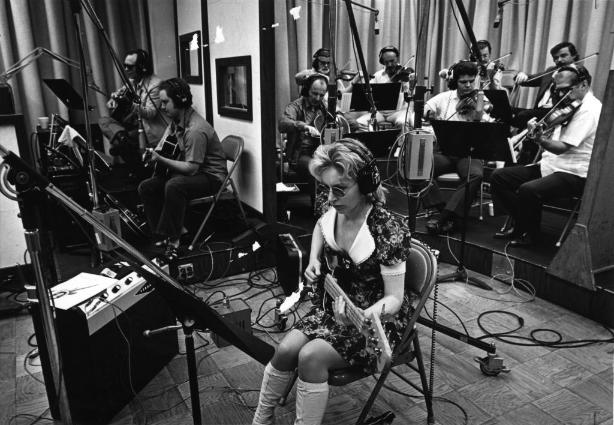
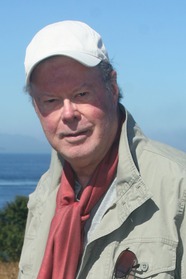
On this day, March 22, 2022, I take charge of the Cosmic-Rock History of the Whiteaker where I lived and had a art studio in 1988. Above is a photo of my friend, Bryan MacLean with the members of ‘The Byrds’. He was their roadie.
John Presco
Capturing Beauty
Bryan and I were the two most gifted students at University High School. We sat next to each other in a design class, and Bryan showed me his drawings of Surfer Girls – with freckles! I titled him..
“The Drawer of Surfer Chics!”
He titled me…
“The Painter of Trucks!”
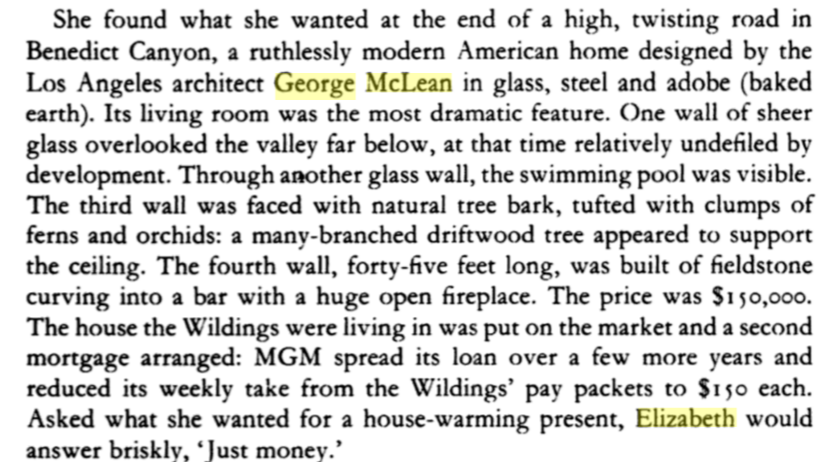
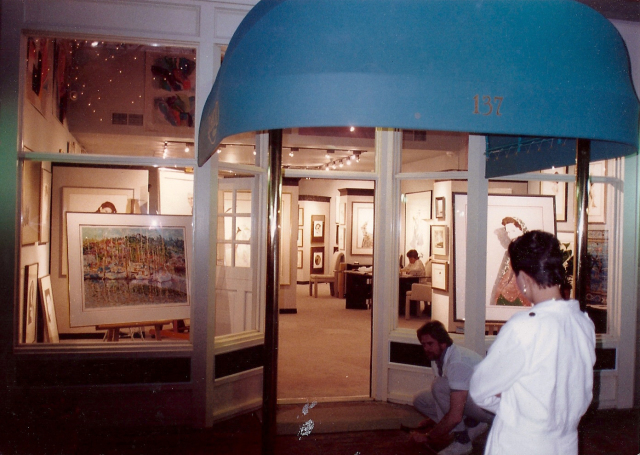
I did a watercolor of Jack London Square, and our father’s red truck. that was chosen to tour the world in a Red Cross show. We were the epitome of the Beat-Surfer scene that rocked the World. Bryan was a friend of Bryan Wilson and the Bryds who hired him as a roadie who were going to take him to England, but he was not an adult. He was seventeen. We took Christine with us to the Monday Art Walk on Lacienga, where I showed off my knowledge of art. I could have gotten a job selling art. I could have hung my art ib Raymond Burr’s gallery. Bryan saw the architectural model I did and was blown away. I had it on the front porch rotating it to see the how the light falls on the interior – at that time of day! George McClean was a famous architect who design Elizabeth Rosemond Taylor’s home. There was jealousy here. Bryan’s was he was estranged from his father, at the time! He learned to swim in my cousins pool. We did not know we were related.
Two days ago (July 14, 20250 I found the movie Don’t’ Make Waves. Bryan was a good friend of Sharon Tate, and was invited to dinner at her home the dreadful night the Manson Cult showed up. Bryan chose to honor a previous commitment. Steve McQueen was supposed to be there, too. What is going on?
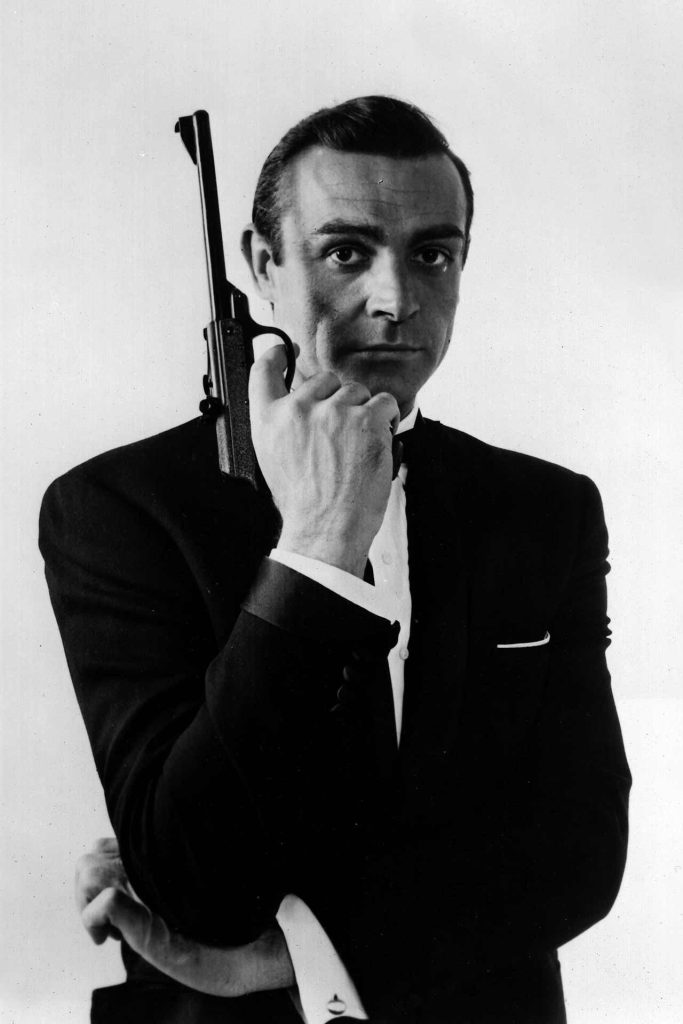
Bryan is in my James Bond book ‘La Bond’ and other Bondish stories. I have reborn a Retro Bond in Los Angeles. who get’s involved in the Art and Music scene. Lis Taylor is related to Ian Flemming.
Under a blue velvet sky of a summer’s evening lies Los Angeles’ broad La Cienega Boulevard, a street of restaurants in unearthly shapes, of neon in colors not known elsewhere, of low white buildings—a street, in sum, of vast self-assurance. Of all the streets in the endless palm-and-asphalt plains that stretch from Pasadena to Long Beach, this is where the Los Angeles art galleries cluster, and every Monday night a large crowd gathers to go to them. From all over come matrons out for culture, art students, kids on an inexpensive date, a scattering of beatniks. There are even some artists, recognizable by their uniform: paint-splattered jeans, workmen’s shirts, big brown belts for hooking thumbs into.
The Tradition. The idea that every Monday night should be open house on La Cienega began two years ago when two dealers decided to hold simultaneous Monday night openings in the hope of attracting bigger crowds. In time other galleries decided to stay open too, and now none dare to close on Monday for fear of public wrath. Monday night on La Cienega is quite possibly not only the best free show in town but also one of the most popular institutions in Los Angeles County. It has its own traditions: a sculpture of a crouching nude girl outside one shop bristles with notes that have been tucked under her arm, into the crooks of knees and elbows. The young lady has been adopted by the La Cienega crowd as a bulletin board through which friend can tell friend which gallery he may be in at any particular time.
Last week the 22 exhibitions ran the gamut of modernism, from a show of Arp and Henry Moore sculpture at the distinguished Felix Landau Gallery to paintings by Pop Artist Billy Al Bengston at the Ferus Gallery. Billy Al does canvases with titles like Rock, Troy, Tyrone, Sterling. One called Fabian consists of large master-sergeant stripes against a background of orange and blue-grey doughnut shapes. It is social comment, Billy Al explains: everyone wants to be topkick. At the Heritage Gallery, a lumpy figurative painting by Rod Briggs lets out wails every time a viewer’s shadow falls upon its built-in electric eye.
Misty Idealism. Even though jammed galleries do not often bring big sales, the dealers on La Cienega are apt to speak of Monday night with a sort of misty idealism. “The Monday night promenade,” says Jerry Jerome, a onetime furniture salesman who is now co-owner of the Ceeje Gallery, “helps us to familiarize people without any sense of artistic values with what is being done here.” It is, of course, a big two hours between Henry Moore and Billy Al, and just where the La Cienega crowd’s values lie at closing time, no one can say. But it is certain that the crowd will be back on future Mondays, for art and people and that velvet sky make a subtle and charming combination.
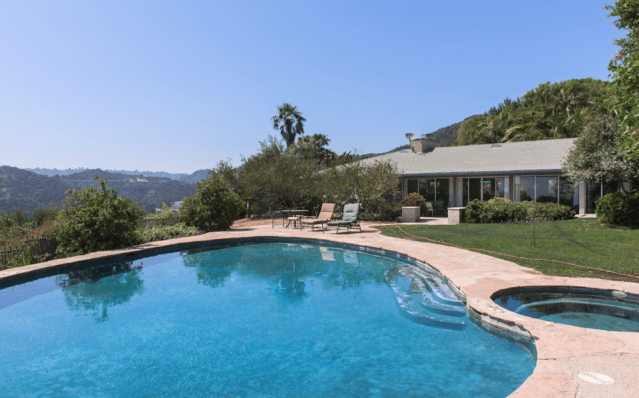
Alas I found Bryan Maclean’s father, George. He was a premiere architect for Hollywood Stars. He built the home my kindred, Elizabeth Rosemond Taylor, lived in, and was Godfather at the Christening of her son, Christopher Wilding. George MacClean was a good friend of Robert Stack, who dated Liz. Bryan said he learned to swim in Liz’s pool. Was this pool located at 1375 Beverly Hills Estate Drive?
George was the quintessential Hollywood-Los Angeles architect. He was Howard Roarke to the rich and famous. His house he built for the Trousdale Estates, is the Acme of Southern California success, that is enjoying a new Renaissance. Add to this the murals Garth Benton did for movie stars, and Christine Rosamond’s artwork, and the fact Bryan and Christine were lovers for two months when we were teenagers, then here is the lifestyle many can only dream of.
Bryan had seen the model I made for the house I designed when I was seventeen. He informed me his father was a famous architect. Bryan’s mother was an artist, as was one of her parents. I wish I knew her maiden name. Elizabeth, George, and Bryan were saved and became evangelicals. George and Bryan removed themselves from the Success Gauntlet.
Christine was married to actor, Rick Partlow, and lived in one of Micky Rooney’s houses. Garth did some acting, and was married to actress Harlee McBride. Tim O’Connor was like a member of our family. His father was a famous actor of the same name.
Michael Wilding was an artist, and thus was the reason Liz married him, in my opinion. Her family were art collectors. She encouraged Michael Jackson to become an artist. Michael Jr. may come out with a Mommy Dearest-like book that inspired the Rosamond Fib that she hid in the closet to paint. Bryan drew Beach Bunnies in our art class. Christine did not show her forbidden artwork to her lover, because this work did not exist.
Liz Taylor championed Gays stricken with AIDS. Her daughter-in-law, Aileen Getty, came down with this fatal disease. The Getty family owns the largest art collection in the world. We are talking about an Artistic Dynasty.
Sometimes I ask what the purpose of this blog is. The more I dig, the more I find. Wait till you see what I found out about Eric Nord.
A memorial celebration of the life of architect George MacLean is scheduled at noon Wednesday at Bel Air Presbyterian Church in West Los Angeles.
MacLean, who designed shopping centers for the public and mansions for film stars, was 68 when he died of cancer Dec. 1 at his ranch near Hemet. He most recently had pulled away from the Los Angeles social scene, said his longtime friend John Green, the composer and conductor.
At Work Developing Land
“George had been living as an evangelical Christian the past 10 years but he was developing estates on his Hemet property,” Green said.
MacLean was the chief architect for Westlake Village in Los Angeles, the Acapulco Princess Hotel and Estates in Mexico and the International Shopping Bazaar in Freeport,
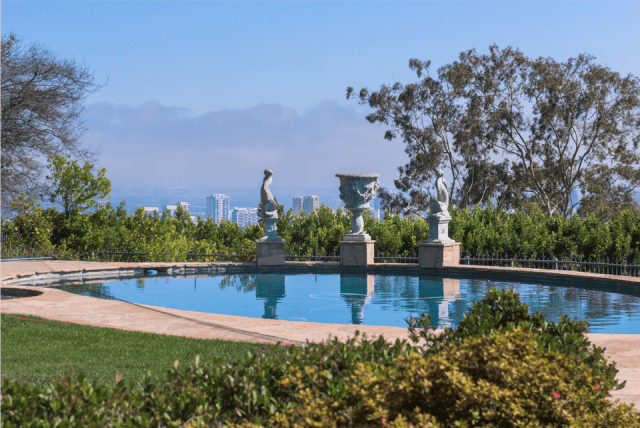
Elizabeth quickly fell in love. What she didn’t know was that the home, which was made of glass and adobe, was designed by architect George MacLean with her in mind. In her book, An Informal Memoir, Elizabeth describes the unique interior: “One whole wall was built of bark with fern and orchids growing up the bark, and the bar was made of stone. And the fireplace had no chimney. There was a device making the smoke go down under the building and out through the barbecue pit.” Elizabeth also recalled that “You really couldn’t distinguish between the outside and inside. And all the colors I loved—off white, white, natural woods, stone, beigy marble. The pool was so beautiful. There were palm trees and rock formations—it looked like a natural pool, with trees growing out of it. It was the most beautiful house I’ve ever seen.” The state of the art home also featured an intercom, automated doors, light dimmers, automated curtains, and a movie screen. The architect later became godfather to Elizabeth’s son, Christopher.
After Elizabeth put the home on the market, Ingrid Berman toured the home as a potential buyer.
Ms. Taylor’s connection to the fight against AIDS grew deeper stillwhen her daughter-in-law Aileen Getty revealed to the woman she called “Mom” that she had contracted HIV in 1984. Far from turning her back on Getty, Taylor grew even more committed to the cause and saving the life of the daughter-in-law she loved and the mother of two of her grandchildren.
“Without the love of Elizabeth Taylor in my life, I would probably be dead — if not physically, most certainly emotionally,” Getty told The Advocate in 2011. “Mom loved me through my shame and held me tight. This can be very difficult: If you do something wrong, sometimes you feel that you want to be scolded or punished for your actions, as opposed to being loved and supported. Mom just loved me.”
Born in Los Angeles in 1947, MacLean drifted towards the music scene and became a roadie for the Byrds. In the mid-Sixties, the tall blond musician would hang out at Ben Frank’s, a 24-hour diner on Hollywood’s Sunset Strip. As he recalled on television, “Bobby Jameson, a friend of mine, told me about the audition for the Monkees. He said: `You ought to go down there, you’re what they’re looking for. You’ll make $750 a week.’ That was an enormous amount. But he didn’t tell me that it was comedy,” explained MacLean. “So I went down there being the hip, street- wise guy, gravelling my voice, and it was wrong. Thank God it was the wrong approach. They got the impression I was a seriously drugged- out guy. ”
He created homes for such stars as Elizabeth Taylor, Robert Stack and Dean Martin, and he was affiliated for several years with Daniel K. Ludwig, the builder, shipping magnate and financier for whom he designed office buildings and hotels.
MacLean, who studied art and architecture at USC, is survived by his wife, Gene, sons Bryan and Joel, his mother, Lillie, and a brother, Charles.
The boldest-faced celebrities, industrialists and society names in town angled to get the best lots, and competed with each other to hire the most talented architects and in-demand ‘interior decorators’ money could buy. The design review board – headed by society architect Allen Siple – and original covenants dictating 3,000 square foot minimums ensured large, well-designed homes; single-story restrictions ensured they’d spread out forever, while protecting views.
Your neighbors were on TV last night; another one’s on the stereo now.
The Architects:
Wallace Neff
Paul R. Williams
William Sutherland Beckett
James Dolena
George MacLean
Cliff May
Lloyd Wright
Lundberg, Armet & Davis
Allen Siple
Notable Residents:
Groucho Marx
Dinah Shore
Frank Sinatra
Barbara Stanwyck
Sheldon Leonard (Producer/Actor)
Ralph Edwards (Game Show Producer)
Charles Skouras
Max Hoffman (Famed Automotive Importer)
Isadore Familian (Building Supply Mogul)
Trousdale, who sold gum and advertising before going into real estate, conceived of Trousdale Estates as an exclusive enclave offering residents “a life above it all.” He oversaw a monumental grading project that transformed the scrub-covered hills into 539 lots, precisely stepped to maximize their canyon, city and ocean views.
From the beginning, Trousdale courted the rich and famous. Dinah Shore and Richard Nixon were among the early buyers, both of them commissioning modern ranch houses from Allen Siple. “I’d rather have Nixon in that house than the other House,” Groucho Marx quipped of his Trousdale neighbor. Marx, who hired the society architect Wallace Neff to design a low, curvilinear home with an open carport to showcase his three DeSotos, was a common sight in the neighborhood, walking his black and white Scottish terriers, Scotch and Soda. Danny Thomas built a sprawling Levantine mansion he called Villa Rosa. Like Paul Trousdale, Dean Martin and Elvis Presley both chose houses in the theatrical Hollywood Regency style.
Originally built by architect George MacLean in 1963, the Meisel Residence is located in the Trousdale Estates area of Beverly Hills. The Hawaiian-style ranch house is staggered along the site in rectangular forms, with expansive views overlooking the city from the living areas of the home.
Mister Meisel’s house was featured in the October 2012 issue of Architectural Digest with lush photographs by Roger Davies and text by the always snappy Mayer Rus. The article reveals that the house was originally designed and built in 1963 by little lauded architect George MacLean for an unnamed race car driver and his model wife. Mister MacLean, in case any of y’all might care, also designed a low-slung home above Benedict Canyon on Beverly Estate Drive (in Bev Hills Post Office) that was owned for a brief spell in the mid-1950s by a young Elizabeth Taylor and her second husband, English actor Michael Wilding.
At the time Mister Meisel bought his spectacularly sited house in Trousdale Estates it was blessedly untouched but much in need of a re-fresh. He engaged the pricey and revered services of the Ron Radziner of the firm Marmol & Radziner who completely rebuilt and sensitively added 2,300 square feet to the existing city view mid-century modern residence then selected celebrated and much published decorator Brad Dunning to chic up the day-core but “maintain the integrity” and “ambiance” of the residence’s original 1960s swagginess.
ELIZABETH TAYLOR’s son is considering pals’ suggestions that he write a “Mommie Dearest” tell-all that promises to rip the lid off of the movie legend’s worst performance – as a mother!
A book penned by Liz’s 59-year-old son Michael Wilding Jr. would be in the tradition of the scathing Joan Crawford biography and explain why Taylor, a beloved Hollywood icon, was no saint to her kids, say pals.
While Liz was known to be very generous with her time and money to charities, “she was never interested in her children,” a family insider told The ENQUIRER.
“Michael was overheard saying he would rather have grown up broke with a loving mother rather ‘than the way I was raised!’”
Wilding, a former soap opera actor, has been urged to write the explosive book with his wife Brooke Palance, daughter of the late movie star Jack Palance.
“It would portray Liz as an absentee mom, always away on movie sets, flying around the globe or in the arms of a man,” revealed a family friend.
Elizabeth’s four children were trotted out for photo opportunities to give the appearance of a loving, close-knit family, but the friend says: “That couldn’t be further from the truth.”
Michael, Liz’s son with second husband Michael Wilding Sr., spent much of his life “in a desperate bid for her attention,” according to the insider. “The book would talk about how Michael rebelled against his mother, running away to join a rock band, hanging around the drug scene and bedding a lot of women.”
During the mid-’70s, Michael lived on a farm commune in Wales, playing sax with a five-member rock group. He was married at 17 and had a daughter, but the union blew apart after just two years. He had another daughter with a girlfriend at the commune in 1975 but didn’t settle down until tying the knot with Brooke in 1982, and they had a son seven years later.
Despite Michael’s differences with his mother, he was the one who oversaw her care leading up to her death last year at age 79.
But now, said the friend: “Michael could spill all the family secrets as a way of coming to terms with a mother who was never there.”
In retrospect, MacLean didn’t dwell too much on his failure to edge out Peter Tork or Mike Nesmith and take part in American television’s manufactured answer to the Fab Four. Disparagingly, he claimed: “The Monkees were extremely square. They just jumped on the bandwagon. It had nothing to do with what was really going on. It was the Keystone Cops of rock. I didn’t belong in the Monkees or, if I did, I’m still in denial about it.” He joked somewhat nervously: “If I ever find out that I belonged in the Monkees, then I will probably have a legitimate nervous breakdown,” and went on, “I think that I really belonged in something that involved pioneering music, something that wasn’t popular yet. My goal for my music was always timelessness.”
MacLean more than succeeded in this aim with Love, a band who rank alongside the Velvet Underground and the Ramones when it comes to influencing successive generations of musicians (REM, House of Love, the Stone Roses).
Again, MacLean met Arthur Lee at Ben Frank’s. The Memphis-born musician had already cut a single with the LAGs before moving on to the American Four with the guitarist Johnny Echols. The three joined forces and, adding the rhythm section of Johnny Fleckenstein and Don Conka (soon replaced by the bassist Ken Forssi and drummer Alban “Snoopy” Pfisterer), became the Grass Roots.
Having made their live debut at Brave New World in LA in April 1965, the group changed its name to avoid confusion with another Grass Roots (of “Let’s Live For Today” fame). Given the flower-power movement emerging on the West Coast, the five musicians opted for Love and attracted the attention of Jac Holzman in early 1966. The entrepreneur had already established Elektra Records on the East Coast as the natural home of the folk scene with artists like Judy Collins but he wanted to move the label towards the rock underground. Love’s unique brand of folk and demented psychedelia more than fitted the bill. “Thirty seconds into their version of `Hey Joe’, I knew this was the group I was looking for,” claimed Holzman, who would later sign the Doors at Lee’s instigation.
Love became the first rock band on Elektra and released a stunning version of Burt Bacharah and Hal David’s “My Little Red Book” (from What’s New Pussycat?) in April 1966. Following their appearance on American Bandstand, the single and ensuing debut album (simply entitled Love) both made the US Top 60 and the following 45, the frantic “Seven and Seven Is”, did even better, reaching No 33 in September. “Love was what is lovingly referred to as an underground, a garage band. We had a following but it was underground. It wasn’t meant to appeal to as many people as the Monkees’ music was,” reflected MacLean, who wrote the lovely “Softly To Me” on the first album.
Wearing ribbons in his hair, the more introspective MacLean was the ideal foil to Arthur Lee’s frenzied genius and Love became darlings of the hippie scene. Living in their communal Los Angeles “Castle” (actually a decaying mansion previously used as a horror movie set), they recruited Tjay Cantrelli on flute and Michael Stuart on drums while “Snoopy” Pfisterer moved to keyboards to flesh out the group’s richer sound on Da Capo, their second album (February 1967). MacLean’s jazzy “Orange Skies” was the B-side of “She Comes in Colours” but neither this nor “Que Vida” could match their previous success, especially as the group hardly ever toured away from their California base.
Following Pfisterer and Cantrelli’s departure, Love set to work on the ambitious Forever Changes, their third album issued in November 1967, just as their cult status was reaching British shores. Hailed a masterpiece and still namechecked as one of the best-ever albums, Forever Changes reached the Top 30 album chart in the UK while “Alone Again Or”, the eerie, evanescent MacLean composition, entered the US Hot 100. Covered by the Damned in 1986, “Alone Again Or” proved the swansong of the original Love as the idiosyncratic Lee kept playing mind games with MacLean.
During a very strange interview in 1992, Lee told me: “We were competing a bit like Lennon and McCartney to see who would come up with the better song. It was part of our charm. Everybody had different behaviour patterns. Eventually, the others couldn’t cut it.” Lee sacked the rest of the band and assumed the Love mantle from mid-1968. He briefly worked with Jimi Hendrix and nearly died of a drug overdose in 1970.
MacLean also fell from grace. “I don’t think I could cope with even the minimal amount of fame that I experienced. It was difficult to stay balanced. To be honest, it almost killed me just to have the notoriety that I had. To have my face more well-known would have been pathogenic. I don’t know if I could have lived through it,” he later admitted.
“I’ve had a lot of experiences that would have killed most people: drug overdoses, felony arrests. I was invited to Sharon Tate and Roman Polanski’s house the night that the Mansons showed up. I had a penchant for putting myself 100 per cent in whatever I was doing, wrong or right. And there are consequences. If you have the greatest drug and what you feel is the most euphoric experience and it ends, then you’re in trouble. You think you’re getting on to the train and you’re gonna get off at the next stop. But before you realise it, you’re strapped to the front of a runaway train until it crashes. And when it crashes, you don’t even know if you’re gonna come out. I just simply didn’t have another runaway train experience left in me.”
A proposed solo deal fell through when Jac Holzman pronounced the MacLean demos “too fragmented”. MacLean bounced back for a while but, before completing an album for Capitol Records, he quit the business in 1970. Seven years later, his old nemesis Arthur Lee tempted him out of retirement for a Love tour with the future Knack drummer Bruce Gary. MacLean enlisted for a further Southern California reunion outing (immortalised on Rhino’s Love Live album) and got religion.
“I wasn’t doing well. My mother had been converted watching Bill Graham on television, she was praying for me. One night, in a hotel room in New York, I just prayed, cried out to the Lord and said: if you’re real, I’m gonna give my life to you because I’m afraid I’m gonna destroy myself. I ended up walking away from the business at that point,” confessed MacLean, who became a sepulchral presence, not unlike the Beach Boys’ Brian Wilson.
By the Nineties, the erratic Arthur Lee was displaying paranoid tendencies and symptoms of Parkinson’s disease. In 1996, following several arrests and convictions, he was jailed for 12 years for threatening behaviour with a firearm.
Bryan MacLean crawled back from the wreckage. His half-sister, Maria McKee, made several records with Lone Justice, including a song by MacLean, “Don’t Toss Us Away”, in 1985, which three years later became a Top 10 country music hit for Patty Loveless. In 1997, the Sundazed label released IfYouBelieveIn, a collection of solo acoustic MacLean demos culled from the Sixties, Seventies and Eighties. His odd quavering vocals remained as compelling as ever and also came to the fore in his born-again incarnation.
“I started making music again when I felt comfortable to move back into writing without violating my stand for Christ,” Bryan MacLean told Ian MacMillan. “Love grows in me when I proclaim all that my Lord has done. I’m now writing worship music that’s presented in an ethereal genre. Celtic, spacy, no guitars. I call it spooky Christian music, spooky worship music.
“If a person is a Satanist or a Buddhist or a Hindu, they will be able to listen to this music and not be put off by it because it’s the universal longing to be in the spirit realm that’s being expressed.”
Bryan MacLean, guitarist, singer and songwriter: born Los Angeles 25 September 1946; died Los Angeles 25 December 1998.
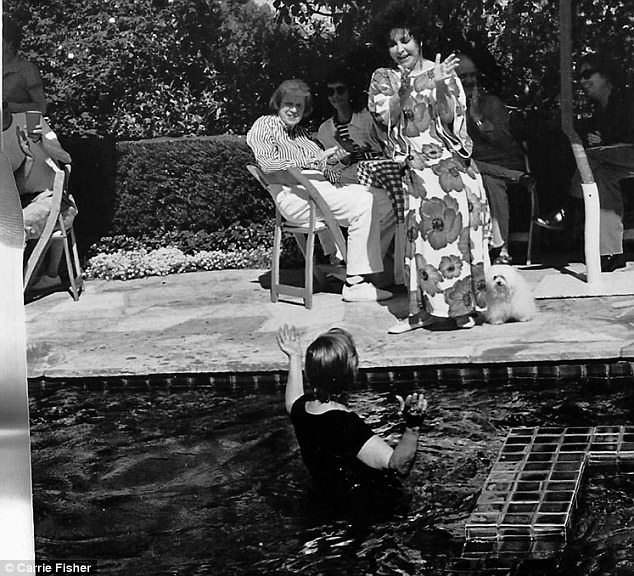
It was Bryan MacLean who suggested to James Bond they have a pool party at his house, and invite Elizabeth and Richard Burton, the actors James aced out of the home they wanted. The year is 1968. There is an uprising in Czechoslovakia. Leonid Brezhnev has amassed tanks on the border. When not giving instructions to his hired help, Bond is on a conference call to M16 in Britain. They want to know who is coming for a dip. Here are the guests that showed up that fateful day.
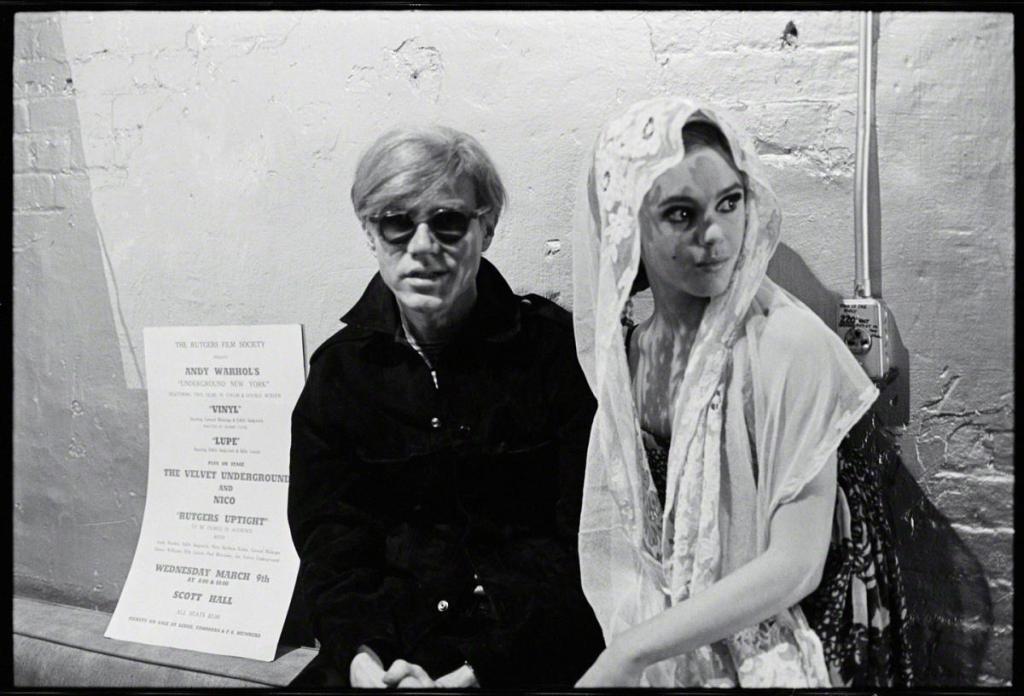
James Bond, Talitha and J. Paul Getty Jr. Ryan O’Neal, Andy Warhol and Edith, Lana Clark and Phil Spector, Liza Minelli and Barbara Streisand. Bryan and Arthur Lee, Peter Fonda and Steve McQueen, John and Irena the Acid Messiah of Height Ashbury, and his muse, the embodiment of Mary Magdalene. LIFE just did a layout on The Prophets of San Francisco, and many people in Europe were dare saying John looked like Jesus. The Hollywood Crowd were withholding their verdict. There was talk of The End of The World. The Cold War was about to turn – HOT!
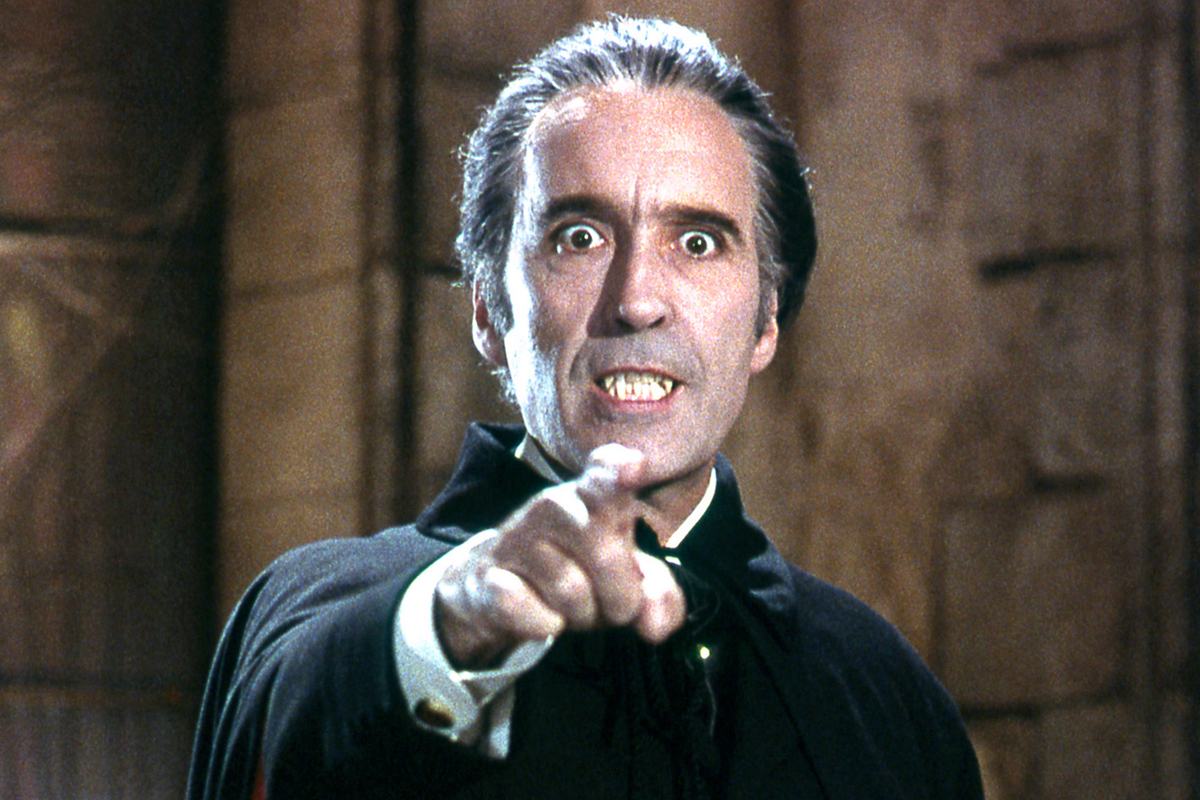
James, anticipating Bryan was going to ask if his band, Love, could play at the party, hired his old friend, Christopher Lee, to play the baby grand by the pool and sing some British show tunes. Bond loathed Rock and Roll! When he came dressed as Dracula, the party went south, especially when Richard Burton and Lee started reciting George Bernard Shaw. Liza and Barbara tried doing a happy duet, but, a dark pall came over the celebrity crowd – full of potence! Arthur Lee got behind it, and wrote a flurry of new songs. Then….The Acid Messiah went into a trance…..and began channeling.
Celebrity Pool Party may turn into a musical when this Bohemian gathering hears Soviet troops have invaded the Land of Bohemia. Ryan puts on a pair of boxing gloves as Barbara and Liza begin a duet that others join in on. Phil Specter rages about hitting them with a Wall of Sound as a orchestra rises above the infinity pool with the dazzling lights of downtown LA behind them. Then, here come the La Bo Bollywood Dancers. There is talk about imminent nuclear war. Arthur Lee steps forward with new and rousing words to Seven and Seven Is.
O’Neal was born in Los Angeles, California, the eldest son of actress Patricia Ruth Olga (née O’Callaghan; 1907–2003) and novelist and screenwriter Charles O’Neal.[6] His father was of Irish and English descent, while his mother was of paternal Irish and maternal Ashkenazi Jewish ancestry.[6][7] His brother, Kevin, is an actor and screenwriter.[8]
O’Neal attended University High School in Los Angeles, and trained there to become a Golden Gloves boxer. During the late 1950s, his father had a job writing on a television series called Citizen Soldier, and moved the family to Munich, where O’Neal attended Munich American High School.[9]
In 1966-1967 Los Angeles was Arthur Lee’s dark kingdom. Brian Wilson owned the sun, Jim Morrison traveled the other side, and while the Byrds and Buffalo Springfield gave L.A. its folkie hippie face, Lee’s band Love fashioned a punk muzak masquerade that fifty years on will still not relent. Their capstone album, 1967’s Forever Changes, is one of the handful of perfect rock records, but it is a difficult masterpiece, borne of a drug-addled band falling apart on the heels of some minor pop success (thanks to their cover of Bacharach/David’s “My Little Red Book” and the blazing protopunk of “7 and 7 Is”), as their chief admirers and competitors the Doors were surpassing them in popularity, commercially beating them at their own game. Forever Changes is not instantly recognizable for what it is, and its easy melodic beauty — indebted to the Tijuana Brass, smooth jazz, and surf instrumentals — supports a poetry far more complex and subtle than anyone else in rock was writing at the time, save perhaps Van Morrison.
Forever Changes really began with Love’s second album, Da Capo (1966), its first side moving away from the Byrds influence so evident on their first LP (as good as that record is), towards a baroque fusion of Spanish-inflected pop jazz mixed with fierce punk aggression. By the time they came to record Forever Changes in the summer of 1967, Lee had refined this sound to create, with the band’s other songwriter, Bryan MacLean, a seamless set of 11 songs beginning with the plaintive loneliness of “Alone Again Or” and concluding with a rumination on the album’s title in “You Set the Scene.” Engineer and co-producer Bruce Botnick (known primarily for his work with the Doors, labelmates on Jac Holzman’s groundbreaking Elektra Records), who had produced the band’s two previous records, has been credited with motivating the band to record, and in creating the album’s sonic consistency. The airy breeziness of the tunes and Lee’s at times affected vocal approach are often in stark contrast, and yet ultimately work with, the grim lyrical themes — mortality, war, racial division (Lee and guitarist Johnny Echols were black men in a very white rock scene), broken love — and the words are so deftly written and rendered that there is no belaboring the evident point: the Summer of Love is bullshit. These kind of dynamics create a layered masterwork that sustains prolonged discovery. Forever Changes is a slow grower, it reveals itself over time, but once its hooks are in it will not let go. I think it’s interesting that while the album tanked in America it hit #24 in Great Britain in 1968, and can be seen as being influential on both British progressive and punk rock. It’s no mistake that it was in London that Lee so successfully revived the album as a live performance in 2003, the recordings from which demonstrate the undiminished power of the songs (and, surprisingly given his rough life, Lee’s chops).
“Maybe the people would be the times or between Clark and Hilldale” opens side two of Forever Changes and contains in its three and a half minutes a snappy, bass-and-brass driven portrait of the transience of life — the comings and the goings and the intersections — surrounding the Whiskey a Go Go and the Sunset Strip, the heart of Love’s Los Angeles. Others feel more confident in their interpretations of the song, but it makes me feel good because wrapped inside this sunny tune, where at one glorious moment in the break Lee doubles the trumpet as if he’s Tony Bennett, there is room for thought and contemplation, and even if I can’t say for certain what was going through Arthur Lee’s mind when he wrote the words, perhaps that’s what makes this and other of Love’s songs feel so universal.
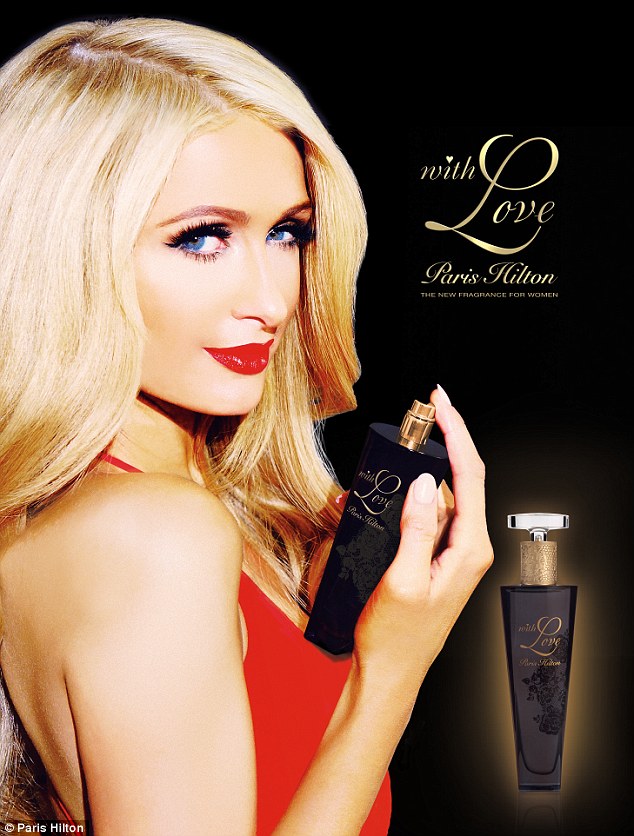
Paris Hilton is getting married and she has no idea she is related to the Getty family, and Ian Fleming. Is her husband to be keen on genealogies like I am? When I saw the ad for Love, I was reminded of my movie idea where James Bond moves next door to the castle Love lived in. Right away James has a pushup with Arthur Lee. How many members of my family, and of Robert Brevoort Buck law firm, did the Scottish Jig thinking I had really blown my top – gone completely Coo-Coo? If a Ad Agency had handled the probate of Christine Rosamond Benton, all members of my family would be rolling in doe, even though my Neo-Nazi brother has lived his whole life making sure I am a failure. There’s your Villain – right there! Get him!
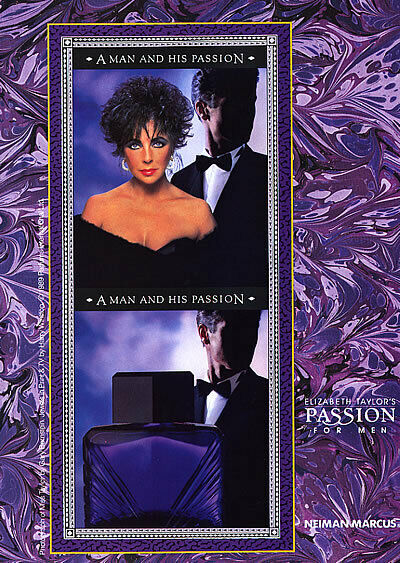
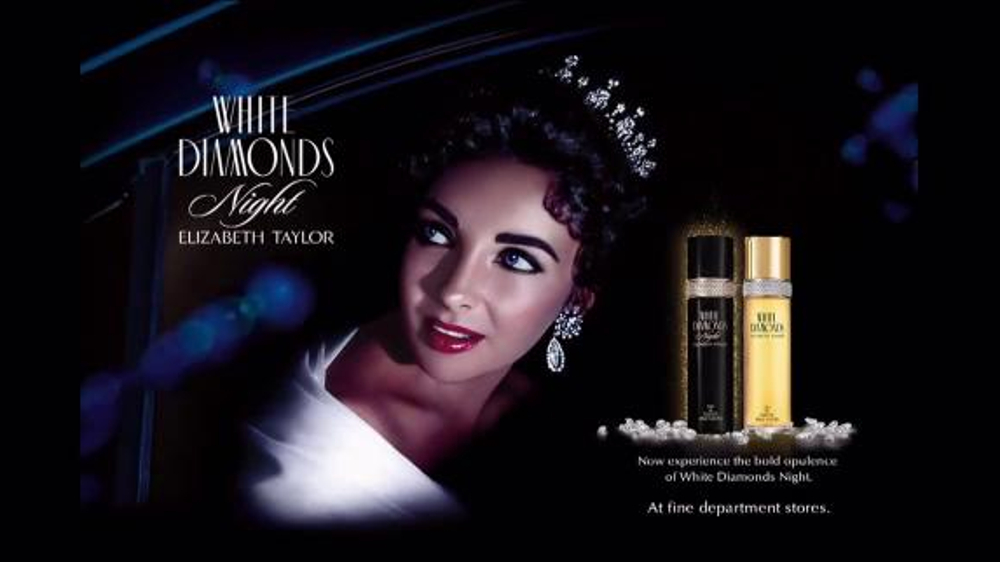
I belong to several Bond facebook groups and have read the members wanting a retro-Bond. I heard. I wrote LA Bond that takes place in 1969 after Jame’s wife is assassinated. Bond is approached by a Ad Agency that handles men’s colognes, and his first lay-out gets allot of attention. Elizabeth Taylor takes note, and wants James in her new ad. Carrie Fisher is all over James. The most beautiful young woman in the world is discovered on the boardwalk in Venice, and she appears in a Bond ad. The famous artist, Rosamond, asks James to be her first male model – her male muse! Everything is taking off for Agent 007. He gets a movie offer. But then, he crosses paths with…..The Spoiler…..this San Francisco Bohemian Artist and friend of Andy and Edith Sedgwick that made a name for himself exposing Phonies.
“I’m not a phonie! Who does this fooken bloke think he is?”
It is rumored 007 influenced Arthur Lee to write two songs for Love’s ‘Forever Changes’.
At 12:42 P.M. James Bond was out by the pool throwing tomahawks at a log, when Arthur Lee stuck his head out the window, and shouted;
“Knock it off! Some people are trying to sleep!”
,Bond looked up and saw a angry, disheveled black man.
“Look chap! I’m a firm believer in ‘live and let live’, but it’s past noon. Normal people have long been up and about.”
“Well, I’m not normal people. I’m a rock musician. and I work till 2:00 A.M. and then party and jam with my my – mates – afterwards. You’re from England. Do me a favor. Can you throw your tomohawk in the evening. I don’t get out of bed till around four!”
James went over and pulled his weapons out of the block.
“You got it. Now, go catch some more shut-eye!”
By the way….what’s your name?”
“Bond….James Bond. What’s your’s?”
“Lee….Arthur Lee!”
Arthur Lee, a founder of the group Love, lay in bed trying to fall back asleep. He assessed if he was justified in yelling at the new neighbor. Would he cause trouble. He ended up composing a song that he wanted on the new album. ‘Live and Let Live’ was about the British Invasion, and, the people who were already here. The base in this song is played by Carol Kaye who would go on a date with James, who ended up on the wrong side of the Hell’s Angels who befriended Michael MacLure, whose nose he bloodied at the Whisky A Go Go.
At the party, Lee worked on another song about Bond, he recognizing him as another Alpha Male who moved in on Carol like a big dog. This member of Spector’s ‘Wrecking Crew’ had deflected many smooth moves from the smoothest men in the business were she was known as the best bass player – ever!
“I see that we are the adults in the room. You appear to be alert and into getting to the point. Let’s spend the night together.”
When I discovered Carol played the base in The Daily Planet I knew I had found the genius behind the Forever Changes album, that I want in LA Bond – if it becomes a movie.
On this day George Harrison circulated a memo at Apple to tell staff that he had invited a group of Hells Angels from California to stay at 3 Savile Row.
Hells Angels will be in London within the next week, on the way to straighten out Czechoslovakia. There will be twelve in number complete with black leather jackets and motor cycles. They will undoubtedly arrive at Apple and I have heard they may try to make full use of Apple’s facilities. They may look as though they are going to do you in but are very straight and do good things, so don’t fear them or up-tight them. Try to assist them without neglecting your Apple business and without letting them take control of Savile Row.
The home where Elizabeth Taylor lived in the 1950s with then-husband Michael Wilding has hit the market in Beverly Hills.
Coldwell Banker Global Luxury has confirmed the new listing — the first time in 21 years the property has been up for sale — at 1375 Beverly Estates Dr. for $15.9 million. According to the real estate broker, the couple purchased the 2.01 acre property as their private L.A. retreat in 1954, shortly after it was built in 1953. According to reports, Taylor and Wilding made the decision to buy the property after scaling a fence to check out the grounds. Taylor and Wilding married in 1952 and divorced in 1957.
What if no film company buys my Victoria Bond idea? Well, I got a back up. Just in case folks think I am fixating on Lara Roozemond, even stalking her, I am willing to let her go for The Almighty Dollar. Consider this My Giant Cop-out!
James Bond In La La Land
A Movie Script
by
John (Jon) Gregory Presco
Shortly after the death of his beloved wife, Teresa Bond, James has a total mental breakdown. He is sent to see a crack team of psychiatrist who tell him it is time to retire. They suggest he move to Los Angeles California, where he can blend in. Having won a small fortune playing cards in Monaco, he asks The Team Real Estate Agents, if they know of a house. They tell him a house designed by George McLean has just come on the market. There is another buyer who made an offer, but, it could be made to look like they lost a bidding war.
“Who is getting bumped?”
“Oh, just a has-been Hollywood couple whose latest movie was a big flop. Mr. and Mrs. Richard Burton.”
“What about the neighbors? I don’t want to be disturbed. I’m not in the best of shape.”
“Let’s see. There’s Joe Spine on your right, and a rock band called ‘Love’ on your left. Joe is a right-wing T.V. talk personality, your typical American asshole.”
“What about noise?”
“L.A. is a noisy place. There’s an acid rock band every square mile.”
“Maybe I could jam with them. I play a mean Scottish flute.”
“You got one more neighbor, Mr. Natural, who lives illegally in a treehouse up the canyon. He’s harmless. He’ll actually give you money if you let him graze on your lawn.”
“What about women. Do they got pretty women in L.A.?”
“James. You act like you never heard of Los Angeles a place famous for beautiful women. You will have a pool. There will be pool parties, and, just women who like to hang.”
“O.K. Sounds like my cup of tea! Let’s close the deal. Are you sure the Burtons won’t be upset?”
Phone rings.
“Hello Liz. I was wondering when you would get wind of this. I’ll ask him.”
“What the fook. They know who I am?”
“Calm down James. They just know you aced them out. You see, there is this Hollywood Network thing. They want you over for dinner to let you know there are no had feelings. If you refuse, they will make sure things go badly for you in THEIR town.”
“What the fook? I thought I was ordered to stay out of trouble, and relax! My pappy always said “Sometimes when you aren’t looking for trouble, trouble is looking for you!”
Let me pre-warn my movie goers. I plan to shoot the greatest Acid Trip – ever! If I go before this is done – there goes the sixties! Cary Grant took LSD. He would have made a great James Bond. I don’t want to give it away, but, James has his martini spiked with LSD. Who did it?
Mr. Natural – Joe Spine – Liz – a Getty – Love
After his major freak-out James takes up bowling and joins a team that turns out to be Korean Vets who are suffering from PTSD. They are a bad bunch. A bond is made. They conclude bowling isn’t cutting it. James suggests they go over to the dark side and form a motorcycle club. They chose one bike. Here are your choices…….
Elizabeth grew up with an understanding and appreciation for fine art. Her father, Francis Taylor, was an art dealer with a gallery located at 35 Old Bond Street in London. He learned the business under the tutelage of his uncle, Howard Young. After relocating with his family to sunny California during the war, Francis opened an art gallery at the Château Elysée, but quickly relocated it to the more impressive Beverly Hills Hotel. It was at that location that such celebrities as Howard Duff, Vincent Price, James Mason, Alan Ladd, Hedda Hopper, and Greta Garbo could be found selecting art for their own collections. Francis Taylor was also a trendsetter; responsible for the popularity of Augustus John in the United States. Francis, who had a keen eye, asked John if he could buy some of the paintings John had discarded. John felt they weren’t good enough to sell, and gave them to Francis free of charge. They were sold back at the art gallery in the States, where Augustus John paintings would be sold exclusively for many years. Francis would soon find an art connoisseur in his daughter, Elizabeth, who would amass one of the great private collections of Impressionist art in America.
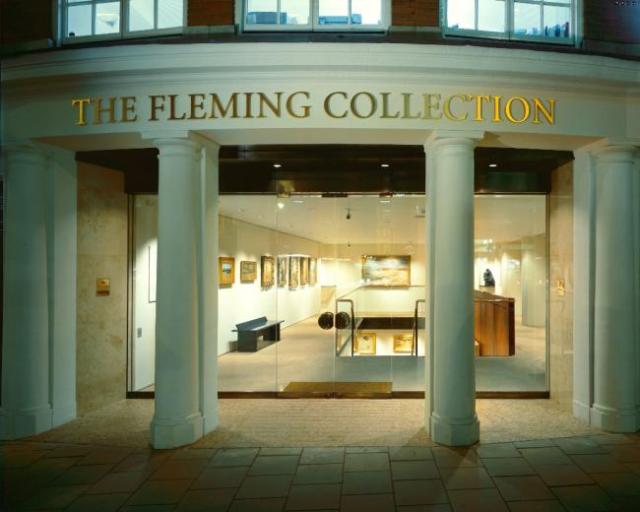
What I have been putting together here is an Art Dynasty of people who share the same DNA, and are ‘Of The Art Blood’. Elizabeth Rosemond Taylor, artists, Christine Rosamond and Garth Benton, along with the Fleming family, are in the same tree. Did I leave out the Getty family? How about the Rothschilds?
What really irks folks, is – I am dirt poor! Who do I think I am? Jesus had no money – and he founded a world religion! Now – I am mad! Whatever……..I am the Touchstone! The next two Bond movies – BELONG TO ME!
LOS ANGELES – The Getty and the Rothschild Foundation today announced the creation of the Getty Rothschild Fellowship, which will support innovative scholarship in the history of art, collecting, and conservation, using the collection and resources of both institutions. The fellowship offers art historians, museum professionals, or conservators the opportunity to research and study at both the Getty in Los Angeles and Waddesdon Manor in Buckinghamshire, England. The inaugural fellow is Dr. David Saunders, a foremost expert in the area of conservation science who will work on museum and gallery lighting during the fellowship.
“The Getty and the Rothschild Foundation hold similar values regarding the understanding and conservation of visual art around the world, and it is only appropriate that we would work together to support individuals who demonstrate these values through their research,” says Jim Cuno, president and CEO of the J. Paul Getty Trust. “We are pleased to award the inaugural Getty Rothschild Fellowship to Dr. Saunders, whose work in museum lighting has been of long-standing interest to the Getty Conservation Institute and the Getty Museum.”
Carolyn Chambers made two movies. One of them was filmed in Oregon. I met Carolyn when she came over to my friend’s house to see his huge garage on 4th. Street in The Whitaker. Jeff had lined ip Whit musicians in 1990, and wanted to broadcast them live on KEZI. It did not happen.
The Sisters was shot in Eugene, and may be the worst movie every made, followed by Puerto Vallarta Squeeze a James Bondish – thing. Daniel Craig’s character in Knives Out has been revealed as a homosexuals’, making my Bond book, The Royal Janitor, more credible. Both of these movies can be turned into Shakespearean plays. I can do it.
I see a new kind of movie theatre located in industrial parks across America. There will be catering trucks in the parking lot. You can call in a order from your I-phone and it is delivered to you car. You can watch from your phone, or, go inside the warehouse. There will be a supervised play area for kids. How about a dog park?
The Los Angeles Times called it a “pompous, overwrought and itchingly claustrophobicpsychodrama“, saying “nothing can save the actors from the painfully mannered dialogue and implausible relationships.”[7]The New York Times said the film “ladles out almost two hours’ worth of carping, backstabbing and egomania” which prompts the viewer to “quickly realize no one in this film is anyone you would want to spend two hours with” and “wonder why the heck they’re spending so much time with one another.”[2]
Chambers Communications Corporation was a broadcasting company based in Eugene, Oregon. With roots back to 1959, Chambers Communications was founded by Carolyn S. Chambers and owned a chain of ABC affiliates in Western, Central Oregon and Southern Oregon. Chambers also owned a state-of-the-art film and video production company and studios in Eugene, Oregon. Chambers was the former owner of the cable system in Sunriver, Oregon, but on July 25, 2013 announced that it had sold the small system to BendBroadband‘s Zolo Media, the advertising and broadcast arm of the regional cable and wireless provider in nearby Bend, Oregon.[1] On March 5, 2014, Chambers Communications announced that it would exit broadcasting and sell its stations to Heartland Media, a company owned by former Gray Television executive Bob Prather.[2]
Puerto Vallarta Squeeze is a novel by Robert James Waller, which was made into a film in 2004. Originally published in 1995 and subtitled The Run for el Norte, this unlikely romance follows an American expatriate and his Mexican girlfriend on a road trip with a former Marine. The title itself may refer to the race-against-time journey that they take, which begins in Puerto Vallarta.
Former journalist Danny Pastor has relaxed in Puerto Vallarta over the past year with María de la Luz Santos, a 22-year-old woman whom he’d first met as a cantina waitress. They moved in together shortly thereafter, and Luz asked Danny to marry her, but he kept her at arms’ length. One night when Luz went off by herself, she got pregnant by a drunken college student. Danny paid for her to have an abortion, and that incident made up his mind about her.
One night as they relaxed in the El Niño cantina, Danny heard a gunshot and rushes outside to see two men dead. One was an American Navy officer, and the other was a software engineer ready to sell his company’s work on failure analysis to the Taiwanese government. Back at their apartment, Danny and Luz met a man who identifies himself as “Peter Schumann” and needs to get north of the Rio Grande quickly. Paying Danny five thousand in cash, Schumann arranges his passage in a rusting Ford Bronco named Vito. The film adaptation featured a Jeep Wagoneer instead of a Ford Bronco.
Puerto Vallarta Squeeze is a novel by Robert James Waller, which was made into a film in 2004. Originally published in 1995 and subtitled The Run for el Norte, this unlikely romance follows an American expatriate and his Mexican girlfriend on a road trip with a former Marine. The title itself may refer to the race-against-time journey that they take, which begins in Puerto Vallarta.
I met Jeff Pasternak once. He approached Marilyn and I at University High School where we hung out by the art room. He met Bryan MacLean. Jeff and Shannon lived across the street from my gallery in the Whitaker.
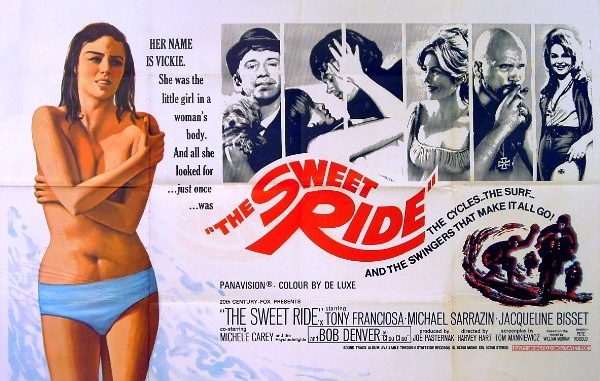
I have an idea about a movie that will exploit the series Trust. My friend, Jeff Pasternak’s father produced ‘The Sweet Ride’ co-starring Bob Denver from Gilligan’s Island. Michael Wilding plays Mr. Cartwright. His son married Aileen Getty. He is in my family tree because he married Elizabeth Rosemond Taylor.
Jeff tried to get The Doors in his Dad’s Hippie Flic, which describes ‘Trust’ – for me! Of course I am on the side of the Hippie Son, even though I am clean and sober. There is a whole generation that doesn’t have a clue what is going on in ‘Trust’. Why is the dude with stars on his shirt treated like shit? What did he do? Well, look at this trailer.
There is a Woodie in this film. I am going to base a character on Tom Snyder. Tomas von Franz will be a amateur psychiatrist from Berlin who drives a Winnebago up and down the coast giving Hippie and Surfer chics, rides. He offers to fix them – for free. He has a purple velvet antique couch in his trailer. Every episode ends with Tomas hurriedly unplugging his sewer and electric, and peeling rubber, leaving another irate babe standing with her tribe, holding baseball bats. This is liken to The Rockford Files.
“Hey! Come back here! You didn’t fix me. You said you can fix me. Now I’m more fucked up than ever.”
Toby Getrich is constantly having a biker gang kidnap him. But, his billionaire father never pays the full ransom. Instead, Enabler, Gooby Getrich, rents a Bohemian Hot Spot on the Coast, and tells his son;
“I rented the Tiki God Shack. Why don’t you take your loser friends there – and get good and fucked up. It’s on me!”
Rena reminded me of Jaqueline Bisset, who I had a crush on. Rena had a much better body. It was ‘The Death’. I think Jeff would love to play Gooby Getrich. Snyder is going to be taken on the Joy Ride of his life! How can he refuse!
This would make a great Reality Show, shot down in Santa Monica during the summer. Tourism will soar. Spotting (the fake) Thomas Pynchon, will be part of the show.
“Hey, look! Isn’t that Thomas Pynchon?”
“Who the fucks Pynchon?”
Check out the cursing trailer salesman. I want him to play Snyder – the Krazy out of Kontrol Kraut!
Alas my old High School chum has his musical ready for market. I wrote him about my musical inspired by Belle Burch, and Jeff Holiday, who invented this yarn about the Whitaker Neighborhood Committee that the Pasternaks revived in 1987.
the rough streets of Hollywood are nothing compared to the music business
Twenty songs, written by Grammy nominated songwriter Jeff Pasternak, drive this tongue-in-cheek musical of a young, talented musician’s search for stardom. THE HOLLYWOOD SURVIVOR is a magical ride with a cast of eclectic characters, and full of twists and turns every step of the way.
A whimsical, supernatural tale of a young songwriter pursuing his dream, breaking away from his wealthy family only to learn the guarded secret tearing the family apart. The songs will keep you rocking, laughing, and crying on…
Ashley Dvorkin on what’s new in theaters and streaming this fall.
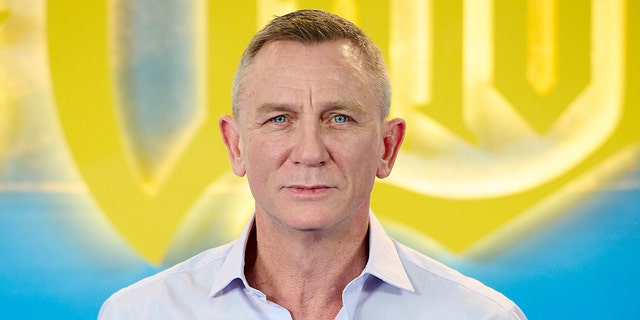
Daniel Craig is back as Detective Benoit Blanc for the “Knives Out” sequel and fans will learn a bit more about the detective’s personal life this time around.
In the Netflix film, “Glass Onion: A Knives Out Mystery,” Mr. Blanc’s sexuality is questioned, after it’s mentioned that he lives with another man.
“It’s normal. But we don’t want to make a song and dance out of it,” Craig says, of his character being queer to The Sunday Times.
When asked in October at the London Film Festival whether Craig’s character was queer or not, director of the film Rian Johnson simply stated, “Yes, he obviously is.”
Daniel Craig starred in both of Netflix’s “Knives Out” films. (Carlos Alvarez)
“It just feels right,” Craig said of his character’s sexuality.
“You are supposed to reflect life. And that [gay] relationship reflects people in my life,” he explained.
Johnson added, “It just made sense to Daniel and me… We didn’t want to be coy or cute about it. We just wanted it to be a fact of the character.”
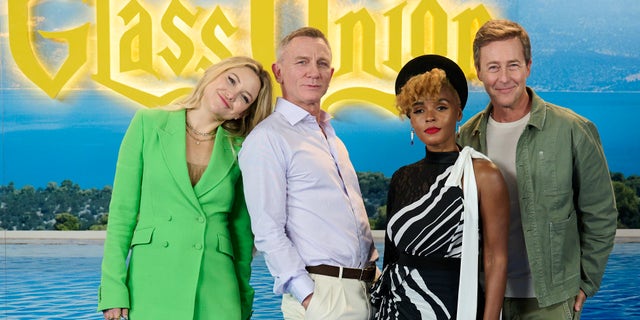
For the premiere of the “Knives Out” movie in Madrid Spain, Daniel Craig was accompanied by co-stars Kate Hudson, Janelle Monáe and Edward Norton. (Carlos Alvarez)





















 Rosamond Press
Leave a comment