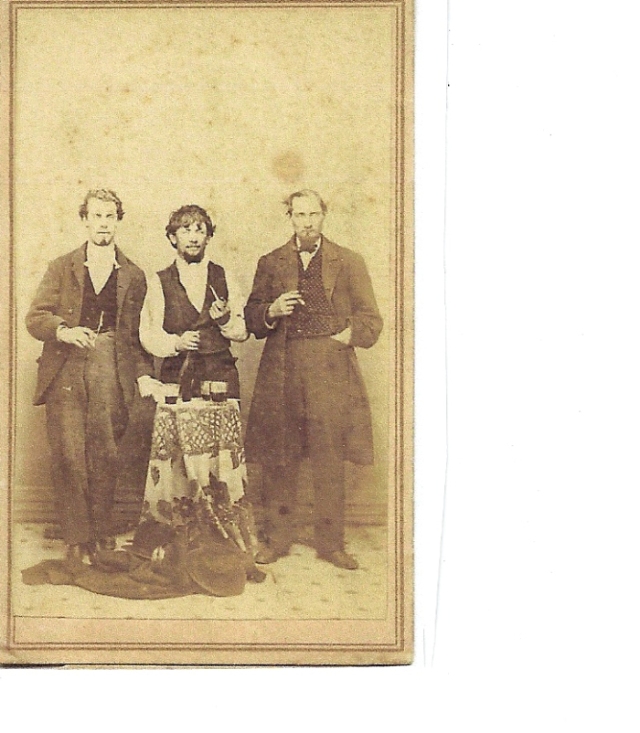
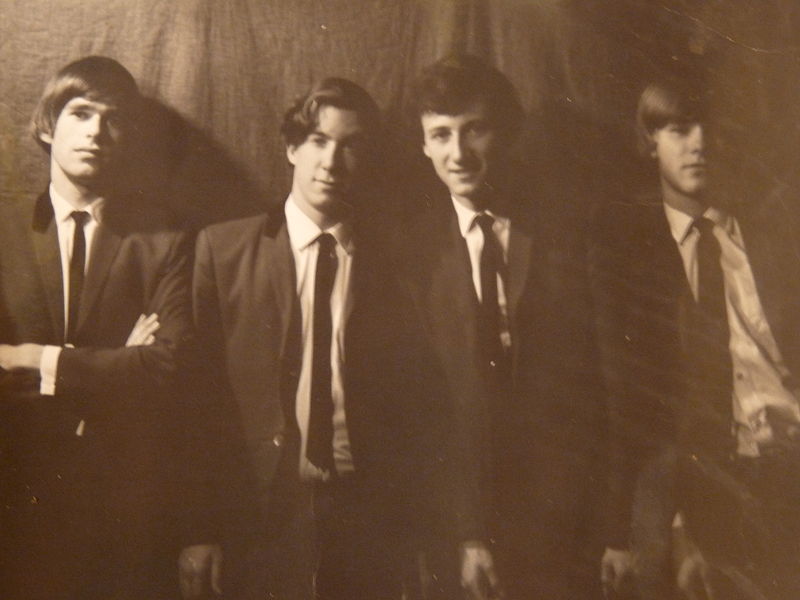
Victor Stuttmeister is on the left.
I wrote my last post in an hour aad shared it with side-kick, Spooky Noodles. He said;
“It has elients of the T.V. show ‘The Wild Wild West’.”
On July 22, 2024, I read this
In 1954, Garrison and Gregory Ratoff purchased the movie rights to Ian Fleming‘s first James Bond novel, Casino Royale, for $600. CBS, meanwhile, bought the TV rights, and on October 21, 1954, broadcast an hour-long adaptation on its Climax! series, with Barry Nelson playing American agent Jimmy Bond and Peter Lorre playing the villain,
I have been vindicated. My life’s purpose – is made crystal clear! I am guided by a union of mystery writers to end the existence of Ptuni, and his Christian Nationalist allies.
John Presco
Author of ‘The Royal Janitor’
https://en.wikipedia.org/wiki/The_Wild_Wild_West
https://en.wikipedia.org/wiki/Michael_Garrison_(producer)
Black Mask Authors
Posted on July 28, 2013 by Royal Rosamond Press


This extremely rare photo of the first west coast Black Mask get-together on January 11, 1936 captures possibly the only meeting of several of these authors.
Pictured in the back row, from left to right, are Raymond J. Moffatt, Raymond Chandler, Herbert Stinson, Dwight Babcock, Eric Taylor and Dashiell Hammett. In the front row, again from left to right, are Arthur Barnes (?), John K. Butler, W. T. Ballard, Horace McCoy and Norbert Davis.
Rosemary told me her father, Royal Rosamond, used to sail to the Channel Islands and camp with his friend, Dashiell Hammett who is seen standing on the right in the photo above.
Michael Garrison (December 19, 1922 – August 17, 1966) was an American producer and the creator of the television series The Wild Wild West.
Biography
[edit]
Born in New Jersey, Garrison began his career as an actor, and appeared in Robert E. Sherwood‘s play There Shall Be No Night in London in 1943. After the war, he had bit parts in several 20th Century Fox films, including Dragonwyck (1946) and Are You with It? (1948).
In 1954, Garrison and Gregory Ratoff purchased the movie rights to Ian Fleming‘s first James Bond novel, Casino Royale, for $600. CBS, meanwhile, bought the TV rights, and on October 21, 1954, broadcast an hour-long adaptation on its Climax! series, with Barry Nelson playing American agent Jimmy Bond and Peter Lorre playing the villain, le Chiffre. CBS also approached Fleming about developing Bond as a TV series. In 1955, Ratoff and Garrison bought the rights to the novel in perpetuity for an additional $6,000. They pitched the idea for a motion picture to 20th Century Fox, but were turned down. After Ratoff died in 1960, his widow and Garrison sold the film rights to Charles K. Feldman for $75,000. Feldman eventually produced the spoof Casino Royale in 1967.
Garrison was in the casting department at 20th Century Fox before becoming an associate producer under Jerry Wald. He worked on four Wald pictures, Peyton Place (1957), The Long Hot Summer, The Sound and the Fury, and An Affair to Remember. In the fall of 1958, he moved to Warner Bros. as an assistant to Steve Trilling. Garrison produced The Dark at the Top of the Stairs (1960) and The Crowded Sky. He also produced the short-lived 1961 CBS television series The Investigators.
In the mid-1960s, Garrison pitched The Wild Wild West to CBS as “James Bond on horseback”—linking the television Western to the popular spy genre. During its first season, the series had difficulties and CBS rotated nine producers in and out of the show. The network tried to fire Garrison, but he was reinstated at the end of the season. The series was in production on its second season when, while preparing for a party at his new Bel Air home on August 17, 1966, Garrison slipped in some water on a flight of stairs, falling and fatally fracturing his skull. According to Variety,[1] he had three TV shows in development at the time of his death: The Pickle Brothers, starring Don Rickles; Happy Valley for Warner Bros.; and Kelly’s Country.[citation needed]
In 1955, Garrison married Barbara Silverstone, daughter of Murray Silverstone, president of 20th Century-Fox International, and Dorothy Silverstone.[2] They later divorced.
Death
[edit]
Garrison died of injuries sustained in a fall in 1966.
The Wild Wild West
16 language
This article is about the 1965 television series. For other uses, see Wild Wild West (disambiguation).
| The Wild Wild West | |
|---|---|
| Title card from the first act of the episode “The Night of the Poisonous Posey” | |
| Genre | WesternSpyAdventureScience fiction |
| Created by | Michael Garrison |
| Starring | Robert ConradRoss Martin |
| Country of origin | United States |
| Original language | English |
| No. of seasons | 4 |
| No. of episodes | 104 (list of episodes) |
| Production | |
| Running time | 49-50 min. |
| Production companies | Michael Garrison ProductionsCBS Productions |
| Original release | |
| Network | CBS |
| Release | September 17, 1965 – April 11, 1969 |
| Related | |
| Wild Wild West | |
The Wild Wild West is an American Western, espionage, and science fiction television series[1][2] that ran on the CBS television network for four seasons from September 17, 1965, to April 11, 1969. Two satirical comedy television film sequels were made with the original stars in 1979 and 1980[3][4] and the series was adapted for a theatrical film in 1999.
Developed at a time when the television Western was losing ground to the spy genre, this show was conceived by its creator, Michael Garrison, as “James Bond on horseback.”[5] Set during the administration of President Ulysses S. Grant (1869–1877), the series followed Secret Service agents James West (Robert Conrad) and Artemus Gordon (Ross Martin) as they foiled the plans of megalomaniacal villains to take over part or all of the United States, protected the President, and solved crimes. The show featured a number of fantasy elements, such as the technologically advanced devices used by the agents and their adversaries. The combination of the Victorian era time-frame and the use of Vernean technology has led several steampunk web sites to cite the show as a pioneering influence on the genre.[6] This aspect was accentuated even more in the 1999 film adaptation.
Despite high ratings, the series was cancelled near the end of its fourth season as a concession to Congress over television violence.[7][8]
Concept
[edit]

The Wild Wild West told the story of two Secret Service agents: the fearless and handsome James West (played by Robert Conrad), and Artemus Gordon (played by Ross Martin), a brilliant gadgeteer and master of disguise. Their mission was to protect President Ulysses S. Grant and the United States from all manner of dangerous threats. The agents traveled in luxury aboard their own train, the Wanderer, equipped with everything from a stable car to a laboratory. James West had served as an intelligence and cavalry officer in the American Civil War (1861–1865) on Grant’s staff;[9] his “cover”, at least in the pilot episode, is that of “a dandy, a high-roller from the East”. Thereafter, however, there is no pretense, and his reputation as the foremost Secret Service agent often precedes him. According to the later TV movies, West retires from the Service by 1880 and lives on a ranch in Mexico. When he retires, Gordon, who was a captain in the Civil War, returns to show business as the head of a troupe of traveling Shakespeare players.
The show incorporated classic Western elements with an espionage thriller, science fiction/alternate history ideas (in a vein similar to what would later be called steampunk), in one case horror (“The Night of the Man Eating House”) and humor. Episodes were also inspired by Edgar Allan Poe, H. G. Wells and Jules Verne. In the tradition of James Bond, there were always beautiful women, clever gadgets and delusional arch-enemies with half-insane plots to take over the country or the world.
The title of each episode begins with “The Night” (except for “Night of the Casual Killer” in the first season). This followed other idiosyncratic naming conventions established by shows such as Wagon Train (1957–1965), where nearly every episode was titled “The (Name) Story” or “The Story of (Name)”; Rawhide (1959–1965), in which a majority of episode titles began with “Incident”; and The Man from U.N.C.L.E. (1964–1968), whose episodes were titled “The (Blank) Affair”.
The London Fleming Connection
Posted on April 14, 2021 by Royal Rosamond Press
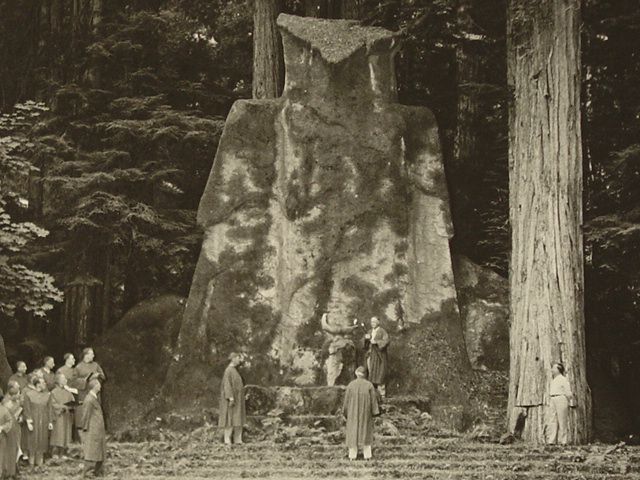
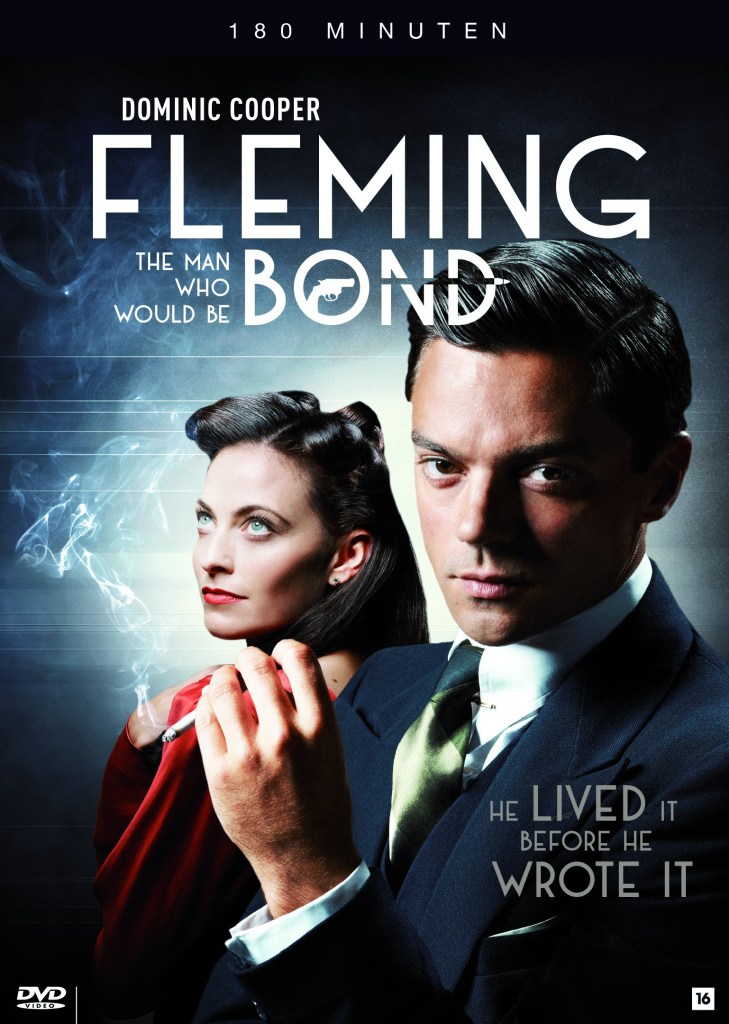

It is suspected Ian Fleming read some of Jack London. This – frees me up! Not that I allowed anyone to – lock me up! It’s just going to be a hell of a lot easier! Now I can have Victoria Rosamond Bond, and Miriam Starfish – snoop around the Bohemian Club – without fearing losing more family members due to a – stab in the back! All their blades – have struck home! I get to play – THE TOTAL GOD!
Out West In Belmont
Posted on July 5, 2024 by Royal Rosamond Press

Texas Triangle, oil on linen canvas, 26 x 20″
My grandfather was published in Out West Magazine. In creating a New Look for Belmont, onemust admit there is No Look, there – now!
When I saw the artwork of John Moffit, who helped Garth Benton do the Getty Villa murals, I thought about my proposal to the City of Belmont that would give them a Cultural Identity, they lost! Garth did a mural for Ann Getty. There are monied people in Belmont who would like to connect with the Getty family and their art.
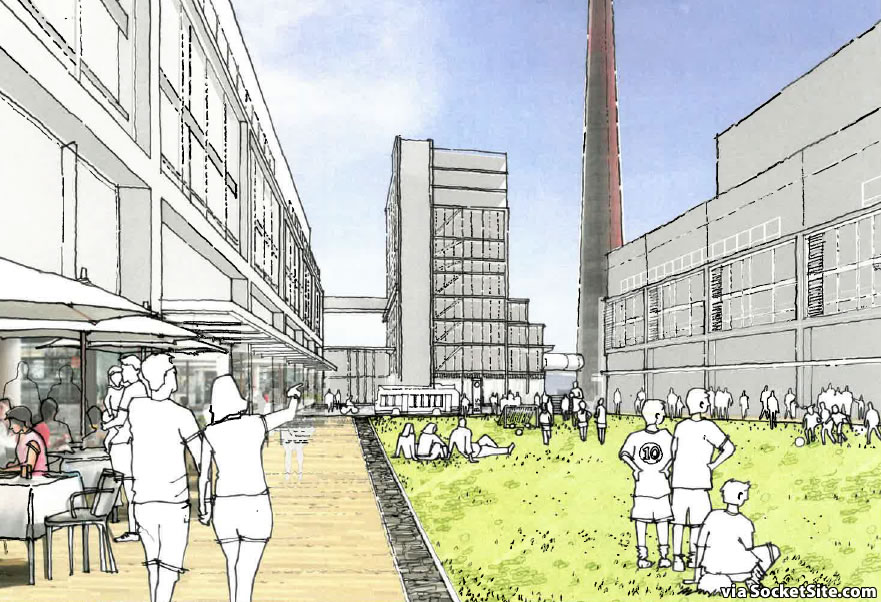
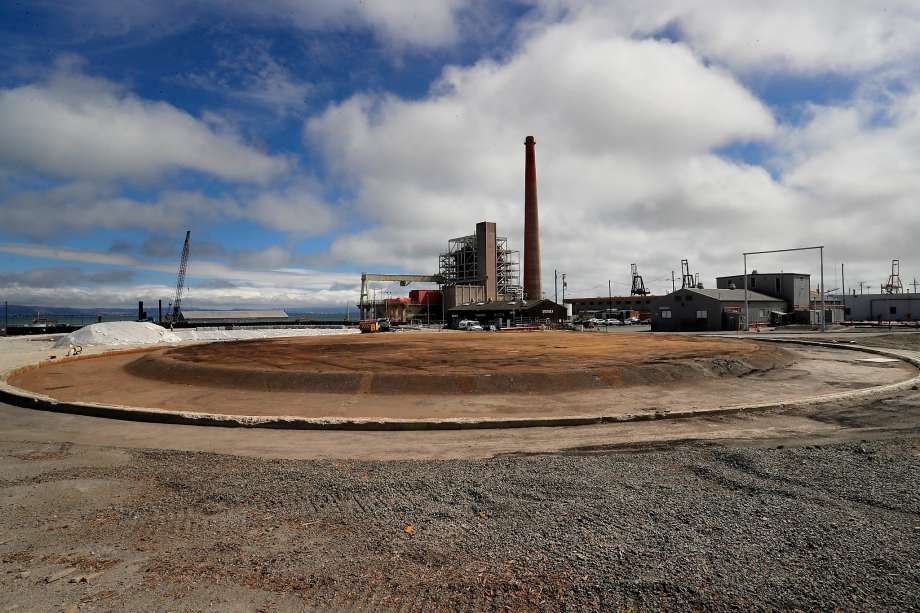
Stanford is coming to town. They are the Farthest West University in America. Their new campus is going to need a traditional Off Campus Hot Spot. Why not have a free shuttle that take students to a New Pier On The Bay? There can be a Janke Stagecoach, and ferry to San Jose and Oakland. Students can ride for free on The Study Boat with the best internet money can buy.
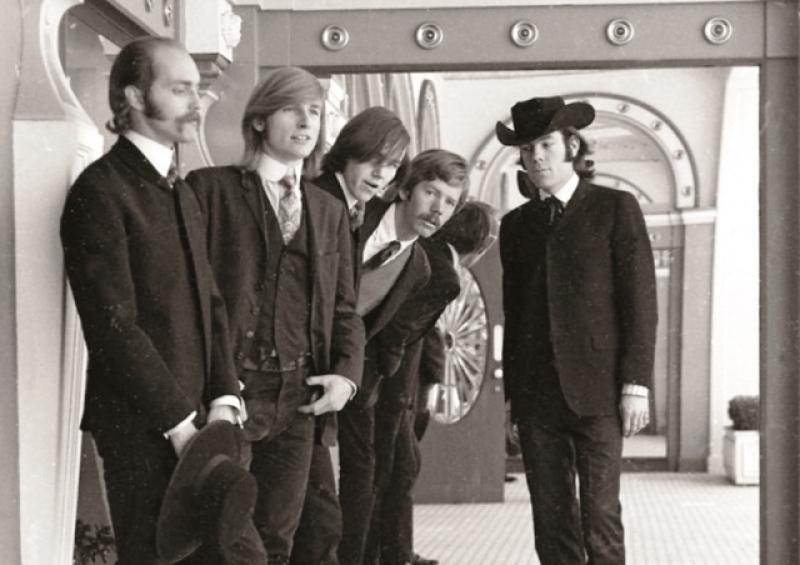
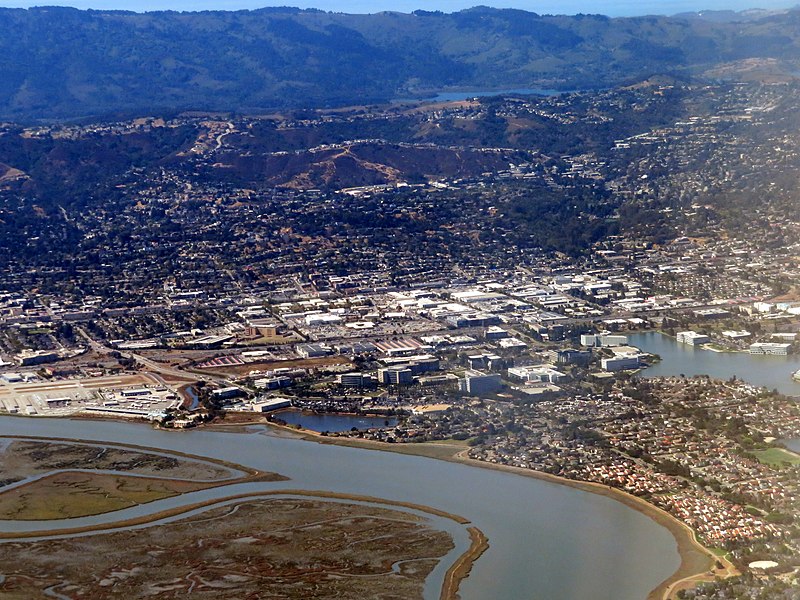
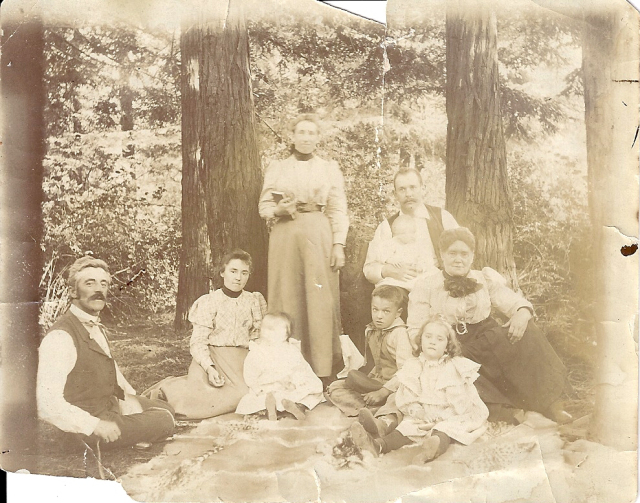
Here is a photo of Victor Stuttmeister who is interred in my family crypt in Colma (on the left) The ling face and high forehead runs n the family. Victors took this photo with his friends. They have the Charlatan Look. Maybe a Out West Town can be built on the vacated Genentech land.
John Presco
The Charlatans of Belmont
Posted on May 9, 2021 by Royal Rosamond Press

- Anniversary of Getty Villa
Posted on June 16, 2024 by Royal Rosamond Press
Today is Father’s Day. I’m sure my niece, Drew Benton, misses her father, Garth Benton, who did the murals for the Getty Villa that is celebrating 50th. birthday. Two days ago I discovered John Moffitt helped my brother-in-law with the Getty murals, and many murals they did for Movie Stars.
John Presco
50 Years of the Getty Villa Museum
As it evolved from a private estate to a vibrant hub for antiquity, the Getty Villa Museum became a beloved Los Angeles institution
Topics
Inside Getty
By Erin MigdolJan 30, 2024
50 Years of the Getty Villa Museum
Body Content
To the Los Angeles Times art critic, it was “an incredibly eccentric extravaganza.”
To visitors interviewed by a New York Times reporter, it was “gorgeous, just marvelous” and “an intellectual Disneyland.” But to founder J. Paul Getty, the Getty Villa was simply “what I felt a good museum should be, and it will have the character of a building that I would like to visit myself.”
Since opening to the public in 1974, the Villa has inspired passion—from visitors, who drive up Pacific Coast Highway to spend a day among its immersive architecture and artwork, and from staff, who enjoy its intimate, family-like atmosphere and commitment to bringing the ancient world alive. Where else in Los Angeles can you peruse treasures of the ancient world and gaze out at the shimmering ocean?
As the Villa celebrates its 50th anniversary, we journeyed back to its early days as a collector’s seaside retreat and traced some of the most memorable moments in its colorful history. Let’s raise a chalice to the next 50 years!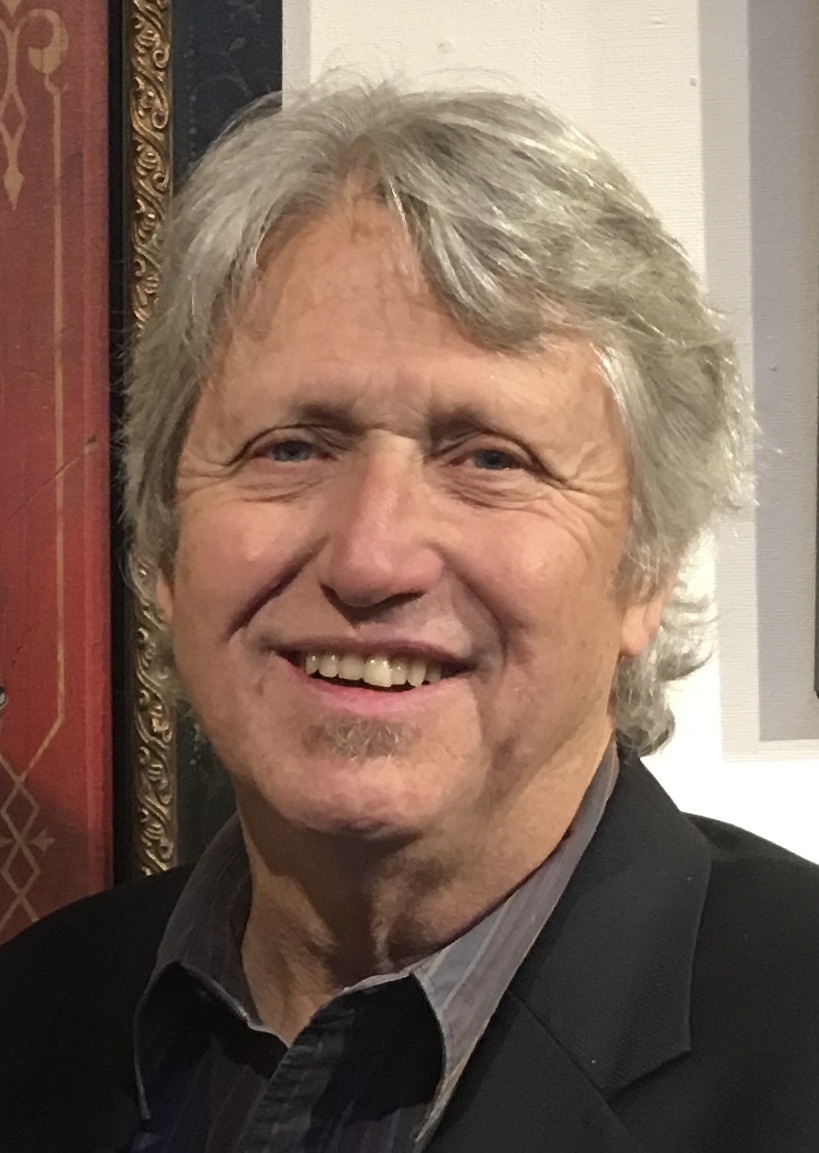
Here
23 April 2013
In Memoriam: Garth Benton
Mural by Garth Benton in the Outer Peristyle at the Getty Villa, Malibu CA. via Flickr
Garth Benton in 1994
This week I was saddened to learn of the passing of a great muralist, Mr. Garth Benton, an internationally recognized artist who was well known for his stylish first-century style trompe l’oeil decoration of the magnificent Getty Villa in Malibu, California.
Mr. Benton “died a after with battle cancer” in May of 2012. I am surprised I did not see it reported anywhere and I only figured it out after I noticed that his website had gone down and began making inquiries. Being a pre-internet personality Mr. Benton was not widely mentioned on the web, but his work was nevertheless world-class, and very well-known in its day.
trompe l’oeil bas-relief painted by Garth Benton
I had the pleasure of working on a project with Garth Benton many years ago when he came to San Francisco to paint some spectacular Chinoiserie murals in a private residence here. He had arrived in town with inexplicably blank wallpaper apparently intending to paint the murals on site, but with no help and nowhere near enough time. I got a desperate call from the wallpaper hanger (who knew I also paint in this style) and rather than ask what the heck had gone wrong, out of respect for this great master painter I put my nearly entire studio at Mr. Benton’s disposal – scaffolding, buckets, tarps, ladders, brushes, and as many assistants as I could round up – and we all learned a lot from him while helping him complete his commission, some of the crew often working until 3 AM or even all night, trying to meet the deadline. While we painted, we were regaled with entertaining stories about his many celebrity clients and amazing jobs he’d done over the years. It was exhausting and exciting and the job was truly beautiful.
Ballroom mural by Garth Benton in the Getty Residence, San Francisco
A couple of years later Mr. Benton made headlines for suing his clients, Ann and Gordon Getty, for having painted over one of his older murals in their San Francisco home, which he had hoped to photograph for a glossy catalogue raisonné of his work. The mural had been painted on canvas and could easily have been removed, but the Gettys had not realized this when they redecorated, and had to settle a large amount of money on him for the error. While I felt deeply over the heartbreaking loss of the artwork, the case made me cringe: suing an otherwise supportive client likely didn’t help his future business. The mural is still gone and the book was never published.
A Chinoiserie mural painted by Garth Benton for Michael Taylor Design in the 1980s
We exchanged a few emails over the years, but regrettably never did get to meet again.
So I offer this short tribute to Mr. Garth Benton, to be remembered for his fine work, and his influence on a generation of muralists.
Artist Focus: John C. Moffitt
John C. Moffitt is a self-taught artist from Southern California who has been creating artwork professionally for more than four decades as a muralist, illustrator and scenic artist.
Up Against The Wall Mr. Howard, oil on linen canvas, 13 x 25″
Prior to working with noted muralist Garth Benton to execute the murals for the Getty Villa Museum in Malibu, and the pair’s decade-long collaboration creating murals for the homes of many celebrities and notable figures, Moffitt’s early trompe l’oeil and surrealistic oil paintings were winning awards and being added to personal collections.
His fine art aspirations frequently shelved, his interest in large-scale painting eventually led him to the entertainment industry where he worked to create backdrops, murals, fine artwork and portraiture for hundreds of motion picture and television productions. In 2018 he received a Lifetime Achievement Award from the Art Directors Guild for his work.
Top of the Heap, oil on canvas, 54 x 70″
Moffitt retired in 2014 to once again devote himself to creating tromp l’oeil and magical realism images. Whether tackling the assassination of a notorious Western icon by depicting actual historical objects woven into an account of the event, or portraying symbolic imagery in reimagined arrangements, his attention to every detail has always captivated viewers.
Texas Triangle, oil on linen canvas, 26 x 20″
The artist notes, “I believe history will favor those artists whose work embodies not only painting technique and subject matter, but also demonstrates the essence of art since man began painting representations on cave walls—artwork that tells stories that inspire wonder with symbolic and metaphorical meaning pertinent to the human condition.” —
Drew Benton and Garthland
I am looking to form a band called ‘Belmont Charlatans’. I am looking for investors in The Rouge Dog Sarsaparilla Saloon.
I awoke from a dream early this morning. I was with Peter Shapiro, Keith Purvis, and, Christine Wandel. Peter was on this balcony hiding something. We confronted him. He accused us of hiding bottles under our shirts. Then, we caught Chris, slinking away. What does she got?
I lie there trying to go back to sleep, but could not. I began to study our history we made. Twelve years ago, Peter told me he used to play with the Charlatans, and considered Mike Wilhelm the guy who got it all started. He was very impressed with his guitar playing – as was Jerry Garcia. Rock Historians are saying the Charlatans set the scene for the Haight Ashbury and the Summer of Love.
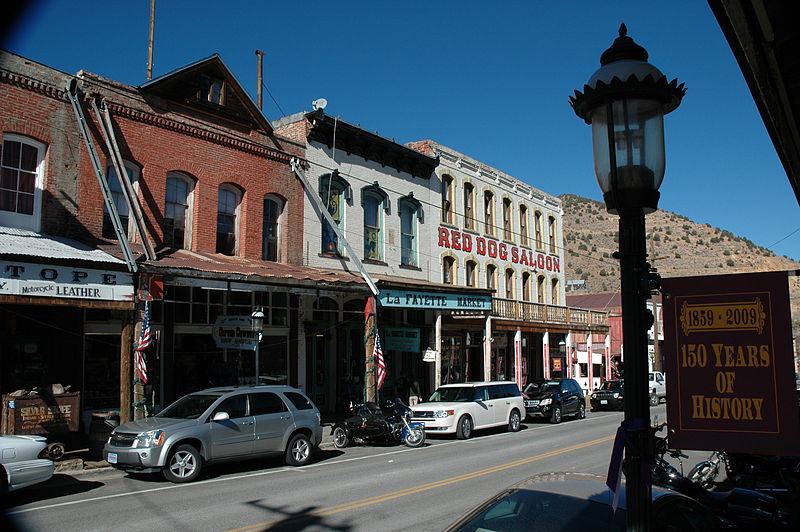
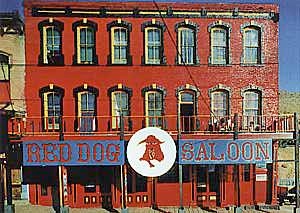
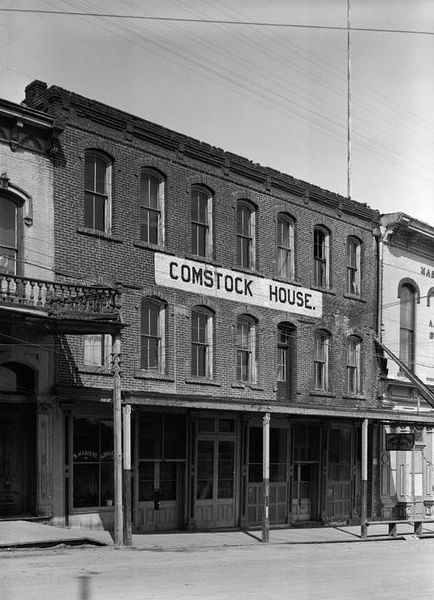
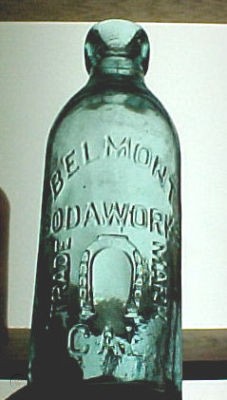
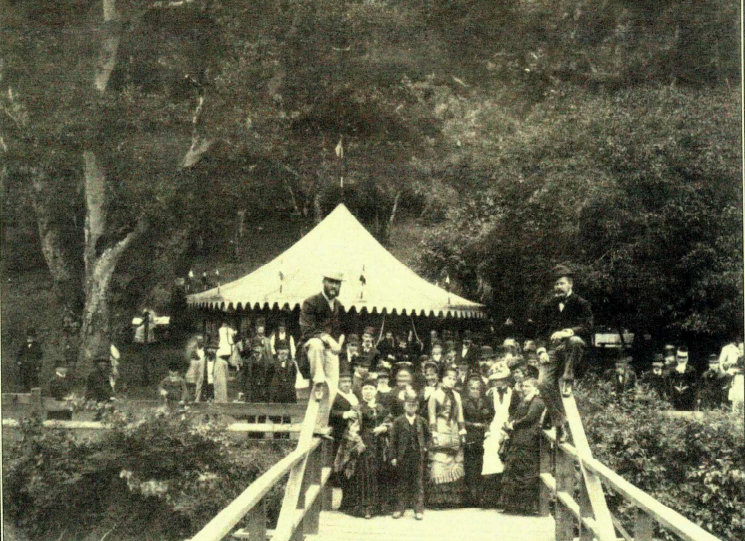
All of a sudden, I am looking at the photograph of my kindred in Belmont, running a soda company – and a Summer Fun Theme Park. Look at what they are wearing. My kindred were the real thing, the Real McCoys, who are connected to William Ralston and William Sharon who made millions on the Comstock Load. Sharon built Virginia City. The Red Dog Saloon was built in the home that once belonged to Henry Comstock. You cant ask for better historic ambience – minus the drugs! My generation has grown up. We need a place to go that reminds us of our youth. The scene of the Sober Cowboy ordering a sarsaparilla is a classic and traditional scene that the City of Belmont can Brand.
hub.pdf (belmonthistoricalsociety.com)
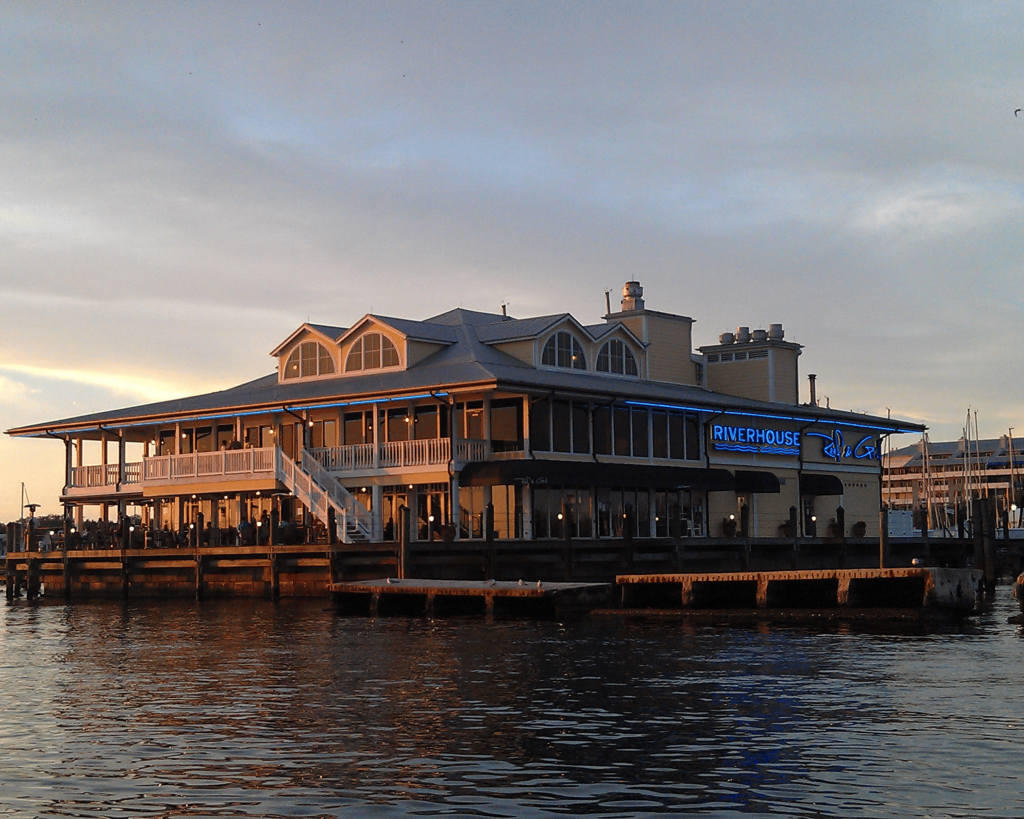
What I see, is the building of Sarsaparilla Pier that would look like the building above – that is on the waterfront! Downtown Belmont is Deadsville, and not the good kind of dead. Rock Scully managed the Grateful Dead – and the Charlatans! I see a house band called ‘The Belmont Charlatans’ a take on the name for sellers of medicine oil and other healing drinks – which might have behind the name of this group that experimented with a wonder drug – when it was legal. The Charlatans played jug-band music and modern western. Selling alcohol is down on my list of things to do.
I see Sarsaparilla Pier as a destination for locals, and their guests who come to town. Heading to San Francisco is a chore these days, and, all the old sourdough flavor is gone. I see Belmont Sourdough Bread, Belmont Ice-cream and Yogurt shop, root beer floats, Belmont Sodas, Sushi bar, Belmont Kefir, and – Rougedog Coffee and Teas. Sure, why not Rougedog Hot Dogs!
Lord Hesketh at Belmont | Rosamond Press
This is where you bring your kids at the end of a hot summer day. Teenagers will come on The Date Shuttle that leaves from downtown. There will be a statue of Jack London. How about a statue of The Charlatans who I suspect got their name from the dealing of William Sharon and his gun toting mistress, Sarah Hill, who produced fake papers claiming she was his wife. If true, this would be Belmont’s band.
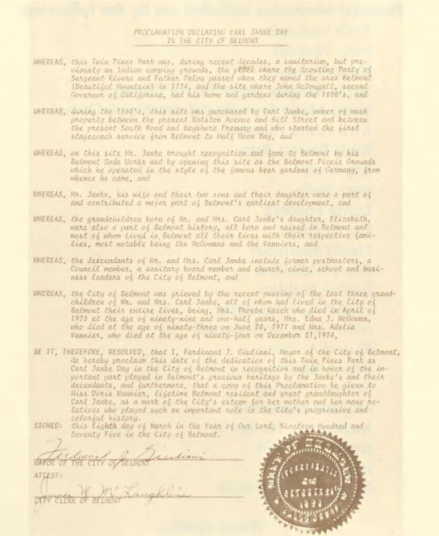
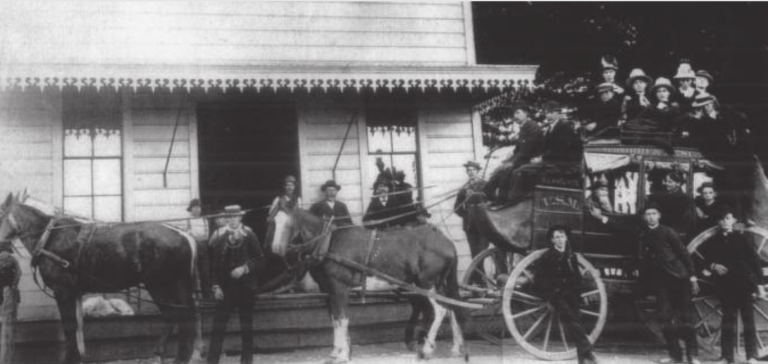
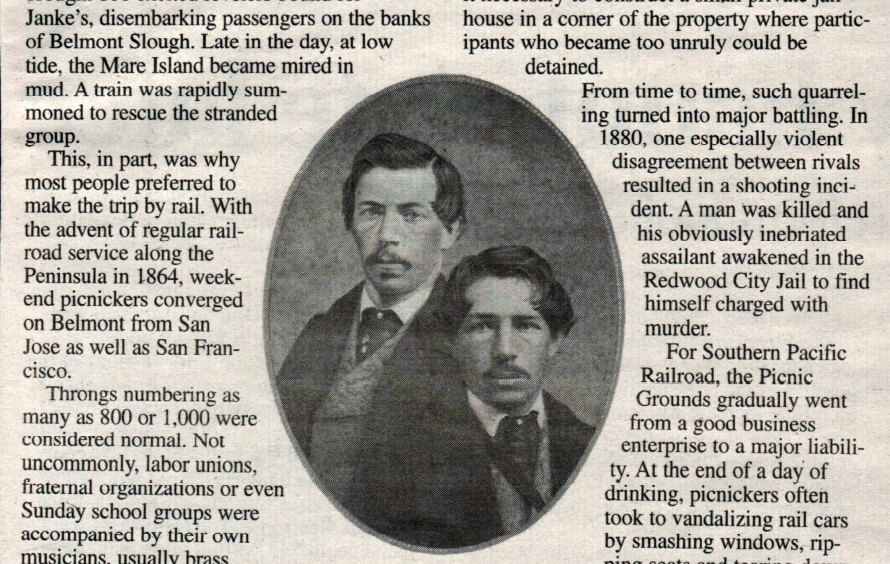
Above is a photograph of the Charlatans in front of the Hippodrome that was a showcase for the Barbary Coast where my grandfather, Victor Hugo Presco, was a professional gambler. I would like to see a schooner that sails to Crockett and back. How about a stage coach ride for newlyweds? My kin, Carl Janke, ran the stagecoach line, The Belmont Accommodations Company. William Janke opporated the Belmont Soda Company, and lived at 320 Haight Street for a time. He helped with the Turnverein Hall his Pioneer father built that is a model for Sarsaparilla Pier, as is the Janke theme park that may be the first such park in California – that may have inspired Disneyland.
My uncle owned Sam’s Anchor Café in Tiberon where scenes from the cult movie ‘The Second Coming of Suzanne’ were filmed. The director was in my art class. The Bigalows were good friends with the Keenes. I see a Keene Art Festival held on Sarsaparilla Pier. How many real artists have been tempted to create a historic work of fakery? Sailboats from Tiberon can dock in Belmont, and sailors do some shopping in the new boutiques.
Hey! How about a costume contest with skit?…..Will the real Keenes – please stand up!
I would like to see a Charlatan Court where folks can present their new ideas.
I just discovered there was a Carl Janke Day – and a street that was named after him! I am going to petition the Belmont City Government to get these markers – restored! What are people thinking? Most cities place historic markers – with pride! I have encountered Social Cleansing by certain citizens who labeled their Founding Pioneer Family – a public nuisance! This resembles a young gun slinger going after a famous sheriff. Consider Gunsmoke, and, Miss Kitty. What exactly was her job description? A thousand Westerns have been made where some folks behave badly, and some don’t. To wipe out the history of a Pioneer – put some bad historians – in power! I wonder if there is any un-claimed Janke land? I feel my High Noon Moment, coming! I will be linking this history with Black Mask author, Norbert Davis, and Ludwig Wittgenstein.
Bad Day At Belmont | Rosamond Press
One rude Belmont historian raves about the Warlocks playing out on the highway near Belmont. This is a big feather in her cap. On this day, with the pulp fiction song ‘The Shadow Knows’ I come home to Belmont to claim my rightful heritage! There is no threat of violence coming from me. Playing the Big Victim is the game of real charlatans.
How about building the afterdeck of the Lancaster Witch and conducting weddings? There can be the Ralston and Janke rooms at the Palace Hotel.
John Presco
President: Belmont Soda Works
Copyright 2021
Fermor, Bond, and Fleming | Rosamond Press
(32) The Charlatans: The Red Dog Saloon, Virginia City, Nevada: The Shadow Knows – YouTube
George Hunter of the Charlatans never shot Jerry Garcia of the Grateful Dead, not even once. But in the spring of 1966, on the grounds of Rancho Olompali just north of San Francisco, Garcia had reason to believe Hunter was gunning for him, causing the great guitarist to royally freak out. The misunderstanding unfolded when Hunter decided to drop some LSD and bring a loaded .30-30 Winchester rifle to a party at the Dead’s new Marin County hangout. Hunter never intended to strike fear into the heart of his genial host, but when he did, he was so high that he began to panic—perhaps he had accidentally shot someone, if not Garcia, after all. It took a long bummer of a night, and three of Hunter’s closest friends, to shake that demon thought from his troubled mind.
“I said, ‘How would you like to be looking down the barrel of this thing?’”
You’ve probably never heard of the “Incident at Olompali,” as no one has called it since, and your awareness of the Charlatans is likely limited to seeing the band’s name on scores of vintage rock posters, alongside more familiar monikers such as Jefferson Airplane, Quicksilver Messenger Service, Big Brother and the Holding Company, and Grateful Dead.
That’s too bad, because in their heyday, from 1965 to 1968, the Charlatans were a lot of people’s favorite band, thanks to a danceable mix of distinctively American musical genres—from the blues and rock to Western swing and jazz. Around the time of the Charlatans’ first paying gig, in June of 1965, the Grateful Dead were still playing pizza parlors as the Warlocks, Jefferson Airplane had yet to take off, Big Brother was a year away from handing Janis Joplin a microphone, and Quicksilver was not even a gleam in anyone’s eye. By 1966, the Charlatans had a record deal with the same label that had released the 1965 smash hit Do You Believe In Magic? by the Lovin’ Spoonful.

Copyright 2021

A charlatan (also called a swindler or mountebank) is a person practicing quackery or a similar confidence trick in order to obtain money, fame, or other advantages through pretense or deception. Synonyms for charlatan include shyster, quack, or faker. Quack is a reference to quackery or the practice of dubious medicine, including the sale of snake oil, or a person who does not have actual medical training who purports to provide medical services.
Hieronymous Bosch paints a scene of a Renaissance mountebank fleecing credulous gamblers.
Sarsaparilla (soft drink) – Wikipedia
Sarsaparilla was popular in the United States in the 19th century. According to advertisements for patent medicines of the period, it was considered to be a remedy for skin and blood problems.[8] Ruth Tobias notes that it evokes images of “languid belles and parched cowboys“.[9]
Sarsaparilla is sometimes considered to be a type of root beer. There are dozens of brands of sarsaparilla made by microbreweries, mainly in the United States.[10]
In the North of England sarsaparilla is produced by Fitzpatrick’s, Britain’s last temperance bar, reflecting its former importance to the temperance movement there. Maine Soft Drinks, based in Northern Ireland, also produce the drink.
Cowboys drank sarsaparilla soda in the Old West! When you first hear “sarsaparilla,” you might think of soda too. This herb comes from the roots of a a woody vine called Smilax, which belongs to the Lily family. It’s still is used as a popular flavoring of cola and root beer in some countries. If you want to pronounce it out loud, just say “Sass-Parilla” to keep it easy.
Another cola flavoring – aside from sarsaparilla – was the coca leaf, which gives us cocaine. In 1885, Coca-Cola was initially put into marketplaces with trace amounts of cocaine, about 1/400 of a grain of cocaine per ounce of flavoring syrup. Coke wasn’t totally free of cocaine until 1929. That’s how they got the name … it was named it for its two medicinal ingredients, which were coca leaves and kola nuts.
In an old-time western, the good cowboy never ordered anything at a saloon but “sarsaparilla.”The bad guys would snicker, because it was like bellying up to the bar and demanding a root beer. In fact, sarsaparilla is one of the traditional flavorings of root beer, along with other roots such as pipsissewa, a euphoniously named variety of wintergreen. (True sarsaparilla is a tropical South American vine. The Old West barkeep probably served a drink made from wild sarsaparilla, a North American member of the ginseng family.)
Loading Zone (chickenonaunicycle.com)
“Trips Festival” (from _Bear: The Life and Times of Augustus Owsley Stanley III_) (relix.com)
Then 24 years old, Scully had grown up in Carmel, Calif. His stepfather, Milton Mayer, was a well-known Quaker activist who had once hosted his own network radio show. After graduating from Earlham College in Indiana, Scully had attended San Francisco State, where he became involved in a series of massive civil rights demonstrations. During the summer of 1965, Scully had begun managing the Charlatans, a psychedelic band, who were doing an extended residency at the Red Dog Saloon in Virginia City, Nev.
Scully finally saw the Grateful Dead perform for the first time at the Fillmore Acid Test on January 8, 1966. Although he told Owsley that the Dead were “extraordinarily ugly and would probably never make it commercially,” Scully also confessed that he had “never heard a more amazing band musically.”
The Charlatans and the birth of acid rock (livemint.com)
Red Dog Saloon (reddogpioneertown.com)
Red Dog Saloon (Virginia City, Nevada) – Wikipedia
Red Dog Saloon Declared a Nuisance (oklahoman.com)
Virginia City, Nevada – Wikipedia
A San Francisco stock market existed for the exploitation of Comstock mining. The Bank of California financed building the financial district of San Francisco with money from the Comstock mines. The influence of the Comstock lode rejuvenated what was the ragged little town of 1860 San Francisco. “Nearly all the profits of the Comstock were invested in San Francisco real estate and in the erection of fine buildings.”[14] Thus, Virginia City built San Francisco. The Comstock’s success, measured in values of the time period, totaled “about $400 million.”[15][16] Mining and its attraction of population was the economic factor that caused the separation of Nevada territory from Utah, and later justified and supported Nevada statehood.
Through time, the numerous independent Comstock mines became consolidated under ownership of large monopolies. A group called the Bank Crowd, dominated by William Sharon in Virginia City and William Ralston in San Francisco, financed the mines and mills of the Comstock until they had a virtual monopoly.
Virginia City could be considered the birthplace of the pen name of Mark Twain, as it was here in February 1863[25] that writer Samuel Clemens, then a reporter on the local Territorial Enterprise newspaper, first used the nom de plume.[26] Clemens lived in Virginia City and wrote for the Enterprise from late fall 1862 until May 1864, when he escaped from a potential duel instigated by a local newspaper editor upset at Clemens’ reporting. Clemens returned to the Comstock region twice on western lecture tours, once in 1866 where he was mugged on the Divide.[27] The muggers relieved Clemens of his watch and his money. The robbery turns out to have been a practical joke played on Clemens by his friends. He did not appreciate the joke, but he did retrieve his belongings—particularly his gold watch (worth $300), which had great sentimental value.[28] Clemens mentions the incident in his book Roughing It (1872), apparently still sore about it. Clemens’ second lecture tour in 1868 occurred at the time of the hanging of John Millian, who was convicted of murdering the well-liked madam Julia Bulette.
His daughter Clara married Francis G. Newlands, who became a Congressman and Senator from Nevada. He was also the father of Florence Emily Sharon, who married Sir Thomas George Fermor-Hesketh, 7th Baronet. His son Frederick married Louise (née Tevis) Breckinridge, the daughter of banker Lloyd Tevis and divorced wife of John Witherspoon Breckinridge (a son of former Vice President John C. Breckinridge).[2]
Love and The Marbles
Posted on November 14, 2018 by Royal Rosamond Press

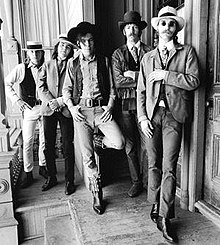

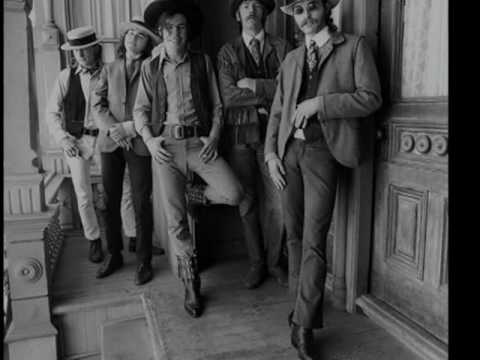
Peter played with the Charlatans. He told me stories about Mike Wilhelm who he admired. I was aware I was an archetype and my family history was a model for a cultural movement that made San Francisco famous. I spend a great deal of time protecting my history and roots that spawned a great world-wide cultural movement that immigrants played such a key role in sustaining. The idea of going to a new world, and building a new world in light of a new understanding is what made America Great, again, and again!
John Presco
https://en.wikipedia.org/wiki/The_Charlatans_(American_band)
Formed in mid-1964 by amateur avant-garde musician George Hunter and music major Richard Olsen, the earliest lineup of the Charlatans featured Hunter on autoharp and vocals, and Olsen on bass and vocals, along with Mike Wilhelm (lead guitar, vocals), Mike Ferguson (piano/keyboards, vocals), and Sam Linde (drums). Linde’s drumming was felt to be substandard by the rest of the band and he was soon replaced by Dan Hicks, who also contributed vocals to the group.[7]
The Charlatans were known for clothing themselves in late 19th-century attire, as if they were Victorian dandies or Wild West gunslingers. This unconventional choice of clothing was influential on the emerging hippie counter-culture, with many young San Franciscans dressing in similarly late Victorian and early Edwardian era clothing.[4][7]
In June 1965, the Charlatans began a six-week residency at the Red Dog Saloon in Virginia City, Nevada, just across the border from Northern California. During this stint at the Red Dog, band members Ferguson and Hunter designed and produced a rock concert poster in advance of the residency to promote the band’s performances. This poster—known as “The Seed”—is widely regarded by critics as the first psychedelic concert poster.[9][nb 1] By the end of the decade, psychedelic concert-poster artwork by artists such as Wes Wilson, Rick Griffin, Stanley Mouse, Alton Kelley, and Victor Moscoso had become a mainstay of San Francisco’s music scene.
Another reason that the Charlatans’ stay at the Red Dog is regarded by critics and historians as significant is that, immediately before their first performance at the club, the band members took LSD. As a result, the Charlatans are sometimes called the first acid rock band, although their sound is not representative of the feedback-drenched, improvisational music that would later come to define the sub-genre.
The Charlatans returned to San Francisco at the end of summer 1965 and, in September, were given the chance to audition for Autumn Records, a label headed by local DJ, Tom “Big Daddy” Donahue. Autumn didn’t sign the band, partly due to conflicts between the group and Donahue over suitable material and partly due to lack of money; the label was on the verge of bankruptcy and was sold to Warner Bros. Records early the following year.
Bohemian Cowboys
Posted on July 12, 2014by Royal Rosamond Press
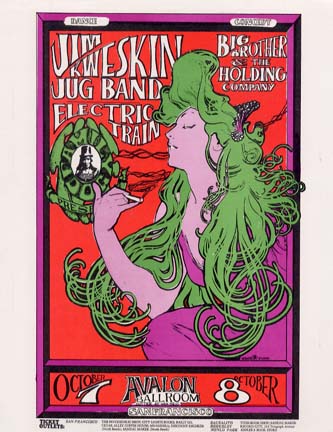
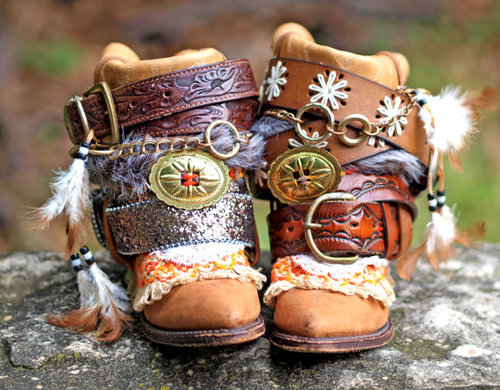
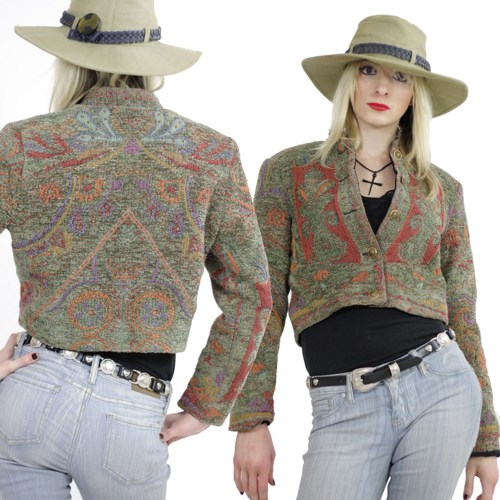
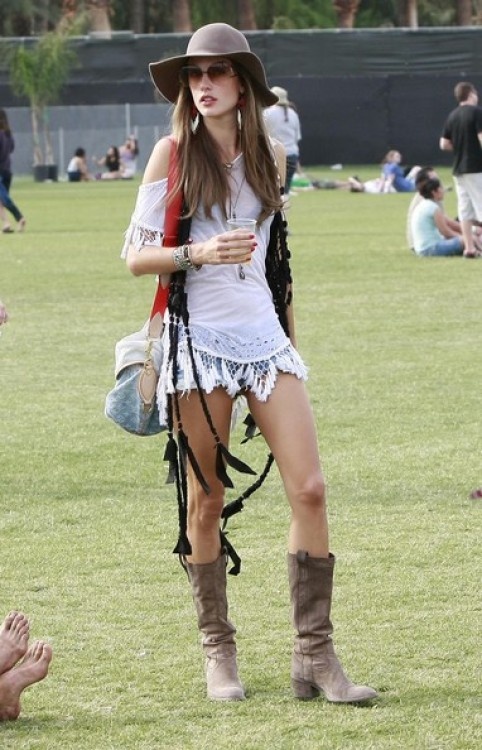

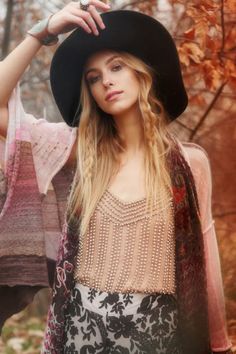
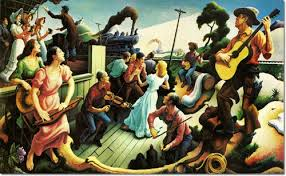
Peter Shapiro played a short while with the Charlatans before he formed The Marbles. The Charlatans had a Cowboy look that folks in the Height adopted. They were not Country-Western, but more like a Jug Band. My kindred, Mel Lyman, played in Jim Kweskin’s Jug Band. Jim married Jessie Benton who father painted a mural titled ‘The Sources of Country Music’. In CNN’s piece on The British Invasion, it is said these musicians across the pond reintroduced American Music to America. ‘Act Natually’ is CW. Christine Rosamond would have done well to render Country Art. Rena would have been a star as a cowgirl model.
Jon Presco

Rena Montana of Yellowstone
Posted on June 3, 2023 by Royal Rosamond Press

Rena Montana by John Presco Copyright 6/2/23


 Rosamond Press


Leave a comment