
Bonds With Angels
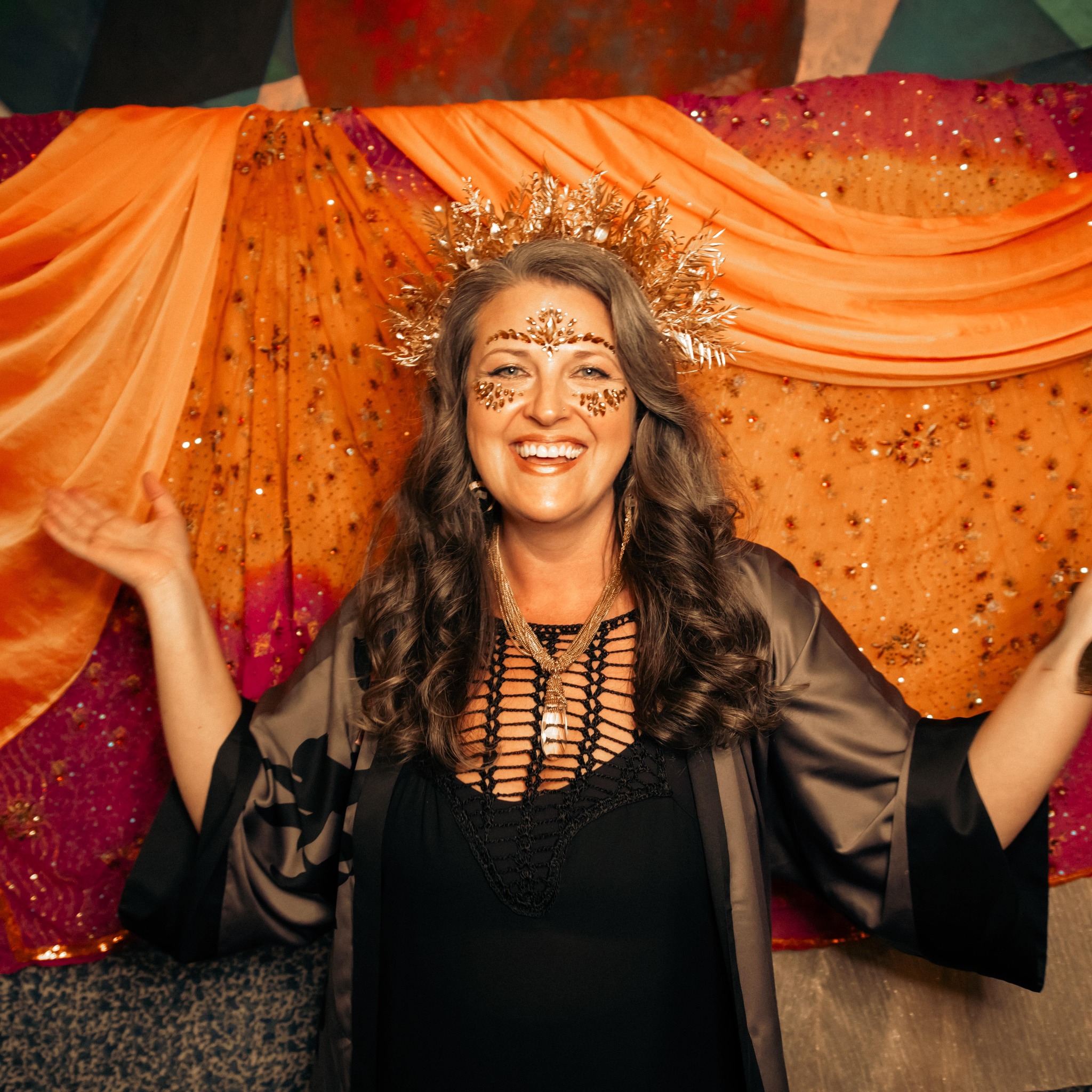
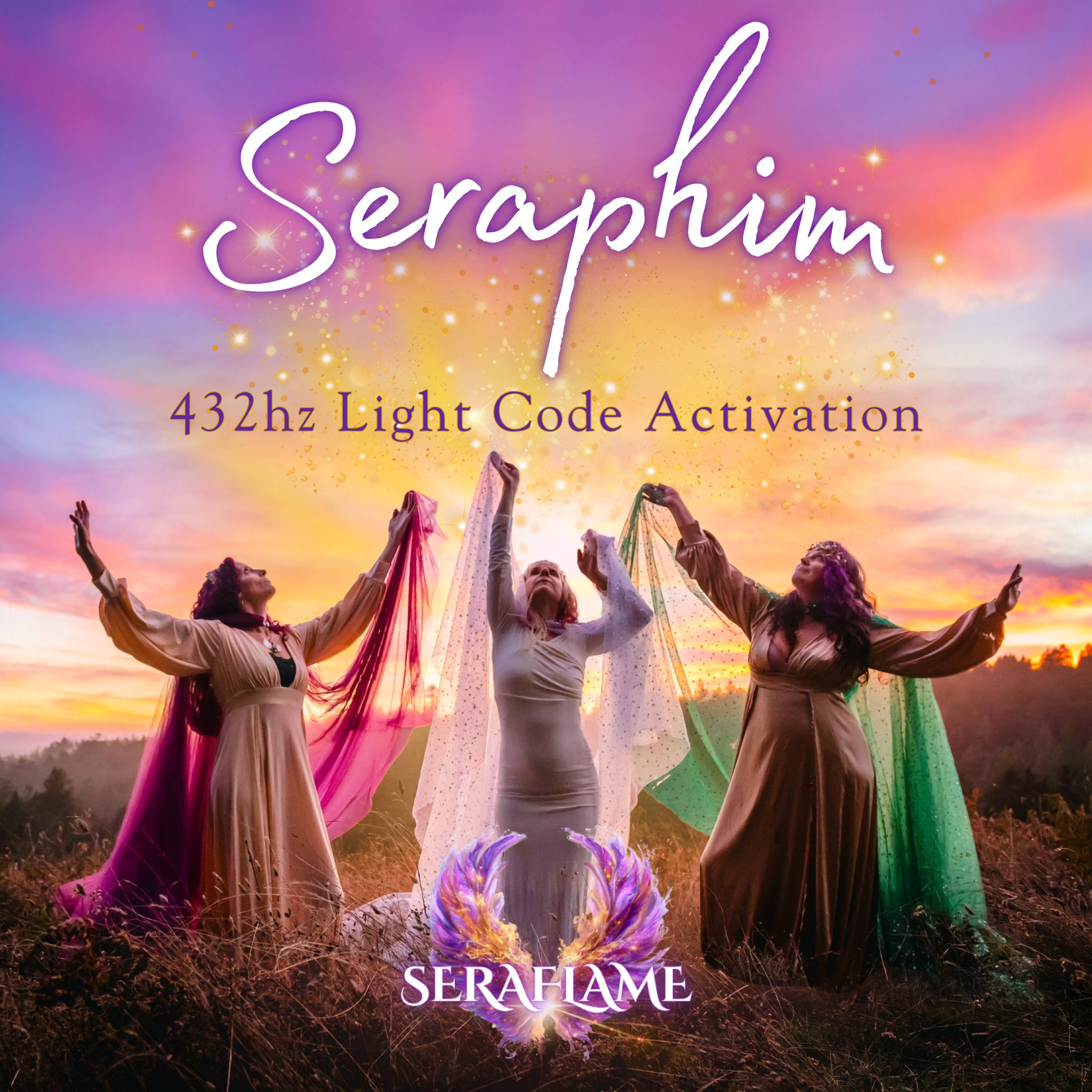
Here is my daughter……….Heather Star!
May I suggest she took the surname Star, to put an end to the longs tug-of-war over her.
Her group is good enough to play atop Mount Tamalpais.
Peace
John
EXTRA! Two days ago I looked at Playland for the first time on Wikipedia, and realized Carl Janke’s Twin Pine Amuzement Park, prepared the way. This morning I researched Chet Helms having a venue at Playland. THEN…..
THE ANGELS TOOK OFF – AND SOARED!
Heather Marie Star – is a shoe-in for a New Age Music and Event
PROMOTER
She was born to do this. She has all the right skills. For four years I have been communicating with Peter Shapiro about doing a play or musical. He had bought land and made a musical camp for a music festival, then COVID struck. I have sent him videos of my daughter.
The Loading Zone played at the Fantasy Faire and Magic Mountain Festival, America’s first Rock Concert, and at the first Acid Tests. It was uncool to take phototrophs, thus we have little visual history. Looks like a vintage car show.

The same venue was the site of the Fantasy Faire and Magic Mountain Festival (the first rock festival in America) in the summer of 1967 – the Summer of Love – a week before Monterey Pop. Over 30 bands including Jefferson Airplane, The Doors, and The Byrds played over two days to a buoyant and colorful crowd and unknowingly birthed a tradition that’s still thriving a half-century later. In that respect, Sound Summit is treading on hallowed musical ground and keeping the vibe alive for all the best reasons.
In the Summer of 1969, however, with San Francisco as one of the fulcrums of the rock music explosion, Chet Helms opened another venue. The Family Dog on The Great Highway, at 660 Great Highway, on the Western edge of San Francisco, was only open for 14 months and was not a success. Yet numerous interesting bands played there, and remarkable events took place, and they are only documented in a scattered form.
| One of the only photos of the interior of the Family Dog on The Great Highway (from a Stephen Gaskin “Monday Night Class” ca. October 1969) |
WELCOME TO SOUND SUMMIT
SATURDAY, SEPT. 13TH • DOORS 10:30 AM • MUSIC 11:30 AM – 7:00 PM
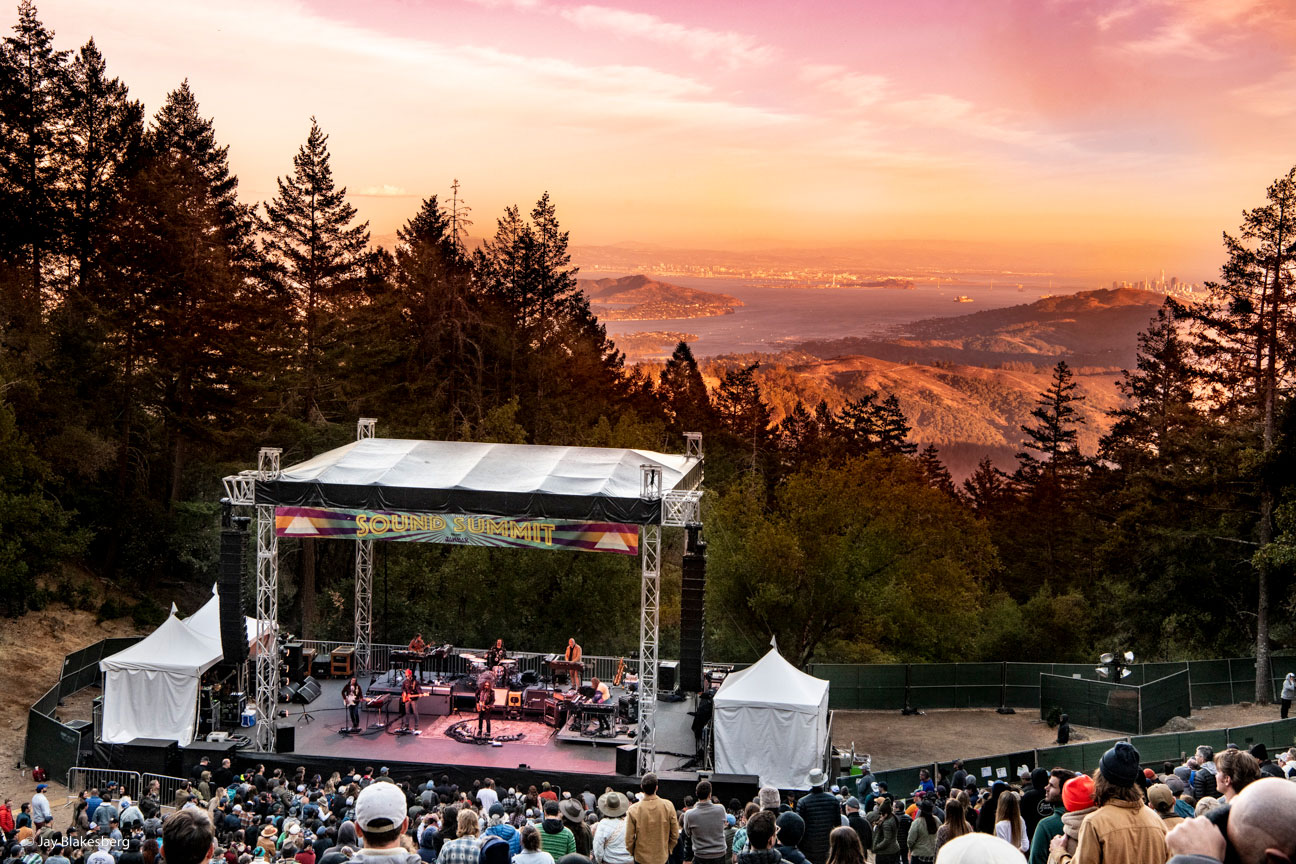
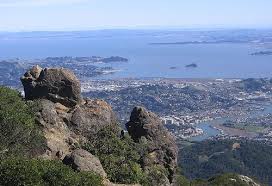
Held in an intimate venue set amidst an expansive landscape, Sound Summit is a musical gathering like no other in the Bay Area. The festival is staged at the historic Mountain Theater, a 4000-seat natural stone amphitheater with stunning views of San Francisco Bay and the Pacific beyond. Add a sun-filled day, a resonant cause, and a healthy dose of joy, spice generously with stellar music, and you have a recipe for a magical mountain brew.
Produced as an annual celebration of Mount Tamalpais State Park by Roots & Branches Conservancy, Sound Summit has raised over $250,000 for Mount Tam to date and funded a broad range of meaningful projects on the mountain, from trail and bridge restorations to fire prevention and water conservation, emergency equipment, visitor services, and more.
And just as rewarding, we’ve been able to do so fueled by great performances from the likes of Wilco, Bob Weir & Phil Lesh, Tedeschi Trucks Band, Lord Huron, Sierra Ferrell, Jim James, The War On Drugs, Herbie Hancock, Grace Potter, Lukas Nelson & Promise of the Real, Father John Misty, Dr. John & The Night Trippers, Los Lobos, Bill Frisell, Preservation Hall Jazz Band, Kevin Morby, Nikki Lane, Faye Webster, Fruit Bats, Allah-Las, Brokedown In Bakersfield, Vetiver, The Mother Hips, Vinyl, The Stone Foxes, Cha Wa, Wreckless Strangers, Con Brio, and many more, providing an incredible soundtrack to a stirring backdrop.
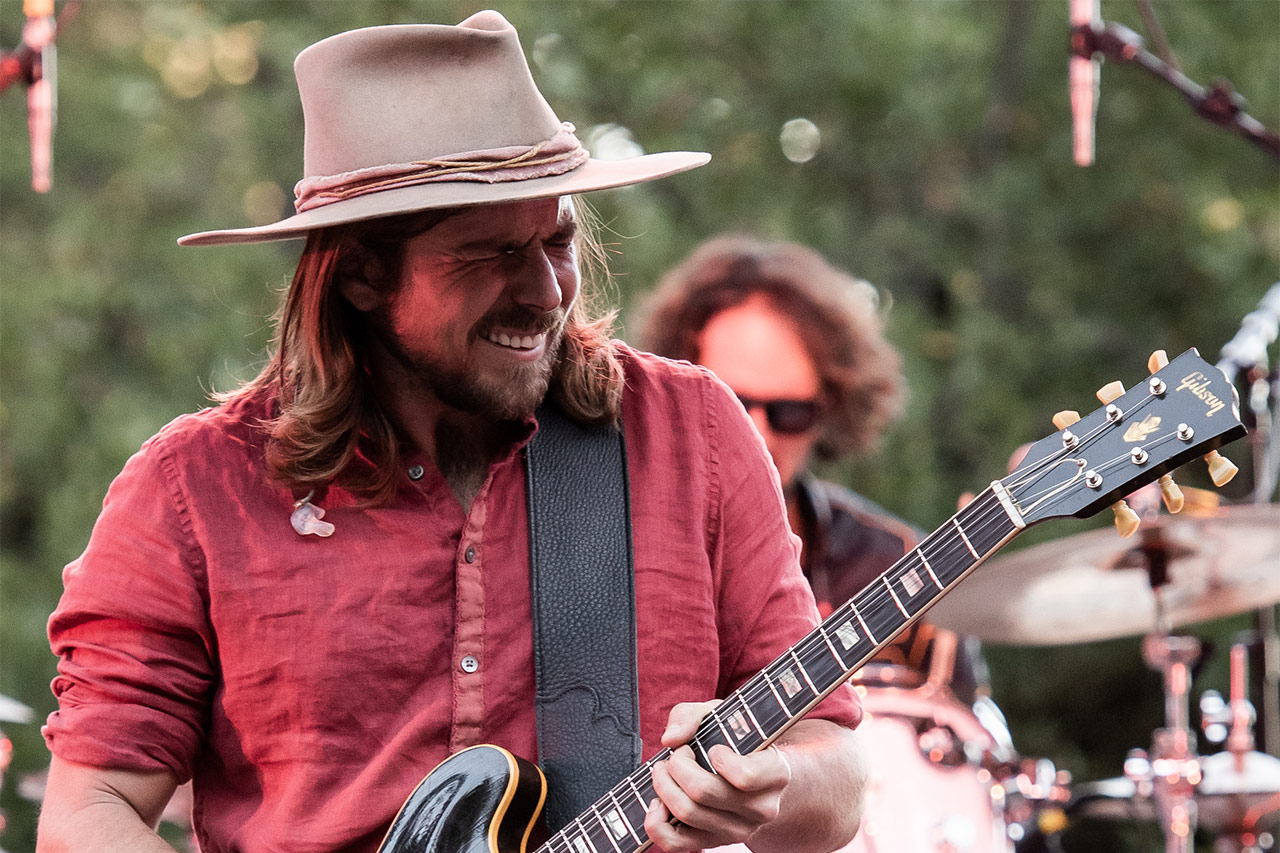
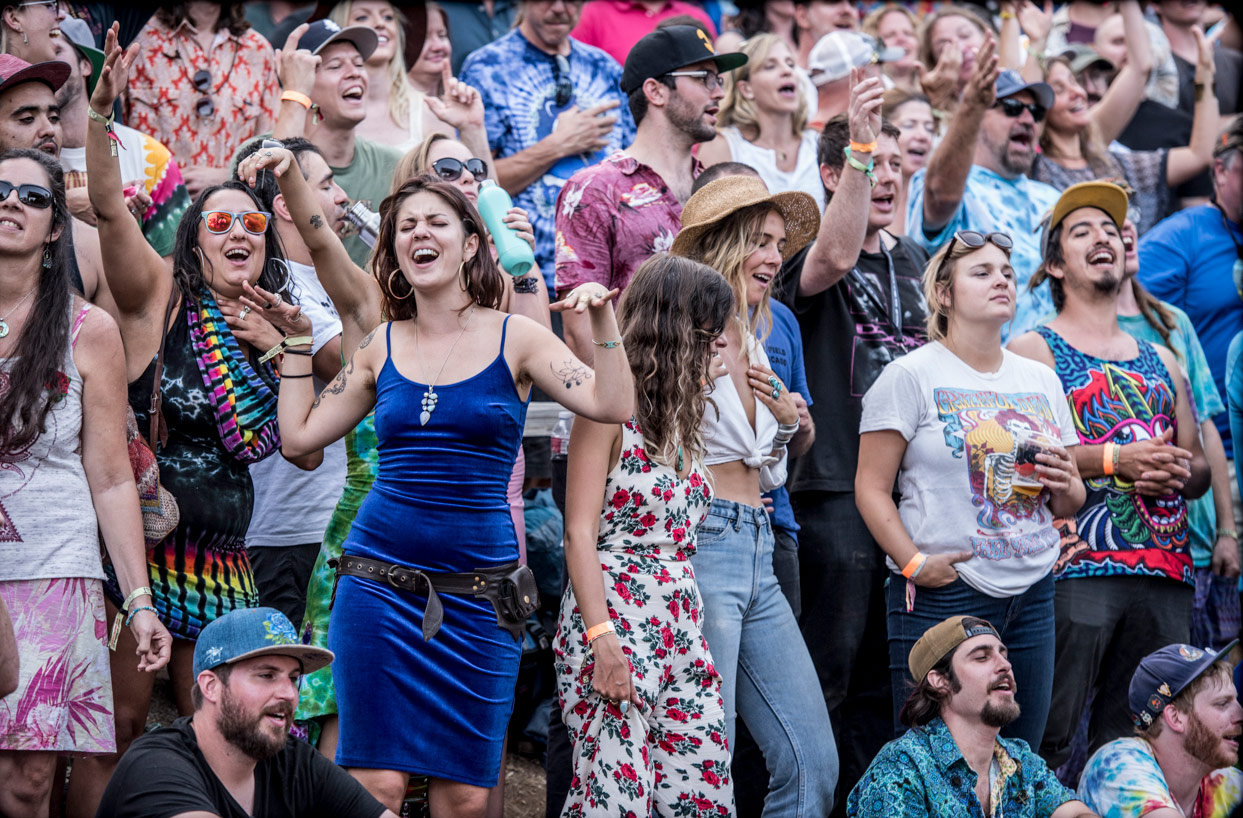
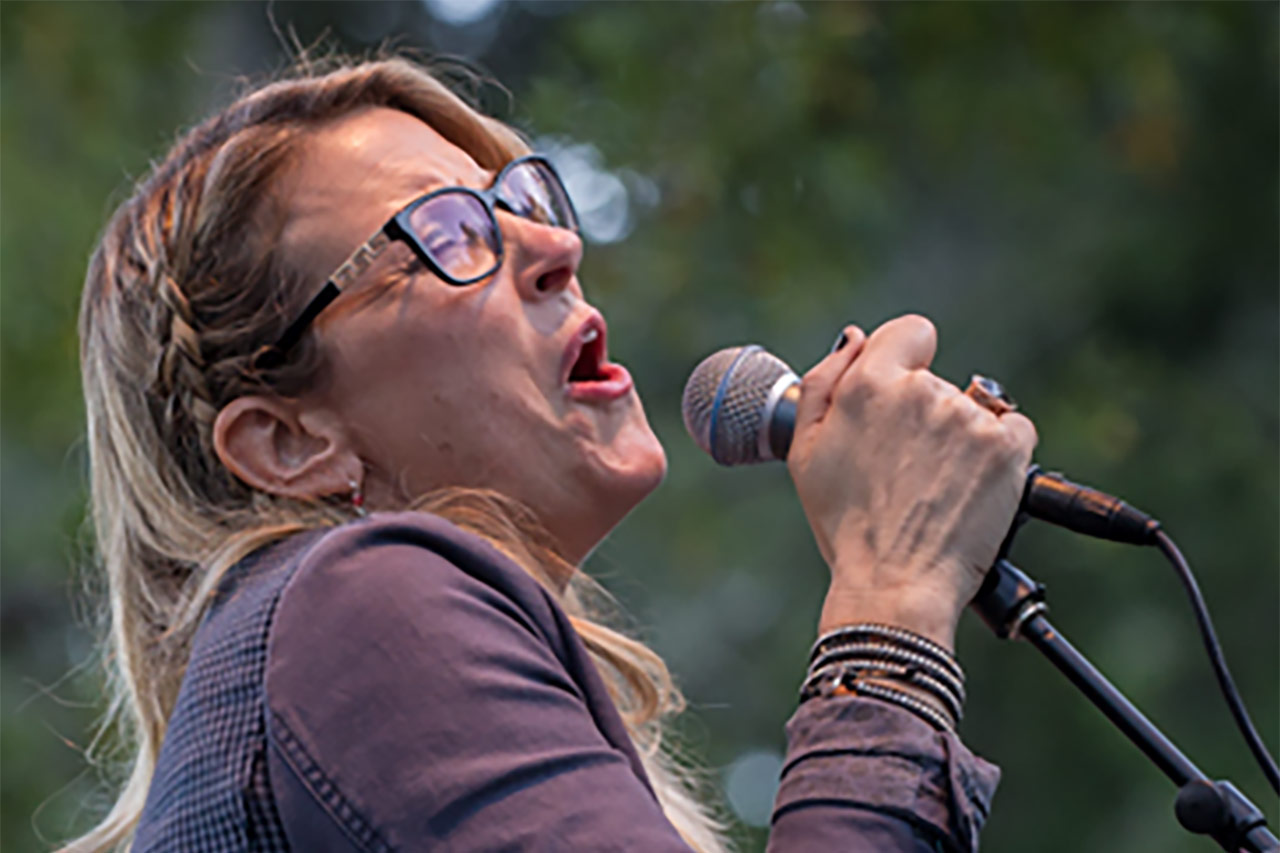
The same venue was the site of the Fantasy Faire and Magic Mountain Festival (the first rock festival in America) in the summer of 1967 – the Summer of Love – a week before Monterey Pop. Over 30 bands including Jefferson Airplane, The Doors, and The Byrds played over two days to a buoyant and colorful crowd and unknowingly birthed a tradition that’s still thriving a half-century later. In that respect, Sound Summit is treading on hallowed musical ground and keeping the vibe alive for all the best reasons.
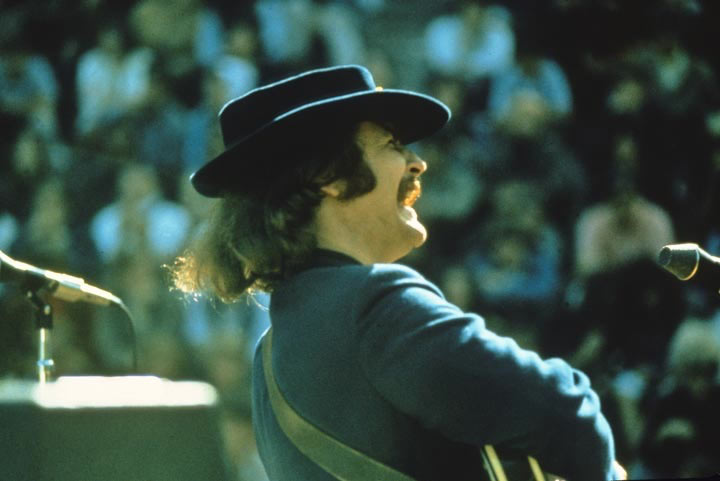
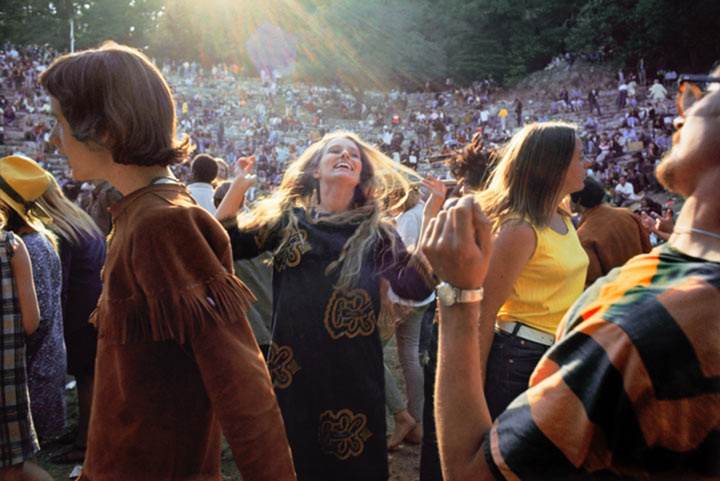
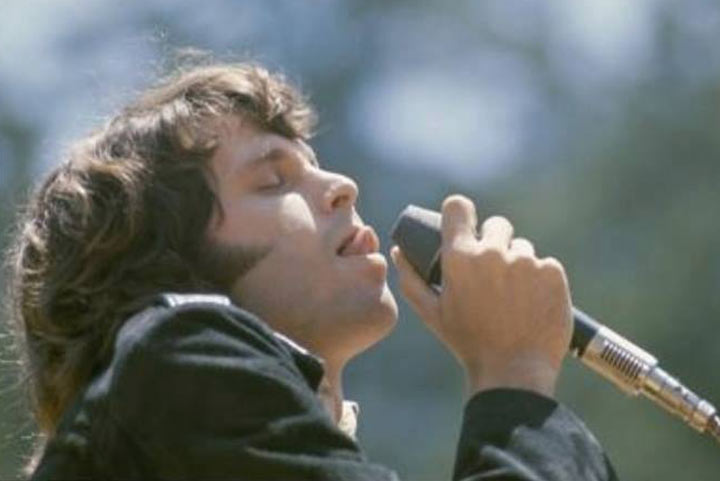
The success of Sound Summit and the potential for it to remain a joyful and beneficial experience lies to a great extent in your hands. Given the sensitive nature of the environment in which we’re allowed to hold this celebration, it’s key that you tread lightly, respect the mountain, be kind and courteous to your fellow concert-goers, and follow the few rules we ask of you.
So come join us for a day of great music and celebration a bit closer to the clouds and help Mount Tam continue to nourish and inspire. Consider your presence some good deed-doing for a very special place in the neighborhood. We feel Sound Summit is as much a community spirit as it is a community event. Hope to see you on the mountain!

JOIN OUR MAILING LIST
GET SOCIAL
Come To Magic Mountain
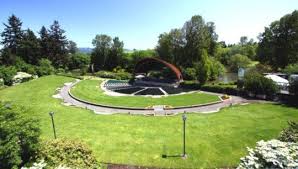




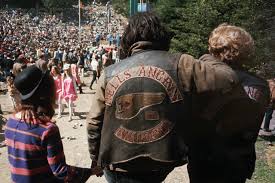

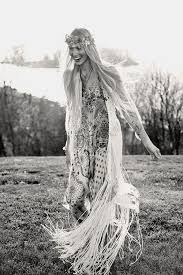

This is a tale of Three Amphitheaters, and, One Magical Mountain.
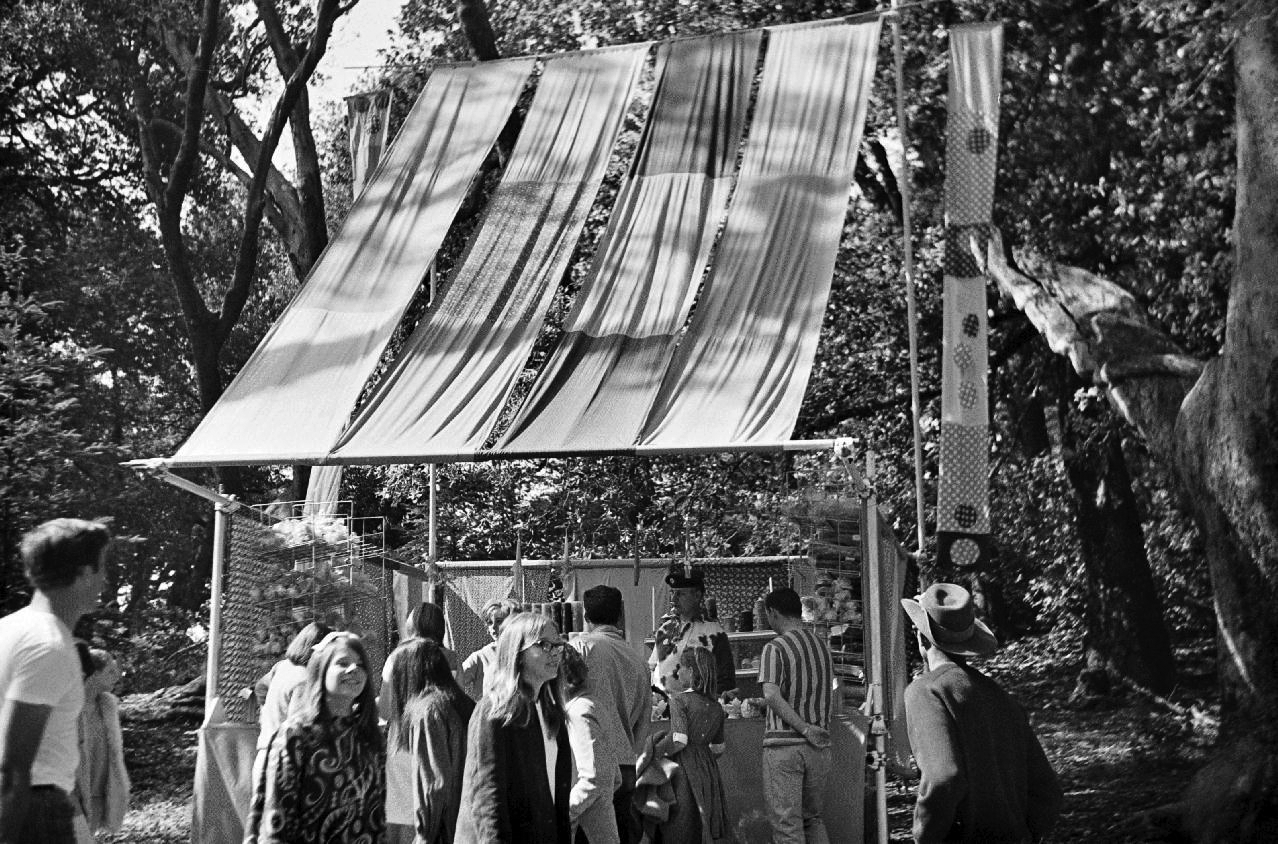
In June of 1967 I watched the Loading Zone pack their trailer with their sound equipment and head out for Mount Tamalpais to play at a concert in the amphitheater. I lived with this band in a large Victorian in Oakland. They played at the first Acid Test. Historians say this was the first rock festival. I say it was our Woodstock. This is the blue print for everything that came after. Note the hippie trinket booth. I am the first to connect this history to Eugene.
“While the highly documented Monterey International Pop Festival continues to be remembered as the seminal event of the 1967 Summer of Love, the KFRC Festival took place one week before Monterey and is considered to have been America’s – if not the world’s – first rock festival.[
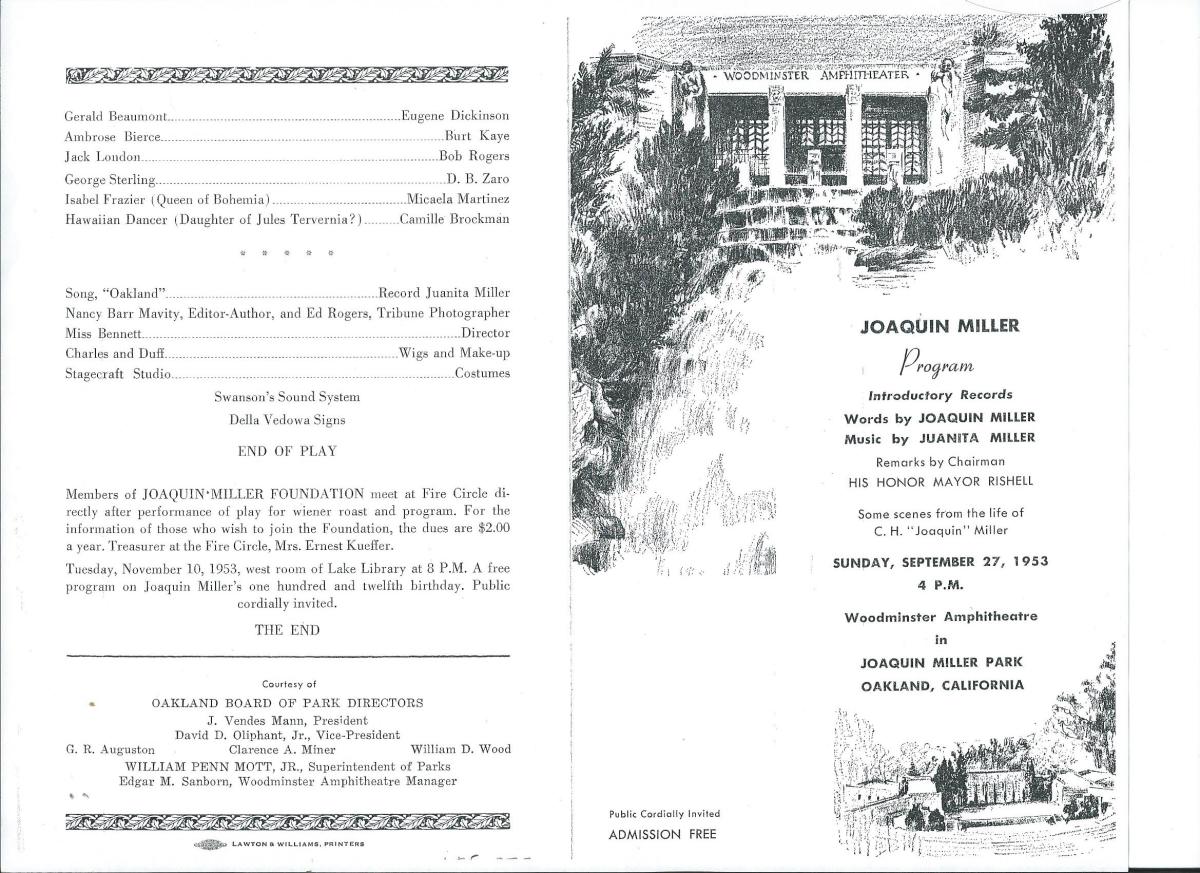
Last year I was shocked to learn the Eugene Celebration was canceled. I came up with an idea in days that included free concerts at the Cuthbert Amphitheater. I had just discovered a pamphlet advertising Joaquin Miller Day. Jaunita Miller was putting on a play about the Pre-Raphaelite Artists who befriended and promoted her father poetry when he met them in England. In my astute opinion this constitutes the Hipster Be-in in the Bay Area. As it turned out the Cuthbert Amphiteater was chosen to host the musical aspects to the Eugene Celebration.
Here is a pic of my friend, Marilyn Reed, with her friend, Jane Marie Mansfield, the daughter of the famous actress. The Star Trek actress, Maggie Trett, took this photo of their trip to the Renaissance Fair that inspired The Fantasy Fair and Magic Mountain Music Festival. Marilyn made hippie clothes for Maggie and others.
In the summer of 63 I ran into my friend, Bryan McLean of Love, in a music store. He had on long leather boots and a puffed shirt. He told me his friends had hire him to play lute at the new festival they started. We were seventeen.
Jon Presco
Yesterday I presented to Mayor Kitty Piercy my idea for the New Eugene Celebration that would be centered around the Cuthbert Amphitheater and the Mill Race that I see as flowing from the Woodminster Amphitheater Cascade. I see O Lake as a reflecting pond. I see a Japanese arch at the end of a pier where is docked a Japanese boat. Up the hill is a Zen Garden and the cottages rescued from Columbia Terrace located in the lost city of Fairmont platted by George Melvin Miller, the brother of Joaquin.
There is a Writer’s Grove planted next to the cascade. I see a similar grove planted near the Cuthbert. Where will sit the two Craftsman housed rescued from Columbia Terrace. Once house will be a Miller Brother’s Museum, and the other a Museum of Bohemian Art and Literature. Ken Kesey lived in one of the barracks that was moved from Fort White. I see a Museum to Peace, with Kesey and Hippie memorabilia. Our Mayor should contact officials I Japan to see if they see these barracks that once housed soldiers destined to go to war with Japan, of historic significance.
The Calm Waters of Peace, Poetry, and Art, flow underground all the way from Oakland California, and surface in a New Arcadia in Eugene. From brother to brother. let there be a New Cultural Unity!”
The KFRC Fantasy Fair and Magic Mountain Music Festival was an event held June 10 and 11th, 1967 at the 4,000 seat Sidney B. Cushing Memorial Amphitheatre high on the south face of Mount Tamalpais in Marin County, California. At least 36,000 people attended the two-day concert and fair that was the first of a series of San Francisco area cultural events known as the Summer of Love.[1] The Fantasy Fair was influenced by the popular Renaissance Pleasure Faire and became a prototype for large scale multi-act outdoor rock music events now known as rock festivals.[2][3]
Beefheart http://www.youtube.com/watch?v=7kl6cCp_eWc
http://www.youtube.com/watch?v=VPSMirw5z14
http://www.youtube.com/watch?v=eGt2u7KNMDU
http://www.youtube.com/watch?v=S3idNhnO9iI
http://oaklandish.com/oakblog/joaquin-miller-oaklands-first-hipster/
http://en.wikipedia.org/wiki/Ecovillage
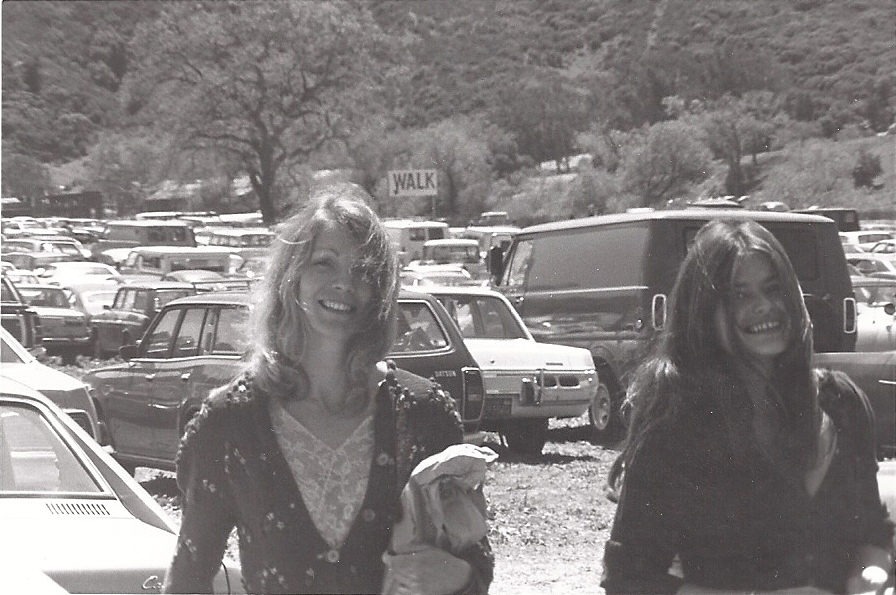

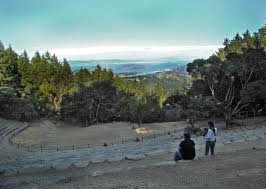


Eugene Celebration has brought attention to community issues and concerns regarding environmental responsibility within the greater context of a weekend festival. Recurring features at the celebration include the “Community Causeway” where nonprofit, charitable and advocacy organizations promote their services and, as of 2007, the “Sustainability Village” where Celebration participants can learn about sustainable lifestyle choices. A related event, the coronation of the SLUG Queen, occurs prior to the event.
In 2014, the event’s management company, Kesey Enterprises, initially released a statement in June cancelling the August Celebration, citing new construction and growth in Eugene’s revitalized downtown that reduced the space needed for entertainment and food venues.[2] Kesey Enterprises later agreed to partner with the City of Eugene to host a $5 concert at the Cuthbert Amphitheater during the weekend. A free alternative “Festival of Eugene” at Skinner Butte Park was organized by Krysta Albert, who persisted despite a saga of funding and location uncertainties lasting as late as two weeks before the event.[3] The Festival included “health and wellness vendors, nonprofit groups, food booths, live music and poetry readings.”[4] The Eugene Celebration Parade featured Lane Community College as the grand marshal, and included 70 groups of “school bands and dance troupes, the 2014 Slug Queen and his entourage, the fencers, roller derby skaters and belly dancers, and the primarily liberal politicians and political causes.”[5]
http://en.wikipedia.org/wiki/Eugene_Celebration
http://en.wikipedia.org/wiki/Maria_Zambaco
mount tamalpais amphitheater
Admission to the festival was $2.00 and all proceeds were donated to the nearby Hunters Point Child Care Center in San Francisco. The Fantasy Fair was originally scheduled for June 3 and 4 as a benefit for the center, but was delayed one week by inclement weather. Several acts booked for the original dates were unable to perform.[4]
KFRC 610, the RKO Bill Drake “Boss Radio” Top 40 AM station in San Francisco, had significant influence in the music industry among both counter-culture and commercial acts. This enabled festival organizer Tom Rounds, KFRC’s program director, to present a colorful and eclectic line-up of popular musicians from both in and outside the region. Canned Heat, Dionne Warwick, Every Mother’s Son, The Merry-Go-Round, The Mojo Men, The Seeds, Blues Magoos, Country Joe and the Fish, Captain Beefheart, The Byrds with Hugh Masekela on trumpet, Tim Hardin, The Sparrow, The Grass Roots, The Loading Zone, The 5th Dimension and Jefferson Airplane were among the performers who appeared.[4] The Fantasy Fair was also The Doors‘ first large show and happened during the rise of the group’s first major hit, “Light My Fire“, to the top of the charts.[5]
Among posters created for the event was one designed by artist Stanley Mouse, then gaining acclaim for poster-art created for Bill Graham, the Fillmore Auditorium and Grateful Dead.
After enjoying a scenic ride up the mountain from embarkation points at the Marin County Civic Center, Mill Valley and other locations, a giant Buddha balloon greeted attendees when they arrived at the amphitheater. Transportation was provided by the tongue-in-cheek-named “Trans-Love Bus Lines”, a variation of the line “Fly Trans Love Airways, get you there on time” from the lyrics to Donovan‘s song “Fat Angel”. Performances were on a main stage and a smaller second stage. Various art-fair type vendors sold posters, crafts and refreshments from booths scattered in the woods around the amphitheater. The festival included a large geodesic dome of pipes and fittings covered with white plastic that contained a light and sound show.
The Magic Mountain Music Festival was favorably reviewed for safety in contemporary press accounts. Fights or disturbances were not an issue, and at the end of the day, trash was placed in or next to the garbage cans provided, and the crowd left the Mount Tamalpais as they found it.[6] In a foreshadowing of dark events to come at the 1969 Altamont Free Concert, this festival was rumored to be the first to employ Hells Angels motorcycle club members as security guards. Although Jefferson Airplane asked Hells Angels members to escort them from San Francisco to the venue, which they did without incident, the Hells Angels did not actually provide security for the event.
Significance[edit]
To some commentators, the festival represented a sea change in musical preferences among young Bay Area radio listeners as the hippie culture fully arose in mid-1967. Alec Palao and Jud Cost chronicled the San Francisco mid-sixties era music scene in 1991 in their magazine Cream Puff War #1. Writing about the weeks surrounding the Fantasy Fair, Cost noted that “the dichotomy in Bay Area music was never so evident, as the self-proclaimed “adult” scene separated itself from the “teen/pop” scenes.”[7] Scram Magazine juxtaposed that view with pioneer rock magazine editor Greg Shaw’s recollection that the rift between the tastes of teens and adults didn’t form until later, after the freeform radio style then being established by Tom Donahue fully emerged in the fall of 1967.[8] A review of the bands that played indicates that most were groups that played the Fillmore and Avalon ballrooms and were part of the psychedelic rock scene at the time.
While the highly documented Monterey International Pop Festival continues to be remembered as the seminal event of the 1967 Summer of Love, the KFRC Festival took place one week before Monterey and is considered to have been America’s – if not the world’s – first rock festival.[2][6][9][10][11][12][13]
Performances[edit]
Saturday, June 10[edit]
- Mount Rushmore
- Rodger Collins
- Dionne Warwick
- The Doors
- The Lamp of Childhood
- Canned Heat
- Jim Kweskin Jug Band
- Spanky and Our Gang
- Blackburn & Snow
- The Sparrow
- Every Mother’s Son
- Kaleidoscope
- The Chocolate Watch Band
- The Mojo Men
- The Merry-Go-Round
Sunday, June 11[edit]
- Sons of Champlin
- Jefferson Airplane
- The Byrds with Hugh Masekela
- P. F. Sloan
- Captain Beefheart & the Magic Band
- The Seeds
- The Grass Roots
- The Loading Zone
- Tim Buckley
- Every Mother’s Son
- Steve Miller Blues Band
- Country Joe and the Fish
- The 5th Dimension
- The Lamp of Childhood
- The Mystery Trend
- Penny Nichols
- The Merry-Go-Round
- New Salvation Army Band
http://en.wikipedia.org/wiki/The_Loading_Zone

Share this:
Royal Rosamond Press
One response to “Come To Magic Mountain”
Royal Rosamond PressMay 30, 2015 at 12:30 pmEditReblogged this on rosamondpress and commented:Joaquin Miller had dinner with the Pre-Raphaelites at Rossetti’s. His daughter put on a play she wrote for her father where actors dressed as Pre-Raphaelite. With the discovery of the Pre-Raphaelite vision of Clarence King, who looks like Miller, I have uncovered a movement I rekindled in 1969. https://rosamondpress.com/2014/06/08/master-millers-artist-and-poet-colony/ https://rosamondpress.com/2015/05/27/association-for-the-advancement-of-truth-in-art/Reply

Peter Shapiro texted me this site and asked if the dude in front of the Victorian was me – and not him!
Peter: “go to scroll to 3rd. photo down”
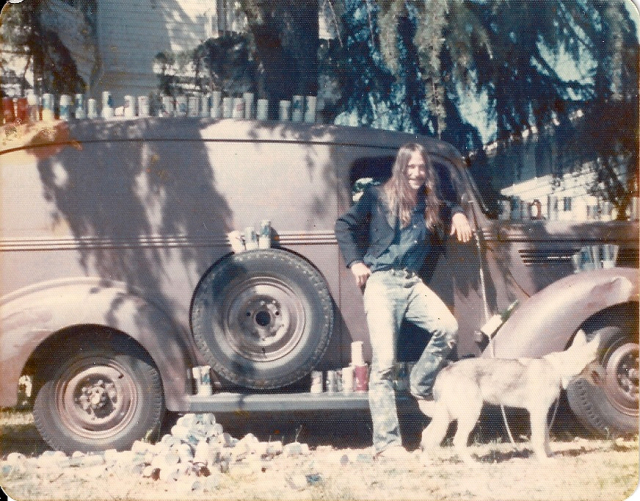
The un-named author of this site – got it wrong! This is the Victorian on Alameda Ave. that I lived in with Peter, and Tim O’Connor. Peter set up the pic below – for an album cover! He got our big bag of beer cans and put them on my 1938 Ford van. We lived in a big Victorian on 13th. not 14th. The author lied about Peter’s chic identifying this house you can see in back of me…..The Wild Drunken Offspring of Carl and William Janke!
William lived on Haight Street where I believe he left in a hurry, he hiring a locomotive to take him to Carl, who was dying. This is huge considering the City of Belmont passed an anti-hippie ordinance in order to STOP hippies from living together!
I am putting together the history of Denny Lawhern and Cynthia McCarthy putting me on the infamous ‘Belmont Tightrope’ after they blindfolded me – and spun me around. They failed to identify themselves. I copyrighted MY FAMILY HISTORY in 2012. They knew I was writing a book! Here is my bantering response to this – misinformation!
Greg: “I will talk to my attorney about this hurting my brand as The California Kid. I knew it was a mistake to get hooked up with a B-Class Rock Group from back East. I was an excellent House Mooch Hipster before that NY Swankster Doll got her claws in me!”
When Lawhern dismissed most of my posts because they were not about Belmont, I noted the BHS Facebook said history located in San Mateo County and California – is wanted! An hour ago I discovered the Loading Zone played at the College of San Mateo! Uh-oh! Lawhern knew collecting history was a never ending task. Why wa Denny and Cynthia so anxious to get rid of me – is one of the questions my attorney will ask.
Above is a pic of my late friend, Bryan Maclean who was a roadie for The Byrds (far left) He appeared on the Dick Clark show in 1966. He was asked about ‘The Castle’ Love lived in – with black man! Did citizens of Belmont take notice?
The New Acid Test is…..WERE YOU BANNED IN BELMONT….The Hippie Hating Capitol of the World! I’m going to write a song – with Peter’s help!
Bryan, Keith, and Tim were the lovers of Christine Rosamond. Christine Wandel was the lover of Peter, Keith, and myself. We were Commune Dwellers! We engaged in non-marital sex – and are proud of it!
Christine W. wanted me to buy the house next door so we could be close to one another. I asked her to take pics. It was condemned – and torn down a month later! If Kamala loses, there will be trouble. If she wins, there will be trouble. The Zone, and other Oakland based bands, might be reborn in a new revolution. Count the mixed-race bands. Lawhern did not want my Kamala posts! Now, Belmonts going to get a small book! I had plans to reborn The Charlatans there. But…..
Here come The Loading Zone!
John Presco
President: Royal Rosamond Press
“The Loading Zone thus laid the blueprint for the progressive soul music of Bay Area bands like Sly and The Family Stone and Tower of Power. Indeed, a Zone roadie, high school student Steve Kupka, played baritone sax with the band’s horn section, when there was room on stage and he was allowed in the club. At one such gig, he met a Fremont band called The Motowns, and they joined forces to create Tower Of Power.”

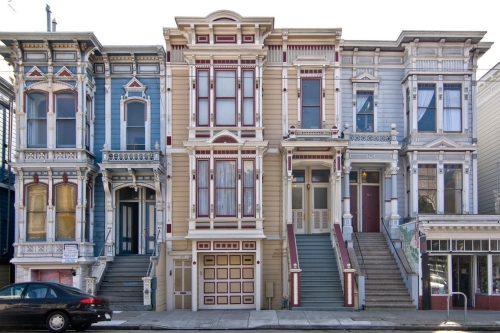
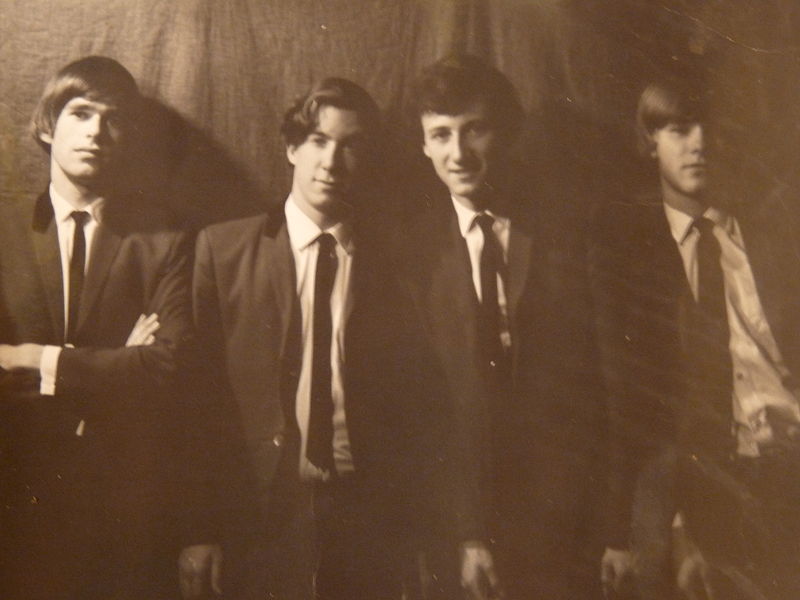


| Loading Zone guitarist Pete Shapiro on the front porch of the Loading Zone house on 14th Street in West Oakland, sometime around 1967 (the house was identified by Shapiro’s then-girlfriend) |
The Loading Zone-1960s
Loading Zone were based out of Oakland, in a house on West 14th Street. While they had played the original Trips Festival and many dates at the Fillmore and Avalon, they also played many dances and soul clubs in the East Bay.
https://collegeofsanmateo.edu/
https://en.wikipedia.org/wiki/Belmont,_California
Historic ACLU Ruling In Belmont
Posted on September 4, 2024 by Royal Rosamond Press
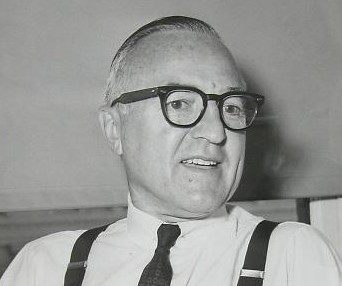
Ernest Besig, Korematsu’s lawyer

Here is the account of the ordinance passed in Belmont to rid the city my ancestors founded of “filthy hippies”. Does the use of this word denote being nude in front of the opposite sex you are not married to? How about a group of male roommates, and you are a naked un-married woman? The real FILTH has found a home in the dirty minds of politicians who whore around for votes!
“Belmont adopted an ordinance last night redefining the word “family” and the American Civil Liberties Union said this morning that it intends to challenge this ordinance in court. The action defines family as any persons related by blood. marriage, adoption, plus not more that two unrelated persons, or unrelated persons – not exceed a total of three living in a single family dwelling. During the hearings proceeding introduction of the ordinance, proponents of the measure stated it would ‘clean out those nests of filthy hippies from the cities neighborhoods”
As for Belmont’s history, I find it very shoddy. It appears that some well-to-do and well-meaning citizens of a new Bay Area city (1926), went looking for their roots. They could not ignore the Jankes, or Cipriani who were foreign revolutionaries, even Socialists and Atheists. It was these men that founded the Republican party and nominated my kindred, John Fremont, as that parties first presidential candidate. These foreigners made up John and Jessi Benton’s bodyguard.
Google 320 Haight to see my great grandfather’s home (grey-blue) and 2795 Pine St. to see the second story apartment I lived in with Nancy Hamren, Keith Purvis, and Carrol Schurter. Two members of the Jefferson Airplane partied with us, and hung out the bay window while on acid trying to cause an accident – which they did!
Keith, Tim O’Connor, Peter Shapiro, and myself, lived in a large Victorian house in Oakland. That is us on a bridge in Venice California. Peter played with The Marbles that played at the longshoremen’s Hall, and later with the Loading Zone at the Fillmore. Zone members also lived with us in Oakland.
William August Janke, the son of Carl August Janke of Belmont, lived in a Victorian house at 320 Haight St. a a block and a half from Fillmore St. Carl founded what may be the oldest theme park in America that catered to members of the Odd Fellows who lived in San Francisco. Carl Janke hired a special train to bring people to his theme park modeled after a German folk town and beergarten. Carl owned the Belmont soda works and sold a drink that may have contained cocaine. Carl made a jail for his town because folks got out of hand. Consider the Haight-Ashbury that was the haven for the Hippie Movement, that got out of hand. It became a theme-park that attracted folks from all over the world, and was the focal point of the war on drugs.
The mid-peninsula tightrope

April 11, 1970 South Cafeteria, College of San Mateo, San Mateo, CA: Loading Zone/The Dusters/ Backyard Mamas (Saturday)
The College of San Mateo was a junior college in the hills above San Mateo, at 1700 W. Hillsdale Blvd. The size of the student body was probably huge, although most of the students were probably part-time commuters. Back then, even junior colleges would have had entertainment budgets that would help support dances and other fun cultural events for the students. On a Saturday night, the student cafeteria would have been available, because the gym would have been in use for a sports event. California public school policy at the time (and no doubt still) was that any profits from an event would have to be donated, so the event was a benefit for the Peninsula Association for Retarded Children and Adults.
A promotional photo from the April 10, 1970 San Mateo Times shows a six-piece Loading Zone with Linda Tillery. This implicitly suggests that one of the horn players had left, but I can’t tell for sure.
Rock Archaeology 101
Photos and artifacts from mostly forgotten and mostly Bay Area rock venues of the 1960s and early 70s
Thursday, January 14, 2021
Loading Zone Performance List 1970 (Loading Zone cont. I)


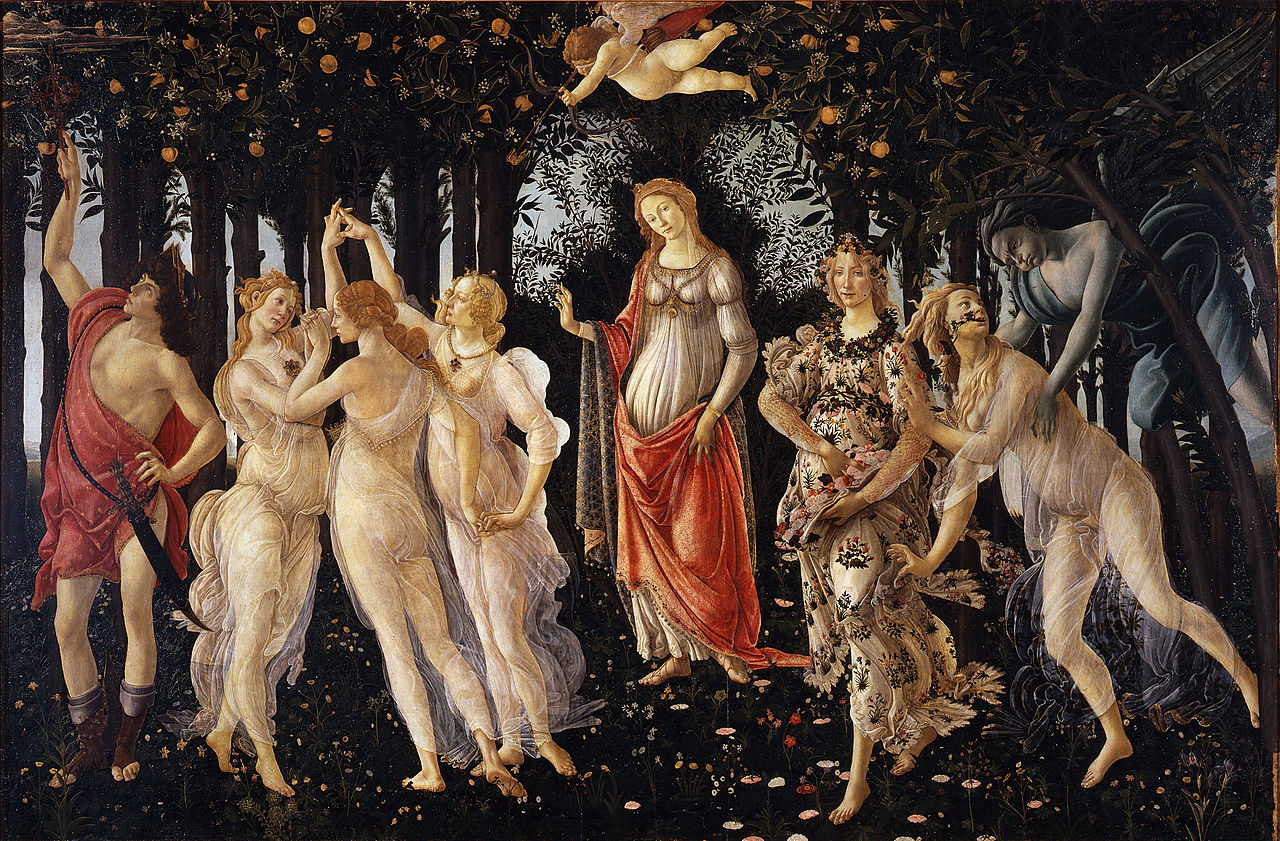
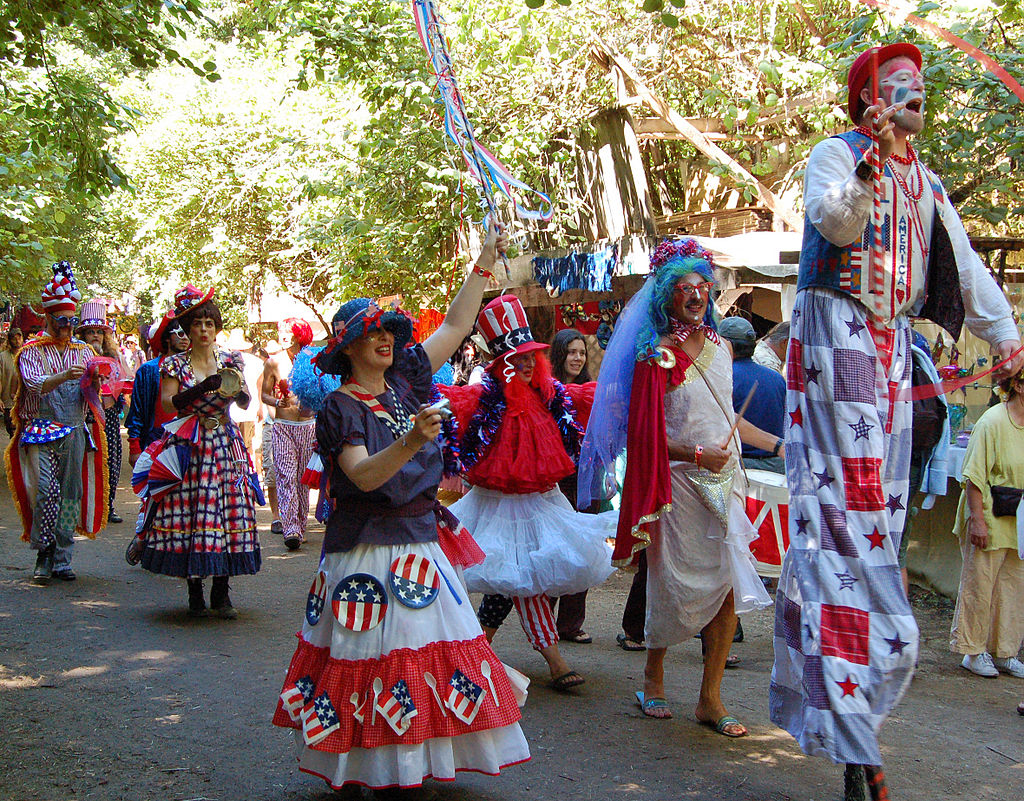


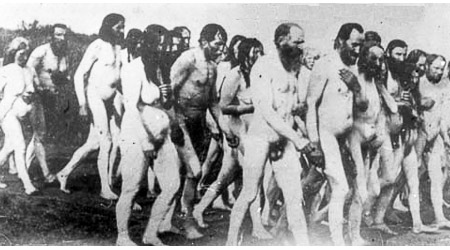
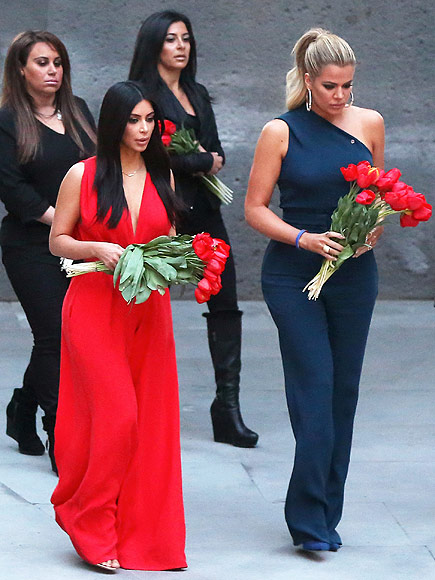

The Zorthians and Kardashians are Armenians who fled the genocide. Both families are well known for their parties. Andy Warhol was out at the Zorthian Ranch having a good time with two half-nude models.
It is not a coincidence that Jirayr Zorthian was influenced by my kindred, Thomas Hart Benton, the cousin of my late brother-in-law, the muralist Garth Benton. Christine, Keith, Barry and Seyburn, and I lived together in a SF commune with Nancy Hamren. Add to this the art collection of my late kindred, Elizabeth Rosemond Tayor, and you have what constitutes a liberal, and for the most part, a secular art dynasty.
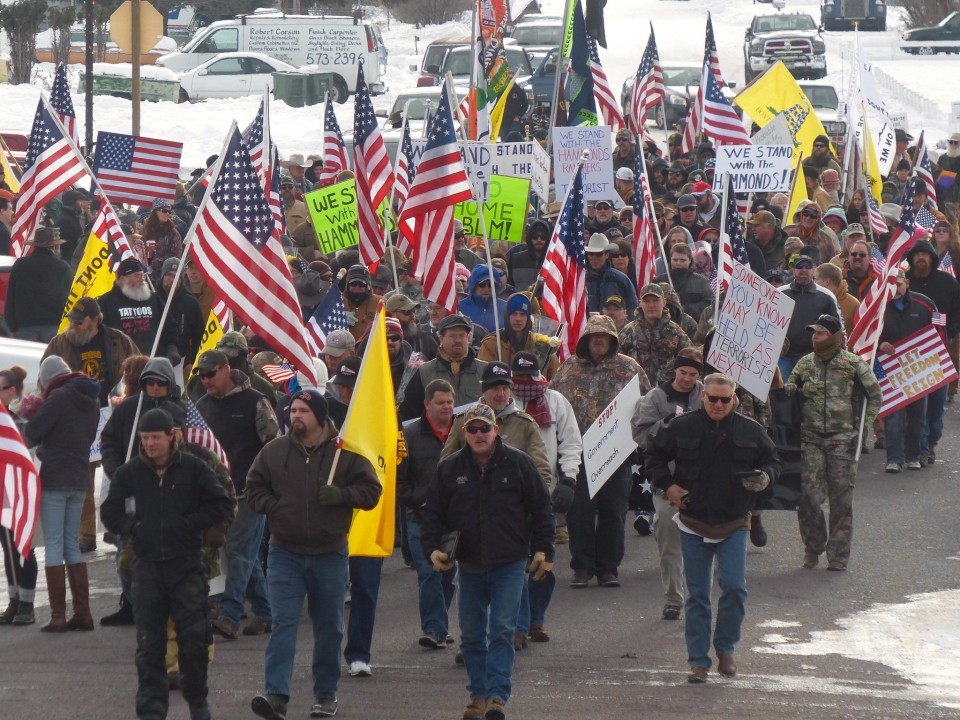
For over twenty years I have given proof the religious-right is waging cultural warfare against artists and Bohemians. They have now been joined by Israel and ISIS. The Tunisian museum looks like the Getty Villa where Garth rendered murals. There is a cultural showdown between the Bundyites and the Bohemians. Errol Flynn being chased out of my grandmother’s home with a broom when he and his buddy came courting the four Rosamond Sisters, is the archetype of Reality TV.
I just found the Freedomites by looking at the child-prophet the Kardashians listened to before this Armenian family fled Russia. How like the Bundyites – and Hippies – they are. If it was summertime we might see radical Back To Earth Wingnuts winging their way to Burns in their birthday suits. The Freedomites were notorious arsonists. Consider the arsonists the Bundy family is up in arms about. What kind of spirit is at work here? I reserve the rights to a new reality show!
Robert Kardashian was an extra in the O.J. Simpson Reality Court Show. Beautiful Nicole and her friend were viciously murdered, like the actress, Sharon Tate, and her friends? Was O.J. ever compared to Charlie Manson? There are a lot of celebrities involved in both cases. Hollywood is a Cult Center.
It’s time to take another look at the Fort Hill community run by Mel Lyman and Jessie Benton, whose great-grandfather was the administrator of the Oregon Territory. America is ‘The Land of the Cults’. Our history was made by Cultists, and it keeps repeating itself, going over and over the same ground, like an old Pirate with his peg leg stuck in a knothole in the floor. We’ve been Partying and Praying! It’s what we do. Then, we throw-up all over the place, and start anew. The Bundy Boys are now passing on the great Merry-go-Round.
Yeeeeehaw!
Jon Presco
https://en.wikipedia.org/wiki/Robert_Kardashian
Robert George Kardashian (February 22, 1944 – September 30, 2003) was an American attorney and businessman. He gained national recognition as O. J. Simpson‘s friend and defense attorney during Simpson’s 1995 murder trial. He had four children with his first wife, Kris Kardashian (née Houghton, later Jenner): Kourtney, Kim, Khloé and Rob, all of whom have become well known for appearing on their family reality television series.
https://en.wikipedia.org/wiki/Mel_Lyman
http://www.rollingstone.com/culture/features/the-lyman-familys-holy-siege-of-america-19711223
“I met him about 1963, ’64, in Massachusetts,” said Conner, handing some of his change to the popcorn lady. “I was staying at Leary’s Newton Center, and Mel was one of those people who just came in and out. He was living with a bunch near Brandeis, all students and dopers. This guy in Anthropological Review had just written about morning glory seeds and how they got you stoned, and Mel was there three or four nights a week at the coffee grinder, grinding up seeds from this 500-pound bag we had in the kitchen.
“And everybody was getting fucked up. Mel just had them swallow the seeds, not soak them and everything the way it said in Anthropological Review, and all these people were falling down on their faces and hemorrhaging and falling down in the bathroom and talking about how great it was afterwards.” Conner snickered over a neatly trimmed goatee.
“I remember once, Mel called up and said, ‘I got 12 people, I want to bring ’em over, we’ve all taken the seeds.’ I said no, but he came anyway. All these people showed up and he said, ‘I want to see your movies.’ And I ran A Movie. And in the middle of it, somebody just exploded over the place, threw up all over the place. And Mel thought that was great. ‘It was so much for him he just had to throw it all out,’ was the way he saw it.” The recollection of it reduced Conner to giggles. “Of course, the ladies upstairs saw it as a bunch of vomit all over the floor.”
https://en.wikipedia.org/wiki/A_Movie
Kardashian was born in Los Angeles, California, the son of Armenian-American parents Helen (née Arakelian) and Arthur Kardashian, who ran the largest meat-packing business in southern California.[1] He had a sister and brother, Barbara and Tom Kardashian.[2][3] His great-grandparents, Sam and Harom Kardaschoff, were ethnic Armenian Spiritual Christian Prygun immigrants from Karakale, Kars (present-day Turkey). Robert’s ancestors fled the impending massacre, which would eventually take place as the Armenian Genocide in 1915, thanks to a child ‘prophet’ Efim G. Klubnikin who urged them to uproot to America. The family, known at the time as the Kardaschoffs, in Russian style, made their way from their home village of Karakale to German ports. From there, they travelled to a new life in America on the passenger vessels SS Brandenburg and SS Köln, settling in the United States.[1] Their son Tatos anglicized his name to Tom, started a business in garbage collection in Los Angeles, and married another Kars-Karakale immigrant, Hamas Shakarian.[4]
https://en.wikipedia.org/wiki/Molokan
http://www.molokane.org/taxonomy/
https://en.wikipedia.org/wiki/Freedomites
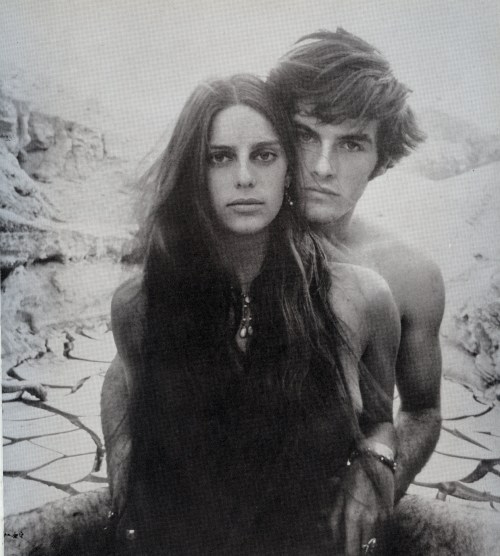


He was also a party animal.
In 1952, Los Angeles would play host to one of Parker’s wildest exploits. The New York–based musician was in L.A. for some club gigs, even as his health was rapidly declining — fat, and alternately strung out on heroin or in the throes of withdrawal, he nursed his pain with alcohol binges. He went hard until the end. When Parker died in 1955 from a bleeding ulcer and liver disease, the coroner estimated his body to be between 50 and 60 years of age. He was 34.
But not even Parker could have anticipated what unfolded in the early hours of July 15 at Zorthian’s Ranch — an artists commune in the foothills above Altadena in northern Los Angeles.
That evening, the saxophonist was invited to perform at a party by the ranch’s eccentric owner, a bohemian sculptor named Jirayr Zorthian. Something of a legend himself, Zorthian was friends with everyone from Andy Warhol to Nobel Prize–winning physicist Richard Feynman, and the ranch, perched atop Fair Oaks Avenue, was his personal Utopia, with life-size art installations and recycled construction materials scattered across hillside chaparral. Still standing today, the place looks like a cross between an old Western movie set and a scene out of Alice in Wonderland.
See also: At Zorthian Ranch, a Return to Bohemia
It was the perfect stage for an all-out Charlie Parker bacchanal — a night when the jazz didn’t start till late but played long into the morning. A night when one beauty stripped, and then everybody else followed.
Sixty-two years later, they’d still be talking about it.
It was already midnight, the beginning of July 15, 1952, as the pickup truck carrying a half-dozen band members and a piano came grunting up Zorthian’s steep driveway. For the crowd gathered at the ranch — a collection of beatnik artists and intellectuals — it was a reassuring sight. Most had been waiting since 9 p.m. to hear Parker play, and they were relieved to know that the musicians had not reneged on the commitment.
Until they noticed that Parker wasn’t in the truck.
The outlook only dampened when the other musicians seemed confused. “You mean he’s not already here?” one asked.
No one had any idea where Parker was, which was not uncommon at the time. Deep into various addictions, Parker was becoming increasingly erratic, missing shows and pawning musical instruments to buy drugs. With no way of contacting him, the band knew it would be best to start without him.
So Zorthian directed everyone into his art studio, where he’d set up a stage. Inside, guests packed around the performers. The jerry-rigged wooden structure, which still stands today, is only about 20 feet by 50 feet — small enough that Zorthian’s son Alan, who currently owns the ranch, says that guests who couldn’t fit inside used to drink up on the roof.
The band played for an hour. Then, around 1 a.m., Parker suddenly arrived.
“Get onstage,” Zorthian implored.
“No, I think I’d rather go swimming,” Parker replied.
The band Parker had assembled was a virtual who’s who of the L.A. jazz scene in those days. Nineteen-year-old Frank Morgan, whose father ran a club on Central Avenue, was there to play second alto sax. Larance Marable, who died in 2012, was on drums. David Bryant was on bass, Amos Trice on piano. And Don Wilkerson, a Texas-style honker, was on tenor sax.
Up to that point, their performance had been relatively uneventful. With the appearance of their unpredictable ringleader, though, the evening transitioned into a different kind of party.
Cajoled by Zorthian, Parker finally started playing. That’s when a beautiful woman approached Zorthian and told him that if Parker asked nicely, she’d perform a striptease for the crowd.
When Parker heard this, he got on his knees, begging, “Please!’”
That did the trick. The woman climbed on top of an ornate rocking horse, carved and painted by Zorthian himself. She began swaying back and forth, back and forth, performing a slow, sensual striptease while Parker blew the notes to “Embraceable You.”
“Take it off!” people cried from the audience. “Take it off!”
From his vantage point onstage, Parker got so excited by the striptease that he dropped his pants. Then Zorthian tore off his shirt.
“And next thing you know,” Zorthian would later exult, “three-quarters of the party was naked!”
Jirayr Zorthian has been dead for 10 years, and the famous party at his house happened more than six decades ago. But the events of that night are far from apocryphal. A recording of Parker’s performance survives, and it’s clear enough that you can hear audience members yell, “Take it off.” There’s also a videotape of Zorthian later describing how it all went down. It’s a lot of documentation for a raucous party thrown long before the age of Instagram.
Blame (or credit) John Burton. A civil rights lawyer and a socialist, Burton ran for California governor in the 2003 recall election. His website boasts that he finished 14th in a field of 135, winning nearly 7,000 votes — not enough to beat Arnold Schwarzenegger or Arianna Huffington, but not too shabby.
Despite his political passions, the walls of Burton’s Pasadena office look more like the back room of Amoeba Records. They are plastered with jazz memorabilia: album covers, autographs and a large, framed photograph of his musical obsession, Charlie Parker.
Burton, 61, is among a small, dedicated community of Charlie Parker fanatics who spend their off hours tracking down artifacts and lost recordings of the late musician. Burton calls them “Bird Detectives,” referencing the saxophonists’ nickname.
Most of what they find isn’t worth much; the recordings are usually scratchy and low-fidelity. But it’s not about money, not for a true Parker devotee. It’s about the love of music, and the thrill of the chase.
Burton first got into Parker when he was in high school and noticed the musician’s name popping up in liner notes: Some, like the ones from musician Eddie Harris, called Parker their inspiration. Burton was intrigued. But when the young jazz fan heard his first Parker album, the saxophonist’s fast playing sounded jumbled — like confetti. It was only when a bunch of saxophone students in Pasadena explained Parker’s style that it grew on him.
Burton began following the 1970s Grammy-winning jazz group Supersax, which transcribed Parker’s solos and harmonized them. At slower speeds, Parker’s improvisations revealed perfect melodies, as if they’d been carefully composed. Burton became convinced that Parker was a genius, a musician who could improvise faster on his feet than anyone else. He’s been hooked ever since.
“I think he’s the best musician of the 20th century,” he says. “Every fragment of his music is worth studying to see what we can learn from him.”
Those fragments include bootleg recordings of Parker’s live performances. For many collectors, especially in jazz, where so much is improvised, live shows offer spontaneity, an honesty that can’t be captured in the studio. Part of Burton’s fever to find them is a question of what could still be out there; each bootleg of a Charlie Parker show might reveal a moment of brilliance never shown before or since.
“By finding these artifacts from Bird, I feel like I’m making a contribution,” he acknowledges.
Sixty years after Parker’s death, such artifacts have become extremely hard to find. Almost all of the good stuff has already been discovered and catalogued. That’s led to an unspoken competition among Bird Detectives to find any remaining treasures. They all know one another. And while they share some leads, they keep mum about others: No point in tipping off rivals to the next big find before it’s safely in hand. You never know what might show up when someone sorts through an old archive or cleans out a collection of boxes in an attic.
The 1952 party at Zorthian’s ranch is perhaps Burton’s greatest discovery. It also has sentimental value: The surviving reel-to-reel recording of the evening was his first Parker breakthrough.
“I mean, even how I found it is unusual,” Burton says. Behind his desk, he adjusts his bright red Hawaiian shirt into a comfortable position before leaning deep back into a swivel chair and closing his eyes. “It goes back to when I first started looking for Bird stuff in my 20s.”
Then a law student, Burton wanted to collect rare Parker recordings but didn’t know how. This was pre-Internet, and at any rate, the Bird Detectives never did get into message boards or chat rooms. They only had each other’s phone numbers, and would occasionally see one another at auctions for recently unearthed Parker collections.
So Burton wrote a letter to Stash Records, an imprint managed by real estate agent–turned–jazz collector Bernie Brightman. Brightman put him on the phone with the No. 1 Parker collector of the 1980s, a guy named Norman R. Saks.
Even then, Burton was familiar with the name. An investor who lived on Long Island, Saks was about as dedicated as Bird Detectives come. He’d gained acclaim among Parker devotees after coming across unreleased recordings made by Bob Redcross, who caught Parker playing tenor sax in a Chicago hotel room in 1943 — an extreme rarity, as Parker was an alto player. The acetate recordings were legitimized by the fact that they were still wrapped in 1943 issues of the Chicago Tribune. Saks later released a book, The Norman R. Saks Collection, an obsessive curation of Parker’s autographs, discography, concert posters and photographs.
Saks is a true obsessive. At one point, he admits to the Weekly, he even wore a hidden microphone under his coat to tape a record that someone had agreed to play for him. He didn’t want to sell it, he says; he just wanted the recording for his own personal collection.
He was definitely the right man to talk to Burton. When the law student got Saks on the phone, he pressed the veteran collector for tips on how to find rare Parker artifacts.
“Anytime you see a jazz band,” Saks told him, “ask the players about unreleased Bird recordings.”
Months passed. But in fall 1989, Burton finally tried out Saks’ advice — at Burton’s own father’s memorial. It was the first, and only, time it ever worked.
Gene Burton’s memorial was held at the Museum of Contemporary Art (Burton’s mother was on the board of trustees). Artists abounded. There was also a live jazz band.
Suddenly remembering Saks’ advice, Burton approached the band. “You wouldn’t know of any Bird recordings, would you?”
“Actually, yeah,” one member replied. “Go talk to Zorthian. He has one.”
“Zorthian, really?’”
The name came as a surprise. Not only was Jirayr Zorthian at that very memorial, but Burton knew him from his childhood years of going to Zorthian’s summer camp for kids. Zorthian used to drive down his steep and winding driveway in a large green school bus with the name “ZOR 2” painted on the front and pick up kids around Altadena.
“Back then, everyone knew him,” Burton says. At belly dancing nights at Pasadena’s Armenian-owned restaurant Burger Continental, Zorthian would dance with a full pitcher of beer balanced on his head … and it never fell. Later, the Dionysus of the Altadena foothills became known for a raucous Primavera party he threw each spring, complete with naked nymphs, in celebration of his birthday. (See “At Zorthian Ranch, a Return to Bohemia.”)
But that was the first Burton had heard of any connection between Zorthian and Charlie Parker. He immediately tracked down Zorthian, who confirmed he had a recording and agreed to share it.
The reel-to-reel was being safeguarded by Zorthian’s lawyer, George Hedges, who had recently transferred it to an audiocassette at USC. Burton made arrangements to pick up the cassette from Hedges the day after the memorial, then raced home to play it on his own stereo system. What he heard amazed him.
The sound was muffled and scratchy, as if the microphone had been kicked over on the floor. The bass was impossible to hear, and the horns sounded tinny.
But there was also no mistaking who was playing: Bird. And Burton knew how rare it was to hear him soloing outside of a club, in such a relaxed, party setting.
“I must have played it 12 times in a row, at least. Then I called Norman [Saks], who immediately asked me to play it for him over the phone. I put the receiver to the speaker, and he listened to it for about 30 minutes.”
Both men recognized two of the tracks from a previous bootleg, although it had never been confirmed where they were recorded. Now Burton knew they were from Zorthian’s Ranch, and there were six other tracks to accompany them.
In his first year as a Bird Detective, he had stumbled upon a major discovery.
Over the years, John Burton had Zorthian recount every detail of the party multiple times. He even filmed Zorthian narrating it on video and spent time fact-checking his tale. He knew what he had was huge: the only definitive account of what happened that night in Altadena.
The genesis of the party was a string of gigs Charlie Parker had lined up at the Tiffany Club in Los Angeles in June 1952. It was right around the time that Parker hooked up with a young Chet Baker, the masterful trumpet player who was just beginning to make a name for himself on the West Coast.
But while Baker was on the rise, Bird was fading. “I mean, he played well, because — I mean, hell — he was Charlie Parker,” Burton says. After 1949, though, he clearly was in decline.
In early July 1952, Zorthian was out one night in the city at a party with Julie McDonald. A fellow sculptor, McDonald hung out in the same bohemian circles as Zorthian. She also was a close friend of Parker’s — suspected by the Bird Detectives of having been the saxophonist’s “West Coast girlfriend.”
That night, Zorthian apparently decided the party they were at was kind of a drag. On his way out, he encountered a drunk Charlie Parker playing pingpong. Zorthian suggested they would all have more fun if they went up to his ranch, where they could go swimming.
“So they haul ass up Fair Oaks Avenue, onto Zorthian’s windy driveway to his ranch,” Burton says. The trio went skinny-dipping in Zorthian’s pool and horseback riding into the early hours.
Parker was in heaven. He told Zorthian, “You know, Jerry, I want to repay you by coming back here and doing a jam session.”
They picked July 14 — a Monday, because it was an off day for the jazz clubs.
Zorthian had a few stipulations. “OK, Charlie, let’s have you start playing at 9:30,” he told Parker. “And I want to make sure you don’t bring any of your junkie friends up here, all right?”
Parker agreed.
“So naturally the first people to show up on the 14th are Charlie’s junkie friends,” Burton says.
Parker’s groupies from the Central Avenue scene were almost certainly among those who helped get the naked party started. And after Parker, Zorthian and the majority of the guests took off their clothes, the playing really got raucous.
The recording, which was captured by Julie McDonald’s brother, goes on for another hour, at which point it was well past 2 a.m. There is slurring, whooping and yelling throughout, which is probably why guests’ ability to remember what happened gets hazy after the striptease.
Bird, though, must have sensed it was time to take flight. Following the slow and sexual “Embraceable You,” he and his band more than doubled the tempo in a blistering rendition of “Hot House,” answering the crowd’s screams and hollers note for note by tearing up and down the chord progression. Parker directed the madness by fluttering his solos above the erratic punches of Marable’s bass drum, and at times the band appeared on the verge of losing control.
But it didn’t. The musicians fed off the audience’s energy, reveling in the chaos, seeming not to care that some solos were sloppy and atonal. The evening was about capturing a feeling rather than impeccable playing, and when Morgan and Parker traded fours on “Cool Blues,” the crowd reacted in kind by punctuating their exchange with primal cheers. Afterward, when the notes of “Dance of the Infidels” filled the studio, the partygoers took their cue from the title and played the part. It’s no surprise that no one would notice, or care, that the microphone recording the show had been kicked over onto the floor.
When Zorthian recounted the tale to Burton, he would always embellish the scene by saying there was a guy there from Africa, visiting California for the first time. The man considered himself a cultural representative, on a mission to convince America that Africa wasn’t backward. “So when he saw a bunch of black guys getting naked on the stage,” Burton recalls, “he was so offended that he stormed out of the party!”
Indeed, not everyone in the audience was having it; among those who didn’t leave, Zorthian would estimate that one quarter cowered in a corner, unsure what to do with themselves or not drunk enough to join in.
Burton tracked down a few people who were actually there, in addition to Zorthian. One was Russ Freeman, a jazz pianist who died in 2002. In a conversation with Burton, he remembered “going up that long, windy driveway, and as soon as I got to the door, my clothes were taken away.”
Another was Clora Bryant, a trumpet player from the Central Avenue scene and, at the time, the girlfriend of tenor saxophonist Don Wilkerson. She told Burton, “I didn’t take my clothes off. But Don did. He had this style where he’d lean back and play, and he had a piece of his anatomy sticking straight up to the roof!”
Later, the party achieved such legendary status in the jazz community that even Thelonious Monk was jealous, asking Zorthian, “Wait — you were the guy who threw that naked party?!”
Of course, despite Burton’s research, the best proof of what happened that evening is the recording itself. Since Burton first heard the tape in 1989, Zorthian made multiple copies, and in the late 1990s, one version leaked and was released by an international record label called Rare Live Recordings. It became available on Amazon and through mail-order websites. Burton suspects it was leaked to the record label by a film crew working at Zorthian’s ranch.
After the leak, Zorthian gave the original to Burton for safekeeping.
“It was a shame, because the leaked version is really poorly done,” Burton says. “The audio is poor, the album art is generic and the liner notes are incorrect.”
Burton has decided to rectify things by releasing a version in a better format, more up to his standards. He’s working with audio technicians to remaster the reel-to-reel, bringing out the missing bass frequencies and cleaning some of the background noise. He hopes to have it ready by the end of this year. Done properly, the new release will immortalize what happened on that wild night in 1952.
For Burton, though, it’s just as much about cementing his legacy as a Bird Detective.
Some younger music lovers don’t even know who Charlie Parker was, but the Bird Detectives continue to search for the clues that their idol left behind. Only about 10 “true” Charlie Parker devotees are left these days, Saks says — or at least ones who “aren’t full of it.” And two of them are in Canada.
They continue to share some leads while guarding others. There are still some coveted artifacts and missing recordings out there, after all. The Holy Grail is the private reels of fellow sax player Dean Benedetti, since they capture Parker’s most inventive playing in his prime solo years, from 1944 to 1949. “It would be like the best wine you can ever have,” Saks says.
There’s always something out there, just beyond reach. Burton even believes there could be another tape of the Zorthian naked party.
“I’ve listened to enough bootlegs to suspect the one I have is dubbed, which means the original could still be out there somewhere,” he says, “… although I have no idea where it would be.”
The Bird Detectives will stay on the trail.
“We have to have every last scrap,” Saks says.
See also: At Zorthian Ranch, a Return to Bohemia
b
 Rosamond Press


Leave a comment