East of Easton….An idea for a series, book, and movie
Easton Manor was began in 1848. It was built on the foundation set for one of the portable houses that Carl Janke brought around the Cape that same year. It is alleged the Easton family of Easton Neston, had their eye on building a palace and kingdom in California after Sir Easton read about the voyages of Sir Francis Drake. He believed Drake had claimed Claimed California for Queen Elizabeth. They say Drake landed in a bay named after him, but, there was a map that shows he entered San Francisco Bay and hauled his ship in the shallow water near the City of Belmont to clean the barnacles from the hull. When he told Elizabeth about the large bay he discovered, she bid him to keep quiet. She was afraid the Spanish would go there and use the bay as the base of their fleet. There was a plan to make this bay the home of a English Colony, but the attack of the Spanish Armada delayed this attempt to build a New England on the West Coast. The person that was in charge of this plan was Sir John Fermor ‘Knight of the Carpet!
I did not make the connection between Ian Easton, the estate of Easton Neston, until yesterday, September 1, 2025. How could I have – forgotten? All good things come to those who wait? I have been devastated by yet another betrayal. I tried to bring people into the REALITY that I have catalogued in this blog, Royal Rosamond Press, but, they read very little of it, They are quick to get to the part where I give them a million dollars in cash, locked in the trunk of a new Bentley, parked in back of the Rosamond Gallery. For, this is what they deserve, and nothing less. For this reason I resort to Historic Fiction. I will let the attorney for the studio, put The Law on my side, so alas, at the end of my life, I will be free of The Lawless. But, they too will infest my take of a hidden palace just South of Belmont California.
On September 1, 2025, a very beautiful young woman gets off the train in Belmont. An attorney informed her she is Heir to an large estate, that few people have ever seen. Looking for her ride, Gloria Christina Rose Easton, is startled to see an old old truck pull up next to her, and backfire.
A so-called carpet knight was a person who had been awarded a title of knighthood by the king of England on a holiday occasion (or in time of peace),[1] as opposed to knighthoods awarded for military service, or success in tournament games.
Florence Louise Breckinridge was born in November 1881 at California, U.S.A..2 She was the daughter of John Witherspoon Breckinridge and Florence Louise Tevis.1 She married Thomas Fermor-Hesketh, 1st Baron Hesketh, son of Sir Thomas George Fermor-Hesketh, 7th Bt. and Florence Emily Sharon, on 9 September 1909 at British Embassy Church, Paris, France.1 She died on 4 March 1956 at age 74 at Easton Neston, Towcester, Northamptonshire, England.3,4 She was buried at St. Mary’s Church, Easton Neston, Northamptonshire, England.4 From 9 September 1909, her married name became Fermor-Hesketh.1 As a result of her marriage, Florence Louise Breckinridge was styled as Baroness Hesketh on 25 January 1935.
Easton Neston is thought to be the only mansion which was solely the work of Hawksmoor. From about 1700, after the completion of Easton Neston, Hawksmoor worked with Sir John Vanbrugh on many buildings, including Castle Howard and Blenheim Palace, and often provided technical knowledge to the less qualified Vanbrugh. Hawksmoor’s work was always more classically severe than Vanbrugh’s. However, Easton Neston predates this partnership by some six years.
Architect
A proposal for Easton Neston published in Vitruvius Britannicus in 1715; the central block was built in accordance with the proposal except that the cupola was not added to the roof and the flanking wings, gateway, and forecourt walls shown were ultimately not built.[citation needed]
Hawksmoor was commissioned to re-build the old manor house at Easton Neston by Sir William Fermor, later created Baron Leominster, who had inherited the estate from his father Sir William Fermor, 1st Baronet (1621–1661), who had himself inherited it in 1640 and had been created a baronet the following year by King Charles I. Hawksmoor had been recommended to Fermor by his cousin by marriage Sir Christopher Wren,[3] who in about 1680 had advised on the building of a new mansion on the site.
No details of what Wren envisaged survive, and work seems to have ceased following completion of the two service blocks, of which only one survives. Following Fermor’s marriage in 1692 to the wealthy heiress Catherine Poulett, he decided to resurrect the idea of a new mansion, and subsequently Wren’s pupil Hawksmoor received the commission in about 1694. A 300-word letter written and signed by Wren in approximately 1685 has survived, reflecting the advice he offered concerning the construction of Easton Neston. The letter was acquired in March 2011 at auction for an estimated £9,000, and later sold for £19,200.[4][5]
In May 2011, BBC broadcast a programme on Easton Neston, The Country House Revealed, narrated by Britisharchitectural historianDan Cruickshank.[6] The programme explored the question of whether Wren or Hawksmoor designed the building. Cruickshank obtained samples of wood from the building’s roof; date tests on the samples revealed they originated from trees that were cut down between 1700 and 1701, which was proposed as evidence suggesting that Hawksmoor, not Wren, may have been the architect.
I had plans for my daughter that her mother and aunt undermined in every CONCIEVABLE way. I discovered Lord Hesketh named his yacht after the Lancashire Witches who were put on trial around the time my ancestor, Reverend John Wilson, and fellow Puritans were conducting Witch Trials. Lord Hesketh sailed his yacht into the Golden Gate in order to marry Florence Emily Sharon, the daughter of William Sharon, who became the President of Bank of America, after William Ralston ‘The Man Who Built San Francisco’ died. I believe Ralston Hall is one of the six portable houses brought from the East Coast by my great grandfather, Carl Janke the co-founder of Belmont. The Hesketh sisters are suitable mates for royals. Prince Georg Friedrich was eyeing them. With my claim to palaces once owned by the Schwarzenberg family, I see a Prussian Kingdom in the West – especially now the neo-Confederate Insurectionists are rigging the way we vote in a Democracy. With the backing of large corporations, we are looking at the formation of feudal dynastic companies who are willing to thwart the rise of Evangelicalville and their Fake King David. The Astors are still in the mix. My kin, Senator Thomas Hart Benton was John Astor’s attorney. John was German.
If California, Oregon, and Washington, become the New Bohemian German State, then the return of the castles would be desirable, and help create a Economic Powerhouse that will compete with China and Russia, while the squalid Confederate Nobodies For Jesus and Ignorance, further digress into hateful savages.
John Presco
Several years ago I was invited by Anne Fermor to go to England and meet Lord Hesketh. I had to decline because I did not have the money. If the Rice Trust had distributed earlier, then I could have gone.
Anne and I spent many hours on the phone discussing our genealogies. I put her in touch with Peter Sharon who inherited the Sharon genealogy and was considering rekindling the Sharon Family Reunion at the Palace Hotel in Shan Francisco uilt by William Ralston who lived in Ralston Hall where William Stuttmeister marred Augusta Janke. When William Windsor got engaged to Kate Middleton I talked about having this reunion coincide with the royal wedding where two houses across the water can be united. Flora Sharon lived at Ralston Hall and Easton-Neston. Flora Hesketh just married a wealthy banker, and was once considered a suitable mate for Prince Georg Frederick who just got married.
Anne Fermor and I exchanged e-mails and discussed the family tie to John Witherspoon, the Signer, who appears to descend from John Knox who married a Stuart. The Peerage had John within, but gives none of his history. Is this deliberate, and all he being a Patriot? My niece, Drew Benton, is kin to John and the Stuarts via the union of Hon. Mary Stewart and Phineas Preston.
Above is a photograph of Christine Rosamond Benton, at the Getty Mansion.
Adeline Mills Easton outlived a shipwreck, her husband, her daughter and her son-in-law
Capturing Beauty
With a Camera
It is nine miles from Belmont to Easton-Burlingame, a city that no longer exists. Did the Janke family know the Eastons? Did they attend the Masque Ball at the Germania Club in San Francisco? Did the Eastomn take the train to Belmont and attend the Janke dances at Twin Pine Park?
I have every right to reborn EASTON which will be the home of several books, a movie, and a television series. The train Charles Janke hired to take him from SF to Belmont to be at his father’s side, to say goodbye, befor he died, takes the ashes of Drew Tayklor Rosamond Benton to Ghosttwon of Easton, where her ashes will be spread, and from these ashes will rise…
Ansel M. Easton, son of Ansel I. and Adeline Easton
Ansel M. Easton, left, on the porch of his Burlingame home.
The Eastons’ son Ansel Mills Easton married Louise Adams, the daughter of a prominent Menlo Park businessman. Louise had a quick wit and named her horses “Gossip” and “Scandal” because they traveled so fast.1
After the turn of the twentieth century, Ansel M. Easton established the Town of Easton, when he began to subdivide his parents’ Black HawkRanch. The Town of Easton was annexed by the City of Burlingame in 1910.
Ansel M. Easton erected a train station (near present day Broadway) to serve the Town of Easton that he created when he began to subdivide his parents’ Black Hawk ranch.
During the next decade, Easton attempted to sell lots in the area west of the County Road, known as the Easton Addition. At first, those lots did not sell well. Before the 1920s, very few people had cars and most people still commuted to work in San Francisco on the train. Easton had a small train station built at what would come to be known as Broadway, but his subdivision lots that adjoined Hillside Drive were too far away from the station for commuters to walk there easily. To remedy this situation, Easton applied to the city for a franchise to run a railway line from the Easton train station (later called the Broadway train station) to Alvarado and Hillside Drive.
From 1913 to 1918, a battery-operated car ran from the Easton station west on Carmelita to Cabrillo, north on Cabrillo to Hillside and then west up Hillside to Alvarado Avenue. The car was the only streetcar of its kind in the West—which, in retrospect, was probably a good thing. It was severely underpowered for the climb up the hill. On rainy days it was reported that the “13-ton car would frequently stop in the middle of Hillside Drive . . . [and] the conductor would have to get out and pour sand on the rails up ahead. Sometimes this worked. Usually it didn’t.”
In a time before cars, Ansel M. Easton’s hoped his battery-operated Hillside Drive trolley would boost land sales in the hills west of El Camino Real, which were too far from the Easton station for commuters to walk there easily.
Each night the 119 batteries that powered the car needed a seven-hour charge, and even then they would need another charge of almost four hours during the day. A rumor circulated that the idea of the trolley had come from “the late Thomas Edison’s book of magic.” The car was built to carry up to 26 passengers, but rarely did because lots were slow in selling. Finally, after running the trolley at a financial loss for approximately five years, Mr. Easton applied to the city to abandon the line and replace it with a 15-passenger Studebaker bus. The Easton Addition lots sold briskly once the automobile became popular and affordable in the 1920s.2
Ansel and Louise Easton had two children, Louise and Laurence. After the death of his mother Adeline, Ansel purchased 1,250 acres of land near Mount Diablo in the East Bay and named it Blackhawk Ranch. Ansel and Louise, as well as their daughter Louise and her husband, William A. Ward, settled on the East Bay BlackhawkRanch. They built a fifteen-room house, designed by Bernard Maybeck, that had eight bathrooms. It also included a large servants’ wing for the cook, butler, maids, chauffeur and gardeners.3
William August Janke, native of Hamburg, Germany, born Dec. 25, 1842, died Nov. 22, 1902, son of Carl August & Dorette Catherine Janke.
In October 12, 2023 I discovered how Charles Ferdinand Janke died. He was taking part in a Republican’ celebration when his horse collided with a team of horses. Belmont Historians, and alleged family neighbors do not record this?
There is a prophecy in these Belmont posts. Israel started shelling Lebanon. It sounds like
JUDGEMENT DAY
John Presco ‘Nazarite Judge’
San Francisco Evening Bulletin, No. 12, 1888, p.1, col.4, Pacific Coast Items. “Charles F. Janke of Belmont, who was wounded in a collision while on horseback with a double team during the Republican procession at Redwood on the 3d inst., died yesterday. He had been a resident of Belmont for twenty-five years.”
San Francisco Evening Bulletin, Nov. 12, 1888, p.3. “JANKE—In Redwood City, November 11, C. F. Janke, a native of Germany, aged 49 years, 5 months and 2 days.” (Calculated birth date.)
Daily Alta California, Volume 42, Number 14175, 24 June 1888 STUTTMEISTER-JANKE.
One of the most enjoyable weddings of the past week took place at Belmont, Wednesday morning last, the contracting parties being Miss Augusta Janke, daughter of Mr. and Mrs. August Janke of Belmont, and Dr. Wm. Stuttmeister of San Francisco. The house was handsomely decorated with a rich profusion of ferns and flowers, and at the appointed hour was filled with the relatives and intimate friends of the contracting parties. At 11 o’clock the wedding march was played and the bridal party entered the parlor. The bride was attended by Miss Alice Stuttmeister, a sister of the groom, and Miss Minnie Janke, a sister of the bride, as bridesmaids, and Dr. Muldownado and Wm. Janke, a cousin of the bride, were groomsmen. The Rev. A. L. Brewer of San Mateo performed the beautiful and impressive ceremony under an arch composed of flowers and greens very prettily arranged, after which the guests pressed forward and offered their congratulations. The bride was attired in a very pretty and becoming costume of the crushed strawberry shade, and wore a corsage bouquet of orange blossoms. She carried a handsome bouquet of white flowers. After the guests had paid their compliments the bride and groom led the way to the dining-room, where the wedding dinner was served and the health of the newly married pair was pledged. The feast over, the guests joined in the dance, and the hours sped right merrily, interspersed with music singing and recitations, until the bride and groom took their departure amid a shower of rice and good wishes. Many beautiful presents were received. Dr. and Mrs. Stuttmeister left Thursday morning for Santa Cruz and Monterey, where they will spend the honeymoon. On their return they will make their home in Belmont.
1911: Dr. Willian O. Stuttmeister was practicing dentistry in Redwood City, CA. (Reference: University of California, Directory of Graduates,
1864-1910, page 133). Records from Tombstones in Laurel Hill Cemetery, 1853-1927 – Janke – Stuttmeister Mina Maria Janke, daughter of William A, & Cornelia Janke, born February 2, 1869, died March 1902. William August Janke, native of Hamburg, Germany, born Dec. 25, 1842, died Nov. 22, 1902, son of Carl August & Dorette Catherine Janke. Frederick William R. Stuttmeister, native of Berlin, Germany, born 1612, died January 29, 1877. Mrs. Matilda Stuttmeister, wife of Frederick W.R. Stuttmeister, born 1829, died March 17, 1875, native of New York. Victor Rudolph Stuttmeister, son of Frederick W.R. & Matilda Stuttmeister, born May 29, 1846, died Jan. 19, 1893, native of New York.
When Elizabeth Dorothy Janke was born on 14 November 1844, in Hamburg, Germany, her father, Carl August Janke, was 24 and her mother, Dorothea, was 24. She had at least 1 son and 6 daughters with Amassa Parker Johnson. She lived in Belmont, San Mateo, California, United States in 1880 and San Francisco, San Francisco, California, United States in 1900. She died on 20 January 1929, in San Francisco, California, United States, at the age of 84, and was buried in Colma, San Mateo, California, United States.
Brief Life History of Amassa Parker
When Amassa Parker Johnson was born on 9 July 1836, in Delhi, Delaware, New York, United States, his father, Elias Johnson, was 44 and his mother, Phebe Finney, was 42. He had at least 1 son and 6 daughters with Elizabeth Dorothy Janke. He lived in Delhi, Delhi, Delaware, New York, United States for about 5 years and Belmont, San Mateo, California, United States for about 50 years. He died on 1 January 1931, in San Mateo, California, United States, at the age of 94, and was buried in Cypress Lawn Memorial Park, Colma, San Mateo, California, United States.
There were three women on Venice Pier that would come to sleep under the same roof. in the summer of 1970. This morning I awoke and realized both my sister’s are in the name on Rena’s birth cirtificate
IRENE VICTORIA CHRISTENSEN
Sometimes we called Christine – Christina! I believe I called her that when I was a minor.
Adeline Mills Easton outlived a shipwreck, her husband, her daughter and her son-in-law
Capturing Beauty
With a Camera
It is nine miles from Belmont to Easton-Burlingame, a city that no longer exists. Did the Janke family know the Eastons? Did they attend the Masque Ball at the Germania Club in San Francisco? Did the Eastomn take the train to Belmont and attend the Janke dances at Twin Pine Park?
I have every right to reborn EASTON which will be the home of several books, a movie, and a television series. The train Charles Janke hired to take him from SF to Belmont to be at his father’s side, to say goodbye, befor he died, takes the ashes of Drew Tayklor Rosamond Benton to Ghosttwon of Easton, where her ashes will be spread, and from these ashes will rise…
Whatever wonderful genetics Rena’s parents carried before they made love and born four beautiful daughters, was from a superior gene pool. Combined, the results were overwhelming, overpowering. When Rena came at me from the dark doorway and stood feet from me, I had to look away so I could catch my breath. When I looked at this creature, I was a disbeliever. They don’t make human being this beautiful. Then, it spoke;
“Can I walk with you?”
When I saw the movie ‘Species’ I laughed aloud at the urgency of the alien to mate with an earth man and was being very direct. Rena could have been asking me a carnal question. This just doesn’t happen in real life. Why me? Is it because I carry the genetics of Royal Rosamond who gave birth to four beautiful daughters? Did Rena read my genetic material, somehow, and I was fit to be her Knight in Shining Armor?
I found, her. She was lost and forsaken. Rena is a Foundling. For reasons she did not divulge she was sent to live with her grandmother when she was seven. In a letter she sent me a year ago she says she was sexually abused by her father. She did not grow up with her three sisters who became models. She did not get along with, them, her family, that she felt she was not a part of. And now, he boyfriend has disappeared leaving her alone, and without a place to lay her head. Alas, Rena has made manifest her core identity, the way she truly feels most of her waking hours. For seven hours or more she has had time to study her situation, take it all in, her hidden feelings that are concealed no more. This is one of the best things that ever happened to her, for she alone can hone her survival skills, and come up with ‘The Solution’. I was that solution, she chose. She chose me, like a preditor, a Cheetah that has run down a gazelle.
“Sure. I was expecting you!” is the answer I managed to eek out, for I was rendered speechless.
“What do you mean by that?” Rena asked, she moving a step ahead of me in order to head my answer off, get a better look into my eye for the glint of a a hidden agenda.
When we woke that first morning she was very relaxed with me, for I told her the truth;
“I am a harmless romantic. Don’t be afraid.”
We spent two nights in that backyard. Men who met me, now rushed into the backyard to behold her. They didn’t bother to say hello to me, the dude they didn’t know that well, and, didn’t want to know – at all! I was disgusted! They were like dogs around a bitch in heat.
Then, there was Rena’s walk, her gate. We walked through a tough Oakland neighborhood she oblivious and impervious to any danger, or anyone. I was awestruck at how she was taken in. Rena got respect. It was like I had a man-eating beast, on a leash! We walked to a store located on 35th. Avenue in Oakland. When people saw Rena coming their way, they were spellbound. She exuded animal magnetism. She was a Sexy Beast. She put on a show for real cowboys back in Nebraska. Se made grown married men, whimper.
Rena was the most perfectly proportioned woman I have ever beheld, and she was tall, about 5/11. From afar you knew you were going to be treated to a show. She had a walk – the walk! It was like a great cat. Then there was the look in her eyes. This was a powerful human being. I loved to study people’s reaction to her. There were some cool Latinos and Blacks in this hood. Coming from Grand Island Nebraska, this seventeen year old had no idea how cool she was, how she complimented every scene, every stage she walked onto. Everyone parted the way, and got a good look she seemed oblivious to. Irene had animal magnetism – in spades! She was a very rare Royal Flush!
About to go into the store, suddenly Rena backed up. She spotted a magazine in the window depicting a blonde in a bathing suit.
“I think that is my sister. She said. “She was going to be one the cover of a magazine.”
We went inside to get a closer look.
“No. It’s not my sister.”
Now, I am four generation Oakland, and I never dreamed I would hear such words. LIFE magazine had done a pictorial on ‘California Girl’s’ obviously shot on the beach in Southern California. This blonde is emerging from the sea, dripping wet, splashing in the foam. She is a beautiful Nereid. I just found the photos for this article. I suspect Rena’s sister is amongst the group of waders, or, perhaps she is the woman lying on her side with her back to us.
This article precedes the Sports illustrated pictorial. I am sure there was a contest to see who gets on the cover, and Rena’s sisters, lost. This meant, LIFE magazine hired at least one professional model. However, when I first walked on Santa Monica beach at sixteen years of age, I saw model material everywhere.
Marilyn, my first girlfriends, modeled for Sea and Ski when she was thirteen, which happens to be the age of consent in Nebraska. I assume this was because young women were scarce in the barren planes, and young men were want to start family early so as to have sons to work the fields. Rena, and her three beautiful sisters, wanted none of that, and fled. That is Marilyn, the blonde in the black and white photo. The famous fashion photographer did a shoot of Marilyn on the beach siting on a rock like a Mermaid.
I am going to assume Rena’s boyfriend heard about the sister modeling in California, and drove Rena out west to see if she could be discovered and end up in a magazine, or, on the silver screen?
My friend was a good friend of the Stackpole family who lived in the Oakland hills. After the Oakland fire we went and looked at the ruins of the Stackpole home. What a loss. Thousands of negatives were consumed in the inferno. Peter Stackpole shot Hollywood stars for LIFE and was assigned to Liz Taylor. Peter went on a cruise with Errol Flynn who dated two of the four Rosamond sisters who were raised in Ventura by the Sea. Rosemary and Lillian argued forever about whom the Swashbuckler was attracted to the most.
My grandfather, Roy Reuben Rosamond, wrote for Out West and Liberty magazine. I believe he and I were the embodiment of the minor god, Nerites, who was the brother of the Nereids, the only male sibling. Consider the fifty images of the Rosamond Women captured in the gallery in Carmel, a city co-founded by Robert Louis Stevens.
I just noted that the name Irene (Rena’s birth name) is found in Nereid.
Jon Presco
Copyright 2012
In Greek mythology, Nerites was a minor sea deity, son of Nereus and Doris (apparently their only male offspring) and brother of the fifty Nereides. He is described as a young boy of stunning beauty. According to Aelian,[1] Nerites was never mentioned by epic poets such as Homer and Hesiod, but was a common figure in the mariners’ folklore. Aelian also cites two versions of the myth concerning Nerites, which are as follows. In one of the versions, Aphrodite, even before her ascension from the sea to Olympus, fell in love with Nerites. When the time had come for her to join the Olympian gods, she wanted Nerites to go with her, but he refused, preferring to stay with his family in the sea. Even the fact that Aphrodite promised him a pair of wings did not make him change his mind. The scorned goddess then transformed him into a shellfish and gave the wings to her son Eros. In the other version, Nerites was loved by Poseidon and answered his feelings. From their mutual love arose Anteros (personification of reciprocated love). Poseidon also made Nerites his charioteer; the boy drove the chariot astonishingly fast, to the admiration of various sea creatures. But Helios, for reasons unknown to Aelian’s sources, changed Nerites into a shellfish. Aelian himself supposes that Helios might have wanted the boy for himself and was offended by his refusal.
It is my hope that Royal Rosamond Press will be seen as the New Western Oracle that will embrace, and bring into the present, the ideas of these literary and creative pioneers that gave birth to a vibrant culture when it was an infant crying in the wilderness.
Jessie Benton was the living Muse of California who was tirelessly promoted by Charles Lummis who is seen in the groundbreaking ceremony for the Southwest Museum in Los Angeles with Elizabeth Fremont, Jessie’s daughter. Jessie wrote short stories for Lummis’s Out West magazine, as did my grandfather, Royal Rosamond. Both authors promoted the Golden State that John Fremont secured for the United States. One historian titles Jessie ‘Mother of the Race of Southern California’.
My mother, Rosemary Rosamond, was the epitome for the Race of Lost Angels, East Coast Muses who got lost out West. Royal taught Erl Stanley Gardener how to type and write in the living room of the Rosamond home in Ventura by the Sea. I am an author who writes about his Muse who inspired Christine Rosamond Benton to take up art. The two fictitious biographies (and two movie scripts) written about my famous sister, are…
Ansel Adams at age 78, full length portrait taken along cliffs of Big Sur, California, 1980. REPOSITORY University of California, Los Angeles. Library. Department of Special Collections LOCAL IDENTIFIER uclalat_1429_b1144_291878 ARK ark:/21198/zz0002r92d
Easton of Easton
A Series
by
John Presco
ALL RIGHTS RESERVED
A now disgraced Sea Lord had came to talk to the graduating class of Easton High, located in the small town of Easton near Belmont California. As it turns out, five of the founding families can trace their lineage back to British aristocracy. They join the British Defense Staff, that President Hank Hooker dissolves in order to make peace with Czar Procov who has given birth to the Romanov Empire. Hooker gives his good friend Alcatraz Island to build a fabulous palace on. There is a fantastic casino where many former Miss Russia contestants work. In six months ,a dark brooding palace overlooks San Francisco Bay.
Then, Sunday morning, six Russian warships sail under the Golden Gate and surround Unity Island, People of the Bay Area are now hearing lectures on how important the U.S. and the Imperial Crown of Russia sign a a peace pact that will last a thousand years.
The Easton Five meet in a old baseball fied, in the dugout, at night!
“This is not right. Something is wrong!”
“They’re essentially destroying people’s lives based on some capricious nature of this administration to impose and create some political ideology,” the advisor said. “And the Department of Defense has actually been the biggest critic of cuts at the State Department. Gen Jim Mattis, the former secretary of defense under Trump, has said if you’re not going to fund the state department, you need to buy me more bullets.”
Philip’s children and grandchildren, including William and Harry, are therefore related to the Romanovs too.
In fact, when the remains of two children thought to be Maria and Alexei Romanov were found in a field in 2007, it was Prince Philip’s DNA that was used to identify them, news which was revealed in 2016.
To add another British connection to the Russian Imperial family, the Queen’s first cousin, Prince Michael of Kent, is also uniquely related to the Romanovs. He’s the grandson of Grand Duchess Elena Vladimirovna of Russia, who was a first cousin of Nicholas II.
The future I have been seeing, has arrived. I told Mr. McNoodles two weeks ago, I was putting the chess pieces on the board. Three days ago I told him the game of Battleship was being played in real life. My psychic abilities have been very powerful. In 1987 I got a reading at the Berkeley Psychic Institute and was told my novels are being dictated to me by a powerful entity that roams the universe, and comes to the aid of planets in dire distress. Our military has seen UFOs. I will not be communicating to you from two realities – at the same time. No more straddling the fence. These Starships have taken as side……my side!
The British government remains far too comfortable with the presence of Russian illicit finance on its soil. However, on Wednesday, Britain educated the Biden administration on how to deal with Russian aggression.
The lesson came via the Royal Navy’s deployment of its Type-45 air defense destroyer, the HMS Defender, within 12 nautical miles of the Crimean coast. Twelve miles marks the delineation point between international waters and sovereign waters. Since its military seizure of Crimea in 2014, Russia has asserted that the territory is Russian. Put another way, that the 12 miles of water surrounding Crimea are as Russian as the 12 miles of water off Vladimir Putin’s home city, St. Petersburg. The point of this naval deployment was to reinforce the British government’s, and international community’s, contention that Crimea is Russian-occupied Ukrainian territory. It’s a point that requires emphasis.
WASHINGTON (AP) — Top Pentagon leaders on Wednesday passionately defended the military’s approach to addressing racism and extremism, pushing back against accusations by Republican lawmakers that the effort is creating division and hurting morale.
After all, the Biden administration has shown distinct weakness in contrast to the British action. The Biden administration recently canceled a U.S. Navy deployment into the Black Sea for what one official toldPolitico was “a ‘myriad’ of reasons, including a desire not to provoke Moscow during a delicate time.”
You won’t hear it from many other U.S. media publications, but this appeasement reflects President Joe Biden’s recent pattern of weakness toward Putin. It’s a pattern that has encouraged the European Union’s natural impulse for similar weakness (the EU on Wednesday called for a summit with Moscow). Unfortunately, Biden’s delusion is strategic in nature. The White House appears to believe that it can forge greater stability in U.S.-Russia relations by compromising with Putin in the face of Russian escalation. This belief is utterly delusional — one might just as soon convince the average Russian to drink whiskey instead of vodka. It will consolidate rather than cool Putin’s instinct to seize the initiative. It will also bring Biden domestic political difficulties when more becomes public on just what Putin has been up to in recent years.
The British deployment allowed the HMS Defender to test its advanced Sea Viper air defense system successfully under intense, near-battle conditions. Infuriated by the Defender’s transit, Russian military and coast guard forces swarmed it with ships and aircraft, and I am told that the Defender was able to track all Russian forces at all times during its transit successfully. The Royal Navy will likely share with the U.S. Navy its radar and sonar data and its monitoring of Russian tactical decisions. The United States will be particularly interested in the data because China’s People’s Liberation Army-navy and Army-air force would likely employ air-saturation strike tactics during any South China Sea conflict.
Ultimately, today’s top line is twofold. At a specific military level, Britain has shown that it can still rule the waves against powerful adversaries. At a political level, Britain has reminded Putin that it will defend the liberal international order. And in that same vein, it has offered Biden a lesson on how to lead.
The mission, according to a statement from the UK government, was against ISIS.
Eighteen UK and U.S. F35B jets were on board the HMS Queen Elizabeth. The mission, according to the UK government, is the largest concentration of maritime and air power to depart the UK in a generation, and the vessel’s first operational deployment.
The mission was also the first operational deployment for HMS Queen Elizabeth.
Video: Fighter jets take flight as we honor the U.S. military (USA TODAY)PauseCurrent Time 0:11/Duration 3:06Loaded: 29.02%Unmute0LQCaptionsFullscreenFighter jets take flight as we honor the U.S. militaryClick to expand
“HMS Queen Elizabeth’s first missions against Daesh will be remembered as a significant moment in the 50-year lifespan of this ship,” Commodore Steve Moorhouse, commander of the United Kingdom Carrier Strike Group, said in a statement, referring to ISIS by its Arabic acronym.https://www.dianomi.com/smartads.epl?id=3533
Captain James Blackmore, the commander of the Carrier Air Wing, wrote in a statement that the mission was the first time a U.S. aircraft flew from a foreign carrier since the HMS Victorious in the South Pacific in 1943.
“The level of integration between Royal Navy, Royal Air Force and US Marine Corps is truly seamless, and testament to how close we’ve become since we first embarked together last October,” Blackmore added.
A U.S.-led military coalition in January killed the top ISIS leader, in what was an airstrike meant to beat back a resurging terror campaign following a double suicide bombing in Baghdad.
The leader, Jabbar Salman Ali Farhan al-Issawi, 43, known as Abu Yasser, was killed in a joint mission with U.S. and Iraqi forces.
The mission, according to a statement from the UK government, was against ISIS.
Eighteen UK and U.S. F35B jets were on board the HMS Queen Elizabeth. The mission, according to the UK government, is the largest concentration of maritime and air power to depart the UK in a generation, and the vessel’s first operational deployment.
The mission was also the first operational deployment for HMS Queen Elizabeth.
Commander Fairbanks served in the Office of the Chief of Naval Operations, Navy Department, from 3 October 1944, until 2 January 1945, when he was transferred to duty at Headquarters, Commander in Chief, US Fleet. After a year’s service in the latter assignment he was order to the US Naval Personnel Separation Center (Officer), Washington, DC, and was released from active duty in the rank of Commander on 5 February 1946.
In addition to the Silver Star Medal and the Legion of Merit, Commander Fairbanks had the American Defense Service Medal, Fleet Clasp, with bronze “A,” (USS MISSISSIPPI); the American Area Campaign Medal; the European-African-Middle Eastern Area Campaign Medal with one bronze star (USS WICHITA); the World War II Victory Medal; and the Expert Pistol Shot Medal. He also had the Decoration and Diploma of Officer of the National Order of the Southern Cross, conferred by the Brazilian Government; the Legion of Honor (Chevalier), and the Croix de Guerre with Palm, by the Government of France; and the Distinguished Service Cross, awarded by the Government of Great Britain.
In civil life, Commander Fairbanks was an actor and writer, and had been assistant producer in the fields of motion pictures and the theater. He had been active in foreign affairs through the State Department, and, prior to entering the Navy, was assigned as the President’s envoy to certain South American countries on a diplomatic and special mission.
Workers at the US state department say firings, resignation buyouts, a proposed budget cut of 48%, and reorganization under the Trump administration has left staff with low morale and will likely have long-term impacts.
Foreign programs and services aimed towards LGBTQ+ communities, maternal and reproductive health, and minority groups have been removed or cut in place of far-right ideological policies being pursued by a 26-year-old senior adviser and Trump appointee at the agency.
Senate Democrats and workers have criticized recent firings at the department, characterizing them as “unlawful”, “sloppy” and “rushed”.
More than 1,350 employees at the state department received Reduction In Force (Rif) notices on 11 July after the supreme court lifted injunctions blocking the Trump administration from moving forward with them, about 15% of the domestic workforce.
Approximately 3,000 employees in total have left the agency through the Rif and early retirement or resignation buyouts.
During a Senate committee hearing on 16 July about the cuts, deputy secretary of state for management and resources, Michael Rigas, claimed: “The 15% number that you referenced came from our initial assessment after consulting with the under secretaries,” and claimed “certainly” that there was an analysis done on the costs and benefits of the cuts.
Jose Mercado, who was recently laid off after working at the state department for 29 years, pushed back. “There was no consulting. There was no analyzing. He is absolutely incorrect in the information that he provided, especially when answering Representative Meeks’ last questioning. It was the least transparent process that you can ever imagine, and it was directed. It was not up to the undersecretaries. It was very directed from top down,” he said.
“By law and by practice, this is why it’s not supposed to happen this way,” added Mercado, who served as deputy director of the Bureau of Democracy, Human Rights and Labor’s office of the western hemisphere affairs. “This was not done within the confines of the law. The procedures were rewritten so they could do this.”
The American Federation of Government Employees, the union for federal workers, has noted it is preparing legal challenges to the Reduction In Force at the state department.
A policy adviser at the state department, who requested to remain anonymous for fear of retaliation, claimed veterans and employees with seniority or disabilities would not be terminated without being offered other positions, in addition to personnel who were set up to complete trainings with the Department of Defense.
A spokesperson for the US Department of State cited the supremecourt decision to permit Reduction In Forces by the Trump administration to move forward in arguing the reduction in force was lawful, though the court did not address the legality of the efforts.
They claimed the layoffs were in accordance with applicable law. They had no comment on any additional layoffs or the proposed budget cut.
Low morale and shifting policies to far-right ideologies
The policy adviser noted in recent months the morale at the department has sunk and a culture of “keeping your head down” has prevailed in anticipation of cuts. They also cited staffers were limited to what organizations or embassies they could meet with.
“They were asking that any meetings we had were approved by senior leadership in the bureau, which was unheard of,” they said. “Because of the political sensitivities of this administration.”
They said the cuts affect national security, given human rights and the diplomatic corps have been sidelined in favor of pushing far-right ideologies.skip past newsletter promotion
Sign up to This Week in Trumpland
Free newsletter
A deep dive into the policies, controversies and oddities surrounding the Trump administration
They explained the annual human rights reports compiled by staffers and submitted to Congress by February had sections removed by Trump administration officials on anything related to maternal and reproductive health, LGBTQ+ rights, or minority groups because they don’t fall into the administration’s “America first” priority.
The advisor also cited a Trump political appointee as an example, Samuel Samson, 27, who wrote a recent Substack article published by the state department criticizing Europe for “mass migration” and criticizing criminal investigations into far-right factions in the UK and Germany.
Samson has proposed the state department directly fund French far-right leader Marine Le Pen, who is currently facing embezzlement charges in France. And he recently went on a trip to South Africa, which the adviser said was also used as a family vacation.
A spokesperson for the state department said the trip was to meet with government leaders and civil society about the Expropriation Act, which has been criticized as unfair to white landowners, the rights of white minorities in South Africa, and Trump administration priorities.
“They’re getting rid of people who are defending human rights across the world, and those are being cut to promote the type of ideology that is completely out of line with mainstream political and foreign policy thought,” the adviser said. “They’re talking about ‘remigration’’, a far-right European concept of cleansing via mass deportations or promoting voluntary return of non white immigrants and their descendants. It’s a madhouse.”
Long-term impacts of cuts
Mercado explained that after the 2024 presidential election, employees anticipated changes that are typical with changing presidential administrations, but were surprised when no guidance was being given to employees even once Donald Trump assumed office in January 2025.
“We were not receiving any guidance whatsoever on what they wanted us to work on, which was, at the time, kind of strange, because we’re used to getting that information relatively quickly,” Mercado said. “We were getting excluded from a lot of the decision making and policy writing, action memos, information memos, so that the regular workflow that we were in, that started getting less and less brought into the fold.”
Then when the administration came in, USAID was dismantled and rumors began swirling around on cuts at the US state department.
“It was a hard pill to swallow once we found out that we were gone, but all of this time, it was understood that this was going to affect the civil service. A lot of folks did not think that the Foreign Service would get touched,” he added. “We served as a check and balance, we provided an outsider’s view to an extent within the department. We understand you want to do x and y with nation z, but here are the things that you need to consider before you do that.”
Mercado noted his department provided information and served as a counterbalance when the National Security Council and other high-level policymakers were looking into making decisions, especially in regard to nations with human rights issues to help improve those in order to facilitate US government and businesses and organizations from doing business with that country.
“The institutional knowledge that’s lost in that, in the end, will affect the American people,” he said on the impacts of the cuts. “Diminished capabilities, weaker foreign policy and by getting rid of their watchdog, which you could consider us that when it comes to human rights and democracy, it now leaves the door open for unsavory business practices.”
The policy adviser argued the national security risks posed by defunding and cutting staff at the state department, that have also been previously claimed by former Trump officials at the Department of Defense.
“They’re essentially destroying people’s lives based on some capricious nature of this administration to impose and create some political ideology,” the advisor said. “And the Department of Defense has actually been the biggest critic of cuts at the State Department. Gen Jim Mattis, the former secretary of defense under Trump, has said if you’re not going to fund the state department, you need to buy me more bullets.”
In 2013, during a Senate hearing, Mattis, as commander of the US Central Command, told senators: “The more that we put into the state department’s diplomacy, hopefully the less we have to put into a military budget.”
A spokesperson for the US Department of State claimed the layoffs and cuts preserved critical functions.
Congratulations on being one of our top readers globally – you’ve read 57 articles in the last year
Article counton
At this dangerous moment for dissent
I hope you appreciated this article. Before you close this tab, I wanted to ask if you could support the Guardian at this crucial time for journalism in the US.
When the military is deployed to quell overwhelmingly peaceful protest, when elected officials of the opposing party are arrested or handcuffed, when student activists are jailed and deported, and when a wide range of civic institutions – non-profits, law firms, universities, news outlets, the arts, the civil service, scientists – are targeted and penalized by the federal government, it’s hard to avoid the conclusion that our core freedoms are disappearing before our eyes – and democracy itself is slipping away.
In any country on the cusp of authoritarianism, the role of the press as an engine of scrutiny, truth and accountability becomes increasingly critical. At the Guardian, we see it as our job not only to report on the suppression of dissenting voices, but to make sure those voices are heard.
Not every news organization sees its mission this way – indeed, some have been pressured by their corporate and billionaire owners to avoid antagonizing this government. I am thankful the Guardian is different.
Our only financial obligation is to fund independent journalism in perpetuity: we have no ultrarich owner, no shareholders, no corporate bosses with the power to overrule or influence our editorial decisions. Reader support is what guarantees our survival and safeguards our independence – and every cent we receive is reinvested in our work.
The Guardian’s global perspective helps contextualize and illuminate what we are experiencing in this country. That doesn’t mean we have a single viewpoint, but we do have a shared set of values. Humanity, curiosity and honesty guide us, and our work is rooted in solidarity with ordinary people and hope for our shared future.
It has never been more urgent, or more perilous, to pursue reporting in the US that holds power to account and counters the spread of misinformation – and at the Guardian we make our journalism free and accessible to all. Can you spare just 37 seconds now to support our work and protect the free press?
On this day, June 24, 2023, I John the Nazarite anoint Harry Windsor-Spenser the Tzar of Russia. He will have the surname Romanov. I will post on the Religious Permission tomorrow.
I am asking the Wagner Group to assist in the restoration of the Romanovs to the throne, and act as the Pretorian Guard to Tzar Harry and his family. This is it! All the cards are on the table, and the best marbles are in the game. This is – the meaning of all recent history – made manifest!
Long live the Tzar!
Today is John’s Day. He was not a forerunner but a Nazarite ‘King Maker’ after Samuel the Nazarite. On this day, God did make a vacuum in the grand scheme of Prophets and Kings, and today, that vacuum – is….filled!
John ‘The Nazarite’
“Christians around the world celebrate Saint John the Baptist Day, an important Catholic feast day, on June 24th each year. It commemorates the birth of John the Baptist. He was a relative and forerunner of Jesus Christ. In three of the four gospels (Matthew, Mark, and Luke), we see John commissioning Jesus, in a way, by baptizing Him at the start of His ministry. John, however, protested against the idea.
Hear me, O coastlands, listen, O distant peoples. The LORD called me from birth, from my mother’s womb he gave me my name. He made of me a sharp-edged sword and concealed me in the shadow of his arm. He made me a polished arrow, in his quiver he hid me. You are my servant, he said to me, Israel, through whom I show my glory.
Though I thought I had toiled in vain, and for nothing, uselessly, spent my strength, yet my reward is with the LORD, my recompense is with my God. For now the LORD has spoken who formed me as his servant from the womb, that Jacob may be brought back to him and Israel gathered to him; and I am made glorious in the sight of the LORD, and my God is now my strength! It is too little, he says, for you to be my servant, to raise up the tribes of Jacob, and restore the survivors of Israel; I will make you a light to the nations, that my salvation may reach to the ends of the earth.
GETTY IMAGES
Season five, episode six of The Crown, “Ipatiev House,” focuses on the relationship between the British royal family and the Romanovs, and how Prince Philip’s DNA helped to identify the Romanovs’ remains. In light of the episode, we’re resurfacing our 2018 story on how the modern royals, including Princes William and Harry, are related to Russia’s last imperial family.
Tsar Nicholas II of Russia, his wife Alexandra, and their five children, Olga, Tatiana, Maria, Anastasia, and Alexei were brutally murdered at Ipatiev House, on Tuesday, July 16, 1918. But their execution didn’t wipe out the Romanov bloodline entirely; their modern relatives include members of British royal family, including King Charles and Princes William and Harry.
The late Prince Philip is related to the Romanovs through both his mother and his father. Philip is the grandnephew of Alexandra Romanov, Nicholas II’s wife, and the last Tsarina of Russia. He is also a cousin to the Russian royal family (more on that below).
Philip’s children and grandchildren, including William and Harry, are therefore related to the Romanovs too.
In fact, when the remains of two children thought to be Maria and Alexei Romanov were found in a field in 2007, it was Prince Philip’s DNA that was used to identify them, news which was revealed in 2016.
To add another British connection to the Russian Imperial family, the Queen’s first cousin, Prince Michael of Kent, is also uniquely related to the Romanovs. He’s the grandson of Grand Duchess Elena Vladimirovna of Russia, who was a first cousin of Nicholas II.
The Queen, Prince Philip, and all of their descendants are also related to the Romanovs through Queen Victoria, as she was Tsarina Alexandra’s grandmother. Alexandra’s mother was Victoria’s second daughter, Princess Alice. Queen Elizabeth is a great-great-granddaughter of Queen Victoria and Prince Philip is Victoria’s great-great-grandson.
In fact, it is Queen Victoria’s connection to the Romanov’s that links many members of European royal families to the doomed Russian royals. Victoria is known as the grandmother of Europe as her children married into royal families across the continent.
Similarly, given that Nicholas II and Alexandra lived during a time when royalty almost exclusively married royalty, Russian royals found their way into a number of ruling families in the 19th century
King Constantine II of Greece’s great-grandmother was a Romanov grand duchess for example, and so the Greek royals, including Princess Olympia, are all distant relatives of the Romanov family as well.
Here is the big tattoo that Victoria Bond plays her pipes in. Victoria is The People’s Agent, as is Starfish. Sometimes I wonder if powerful people are not getting to my Bohemian Troopers. I think the Getty and Liz’s children should back my organization ‘Adam’s Rib’ to combat the oppression of Gay People in Putin’s Russia, and defeat his Cyber-Trolls!
The Prince off Kent and Gordon Getty have been playing with the Russians. Princess of Kent has been rude to black people, if not being an outright racist. These players are being held in check by the media, but Trump has taken the shame out of that. We common people, and these royals need to found a Guild or two that sets a higher standard – for the people! All the people! Putin wants to bring back the Czar and Russian Royalty with coats of arms. I saw two black people in the Basle parade, and was startled to see about thirty blue-eyed, blond haired beauties dressed in innocent plaid. Gordon is kin to Ian Flemming who might be directing his show – from on high – after getting a clearer view of things. I have received a divine hint he offers his valence to my muse – My Wing – who cries and screams……….
Chazen is a partner of the Getty family, he investing in Plumpjack, a brand name Gordom Getty took from Shakespeare. Gordon wrote an opera ‘PlumpJack’ and took it to Russia. Getty flew Prince Michael Windsor of Kent to Russia to hear his opera that was not paid for by the National Endowment for the Arts. It was paid for by the tax subsidies collected from the little people who get robbed at all the gas pumps the Gettys and Nobel Oil own.
Garth Benton sued his friend Gordon when he and his wife had a Benton mural painted over. What was the last word my ex-brother-in-law uttered on his death bed? Was it;
“Up the arts!”
The Prince was present when Scottish bagpipes marked into Red Square.
God of Art
ADVOCACY PAYS OFF
The Dec. 5 San Francisco Chronicle carried an article reporting on the recent application of moral rights legislation that National Artists Equity Association (NAEA) promoted first in California (1979 Calif. Art Preservation Act) and then nationally with the passage of the Visual Artists Rights Act of 1990. Under this legislation, artists’ sold works are protected against intentional alteration, mutilation or destruction. According to the article, San Francisco collectors Ann and Gordon Getty have settled a $500,000 lawsuit brought by artist Garth Benton, a muralist with an international reputation, when he learned that the Gettys had “whited out” several of his large canvasses.
This is not the first time artists have used the Art Preservation Act, and the Chronicle article reported also that a $175,000 settlement was paid to artist Kent Twitchell when his mural overlooking the Hollywood Freeway, “The Old Woman of the Freeway,” was painted over by a billboard company.
This, and other examples of artists rights legislation (such as the California Artist-Dealer Relations Law, and the California Resale Royalties Act) came about as a result of the efforts of individual artists who joined Artists Equity and organized for collective advocacy. They brought about historic change that continues to serve the visual artists profession today. There is much yet to be done, and all artists are invited to join in the effort.”
Prince Michael of Kent GCVO (Michael George Charles Franklin; born 4 July 1942) is a grandson of King George V and Queen Mary, making him a cousin of Queen Elizabeth II. He is also the first cousin once removed of Prince Philip. Prince Michael occasionally carries out royal duties representing the Queen at some functions in Commonwealth realms outside of the United Kingdom. Otherwise, he manages his own consultancy business and undertakes various commercial work around the world. He has also presented some television documentaries on the royal families of Europe. He is named after Grand Duke Michael Alexandrovich of Russia, the younger brother of Tsar Nicholas II of Russia, and first cousin of three of his grandparents.
God of Art
Phantoms of the Opera
(Images: Nancy Pelosi and her husband at the SF Opera. Gordon Getty and Janna Bullock in Russia. More Swells in Russia. Benton murals in Getty Villa)
Gordon Getty has written and produced an opera ‘Plump Jack’ based upon his favorite Shakespear character, and his wine and resturant empire. Prince Michael and his family flew to Russia on “The Jetty” Getty’s private Jet. I have already shown the connections between Wagner’s operas and the Swan Knight legand and my Rosemont family who are kin to Princess Michael. Christine was the diva in the movie ‘Phantom of the Opera’. I have compared my late sister, Christine Rosamond, to Sleeping Beauty. Garth Benton recently redid his murals for the Getty Villa. President Putin is moving Western Culture to Russia in preparation for the unvieling of a revived Czarist culture. The Russian Opera and Orchestra – along with Russia’s Art – will launch a New Rennaissance that will bring the West out of its mini Dark Age launched by that screwball from Texas and his insane Doomsday morons that captured our Democracy and turned it into den of religious fanatics, perverts, and thieves.
Jon Presco
“Foreign patrons including Prince Michael and Getty – the billionaire composer and son of late oil tycoon J. Paul Getty, who has given millions to the orchestra and flew in on his private jet “The Jetty” – have been instrumental in its success and kept it alive through a power struggle in recent years that mimicked the wars between fallen oligarchs and Kremlin favorites.Though he sold his PJ shares, Mayor Gavin Newsom was on hand to toast the success of the casually tony Cow Hollow restaurant he founded with Getty’s help.
Getty said that in his wildest dreams, he never imagined this enterprise (now a mini-empire) named after his opera (which in turn was named for his favorite Shakespearean character, the roguish John Falstaff) would last as long or do as well. “I just figured it would give Gavin some experience in how things work,” said the billionaire philanthropist, laughing. “Little did I know!” A third of the original staff remains, including manager Rose Gibson and her sisters, Joan and Kay Power, all who began on the wait staff. “I remember when we first opened — Gavin was still making deliveries from our wine shop down the street.”
Janna Bullock, Zoe Bullock, and Alexey Kuznetsov in St. George’s Palace
Marianne Wyman in St. George’s Palace L. to r.: St. George’s Palace in all its glory;
R. Couri Hay takes an extended look around. From there we paraded on to the White Hall for the concert, a welcome relief from all the gold, which after a while can give you a headache, and sat in the front row with the Kents. The Tchaikovsky concert under the baton of Maestro Mikhail Pletnev, who founded the orchestra, opened with a dramatic excerpt from Sleeping Beauty. This was followed by the 1812 Overture, which was written for the opening of St. George’s Palace to celebrate the Russian victory over the French and was premiered in this very hall. The orchestra has no official connection to the government and is completely supported by private money, making it unique in Russian culture. President Putin, who is best described as all-powerful, allowed the concert — a first in these historic chambers, to take place. It was a wonderful and welcome sign of support from the president. After a few words from Prince Michael, who is also a directly related to the last czar, Nicholas II, we were given a tour of the private treaty and conference rooms as well as all the official rooms of the wings of the original palace that had been spared. After that, there was a reception in yet another perfectly appointed hall. Princess Michael and I talked about the princess’ children: her son Frederick Windsor, who is off climbing in the Andes, and her daughter Gabriella Windsor, who is busy writing a book. Prince Michael presented the RNO’s silver baton to Gordon Getty for his vast contributions (approximately $25 million over 15 years) to the RNO, which he has supported since its inception. The princess and I had the melon balls and lemon custard, the only edible things we were offered. The vodka was fine, the champagne, undrinkable. The food at the Kremlin needs work — make that a lot of work.
The Outer Peristyle garden has been completely replanted, now no longer a “green” garden with only acanthus and laurel, but with roses and other flowers. An additional 1,200 trees including cypress, cedar, oak, sycamore and olive have been added to the 1,500 already on the grounds, plus 100,000 new shrubs, flowers, plants and groundcover, featuring a mix of Mediterranean and native California varieties. The quiet of the original ranch still pervades the grounds, making any visitor feel removed from L.A.’s urban hubbub. The decorated walls of the Outer Peristyle, painted by mural artist Garth Benton 30 years ago, have been repainted by the same artist in the same trompe l’oeil style. But it feels more deliciously exotic and even dazzling.
A royal “whee”: The queen wasn’t home, but scads of other royalty (European and Californian in variety) donned the ermine when Prince Michael of Kent (patron of the Russian National Orchestra) and his wife, Princess Michael of Kent, hosted a concert by the orchestra in usually-not-open-to-the-public St. George’s Chapel (where many British sovereigns and royalty are buried) at Windsor Castle. Honoring the late Sir John Paul Getty Jr. (who died last year), the black-tie invite drew guests such as Sir Getty’s widow, Lady Victoria Getty; his brother Gordon Getty and wife Ann, with sons Peter and Billy and Billy’s wife, Vanessa; and a gaggle of Getty cousins and friends: Mark Getty, Tara Getty, Ariadne Getty Williams; Kathleen Sullivan Alioto and daughter Domenica, and Dodie Rosekrans. Just like the postconcert Davies Symphony Hall crowd, guests headed out afterward for a bite to eat. Unlike Davies Hall, it was only a short stroll to the main castle, where tables were laid with gold place settings.
Gordon and his brother lived half a world apart for most of their lives, and sometimes felt like rivals growing up, but they’d grown close in later years. “Gordon was visibly moved,” said friend and lawyer Bill Prezant. “There was the emotional connection of his brother mixed with the music and the chapel’s excellent choir. He actually got a little misty.”
In addition to Getty’s “Joan and the Bells,” the orchestra also performed the world premiere of a choral piece composed by Russian National Orchestra Artistic Director Mikhail Pletnev and dedicated to Getty. Based on a poem by William Butler Yeats (suggested by a longtime friend, Judge Newsom) the work celebrates Gordon’s recent 70th. Getty is an RNO supporter but doesn’t contribute to events where his music is played. Which made it even better. “This had to be one of the orchestra’s best performances ever,” he said. “It was absolutely knock-down, knock-your-socks-off spectacular.”
Saturday was our most important day. We were off for a private visit of the Kremlin, which is literally across the street from the hotel, and a concert by the Russian National Orchestra in St. George’s Hall, something never allowed before. HRH Prince Michael of Kent, is the RNO’s royal Patron. He and his wife Princess Michael, clad in a sable trimmed raincoat and pearls the size of onions, were the guests of honor.We had a police escort to the gates and upon arrival were escorted by uniformed officers to a private viewing stand past the curious crowds. This particular afternoon was the first of the RNO’s 15th Anniversary celebrations. Trumpets heralded the arrival of the Kents, as we ascended the viewing stand to watch the Changing of the Guard, a recreation of the Imperial Review that took place daily until the 1917 Revolution.
The cavalry did their equestrian dance as the soldiers marched about. It reminded me of a ballet by Balanchine.We then left the pomp and circumstance behind to enter the Kremlin’s inner sanctum, the magnificent St. George’s Palace. Mr. Getty, Mrs. Bullock, her 17-year- old daughter Zoë on a break from her Swiss boarding school, and Janna’s husband Alexis joined us. Alexis was the only member of the party who had been in these rooms before. They are only used for occasions of State to receive visiting kings, queens, presidents and other assorted owner brokers.The palace had been destroyed, and has just been rebuilt in all its gilded glory. The first reception hall is gold and white — that’s 18-karat gold. The complex parquet on the floors is more commonly seen on tables — that’s if your tables are 18th Century and acquired at the Ingrao gallery. The throne room is more impressive than Buckingham Palace’s. Its cathedral ceilings scream power, the three thrones of the Tsars have an ermine canopy the size of a tent you’d see erected for parties in Southampton.
Sunday night was Gordon Getty’s big night. The work he composed, based on the Edgar Alan Poe’s “The Fall of the House of Usher,” had its premiere in the Great Hall of Conservatory and received a standing ovation. After the concert, the Bullocks gave a dinner for 60 in Mr. Getty’s honor at Gorky, one of the new restaurants that was as good as it was grand. Bowls of caviar and bottles of Dom Perignon kicked things off. Russia’s top gypsy band Loiko played along with a wonderful native folk orchestra. Gordon sang a song to amuse the guests and a cake was brought out to celebrate the 21st birthday of Misha Simonyan, the internationally acclaimed violinist. The Bullocks were so impressed that they are bringing him to New York for a private musical in December.
On Monday, Gordon and the patrons flew off to St. Petersburg for a series of receptions and dinners in the city’s grandest palaces. Alas, I had to return to New York for the opening of the International Designer Showhouse at 9 East 67 Street, a house Janna Bullock had lent the to the American friends of the American Hospital of Paris Foundation who was the beneficiary of the Showhouse.
Gordon Getty’s private 737 is an aircraft of rare beauty that few possess and many envy. It easily accommodated the 24 passengers bound for the former Soviet Union and the Russian National Orchestra’s nine- day patron trip.The forward cabin is done in shades of cream and beige with leather couches and club chairs. There’s a plush bedroom in the mid section that’s just like home if home were a wildly expensive jumbo jet done up by Anne (Mrs. Gordon) Getty, an interior decorator with impeccable taste. The aft cabin is a wood paneled library with antique maps on the walls and chocolate leather banquets. It’s the only way really. Helen Yarmak
The price for this unique experience was a mere $25,000 per person, including essential extras like a sable-lined raincoats by Helen Yarmak for the ladies and cashmere lined trenchcoats by Loro Piana for the men. These are bare essentials for Russia in the fall as it’s chilly, with rains days and nights. The perfect way to make your trip to Russia as smooth as their most expensive vodka, is to begin with knowing someone in the government to facilitate your entrance and exit. I was met by a trio of officials on the tarmac who swept me into a van and through a VIP immigration desk with no lines and no hassles and luggage appearing miraculously.
I was then tucked into a black Mercedes with tinted windows for the forty-five minute trip to Moscow. My car had a crucial accessory for life in Russia, a little blue light on the roof that means you can do almost anything you want short of running people over. You can speed, go down one-way streets, park on the sidewalk — a must in Moscow — and break all the other rules that one needs to survive the hassles of bumper-to-bumper. President Putin is the only person in town who gets to travel by helicopter, so no matter how important you may be, there’s absolutely nothing you can do about the roadway congestion. Even the little blue light only takes you so far.
I suspect the A Team considered un-inviting me to Christine’s funeral. Someone with money wanted a book and movie made. This scheme included Vicki Presco dropping out as Exectuor, and nominating Garth Benton, who just divorced my sister, who formed a partnership with Larry Chazen a month after Vic Presco formed a partnership with his daughters. Chazen set up Noble Oil in the Cayman Islands and Switzerland. He set up tax havens for the Gettys as did Bill Newsom. How about Pelosi?
In ‘Trust’ J.P. insults Gordon Getty for writing an opera. Gordon founded PlumpJack and nine Gettys are/were partners of the ex-Mayor of San Francisco. You can say a lot of people tapped into the Getty cash-flow? In Trust J.P. draws a map showing how money is funneled back into other enterprises. When Judge Richard Silver shot down Garth, Chazen tried to become Executor. He was the No.1 Creditor, and got shot down. I filed a Judicial Complaint against Silver for not honoring Christine’s Will and letting Shannon Rosamond take control – of everything! This is the last thing the A-Team wanted because the IRS was investigating the Benton’s.
I could make a case that Mr. Big Movie Backer wanted the book to fail, and thus he/they employed the worst people possible. They did not want my niece to come out with a book – or me! They did not know if we were a Team. This is why it is important I center OUR FAMILY (HI)STORY around Rosemary THE MOTHER of Rosamond. We all have a mother. Even Jesus Christ. Now that Stormy Daniels appears very credible, I attach DEAD ROSEMARY to Stormy’s Star. She is the idea that a small person can do battle with a billionaire GIANT, and win. How ironic that ‘Trust’ and Stormy aired on the same day.
Above is a pic of Christine at the Getty Mansion in New York where she spent the night. Gordon, Garth, Christine, and Ann, did not know Elizabeth Rosemond Taylor, is in our family tree – and the Getty tree! That is Liz in the movie ‘The Sandpiper’. How fucking ironic! That is Chazen at the reopening of the Rosamond Gallery. Was his wife there?
Elizabeth Duquette did the paintings in Sandpiper. He husband, Tony Duquette was an artist and Talitha Getty was in his image. The Getty Art Dynasty needs a magazine. Royal Rosamond Press, is for sale. Note the portal in THE ROCK. The rival movie script written by Julie Lynch, is called ‘Before The Wave’. What a fucking joke and insult to the World of Art. Christine must have seen The Sandpiper, and, studied the violent waves she was terrified. Would you bring your eight year old daughter to this DEATH TRAP?
The Japanese poster looks like a Rosamond. I own THE ART. I…………..WIN! I did all this while living on $740 dollars a month. J. Paul Getty would have loved me. He would have made me his financial advisor, and Art Manager! I quit drugs in 1967 and suggested my hip friends do the same!
Jon Presco
Copyright 2018
TALITHA GETTY
ENTREPRENEURIAL PARTNERS
Members of Gavin Newsom’s wine, restaurant, bar, resort and real estate partnerships since 1991:
Kevin & Bronwyn Brunner, John Burton, Casey and Michelle Cadwell, Bob and Barbara Callan, Frank Caufield, Donna Chazen, Lawrence Chazen, Joe & Victoria Cotchett, Michael & Hilary Decesare, Philip DeLimur, Don Dianda, Gretchen Dianda, Edward Everett, Richard Freemon, James Fuller, Stanlee Gatti, Robert Gerry, Andrew Getty, Ann Getty, Anna Getty, Chris Getty, Gordon Getty, Mark Getty, Peter Getty, Ronald Getty, Tara Getty, William “Billy” Getty, Robert Goldberg, Florianne Gordon, Stu Gordon, Gordon Goletto, David Goodman, Arthur Groza, Richard & Martha Guggenhime, Tony and Anthony Guilfoyle, Shelly Guyer, James & Shea Halligan, Bob & Jill Hamer, Erin Howard, Thomas Huntington, Isolep Enterprises (Paul and Nancy Pelosi family personal investment company), Peter Jacobi, Gaye Jenkins, Jeffrey Kanbar, Chad Kawai, David Lamonde, John Larson, Rob Lavoie, Leavitt/Weaver interior designers, Marc Leland, Maryon Davies Lewis, Anne McCutcheon, Chris McCutcheon, Ross McGowan, Rich McNally, Robert & Carole McNeil, Paul Mohun, Robert Mohun, Jeff Morin, Sara Moughan, Terry Moughan, Brian Mueth, Bob Naify, Marshall Naify, John Nees, Barbara Newsom, Brennan Newsom, Catherine & David Newsom, Gavin Newsom, Patrick Newsom,
Tessa Newsom, William Newsom, John O’Hara, Jack Owsley, Pacific Design, Matt Pelosi, Robynne Piggott, James Samuel Powers, Elizabeth Rice, Jeremy Scherer, Paul Scherer, Gary Schnitzer, Steve & Theresa Selover, Steve Siino, Trevor Traina, Chris Vietor, Francesca Vietor, Kenneth Weeman, Nicki West, Justin & Aridne Williams, Kevin Williams, Thomas & Kiyoko Woodhouse.
The Sandpiper is one of the very few major studio pictures ever filmed in Big Sur, and the story is specifically set there. The film includes many location shots of Big Sur landmarks, including Pfeiffer Beach, Point Lobos State Reserve, Bixby Creek Bridge, the Coast Gallery (where Laura exhibits her artwork), and a pivotal scene shot on a sound stage built to resemble the restaurant Nepenthe.[4]
The film was released at the height of Taylor and Burton’s fame. It capitalized on their notoriety as one of the world’s most famous couples and their well-known romantic adventures. Although they portrayed adulterous lovers, they were married on March 15, 1964, shortly before filming began. The film’s theme of adultery closely mirrored their own personal lives at the time, as Taylor very publicly conducted an affair with Burton while married to Eddie Fisher, and Burton had done the same while married to Welsh actress Sybil Williams.
Season 1, Episode 1: ‘The House of Getty’ “Why do people take drugs?” asks the American oil magnate and billionaire J. Paul Getty in the first episode of the new FX series “Trust.” Getty, played by Donald Sutherland, is in a study at his palatial English manor, and he is talking to a doctor who’s about to inject an unregulated erectile dysfunction drug directly into his penis. He is asking in part because of his sons, one of whom squandered his youth on drugs, another of whom has just stabbed himself to death with a two-pronged barbecue fork — also on drugs.
LONDON, ENGLAND – DECEMBER 20: Princess Michael of Kent attends a Christmas lunch for the extended Royal Family at Buckingham Palace on December 20, 2017 in London, England. (Photo by Mark Cuthbert/UK Press via Getty Images)
Capturing Beauty
by
Jon Presco
History has played into my hands. My newspaper ‘Royal Rosamond Press’ proudly publishes the Scandal of the Ages! In Russia, Princess Michael of Kent honored the late Sir John Paul Getty, whose son was kidnapped. She is at the epicenter of restoring several monarchies. She knew she was insulting Princess Diana’s second son and his fiancé by wearing her Blackamoor. When millions of Americans flock to the theatre on Christmas Day to watch ‘All The Money In The World’ only a few will know who and what is lurking behind the scenes, and, waiting in the wings. The Princess and Prince of Kent know Putin is wanting to restore…
FILE PHOTO: US Air Force Lt. General and Director of the Defense Intelligence Agency (DIA) Jeffrey Kruse (REUTERS)
US Defence Secretary Pete Hegseth has sacked Lt Gen Jeffrey Kruse, whose agency’s initial intelligence assessment of US damage to Iranian nuclear sites angered President Donald Trump.
Rena Easton and her late husband, Sir Ian Easton, are the reason I became a author of James Bond books. I got four going.
POTUS had his goon fire America’s James Bond.
John Presco
A second senior Air Force general has been forced out at the Pentagon
Nicholas Slayton
Fri, August 22, 2025 at 12:24 PM PDT
3 min read
Lt. Gen. Jeffrey Kruse and Air Force Chief of Staff Gen. David Allvin.
Secretary of Defense Pete Hegseth fired the military’s top intelligence officer, according to the Washington Post. Lt. Gen. Jeffrey Kruse, director of the Defense Intelligence Agency, is the second high-profile Air Force general this week to be relieved or abruptly announce their retirement.
The services top general, Chief of Staff Gen. David Allvin, announced Monday he was retiring after only two years in the position, a job which is nearly always held by the same officer for a four-year term. Several news sources reported that Allvin was being forced out by Hegseth, but would be allowed to announce his retirement. Unlike Kruse, the Air Force has said Allvin will remain as chief of staff until his replacement is confirmed by the Senate.
The Washington Post first reported Kruse’s firing on Friday, citing people familiar with the matter. The Pentagon confirmed Kruse’s exit in a curt one-sentence statement: “Lt. Gen. Kruse will no longer serve as DIA Director,” a senior defense official said in a statement.
His firing comes two months after Secretary of Defense Pete Hegseth criticized a DIA report that said the large American airstrikes on Iranian nuclear facilities, trumpeted by Hegseth and President Donald Trump as a historic success, damaged but did not destroy the installations.
No reason for Kruse’s dismissal was given, except a “loss of confidence,” according to the Washington Post. That term is widely used throughout the military when commanders are relieved, and can cover a wide range of reasons, ranging from poor on-duty performance to personal misconduct.
Kruse previously served as Director of Intelligence for Joint Task Force-Operation Inherent Resolve and then Director of Intelligence for U.S. Indo-Pacific Command. He took over as Director of the Defense Intelligence Agency in February 2024.
Kruse and Allvin are the latest officials in a top military position to be removed from their jobs under Hegseth and Trump. In February, Trump fired several top military leaders who were women or non-white, including Chairman of the Joint Chiefs of Staff. Gen. Charles “CQ” Brown Jr., Chief of Naval Operations Adm. Lisa Franchetti, and Coast Guard Commandant Linda Fagan. The Air Force’s second in command, Gen. James Slife, was also relieved. In April, Hegseth fired Vice Adm. Shoshanna Chatfield from her role as senior NATO planner, and Air Force Gen. Timothy Haugh, who was both the head of U.S. Cyber Command and oversaw the National Security Agency, was relieved of his command.
In June, a DIA report on Operation Midnight Hammer, the U.S. bombing campaign on Iranian nuclear facilities, found that the bunker buster bombs and cruise missiles severely damaged three nuclear sites, but did not totally destroy them, as the administration initially claimed.. After the report came out, Hegseth criticized it as “preliminary,” saying it would take “weeks” to fully assess the strikes. “There’s low confidence in this particular report. It says in the report there are gaps in the information,” he said at a June 26 Pentagon news conference.
Pete Hegseth Just Fired a Top General Who Pissed Off Trump
Robert McCoy
Fri, August 22, 2025 at 1:36 PM PDT
1 min read13
Inconvenient truths don’t go unpunished in the Trump administration.
It’s a lesson that Lieutenant General Jeffrey Kruse learned the hard way on Friday, as TheWashington Post reported that he’s been fired from his position as chief of the Defense Intelligence Agency by Defense Secretary Pete Hegseth.
The DIA under Kruse was responsible for the classified preliminary report about America’s June strike on Iran, which gave President Donald Trump much grief once it leaked to the press, as it painted a starkly different picture of the attack than his administration had.
Though the report expressly acknowledged its preliminary nature, its findings—that the strike set Iran’s alleged nuclear program back by only a few months, at most—put a damper on Hegseth’s and Trump’s insistence that they had totally decimated their targets. The president had referred to the attack as “one of the most successful military strikes in history,” comparable to the atomic bombings of Hiroshima and Nagasaki.
Hegseth axed Kruse for “loss of confidence,” per the Post.
Defense Secretary Robert M. Gates, United Kingdom’s Secretary of State for Defence Liam Fox, Sir David Richards, UK Chief of Defence, and Chairman of the Joint Chiefs of Staff Adm. Mike Mullen render honors during the playing of the British and American national anthems at the Pentagon, April 26, 2011. Defense Department photo by Cherie Cullen (released)
I am right! I saw this coming! Trump insults a whole continent for not being The Right Stuff, and snubs the British Commonwealth, treats them like shitholes.
Jon
In an early-morning tweet, Trump said he was scrapping a visit because he is “not a big fan” of the real estate deal in which the United States sold the lease of its old embassy, located in an affluent, central London neighborhood, to move to a new site in south London, an area Trump described as an “off location.”
Many Londoners suggested the real reason he is not coming is because he is concerned about hostile demonstrations.
Sadiq Khan, the mayor of London, said a visit would spark “mass peaceful protests.” Trump is not welcome in London while he pursues a “divisive agenda,” Khan tweeted, and “it seems he’s finally got that message.”
But at least one prominent British cabinet official took no part in the gloating. Foreign Secretary Boris Johnson, a former mayor of London, accused Khan and Labour Party leader Jeremy Corbyn of endangering the “crucial relationship” between the United States and Britain. He also called Khan a “puffed up pompous popinjay.”
The Ministry of Defence (MOD) protects the security, independence and interests of our country at home and abroad.
We work with our allies and partners whenever possible. Our aim is to ensure that the armed forces have the training, equipment and support necessary for their work.
The MOD works with the United States on joint overseas operations and contingency planning, bilateral defence co-operation, interoperability and engages on defence trade.
Our team in the United States assists this work and communicates the broader transatlantic defence relationship, elevates the UK’s interests and reputation and provides high-quality advice and reporting to the UK on all aspects of defence business.
Responsibilities
The MOD is responsible for: defending the UK and its overseas territories, providing strategic intelligence, providing nuclear deterrence, supporting civil emergency organisations in times of crisis, defending our interests by projecting power strategically and through expeditionary interventions, providing a defence contribution to UK influence and providing security for stabilisation.
The British Defence Staff in the United States comprises some 750 military and civilian MOD personnel based in over 30 states across the US. Their mission is to protect and advance the UK and its interests by reinforcing the transatlantic defence and security relationship.
The White House had not formally announced the visit Trump said he had canceled, but the president was widely expected to attend a ceremony next month to dedicate the new embassy. Robert “Woody” Johnson, the U.S. ambassador to Britain and a friend of Trump’s, told the BBC last month he was optimistic about a visit in the new year.
Unlike other European leaders, British Prime Minister Theresa May initially went out of her way to extend a hand of friendship to the new Trump administration. She offered the president a full state visit just a week after his inauguration, prompting speculation that she was hoping to secure a good trade deal post-Brexit. But things have since grown strained.
Robin Niblett, the director of Chatham House, a London think tank, said that U.S.-British relations are “buffeted” by Trump’s moods. He noted that on some matters, such as the day-to-day business of security cooperation between the two countries, the relationship is good but that on big foreign policy issues — such as the Paris climate agreement or the Iran nuclear deal — it is tense.
“A personal relationship between Trump and May should be there to cover some of those differences in strategic approach, but it just can’t,” he said, adding that Trump is “constantly looking for new excuses not to come.”
Some foreign policy analysts in Washington suggested Trump and May could meet this year on the sidelines of summits in other countries, and one suggested Trump could visit a smaller city in Britain, perhaps one that included one of his golf resorts.
“It is extraordinary that the president of the United States cannot visit Britain over the fear of mass protests,” said Thomas Wright, director of the Center on the United States and Europe at the Brookings Institution in Washington. “That’s unprecedented.”
Julie Smith, a senior fellow at the Center for a New American Security who served as deputy national security adviser for Vice President Joe Biden, called it “a sorry state of play.”
“It says a lot about where our relationship is with the U.K. and how thin-skinned our president is,” she said.
Smith scoffed at the idea that Trump was worried about the cost and location of the embassy, noting that the move has been in the works for years.
The old embassy is in elegant Mayfair, an area dotted with foreign embassies and close to West End department stores. The area is full of residential buildings, and neighbors were apt to complain about the threat to their homes.
Robert H. Tuttle, who served as U.S. ambassador to Britain from 2005 to 2009, said he knew early on that the mission would need to move.
“There were two narrow side streets by the embassy,” he said in an interview. “They are very slim, and if someone came down there with a truck, a la the Oklahoma City bombing, it would not only blow up half the embassy and kill half the people in it, but it would also kill half the people in nearby residences.”
Johnson, the current ambassador, agreed that security concerns after Sept. 11, 2001, necessitated the move. The new, bigger embassy is in Nine Elms, a former industrial area in Battersea, south of the River Thames. It’s as close to Westminster as the old embassy.
Rena’s late husband, Ian Easton, was the head of British Defense Staff in Washington that has been working behind the scenes, making sure British and American interests are aligned. Our President has to take in the anti-war movement in both nations as he prepares to battle a common enemy. Rena has a unique perspective in regards to the men she has bonded with. Her worldview is extremely important. But she is a recluse. I bid her to dig deep and bring forth her dream of a beautiful world, yet to be. If WE give up now, then all that is ugly in the world, has won the war before it has begun. We must seize the day, and make over the world in our best image, for it is on the brink of ruin. their town.
The British Defence Staff – US, which was previously known as British Defence Staff (Washington),[1] is the home of the Ministry of Defence (United Kingdom) in the United States of America and its purpose is to serve the interests of Her Majesty’s Government in the USA. The British Defence Staff – US is led by the Defence Attaché and has responsibility for military and civilian MOD personnel located both within the Embassy and in 34 states across the USA.
Knight Richard Fermor, MP (1482 – 1552)
Birthdate:
circa 1482
Birthplace:
Easton Neston, Northamptonshire, England (United Kingdom)
Death:
1552 (65-75) Easton Neston, Northamptonshire, England (United Kingdom)
Place of Burial:
Easton Neston, South Northamptonshire, England, United Kingdom
Richard Fermor (1480×84–1551), was an English wool merchant.[1] His father was also a wool merchant in Witney, Oxfordshire, called Thomas Fermor.
He was a merchant of the staple at Calais.
He married Anne, daughter of Sir William Browne, Lord Mayor of London. They had five sons, inclusing John and Thomas, and five daughters.[1]
In 1509, he was one of the jurors who convicted Richard Empson and he benefited financially from Empson’s fall by buying the manor of Easton Neston. From 1520 to 1523, Fermor was the warden of the Grocers’ Company. In 1540, Fermor was found guilty of misprision of treason and on 9 May 1540 he was sentenced to life imprisonment in the Marshalsea Prison and attainted. In 1541, he was pardoned.[1]
Sir Richard Fermor was born circa 1495 at of Easton Neston, Northamptonshire, England.1 He married Anne Browne, daughter of Sir William Browne, circa 1520.4,2,3 Sir Richard Fermor died on 17 November 1552 at of Easton Neston, Northamptonshire, England.4
Family Anne Browne b. c 1498
Children
Joan Fermor1,2,3 b. c 1521
Sir John Fermor+5 b. c 1523, d. 12 Dec 1571
Citations
1.[S5] Douglas Richardson, Plantagenet Ancestry, p. 556.
2.[S16] Douglas Richardson, Magna Carta Ancestry, 2nd Edition, Vol. III, p. 276-277.
3.[S4] Douglas Richardson, Royal Ancestry, Vol. IV, p. 279-280.
4.[S61] Unknown author, Family Group Sheets, Family History Archives, SLC.
5.[S11572] The Lineage and Ancestry of H.R.H. Prince Charles, Prince of Wales, by Gerald Paget, Vol. II, p. 168.
Richard Fermor married Anne Browne, daughter of Sir William Browne.1 He died on 17 November 1552.1
He lived at Easton Neston, Northamptonshire, England.1
Child of Richard Fermor and Anne Browne
1.Sir John Fermor+1 d. 12 Dec 1571
Citations
1.[S22] Sir Bernard Burke, C.B. LL.D., A Genealogical History of the Dormant, Abeyant, Forfeited, and Extinct Peerages of the British Empire, new edition (1883; reprint, Baltimore, Maryland: Genealogical Publishing Company, 1978), page 607. Hereinafter cited as Burkes Extinct Peerage.
Richard Fermor lived at Easton Neston, Northamptonshire, England.1
Child of Richard Fermor
1.Mary Fermor1 d. 27 Sep 1573
Citations
1.[S21] L. G. Pine, The New Extinct Peerage 1884-1971: Containing Extinct, Abeyant, Dormant and Suspended Peerages With Genealogies and Arms (London, U.K.: Heraldry Today, 1972), page 167. Hereinafter cited as The New Extinct Peerage.
1. Joan FERMOR (m1. Robert Wilford – m.2 John Mordaunt, 2° B. Mordaunt – m.3 Thomas Kempe)
2. Ursula FERMOR (b. BEF 1555) (m. Richard Fiennes, 6° B. Saye and Sele)
3. John FERMOR of Easton Neston (See his Biography) (m. Maud Vaux)
4. Jerome FERMOR
5. Thomas FERMOR
6. Mary FERMOR (m. Richard Knightley)
7. Anne FERMOR (m. William Lucy)
8. Dau. FERMOR
9. Son FERMOR
10. Son FERMOR
Son of Thomas Fermor alias Ricards of Witney, Oxon. by his second wife Emmote, dau. and h. of Simkin Hervey of Herefs.; brother of William. Richard Fermor’s father, a wool merchant who had made two prosperous marriages, died in 1485 leaving 200 marks and property in Oxfordshire to each of his three younger sons. Sixteen years later, under the will of his mother, Fermor received £100 and more property in Oxfordshire. He followed his father and grandfather into the wool trade and by 1505 had become a merchant of the staple. In 1518 he was admitted to the Inner Temple, being pardoned all vacations and offices.
Fermor shared the contract for victualling the King’s army during the Tournai campaign of 1513 and he also profited from the sale of large quantities of armour and munitions. His service was rewarded by frequent licences to export wool direct to Italy and while he was at Florence in 1524 he gave financial assistance to Wolsey’s agents in Rome: at his fall in 1529 the Cardinal owed Fermor £125. On two occasions when Fermor was threatened with trading losses, in 1515 because of piracy and in 1538 through imperial obstruction, the King ordered his Ambassadors to solicit compensation.
By 1509, when he was named one of the jurors for the trial of Sir Richard Empson, Fermor was living at Isham. The reason for his settlement in Northamptonshire has not been discovered, but while also acquiring property elsewhere he had by 1530 purchased from Empson’s descendants a substantial part of their estate in Northamptonshire, including Easton Neston. A dispute over these lands was settled in Fermor’s favour by Cromwell and Chancellor Audley. A measure of his wealth is his assessment for the subsidy of 1536 on £1,000.
In Jul 1532 Fermor stood surety for a loan made to Sir Edward Seymour by the King and in the autumn of that and the following year he was nominated but not pricked sheriff of Bedfordshire and Buckinghamshire he had acquired several properties in Bedfordshire and in 1534 for Northamptonshire. At about the same time he was also the 3rd Earl of Derby’s chief steward in Northamptonshire. In 1537 he was appointed a juror for the trials of those involved in the northern rebelion during which he had again helped in victualling the royal forces. Three years later Fermor was himself attainted in the King’s bench for breaches of the Act extinguishing the authority of the Bishop of Rome (28 Hen. VIII, c.10). His offence had been to shield his Catholic chaplain, whom he visited in prison after the priest had been condemned under praemunire, but the French Ambassador Marillac reported that he was a marked man for having spoken too boldly against the King’s rights and prerogatives in the Commons; two other Members, Marillac added, had acted more wisely in leaving the country after settling their affairs. In his brief allusion to the case the chronicler Edward Hall, who himself sat in this Parliament, makes no mention of Fermor’s Membership, and since there is no other evidence of it his return for London is a matter of inference. By the Subsidy Act (32 Hen. VIII, c.50) of its second session the appointment of the collectors of fifteenths and tenths was vested in the Members, but the letter of 4 Aug 1540 asking for nominations was sent to only three of the four London Members; two of these, Sir Richard Gresham and Sir Roger Cholmley, had been chosen by the court of aldermen and the third, Paul Withypoll, by the court of common council, as the missing Member must also have been. Fermor, a liveryman and leading merchant, but not an alderman, would have been a likely choice and his sentence a ready explanation of his omission from the procedure; he had himself recently been a subsidy collector in the wards of Farringdon Within and Queenhithe. His prosecution was to be followed by an attack on his son-in-law, the London alderman Robert Wilford (an elder brother of Nicholas Wilford), who in Jan 1542 was accused before his fellow-aldermen of being a ‘maintainer’ of the Pope.
Sentenced on 9 May 1540 to life imprisonment and forfeiture, Fermor was first committed to the Marshalsea of the King’s bench but in Aug 1540 he was released on bail, his brother William Fermor, who had sat with him in the Commons as one of the knights for Oxfordshire, acting as a surety, and he retired to the Northamptonshire rectory of Wappenham. He had been specifically excluded from the general pardon (32 Hen. VIII, c.49) enacted while he was in prison, but in Jun 1541 he received a pardon and in 1542 his poverty was relieved by grants of the manors of Marston Butlers and Pebworth, Warwickshire, and of other property in Essex and Somerset. Further rehabilitation had to await the death of Henry VIII: in Jul 1547 some of Fermor’s goods were restored to him and in Mar 1550 he regained lands to the yearly value of £386, a dramatic move which placed him among the dozen or so men who benefited most from the redistribution of crown lands during the reign. The story that the King’s jester Will Somers won a pardon from Edward VI for his former master Fermor may if there is any truth in it at all refer to these grants.
Fermor was thus a wealthy man again when he died at Easton Neston on 17 Nov. 1551 and he had been able to make proper provision for his wife and family in his will of the previous 1 Jul. He had also made good marriages for his children, one of his sons-in-law being Sir John Mordaunt. He was buried in the church at Easton Neston where the inscription on his tomb wrongly records the date of his death as 17 Nov 1552.
Richard Fermor, had been the Earl of Derby’s chief steward in Northamptonshire and his son Thomas was later to be a friend of Sir Thomas Stanley: his eldest brother Sir John Fermor was a knight for Northamptonshire in Oct 1553 and another brother and a nephew were to sit for Brackley in the reign of Elizabeth.
FERMOR, Richard (1480/84-1551), of Isham and Easton Neston, Northants. and London.
Family and Education
b. 1480/84, yr. s. of Thomas Fermor alias Ricards of Witney, Oxon. by 2nd w. Emmote, da. and h. of Simkin Hervey of Herefs.; bro. of William. m. by 1515, Anne, da. of William Browne of London, 5s.inc. Jerome†, Sir John and Thomas 5da.2
Offices Held
Warden, Grocers’ Co. 1520-3.3
Biography
Richard Fermor’s father, a wool merchant who had made two prosperous marriages, died in 1485 leaving 200 marks and property in Oxfordshire to each of his three younger sons. Sixteen years later, under the will of his mother, Fermor received £100 and more property in Oxfordshire. He followed his father and grandfather into the wool trade and by 1505 had become a merchant of the staple. In 1518 he was admitted to the Inner Temple, being pardoned all vacations and offices.4
Fermor shared the contract for victualling the King’s army during the Tournai campaign of 1513 and he also profited from the sale of large quantities of armour and munitions. His service was rewarded by frequent licences to export wool direct to Italy and while he was at Florence in 1524 he gave financial assistance to Wolsey’s agents in Rome: at his fall in 1529 the cardinal owed Fermor £125. On two occasions when Fermor was threatened with trading losses, in 1515 because of piracy and in 1538 through imperial obstruction, the King ordered his ambassadors to solicit compensation.5
By 1509, when he was named one of the jurors for the trial of Sir Richard Empson, Fermor was living at Isham. The reason for his settlement in Northamptonshire has not been discovered, but while also acquiring property elsewhere he had by 1530 purchased from Empson’s descendants a substantial part of their estate in Northamptonshire, including Easton Neston. A dispute over these lands was settled in Fermor’s favour by Cromwell and Chancellor Audley. A measure of his wealth is his assessment for the subsidy of 1536 on £1,000.6
In July 1532 Fermor stood surety for a loan made to Sir Edward Seymour by the King and in the autumn of that and the following year he was nominated but not pricked sheriff of Bedfordshire and Buckinghamshire—he had acquired several properties in Bedfordshire—and in 1534 for Northamptonshire. At about the same time he was also the 3rd Earl of Derby’s chief steward in Northamptonshire. In 1537 he was appointed a juror for the trials of those involved in the northern rebellion during which he had again helped in victualling the royal forces.7
Three years later Fermor was himself attainted in the King’s bench for breaches of the Act extinguishing the authority of the bishop of Rome (28 Hen. VIII, c.10). His offence had been to shield his Catholic chaplain, whom he visited in prison after the priest had been condemned under praemunire, but the French ambassador Marillac reported that he was a marked man for having spoken too boldly against the King’s rights and prerogatives in the Commons; two other Members, Marillac added, had acted more wisely in leaving the country after settling their affairs. In his brief allusion to the case the chronicler Edward Hall, who himself sat in this Parliament, makes no mention of Fermor’s Membership, and since there is no other evidence of it his return for London is a matter of inference. By the Subsidy Act (32 Hen. VIII, c.50) of its second session the appointment of the collectors of fifteenths and tenths was vested in the Members, but the letter of 4 Aug. 1540 asking for nominations was sent to only three of the four London Members; two of these, Sir Richard Gresham and Sir Roger Cholmley, had been chosen by the court of aldermen and the third, Paul Withypoll, by the court of common council, as the missing Member must also have been. Fermor, a liveryman and leading merchant, but not an alderman, would have been a likely choice and his sentence a ready explanation of his omission from the procedure; he had himself recently been a subsidy collector in the wards of Farringdon Within and Queenhithe. His prosecution was to be followed by an attack on his son-in-law, the London alderman Robert Wilford (an elder brother of Nicholas Wilford), who in January 1542 was accused before his fellow-aldermen of being a ‘maintainer’ of the pope.8
Sentenced on 9 May 1540 to life imprisonment and forfeiture, Fermor was first committed to the Marshalsea of the King’s bench but in August 1540 he was released on bail, his brother William Fermor, who had sat with him in the Commons as one of the knights for Oxfordshire, acting as a surety, and he retired to the Northamptonshire rectory of Wappenham. He had been specifically excluded from the general pardon (32 Hen. VIII, c.49) enacted while he was in prison, but in June 1541 he received a pardon and in 1542 his poverty was relieved by grants of the manors of Marston Butlers and Pebworth, Warwickshire, and of other property in Essex and Somerset. Further rehabilitation had to await the death of Henry VIII: in July 1547 some of Fermor’s goods were restored to him and in March 1550 he regained lands to the yearly value of £386, a dramatic move which placed him among the dozen or so men who benefited most from the redistribution of crown lands during the reign. The story that the King’s jester Will Somers won a pardon from Edward VI for his former master Fermor may— if there is any truth in it at all— refer to these grants.9
Fermor was thus a wealthy man again when he died at Easton Neston on 17 Nov. 1551 and he had been able to make proper provision for his wife and family in his will of the previous 1 July. He had also made good marriages for his children, one of his sons-in-law being Sir John Mordaunt. He was buried in the church at Easton Neston where the inscription on his tomb wrongly records the date of his death as 17 Nov. 1552.10
FERMOR, Jerome (1528-1602), of Wood Burcote and Wappenham, Northants.
b. 1528, 3rd s. of Richard Fermor† of Easton Neston by Anne, da. of William Brown, ld. mayor of London; bro. of Sir John† and Thomas†. m. 1560, Jane (d. 1606), s.p.
FERMOR, Sir John (by 1516-71), of Easton Neston, Northants.
b. by 1516, 1st s. of Richard Fermor, and bro. of Jerome† and Thomas. educ. I. Temple. m. by Nov. 1544, Maud, da. of Sir Nicholas Vaux, 1st Lord Vaux of Harrowden, 3s. 3da. suc. fa. 17 Nov. 1551. Kntd. 2 Oct. 1553.1
FERMOR, Thomas (by 1523-80), of Horde Park, Bridgnorth, Salop and Somerton, Oxon.
b. by 1523, 4th s. of Richard Fermor, and bro. of Jerome† and Sir John. educ. ?I. Temple. m. (1) by 1552, Frances (d.1570), da. and h. of Thomas Horde of Horde Park or Bridgnorth Park, Bridgnorth, wid. of Edward Raleigh of Farthinghoe, Northants.; (2) Bridget, da. and event. coh. of Henry Bradshaw of Halton, Bucks., wid. of Henry White of South Warnborough, Hants and London, at least 1s. 2da.1
KNIGHTLEY, Sir Richard (1533-1615), of Fawsley, Northants.
b. 1533, 1st s. of Sir Valentine Knightley of Fawsley by Anne, da. of Sir Edward Ferrers† of Baddesley Clinton, Warws. m. (1) Mary (d.1573) da. of Richard Fermor† of Easton Neston, 3s. inc. Valentine 3da.; (2) Elizabeth (d.1602), da. of Edward Seymour, Duke of Somerset, 7s. 2da. Kntd. 1565; suc. fa. 1566.2
Richard Fermour, his brother, having been bred a merchant of the staple of Calais, raised a noble fortune, and settled himself at Eston-Neston juxta Towcester, in Northamptonshire, which, together with the hundred and manor of Towcester, he had purchased, as also many fair lands and royalties in that county; at which seat he lived many years with great splendor and hospitality. But being a very zealous Romanist, and not complying with the frequent alterations in religion, introduced by Henry VIII. he changed his hospitality into charity for those of his opinion ; and fell under that King’s heavy displeasure, for conveying relief to one Nicholas Thayne, formerly his Confessor, and at that time a close prisoner in the gaol of Buckingham, although nothing was ever legally proved against him, except that he had sent him 8 d. and a couple of shirts. But his .great wealth, and Thomas Cromwell Earl of Essex, the King’s Vicar-General, were powerful incentives to his ruin; and being found guilty of a praemunire, his whole estate, both real and personal, was seized on for the King’s use; and executed with such strictness and severity, that nothing was left him or his family.
Oned of our historians, living in that age, writes, that he was rich and wealthy man, and of a good estimation in the city, but for relieving certain traitorous persons, who denied the King’s supremacy, he was committed to the Marshalsea, in July 1540, and after, in Westminster-Hall, was arraigned, and attainted in a praemunire, and lost all his estate.
The good old man, when he was stript of all he had, retired to a village called Wapenham, in sight of his former habitations, and lived in the parsonage house there; the advowson of which had been in his gift, and the parson thereof presented by him. There he passed several years with a most consummate piety, and entire resignation, till 1550.
In the time of his prosperity he had in his family, according to the custom of the age, a servant, Will Somers, who, by his witty or frothy discourses, past for his Jester ; and afterwards served the king himself in the same office and capacity. This man remembering with some gratitude his first master, and having admission to the King at all times and places, especially when sick, melancholy, and towards his end, let fall some lucky words, which awakened the King’s conscience, so as at least to endeavour a restitution; and accordingly he gave immediate orders about it; but being prevented by death, it was never effectually performed till the 4th year of Edward VI. by letters patent, bearing that date: but so miserably lopt and torn, by the several grants and sales made by the Crown during the aforesaid interval, that what he did obtain was not one third of what he had before possessed. Those lands restored to him were, the lordships and manors of Towcestour, and Eston-Neston, the advowsons of the rectories of Cold-Higham, and of the vicarage of Eston-Neston, the hundred of Wilmersley, with very large privileges thereto belonging, and several houses in Cotfon-End, in the county of Northampton; the lordship and manor of Offley St. Legers, ia the county of Hereford; the lordship and manor of Granno-, in the county of Worcester; the lordship and manors of Lutonhoe, and the hermitage lands in Luton, and Runtisford Farm, in Runtisford, in the county of Bedford, Yet King Edward, to make some compensation, granted by the same charter, to Richard Fermor, and his heirs, several other lordships, manors, lands, and tenements, viz. the lordships and manors of Corsecomh, Hol- stocke, Nether-Stoke, and the advowson of the rectory of Corse- combe, in the county of Dorset; the manor of Mudfort, in the county of Somerset; the house and seat of the then late dissolved priory of Svvadersly, and divers woods and lands thereto belonging ; the manor of Hide in Rode, and several lands in Rode in Ashen, in the county of Northampton; the manor of Newport Pound, and the advowson of the rectory and church of Rawrith, in the county of Essex, &c. Yet all this was but a small compensation for the great loss he had sustained.
c Stow’» Ann. edit. 1614. p. 580. * Hall, \a-h\s Life of K. Henry VIII. fol. 142.
He therefore, being repossessed of part of his estate, and of some addition, as aforesaid, returned to his mansion-house at Eston-Neston, where he departed this life on November 17th, 1552. It is further remarkable, that having some foreknowledge of his own death, he invited on that very day many of his friends and neighbours, and taking leave of them, retired to his devotions, and was found dead in that posture, and afterwards buried on the north side of the chancel of the parish church of Eston-Neston, under a grey marble tomb. Anne his wife survived him, and after her decease was buried at Eston-Neston ; she was daughter to Sir William Brown, Lord Mayor of London; by whom he had five sons, and five daughters; viz.
I. Sir John, ancestor to the present Earl of Pomfret.
3. William. 3. George, who both died infants.
4. Thomas Fermor, who inherited the estate of Wiliaro, hi* uncle, at Summertcn, twas one of the members’ for ChippingFERMOR EARL OF POMFRET. 201
‘FERMOR, Sir John (by 1516-71), of Easton Neston, Northants.
Family and Education
b. by 1516, 1st son of Richard Fermor, and brother of Jerome† and Thomas.
educ. I. Temple.
m. by Nov. 1544, Maud, daughter of Sir Nicholas Vaux, 1st Lord Vaux of Harrowden, 3 sons 3 daughters
succeeded father 17 Nov. 1551.
Kntd. 2 Oct. 1553.[1]
Offices Held
Keeper of woods within Rockingham forest, Northamptonshire Apr. 1554;
Justice of the Peace in Northamptonshire by 1556-64 or later;
sheriff 1557-8.[2]
Biography
In common with his Vaux kin Fermor remained a Catholic and it was only under Mary that he cut any figure in public life. He probably took his stand for her during the brief conflict in Northamptonshire over the succession, as his brother-in-law Sir John Mordaunt did in East Anglia, and so earned the knighthood which he received on the morrow of the coronation. It was, too, his Protestant cousin (Sir) Nicholas Throckmorton whom he replaced as senior knight of the shire in the first Parliament of the reign; not surprisingly, he neither ‘stood for the true religion’ on this occasion against the government’s first measures towards restoring Catholicism nor opposed one of its bills in 1555.
Brought on to the commission of the peace and granted several local offices, in the last year of the reign he was pricked sheriff: in this capacity he corresponded with the Privy Council about the surety to be taken from subsidy collectors. Under Elizabeth his religious conservatism told against him and he may have been removed from the bench after his inclusion, in the report of 1564 on the attitudes of the local justices, among ‘great letters [hinderers] of religion’.[3]
Fermor’s main interest throughout his life was his estates. These were augmented in 1556 by the Northamptonshire property of his uncle William Fermor, whose Oxfordshire lands, however, passed to Fermor’s younger brother Thomas. Fermor appears as an enterprising, indeed grasping, landowner. There had been trouble with neighbours over disputed property in Easton Neston before his father’s death, and when the matter went to arbitration he rejected the decision that he should retain the lands in question but give others in compensation, and persuaded his mother to refuse her consent. He was unscrupulous in his attempts to evict tenants of whom he disapproved, some of them probably because they had been given leases when the property was in the King’s hands.
Early in Elizabeth’s reign he purchased the manor of Towcester, Northamptonshire, from Laurence Eaton, and other properties there of which one was later claimed by plaintiffs on the ground of defective title. At the same time as he acquired the hundred of Wimersley he broke the entail on his Dorset and Somerset lands in order to create life tenures. When his heir George married in 1570 Fermor conveyed his lands to William, 3rd Lord Vaux of Harrowden, Sir Walter Mildmay and others in order to entail the bulk of them and to make provision for his younger children.
He died on to Dec. 1571 and was buried at Easton Neston. George Fermor had licence to enter on 17 June 1572.[4]
Ref Volumes: 1509-1558
Author: S. M. Thorpe
Notes
1. Date of birth estimated from age at fa.’s i.p.m., C142/94/30. Vis. Northants. ed. Metcalfe, 19; Bridges, Northants. i. 290, 292; CPR, 1550-3, p. 228.
2. CPR, 1553-4, p. 220; 1555-7, p. 453.
3. Chron. Q. Jane and Q. Mary (Cam. Soc. xlviii), 12; APC, vi. 413; vii. 111, 112; Cam. Misc. ix(3), 36; CSP Dom. 1547-80, p. 377; CPR, 1560-3, p. 238.
4. CPR, 1555-7, p. 258; 1569-72, p. 451; 1572-5, p. 272; Bridges, i. 181, 261, 296, 321-2, 334; St.Ch.3/9/74; Req.2/16/64, 18/138, 20/3; C3/59/26; 142/162/126; Pevsner and Cherry, Northants. 201
Sir John Fermor, the eldest son and heir, was made ‘ one of the Knights of the Carpet, at Westminster, on October 2d, 1553, the day after the Coronation of Queen Mary, in her presence under the cloth of state, by the Earl of Arundel, who had her Majesty’s commission to execute that honour. He was in that reign k chose Knight of the shire for the county of Northampton in two Parliaments; and was ‘Sheriff of the county in the 4th and 5th of Philip and Mary. He died on December 12th, 1571, at little St- Bartholomew’s, in London,”1 and from thence was brought to his house at Easton-Neston, and buried in the parish church there on Thursday the 20th of the same month, with great solemnity, the Officers of Arms attending his funeral. He > married Maud, daughter of Sir Nicholas Vaux, Knt. Lord Vaux, ef Harrowden (who died before him, on April 14th, 1569, aQd was buried at Easton-Neston), and by her* had living, at the time of his decease,
1. George Fermor, Esq. his son and heir.
2. Nicholas, who died unmarried. ^ And,
3. Richard, who married Dionysia, daughter of Robert
Tanfield, of Burford, in Oxfordshire, Esq. by whom he had an only daughter, Catherine, first married to Philip Godard, Esq.; secondly, to Sir Richard Wenman, of Tame, in Oxfordshire, Knight.
Also three daughters; Catharine, married to Michael Poul- teney, of Misterton, in Leicestershire, Esq.; and, secondly, to Sir Henry Darcey, Knt.; Anne, wedded to Sir Edward Leigh, of Shawel, in Leicestershire, Knt.; and Mary, espoused to Sir Thomas Lucas, of St. John’s, in Colchester, in the county of Essex, Knt.; ° she died July 5th, 1613, and is buried in St. Giles’s church in Colchester.
George Fermor, his eldest son, succeeding him, spent all his youth in the Netherlands, under that great captain in arms William Prince of Orange; and for his services there had the f honour of knighthood conferred on him, in the year 1586, by . Robert Earl of Leicester, the Queen’s general.



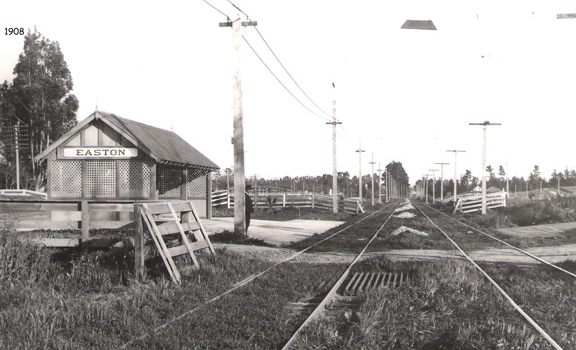

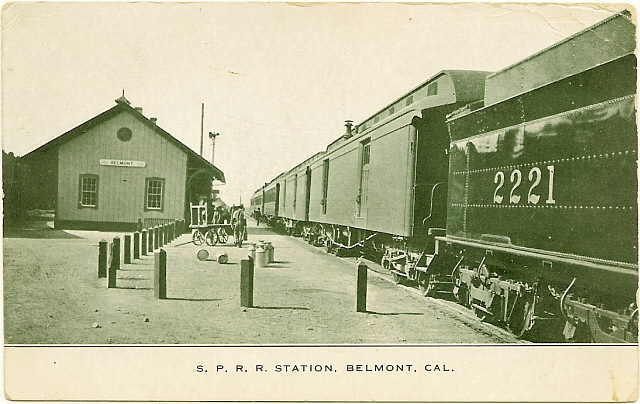

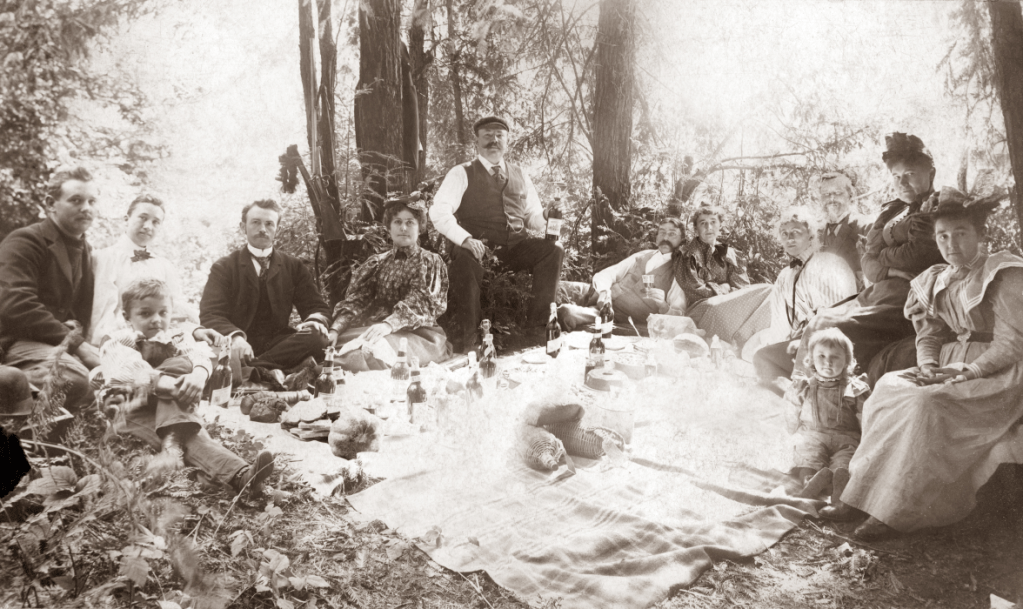
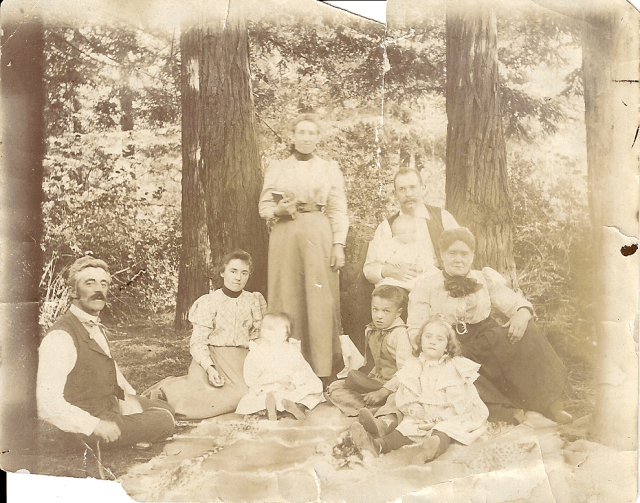

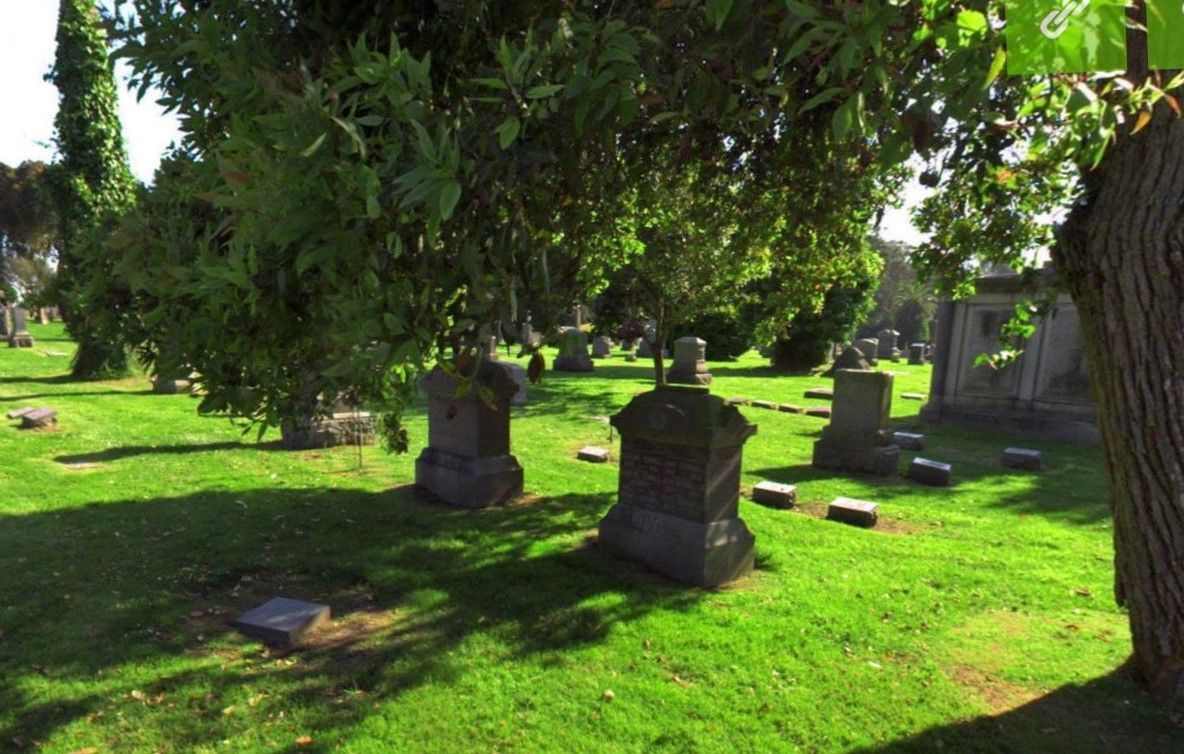




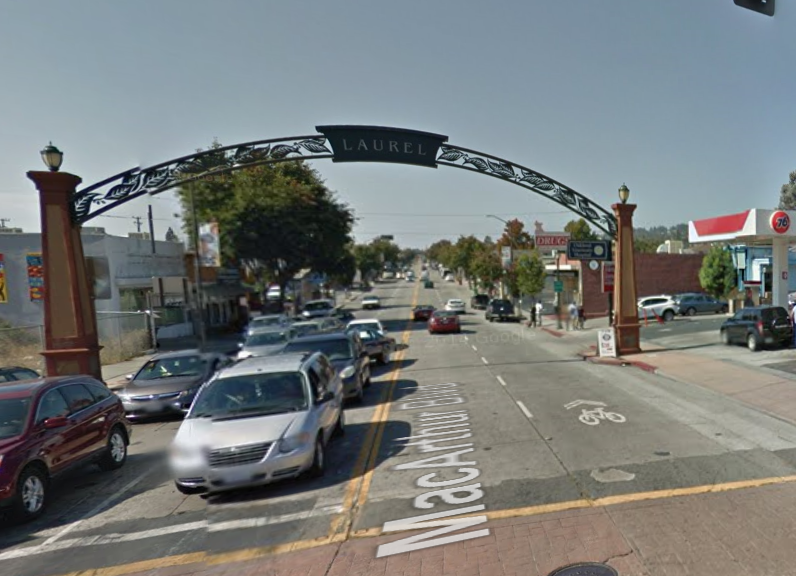





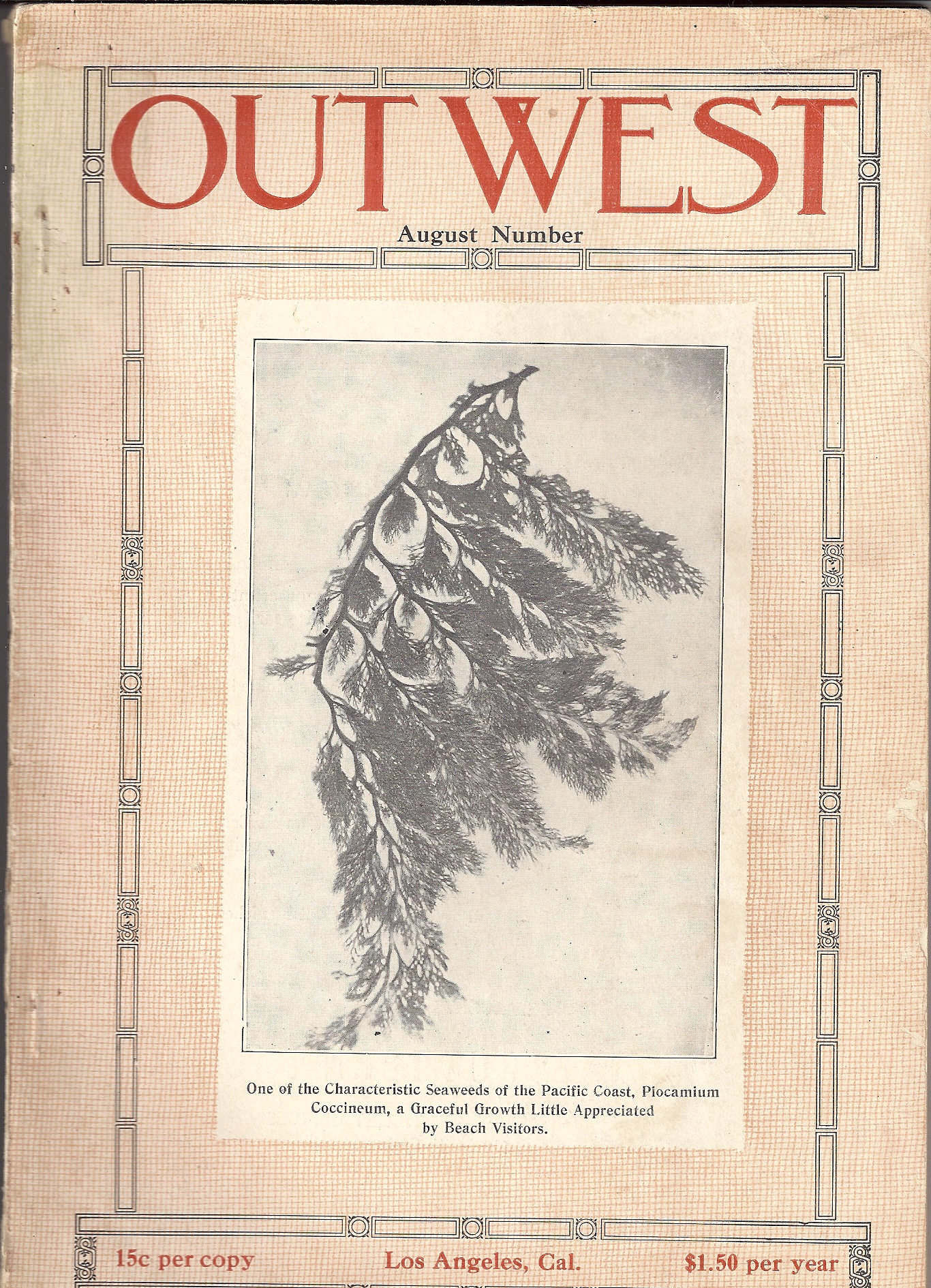
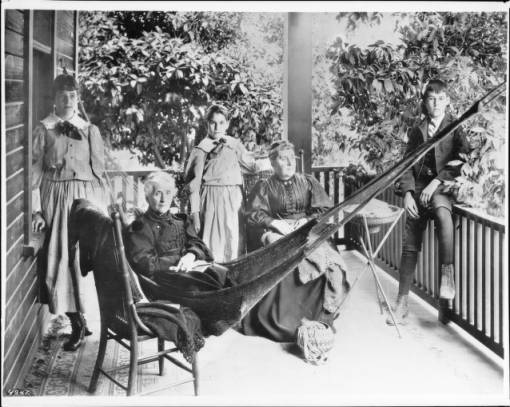
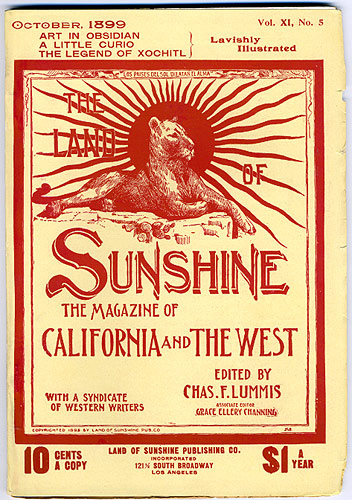


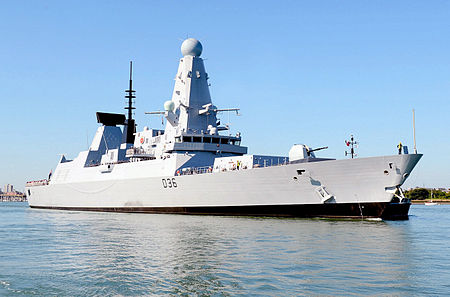


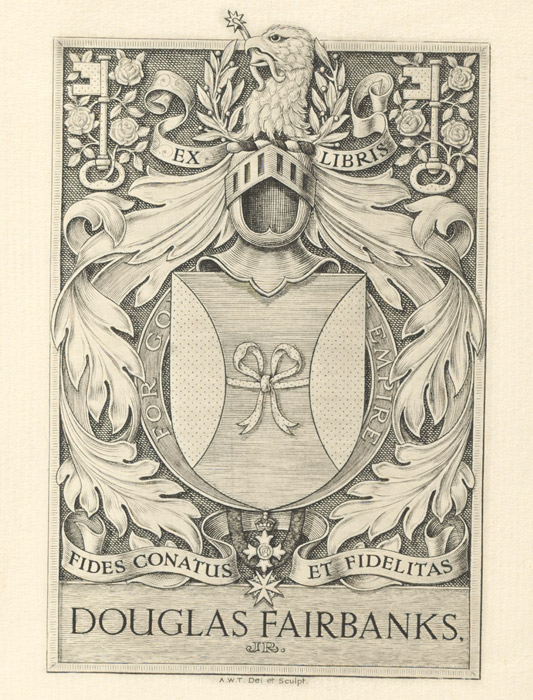
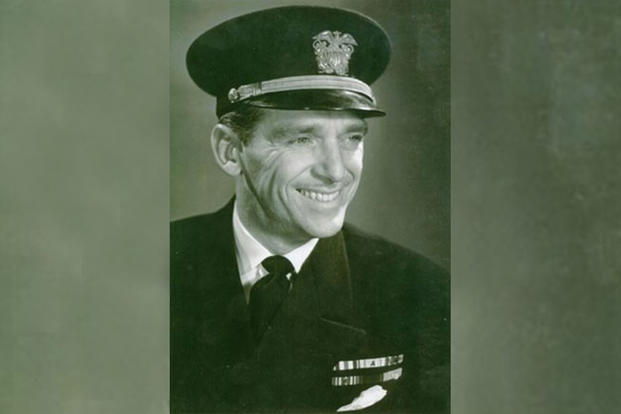


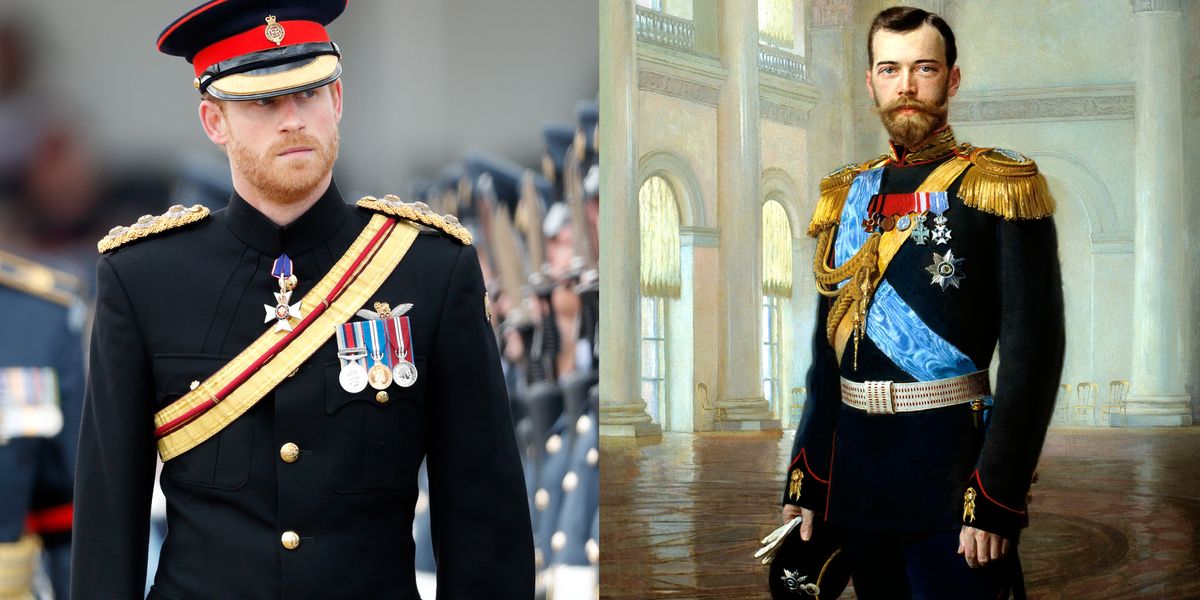


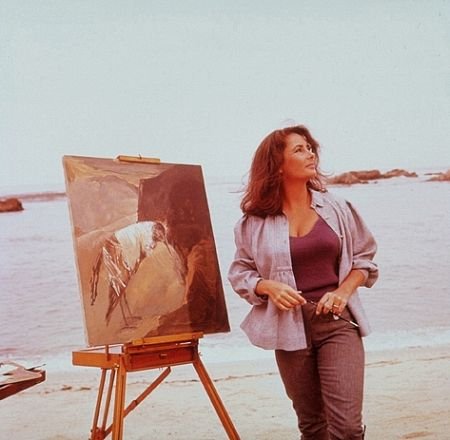
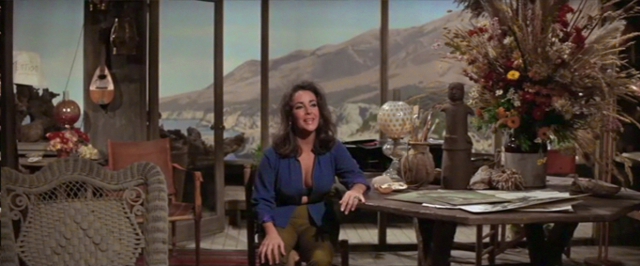
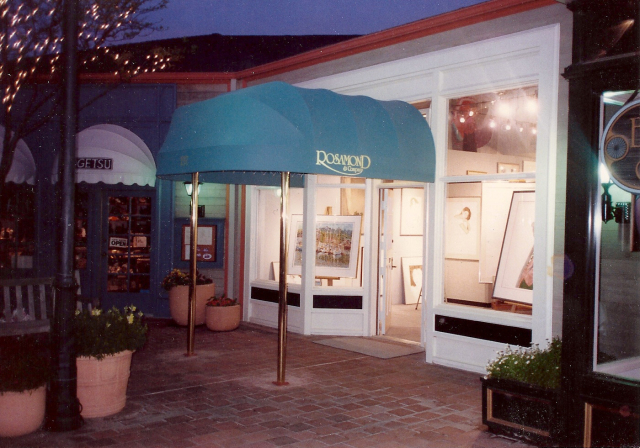


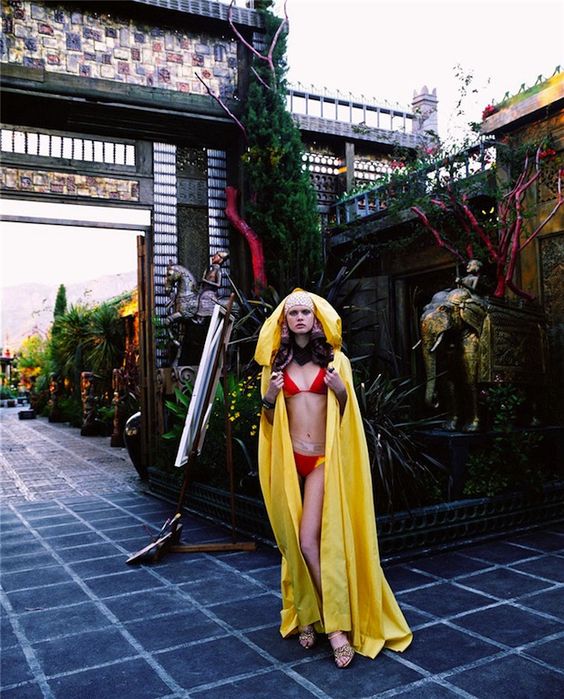




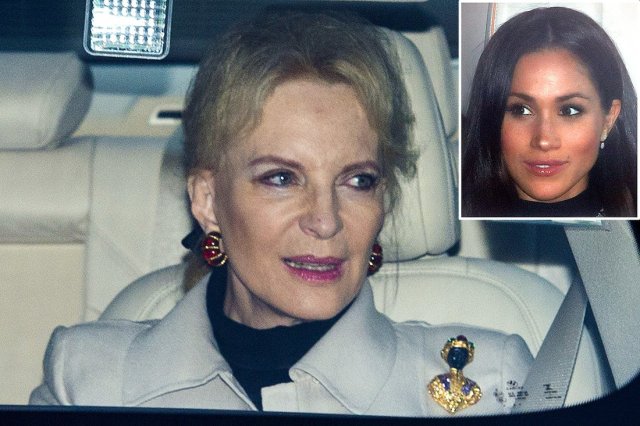 LONDON, ENGLAND – DECEMBER 20: Princess Michael of Kent attends a Christmas lunch for the extended Royal Family at Buckingham Palace on December 20, 2017 in London, England. (Photo by Mark Cuthbert/UK Press via Getty Images)


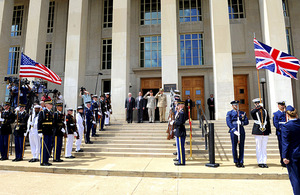

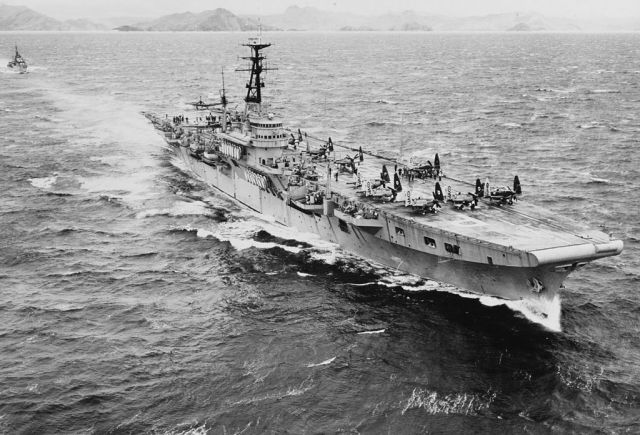
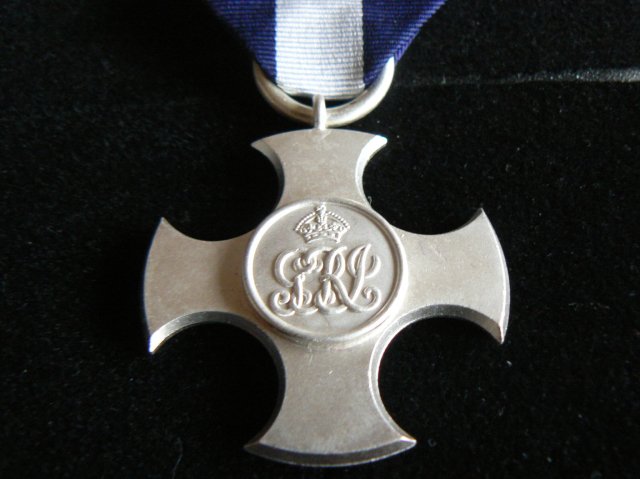



 Rosamond Press
Leave a comment