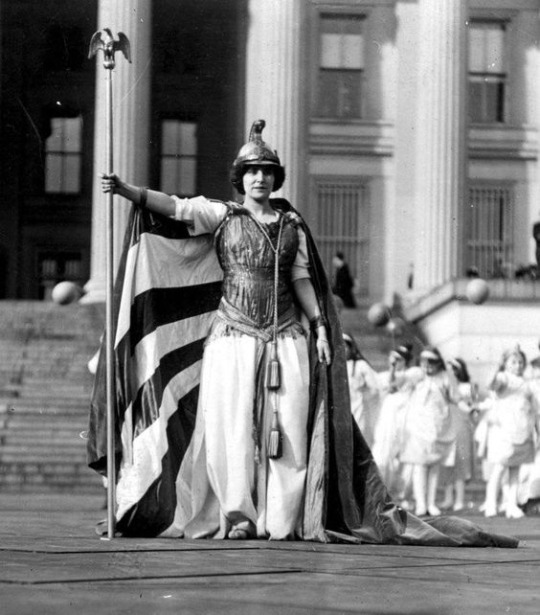
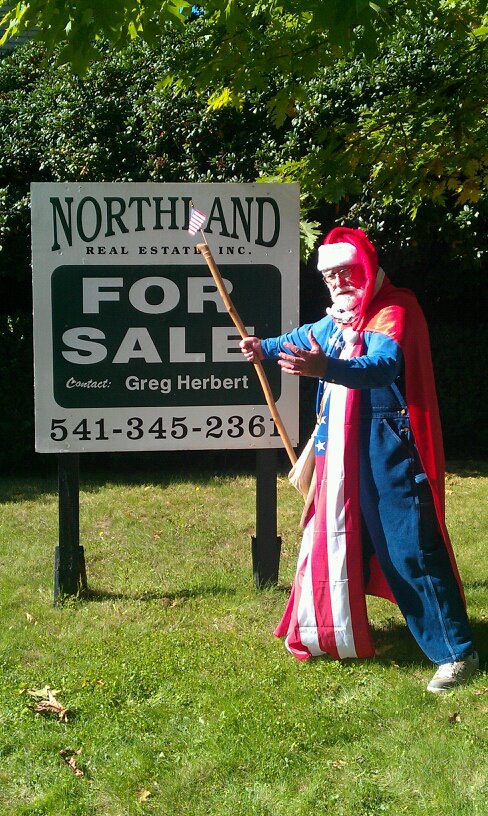
Miss Columbia marching in a parade
Where Art Thou – Podcast
It’s on! It’s happening – now!
After my last post, I watched more news, and had breakfast. So much to do – with no help! People pretend to help me, but they want my Powers of Prophecy in order to make money. The LDS church is guilty of this. Therefore, I introduce…
THE JUBILEE JESUS – AND THE WARRIOR MESSIAH JESUS ON WAR HORSE!
After Jesus restored the Jubilee, he prepared on the Mount of Olives to cross the Gogalath Bridge. On the other side, before the Golden Gate, he was ritually crucified – and cleansed by the Cleansing Water of the Red Hefer. He then entered the East Gate – and the light of the Shekinah was around him. Many thousands of people saw this liget. People have seen this light around me.
There is an account of a Knight on a white horse trying to enter the Goldent Gate, but Pharisees blocked his way. There were two sects of Pharisees. I suspect Saul-Paul led the group that blocked this knights way – and had him stoned to death. He is called Stephen, which means “crowned”, He had a halo around his head – as did many of the First Church. This is how Satan-Saul found the Enlightened Ones – and he murdered them! He hates women with a passion. He castrated himself because Lilith…
FREAKED THIS BOW-LEGGED FREAK OUT!
Saul-Paul knew about the Shekinah-Solomon Prophecy!
John ‘The Nazarite’
The terms you mentioned connect King Solomon, the Shekinah Glory, and the Golden Gate (Eastern Gate) of Jerusalem through biblical history and prophecy.
Here is how these three concepts intertwine:
1. King Solomon and the Original Gate
- The Builder: According to historical and biblical tradition, King Solomon built the original Eastern Gate in the 10th century BC. It served as the grand eastern entrance directly onto the Temple Mount from the Mount of Olives. [1, 2]
- The Pillars: An ancient legend suggests that the magnificent pillars supporting the early foundations of the gate were a gift to Solomon from the Queen of Sheba. [1]
2. The Shekinah Glory
- The Divine Presence: Shekinah (or Shekhinah) is a Hebrew term signifying the visible manifestation of the “Divine Presence” or “Glory of God”. [1, 2]
- Filling Solomon’s Temple: As recorded in 2 Chronicles 7 on Bible Gateway, when Solomon finished praying at the temple’s dedication, fire came down from heaven, and the Shekinah Glory filled the house so intensely that the priests could not even enter. [1, 2]
- The Departure: In Ezekiel 11, due to the persistent sins of the people, the prophet visually witnesses the Shekinah Glory leave Solomon’s Temple—exiting specifically by way of the eastern gate. [1, 2]
3. The Golden Gate and Messianic Prophecy
- The Return: Ezekiel 43 records a prophecy where the Shekinah Glory returns to the temple, entering from the exact same direction it left: through the gate facing east. [1, 2]
- The Sealed Gate: Today, the Golden Gate (also known as the Gate of Mercy or Sha’ar HaRachamim) is completely sealed shut. It was sealed by the Ottoman Sultan Suleiman the Magnificent in 1541 AD. [1, 2]
- The Expectation: According to Jewish tradition outlined on Wikipedia’s Golden Gate Entry, the gate will remain sealed until the Messianic Age. At that time, the Messiah will enter through the Golden Gate, and the Shekinah will permanently return to the sanctuary. [1, 2]
The name Sheba is of Hebrew origin and primarily means “oath” or “seven”. [1, 2]
Origin and Etymology
- Hebrew Roots: Derived from the Semitic word sh-b-a, the term links to the Hebrew word for oath (shevu’ah) or the number seven (sheva), which traditionally symbolizes completeness and perfection. [1, 2]
- Geographical/Historical Origin: The name is most famous as an ancient Semitic kingdom (Sabaʾ) located in the southern Arabian Peninsula (modern-day Yemen) and parts of East Africa. [1, 2]
Cultural and Biblical Associations
- The Queen of Sheba: The most prominent figure associated with the name is the legendary Queen of Sheba, who traveled with a wealthy caravan bearing gold, spices, and precious stones to test the wisdom of King Solomon in the Bible and the Qur’an. [1, 2, 3]
- Biblic
Article I, Section 8, Clause 7, of the United States Constitution, the Postal Clause, authorizes the establishment of “post offices and post roads“[1] by the country’s legislature, the Congress. As one of Congress’s enumerated powers listed in the Constitution’s first article, the clause has been invoked as the constitutional basis for the United States Post Office Department and its successor, the United States Postal Service.
Text
The Congress shall have Power…To establish Post Offices and post Roads;[2]
History
The Postal Clause was added to the Constitution to facilitate interstate communication as well as to create a source of revenue for the early United States.[3][4] There were some early disagreements as to the boundaries of the postal power. John Jay, in a letter to George Washington, opined that the postal service should not be burdened with the responsibility for handling newspaper delivery, and also suggested that the Post Office be placed under the supervision of the executive branch (a suggestion which later led to the creation of the Post Office Department).[5] Thomas Jefferson feared that the postal service would become a source of patronage and a waste of money. Jefferson also expressed doubt at granting Congress the power to designate post roads, as he considered road building to be a state responsibility.[6]
 Rosamond Press
Leave a comment