Where Art Thou?
The ordeal of the Sotah was abolished sometime during the Second Temple period, although there are three separate Tannaitic sources that describe why this occurred. The most well known is in the Mishnah in Sotah (9:9):
Today is May 7, 2026. I awake, turn on my news, and there is talk about the Man of War NOT promoting qualified members of our Armed Forces. This is a continuing purge of LGBTQ People – as I predicted would take place. This is how some Christians , get their foot in the door. They get you agree to go after an obvious sinner, make life hell for them, then, go up the line till they own all the power. They will even send you against a President of the United States. This is why I announced I am a Candidate For President. I know my Bible!
Yesterday, when I came home from the doctor, with good news, I studied the steps I climb. for after my operation I will be taken up these stairs on a special electric chair. Soon after, there was a knock on my door. I open it, and there stand a lone woman. She says she is from a church. She hands me a card. I told her I am at odds with Christian churches, that have rejected me. They had fought with me on these steps. I had to call the police. I own several videos of my battles.
“You will go to hell – unless you accept Jesus as your Lord and Savior!” she said.
“There is…..no hell! It is said Jesus went to hell after he died. Did he?”
“Yes!”
Suddenly, three women appear on the steps. They descend like – angels! They had heard the woman defame the LDS church. The lone woman shrank away. I was….
SAVED!
I then gave THE SISTERS AN ART SHOW AND LESSON! They did not come in because there was no woman in my home. They said they would come back later. They came back with an older woman. I told them I have been given many signs that it is providence I become a member The Church of Later Day Saints. The foremost being, I had just discovered that Joseph Smith was visited by the Angelic John the Baptist, whose father may have restored the Ceremony of the Judging of the Sotah that was very popular with Jewish Women – and Gentile Women! Why?
Hannah and Elizabeth took the Nazarite Vow in order to have a child. They born a divine child – who was a prophet. It was believed if a woman underwent the judgement, and was found innocent, then God would show her mercy….
AND OPEN HER WOMB THAT WAS SHUT
This judgding was taken away – and banned. Two years ago I went the Knight Library to look for a book I read in part, that mentions THREE TRADITIONS that had been abolished by the Sanhedrin. I have evidence…..Jesus PRACTICED THEM!
In my home, I talked about holy things, amd holy matters. I learned the Christian woman had attacked the Sisters on the steps – just before she knocked on my door. She, was looking for more fights. She religously and spritual abused me. She used EXTORTION to get her way. She knew the Three Sisters were…..upstairs! She knew they would – hear!
After twenty minutes, I told the four sisters I am going to give them something, something to go with the new temple, that they said will be sealed – TODAY!
On this day, I give to all the LDS Temples the golden object upon which was written a passage from
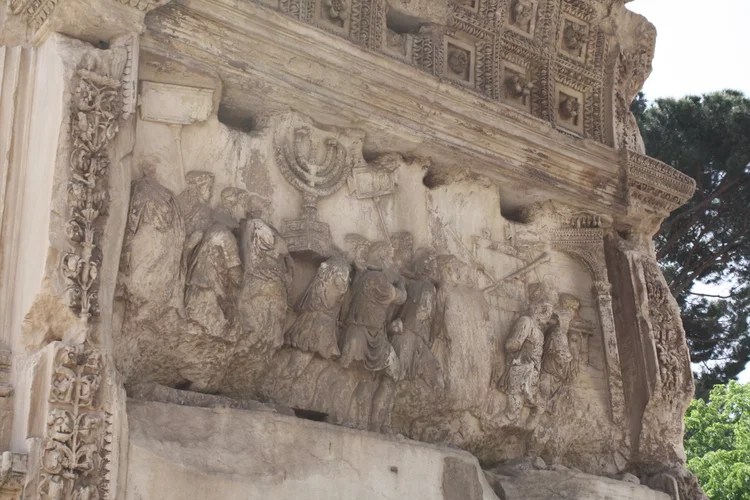
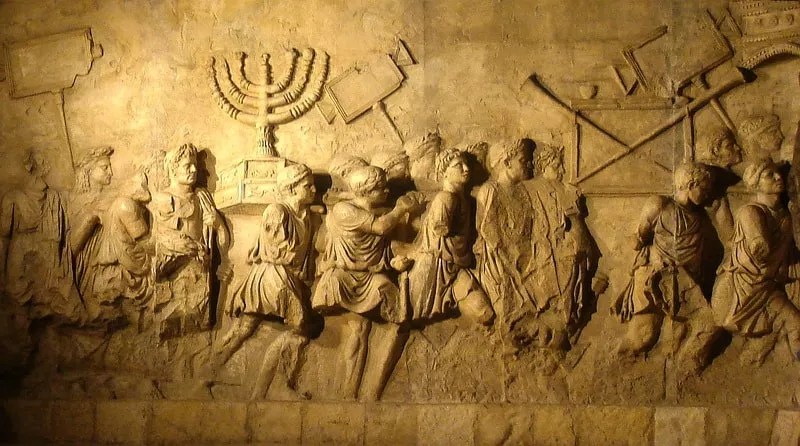
I believe this passage is carried before the Menorah relief. It was put below the Almond Branch. John means ‘The Gift of God’ . This tablet can not be refused. I suggest this matter be discussed with The Prophets. But first. carve this tablet and cover it with gold leaf. Store it where you must. But, it is the cornerstone, that is lost
AND NOW IS FOUND
As for the lost Golden Plates…..”All’s well, that ends, well!”
Jesus knew about the Sotah Judgment? Have I found The Historic Jesus? Let it be! This is the Seal of the LDS church. It is their letter of authenticity!
Blessings! John ‘The Nazarite’
EXTRA! An hour after I posted this, I read on Facebook The Holy Man of War
X-ED OUT THE CHURCH OF LATER DAY SAINTS FROM CHRISTIAN TITLE
“The first, will later be last!” Judge not, lest thee be judged.”
As they were leaving I showed the Four Sisters my paintings. I told them the pages carrying the ballots – turned into The Two Witnesses, that have much to do with the LDS Church. At 12:51 PM on May 7, what is in the wood box they carry is….
THE GOLDEN TABLET UPON WHICH IS WRITTEN THE WORDS FROM………
Have I, John ‘The Nazarite’….prepared the way for Jesus to enter the church of….
HIS CHOSING
““Secretary Hegseth is not ‘streamlining’ anything. He is elevating one narrow religious worldview from the top of the chain of command,” the Rev. Paul Raushenbush, a Baptist minister and head of the progressive Interfaith Alliance told the Associated Press. “The First Amendment does not allow the government to create a hierarchy of faiths, and it certainly does not allow the Pentagon to decide which beliefs are worthy of recognition.”
In the Hebrew Bible, the ordeal of the bitter water was a Jewish trial by ordeal administered by a priest in the tabernacle to a wife whose husband suspected her of adultery, but the husband had no witnesses to make a formal case. It is described in the Book of Numbers (Numbers 5:11–31).
The Good People on my stairs! So full of light!

“Sen. Lee also used social media to share his thoughts on the decision, asking, “Can anyone tell me why The Church of Jesus Christ of Latter-day Saints was left out of the list of Christian churches?”
איתיביה אף היא עשתה טבלא של זהב שפרשת סוטה כתובה עליה
They asked a question on this: She also made a golden tablet on which the Sotah passage was inscribed.
Someone, some she, had presented to the Temple a copy of a portion of the text of the Torah carved out on a golden tablet. It was the text of the rite of the Sotah, which was then copied from this golden tablet onto a scroll and later dissolved in water. From the story of this golden tablet, the Talmud challenges Rabbah’s ruling, because it shows that it is indeed permitted to reproduce only part of the text of the Torah.
The doorway of the Kodesh was 10 cubits wide and 20 cubits high. Over the doorway was a carving of a golden menorah donated by Queen Helena, a convert to Judaism. The morning service could not begin before sunrise. The Temple was surrounded by high walls, and it was not possible to see the rising sun, so priest had to be sent outside to see if it was time for the service to begin. After Queen Helena donated the Menorah, it was no longer necessary to send a priest outside the Temple. As the sun rose in the east it shone against the menorah and the reflected light was cast into the Azarah. The priests then knew that the morning service could begin.
http://judithweingarten.blogspot.com/2010/10/queen-helena-returns-to-jerusalem.html
Queen Helena lived happily with her husband, Monobaz, in Adiabene. Occasionally, Jewish merchants used to visit Adiabene on business. Through them Helena became acquainted with, and interested in, the Jewish religion. As time went on, she became so deeply attracted by the high moral standard of Judaism that she engaged a teacher for herself to learn all she could about it.
The royal house of Adiabene helped the Jewish state in many ways. Many a time they sent large sums of money to Jerusalem, either to provide for the needs of the Beit Hamikdash or to help the poor. Once, a very serious famine ravished the Jewish land, and soon there was no money left to buy food from other countries. Queen Helena and her son used a large portion of their own state treasury to buy grain in Alexandria and dried fruits in Cyprus, and have all this lifesaving food shipped to Jerusalem.
A story happened with Queen Helena. Her son went to war and she declared “If my son returns in peace from the war I will be a nezirah for seven years.” Her son returned from the war and she was a nezirah for seven years At the end of these seven years she went up to live in the Land of Israel, and Bet Hillel ruled for her that she must be a nezirah for another seven years [because Bet Hillel ruled that the time period of nezirut observed outside of Israel does not count.] At the end of the [second] period of seven years she became impure [which meant she needed to serve the entire period again], and so she was a nezirah for a total of twenty-one years…(Nazir 19b)
7/11/2023
there.
Jewish Adultery In the Middle Ages
In his essay on rabbinic attitudes towards nonobservance, Ephriam Kanarfogel pointed out that “[s]exual promiscuity and even adultery were never absent from any region on the medieval Jewish world.” These adulterous relationships were “widespread”, but, continues Kanerfogel, “…the presence of even more objectionable possibilities (i.e., relations with married Jewish women) also had to be considered…” As evidence of just how widespread was the practice of married Jewish men having affairs, Kanarfogel cites R. Moses of Coucy of Spain who preached “at length” in 1236 about the sins of sexual relations outside of marriage. The issue of sexual promiscuity was so widespread that in Toledo a herem (communal ban) was issued against it in 1281. Remarkably, “many who had vowed to honor the ban could not retain themselves and either openly flouted the ban or attempted to circumvent it.” It was the widespread promiscuity of married Jewish men that, according to Kanarfogel, led the Ramban to accept the institution of pilagshut (concubines) as an alternative. Married Jewish men have been cheating for rather a long time.
“In the second half of the fifteenth century, R. Judah Mintz of Padua acknowledged that there were those in the Jewish community who approved the presence of prostitutes as a means of preventing men from committing adultery with married women…R. Judah Mintz did not himself condone this policy, but could do nothing to dislodge it.
— Ephraim Kanerfogel. Rabbinic Attitudes towards Nonobservance. In Schachter JJ. (ed.) Jewish Tradition and the Nontraditional Jew. Jason Aronson 1992. p25
The Double Standard for Married Women
The fact is that while the Torah only mandated the Sotah ordeal for a married woman suspected of adultery but not for a married man, it is married men who are far more likely to be the ones doing the cheating. This bias represents another way in which women are objectified – and we have observed this while studying Ketuvot. Indeed, as several scholars have noted, the Talmud speaks to men, but it speaks about women. And nearly always the statements about women represent nothing more than the faulty perspectives of the men who uttered them. A final example of the way in which adultery is only of concern when it is committed by a woman will be encoutntered in tomorrow’s daf, Sotah 3b. Here’s a sneak preview:
Rav Hisda said: Adultery in a house is like a karya worm to sesame. [Just as the worm eats and destroys the sesame, adultery destroys the family structure.] And Rav Hisda said: Anger in a house is like a karya worm to sesame. [Just as the worm eats and destroys the sesame, so anger destroys the family structure.] Both of these statements were said with respect to the behavior of the woman; however with respect to the man, we have no concern about it.
Why Was the Ritual Abolished?
The ordeal of the Sotah was abolished sometime during the Second Temple period, although there are three separate Tannaitic sources that describe why this occurred. The most well known is in the Mishnah in Sotah (9:9):
משרבו המנאפין, פסקו המים המאררים; רבן יוחנן הפסיקן, שנאמר לא אפקוד על בנותיכם כי תזנינה, ועל כלותיכם כי תנאפנה
When adulterers increased the waters of bitterness ceased. Raban Yohanan ben Zakkai discontinued them. For it is written (Hos.4:14): I shall not punish your daughters wine they fornication nor tour daughters-in-law when they commit adulery…”
Another version is found in the Tosefta (Sotah 14:1-2):
תוספתא מסכת סוטה פרק יד הלכה ב
משרבו המנאפין פסקו מי מרים לפי שאין מי מרים באין אלא על הספק עכשיו כבר רבו הרואין בגלוי
When adulterers increased the water of bitterness ceased, for the waters of bitterness functions only to clarify a doubt, but now many see adultery in the open…
A third version is found in the Sifrei 21 (25):
ספרי במדבר פרשת נשא פיסקא כא
כשהאיש מנוקה מעון האשה ההיא תשא את עונה… (הושע ד יד) אמר להם הואיל ואתם רודפים אחר הזנות אף המים לא יבדקו את נשיכם
…Only when the man is free of that sin will “the woman bear her iniquity” [ie. be punished by the ritual of the Sotah]…(Hos.4:14): I shall not punish your daughters when they fornicate nor your daughters-in-law when they commit adultery…” [Hosea] said to them: since you keep the company of whores, the water will not examine your wives…
As the scholar Ishay Rosen-Zvi notes, the Sifrei attributes the end of the ritual “to the failure to apply its moral standard to both men and women equally.” Evidence from the social sciences, genetics, and even from Jewish history have demonstrated that (Jewish) men were, and are, far more likely to be the ones cheating. We know this today, but perhaps the Sifrei, (a work of halakhic midrash likely composed in Israel some time after the end of the fourth century CE.) understood this long ago.
8/12/2019
Judging The Sotah

Jesus said;
“Judge not, lest thee be judged!”
This has everything to do with the judging of the woman accused of adultery that I ALONE solved the riddle of. I announced that I know the answer surrounded by men and women carrying guns. One said;
“No one knows the answer!”
“I do!” says I.
Why does Jesus pretend he does not hear the accusation? Because, one becomes sinful by just hearing this sin. It is suggested those wh heard the sin, take the Oath of Nazarite to purify themselves. John’s mother was named Elizabeth, which means ‘Daughter of the Oath’. Hannah drank the cup in which THE NAME of God, had been poured, because The Law of God and Moses declares that if a BARREN WOMAN take the judgement be judged, then she will be able to conceive. I was named after John the Baptist.
King John
Judging the Adulteress
Posted on March 2, 2019 by Royal Rosamond Press
Noah’s sons are WITNESS to the sin of adultery due to their father drinking too much wine. This is similar to the Samson story. Samson was born a Nazarite, but, break his vow. Those who witness the sin of adultery must take the Nazarite vow. The story of Ham is another attempt at reform. Adultery was destroying the tribal system and the covenant of God, the very reason He caused the flood. Jesus deals with the CURSE of adultery in what I believe was another reform – that failed due the murder of John the Baptist, the Nazarite while in his mother’s womb.
John
‘The Nazarite’
“Based on this explanation, we can now proceed to our original
question. When one witnesses the humiliation of the Sotah, he
realizes that the averah he once thought to be unimaginable is now a
distinct possibility. In order to protect himself, the witness must
therefore become a Nazir and thereby elevate himself to his former
level.”Book of Jubilees[edit]
In the Book of Jubilees, the seriousness of Ham’s curse is compounded by the significance of God’s covenant to “never again bring a flood on the earth”.[20] In response to this covenant, Noah builds a sacrificial altar “to atone for the land”.[Jub. 6:1–3] Noah’s practice and ceremonial functions parallel the festival of Shavuot as if it were a prototype to the celebration of the giving of the Torah.[20] His “priestly” functions also emulate being “first priest” in accordance with halakhah as taught in the Qumranic works.[21][22] By turning the drinking of the wine into a religious ceremony, Jubilees alleviates any misgivings that may be provoked by the episode of Noah’s drunkenness. Thus, Ham’s offense would constitute an act of disrespect not only to his father, but also to the festival ordinances.[23]


Everything is accelerating at a fast clip. Why has no priest, minister, rabbi, or T.V. evangelical prophet solved the riddle of what Jesus wrote in the dust. Why me? Why did I discover the truth and not one else. Rabbi Irons knows very little about Christianity, and does know John was a Nazarite – for life! Jesus knew this. I had no problem reading Judaic teaching.
Judging the Adulteress
Posted onAugust 10, 2015byRoyal Rosamond Press

Jesus is judging the woman accused of adultery employing an ancient custom that was done away with before he was born. Being a candidate for the Messiah, Jesus must be WITHOUT SIN….without error. Sin means ‘missing the mark’. This is why Jesus pretends not to hear the accusations against the woman accused of adultery. When I read this lesson by Rabbi Eliezer Irons eight years ago, I got it, the answer to…
View original post 2,603 more words
c
Restoring the Jubilee With Debt Rebellion

Sweden is now a member of NATO.
“Kevin Brook cites that the Jewish kings of Adiabene were regularly involved in policy and military affairs. In 61 CE, Monobazus II, the king who Izates meant to succeed him, sent troops to Armenia to try to thwart an invasion of Adiabene. Two years later, he was in attendance at a peace settlement between Parthia and Rome. During the war of Judea against the Roman Empire (66-70 CE), the Adiabenian royal family supported the Judean side.34
According to Paul E. Kahle, there were many Jews in the city of Arbela even after the establishment of bishops and the spread of Christianity in Adiabene.35
,“Paul devoted himself fully to the word, testifying to the Jews that Jesus was the Christ. 6 When they opposed and slandered him, he shook the dust from his clothes in protest and said to them, “You are responsible for your own fates! I’m innocent! From now on I’ll go to the Gentiles!” 7 He left the synagogue and went next door to the home of Titius Justus, a Gentile God-worshipper.“
Get lost! Good riddance!
John
This is a historic moment for Sweden, which has spent the past year fighting hard to get accepted into Nato.
The Nordic country previously embraced wartime neutrality for more than 200 years, but applied for membership last May as part of efforts to improve security and stability in northern Europe, following Russia’s invasion of Ukraine.
However, until late on Monday night, Turkey had been blocking Sweden’s application.
Turkey argued Sweden was giving refuge to Kurdish militants, and needed to do more to crack down on rebel groups like the Kurdistan Workers’ Party (PKK), which it considers a terrorist organisation. The EU and US have also designated the PKK as a terrorist group.
Like any of Nato’s 31 member countries, Turkey has the power to block new nations from joining the group.
The outcome of crunch talks with President Recep Tayyip Erdogan is being seen as a major win for Sweden’s right-wing Prime Minister Ulf Kristersson.
The Jews Must Rebuild Temple
Posted on October 5, 2022 by Royal Rosamond Press

According to Christian Nationalists, who turned my families Republican Party into the temple of their cult of fake forgiveness, the Jews MUST rebuild the temple before Jesus returns! It is not going to happen – and most Evangelical leaders know it. This is why they tried to take over the White House and our Nation’s Capitol. This is why they are Insurrectionists employing the Supreme court. They swore verbal, and written contracts with the Citizens of this Democracy. Put up, or – shut up!
Tim LaHaye, a close cult ally of Ginni Thomas, says a global war must occur, along with the coming of the Anti-Christ, before Jesus returns and save believers – only! Clarence Thomas has to know about this Lunatic Plan – that involves Trump – who Ginni might see as……The Anti-Christ? Ten of millions of evangelicals wanted to SEE RESULTS, see BIG THINGS HAPPEN so they will not lose faith come Sunday. This is why the Thomas couple repealed Woe vs. Wade.
Get out! Get out of the Republican Party founded by John Fremont. Form your own party – of the Fake End Time Temple! Devils!
John ‘The Nazarite’
Many Evangelical Christians believe that New Testament prophecies associated with the Jewish Temple, such as Matthew 24–25 and 2 Thessalonians 2:1–12, were not completely fulfilled during the Roman destruction of Jerusalem in AD 70 (a belief of full preterism) and that these prophecies refer to a future temple. This view is a core part of dispensationalism, an interpretative framework of the Bible that stresses biblical literalism and asserts that the Jews remain God’s chosen people. According to dispensationalist theologians, such as Hal Lindsey and Tim LaHaye, the Third Temple will be rebuilt when the Antichrist, often identified as the political leader of a trans-national alliance similar to the European Union or the United Nations, secures a peace treaty between the modern nation of Israel and its neighbors following a global war. The Antichrist later uses the temple as a venue for proclaiming himself as God and the long-awaited Messiah, demanding worship from humanity.
On the day of his triumph, the general wore a crown of laurel and an all-purple, gold-embroidered triumphal toga picta (“painted” toga), regalia that identified him as near-divine or near-kingly. In some accounts, his face was painted red, perhaps in imitation of Rome’s highest and most powerful god, Jupiter. The general rode in a four-horse chariot through the streets of Rome in unarmed procession with his army, captives, and the spoils of his war. At Jupiter’s temple on the Capitoline Hill, he offered sacrifice and the tokens of his victory to Jupiter.
Nazarite Lamp of Helena
Posted on March 28, 2016 by Royal Rosamond Press


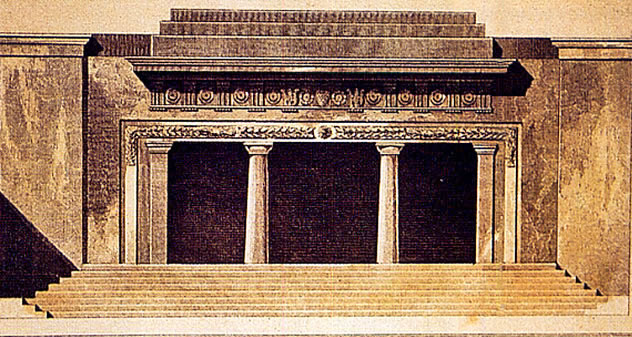
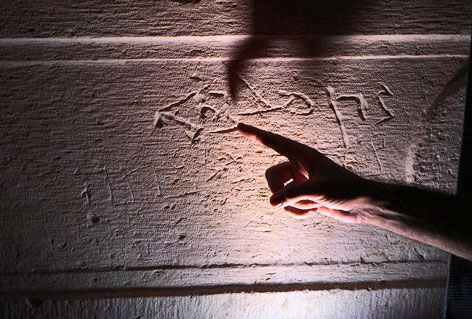
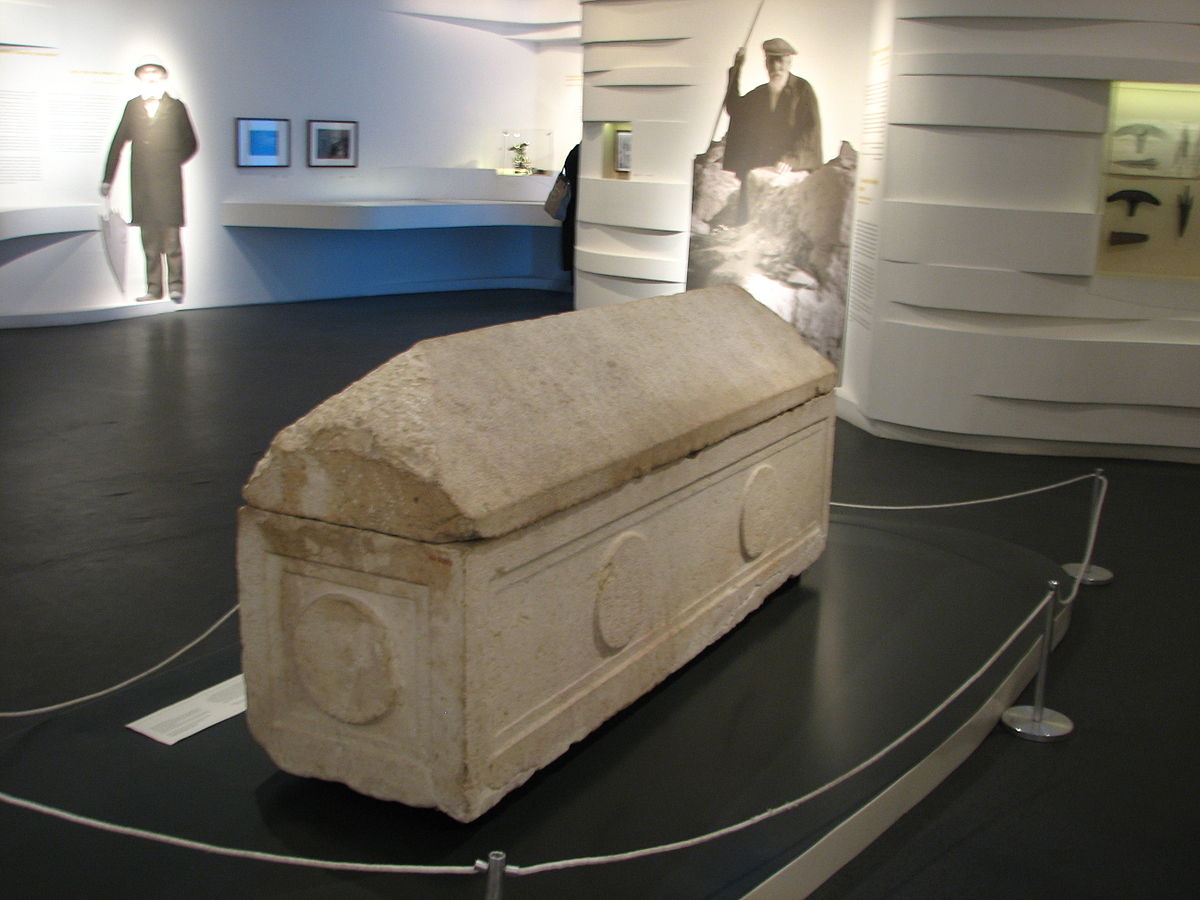


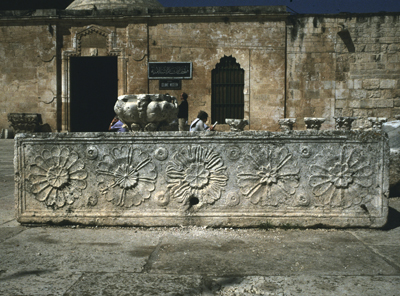


“What interests me in these sarcophagi is their decorations. They all display rosettes, resembling flowers. These motifs are well known from the Temple Mount Excavations, where many such fragments were found.”
The golden lamp that Queen Helena gifted to the temple is being constructed in hope that it will hang at the entrance of the new Temple in Jerusalem. I believe this lamp represents the Shekinah that I have installed on Santa Rosa Island for safe keeping. No one will enter the new temple unless they are cleansed in water by me, or, the one that comes after me.
Jon
‘The Nazarite’

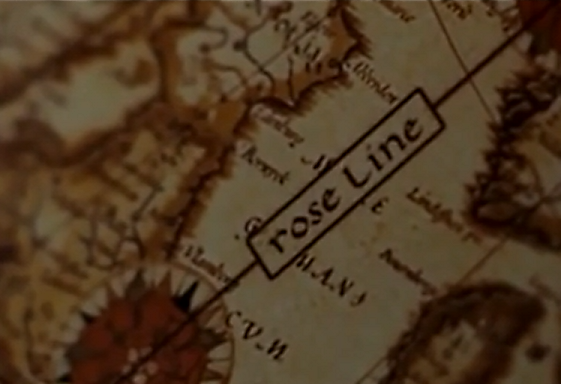
“Simon held the upper city, and the great walls as far as Cedron, and as much of the old wall as bent from Siloam to the east, and which went down to the palace of Monobazus, who was king of the Adiabeni, beyond Euphrates; he also held the fountain, and the Acra, which was no other than the lower city; he also held all that reached to the palace of queen Helena, the mother of Monobazus; but John held the temple, and the parts thereto adjoining, for a great way, as also Ophla, and the valley called “Valley of Cedron;”
Years ago I suggested Nazarite Queen Helena of Abiabene was the Sleeping Beauty Princess, Rosamond. Her sarcophagus lies at rest under the pyramid of the Louvre, the place where Dan Brown’s Fairytale suggests Mary Magdalene, the wife of Jesus is interred. There is not name in the whole internet like that of my grandmother, Mary Magdalene Rosamond, whose granddaughter married a Benton. Jessie Benton and her husband, John Fremont, had Hungarian ex-patriots in their bodyguard, that fought against the Confederated slave masters of the new Roman empire whose false evangelical prophets have taken over Fremont’s party in order to take from the poor, the widow, and the elderly in order to give to the Imperial Billionaires of America.
The Roman swine who pretend to be wolves captured the beuatiful Menorah that Queen Helena gave as a gift to the Jewish people. My story ‘Capturing Beauty’ will bring the Light of God – home! I will overcome the world!
Johanne Wolferose
Judaism in Adiabene survived the death of Izates and Helena. History indicates that the Jewish religion continued to play a part in the kingdom of Adiabene; non-royal Adiabenians converted. “The names of the Adiabenite [sic] Jews Jacob Hadyaba and Zuga (Zuwa) of Hadyab,”33 indicate a non-Hebrew origin and possible conversion to Judaism.
Mindful of the events which in her view were of a positive nature, Helena journeyed with her retinue to Jerusalem and the Great Temple to worship and offer thank-offerings while the throne in Arbela had been safeguarded. Queen Helena offered items of blessing including a special addition to the Kodesh, or Inner Sanctuary of the Great Temple:
The doorway of the Kodesh was 10 cubits wide and 20 cubits high. Over the doorway was a carving of a golden menorah donated by Queen Helena, a convert to Judaism. The morning service could not begin before sunrise. The Temple was surrounded by high walls, and it was not possible to see the rising sun, so priest had to be sent outside to see if it was time for the service to begin. After Queen Helena donated the Menorah, it was no longer necessary to send a priest outside the Temple. As the sun rose in the east it shone against the menorah and the reflected light was cast into the Azarah. The priests then knew that the morning service could begin.18
Kevin Brook cites that the Jewish kings of Adiabene were regularly involved in policy and military affairs. In 61 CE, Monobazus II, the king who Izates meant to succeed him, sent troops to Armenia to try to thwart an invasion of Adiabene. Two years later, he was in attendance at a peace settlement between Parthia and Rome. During the war of Judea against the Roman Empire (66-70 CE), the Adiabenian royal family supported the Judean side.34
According to Paul E. Kahle, there were many Jews in the city of Arbela even after the establishment of bishops and the spread of Christianity in Adiabene.35
Book V, Chapter VI, Section 1 (Entire)
The Vast Slaughters Occurring Within The City
1. Now the warlike men that were in the city, and the multitude of the seditious that were with Simon, were ten thousand, besides the Idumeans. Those ten thousand had fifty commanders, over whom this Simon was supreme. The Idumeans that paid him homage were five thousand, and had eight commanders, among whom those of the greatest fame were Jacob, the son of Sosas, and Simon, the son of Cathlas. John, who had seized upon the temple, had six thousand armed men, under twenty commanders; the zealots also that had come over to him, and left off their opposition, were two thousand four hundred, and had the same commander they had formerly, Eleazar, together with Simon, the son of Arinus. Now, while these factions fought one against another, the people were their prey of both sides, as we have said already; and that part of the people who would not join with them in their wicked practices, were plundered by both factions. Simon held the upper city, and the great walls as far as Cedron, and as much of the old wall as bent from Siloam to the east, and which went down to the palace of Monobazus, who was king of the Adiabeni, beyond Euphrates; he also held the fountain, and the Acra, which was no other than the lower city; he also held all that reached to the palace of queen Helena, the mother of Monobazus; but John held the temple, and the parts thereto adjoining, for a great way, as also Ophla, and the valley called “Valley of Cedron;” and when the parts that were interposed between their possessions were burnt by them, they left a space wherein they might fight with each other; for this internal sedition did not cease, even when the Romans were encamped near their very walls. But although they had grown wiser at the first onset the Romans made upon them, this lasted but for a while; for they returned to their former madness, and separated one from another, and fought it out, and did everything that the besiegers could desire them to do; for they never suffered anything that was worse from the Romans than they made each other suffer ; nor was there any misery endured by the city after these men’s actions that could be esteemed new. But it was most of all unhappy before it was overthrown, while those that took it did it a greater kindness; for I venture to affirm, that the sedition destroyed the city, and the Romans destroyed the sedition, which it was a much harder thing to do that to destroy the walls; so that we may justly ascribe our misfortunes to our own people , and the just vengeance taken on them by the Romans; as to which matter let every one determine by the actions on both sides.
News of the discovery of human bones, and from a Jewish queen moreover, inflamed the Jewish community in Jerusalem. The community petitioned prominent figures in Europe and lobbied the Ottoman authorities. De Saulcy was forced to suspend his excavation, but not before managing to send the sarcophagus and his other findings to France. Since then the queen’s coffin has languished, largely unseen, in the basement of the Louvre in Paris
News of the discovery of human bones, and from a Jewish queen moreover, inflamed the Jewish community in Jerusalem. The community petitioned prominent figures such as Moses Montefiore and the Rothschild family, and lobbied the Ottoman authorities. De Saulcy was forced to suspend his excavation, but not before managing to send the sarcophagus and other findings to France. Since then the queen’s coffin has been in the Louvre in Paris. According to Maoz Lin, the museum displayed it for a while and then put it in storage. It was brought out again in 1982, for an exhibition marking the centenary of de Saulcy’s death, after which it went back into storage.
The main problems were the technical arrangements for transferring the sarcophagus. At the demand of the Jewish community in France, two rabbis came to make sure there were no human bones remaining inside.”
The Israel Museum’s director, James Snyder, and the French ambassador, Bigot, were also involved in the negotiations. Without their intervention, Maoz Lin notes, the royal coffin might never have left Paris. Snyder says that the French ambassador aided in the operation enthusiastically, and both Choukroun and Bigot stress the good will their country displayed in the matter.
“We have been working on this matter for a very long time, and we are very glad that the sarcophagus is back in Israel,” says Bigot. “The president of the Louvre is an old friend of Israel’s and he wanted to grant the request. A lot of details had to be worked out, to make sure that the casket is transferred safely, and more. So we are delighted that its transfer ended successfully.”
On the Tuesday before Sukkot, a few hours after the ceremony in honor of the burial box’s return to Jerusalem, Snyder entered the room where it is on display to the public, as part of the exhibition “Breaking Ground: Pioneers of Biblical Archaeology.”
“I saw a young family there, visiting the exhibition,” he says. “I realized that they did not understand what this object was, so I explained it to them. The return of the sarcophagus to Jerusalem makes me very happy. If the supposition is correct and it is really the sarcophagus of Queen Helena, the idea that we can look at a coffin in which a queen from the first century C.E. was buried – a woman who converted and who contributed a great deal to the people of Jerusalem – is very exciting. It opens a door to a piece of history that you would have no chance of knowing otherwise.”
“Her son [Izates] having gone to war, Helena made a vow that if he should return safe, she would become a Nazirite for the space of seven years. She fulfilled her vow, and at the end of seven years went to Judah. The Hillelites told her that she must observe her vow anew, and she therefore lived as a Nazirite for seven more years. At the end of the second seven years she became ritually impure, and she had to repeat her Naziriteship, thus being a Nazarite for twenty-one years. Judah bar Ilai, however, said she was a Nazirite for fourteen years only.”[8] “Rabbi Judah said: ‘The sukkah [erected for the Feast of Tabernacles] of Queen Helena in Lydda was higher than twenty ells. The rabbis used to go in and out and make no remark about it’.”[9]
What interests me in these sarcophagi is their decorations. They all display rosettes, resembling flowers. These motifs are well known from the Temple Mount Excavations, where many such fragments were found. None of these fragments were large enough to inform us reliably as to the style of Temple Mount decoration. In order to make reconstruction drawings, we had to turn to the funerary monuments and sarcophagi of the Second Temple period which reflected the architecture on the mount itself.
The variation in motifs was amazing. For instance none of the rosettes on the sarcophagi and tomb friezes was the same as the next. The sarcophagus of this Mesopotamian queen with its arrangements of rosettes resembling a frieze is invaluable as an indication of the splendour and beautiful architecture of Herod’s Temple and the buildings of the Temple Mount.
Nearly 3,000 km [2,000 miles] from Judea, east of the Tigris River, lies the ancient land of Adiabene — nowadays more or less Iraqi Kurdistan (upper middle of map). In Helena’s time, during the early first century CE, Adiabene was a client kingdom of the Parthians. According to the Jewish historian, Josephus,** it was also where the remains of Noah’s ark were still visible and could be shown to anyone who was interested in such things.
http://judithweingarten.blogspot.com/2010/10/queen-helena-returns-to-jerusalem.html
Queen Helena lived happily with her husband, Monobaz, in Adiabene. Occasionally, Jewish merchants used to visit Adiabene on business. Through them Helena became acquainted with, and interested in, the Jewish religion. As time went on, she became so deeply attracted by the high moral standard of Judaism that she engaged a teacher for herself to learn all she could about it.
The royal house of Adiabene helped the Jewish state in many ways. Many a time they sent large sums of money to Jerusalem, either to provide for the needs of the Beit Hamikdash or to help the poor. Once, a very serious famine ravished the Jewish land, and soon there was no money left to buy food from other countries. Queen Helena and her son used a large portion of their own state treasury to buy grain in Alexandria and dried fruits in Cyprus, and have all this lifesaving food shipped to Jerusalem.
When Monobaz was criticized by some of his advisers for squandering his money on the poor, both in his own country and in the Jewish state, he replied:
“My ancestors amassed treasures in this world, while I gather treasures for the world to come. My ancestors placed their treasures in chambers, and had to guard them against thieves; my treasures are far from the reach of any greedy hand, and will be safe forever. My ancestors’ treasures did not produce any fruits, but mine continue to bring more and more fruit.”
Such was the piety and charitableness of Queen Helena and her sons.
In the Mishnah we are told of many gifts which Queen Helena and her son gave to the Beit Hamikdash, for which they are remembered for all time. For instance, she had a golden candelabra placed above the entrance to the Beit Hamikdash, which not only had its own light, but early in the morning it reflected the sun’s first rays. Thus, when the priests wanted to know whether it was already time to say the Shema in the morning, they had only to look at Queen Helena’s candelabra.
Another gift of Queen Helena was a tablet of gold, on which she had a certain portion of the Torah inscribed, which was of special interest to women. In addition, King Monobaz and his mother donated golden handles to be attached to all vessels used in the Beit Hamikdash on Yom Kippur.
Once, on a visit to Jerusalem, Queen Helena built a beautiful mausoleum where she and her sons were to be buried after their death. Its door had an ingenious mechanism that opened it once a year at a certain hour and closed itself again, to stay closed for another twelve months. Even now, parts of this beautiful tomb, called the Tombs of the Kings, are still left.
Before her death, Queen Helena traveled to Jerusalem to spend there the last years of her life in prayer and good deeds. According to tradition, she lived as a nezirah (nazirite) for fourteen years, to keep a vow she had made for her son and for herself.
Gittin 60a ~ Queen Helena and Her Gift to the Temple
All or Nothing?
In today’s page of Talmud, there is an interesting (and most welcome) digression from the laws of divorce and the ownership of slaves. The Talmud asks whether just a part of the Torah may be committed to writing, or if the text must be produced as a whole. Here’s the original question:
בעא מיניה אביי מרבה מהו לכתוב מגילה לתינוק להתלמד?… א”ל אין כותבין
Abaye asked Rabbah: “May a scroll containing only a portion of the Torah text be written for a young child to be taught from?” Rabbah answered: “We may not write portions of the Torah.”
The Talmud then questions Rabbaha’s ruling:
איתיביה אף היא עשתה טבלא של זהב שפרשת סוטה כתובה עליה
They asked a question on this: She also made a golden tablet on which the Sotah passage was inscribed.
Someone, some she, had presented to the Temple a copy of a portion of the text of the Torah carved out on a golden tablet. It was the text of the rite of the Sotah, which was then copied from this golden tablet onto a scroll and later dissolved in water. From the story of this golden tablet, the Talmud challenges Rabbah’s ruling, because it shows that it is indeed permitted to reproduce only part of the text of the Torah.
We won’t dwell on how this issue is finally resolved. Instead, let’s find out more about the woman who made the donation. Her identity is revealed in a Mishnah in the third chapter of Yoma:
King Monobaz had all the handles of all the vessels used on Yom Kippur made of gold. His mother Helena had a golden candlestick made over the door of the Hechal. She also had a golden tablet made, on which the portion about the Sotah was inscribed.
So that’s who it was. Queen Helena.
QUEEN HELENA, PATRON OF THE SECOND TEMPLE
We first met the Queen when we studied Nazir, of all places, where it turns out she was a Jew-by-choice:
מעשה בהילני המלכה שהלך בנה למלחמה ואמרה אם יבוא בני מן המלחמה בשלום אהא נזירה שבע שנים ובא בנה מן המלחמה והיתה נזירה שבע שנים ובסוף שבע שנים עלתה לארץ והורוה ב”ה שתהא נזירה עוד שבע שנים אחרות ובסוף שבע שנים נטמאת ונמצאת נזירה עשרים ואחת שנה
A story happened with Queen Helena. Her son went to war and she declared “If my son returns in peace from the war I will be a nezirah for seven years.” Her son returned from the war and she was a nezirah for seven years At the end of these seven years she went up to live in the Land of Israel, and Bet Hillel ruled for her that she must be a nezirah for another seven years [because Bet Hillel ruled that the time period of nezirut observed outside of Israel does not count.] At the end of the [second] period of seven years she became impure [which meant she needed to serve the entire period again], and so she was a nezirah for a total of twenty-one years…(Nazir 19b)
In this passage Queen Helena, who died around 50 CE., is one of the few people in the Talmud identified as having become a nazarite, and quite possibly the only one who became a nazarite three times over. But there is a lot more to her story. Elsewhere in the Talmud (בבא בתרא יא, א) her son is credited with saving Jerusalem from famine (at least according to Rashi there). And in the Mishnah in Yoma (37a), from where the brief quote in today’s Daf-Yomi comes from, the Queen dedicated to the Temple both a golden candelabra and a tablet on which the section of the Sotah was written.
THE QUEEN IN THE WRITINGS OF JOSEPHUS
While the Talmud records a number of stories about Queen Helena, the great Jewish historian Josephus provided some additional information about her life, which corroborate some of the stories told about her in the Talmud.
About this time it was that Helena, Queen of Adiabene, and her son Izates, changed their course of life, and embraced the Jewish customs, and this on the occasion following: Monobazus, the king of Adiabene, who had also the name of Bazeus, fell in love with his sister Helena, and took her to be his wife, and begat her with child. But as he was in bed with her one night, he laid his hand upon his wife’s belly, and fell asleep, and seemed to hear a voice, which bid him take his hand off his wife’s belly, and not hurt the infant that was therein, which, by God’s providence, would be safely born, and have a happy end. This voice put him into disorder; so he awaked immediately, and told the story to his wife; and when his son was born, he called him Izates…
A certain Jewish merchant, whose name was Ananias, got among the women that belonged to the king, and taught them to worship God according to the Jewish religion. He, moreover, by their means, became known to Izates, and persuaded him, in like manner, to embrace that religion; he also, at the earnest entreaty of Izates, accompanied him when he was sent for by his father to come to Adiabene; it also happened that Helena, about the same time, was instructed by a certain other Jew and went over to them…
But as to Helena, the king’s mother, when she saw that the affairs of Izates’s kingdom were in peace, and that her son was a happy man, and admired among all men, and even among foreigners, by the means of God’s providence over him, she had a mind to go to the city of Jerusalem, in order to worship at that temple of God which was so very famous among all men, and to offer her thank-offerings there. So she desired her son to give her leave to go there; upon which he gave his consent to what she desired very willingly, and made great preparations for her journey, and gave her a great deal of money, and she went down to the city Jerusalem, her son conducting her on her journey a great way. Now her coming was of very great advantage to the people of Jerusalem; for whereas a famine did oppress them at that time, and many people died for want of what was necessary to procure food withal, Queen Helena sent some of her servants to Alexandria with money to buy a great quantity of corn, and others of them to Cyprus, to bring a cargo of dried figs. And as soon as they were come back, and had brought those provisions, which was done very quickly, she distributed food to those that were in want of it, and left a most excellent memorial behind her of this gift, which she bestowed on our whole nation. And when her son Izates was informed of this famine, he sent great sums of money to the men in Jerusalem…(Josephus, Antiquities, XX, 2.)
THE QUEEN IN THE WRITINGS OF NEUSNER
In 1964 the (then young) historian Jacob Neusner published a paper in the Journal of Biblical Literature titled The Conversion of Adiaben to Judaism: A New Perspective. Neusner claimed that the account of Josephus about the conversion of Queen Helena and the Adiabene’s ruling family to Judaism “cannot reasonably be rejected,” and he located Adiabene in ancient Assyria, in what is today called Armenia. He reminded his readers that the Queen was married to her brother Monobazus (which is apparently what royalty did in that part of the world) and that it was Monobazus who was first converted to Judaism. But he goes one step further, and asks what political motivation lay behind this conversion.
His answer is this: the Jews of the Near and Middle East in the first century were “a numerous and politically important group” and “in Armenia, as well as in other areas, Jewish dynasts held power, if briefly…” In addition, “Palestinian Jewry was a powerful and militarily significant group. It was by no means out of the question for Palestine to regain its independence of Rome, perhaps in concert with the petty kings of the Roman orient.” By converting to Judaism, the House of Adiabene might position itself as a powerful player should the Roman empire fall. In this way, noted Neusner, Queen Helena and her royal house were repeating a maneuver made half a century earlier by Herod, who, while remaining loyal to Rome, had “tried to win friends in other Roman dependencies, as well as Babylonian Jewry.” In fact the Adiabenes went a step further than had Herod, and encouraged the revolution against Rome in 66 CE. They may have done so, suggested Neusner, in order to gain the throne in Jerusalem itself.
If the Jews had won the war against Rome, who might expect to inherit the Jewish throne? It was not likely that Agrippa II could return to the throne, for he and his family were discredited by their association with Rome and opposition to the war. Some Jews probably expected that the Messiah would rule Judea, but this could not seriously have effected the calculations of the Adiabenians. Indeed, from their viewpoint, they might reasonably hope to come to power. They were, after all, a ruling family; their conversion could not matter to the Palestinian Jews any more than Agrippa I’s irregular lineage had prevented him from winning popular support. Their active support of the war, their earlier benefactions to the city and people in time of famine, their royal status, and the support they could muster from across the Euphrates, would have made them the leading, if not the only, candidates for the throne of Jerusalem.
QUEEN HELENA’S FINAL RESTING PLACE
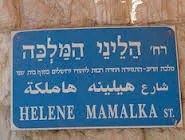
Neusner concedes that the conversion of Helene and Izates was not only a political act. Rather, he suggests that is is important to take note of the political consequences of their religious action. It would seem though, that Queen Helena’s family recognized the deeply religious consequences of her decision to embrace Judaism. Josephus later records that when, having returned to Adiabene, the Queen died, her son “sent her bones…to Jerusalem, and gave order that they be buried at the pyramids their mother had erected” (Josephus, Antiquities, XX, 4). This suggests that, whatever else it was, Queen Helena’s conversion was also recognized by her family as a religious act; her son recognized her connection to Jerusalem, and arranged for her to be interred there, near what is now the American Colony Hotel. Today, we remember the Queen with a street named after her in downtown Jerusalem. We also remember her as as the convert Queen who became a nazarite, and as the only women in the Talmud who is recorded as having made a donation to the Second Temple.
The Laws of a Nazarite Vowהִלְכוֹת נְזִירוּת
They contain ten mitzvos: Two positive commandments and eight negative commandments. They are:יֵשׁ בִּכְלָלָן עֶשֶׂר מִצְווֹת: שְׁתֵּי מִצְווֹת עֲשֵׂה, וּשְׁמוֹנֶה מִצְווֹת לֹא תַעֲשֶׂה, וְזֶה הוּא פְּרָטָן:
1) That a nazirite should let his hair grow long, 2) That he should not cut his hair throughout the time of his nazirite vow, 3) That a nazirite should not drink wine, nor a mixture of wine, not even vinegar coming from wine, 4) That he not eat fresh grapes, 5) That he not eat raisins, 6) That he not eat grape seeds, 7) That he not eat grape peels, 8) That he not enter a shelter where a corpse is located, 9) That he not contract impurity because of a corpse, 10) That he shave his skin and bring his offerings when he completes his nazirite vow or when he becomes impure.(א) שֶׁיְּגַדֵּל הַנָּזִיר פֶּרַע; (ב) שֶׁלֹּא יְגַלַּח שְׂעָרוֹ כָּל יְמֵי נִזְרוֹ; (ג) שֶׁלֹּא יִשְׁתֶּה הַנָּזִיר יַיִן וְלֹא תַעֲרֹבֶת יַיִן, וְאַפִלּוּ חֹמֶץ שֶׁלָּהֶם; (ד) שֶׁלֹּא יֹאכַל עֲנָבִים לַחִים; (ה) שֶׁלֹּא יֹאכַל צִמּוּקִים; (ו) שֶׁלֹּא יֹאכַל חַרְצַנִּים; (ז) שֶׁלֹּא יֹאכַל זַגִין; (ח) שֶׁלֹּא יִכָּנֵס לְאֹהֶל הַמֵּת; (ט) שֶׁלֹּא יִטַּמֵּא לַמֵּתִים; (י) שֶׁיְּגַלַּח עַל הַקָּרְבָּנוֹת כְּשֶׁיַּשְׁלִים נְזִירוּתוֹ אוֹ כְּשֶׁיִּטַּמֵּא.
These mitzvot are explained in the ensuing chapters.וּבֵאוּר מִצְווֹת אֵלּוּ בִּפְרָקִים אֵלּוּ.
1A nazirite vow is one of the types of vows involving prohibitions,1 as Numbers 6:2 states: “When one will take a nazirite vow….”אהַנְּזִירוּת הוּא נֶדֶר מִכְּלַל נִדְרֵי אִסָּר, שֶׁנֶּאֱמַר “כִּי יַפְלִא לִנְדֹּר נֶדֶר נָזִיר לְהַזִּיר לַה’” (במדבר ו, ב).
It is a positive commandment for a nazirite to let the hair of his head grow,2 as ibid.:5 states: “He shall let the mane of the hair of his head grow.”וּמִצְוַת עֲשֵׂה שֶׁיְּגַדֵּל הַנָּזִיר שְׂעַר רֹאשׁוֹ, שֶׁנֶּאֱמַר “גַּדֵּל פֶּרַע שְׂעַר רֹאשׁוֹ” (במדבר ו, ה).
If he cuts his hair in the midst of the days of his nazirite vow, he violates a negative commandment,3 as ibid. states: “A razor shall not pass over his head.”וְאִם גִּלַּח בִּימֵי נִזְרוֹ – עָבַר בְּלֹא תַעֲשֶׂה, שֶׁנֶּאֱמַר “תַּעַר לֹא יַעֲבֹר עַל רֹאשׁוֹ” (שם).
Similarly, he is forbidden to contract ritual impurity from a corpse4 or eat those products of a grape vine which the Torah forbids him from eating5 throughout the entire span of his nazirite vow.6וְכֵן אָסוּר לְהִטַּמֵּא לַמֵּתִים אוֹ לֶאֱכֹל דְּבָרִים שֶׁאֲסָרָן הַכָּתוּב עָלָיו מִגֶּפֶן הַיַּיִן כָּל יְמֵי נִזְרוֹ.
2When a nazirite transgressed and cut his hair, became impure due to contact with a corpse, or partook of wine grapes, he receives two sets of lashes:7 one because of the prohibition “He shall not desecrate his word,”8 and one because of the prohibition that he transgressed from the unique prohibitions that apply to a nazirite.9בעָבַר וְגִלַּח, אוֹ נִטְּמָּא, אוֹ אָכַל מִגֶּפֶן הַיַּיִן – הֲרֵי זֶה לוֹקֶה שְׁתַּיִם: אַחַת מִשּׁוּם “לֹא יַחֵל דְּבָרוֹ” (במדבר ל, ג), שֶׁכּוֹלֵל כָּל הַנְּדָרִים; וְאַחַת מִשּׁוּם דָּבָר שֶׁעָבַר עָלָיו, מִדְּבָרִים שֶׁאִסּוּרָן אִסּוּר מְיֻחָד עַל הַנָּזִיר.
3When a person takes a nazirite vow and fulfills his vow according to the mitzvah, he has performed three positive commandments: a) “He shall act in accordance with all that he uttered with his mouth,”10 and he has acted accordingly, b) “He shall let the mane of the hair of his head grow,” and he has let it grow, and c) shaving and bringing his sacrifices,11 as ibid.:18 states: “And the nazirite shall shave at the entrance to the Tent of Meeting.”גנָדַר בְּנָזִיר, וְקִיֵּם נִדְרוֹ כְּמִצְוָתוֹ – הֲרֵי זֶה עוֹשֶׂה שָׁלוֹשׁ מִצְווֹת עֲשֵׂה: הָאַחַת “כְּכָל הַיֹּצֵא מִפִּיו יַעֲשֶׂה” (במדבר ל, ג), וַהֲרֵי עָשָׂה; וְהַשְּׁנִיָּה “גַּדֵּל פֶּרַע שְׂעַר רֹאשׁוֹ” (במדבר ו, ה), וַהֲרֵי גִּדֵּל; וְהַשְּׁלִישִׁית תַּגְלָחָתוֹ עִם הֲבָאַת קָרְבְּנוֹתָיו, שֶׁנֶּאֱמַר “וְגִלַּח הַנָּזִיר פֶּתַח אֹהֶל מוֹעֵד” (במדבר ו, יח).
4When a person says: “I will not depart from the world until I become a nazirite,” he becomes a nazirite immediately, lest he die at that time. If he delays implementing his nazirite vow, he transgresses the prohibition:12 “Do not delay in paying it.” Lashes are not given for the violation of this prohibition.13דהָאוֹמֵר ‘לֹא אִפָּטֵר מִן הָעוֹלָם עַד שֶׁאֶהְיֶה נָזִיר’ – הֲרֵי זֶה נָזִיר מִיָּד, שֶׁמָּא יָמוּת עַתָּה. וְאִם אֵחַר נְזִירוּתוֹ, הֲרֵי זֶה עוֹבֵר בְּ”לֹא תְאַחֵר לְשַׁלְּמוֹ” (דברים כג, כב). וְאֵין לוֹקִין עַל לָאו זֶה.
5With regard to a nazirite vow, we do not say: The vow does not take effect until he makes a statement that every person would be able to understand that in his heart he desired to take a nazirite vow. Instead, since he made a decision in his heart to take a nazirite vow and verbally expressed concepts that suggest this intent, he is a nazirite although these concepts are distant and their simple meaning does not communicate the concept of a nazirite vow.14האֵין אוֹמְרִין בַּנְּזִירוּת: עַד שֶׁיּוֹצִיא בִּשְׂפָתָיו דָּבָר שֶׁמַּשְׁמָעוֹ אֵצֶל כָּל הָעָם כְּעִנְיַן שֶׁבְּלִבּוֹ, אֶלָא כֵּיוָן שֶׁגָּמַר בְּלִבּוֹ וְהוֹצִיא בִּשְׂפָתָיו דְּבָרִים שֶׁעִנְיָנָם שֶׁיִּהְיֶה נָזִיר – אַף עַל פִּי שֶׁהֵן עִנְיָנוֹת רְחוֹקוֹת, וְאַף עַל פִּי שֶׁאֵין בְּמַשְׁמָעָן לְשׁוֹן נְזִירוּת – הֲרֵי הוּא נָזִיר.
6What is implied? A nazirite was passing in front of a person and he said: “I will be,” he is a nazirite. Since in his heart, he intended to say that he will be like that person, it is considered as if he made such a statement even though he did not explicitly say: “I will be like him.”וכֵּיצַד? הֲרֵי שֶׁהָיָה נָזִיר עוֹבֵר לְפָנָיו, וְאָמַר ‘אֶהְיֶה’ – הֲרֵי זֶה נָזִיר, הוֹאִיל וּבְלִבּוֹ הָיָה שֶׁיִּהְיֶה כְּמוֹ זֶה, וְאַף עַל פִּי שֶׁלֹּא פֵּרֵשׁ וְאָמַר ‘אֶהְיֶה כְּמוֹ זֶה’.
Similarly, if he took hold of his hair15 and said: “I will become attractive,” “I will grow my hair,” “I will cultivate my hair,”16 “I will let my hair grow long,” he is a nazirite, provided he made such a decision in his heart.
(2nd century CE) Mishnaic sage, son of Rabbi Simeon bar Yohai. Joined his father in a cave for thirteen years when the latter was hiding from the Romans. He later served as a criminal detective for the Roman government, despite the disapproval of some of his colleagues.
Read Rabbi Elazar ben Rabbi Shimon
Beit Hamikdash,
Another gift of Queen Helena was a tablet of gold, on which she had the text of Sotah inscribed. In addition, King Monobaz and his mother donated golden handles to be attached to all vessels used in the Beit Hamikdash on Yom Kippur.
nezirut
Curtis, Lee blast Department of Defense decision not to classify LDS Church as Christian
Photo by: AP
By: Jeff Tavss
Posted 11:38 AM, Jun 06, 2026
and last updated 5:46 PM, Jun 06, 2026
WASHINGTON — Utah Sens. Mike Lee (R) and John Curtis (R) did not hold back after the U.S Department of Defense decision to not declare The Church of Jesus Christ of Latter-day Saints a Christian religion.
In a social media post Saturday, Curtis said he was working to make sure a “correction is made.”
On Friday, the department led by Defense Secretary Pete Hegseth, announced it was paring down its list of religious designations from the hundreds, down to 31, of which the LDS Church was included, but not among the list of Christian religions.
Among the religions classified as Christian were Catholicism, Orthodox Christian, Baptist and Jehovah’s Witnesses.
The Pentagon claimed the move to slash religions from the list was made to provide its chaplains with “clear” information to enable them to support the religious needs of military members.
“Latter-day Saints are among the most patriotic, service-oriented individuals in our country. They are also unequivocally Christian—just look at who is in the name of the Church,” wrote Curtis. “It is unacceptable for a government entity to characterize a faith in a manner that contradicts the religion’s own foundational tenets.”
Sen. Lee also used social media to share his thoughts on the decision, asking, “Can anyone tell me why The Church of Jesus Christ of Latter-day Saints was left out of the list of Christian churches?”
The move brought condemnation from various religions, even ones included on the list and as Christian.
“Secretary Hegseth is not ‘streamlining’ anything. He is elevating one narrow religious worldview from the top of the chain of command,” the Rev. Paul Raushenbush, a Baptist minister and head of the progressive Interfaith Alliance told the Associated Press. “The First Amendment does not allow the government to create a hierarchy of faiths, and it certainly does not allow the Pentagon to decide which beliefs are worthy of recognition.”
ictim of Modern Day Witch-hunt
Posted on August 16, 2021 by Royal Rosamond Press




“The Cogswells were also involved in an attempt to prevent the execution of Goodwife Proctor in the Salem witch trials.”
I will make the case in one of my books, that I am the victim of two witch-hunts, one by the Alley Gang Wiccans, and the Hefty Haffner Evangelical Haters. These two conflicting religious groups formed a bond in order to drive me out of my home, and Springfield.
When Alley Valkyrie sent me her threats, I responded to this one, saying Belle Burch had never told me to not contact her, or write about her. Five minutes later, Ms. Burch called me and asked me not to publish anything about her in my newspaper, Royal Rosamond Press. But, her compatriot had already launched an attack on me on her Facebook, which goes against their policy. Their attorney, Mary Broadhurst, objects, but she does not tell Alley to resort to legal action if she believes I am abusive. Almost everyone who read this HUNT knew Valkyrie wanted to USE HER DARK POWERS – have sport with me! She was looking foreward to doing a Victory Dance, when I slunk away – like the others! Alley and Belle had invaded the City Managers office when he practiced his right – not to meet with A WALK-IN MOB! Belle calls Riuz a “coward”. We are seeing a Wiccan Police Force that Kim Hafner applauds – with glee – after she gathered a Christine Posse to harass me and the cats that visited me.
There are authors and groups that are very keen on Witch-hunts. Descendants of the Cogswell family founded Eugene Oregon’s major newspapers, and are kin to George and Joaquin Miller – as well as Jack London. Two of the men were journalists, like myself. I am the alleged kin of John Wilson who I have shown descends the Schwarzenberg family, and may be the reasons he was born at Windsor Castle. I got a very Gothic book that I will lay on the steps of Eugene’s government. Inside I will ask why the Mayor and City Council did not back me up like John Cogswell and his family backed Goodwife Proctor.
Watch this video of a real live witch-hunt that will resemble the news we are going to see for many years to come as the Taliban raid homes and drag out people they believe are not going along with their religious program – and thus are a threat! If only I had obeyed Alley Valkyrie ad removed all mention of Belle Burch – who wanted to alter the course of our City Government through CIVIL DISOBEDIANCE, and thus…..she is newsworthy!
I have proven – beyond a shadow of a doubt – that Alley Valkyrie has no extra-special powers in regards to spell-casting, and, in regards to living in a Democracy!
ADMM: I stopped in Safeway this morning and a woman clerk who knew my homeless friend, recognized me, and said hello! If Hollis Williams were alive, her would be livid at the way the Alley Gang treated me. I showed pics of Hollis at our two hour meeting – and pics of myself t a OCCUPY meeting dressed as Santa. Belle Burch did not identify herself as a advocate for the homeless – and a member of OCCUPY – at that meeting! Only when I I.D.ed her hands, and being a member of the group she got attested with, did SHE CONFESS!
There was much controversy about the lack of leadership with OCCUPY. And then there is the group Anonymous. Alternative Eugene Lifestyle, already had recognizable leaders, some who joined OCCUPY. THEY recognized each other and formed Whoville and Themville. Owning stealth, they began to own power. No add Wiccan Power. I began to RECOGNIZE what, and who, is invisible. I suspected Belle might run for office to get Kitty out of there, because she let John Riuz close down Whoville. Belle went to – THE ENFORCER – Alley Valkyrie. Both women had attorneys available. They could have sued me, do what normal people do. These are no normal people. These are very SPECIAL PEOPLE like QAnon. They get to overthrow -all governments that don’t do their will. Mary Broadhurst – will be my star witness, because she calls THE WITCH-HUNT that is being conducted in front of homeless friends of Alley.
The Cogswell family, have risen from their graves, and have come to my defense. They were at the trial of Elizabeth Proctor. They took a great risk by doing the right thing. Did they worry – they were next – after Elizabeth was murdered? This morning the Cogsworth family, came down on the RIGHT SIDE OF HISTORY. There is panic at the Afghanistan airport as thousand try to flee the coming Witch-hunt. Will there be trials before the executions?
I am on the right side of history! As I was being attacked, an article appeared in the Register Guard about a anonymous donor wanting to give a large sum to a homeless group. This would be motive for getting me to remove all negative reports from my newspaper. Who ended up with the $400,000
John Presco
President: Royal Rosamond Press
Copyright 2021
Storm Faerywolf F(a)eri(e) or non?
Alley Valkyrie; Local creeper. Delusional narcissist. Not Feri, but reminds me of a few of them. I sent him a PM firmly telling him to leave a friend of mine alone, and my “threat” will be the subject of his blog tomorrow. He has no idea who he is fucking with.
Storm Faerywolf Give him hell, Alley!
“I’m going to make this very simple for you. I don’t know if you know who I am, but I sure as hell know who you are, and when you fuck with my friends, you fuck with me. Stop writing about Belle or I am going to make your life very difficult. I mean it. If I see one more word about her on your blog, your FB, or anywhere else, I will make sure that you experience all the fear and discomfort that she is experiencing right now.
Mary Broadhurst; and this is what I mean. now someone who writes disturbing thoughts and publishes them on the internet is now thrown into the same box as a child molester.”
Terrorists In the Wiccan-Christian Corn | Rosamond Press
Threats From Alley and Fairy Friends | Rosamond Press
Anonymous Donor Gives $400,000 for Homeless Camp in Eugene
By RACHAEL MCDONALD• APR 17, 2014

An anonymous donor from Eugene has stepped forward with $400,000 to purchase property for a homeless camp in the city.
The $400,000 will be used to buy a piece of private property to create a place for homeless people to sleep. The donor has also asked that a health clinic be on site for residents and others in need.
Attorney Mary Broadhurst is a homeless advocate who’s worked with SLEEPS and residents of the recently shuttered illegal Whoville camp. She says she’s grateful.
The Cogswells were also involved in an attempt to prevent the execution of Goodwife Proctor in the Salem witch trials. According to Ipswich In The Massachusetts Bay Colony, 290-291, by Thomas Franklin Waters, The Ipswich Historical Society, 1905: “Five members of the Cogswell family were among the twenty prominent people who signed the petition drawn up by the Rev. John Wise on behalf of Goodwife Proctor, who stood accused of witchcraft. Mary Warren alleged that she had been threatened and abused by Goodwife proctor, and that she had seen apparitions of people who had long since been murdered by the wife of John Proctor. This evidence prevailed and the good woman was sentenced to death.”
Writing about Occupy Wall Street is a journalist’s nightmare. Not because there aren’t tens of thousands of protesters, charismatic talking heads and colorful photograph opportunities–there are plenty of those. Instead, you have to owe up to the challenge of writing about a communal protest movement where there are no clear “leaders” and no official “organizers.” For those of us weaned on writing about top-down hierarchial organizations with CEOs, presidents, advisory boards and parliaments, it’s a challenge.
CCc
 Rosamond Press
Leave a comment