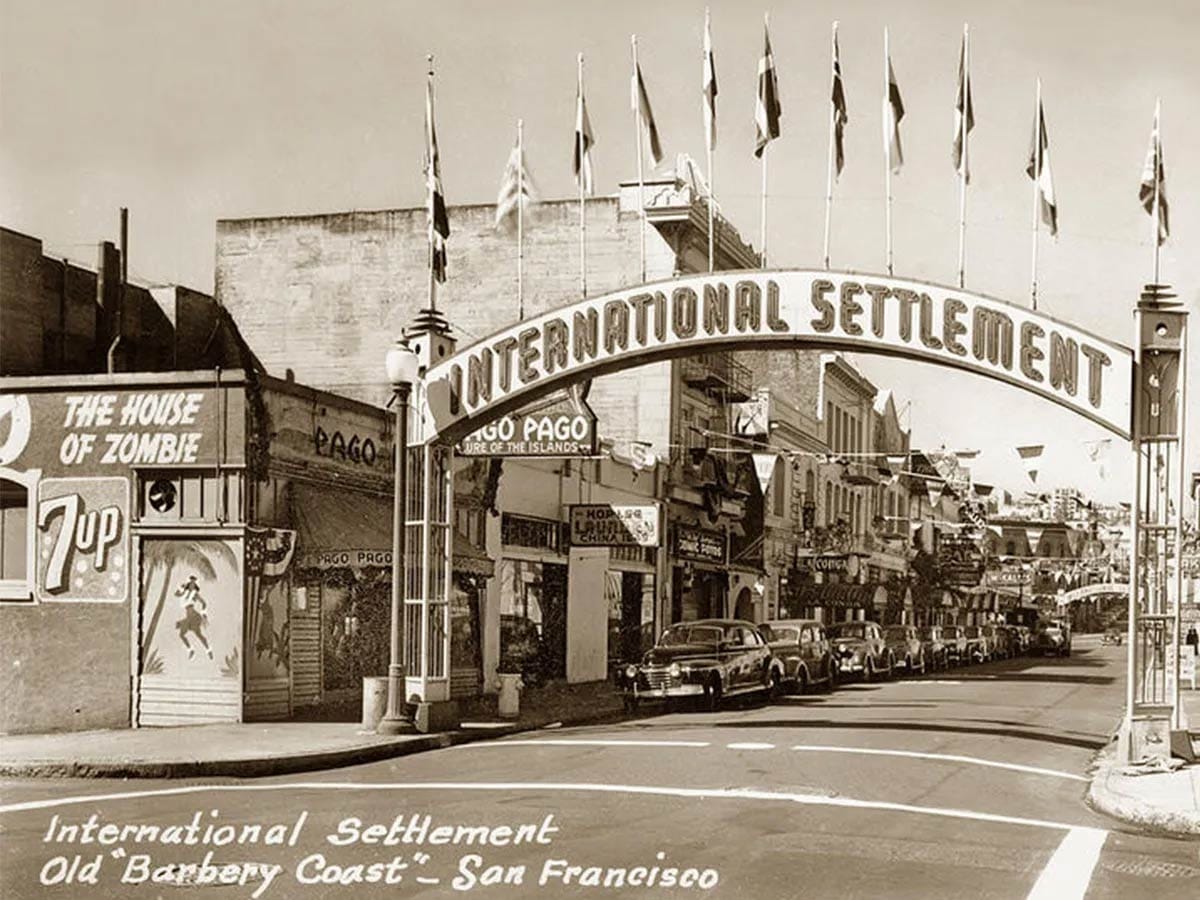
Postcard photo of International Settlement at Pacific and Kearny in its 1940s heyday. (Zan Stark #2472)
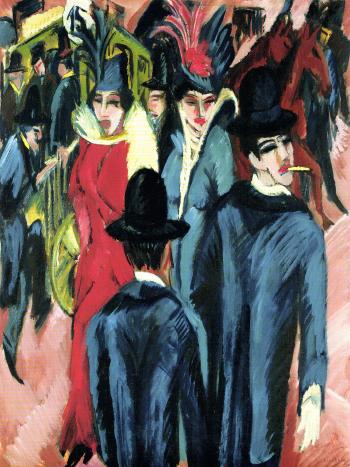
Berliner Strassenszene – Berlin street scene. Baume – Trees. Image courtesy of Christie’s
Ernst Ludwig Kirchner, Berliner Strassenszene (Berlin street scene). Baume (Trees) (1913-14) sold for $34m at Christie’s New York on November 8, 2006.
San Sebastian Avenue
The Bohemian Lifestyle has attracted Homosexuals in Europe and America. My father’s father was a professional gambler in the Barbery Coast that appears to have offered Homosexual Male Prostitutes in…..The International Settlement!
Prostitutes and Homosexuals were rounded up by the Nazis and put in ‘Work Shy’ labor camps. Are we seeing such men in Kirchner’s painting ‘Berlin Strasse’? I have traced my Suttmeister ancestors to….. No. 1 Berlin Strasse. I was born on Berlin Way in Oakland, in a home built by William Stuttmeister, My father’s mother’s name is Melba Charlotte Broderick. She is the granddaughter of Willian Stuttmeister and Augusta Janke, the granddaughter of Carl Janke, the Founder of Belmont. I have a postcard from Charlottenburg.
When I first made contact with the Belmont Historical Society, via its Facebook page, I expected a warm greeting – and a instant invite to get on the plane and visit the BHS room, so I can behold my family history. I believe some of it was purged from Belmont History.
Because my newspaper, Royal Rosamond Press is a ‘newspaper for the arts’. I have a hundred posts on Bohemian Artists and their lifestyle. I have read the opinions of a Belmont citizen that bigots run Belmont. Six thumbs up, followed.
I am looking for a sponsor so I can go to Belmont and investigate. I can do a slide show of this history, and visit my Janke ancestors in Redwood City. I beseech Belmont Citizens to go to the BHS to look for anything on Stuttmeister. I believe he was disappeared! They wanted nothing to do with my sister, Christine Rosamond Presco. who was a world famous artist. See if you find any of her history. Her great, great grandfather was Carl Janke.
Contact me at: brasketwitz@yahoo,com
John Presco
President: Royal Rosamond Press ‘A newspaper for the arts’
EXTRA! I just found this video. The mayor is introduced as the “first Jewish Mayor”. This might explain the look she gave me when I asked about Carl Janke’s bones being evicted from Twin Pines Park in the middle of the night. There was a street name “Janke”, It was purged. The Mayor conducts a History Quiz. One question is about the name Twin Pines. The answer….”they are trees”!
There is a new Feminist Form of Bigotry. How many know what I am talking about? No, exciting, virile, make serving history – is allowed! What you get, is….
BLEACHED BLOND BLAND BULL—–
You know men! If they get too excited about their roots – they will want to go to war for no reason at all. Can any Belmont Citizen give me a good example? Do you see any images of grown males in this video? William Ralston is identified as the founder of a bank. He was the Builder of San Francisco. I fear this…..smile! She smiles because she pulled off Cal buying Nortre Dame De Namur – after she reasured their attorneys and banker – they had finsishe me off – and my Family Roots!
Below is a photo my DANA sitting between our Divine Trees. My family history – was wiped out! Our land was – wiped clean – so Cal can come in with their….
ARTIFICIAL INTELLIGENCE DREAM!
I am authoring a letter to Pope Leo! He understands how we have been divided and conquered. Turning normal heterosexual people against people not like them, is a Right-wing game plan! They don’t want us to get along! Am I, and my blog being studied by the makers of robots? I am one of the few who dare speak up!
The Roots of Queer Bohemia
In the 19th and early 20th centuries, bohemia emerged as a countercultural movement championing romantic passion, unconventional lifestyles, and individual expression. Because romantic love in these circles was often viewed as transgressive, bohemians frequently embraced and romanticized homosexuality and homoeroticism. [1, 2]

9/23/2023
Kingdom of The Twin Pines

The Templer Jesus Fish
City of Belmont CA – Government
oSsordeptn24a26 12i ah63y4chc1 it:080tt0M27P Miglac172ic3u5m ·
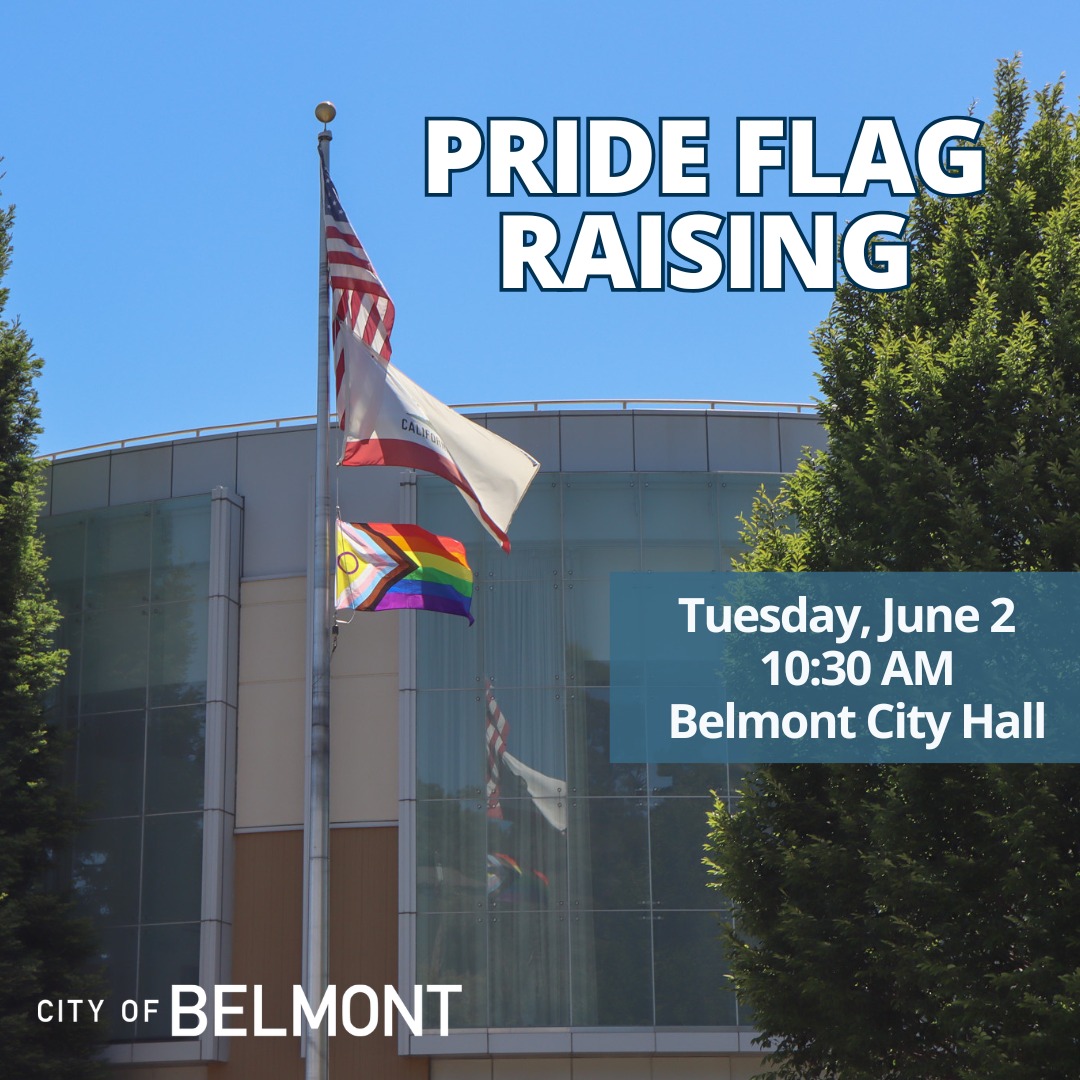
Please join us for Belmont’s annual Pride Flag Raising Ceremony on June 2 at 10:30 a.m. in front of City Hall as we come together to celebrate unity, inclusion, and community. This free event will feature guest speakers and a poem from Belmont’s new Poet Laureate, Greg McCulloh. We invite all community members to attend and help us recognize and celebrate Pride Month together. All are welcome!
‘Asocial’ women have not had that experience. They were judged as committing a social crime before they were interned, were unruly and sexual deviants. My research will challenge the quietness surrounding female ‘asocials’ prolonging the acknowledgement of their victim status.
The Nazis generalised female ‘asocials’ with ‘crimes’ of a sexual nature, raising the question, was this due to the vagueness of the category? My research will address the connection with ‘asocials’ selling or trading sex in Holocaust history which has complicated research: the use of sex is interpreted as either an act of sexual violence, form of collaboration or criminal act further stigmatising female ‘asocials’.
11/28/2021
Brandenburg and Berlin Way
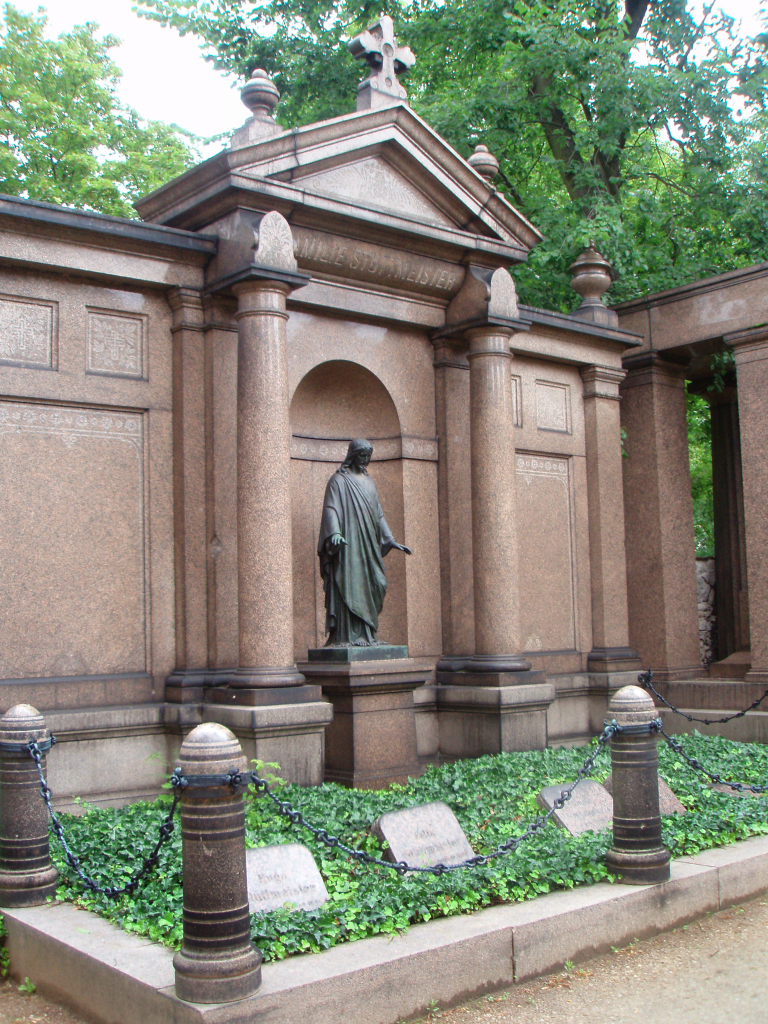
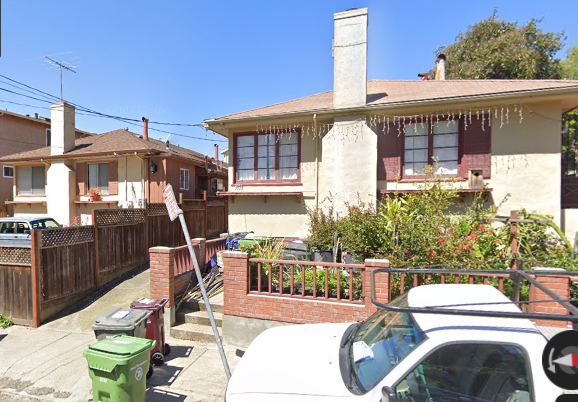
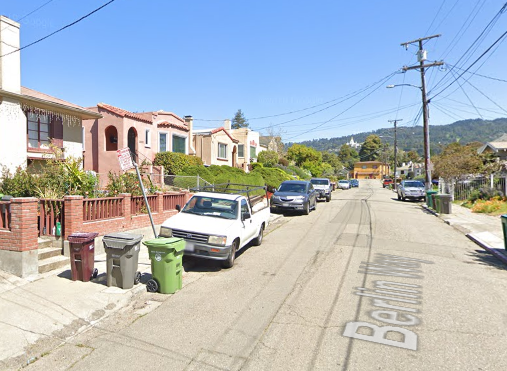
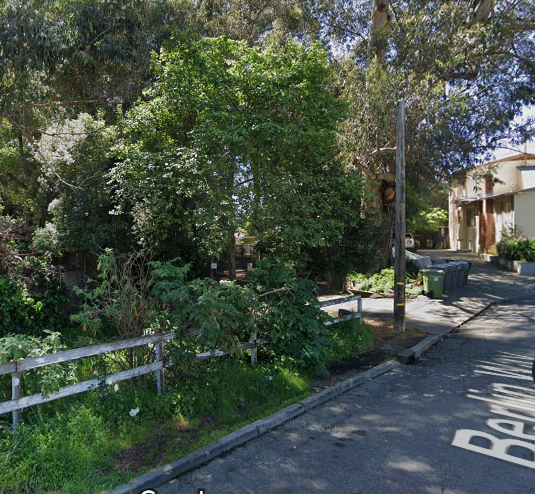
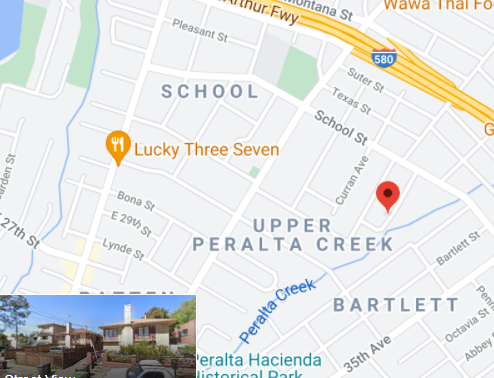
My German ancestors lived in Berlin. I was born on Berlin Way.
John John
7/28/2024
Today Is Carl Janke Day


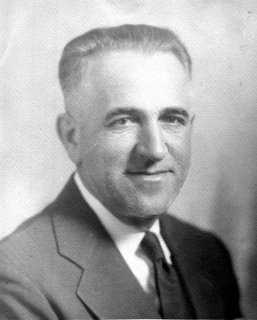


Today is Carl Janke Day! It’s been a long time coming! I have fulfilled the broken promise the City of Belmont made. CJD will be celebrated on the last Sunday of July.
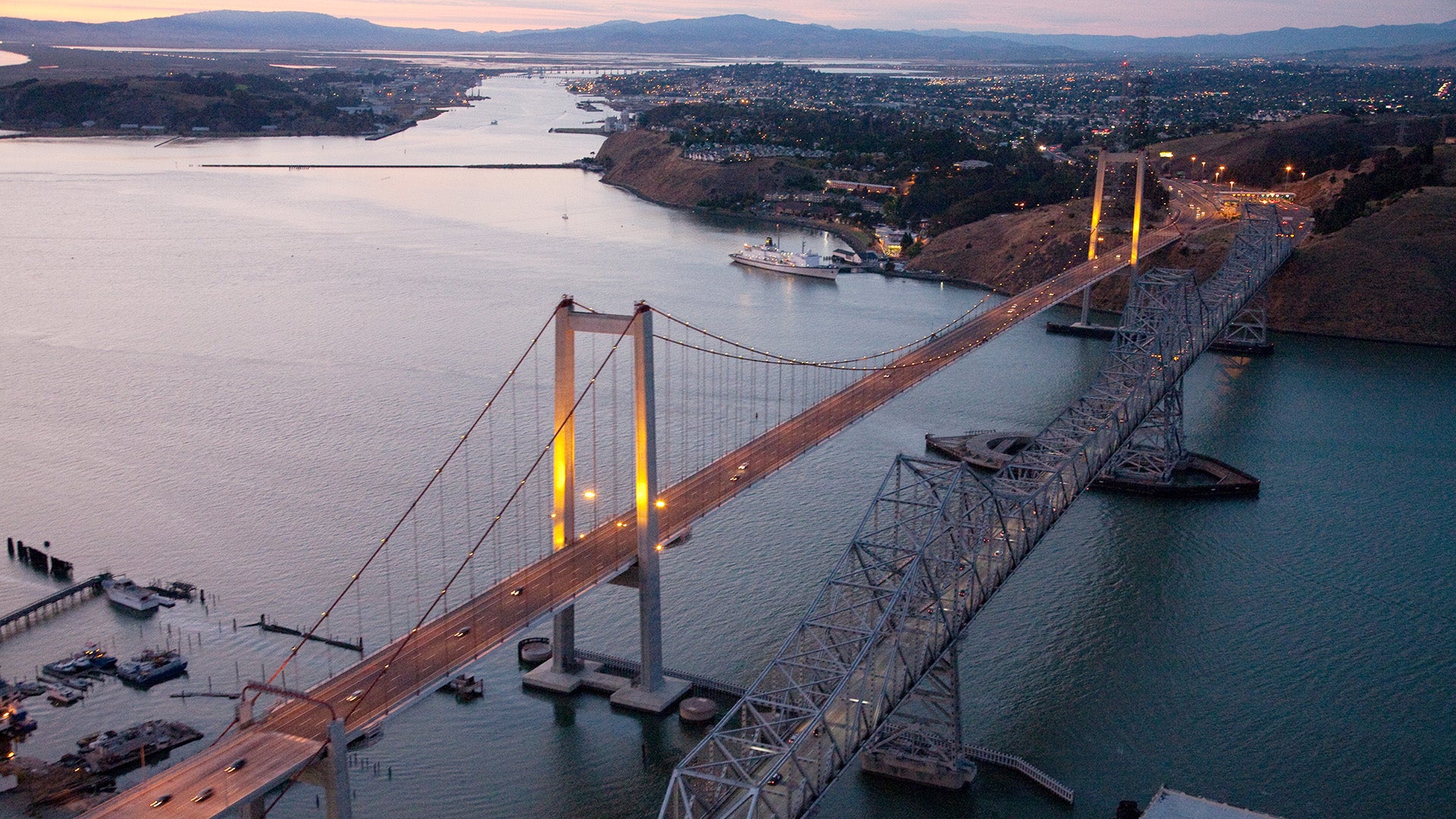
My father never met his father-in-law, Royal Rosamond, nor did Victor Hugo Presco. I never met Royal and VH. These Four Fathers board Captain Vic’s Chris Craft, and head out for Belmont, going under the Carquinez Bridge.
This is the first time these father’s have been in the same place together – cyberspace! In real, and historic life, these men could chat you up, back you down, and laugh at your losing hand. Why anyone would mess with them, and their DNA line, is a mystery. But they do! No losers on this boat ride! Just winners, who owe so much to…..Carl Janke!
John Presco
President: Belmont Soda Works
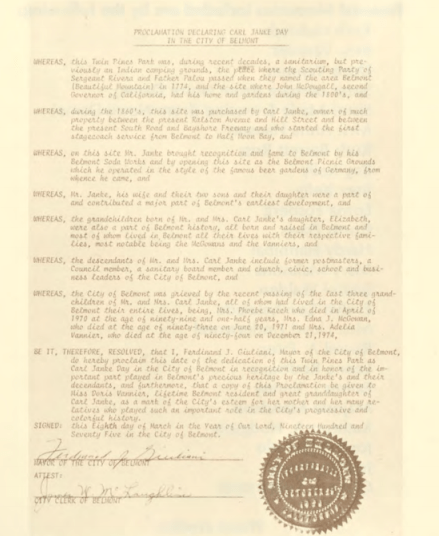
The Dunites, Nazarites, and, Windites
Posted on December 23, 2021 by Royal Rosamond Press
On this day, I John Gregory Presco, found a Universal Cosmology, that will include a New Order of The Franciscan Friars, the Rosa Mira Prophecy, and some of the teaching of Meher Baba will be included.
Brandenburg (/ˈbrændənbɜːrɡ/, also US: /ˈbrɑːndənbʊərk/,[5][6][7] German: [ˈbʁandn̩bʊʁk] (listen); Low German: Brannenborg; Lower Sorbian: Bramborska [ˈbrambɔrska]) is a state in the northeast of Germany. With an area of 29,478 square kilometres (11,382 sq mi) and a population of 2.5 million residents, it is the fifth-largest German state by area and the tenth-most populous. Potsdam is the state capital and largest city, while other major towns include Cottbus, Brandenburg an der Havel and Frankfurt (Oder).
Brandenburg surrounds the national capital and city-state of Berlin, and together they form the Berlin/Brandenburg Metropolitan Region, the third-largest metropolitan area in Germany.
Brandenburg borders the states of Mecklenburg-Vorpommern, Lower Saxony, Saxony-Anhalt, and Saxony, as well as the country of Poland.
Brandenburg originated in the Northern March in the 900s AD, from areas conquered from the Wends. It later became the Margraviate of Brandenburg, a major principality of the Holy Roman Empire. In the 15th century, it came under the rule of the House of Hohenzollern, which later also became the ruling house of the Duchy of Prussia and established Brandenburg-Prussia, the core of the later Kingdom of Prussia. From 1815 to 1947, Brandenburg was a province of Prussia.
Following the abolition of Prussia after World War II, Brandenburg was established as a state by the Soviet Military Administration in Germany, and became a state of the German Democratic Republic in 1949. In 1952, the state was dissolved and broken up into multiple regional districts. Following German reunification, Brandenburg was re-established in 1990 and became one of the five new states of the Federal Republic of Germany.
“The history of homosexuality in Europe is deeply entwined with bohemian subcultures. From 19th-century Romantic circles to 1920s cabarets, artists, writers, and outcasts forged underground sanctuaries where same-sex love and gender non-conformity were cultivated, nurtured, and celebrated away from rigid societal norms. [1, 2]
The Roots of Queer Bohemia
In the 19th and early 20th centuries, bohemia emerged as a countercultural movement championing romantic passion, unconventional lifestyles, and individual expression. Because romantic love in these circles was often viewed as transgressive, bohemians frequently embraced and romanticized homosexuality and homoeroticism. [1, 2]
- Paris & Berlin: In the 1920s and 1930s, cities like Paris and Berlin became epicenters for queer bohemia. Berlin famously featured a bustling, progressive LGBTQ+ nightlife scene, while Paris offered a laissez-faire artistic community where queer performers and socialites, such as openly bisexual artist Nina Hamnett, thrived.
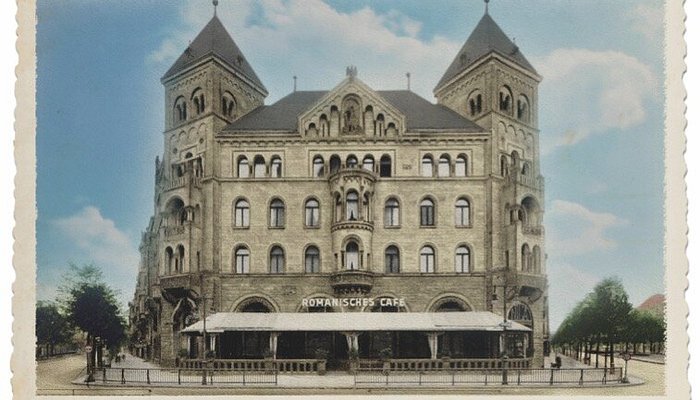
The Romanisches Café (“Romanesque Café”) was a café–bar in Berlin known as a meeting place for artists. It was located in what is now Breitscheidplatz at the end of the Kurfürstendamm in the Charlottenburg district (although that section of the Kurfürstendamm was renamed Budapester Straße in 1925). The name was derived from the Neo-Romanesque style of the building.
A bigot is a person who is obstinately or unreasonably attached to a belief, opinion, or faction. This intolerance typically manifests as hatred, prejudice, or discrimination toward individuals who hold different views or belong to different racial, religious, ethnic, or social groups
Actions in May and June 1938
Main article: Juni Aktion
Those detained under the status of “Preventive Criminals” were not limited to the “work-shy”, but used in arrests much more broadly. An implementing directive of the Reich Criminal Code in April 1938 defined “asocial” as any person who showed continual misconduct or repeated violations of the law, who did not fit into the community and submit to the “self-evident order” the Nazi state desired. These in particular were vagrants, beggars, prostitutes, gypsies and alcoholics. Even people with untreated venereal diseases were included as well.[8]
On Adolf Hitler‘s personal orders, Jews were also included.[9] Wolf Gruner quotes the statement made by Hitler in the last week of May 1938 in the following notation: “the completion of major earthworks throughout the Reich” would be completed by “anti-social and criminal Jews to be arrested.”[10] When the order was passed orally, it was misunderstood, because the meaning of “anti-social” changed depending on the usage of uppercase or lowercase. In fact, the state police headquarters in Vienna took up the initiative “in a flash” and ordered that the district police stations on 24 May 1938 “immediately arrest unpleasant, particularly criminally predisposed Jews and to bring them to the Dachau concentration camp.” The first two transports of 31 May and 3 June included nearly 1,200 Jews and are referred to by Wolf Gruner as an “Austrian special action”.[11]
During the late 19th and early 20th-centuries within San Francisco, the Barbary Coast was a red-light district which contained dance halls, concert saloons, bars, jazz clubs, variety shows, and brothels.[4] The Barbary Coast was the first transformation of Pacific Street, and was born during the California Gold Rush of 1849 when the population of San Francisco was growing at an exponential rate due to a rapid influx of tens of thousands of miners trying to find gold. The early decades of the Barbary Coast would be marred by persistent lawlessness, gambling, administrative graft, vigilante justice, and prostitution.[5]
History
The Romanisches Café was situated in the Romanisches Haus, which was erected between 1897 and 1899 to a design by Franz Schwechten, who had also built the Kaiser Wilhelm Memorial Church located opposite. The house, equipped with two towers, stood at the eastern corner of Auguste-Viktoria-Platz (today Breitscheidplatz), approximately on the site of the present-day Europa-Center. It was initially the location of the Hotel Kaiserhof’s patisserie; the café did not open until 1916. Since the old Café des Westens (another artists’ haunt) had shut in 1915, it quickly developed into the most important artists’ cafe in Berlin, particularly after the end of the First World War.
The café was a meeting place for the intelligentsia, a place at which the leading writers, painters, actors, directors, journalists and critics of the day consorted. At the same time it became a place for budding artists, who would try to start their careers by establishing their first contacts here. The already established artists, for their part, would group into séparées in an attempt to distinguish themselves from the mass of talent.
Towards the end of the Weimar Republic, as the political situation in Germany became more violent, the Romanisches Café gradually lost its role. As early as 1927 the Nazis instigated a riot on the Kurfürstendamm during which the café, as a meeting place for the left-wing intellectuals they hated, was among the targets of violence. The coming to power of the Nazi Party and the subsequent emigration of most of its regulars signalled the final end of the café as an artists’ haunt. The Romanisches Haus was completely destroyed by an Allied air-raid in 1943.
9/4/2024
Historic ACLU Ruling In Belmont
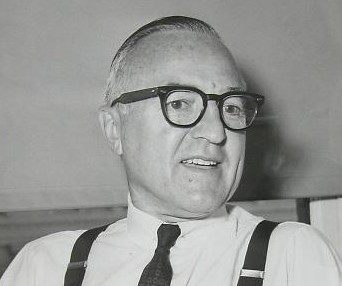
Ernest Besig, Korematsu’s lawyer

Here is the account of the ordinance passed in Belmont to rid the city my ancestors founded of “filthy hippies”. Does the use of this word denote being nude in front of the opposite sex you are not married to? How about a group of male roommates, and you are a naked un-married woman? The real FILTH has found a home in the dirty minds of politicians who whore around for votes!
“Belmont adopted an ordinance last night redefining the word “family” and the American Civil Liberties Union said this morning that it intends to challenge this ordinance in court. The action defines family as any persons related by blood. marriage, adoption, plus not more that two unrelated persons, or unrelated persons – not exceed a total of three living in a single family dwelling. During the hearings proceeding introduction of the ordinance, proponents of the measure stated it would ‘clean out those nests of filthy hippies from the cities neighborhoods”
The ACLU wrote to request a copy of the anti-hippie ordinance from city officials, who replied there was no anti-hippie ordinance but sent them the measure approved last night. In a second letter dated June 20 the ACLU charged the measure was unconstitutional.
Borough of Berlin

In the 1920s the area around the Kurfürstendamm evolved into the “New West” of Berlin, a development that had already started around 1900 with the opening of the Theater des Westens, the Café des Westens and the Kaufhaus des Westens, followed by several theatres, cinemas, bars and restaurants, which made Charlottenburg the Berlin centre of leisure and nightlife.[citation needed] Artists like Alfred Döblin, Otto Dix, Gottfried Benn, Else Lasker-Schüler, Bertolt Brecht, Max Liebermann, Stefan Zweig and Friedrich Hollaender socialized in the legendary Romanisches Café at the Kaiser Wilhelm Memorial Church. The Golden Twenties came to an end with the rise of the Nazi Party. In World War II the area around the Breitscheidplatz was heavily damaged by air raids and the Battle of Berlin.[5]
After 1945 the city was partitioned by the allies and Charlottenburg became part of the British sector during the Cold War. The Kurfürstendamm area regained importance as the commercial centre of West-Berlin. It was therefore the site of protests and major demonstrations of the late 1960s German student movement that culminated on 2 June 1967, when student Benno Ohnesorg was shot by a police officer during a demonstration against Mohammad Reza Shah Pahlavi at the Deutsche Oper.[6]
In 2006 Anita Halpin, the granddaughter of the Jewish art collector Alfred Hess, demanded the restitution of the painting, which had previously been exhibited in the Brücke Museum in Berlin. The city granted the restitution.
After that the painting was sold by the auction house Christie’s for 30 million Euros (approximately USD$38 million) to the art collectors Ronald Lauder and Serge Sabarsky. Then it became part of inventory of the Neue Galerie in New York.[4][5]
Pansy Craze: the wild 1930s drag parties that kickstarted gay nightlife
This article is more than 8 years old
Early drag queens like Jean Malin helped bohemian gay culture thrive – before mob violence, Nazism and Hollywood homophobia drove it back underground
Darryl W BullockThu 14 Sep 2017 09.00 EDTShare65
The lights over the Ship Cafe were still advertising the “Last Night of Jean Malin” when, on the morning of 10 August, 1933, the main attraction, his boyfriend Jimmy Forlenza and fellow actor Patsy Kelly piled into his car to head off to a party at the Hollywood Barn.
Tired after finishing a fortnight-long booking, Malin accidentally put the sedan into reverse, sending it off Venice Pier and into the water. Forlenza and Kelly escaped but Malin, trapped under the steering wheel, wasn’t so lucky. The brightest star of the Pansy Craze – a spate of wild parties full of drag queens and bawdy songs – was dead at 25.
“Bohemian Rhapsody” and Freddie Mercury
The enduring collision between queer culture and bohemian values is globally exemplified by the British rock band Queen and their iconic lead singer, Freddie Mercury. [1, 2]
- The Anthem: The 1975 hit song “Bohemian Rhapsody” reflects this heritage. The title itself serves as a metaphor for a rebellious, avant-garde, and uninhibited lifestyle.
- Artistic Legacy: Mercury, an openly bisexual/gay man who broke conventional barriers in rock music, embodied the bohemian ethos. His life, musical style, and unapologetic expression of his sexuality cemented his legacy as one of the most prominent figures in queer history, inspiring the 2018 biographical film Bohemian Rhapsody. [1]
Modern Europe
While bohemian subcultures carved out early spaces for queer Europeans, the legal and social landscape has shifted significantly. Today, Europe is sharply divided on LGBTQ+ rights and acceptance. [1, 2, 3, 4]
- Western Europe: Countries like Spain, Iceland, Malta, and the Netherlands boast some of the highest equality scores and most protective rights in the world, including robust same-sex marriage laws.
- Eastern Europe: Conversely, Eastern European countries like Poland and Hungary have notoriously restrictive environments, ranking at the bottom of European equality indices due to government policies targeting LGBTQ+ communities and anti-pride rhetoric. [1, 2, 3]
The right to love: A brief history of LGBTQ+ Rights in Europe
25 February 2021, by Annika Pietrus

Credit: Pixabay, Creative Commons
Share
For this year’s UK LGBT+ history month, The New Federalist is taking the opportunity to look back on historical moments and iconic figures in the European fight for LGBTQ+ rights, as well as exploring contemporary LGBTQ+ politics and filmic representation.
February is LGBT history month in the UK. It provides a great opportunity to travel through time to discover the history behind the rainbow in Europe. From persecution to recognition, from pushed to the margins, to agents of change: the LGBTQ+ community has a rich story to tell.
From Ancient Greece to Nazi Germany
In ancient Greece, amorous relationships between men were no secret, and were often colourfully described. The Romans were surprised to read what ancient Greek men had written about their lovers, and then blamed their relationships on too much exercise and not enough clothing. During the medieval to modern ages, European countries introduced laws against homosexual relationships that were driven by religious dogma and nationalist traditionalism. The Catholic Inquisition prosecuted people engaging in same-sex relationships and punished them with the death penalty. After 1800, pseudo-scientific studies added further stigma to the already stigmatized and did not improve the possibility of recognition and equal rights. One exception to this rule, which was way ahead of its European neighbours, is France. In 1791, during the French Revolution, the French Penal Code was rewritten. With it, came the decriminalization of homosexual relationships. However, this was not the impact of drastic societal change that suddenly accepted same-sex relationships; it was rather the passive result of a new penal code that ignored victimless crimes. Other countries eventually followed suit, as Italy decriminalized same-sex relationships in 1890, Poland in 1932 and Denmark in 1933.
Another important development took place in Germany, a mere four months after the country’s unification. Paragraph 175 was brought into being, a division of the German criminal code which punished male homosexuals with prison terms. Voicing strong objection against this treatment was physician Dr. Magnus Hirschfeld, who collected around six thousand signatures in an attempt to revoke it. Fighting against further criminalization of female homosexual acts, Dr. Hirschfeld set up the Institute for Sex Research with Arthur Kronfeld, a German psychiatrist, in the aftermath of World War I. One of the Institute’s famous works consisted of the first successful gender reassignment surgery. Lili Elbe, now known to many as the protagonist of the movie the ‘Danish Girl’, was the first person who underwent this surgery successfully.
However, advancements in the work of the Institute and the progress of decriminalization were brought to a stark halt by the political events of the 20th century. As dictatorships under Hitler, Franco and Stalin gripped the European continent, members of the LGBTQ+ community were once more in danger of prosecution and abandoned without equal rights. Homosexual men and women were seen as ’a-social’ by the Nazis, enemies of the ‘Aryan’ master race due to the fact that the attraction to the same sex meant they were not producing children for the Third Reich. Members of the LGBTQ+ community were put into concentration camps and suffered greatly at the hand of the Nazis. Messages of hope during this time came from: Iceland, where decriminalization took place in 1940; Switzerland, where the law changed in 1942; and Sweden, where a socialist-led wartime coalition government decriminalised homosexuality on 1 July 1944.
From Second World War Europe to Equal Rights Movements
After the Second World War, a slow change in attitudes towards the LGBTQ+ community took place. Despite conservative mainstream ideas, clubs discreetly opened their doors to promote social mobility to gay members through readings, excursions, or conferences. A major push for the rights of gay men and women took place in 1951 through the foundation of the International Committee for Sexual Equality (ICSE) in Amsterdam. The Committee organized transnational activism to ensure an improvement in equal rights for gay and lesbians and requested that the United Nations include the rights of sexual minorities in the Declaration of Human Rights.
The Committee wasn’t fighting on its own for long and formed strong allies all over Europe. In 1968, various social uprisings took place all over the continent and groups fighting for homosexual rights – based on the US example of LGBTQ groups protesting and demanding equal rights – formed. During the decade, marches for equal rights took place across Europe in cities such as London, Paris, Antwerp, and Berlin, shining an unprecedented light onto the rights movements of the homosexual community.
In the decades following the 1960’s, the rainbow flag was adopted as an acronym for the LGBTQ community and the overall presence of its members was increased and accepted. What hindered the progression of social acceptance for members of the LGBTQ+ community was the AIDS virus. This previously unknown virus induced a health crisis that spanned from the Americas to Europe. With little knowledge about the virus, gay men were singled out and made responsible for the transmission of AIDS. Sensational reporting and already existing prejudices merged into a toxic cocktail of stigmatization which contributed to poor uptake of testing, treatment, and care services. To date, uptake of testing is still determined by whether people are socially stigmatized, which is connected to the ability to access health care services without shame.
In 1993, the World Health Organization removed homosexuality from the list of mental illnesses, a ground-breaking victory for people who struggled for centuries for the simple right of recognition. This decision was one of many steppingstones that opened a gateway to discuss other minority groups, such as transgender women and men. A triumph for these men and women was the achievement of the Association Beaumont Continental, which fought against pathologizing transgender people. The case was won in France in 2010.
Increasing awareness of the need to protect human rights of transgender men and women and the LGBTQ+ community in general is a development that has formed in the 21st century in Europe, as well as globally. Civil rights, such as marriage, are possible in 18 European countries, among them Austria, Belgium, France, Ireland, Germany, and Spain. This is a reason for celebration, but it is also a reason to reflect on the division that exists between Eastern and Western Europe when it comes to the treatment and equal rights of members of the LGBTQ+ community. Poland was reported by the International Lesbian, Gay, Bisexual, Trans and Intersex Association to be worst country in the EU for LGBTQ+ people due to hateful rhetoric and violent attacks. Countries such as Hungary have also recently shown equal signs of brutal attacks and spiteful rhetoric, where political parties with anti-LGBTQ ideology have gained power.
History proves that social change is marked by a long road ahead; nevertheless, it is crucial to highlight the issues that impact the lives and rights of so many people who, due to their identity, have been under attack for centuries. LGBT history month is a month of pride, celebrating just how far members of the community have come and the social changes they initiated. At the same time, it is a month to learn about history and to reflect on values of inclusion rather than division – as well as look to the road ahead for LGBTQ+ rights in Europe.
11/26/2013
Artistic Line of the Rosemond Sisters


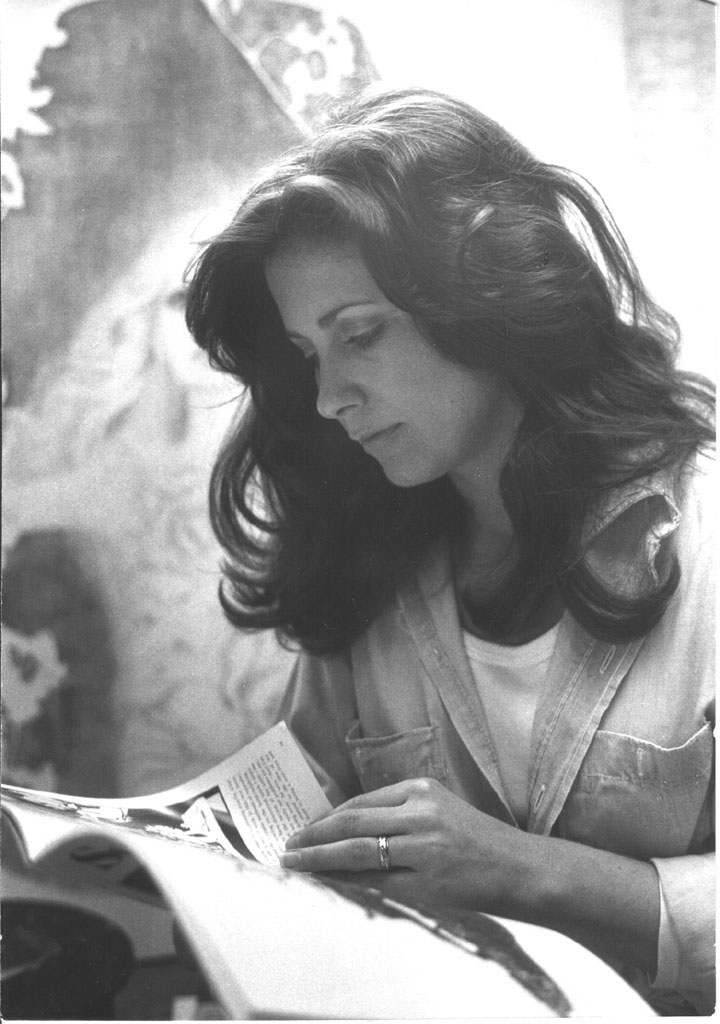


It is extremely rare that two women who bare the name Rosamond and Rosemond on their birth certificate would become big players in the Art World, along with family members. Christine Rosamond Benton, and Elizabeth Rosemond Taylor, are distant cousins who share the same great grandfather, James Rosamond.
What is profound two Rosemond sisters married Liz’s grandfather, and uncle, both who were famous art dealers. Liz’s uncle, Francis Marion Taylor, married Elizabeth Mary Rosemond. Francis had a gallery in the Elysee Chateau, where many Hollywood Stars resided, and later in the Beverley Hills Hotel, where Marilyn Monroe lived. Howard had a gallery in the Pierre Hotel in New York, and was a good friend of President Dwight Eisenhower.
Christine Rosamond Benton had two galleries in Carmel, and was a partner with an advisor for the Getty family who were friends of the artist, Garth Benton, the cousin of the artist, Thomas Hart Benton. Garth is the daughter of my artistic niece, Drew Benton. Jessie and Susan Benton, had salons in San Francisco and Paris. We are looking at a Artistic Dynasty.
Also of interest, there is a Francis Marion Rosamond who was named after Francis Marion, the ‘Swamp Fox’.
“My grandfather’s cousin, Leonard “Lenn” Duckworth married Jessie N. Rosemond, daughter of Morton M. Rosemond aka Moses Rosemond and Martha Lakes/Lokes, on 28 Dec 1891 in Sangamon Co., IL. Jessie’s siblings were Elizabeth M. Rosemond b. abt 1868, who married Frank Taylor 27 Feb 1890 in Sangamon Co., Frank Rosemond b. abt 1873, OH, and Mabel Rosemond, b. abt. 1878, who married S. Howard Young 13 Nov 1900 in Sangamon Co.” –Emily Moore
Christine and Elizabeth can trace their roots to the Ozark Mountains in Missouri where my grandfather, Frank Wesley Rosamond lived, and where he wrote several novels, short stories, and poems that appeared in Otto Rayburn’s magazine ‘Arcadian Life’. Royal Reuben Rosamond (Frank’s pen name) founded his own publishing company, Gem Publishing. In 1997 I founded Royal Rosamond Press Co. that is listed in Lane County Oregon as a publishing company. I am the President of my own newspaper.
“Mr. and Mrs. Sam S. Warmbrodt had moved by this time to the Ozark regions of Missouri because of his health.”
Elizabeth Taylor’s father owned several galleries. Elizabeth Mary Rosemond Taylor’s sister, Mabel Rosemond, married Howard Young, a art dealer who purchased European Art for American Oil Tycoons he often played poker with.
The four Rosamond sisters were child models. Rosemary and Lillian dated the actor, Errol Flynn.
Mrs. E. M. Taylor’s sister (Mabel Rosemond) had married Howard Young, a famous artist who had galleries in St. Louis, then New York, and London.
The war was devastating Europe in 1939 and found Francis and Sara Southern Taylor, both American nationals, running an art gallery in England for Francis’ multimillionaire uncle, Howard Young, a well-known dealer with an important gallery in New York. To avoid the growing conflict, Francis Taylor sent his wife and two children home to America while he remained behind to close out his uncle’s business. They visited briefly in Arkansas City before going to Pacific Palisades, near Hollywood where the Warmbrodt family was then living. In a few weeks Howard joined his family and opened his own art gallery in Los Angeles.”
Christine Rosamond Presco was discovered and promoted by Ira Cohen, of Ira Roberts Art Gallery on Lacienaga in Los Angeles. Christine married Garth Benton, the cousin of the famous artist, Thomas Hart Benton, and in 1986 she became partners with Lawrence Chazen in the Crossroads Arty Gallery in Carmel. This was the first Rosamond gallery. Chazen was a financial advisor of J.Paul Getty, and was a partner in the Plump/Jack resturant chain, along with the Nancy Pelosi family, and ex-mayor of San Francsico, Gavin Newsom. The Getty family amassed one of the largest art collections in the world. The Getty Museum overlooks the City of Angels. Garth Benton and my niece, Shannon Benton Sidel rendered the beautiful murals found in the Getty Villa. Chazen is a CEO of Noble Oil who will restart the drilling for black gold in the Gulf.
I would like to establish the New Rosamond Gallery in Portland ‘The Rose City’, or in Santa Barbara. I have founded a new blog where I will tap artists to show their work online.
5/26/2016
Victor Hugo of the Barbary Coast


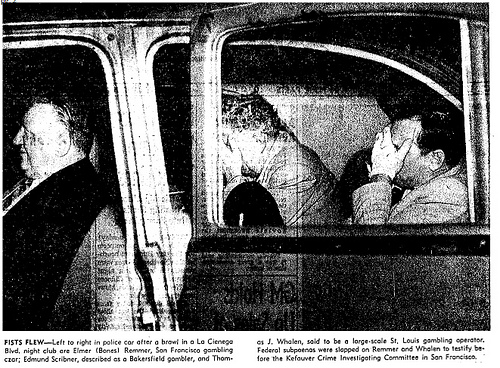
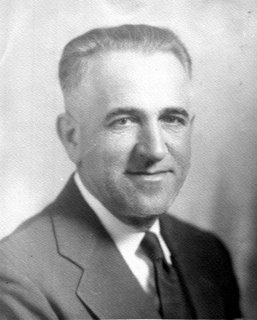
My brother, Mark Presco, described Melba as a ‘Control Freak’. Coming from a master control freak, this is quite an honor. Mark stopped seeing our grandmother, because she put him to work every time he did. That was my experience. Vic was the same way. This is why I almost conclude the Stuttmeisters were Prussian Royalty. Vic and Melba have the look and baring. Hugo could not hang!
Rosemary Rosamond made porno movies for Big Bones Bremmer. Later, she was a high class hooker working out of the Beverly Hills Hotel. Hollywood Stars has seen he infamous movies. Our mother was hardly ever home. I was the family cook. Christine watched me render large canvases in the little studio I built in the back of our home on Glendon.
There are blue-eyed Austrian Jews. I was befriended by one. Hugo had amazing blue eyes. After getting away from the ‘Control Freak’ he moved to the Barbary Coast in San Francisco. When he discovered he was a great poker player, we will never know. He made a living sitting at a table with gamblers. Victor Hugo Presco, was a professional gambler of the Barbary Coast. You can’t get any more Bohemian than this. Did he have a room above the Hippodrome? I would. When evening falls, I would put on my best duds and head for a card room. Who wants to get stuck with a bossy bitch and her spoiled brat – who demand all your attention? Victor Hugo – is my main man! I’m going to hang with his memory – till I die! We would have made great pals. Screw the Hansons!
1849: Badly drawn paintings of nude women adorn the walls of the best cafes in the city. Prostitutes begin to arrive from the east. They are frequently auctioned off from the decks of the arriving ships. Cafe owners often hire them to pose nude in displays in the dining halls. Gambling houses were everywhere. At the El Dorado it was reported that $80,000 once changed hands on the turn of a single card. Liquor and female companionship were often provided free of charge by the house as an incentive to frequent patrons.
This place was the Sin City of the world. It had an international reputation. It made the Capitol of Bohemianism, great. If we were told the truth, then we would know from where the dilemma came that ruined out lives. Melba’s father ran the California Barrel Company and delivered wood barrels to Bootleggers all over America. Rosemary made porno movies for Big Bones Remmer, the only Mafia boss working the West Coast out of Emeryville. Hugo and Rosemary would have gotten along great. Did they ever meet?
Men wanted to get drunk, see naked women, and get laid. There is nothing new under the sun. They also wanted to be bedazzled and entertained. I love the pic of the Bella Union Dance Hall. Looks like an exotic dancer sitting on a crescent moon. Human beings also love to dance. Here is the rebirth of Ancient Rome. Here is the new Hippodrome. Then came Bill Graham and the………..
THE HIPPIEDROME
Then there was the Red Mill, later called ‘The Moulin Rouge’. We Prescos got it covered. The Faux Caretakers have destroyed us. I will sell our True Story to HBO! We will be reborn. We will dance naked again, in the woods with the Woodminster and the Faun. Did Hugo meet any artists?
Captain Gregory
Copyright 2016
http://hoodline.com/2015/04/art-supply-store-artist-craftsman-has-storied-barbary-coast-past


Interior of the Moulin Rouge nightclub in the Barbary Coast, 1911
555 Pacific was such a place, going through multiple iterations of clubs and dance halls. The existing building is pretty much a reconstruction of a saloon that was there before the earthquake, but was known as the Red Mill, later renamed in French to Moulin Rouge in attempts to class up the joint. The exterior was covered in plaster reliefs of satyrs chasing naked wood nymphs. By the late 1930s, the Hippodrome moved into the spot.
http://sf.curbed.com/2013/5/24/10239866/have-a-good-time-at-the-hippodrome-on-terrific-street
BARBARY COAST
Historical Essay

Barbary Coast, 1909.

The Hippodrome by day, c. 1900-1920.
Photos: San Francisco History Center, SF Public Library
1849: Badly drawn paintings of nude women adorn the walls of the best cafes in the city. Prostitutes begin to arrive from the east. They are frequently auctioned off from the decks of the arriving ships. Cafe owners often hire them to pose nude in displays in the dining halls. Gambling houses were everywhere. At the El Dorado it was reported that $80,000 once changed hands on the turn of a single card. Liquor and female companionship were often provided free of charge by the house as an incentive to frequent patrons.
1860-1880: It was in the mid-1860s that the term “Barbary Coast” came into being. It derived its name from its similarity to the notorious Barbary Coast in Africa, and stretched from Montgomery to Stockton along Pacific Street, with branches off into Kearny and Grant Ave. The area had already been cleaned out twice before by the Vigilantes, but once again it began to grow with dives gambling halls, and houses of prostitution. One particularly dangerous block on Pacific between Kearny and Montgomery was known as Terrific Street. A writer in 1876 described the area:
The Barbary Coast is the haunt of the low and the vile of every kind. The petty thief, the house burglar, the tramp, the whore monger, lewd women, cut-throats, murderers, are all found here. Dance halls and concert-saloons, where blear-eyed men and faded women drink vile liquor, smoke offensive tobacco, engage in vulgar conduct, sing obscene songs and say and do everything to heap upon themselves more degradation, are numerous. Low gambling houses, thronged with riot-loving rowdies, in all stages of intoxication, are there. Opium dens, where heathen Chinese and God-forsaken men and women are sprawled in miscellaneous confusion, disgustingly drowsy or completely overcome, are there. Licentiousness, debauchery, pollution, loathsome disease, insanity from dissipation, misery, poverty, wealth, profanity, blasphemy, and death, are there. And Hell, yawning to receive the putrid mass, is there also.
–from Lights and Shades of San Francisco by Benjamin Estelle Lloyd, 1876.
One of the more colorful and memorable characters of the Barbary Coast was a one-time actor whose only name was Oofty Goofty. Oofty Goofty’s great claim to fame was his insensitivity to pain. For many years he made his living along the Barbary Coast by being the willing victim of physical abuse. For ten cents a man might kick Oofty Goofty as hard as he pleased; for a quarter he would let himself be hit with a walking stick; and for fifty cents he would take a blow from a baseball bat.

The Old Hippodrome and Bella Union Dance Halls at 557 Pacific Street between Kearny and Montgomery. Jesse B. Cook on sidewalk, February 1925.
Photo: Jesse Brown Cook collection, online archive of California I0050526A

Hippodrome, early 1930s.
Photo: San Francisco History Center, SF Public Library
Those who escaped the clutches of the crimps and runners trying to shanghaithem frequented the dance halls of the Barbary Coast, where “dancing” with a woman could take any form or degree the patron wished. Those who desired serious drinking could choose from a variety of establishments, the most dangerous of which was The Whale–as tough a bar-room as San Francisco ever boasted. The most famous criminals of the time could frequently be found there, as for the most part, even the police were afraid to enter. Another famous drinking establishment was the Cobweb Palace, run by Abe Warner, a lover of spiders, who let them spin their webs without interference. The webs hung were festooned across the ceiling and down the walls. Liquor was especially cheap at Martin and Horton’s, where one of its most infamous patrons was a shy little man who tended to sit unobtrusively at the back of the room. He was in fact, Black Bart, the highway bandit who held up stages with an unloaded gun and always left behind a bit of poetry signed “Black Bart the PO8.”
The primary industry of the Barbary Coast was prostitution. Three particular types of brothels were to be found: the cow-yard, which served as both apartment building and brothel; the crib, the lowest and most disreputable of the houses; and the parlor house, whose employees were considered the “aristocracy” of San Francisco’s red-light district.
The women who worked in the dives, regardless of their age, were called “pretty waiter girls.” They were usually paid $15 to $25 a week to serve as waitresses, entertainers and prostitutes. For a small fee a man could view any pretty waiter girl free of her clothing. During the 1870s one Mexican fandango den dressed its girls in no more than red jackets, black stockings, garters and slippers. This dress code was abandoned in a few weeks due to overwhelming and uncontrollable crowds.
More often than not the owners of these brothels, regardless of what kind of house they operated, came away with great fortunes. The more frequented parlor houses seemed each to have its own speciality. Madame Bertha, who ran a parlor house located in Sacramento Street, in addition to the usual activities of such an establishment, gave organ recitals on Sunday afternoons to specially invited guests. The prostitutes sang popular songs while Madame Bertha accompanied.
Madame Johanna employed three French girls who gave erotic exhibitions and were known as the Three Lively Fleas. She was also the originator of “direct mail advertising” for brothels, sending pictures of the naked girls to specially procured mailing lists.

Little Egypt on the Barbary Coast, 1890
The bagnio owned by Madame Gabrielle at Geary and Stockton featured a weekly show in which the participants were black men and white women. Frequently a parlor house had its own particular motto which could be found framed in every room. The motto of a California street house was What is Home Without Mother?Each of the parlor houses in Commercial Street boasted a chamber called the “Virgin Room,” where a gullible customer could be accommodated at double or triple the usual price. Usually the room was staffed with a girl young enough, and enough of an actress to simulate fright and bewilderment. She was usually paid slightly more than the other prostitutes.

The Hippodrome in 1890; Photo: San Francisco History Center, SF Public Library
A frequent patron of these house was San Francisco’s most notorious murderer of the time, Theodore Durrant. When not frequenting prostitutes or murdering them, Durrant spent his time as a medical student and an assistant superintendent of Sunday school, prominent in the work of the Christian Endeavor Society. His modus operandi was to bring a small bird to the parlor house and at some time during the evening slit its throat and let the blood drip over his body.In the cribs and cow-yards, customers were not permitted to remove their shoes, or often any garments at all–except for their hats. Only a specific kind of crib, called a “creep joint” permitted the removal of clothing, and the reason for that was in order that an accomplice could steal all his money and valuables. It was, however, customary to leave a shiny new dime in the customer’s pocket. The origin of the custom is unknown–perhaps it was left as car-fare.
Cribs were located throughout the Barbary Coast, but black and Hispanic establishments were concentrated on Broadway between Grant and Stockton. The French houses could be found primarily in Commercial Street.
1900: Three blocks of dance halls with the loudest possible music blasting forth from orchestras, steam pianos and gramophones in such establishments as The Living Flea, The Sign of the Red Rooster, Ye Olde Whore Shop. Extended from the foot of Telegraph Hill to the shoreline, largely along Pacific Street and Broadway. The Dew Drop Inn, Canterbury Hall and Opera Comique all specialize in erotica of a high order. Dead Man’s Alley, Murder Point and Bull Run form a secret network of tunnels through which people as well as booty were smuggled. The area takes in Chinatown, and Asians are often blamed for this blight on the city.
The San Francisco Examiner, the newspaper owned by William Randolph Hearst, is nicknamed The Whore’s Daily Guide and Handy Compendium due to the thinly disguised ads for prostitutes in the classified section.
Dancers at Spider Kelly’s on the Barbary Coast, 1911.
Photo: San Francisco History Center, SF Public Library
The worst of cribs were to be found on Morton Street (now ironically enough called Maiden Lane). The most notorious was the Nymphia on Pacific Street, the Marsicania on Dupont Street (Grant Ave.), and the Municipal Brothel on Jackson Street near Kearny. On a slow night the pimps might sell the privilege of touching a prostitute’s breasts for the fee of ten cents. On a good night a prostitute might service as many as a hundred men.
The Nymphia, a three-story building with about a hundred and fifty cubicles on each floor, was erected in 1899. The intention of the owners was to name the place the Hotel Nymphomania and to stock it with women suffering from that condition. When the police refused to permit that name, the owners compromised, calling it the Nymphia. Each female resident was required to remain naked at all times and was obliged to entertain any man who called. For a dime a customer would view the activities in any room through a narrow slit in the door. The place was first raided by police in 1900 and after several legal battles, finally closed down in 1903.
The San Francisco Call described the Marsicania as “one of the vilest dens ever operated in San Francisco.” Its population was about 100 prostitutes, each of whom paid $5 a night rental cost. It was opened in 1902 and enjoyed a period of prosperity when the police were legally restrained from blockading or entering the premises except under extreme emergencies. This decision was overturned in 1905 and the Marsicania was forced to close.
On Jackson Street the Municipal Brothel or the Municipal Crib was called so due to the fact that most of its profits went into the pockets of city officials and prominent politicians. It was build in 1904 on the site of the underground Chinese tenement known as the Devil’s Kitchen, or (with great sarcasm) the Palace Hotel. The women were graded by floors with the Mexican prostitutes in the basement, and the black women on the fourth floor. In between a variety of nationalities were represented. The Municipal Crib was protected from police raids until the prosecution of formerMayor Eugene Schmitz and Abe Ruef, who had received regular payments from the profits.
When it was at last closed in 1907, the Municipal Crib was the last significant cow-yard to operate in San Francisco. For all intents and purposes the flesh-pits that were the Barbary Coast were wiped off the face of the map by the great earthquake and fire of 1906.
The opium dives, slave-dens, cowyards, parlorhouses, cribs, deadfalls, dance-halls, bar-rooms, melodeons and concert saloons were all turned to ash. The destruction of Sodom and Gomorrah, it was called by the clergymen. The day following the great fire, men lined up for blocks in order to patronize the brothels of Oakland. The slave-trade of Chinatown came to an end and the opium dens were never rebuilt. But the entrepeneurs of the Barbary Coast were determined to rebuild the quarter upon the ruins of the old. By 1907 it was once again in full operation.
While the city of San Francisco officially disdained the goings-on of the Barbary Coast, it took a secret pride in this area widely proclaimed as the wickedest town in the U.S.A. After the great earthquake and fire, the Barbary Coast became more of a tourist attraction than its predecessor. Such luminaries as Sarah Bernhardt and ballet dancer Anna Pavlova were known to frequent the area. British poet John Masefield is to have said immediately after disembarking, “Take me to see the Barbary Coast.” Dance-floors and variety shows designed to shock the tourists replaced prostitution as the chief business. Indeed, many of the dance crazes that swept America during this period were originated in this section of San Francisco: the turkey trot; the bunny hug; the chicken glide; the Texas Tommy, the pony prance, the grizzly bear, and other varieties of semi-acrobatic dancing. Among the many dance halls on the Barbary Coast, the Thalia, on Pacific between Kearny and Montgomery, remained the most popular. It usually featured a “Salome dancer” or strip-tease artist.
The number of women working on the Barbary Coast during this period ranged from 800 to 3,000. They were paid from $12 to $20 a week to dance and drink with the customers and to appear on stage in ensemble choruses. Many engaged in prostitution but usually in their after hours. Their dress was described as “of the cheapest fabric, many of them torn and stained, none reaching below the knees, and here and there hooks missing and bodices yawning in the back, but always the silk stocking as the inevitable mark of caste.” [San Francisco Call, 1911] Often the girls were barely in their teens, and the dance-halls frequently served as recruiting agents for the brothels.
Barbary Coast after the ’06 quake
The first dive to open after the earthquake, and perhaps the most notorious establishment on the Barbary Coast of the post-earthquake period, was the Seattle Saloon and Dance Hall, in Pacific St. near Kearny. The women employed there were paid from $15 to $20 a week, and following the custom of an earlier deadfall, they were forbidden from wearing underwear. Advertisements of this feature were discretely passed around the saloons of the city. The women were also paid a slight percentage of the drinks they sold and entitled to half of whatever they might pick from the pockets of their dance partners. (The proprietors often complained that the girls were dishonest in reporting the true amounts they had stolen.) But the women of the Seattle soon developed another source of income by supposedly selling their house keys to drunken patrons who would pay from $1 to $5 each for a key. The keys of course were bogus, and the police soon put an end to this practice after receiving numerous complaints from homeowners about drunken men searching hopelessly in the middle of the night for locks their keys might open.
When the Seattle was sold in 1908, its name was changed to the Dash. The waitresses were replaced by male cross-dressers who for $1 would perform whatever sex act was requested. It was soon revealed that the new managers were two officers of the Superior Court under Judge Carroll Cook. The place was closed six months after it had opened.
1910-1920: In 1911 the Board of Health established a Municipal Clinic which compelled every prostitute to submit to examination and necessary treatment for disease. Prostitutes were required to carry a booklet listing her record of medical examinations, and no woman was permitted inside a brothel without a medical certificate. The Clinic existed for only two years, but in that time reduced venereal disease in the red-light district by 66 percent. The Clinic was fought bitterly by nearly every clergyman in the city. Mayor James Rolph, Jr., who had gone on record as supporting the work of the clinic, eventually succumbed to the political pressure brought to bear by the clergymen and ordered police protection withdrawn from the clinic. Soon afterward the Clinic closed its doors and diseases once again raged unhindered throughout the red-light district.
The defeat of the Union Labor Party in 1911 marked the beginning of the end of the Barbary Coast. Gone was the general feeling of Gold Rush days that San Francisco must remain a “wide-open” city. In 1912 the new Police Commissioner Jesse B. Cook launched a direct attack on the Barbary Coast publishing his plans in the newspapers:
1) All dance-halls and resorts patronized by women in Montgomery Avenue (now Columbus) west of Kearny Street and on both sides of Kearny Street to be abolished.
2) Barkers in front of the dance-halls in Pacific Street to be done away with and glaring electric signs forbidden.
3) No new saloon licenses to be issued until the number had been reduced to 1500 which was to be the limit in future.
4) Raids to be made against the blind pigs.
In February of 1913 another resolution was adopted:
Resolved, That no female shall be employed to sell or solicit the sale of liquor in any premises where liquor is sold at retail to which female visitors or patrons are allowed admittance. The enforcement of this resolution proved completely futile, but it did send out the message that the Barbary Coast of old was not to be tolerated.
But it was the San Francisco Examiner under the leadership of William Randolph Hearst which led the crusade that eventually brought down the Coast. Many churches and welfare organizations promptly jumped on the Examiner’s bandwagon, and on September 22, 1913, the Police Commission adopted the following resolution:
Resolved, That after September 30, 1913, no dancing shall be permitted in any cafe, restaurant, or saloon where liquor is sold within the district bounded on the north and east by the Bay, on the south by Clay street, and on the west by Stockton Street. Further Resolved, That no women patrons or women employees shall be permitted in any saloon in the said district. Further Resolved, That no license shall hereafter be renewed upon Pacific Street between Kearny and Sansome Streets, excepting for a straight saloon.
In September of 1913 the Thalia displayed the following sign:
THIS IS A CLEAN PLACE FOR CLEAN PEOPLE — NO MINORS ALLOWED.
This sign perhaps more than any other signalled the end of the Barbary Coast. Even the most notorious of the dance halls now had trouble attracting enough customers to stay in business.

The Thalia Dance Hall at 732 Pacific Street, with Jesse B. Cook on sidewalk, February 1925.
Photo: Jesse Brown Cook collection, online archive of California I0050528A
In 1914 the Red-Light Abatement Act gave the city authorities the right to impose civil court actions against any property used for purposes of prostitution. Also during this same time a young Methodist clergyman, Reverend Paul Smith, took it upon himself to launch a tireless campaign against whatever sin and vice yet remained on the Barbary Coast. (It was reported that his sermons were so provocative that prostitutes flocked to the vicinity of his church after the services, where they found eagerly aroused customers). Rev. Smith’s campaign against immorality came to a head on a January morning when more than 300 prostitutes dressed and perfumed in their finest marched to the Central Methodist Church to confront the minister. When admitted to the church they posed the question, “How are we to make a living when all the brothels have closed?” The Rev. is said to have replied that he would work tirelessly to establish a minimum-wage law and would assist the women in finding new employment. He claimed that a virtuous woman with children could live on $10 a week. “That’s why there’s prostitution!” came the reply, at which point the ensemble left the church in disgust.

January 25, 1917, three hundred prostitutes march to Central Methodist Church to protest anti-prostitution campaigning by Rev. Paul Smith.
In 1917 the Supreme Court rendered its final decision on the Red-Light Abatement Act. Dancing was now prohibited in all cafes and restaurants anywhere in the vicinity bordered by Larkin, O’Farrell, Mason and Market; all private booths were removed in establishments where liquor was sold; and unescorted women were to be ejected from such premises. These regulations effectively closed down such notorious Barbary Coast establishments as the Black Cat, the Panama, the Pup, Stack’s, Maxim’s, the Portola, the Louvre, the Odeon and the Bucket of Blood.
1920s: In one final gasp at life, the Barbary Coast recalling its former glory as the most notorious section of San Francisco, once again attempted to resurrect itself in 1921. The Neptune, Palace, Elko and Olympia again opened their doors, selling near beer and featuring a few dancing girls. But the watchful eye of Mrs. W. B. Hamilton, Chairman of the Clubwomen’s Vigilante Committee, soon saw to it these newly opened dens of iniquity were not to be endured. She reported to the newspapers, “I have visited dancing places in Honolulu, Tahiti and various islands of the South Pacific, but I saw nothing in those places more obscene and morally degrading than I saw in the Neptune Palace.” The police took immediate action and the Barbary Coast was at last closed down for all time.

Patrons in the Hippodrome, 1934.
Photo: San Francisco History Center, SF Public Library
1940s: U.S. military insists on shutting down brothels and bars around the city as tens of thousands of soldiers pour through San Francisco en route to and from the Pacific Theatre of War.
1950s: Mayor George Christopher appoints a beat cop as police chief and Chief Ahern instigates a crackdown on police corruption and vice tolerance.

Pacific Avenue looking west between Montgomery and Kearny, November, 1953.
Photo: Charles Ruiz collection

The Old “International Settlement” sign at Kearny and Pacific just before its final removal, June 6, 1957.
Photo: Bancroft Library
1960s: Carol Doda takes off her top at the Condor Club at Broadway and Columbus. She becomes a big celebrity and contributes mightily to San Francisco’s now-restored reputation as a town where anything goes.
1970s: Pornography industry gets a big boost by the entry of two Bay Area brothers, the infamous Mitchell Brothers. Their first feature porn film, Behind the Green Door, brings hardcore pornography into wide circulation. Their club on O’Farrellendures hundreds of raids by SFPD Vice officers, but is never shut down. “Lap Dancing” and other forms of nude entertainment are accepted in the City.
cc
 Rosamond Press

Leave a comment