
On this day, September 29, 2025, I John Presco, found the Knights Templar of the Franciscan Order of Jerusalem, and Springfield Oregon.
I awoke from my old man nap around 11:15, and had a vision of a Temple of Knights being built on International Way, near the Church of Later Day Saints. I have proven the Knights Templar owned the Shroud of Turin when I did my genealogy and looked at the Rougemont name. The Temmp;ars were disbanded by orders of the Pope. Many of the joined the Knight Hospitilars.
Around 11:40 PM, I watched the alleged peace proposal that was later delivered to the Palastians. It was the first time they saw it. It looks like a take it – or else! Netanyahu insulted the Democrat party, saying no Democrat President did anywhere near what Trump did for the Seed of Abraham, then made light of Trump being unaware the Abraham Accord referedd to the Prophet Moses – who saw God! Did Sistar Francis Clare – see the Virgin Mary – who she claimed talked to her. I see a copy of the Shroud of Turin in the Knight Templar Hall of Saint Francis, that is dedicated to bringing Good Health to all Orgonians, All Califonians, and all the nations of the world!
Many radical Christians are claiming the Temlar Order as their own. These fakes are Baptists and Protestants. Sister Fancis Clare, was a Catholic, as was Sister Mary Dominica Wieneke.
There are nine million Citizens pf Israel, and four million citizens of Oregon. Israel has universal healthcare, that many of our Presidents have contributed to. No PEACE OFFER was made to the people of Oregon who are in shock that 100,000 Orgeonians are going to lose their Medicaid because Pacific Soure – QUIT – the Vsion of Sister Francis Clare, and the religious orinization and colleges she…
SEEDED!
I went to repost Laneland when I noticed there was a draft made on August, 1, 2016. I opened it and read “a George”. This was all.
Now, there is a Holy Shroud!
John Presco
Commander of the Knight Templars of Saint Francis
Laneland
Posted on February 12, 2019 by Royal Rosamond Press

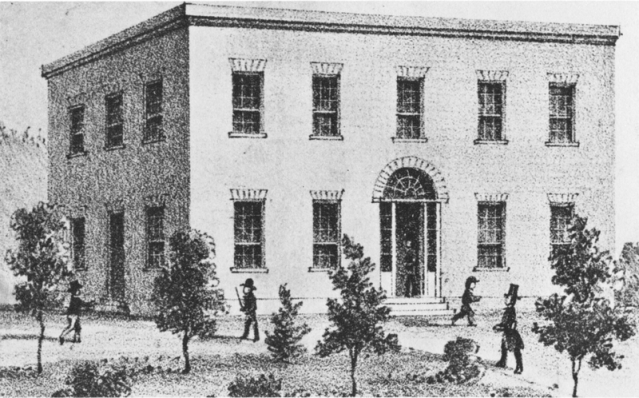


One of the first colleges in Oregon was burned down – twice! Arson is suspected. I believe a man loyal to the cause of Joseph Lane is the culprit. Could it have been my hero, Joaquin Miller, who graduated from Columbia with about twenty others. There was a schism. John Dicky was an abolitionist preacher who co-founded Columbia. Was Miller, like Paul, blinded by the light, he seeing the error of his way, and turning his life around? Did Harry Lane see the error of his grandfather’s way, and make a precise plan to not be like him?
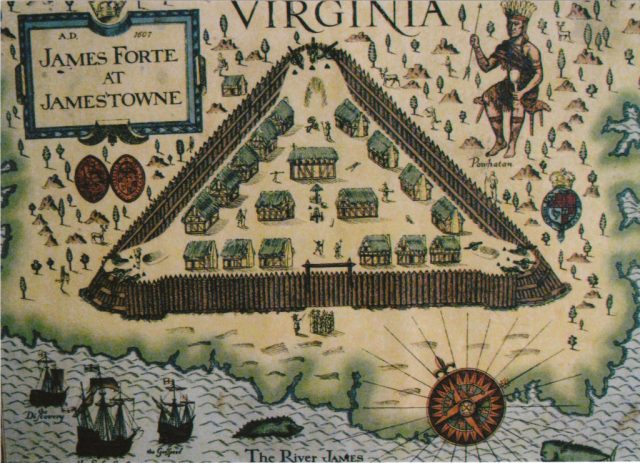
In the De-naming game I find myself in the thick of, I decided to go all the, by De-naming the United States of America – because We the People – have never been united. End the hypocrisy – now! How about ‘Laneland’? Two generations of the Lane family dwelt in Jamestown that was an experimental city. This might be America’s first Hippie Town…..Bohemianville if you will!
Two days ago I watched Ken Burn’s ‘Vietnam’. It was painful from the start. Being a Anti-War Demonstrator, I grieved at the loss of time and my youth – all our youths! I thought I would die without seeing a anti-war monument. Then I saw the painting of the new building around the old dealership of Joe Romania who donated much of the land that Lane College is built on. I will be going before Mayor of Eugene, suggesting a statue of Harry Lane be put here, because he was against America entering World War 1.
We hippies invented Political Correctness. We honored Native Americans and begged for Non-Violence. We need a museum to record and preserve this important history. Do no let Ed Ray have the last word. I want to interview him. Did he go to Vietnam, or did he get a college deferment? Many Vets who were gungho about killing gooks, turned their life around. The motto of Lane College is…….
Transforming Lives Through Learning
Consider Harry Potter and Harry Lane. Demand more magic in your lives! Screw that ugly wall that is a continuance of Benton’s Manifest Destiny. Our President is unteachable!
Note the wall around Jamestown, and the hundred foot Warrior Chief on the other side. Here is proof the grand experiment went wrong at the beginning. I will be sending a script to the History Channel about my theory why Europeans had to kill all the Native Americans. Apparently they carried a giant gene after mating with the Nephilim, and, every now and then a Squaw gave birth to a giant. Say goodbye to that Shame Game!
John Presco
President: Royal Rosamond Press
Colonel Joseph Lane (son of Thomas Lane and Elizabeth Jones) was born 1675 in Jamestown, James City, VA, USA, and died 1758 in Edgecombe,NC, USA.He married Julian Alderson on 1685 (sic) in Surry, VA, USA. Col. Joseph Lane is my 7th great-grandfather, and my GEDMATCH is #A319313 and my DNA matches his son, Edward Lane. He married Julian Jarrell.
In a Land Deed signed by his son Joseph LANE Sr, it states that: “Deed from Joseph Lane and Julian his wife of Isle of Wight County, Sept. 4, 1710, to Thomas Lane, of Surrey County 200 acres given me by my father (Thomas Lane, patent 1682) in his last will and testament (father Thomas Lane, patent 1682). Signed, Joseph Lane (Ielian) Julian Lane
“Sealed in red wax. Wit: Thomas Hart, Mary Hart, Thomas Lane Jr. The witnesses Thomas and Mary Hart were the son in-law and daughter of Richard & Eliz. Washington- his will Nov. 9, 1724, Surrey Co.” (Ref. Surrey County Deed Book 5, page 37) This can be found on Microfilm at the Family History Center called” General History of the LANES of NC and GA.”
There is some refrences that state Thomas LANE SR. was the son of John LANE who married the daughter of Robert BIRD, John had sons Robert, Thomas and John, however more research needs to be done.
comments
Some trees have him as the son of Richard Lane, of Lawnes Creek & Alice Lane without supporting evidence.
Oregon’s Governor Mark Hatfield presented the college charter in October 1965, and voters passed a 5-year serial levy to support initial construction.[4] Oregon Senator Wayne L. Morse presided as keynote speaker at the groundbreaking in January 1967.[4] Local resident Wilfred Gonyea had donated 105.81 acres off 30th Avenue in 1965 for the main campus, and added more acreage in 1967.[5] Two other residents, Joe Romania and Lew Williams, donated additional land for the campus in 1972, the same year Mr. and Mrs. James Christensen donated land south of Florence for a facility there.[5]

Thomas Lane MP
| Gender: | Male |
|---|---|
| Birth: | October 25, 1630 Long Bennington, Newark, Lincolnshire, England |
| Death: | January 05, 1709 (78) Surry County , Province of Virginia |
| Immediate Family: | Son of Richard Lane and Alice Lane Husband of Elizabeth Jones Lane and Elizabeth Jones Lane Father of William Lane; Mary Lane; Drewsiller Lane; Garrett Lane; Faith Lane and 5 others |
| DNA Markers: |  details details |
| Added by: | Judy Coleman on July 15, 2007 |
| Managed by: | Marsha Gail Veazey (Kamish) and 22 others |
| Curated by: |
From Wikipedia, the free encyclopedia
Jump to navigation Jump to search
| Type | Private |
|---|---|
| Active | 1856–1860 |
| Affiliation | Cumberland Presbyterian Church |
| Location | Eugene,Oregon,United States |
Columbia College was a college in Eugene in the U.S. state of Oregon. Founded in 1856, the school was part of a system of churches established by the Cumberland Presbyterian Church. The school’s building burned down twice before the school closed in 1860. Today, the neighborhood in Eugene where the school was located is known as College Hill due to the former college.
Contents
History[edit]
After the Cumberland Presbyterian Church split from the Presbyterian Church in 1810, the newer branch sought to found schools to educate ministers for future service in the church.[1] As early as 1851, church leaders in Oregon discussed starting a school in what was then the Oregon Territory.[1] Then at a meeting in Washington County on April 7, 1853, leaders created a committee to make plans for a school.[1] That committee consisted of J. A. Cornwall, D. H. Bellknap, and James Henry Dickey Henderson, who on October 5 of that year presented a report recommending that funds be raised to establish a Presbyterian school in the territory.[1]
The committee recommended raising $20,000 to start the school by selling scholarships at $100 each.[1] They also said the college should be located between what was then Eugene City in the southern Willamette Valley and Lafayette at the northern edge of the valley.[1] By December 1853 the plan was approved and the church began advertising to raise the funds.[1] In 1854, a new committee was formed with Jacob Gillespie and Mr. Snodgrass, among others, to select the location for the new school, with the committee choosing Eugene on October 5, 1854.[1] Gillespie, who was serving in the Oregon Territorial Legislature, then introduced a bill in order to secure a charter for the college on January 11, 1855.[1]
At that point the school was named Pacific College, but was changed by the legislative committee to Columbia College.[1] That committee, consisting of Gillespie, Asa L. Lovejoy, and Delazon Smith, returned the bill to the main assembly after a single day of consideration.[1] A vote to pass the bill on January 17, 1855, was tabled by David Logan, but he then moved for a vote on January 20, and the bill passed, becoming law on January 24.[1] The original charter called for a co-ed school, and was given to the church April 7, 1855.[1] In May 1855, the board of trustees met for the first time and selected Samuel Dillard as the president of the board, and by October had secured 20 acres (8.1 ha) adjacent to Eugene and a 24-foot (7.3 m) by 48-foot (15 m) building to house the school was under construction.[1] By August 1856, Enoch Pratt Henderson (brother of James Henry), a minister was hired to serve as president of the college, which he did from November 3, 1856 until September 19, 1859.[1][2] The school opened on November 3, 1856, but did not start classes until November 17 with 52 students.[1]
The school’s new building burned soon after it opened, on November 20, in what was believed to be arson.[1] Two-days later classes resumed at a rented home while plans were made to re-build.[1] Within two-years enrollment grew to 150 students and a new building was finished.[1][3] Classes were primarily preparatory classes during the existence of the college.[1] The second structure completed in November 1857 was meant to be temporary, and it was, as it burned on February 26, 1858.[1] Columbia tried to rebuild again, this time building a two-story building faced with sandstone.[1] However, the new structure was not finished before the college closed.[1]
Closure and legacy[edit]
Conflict between church denominations lead to the Cumberland Presbyterian Church withdrawing their financial support for the school.[3] The conflict arose, in part, as the debate over slavery raged in the east in what would eventually result in the American Civil War.[1] Parts of the church, based in Kentucky, supported slavery, while others were abolitionists.[1] Slavery supporters attempted to gain control of the school’s board of trustees, and eventually did in 1859, causing president Henderson to resign in 1859.[1] M. I. Ryan then became the principal, who was pro-slavery, and in June 1860 he assaulted Byron J. Pengra before fleeing back east.[4] The school also suffered from internal division over if religion should be taught in the school, as well as plans for another school in the Oregon Territory.[1]
Meanwhile, Henderson sued the school for past wages, which led to the school declaring bankruptcy and closing its doors in 1860.[1][2] The unfinished sandstone building stood until 1867 when it was torn down and some stones were used in the construction of a store on Willamette Street.[1] The College Hill neighborhood in Eugene was named after Columbia College.[2] In 1906, the city dedicated a monument to the school, located at Olive and Nineteenth.[1]
Notable alumni[edit]
James Henry Dickey Henderson (July 23, 1810 – December 13, 1885) was an American farmer and politician from the state of Oregon. A native of Kentucky, he lived in Missouri and Pennsylvania before moving to the Oregon Territory in 1852. He worked as a publisher, pastor, and farmer before entering politics as a Republican, and served one term in the United States House of Representatives representing Oregon.
Contents
Early life[edit]
Born near Salem, Kentucky, Henderson moved to Missouri Territory in 1817 where he attended the public schools.[1] He entered the ministry and was pastor of a church in Washington County, Pennsylvania from 1843 to 1851. In 1851, he returned to Missouri and published a literary magazine.[1]
The Oregon Trail[edit]
A strong abolitionist, Henderson decided to leave Missouri, where slavery was allowed, and move to Oregon Territory.[2] He, his wife, and five children endured an arduous six-month journey on the Oregon Trail and arrived in Portland, Oregon, on October 12, 1852.[2] The family established a homestead claim in Yamhill County, where they lived for four years before resettling in Eugene and establishing fruit orchards.[1] Prior to moving to Eugene, he served on the committee that helped to establish Columbia College, which opened in 1856 in Eugene.[3]
Political career[edit]
In 1858, Henderson was elected superintendent of Lane County schools, and then was nominated by the Republican Party as its candidate to represent Oregon in the United States House of Representatives.[1][2] Henderson went on to defeat Democrat Colonel James K. Kelly in the general election.[2] In Congress, Henderson served on the committees on the Pacific Railroad, Mines and Mining, Indian Affairs, and the special committee on the death of President Lincoln.[2]
Henderson was not renominated by his party in 1866, and returned to his agricultural pursuits in Eugene.[1] He also continued to preach, lecture, and write.[1] He died in Eugene on December 13, 1885 and was interred in Odd Fellows Cemetery.[1]
James Henry Dickey Henderson (July 23, 1810 – December 13, 1885) was an American farmer and politician from the state of Oregon. A native of Kentucky, he lived in Missouri and Pennsylvania before moving to the Oregon Territory in 1852. He worked as a publisher, pastor, and farmer before entering politics as a Republican, and served one term in the United States House of Representatives representing Oregon.
Contents
Early life[edit]
Born near Salem, Kentucky, Henderson moved to Missouri Territory in 1817 where he attended the public schools.[1] He entered the ministry and was pastor of a church in Washington County, Pennsylvania from 1843 to 1851. In 1851, he returned to Missouri and published a literary magazine.[1]
The Oregon Trail[edit]
A strong abolitionist, Henderson decided to leave Missouri, where slavery was allowed, and move to Oregon Territory.[2] He, his wife, and five children endured an arduous six-month journey on the Oregon Trail and arrived in Portland, Oregon, on October 12, 1852.[2] The family established a homestead claim in Yamhill County, where they lived for four years before resettling in Eugene and establishing fruit orchards.[1] Prior to moving to Eugene, he served on the committee that helped to establish Columbia College, which opened in 1856 in Eugene.[3]
Political career[edit]
In 1858, Henderson was elected superintendent of Lane County schools, and then was nominated by the Republican Party as its candidate to represent Oregon in the United States House of Representatives.[1][2] Henderson went on to defeat Democrat Colonel James K. Kelly in the general election.[2] In Congress, Henderson served on the committees on the Pacific Railroad, Mines and Mining, Indian Affairs, and the special committee on the death of President Lincoln.[2]
Henderson was not renominated by his party in 1866, and returned to his agricultural pursuits in Eugene.[1] He also continued to preach, lecture, and write.[1] He died in Eugene on December 13, 1885 and was interred in Odd Fellows Cemetery.[1]
The Springfield Boobyhatch
Futuruian Foto of Mr. Presco making good his escape – two years from now – before Timber Springs was built. See closeup below,
I Belong Here – Right Now!
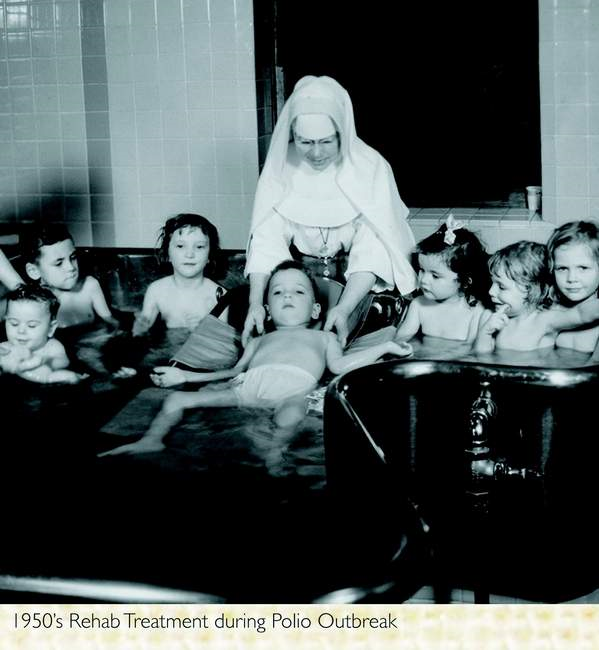
After she claimed the Virgin had spoken to her, and she seemed to become difficult to deal with, problems arose with the local priest and archbishop.
Bonds With Angels
My readers may be wondering if I am psychic, or…..
PSCYCHOTIC
Within a day of discovering SISTER FRANCIS CLARE. I came up with the draft of a proposal I would put before the City of Springfield. Why did I not know it was a done deal – and then some!
I have decided to surrender! Turn myself in. I want to be the first patient at Timber Springs Behavioral Health Hospital , which to be looks like the Mausoleum of the Great Augurs. I want Bed No 1, Section A. that has traditionally been reserved by Mad Men who claim they were Caesars Augur.
“And, in our most honored bed, is Antony of Rome.”
“Hello!”
“I tried to warn him, But, her wouldn’t listen!”
Do I got the book and the series! How about a movie?
Boobyhatch nut house” are two pejorative (offensive) slang terms for an insane asylum or mental institution. Both “booby hatch” and “nuthouse” are informal, informal, and now outdated terms used to refer to mental health facilities, often in a derogatory way.
Cahoots and the Pacific Christian Hospital

On this day, September 22, 2025 at 8:10 AM, I john

Three hours after my last post, I called up Pacific Source and talked to a woman about the horrible news a hundred thousand Oregonian sare about to lose their Medicaid. We talked for almost an hour. I asked about the history of Pacific Source and was told it has its roots in the
Tale of Two Murals
Posted on August 29, 2015 by Royal Rosamond Press
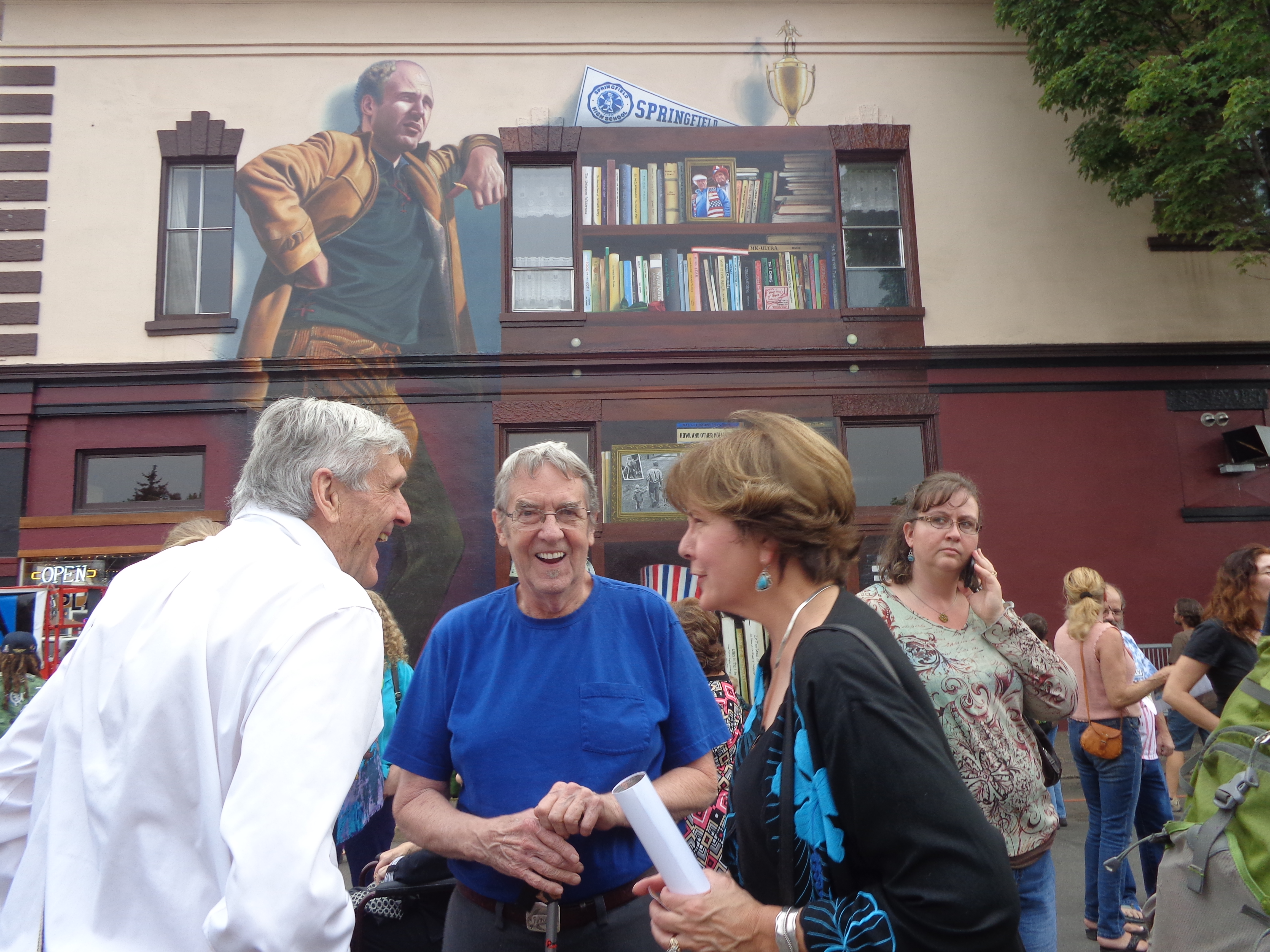
There once were two Kesey Murals in Springfield. My friend Nancy described the first one and got one of names of the artists, right, so I was able to restore the lost description of the mural that was painted on the outside wall of the The Creamery that Chuck told me the town leaders hated.
“It was the only mural for a hundred miles around, and, it had to go!” Said the husband of Sue Kesey, and brother-in-law of Ken.
“There was a caldron with marijuana plants!” Nancy, of yogurt fame, added.
“Wasn’t there a Unicorn?” asked I.
Behavioral Health Campus in Lane County
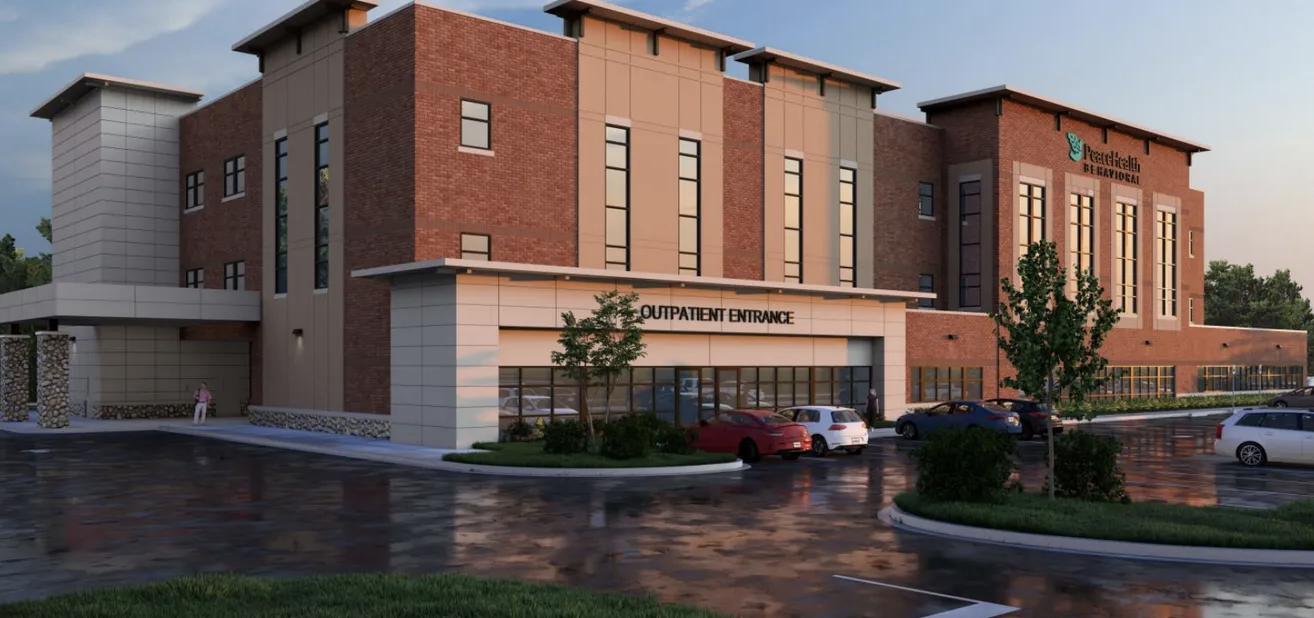
Lane County and PeaceHealth have formed a strategic partnership to acquire land located off International Way in Springfield with the goal of building a behavioral health care campus. The campus will be home to PeaceHealth’s new 96-bed Timber Springs Behavioral Health Hospital on their parcel, and immediately adjacent Lane County will construct the Lane Stabilization Center.
The campus will be a huge leap forward in being able to complete the behavioral health continuum of care and provide critical services for communities across Lane County. The close proximity of these two facilities will mean better outcomes for those who access services and for our partners who will be supporting individuals in accessing care.
Lane County is currently in an 180-day due diligence phase, during which they are seeking public input.
Features of the proposed facilities at a glance

 Rosamond Press


Leave a comment