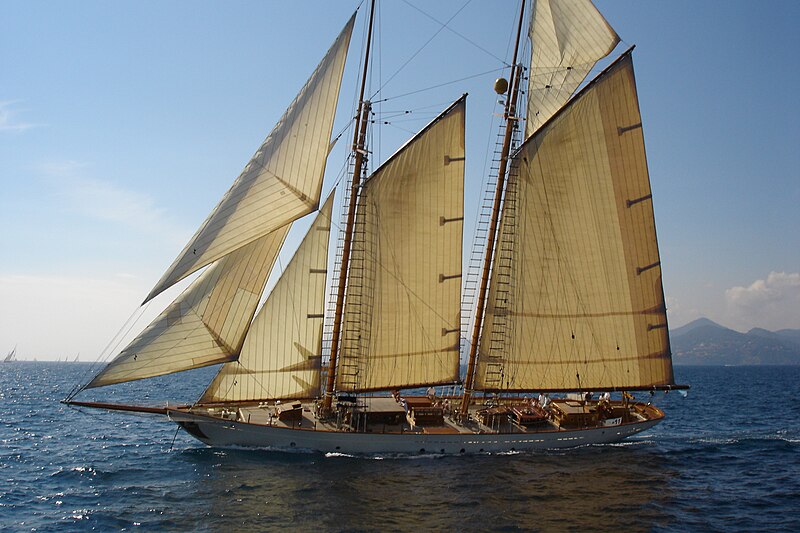
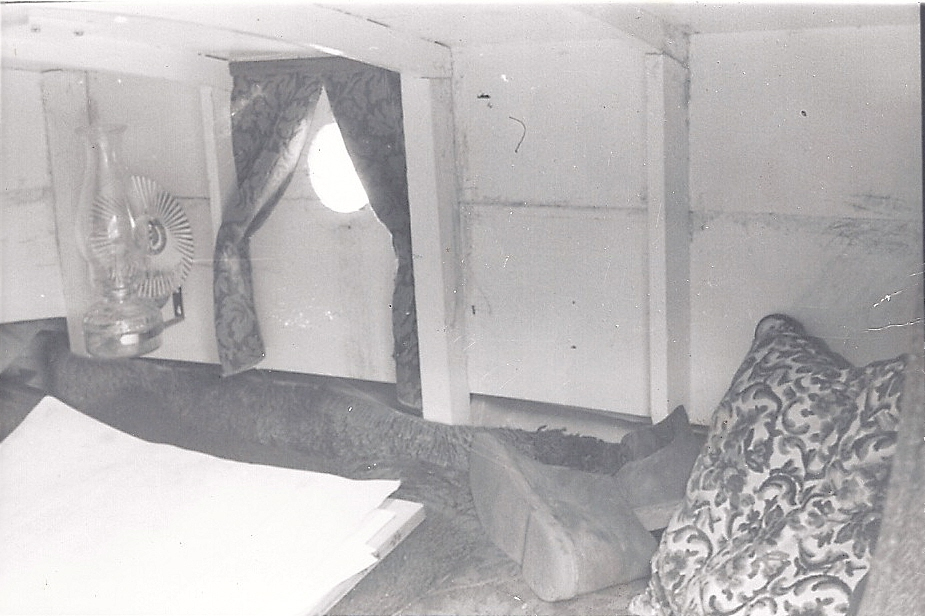
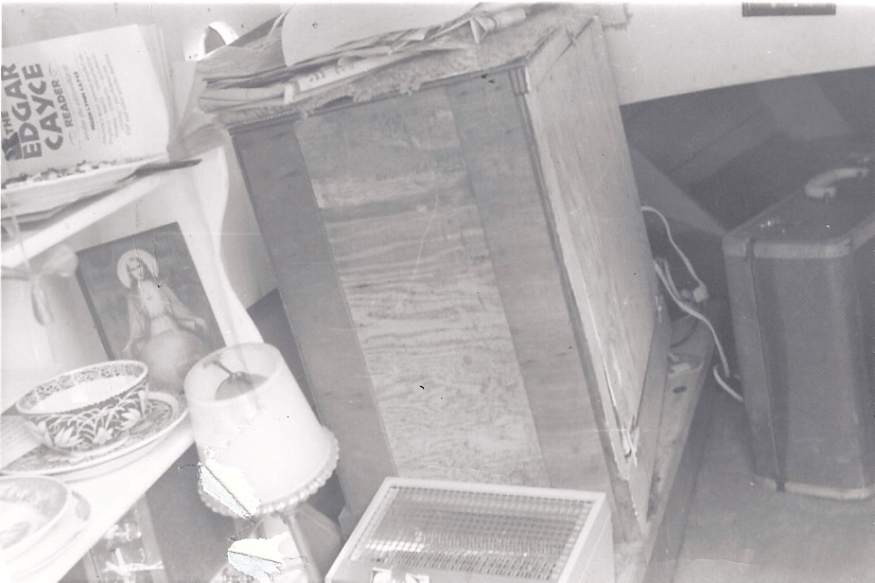
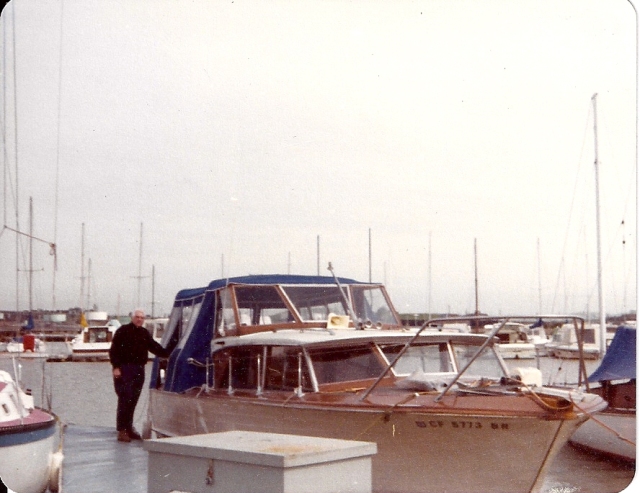
Don Presco built a yacht in Sausalito. There is no record of this boat, that he built the cabinetry for. Did he built cabinets for other boats, such as the Zaca, that Errol Flynn came to own.
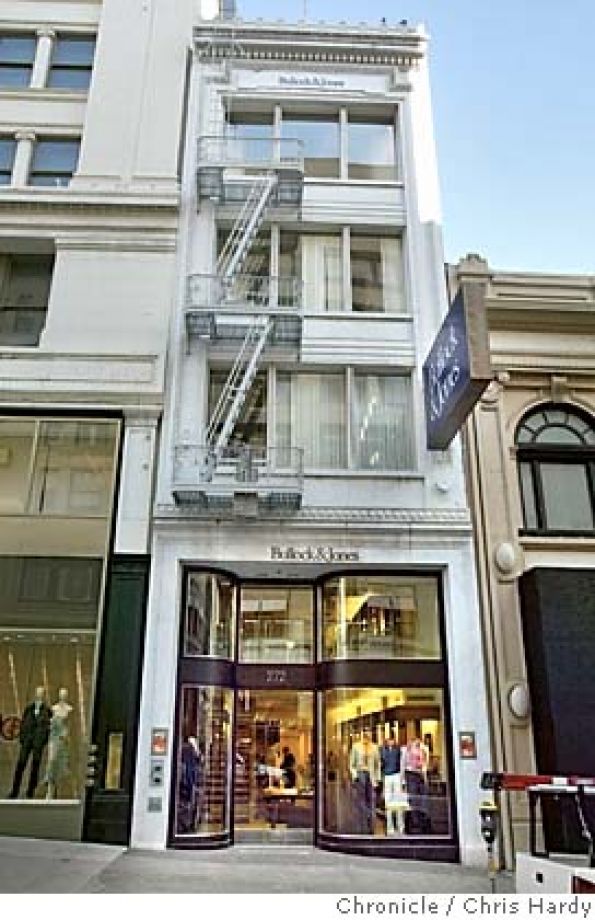
Wensel Anton Brasketwitz/Prescowitz came from BOHEMIA and was a tailor at Bullock & Jones. His son Don became a renowned cabinet makers in San Francisco, and Victor Hugo became a renowned Gambler. After my father married, Rosemary tried to get Vic Presco to move to Los Angeles and become a movie star. My father said he hated those phonies in LA. This is because he was the real deal, as were the Presco, Janke, and Stuttmeisters.
John Presco
EXTRA! I just found the EASTON family. Irena Victoria Easton, nee; Christensen, marrie Sir Ian Easton. These two inspired The Royal Janitor.
Templeton’s uncle (his mother’s brother) Ansel Mills Easton[1] was married to Louise (née Adams); Louise’s brother Charles Adams was the father of famed photographer Ansel Easton Adams, making Ansel Adams a cousin by marriage.
Ansel M. Easton, son of Ansel I. and Adeline Easton
Ansel M. Easton, left, on the porch of his Burlingame home.
The Eastons’ son Ansel Mills Easton married Louise Adams, the daughter of a prominent Menlo Park businessman. Louise had a quick wit and named her horses “Gossip” and “Scandal” because they traveled so fast.1
After the turn of the twentieth century, Ansel M. Easton established the Town of Easton, when he began to subdivide his parents’ Black HawkRanch. The Town of Easton was annexed by the City of Burlingame in 1910.
Ansel M. Easton erected a train station (near present day Broadway) to serve the Town of Easton that he created when he began to subdivide his parents’ Black Hawk ranch.
During the next decade, Easton attempted to sell lots in the area west of the County Road, known as the Easton Addition. At first, those lots did not sell well. Before the 1920s, very few people had cars and most people still commuted to work in San Francisco on the train. Easton had a small train station built at what would come to be known as Broadway, but his subdivision lots that adjoined Hillside Drive were too far away from the station for commuters to walk there easily. To remedy this situation, Easton applied to the city for a franchise to run a railway line from the Easton train station (later called the Broadway train station) to Alvarado and Hillside Drive.
She was commissioned by the self proclaimed explorer, Charles Templeton Crocker, to a design of Garland Rotch, and built by Nunes Brothers Boat and Ways Co. as a vessel for sailing around the world with all the modern conveniences of the time. When his new boat was completed in 1930 at Sausalito, California, Crocker wasted no time in making full use of it, spending the 1930s sailing the Zaca around the world on various expeditions, primarily in the name of scientific discovery and on behalf of the California Academy of Sciences, where many of his records sit now. From the Palmyra Atoll to the Galapagos, Crocker collected and documented plant and animal life with a small crew of scientists and artists, including noted photographer and Japanese artist, Toshio Asaeda.[1][2]
World War II
Due to the need for local patrol and rescue craft in the busy waters in the San Francisco area during World War II, the schooner was acquired by the Navy from Templeton Crocker on 12 June 1942. Placed in service on 19 June 1942 and assigned to the Western Sea Frontier, Zaca was classified a miscellaneous auxiliary and designated IX-73. She was the second ship of that name to serve in the US Navy, and operated as a plane-guard ship, standing ready to rescue the crews of any planes downed nearby.
The Preskowitz family came to Hartford Connecticut and established Tailor shops in two location downtown. Wenzel Preskowitz came to San Francisco and worked at Bulloch & Jones.
Jon Presco
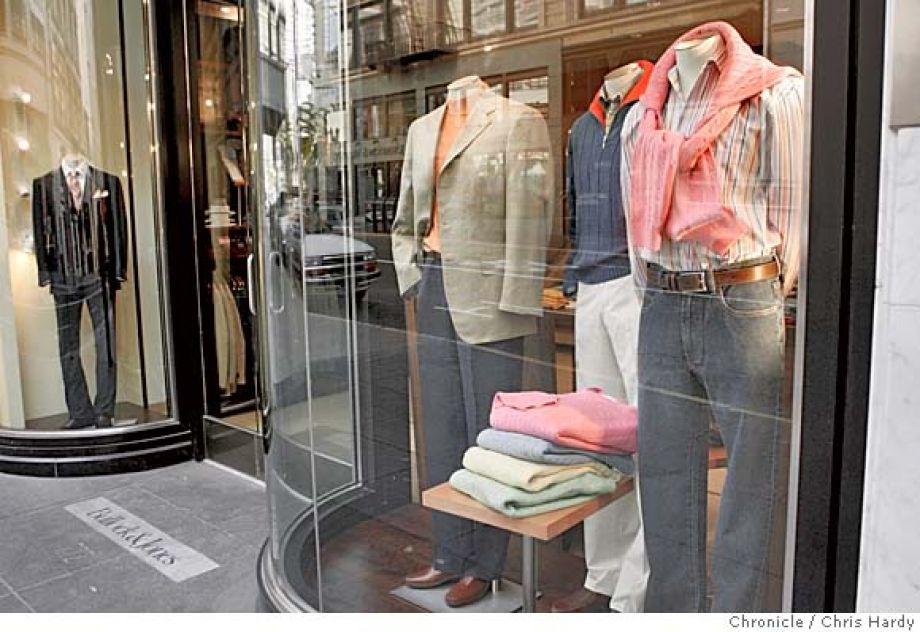
Yet in late November, Bullock & Jones, whose history can be traced back to Gold Rush San Francisco, made a comeback. This time it found a home in a smaller street-level space on Post Street at Stockton, one block from its former location.
Victor Hugo Presco Birth: 18 Jul 1885 Death: 21 Jul 1955 – San Francisco, California
F: Wenzel PreskowitzM: Christine Marie Roth
Victor William Presco Birth: 12 Aug 1923 Death: 04 Nov 1994 (4 Nov 1994) – Walnut Creek, Contra Costa County (Contra Costa), California
F: Victor Hugo PrescoM: (Name Unknown)
Victor Hugo Presco Birth: 18 Jul 1885 Death: 21 Jul 1955 – San Francisco, California
F: Wenzel PreskowitzM: Christine Marie Roth
Victor William Presco Birth: 12 Aug 1923 Death: 04 Nov 1994 (4 Nov 1994) – Walnut Creek, Contra Costa County (Contra Costa), California
F: Victor Hugo PrescoM: (Name Unknown)
Victor Presco Death: 1998 Spouse: Rosemary Rosamond
F: (Name Unknown)M: (Name Unknown)
Victor Hugo Presco Birth: 18 Jul 1885 – Hartford, USA Death: 21 Jul 1955 – San Francisco County (San Francisco), California, USA Spouse: Melba Charlotte Broderic
F: (Name Unknown)M: (Name Unknown)
Victor Hugo Presco Birth: 18 Jul 1885 Death: 21 Jul 1955 – San Francisco, California
F: Carl A PrazakM: Christine M Roth
Victor Hugo Presco Birth: 18 Jul 1885 Death: 21 Jul 1955 – San Francisco, California
F: Carl PrazakM: Christine M Prazak
Victor William Presco Birth: 12 Aug 1923 – San Francisco County (San Francisco), USA Death: 4 Nov 1994 – Lafayette, Contra Costa, California, USA
F: Victor Hugo PrescoM: Melba Charlotte Broderic
Victor William Presco Birth: 12 Aug 1923 – USA Death: 4 Nov 1994 – Lafayette, Contra Costa, California, USA
If you smile at me I will understand ‘Cause that is something Everybody everywhere does in the same language
I can see by your coat, my friend You’re from the other side There’s just one thing I got to know Can you tell me please, who won?
Say, can I have some of your purple berries? Yes, I’ve been eating ’em For six or seven weeks now, haven’t got sick once Probably keep us both alive
Wooden ships on the water, very free (and easy) Easy, you know the way it’s supposed to be Silver (people) on the shoreline, let us be Talkin’ ’bout very free and easy
Horror grips us as we watch you die All we can do is echo your anguished cries Stare as all human feelings die We are leaving, you don’t need us
Go, take your sister then by the hand Lead her away from this foreign land Far away, where we might laugh again We are leaving, you don’t need us
And it’s a fair wind Blowin’ warm out of the south over my shoulder Guess I’ll set a course and go
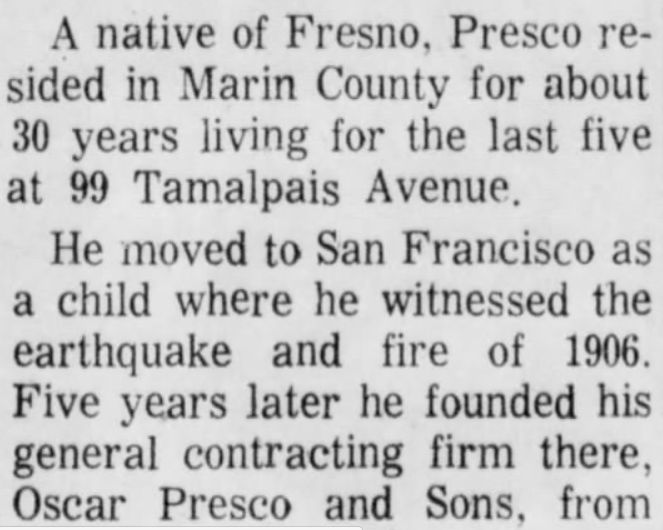
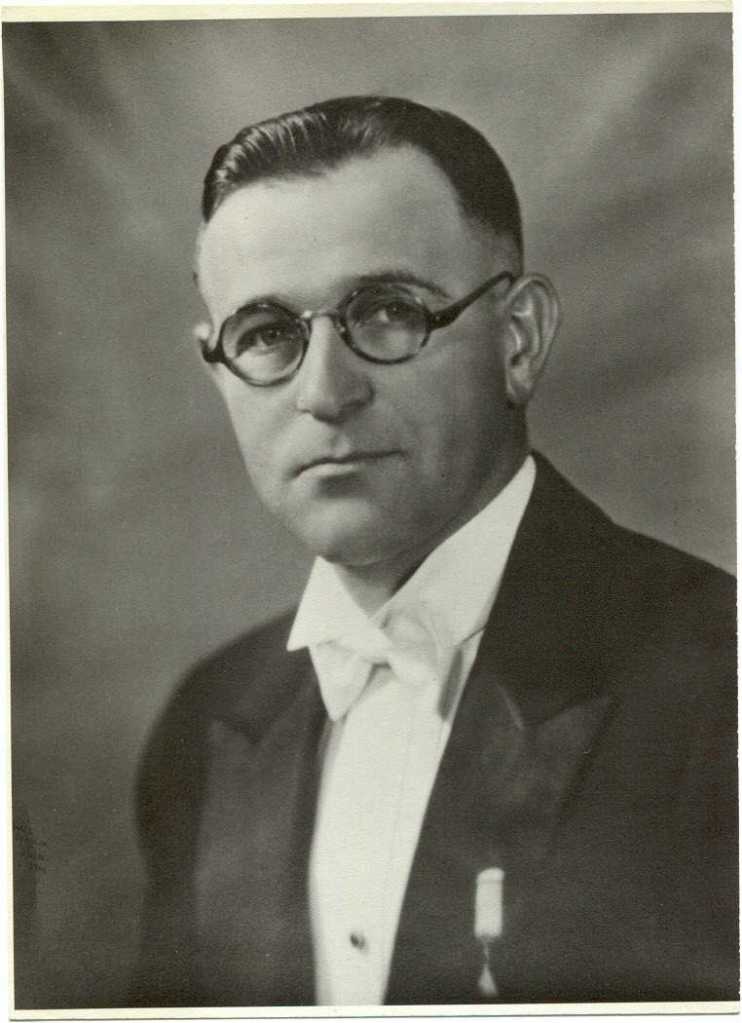
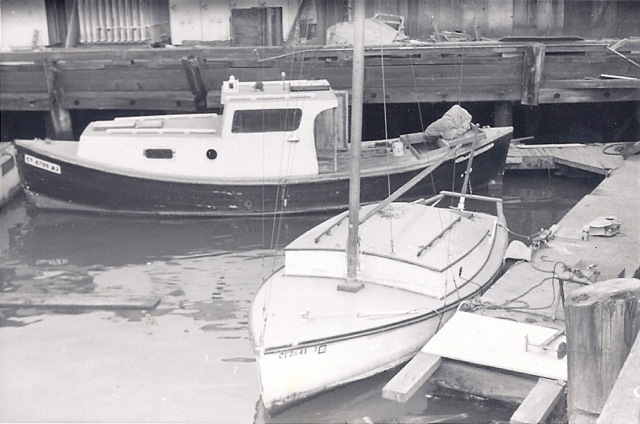
In 1980, I talked with Don Presco for an hour on the phone, and exchanged e-mails with his daughter for years. His father, Oscar Presco, was a major contractor who I place next to Carl Janke and Jim Bigalow, who owned Sam’s Anchor Cafe. Don made a substantial sailboat that sailed the Bay, and may have been docked in San Rafael that was a Mecca for Bohemian Sailors. Oscar’s brother m Victor Hugo, lived on a houseboat in Crockett, where The Petticoat Navy was docked. There are many Prescos that descend from Oscar who may have gone to Twin Pines Park in Belmont. Janke helped build San Francisco, and Oscar helped rebuild it. He did fine cabinetry work for hotels. I lived on a houseboat and sailboat docked in the Oakland Estuary..
John Presco
“During the 1920’s the floating pleasure palaces found that local objections and difficulty with access forced their closing. Among the ordinary citizens of Martinez the biggest complaint to the local police was the frequent ringing of various ship bells on the shore announcing that a client wished to be ferried out to a particular barge for an evening’s entertainment. It was one of the first recorded instance of a county noise pollution problem.
Open prostitution had been an accepted fact of life during the settling of Contra Costa County. Many county brothels masqueraded as “boarding houses” whose guests were exclusively young women. Many had interesting names. One famous house in western Contra Costa was called The Artists’ Tea Room. Of course, a request for tea would have been greeted with astonishment.”
May Ellen Presco Passed away December 25th, 2006. She was preceded in death by her beloved husband and best friend Donald E. Presco. She is survived by her four children Donn Presco of Burney, Debbie (Russ) Nelson and Diane (Bill) Simkins all of Redding and Donna (Loyd) Wilbur of Vermont. She will be deeply missed by her four grandchildren, Brad Silvers, Jennifer Buchnoff and Erin Callanan and Colleen Callanan and one great granddaughter. Born in San Francisco on December 31, 1923 May grew up in Los Angeles and the Bay Area. While living in San Francisco, she met her future husband Don Presco. After they married they honeymooned on the sailboat which they built together and on which they enjoyed racing on SF Bay. They built their home in San Rafael where they raised their four children. May enjoyed golf and was a member of the Meadow Club and later Discovery Bay Country Club and Yacht Club. She also enjoyed her bridge club for many years. After the death of her husband, she moved to Redding to be close to her children. At her request, no services will be held. Memorial contributions may be made to the American Cancer Society at 1-877-542-2623 or Guide Dogs for the Blind at P.O. Box 151200, San Rafael, CA 94915-1200.
The anchor-outs: San Francisco’s bohemian boat dwellers fight for their way of life
This article is more than 2 years old
Since the 1950s, Marin county waters have been home to a community of mariners. Now local authorities say they have to leave
By Erin McCormick in Sausalito. Photos by Hardy WilsonSun 31 Oct 2021 06.00 EDTShare94
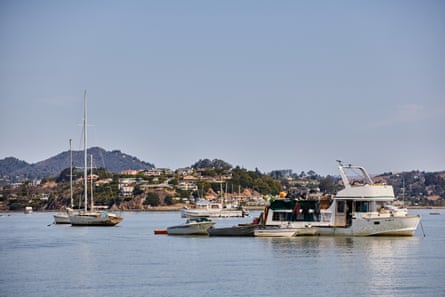
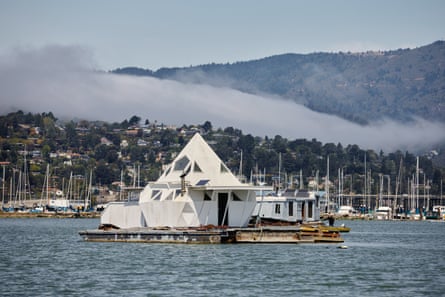
For decades, a group known as the “anchor-outs” enjoyed a relatively peaceful existence in a corner of the San Francisco Bay. The mariners carved out an affordable, bohemian community on the water, in a county where the median home price recently hit $1.8m.
But their haven could be coming to an end – and with it, a rapidly disappearing way of life.
The anchor-outs live aboard semi-derelict boats abutting the town of Sausalito, an upscale enclave just north of the Golden Gate Bridge in Marin county where mansions boast floor-to-ceiling windows overlooking the water. Tourists arrive by ferry from the city on weekends, strolling the promenade of restaurants, wine bars, art galleries and boutiques.
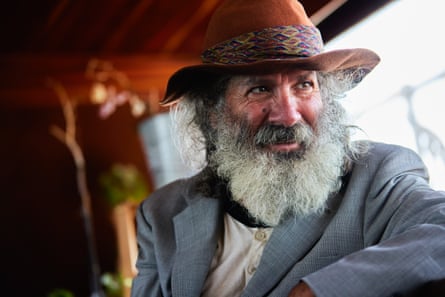
Top: Anchor-out boats sit in Richardson Bay in Sausalito, California, last month. Bottom: Jeff Jacob Chase looks out the window of a friend’s boat.
The agency that oversees the local waterway known as the Richardson Bay has in recent months begun a fervent crackdown on the boat dwellers, who they say are here illegally and pose a threat to safety and the marine environment.Determined to clear the waters, a hardline harbormaster has even begun confiscating and destroying boats that overstay their welcome.
Where did Sydney Morris, a partner of Robert Brevoort Buck, get the idea we could not handle our own history, and thus he brought in outsiders to be our substitutes. Morris allowed Stacey Pierrot to be the New Rosamond, and Tom Snyder to be the sober, me. These imposters are not historians, custodians, psychiatrists, or artists. They defiantly are not writers and publishers.
There were other success stories besides that of Christine Rosamond Presco. Our uncle, Jim Bigalow owned Sam’s Anchor Café located in Tiburon in Marin County. Oscar Presco owned Oscar Presco & Sons located in San Rafael, in Marin County. William Stuttmester was a successful dentist who purchased two properties in San Geronimo, located in Marin County.
Vincent Rice owned a construction supplies company in Los Angeles. Victor Presco ran his loan business out of his home Lafayette. Jim was a good friend of Walter and Margaret Keane, and owned several big eye paintings. Victor Hugo Presco was a very successful Bohemian Gambler and fair-thee-well who lived on a houseboat in Crockett, that I and my ex, who married Thomas Pynchon, tried to make the next Sausalito. Mary Ann Tharaldsen lived in San Rafael for many years.
Royal Rosamond, sailed out to the channel Islands with Dashiell Hammet, and camped with members of the Black Mask. He was the husband of Mary Magdalene Rosamond, who gave birth to four beautiful Rosamond Women: June, Bonnie, Rosemary, and Lillian. And then there is Carl Janke, who owned one of California’s oldest theme park in Belmont.
Christine Wandel was the first beautiful woman I was homeless with on Mount Tamalpais. After we became lovers, our best friend, Keith Purvis, flipped out, and we got thrown out. Keith was my sister’s lover for a while, and the lover of Berry Zorthian, the daughter of ‘The Last Bohemian. Wandel was also the lover of Peter Shapiro, the lead guitarist for The Loading Zone, that played at a festival on Mount Tamalpais where The Second Coming of Susan was filmed. Michael Barry was my friend in High School. Wandel is involved with the famous artist, Stefan Eins. I am working on their portrait.
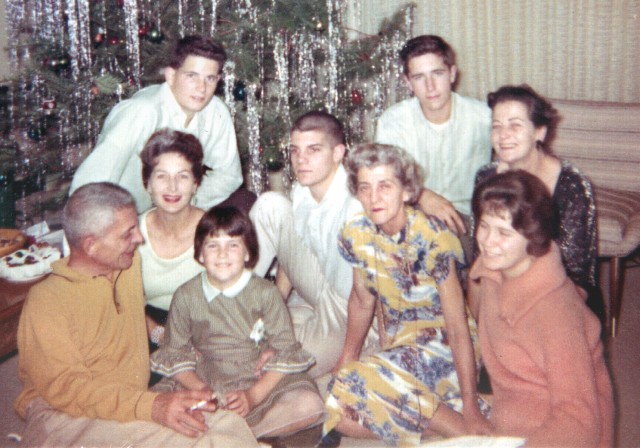
Jim always had the biggest Christmas tree, with golf bags and T’V’s. I am thirteen. My uncle asked me what I thought of the original Keane he had on the wall.
“It’s not real art. This is commercial art.”
He was not happy. I had dare insult him, lessen his self-image. I had not yet discovered the lost crypt of the Stuttmeister-Janke family in Colma – with Tiffany window! These are my father’s ancestors. I am slipping Christine Rosamond’s AA coin into William’s tomb. He brought his ancestors here after they were evicted from their graves. He then retired to San Geronimo, where he died. His wife’s name is on the Tiffany window, and on a Deed in San Geronimo. They were pioneers of this beautiful valley. My ancestors are no happy to see their people being degraded and demonized – especially after they died! These are Oddfellows who honor their dead.
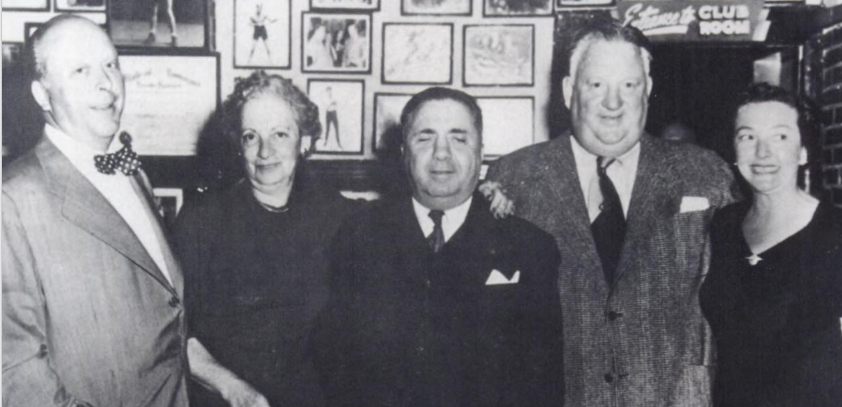
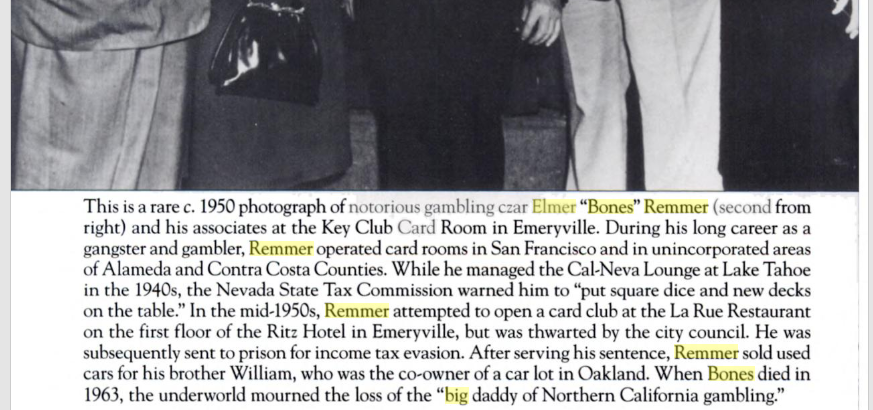
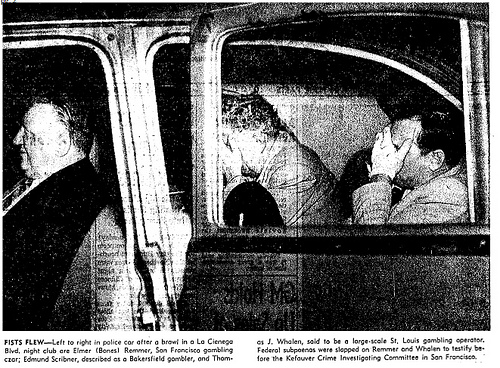
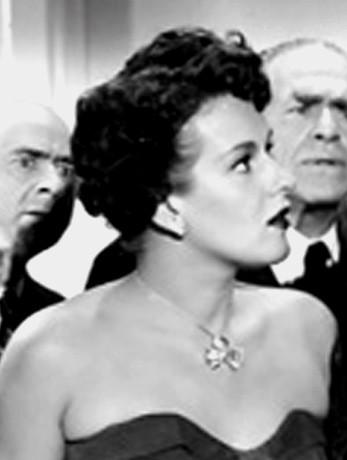
Raymond Chandler wrote about the people my grandfather hung around with, and did business with. The fact my mother made porno movies and was a prostitute for Big Bones Remmer, put’s me in the Black Mask revival, and put’s my fictional character, Smoky, on the Bohemian Gangster map.
During the early 20th century, Martinez gained a colorful reputation for its unique fleet of floating brothels anchored in the middle of the river. Some of the most famous “boats of ill repute” were Wanda’s Scow, Margaret’s Scow and “Old Lady” Miller’s Scow. Police raids were regularly made but timely warnings always allowed their clients to be absent. Fines for running houses of prostitution provided significant revenue to the county for many years and became a practical method of taxing the profits of these illegal enterprises. Rumors suggest that some of the best customers of these watery “entertainment” boats were the local politicians, lawyers and judges. Their patronage may have provided protection for the illegal operations. Drinks were also sold allowing clients to socialize with the soiled Martinez mermaids before and after services rendered. According to court records, Margaret Bantz and Millie Landt were some of the most notorious water loving madams on the river.
During the 1920’s the floating pleasure palaces found that local objections and difficulty with access forced their closing. Among the ordinary citizens of Martinez the biggest complaint to the local police was the frequent ringing of various ship bells on the shore announcing that a client wished to be ferried out to a particular barge for an evening’s entertainment. It was one of the first recorded instance of a county noise pollution problem.
Open prostitution had been an accepted fact of life during the settling of Contra Costa County. Many county brothels masqueraded as “boarding houses” whose guests were exclusively young women. Many had interesting names. One famous house in western Contra Costa was called The Artists’ Tea Room. Of course, a request for tea would have been greeted with astonishment.
Women were always in short supply in this thinly settled, largely rural county. The early vaqueros, sheep headers and field hands led lonely lives without much opportunity to meet available women or, even more importantly, the financial ability to marry. Consequently brothels were widely tolerated or viewed as a necessary evil. In fact, it wasn’t until the early 1900’s in California that the ratio of women to men became nearly equal. Women were initially so scarce that during the 1850’s in San Francisco several madams were accepted as valued members of normal society. They often made large contributions to local charities out of their profits of sin. Mammy Pleasant, a famous Black madam, was a major donor to early African-American civil rights groups.
Romanticizing the brothels of the pioneer west can easily be carried too far. While providing a service valued by at least the male portion of the population, they also had a serious downside. Disease and violent crime were not uncommon where prostitution flourished. In the Chinese community many young Asian girls were sold by their families into prostitution and shipped off to the cribs of San Francisco. Many prostitutes used alcohol and drugs to excess. That combined with disease, often made for short, tragic lives. Some women did marry and leave the sporting life but this was comparatively rare.
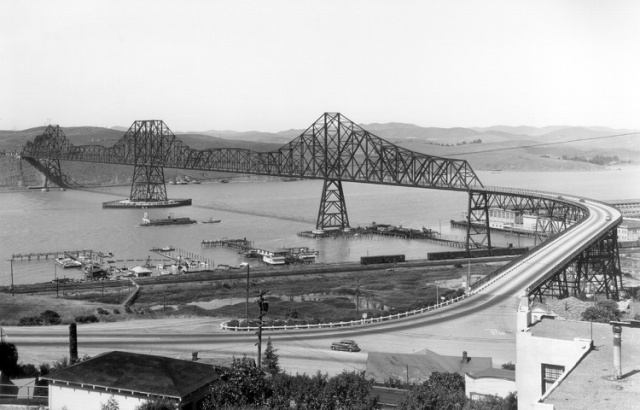
Eventually Contra Costa outgrew its pioneer past and traditions. By 1952 the public tolerance of openly functioning brothels in Contra Costa County had worn thin. Under the urging of Attorney General Earl Warren, the remaining historic brothels were finally closed. One of the most famous houses shuttered at that time was located near Crockett under the Carquinez Bridge close to the old railroad tracks. The site was notorious for a establishment called the Golden Horseshoe, famous for its spicy selection of a dozen accommodating women who for many years entertained the local factory workers and longshoremen.
Court records and Sheriff Veale’s personal papers preserved in the Contra Costa County History Center offer unique insights into this colorful facet of Contra Costa’s social history.
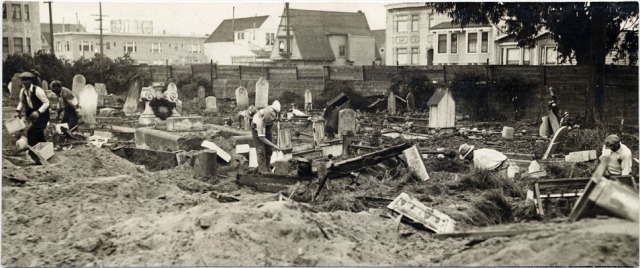
I think Oscar Presco was named after Oscar Wilde and his brother after the writer Victor Hugo, who had to see the earthquake, too. Oscar built a boat and raced it in the bay. He was the Master Mason of his lodge. They had to know the Buck family.
May Ellen Presco Passed away December 25th, 2006. She was preceded in death by her beloved husband and best friend Donald E. Presco. She is survived by her four children Donn Presco of Burney, Debbie (Russ) Nelson and Diane (Bill) Simkins all of Redding and Donna (Loyd) Wilbur of Vermont. She will be deeply missed by her four grandchildren, Brad Silvers, Jennifer Buchnoff and Erin Callanan and Colleen Callanan and one great granddaughter. Born in San Francisco on December 31, 1923 May grew up in Los Angeles and the Bay Area. While living in San Francisco, she met her future husband Don Presco. After they married they honeymooned on the sailboat which they built together and on which they enjoyed racing on SF Bay. They built their home in San Rafael where they raised their four children. May enjoyed golf and was a member of the Meadow Club and later Discovery Bay Country Club and Yacht Club. She also enjoyed her bridge club for many years. After the death of her husband, she moved to Redding to be close to her children. At her request, no services will be held.
Early this morning I went to Ancestry.com and found two messages from my cousins. I was thanked for my amazing study of our DNA material. Studying one Family Tree is the biggest hobby in the world. Studying my natal family is a journey into Hades. I suspect I am the only one left in my natal family. I suspect Mark Presco wanted his pending death kept a secret, lest I, the designated ‘Family Scapegoat and Parasite’ go after his million dollars. This idea has entertained my brother since I was born! We are a year apart. Mark abandoned us when he was sixteen. Victor Presco left his family when I was eleven, and was not allowed any visitation rights. He never paid child support. He told aunt Lillian I was not his child, but the son of a man Rosemary lay down with, and cheated on Mr. Germany Loyalty Man…
 F: Wenzel PreskowitzM: Christine Marie Roth
 Victor William Presco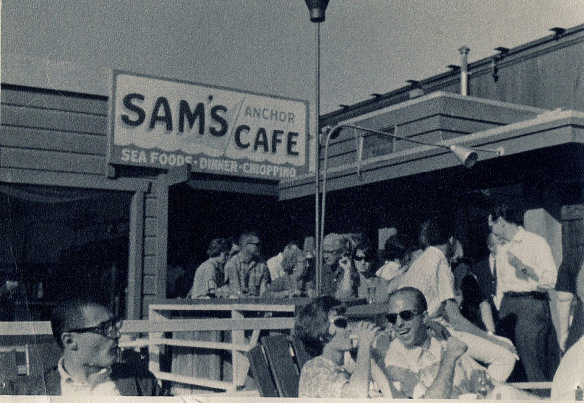


 Where did Sydney Morris, a partner of Robert Brevoort Buck, get the idea we could not handle our own history, and thus he brought in outsiders to be our substitutes. Morris allowed Stacey Pierrot to be the New Rosamond, and Tom Snyder to be the sober, me. These imposters are not historians, custodians, psychiatrists, or artists. They defiantly are not writers and publishers.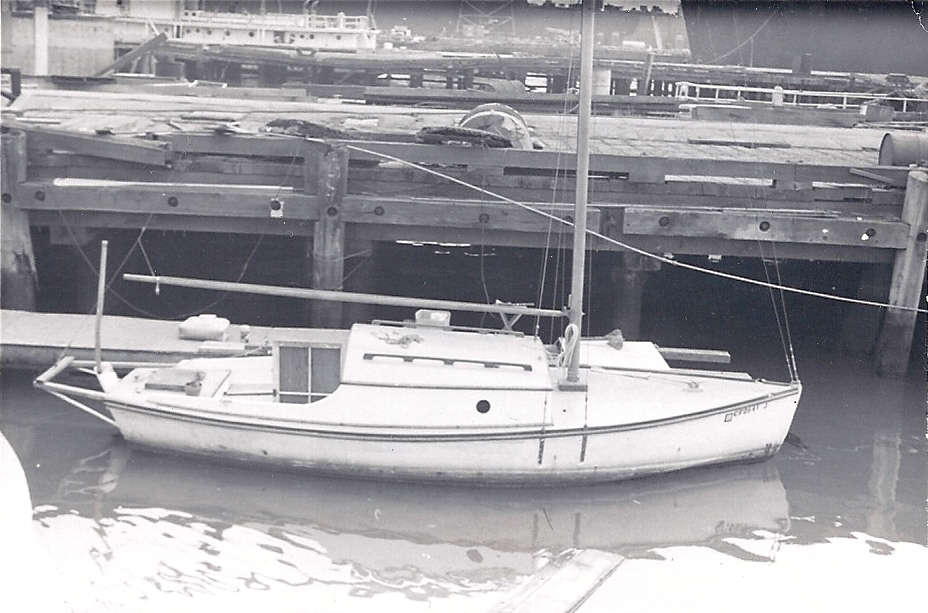




 Rosamond Press



Leave a comment