
Photo courtesy of the National Archives and Records Administration
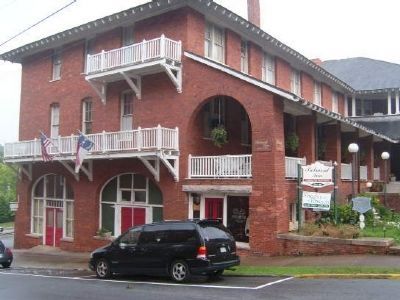
Photographed by Brian Scott, February 16, 2003
4. The Belmont Inn and Marker (Far Right)
San Sebastian Avenue
The first Walnut Grove Baptist Church in South Carolina was made of poles stuck in the ground with brush. This is around 1826. Our Nation is forty-six years of age. I am reminded of the Sukkot booth, where I believe the historic Jesus was born. Take note of this name – Marion Francis Rosamond. I believe my ancestors are honoring Francis Marion, who they fought under.
“David told us the Walnut Grove Church has tried to put a book together about the History of the Church. He said this book is at the church. We were there on Monday, and no one was there. David said the original church (1826) on Mulberry Creek was a brush arbor, which was posts with brush on top to protect them from rain. They were having Church service when it stated to rain. Had a flash flood that swept the brush arbor away. Everyone was scramming to get to higher ground, scared the horses so bad they all ran away. That�s when they moved the Church to higher ground. It was built next to where the Walnut Grove Church stands today.”
Abbeville is titled The Birth and Death Place of the Confederacy. I will post on States Rights, next. The President of the Unfired States, has invoke a insurrection law in order to send in the Marines into California that was The Wild West. The church my Rosamond and Hodge kindred built – was int the wilderness. The Constitution was signed in a splendid manor perhaps built by a British citizen. The civilized British are gone leaving these families like children in the woods. They built a church because the wanted to be civilized in the eyes of God and His son. They wanted – Democracy to work!
John Presco
The Belmont Inn is next door to the Opera House and two doors from the court house. The Library is one block away.
Abbeville is a city and county seat of Abbeville County, in the U.S. state of South Carolina.[5][6] It is located 86 miles (138 km) west of Columbia and 45 miles (72 km) south of Greenville.[7] Its population was 5,237 at the 2010 census.[4] Settled by French Huguenot settlers, it was named, along with the county, for the French town of the same name.[7][8]
History
[edit]
Abbeville was established by French Huguenots in 1764,[6] at a site named by John de la Howe.[6] It was incorporated in 1840.[7]
Famed states’ rights advocate and Vice President John C. Calhoun first practiced law in Abbeville, and he was born on a farm on the outskirts[6] in what is now Mt. Carmel.[9]
Abbeville and the American Civil War
[edit]


Abbeville has the unique distinction of being both the birthplace and the deathbed of the Confederacy. On November 22, 1860, a meeting was held at Abbeville, at a site since dubbed “Secession Hill“, to launch South Carolina’s secession from the Union;[10][11] one month later, the state of South Carolina became the first state to secede.
At the end of the Civil War, with the Confederacy in shambles, Confederate President Jefferson Davis fled Richmond, Virginia, and headed south, stopping for a night in Abbeville at the home of his friend Armistead Burt. It was on May 2, 1865, in the front parlor of what is now known as the Burt-Stark Mansion that Jefferson Davis officially acknowledged the dissolution of the Confederate government, in the last official cabinet meeting.[10][11]
On June 21, 1788, New Hampshire cast the deciding vote to ratify the U.S. Constitution. Key to this founding document of the United States is the requirement that we conduct a population census every 10 years to apportion the U.S. House of Representatives.
THE ROSAMOND GENEALOGY
Plus Related Families of the Web Page Owner
AN UPCOMING TRIP TO SOUTH CAROLINAReturn to Home PageFALL 2000, Final Weekend of September
We are planning a trip to Abbeville, South Carolina the last weekend of September and all Rosamond and related cousins are invited. We haven’t yet decided on where we will be staying, or the exact itenerary for the visit, so all suggestions are welcome. One of the definites for the trip will be a cleanup of the cemetery described in the email below from Gwen Rosamond Forrester. If you plan to come contact me at jrosamond@prodigy.net, or any of the Rosamond researchers listed on the OTHER RESEARCHERS page. I will be posting details online as they become available.
The following email was sent by one of the Rosamond cousins, Gwen Rosamond Forrester to the rest of the research cousins:
Hey Y’all,
Mark and I just got back from a trip to Halan Co., Ky., and Lee Co., Va., where his folks settled after leaving NC. We had a very successful trip with finding graves of his ancestors and meeting a relative. Since we were only about 200 miles from Abbeville, SC, we drove down there to look around, and guess what, we asked a couple of gentlemen, David Higgon’s and Mr. Richie (believe his name was Walter) in Ware Shoals, if they knew where the Walnut Grove Baptist Church was. (The church our Rosamond’s, Hill’s, Hodges, and Graham’s attended in the early 1800’s)
Sure enough, they both knew where it was. David lead us to it, and he lead us to the few graves on Mulberry Creek that mark the original site of the church that was organized in 1826. Talk about luck! This was so exciting!!! We were so lucky to have ran into these two gentleman.
These graves are right along a paved road in the woods (I mean, the stones are right along the road). This cemetery is in bad shape. No one is taking care of it. It is over grown in weeds, trees and with poison oak and ivy everywhere. David, Mark and I ventured out into the cemetery a little ways. Couldn’t go to each stone because the poison oak & ivy is soooo thick. There aren’t many stones. Some graves are marked with field stones and doesn’t have any writing on them, and some of the field stones looked as those they had been chiseled on but you couldn’t read it. There are Mays buried there and one stone was a Williams. Stones are in bad shape, you can hardly read them. They have black mildew, moss or what ever from the trees, all over them. There is one stone laying on the ground in perfect condition. No mildew or anything on it. You can read it clearly. It is the marker of Lucrete Mays born Dec 14, 1797 died Feb 14, 1845. Y’all, this is probably Sarah “Sally” Mays Rosamond’s mother. What do you think?
I couldn’t hardly leave there without looking at each stone, but the poison oak was to bad. Mark and I are highly allergic to these plants. I knew though, that we are all going to be there next year, or whenever and we can be better prepared to tackle this adventure. As soon as David left, Mark and I changed jeans, socks and shoes right there by the car on the side of the road. Pretty picture! That poison oak and ivy will go through your clothes if you give it time. We were very lucky, we were o’k the next morning. Only one car passed on that road the whole time we were at the cemetery, so it isn’t a busy one.
When we go there next year, or whenever, those of us allergic to these plants, will need to wear at least knee high rubber boots. We will also need to do some tombstone rubbings to be able to read the stones. Does anyone in this group know how to do tombstone rubbings? A lady in Lee Co., Va., showed me how by using paper and a pencil. She said you could also use colored chalk that children use at school. It wont hurt the stones at all. When it rains, it will wash the chalk off.
David told us the Walnut Grove Church has tried to put a book together about the History of the Church. He said this book is at the church. We were there on Monday, and no one was there. David said the original church (1826) on Mulberry Creek was a brush arbor, which was posts with brush on top to protect them from rain. They were having Church service when it stated to rain. Had a flash flood that swept the brush arbor away. Everyone was scramming to get to higher ground, scared the horses so bad they all ran away. That�s when they moved the Church to higher ground. It was built next to where the Walnut Grove Church stands today.
Ruth, do you know the History of Walnut Grove Church, and do you know who is buried in the original cemetery?
Abbeville is a beautiful Old Historic town. It takes you back in time. Has a lot of old beautiful two story homes. I have a pamphlet listing the motels in the Old 96 District when we get ready to make reservations. If we stay in Abbeville, there is a Belmont Inn on town square that would be perfect for us to stay in, if y’all like this sort of thing. The Belmont Inn was built 1902-03 as the Eureka Hotel to accommodate “drummers” of the textile trade, patrons of the Opera House, traveling salesmen of the day, and the railroad men who had layovers in Abbeville. It’s listed on the National Register of Historic places in Abbeville. It has 25 newly remodeled, decorated rooms. They let Mark and I walk through it. The rooms that didn’t have occupants in them, they leave the doors open so we were about to view them. They are furnished with old antique furniture, some rooms have large pieces of furniture. It has wooden floors and looks like bedrooms in antebellum homes, only a bit smaller. It is nice and very clean. Really takes you back in time. Prices are very reasonable. More on that later.
The Belmont Inn is next door to the Opera House and two doors from the court house. The Library is one block away. If yall had rather stay in a motel there are three motels around Abbeville, but the nicer ones are in Greenwood, which is only 15 miles away. Mr. Richie told me the Library in Greenwood was better than the one in Abbeville. I only got to spend a couple of hours at the Library in Greenwood. They have a lot of old books for research, made several copies, but don’t think I found too much of what we don’t already have. Haven’t had a chance to look it over.
Something else we might want to think about. This pamphlet I have says Edgefield County, (which we all know is part of Old 96 District) has D.A. Tompkins Memorial Library. It serves as a genealogical and historical research center focusing on the Old 96 District. It is the headquarters for the Courtesy Center and Archives. If we have time, we might want to check this out.
…
Your Cousin,
Gwen Rosamond Forrester
No. 101, Year referenced in text 1826. Newspaper article 6 November 1943.
(Regarding the Walnut Grove Baptist Church)
“The original minute book begins with this entry:
A Record of the proceedings of the Baptist Church of Christ at the Walnut Grove on Mulberry Creek in Abbeville District, S. C., constituted on the 24th day of June 1826 by the Rev’d Arthur Williams and Chesley Davis, both of the district aforesaid and teh Rev’d Moses Holland, of Pendleton District.”
The names of the members constituted are as follows:
Samuel Hill Nancy Hodges
Richard Gaines Mary Youngblood
William Graham Peggy Henderson
Valentine Young Dicey Sharp
Thompson Hodges Jincy Gaines
Benjamin Rosemond Susanna Roseman
Robert Gaines Francis Roseman
William Hodges Jane Huskerson
James Hodges Tabitha Hodges
It will be noticed the names of the male members are in the first column and the names of the female members are in the second column. And that was the way the members in all the churches sat in the early days and even within the recollection of people of middle age and better today, the men on one side, usually the right side after entrance, and the females on the left side after entrance.
No. 157, Year referenced in text 1837.
The church was again involved in neighborhood and individual difficulties. In one meeting in which the members were voting on the matter of fellowship with a former member who was now an officer of another church, it appeared after a vote that this former member would be “excluded” and this would embarass the sister church in which he was now an official. Whereupon, an old member, B. Rosamond who was also a charter member, got up and told the members voting to “exclude” that if they could not vote to keep the former member in good standing, to “sit still and not vote at all” so as to bring about harmony. His suggestion was followed and the record says twenty members “sat still and refused to vote” and this saved the day for the former member who was now an official in another church.
No. 164, Year referenced in text 1828. Newspaper article 4 December 1943.
The “Church at the Walnut Grove on Mulberry Creek” as it was always described by the clerk, did not show any gain in membership by the end of its third year. Beginning with eighteen charter members, it lost within two years two of these by letters of dismission and on Oct. 20, 1828 Susannah Rosmond died, the first loss by death. This brought the membership down to fifteen, but the addition of “Polly Hodges”, wife of James Hodges by letter from Turkey Creek about this time, brought the membership up to sixteen. Then on Jan. 4, 1830 after a sermon by the Rev. Nicholas Ware Hodges, the first two members to be received by baptism are named. These were “Polly Hodges, sister of, and Mahala Hodges, the wife of Thompson Hodges.” (This made the total membership eighteen again.) Incidentally, there are three “Polly Hodges” already noted in the record.
…(also from No. 164)
“On Christmas Eve, the Rev. Thomas A. Rosamond, “a member of the Methodist clergy” (a member of the Rosamond family of this section and many members of it were members of the Walnut Grove), preached and the following joined: John and Thomas Rosamond (sons of B. R.) and this notation by the clerk must have meant they were sons of Benjamin Rosamond, one of the charter members in 1826,…”
No. 165, Date referenced June 23, 1832.
At this meeting Valentine Young was granted the privilege of “a public gift of prayer within the bounds of the church”. It was explained that this was the same privilege which had been granted to Richard Gaines and Benj. Rosamond, …
—————- End records from “Our Old Roads” ———————-
Benjamin is also mentioned several times in “Abstracts of Old Ninety-Six, Abbeville District Wills and Bonds” as witness to wills and deeds.
According to an article in J.P. Coleman’s “Choctaw County Chronicles” under New Zion Baptist Church, organized December 1842, Benjamin ws one of the first two deacons. Also among the organizers was a Rosander Rosamond (don’t know who he/she is).
By 1850 Benjamin had sold his South Carolina property which was located somewhere near the Mulberry Creek/Saluda River area. He divided the profit with his sons and was living near his brother Samuel in Atalla County, Mississippi. In the same time period his other brother Thomas and all his sons except Thomas and Joseph were also in Mississippi. In 1850 Benjamin was listed in the Mississippi census as owning 9 slaves and being married to Jane. Census Ed. 126, 495/495.
In November 1858, James Rosamond (Benjamin’s son James ??) was appointed guardian of Jerusha W. (who is this?) and Tilman J. Rosamond. Then on May 16, 1859, Jane is named as guardian of Tilman J. and Marion F. Rosamond. These are her sons by Benjamin. On this date she gave her annual accounting regarding her sons.
On 12/20/ 1858, William T. Wright, referred to as the guardian of Jantha Rosamond (presumably Jantha Mays who was under guardianship of Benjamin and Jane), gave his final accounting. Jantha at this time was married to John F. Temple.
1850 Census Data, Attala County, MS
Page 126 & 127
495/495 Rosemon, Benj., Age 60, farmer, value 400, born SC = means b. ca. 1790
Jane, Age 44, born 1806, SC = Jane Rogers Mays
Lucretia, age 14, born SC
Daniel, age 12, SC
Jantha, age 11, female, SC
Marion F., age 2, born 1848, SC – – -Contradicts Carroll County, MS birth.
Mayse, Abner, age 18, male, born SC–Question-when did Benjamin get to MS?
The above record is not the only that contradicts the birthplace of Benjamin’s son Marion Francis Rosamond. The 1880 census of Montgomery County, AL which also lists his wife and children records his birthplace as Alabama. Any of these are possible since he could have been born just before the family left SC for MS, enroute between SC and Mississippi, or shortly after the family’s arrival in Mississippi. However, the death certificate of Marion Francis Rosamond who died July 8, 1935 shows his birthplace as Mississippi, this information being provided by his son Joseph Franklin Rosamond with whom he was living at the time of his death.
One handwritten note from Ruth Menhel indicates that Benjamin was on the tax roll in Attala County in 1847. Since there is a probate record for Benjamin and Jane in 1845 in SC, that would date the move to MS between 1845 and 1847. And this would mean that Marion Franklin was born in Mississippi. But if Benjamin was on the tax roll in Attala County, that would indicate that Marion Francis was born there rather than in Carroll County.
Benjamin first married Susannah Hill, daughter of John Hill, Sr. and Susannah ? Hill. In John Hill Senior’s will, he named his children as well as Benjamin and Susannah’s seven sons to receive Susannah’s share since she had already died. From the the will it says, “Susannah, who intermarried with Benjamin Rosemond, now dead, leaving as her only heirs her said husband Benjamin Rosemond, and seven children to wit, James, Benjamin, Samuel, John, Thomas, William and Joseph.”
After the death of his first wife, ca 1843 when Benjamin was about 53, he married Jane Rogers daughter of Daniel Rogers Jr., & Lucretia Harris, in Abbeville County, SC. Born on 4 Oct 1803 in Edgefield Co., South Carolina, Jane died in Mississippibef 1870, she was about 66.
Following his marriage to Jane, Benjamin was made guardian to three Mays children, Abner Mays, Jr., Aletha Mays and Jessee Mays. I believe these are Jane’s children from her first marriage to Abner Mays, Sr.The children are listed as neices and nephew of Benjamin’s son Thomas and Sarah Mays Rosamond. “Mays Minors, Box 68, Pack 1658 – On Oct 14 1840, Benjamin, John Rosamond, Felix Rogers bound to Moses Taggart Ord., Abbeville Dist sum $2,000. Benjamin Rosamond made guardian of Lethe, Jessy and Abner Mays, minors of Abner Mays, decd. 1841. Rec’d of Mathew Mays, Admn. of S. Whitley, Decd., who was guardian of above children.”
There is some confusion regarding children adopted by or under the guardianship of Benjamin and Jarne Rogers Mays Rosamond. I believe that the three Mays children to whom Benjamin was made guardian after his marriage to Jane were her children by Abner Mays, Sr. Their names were Abner, Jr., Aletha and Jessee.
In the 1860 census, Ally Wright, daughter of Althea Mays Wright is listed as living in the household of Jane Rogers Mays Rosamond.
Personal note: I can remember my dad, Ennis Herman Rosamond, and my Aunt Christine Rosamond Stedman referring to Benjamin’s second wife Jane as the Widow Mays. Also, Dad said on several occasions he remembers his grandfather, Marion Francis Rosamond (son of Benjamin and Jane) referring to his brother Daniel. This must be Daniel Mays who was under Benjamin and Jane’s guardianship after the death of his father.
In an email from Ruth Menhel, she said she had a record from the probate court in Edgefield County, SC that shows Benjamin and Jane Rogers being married in 1845.
Per “Attala County Pioneers” by Betty Couch Wiltshire:
Kosciusko, Attala County, MS Probate Book 1, 1858-1863.
Page 35: (Is this the page in Probate Book, or in “Attala County Pioneers”??
“James Rosamond, Guardian of Jerusha W. and Tilman J. Rosamond.(Note: Tilman is the brother of Marion Franklin Rosamond. Also, what is the date of this record? It can be assumed that Benjamin Rosamond died prior to this event, so it could help date Benjamin’s death.)
John Hodges Rosamond
Posted on July 5, 2011 by Royal Rosamond Press
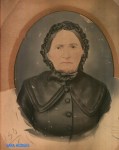

“Dorothy (Hodges) being a young, tall, attractive woman was taken by an Indian Chief before the cabin was torched. She was gone for ten years. When she returned she brought her Indian son with her.”
With warfare all around them, the Rosamond and Hodge family conducted weddings, and from their unions sprang a Nation.
Samuel Rosamond
Place of Burial: Williamston, SC
Birth: circa 1751
Augusta County, Virginia
Death: August 11, 1814 (63)
Anderson District, SC
John Hodges Rosamond
Birth: September 16, 1789
Abbeville District, SC
Death: May 5, 1859 (69)
South Carolina
Elizabeth Rosamond
Birth: circa 1786
Abbeville District, SC
http://www.geni.com/people/John-Rosamond/6000000003263301262
Most of the information about John Hodges comes from his Revolutionary War application, W10117.
John Hodges was born in 1765 in Essex Co., Virginia. He is probably the son of John Hodges of Culpeper, VA, born about 1725, and wife Elizabeth.
Apparently sometime before the Revolution, the John Hodges family moved to SC. At the age of 15, on April 1, 1780, John Hodges joined the military as a private and served about 21 months. He was widely known as “Major” John Hodges later in life, perhaps from a position in the state militia.
His Revolutionary War pension application contains the following, summarized in Annie Walker Burns’ Revolutionary War Soldiers and Other Patriotic Records of Abbeville, County, SC (Washington, DC), pp. 17-18:
John Hodges, a resident of Abbeville District, S.C., age 67, states he entered service April 1, 1780 under command of Capt Samuel Rosamund, who commanded a beat or militia company in Ninety Six Direct, now Abbeville, S.C., and was marched t…
A family legend is that the father of John Hodges was a Revolutionary soldier and while at home on furlough, his cabin was attacked by Indians, and he was killed. The legend continued that the Indians captured four Hodges daughters,
bound them securely and put them inside the cabin which they prepared to burn.
However, an Indian warrior was reported attracted to one daughter, Dorothy, released her and took her with him, while the others perished in the flames.
(Another version has it that the mother and two daughters died in the fire.)
Many years later, Dorothy Hodges and her Indian son returned for a visit on her promise, the story went, that she would return to her Indian husband in Alabama territory. She yielded to pleadings of relatives to remain and eventually
married [ ] Rosamond. Her son attended the neighborhood school, but in his late teens went back to his father and was never heard from. Mr. and Mrs. Rosamond had children, lived for a time in Pickens, then went West, and South Carolina
kin lost contact with them.
With warfare all around them, the Rosamond and Hodge family conducted weddings, and from their unions sprang a Nation. The city of Hodges South Carolina was built on what was called
“the Jews land”. Then Dorothy Hodges was taken away by an Indian chief, and a child was born in the wilderness.
“The story of Dorothy being taken by Indians was so interesting, with the loss of her father and four younger sisters and all, that everybody told it faithfully. At least according to my grandfather who got it from his father and
compared it to other related Hodges family’s traditions in the1930s. It was his contention that the story was true because he had letters from six different families in six different locations. Each family gave the same basic story.
Dorothy being a young, tall, attractive woman was taken by an Indian Chief before the cabin was torched. She was gone for ten years. When she returned she brought her Indian son with her. He was nine when he arrived. The family talked
Dorothy into staying with them. They clothed, and educated, her son in the ways of his mother. They were shocked, and unbelieving when he told them he was going back to his father.Some of them thought it was rude and disrespectful for him to leave and they couldn’t understand why he would rather live with a bunch of savages.
The boy was seventeen when he left. Dorothy stayed with her family and married the widowed brother of Sarah Rosamond. They had a family of their own. The story ends with “They had a family of their own.”John M. Robinson put Dorothy in the
record as having been captured by Indians about 1781, he showed one son, no name, from the Chief. Then he shows a second husband as — Rosamond. I don’t know where he got his information. I believe it was from a tribute for General
George Washington Hodges, from two books; “Moragnes in America and Related Families” by Nell H. Howard and Bessie W. Quinn, and “Greenwood County Sketches” by Margaret Watson.
AUTOBIOGRAPHY OF NICHOLAS WARE HODGES
“In the 44th year of my age, being confined at home by protracted illness, from which it is very uncertain whether I may ever recover, I proceed to the execution of a task, which I have desired and intended for many years, viz: to write a brief narrative of my life, for the instruction and benefit of my own children. . . . I must first gratify a natural curiosity in giving some account of my parentage. My grandfather, Richard Hodges, emigrated from Virginia, before the Revolutionary war, and settled in Abbeville District, on Mulberry Creek, then a frontier settlement in the vicinity of the Cherokee Indians. His wife’s maiden name was Jones. She survived her husband many years. I can recollect her when she was nearly a hundred years of age. My father’s name was James [Hodges]. There being no school established in that newly settled part of the country, and all that were capable being necessarily employed in opening the country and reducing it under cultivation, my father had no opportunity of going to school. Three days were the most of his schooling. The deficiency he lamented in [later] life and endeavored to supply it by his own efforts. He learned to read and sign his name.
Before the Commencement of the Colonial dispute (Revolution) my grandfather died, leaving a widow and twelve children . . . my grandmother was reduced to great suffering. The Indians burned her house and carried one of her daughters away captive. She returned home after the war, scarcely able to speak English. My grandmother had to fly for protection to the woods and shelter herself and children in the hollow of a large tree.” [This is the account of Dorothy Hodges written about earlier.] My father was about 18 years of age at the commencement of the war and was soon engaged in active scenes. He was not the man that ever shrunk from danger, where duty or necessity called, and was consequently employed by his captain, with other daring young men, in several dangerous adventures against the Tories. . . . In all these battles, my father never received a single wound, though he never deserted his post and saw many fall dead on his right hand and on his left. If this was not an evidence of a special providence I know not where to find any. After the return of peace, my father married Ann [Nancy Ware], daughter of Nicholas Ware, who had emigrated from Virginia and settled on Turkey Creek, Abbeville . . . . My mother’s parents [Nicholas and Peggy Ware] both dying, left under my father’s care their two youngest sons, Edward and Nathaniel A. Ware, at a tender age. He brought then up as his own children and gave them the best education which the schools in his reach afforded. . . .” [For information on Nathaniel Ware, see his section.]
“I was born on Lord’s day, 1st Jan 1797 and was the sixth of eleven children. I was delicate in appearance and thought not to be equal to the labors of the farm. My uncle selected me from the rest and begged my father to keep me at school until he himself should finish his education, and he would then educate me, by way of return to my father for the kindness he had shown to him. My father did so. . . . One trait of character early developed itself – that was fondness for reading; but unfortunately I had no access to suitable books. . . . Having read all I could lay my hands upon in my father’s little library, I at length found an old book with very fine and dim print. I resolved to know its contents. It was the Bible. I commenced at the beginning and read on with increasing interest. I often read by fire-light, after the rest of the family had retired to rest, and thus early injured my eyes, from which they never fully recovered. Very salutary impressions were made on my mind at this age. I saw that God befriended those patriarchs wherever they were and suffered none to hurt them. I had a great desire to be like them. I was now about 12 years of age. In the summer of 1810, my uncle came to carry me to Abbeville, to commence the study of Latin with him, whilst he was pursuing the study of law.” Nicholas further writes: “I must stop here to review the scenes among which I had been brought up – together with their effect on my mind . . . my mother [Nancy Ware] had a great respect for religion, which she had imbibed from her parents. [Nicholas and Peggy Ware.] They were both pious members of the Baptist church on Turkey Creek. She used to reprove her children about using bad words and indulging passion. My father was brought up in the Episcopal Church in Virginia, and certainly had great respect for religion and ministers; but very little for the church in which he had been brought up. He often read the Testament and other good books, but said nothing to his children about doing so. The Testament, however, was generally used as a school book . . . . I hated Latin because I was to be made proud by learning and could not become the humble Christian I had desired since I first read the scriptures, and gave way to grief and melancholy. After some months my uncle entered me as a student, at Old Cambridge and engaged boarding for me with Mr. Thomas Chiles.”
Nicholas continued, “After a short stay at my beloved home, I was carried back to Cambridge, in the beginning of the year 1811. My uncle having made his arrangements to move to Natchez, Miss., paid me a short visit. He gave me good advice which made an impression upon me. This was the last time that I ever had the pleasure of seeing that dear uncle to whom as an instrument I am indebted for what education I have. I became deeply interested and prosecuted the study of Latin, Greek and higher English, and succeeded in taking the prize offered our class. I remained until the close of the year, 1812. I spent the year 1813 in reviewing, reading, and instructing my younger brother and sisters. During the present year, l8l3, my religious impressions increased. I began to discover my depravity more and more, and was often in much distress. I made many resolutions, but was unable to keep them, which destroyed my peace of mind. But, as yet, I knew not the way of salvation. In the year, 1814, being about 17 years of age, I taught a school at Turkey Creek Church and boarded with my Uncle Edmond Ware, at Scuffletown. I returned to Cambridge in 1815.
[. . . .] During the following vacation I occupied a student’s cabin alone. Here, happy in my seclusion, I had much time for meditation and prayer. I began to reflect seriously upon my situation as a sinner. I had been long striving to obtain religion, but found myself further off, instead of approaching nearer my object.
[. . . .] I thought myself the chief of sinners and was at my wits end. I could make no greater exertion than I had already made, which had proved abortive. Thus the lord was stripping me of my self-righteousness; for I had been, for years, trying to work myself into His favor.”
In closing, Nicholas relayed how, “one Sunday morning I was sitting in my cabin, reading . . . about a man who was in the habit of cock fighting. Having lost a bet, he took a solemn oath not to be engaged in such sport. . . . He was, at length, tempted himself . . . but was struck dead in an instant. When I read this I closed the book and thought I was as guilty as that man, for violating so many solemn resolutions. I looked for the hand of God to be let loose and cut me down. I rushed out of the cabin and sought the woods. Falling upon my knees I cried to God for mercy. Tears gushed from my eyes which afforded some temporary relief. I returned slowly to the cabin with despair seated at my heart. . . . I concluded to read again the Epistle of Paul to the Romans. . . . When I came to the 10th chapter, new views began to be presented. I read, ‘Christ is the end of the law for righteousness to everyone that believeth . . . the word of faith, which we preach: that if thou shalt confess with thy mouth the lord Jesus, and shalt believe in thine heart that God raised him from the dead, thou shalt be saved.’ These remarkable words arrested my attention. I thought ‘Is it possible that salvation is placed on such easy terms merely to believe?’ I had been all the while under the impression that I must reform and do something to gain the divine favor. Here was a new doctrine to me, and I felt ready to lay hold upon it, for every other refuge had proved a failure. I then asked myself, ‘Do you believe in the lord Jesus?’ I answered ‘I most certainly do’. I then began to feel some degree of joy from the thought that there was a bare possibility for such a sinner as myself to be saved. This joy gradually increased until I left my cabin to walk in the open fields. Here as I looked around, all nature seemed to put on a new and more lovely aspect.” [You can find the autobiography in its entirety on the web.]
Nicholas was so inspired that he spent the rest of his life preaching the gospel. He married twice. His first wife was Elizabeth (Eliza) Hughes of Edgefield.
Record
They had two sons, Charles and Edward. There were more children by his second wife whose name is not known. Nicholas died of tuberculosis at the age of 44 on October 7, 1841. His mother, Nancy Ware Hodges, would outlive him by 15 years; dying in 1856 at the age of 89. Nancy’s husband had also predeceased her in 1828. “James’ wife, Nancy Ware Hodges, as his widow, applied for his pension #W7776. Charlie Hodges sent an affidavit to support the pension request, March 20, 1846, in which he stated that James was his brother.”

The Rosamond family, of which Mrs. Morris is a member, trace their lineage back to the early Norman families that settled in England and were members of the nobility, there being among them “Fair Rosamond,” whose life has been written as one of the “Immortal love stories” of history. In this country the family first settled in South Carolina before the first United States census was taken. Captain Samuel Rosamond’s name is in the first census taken in the United States and won honors in the Revolutionary War. He was the great-great-grandfather of Mrs. D .C. Morris. Lerona (Rosamond) Morris, herself, is a gifted lady with decided talent for writing, which she has used to good advantage.
DAN CURTIS MORRIS.
As a high-class salesman in this territory, representing the Fuller Brush Company of Tulsa, Oklahoma, Dan Curtis Morris puts the full force of his rich experience as merchant into his work and thereby is able to keep a record above those of less knowledge of human nature, its requirements and potential purchasing power. He is the son of a Methodist minister, John Harvey Morris, and his wife Sue (Crawford) Morris, both of whom were natives of Georgia.
Rev. John Harvey Morris is of a line of distinguished ancestry, among them the famous Robert Morris, of Revolutionary days. He moved from his native State to Texas when he was a young man, and for a time was engaged in the cattle business. Rev. Morris is perhaps one of the best loved men in Jones County, Texas, as his charming personality, his witticisms, his fund of rich episodes gathered from colorful days of the old South on a Georgia plantation in his boyhood; his Civil War experiences, his wild days when he roamed the cattle ranges, and his later years of civic and church leadership, all gain for him a welcome wherever he goes. His own Christian life is so sincere and God-like, his expressions of sympathy so beautifully and aptly spoken, that in times of sorrow he is much in demand, and in times of sorrow he is much in demand, and in times of rejoicing the gayest and youngest in the crowd, though recently turned eighty-two. He drives, alone, his own car over four hundred miles to Oklahoma to visit his son twice a year. Rev. John H. Morris and his wife, Sue (Crawford) Morris, had two children, Dan Curtis, of whom further, and a daughter, Willie, who is now deceased, as is also Mrs. Morris.
Dan Curtis Morris was born in Hamilton County, Texas, August 12, 1879, and after he grew to manhood entered the furniture and drygoods business, in which he learned the general principles of merchandising and had opportunity to study the fundamentals of salesmanship. He moved to Tulsa, Oklahoma, in 1922, where he was a department manager in the big Hunt Company store, now the Brown-Dunkin Company. Mr. Morris later became associated with the Fuller Brush Company, of Tulsa, as has been stated.
On January 6, 1903, Dan Curtis Morris married Lerona Rosamond, daughter of William James and Martha (Cooke) Rosamond. Mr. Rosamond was a native of Mississippi, and his wife a native of Texas. They were the parents of ten children, of which family Mrs. Morris is the fifth child. Mr. and Mrs. Morris have five children: 1. Evelyn Rosamond. 2. James Harold. 3. Jack Gordon. 4. Robert Cecil. 5. Margaret Ruth.
The Rosamond family, of which Mrs. Morris is a member, trace their lineage back to the early Norman families that settled in England and were members of the nobility, there being among them “Fair Rosamond,” whose life has been written as one of the “Immortal love stories” of history. In this country the family first settled in South Carolina before the first United States census was taken. Captain Samuel Rosamond’s name is in the first census taken in the United States and won honors in the Revolutionary War. He was the great-great-grandfather of Mrs. D .C. Morris. Lerona (Rosamond) Morris, herself, is a gifted lady with decided talent for writing, which she has used to good advantage. She has completed one literary work, “Tulsa, the City Beautiful,” and is now busy with the preparation of another which will be entitled “Oklahoma, Yesterday, To-day, Tomorrow,” and is to be the history of Oklahoma told in story form. She has already won thirty-six prizes for writing in different contests. Mrs. Morris took up magazine subscription work to earn her church pledge toward the Baptists’ $75,000,000 campaign. She has ever used originality in her unique way of securing subscriptions and has made of it an interesting as well as profitable business. Since moving to Tulsa six years ago, she has built up a substantial clientele, who have remained on her list through the years, many of them calling her, when it is time to renew subscriptions, or if they desire to send gifts.
Mrs. Morris is accused of having a charm of manner that easily makes friends. She, herself, says, “people are so lovely to me—I just love folks. They give me so many new ideas, which, with a little originality and imagination on my part, can be turned into a money-making device.” She has been quite successful in advertising, and is now editor of a Transportation leaflet, “Whenuride,” in which she prints cleverly written jokes which are made into designed advertisements, and also stories and interesting information about the “Ins and Outs” of Tulsa. Her love for school work (she having married before she took up teaching as a profession) makes her a real help to her children in their studies. Mrs. Morris became a Christian at the age of ten years; was baptized in Ardmore, Indian Territory, by the Rev. Stubblefield, a pioneer Baptist minister, still living in Oklahoma, and she has ever been a devoted member of the Baptist church, being active in Eunice Sunday school class, in First Baptist Church, of Tulsa, and is a member of the choir, having come from a musical family—the Rosamonds of Texas. Her seven brothers and two sisters, with their father (her mother deceased) are valuable citizens in Dallas, Denison and Central West Texas towns.
(Source: Oklahoma, A History of the State and Its People, by Joseph B. Thoburn and Muriel H. Wright, Volume IV; Lewis Historical Publishing Company, Inc. New York, 1929; transcribed by Susan Geist)
http://www.genealogy.com/forum/surnames/topics/rosamond/9/
The Rosamond family which resides primarily in southern half of the
United States is said to be descended from Sergeant Rosemond’s son Thomas.
According to the legend, Thomas Rosamond arrived in South Carolina from
County Leitrim, Ireland in 1740 with his wife Sarah and son Samuel. Samuel
Rosamond, his brother James Rosamond and their sisters are well documented
in South Carolina in the late 1700s, but current research has shown that
their father was a John Roseman who came to South Carolina from Augusta
County, Virginia about 1765. It is believed John Roseman’s father-in-law,
his wife Sarah’s father, was named Thomas, and that Sarah Roseman had a
brother named Nathaniel. This could be the reason for the confusion in given
names.
No one has been able to document the origin of John Roseman of Virginia.
One possible origin is that he came from Maryland. In December of 1725 a
John Roseman arrived in Annapolis, MD aboard the ship Forward. He came to
the colonies as an indentured convict having been found guilty of committing
highway robbery back in England. He has been dubbed “John, The Highwayman”.
His period of indenture was fourteen years so he would have been free to
pursue life as a free man around 1739-1740. John Roseman of Virginia first
appears in the records of Augusta County, VA in 1749, so there is a
possibility that John of Virginia and John, The Highwayman are one and the
same. However, a will was recorded in Maryland in 1787 for a John Roseman.
If the will is that of John, The Highwayman, then John Roseman of Virginia
can’t be the same person because we know John of Virginia was in South
Carolina at that time. He could perhaps be a son of John, The Highwayman, or
the reverse could be true. The will could be for a son, and John, The
Highwayman may have gone to Virginia. Without further research the question
of the origin of John of Virginia remains open. A famous descendant of this
line of the Rosamond family is the artist Christine Rosamond who signed her
paintings simply as Rosamond. Christine was actually born Christine Rosamond
Presco. Her mother’s maiden name was Rosemary Rosamond, the daughter of the
writer Royal Rosamond.
The Northern US and Canada
The northern U.S. and Canadian branches of the family are said to be
descended from Sergeant Rosemond’s son whose given name is not known. This
son supposedly never left Ireland, although one researcher has claimed that
this son’s given name was William, and that William came to the colonies for
five years and then returned to Ireland. What is known is that this son of
Sergeant Rosemond with no known given name had a son named James who was
born in County Leitrim, Ireland. This James Rosamond, the grandson of the
elusive Sergeant Rosemond, had a number of sons who migrated to the United
States and southern Canada. At least one of these descendants, another James
Rosamond, lived in Lanark County in Ontario, Canada and founded the Rosamond
Woolen Mill there. Records of the Canadian James Rosamond show that he is
descended from Rosamonds in County Leitrim.
The most famous descendant of this branch of the Rosemond family, and
arguably the Rosamond family as a whole, is the actress Elizabeth Rosemond
Taylor whose grandmother was Elizabeth Mary Rosemond from Guernsey County,
Ohio.
Re: Rosamond of Greenville & California
By Jimm Rosamond January 14, 2007 at 12:23:36
- In reply to: Rosamond of Greenville & CaliforniaJohn Presco 3/17/06
John. Here is information I’ve found on your line of the family. This begins with your mother Rosemary Rosamond. Didn’t know how muchy of this you have so I figured I’d send it to you.
Jimmy Rosamond
Ancestors of Rosemary Rosamond
Generation No. 1
1.Rosemary Rosamond, born 26 Sep 1922 in California.She was the daughter of 2. Frank Wesley “Royal” Rosamond and 3. Mary Magdalene Weineke.
Generation No. 2
2.Frank Wesley “Royal” Rosamond1,2, born 18 Dec 1881 in Missouri3; died Abt. 26 Nov 1953 in Prob Oklahoma.He was the son of 4. William Thomas Rosamond and 5. Ida Rose.He married 3. Mary Magdalene Weineke Abt. 1911 in California4.
3.Mary Magdalene Weineke, born Abt. 1882 in Iowa.
Notes for Frank Wesley “Royal” Rosamond:
From: Jon Presco yahoo.com>
Subject: Rosamond
Newsgroups: gmane.culture.templar.rosemont
Date: 2004-05-31 12:28:27 GMT
My grandfather, Royal Rosamond, authored several books, numerous short stories, and countless poems that were published in ‘Out West’ ‘Liberty Magazine’, and several Romance magazines. He was good friends of Dashiel Hammet according to my mother Rosemary, and my Aunt Lillian recalls falling asleep to the sound of her father, and the author Earl Stanley Gradner, typing away in their home in Ventura California, they honing up on their literary skills. Dashiel and Earl were members of the ‘Black Mask’ a society of mystery writers.
Royal was born in a log cabin on the Missouri River, the only known child of William Rosamond and Ida Louisiana Rose. He met my grandmother, Mary Magdalene Wienke while working in Brakey’s Cash Bizaar in Ojai, and would later own the first general store in Ventura. A short biography of Royal is found in my link to my newspaper ‘Royal Rosamond Press’.
Royal was a good friend of Otto Rayburn, the Ozark historian, they meeting when Royal returned to the Ozarks to become a Regional writer. Royal published in Rayburn’s ‘Arcadian Magazine’ “A Journal
of the Well-flavored Earth” printed in Eminence Missouri. Royal would later found ‘Gem Publishing’ in Oklahoma City, and publish his books ‘Bound in Clay’ and ‘Ravola of Thunder Mountain’.
I have corespondence between Royal and Otto. I wonder if he met the Regional artist, Thomas Hart Benton, who was also good friends of Otto Rayburn, there photographs of both men in Volume 1. of
Rayburn’s ‘Enchanted Ozarks’ an archives of Ozark Folk Life found at the University of Arkansas.
Interment Record for ROYAL ROSAMOND
Name: ROSAMOND, ROYAL
Born: 12/18/1881
Died or Buried: 11/26/1953
Buried: Sunny Lane Sec. 13
Section: lot S13-RN-7
City: Del City
County/State: Oklahoma, OK
Notes: Son of Ida & William
http://userdb.rootsweb.com/cemeteries/cgi-bin/cemetery.cgi?id=798161&database=Cemetery%20Records&return_to=http://userdb.rootsweb.com/cemeteries/&submitter_id=http://userdb.rootsweb.com/cemeteries/cgi-bin/cemetery.cgi?id=798161&database=Cemetery%20Records&return_to=http://userdb.rootsweb.com/cemeteries/&submitter_id=
More About Frank Wesley “Royal” Rosamond:
Burial: 26 Nov 1953, Sunny Lane Sec. 13, lot S13-RN-7, Del City, Oklahoma
More About Frank Rosamond and Mary Weineke:
Marriage: Abt. 1911, California4
Children of Frank Rosamond and Mary Weineke are:
i. June E Rosamond, born Abt. 1914 in California.
ii. Bertha M Rosamond, born Abt. 1916 in California.
1 iii. Rosemary Rosamond, born 26 Sep 1922 in California.
iv. Lillian J Rosamond, born Abt. 1924 in California.
Generation No. 3
4.William Thomas Rosamond5,6,7,8,9, born 1860 in Mississippi10.He was the son of 8. Samuel Rosamond and 9. Frances C. Morrison.He married 5. Ida Rose 16 Feb 1881 in Bates County, Missouri11.
5.Ida Rose, born in Louisiana; died Abt. 1890.
More About William Thomas Rosamond:
Name 2: William Thomas Rosamond12,13
Date born 2: Abt. 1860, Mississippi
Residence: 1900, Duke, Greer, Oklahoma14
More About William Rosamond and Ida Rose:
Marriage: 16 Feb 1881, Bates County, Missouri15
Child of William Rosamond and Ida Rose is:
2 i. Frank Wesley “Royal” Rosamond, born 18 Dec 1881 in Missouri; died Abt. 26 Nov 1953 in Prob Oklahoma; married Mary Magdalene Weineke Abt. 1911 in California.
Generation No. 4
8.Samuel Rosamond16, born 1815 in Abbeville District, SC.He was the son of 16. Benjamin Rosamond and 17. Susannah Hill.He married 9. Frances C. Morrison.
9.Frances C. Morrison17, born Abt. 1822 in South Carolina.
More About Samuel Rosamond:
Occupation: Farmer
Children of Samuel Rosamond and Frances Morrison are:
i. Benjamin F. Rosamond, born Abt. 1844 in Mississippi.
ii. John J. Rosamond, born Abt. 1846 in Mississippi.
iii. Frances J. Rosamond, born Abt. 1852 in Mississippi.
iv. Nonimus Nathaniel Rosamond, born Jul 1854 in Lowndes County, Mississippi; died 01 Jan 1908 in Lurton, Newton County, Arkansas; married Rosalie A. Bennett Abt. 1875 in Chicago, Illinois.
More About Nonimus Rosamond and Rosalie Bennett:
Marriage: Abt. 1875, Chicago, Illinois
4 v. William Thomas Rosamond, born 1860 in Mississippi; married (1) Ida Rose 16 Feb 1881 in Bates County, Missouri; married (2) Mildred A. ? Abt. 1898.
vi. Laura Rosamond, born Abt. 1862.
Generation No. 5
16.Benjamin Rosamond18, born Abt. 1790 in South Carolina19; died Bet. 1850 – 1860 in Attala County, Mississippi.He was the son of 32. James Rosamond and 33. Lettice Tillman.He married 17. Susannah Hill.
17.Susannah Hill, died 20 Oct 1828 in Abbeville County, South Carolina20.She was the daughter of 34. John Hill Sr. and 35. Susannah ?.
Notes for Benjamin Rosamond:
Benjamin Rosamond, R255, M. Born in 1790 in South Carolina. Was on the census for Attala County, Mississippi in 1850. Benjamin died in Attala County, Mississippibef 16 May 1859, he was 69.
In “Greenwood County Sketches” Benjamin, Susannah and son Thomas are mentioned as members of the Walnut Grove Baptist Church located near Ware Shoals in 1834.Before 1850, Benjamin had remarried to Jane Rogers Mays.
A number of records from the Walnut Grove Baptist Church were published in a series of newspaper articles in the “Greenwood Index-Journal” in the early 1940s. The text of these articles, written by Harry L. Watson, are contained in Volume 2 of “Greenwood Historical Society Scrapbooks”. These were later reprinted in a book titled “Our Old Roads” by Margaret Watson, daughter of the author. Benjamin and his family are mentioned several times in these records as detailed below. Each article was numbered based on date of publicatiion, not the date of the church record.
———- From “Our Old Roads” ————–
No. 101, Year referenced in text 1826. Newspaper article 6 November 1943.
(Regarding the Walnut Grove Baptist Church)
“The original minute book begins with this entry:
A Record of the proceedings of the Baptist Church of Christ at the Walnut Grove on Mulberry Creek in Abbeville District, S. C., constituted on the 24th day of June 1826 by the Rev’d Arthur Williams and Chesley Davis, both of the district aforesaid and teh Rev’d Moses Holland, of Pendleton District.”
The names of the members constituted are as follows:
Samuel Hill Nancy Hodges
Richard Gaines Mary Youngblood
William Graham Peggy Henderson
Valentine Young Dicey Sharp
Thompson Hodges Jincy Gaines
Benjamin Rosemond Susanna Roseman
Robert Gaines Francis Roseman
William Hodges Jane Huskerson
James Hodges Tabitha Hodges
It will be noticed the names of the male members are in the first column and the names of the female members are in the second column. And that was the way the members in all the churches sat in the early days and even within the recollection of people of middle age and better today, the men on one side, usually the right side after entrance, and the females on the left side after entrance.
No. 157, Year referenced in text 1837.
The church was again involved in neighborhood and individual difficulties. In one meeting in which the members were voting on the matter of fellowship with a former member who was now an officer of another church, it appeared after a vote that this former member would be “excluded” and this would embarass the sister church in which he was now an official. Whereupon, an old member, B. Rosamond who was also a charter member, got up and told the members voting to “exclude” that if they could not vote to keep the former member in good standing, to “sit still and not vote at all” so as to bring about harmony. His suggestion was followed and the record says twenty members “sat still and refused to vote” and this saved the day for the former member who was now an official in another church.
No. 164, Year referenced in text 1828. Newspaper article 4 December 1943.
The “Church at the Walnut Grove on Mulberry Creek” as it was always described by the clerk, did not show any gain in membership by the end of its third year. Beginning with eighteen charter members, it lost within two years two of these by letters of dismission and on Oct. 20, 1828 Susannah Rosmond died, the first loss by death. This brought the membership down to fifteen, but the addition of “Polly Hodges”, wife of James Hodges by letter from Turkey Creek about this time, brought the membership up to sixteen. Then on Jan. 4, 1830 after a sermon by the Rev. Nicholas Ware Hodges, the first two members to be received by baptism are named. These were “Polly Hodges, sister of, and Mahala Hodges, the wife of Thompson Hodges.” (This made the total membership eighteen again.) Incidentally, there are three “Polly Hodges” already noted in the record.
…(also from No. 164)
“On Christmas Eve, the Rev. Thomas A. Rosamond, “a member of the Methodist clergy” (a member of the Rosamond family of this section and many members of it were members of the Walnut Grove), preached and the following joined: John and Thomas Rosamond (sons of B. R.) and this notation by the clerk must have meant they were sons of Benjamin Rosamond, one of the charter members in 1826,…”
No. 165, Date referenced June 23, 1832.
At this meeting Valentine Young was granted the privilege of “a public gift of prayer within the bounds of the church”. It was explained that this was the same privilege which had been granted to Richard Gaines and Benj. Rosamond, …
—————- End records from “Our Old Roads” ———————-
Benjamin is also mentioned several times in “Abstracts of Old Ninety-Six, Abbeville District Wills and Bonds” as witness to wills and deeds.
According to an article in J.P. Coleman’s “Choctaw County Chronicles” under New Zion Baptist Church, organized December 1842, Benjamin ws one of the first two deacons. Also among the organizers was a Rosander Rosamond (don’t know who he/she is).
By 1850 Benjamin had sold his South Carolina property which was located somewhere near the Mulberry Creek/Saluda River area. He divided the profit with his sons and was living near his brother Samuel in Atalla County, Mississippi. In the same time period his other brother Thomas and all his sons except Thomas and Joseph were also in Mississippi. In 1850 Benjamin was listed in the Mississippi census as owning 9 slaves and being married to Jane. Census Ed. 126, 495/495.
In November 1858, James Rosamond (Benjamin’s son James ??) was appointed guardian of Jerusha W. (who is this?) and Tilman J. Rosamond. Then on May 16, 1859, Jane is named as guardian of Tilman J. and Marion F. Rosamond. These are her sons by Benjamin. On this date she gave her annual accounting regarding her sons.
On 12/20/ 1858, William T. Wright, referred to as the guardian of Jantha Rosamond (presumably Jantha Mays who was under guardianship of Benjamin and Jane), gave his final accounting. Jantha at this time was married to John F. Temple.
1850 Census Data, Attala County, MS
Page 126 & 127
495/495 Rosemon, Benj., Age 60, farmer, value 400, born SC = means b. ca. 1790
Jane, Age 44, born 1806, SC = Jane Rogers Mays
Lucretia, age 14, born SC
Daniel, age 12, SC
Jantha, age 11, female, SC
Marion F., age 2, born 1848, SC – – -Contradicts Carroll County, MS birth.
Mayse, Abner, age 18, male, born SC–Question-when did Benjamin get to MS?
The above record is not the only that contradicts the birthplace of Benjamin’s son Marion Francis Rosamond. The 1880 census of Montgomery County, AL which also lists his wife and children records his birthplace as Alabama. Any of these are possible since he could have been born just before the family left SC for MS, enroute between SC and Mississippi, or shortly after the family’s arrival in Mississippi. However, the death certificate of Marion Francis Rosamond who died July 8, 1935 shows his birthplace as Mississippi, this information being provided by his son Joseph Franklin Rosamond with whom he was living at the time of his death.
One handwritten note from Ruth Menhel indicates that Benjamin was on the tax roll in Attala County in 1847. Since there is a probate record for Benjamin and Jane in 1845 in SC, that would date the move to MS between 1845 and 1847. And this would mean that Marion Franklin was born in Mississippi. But if Benjamin was on the tax roll in Attala County, that would indicate that Marion Francis was born there rather than in Carroll County.
Benjamin first married Susannah Hill, daughter of John Hill, Sr. and Susannah ? Hill. In John Hill Senior’s will, he named his children as well as Benjamin and Susannah’s seven sons to receive Susannah’s share since she had already died. From the the will it says, “Susannah, who intermarried with Benjamin Rosemond, now dead, leaving as her only heirs her said husband Benjamin Rosemond, and seven children to wit, James, Benjamin, Samuel, John, Thomas, William and Joseph.”
After the death of his first wife, ca 1843 when Benjamin was about 53, he married Jane Rogers daughter of Daniel Rogers Jr., & Lucretia Harris, in Abbeville County, SC. Born on 4 Oct 1803 in Edgefield Co., South Carolina, Jane died in Mississippibef 1870, she was about 66.
Following his marriage to Jane, Benjamin was made guardian to three Mays children, Abner Mays, Jr., Aletha Mays and Jessee Mays. I believe these are Jane’s children from her first marriage to Abner Mays, Sr.The children are listed as neices and nephew of Benjamin’s son Thomas and Sarah Mays Rosamond. “Mays Minors, Box 68, Pack 1658 – On Oct 14 1840, Benjamin, John Rosamond, Felix Rogers bound to Moses Taggart Ord., Abbeville Dist sum $2,000. Benjamin Rosamond made guardian of Lethe, Jessy and Abner Mays, minors of Abner Mays, decd. 1841. Rec’d of Mathew Mays, Admn. of S. Whitley, Decd., who was guardian of above children.”
There is some confusion regarding children adopted by or under the guardianship of Benjamin and Jarne Rogers Mays Rosamond. I believe that the three Mays children to whom Benjamin was made guardian after his marriage to Jane were her children by Abner Mays, Sr. Their names were Abner, Jr., Aletha and Jessee.
In the 1860 census, Ally Wright, daughter of Althea Mays Wright is listed as living in the household of Jane Rogers Mays Rosamond.
Personal note: I can remember my dad, Ennis Herman Rosamond, and my Aunt Christine Rosamond Stedman referring to Benjamin’s second wife Jane as the Widow Mays. Also, Dad said on several occasions he remembers his grandfather, Marion Francis Rosamond (son of Benjamin and Jane) referring to his brother Daniel. This must be Daniel Mays who was under Benjamin and Jane’s guardianship after the death of his father.
In an email from Ruth Menhel, she said she had a record from the probate court in Edgefield County, SC that shows Benjamin and Jane Rogers being married in 1845.
Per “Attala County Pioneers” by Betty Couch Wiltshire:
Kosciusko, Attala County, MS Probate Book 1, 1858-1863.
Page 35: (Is this the page in Probate Book, or in “Attala County Pioneers”??
“James Rosamond, Guardian of Jerusha W. and Tilman J. Rosamond.(Note: Tilman is the brother of Marion Franklin Rosamond. Also, what is the date of this record? It can be assumed that Benjamin Rosamond died prior to this event, so it could help date Benjamin’s death.)
Page 105:
May 16, 1859 – “Jane Rosamond, guardian of Marion F. and Tillman J. Rosamond presented her annual account”.
Note: According to birth date of 1803 from Rogers book, Jane was forty-five years old when Marion Franklin Rosamond was born (making her age 48 at the time of the 1850 census), and about 47 when Tillman Jasper was born.This conflicts with birth date in 1850 census which shows her as 44 years old, i.e. born in 1806.
More About Benjamin Rosamond:
Census: 1850, Attala County, Mississippi
Notes for Susannah Hill:
From “Equity Records of Old 96 and Abbeville County, SC”; re children of John Hill Senior.
Susannah, now dead, who intermarried with Benjamin Rosemond, leaving as her only heirs and distributees her husband, the said Benjamin Rosemond and seven children to wit, James, Benjamin, Samuel, John, Thomas, William and Joseph.
Children of Benjamin Rosamond and Susannah Hill are:
i. James Rosamond, born Abt. 1808 in Abbeville District, SC; married Tobitha ?; born Abt. 1802 in South Carolina.
More About James Rosamond:
Occupation: Miller
ii. John Rosamond21, born Abt. 1809 in Abbeville District, SC; married Sarah Graham Abt. 1831 in South Carolina; born 23 Jun 1811 in South Carolina.
More About John Rosamond:
Occupation: Farmer, Landowner
Marriage Notes for John Rosamond and Sarah Graham:
Date based on birth dates of children
More About John Rosamond and Sarah Graham:
Marriage: Abt. 1831, South Carolina
iii. Thomas Henry Rosamond, born 19 Oct 1811 in Abbeville District, SC; died 1886; married Sarah Mays Abt. 1846; born 03 Apr 1825 in Abbeville District, SC.
More About Thomas Henry Rosamond:
Occupation: Merchant/Flour Mill Owner
More About Thomas Rosamond and Sarah Mays:
Marriage: Abt. 1846
iv. Benjamin Rosamond, born Abt. 1814 in South Carolina; married Elizabeth ?.
More About Benjamin Rosamond:
Occupation: Farmer
8 v. Samuel Rosamond, born 1815 in Abbeville District, SC; married Frances C. Morrison.
vi. William Addison Rosamond, born 17 Sep 1819 in Abbeville District, SC; died 29 Nov 1900 in Weldon, Houston County, Texas; married Martha Canzada Coleman Abt. 1848 in Kosciusko, Attala County, Mississippi; born Abt. 1828 in South Carolina; died 02 Sep 1898 in Weldon, Houston County, Texas.
Notes for William Addison Rosamond:
Antioch Cemetery
More About William Addison Rosamond:
Burial: Lovelady, Houston County, Texas
Occupation: Mill Operator
Notes for Martha Canzada Coleman:
Antioch Cemetery
More About Martha Canzada Coleman:
Burial: Weldon, Houston County, Texas
More About William Rosamond and Martha Coleman:
Marriage: Abt. 1848, Kosciusko, Attala County, Mississippi
vii. Joseph Rosamond, born 1825 in South Carolina; died Aft. 1870.
More About Joseph Rosamond:
Occupation: Hotel Keeper / Cotton Merchant
viii. Nancy Narcissus Rosamond, born 20 Oct 1828 in Abbeville County, SC; died 17 Jun 1921 in Chester, Choctaw County, Mississippi; married William Wright Bowie 1844; born 03 Oct 1822 in South Carolina; died 02 Feb 1910.
Notes for Nancy Narcissus Rosamond:
Salem Methodist Cemetery
More About Nancy Narcissus Rosamond:
Burial: Chester, Choctaw County, Mississippi
Notes for William Wright Bowie:
Salem Methodist Cemetery
More About William Wright Bowie:
Burial: Chester, Choctaw County, Mississippi
More About William Bowie and Nancy Rosamond:
Marriage: 1844
Generation No. 6
32.James Rosamond, born Abt. 1754 in Augusta County, Virginia; died Bef. 10 Jul 1806 in Abbeville District, SC.He was the son of 64. John Rosamond and 65. Sarah Willson.He married 33. Lettice Tillman Abt. 1778.
33.Lettice Tillman, born Abt. 1757; died Bef. 1793.
Notes for James Rosamond:
((birth was between 1750 and 1760 when John and Sarah were still in Virginia))
James Rosamond, R255, M. Bornca 1754 in Augusta County, Virginia. James died in Abbeville District, SCbef 10 Jul 1806, he was about 52. Occupation: Farmer.
James served in the Revolutionary War in the Ninety-Six District before and after the fall of Charleston. The Siege of Charleston occurrend in 1780 by the British Army led by Sir Henry Clinton. James furnished 150 lbs. of pork to the militia in 1782. He obtained land grants as a result of his service in the war. An abstract of his service in the Revolutionary War is on file at the Historical Commission in South Carolina.
James may have been married to a Dorothy/Norah Hodges (daughter or John Hodges and Elizabeth ?) prior to marrying Mary Daugherty. No one has been able to find any record of this. Barbara Morgan lists a Lettice Jones as a possibility for James’ first wife. Much depends on when his first wife died, and the date he married Mary.
In the first national census in 1790, James, his brother Samuel, and his mother Sarah were the only Rosamond Heads of Household listed in South Carolina.
From info received from Ruth: “The census listing shows him as living in the Ninety-Six District 1 male & 1 female age 40-50, 2 males under 16 years and 9 slaves.” This can’t be the 1790 census data as that census didn’t break down the ages except the males, and that only younger and older than 16. Also, there is no 40-50 age group for the 1800 census. This breakdown didn’t occur until at least 1830, so where did this data come from? I think this refers to a different James. Probably Samuel’s son James, the nephew of this James.
A transcripted copy of his will is located in the SC Archives in Columbia, SC.A copy also appears on a separate page within this web site. James’ will was recorded in Abbeville County, 10 July 1806.
He and his brother Samuel are mentioned in their sister Jean Rosamond’s will.
From “Mississippi Ancestors”
“ROSAMOND, James, Soldier, S.C., b. Abbeville, S.C., d. aft 8 June 1805, Abbeville, S.C., m ca 1778-79, wf Mary Dohorty, Abbeville, S.C., d aft 15 July 1795; ch,Thomas (Rev.), b 1788, Abbeville Dist., S.C., d. prob Jan 1862 Yalobusha Co., Miss., m Elizabeth A. Williams, ca 1820-21, b 20 Apr 1805, Kershaw Dist., S.C., d 23 Apr 1857, Yalobusha Co., Miss.; Nathaniel, b ca 1786, m (1) Mary Lighon, (2) Amy Powell; Benjamin, b ca 1784; Samuel b ca 1782; Mary, b ca 1780.
ca 1778 when James was 24, he first married Lettice ?, F. Bornca 1757. Lettice diedca 1793, she was 36.
The big question is who was James’ first wife???? One record shows her as Lettice, others speculate that she was Dorothy Hodges, sister to Sarah and Richard Hodges who married Samuel and Sarah F. Rosamond respectively, and some still believe it could be Mary Doherty (Daugherty), although that now seems very unlikely. If her name was Lettice, she might have been a Jones.
Alternate spellings for Lettice – Letice, Letitia, Lettitia, Leticia, Letticia, … Nicknames Letty, Lettie, …
—————————————————————-
More About James Rosamond:
Occupation: Farmer
Notes for Lettice Tillman:
It is not certain that Lettice Tillman was the name of James Rosamond’s wife. However, records in Mississippi indicate that this was her name although the person holding the records has not agreed to provide copies.Further research is needed.
Email from Ray Isbell <isbell2@hotmail.com>28 January 2004:
… the maiden name must have been in some family papers I received years ago from my grandmother’s cousin, Vera Rosamond Schults Phillips of Indanola or Grenada, Miss., … It Vera said she BELIEVED but couldn’t prove Lettice was a Tillman, or that she was THOUGHT to be a Tillman, I can’t tell you without going through those old letters and papers, …
I’m descended from Mary Turley Williams Mayhew, whose sister Elizabeth A. Williams married Rev. Thomas A. Rosamond, son of James Rosamond and Lettice.
More About James Rosamond and Lettice Tillman:
Marriage: Abt. 1778
Children of James Rosamond and Lettice Tillman are:
i. Mary Rosamond, born Abt. 1780.
Notes for Mary Rosamond:
1820 Census of Abbeville County shows a Mary Rosamond over 45 years old as a Head of Household with no one else living with her. This is probably her as she is right next door to James’ sons Samuel and Benajmin, and only 11 houses away from Nathaniel Jones Rosamond.
ii. Nathaniel Jones Rosamond, born Abt. 1784 in Abbeville District, SC; died Bef. 1840 in Abbeville County, SC; married (1) Amy Powell; born in Laurens County, South Carolina; died 1855 in Northport, Alabama; married (2) Mary Lighon 1808; died 1809.
Notes for Nathaniel Jones Rosamond:
Nathaniel Jones Rosamond, R255, M. Bornca 1784 in Abbeville District, SC. Nathaniel Jones died in Abbeville County, SCca 1840, he was 56. Occupation: Farmer.
Nathaniel Jones Rosamond and second wife Amy Powell were second cousins.
Listed in the 1810 thru 1830 census and is shown owning six slaves in 1810.
Nathaniel Jones first married Amy Powell (41) , P400, F, daughter of Ezekiel Powell, M & Margaret “Peggy” Rosamond (20), F. Born in Laurens County, South Carolina. Amy died in 1855 in Northport, Alabama.
Family group sheet from LDS Archives shows Amy’s father’s nane as William Powell and mother as Nancy Bobo. Her date of birth shown on this sheet would make her age inconsistent being the daughter of Ezekial Powell and Margaret Rosamond.
A short biography of William Capers Rosamond, written before 1904,says that his mother, i.e. Amy Powell was born in Kentucky. This again contradicts Ezekiel and Margaret being Amy’s parents.
Another mystery here.
More About Nathaniel Jones Rosamond:
Occupation: Farmer
iii. Thomas A. Rosamond, born 05 Jun 1787 in Abbeville District, SC; died 30 Nov 1861 in Yalobusha County, MS; married Elizabeth A. Williams Abt. 1820 in Kershaw District, SC; born 20 Apr 1805 in Kershaw District, SC; died 23 Apr 1857 in Yalobusha County, MS.
Notes for Thomas A. Rosamond:
Williams Family Cemetery, 8 miles east of Grenada, MS
Thomas A. Rosamond, R255, M. Born on 5 Jun 1787 in Abbeville District, SC. Thomas A. died in Yalobusha County, MS on 30 Nov 1861, he was 74. Buried in Yalobusha County, MS. Occupation: Minister / Farmer. Religion: Methodist.
It is believed that Thomas came to Mississippi between 1842 and 1845.
Thomas is mentioned in his father James’ will.
Thomas’ will was written 2/8/1860 and probated in February 1862, probably in Yalobusha County (now Grenada County).
At least two descendants have joined the DAR thru Thomas’ line to his father James Rosamond. Mrs. Mabel Martin Moorehead, #542939 and Vera Schulz Phillips, #490096.
Per an article written by Thomas’ great-granddaughter Vera Rosamond Schulz Phillips:
“Thomas A. Rosamond was born in Abbeville District, SC on 5th June 1787 and died in Yalobusha County, MS Nov. 30th, 1861 in his 73rd year. He was converted and joined the M.E. Church in early life; became a member of the SC Conference in 1817; traveled as an itenerant for five years; retired from the Conference in 1824 and located in Abbeville District where he served the church as a local preacher, as circumstances would admit, until in 1841 he moved with his family to Mississippi where he labored faithfully for the church of his choice and it’s interests until infirmity confined him home. The gospel proved a solace and comfort in all his afflictions, and enabled him to say when apprised of nearing dissolution, “All is well.” During his sickness no murmur of complaint fell from his lips. He retained the gift of speech and reason till near his end. As a man he was domestic in his habits, exact in all his dealings, attentive and liberal to the poor, and always ready to contribute freely to the support of the gospel and it’s instrumentalities. As a neighbor, kind and accomodating; he shared the respect and confidence of all who knew him. And he thus died as he had lived the faithful servant of his blessed Master, in bright prospects of the resurrection of the just.”
The 1850 census valued his personal estate at $28,000.
ca 1820 when Thomas A. was 32, he first married Elizabeth A. Williams, W452, F, daughter of Robert Williams, M & Mary Turley, F, in Kershaw District, SC. Born on 20 Apr 1805 in Kershaw District, SC. Elizabeth A. died in Yalobusha County, MS on 23 Apr 1857, she was 52. Buried in Yalobusha County, MS. Religion: Methodist.
More About Thomas A. Rosamond:
Burial: Yalobusha County, MS
Occupation: Minister / Farmer
Religion: Methodist
Notes for Elizabeth A. Williams:
Williams Family Cemetery, 8 mi east of Grenada, MS
More About Elizabeth A. Williams:
Burial: Yalobusha County, MS
Religion: Methodist
More About Thomas Rosamond and Elizabeth Williams:
Marriage: Abt. 1820, Kershaw District, SC
16 iv. Benjamin Rosamond, born Abt. 1790 in South Carolina; died Bet. 1850 – 1860 in Attala County, Mississippi; married (1) Susannah Hill; married (2) Jane Rogers Abt. 1843 in Abbeville County, SC.
v. Samuel E. Rosamond22,23,24, born Abt. 1792 in Abbeville District, SC25; died Abt. 1862 in Attala County, MS; married Frances E. ‘Fannie’ Hill 1812 in Abbeville District, SC; born Abt. 1785 in Abbeville District, SC25; died Abt. 1867 in Attala County, MS.
Notes for Samuel E. Rosamond:
Rosamond/Sweaney Cemetery
Page 127, 14 R6E
In 1860, Samuel E and Frances Rosamond were living in a house with Elijah Little and his wife Nancy.
More About Samuel E. Rosamond:
Census: 1850, Attala County, Mississippi
Notes for Frances E. ‘Fannie’ Hill:
North Union Cemetery
More About Frances E. ‘Fannie’ Hill:
Burial: Holmes County, MS
More About Samuel Rosamond and Frances Hill:
Marriage: 1812, Abbeville District, SC
34.John Hill Sr.26, died in Abbeville County, SC.He married 35. Susannah ?.
35.Susannah ?, died Aft. Jan 1824.
Notes for John Hill Sr.:
The following is quoted from “Equity Records of Old 96 and Abbeville District” by Willie Pauline Young, as on file in the Abbeville Courthouse, S.C., Volume , pgs. 94-98.
—————-
ESTATE OF JOHN HILL SR.
PACK 3375
BILL FOR ACCOUNT
CLERK OF COURTS OFFICE, ABBEVILLE, S.C.
The State of South Carolina, Abbeville District
In Equity to the Honorable, the Chanellors of the said state, humbly complaining show unto your honors your orator Robert C. Richey & oratrix Nancy his wife, and your orator William C. Hill as follows:
Many years ago John Hill Senior departed this life having made his last will and testament. By his will the said John Hill Senior gave to his wife Susannah the plantation whereon he lived with all his moveable property together with the following negros, to wit, Sylla, Cessa with five boys, Lewis, Silas, Gabl?, Willis, and Wiley during her widowhood, but provided that if his wife should marry again that then she should have Cessa, one horse and saddle, one bed and furniture and household and kitchen furniture during her life, and at her death the same to be equally divided amongst his children. And upon termination of the life estate he gave to his son Samuel the negro boy Lewis, to his son William the negro boy Silas, to his son John the negro boy Gabl?, to his son Joseph the negro boy Willis, and to his son Bluford the negro boy Wiley.The testator also directed that the said slaves should remain in the hands of the executors until each of the sons should severally be married or come to the age of 21 years, and in case any one of the said slaves should die before the said sons should be entitled to receive thence that out of the increase of Sylla or Cessa the deficiency be made up.
The said John Hill Senior at the time of his death left as his only heirs & legatees, a widow Susannah and twelve children to wit,
Betsy who intermarried with David Hilland by him had several children only two of whom are now living to wit, Jane or Jincy? now the wife of James Dodson; and Joycey now the wife of ____ Cogburn, she afterwards married Patrick Germain? and had one son Thomas, and then died.
Nancy, then and now the wife of William Mays.
Polly then and now the wife of Jesse Rainey.
Sally, then and now the wife of David Vines.
Susannah, who intermarried with Benjamin Rosemond, now dead, leaving as her only heirs and distributees her husband, the said Benjamin Rosemond and seven children to wit, James, Benjamin, Samuel, John, Thomas, William and Joseph.
Fanny, now the wife of Samuel Rosemond.
Samuel Hill, now dead, who left as his only heirs and distributees a widow Elizabeth, who has since intermarried with William Hodges, and two children to wit, Nancy your oratrix who has intermarried with your orator Robert C. Richey, and Elvira who has since died unmarried and quite young. Administration of Samuel Hill’s estate was granted to William Barmore.
William Hill who attained the age of twenty-one years, married and then died leaving as his only heir and distributee William C. Hill.
John Hill who died leaving a will of which mention is hereafter made.
Joseph Hill who died intestate, leaving as his only heirs and distributees a widow Eliza now the wife of John Graham, and three children Susan, Jane and Frances.
Bluford Hill who died in his minority and unmarried.
About the year 1824 John Hill Junior died after having made his last will and testament, by which he bequeathed to his mother during her life or widowhood the said slave Gabriel, or Gabe?, and upon her marriage or death to be sold and the proceeds to be divided between his brothers Samuel, Bluford and Joseph and his sister Rebecca; all the residue of his estate, he gave to the three brothers and sister above named. He appointed Reuben Hodges, Samuel Hill and William Barmore Executors of his will of whom William Barmore was the acting executor.
Most of the property given to Susannah Hill as aforesaid soon after the death of John Hill Senior passed into her possession, and some of the negros for a number of years were hired out. About the year 1838, the negro Gabe or Gabriel, was hired to David Vines and Nelia Vines under a contract that he should be returned at the end of the year, and delivered up to the said Susannah Hill or her agent.But the said David Vines and Nelia Vines having failed to return the said slave Gabe at the end of the year, about the twenty-fifth of February 1839 an action of trover was brought by the said Susannah Hill against the said David Vines and Nelia Vines to recover damages for his commission and about the seventeenth of October a verdict was rendered in the favour of the said Susannah Hill against the said David and Nelia Vines to the amount of nine-hundred and eighty-three dollars, which was the full value of the said slave Gabe.
—————————
There are only elven children mentined above. Omitted was John and Susannah Hill’s daughter Rebecca Hill. She is mentioned in the will of John Hill, Jr.I need a full transcription of the wills of John Hill Sr. and Jr.I have a copy of the original will of John Hill Sr. in my files copied at the Abbeville County, SC courthouse in the year 2000.
Children of John Hill and Susannah ? are:
17 i. Susannah Hill, died 20 Oct 1828 in Abbeville County, South Carolina; married Benjamin Rosamond.
ii. John Hill Jr., died 1824.
Notes for John Hill Jr.:
From “Equity Records of Old 96 and Abbeville District”
About the year 1824 John Hill Junior died after having made his last will and testament, by which he bequeathed to his mother during her life or widowhood the said slave Gabriel, or Gabe?, and upon her marriage or death to be sold and the proceeds to be divided between his brothers Samuel, Bluford and Joseph and his sister Rebecca; all the residue of his estate, he gave to the three brothers and sister above named. He appointed Reuben Hodges, Samuel Hill and William Barmore Executors of his will of whom William Barmore was the acting executor.
iii. Samuel Hill, married (1) Mary E. Mathis; married (2) Elizabeth Barmore in Ninety-Six District or Abbeville District, South Carolina27; died Bef. 1805 in South Carolina.
Notes for Samuel Hill:
from “Equity Records of Old 96 and Abbeville District, SC”
Samuel Hill, now dead, who left as his only heirs and distributees a widow Elizabeth, who has since intermarried with William Hodges, and two children to wit, Nancy your oratrix who has intermarried with your orator Robert C. Richey, and Elvira who has since died unmarried and quite young. Administration of Samuel Hill’s estate was granted to William Barmore.
Notes for Elizabeth Barmore:
From “Equity Records of Old 96 and Abbeville District, SC”
Samuel Hill, now dead, who left as his only heirs and distributees a widow Elizabeth, who has since intermarried with William Hodges, and two children to wit, Nancy your oratrix who has intermarried with your orator Robert C. Richey, and Elvira who has since died unmarried and quite young. Administration of Samuel Hill’s estate was granted to William Barmore.
William Barmore was probably the father of Elizabeth Barmore Hill Hodges.
Marriage Notes for Samuel Hill and Elizabeth Barmore:
“7500 Marriages …” shows their source as Probate Court Records (PCR), ref. B-1799. This is probably the date of the court record and not the marriage date.
More About Samuel Hill and Elizabeth Barmore:
Marriage: Ninety-Six District or Abbeville District, South Carolina27
iv. William Hill
Notes for William Hill:
From “Equity Records of Old 96 and Abbeville District, SC” re the children of John Hill Senior.
William Hill who attained the age of twenty-one years, married and then died leaving as his only heir and distributee William C. Hill.
v. Polly Hill, married Jesse Rainey.
vi. Joseph Hill, married Eliza ?.
vii. Blueford Hill, died in Abbeville County, SC.
viii. Betsey Hill, married David Hill.
ix. Nancy Hill, married William Mays.
x. Sally Hill, married David Vines.
xi. Rebecca Hill
xii. Frances E. ‘Fannie’ Hill28,29,30, born Abt. 1785 in Abbeville District, SC31; died Abt. 1867 in Attala County, MS; married Samuel E. Rosamond 1812 in Abbeville District, SC; born Abt. 1792 in Abbeville District, SC31; died Abt. 1862 in Attala County, MS.
Notes for Frances E. ‘Fannie’ Hill:
North Union Cemetery
More About Frances E. ‘Fannie’ Hill:
Burial: Holmes County, MS
Notes for Samuel E. Rosamond:
Rosamond/Sweaney Cemetery
Page 127, 14 R6E
In 1860, Samuel E and Frances Rosamond were living in a house with Elijah Little and his wife Nancy.
More About Samuel E. Rosamond:
Census: 1850, Attala County, Mississippi
More About Samuel Rosamond and Frances Hill:
Marriage: 1812, Abbeville District, SC
Generation No. 7
64.John Rosamond32,33,34, born Abt. 1710 in Poss County Leitrim, Ireland; died Abt. 1789 in Prob Abbebille County, South Carolina.He was the son of 128. James “Jacob?” Rosemond and 129. Ann d’Orr.He married 65. Sarah Willson Abt. 1740 in Augusta County, Virginia.
65.Sarah Willson, born Abt. 1726 in County Antrim, Ireland; died Bet. 1790 – 1800 in Prob Abbebille County, South Carolina.She was the daughter of 130. Thomas Willson and 131. Elizabeth Dinwiddie.
http://archiver.rootsweb.ancestry.com/th/read/ROSAMOND/2008-11/1225746202
http://texashistory.unt.edu/ark:/67531/metapth20196/m1/107/ http://genealogytrails.com/oka/tulsa/bios6.html
http://www.lib.utulsa.edu/speccoll/collections/morrislr/index.htm
Dates: 1928-1944.
Extent: (3 boxes).
Level of Description: Item level.
Name of creator(s): Lerona Rosamond Morris.
Date of creation: Undetermined.
Scope and Content: The papers are organized into 3 series:
Series 1: Correspondence consists primarily of promotional material from various publishing companies for whom Morris sold magazine subscriptions. Also included is a letter from Morris’ sister, Lillie, and a school paper written by Morris’ son, Harold. The correspondence dates from 1932-1938.
Series 2: Writings consists primarily of manuscript material relating to Morris’ historical novel, When East Goes West. The remaining manuscript material consists of autograph and typescript fragments by Morris, autograph and typescript articles by contributing authors, and material excised from magazines and newspapers, for three historical works: Oklahoma. The Land of Opportunity; Oklahoma. Yesterday, Today, and Tomorrow; and Tulsa,The City Beautiful.
Series 3: Miscellaneous consists of unidentified notes, advertisements, press cuttings of general subject matter, and sample copies of magazines which (according to Fannie Brownlee Misch) Morris sold subscriptions to. It is possible that Morris may have written ad copy and/or articles for magazines and newspapers such as those found within the miscellaneous material, but there is no substantial evidence of this in this collection.
Administrative/Biographical History:
http://tulsahistory.pastperfectonline.com/photo/6CE68B3D-6756-4904-80F8-610103862310
 Rosamond Press
Leave a comment