“Marianne differed from Uncle Sam”


Capturing Beauty
Chapter: The Liberating Masque
The Trumpire is threatening to pull out of NATO. If this happens, how can France pull out of America, taking Lady Liberty with her? I suggest France buy my newspaper-blog “of the arts” and, build a low-cost apartment for Bohemians in Eugene Oregon – and other American cities! With the billions of dollars France and other NATO Nations are talking about spending to ward off The Putin Cult – and The Trump Cult – we had better think about Art and Literature!.
The pen is mightier than the sword! Liberated France used to pride itself on The Free Press. So did the U.S.A. So did Leftist Radicals who demanded I remove all mention of Belle (and them) from this newspaper – which is up for sale? Hmmm! Let the bidding – begin!
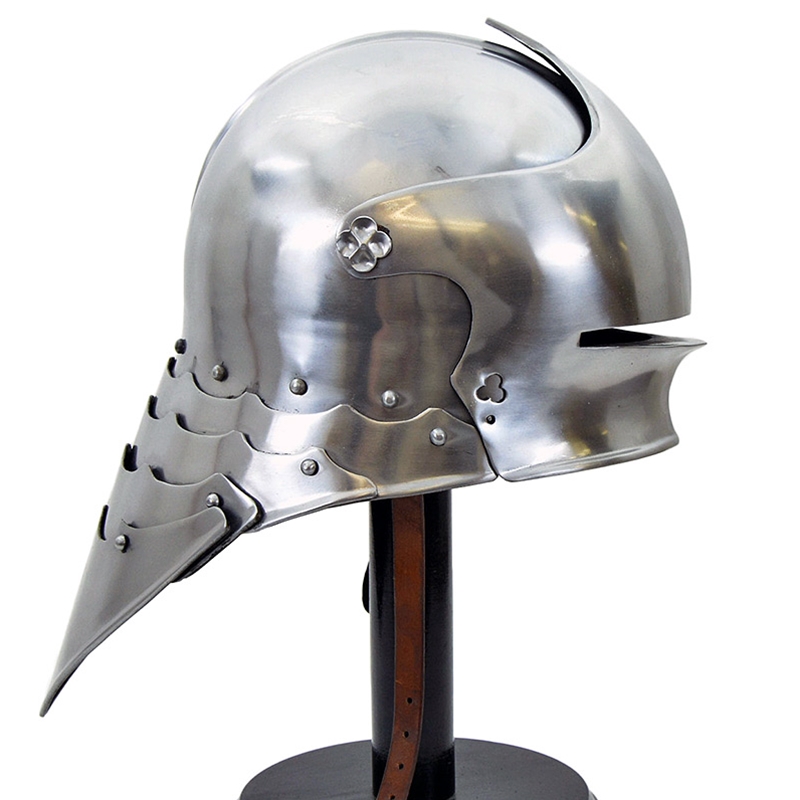
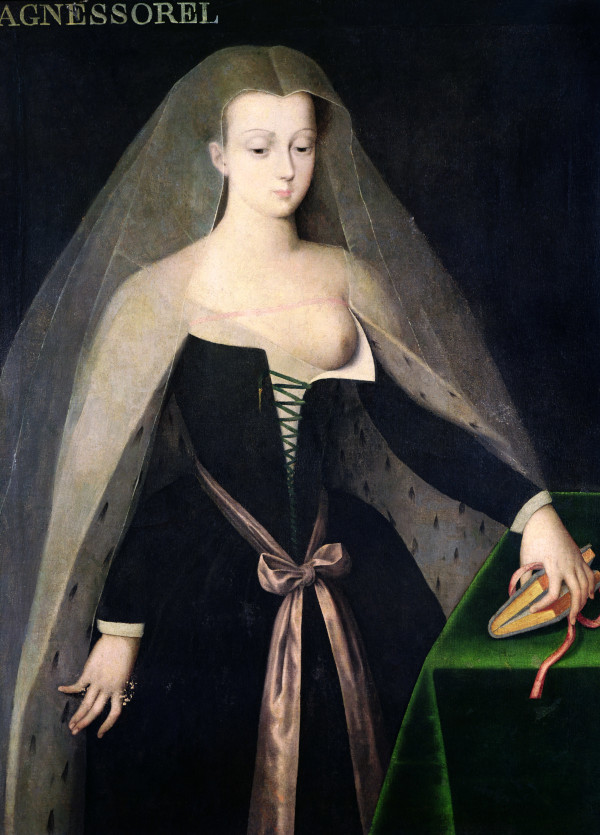
When I beheld the painting of Diane Poitiers, I saw her wearing a Sallet, or, is this her mother? Who then is….The Third Woman! Who is the young boy at Diane’s exposed nipple? What if…..Joan of Arc survived her burning – and had a child? I belonged to several yahoo. Groups that discussed the content of the book ‘Holy Blood, Holy Grail’. I had a book – until Dan Brown came along. I found not merit in the vision he got from the painting Mona Lisa. However the portrait of Diane Poitiers – is overloaded with intentional riddles. Did anyone notice ….The Hands of Agnes Sorel? Tell me what you see! The reversed hand suggests an outside influence. Her left hand is captured in a book. Her hand and eyes say……
“I know my lines in this amazing story!”
That book, is my book…….Caputing Beauty.
Three years ago I suggested a replica of Ralph Stackpole’s giant stature be built near the campus of the University of Oregon that has come under fire by The Doge, and…..The Trumpire! I see Pacifica as…
The Bohemian Goddess of France!
Many of Virginia Hambley’s ancestor have gathered on the grand staircase, to watch the Grand Conder ascend them,
“Come unto me all you Bohemians!”


Claire Clémence de Maillé-Brézé (25 February 1628 – 16 April 1694) was a French noblewoman from the Brézé family and a niece of Cardinal Richelieu. She married Louis de Bourbon, Prince of Condé, known as Le Grand Condé (The Great Condé), and became the mother of Henri Jules. She was Princess of Condé and Duchess of Fronsac.
Brézé was the name of a noble Angevin family. The founder and most famous member of the family was Pierre de Brézé (c. 1410-1465), one of the trusted soldiers and statesmen of Charles VII. He was succeeded as seneschal of Normandy by his eldest son, Jacques de Brézé (c. 1440-1490), count of Maulevrier; and then by his grandson, Louis de Brézé (died 1531), husband of the famous Diane de Poitiers, whose tomb in Rouen Cathedral, attributed to Jean Goujon and Jean Cousin the Elder, is a splendid example of French Renaissance work.
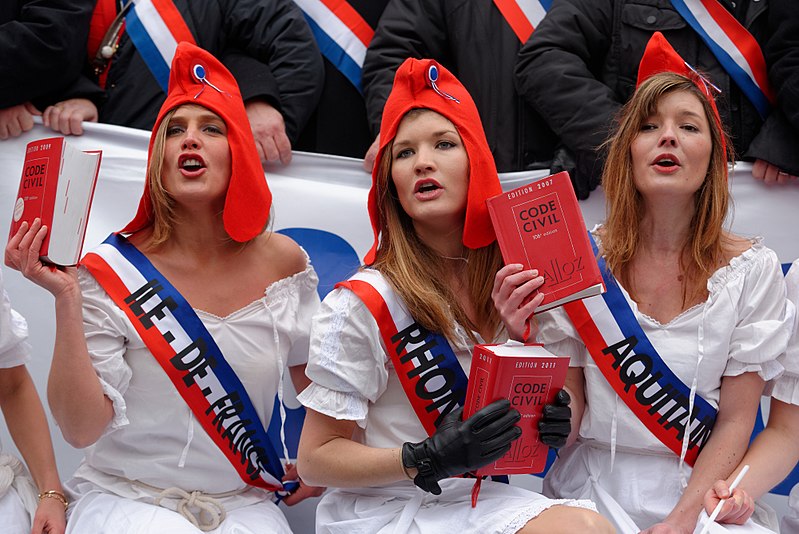
Marianne is a significant republican symbol; her French monarchist equivalent is often Joan of Arc. As a national icon Marianne represents opposition to monarchy and the championship of freedom and democracy against all forms of oppression. Other national symbols of Republican France include the tricolor flag, the national motto Liberté, Égalité, Fraternité, the national anthem “La Marseillaise“, the coat of arms, and the official Great Seal of France. Marianne also wore a Cockade and a red Phrygian cap symbolising Liberty.
Historian Maurice Agulhon, who in several works set out on a detailed investigation to discover the origins of Marianne, suggests that it is the traditions and mentality of the French that led to the use of a woman to represent the Republic.[3] A feminine allegory was also a manner to symbolise the breaking with the old monarchy headed by kings and promote modern republican ideology. Even before the French Revolution, the Kingdom of France was embodied in masculine figures, as depicted in certain ceilings of Palace of Versailles. Furthermore, France and the Republic themselves are, in French, feminine nouns (la France, la République),[4] as are the French nouns for liberty (Liberté) and reason (Raison).
Marianne differed from Uncle Sam, John Bull, and Deutscher Michel in that Marianne was not just a symbol of France, but of the republic as well.[12] For those on the French right, who still hankered for the House of Bourbon like Action Française, Marianne was always rejected for her republican associations, and the preferred symbol of France was Joan of Arc.[16] As Joan of Arc was devoutly Catholic, committed to serving King Charles VII, and fought for France against England, she perfectly symbolized the values of Catholicism, royalism, militarism and nationalism that were so dear for French monarchists.[17] Joan was apparently asexual, and her chaste and virginal image stood in marked contrast to Marianne, whom Action Française depicted as a prostitute or as a “slut” to symbolize the “degeneracy” of the republic.[17] The contrast between the asexual Joan vs. the unabashedly sexualized Marianne who was often depicted bare-breasted could not have been greater.[18] Finally, because of Joan’s status as one of France’ best loved heroines, it was difficult for republicans to attack Joan without seeming unpatriotic.[19]
Louis de Bourbon, 1st Prince of Condé (7 May 1530 – 13 March 1569) was a prominent Huguenot leader and general, the founder of the Condé branch of the House of Bourbon. Coming from a position of relative political unimportance during the reign of Henri II, Condé’s support for the Huguenots, along with his leading role in the conspiracy of Amboise and its aftermath, pushed him to the centre of French politics. Arrested during the reign of Francis II then released upon the latter’s premature death, he would lead the Huguenot forces in the first three civil wars of the French Wars of Religion before being executed after his defeat at the Battle of Jarnac in 1569.
The house was founded in the 1350s, when King John II of France, of the Valois line of Capetians, came to power. His paternal grandmother, Countess Margaret of Anjou and Maine, had been a princess of the Capetian House of Anjou or Elder Angevin Dynasty. She was the eldest daughter of King Charles II of Naples and gave Anjou to the second son of king John II of France, Louis.
René I of Anjou gathered many artists around him. Troubadours, singers, actors and poets met in Aix-en-Provence, where he held court. This patron also maintained a theatre company at his own expense. This cultured man himself spoke several languages and composed poems. He was the author of the Livre du Cœur d’Amour épris (The Book the Besotted Loving Heart), an illuminated work that tells a chivalrous love story. King René also enjoyed painting and gardening. Curious and erudite, he was also interested in science, particularly biology and medicine.
Fascinated by the high ideals of chivalry, King René rehabilitated the Order of the Crescent. Only the best born men of impeccable behaviour could be inducted. The Duke of Milan Francesco Sforza was a member.
Pacifica Apartments
Posted on February 8, 2022 by Royal Rosamond Press

I awoke from my old man nap and had a vision of Stackpole’s statue of Pacifica standing where Taylor’s used to be. A corner of the proposes twelve story apartment building is sliced away, and there she stands…..The Goddess of the Pacific! She will not be a full statue, but a relief. The original was used as target practice by the Navy. Eugene, nor the University, has a iconic photo shot. Perhaps there can be fountain at her feet with plaques honoring…The Newspapers of the Pacific Rim?
John Presco
Exhibits | Pacifica Historical Society (pacificahistory.org)
Pacifica was a statue created by Ralph Stackpole for the 1939–1940 Golden Gate International Exposition held on Treasure Island in the San Francisco Bay. Stackpole’s largest sculpture, it towered 81 feet (25 m) over the entrance to the Cavalcade of the Golden West in the Court of Pacifica. The Court of Pacifica was dedicated to the heroic explorers of Pacific Ocean territories. Pacifica was the theme statue for the exposition, representing world peace, neighborliness, and the power of a unified Pacific coast.
The Horses’ Mouth and Newspaper Sanctuary
Posted on January 11, 2016 by Royal Rosamond Press

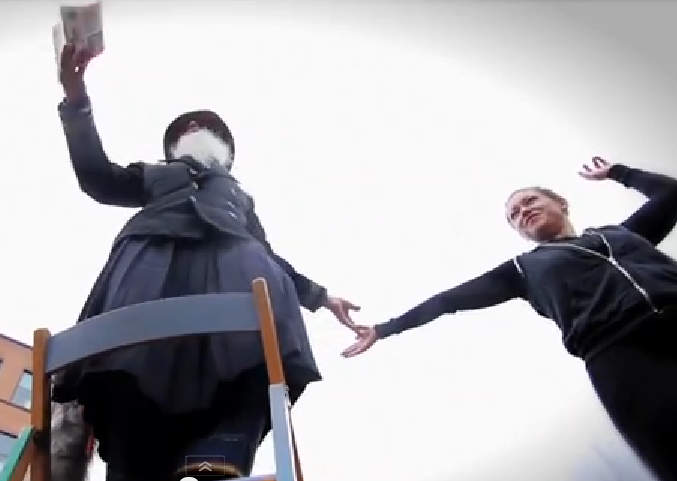


If Ali Emami had not reacted to the rumor Ken Kesey Square would be sold to a developer, it would be a done deal. The SLEEPS anarchists would have seized the day.
“Ali Emami, owner of the two buildings that have common walls with the plaza, says that when he heard rumors the public space might be sold and developed into apartments, he came before the Eugene City Council last week to again renew his offer to open up the walls of the buildings and make the space more inviting.I am going to make some proposals for what to do with Ken Kesey Square”
How about a Newspaper Museum and Reader’s Sanctuary?
“Ken Kesey is our George Washington,” said Jennifer Barnes, a self-described modern-day Merry Prankster. “He’s our culture, our history.”
Here is a video about my and Michael’s efforts to save the cottage that Ken lived in while attending the UofO.
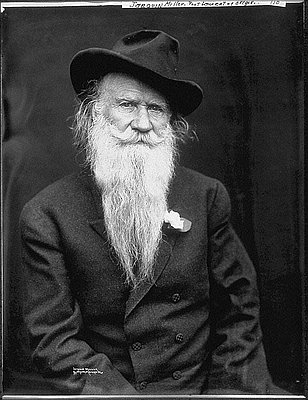
Augustus John was the inspiration for the artist Gulley Jimson, in ‘The Horses’ Mouth’. Gulley is in search of the perfect wall for his mural. Joaquin Miller is our Washington. He earned an estimated $3,000 working as a Pony Express rider, and used the money to move to Oregon. With the help of his friend, Senator Joseph Lane, he became editor of the Democratic Register in Eugene. a role he held from March 15 to September 20, 1862. Here is Miller’s daughter.
George Miller platted the City of Florence and Fairmont. He designed a flying machine. Ali Emami’s plan to knock down walls to save the square is right out of ‘The Horses’ Mouth’. This is high drama already in progress! Above is a photo of Augustus John with James Joyce. Get rid of the One Hook Town to hang your hat. We need a Jimson reader, there, confronting passer-byes! We only got one horse on our merry-go-round. Enough! Here’s Miller with George Sterling the co-founder of the Bohemian Club and Carmel. We can reprint old copies of ‘The Augur’.



http://foundsf.org/index.php?title=JOAQUIN_MILLER
My friends and I in Oakland were doing Miller before we heard of Kesey. You got to get over the idea folks are trying to do Ken – and move on!
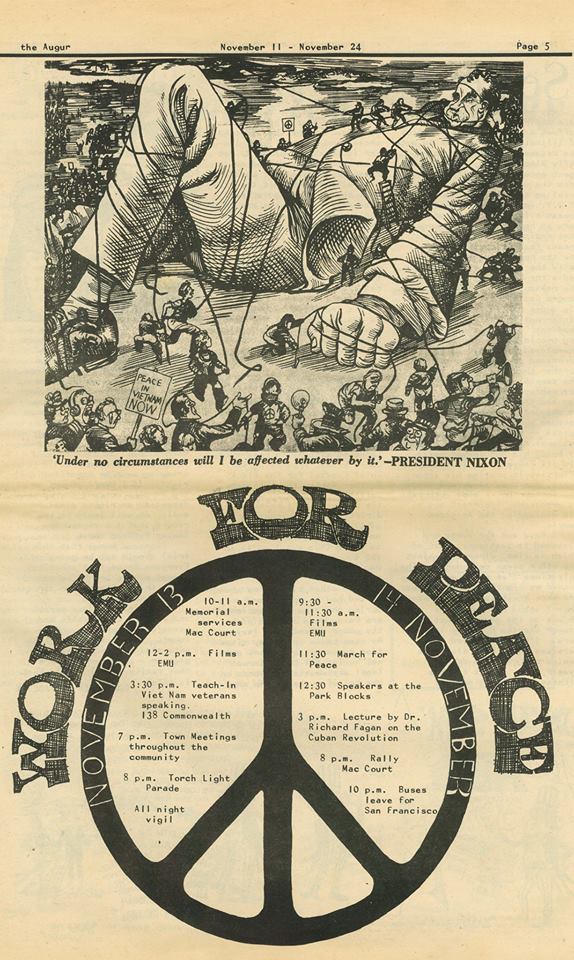
The Eugene Augur was a local countercultural underground newspaper published in Eugene, Oregon, United States, from 1969 to 1974. Starting with its first issue dated October 14, 1969, the Augur, produced by a cooperative of left-wing political activists aligned with the antiwar movement, appeared twice a month, offering up a mix of New Left politics and acid rock counterculture to an audience of students, hippies, radicals and disaffected working class youth in the Eugene area. The paper’s coverage ranged from antiwar demonstrations, exposing local narcotics agents, and rock festivals, to the growth of backwoods communes in Southern Oregon and the annual Oregon Renaissance Faire.[1] In August 1972, the paper cut publication to a monthly schedule. Staffers included Peter Jensen and Jim Redden, son of a prominent Oregon politician and later a reporter for the Portland Tribune.[2][3]
“I know a chap, a friend of mine, who used to paint girls for magazine covers. The best class of girls, eleven feet high with eyes as big as eggs. Well one morning he put on his best suit, called a taxi and drove to the Tower Bridge, where he tied his legs together, put ten pounds of lead in each pocket, took a pint of poison, cut his throat, shot himself through the head and jumped over the parapet. They saw through this job at once, picked him out, pumped him out, sewed him up, plugged him up, and had him back to work in six weeks.—Gulley Jimson in “The Horse’s Mouth” by Joyce Cary.
“Ali Emami, owner of the two buildings that have common walls with the plaza, says that when he heard rumors the public space might be sold and developed into apartments, he came before the Eugene City Council last week to again renew his offer to open up the walls of the buildings and make the space more inviting.
The square, also known as Broadway Plaza, is home to food carts, public art and periodic gatherings, but it also garners complaints about the unhoused youth and travelers who hang out there. A frequent criticism of the space is the tall brick walls on the south and east sides of the square that close it in.”
I see the whole square famed in durable glass that can be touched and read on the outside. One can read the job listings, or, search the internet. One pays $2.00 dollars admission and gets a paper. Seniors and the physically disabled get in for free. I see a man dressed like Joaquin pointing to his brothers flying machine suspended from the ceiling. Children are allowed to touch the old printing presses.
Jon Presco


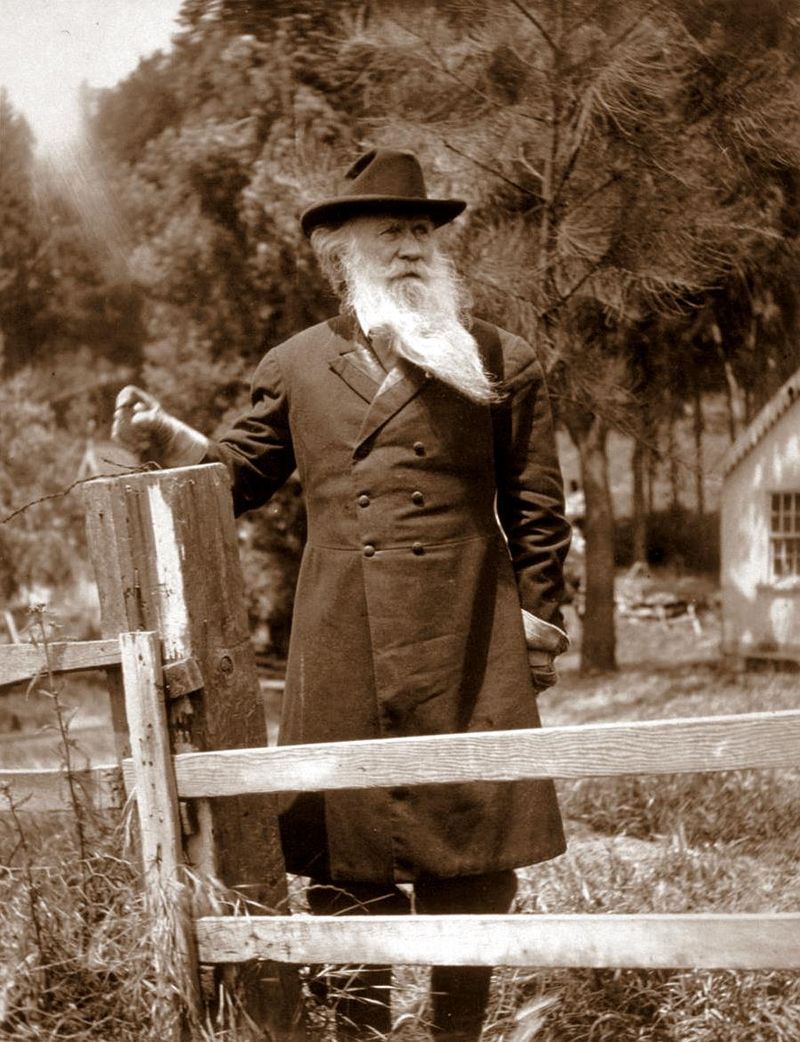

http://www.findagrave.com/cgi-bin/fg.cgi?page=gr&GRid=29810727
George J. Buys and A. Eltzroth purchased the paper in December 1869, and six months later bought out Eltzroth.[6] Buys sold the paper eight years later to John R. and Ira Campbell, who would remain owners for 30 years.[6] In 1890, the Eugene Guard became a daily newspaper.[6]
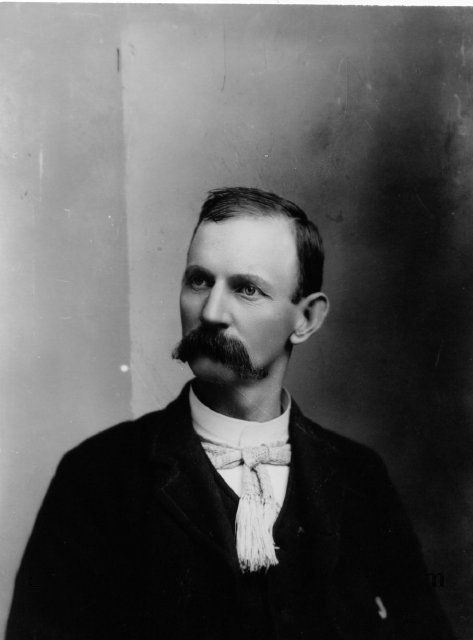
Elizabeth Maude “Lischen” or “Lizzie” Cogswell married George Miller. Lizzie was the foremost literary woman in Oregon. On Feb. 6, 1897, Idaho Cogswell, married Feb. 6, 1897, Ira L. Campbell, who was editor, publisher and co-owner (with his brother John) of the Daily Eugene Guard newspaper. The Campbell Center is named after Ira.
The Wedding of John Cogswell to Mary Frances Gay, was the first recorded in Lane County where I registered my newspaper, Royal Rosamond Press. Idaho Campbell was a charter member of the Fortnightly Club that raised funds for the first Eugene Library.
George Melvin Miller was a frequent visitor to ‘The Hights’ his brothers visionary utopia where gathered famous artists and writers in the hills above my great grandfather’s farm. The Miller brothers promoted Arts and Literature, as well as Civic Celebrations. Joaquin’s contact with the Pre-Raphaelites in England, lent credence to the notion that George and Joaquin were Oregon’s Cultural Shamans, verses, he-men with big saw cutting down trees.
George Melvin Miller was titled ‘The Prophet of Lane County’. Lane County was named after Joseph Lane who ran with John Breckenridge for the White House.
He is said to have been the model for the bohemian painter depicted in Joyce Cary‘s novel The Horse’s Mouth, which was later made into a 1958 film of the same name with Alec Guinness in the lead role.
John was known as a colourful personality who adopted an individualistic and bohemian lifestyle. Intrigued by gypsy culture and the Romany language, he spent periods traveling with gypsy caravans over Wales, Ireland, and Dorset. He based much of his work on these experiences, such as the painting Encampment on Dartmoor (1906). John was more modern in his approach to landscape painting, as seen in the bright palette and loose brushwork of paintings such as Llyn Trewereyn (1911–12) and The Little Railway, Martigues (1928).
http://eugeneweekly.com/20151105/news-features/one-flew-over-kesey-square
The Wildest of the Wild West is Coming
The next phase in local content, journalism and advertising will be the most innovative and dynamic since the transition from town crier to printed word. Meeker also explains that there is a $30 billion opportunity transferring to online and mobile.
Adventures in new models began with Microsoft’s Sidewalk that was launched in 1997 and was later sold to Citysearch. As the San Francisco Examiner wrote in 1997, “In city after city, including San Francisco, Microsoft has wheeled out an expensive slickly-packaged Internet entertainment guide called Sidewalk, closely watched by nervous newspaper executives worried that the new Web sites would divert advertising dollars once earmarked exclusively for print.”
Microsoft’s CEO Steve Ballmer later lamented selling off Sidewalk. The recreation of the local content, newspaper-based advertising model has been in transition for almost two decades, but now we know that legacy media has recognized the fate of newspapers and their Web properties.
Opportunity in the post-newspaper world is endless — the next local content models will have the potential to create a new and deeper relationship with consumers. With the average smartphone user touching their phone 125 times per day, content producers can create endless ways to provide high-value content, experiences and opportunities to monetize.
It’s Official: The Newspaper Industry Has Given Up on Newspapers
Ian Fleming at Cheyne Walk
Posted on August 22, 2021 by Royal Rosamond Press

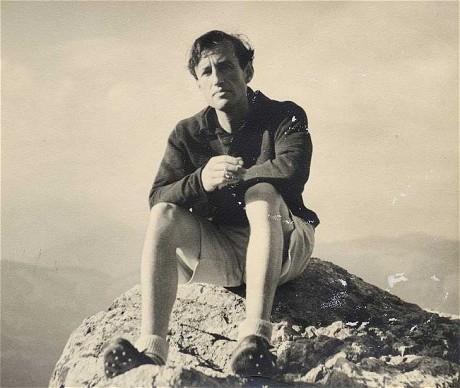
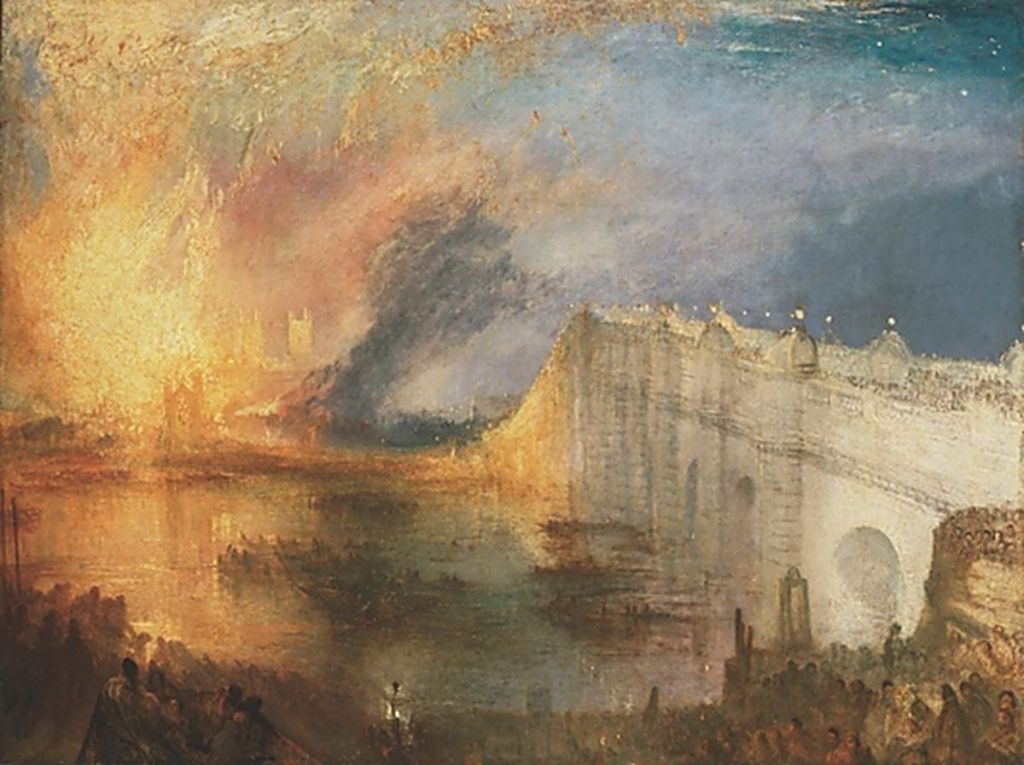
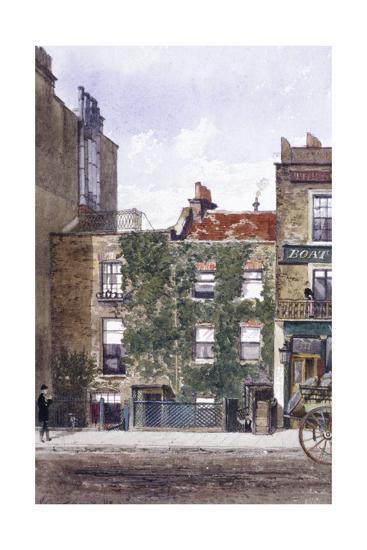


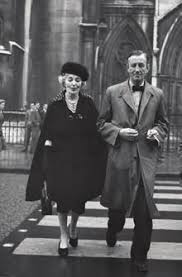
The Royal Janitor
by
John Presco
Copyright 2021
Becoming a James Bond Author
Just past midnight on August, 22, 2021, I googled “Ian Fleming” and “Bohemian” and discovered Evelyn Saint Croix Rose bought the house that one of my favorite artists lived in, and held a salon there. Turner lived in on Cheyne Walk, as did Dante Gabriel Rossetti, a co-founder of the Pre-Raphaelite Brotherhood, which I revived in 1969. My ship has come in. The Art Dynasty I saw coming over the horizon – is a magnificent Work of Art. The nine Muses have been my Winged Guides! I have found The Grail! I have persevered!
Eve was the lover of the artist, Augustus John, and had a daughter by him. My kin, Elizabeth Taylor, was raised in John’s house. Her father, Francis Taylor, sold John’s art.
Yesterday, many Australians protested against the lockdown, and marched without masks. This is foreseen in my second Bond novel ‘Bond of Nebraska’ where Cornhuskers go to the big game, knowing they will be exposed. My two spies, Victoria Rosemond Bond, and Miriam Starfish Christling, have been psychic tools that allowed me to see – things to come. Winston Churchill wrote the obituary of Valentine Fleming. Consider the British Defense Staff Washington, and Ian Easton, the late husband of my muse, Rena Easton. The creative Fleming family, has been replicated.
My first book will be about I being the Prophetic Heir to the Ian Fleming. It is like MY KIN – his spirit – came to warn us all, and prevent the greatest intelligence disaster in the history of the United States. The blow to our prestige will be felt for a very long time. My struggle to own some credibility – is epic! It is – THE STORY!
John Presco
President: Royal Rosamond Art
Peter Stackpole and Liz Taylor
Posted on July 6, 2021 by Royal Rosamond Press


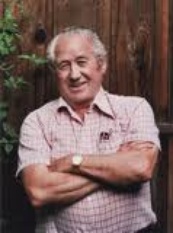


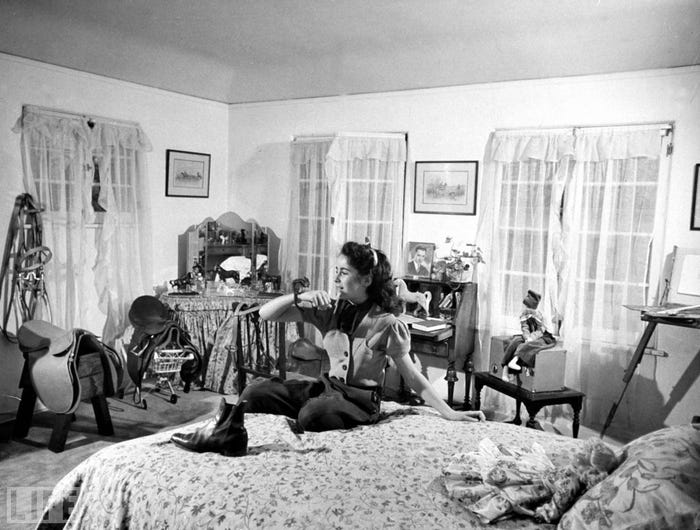
Peter Stackpole was the official photographer of my cousin, Elizabeth Rosemond Taylor. Two days after the Oakland fire, Michael Harkins and I stepped over downed power lines so we could peer inside his friend’s garage at the hundreds of glass negatives lying in heaps on the cement floor. Peter took the photograph of Chili Williams. Peter and LIFE magazine employed Liz in the war effort. The bottom pics show Liz and her mother in front of the home of the artist, Augustus John, who is kin to the author, Ian Fleming. Those two pics were taken by Mark Kaufman, another LIFE photographer.
John
Chili Williams — The Polka-Dot Girl (skylighters.org)
Peter Stackpole (1913 – 1997) was an original staff photographer for Life magazine, who chronicled the building of the Golden Gate Bridge, the invasion of Saipan, the glamour of Hollywood and life beneath the sea.
Mr. Stackpole worked for Life from 1936 to 1960, joining Alfred Eisenstaedt, Margaret Bourke-White and Thomas McAvoy as the magazine’s first staff photographers. His work also appeared in Time, Fortune, U.S. Camera and Vanity Fair.
During his tenure at Life, 26 of Mr. Stackpole’s pictures were on the magazine’s cover, many of them shots of the Hollywood stars of the period. He told interviewers, though, that the stars were not his favorite part of the movie world. ”What I like about Hollywood is the sidelights and the extras, not the celebrities,” he said.
Besides taking a series of pictures showing the construction of the Golden Gate Bridge and the San Francisco-Oakland Bay Bridge, Mr. Stackpole covered World War II in the South Pacific and efforts to bring electricity to rural America.
One of his specialties was chronicling the trends and fads that came out of California, from dance marathons to bathing beauties.
Mr. Stackpole won a George Polk Memorial Award for news photography in 1954 for a ”dramatic and unprecedented picture, taken 100 feet underwater,” of a diver’s attempt to set a new record for aqualung descent.
After leaving Life’s staff, Mr. Stackpole taught photography at the Academy of Arts College in San Francisco. For 15 years, he wrote a column for U.S. Camera called ”35-mm. Techniques.”
A keen student of the mechanical aspects of photography, Mr. Stackpole long maintained a home workshop where he tinkered with camera gear and invented and built equipment for underwater photography.
In 1991, a fire at his home in Oakland, Calif., destroyed most of his negatives. Friends said Mr. Stackpole had less than 20 minutes to save what he could and managed to salvage only the work that established his career, showing the building of San Francisco’s great bridges.
”I’d hate to think a glamorous picture of a movie star was all I’d ever done,” he once told an interviewer. 1
Photographer Peter Stackpole (1913-1997), was the son of artists, Ralph Stackpole and Adele Barnes Stackpole. Educated in the San Francisco Bay area and Paris, Peter Stackpole grew up under the influence of his parent’s friends and peers, Dorthea Lange, Edward Weston and Diego Rivera. Maturing in this supportive artist community, Stackpole began developing his photographic style at a young age.
Bourmont and Breze Castles
Posted on September 17, 2013 by Royal Rosamond Press


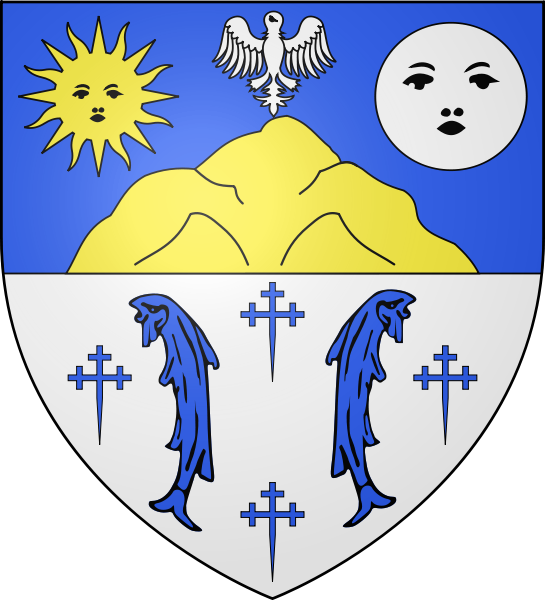

The Chateaus of the Anjou Legitimists who grow grapes and make wine while they wait for the return of the French Monarchy.
Jon Presco
The Château de Bourmont is located in the commune of Freigné in the Department of Maine-et-Loire, Pays de la Loire, France.
History
The La Tour-Landry, then mesh of La Tour-Landry held the lands of Bourmont since XIVe century. By the alliance in 1691, Marie-Hélène de Maillé de La Tour – Landry (1670-1752) with Marie-Henry, count of Ghaisne (1662-1710), it passes to the family of Ghaisne de Bourmont, to which it still belongs.
In 1773, the Château de Bourmont is the place of birth of Louis Auguste Victor de Ghaisne de Bourmont, author of the taken of Algiers in 1830. Conquest by which it will be made Marshal of France.
In 1795, during the chouannerie, the Viscount of Scepaux established his headquarters.
Claire Clémence de Maillé-Brézé (25 February 1628 – 16 April 1694) was a French noblewoman from the Brézé family and a niece of Cardinal Richelieu. She married Louis de Bourbon, Prince of Condé, known as Le Grand Condé (The Great Condé), and became the mother of Henri Jules. She was Princess of Condé and Duchess of Fronsac.
Brézé was the name of a noble Angevin family. The founder and most famous member of the family was Pierre de Brézé (c. 1410-1465), one of the trusted soldiers and statesmen of Charles VII. He was succeeded as seneschal of Normandy by his eldest son, Jacques de Brézé (c. 1440-1490), count of Maulevrier; and then by his grandson, Louis de Brézé (died 1531), husband of the famous Diane de Poitiers, whose tomb in Rouen Cathedral, attributed to Jean Goujon and Jean Cousin the Elder, is a splendid example of French Renaissance work.
The lordship of Brézé passed eventually to Claire Clémence de Maillé, Princess of Condé, who sold it to Thomas Dreux, who took the name of Dreux-Brézé when it was erected into a marquisate. Henri Evrard, marquis de Dreux-Brézé (1762-1829) succeeded his father as master of the ceremonies to Louis XVI in 1781. He died on 27 January 1829, when he was succeeded in the peerage and at court by his son Scipion (1793-1845).
Notable members of the Brézé family[edit source | editbeta]
Pierre de Brézé
Louis de Brézé, seigneur d’Anet (grandson of Pierre)
Claire Clémence de Maillé Brézé
Jean Armand de Maillé-Brézé (brother of Claire Clémence)
Urbain de Maillé-Brézé (1597 – February, 13 1650) , Marshall of France,marquis de Brézé
Château de Brézéis a Castle of XVIe century located on the common namesake, in the Maine-et-LoireDepartment, ten kilometres to the South of Saumur.
The peculiarity of the Château de Brézé lies in its cave network located under the Castle and in ditches, with both parts of everyday life (bakery, stables, magnanerie) military (drawbridge, path). The castle is a ranking as Historical Monuments since 6 March 19791.
The Château de Brézé is a private property belonging to Jean de Colbert, son of fire Mr. the count Bernard de Colbert and the now defunct Marquise Charlotte de Dreux-Brézé.
History[change the code]
Lands are those of the Lords of Brézé from the XIe century. The first Lords of Brézé made many donations to the nearbyAbbey of Fontevraud .
Among these Lords of Brézé, it knows Louis de Brézé , who married Diane de Saint Vallier known as Diane de Poitiers.
In 1448, Gilles de mesh Brézé gets permission to fortify the castle of King René and will dig trenches.
Italian style renaissance Castle and dependencies have been rebuilt at the beginning of the XVIe century by Arthur de cell2.
Urbain de Brézé mesh will be the first marquis after Louis XIII had erected the domain to a marquisate in 1615. He married Nicole du Plessis, sister of Richelieu and they have two children, Armand, grand Admiral of France, who died in Tuscany at the age of 27 years without posterity, and Claire-Clémence , who married Louis II de Bourbon Condé, le grand Condé, and transmit this heritage in 1650.
The grand Condé takes the helm of the Sling, is thus opposed to the Regency during the minority of the young Louis XIV and, in 1653, the castle is occupied by Royal troops.
In 1682, Conde will exchange the Château de Brézé against la Galissonière, belonging to Thomas de Dreux.
In 1685, Thomas de Dreux, Councillor at the Parlement of Paris, was the title of Marquis de Brézé by King Louis XIV is confirmed.
Henri Evrard de Dreux-Brézé, grand master of the ceremonies to Louis XVI will extend part revival of the Castle, and then his son Pierre, Bishop of Moulins, and his grandson Henri Simon will transform the castle which became Gothic Revival thanks to the angevin architect René Hode (pupil of Viollet-le-Duc).
Henri Jules was born to Louis II de Bourbon, Prince de Condé and his wife in 1643. He was five years younger than King Louis XIV. He was the sole heir to the enormous Condé fortune and property. His mother was a niece of Cardinal Richelieu. He was baptised at the Église Saint-Sulpice, Paris on his day of birth. For the first three years of his life, while his father was duc d’Enghien, he was known at court as the duc d’Albret.
Henri Jules’ four surviving daughters, Gobert.
Upon the death of his grandfather, he succeeded to his father’s courtesy title of duc d’Enghien. As a member of the reigning House of Bourbon, he was born a prince du sang with the style of Monsieur le Duc.
Jean Armand de Maillé-Brézé, Duke of Fronsac, Marquis of Brézé (18 October 1619 – 14 June 1646) was a French admiral.
He was born in Milly-le-Meugon, in one of the most powerful French families of the time; his father was Urbain de Maillé-Brézé, marquis de Brézé, Marshal of France, his uncle Cardinal Richelieu, King Louis XIII’s renowned minister, and his brother-in-law, Louis II de Bourbon, Prince de Condé, (better known as the le Grand Condé), was the First Prince of the Blood.
Thanks to his uncle, at the age of seventeen, he received the title of grand-maître de la navigation (Grand-master of Navigation), a new title created by King Louis XIII for Cardinal Richelieu and equivalent to Grand Admiral of France.
One of the leading figures in the Eighty Years’ War, he defeated the Spanish fleet near Cadiz (20 July 1640), and then seized Villafranca. In 1641, he arrived in Portugal to help in the Portuguese Restoration War against Spain. In 1642, he fought an indecisive action against the Spanish forces near Barcelona, and nearly completely destroyed their fleet near Cartagena on 3 July 1643. He was killed on 16 June 1646, during the Battle of Orbetello, where his fleet was defeated.
His remains were buried in the church of Milly le Meugon, abutted to the castle walls.
The Most Serene House of Condé (named after Condé-en-Brie, now in the Aisne département) is a historical French house, a noble lineage of descent from a single ancestor. The name of the house was derived from the title Prince of Condé originally assumed circa 1557 by the French Protestant leader, Louis de Bourbon (1530–1569),[2] uncle of King Henry IV of France, and borne by his male line descendants. It became extinct in 1830 when his eighth generation descendant Louis Henri Joseph de Bourbon died without surviving male issue. The title was held for one last time by Louis d’Orléans, Prince of Condé who died in 1866.
http://en.wikipedia.org/wiki/Princes_of_Cond%C3%A9
Louis was born in Paris, the son of Henri de Bourbon, Prince de Condé and Charlotte Marguerite de Montmorency. His father was a first cousin-once-removed of Henry IV, the King of France, and his mother was an heiress of one of France’s leading ducal families.
Conde’s father saw to it that his son received a thorough education – Louis studied history, law, and mathematics during six years at the Jesuits’ school at Bourges. After that he entered the Royal Academy at Paris. At seventeen, in the absence of his father, he governed Burgundy.
Signature of Gaston, Duke of Orléans at the marriage of the Louis, and Claire Clémence de Maillé on 7 February 1641
His father betrothed him to Claire-Clémence de Maillé-Brézé, niece of the powerful Cardinal Richelieu, chief minister of the king, before he joined the army in 1640
http://a.decarne.free.fr/gencar/dat930.htm#5
http://www.de-bric-et-de-broc.com/France/maille.html
http://www.de-bric-et-de-broc.com/France/tourlandry.html#francoisdemaille
Geoffroy de la Tour-Landry
(1320-1391)
1) ép. 1353 Jeanne de Rougé
(?-ap. 1383)
soeur de Mahaut de Rougé
et fille de Bonnabes de Rougé
seigneur d’Erval
vicomte de la Guerche
chambellan du roi
et de Jeanne de Maillé
fille de Jean de Maillé
seigneur de Clervaux
et de Thomasse de Doué
2) ép. 1380 Marguerite des Roches
veuve de Jean Clérambault
Dame de la Motte-de-Pendu
Ponthus de la Tour-Landry
(1381-1447)
chevalier
seigneur de la Tour landry
de Bourmont
du Loroux-Bottereau
baron de Bouloir en Vendomois
ép. N, Sidoine (v.1380-?)
http://www.de-bric-et-de-broc.com/France/tourlandry.html#francoisdemaille
Urbain de Maillé-Brézé (French pronunciation: [yʁbɛ̃ də maje bʁeze]) (1597 – February 13, 1650), was a Marshal of France during the Thirty Years’ War and Franco-Spanish War (1635).
He was married to Nicole du Plessis-Richelieu, sister of cardinal Richelieu.
Urbain de Maillé-Brézé had a brilliant career. He was ambassador in Sweden in 1631, Marshal of France in 1632 and viceroy of Catalonia in 1641.
Urbain de Maillé-Brézé fought in many battles. He participated in the Siege of La Rochelle (1627–1628). In 1635 he conquered Heidelberg and Speyer, together with Jacques-Nompar de Caumont, duc de la Force, at the head of the Army of Germany.
In 1635 he was put, together with Gaspard III de Coligny, at the head of the French army that invaded Flanders. They victorious at the Battle of Les Avins against the Spanish, but the Siege of Leuven was a complete failure.
In 1641, together with duc de la Meilleraye, he conquered Lens in 3 days, Aire-sur-la-Lys (august) and Bapaume (September).
After these successes Maillé-Brézé was made Viceroy of newly conquered Catalonia. He attempted to drive the Spanish from Collioure, Perpignan and Sainte-Marie, but failed. In May 1642 he was replaced and retired from active duty to spend the rest of his life in his castle in Milly-le-Meugon.
Marriage and children[edit source | editbeta]
He married on November 25, 1617 Nicole du Plessis-Richelieu (1587–1635), sister of cardinal Richelieu. They had two children :
Jean Armand de Maillé-Brézé, (1619-1646), French admiral.
Claire-Clémence de Maillé-Brézé, (1628–1694), married Louis II de Bourbon, prince de Condé
 Rosamond Press
Leave a comment