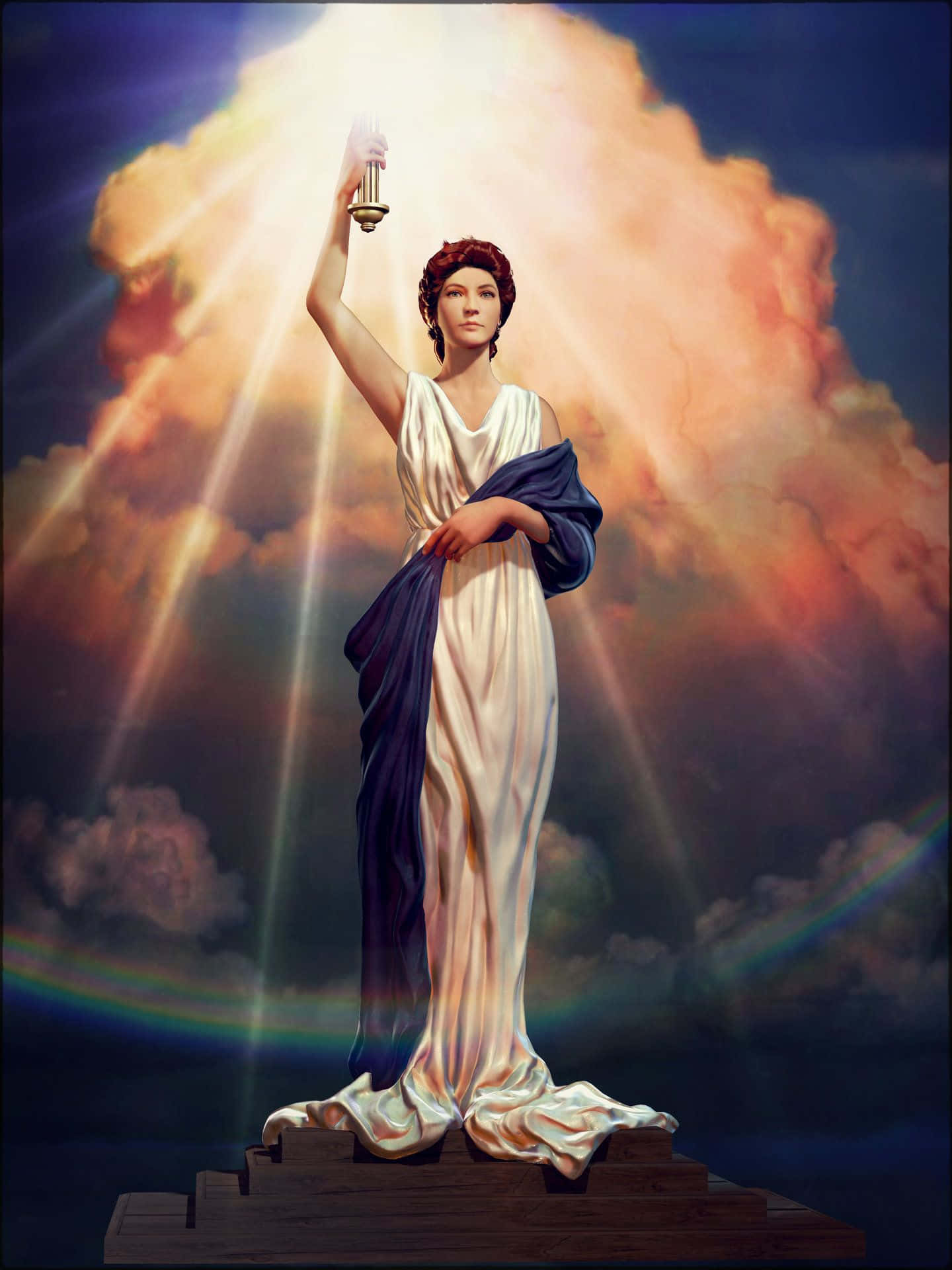


Capturing Beauty
by
John Presco
Chapter: The Templar Gold In The New World
On March 22, 2025, I had a dream of a red cloud overhead that descended to the horizon – where it burst into a mountainous cloud like the one behind Columbia. I gasped. An hour later, I discovered a French ship sailed for Halifax with 210 tons of gold. France was trying to move 2,500 tons of gold to the United States. Two hundred fifty tons of gold ended up on the Island of Martinique. Did any of this gold belong to the Knight Templars? I believe so. Forget about Oak Island! To Martinique – and Fort Knox! What did the Doge team find there? Are they looking to Templar treasure too!
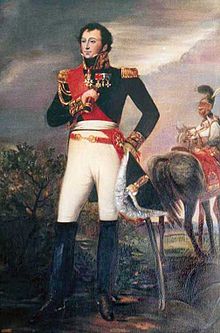
Above is the bust of Virginias great grandfather, Louis-Auguste-Victor, Count de Ghaisnes de Bourmont, and a coin commemorating the invasion of Algiers that he led. Is that the infamous Quinotar being slain by – whom?
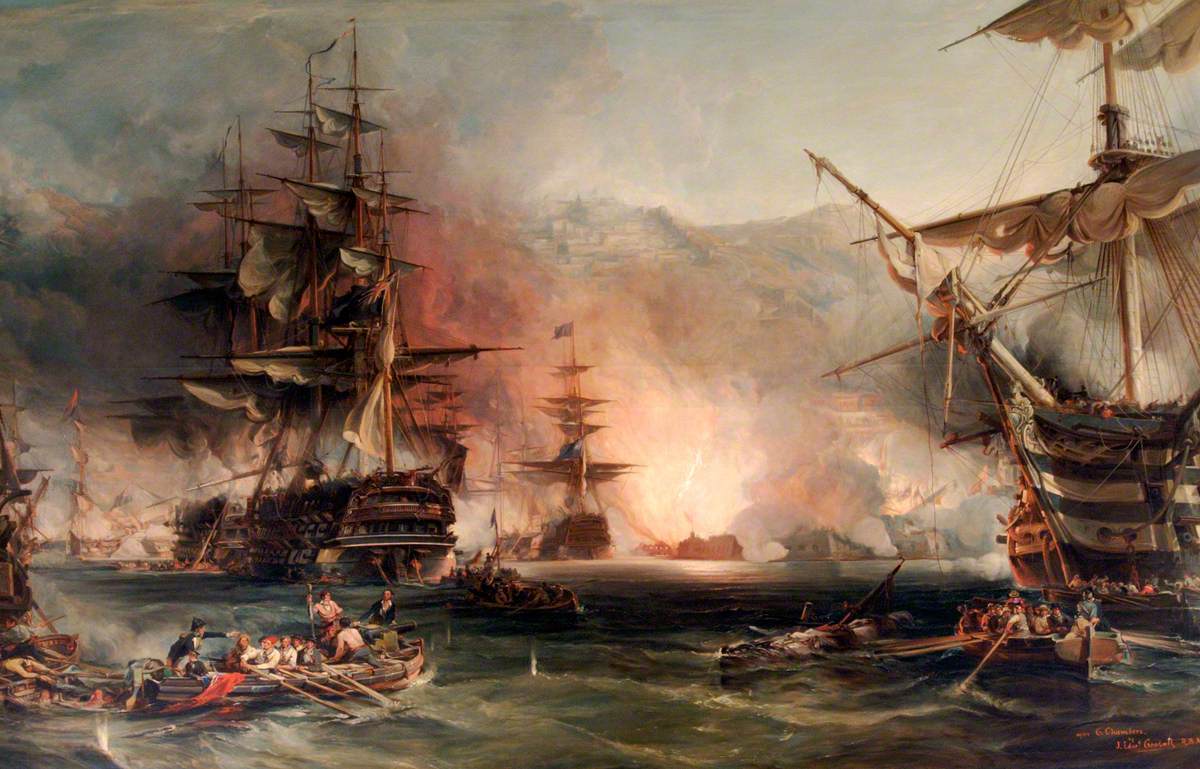
In response to a Frenchman asking for the the return of our Statue of Liberty, Royal Rosamond Press is holding a Beauty Contest., a search for the model who will replace our Lady Liberty. I want to author a series, and movie about the French Gold that was brought to the New World for safekeeping from the Nazis/. Would Tarantino want to direct another vengeance flick – with flamethrower? How about Guillermo del Toro. I see his magic turned thing chase of three British ships after the French Gold ship into a supernatural event.
J.Rose
“Just prior to WWII the Banque de France held 2,500 metric tons or 80,375,000 troy oz of gold. Most of the gold reserves were in La Souterraine with a minor amount in other branch locations. In 1938, at the Munich Conference, the UK, France, and Italy agreed to allow Germany to annex the Sudeten German territory inside of Czechoslovakia hoping to appease Hitler. France was worried and decided to send 600 tons of gold to the United States for storage in case they needed to quickly purchase and pay for additional arms.
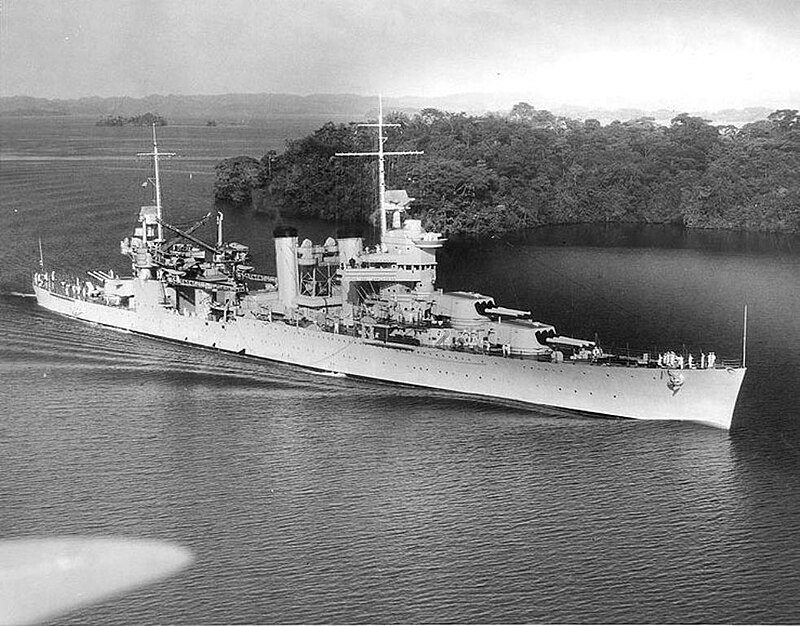
On May 28, 1940, a civilian ship sailed for Casablanca with 212 tons of gold. In Casablanca the gold was transferred to the USS Vincennes that brought it to New York. The United States insisted all the French gold be exchanged for US dollars upon arrival at the Federal Reserve. After June 5, 1940, the Banque de France decided not to send any more gold to the United States. On June 11, 1940 the French cruiser, Emile Bertin, sailed across the Atlantic from the port of Brest back to Halifax with an amazing cargo of 255 tons of gold on a single ship. By the time the ship reached Canada on June 18th, 1940, France had already capitulated to Germany and was considered an enemy of Great Britain. The ship was quickly ordered by the Banque de France to go to Martinique in the Caribbean. It was a good thing the Emile Bertin was so fast as they were pursued by three UK ships now seeking to capture the French gold. The Emile Bertin
Goddess of War and Wisdom
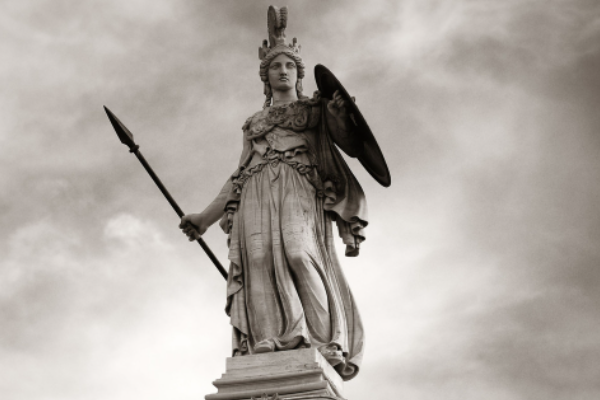
Athena is famous for being the Goddess of wisdom and war strategy.
In earlier testimony, Touvier had claimed memory lapses. But Tuesday, he said he wanted to give a full account of the events leading up to the executions.
He said he had just returned to Lyons from Vichy on June 28, 1944, when his French superior, Victor de Bourmont, told him of Henriot’s death and of the decision by Lyons Gestapo chief Werner Knab to respond with “a spectacular execution of 100 Jews.”
“De Bourmont was panic-stricken, and I was panic-stricken too,” Touvier testified, noting that an agreement then was struck, cutting the number of Jews to be executed.
“We tried to reduce the number of victims from 30,” he said. “I said we would do seven at a time.”


A groundbreaking discovery in the field of geology is set to revolutionize the mining industry and could make France a major player in global gold production. Researchers have uncovered a revolutionary process that explains how gold travels from the Earth’s depths to the surface, and it could open the door to untapped gold reserves in regions like Réunion and Martinique.
Gold mining machinery
Martinique gold
Posted on April 23, 2015 by Royal Rosamond Press

World War II
[edit]
Before World War II, Émile Bertin served as flagship for a flotilla of 12 large destroyers[4] of the Le Fantasque and Vauquelin classes in the Atlantic. At the start of 1939, she was transferred to Toulon.
In secrecy, she arrived in Lebanon on 23 September 1939, loaded with 57 tons of gold – the Polish state gold reserves – and returned to Toulon on 27 September. In January 1940, after a refit at Toulon, she carried out surveillance around the Canary Islands to ensure that there were no German forces there.[5]
After further dockyard work at Brest, in early April 1940, she became the flagship of Group Z, the French squadron supporting the Allied Norwegian campaign, with Admiral Edmond Derrien in command. As well as Émile Bertin, Group Z comprised the 2,400 t (2,400 long tons; 2,600 short tons) contre-torpilleurs (large destroyers) Tartu, Chevalier Paul, Maillé Brézé, Milan, Bison and Épervier,[4] as well as the 1,500 t (1,500 long tons) Brestois, Boulonnais and Foudroyant.[5]
Off Namsos, she was attacked by the Luftwaffe and damaged by bombs on 19 April. She returned to Brest for repair and remained there until 21 May, and was replaced off Norway, by the cruiser Montcalm. She made two trips from Brest to Halifax, Nova Scotia, the first with the cruiser Jeanne d’Arc and aircraft carrier Béarn, carrying gold from the Bank of France.[6] The French armistice was signed shortly after Émile Bertin had docked for the second time, and when Captain Battet signaled the French Admiralty for advice,[7] the cruiser was ordered to Fort-de-France, Martinique with the gold. No effort by Royal Navy units present succeeded in preventing this, but the ocean liner Pasteur, which was to follow Émile Bertin, did not succeed in leaving Halifax fast enough. She was seized and used as a troopship, operating under British colours.[8]
Casablanca and the Vichy Atonement
Posted on January 27, 2015 by Royal Rosamond Press
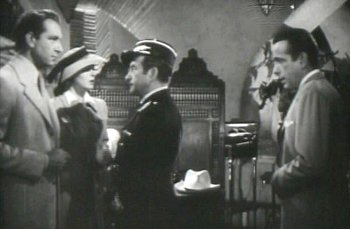
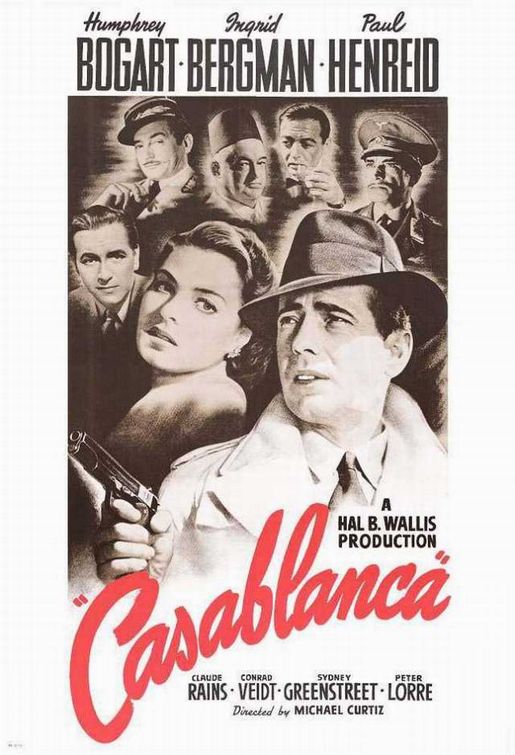


Since I posted this, I had a woman Rabbi call me, and, just contributed to the making of this film: http://www.rockethub.com/projects/43758-unspeakable-an-animated-holocaust-documentary
I just got off the phone with Virginia Hambley. I suggested we go see a Rabbi and conduct a ceremony of atonement for her mother’s kindred’s involvement in the Vichy government. She questioned me about this doing any good, after all, she has nothing to feel guilty about. I told her there is the question of the sins of the father being passed down to the son. I told her her father had told me the de Bourmont’s were leaders of the Vichy government. France itself has not made an official apology to the Jews.
This whole idea came about after reading about the movie ‘Casablanca’. Lisa Lund, and Victor Lazio are members of the Czech Resistance. In 1939, the Nazis arrested 1,200 Bohemian College Students and sent them to death camps where they died alongside Jews and Gypsies. My father Victor Presco descends from a immigrant from Bohemia. Virginia’s great grandfather is Victor de Bourmont who stands accused of sending seven Jews to their death. Here are three Victors.
After reading about Casablanca, I took a nap and had a dream. I was praying alone in a room, when the door opened and a hand entered the threshold holding a vine growing in a pot. In minutes I called Virginia, and we had a good talk. I went to bed having a conversation about what I would say to a Rabbi. When I awoke and rehearsed our conversation.
When I got on my computer I read it was the anniversary of Auschwitz. I called Virginia who suffers from severe memory loss after getting into a terrible accident with fellow college students. I have long wondered if this memory loss represents the co0llective guilt of the de Bourmont family who rather then atone, rely on the remedy that our memories grow short. I told Virginia about the students and the oppression of free thinking.
The motto concerning Auschwitz is “Never Forget”.
Jon the Nazarite
Victor de Bourmont is a member of one of the great Angevin aristocratic families. He was born 1907 in Pontivy and died in March 1945 in Pomerania near Kolberg (Korlin). It descends many aristocratic families of the region and of Brittany, including the Cossé-Brissac, and Rohan. Many of her forebears were under the old Regime, presidents or advisors of the Chamber of accounts of Brittany and Normandy.
Married in 1938, he left behind, his death four children in infants. Son of Sain, his father was captain at the beginning of the war of 14-18 to the 160e regiment of infantry, then in 1917, squadron leader. The same year, the uncle of Victor died at Verdun in the ravine of the fountains. After the war, in 1920, Victor learned to know Germany, when his father was assigned to the occupation of the Rhine army. He lived in Landau (1921), and Recklinghausen (1924). The family stayed ten years in Germany, and returned in Brittany as in 1930.
He was the eldest of nine siblings.
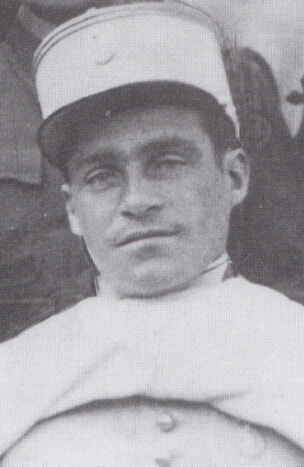
Sain, Victor de Bourmont in the 1930s was lieutenant in the Sharpshooters, in Tunisia. During the second world war, he joined the militia , which he was the Chief in Lyon (with Touvier under his command), and then the SS Charlemagne Division in 1944. He was promoted to Hauptsturmführer and commanded this title the 57e infantry regiment of the division which opposed theRed Armyon the eastern front. He had under his command, among others, Henri Fenet. The 57e Régiment was incorporated into the 32e German infantry division. The latter was commander in 1944-1945, lieutenant general Hans Boeckh-Behrens.
On January 27, 2015, the world will commemorate the 70th Anniversary of the liberation of the Auschwitz death camp. On the Shabbat immediately preceding (January 24), in Synagogues across the world, Jews will read Parshat Bo. This year in particular, Parshat Bo’s lessons have deeper meaning and relevance.
Parshat Bo begins with the Egyptians suffering through the last three of the ten plagues; אַרְבֶּה – Locusts are destroying plants and food supply;
חושך – the country is engulfed in an extraordinary unrelenting darkness;
מכת בכורות -the death of each first born Egyptian male.
Once the final plague is rained down on the Egyptians, Pharaoh forces Bnai Yisrael out of Egypt immediately; without anytime to pack or even for their dough to rise and therefore the only rations they have with them are unleavened bread. From Parshat Bo comes the mandate to commemorate the Exodus from Egypt; Bnai Yisrael must observe the anniversary of the Exodus each year by leading a Seder, removing all chametz from their possession for seven days, eat only matzah, telling the story of the redemption to their children, and all of the other symbolism associated with the Yitziat Mitzrayim. Bnai Yisrael are also given the commandment to wear tefillin on the arm and head as a reminder of the Exodus and their commitment to Hashem.
http://en.wikipedia.org/wiki/Auschwitz_concentration_camp
PARIS — Nazi collaborator Paul Touvier, his voice barely a whisper at times, testified in his defense Tuesday, giving a detailed account of the decision to execute seven Jews during World War II and portraying himself as a troubled functionary acting only under German orders.
“Right to the end, I tried to find another solution,” said Touvier, 78, the first Frenchman ever brought to trial on charges of crimes against humanity. Shown photographs of the slain Jews, mouths and eyes wide open in death, Touvier sputtered, “These photos . . . it’s horrible.”
Touvier, the former intelligence chief of the pro-Nazi French militia, has been on trial for 10 days in a court in Versailles, where a jury of nine is deciding his fate. The maximum penalty under French law is life in prison.
The trial, and the legal battle waged to bring Touvier to court after his arrest in 1989, has renewed a painful, 50-year-old debate in France over the Vichy government’s collaboration with the German occupation during World War II.
 Touvier, who was hidden for 45 years by right-wing Catholic priests and monks, has admitted that he handpicked the men who executed the seven Jews in Rillieux-la-Pape, near Lyons, on June 29, 1944. The executions were in reprisal for the assassination by Resistance fighters of the Vichy regime’s propaganda chief, Philippe Henriot, after the D-Day landing.
In earlier testimony, Touvier had claimed memory lapses. But Tuesday, he said he wanted to give a full account of the events leading up to the executions.
He said he had just returned to Lyons from Vichy on June 28, 1944, when his French superior, Victor de Bourmont, told him of Henriot’s death and of the decision by Lyons Gestapo chief Werner Knab to respond with “a spectacular execution of 100 Jews.”
“De Bourmont was panic-stricken, and I was panic-stricken too,” Touvier testified, noting that an agreement then was struck, cutting the number of Jews to be executed.
“We tried to reduce the number of victims from 30,” he said. “I said we would do seven at a time.”
Touvier said Knab became preoccupied with other matters and didn’t notice the change in number. Touvier’s aide, Albert Reynaud, chose the seven prisoners, he testified.
“We could not avoid the catastrophe,” Touvier had testified earlier. “But I did, even so, save 23 human lives.” That is the crux of Touvier’s defense: that he was following German orders and that, by his actions, some lives were saved.
The seven refugees, ages 23 to 64, were lined up against the wall of a cemetery in Rillieux and shot one by one, first in the back, then in the head. “It had been decided. It had been done,” Touvier said.
After the executions, “I spent a very bad night,” he testified. And the next day, he said, he saw a Jesuit priest and confessed. “I never forgot this tragedy,” he testified. “I said Mass. Mass for Jews is valid.”
Touvier’s fate rests in large part on whether the jury decides that the executions fall under the legal definition of a crime against humanity, which is a crime willingly carried out as a deliberate policy of genocide. And a key question is whether the Vichy regime had, on its own, a policy of genocide.
Casablanca is a 1942 American romantic drama film directed by Michael Curtiz and based on Murray Burnett and Joan Alison‘s unproduced stage play Everybody Comes to Rick’s. The film stars Humphrey Bogart, Ingrid Bergman, and Paul Henreid; it features Claude Rains, Conrad Veidt, Sydney Greenstreet, Peter Lorre, and Dooley Wilson. Set during World War II, it focuses on an American expatriate who must choose between his love for a woman and helping her Czech Resistance leader husband escape the Vichy-controlled Moroccan city of Casablanca to continue his fight against the Nazis.
http://www.telegraph.co.uk/history/world-war-two/11371241/Holocaust-Memorial-Day-commemorations-across-Europe-mark-70th-anniversary-of-Auschwitz-liberation-latest.html
Vichy France, officially the French State (État français), was the government of Marshal Philippe Pétain‘s regime 1940–44, during World War II. From 1940 to 1942, while nominally the government of France as a whole, Vichy only fully controlled the unoccupied zone in southern France, while Germany occupied northern France. Following the Allied landings in French North Africa on 8 November 1942, southern France was also occupied by the Axis on 11 November 1942 through the enactment of Case Anton. The Vichy regime remained in existence, but was reduced to a puppet government.
After being appointed Premier of France by President Albert Lebrun, Marshal Pétain ordered his men to sign the Second Armistice at Compiègne on 22 June 1940 with Germany. He then established an authoritarian regime by gaining full powers on 10 July 1940 to replace the French Third Republic that was dissolving due to the fall of France earlier in 1940
Vichy sought an anti-modern counter-revolution. The Right in France, with strength in the aristocracy and among Catholics, had never accepted the republican traditions of the French Revolution. It demanded a return to traditional lines of culture and religion and embraced authoritarianism while dismissing democracy.[4] The Communist element, strongest in labour unions, turned against the regime in June 1941, when Germany invaded the Soviet Union. Vichy was intensely anti-Communist and generally pro-Nazi; Payne finds that it, “was distinctly rightist and authoritarian but never fascist.”[5] Paxton analyzes the entire range of Vichy supporters, from reactionaries to moderate liberal modernizers, and concludes that genuine fascist elements had but minor roles in most sectors.[6]
The regime tried to assert its legitimacy by symbolically connecting itself to the Gallo-Roman period of France’s history, and celebrated the Gaul chieftain Vercingetorix as the “founder” of the nation.[7] It was maintained that as the defeat of the Gauls in the Battle of Alesia had been the moment in French history when a sense of common nationhood was born, the defeat of 1940 would again unify the nation.[7] The regime’s “Francisque” insignia featured two symbols from the Gallic period: the baton and the double-headed hatchet (labrys) arranged so as to resemble the fasces, symbol of the Italian Fascists.[7]
was a chieftain of the Arverni tribe; he united the Gauls in a revolt against Roman forces during the last phase of Julius Caesar‘s Gallic Wars.
Vercingetorix came to power in 52 BC: he raised an army and was proclaimed king at Gergovia. He immediately established an alliance with other Gallic tribes, took command and combined all forces, and led them in Gaul’s most significant revolt against Roman power. He won the Battle of Gergovia, in which 46 centurions and 700 legionaries died and more than 6,000 people were injured, whereupon Caesar’s Roman legions withdrew.
However, a few months later, in the Battle of Alesia, the Romans besieged and defeated his forces and captured him. He was held prisoner for five years. In 46 BC, as part of Caesar’s triumph, Vercingetorix was paraded through the streets of Rome and then executed by strangulation on Caesar’s orders. Vercingetorix is primarily known through Caesar’s Commentaries on the Gallic War.
http://en.wikipedia.org/wiki/Vercingetorix
The United States granted Vichy full diplomatic recognition, sending Admiral William D. Leahy to France as American ambassador. President Franklin D. Roosevelt and Secretary of State Cordell Hull hoped to use American influence to encourage those elements in the Vichy government opposed to military collaboration with Germany. The Americans also hoped to encourage Vichy to resist German war demands, such as for air bases in French-mandated Syria or to move war supplies through French territories in North Africa. The essential American position was that France should take no action not explicitly required by the armistice terms that could adversely affect Allied efforts in the war.
Germany interfered little in internal French affairs for the first two years after the armistice, as long as public order was maintained.[9]:139 As soon as it was established, Pétain’s government voluntarily took measures against the undesirables: Jews, métèques (immigrants from Mediterranean countries), Freemasons, Communists, Gypsies, homosexuals,[citation needed] and left-wing activists. Inspired by Charles Maurras‘ conception of the “Anti-France” (which he defined as the “four confederate states of Protestants, Jews, Freemasons and foreigners”), Vichy persecuted these supposed enemies.
In July 1940, Vichy set up a special Commission charged with reviewing naturalizations granted since the 1927 reform of the nationality law. Between June 1940 and August 1944, 15,000 persons, mostly Jews, were denaturalized.[43] This bureaucratic decision was instrumental in their subsequent internment.
The internment camps already opened by the Third Republic were immediately put to new use, ultimately becoming transit camps for the implementation of the Holocaust and the extermination of all “undesirables”, including the Romani people (who refer to the extermination of Gypsies as Porrajmos). A law of 4 October 1940 authorized internments of foreign Jews on the sole basis of a prefectoral order,[44] and the first raids took place in May 1941. Vichy imposed no restrictions on black people in the Unoccupied Zone; the regime even had a mulatto cabinet minister, the Martinique-born lawyer Henry Lemery.[45]
When Laszlo makes inquiries, Ferrari, a major underworld figure and Rick’s friendly business rival, divulges his suspicion that Rick has the letters. In private, Rick refuses to sell at any price, telling Laszlo to ask his wife the reason. They are interrupted when Strasser leads a group of officers in singing “Die Wacht am Rhein“. Laszlo orders the house band to defiantly play “La Marseillaise“. When the band looks to Rick, he nods his head. Laszlo starts singing, alone at first, then patriotic fervor grips the crowd and everyone joins in, drowning out the Germans. In retaliation, Strasser has Renault close the club.
Bogart and Bergman
That night, Ilsa confronts Rick in the deserted café. When he refuses to give her the letters, she threatens him with a gun, but then confesses that she still loves him. She explains that when they first met and fell in love in Paris in 1940, she believed that her husband had been killed attempting to escape from a concentration camp. Later, while preparing to flee with Rick from the imminent fall of the city to the German army, she learned that Laszlo was alive and in hiding. She left Rick without explanation to tend her ill husband.
Tale of Two de Bourmonts
Posted on January 4, 2013 by Royal Rosamond Press
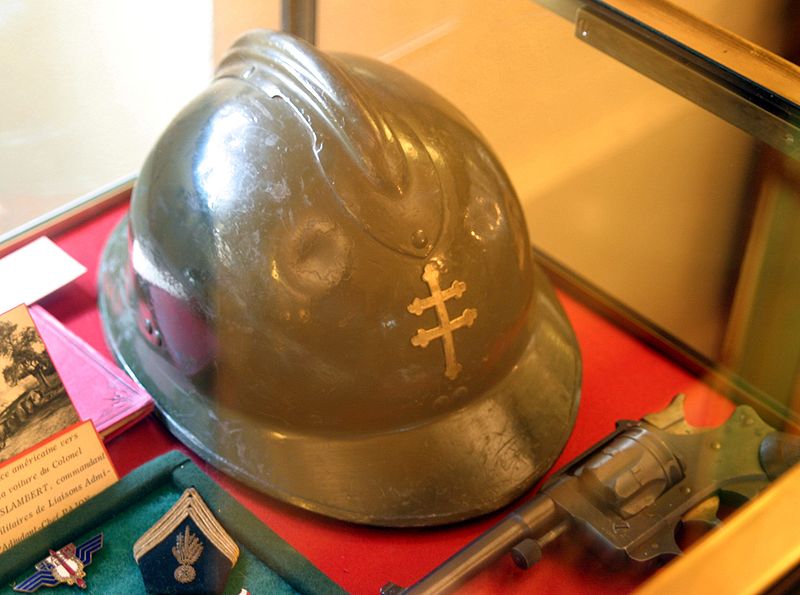
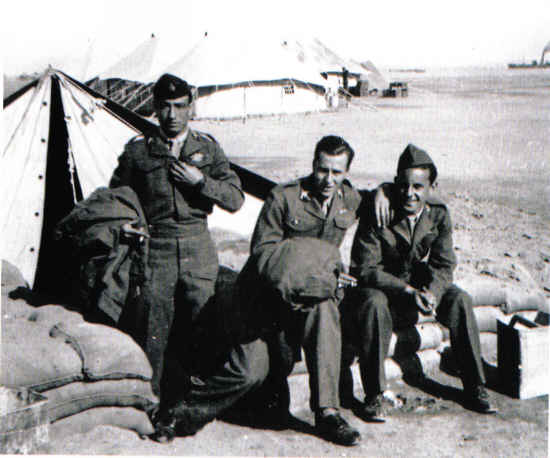


Pierre de Bourmont was a parachutist for the Free French. He is in the photos above, I believe he is on the left in the photo of three. Pierre has short legs like Virginia Hambley and her mother, Elizabeth. Was Pierre kin to Victor de Bourmont, and if so, is this a tale of divided loyalties? That is Pierre on the top row-right in the group of five.
Here is the caption for the large group:
——————————————————————————–
The Golden book
Picture 1 CIA Barnes July 1941
Here is the caption of the photo:
July 1941 at the Barnes camp. From left to right:
Standing: Was Coutentin – Karam – Goff – Audibert – Gaultier – Lim – Royer g. – Roy – Ducourneau – Bergé – staying – fate – Geiger – white – Martin r. – George – Samar – Clement – Bouard
In the Middle: Le Gall – lol – Mouhot – Tourneret – Bourmont – Belle – the Ghaus – ja – Marie-Victor – Linale – Provost – Bothorel – Klinkemaille – Guichaoua – Hays – James
Seated: Boutinot (hidden) – Vidal – Jarvis – Guetry – Blignières – marriage – Nawal – Carion – Patenaude – Le Meur – Lambert – Rodier – Prados – Balere – Royer j. – Dejean – Iturria
Members of the Vichy did fight for the Allies after France was liberated. The Free French adopted the Cross of Lorraine after Joan of Arc. Why did the U.S. Government recognize the Vichy? We are beyond Pan’s Labyrinth and at the rebirth of Joan of Arc who gave birth to the formost legend of France.
Today, Briggette Bardot is considering renouncing her French citizenship.
Jon Presco
Copyright 2013
On the eve of the French Revolution, Bourmont entered the Gardes Françaises of the French royal army but he emigrated in 1789. Bourmont served in Louis Joseph de Bourbon, Prince de Condé royalist army in the campaigns of 1792 and 1793.
http://www.chivalricorders.org/royalty/bourbon/bourbgen.htm
The United States granted Vichy full diplomatic recognition, sending Admiral William D. Leahy to France as American ambassador. President Franklin D. Roosevelt and Secretary of State Cordell Hull hoped to use American influence to encourage those elements in the Vichy government opposed to military collaboration with Germany. The Americans also hoped to encourage Vichy to resist German war demands, such as for air bases in French-mandated Syria or to move war supplies through French territories in North Africa. The essential American position was that France should take no action not explicitly required by the armistice terms that could adversely affect Allied efforts in the war.
House of Bourbon In Pan’s Labyrinth
Posted on January 4, 2013 by Royal Rosamond Press


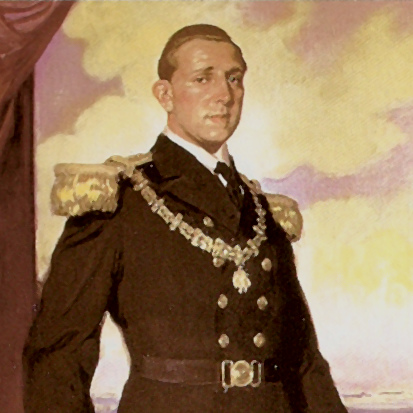

Virginia looks like Ofelia in Pan’s Labyrinth which is about the restoration of the House of Bourbon. Virginia’s ancestor, Louis-Auguste-Victor, Count de Ghaisnes de Bourmont, was engaged in the resotaration Bourbon monarchy, from the day of its fall. Louis kept the rose alive. The facist dictator, Franco, did not want to restore Juan Borbon to the throne because of connections to Freemasonry. That Victor de Bourmont became a Vichy puppet of the Nazis, and was tried for war crimes, is right out of the Labyrinth script.
The huge question to ask is who were the backers of Lousi de Bourmont in his almost single-handed attempt to restore the House of Borubons to several thrones? Is Louis of Bourbon blood? If so, is Virginia Hambley “of the blood” and in line for a throne? Is She the neglected Rose at the center of Pan’s Labyrinth that a possible descendant of the Rougemont Knights Templar has found? Virginia has around six nieces and nephews.
Jon Presco
Copyright 2012
“The Captain” is commanding an outpost responsible for squashing the few remaining Anarchist rebels living in the mountains who are under the impression that the Spanish Civil War is still being fought. As far as lost causes go, few were as lost as the Anarchist cause during the Spanish Civil War: the war was largely over by 1939 and Franco would rule over a Fascist Spain until his death in 1975, upon which the Bourbon monarchy was restored.
In one scene between mother and daughter, at Carmen’s request, Ofelia tells her brother-to-be a fairy tale – setting out for him the new ideal of Spain. The brother is the coming Monarchy of Juan Carlos, made by Franco with the agreement of the Church. In her story, Ofelia tells her brother to enter the world of occult and look for a mysterious rose at the top of a dark mountain covered with thorns.
Ofelia must bring him the newborn Monarchy to be sacrificed on the altar of the occult so that Spain can fully return to Paganism and the kingdom of darkness. But Spain protects her half-brother, the new regime, and is forced to return the infant to the hands of a wounded and drugged Francoism, who has pursued Ofelia into the labyrinth.
http://www.royaltyguide.nl/families/bourbon/bbspain3.htm
Princess Victoria Eugenie of Battenberg (christened Victoria Eugenie Julia Ena; 24 October 1887 – 15 April 1969) was queen consort of King Alfonso XIII of Spain. She was a granddaughter of Queen Victoria of the United Kingdom; and the first cousin of King George V of the United Kingdom, Queen Maud of Norway, Empress Alexandra Feodorovna of Russia, Queen Marie of Romania, Emperor Wilhelm II of Germany, Queen Louise of Sweden, and Queen Sophia of the Hellenes. Juan Carlos I of Spain is her grandson.
Juan became heir-apparent to the defunct Spanish throne after the renunciations of his two older brothers, Alfonso and Jaime, both in 1933. To assert his claim to the throne, after his father’s death he used the title of Count of Barcelona, a sovereign title associated with the Spanish crown.
In 1936, his father sent him to enter Spain and participate in the uprising but, near the French border, General Mola arrested him and sent him back.
When General Francisco Franco declared Spain to be a kingdom in 1947, he characterised it as a reinstitution. However, Franco was afraid that Don Juan would turn out to be too liberal and roll back the Falangist state. As a result, in 1969, Franco passed over Juan, who would have been King if the monarchy had continued uninterrupted, in favour of his son Juan Carlos, who Franco believed would be more likely to continue the Francoist State after his death. Juan Carlos later surprised many by his support of democratising Spain. Franco and the Count of Barcelona did not have a good relationship, with the Count constantly pressing Franco to restore the monarchy. Relations soured further when Juan called Franco an “illegitimate usurper”, while Franco claimed he had a stronger claim to rule Spain than did Juan.
The Count of Barcelona formally renounced his rights to the Crown eight years after being displaced as recognised heir to the throne by Franco, and two years after his son Juan Carlos had become King. In return, his son officially granted him the title of Count of Barcelona, which he had claimed for so long.
The House of Bourbon (English pron.: /ˈbʊərbən/; French pronunciation: [buʁ.bɔ̃]) is a European royal house of French origin, a branch of the Capetian dynasty (/kəˈpiːʃⁱən/). Bourbon kings first ruled Navarre and France in the 16th century. By the 18th century, members of the Bourbon dynasty also held thrones in Spain, Naples, Sicily, and Parma. Spain and Luxembourg currently have Bourbon monarchs.[citation needed]
Bourbon monarchs ruled Navarre (from 1555) and France (from 1589) until the 1792 overthrow of the monarchy during the French Revolution. Restored briefly in 1814 and definitively in 1815 after the fall of the First French Empire, the senior line of the Bourbons was finally overthrown in the July Revolution of 1830. A cadet branch, the House of Orléans, then ruled for 18 years (1830–1848), until it too was overthrown. The Princes of Condé were a cadet branch of the dukes of Vendômes and, in turn, were senior to the Princes of Conti both of which are now extinct.
Philip V of Spain was the first Bourbon of Spain. The Spanish Bourbons (in Spanish, the name is spelled Borbón) have been overthrown and restored several times, reigning 1700–1808, 1813–1868, 1875–1931, and 1975 to the present day. From this Spanish line comes the royal line of the Kingdom of the Two Sicilies (1734–1806 and 1815–1860, and Sicily only in 1806–1816), the Bourbon of the Two Sicilies family, and the Bourbon rulers of the Duchy of Parma.
Grand Duchess Charlotte of Luxembourg married a cadet of the Parmese line and thus her successors, who have ruled Luxembourg since her abdication in 1964, have also been members of the House of Bourbon. Isabel, Princess Imperial, the declared heiress and thrice-regent of the now-defunct Empire of Brazil, married twenty years before their deposition Prince Gaston, Count of Eu, their descendants, known as the Orléans and Braganza, would have ascended to that throne had the empire not ended in 1889.
From the time of Hugh Capet to Charles X (987–1830), the senior Capets were also the Kings of France. In 1589, Henry IV of France, head of the House of Bourbon, became the senior Capet, following the extinction of male line of the House of Valois. All members of the House of Bourbon and its cadet branches alive today are direct agnatic descendants of Henry IV.
On the eve of the French Revolution, Bourmont entered the Gardes Françaises of the French royal army but he emigrated in 1789. Bourmont served in Louis Joseph de Bourbon, Prince de Condé royalist army in the campaigns of 1792 and 1793.
Louis-Auguste-Victor, Count de Ghaisnes de Bourmont (2 September 1773 – 27 October 1846) emigrated from France soon after the outbreak of the French Revolution. A lifelong royalist, he fought with the counter-revolutionary Army of Condé for two years, then joined the insurrection in France from three more years before going into exile.
Bourbon Restoration
After the Battle of Waterloo and Napoleon’s fall, Bourmont gave evidence that led to Ney’s execution. After the Second Restoration, he was given command of the 16th infantry division in Besançon and took part in the Spanish campaign of 1823. King Charles X of France made him minister of war in 1829 and Marshal of France in 1830. He was commanding the Invasion of Algiers in 1830 when the July Revolution broke out in 1830. Bourmont refused give his allegiance to the new King Louis Philippe and was dismissed from service.
In 1832 Marshal Bourmont took part in the rising of Caroline Ferdinande Louise, duchesse de Berry and on its failure fled to Portugal. He commanded the army of the absolutist monarch King Miguel during the Liberal Wars and after the victory of the constitutional party he retired to Rome.
According to historian David Hamilton-Williams, the Comte d’Artois asked Bourmont to remain a royalist agent, so he requested to continue in command.
Norte Dame de Namur
Posted on May 31, 2023 by Royal Rosamond Press
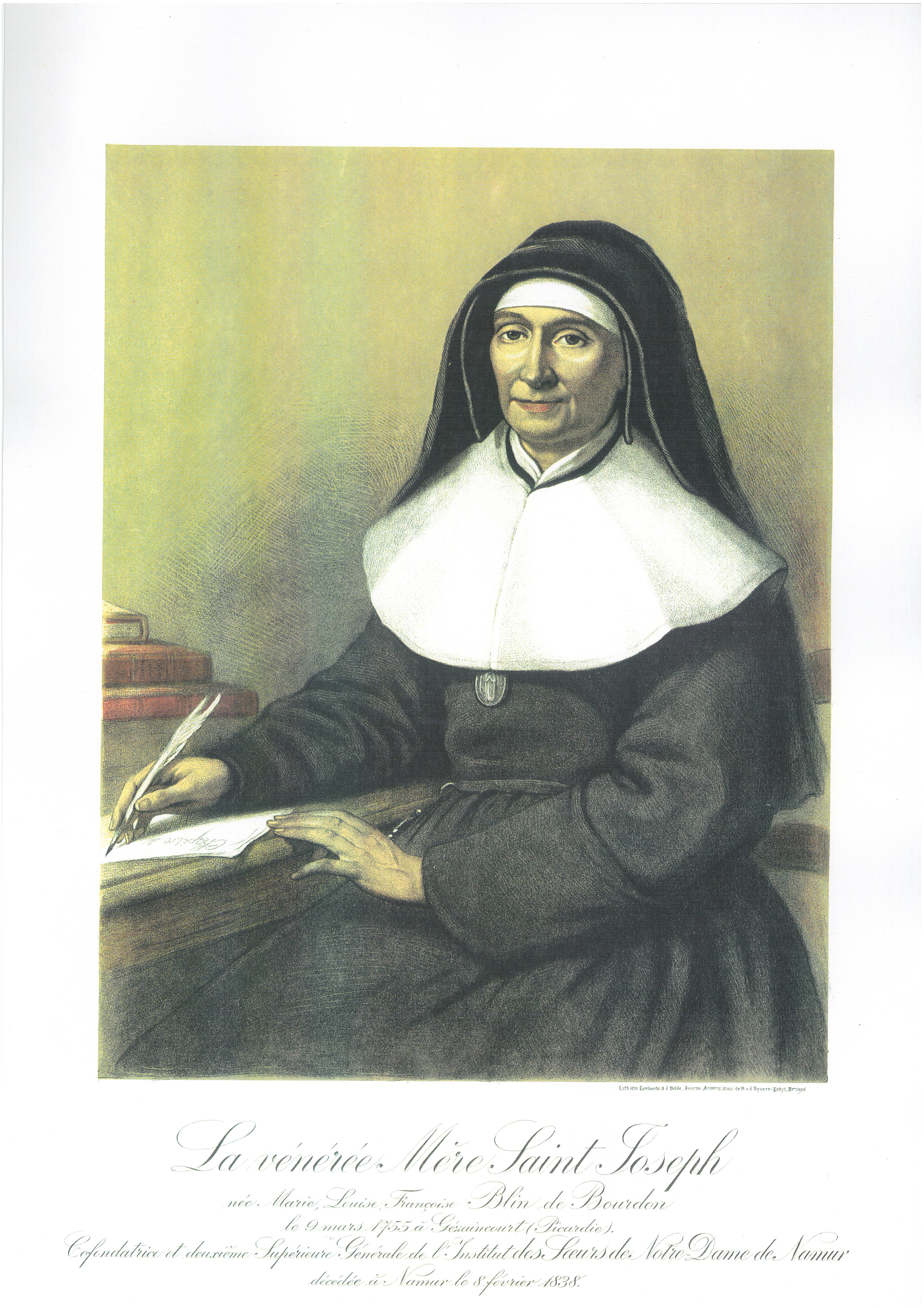
Illustrious Kindred of Virginia Hambley
Posted on January 3, 2013 by Royal Rosamond Press


Françoise Blin de Bourdon was a native of Picardy. Her family belonged to the old nobility of France. She was the youngest child of Viscount Pierre Louis Blin de Bourdon and the Baroness Marie Louise Claudine de Fouquesolles.
William Stuttmeister, married Augustus Janke at Ralston Hall where the Sisters of Norte Dame de Namur found a home for their college. To find your bloodline piled in a grave together, invokes a mountain of literature. Indeed – it is the Deed of Many Stories! My dead, will go, where they will go. I own the Sea Beast of de Anjou and Merovee. Dan Brown and his wife, eavesdropped on our Gmail groups? Is that too a legend that took on real life?
The Sage of the Hidden Dragon
Collaborator Testifies on Killings of 7 Jews : World War II: The first Frenchman tried for crimes against humanity insists he ‘tried to find another solution.’
By SCOTT KRAFT
March 30, 1994 12 AM PT
- Share
TIMES STAFF WRITER
PARIS — Nazi collaborator Paul Touvier, his voice barely a whisper at times, testified in his defense Tuesday, giving a detailed account of the decision to execute seven Jews during World War II and portraying himself as a troubled functionary acting only under German orders.
“Right to the end, I tried to find another solution,” said Touvier, 78, the first Frenchman ever brought to trial on charges of crimes against humanity. Shown photographs of the slain Jews, mouths and eyes wide open in death, Touvier sputtered, “These photos . . . it’s horrible.”
Touvier, the former intelligence chief of the pro-Nazi French militia, has been on trial for 10 days in a court in Versailles, where a jury of nine is deciding his fate. The maximum penalty under French law is life in prison.
ADVERTISING
The trial, and the legal battle waged to bring Touvier to court after his arrest in 1989, has renewed a painful, 50-year-old debate in France over the Vichy government’s collaboration with the German occupation during World War II.
Touvier, who was hidden for 45 years by right-wing Catholic priests and monks, has admitted that he handpicked the men who executed the seven Jews in Rillieux-la-Pape, near Lyons, on June 29, 1944. The executions were in reprisal for the assassination by Resistance fighters of the Vichy regime’s propaganda chief, Philippe Henriot, after the D-Day landing.
In earlier testimony, Touvier had claimed memory lapses. But Tuesday, he said he wanted to give a full account of the events leading up to the executions.
Advertisement
He said he had just returned to Lyons from Vichy on June 28, 1944, when his French superior, Victor de Bourmont, told him of Henriot’s death and of the decision by Lyons Gestapo chief Werner Knab to respond with “a spectacular execution of 100 Jews.”
“De Bourmont was panic-stricken, and I was panic-stricken too,” Touvier testified, noting that an agreement then was struck, cutting the number of Jews to be executed.
“We tried to reduce the number of victims from 30,” he said. “I said we would do seven at a time.”
ADVERTISING
Touvier said Knab became preoccupied with other matters and didn’t notice the change in number. Touvier’s aide, Albert Reynaud, chose the seven prisoners, he testified.
“We could not avoid the catastrophe,” Touvier had testified earlier. “But I did, even so, save 23 human lives.” That is the crux of Touvier’s defense: that he was following German orders and that, by his actions, some lives were saved.
The seven refugees, ages 23 to 64, were lined up against the wall of a cemetery in Rillieux and shot one by one, first in the back, then in the head. “It had been decided. It had been done,” Touvier said.
After the executions, “I spent a very bad night,” he testified. And the next day, he said, he saw a Jesuit priest and confessed. “I never forgot this tragedy,” he testified. “I said Mass. Mass for Jews is valid.”
Touvier’s fate rests in large part on whether the jury decides that the executions fall under the legal definition of a crime against humanity, which is a crime willingly carried out as a deliberate policy of genocide. And a key question is whether the Vichy regime had, on its own, a policy of genocide.
Robert Paxton, a historian at Columbia University in New York and author of two acclaimed books on France under the occupation, testified Monday that the Vichy government “adopted a policy of exclusion of the Jews from the economy and culture, for its own reasons and not to please the Germans.”
Paxton argued that in 1942, when the Vichy government turned Jewish refugees in unoccupied zones over to the Germans, “the French services became accomplices in the ‘final solution.’ ”
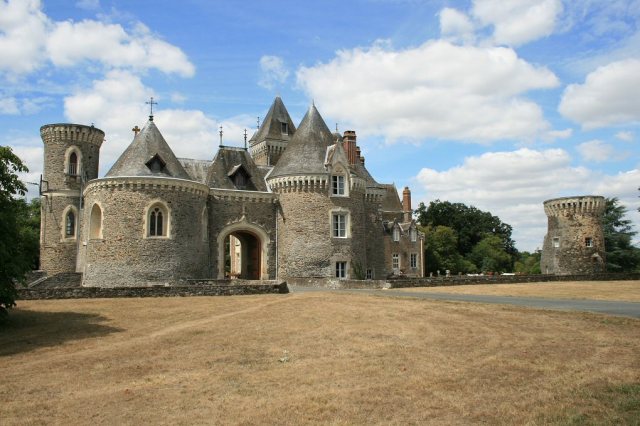
The origins of Bourmont date back to 14th century but much of what remains today is from the 15th-18th centuries. The remains of the ancient defensive structure are visible at the base of the wall of the dry moats and the towers.
The château was the birthplace of Louis Auguste Victor de Ghaisne de Bourmont in 1773, who captured Algiers in 1830 and died there in 1846. Due to this conquest, he was made Marshal of France. In 1795, during the chouannerie, the viscount of Scépaux established his headquarters at the château. The château was set on fire during the Revolution. The damage caused by this resulted in vast restoration work during the 19th century.
The current owners represent the 25th generation of the same family to oversee the château and surrounding estate. The owners are also opening up the château’s vast private archives to historians who wish to consult them.
1830 Kingdom of France Marshal Louis Auguste Victor, Count de Ghaisnes de Bourmont “Coloniale Conquest of Algeria” Large Olden Bronze Medal. Great Condition, Clear Sharp Details! Nice Beauteous Natural Toning! 42.5mm 38.1 Grs. 100% Orig. Ex.Scarce – Rare!
Buste de Louis Auguste Victor de GHAISNE, comte de BOURMONT – Lot 188
Buste de Louis Auguste Victor de GHAISNE, comte de BOURMONT Atelier de moulage des Musées Nationaux (1928-) (?), after Julien-Toussaint ROUX (1836-1880) Bust of Louis Auguste Victor de GHAISNE, comte de BOURMONT Resin H. 90 cm W. 65 cm D. 38 cm Based on the original marble bust of Louis Auguste Victor, comte de GHAISNE, comte de BOURMONT (1773-1846), “maréchal de France, commandant en chef de l’expédition d’Afrique, conquête d’Alger 1830”, coat of arms and motto “Toujours à dieu, toujours au droit”. Our original work was commissioned by the Direction des Beaux-Arts in 1878 and entered the Château de Versailles, where it remains today, in 1881. Versailles inventory no.: MV 6428; RF 356 Date of present print run: last quarter of the 20th century/beginning of the 21st century Possible outdoor exposure: yes Condition: small accidents, small dents, small marks Type of print compared with model: complete
Dictionnaire de la Collaboration française pour mieux comprendre.
oeStdpsonr28u87l41c41f c1u2imga y3luJ06ll8lh0la81aaclt7h413, ·
Victor De BOURMONT
SS chief assault commander
Regional head of the French Militia (Lyon)
Head of Cohort of the Permanent Guard
Deputy Regional Chief of the French Militia (Toulouse) / Departmental Chief (interim) of the Militia
French (Tarn and Garonne)
Promotions :
Second-Lieutenant: 1929
Captain: 25.12.1938
Head of Cohort of the Permanent Guard
SS chief assault leader : novembre 1944
Victor De Ghaisnes De Bourmont was born on May 5, 1907 in Pontivy (Morbihan department). He is the great-grandson of the distinguished Count Louis Auguste Victor De Ghaisnes De Bourmont. He entered the military school of Saint-Cyr in 1927, from which he would become second-lieutenant two years later.
Appointed captain on December 25, 1938, he serves in a regiment of Tunisian riflemen. Taken prisoner in June 1940, De Bourmont volunteered a year later to fight in Syria against the Gaulist troops. Released by the Germans shortly after, he joined the Armistice Army, then the French Militia, being more attracted to the paramilitary side than the politics of the organization. Legitimist monarchist, De Bourmont is highly liked by his men.
Appointed regional deputy chief of the French Militia of Toulouse, probably at the end of May 1943, after participating in the third internship organized in Uriage. Holding this post until May 194446 He was also interim department head of Tarn-et-Garonne, from October 18, 1943. In charge of reorganizing and clearing the local Militia. There is very little time left at this post, ceding its place to Pissard in mid-November 1943.
He participated in the operations of Haute-Savoie during the winter of 1944, leading a unit of Francs-Gardes during the operations against the maquis of the Glières plateau. He has chefs Montgour and Perrin under his command.
Transferred to Limousin in May 1944, where he leads one of the five groups of the Maintenance Forces, in this case Group E, which consists of a Francs-Gardes cohort and a GMR company. De Bourmont was replaced at this post, in June 1944, by Lieutenant Geromini. He was appointed regional chief of the Militia of Lyon in June 1944, a position he held until Liberation.
Deployed to the Waffen-SS with the other militia, in November 1944, with the rank of Hautpsturmführer, he was appointed commander of the Wafen-Grenadier-Regiment der SS 57 in December 1944, following the departure of Gamory-Dubourdeau. Preferring to be called “my captain” rather than by his SS rank, he hardly gets along with his deputy Christian Martres, SS “to the core”!
During the retreat of the division to Belgard, General Krukenberg entrusts De Bourmont with the command of the Reserve Regiment. De Bourmont was reported missing on the morning of March 5, 1945, during the explosion of the reserve regiment south of Körlin and Belgard49. The Rhône Court of Justice will sentence him to death by contumption in 1946.
Hautpsturmführer
French Gold In World War II
October 21, 2019
share
share
share
share
share
This story is about one of the world’s largest gold hoards stored in one of the largest most secure vaults ever built. The French stored their 2,500 tons of gold in their secure underground vault in Paris. When the Germans began their offensive, the French started to remove its gold as a precaution. When the Maginot Line was breached and it was clear Paris would be overrun the remaining gold was rushed out of France. The gold traveled over thousands of miles in different directions by ship, train, truck, and airplane during WWII. So grab your Indiana Jones fedora and a globe so you can follow along.
The Banque de France worked for over 3 years to construct its famous gold vault, La Souterraine. In 1927 it was completed after hard work by over 1,000 construction workers. The vault is one of the largest of its kind in the world. It is still in use today and is one of four IMF depositories. It is located near the Louvre under Hotel Toulouse. At 100 feet below ground level and over 100,000 square feet in size it is most impressive.
For bullion to enter the vault it must first go down the primary elevator to basement level 4. Then proceed down the hall to a 7-ton armoured door. Once through, there is a second 17-ton steel block that moves on rails via a 35-ton rotating turret. Then down a secondary elevator to basement level 8. It must then get past a second steel block on rails followed by more security doors and finally placed into locked steel cabinets. The vault holds the French gold reserves as well as gold from several other countries.
Just prior to WWII the Banque de France held 2,500 metric tons or 80,375,000 troy oz of gold. Most of the gold reserves were in La Souterraine with a minor amount in other branch locations. In 1938, at the Munich Conference, the UK, France, and Italy agreed to allow Germany to annex the Sudeten German territory inside of Czechoslovakia hoping to appease Hitler. France was worried and decided to send 600 tons of gold to the United States for storage in case they needed to quickly purchase and pay for additional arms.
The next year, in 1939, Belgium and Poland moved the last of their gold reserves, totaling 198 tons, to France. Belgium had previously moved about a third of their reserves to London and another third of their reserves to the US. In the fall of 1939 Hitler invaded Poland and Belgium. France’s minister of finance, Lucien Lamoureux, immediately began to empty La Souterraine ignoring many in government who wanted to keep the gold in the vault. It took 35 convoys, a total of 300 trucks but in one month the vault was emptied and the gold was moved to Banque de France branch bank vaults near the Western port of Brest, in Brittany, the Southwestern port of Le Verdon, on the Atlantic just north of Bordeaux, and the Mediterranean port of Marseille in the south. Over the next six months the French navy transported 400 tons of gold in four convoys to the United States. They used their smaller fast cruisers to do the job instead of their larger more formidable, but slower, naval ships.
By May of 1940 the Germans were on the march towards France. An aircraft carrier left the port of Toulon near Marseille with 195 tons of gold and sailed to the Azores. Two fast cruisers with 210 tons of gold from the port of Brest met up with the carrier in the Azores. All three ships sailed together to Halifax Canada. The fastest naval cruiser in the world at the time, the Emile Bertin, sailed back from Halifax to Brest all alone.
On May 28, 1940, a civilian ship sailed for Casablanca with 212 tons of gold. In Casablanca the gold was transferred to the USS Vincennes that brought it to New York. The United States insisted all the French gold be exchanged for US dollars upon arrival at the Federal Reserve. After June 5, 1940, the Banque de France decided not to send any more gold to the United States.
On June 11, 1940 the French cruiser, Emile Bertin, sailed across the Atlantic from the port of Brest back to Halifax with an amazing cargo of 255 tons of gold on a single ship. By the time the ship reached Canada on June 18th, 1940, France had already capitulated to Germany and was considered an enemy of Great Britain. The ship was quickly ordered by the Banque de France to go to Martinique in the Caribbean. It was a good thing the Emile Bertin was so fast as they were pursued by three UK ships now seeking to capture the French gold. The Emile Bertin outran the UK ships and safely arrived at Fort-de-France in Martinique on June 24, 1940.
On June 17th , 1940, Marshall Petain announced the capitulation of France. The French government signed the surrender papers of June 22nd , 1940 and they went into effect three days later.
Meanwhile in Brittany the Banque de France employees were moving the last of the 750 tons of gold onto four ships. It was utter chaos moving in the middle of a general evacuation where everyone wanted to leave at once in front of the quickly advancing German army. Trucks, men to load and drive them and ships to load onto were at a premium – if they could be found at all. Out of desperation the Banque de France employees found and repaired eleven 5-ton trucks that the British army had abandoned. They were able to load the ships just hours in front of the advancing German Army. Even though Marshall Petain capitulated on June 17th Admiral Darlan did not order the navy evacuation of the gold to stop. On the evening of June 18th the ships left the harbor just before dark and threaded their way through the harbor minefield with the sun setting in front of them and the Germans advancing right behind them.
The fleet of four ships carrying the last of the Banque de France’s gold met up with another ship from the port of Lorient just to the South. This ship had been loaded with the Polish and Belgian gold. The little fleet that just barely escaped sailed to Dakar, Africa with the largest shipment of gold, 1,100 tons, in modern history. The gold was promptly unloaded and sent inland 35 miles via train (on the Dakar – Niger railroad) to the French fort at Thies.
Dakar is located in present day Senegal. At the time it was a colony of France and known as French West Africa. Dakar is the chief Atlantic seaport in that part of Africa located at the mouth of the Senegal River, as such it contained a major French naval base. After the armistice with Germany went into effect on June 25th, 1940, French West Africa was subject to the Vichy French government led by President Petain but under the ultimate authority of the Germans. In September of 1940 just a couple of months after the gold arrived, General de Gaulle’s Free French fighters tried to invade and take the seaport of Dakar but was repulsed by the Vichy French forces. The Banque de France employees decided the gold was at risk that close to Dakar. They decided to move it 560 miles further inland via train to the city of Kayes in French Sudan (present day Mali). The gold had made the trip safely so far but now there was trouble brewing with the Vichy French government.
The National Bank of Belgium was in exile in the UK was upset about their gold reserves ending up in Africa. The National Bank of Belgium had directed the Banque de France to ship their gold to the United States. At the last moment, because of all the confusion from the rapidly advancing German army, the Belgium gold was taken along with the French gold to Dakar. The German government declared that the Belgium gold did not belong to the Banque de France and the Vichy French government reluctantly agreed with them. The Germans wanted the Belgium gold deposited in the German Reichsbank and held there in an account for the National Bank of Belgium. The Vichy government struck a deal to move the Belgium gold to Berlin with the understanding that the Germans would release all of the French prisoners of war. The Banque de France very reluctantly agreed to execute the deal. However, since they were in the middle of Vichy French territory, they had little choice to do otherwise. Too much opposition and the Germans might demand the Banque de France gold as well.
The Belgium gold was sent very slowly to Berlin along 3 different routes over the next 18 months. Multiple routes were used to transport the gold from the city of Kayes in French Sudan.
- One route was via airplanes to Casablanca, airplanes to Marseille and then by train to Berlin.
- The second route was by train back to Dakar, by ship to Casablanca, by train to Algiers, by air to Marseille and then by train to Berlin.
- The final route was further inland via boat to Koulikoro on the Niger River in French Sudan, then further upriver past Timbuktu to Bourem in French Sudan (Mali), then off-loaded onto trucks for the long drive north overland across the desert to the rail terminus at Bechar, Algeria, by train to Algiers, by airplanes to Marseille and finally by train to Berlin.
On May of 1942 all the Belgium gold was finally in the vaults of the Reichsbank. It had taken almost two years. That same month Marshall Goring seized the gold. In an effort to disguise the gold’s origins Goring sent it to the Prussian Staatsmunze (Prussian state mint) to have it melted down and recast into German bars and back dated 1936 and 1937. A portion of the gold was sent to Switzerland to pay Spain, Portugal and Sweden for German war materials. The bulk of the gold was still in the Reichsbank’s vaults, in Berlin, as the Allied troops advanced into Germany. It was transferred, along with the rest of the Reichsbank’s gold, to the mine at Merkers where General Patton’s troops founds it, along with artwork and other stolen treasures from around Europe. The Germans even transferred the documents showing where the Belgium gold was melted and illegally re-stamped with the earlier dates by the Prussian mint.
The Bank of Belgium sued the Banque de France for its gold that was lost to the Germans in Africa. The Belgiums sued in United States courts and wanted immediate reparations from the portion of the French gold reserves that were stored in the United States. The United States courts withheld ruling due to lack of French witnesses available at the time. After the war the Banque de France returned all 198 tons to the National Bank of Belgium from its own reserves. Susequently the lawsuit in the US courts was dropped. The gold that General Patton found was turned over to the Tripartite Commission. The TPC was responsible for restitution of the gold between the countries of Europe that had been victims of German theft. In the end the Banque de France was reimbursed 120 tons of the 198 tons of Belgium gold stolen by the Germans by the TPC. With all the thousands of miles traveled by truck, train, ship & airplane in the middle of a war the Banque de France employees lost less than 0.02% of all the gold in their charge.
The Marshall Plan, named after Secretary of State General George C. Marshall, helped to rebuild Western Europe with US funds. However, those funds did not show up until two years after the war in Europe was over. The gold reserves of the Banque de France immediately after the war helped France recover and begin to rebuild their economy.
After a war, depression or financial crisis there is nothing like gold to start investing in the economy to rebuilding wealth. No one knows what the future will bring but in the meantime start your own central bank and buy a few more ounces of gold for your family treasury.
Larry LaBorde owns Silver Trading Company, LLC (www.silvertrading.net) and has sold gold, silver, platinum and palladium around the world since 2001. Larry travels the world meeting with customers, investors and interesting people from almost everywhere. Contact him about buy, selling or storing precious metals at llabord@gmail.com.
Larry is not a financial advisor and any information expressed here is strictly the opinion of a man starting to get grey hair.
PS: You can take a virtual tour of La Souterraine with the following link https://www.youtube.com/watch?v=vp6G-0gt7Os.
Virginia Is Gone
Posted on December 30, 2024 by Royal Rosamond Press
I called Virginia Hambley on Christmas Eve, and alas, her phone number is no good. Goodbye my sweet Princess,
JP
I Claim The Kingdom of Virginia de Bourmont
Posted on July 26, 2024 by Royal Rosamond Press
Born On Berlin Way
“Belmont is a stepping stone for my historic expectations“.“
Like a Jig-Saw puzzle all the pieces are falling into place! Why didn’t Virginia Hambley’s grandfather try to restore Maria Carolina to the thrown? After all she is the beloved sister of Queen Marie Antoinette – and she escaped the monstrous guillotine!
For nine months I have not been able to reach my ex-fiancé. Her phone rings, but no one picks up. She told me her family was upset with my wild royal claims, but, if NATO crumbles, than we may see the restoration of Royal Houses across Europe, and – in Russia! I believe the de Bourmonts in France – love my posts and this blog – especially when I proclaim the efforts of Louis-Auguguste-Victor to restore the French Monarchy. I suspect they have been trying to contact me – having done my genealogy. Were they told – I am dead? I’m afraid to discover Virginia – is dead. I can not bare more grief. I am…so alone! But, now I wonder if she is being held hostage, in safe keeping in one the de Bourmont castle?
On this day July 26, 2024, I John Presco lay clam to the Bourmont castles – and widery. The trains were sabotaged in France. For thirty years I have been compiling proof Jesus did not found a Democracy. But, now I wonder if there is a real Jesus – who founded many earthly kingdoms – that he wants restored. Are all the kingdoms being….raised from the dead! Go ask Lazarus! I think he knows! For surely he did not go to sleep again? Then he was the first royal to know…..eternal life?
John Presco ‘King of California’

When Virginia Hambley de Bourmont got down on her wounded knee, took my hand, and proposed to me, was my long search for the Grail, at an end. Virginia descends from Geoffrey IV de la Tour Landry who compiled Livre pour l’enseignement de ses filles for the instruction of his daughters. This book is also titled ‘The Book of the Knight of the Tower’. Geoffrey may have authored Pontus and Sidonia a medieval prose roman that was put to song, thus, here is alas The Phantom of this Opera!
In 1701, the new king married his second cousin Maria Luisa of Savoy, with whom he had four sons. Their two surviving sons were the future Spanish kings Louis I and Ferdinand VI. Maria Luisa died in 1714, and Philip remarried to Elisabeth Farnese. Philip and Elisabeth had seven children, including the future Charles III of Spain; Infanta Mariana Victoria, who became Queen of Portugal; Infante Philip, who became Duke of Parma; and Infanta María Antonia Fernanda, who became Queen of Sardinia. It was well known that the union of France and Spain under one monarch would upset the balance of power in Europe, and that other European powers would take steps to prevent it. Philip’s accession in Spain provoked the 13-year War of the Spanish Succession, which continued until the Treaty of Utrecht forbade any future possibility of unifying the French and Spanish crowns while confirming his accession to the throne of Spain.
King of Oregon and California
Posted on October 3, 2013 by Royal Rosamond Press
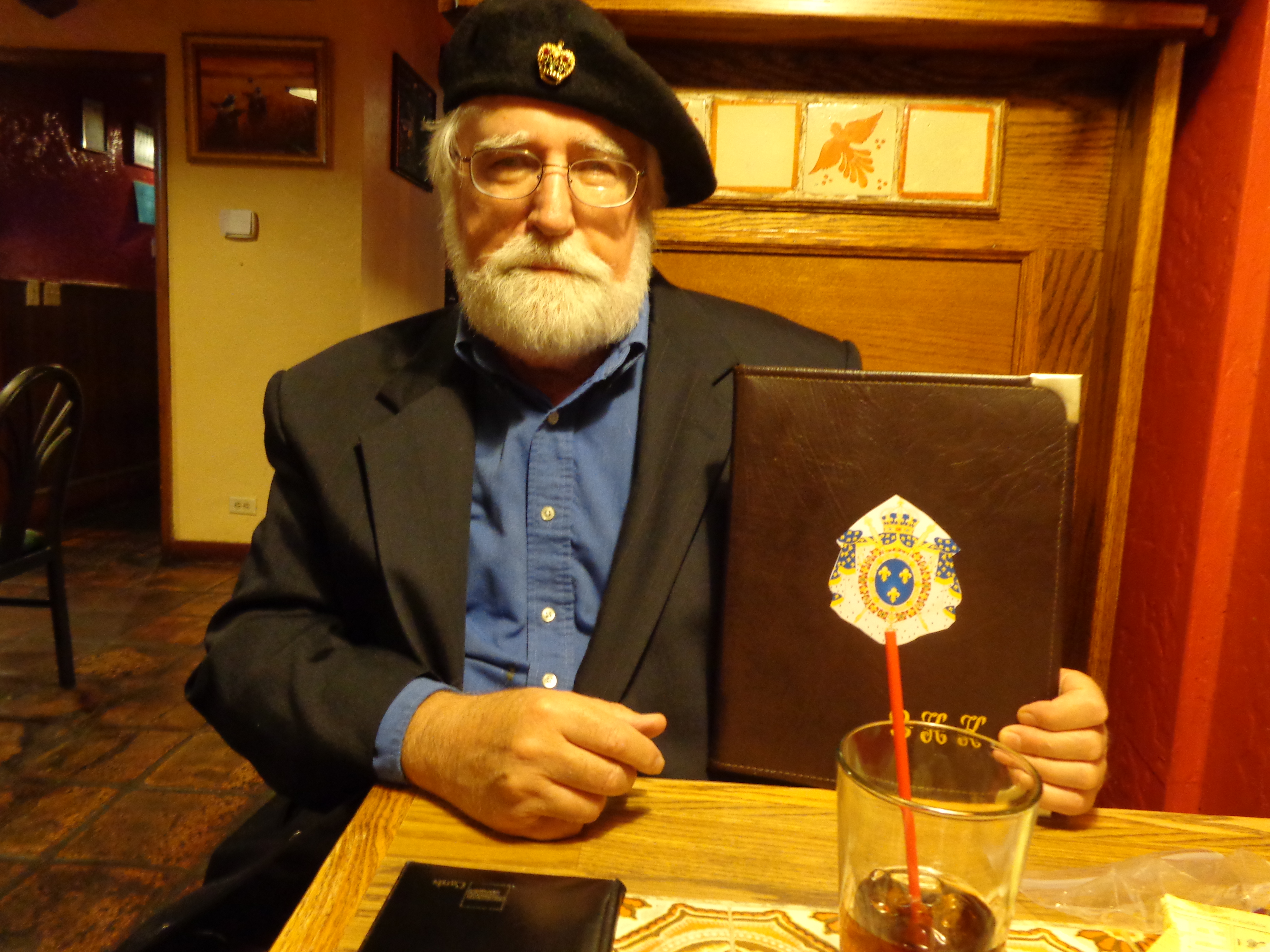


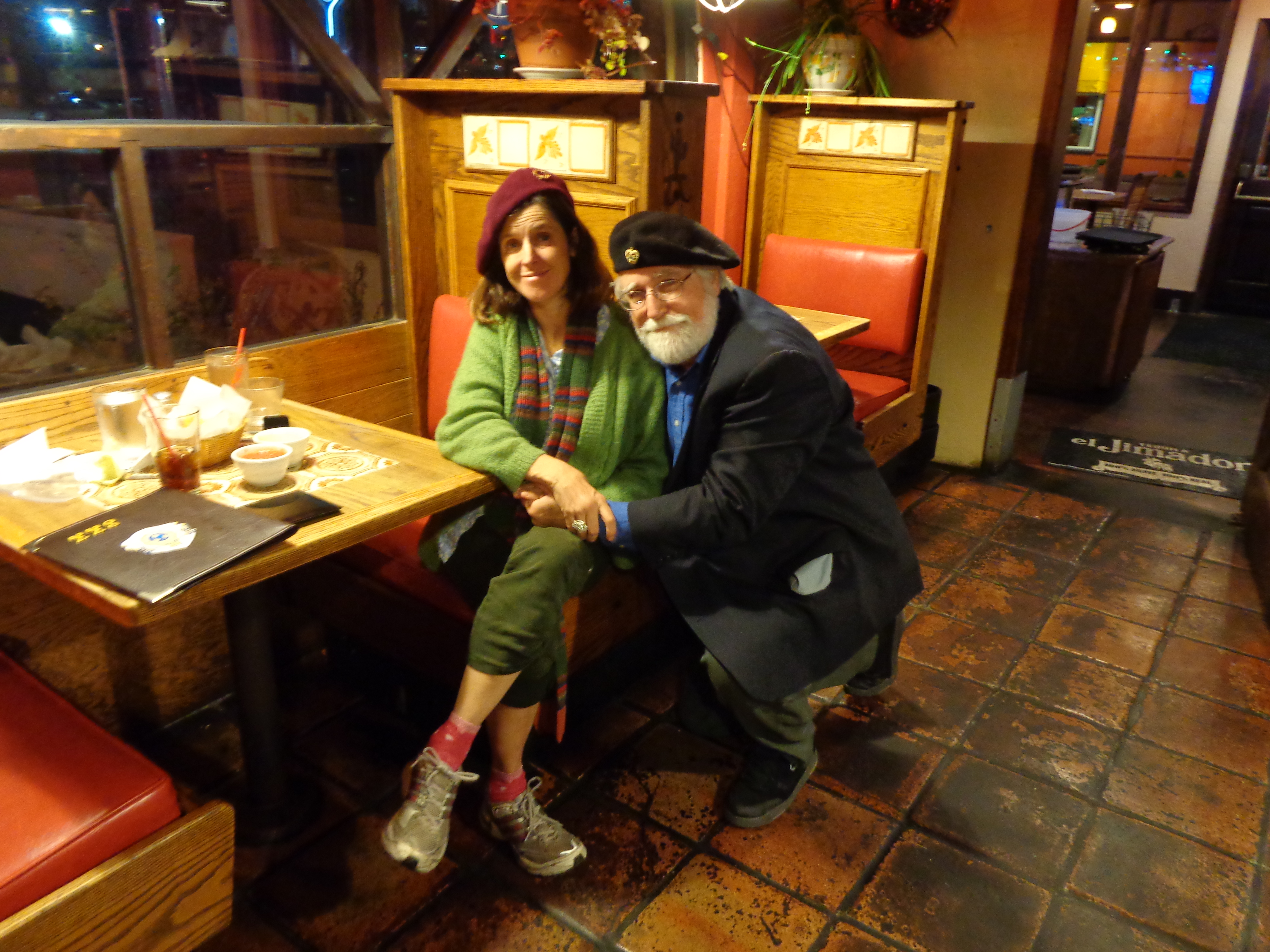
On October 1, 2013 on the day the Government of the United States ceased to exist due to the successful take-over of our Democracy by the Tea Party secessionists, I, John Presco, proposed to, Virginia Hambley de Bourmont, and she accepted.
With this proposal, I presented to my fiancé the Louisianans Territory as held by her illustrious French Ancestors.
Let it be known, that on this day, October 2, 2013, that I John Gregory Presco lay claim to the California and the Oregon Territory as it was known to my illustrious ancestors the Benton and Fremont family, who egregiously ignored the Constitution and the Economic Idealogy of Jeane-Baptise Say, who married into the de Bourmont Anjou family, who are this very day trying to restore the Monarchy of France. Good luck!
I believe the only chance the Orlean de Anjou claimants have, is to back the New Found Kingdoms in America that take in most of the land west of the Missouri River – that was illegally taken by the ideology of ‘Manifest Destiny’ as promoted by my kindred, Senator Thomas Hart Benton. Now that this democracy ceases to exist, I hereby make null and void the purchase of the Oregon Territory from Britain.
Let it be known, that I, the rightful King of California and Oregon, will return California to Mexico and the Mexican People, if they back my claim, and make my bride-to-be and her beloved kindred – the Titular and Dynastic Rulers of the New Kingdom of California-Mexico!
It is my desire to see my kindred merrily taking part in all festivities these great people are known for, with pomp, and royal flare that will be paid for by the Mexican people via a Royal Tax. This is a small price to pay for solving half of the immigration problem.
Sincerely
John Presco
Titular King of Oregon and California
P.S. also let it be known I am the Rightful Leader of the Republican Party – in exile!
The Coming Kingdom of Virginia
Posted on March 19, 2021 by Royal Rosamond Press
Belmont is a stepping stone for my historic expectations. Every registered Republican threw our REAL history away and went for half-naked Jacob wearing a set of horns. The party founded by my kin sat Horned Jacob in the honor seat in the Senate Chambers. And, then they pretend they didn’t. And now Little Rocket Man is making his real move on destroying us.
The Honorable Fortune Cookie | Rosamond Press
After Georgia Attacks, Asian-Americans Demand Serious Action on Bias (msn.com)
For most of the last year, Asian-Americans have sounded the alarm over the rising discrimination they have experienced and witnessed, fueled in part by racist language and false claims about the coronavirus by former President Donald J. Trump and other public officials. Celebrities, activists and influencers on social media have implored people to stop the hate against Asian-Americans and Pacific Islanders.

Here is another prophetic post.
King John
The Kingdom ofVirginia
Posted onDecember 24, 2020byRoyal Rosamond Press
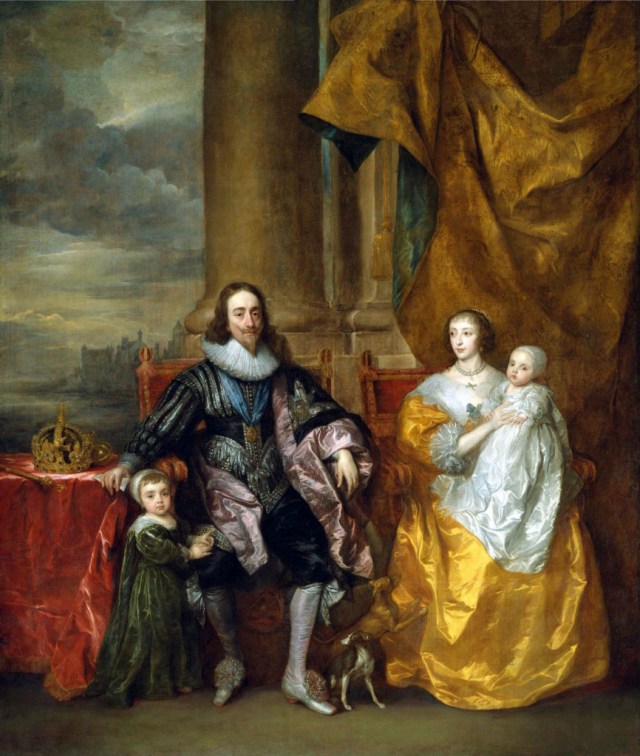
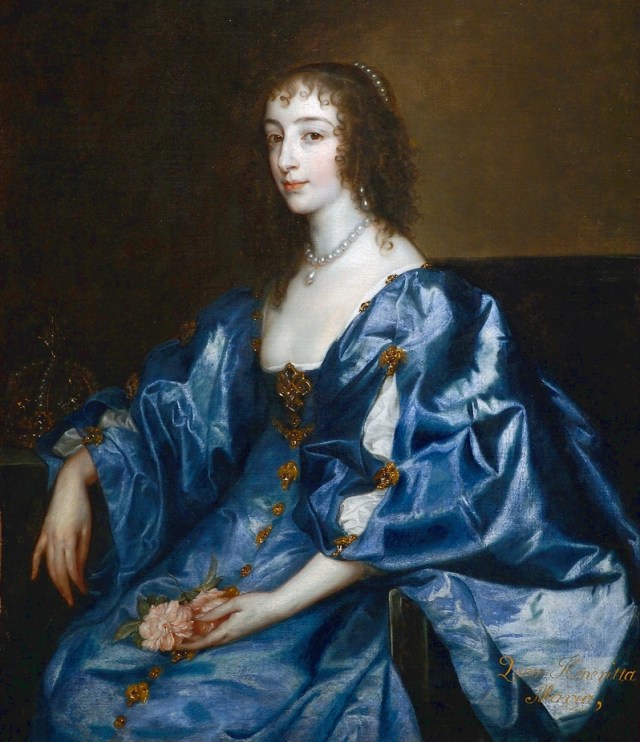

I must be guided by an Angel. An hour ago I discovered the King of Scotland was married to Henritta Maria of the House of Bourbon, who the State of Maryland in named. My ex-fiancé Virginia is kin to the Bourbons. On August 23, 2018 I named one of the Seven States after her. I foresaw the coming of the Duke and Duchess of Sussex to dwell in California.
I stuck my neck wayyyyyyyyyyyyyy out on this one! These are the posts that incited my lunatic neighbors to come as a mob to my door and cry:
“You need to be locked up!”
https://en.wikipedia.org/wiki/Henrietta_Maria
https://en.wikipedia.org/wiki/Henrietta_Maria
As President I Will Restore The FrenchTerritory
Posted onOctober 4, 2020byRoyal Rosamond Press
Here is my facebook group that is my homebase for…
View original post 513 more words
← The Second Coming of John The Nazarite
Was French Foreign Legion Going to Invade California?
Posted on November 22, 2023 by Royal Rosamond Press
“Defeated on the battlefield, conservatives sought the aid of France to effect regime change and establish a monarchy in Mexico, a plan that meshed with Napoleon III’s plans to re-establish the presence of the French Empire in the Americas.“

For your entertainment enjoyment, I supply my readers of Royal Rosamond Press with an exhilarating soundtrack to go with my continuance of the movie ‘Napoleon. Feel free to adjust the sound level.
The Bonaparte Family in America
I watched the movie ‘Napoleon last night and was impressed with the brief shots of the Prussian Army. I suspect the director did not want to spend too much time on them, lest he be accused of being pro-German, or, being anti-Semitic, which is huge right now in the Propaganda War Israel, and aspects of the American media, are conducting. Anti-Semitism – is real! Israel had negotiated with Hamas in the past, and thus titling them “terrorists” does not work. Civilized Nations don’t negotiate with terrorists. Netanyahu made sure President Biden was signing off on the exchange of hostages. Consider the Barbary Coast Pirates who took many infidels hostage – and made them their slaves!
While I watched the Battle of Waterloo, I considered the role that Louis Auguste Victor, Count de Ghaisnes de Bourmont played in defeating Napoleon at Waterloo. Apparently de Bourmont was a turncoat – and traitor? This idea is deliberately blurred, because de Bourmont was a avid Royalists, with family ties to the Great Conde. This Royalist knew Napoleon was not royalty, and was in the way to the return of the True Monarchy, who manipulated Napoléon to their own ends. He could muster the troops – and was victorious! This is the theme of this movie.
As I watched I realized I am one of the few people – in the world – who knows what is really going on. When I saw the scenes of Napoleon in Egypt, I was reminded of De Bourmont’s invasion of Algiers that was conducted to destroy the Barbary Pirates – and cement the formation of the New Monarch with the French People. De Bourmont was mimicking Napoleon! He is also preparing the way for my great grandfather, Sir Isaac Hull who captained the U.S.S, Constitution who made was against the Caliph and freed hostages!
After the movie, I realized Napoleon was not just entertainment for me – and Virginia! I realized My Plot to gift my fiancé with the Lousiana Territory – WAS REAL – because the French – ARE PLOTTERS! It’s what they do! There us much evidence Napoleon 111 wanted to invade America, and depending on who won the Civil War – CONQUER AMERICA! This is – what the French – did! Did the Confederacy make a secret agreement to give France everything west of the Missippippi – if they invaded California – and destroyed John Fremont Western Army?
On Monday night, the Speaker of the House met with the Insurrectionist, Donald Trump Mar-a-Lago. It is rumored Mike Johnson is a Christian Nationalist who wants to install King Jesus in his American Kingdom. How about – Emperor Jesus – who declares…
“I found King David’s crown – in the gutter!”
The Red States – seceded from the Union. If the Confederates had won, would there be a De Bourmont winery in California – with castle?
John Presco
Copyright 2023
Newly minted House Speaker Mike Johnson met with former President Donald Trump at his Mar-a-Lago resort in Florida on Monday night, sources familiar with the matter told ABC News.
The meeting, which took place at a fundraiser for Rep. Gus Bilirakis, R-Fla., marked the first time the two have met in-person since Johnson was elected on Oct. 25.
Secession is the formal withdrawal of a group from a political entity. The process begins once a group proclaims an act of secession (such as a declaration of independence).[1] A secession attempt might be violent or peaceful, but the goal is the creation of a new state or entity independent of the group or territory from which it seceded.[2] Threats of secession can be a strategy for achieving more limited goals.[3]
Notable examples of secession, and secession attempts, include:
• the Confederate States of America seceding from the Union, setting off the American Civil War;
“With Napoleon’s orders in their hands, the Prussians were able to take the appropriate countermeasures to gather their army. Bourmont’s defection enraged the French rank and file. Though their loyalty to Napoleon was absolute, they began to suspect treachery in their generals. Étienne Hulot, who became the acting division commander, was compelled to give a speech that pledged loyalty to Napoleon and the tricolor.[3]“
When Virginia Hambley de Bourmont got down on her wounded knee, took my hand, and proposed to me, was my long search for the Grail, at an end. Virginia descends from Geoffrey IV de la Tour Landry who compiled Livre pour l’enseignement de ses filles for the instruction of his daughters. This book is also titled ‘The Book of the Knight of the Tower’. Geoffrey may have authored Pontus and Sidonia a medieval prose roman that was put to song, thus, here is alas The Phantom of this Opera!
Geoffroy de la Tour-Landry married Jeanne Le Rouge.
Chateau de Breze & Bourmont Wine
Posted on April 23, 2015 by Royal Rosamond Press


“Richard Eldridge, owner and winemaker, stumbled into wine through marriage to the late Valerie de Bourmont who introduced him to wine. In a sense, the rest is history.”
I met Virginia Hambley in 1998, and wanted children with her. When I learned she could not have children, and when my sixteen year old daughter appear in my life, I told Virginia I would share Heather with her. The same went for grandson, Tyler Hunt, when he was born. Virgnia was not born when her two older sisters attended the wedding of their cousin in New York where she was born. Clark Hambley was an artist and worked at a prestigious advertising agency.
Like her sister before her, after graduating from High School, Virginia was invited to stay with her Bourmont kindred in France. She told me they had a winery. When I showed her a photo of Breze Chateau, and asked her if this is where she stayed for nearly month, she said this was the place of the family winery.
“You didn’t tell me it was a castle!”
Jon Presco
Château de Brézé is a small, dry-moated castle located in Brézé, near Saumur in the Loire Valley, France. The château was transformed during the 16th and the 19th centuries. The current structure is Renaissance in style yet retains medieval elements including a drawbridge and a 12th-century trogloditic basement. Today, it is the residence of descendants of the ancient lords. The château is a listed ancient monument originally dating from 1060.[1] A range of wines are produced at the château which has 30 hectares of vineyards.[2]

.jpg)
Gebhard Leberecht von Blücher commanded the Prussian Army, one of the Coalition armies that defeated Napoleon at the Battle of Leipzig
On the morning of 15 June, as the French Army of the North advanced into Belgium, the 14th Division led the IV Corps column of march. Near Florennes, Bourmont halted his division. On the pretence of scouting ahead, he and his staff, rode ahead with a squadron of lancers. After gaining a suitable distance from French lines, he sent the lancers back with a letter for Gérard. In the missive, he explained that he was deserting but promised, “They will not get any information from me which will injure the French army, composed of men I love.” He and his staff put the white Bourbon cockade on their hats and galloped for the nearest Prussian position. He immediately handed over Napoleon’s operational plans to the Prussians. Gebhard von Blucher‘s chief of staff August von Gneisenau was pleased to receive this windfall. However, Blucher had no use for turncoats and called Bourmont a traitor to his face. When Gneisenau noted that Bourmont was wearing the white cockade, making them allies, Blucher screamed, “Cockade be damned! A dirty dog is always a dirty dog!”[2]
With Napoleon’s orders in their hands, the Prussians were able to take the appropriate countermeasures to gather their army. Bourmont’s defection enraged the French rank and file. Though their loyalty to Napoleon was absolute, they began to suspect treachery in their generals. Étienne Hulot, who became the acting division commander, was compelled to give a speech that pledged loyalty to Napoleon and the tricolor.[3]
Napoleon spots the Prussians[edit]
At about 13:15, Napoleon saw the first columns of Prussians around the village of Lasne-Chapelle-Saint-Lambert, 4 to 5 miles (6.4 to 8.0 km) away from his right flank—about three hours march for an army.[89] Napoleon’s reaction was to have Marshal Soult send a message to Grouchy telling him to come towards the battlefield and attack the arriving Prussians.[90] Grouchy, however, had been executing Napoleon’s previous orders to follow the Prussians “with your sword against his back” towards Wavre, and was by then too far away to reach Waterloo.[91]
Grouchy was advised by his subordinate, Gérard, to “march to the sound of the guns”, but stuck to his orders and engaged the Prussian III Corps rear guard under the command of Lieutenant-General Baron von Thielmann at the Battle of Wavre. Moreover, Soult’s letter ordering Grouchy to move quickly to join Napoleon and attack Bülow would not actually reach Grouchy until after 20:00.[91]
.jpg)
Portrait of Napoleon III, by Franz Xaver Winterhalter, c. 1850s
The Americans now had two choices: pay tribute or fight the pirates.”
“Returning to Paris in October, 1855, he was warmly received
by his friend Prince Napoleon who overwhelmed him with questions
about his travels in America. “I answered them the best I could.”
Cipriani wrote, “But , it is a veritable deluge….We keep talking
about my journeys, of the Sanora, of conquering it.” Perhaps he
thought of seizing it for France and hoped the prince might persuade
his cousin the Emperor to finance the undertaking. “It is an idea in
the air,” he added, “that I would willingly undertake, if necessary
capital and men were available.”

Napoleon with his nieces and nephews on the terrace at Saint-Cloud, by Louis Ducis, 1810. Napoleon and four of his siblings have living descendants.
Here.
It appears that Cipriani was successful in uniting the House
of Savoy with the Bonapartes, and thus the House of Stuart. Prince
Napoleon Joseph Charles Paul of France, Pr Napoléon, married in Turin
in 1859, Princess Clothilde of Savoy daughter of Victor Emanuel. From
this union would come other Bonapartes with the name Victor. Prince
Napoléon Victor Jérôme Frédéric, Prince LOUIS Jérôme Victor Emmanuel
Léopold Marie, and, Prince Charles Marie Jérôme Victor
Was the Jacobite ‘Order of the White Rose’ somewhat successful
in their plan to put the Stuarts on a throne and rule the world?
There appears to contention with the Prussians who can claim the same
ancestry through the Winter Queen of Bohemia, Elizabeth Stuart,
daughter of King James, and thus the Hanovers who are in all regards,
the Windsors.
French expeditionary force, 31 December 1862[edit]

At its peak in 1863, the French expeditionary force counted 38,493 men[4] : 740 (which represented 16.25% of the French army).[121] 6,654[7] : 231 French died, including 4,830 from disease.[7]: 231 Among these losses, 1,918 of the deaths were from the regiment of the French Foreign Legion.[122]: 267
Louis-Auguste-Victor, Count de Ghaisnes de Bourmont (2 September 1773 – 27 October 1846) was a French general, diplomat and statesman who was named Marshal of France in 1830. A lifelong royalist, he emigrated from France soon after the outbreak of the French Revolution and fought with the counter-revolutionary Army of Condé for two years, then joined the insurrection in France for three more years before going into exile. He was arrested after assisting the Georges Cadoudal conspiracy, but escaped to Portugal.
In 1807 he took advantage of an amnesty to rejoin the French army and served in several campaigns until 1814. He rose in rank to become a general of division. During this period, he was suspected of being an agent of the Comte d’Artois and passing information to France’s enemies. Though he was notoriously anti-Napoleon and many officers did not trust him, he was employed again during the Hundred Days. Immediately after the campaign began, he deserted to the Prussian army with Napoleon’s plans. King Louis XVIII of France gave him a command in the Spanish expedition of 1823.
Promoted to Marshal of France, he was put in command of the Invasion of Algiers in 1830. However, after the July Revolution, he refused to recognize King Louis-Philippe of France and was sacked. After being involved in a plot against the new government, he fled to Portugal in 1832. He led the army of Dom Miguel in the Liberal Wars, and when the liberals won, he fled to Rome. He accepted another amnesty, this time in 1840, and died in France six years later.
The second French intervention in Mexico (Spanish: segunda intervención francesa en México), also known as the Second Franco-Mexican War (1861–1867),[13] was a military invasion of the Republic of Mexico by the French Empire of Napoleon III, purportedly to force the collection of Mexican debts in conjunction with Great Britain and Spain. Mexican conservatives supported the invasion, since they had been defeated by the liberal government of Benito Juárez in a three-year civil war. Defeated on the battlefield, conservatives sought the aid of France to effect regime change and establish a monarchy in Mexico, a plan that meshed with Napoleon III’s plans to re-establish the presence of the French Empire in the Americas. Although the French invasion displaced Juárez’s Republican government from the Mexican capital and the monarchy of Archduke Maximilian was established, the Second Mexican Empire collapsed within a few years. Material aid from the United States, whose four-year civil war ended in 1865, invigorated the Republican fight against the regime of Maximilian, and the 1866 decision of Napoleon III to withdraw military support for Maximilian’s regime accelerated the monarchy’s collapse. Maximilian and two Mexican generals were executed by firing squad on 19 June 1867, ending this period of Mexican history.
The intervention came as a civil war, the Reform War, had just concluded, and the intervention allowed the Conservative opposition against the liberal social and economic reforms of President Juárez to take up their cause once again. The Mexican Catholic Church, Mexican conservatives, much of the upper-class and Mexican nobility, and some Native Mexican communities invited, welcomed and collaborated with the French empire’s help to install Maximilian of Habsburg as Emperor of Mexico.[14] The emperor himself, however proved to be of liberal inclination and continued some of the Juárez government’s most notable liberal measures. Some liberal generals defected to the Empire, including the powerful, northern governor Santiago Vidaurri, who had fought on the side of Juárez during the Reform War.
America’s First Victory Over Terrorism
Posted on March 27, 2015 by Royal Rosamond Press


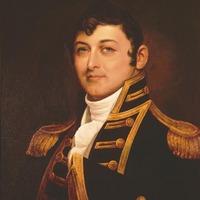
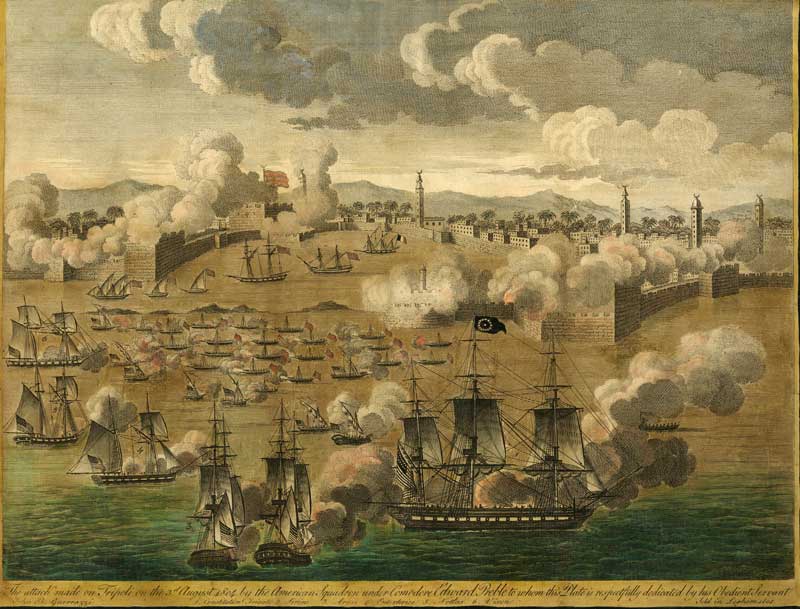


Yesterday I made two profound discoveries.
1. My great, great, great grandfather, Captain Isaac Hull directed, and engaged the enemy in America’s first War Against Islamic Terrorists.
2. Virginia Hambley’s great great, great grandfather, Louis de Bourmont, brought French legitimists before King Miguel, and recognized him a heir to the throne of France. Miquel is the grandfather of Empress Zita who fled to America when Hitler put a price on her head. Zita’s son was Otto Von Habsburg. Bourmont was in many respects similar to Jean of Arc, minus the religious visions. He was very keen on following a bloodline.
“Miguel was assisted by the French General Bourmont, who, after the fall of Charles X of France came with many of his legitimist officers to the aid of the king of Portugal (that is, Miguel).”
“http://en.wikipedia.org/wiki/Miguel_I_of_Portugal
Louis de Bourmont backed Henry Count of Chambord as the rightful heir to the thrown of France. Louis commanded the land forces that took major cities in Algiers. When de Bourmont refused to recognize to support the “Citizen King” Louis-Philippe, he was relieved of his command. Who knows how much territory de Bourmont would have taken in the second War against Muslim Terrorist. Louis must have studied the success of Hull and William Eaton that ended with the Treaty of Tripoli that produced Article X1.
It is my intention to compose a letter the President of the United States and the U.S. Senate making them aware of Hull and Bourmont who served Nation and King, and not God/Jesus. I am seeking a attorney to help me bring a lawsuit against Tom Cotton, and the Senators who signed his letter. There is powerful evidence these men were motivated by their religious ambitions they shared with Benjamin Netanyahu. Together these men grievously interfered with the negotiations with Iran who militias have handed ISIS defeats in Iraq. Many Republicans are altering true American history in order that it be subserviant to their faux religious history. Boehner’s attorney has quit the lawsuit against President Obama who has ordered our Air Force to bomb ISIS.
http://www.msnbc.com/rachel-maddow-show/stopping-the-next-tom-cotton-stunt-it-starts
Here is a letter from my kindred the Department of the Navy. He lists three Marines who shed their blood in Tunisia where there was a attack on the museum that was home to the Bey Captain Isaac Hull did battle with.
My bond with Virginia will last a lifetime. Her mother looks very much like Louis de Bourmont.
Jon Presco
Copyright 2015


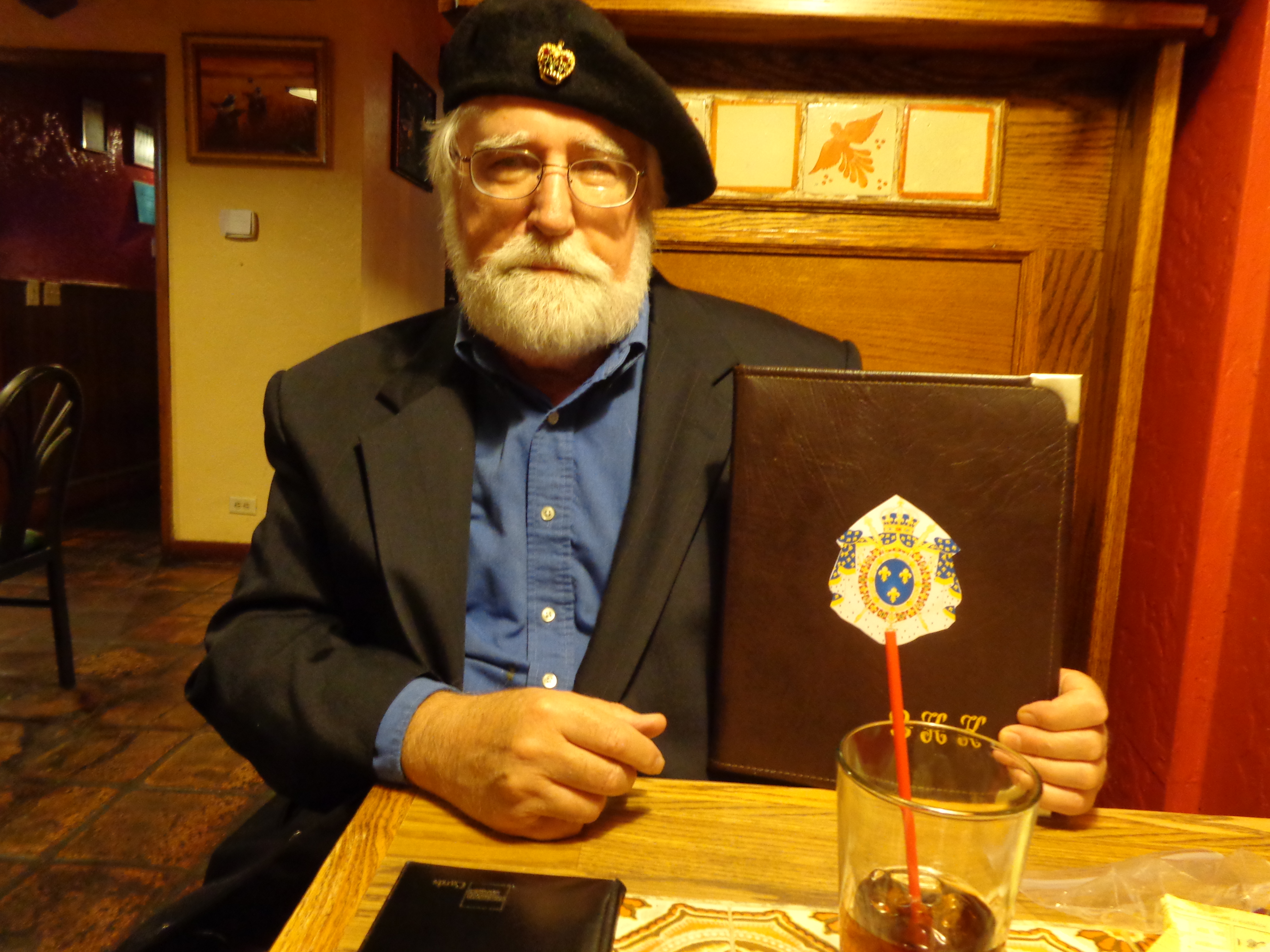
http://en.wikipedia.org/wiki/Henri,_Count_of_Chambord
UNITED STATES BRIG Argus
DERNE 28th April 1805
SIR, I have the honor to inform you, that at 9 O.Clock in the morning of the 27th being about 10 Miles to the Eastward of the Town of Derne, with the Hornet in Company, we discovered the Nautilus at Anchor very close to the shore, which led us to suppose that Capt. Dent had fallen in with Mr. Eatons Army, as he had been sent in shore for that purpose the day before. — We made all sail for the Nautilus, and at 1/2 past 10 spoke her, and was informed by Capt. Dent that he had, had communication with Mr. Eaton the night before, and that he wished to have the field Pieces landed as soon as possible, and that Mr. Eaton intended to make an attack upon Derne as soon as he could get possession of them, being then about two and a half miles from the Town, and the Enemy having sent him a chalenge, hoisted out our Boat to send the field Pieces on shore with such supplies as Mr. Eaton was in want of, but on approaching the shore we found that it was impossible to land the Guns without hauling them up an almost perpendicular rock Twenty feet above the Boat. But with the perseverence of the Officer and men sent on this service, they effected the landing one of them, by hauling them u the steep Rock. Mr. Eaton finding that we should loose time in landing the other, sent it off again informing me that he should march for the Town as soon as he could possibly mount the field Piece that he had on shore, gave Lieutenant Evans Orders to stand close in shore, and cover the Army while they were preparing to march, in case the Enemy should come out against them, as they had already made their appearance in large numbers outside of the Town, gave Orders for the necessary preparations to be made for the attack by Sea upon the Town and Batteries, and stood down very close to the Town. — At 2 P.M. Mr. Eaton began the attack by Land, at same time the Hornet Lieut. Evans Anchored with Springs on his Cables, within One hundred Yards of the Battery of eight Guns, and commenced a heavy fire upon it.
 Rosamond Press

Leave a comment