Lady Liberty and The Rose of the World
Posted on August 1, 2023 by Royal Rosamond Press

On this day, I John Gregory Presco, announce I am a Republican Candidate for Office of President of the United States of America.
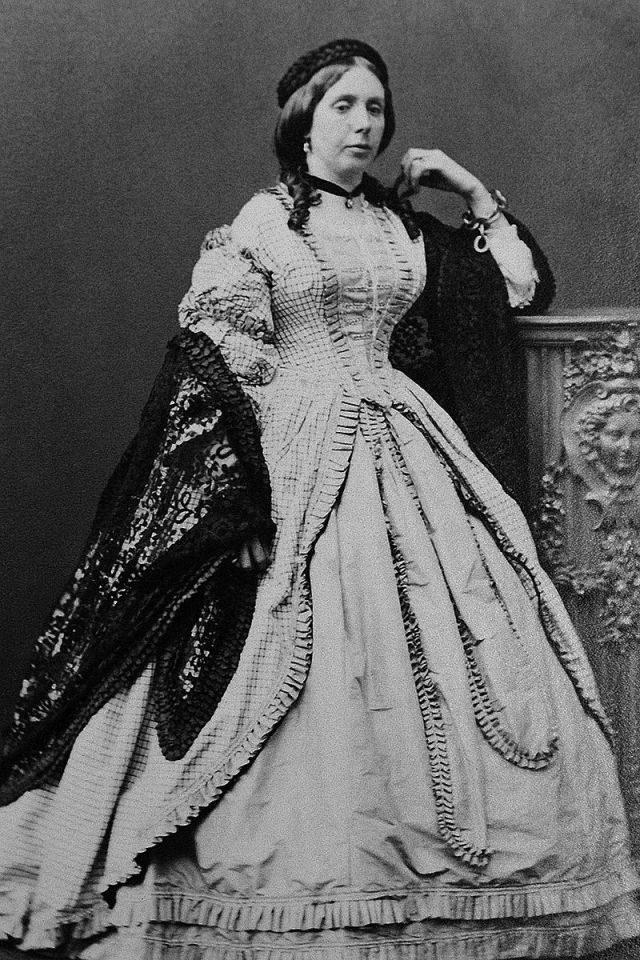
This morning I read that Isabella Boyer-Singer was the model for the Statue of Liberty. She is the mother of Paris Singer, who built the Everglades Clubhouse, and Dark Island,which will be my summer residence when I am elected. I will winter in my Florida Mansion as Professor John Von Bond, Baron of Rosamond Island.
On this day, August 1, 2023, I declare the Supreme Court, Donald Trump, Governor DeSantis, and the Speaker of the House – have lost touch with reality – because they are puppets on strings to their Evangelical Handlers who have thirty million American voters in a hypnotic trance! The Dark Ones have proven that half of America can not handle reality, and thus will settle for religious and political fairytales. So be it. Being a Biblical Scholar, and a Historian, let me announce…
Boy! Do I got a doozy for you!
So be it!
Professor John Von Bond of Berlin – Baron of Dark Island
file:///C:/Users/jongr/Desktop/Rose%20of%20the%20World.htm

Lady Randolph with her two sons, John and Winston, 1889
Jennie Jerome was married for the first time on 15 April 1874, aged 20, at the British Embassy in Paris, to Lord Randolph Churchill, the third son of John Winston Spencer-Churchill, 7th Duke of Marlborough and Lady Frances Anne Vane.[14] The couple had met at a sailing rega
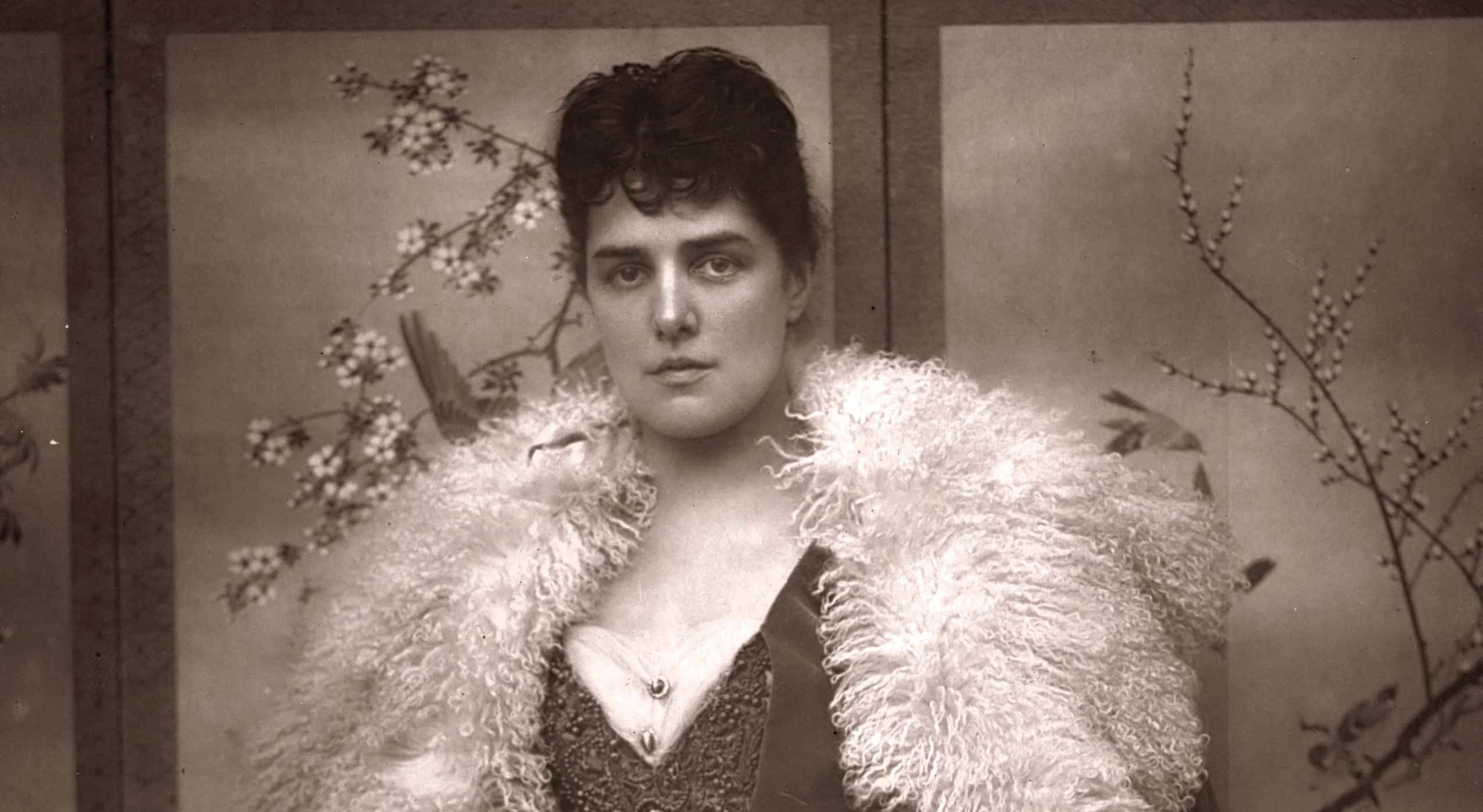
2. She Was A Beautiful Predator
Although all the girls in Jennie’s family had good looks and even better breeding, Jennie still blew them out of the water. She was undeniably stunning, yes—but that was just the half of it. Whip-smart and already restless as a teen, one of her admirers said there was “more of the panther than of the woman in her look”.
Boy, would he be proven right.
Singer had built a string of hospitals in England and France “for the war-wounded” (in the First World War). At the urging of Lady Randolph Churchill, he donated the use of his house at Oldway in Paignton to be used by the American Women’s War Relief Fund as a military hospital.[5][6] Deciding to build one in Palm Beach, after consulting with Mizner, he bought a large parcel of land on which the “Touchstone Convalescent Club”[7] was to be built. He hired Mizner to build it, and Mizner moved to Palm Beach.[3]: 158 Mizner purchased from him the “virtually inoperable pottery factory, ‘Las Manos’ [‘The Hands’]”.[8]
The real estate collapse also contributed to the end of Singer’s close friendship with Mizner, which ended in 1927.[3]: 232 The Everglades Club went into receivership, as Singer was unable to service the loans for which the club was collateral. He was arrested in April, 1928, at the Everglades Club, on charges of real estate fraud.[3]: 232–233 A judge dismissed the charges three weeks later,[7]: 168 but Singer, having been publicly humiliated, left Palm Beach immediately and never lived there again.[3]: 233
The club has long been criticized for reported discrimination against Jewish and Black people.[17] Sammy Davis, Jr. was turned away at the door.[18] According to socialite C.Z. Guest, she and her husband were temporarily suspended from the club after they brought Jewish guests—Estée Lauder and her husband—to a party there in 1972.[18] Joseph Kennedy, father of the slain president, resigned his membership in the early ’60s “to avoid scrutiny for belonging to a club known for excluding African-American and Jewish people.”[18]
The Untold Story of Isabelle Boyer: A Life Shadowed by the Statue of Liberty
Kasun Hettiarachchi
May 13, 2023

The Statue of Liberty stands tall as a symbol of hope and freedom, welcoming millions of visitors to the shores of the United States. But behind this iconic monument lies the forgotten story of Isabelle Boyer, the woman whose face served as the model for Lady Liberty. While her likeness immortalized the statue, her own life was filled with hardships and sadness. Join us as we delve into the untold narrative of Isabelle Boyer and shed light on the struggles she faced throughout her existence.

The Statue of Liberty, designed by Frédéric Auguste Bartholdi, was unveiled in 1886 on Liberty Island in New York Harbor. Bartholdi sought inspiration for the statue’s face, and it was Isabelle Boyer, a young French woman, who captivated the artist with her ethereal beauty. Boyer’s features served as the muse for the statue’s face, giving birth to a powerful symbol of freedom that would endure for centuries. While the Statue of Liberty became an internationally recognized icon, Isabelle Boyer’s life was marked by personal tragedies. Born in France in 1860, she experienced a childhood marred by poverty and hardship. Boyer’s family struggled to make ends meet, and she was forced to work at a young age to support her loved ones.
When Bartholdi discovered Boyer, he offered her the opportunity to become the face of his monumental creation. At first, this seemed like a chance for Boyer to escape her difficult circumstances and find a brighter future. However, little did she know that her association with the statue would bring her both fleeting fame and lingering sadness. Despite her role as the face of an international symbol, Boyer’s life failed to improve significantly. She received modest compensation for her likeness being used, but the financial gains were short-lived. Boyer struggled to find stability and endured a string of disappointments in her personal life. Her relationships were often tumultuous, and she faced numerous hardships, including the loss of loved ones and health issues.

As the years passed, Boyer’s connection to the Statue of Liberty became increasingly forgotten. The monument itself became the focal point of admiration, while the woman behind the face remained invisible. Isabelle Boyer’s name slipped into obscurity, and the public remained unaware of the struggles she faced throughout her life. It is essential to acknowledge Isabelle Boyer’s life and honor the woman who played an integral role in the creation of an enduring symbol. Despite her anonymity, she played a vital part in the birth of an icon that continues to inspire millions. By sharing her story, we can reflect on the often untold narratives of those who, despite their contributions, are consigned to the periphery of history.

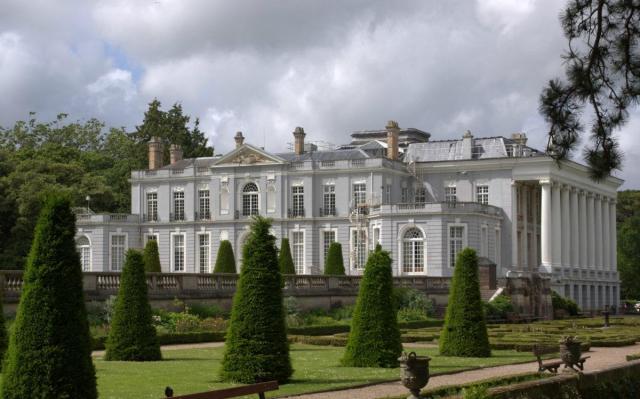
Paris Eugene Singer, Isaac Singer’s third son, supervised the alterations at Oldway Mansion between 1904 and 1907.[4] The rebuilding work was modelled on the Palace of Versailles,.[5] and the eastern elevation of the building was inspired by the Place de la Concorde in Paris.[6] The interior of the building is noted for its grand staircase made from marble and balusters of bronze..[5] The ceiling of the staircase is decorated with an ornate painting based on an original design for the Palace of Versailles for Louis XIV by the French painter and architect Charles Le Brun.[5]
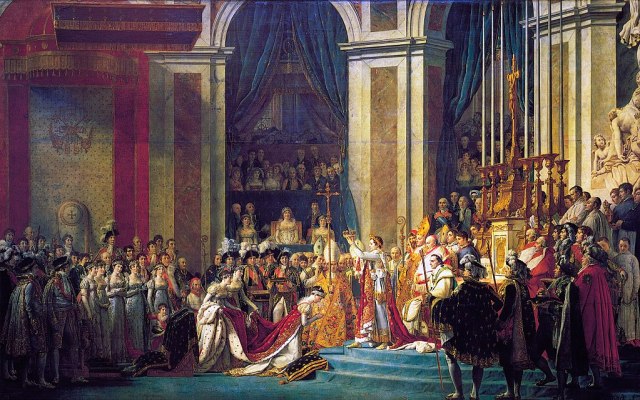
Above the grand staircase there is a reproduction of the first version of Jacques-Louis David‘s painting The Crowning of Josephine by Napoleon..[5] The original was purchased by Paris Singer in the late 19th century. The painting was sold to the French government in 1946 and now hangs in the Palace of Versailles.[7][5] The reproduction at the mansion, which is in the same place as the original, is a copy made by Rutters Scanachrome and was unveiled in 1995.[8]
The gallery on the first floor is a reproduction of the Hall of Mirrors in Versailles, and is floored in parquet.[5] The gallery leads into the ballroom, which contains walls of gilt panelling and mirrors. Above the fireplace there is an oil painting of Louis of Bourbon dating from 1717.[5]
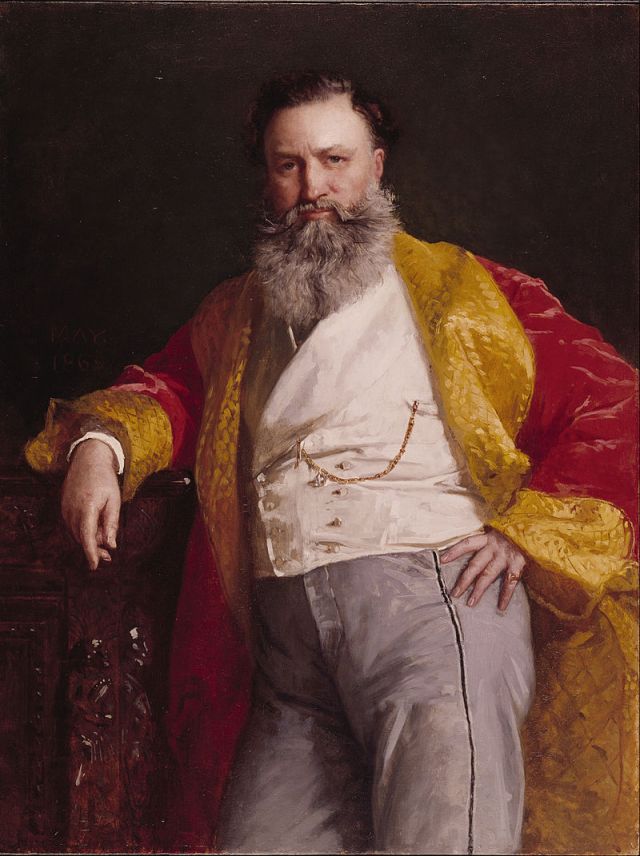
Isaac Singer was an actor in plays. His son, Paris Singer was Isadora Duncan’s lover. The president of Singer built Fair Rosamond’s castle on Dark Island. Very wealthy people associated with the Vanderbilt’s, have been constructing the Frisian Atlantis – and they know not what they do! Only the Master Builder can bring all the pieces together! My blog is my book, and The Project. I am a Genetic Architect.
Paris Eugene Singer, Isaac Singer’s third son, supervised the alterations at Oldway Mansion between 1904 and 1907.[4] The rebuilding work was modelled on the Palace of Versailles,.[5] and the eastern elevation of the building was inspired by the Place de la Concorde in Paris.[6] The interior of the building is noted for its grand staircase made from marble and balusters of bronze..[5] The ceiling of the staircase is decorated with an ornate painting based on an original design for the Palace of Versailles for Louis XIV by the French painter and architect Charles Le Brun.[5]
Above the grand staircase there is a reproduction of the first version of Jacques-Louis David‘s painting The Crowning of Josephine by Napoleon..[5] The original was purchased by Paris Singer in the late 19th century. The painting was sold to the French government in 1946 and now hangs in the Palace of Versailles.[7][5] The reproduction at the mansion, which is in the same place as the original, is a copy made by Rutters Scanachrome and was unveiled in 1995.[8]
The gallery on the first floor is a reproduction of the Hall of Mirrors in Versailles, and is floored in parquet.[5] The gallery leads into the ballroom, which contains walls of gilt panelling and mirrors. Above the fireplace there is an oil painting of Louis of Bourbon dating from 1717.[5]
Paris Eugene Singer, Isaac Singer’s third son, supervised the alterations at Oldway Mansion between 1904 and 1907.[4] The rebuilding work was modelled on the Palace of Versailles,.[5] and the eastern elevation of the building was inspired by the Place de la Concorde in Paris.[6] The interior of the building is noted for its grand staircase made from marble and balusters of bronze..[5] The ceiling of the staircase is decorated with an ornate painting based on an original design for the Palace of Versailles for Louis XIV by the French painter and architect Charles Le Brun.[5]
Above the grand staircase there is a reproduction of the first version of Jacques-Louis David‘s painting The Crowning of Josephine by Napoleon..[5] The original was purchased by Paris Singer in the late 19th century. The painting was sold to the French government in 1946 and now hangs in the Palace of Versailles.[7][5] The reproduction at the mansion, which is in the same place as the original, is a copy made by Rutters Scanachrome and was unveiled in 1995.[8]
The gallery on the first floor is a reproduction of the Hall of Mirrors in Versailles, and is floored in parquet.[5] The gallery leads into the ballroom, which contains walls of gilt panelling and mirrors. Above the fireplace there is an oil painting of Louis of Bourbon dating from 1717.[5]
How the Everglades Club Killed Paris Singer’s Friendship With Addison Mizner
The Singer owing machine
BY AMBROSE MCGAFFNEY
APRIL 11, 2022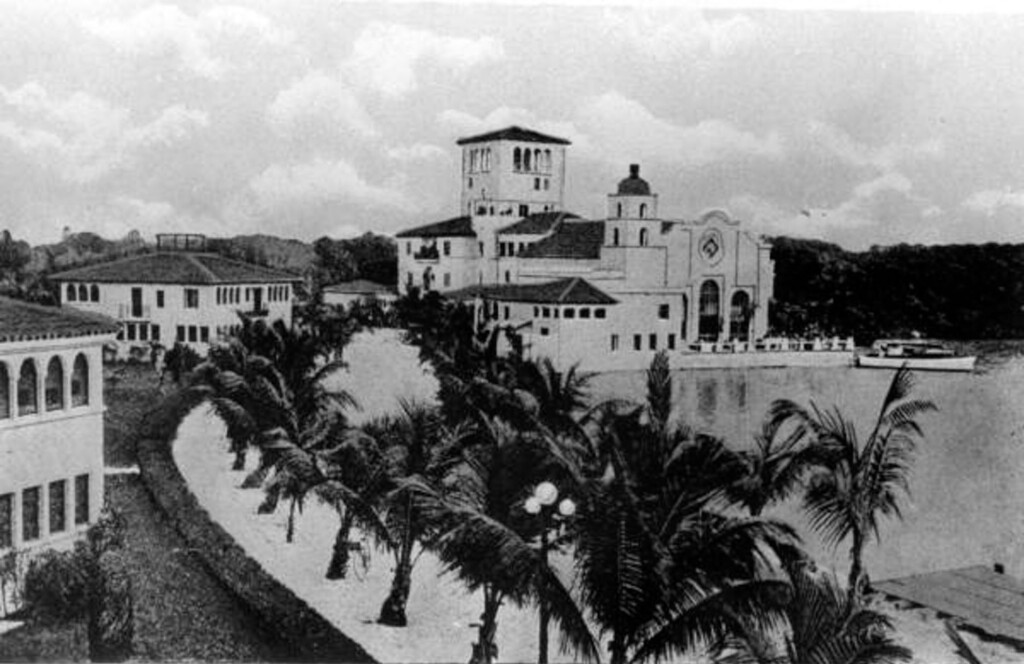
The handsome Everglades Club is Paris Singer’s lasting monument in Palm Beach
Photo by State Archives of Florida/Florida Memory/Alamy
“He was the finest-looking man I ever saw; six feet, three or four, straight as a die, with a fine figure. At this time, he was 50 and looked 40.”
That’s Addison Mizner, the legendary Palm Beach architect, on another of the island’s founding figures, Paris Eugene Singer — whose legacy can be felt in the elegant Everglades Club, which he began building in 1918, and on Singer Island, which is named for him. His life was every bit as colorful as the South Florida community that still celebrates him today.
Singer was the 22nd of 24 children born to Isaac Singer, the sewing machine tycoon. Perhaps after so many children, papa simply ran out of ideas for what to call them — Paris was named after the French city of his birth in 1867. (When his father died eight years later, he divided his $13 million fortune among the 20 surviving heirs — with one particularly unfavored son, who taken his mother’s side during a nasty divorce, getting just $500.)
Paris Singer’s connection to Palm Beach began during a visit when he was 33. By that stage he had already known tragedy: a son he had out of wedlock with the famous dancer Isadora Duncan drowned in 1913 in the Seine at the age of three. (Duncan’s two other children also died young; she
herself perished in 1927 when the long silk scarf she was wearing in an open car became entangled in the wheel and broke her neck.)
“In 1920, he visited Palm Beach and met Addison Mizner,” according to Singer Island’s municipal website. “He agreed to pay the architect a $6,000 a year retainer for life if his work was confined exclusively to the Palm Beach area. With Mizner, he created the Palm Beach we know today with its Spanish architecture, picturesque streets and exclusive shops.”
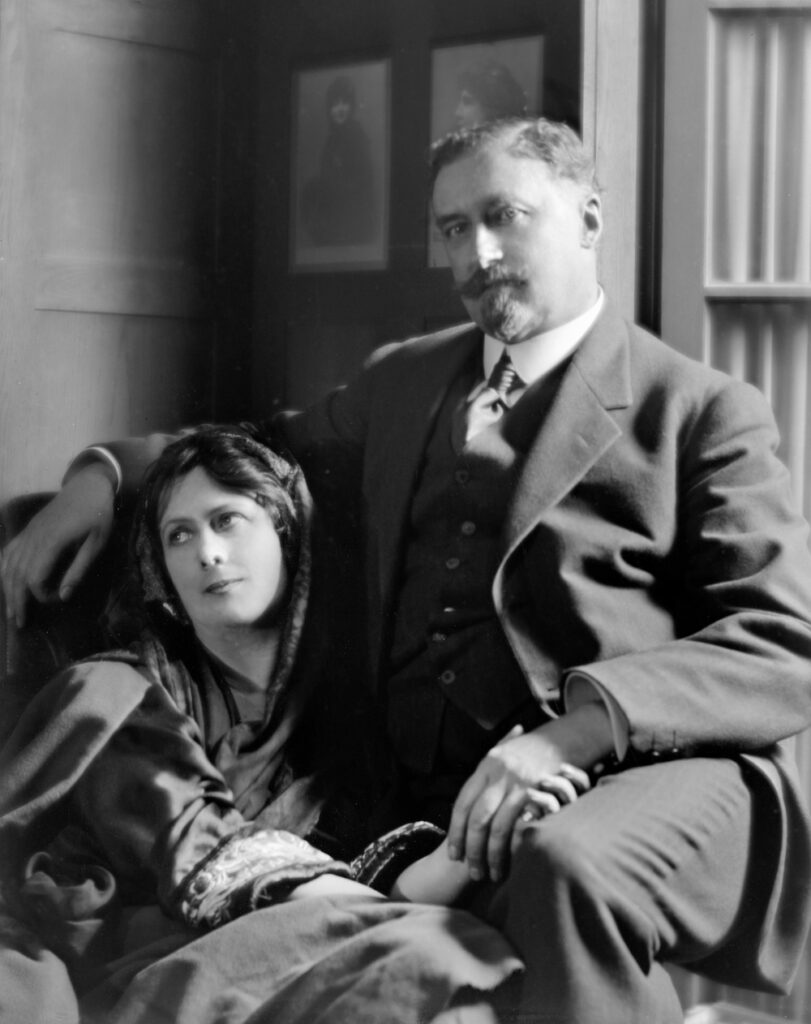
Photo by Arnold Genthe/AlamyAn early joint venture between the two was the ill-fated Blue Heron hotel, an expensive white elephant that it was imagined would be connected to the mainland via cable cars. But construction was scuttled by the combination of a hurricane in 1926 and the stock market crash in 1929, earning the hotel the nickname “Singer’s Folly,” and leaving an eyesore husk finally torn down in 1940. (The Hilton Hotel occupies the site today.)
Baron Jon Bond
Posted on November 2, 2018 by Royal Rosamond Press


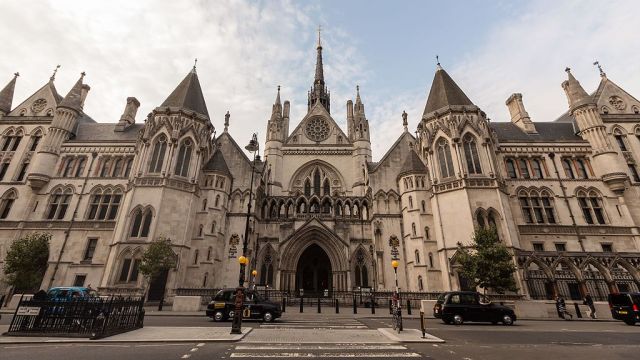
Jon Rosamond Bond is the progenitor of my second Bond book. He is portly, an eccentric senior, and a world-renowned Atlantis buff. Evangelical Rapture Rats demonstrate in front of his palace 24-7 because he threatens to inform the Antichrist what is in store for him. He is prone to have his chauffeur bring his Rolls Royce to a stop next to them, and as the Bobbies hold the mob back;
“I’m going to suggest to the Antichrist, when I see him, that it will spell his doom to go into the new temple and declare himself God!”
“Fook you, you fat-ass succubus!”
“I hope you choke on your mutton – and die before he appears! You evil traitor!”
“You better keep your mouth shut if you know what’s good for you – asshole!”
“Fink! Fat fooken fink!”
“Cunt!”
“Why do you insist everyone be way more stupid than you! If he’s supposed to be the most clever human being ever born, he’s going to figure out what you have in store for him. All he has to do – is google one of your fantastic videos on Youtube!
“Why you………..!” cried Cecil P. Fenwick cried, he all puffed up in his powder-blue church suit. “You – Judas!”
“Hail Atlantis!” shouted Bond to Cecil, as he gave his mob a Nazi salute!
“It’s him! The Antichrist!” some poor chap misspoke after worming his way to the front.
Jon Bond held his manicured nail down on the roll up window command, with a smile. Looking behind, he saw the mob turn on another novice who did not know, if one beheld the Antichrist, it meant you had been…….left behind.
“That bloke is going to get taxed, on top of getting a good beating!” the Baron’s chauffer-bodyguard offered.
“Indeed, he will.”
Bond’s battery of attorneys had just won another major victory over the religious locos. The City of London tried to hit him with the new Religious Provocation Tax imposed on those who provoke religious addicts to do bodily harm and destroy property. The cost of policing the Prayful, was bankrupting The City. With this tax the Lord Mayor expected to see the coffers overflowing. How brilliant!
“My client is a direct descendant of King Henry the second who suggested the Knight Templars do away with Becket who was stirring Henry’s subjects into a Papal Froth. The death of Becket was the birth of British Common Law.”
“Tax the bloody church is what I say!” Said Lord Bond.
“That will be enough out of you! One more outburst, and I will hold you in contempt!”
Standing up, Baron Jon R. Bond turns to his believers seated in the balcony.
“I predict Atlantis will rise on November 25, the day of the American Thanksgiving. Then, alas, all this nonsense will be put to rest!”
Entering the drawing-room to read his mail, he gasped as he saw his wife lounging like a cat in his favorite overstuffed leather chair. Every now and then she would pop in to discuss business. Katherine spent most of her time at the Brevoort Buck Longevity Institute in Marin California. He married his young cousin for her money, and she for his money – and title! She wanted invites to royal weddings so she could push her famous lipstick………..Sacred Scar. Scar Red was a play on words. It was like a Heidelberg dueling scar to all the royal wanna-bes, with a hint of Mary Magdalene, the Scarlet friend of Jesus. Pope Francis could not keep still when Katherine made her infamous commercial….
“The Passionate Red Scar’”
She dare look down from her cross, and ask the centurion to freshen her lips.
“It is not finished, until I don The Red Scar!”
“Hello Katherine. You’re looking younger than ever!”
Always looking to outdo him, Katherine upstaged the Baron when she did not fight the Provocation Tax, but instead did penance on the stairs of the Royal Court of Justice. Wearing a red robe, she fell face down after baring her beautiful back. One of the hooded figures threw a bag of gold coins into the anti-chamber, while a woman wearing a hooded cape produced a real cat-of-nine-tails and whipped his wife, but good! By the time the Bobbies rushed in to stop this macabre scene, blood began to pour from the angry slashes.
In a week a new lipstick appear………Slash Red. Katherine now had a cult following. Husbands and Lovers were shocked to behold the real Sacred Scars on the backs of the True Believers. Radical Muslims, got out of their way. Kat was a billionaire. Some called her Saint Katherine ‘The Martyr’.
“Did you have any trouble at the gate?”
“Quite the contrary. They were tipped off I was coming. The crowd threw roses on the road before me.”
“I didn’t see any roses.”
“They must have cleaned up before you arrived.” The Baron’s ‘thorn in his side’ quipped, she enjoying this holy dig that got past the gate into his sanctuary.
Was she now……one with them?
“Oh. dear! What is that? I believe I see a hint of crows feet at your right eye. Shouldn’t you rush back to the Buck Institute before you turn into an old hag?”
“You should really get off this Atlantis kick. It’s very passé and out of fashion. It makes you look………..old……….used up!”
“Oh shut-up Kat! You are such a c…….!”
“Sorry. That was below the belt. Speaking of, do you have n Muse left?”
“Why yes. I just got a shipm………”
“Then, it’s true. You have found a new muse.”
“Yes.”
“Who is she? Never mind. Now that your prostate cancer is in remission, Cecil said I must perform my wifely duties, and, you can have five wives, and five mistresses. He says the Lord has healed you, and is working with you.”
“So, you are with Cecil – and his mission to bring the new heaven and earth? Can I assume he knows all there is to know about me – thanks to you?”
“You know the Roozemont family motto ‘Be True To Everyone But Yourself ‘. My branch of the Rosamond family has been selling cosmetics to all the great houses of Europe for 500 hundred years. We have to get along. Now that almost everyone is a Born Again Rapturist, who am I to fight City Hall?”
“I have cheated on you!”
“Well, that’s good start!”
“Doesn’t that disqualify me?”
“Heaven’s no. In the Bible women were made to be treated like chattel.”
“In Atlantis, women rule as all knowing Wise Women and Judges.”
John Presco
Copyright 2018

Jon Rosamond – The Atlantean
Posted on October 5, 2017by Royal Rosamond Press

The author of the Oera Linda books, is not known – for sure! However, it is said a murderer revisits the scene of his/her crime, and, a clue is left behind. In this case let us look at the two main protagonists of this Atlantean tale, Jon, and Rosamond. Now, combine the names. Is this too easy?
A man married to a woman with a Rose name, can assume the name Rosamond. My mother was Rosemary Rosamond. Several of her kindred assumed the name of Francis Marion, ‘The Swamp Fox’ who Samuel and James Rosamond fought under in the War of Independence – from the royalty of Britain – where the Maze of Blenheim Palace is found.
A week ago I found Rosamund Jane Frances Spencer-Churchill. Her mother named her after Fair Rosamond who was kept in the Maze at Woodstock. Follow the Clue of the Red Thread………….Henry Brevoort, Washington Irving, and, Sir Walter Scott.
I am the Great Sleeper from the past – and future! I, Jon Francis Marion Rosamond, designed Atland – that has risen, as I have risen! I have come to show you the Lost Way! I am looking for a great attorney of law so that I might come to own the 1.7 billion dollar fortune gathered in the Beryl Buck Foundation – that I know she wants me to own, so we, can build our dream!
Isaac Singer was an actor in plays. His son, Paris Singer was Isadora Duncan’s lover. The president of Singer built Fair Rosamond’s castle on Dark Island. Very wealthy people associated with the Vanderbilt’s, have been constructing the Frisian Atlantis – and they know not what they do! Only the Master Builder can bring all the pieces together! My blog is my book, and The Project. I am a Genetic Architect.
I found my kindred soul in the video below. Frisians and Swan Brothers. The Rosamond family fought alongside William of Orange, and came to Canada and the United States where we lived in Appalachia and adopted Hillbilly names. Bennett Rosamond was the Grand Master of the Orange Lodge in Canada.
Jon Francis Marion Rosamond
Copyright 2017
http://www.sexualfables.com/the_woman_in_the_bower.php
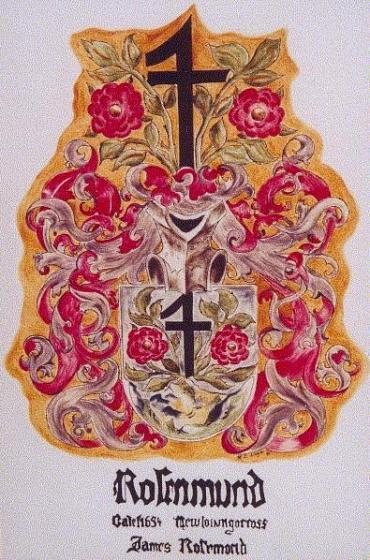
Marion Francis Rosamond
Found 10 Records, 8 Photos and 29,157 Family Trees
Born in Carroll, Mississippi, USA on 13 Sep 1848 to Benjamin Rosamond and Jane Rogers. Marion Francis married Sarah Jane Hodges and had 5 children. Marion Francis married Fannie A Rosamond and had 2 children. He passed away on 1934 in Lovelady, Texas, USA.
Family Members
Parents
Spouse(s)
Children
William H Rosamond
1867-Unknown
Joseph Franklin Rosamond
1875-1953
http://www.biographi.ca/en/bio/rosamond_bennett_13E.html
http://www.loyalorangeusa.com/

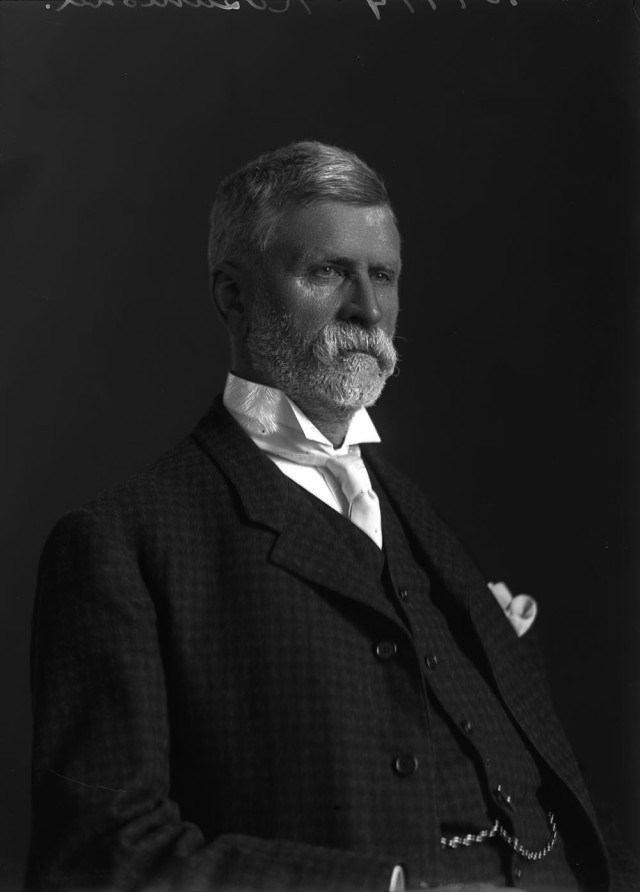
- Loyal Orange Institution of the United States of America
- About the Loyal Orange Institution – USAThe Orange Order in the United States is a religious, charitable and patriotic American fraternity. The Grand Orange Lodge of the United States was organized in 1868, less than eighty years after the formal institution of the Orange Fraternity in Loughgall, Northern Ireland, in 1795.
- Origins of the Order in the USThe spirit of Orangeism was planted in the United States as soon as the first groups of Ulster immigrants began arriving in significant numbers after 1719. This stream of pioneers, arriving as soon as thirty years after the Battle of the Boyne, brought with them the knowledge that they owed their very existence to Prince William of Orange. Their first settlement was in Londonderry, New Hampshire. Fresh arrivals throughout the 1700s spread quickly along the frontier and left their mark on the American landscape with hundreds of places named after towns and regions they had left in Ulster.
- Scots-IrishAt a very early stage these immigrants from Ulster were given the name Scotch-Irish. While they had embarked on ships leaving ports such as Larne and Derry, it was obvious to the colonial authorities that they were not Irish. So they were called Scotch-Irish, and this name is proudly borne by Ulster-Americans to the present day.
- Hillbillies?Some of these early settlers were known as Hillbillies because of their veneration and respect for William of Orange. So far as we know, the Hillbillies did not have organized lodges, but lodges began to appear in the United States in the early 1800s and resulted in the formation of the Grand Lodge of the USA in 1868.
William III (Dutch: Willem; 4 November 1650 – 8 March 1702),[2] also widely known as William of Orange, was sovereign Prince of Orange from birth, Stadtholder of Holland, Zeeland, Utrecht, Gelderland, and Overijssel in the Dutch Republic from 1672, and King of England, Ireland, and Scotland from 1689 until his death. It is a coincidence that his regnal number (III) was the same for both Orange and England. As King of Scotland, he is known as William II.[3] He is sometimes informally known in Northern Ireland and Scotland as “King Billy“.[4]
KALTA AND THE ORIGINS OF THE CELTS
This chapter is the story of Rosamond, Kalta and the early years of Minerva however standard history has very little to say about these historical personages. Their influence on the course of Europe and the Mediterranean was enormous, affecting everything that has followed for thousands of years. Of Rosamond nothing is known except for a namesake, Fair Rosamond, the mistress of King Henry II who has been endowed with many legends and dubious stories beyond her station.
We now come to the History of Jon.
Jon, Jôn, Jhon, Jan, are all the same name, though the pronunciation varies, as the seamen like to shorten everything to be able to make it easier to call. Jon—that is, “Given”—was a sea-king, born at Alberga, who sailed
Around 1871 the Fernham estate in Paignton was purchased by Isaac Singer, the founder of the Singer Sewing Machine Company. The old buildings on the site were demolished and he commissioned a local architect, George Soudon Bridgman, to build a new mansion as his home. As part of the designs, Singer instructed Bridgman to build a theatre within the house. Bridgman was at that time being apprenticed by a young Frank Matcham who had just returned from London where he had been studying architecture in a surveyors office.[1] In an edition of The Builder, dated 1873, Matcham was named in the request for tender section as being the accepted party to work alongside Bridgman on the Oldway Mansion project.[2] The architectural historian Gorel Garlick considers it entirely possible that Matcham was given sole responsibility by Bridgman for the theatre’s design because of his educational experiences in London.[1] Singer spared no cost in terms of Oldway Mansion’s construction; he sourced the finest materials from around the world and instructed Bridgman to design the interior in exuberant French style. Garlick notes that it was highly likely that Singer’s exuberance would have influenced someone as architecturally impressionable as Matcham whose later theatres used such extravagant decoration.[1] The work was completed in 1873;ref name=NHLEHouse>Historic England, “Oldway Mansion (house) (1195207)”, National Heritage List for England, retrieved 2 October 2017 </ref> Singer died on 23 July 1875, shortly before work on the original mansion was completed.[3]

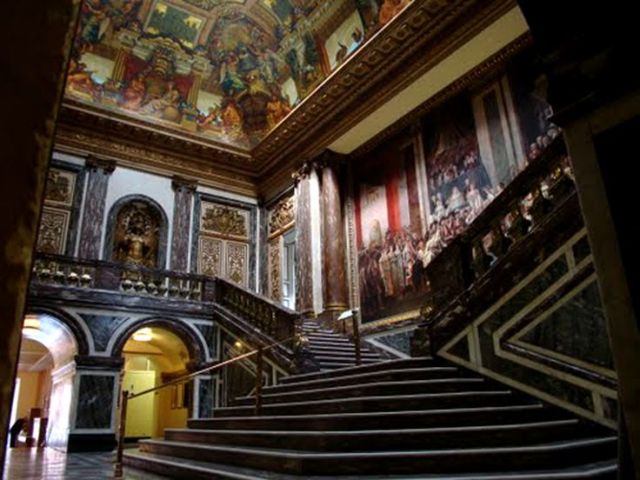
The grand staircase at Oldway Mansion with The Crowning of Josephine by Napoleon after David.
Paris Eugene Singer, Isaac Singer’s third son, supervised the alterations at Oldway Mansion between 1904 and 1907.[4] The rebuilding work was modelled on the Palace of Versailles,.[5] and the eastern elevation of the building was inspired by the Place de la Concorde in Paris.[6] The interior of the building is noted for its grand staircase made from marble and balusters of bronze..[5] The ceiling of the staircase is decorated with an ornate painting based on an original design for the Palace of Versailles for Louis XIV by the French painter and architect Charles Le Brun.[5]
Above the grand staircase there is a reproduction of the first version of Jacques-Louis David‘s painting The Crowning of Josephine by Napoleon..[5] The original was purchased by Paris Singer in the late 19th century. The painting was sold to the French government in 1946 and now hangs in the Palace of Versailles.[7][5] The reproduction at the mansion, which is in the same place as the original, is a copy made by Rutters Scanachrome and was unveiled in 1995.[8]
The gallery on the first floor is a reproduction of the Hall of Mirrors in Versailles, and is floored in parquet.[5] The gallery leads into the ballroom, which contains walls of gilt panelling and mirrors. Above the fireplace there is an oil painting of Louis of Bourbon dating from 1717.[5]
http://www.darklanecreative.com/blog/isadora-duncan-and-paris-singer
Margietje Aertse Bogart formerly Vanderbilt
Born about in Brooklyn, Kings, New York
Ancestors 
Daughterof Aert (van de Bilt) van der Bilt and Seytje Pieterse (Stryker) Vanderbilt
Sister of Lammetje Vanderbilt and Hilletje (Vanderbilt) Martense
Wife of Abraham Bogart — married [date unknown] [location unknown]
Descendants 
Mother of Styntje (Bogart) Vandenbergh
Died in Brooklyn, Kings, New York
Aert (Aart) van der Bilt formerly van de Bilt aka Vanderbilt
Born before in Flatbush, Province of New York
Ancestors
Sonof Aert Jansz Vanderbilt and Hildegonde Rems
Brother of Jan Aris Vanderbilt, Annatje Arise, Aertse Van der Bilt, Jannetje Aertse Van Der Bilt, Rem Aertse (van de Bilt) van der Bilt, Jacob Vanderbilt, Jeremyas Aertse Vanderbilt and Catlyntje Vanderbilt
Husband of Seytje Pieterse (Stryker) Vanderbilt — married 17 Jun 1717 in Flatbush, Kings, New York
Descendants
Father of Lammetje Vanderbilt, Hilletje (Vanderbilt) Martense and Margietje Aertse (Vanderbilt) Bogart
Died in Flatbush, Kings, New York
Frances Anne Spencer-Churchill, Duchess of Marlborough VA (15 April 1822 – 16 April 1899) was an English noblewoman, the wife of British peer and statesman John Spencer-Churchill, 7th Duke of Marlborough. One of her sons, Lord Randolph Churchill was the father of Prime Minister Sir Winston Churchill. She had a total of 11 children, and her principal home was the monumental Blenheim Palace, which she rejuvenated with her “lavish and exciting entertainments”,[1] and transformed into a “social and political focus for the life of the nation”.[2] She was invested as a Lady of the Royal Order of Victoria and Albert[3] for her efforts at famine relief in Ireland.
http://www.sexualfables.com/the_woman_in_the_bower.php
Contents
[hide]
- 1 Family
- 2 Marriage and issue
- 3 Duchess of Marlborough
- 4 Last years
- 5 Death
- 6 Portrayals in Film and Television
- 7 Ancestry
- 8 References
- 9 Sources
Family[edit]
Lady Frances Anne Emily Vane was born on 15 April 1822 at the Duke of St Albans’s house in St James Square, London, the eldest daughter of Irish-born Charles William Vane, 3rd Marquess of Londonderry and heiress Lady Frances Anne Vane-Tempest. At her baptism, Arthur Wellesley, 1st Duke of Wellington stood as her godfather.[4] She had three brothers, including George Vane-Tempest, 5th Marquess of Londonderry, and two younger sisters. She had an older half-brother Frederick Stewart, 4th Marquess of Londonderry, by her father’s first marriage to Lady Catherine Bligh.
Marriage and issue[edit]
On 12 July 1843 at St. George Street, Mayfair, Lady Frances married John Spencer-Churchill, Marquess of Blandford. Upon her marriage she was styled Marchioness of Blandford. The couple made their principal home at the Spencer-Churchill family seat of Blenheim Palace in Woodstock, Oxfordshire.
The marriage produced 11 children:
- George Charles Spencer-Churchill, 8th Duke of Marlborough (13 May 1844 – 9 November 1892)
- Lord Frederick John Winston Spencer-Churchill (2 February 1846 – 5 August 1850)
- Lady Cornelia Henrietta Maria Spencer-Churchill (17 September 1847 – Upper Brook Street, Mayfair, London, 22 January 1927), married 25 May 1868 Ivor Bertie Guest, 1st Baron Wimborne, by whom she had issue.
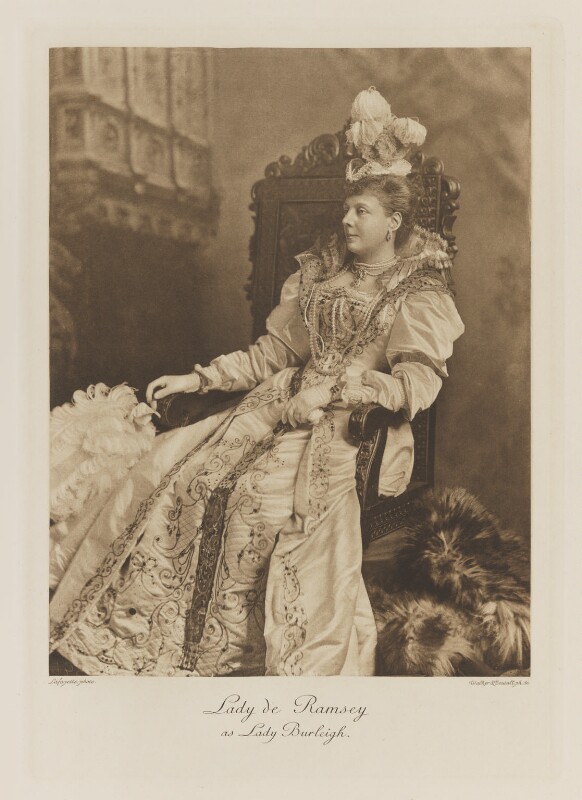
- Lady Rosamund Jane Frances Spencer-Churchill (died 3 December 1920), married 12 July 1877 William Fellowes, 2nd Baron de Ramsey, by whom she had issue
- Lord Randolph Henry Spencer-Churchill (13 February 1849 – 24 January 1895), married 15 April 1874 Jennie Jerome, father of Sir Winston Churchill and John Strange Spencer-Churchill.
- Lady Fanny Octavia Louise Spencer-Churchill (29 January 1853 – 5 August 1904), married 9 June 1873 Edward Marjoribanks, 2nd Baron Tweedmouth, by whom she had issue.
- Lady Anne Emily Spencer-Churchill (Lower Brook Street, Mayfair, London, 14 November 1854 – South Audley Street, Mayfair, London, 20 June 1923), married 11 June 1874 James Innes-Ker, 7th Duke of Roxburghe, by whom she had issue.
- Lord Charles Ashley Spencer-Churchill (1856 – 11 March 1858)
- Lord Augustus Robert Spencer-Churchill (4 July 1858 – 12 May 1859)
- Lady Georgiana Elizabeth Spencer-Churchill (10 St James’s Square, St James’s, London, 14 May 1860 – 9 February 1906), married 4 June 1883 Richard George Penn Curzon, 4th Earl Howe, by whom she had issue.
- Lady Sarah Isabella Augusta Spencer-Churchill (1865 – 22 October 1929), a war correspondent during the Boer War; married 21 November 1891 Lt. Col. Gordon Chesney Wilson (son of Sir Samuel Wilson, MP)

An 1880 engraving of Blenheim Palace
Duchess of Marlborough[edit]
On 1 July 1857, her husband succeeded to the title of 7th Duke of Marlborough, and from that date henceforth, Frances was styled Duchess of Marlborough. She was a commanding and hot-tempered woman described in The Complete Peerage as a “woman of remarkable character and capacity, judicious and tactful”. Her face had more strength than beauty and her eyes were either warm or hard, never lacklustre.[5]
She ruled Blenheim Palace and its household with an iron hand; yet it was she who rejuvenated the palace with her lavish and gay entertainments which she herself organised; transforming the palace “into a social and political focus for the life of the nation”.[2]
She was a domineering yet devoted mother; both of her surviving sons’ marriages were a disappointment to her. Her eldest son George married a woman described as stupid, pious and dull,[5] while her youngest and favourite son, Lord Randolph earned her displeasure by marrying, against the wishes of both herself and the Duke, American socialite Jennie Jerome, whom Frances openly disliked.[6]
Frances and her husband refused to attend Lord Randolph and Jennie’s wedding at the British Embassy in Paris, which took place on Frances’s 52nd birthday. Like the rest of the 19th-century British aristocracy, the Marlboroughs regarded American women as “strange and abnormal creatures with habits and manners something between a Red Indian and a Gaiety Girl“.[5] When the newly-wed couple moved to their home in Curzon Street in London, Frances arrived to help Jennie pay her first visits to the leaders of London society. She lent her some of her own jewels for the occasion, and the two women travelled in the Marlborough family coach.[7] Frances featured largely in the lives of the younger members of the family, including her grandson Winston, to whom she often acted as a substitute mother.[2]
From 1876 to 1880 her husband served as Lord Lieutenant of Ireland. As the result of her diligent efforts at famine relief in which she displayed humanity, proficiency and leadership that served to avert the effects of the 1879 Irish potato famine, she was invested as a Lady of the Order of Victoria and Albert by Queen Victoria.[2]

| Rosamond Daisy Gladstone (Fellowes) | |
| Birthdate: | January 16, 1921 (77) |
| Birthplace: | United Kingdom |
| Death: | December 8, 1998 (77) Palm Beach, Florida, United States |
| Immediate Family: | Daughter of Reginald Ailwyn Fellowes and Daisy (Decazes) Fellowes Ex-wife of Capt. James Gladstone and Tadeusz Maria Wiszniewski Mother of <private> Gladstone; <private> Wiszniewski and Diana Wiszniewska Half sister of Ermeline Isabelle Edmée Séverine de Castéja; Jacqueline Marguerite Kraus and Isabelle Marguerite Jeanne Pauline de La Moussaye |
|---|---|
Lord Randolph Churchill, the youngest surviving son of Frances and the Duke
Last years[edit]
She became a widow in 1883, lost her eldest son, George, in 1892, and on 24 January 1895, her only surviving son, Lord Randolph Churchill, died at her London home in Grosvenor Square. She never stopped mourning Randolph, and harboured much resentment against his wife, whom she had never liked and now criticised for behaviour unbecoming a grieving widow.[citation needed]
Death[edit]
Frances died at Blenheim on 16 April 1899, the day after her 77th birthday, having outlived five of her eleven children. She was buried on 21 April 1899 in the family vault beneath Blenheim Chapel. Her grandson Sir Winston Churchill wrote of her: “She was a woman of exceptional capacity, energy and decision”.[5]
 Rosamond Press
Leave a comment