
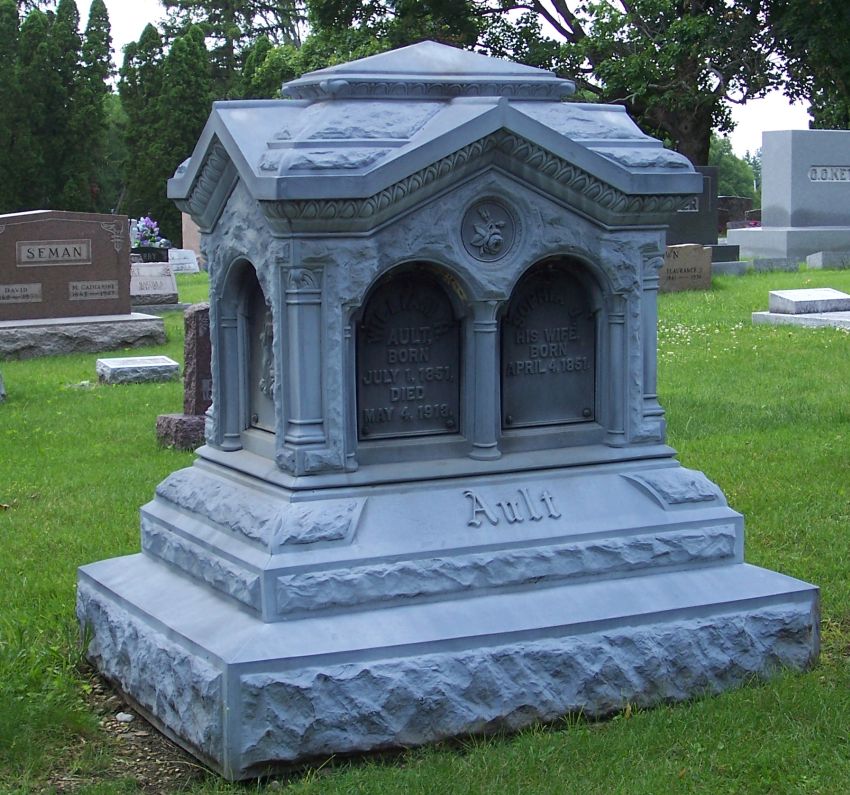
Here is what I suspect the Janke marker looked like. I believe his sons wanted to make it clear to posterity that here lie the Pioneer Family of Belmont. There is too much info to carve on a stone.
BURIED IN UNION CEMETERY WITH THE SAME LAST NAME:
Janke, Carl August
Janke, Mutter Heinrich
Carl_August_Janke
Names Listed on the Marker:
Janke, Carl August
Janke, Dorette Catherine
Janke, Mutter Heinrich
Inscription:
— From the 1937 headstone survey —
Carl August Janke, born in Dresden, Germany Oct. 1806, died Belmont, Calif. Sept. 2, 1881
Dorette Catherine, wife of Carl August Janke, born in Hamburg, Germany, July 21, 1813, died in Belmont, California, Feb 16, 1877
Mutter Heinrich, mother of Dorette Catherine Janke, born in Island of Heligoland, Germany, 1781 died in Belmont, California 1876
NOTE: In 1937 the Daughters of the American Revolution recorded all the headstones.
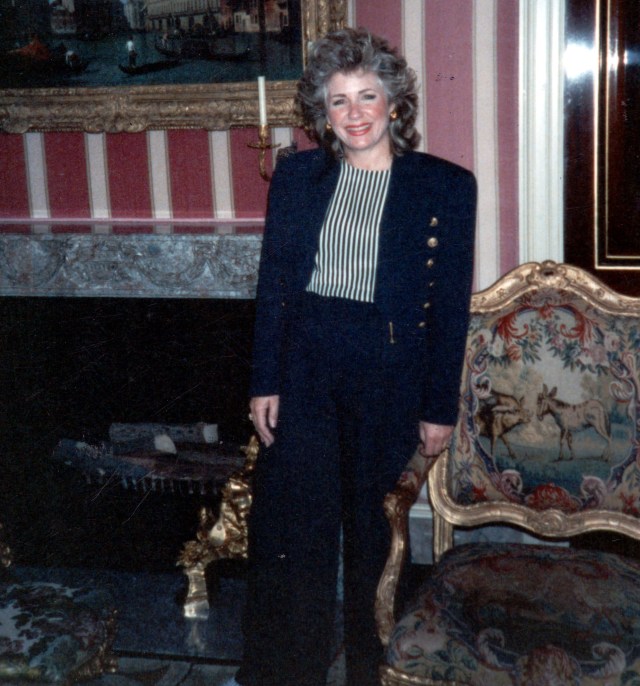
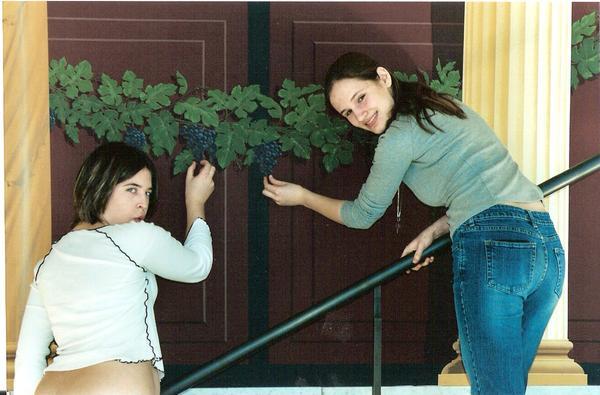
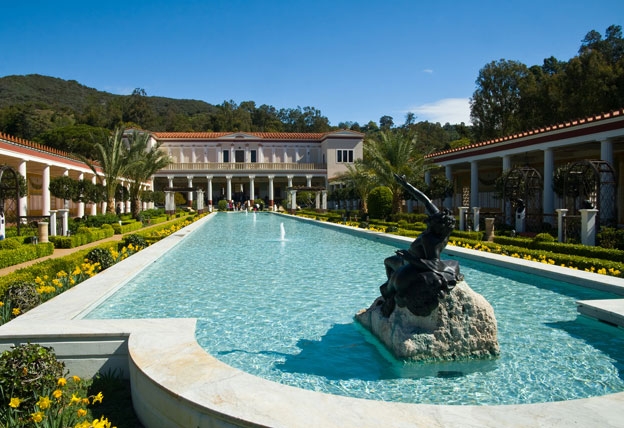
Above are two more generations that descend from Carl and Doretha Janke. Christine Rosamond Benton is at the home of Anne Getty. Her daughter, Drew Benton picks faux grapes her father, Garth Benton, paining on the walls of the Getty Villa. I can guarantee you all the Jankes are overjoyed to see the wonderful fruit from the Tree they planted.
Today is July 22, 2024. In looking at old posts, I found this one.
William Janke on Haight St.
Posted on June 9, 2012 by Royal Rosamond Press
Note the day. In 2014, Cynthia McCarthy published her book containing much of my family history. She employs famous Bay Area Rock Groups. How did she miss MY biography – that is Copyrighted. She accuses me of violating her copyright by posting photographs of my family. I point out these images appeared in a previous history book. She said I should consult Mark Gull. Here is he vita.
https://pages.uoregon.edu/mgall/vita.htm
After five dears Denny Lawhern offers his opinion to settle the chaos Cynthia created. .
Belmont Historical Society, Belmont, CA Greg Presco Hi Greg , I have been enjoyed some of your posts and photos that are directly related to the Belmont area and you have provided some new photos and information that will be put in a file, but please try not to post anything that is off topic or is not Belmont Area related. Thank you ,Denny Lawhern Belmont Historian
Here is the Facebook posting guide:
“The Belmont Historical Society Facebook page features posts and information pertaining to Belmont, San Mateo County, California and its history. Everyone is encouraged to send us messages. We will review the content for its interest to our followers.”
I just used my Facebook to recorded Kamala Harris’s VERY HISTORIC first campaign talk. The VP already MADE HISTORY when a descendant of Carl Janke talked about her. We were both born in Oakland, in Alameda County. Ten minutes ago Kamala says she will continue to convict fraudsters, like she did when she was a DA in Oakland.
At the top is the mural Garth Benton did in the Getty mansion in SF that was painted over. Garth sued for $330,000 dollars and the Getty hired professionals to RESTORE THE HISTORIC ART. He’s a cousin of Thomas Hart Benton. Our family history – adds the value of Janke-Belmont History. How about a college for Muralists? Does Stanford own any Benton Art?
“Here is Cynthia guarding her small town from an outsider whose family made most of Belmont’s history. It boggles the mind! Surely progressive investors are grateful for the warning. I live in Sprigfield Oregon that has been called Springtucky. How about Belabama?
“We are related to historic people somewhere.
Belmont Historical Society, Belmont, CA sent Today at 9:39 AM
There’s no competition, for Pete’s sake.
Belmont Historical Society, Belmont, CA sent Today at 9:39 AM
Maybe your friend the editor can explain copyright to you.
Belmont Historical Society, Belmont, CA sent Today at 9:39 AM
Everyone is related to “historic people.”
(2) Belmont Historical Society, Belmont, CA | Facebook
My name is Cynthia McCarthy and you can blame me and me alone, not the Belmont Historical Society. You can email me at cgkmccarthy@gmail.com.
Description
Midway between San Francisco and San José, Belmont is where an Italian count reconstructed his villa transported from Italy, where a silver king created the White House of the West, and where the Warlocks, a fledgling 1960s rock band, honed the sound they would make famous under another name, the Grateful Dead. Spanish explorers called Belmonts vales la Cañada del Diablo, or the Devils Canyon, either after the locally famous winds or because the native Ohlone believed the canyon to be inhabited by spirits. Belmonts historic advantage of being on the bay side of the shortest route to the Pacific coast meant easier access to another type of spirits during Prohibition, fueling a minor red-light district across the tracks on Old County Road. A century or more ago, Belmonts wooded hills attracted sanitariums and prep schools. Today, its woods and trails draw residents from more developed neighboring towns.
ISBN
978-1467131353
Publication Date
2014
Author Bio: A former newspaper reporter, Cynthia Karpa McCarthy is a librarian at the University of San Francisco. Married to a Belmonter who grew up in one of the town’s historic houses, she teamed up with the Belmont Historical Society and several dedicated preservationists to corral images of their beloved Belmont in this book.
Times and Gazette Building
The first entry that mentioned a cemetery in the Times and Gazette (which was the only newspaper in San Mateo County at that time) was in early January 1859. William Cary Jones had allowed 13 burials on his property, the site of today’s Sequoia High School. Now that Horace Hawes had taken over the property, he informed the county that he no longer wanted the dead to be buried on his property and he wanted all 13 bodies exhumed and moved elsewhere. This caused great anxiety in Redwood City.
https://www.formycousins.com/janke.html
John Ambrose
From:braskewitz@yahoo.com
To:Mark Gall
Tue, Jun 21, 2022 at 9:31 AM
Ginni Thomas Hates VP Kamala Harris | Rosamond Press
John Ambrose
From:braskewitz@yahoo.com
To:Mark Gall
Sun, Jun 19, 2022 at 8:42 AM
John Eastman, Kamala Harris, Fremont | Rosamond Press
John Ambrose
From:braskewitz@yahoo.com
To:Mark Gall
Sun, Feb 7, 2021 at 6:30 AM
That’s better. I had images of a Phil Knight Cabal of elite alumni. Yesterday I made a huge literary discovery that you are apart of. I am going to blog on it now.
John
Mark Gall
From:mgall@
To:Jon Presco
Mon, Jan 25, 2021 at 11:18 PM
Jon: I’m giving you my book chapter, just published, as a Word document. It’s exactly the same as what appears in the book, “The Next Big Thing in Education.”
I recommend you go to https://www.arcadiapublishing.com/ Then open the search window (click on the magnifying glass icon) and enter “images of america” Once there, you’ll an incredibly large number of books such as the one I have about Visitacion Valley in SF. I searched for “Oakland California” (I clicked on the magnifying glass icon) and found 101 books. (Exactly 101). One of them is “Legendary Locals of Oakland.”
Another is “Jews of Oakland and Berkeley.” Another is “Oakland Hills.”
Show original message
John Ambrose
From:braskewitz@yahoo.com
To:Mark Gall
Mon, Jan 18, 2021 at 10:46 AM
When it comes to history – timing is everything. With the election of Kamala the entire Bay Area is much closer to the White House. Ed Howard and I have been talking about getting funding in order to create a historic archive. I see three men. One is a Black Man. One is a White Man, and one is Jew who left the projects to attend Harvard. We three are not famous. Kamala is now famous do to the voice of the people. Some of those voices are very radical. There will be a call for more moderated and centrist views in order to set The Direction. Here we are again, you going to get your dry-cleaning after we have been fuming about Al Gore’s loss to Bush. What if – all had won? In theory – he did!
I began the steps to our becoming close friends again a month ago. I have been feeling the presence of Ed lately. He might be my neighbor again. What is the name of the place he stays? Can you give me his number? I will give you a way to contact Don Khale who writes for the Register Guard. He just built a home in Blue River that is gone. I know you talked about buying a place on the river that we have a sacred duty to fish from, the way I see it, as we put our line in more then most.
Say hello to Joy.
You sent Today at 10:04 AM
I would like to see a copy of your bi-laws, that should suggest YOU encourage people to contribute THEIR history. It looks like you are DISCOURAGING me.
As of 10:20 P.M. on 2/25/21 these posts are up.
I subscribe to the ideas of Richard Florida who says creative people and investors want to be a part of a progressive, tolerant, and open Bohemian lifestyle. They do not want to move to a place that is closed and claimed by the locals who don’t trust outsiders. https://www.theguardian.com/…/gentrification-richard…

- Cynthia Karpa McCarthyPlease be advised that further threats, accusations or name-calling will result in your being blocked from the page. Thank you.
- Like
- · Reply
- · 20h
- Greg PrescoI apologize.
- Like
- · Reply
- · 20h
- Belmont Historical Society, Belmont, CAThanks.
- Like
- · Reply
- · 20h
- Belmont Historical Society, Belmont, CA Greg Presco Hi Greg , I have been enjoyed some of your posts and photos that are directly related to the Belmont area and you have provided some new photos and information that will be put in a file, but please try not to post anything that is off topic or is not Belmont Area related. Thank you ,Denny Lawhern Belmont Historian
- Like
- · Reply
- · 19h
- · Edited
- Greg PrescoFor several days I have been looking for a backer to buy this house in Belmont in order to open a gallery and have a home for my newspaper blog, Royal Rosamond Press. Here is Lawrence Chazen who was a partner of Christine in her first gallery. He was my father’s private lender in his real estate loan business. He is a advisor for the Getty family and a partner in PlumbJack along with the Newsom and Pelosi family. William Ralston is titled ‘The Man Who Built San Francisco’. The Getty family picked up the gauntlet – and run San Francisco and the State of California. They are interested in banks. They like to invest in historic places that honor the arts and artists. https://rosamondpress.com/…/07/19/what-is-lawrence-chazen/
It was a match made in Hollywood: Elizabeth Taylor’s son and oil tycoon J. Paul Getty’s granddaughter. But the script had a peculiar twist—Christopher Wilding, 25, Liz’s offspring by her late second husband, Michael Wilding, could only plight his troth to Aileen Getty, 20, under a full moon and over salami and crackers at a cocktail party. There won’t be a wedding for three years because her grandfather’s will stipulates that Aileen will be disinherited (and lose $100,000 annually) if she marries before she is 23.
No matter, Elizabeth clearly dotes on the couple. Leaving her husband, Sen. John Warner, in Washington, she sallied West and rallied old friends. Martin Mull, Sissy Spacek, Roddy McDowell, Carol Burnett and Dudley Moore were among the 150 guests at a formal engagement party held at the Brentwood home of Aileen’s divorced mother, Gail Harris Getty. Timothy Leary showed up, as did Taylor’s mother, Sara, 89, and Aileen’s two brothers—J. Paul III, who lost an ear to Italian kidnappers in 1973, and Mark, in from his British prep school, Harrow.
William Janke on Haight St.
Posted on June 9, 2012 by Royal Rosamond Press
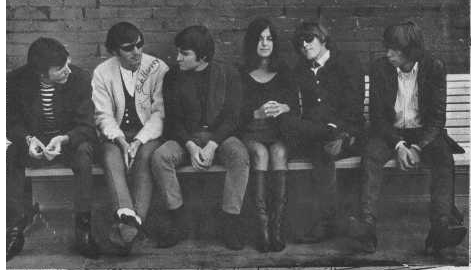
William August Janke, the son of Carl August Janke of Belmont, lived in a Victorian house at 320 Haight St. a a block and a half from Fillmore St. Carl founded what may be the oldest theme park in America that catered to members of the Odd Fellows who lived in San Francisco. Carl Janke hired a special train to bring people to his theme park modeled after a German folk town and beergarten. Carl owned the Belmont soda works and sold a drink that may have contained cocaine. Carl made a jail for his town because folks got out of hand. Consider the Haight-Ashbury that was the haven for the Hippie Movement, that got out of hand. It became a theme-park that attracted folks from all over the world, and was the focal point of the war on drugs.
Consider the rise of the Republican religious-right that has become very powerful by opposing and demonizing the fun time my kindred were having – before California became a state! You could say my good buds and I made them what they are to day, fake political Puritans that destroyed our economy, and spent a trillion dollar on the Bush holy war. Too bad there is no longer a land of the free to go to out west, that is not under the jurisdiction of the Federal Government of the United States, so we can do what we want – and have more fun! Making fun is a huge industry, verses making blue laws.
Google 320 Haight to see my great grandfather’s home (grey-blue) and 2795 Pine St. to see the second story apartment I lived in with Nancy Hamren, Keith Purvis, and Carrol Schurter. Two members of the Jefferson Airplane partied with us, and hung out the bay window while on acid trying to cause an accident – which they did!
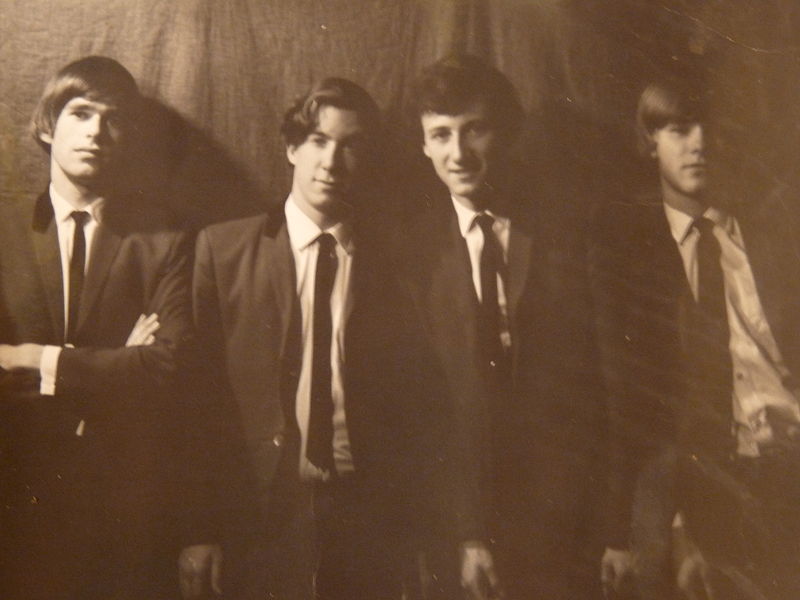
Keith, Tim O’Connor, Peter Shapiro, and myself, lived in a large Victorian house in Oakland. That is us on a bridge in Venice California. Peter played with The Marbles that played at the longshoremen’s Hall, and later with the Loading Zone at the Fillmore. Zone members also lived with us in Oakland.
Bryan McLean of Love sang at my wedding, and was good friends of the folks that began the Renaissance Fair, another theme park. Disney studied Fairyland in Oakland for his theme park. Add to this my conection to Elmer ‘Big Bones’ Remmer, gambling, and Tanforan horse racing, then you can say my kindred started the greatest party of all time!
Here is the obituary of William in the San Francisco Call.
JANKE – in this city, Nov. 22, 1902 at his residence 320 Haight St. William August Janke, beloved husband of Cornelia L. Janke, and beloved father of Mrs. W.O. Stuttmeister and Carl and W.E. Janke, a native of Hamburg Germany aged 59 years. Internment, Laurel Hill
“According to Belmont Historical Society records, Dorothea and Carl August Janke sailed around Cape Horn from Hamburg, Germany, in 1848. After landing in San Francisco, they settled in Belmont in 1860”
I found Carl and Dorothea (also and Doretta) are buried at the Union Cemetary in Redwood City.
Carl_August_Janke
Names Listed on the Marker:
Janke, Carl August
Janke, Dorette Catherine
Janke, Mutter Heinrich
Inscription:
— From the 1937 headstone survey —
Carl August Janke, born in Dresden, Germany Oct. 1806, died Belmont, Calif. Sept. 2, 1881
Dorette Catherine, wife of Carl August Janke, born in Hamburg, Germany, July 21, 1813, died in Belmont, California, Feb 16, 1877
Mutter Heinrich, mother of Dorette Catherine Janke, born in Island of Heligoland, Germany, 1781 died in Belmont, California 1876
NOTE: In 1937 the Daughters of the American Revolution recorded all the headstones.
A BRIEF HISTORY OF UNION CEMETERY
By: John G. Edmonds
Before Union Cemetery
Times and Gazette Building
The first entry that mentioned a cemetery in the Times and Gazette (which was the only newspaper in San Mateo County at that time) was in early January 1859. William Cary Jones had allowed 13 burials on his property, the site of today’s Sequoia High School. Now that Horace Hawes had taken over the property, he informed the county that he no longer wanted the dead to be buried on his property and he wanted all 13 bodies exhumed and moved elsewhere. This caused great anxiety in Redwood City.
1864-1910, page 133).
Records from Tombstones in Laurel Hill Cemetery, 1853-1927 – Janke
– Stuttmeister
Mina Maria Janke, daughter of William A, & Cornelia Janke, born
February 2, 1869, died March 1902.
William August Janke, native of Hamburg, Germany, born Dec. 25,
1642, died Nov. 22, 1902, son of Carl August & Dorette Catherine Janke. Frederick William R. Stuttmeister, native of Berlin, Germany, born
1812, died January 29, 1877.
Mrs. Matilda Stuttmeister, wife of Frederick W.R. Stuttmeister, born
1829, died March 17, 1875, native of New York.
Victor Rudolph Stuttmeister, son of Frederick W.R. & Matilda
Stuttmeister, born May 29, 1846, died Jan. 19, 1893, native of New
York.
Jon Presco
Copyright 2012
Belmont park has history of sun, libations, mystery and disasters
October 22, 2001, 12:00 AM By Paul D. Buchanan Daily Journal Feature Writer
The most popular daytime excursion destination on the Peninsula during the late 19th century once occupied the area in Belmont now known as Twin Pines Park. The Belmont Picnic Grounds proved so popular, in fact, that scores of picnickers would travel regularly from San Jose and San Francisco for sun, fresh air and libations.
The size of the crowds and the fondness for libation, however, eventually led to the attraction’s demise.
According to Belmont Historical Society records, Dorothea and Carl August Janke sailed around Cape Horn from Hamburg, Germany, in 1848. After landing in San Francisco, they settled in Belmont in 1860. Industrious and entrepreneurial, Carl Janke purchased land in the vicinity of 6th and Ralston. Janke set out to create a site for leisure activities, modeled after the biergarten in his native Hamburg. His creation became Belmont Park.
Janke’s park offered all the necessary provisions for an outdoor holiday, which included a dance pavilion to accommodate 300 large glassless windows, a conical roof and a dance floor situated around a large spreading tree. The pavilion was also equipped with a bar, an ice cream parlor and a restaurant.
Outside the pavilion, the park provided a carousel for children, footpath bridges crossing the meandering of creeks, and a shooting gallery, with picnic benches and lathe houses situated about the shady grounds. Brass bands performing from bandstands could be heard all around the woodland.
In 1876, Janke opened Belmont Soda Works, located north of Ralston along Old County Road. Janke’s sons, Gus and Charlie, operated the soda works, which offered a variety of sarsaparillas. Within two years, the Soda Works produced more than 1,000 bottles a month — a large percentage of which would be sold at Belmont Park. Between the Soda Works and the several bars situated in and around the park, the liquid refreshment flowed abundantly.
Belmont Park became so popular that Southern Pacific Railroad began reserving exclusive trains for the sojourn to Belmont. Several local organizations and fraternities used the grounds for the celebrations, such as the Germania Rifles, the Apollo Verein, the Blue Bells, the Bunker Hill Association, the Ignatian Literary Society, the Hibernians and the Purple Violets. Races – foot, three-legged, and pony cart – as well as other amusements became commonplace at the gatherings.
The same year the Belmont Soda Works opened, the Independent Order of Odd Fellows (I.O.O.F.) hired 75 Southern Pacific railroad cars to transport 7,000 of its members from San Francisco to Belmont Park. There, 1,000 other members met them there, making the largest picnic ever held at Belmont Park.
With all the alcohol, dancing and overheated bodies gathered in a relatively small place, trouble seemed destined to follow.
In 1880, rival gangs started a small riot at Belmont Park, leaving one person dead and several injured. On another occasion, a young girl named Anne Mooney mysteriously disappeared. Authorities assumed she had been kidnaped, but a suspect was never identified. The fate of Anne Mooney remains a mystery.
By the turn of the century, the weekly treks to Belmont had become something of a nuisance. The drunken tussling would often begin at the on-board bars, continuing and intensifying by the time the passengers reached Belmont. The small communities through which the trains rumbled complained about the outsiders cavorting and otherwise disturbing their peaceful Peninsula neighborhoods. Southern Pacific, tired of the rowdies and the damage inflicted to the railroad cars, finally stopped operating the excursions in 1900.
In her book “Heritage of the Wooded Hills,” Ria Elena MacCrisken writes, “… if the railroad looked down its nose at the San Francisco picnickers, the little town of Belmont welcomed them with open arms. These early-day tourists brought lively times to Belmont and revenue to its stores…” Unfortunately for the Jankes , when the train stopped bringing carloads of revelers, much of Belmont Park’s clientele disappeared.
By 1910, the property had sold to George Center, the director of the Bank of California, who built a home on the property. Later Dr. Norbert Gottbrath opened a sanitarium called “Twin Pines,” which operated until March of 1972. The City of Belmont took over the property, dedicating Twin Pines Park in June of 1973.
theme park is the modern amusement park, either based on a central theme or, divided into several distinctly themed areas, or “spaces” as is often used. Large resorts, such as Walt Disney World in Florida (United States), actually house several different theme parks within their confines. The first such built park still in operation is ‘Bakken’ at Klampenborg, north of Copenhagen. It was founded in 1583. Walt Disney is credited with having originated the concept of the themed amusement park. Disneyland was based loosely on Tivoli Gardens in Copenhagen, Children’s Fairyland in Oakland, California
History of American amusement parks
The first American amusement park, in the modern sense, was at the 1893 World Columbian Exposition, held in Chicago, Illinois. The 1893 World’s fair was the first to have a Ferris wheel and an arcade midway, as well as various concessions. This conglomeration of attractions was the template used for amusement parks for the next half-century, including those known as trolley parks.
Children’s Fairyland, U.S.A. was the first theme park in the United States created to cater to families with young children. Located in Oakland, California on the shore of Lake Merritt, Fairyland includes 10 acres (40,000 m2) of play sets, small rides, and animals. The park is also home to the Open Storybook Puppet Theater, the oldest continuously operating puppet theater in the United States.
Fairyland was built in 1950 by the Oakland Lake Merritt Breakfast Club. The sets were designed by artist and architect William Russell Everritt. The park was nationally recognized for its unique value, and during the City Beautiful movement of the 1950s it inspired numerous towns to create their own parks. Walt Disney even came to Fairyland often to get ideas for Disneyland.
Numerous artists have contributed exhibits, murals, puppetry, and sculptures to the park. Some of the better-known artists are Ruth Asawa and Frank Oz.
In the mid-1960s, The Fillmore Auditorium became the focal point for psychedelic music and counterculture in general, with such acts as John Mahon, The Grateful Dead, Jefferson Airplane, Quicksilver Messenger Service, The Doors, Jimi Hendrix Experience, Big Brother and the Holding Company, Carlos Santana, The Allman Brothers Band, Creedence Clearwater Revival, Miles Davis, and British acts The Who, Pink Floyd, Elton John, and Cream all performing at the venue.[2] Besides rock, Graham also featured non-rock acts such as Lenny Bruce, Miles Davis, Rahsaan Roland Kirk, Charles Lloyd, Aretha Franklin, and Otis Redding as well as poetry readings.
The venue had a legendary ambience as well as the stellar performances, often with swirling light-show projections, strobe lights and uninhibited dancing. The cultural impact of the Fillmore was very large. It is referenced by Hunter S. Thompson in Fear and Loathing in Las Vegas in a description of the counterculture of the 1960s in the San Francisco Bay area.
The Fillmore was mentioned in the film Dirty Harry.
Concert Summary
The Loading Zone was one of the first Bay Area bands to incorporate a horn section into the emerging psychedelic sound emanating out of San Francisco. Formed in Oakland in 1967 by keyboard player and vocalist, Paul Fauerso, the Loading Zone opened many a show at the Fillmore, supporting acts like Cream, Big Brother & The Holding Company, the Grateful Dead, and many others. From the Berkeley psychedelic-rock band, the Marbles, Fauerso recruited both guitarists, Pete Shapiro and Steve Dowler. The rhythm section of Bob Kridle and George Newcom held down the bottom end, forming the core group.…entire summary
Linda Tillery – vocals
Paul Fauerso – keyboards, vocals
Pete Shapiro – guitar
Steve Dowler – guitar
Bob Kridle – bass
George Newcom – drums
Todd Anderson – saxophone
Pat O’Hara – trombone
The Loading Zone was one of the first Bay Area bands to incorporate a horn section into the emerging psychedelic sound emanating out of San Francisco. Formed in Oakland in 1967 by keyboard player and vocalist, Paul Fauerso, the Loading Zone opened many a show at the Fillmore, supporting acts like Cream, Big Brother & The Holding Company, the Grateful Dead, and many others. From the Berkeley psychedelic-rock band, the Marbles, Fauerso recruited both guitarists, Pete Shapiro and Steve Dowler. The rhythm section of Bob Kridle and George Newcom held down the bottom end, forming the core group. Though rooted in R&B, the group also veered off into psychedelia, rock, jazz, and electric blues initially. Adding horns to the mix, they paved the way for bands like Tower Of Power. In early 1968, Fauerso placed an ad in the San Francisco Chronicle seeking a new lead vocalist, resulting in Linda Tillery joining the band just prior to them signing with RCA Records. Tillery was the key ingredient; a charismatic singer who became the focal point on stage and her powerful voice provided much of the band’s identity.
However, the group’s self-titled album failed to capture the onstage excitement, receiving poor reviews and the group was soon dropped from the label. They did soldier on to record another album, but after internal problems and the failure to gain support of radio, the band broke up in 1969. Fauerso and Tillery revived the group with new members in 1970 before breaking it up for good less than a year later. Shortly afterwards, Tillery began pursuing her own path, releasing her solo debut album, Sweet Linda Divine, on CBS in 1970 to enthusiastic reviews and high praise, becoming a prominent musical figure on her own throughout the next several decades.
This performance, recorded on the final night of a three-night stand at the Fillmore Auditorium supporting Arlo Guthrie and John Mayall, captures what the Loading Zone was all about. In early 1968, when Tillery had just joined and the group, they had serious potential and were unquestionably powerful onstage. Although this recording features none of the material soon to be recorded for their debut album, it does contain thoroughly engaging performances of two remarkable covers that were often highlights of their early live performances. The meat of this recording is a highly extended take on “Cold Sweat,” an infectious cover of the Pee Wee Ellis song released by James Brown the previous year. One of the precursors of funk, this classic song gets a thorough workout here, with Tillery belting out the vocals and the band providing a relentlessly propulsive backing. The Fillmore Auditorium was geared toward dancing and this performance proves beyond a shadow of a doubt that the Loading Zone knew how to get those audiences moving. The set concludes with a soulful rendition of “Try A Little Tenderness,” a song dating back to the 1930s. Recorded by countless artists over the years, including Frank Sinatra, Percy Sledge, Nina Simone, and Three Dog Night, to name but a few, here Tillery makes it her own. Starting off slow and with plenty of soul, this continues to build into an explosive frenzy that delights the Fillmore audience and brings their set to a memorable close.
Performers:
Love
Grateful Dead
Moby Grape
The Loading Zone
Blue Crumb Truck Factory
Tour/Show:
The First Annual Love Circus
Artist:
Herrick
Date:
Mar 3, 1967
Venue:
Winterland (San Francisco, CA
http://thefillmore.wordpress.com/
The Marbles had the following members: Peter Shapiro on lead guitar, Steve Dowler on rhythm guitar, David Dugdale on bass and Ray Greenleaf on drums. They were a psychedelic group whose most notable performances were at the Tribute to Dr. Strange at the Longshoremen’s Hall in San Francisco on October 15, 1965, and again at the same venue for The Trips Festival on January 21, 22 and 23 along with Jefferson Airplane, The Charlatans and The Great Society. Both Shapiro and Dowler went on to become members of Paul Fauerso’s The Loading Zone.[1][2]
The Loading Zone[1] was an American rock band of the late 1960s and early 1970s. They issued two albums worth of material, with differing band lineups, before disbanding in 1971.
Contents
[hide]
1 Career
2 Discography
2.1 Albums
3 References
4 External links
[edit] Career
They were formed in Oakland, California in 1966 by singer-keyboardist Paul Fauerso, following the dissolution of his jazz group The Tom Paul Trio. The original lineup was Fauerso, bassist Bob Kridle, drummer Ted Kozlowski (replaced by George Newcom), and guitarists Peter Shapiro and Steve Dowler,[2] both formerly of Berkeley psychedelic rock band The Marbles, who had supported Jefferson Airplane at the historic “Tribute to Dr. Strange”, the inaugural Family Dog promotion concert held at San Francisco’s Longshoreman’s Hall in October 1965.
The Loading Zone’s first major concert was the Trips Festival at the Longshoreman’s Hall in January 1966.[3]. Although primarily an R&B band, The Loading Zone added contemporary psychedelic influences and soon became a popular attraction on the burgeoning Bay Area music scene. The Loading Zone was based at the Berkeley venue The New Orleans House, but performed numerous times at major venues including the Fillmore West.
Although The Loading Zone occasionally headlined, the group is better known for supporting some of the biggest acts of the period including Cream, The Who, The Byrds, Big Brother & the Holding Company, The Grateful Dead, Country Joe & The Fish, Howlin’ Wolf, Sam & Dave, Chuck Berry and Buddy Miles.[4][5]
In 1968 Fauerso placed an advertisement in the San Francisco Chronicle seeking a new lead vocalist, which led to the recruitment of Linda Tillery, who joined just prior to the band’s signing with RCA Records. Despite their live popularity, the group lacked a strong base of original material; their self-titled debut album was poorly received, and was criticised for its excessive production and its reliance on cover versions. The Loading Zone was unable to garner support from radio, and eventually split in 1969.
In 1969, Fauerso re-formed the group with new members- guitarist Steve Busfield, bassist Mike Eggleston, and drummer George Marsh, and initially with previous horn players, Todd Anderson (tenor sax) and Patrick O’Hara (trombone). Anderson was replaced after a few months by Ron Taormina. The new Zone also recruited old friend and drummer, Frank Davis to play with the group for a while. During this brief period, the band performed with two drummers at the same time – Davis and Marsh – with some exciting results. The band recorded their second LP One for All for their own label, Umbrella, before disbanding in 1971.
Tillery released her solo debut album Sweet Linda Divine on CBS Records in 1970. It was produced by Al Kooper of Blood, Sweat and Tears fame. Fauerso went on to produce the unreleased Mike Love solo album First Love and more recently, a second entitled “Only One Earth”. Fauerso went on to make recordings of new age music and also to compose and produce award-winning commercials for radio and TV. Tillery resurfaced with the jazz fusion group Cesar 830 before embarking on a solo career.
In 2005, Fauerso reconnected with Eggleston and Marsh to record a new Loading Zone CD entitled “Blue Flame” (available through CD Baby and iTunes) The album contains five new tracks and three cuts from the second Zone album, “One For All”.
George Newcom died from a heart attack on July 1, 2010, in Red Bluff, California. He was 63 years old.[6] Pat O’Hara, trombonist, later worked with Buddy Miles on “Cold Blood” and others, and died in the late 70’s or early 80’s of an overdose.
In October 1965, a small commune called the Family Dog threw an unusual dance at Longshoreman’s Hall, starring a rock band called the Charlatans that had played the previous summer at the Red Dog Saloon, a restored silver rush dance hall in Virginia City, Nev. The second-billed group, which had an even weirder name, Jefferson Airplane, was making its first appearance outside the Marina District nightclub it had opened the month before. The third act on the bill, the Great Society, featured a former model from Palo Alto named Grace Slick.
More than a thousand people turned up for the dance. Hair flowing over their collars, the revelers were dressed cheerfully in colorful discards plucked from thrift stores. Many were on LSD, as were many of the musicians. Virtually everyone who attended “A Tribute to Dr. Strange,” as the dance was called, seemed to have the same thought about the gathering: “I didn’t know there were this many of us.”
http://www.sfgate.com/cgi-bin/article.cgi?file=/c/a/2007/05/20/MNG2NPUD1C1.DTL&type=printable
The other development that helped form the Haight’s early temperament took place at a Western-style dance hall, the Red Dog Saloon, in the ghost town of Virginia City, Nevada. In June 1965, a San Francisco band, the Charlatans, took up residency at the saloon. Their easygoing attitude and meandering performances–as they played sometimes under LSD’s influence for an audience also sometimes under LSD’s influence–set another model for psychedelic gatherings, one less tense and sardonic than Kesey’s.
In San Francisco in October 1965, some Red Dog veterans, now calling themselves the Family Dog, staged an evening of bands and dancing at the Longshoremen’s Hall; billed as ‘A Tribute to Dr. Strange,’ it featured the Charlatans, Jefferson Airplane and the Great Society. The event spontaneously fused the lenient spirit of the Acid Tests with the Red Dog’s focus on dancing and proved a pivotal occasion in the psychedelic scene’s history. Over the next two years, San Francisco dance ballrooms–primarily the Avalon and the Fillmore–became not merely a central metaphor for Haight-Ashbury’s reinvention of community but also a fundamental enactment of it.
By the time the fabled Summer of Love hit San Francisco 40 years ago, the party was already over in the Haight-Ashbury.
Yet the mythology of that summer in 1967 has never disappeared. The San Francisco hippie, dancing in Golden Gate Park with long hair flowing, has become as much of an enduring American archetype as the gunfighters and cowboys who roamed the Wild West. More importantly, the rise of ’60s counterculture has had a significant impact on our culture today. The Summer of Love resonates in strip mall yoga classes, pop music, visual art, fashion, attitudes toward drugs, the personal computer revolution, and the current mad dash toward the greening of America. While some of the counterculture’s dreams came true, others, particularly the movement’s idealistic politics, evaporated like the sweet-smelling pot smoke that saturated the air that summer.
“If you look at all the political agendas of the 1960s, they basically failed,” says actor Peter Coyote, who belonged to a Haight-Ashbury commune called the Diggers in the late ’60s. “We didn’t end capitalism. We didn’t end imperialism. We didn’t end racism. Yeah, the war ended. But if you look at the cultural agendas, they all worked.”
“It was sex, drugs and rock ‘n’ roll, and those were all fun,” says social satirist Paul Krassner. “But at the core of the counterculture was a spiritual revolution.”
In the weeks leading up to the end of the 1967 school year, while many of the more forward-thinking of the Haight community left town to continue their social experiments elsewhere, San Francisco braced for an anticipated onslaught of more than 100,000 young transients for a psychedelic circus in Haight-Ashbury. “The Invasion of the Flower Children” announced one Chronicle headline.
The phrase itself, Summer of Love, echoed for months in advance throughout the national media, which took great delight in cluck-clucking over those kooky kids out in San Francisco, the ones on space-age drugs who called themselves hippies.
There couldn’t have been better advertising. College students read about the Human Be-In in Golden Gate Park in January 1967. Some of them came to check things out during spring break. The rest couldn’t wait for the school year to be over.
That summer was ripe for change. It was only two years after the Watts riots in Los Angeles, 3 1/2 years after the Kennedy assassination, and more and more American troops were being sent to fight in the Vietnam War. Against the backdrop of an ever-widening chasm between the nation’s youth and their parents that would eventually be dubbed “the generation gap,” young people all over the country headed toward San Francisco.
“It was sort of like a farmer unloading a truckload of onions — once the onions start to move, there’s no stopping them,” says Carolyn Garcia by telephone from her home in Oregon. At the time, she was known as Mountain Girl and lived at 710 Ashbury St. with her boyfriend (and eventual husband), guitarist Jerry Garcia and the rest of his band, the Grateful Dead.
“That’s kind of how it felt, that the streets were just filling up with people, vegetables yearning to be free,” she says with a laugh.
Ground zero for the Summer of Love was an old San Francisco neighborhood filled with large Victorian rooming houses built for Irish workers, where a student could get a room for as little as $25 a month. San Francisco State was a bus ride away and, in those early, innocent days, just after the Beatles came to America, the beatnik underground had begun to drift away from the coffeehouses and jazz clubs of North Beach into the Haight.
In September 1965, a small commune called the Family Dog threw an unusual dance at Longshoreman’s Hall, starring a rock band called the Charlatans that had played the previous summer at the Red Dog Saloon, a restored silver rush dance hall in Virginia City, Nev. The second-billed group, which had an even weirder name, Jefferson Airplane, was making its first appearance outside the Marina District nightclub it had opened the month before. The third act on the bill, the Great Society, featured a former model from Palo Alto named Grace Slick.
More than a thousand people turned up for the dance. Hair flowing over their collars, the revelers were dressed cheerfully in colorful discards plucked from thrift stores. Many were on LSD, as were many of the musicians. Virtually everyone who attended “A Tribute to Dr. Strange,” as the dance was called, seemed to have the same thought about the gathering: “I didn’t know there were this many of us.”
LSD was the secret ingredient. The psychedelic drug had become increasingly popular in Haight-Ashbury underground circles by the time Life magazine trumpeted the mind-altering chemical in an April 1966 issue. Again, the advertising couldn’t have been better. By October, LSD was illegal, but the cork was out of the bottle.
In January 1966, former San Francisco Mime Troupe business manager Bill Graham began throwing weekly dances at the Fillmore Auditorium and, within weeks, his onetime partner Chet Helms, who took over the name Family Dog from its original owners, was producing weekly shows at the Avalon Ballroom at the intersection of Sutter Street and Van Ness Avenue. Rock bands with funny names were springing up everywhere — Grateful Dead, Quicksilver Messenger Service, Big Brother and the Holding Company, Country Joe and the Fish — and the golden age of San Francisco rock was under way.
In January 1967, 15 months after the “Dr. Strange” dance at Longshoreman’s Hall, a crowd estimated at 35,000 filled the Polo Fields in Golden Gate Park for the Human Be-In. Subtitled “a gathering of tribes,” the Haight-Ashbury community event featured several rock bands, beatnik poets such as Allen Ginsberg, Lawrence Ferlinghetti and Michael McClure, and the LSD evangelist Tim Leary, who urged everyone there to “turn on, tune in and drop out.”
As spring turned to summer, a human tidal wave swept from the East toward San Francisco. Gray Line began driving tourist buses down Haight Street and hippies ran alongside, holding up mirrors to the visitors. Graham predicted 3 million young people would descend on the city that summer and said he would operate the Fillmore six nights a week.
“Law, order and health regulations must prevail,” proclaimed Police Chief Thomas Cahill.
Even the hometown paper got into the act. The Chronicle dressed reporter George Gilbert in a turtleneck sweater and sent him to spend a month skulking around Haight-Ashbury crash pads for a front-page series, “I Was a Hippie.”
By July, the Haight was swarming.
“People were walking down the street six deep,” says Peter Berg of the Diggers. “Kids were coming in from all over the United States wearing rainbow-colored clothes and psychedelic scarves around their neck.”
When a bunch of street people experimented with stopping traffic and jumping on car bumpers, the police came down hard and the resulting hourlong melee left four people badly injured and nine arrested.
Almost as soon as the party began, the nature of drugs on the street changed. Speed became an epidemic. The colorful, carefree characters who populated Haight Street only a year before had been replaced by long-haired urchins holding out their hands and asking, “Spare change, man?” Health and hygiene issues festered.
“When the Haight was healthiest was when it wasn’t known as the Haight,” says political activist Michael Rossman, one of the organizers of the 1964 Berkeley Free Speech Movement that started the era of student protests.
“There’s a funny thing. I’ve known a number of people who’ve become famous and, by and large, the experience is really destructive,” he continues. “Why do I mention this? Because something certainly as destructive happened from media attention to the Haight.”
The neighborhood made it through the summer, but it has been a long, slow recovery process for a strange little nook of San Francisco. In October 1967, some local characters staged “The Death of Hippie,” complete with a funeral procession down Haight Street. The Grateful Dead made it official when the band moved to Marin County the following March. The chapter was closed and Haight-Ashbury has become as much a commercialized tourist destination as Fisherman’s Wharf.
No matter how quickly things turned bad, and no matter how far the actual Summer of Love fell short of its cultural legend, many of those who were there believe good things came out of it.
“If these young people hadn’t declared the possibility of a new culture, a new family,” says beat poet Michael McClure, “a new tribe, believing in peace, nature, sexuality, the positive use of psychedelic drugs — if they hadn’t been there to broaden and deepen the hundreds of thousands and then millions of people who were broadened and deepened by this — we would be in an even bigger stew.”
But as the Airplane’s reputation spread, there was more of a demand for their services and, like any new band, they needed all the work they could get. The most pivotal of the first outside gigs was undoubtedly the one that took place October 16th at Longshoreman’s Hall, at San Francisco’s Fisherman’s Wharf, dubbed by its comic-book-loving promoters “A Tribute to Dr. Strange.” Also featuring the Charlatans, the Marbles and the Great Society, the event was presented by a four-person collective calling itself the Family Dog, who took their name in honor of Harmon’s recently deceased pooch and lived together in a communal house on Pine Street. It was billed as a Rock ‘n’ Roll Dance and Concert.
Daily Alta California, Volume 42, Number 14175, 24 June 1888 STUTTMEISTER-JANKE. One of the most enjoyable weddings of the past week took place at Belmont, Wednesday morning last, the contracting parties being Miss Augusta Janke, daughter of Mr. and Mrs. August Janke of Belmont,
and Dr. Wm. Stuttmeister of San Francisco. The house was handsomely decorated with a rich profusion of ferns and flowers, and at the appointed hour was filled with the relatives and intimate friends
of the contracting parties. At 11 o’clock the wedding march was played and the bridal party entered the parlor. The bride was attended by Miss Alice Stuttmeister, a sister of the groom, and Miss Minnie Janke, a sister of the bride, as bridesmaids, and Dr. Muldownado and Wm. Janke, a cousin of the bride, were groomsmen. The Rev. A. L. Brewer
of San Mateo performed the beautiful and impressive ceremony under an arch composed of flowers and greens very prettily arranged, after which the guests pressed forward and offered their congratulations. The bride was attired in a very pretty and becoming costume of the crushed strawberry shade, and wore a corsage bouquet of orange
blossoms. She carried a handsome bouquet of white flowers. After the guests had paid their compliments the bride and groom led the way to the dining-room, where the wedding dinner was served and the health
of the newly married pair was pledged. The feast over, the guests joined in the dance, and the hours sped right merrily, interspersed with music singing and recitations, until the bride and groom took their departure amid a shower of rice and good wishes. Many beautiful presents were received. Dr. and Mrs. Stuttmeister left Thursday morning for Santa Cruz and Monterey, where they will spend the honeymoon. On their return they will make their home in Belmont. 1911: Dr. Willian O. Stuttmeister was practicing dentistry in Redwood City, CA. (Reference: University of California, Directory of Graduates,
1864-1910, page 133).
Records from Tombstones in Laurel Hill Cemetery, 1853-1927 – Janke
– Stuttmeister
Mina Maria Janke, daughter of William A, & Cornelia Janke, born
February 2, 1869, died March 1902.
William August Janke, native of Hamburg, Germany, born Dec. 25,
1642, died Nov. 22, 1902, son of Carl August & Dorette Catherine Janke. Frederick William R. Stuttmeister, native of Berlin, Germany, born
1612, died January 29, 1877.
Mrs. Matilda Stuttmeister, wife of Frederick W.R. Stuttmeister, born
1829, died March 17, 1875, native of New York.
Victor Rudolph Stuttmeister, son of Frederick W.R. & Matilda
Stuttmeister, born May 29, 1846, died Jan. 19, 1893, native of New
York.
info]
Janke
Augusta
1889
145
145
bio of Charles Janke
[info]
Janke
Carl
1889
145
145
bio of Charles Janke
[info]
Janke
Charles August
1889
145
145
bio of Charles Janke
[info]
Janke
Charles Ferdinand
1889
145
145
bio of Charles Janke
[info]
Janke
Dora
1889
145
145
bio of Charles Janke
[info]
Janke
Elizabeth Dorothy
1889
145
145
bio of Charles Janke
[info]
Janke
Lulu
1889
145
145
bio of Charles Janke
[info]
Janke
Rose
1889
145
145
bio of Charles Janke
[info]
Janke
Walter
1889
145
145
bio of Charles Janke
[info]
Janke
William
1889
145
145
bio of Charles Janke
[info]
Janke
William August
1889
145
145
bio of Charles Janke
The Schellens Collection
Schellens, Richard comp.
Schellens Collection of California Materials 1852-1975
191 v.manuscript
Richard Schellens, one of the founding members of the Redwood City Archives Committee, was an accountant by trade and a historian by obsession. His love of the history of San Mateo County and San Francisco has left us with a collection of abstractions that have been organized into binders by the Redwood City Archives Committee. The originals of these volumes, which cover the whole county rather than just Redwood City, are housed in the Redwood City Main Library History Room.
Schellens gathered not only current day information, but he systematically went back through old directories, county histories, great registers, county record books and newspapers, extracting, abstracting, photocopying and indexing the lives of the residents of San Mateo County, San Francisco and beyond.
Three volumes of Redwood City real estate transactions include hand drawn maps and references to the deeds in the San Mateo County Official Record books. More than 50 books hold records of Redwood City residents sorted by the main surname of the record. Other volumes are sorted by township, with both current and no longer existent townships being covered.
While the Schellens Collection would seldom be considered an end source, being comprised of second hand materials, it is a wonderful finding aid for records of tens of thousands of San Mateo County and San Francisco residents, as well as residents of other California counties and the western states. The main limitation of this work was the lack of an index. With the help of many dedicated SMCGS members as well as members of other societies around the state, the entire 191 Volume collection has been indexed and you can find links to the indexes below.
It is important to note which index you find a name in if you are ordering copies or trying to find the item in the library.
The original volumes are housed in the Redwood City Public Library History Room.
Carl Janke
Born May 13, 1844; baptized May 27, 1844. Parents: Michael Janke and Rosine Rehbein. Witnesses: Friedrich Ruhnke (?), Ferdinand Splitt____ [unable to decipher last part of name] and Dorothea Rehbein (frau). [LDS Film #0245420 – Vandsburg Evangelische Kirche, Record #1384]
Carl Aug. Ferdinand Jahnke
Born Aug. 22, 1862; christened Sept. 7, 1862; parents – Carl Jahnke and Justine Marquardt; location – Neulubiza [?] [LDS Film #245422 Evangelisch, Vandsburg, Prussia, records]
Carl August Jahnke
Sept. 1829 (birth/christening record?); parents – Carl Wilk [?] Jahnke and Ana Dorothea Wandrey [line over n in Ana]; location – Chodziesen [LDS Film No. 807992 – Evangelische Kirche Kolmar – Kolmar, Posen, Prussia]
Carl August Janke
Born Dec. 4, 1841; baptized Dec. 26, 1841. Parents: Michael Janke and Eva Rosine Rehbein of Schonwald. Witnesses: David Schauer, Johan Rehbein [line over n in 1st name] and Eva Splitt___ [looks something like Splittstozer] [LDS Film #0245420 – Vandsburg Evangelische Kirche]
Carl August Janke
Born Jan. 1, 1843; baptized Jan. __ (2 or 8?), 1843. Parents: Christoph Janke and Louise Meyer of Vandsburg. Witnesses: Gottfried Hamler, Rose Goms (?) and Michael Schrand (?). [LDS Film #0245420 – Vandsburg Evangelische Kirche, Record #1061]
m
Janke
Anna Dorothea
10
Jun
1862
3
182
183
grantor
Janke
Carl August
10
Jun
1862
3
182
183
grantor
Janke
Carl August
1
Dec
1858
1
457
grantee
Janke, Dorette Catherine
DIED: 1877
Click [here] for more information on this marker!
BURIED IN UNION CEMETERY WITH THE SAME LAST NAME:
Janke, Carl August
Janke, Mutter Heinrich
Carl_August_Janke
Names Listed on the Marker:
Janke, Carl August
Janke, Dorette Catherine
Janke, Mutter Heinrich
Inscription:
— From the 1937 headstone survey —
Carl August Janke, born in Dresden, Germany Oct. 1806, died Belmont, Calif. Sept. 2, 1881
Dorette Catherine, wife of Carl August Janke, born in Hamburg, Germany, July 21, 1813, died in Belmont, California, Feb 16, 1877
Mutter Heinrich, mother of Dorette Catherine Janke, born in Island of Heligoland, Germany, 1781 died in Belmont, California 1876
NOTE: In 1937 the Daughters of the American Revolution recorded all the headstones.
A BRIEF HISTORY OF UNION CEMETERY
By: John G. Edmonds
Before Union Cemetery
Times and Gazette Building
The first entry that mentioned a cemetery in the Times and Gazette (which was the only newspaper in San Mateo County at that time) was in early January 1859. William Cary Jones had allowed 13 burials on his property, the site of today’s Sequoia High School. Now that Horace Hawes had taken over the property, he informed the county that he no longer wanted the dead to be buried on his property and he wanted all 13 bodies exhumed and moved elsewhere. This caused great anxiety in Redwood City.
Heligoland (German: Helgoland; Heligolandic: deät Lun [“the Land”]) is a small German archipelago in the North Sea.
Formerly Danish and British possessions, the islands (population 1,127) are located in the Heligoland Bight (part of the German Bight) in the south-eastern corner of the North Sea. They are the only German islands not in the immediate vicinity of the mainland and are approximately three hours’ sailing time from Cuxhaven at the mouth of the River Elbe.
In addition to German, the local population, who are ethnic Frisians, speak the Heligolandic dialect of the North Frisian language called Halunder. Heligoland was formerly called Heyligeland, or “holy land”, possibly due to the island’s long association with the god Forseti.
The neighborhood became the center of the San Francisco Renaissance and with it, the rise of a drug culture and rock-and-roll lifestyle by the mid 1960s. College and high-school students began streaming into the Haight during the spring break of 1967. San Francisco’s government leaders, determined to stop the influx of young people once schools let out for the summer, brought additional attention to the scene, and an ongoing series of articles in local papers alerted the national media to the hippies’ growing numbers. By spring, Haight community leaders responded by forming the Council of the Summer of Love, giving the word-of-mouth event an official-sounding name.[11]
The mainstream media’s coverage of hippie life in the Haight-Ashbury drew the attention of youth from all over America. Hunter S. Thompson labeled the district “Hashbury” in The New York Times Magazine, and the activities in the area were reported almost daily.[12] During that year, the neighborhood’s fame reached its peak as it became the haven for a number of the top psychedelic rock performers and groups of the time. Acts like Jefferson Airplane, the Grateful Dead and Janis Joplin all lived a short distance from the intersection. They not only immortalized the scene in song, but also knew many within the community as friends and family. Another well-known neighborhood presence was The Diggers, a local “community anarchist” group known for its street theatre who also provided free food to residents every day.
During the “Summer of Love”, psychedelic rock music was entering the mainstream, receiving more and more commercial radio airplay. The Scott McKenzie song “San Francisco (Be Sure to Wear Flowers in Your Hair),” written by John Phillips of The Mamas & the Papas, became a hit single in 1967. The Monterey Pop Festival in June further cemented the status of psychedelic music as a part of mainstream culture and elevated local Haight bands such as the Grateful Dead, Big Brother and the Holding Company and Jefferson Airplane to national stardom. A July 7, 1967, Time magazine cover story on “The Hippies: Philosophy of a Subculture,” an August CBS News television report on “The Hippie Temptation”[1] and other major media interest in the hippie subculture exposed the Haight-Ashbury district to enormous national attention and popularized the counterculture movement across the country and around the world.
The Haight-Ashbury district is noted for its role as a center of the 1960s hippie movement. The earlier bohemians of the beat movement had congregated around San Francisco’s North Beach neighborhood from the late 1950s. Many who could not find accommodation there turned to the quaint, relatively cheap and underpopulated Haight-Ashbury. The Summer of Love (1967), the 1960s era as a whole, and much of modern American counterculture have been synonymous with San Francisco and the Haight-Ashbury neighborhood ever since.
Share this:
Downton, Bond, and Belmont
Posted on September 24, 2023 by Royal Rosamond Press

Hey! I like the sound of these names – together! Sound like a prestigious British Law firm.
Several years ago I posted on the Belmont City Historical Society Facebook page – and was run out of town on a rail! I’m back – with a vengeance! I have plans – to own Belmont. Im looking for wealthy investors! The Bond Rose Line is alive – in my book! I watched PBS last night and they say…
“Downton Abbey – is back!”
John Presco
President: Royal Rosamond Press
Rose & Rosamond of Downton Abbey
Posted on February 3, 2015 by Royal Rosamond Press


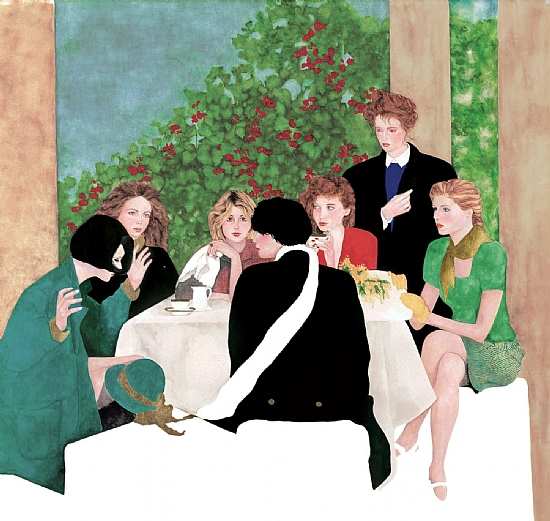
Christine Rosamond painted ladies with breeding and class.
Jon


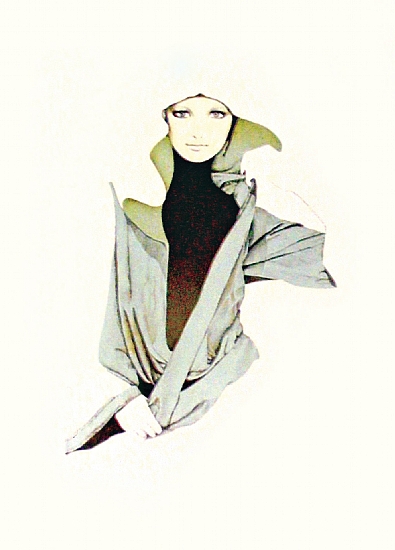
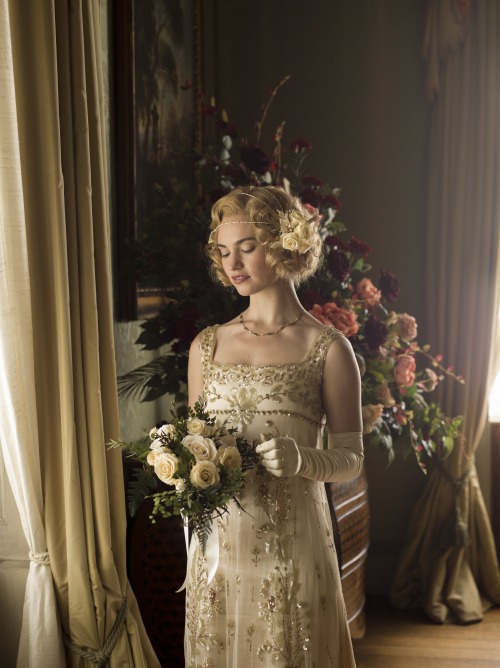
Lady Rose Aldridge[1] (née MacClare)[2] (b.in Autumn 1902[3]) is the youngest child of Hugh and Susan MacClare, the niece of Agatha and Louisa, the younger sister of James and Annabelle, the sister-in-law of Annabelle’s husband and the great-niece of Violet Crawley, Dowager Countess of Grantham. In Autumn 1920, she visits Downton Abbey and stays with Violet in the Dower House. She returns a year later, in September 1921, when the Crawley family visits her home at Duneagle Castle, where it is agreed that Rose will go to stay with them when her parents go to India. She moves there around February 1922
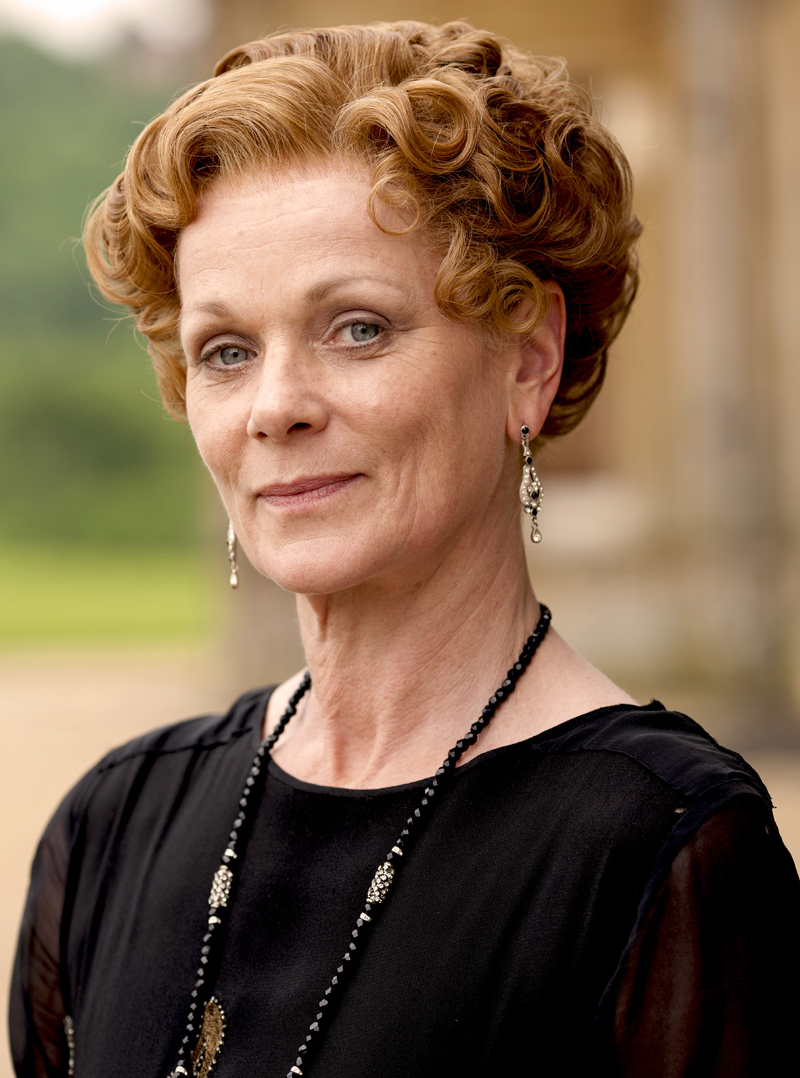
Lady Rosamund Painswick (née Crawley, b. between 1860 and 1874[1]) is the widow of a very wealthy banker, the late Marmaduke Painswick and the daughter of the previous Earl of Grantham and Violet Crawley; her closest ally within the family is her only sibling Robert. She is the sister-in-law of Cora, aunt of Lady Mary, Lady Edith and the late Lady Sybil, aunt-in-law of the late Matthew Crawley and Tom Branson and great-aunt of Sybbie Branson, George Crawley and Marigold Gregson.
She lives in London by herself on 35 Eaton Square. She likes to meddle in family affairs and has a very close bond to Robert and Downton Abbey[2].
Royal Rosamond Press Co.
Posted on February 2, 2015 by Royal Rosamond Press

ROYAL ROSAMOND PRESS
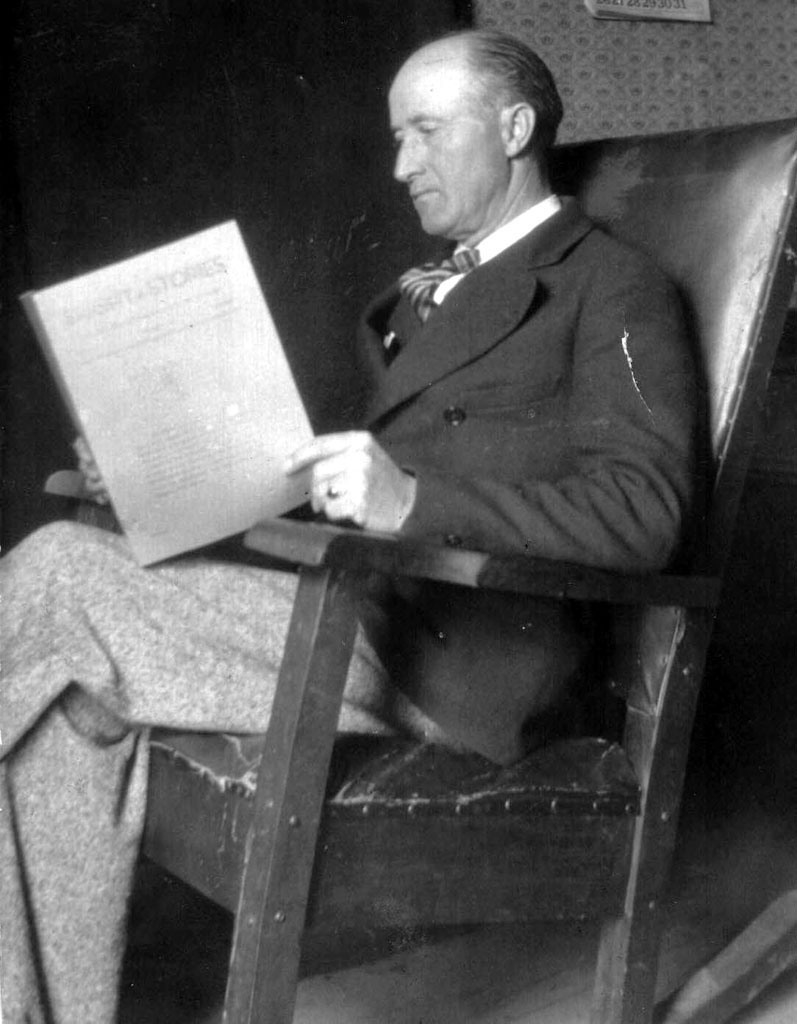
My grandfather was a Newspaperman – of sorts! He sold 400 copies of The Oklahoman, and 200 copies of the Oklahoma Times, at his newspaper stand in Oklahoma City. He tutored young people in poetry and had plans to build a Poet’s retreat on the Buffalo River.The Ozark Historian, Otto Rayburn, was supportive of this.
It is the objective of my newspaper to restore the dream of these two men who published their own magazine. Rayburn published ‘Arcadian Life’, and Royal’s Gem Publishing, published ‘Bright Stories’. Royal also published one novel under ‘R.R. Rosamond Publishing’ founded in 1931 in Ventura where it was printed.
Above you see letters sent to Royal, and two books he published. Rosamond’s poems are here, along with photos of his daughters, and his friends who were writers, camping on Santa Cruz Island.
Jon Presco
President: Royal Rosamond Press Co.


The Benton-Getty Art Dynasty
Posted on June 21, 2022 by Royal Rosamond Press
I will be sending Governor Gavin Newsom a Cultural Package informing him how to FIGHT the Fake Small Government Governor of Florida. Desantos is merging as the leader of – OTHER GOVERNMENT – that has a manufactured culture bent on overthrowing our traditional culture.
Gavin Newsom For The Arts
Posted on May 12, 2021 by Royal Rosamond Press
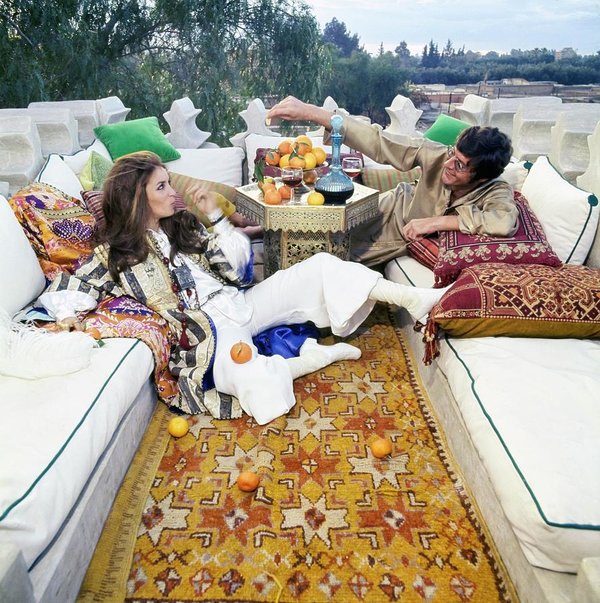
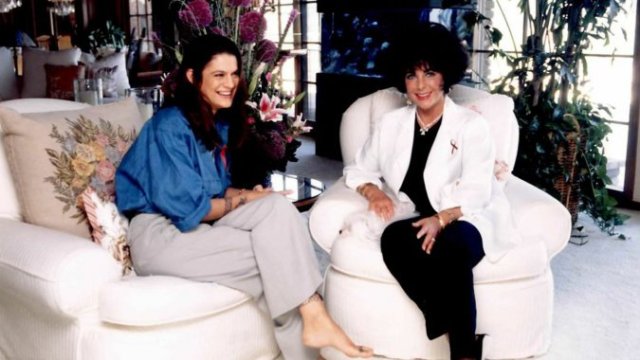
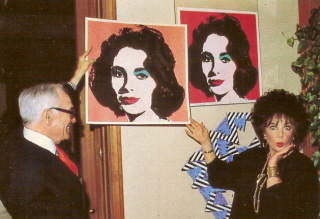

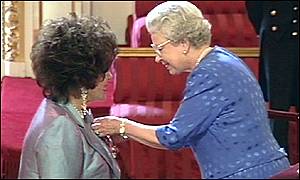
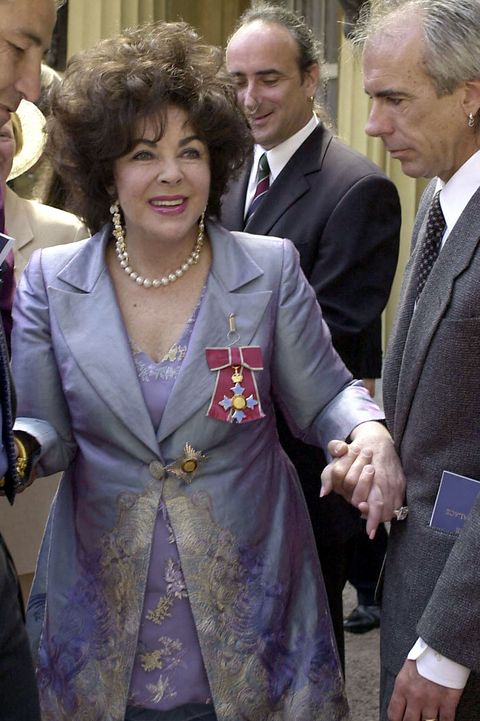
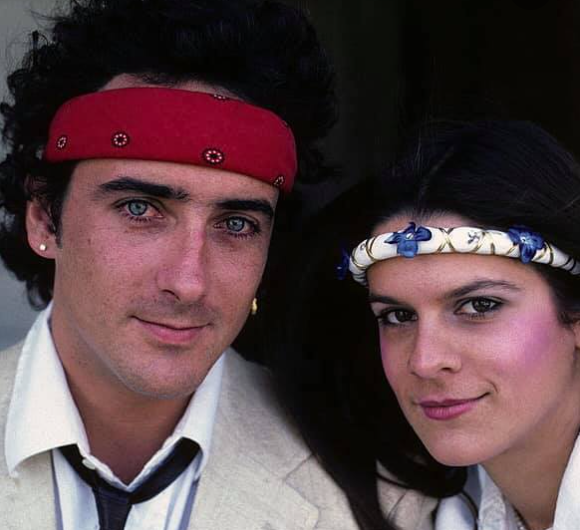
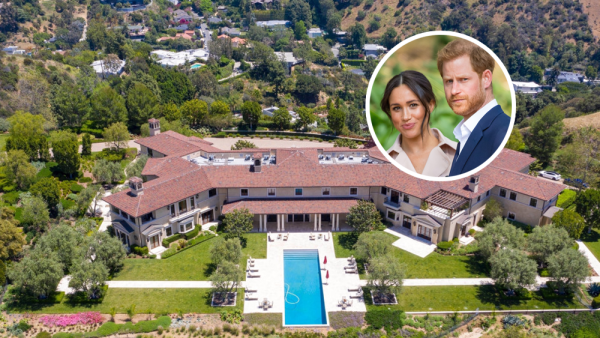
On cue, Governor Gavin Newsom held a press conference and announced massive aide for the Homeless and The Arts. I had just sent my business proposal to the City Government of Belmont, who have no Arts Program that I am aware of. I had talked with a friend about getting Grace Slick to do paintings in Charlatan Square as part of my Cultural Package for the Belmont that needs to get the Governor’s attention, being, I am kin to Elizabeth Rosemond Taylor, as is Belmont Pioneer, Carl Janke. Michael Wilding married Aileen Getty, and thus Carl Janke is in the Getty Family Tree. This Getty Tree For The Arts adopted Gavin when he was a teenager. The J. Paul Getty father and son moved to England. Junior was Knighted by the Queen and was titled “Sir” after he became a British subject. Liz Taylor was Knighted by the Queen for her contribution to the Film Industry that made California great.
John Presco
President: Belmont Soda Works

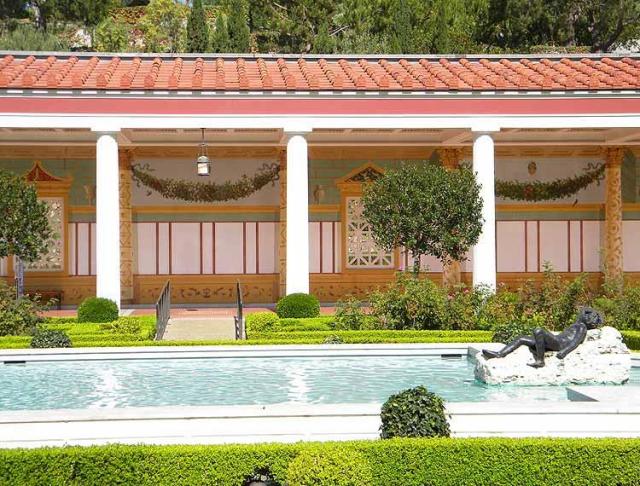
I have taken steps to be awarded several grants. A year from now, I hope to have my own room at the Getty Villa where I am allowed to roam freely admiring the art of my ex-brother-in-law, Garth Benton, and working on my paper and historic masterpiece………..
‘The Doomsday Prophecies of Wealthy Men’
I will be wearing the best headset money can buy with a endless soundtrack from the DaVinci Code, the Phantom of the Opera, and the best of Leonard Cohen. Young scholars will turn their heads as I pass them in halls.
“May the force be with you Professor Obi-Wan Kenobi!”
“Have you saved our planet yet, Obi-Wan?”
“He can’t hear you. He lives in his own world.”
I have also taken steps to receive a grant from the Paul Mellon foundation. Paul is in my rosy family tree via Elizabeth Rosemond Taylor, and Warner. I introduced the Pre-Raphaelites to Christine Rosamond Benton. We are ‘The Last Pre-Raphaelites’.
I just made an offer to be Drew Benton’s Mentor. I can show her how to be a scholar in a year. Above is her mother at the Getty Mansion in New York.
Jon Presco
Copyright 2017
Benton, Wright, Zorthian, Miller, Eishagaka, and Stackpole
Posted on August 30, 2018 by Royal Rosamond Press


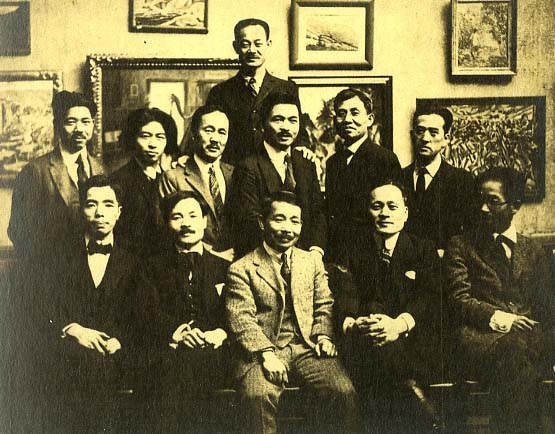


Rose City Planners
On this day, August 30, 2018, I found, Rose City Planners, a International Company that will pull together the best team of City Planners – possible! During the Great Depression many artists were funded by the WPA to produce civic works of art. Today, our cities have been forever enriched by the work of these magnificent artists who were not out to become famous. They gave way more that they received. Their historic contributions can be added on to, if their common philosophy is understood – and harnessed! These men considered themselves Bohemians.
Many city planners and city governments understand that We The People want our downtowns to have a Bohemian flavor and look. This is the recipe that attracts people. Unfortunately, many city governments are hiring outsiders, Bohemian pretenders, who put the Capitalist Quick Buck Masters at the top, and the artist down at the bottom next to Vegetable Stands. These frauds keep saying they are protecting our city history and founding fathers, but – they lie! When my company gets off the ground we will do a through research to see how much history, and Bohemian Culture was bulldozed into the ground. Much can still be saved – if you know how!
Rose City Planners will reach out to foreign cities, and establish a Cultural Exchange. I am looking for Japanese Investors, and backers for ‘The Royal Janitor’. I founded ‘The Wandering Star Studios. I am poised to take over the work of J.R. Tolkien, also. I will relocate my company to Portland Oregon.
John Presco 007
Copyright 2018
Building The City Beautiful
Posted on June 30, 2013by Royal Rosamond Press


On the my last day in Vancouver I heard there is a plan to tear down the last freeway in that city. Here is a video of the Hippie Museum that shows some Hippie fashions:
http://www.boreme.com/posting.php?id=17961
Here is another blog of mine where I honor Boho fashion.
https://bohemianworlddesign.wordpress.com/
Here is the statue Pacifica being blown-up by the Navy:
Ina Coolbrith gave Joaquin Miller his look that he took to England where he read his poems to the Queen. The Pre-Raphaelite Artists took him in. Miller was a friend of my grandmother. The original hippies of the Bay Area were influence by Miller, Ina, London, and Sterling. Miller made a life-size statue of my kin, John Fremont, who looks west from the heights of Oakland. El Capitan looks like Gandalf.
Stackpole’s Bohemian Circle
Posted on December 29, 2015by Royal Rosamond Press
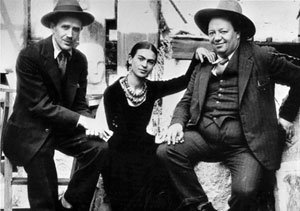

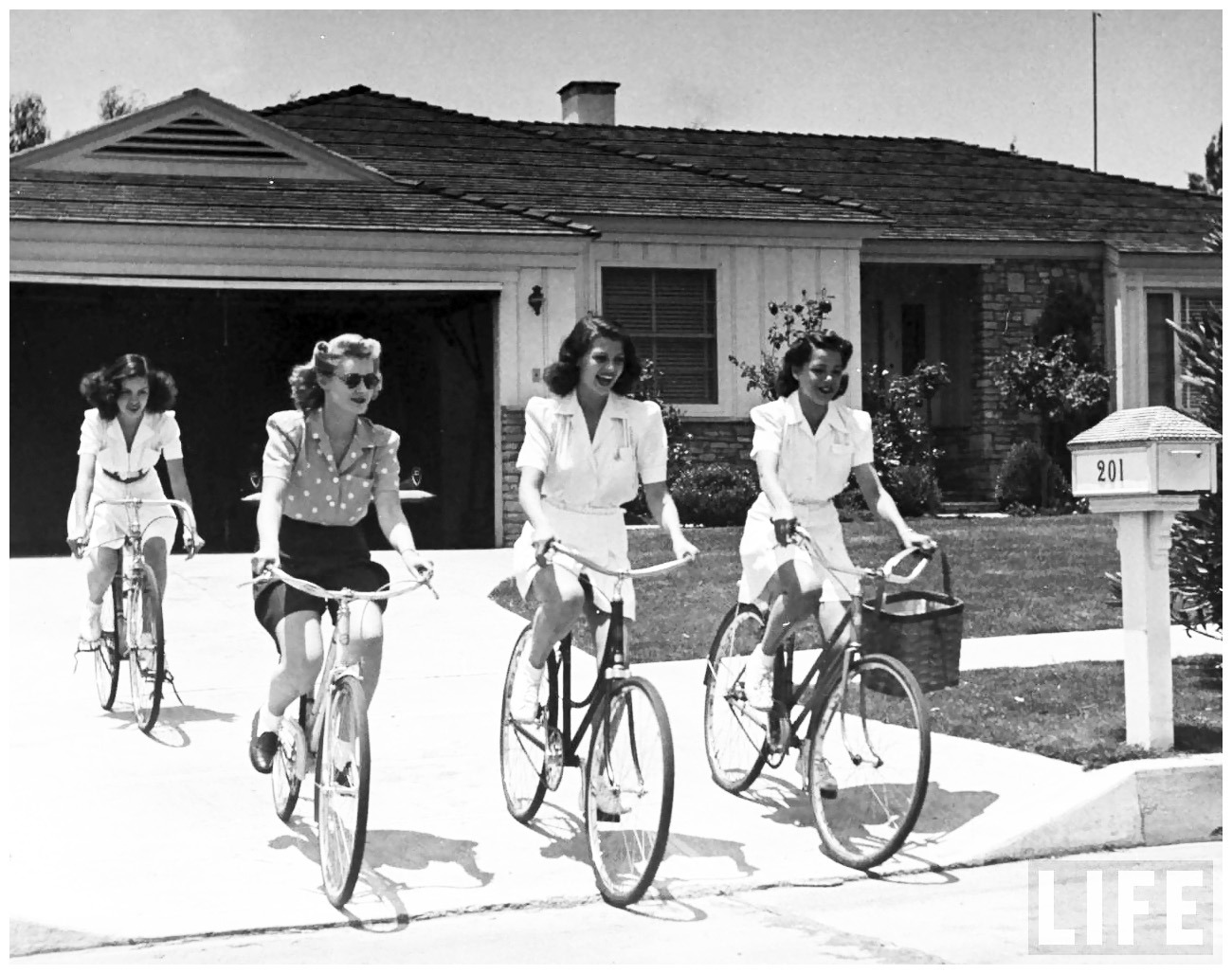
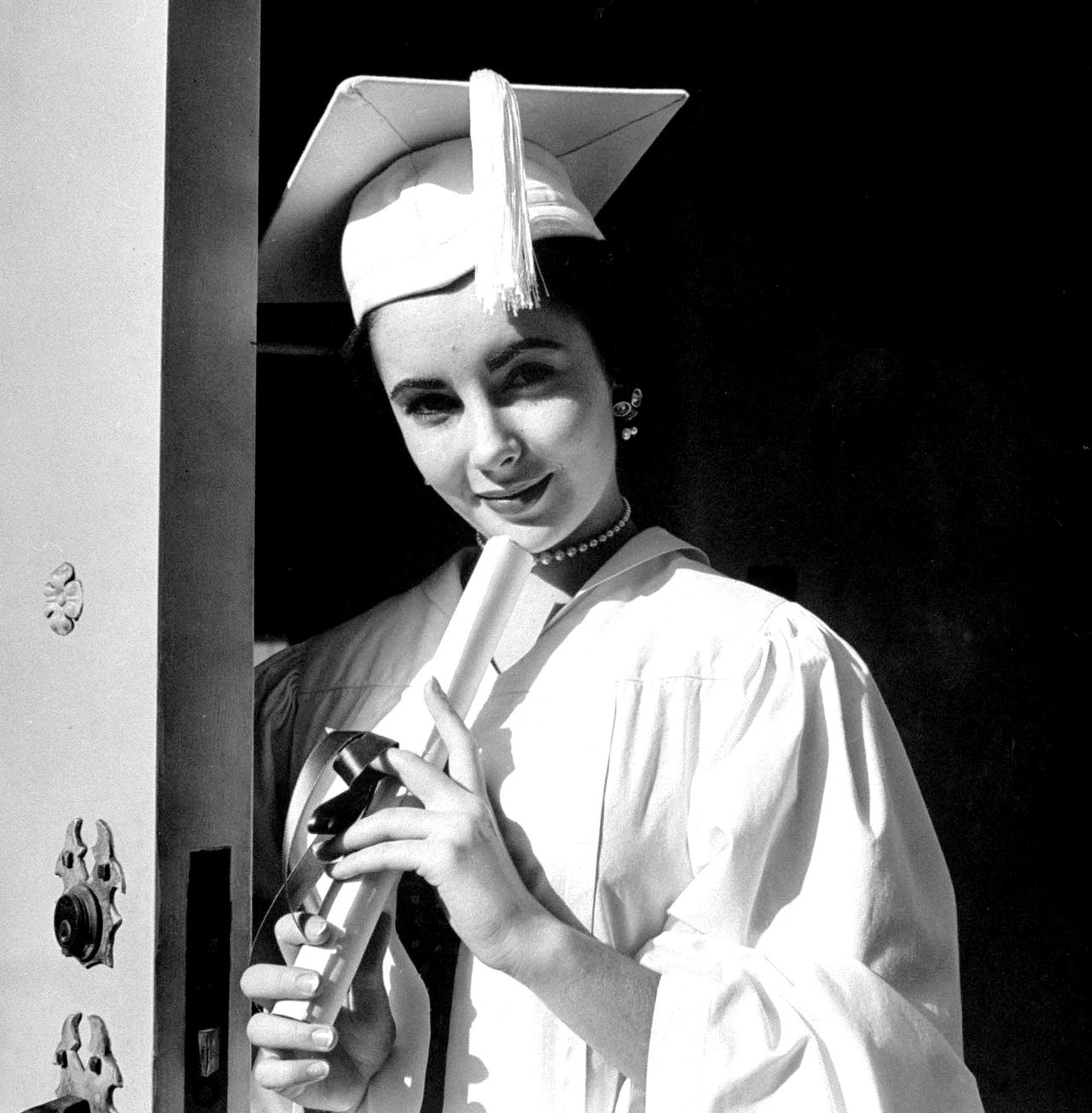
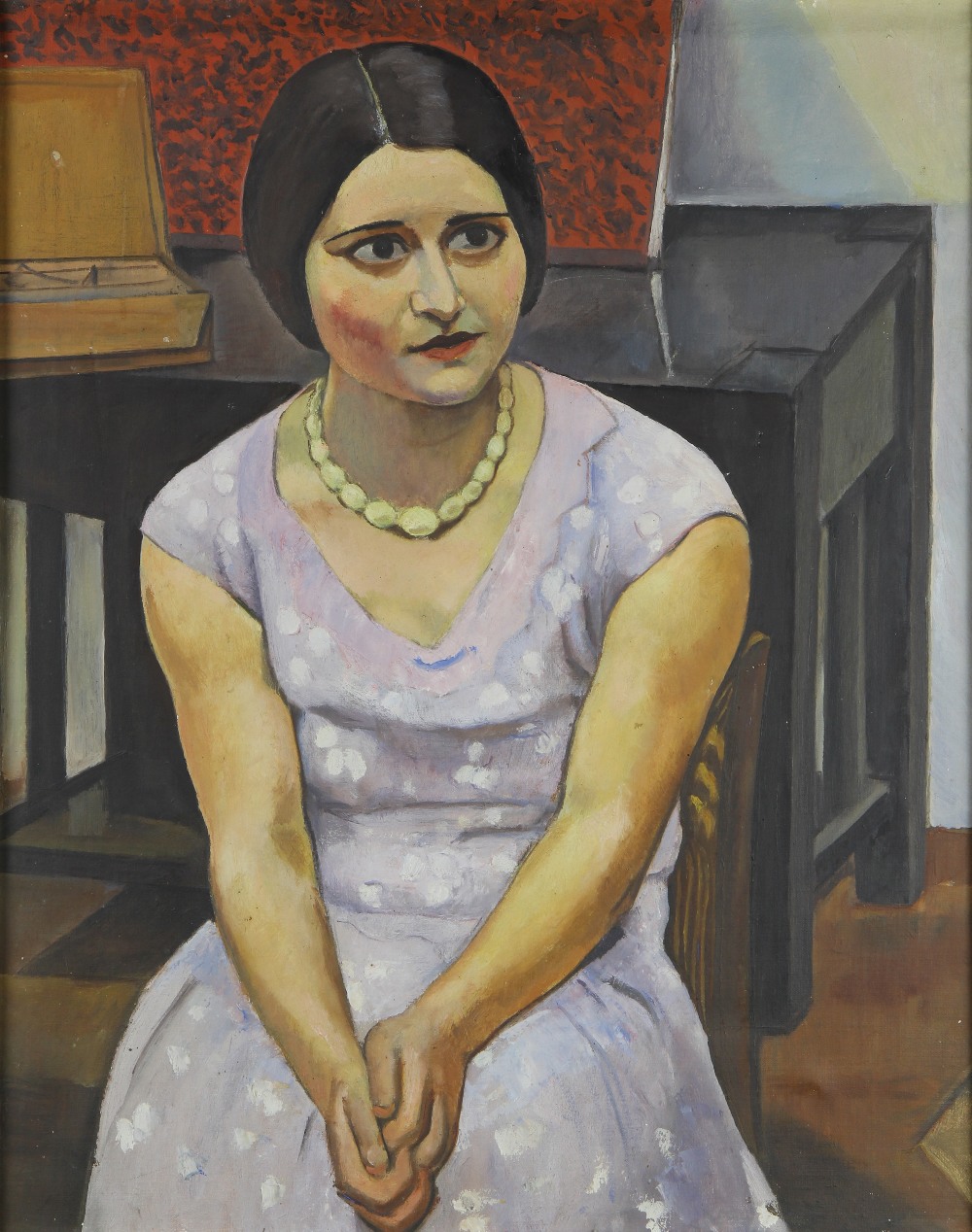
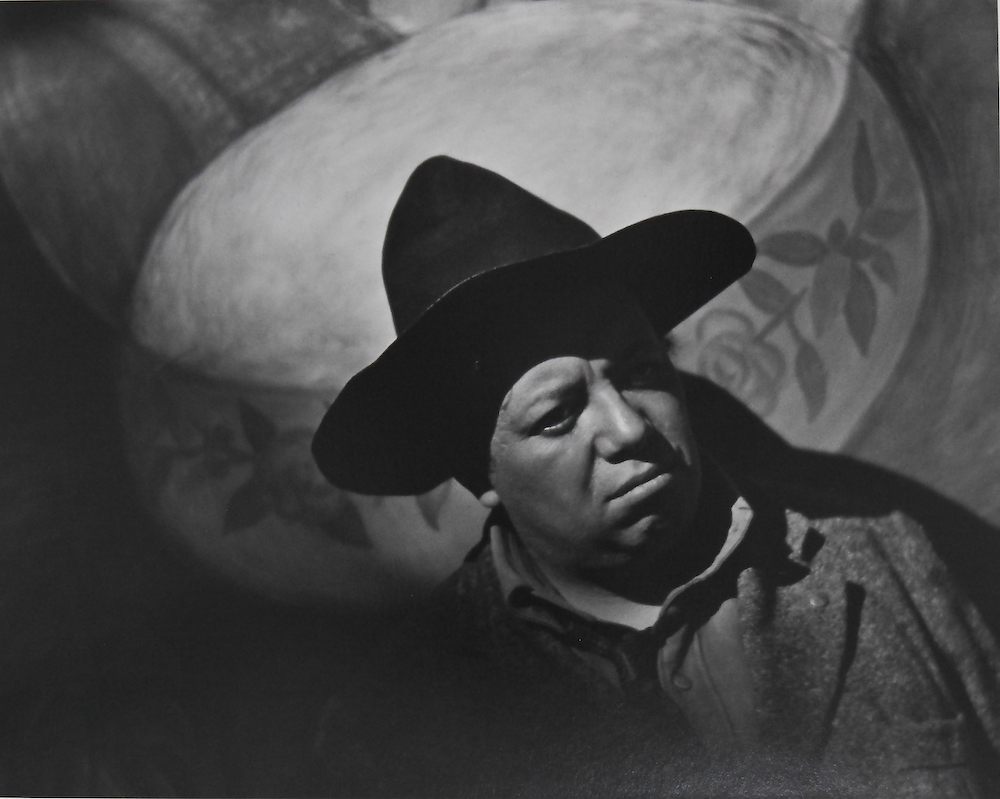

Peter photographed my kindred, Elizabeth Rosemond Taylor for LIFE magazine, and Errol Flynn. who my mother and aunt dated. Ralph was good friends Diego Rivera and his artistic wife. These creative Bohemian souls were the compatriots of David Weston and his Muses. Ralph did a painting of Tina Modotti wearing pearls. David is the model for Frank Rosefish. Errol Flynn is a model for Don Roscoe.
The Roaring Tigers of Art and Literature
Posted on December 13, 2015by Royal Rosamond Press


Los Angeles Modern Auctions (LAMA) auction on October12, 2014 of 20th Century Modern Design and Fine Art

Thomas Hart Benton did lithographs and a painting for John Steinbeck’s ‘Grapes of Wrath’. This is huge! This puts a Literary Giant in the Benton Family Creative Tree. How could the three Rosamond biographers have missed this? Here’s a huge clue?
I am overwhelmed by the History I appear to be the Caretaker of. For this reason I am founding Royal Rosamond College, and am seeking funding.
There are two world famous artists with the last name BENTON. Thomas Hart Benton, and Christine Rosamond Benton. Not one of the three authors that were blessed by attorney Sydney Morris to publish Rosamond’s biography, put these two artists together in their lying biographies that humiliated Christine, her mothers, and her teacher.
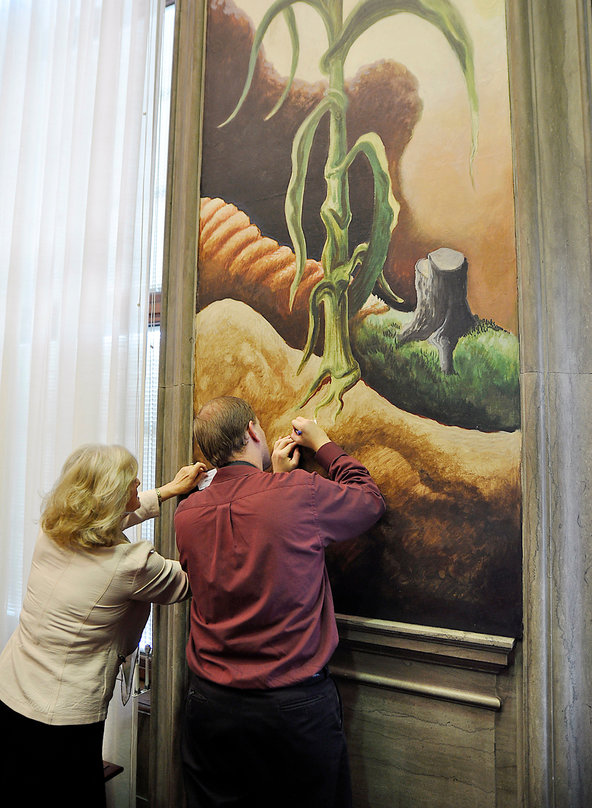
Above is a photograph of a man humiliating one of Thomas’ works of art. People all over the world express their outrage. Wait till they read about Faulkner’s ‘Dunkin The Frog’ that was going to put into the public domain as a Rosamond. Not only is this Art Forgery, it is a direct attack on the Creative Language that Artists speak to each other with – for free!
In two of the three works of art above, we see artists who were members of the Synchromism movement. Stanton Macdonald-Wright did ‘Yin Synchrom’ in 1925, and Thomas Hart Benton did ‘The Rape of Persephone’ in 1939. Is Benton sending a message to Stanton, saying he is beholding to his influence, or, did it just turn out this way in what Carl Jung titled synchronicity? Stanton included Gloria Stuart in one of his murals. Is Stuart’s painting of a nude – with tiger – part of this messaging? Is she saying;
“Don’t leave me out, don’t forget about me – you Bohemian good ol boys!”
The Getty Bond-John Line
Posted on November 12, 2021 by Royal Rosamond Press

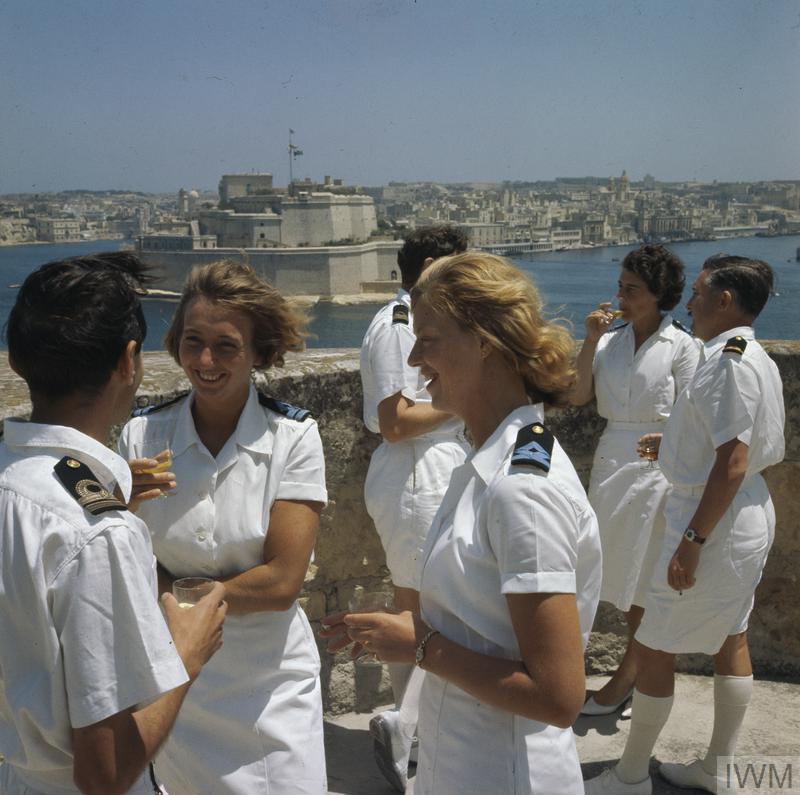


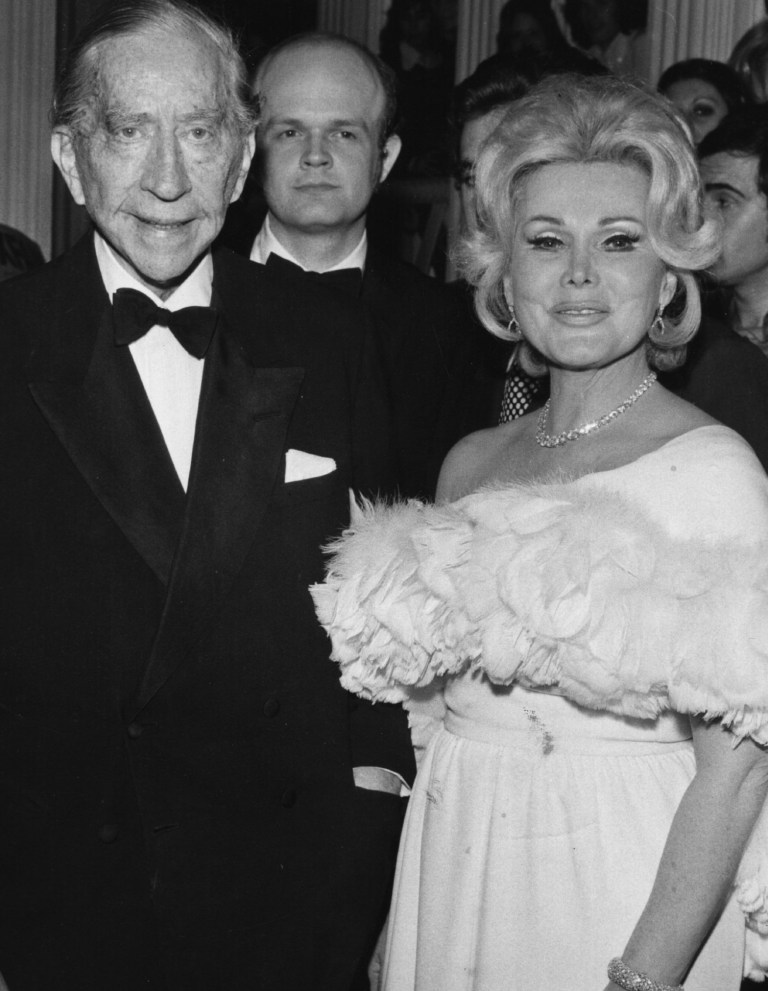
Michael Wilding wanted to be an artist when he was a teenager – and became one! Did his wife, Elizabeth Rosemond Taylor, see her husband’s artwork – and watch him paint? Was Liz reminded of the artist Augustus John, whose house she grew up in? Did she consider promoting her husband’s art like her father and uncle promoted John? Did she see the Getty family promoting the artistic legacy of Christopher Wilding when he became engaged to Aileen Getty? Was Liz and Aileen aware they were kin to Ian Fleming via Talitha Pol who married the Anglophile, John Paul Getty 11, the father-in-law of Christopher? Liz married the son of Conrad Hilton who was married to Zsa Zsa Gabor – who dated J. Paul Getty. Did they talk about being married? Gabor married a prince who ran against Meg Whitman for Governor of California. Did Christopher Wilding meet Gavin Newsom, who is the partner of the Pelosi family in Plumpjack? His mother married Jack Werner.
My late sister, the world famous artist Christine Rosamond Benton, was introduced to Garth Benton, by his friend, Lawrence Chazen, who was our father’s private lender. Vic Presco told Larry his daughter was famous, and he talked about the Benton murals. My sister’s and out father formed a family partnership with the legacy of Vic’s mother who wanted to leave to all six members of my natal family. Vic was surprised when I told him Chazen had formed a partnership in the first Rosamond gallery. Why didn’t Chazen tell Vic? Vic was not happy to learn Larry was the number one creditor in the Probate. Vic dies not knowing Liz was our kin – and Ian Fleming!
With the discovery there is the Welch name John in the genealogy of Samantha Bond, who played Moneypenny, and Rosamund on Downton Abby, and learning Wilding starred in a movie about the Women’s Royal Naval Service, then it appears the limited horizon of these BONDED families has been greatly expanded – by me! I can see – for miles! Time to entrust these collected visions under the banner of Royal Rosamond Press, that has been publishing installment of my Bond book ‘The Royal Janitor’.
Above is the mural Garth Benton rendered for Anne and Gordon Getty. Will an agent come forth and represent my Mystery Muse, who wearing a Cameo, will make a unforgettable extra in a period production, such as Downton Abby. She is British. I can see her in a Naval uniform.
John Presco
President: Royal Rosamond Press
The Taylor, Getty, and Rosamond Children | Rosamond Press
After his wife’s death in 1907, Augustus John’s mistress Dorothy “Dorelia” McNeill, a Bohemian style icon, became his partner; they lived together most of the time from 1904 until his death and had two children, but never married.
- Poppet John (1912–1997), John’s daughter by Dorothy, married the Dutch painter Willem Jilts Pol (1905–1988).
- Vivien John (1915–1994) was a notable painter.
Willem Pol’s daughter was
- Talitha Pol (1940–1971) by an earlier marriage to Arnoldine Adriana “Adine” Mees (1908–1948). (Thus, Talitha was step-granddaughter of both Augustus and Dorothy). Talitha was a fashion icon of 1960s London, who married billionaire oil heir, John Paul Getty Jr.
Here’s a fuller look at the Getty family tree as it is known to the public today:
JEAN PAUL GETTY had five children
- George Getty II had one child
- Anne Catherine Getty Earhart had one child
- Sara Earhart
- Anne Catherine Getty Earhart had one child
- Jean Ronald Getty had four children
- Christopher Ronald Getty had three children
- Isabel Getty
- Robert Maximilian Getty
- Conrad Getty
- Stephanie Marie Getty-Waibel had three children
- Marietherese Waibel
- Robert Maximilian Getty
- Sigourney Waibel
- Vanesa Waibel
- Cecile Karin Margarita Getty
- Christina Therese Getty
- Christopher Ronald Getty had three children
- John Paul Getty II had five children
- John Paul Getty III had two children
- Anna Getty
- Balthazar Getty had four children
- Cassius Paul Getty
- Grace Getty
- Violet Getty
- June Catherine Getty
- Aileen Getty had two children
- Caleb Wilding
- Andrew Wilding
- Mark Getty had three children
- Alexander Getty
- Joseph Getty
- Julius Getty
- Adriadne Getty had two children
- Natalia Williams
- August Williams
- Adriadne Getty had two children
- John Paul Getty III had two children
- Gordon Getty had seven children
- Gordon Peter Getty
- Andrew Rork Getty
- John Gilbert Getty had one child
- Ivy Getty
- William Paul Getty
- Nicolette Getty
- Kendalle Getty
- Alexandra Getty
- Timothy Ware Getty
It was a match made in Hollywood: Elizabeth Taylor’s son and oil tycoon J. Paul Getty’s granddaughter. But the script had a peculiar twist—Christopher Wilding, 25, Liz’s offspring by her late second husband, Michael Wilding, could only plight his troth to Aileen Getty, 20, under a full moon and over salami and crackers at a cocktail party. There won’t be a wedding for three years because her grandfather’s will stipulates that Aileen will be disinherited (and lose $100,000 annually) if she marries before she is 23.
No matter, Elizabeth clearly dotes on the couple. Leaving her husband, Sen. John Warner, in Washington, she sallied West and rallied old friends. Martin Mull, Sissy Spacek, Roddy McDowell, Carol Burnett and Dudley Moore were among the 150 guests at a formal engagement party held at the Brentwood home of Aileen’s divorced mother, Gail Harris Getty. Timothy Leary showed up, as did Taylor’s mother, Sara, 89, and Aileen’s two brothers—J. Paul III, who lost an ear to Italian kidnappers in 1973, and Mark, in from his British prep school, Harrow.
 Rosamond Press
Leave a comment