
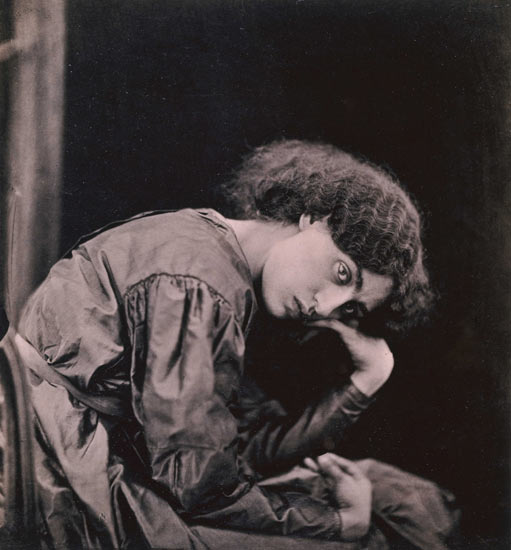

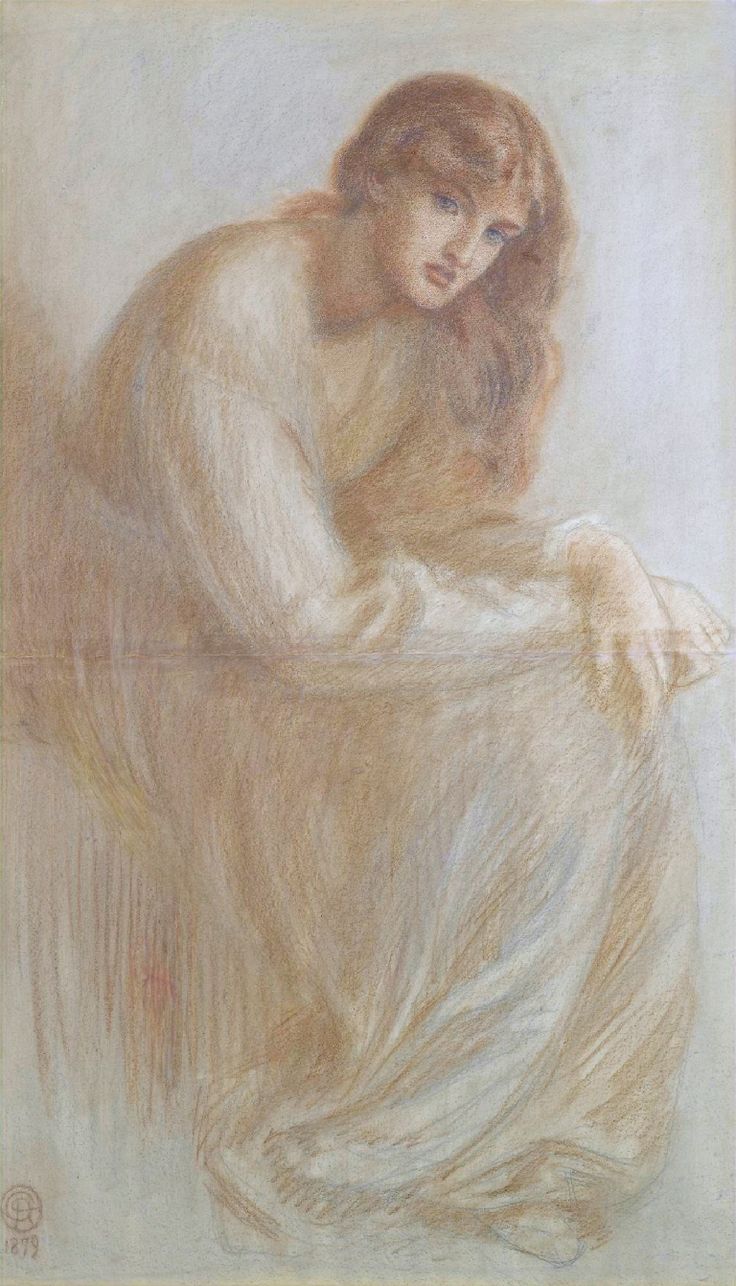


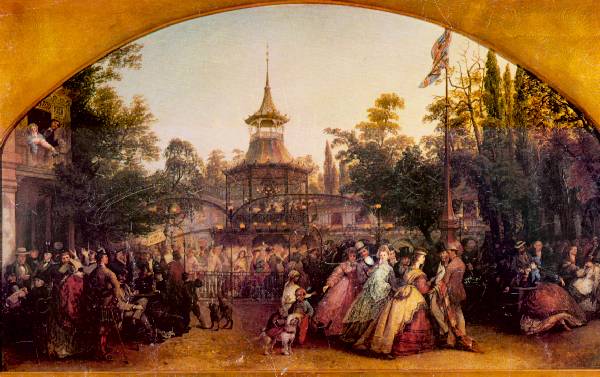
Fanny Cornforth met Dante Gabriel Rossetti at Cremorne Gardens. This is where young ladies went to meet young men. It was the Filmore of its day. Fanny was a prostitute who took advantage of the lose morals to make a living. She threw peanuts at Rossetti as he danced past her. She had chosen her mark no doubt because this artist had noticed Fanny, the same way I noticed Belle Burch at Ken Kesey Square. When Belle understood my camera was pointed at her, and not the musicians, she made her approach. I have already noted she looks like a Pre-Raphaelite model. Dante hired Fanny to be his housekeeper to get her off the street, and be his model. Did they become lovers?
Jon Presco

https://rosamondpress.wordpress.com/2012/06/07/elmer-big-bones-remmer/
I met Elmer ‘Big Bones’ Remmer when I was fifteen. He and his wife (or girlfriend) looked like Mr. and Mrs. Santa Claus, they both having white hair. They walked into our home on San Sebastian Avenue, our benefactor wanting to meet the children of their employee. Rosemary ( a made woman?) was working for Rucker hydraulics in Emmeryville and met Remmer in the Oaks or Menlo Club located in mob-owned town. She started editing porno movies for Remmer, then starred in them. Many nights Rosemary did not get home till after her four children were asleep. We would find a doggy bag from a restaurant in the fridge. Vicki sees her three older siblings as her real parents.
Remmer was bigger then I thought. He is named along with Mickey Cohen and Frank Sinatra. He ran the Cal-Neva Lodge and took his case to the highest court in regards to his card rooms in Emmeryville and San Francisco. It looks like Remmer was trying to make gambling legal in all of California which would put the Mob out of business in Nevada. However, Remmer was the Mob.
There was a brawl and arrest in LA involving the actress, Vicki Raaf. Here, Hollywod make-believe, meets real reality!
http://en.wikipedia.org/wiki/Fanny_Cornforth
Cremorne Gardens were popular pleasure gardens by the side of the River Thames in Chelsea, London. They lay between Chelsea Harbour and the end of the King’s Road and flourished between 1845 to 1877; today only a vestige survives, on the river at the southern end of Cheyne Walk.
http://fannycornforth.blogspot.com/2011/05/fanny-and-nuts-portrayal-of-fanny.html
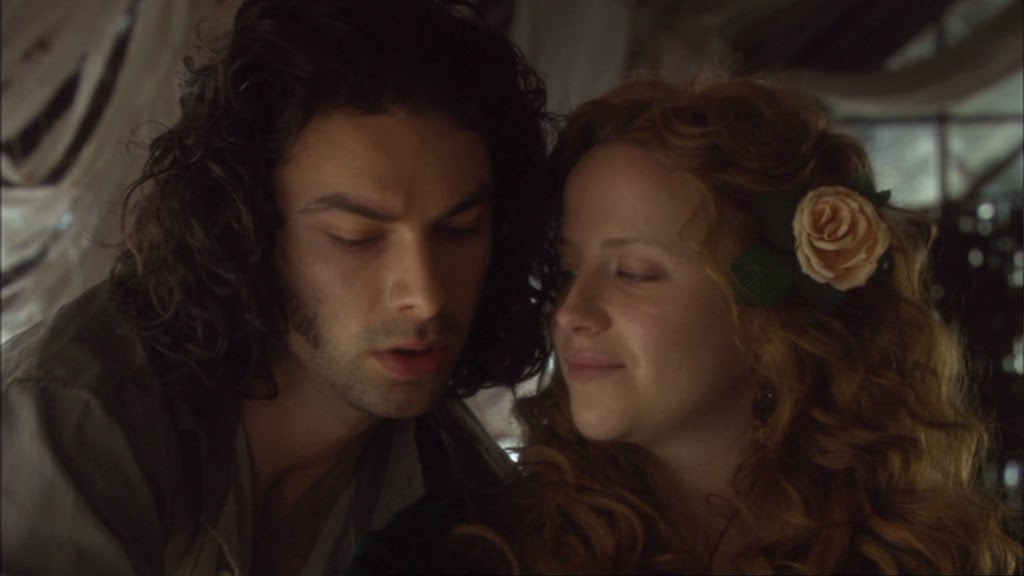
Desperate Romantics was not the first time the lives of the Pre-Raphaelite Brotherhood had been dramatised for television. In 1967 Ken Russell had directed Dante’s Inferno, and in 1975 there was The Love School – a six-part serial first broadcast in 1975. Whereas Bowker’s drama about the PRB was an adaptation of Franny Moyles’ book, The Love School (scripted by John Hale, Ray Lawler, Robin Chapman and John Prebble) was adapted into a novel published by Macmillan in 1975. The new dramatisation was heavily influenced by the earlier series.[6]
The artist’s fascination with and idealization of these women prompted critics and contemporaries to refer to many of his female studies as his “Fair Ladies.” These Fair Lady depictions certainly reveal influence from the Italian poet and philosopher Dante Alighieri. However, whereas Dante devoted himself and dedicated many works to one upper class, elusive love — Beatrice — whom he met only once, Rossetti committed his work to several imperfect, more accessible women, who doubled as his artistic models and lovers. Far from adversely affecting Rossetti’s work, the individual imperfections of these models and the dynamics of their relationships with the artist enriched his art and literary works. These real characteristics enabled the artist, whether intentionally or not, to present a more authentic portrait of life and love than was offered by the dreamer Dante. This realism, in turn, prompted his PRB contemporaries to paint and describe more natural portraits of life and romance.
http://www.victorianweb.org/painting/dgr/paintings/healey12.html
In both his art and writings, Rossetti exalted Lizzie. In fact, his period of great poetic production began when he met her and ended around the time of her death. (Douchy, 155) His poem, “A Last Confession,” in particular, exemplifies his love for Lizzie, whom he personifies as the heroine with eyes, “as of the sea and sky on a grey day.” In this piece, a man’s affections for a young girl progress from parental to romantic as the girl ages. In addition, Lizzie has traditionally been viewed as the idealized, golden-haired woman who observes her beloved from heaven in his acclaimed poem, “The Blessed Damozel”:
The blessed damozel leaned out
From the gold bar of Heaven;
Her eyes were deeper than the depth
Of waters stilled at even;
She had three lilies in her hand,
And the stars in her hair were seven.
Her robe, ungirt from clasp to hem,
No wrought flowers did adorn,
But a white rose of Mary’s gift,
For service meetly worn;
Her hair that lay along her back
Was yellow like ripe corn.
Herseemed she scarce had been a day
One of God’s choristers;
This idealized vision of the golden-haired beauty looking down from Heaven truly displays the high regard with which Rossetti viewed Lizzie.
Fanny Cornforth, moved to London from the country and made her living as a prostitute. She took a fancy to Dante Gabriel Rossetti, and was reputed to have first got his attention by pelting him with peanuts in the Cremhorne Gardens. Larger and louder than life she enjoyed the company of Bohemians, indulging the young artists in return for gifts and favours. With their help she set up a boarding house-cum-brothel and made a good living. She remained Rossetti’s companion and housekeeper into old age.



 Rosamond Press
Leave a comment