The Keepers and Destroyers of My History
Posted on August 9, 2024 by Royal Rosamond Press
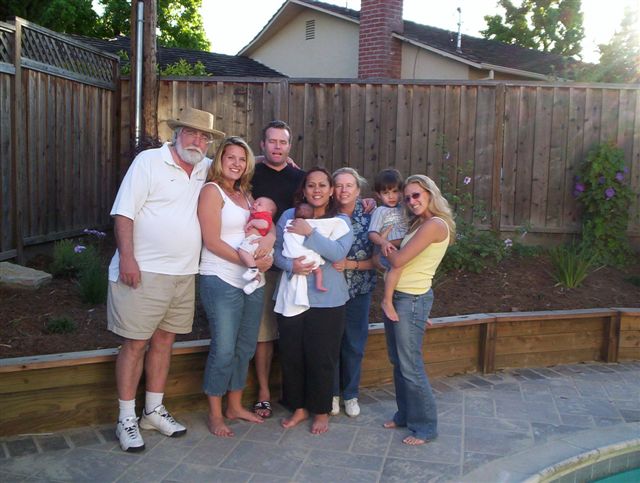
I am planning to go to Belmont and Colma around Presidents Day. My nephew married a Filipino and has three sone who are my Grandnephews. We will have a Undus celebration at the grave of Carl and Dorothea Janke – and her mother! We ill clean up the site, and light candles. We will got to the Janke crypt in Colma. If I had found my nephew’s message, then I would not have spent have spent Thanksgiving, Christmas, and New Years without contact with my family. Drew an I will be with family who will honor her life and death. This is a miracle! Our family is not a complete disaster!
John Presco
John Presco 8:04 AM
I just found your message. Sorry it took so long to respond. I didn’t mean to leave you hanging – on a precipice!
Your offer to help as a member of Our Family, is very timely. I am poised to pay $1,870 dollars to cremate your cousin. I got a credit card a Selco. I filled out Drew’s death certificate on Sept. 5. When I wrote her parents names, I felt like God. As a genealogist I have gone to those filled in empty spaces and – taken names! “The Lord giveth, and He taketh away.”
Garth and Christine created Drew. Rosemary and Vic, created me. October 8th. is my natal birthday. My sober birthday is April 7th. Christine died a sober sister. And this may be all I come away with, in the end, so despairing is the burden my parents put upon me, that is is unfit for human literature?
For seventy years I have awoken, put my feet on the floor, and put on my Magicians Hat. We grow weary of having to run – the show! I’m glad to be witness to you – letting it go! I have pondered long why Mark did not make more magic in his life and share it freely. I conclude his need to do well, while everyone around him, fails, set him up – for failure! He couldn’t let it go – this need.
So, allow me to record one last magical image. There we be, the three of us, standing on the edge of the abyss, beholding an outstanding sunset, and, sharing the glory of God’s Creation.
I need your help. I need to go to Belmont and look at our history on the History Room. Faux historians have banished me. Our great grandfather was dug up from under a Bay tree in the middle of the night, and thrown in a mass grave in Redwood City. If you can take a day off from work, I would love to be with you in the Stuttmeister crypt in Colma, then go to Belmont, then, stand over the grave of our ancestors at the Union Cemetery. I will put some of Drew’s ashes here. We are looking at a month from now.
Best regards to our Family
Uncle John
- Sep 9, 2024
John Presco 1:07 PM
Your sons can go with us. There’s Twin Pines park. I just paid for the cremation.
- Sep 11, 2024 Cian O. sent the following messages at 12:19 PM
12:19 PM Good morning, Uncle, I am just seeing this. I am open to a day trip to do Drew right and pay my
Undas in the Philippines: Honoring Tradition, Faith, and Family Bonds
October 28, 2024
|Money Transfer,Mobile top-up,Gift Cards,Other
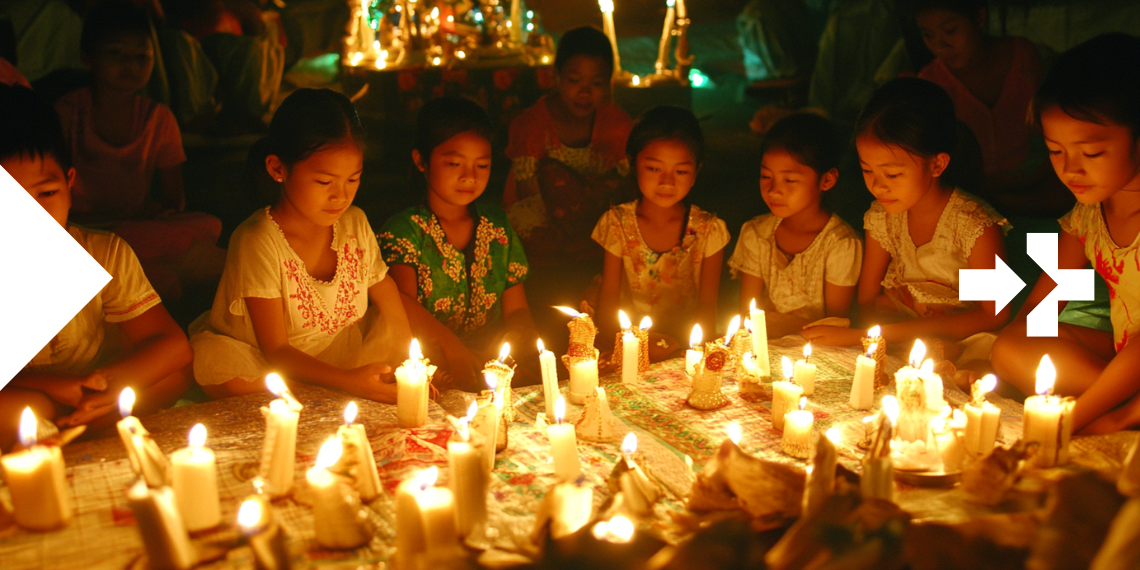
Undas in the Philippines honors the dead with a blend of tradition, faith, and family gatherings. This observance unites generations through rituals, from prayer and food offerings to storytelling, while services like sendvalu enable families abroad to support loved ones back home in celebrating this cherished cultural legacy.
Each year in the Philippines, Undas marks a season of remembrance and family unity. Known locally as Araw ng mga Patay, this period encompasses All Saints’ Day and All Souls’ Day on November 1st and 2nd, respectively. During this time, Filipinos gather to honor loved ones who have passed, expressing deep respect for family connections and spiritual beliefs that transcend life and death. The season blends reverence and celebration, reflecting the Filipino value of remembering the dead with gratitude and love.
Historical Roots and Its Evolution in Filipino Culture
The origin of All Saints’ Day and All Souls’ Day in the Catholic Church dates back to early Christianity, with All Saints’ Day initially celebrated on May 13 to honor martyrs. Over time, the date moved to November 1st, and by the 16th century, Spanish missionaries introduced these observances to the Philippines. However, pre-colonial Filipinos already held ancestor reverence ceremonies, with indigenous customs focused on honoring spirits known as anito. This blend of beliefs evolved into Undas, a rich observance that honors the lives of deceased loved ones, blending Catholic traditions with Filipino customs of ancestor worship.
Family and Community Activities During Undas
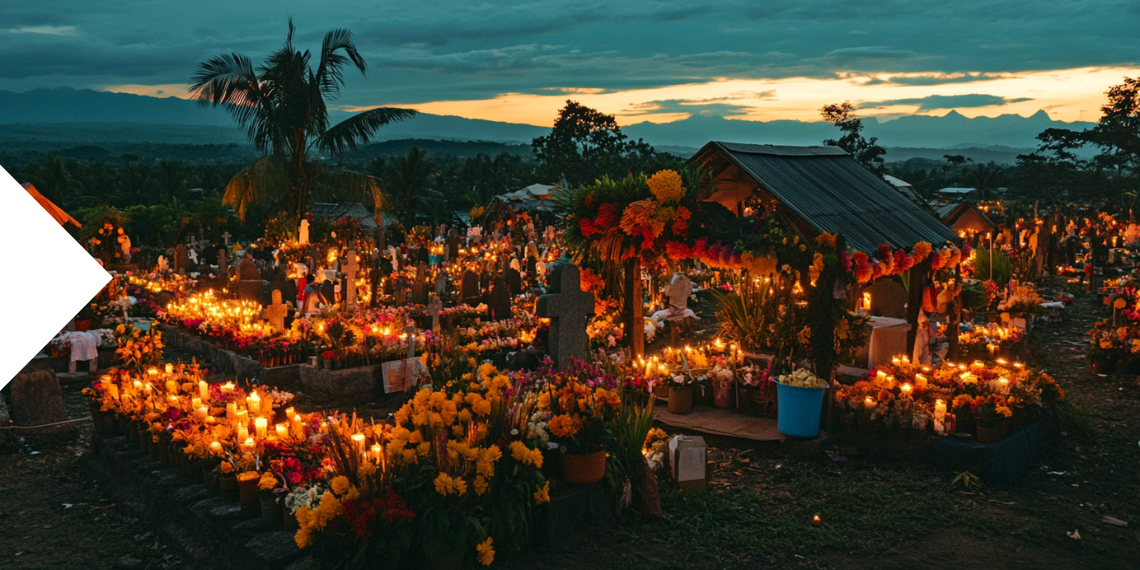
During this observance, families travel long distances to visit hometown cemeteries, transforming these usually somber spaces into vibrant gatherings filled with flowers, candles, and food. These practices, rooted in respect, are essential for Filipinos who believe that attending loved ones’ gravesites brings comfort to the spirits of the deceased. Here are some of the most cherished activities that take place:
Grave Cleaning and Decorating
Leading up to the holiday, families clean and beautify the gravesites of their loved ones, adorning them with flowers, candles, and even decorative items. Chrysanthemums and other vibrant flowers are commonly used, symbolizing love and honor. This practice exemplifies the Filipino values of pagmamahal (love) and pag-alala (remembrance), with the belief that clean, bright graves provide peace for the departed.
Prayers, Masses, and Blessings
Prayer is a central aspect of Undas. Many attend special masses dedicated to the souls of the departed, and cemetery masses are also common, gathering families and communities in shared prayer. By praying for their ancestors, Filipinos uphold the Catholic belief in the communion of saints, bridging the gap between the living and the dead.
Candle Lighting and Food Offerings
In cemeteries, families light candles symbolizing hope and guidance, while homemade offerings of favorite foods of the deceased are placed at gravesites as a gesture of care and remembrance. Traditional Filipino delicacies, such as suman (sticky rice wrapped in banana leaves) and bibingka (rice cakes), are commonly prepared during this time, reinforcing the Filipino belief that nourishing the dead strengthens familial bonds beyond life.
Family Reunions and Storytelling
This season is a time when families reconnect and share stories about deceased loved ones, ensuring their memory lives on for future generations. This practice serves not only as a memorial but also as an educational experience, helping younger family members understand their family history and values. These stories reaffirm the Filipino values of loyalty, respect, and family unity, which continue to define the observance as a cherished tradition.
Traditional Foods and Celebratory Gathering
The occasion is characterized by shared meals that include ancestral favorites and Filipino specialties. Foods such as pan de muerto (bread of the dead), bibingka, and kakanin (Filipino rice cakes) are prepared and shared among family members, reinforcing the sense of community and honoring past generations. The communal sharing of these foods serves as a bridge to the past, uniting generations over shared memories and traditions.
Unique Customs: Candle Wax Balls and Indigenous Influences
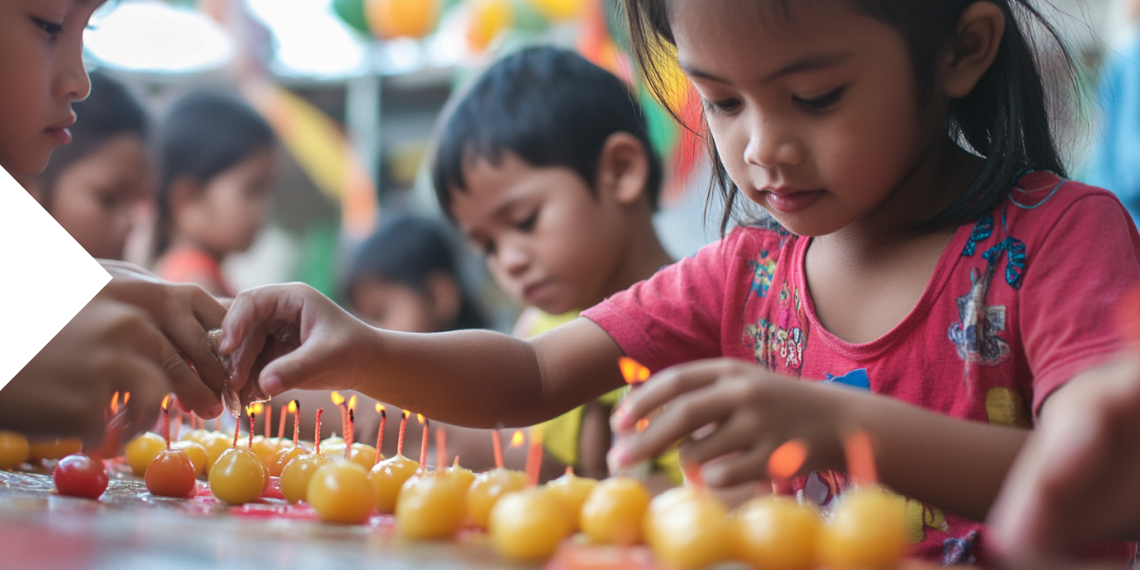
Beyond food and gathering, this period has unique customs like rolling candle wax into balls, a practice popular among children. After the candles melt, kids mold the wax into balls, creating a lighthearted moment amid the solemnity of the day. This tradition showcases the Filipino balance between solemn remembrance and communal joy, underscoring how deeply these observances have permeated Filipino culture. Additionally, many Filipinos still hold indigenous beliefs around anito, the spirits of ancestors, which coexist with Catholic practices, reflecting the diverse influences shaping Undas.
Understanding the Psychological and Cultural Impact
The significance of Undas goes beyond tradition, impacting the psychological and emotional well-being of those who observe it. For many, it provides closure, a time to mourn, reflect, and find peace through ritual. Gathering with loved ones, sharing meals, and honoring the deceased in the community create a sense of continuity and belonging, helping families cope with loss in a supportive environment. This cultural observance serves as an emotional anchor, allowing Filipinos to process grief within a framework that emphasizes remembrance, respect, and resilience.
The Spiritual Significance
At its heart, Undas reflects the values of respect, remembrance, and family that are central to Filipino culture. This annual observance combines solemnity and joy in a way that bridges life and death, reinforcing the belief that family connections endure beyond the physical world. During this time, Filipinos connect with their ancestors, affirming that family unity transcends time and distance.
The gathering of families in cemeteries symbolizes a profound respect for the dead and the continuity of life. This unique observance, blending Catholicism with indigenous Filipino beliefs, is a testament to how the Philippines has integrated diverse traditions into one cohesive celebration of life and memory. Through storytelling, prayer, and shared meals, Filipinos create a cultural tapestry that honors both heritage and the future.
Adapting Traditions with Modern Technology
With many Filipinos living and working abroad, technology has become a bridge to continue traditions from afar. Overseas Filipino Workers (OFWs) who can’t travel home often take part in virtual masses and join family gatherings over video calls. Social media has also allowed families to share memories and photos, helping to keep the spirit of the season alive across continents. This adaptation underscores the importance of maintaining family bonds and honoring loved ones, despite physical distance.
For them, supporting family traditions back home includes sending various types of financial assistance. With services like sendvalu, Filipinos worldwide can easily support loved ones in the Philippines by transferring remittances through Mobile Money, Cash Pickup, E-Wallet transfer, and Bank transfer, covering costs associated with Undas observances, from travel to offerings. Additionally, mobile top-ups and gift cards can be sent back home. The sendvalu platform and app offer convenient payment options via Visa and Mastercard (debit or credit), as well as Crypto payments, allowing families to fully embrace the customs that make Undas a time of unity, reverence, and shared heritage.
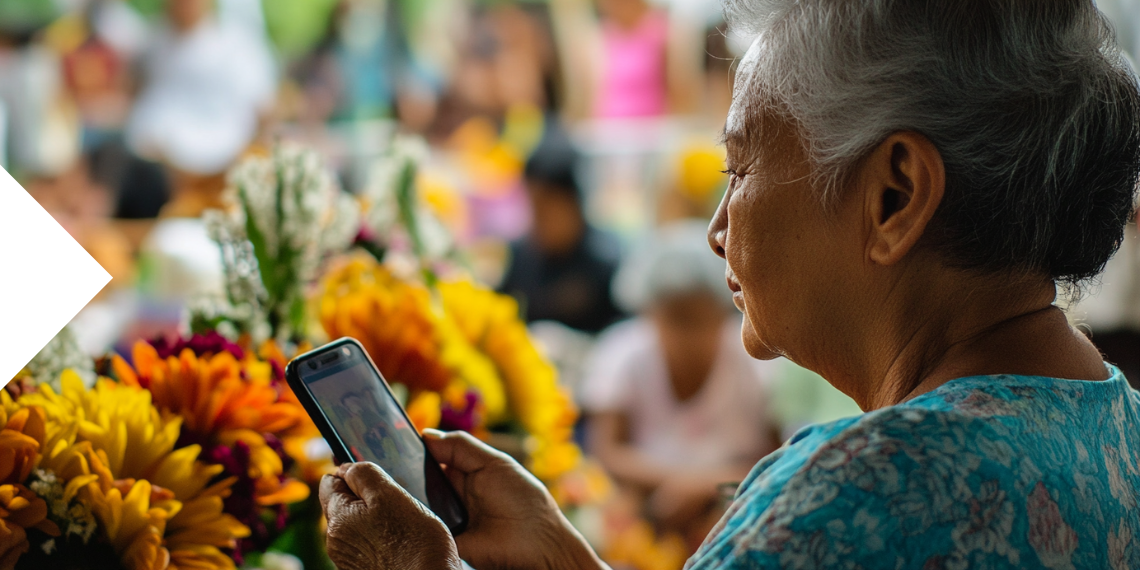
At sendvalu, we help families bridge distances, ensuring that loved ones back home can honor traditions and celebrate without financial worry. Supporting families during this meaningful season emphasizes the importance of connection and continuity, as the ability to uphold customs brings a sense of peace and strengthens cultural bonds.
Celebrating Life, Memory, and Legacy
This season is more than a holiday; it is a tradition that celebrates life, honors memory and fosters a legacy of love and respect. Through prayer, candlelight, and family gatherings, these observances enable families to reaffirm the values of unity, respect, and remembrance that define Filipino identity. Each act of reverence and each shared story strengthens the bond between family members, bridging generations in a shared cultural and spiritual journey.
For Filipinos, is a time to connect, a time to remember, and a time to celebrate lives that have shaped who they are. Whether at home, abroad, or virtually connected, Filipino families come together in the spirit of Undas, ensuring that the memory of loved ones endures as a cherished part of their heritage and identity.
 Rosamond Press
Leave a comment