Jessie and John Fremont were friends with Louis Kossuth who lived with Mazzini in Britain for three years. The Fremont bodyguards were foreign socialists.
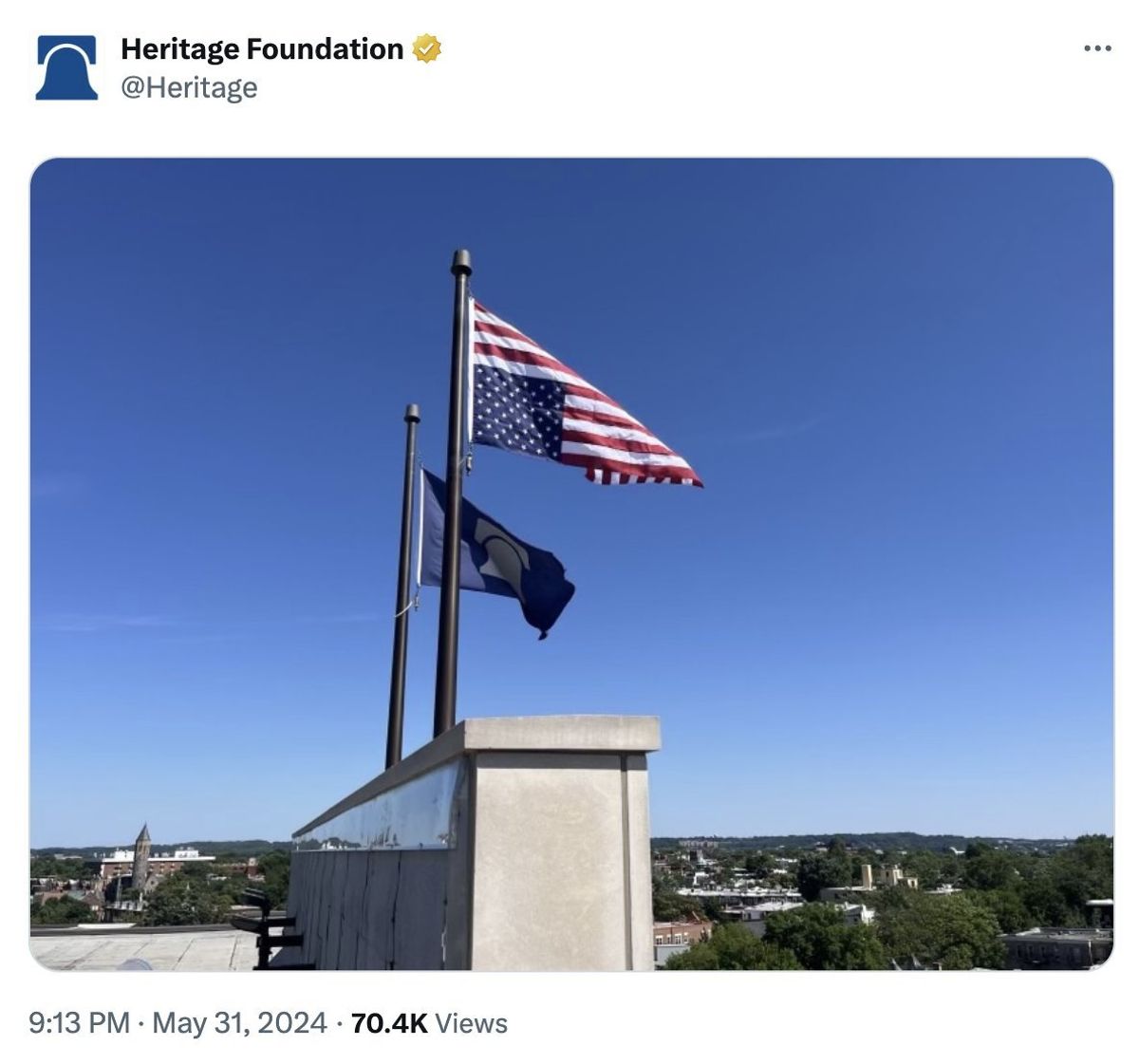
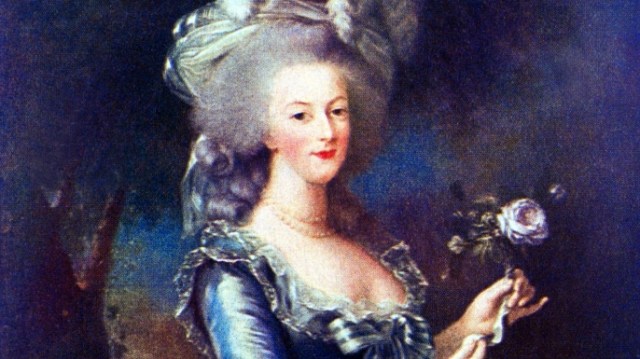
The Heritage Foundation flew OUR American Flag upside down. This is the home of Wizard of Oz. Members drew up a false deed of trust. Eleven years ago I gifted the Lousiana Territory to my fiance. Her great grandfather tried to put Madam Du Berry toon the throne of France. He is kin to French Royalty that is depicted in a new movie Madam Du Barry.
“Today, October 1, 2013, I John Gregory Presco, the fiancé of Virginia Hambley de Bourmont, claim what was the Lousiana Territory in the name of the House of Bourbon, wherein said Territory, will be established a Democratic Monarchy, as was established by the Legitimists of France.”
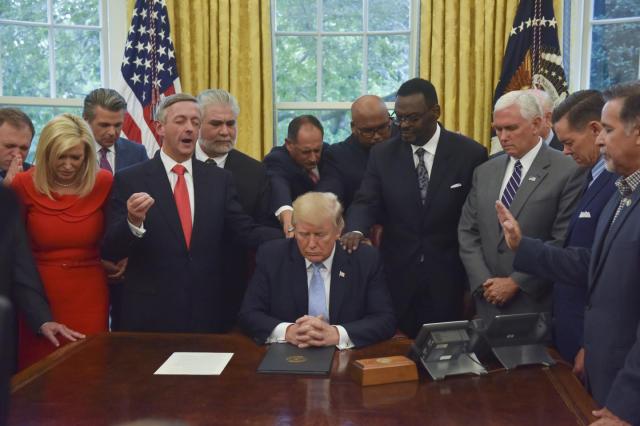
That Trump, and his Speaker of the House attack Immigrants, and make millions of Americans who immigrated – FEEL THREATENED – is the last straw! I will employ AI to make a new flag for the HF. It will be the image of alleged Christians praying over, and putting their hands upon, a steaming-mad – lying pile of shit! So be it!
A conservative think tank with a controversial plan for if Donald Trump wins the presidential election was under fire on Friday after flying their headquarters’ flag upside down and then advertising it.
I posted this in 2011. I now suspect the Ministers of Lucifer are reading this blog and
Today, October 1, 2013, I John Gregory Presco, the fiancé of Virginia Hambley de Bourmont, claim what was the Lousiana Territory in the name of the House of Bourbon, wherein said Territory, will be established a Democratic Monarchy, as was established by the Ligitimists of France.
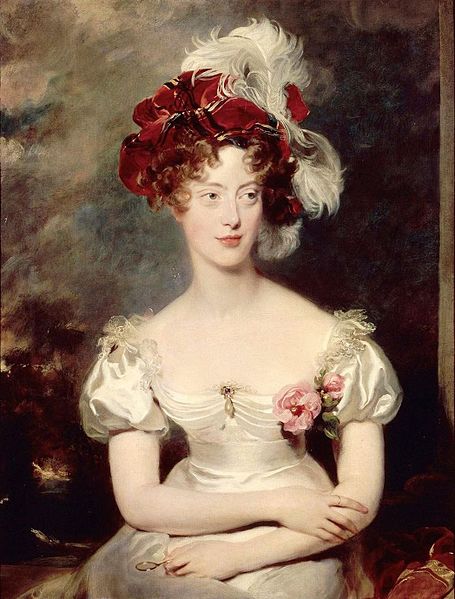
Three generations of de Bourmonts, personally accompanied the Duchess Du Berry in her families efforts to claim the throne of France in the name of the Bourbons.
Today, the President of the United States claimed our Democracy was shut down by Republican Congressmen who were conducting a “ideological crusade”. I have identified this crusade as coming from the economic ideology being pushed upon this nation by Libertarianism and libertarian Republicans who site the economic philosophy of Jean Baptiste SAY, who is the brother of another economist philosopher, Louis (Augustin) SAY, who is Virginia’s great great, great, grandfather.
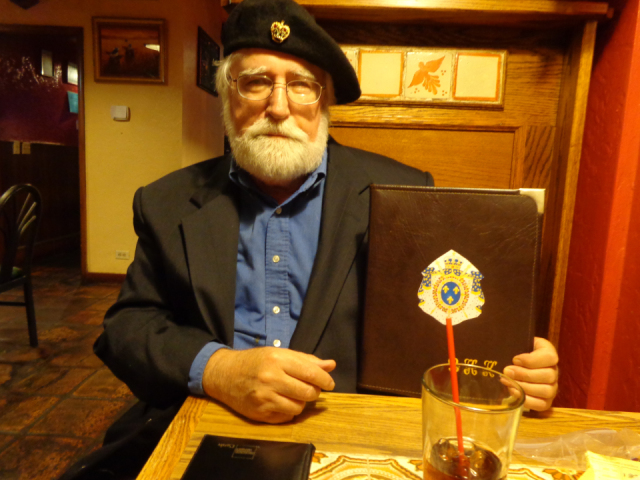
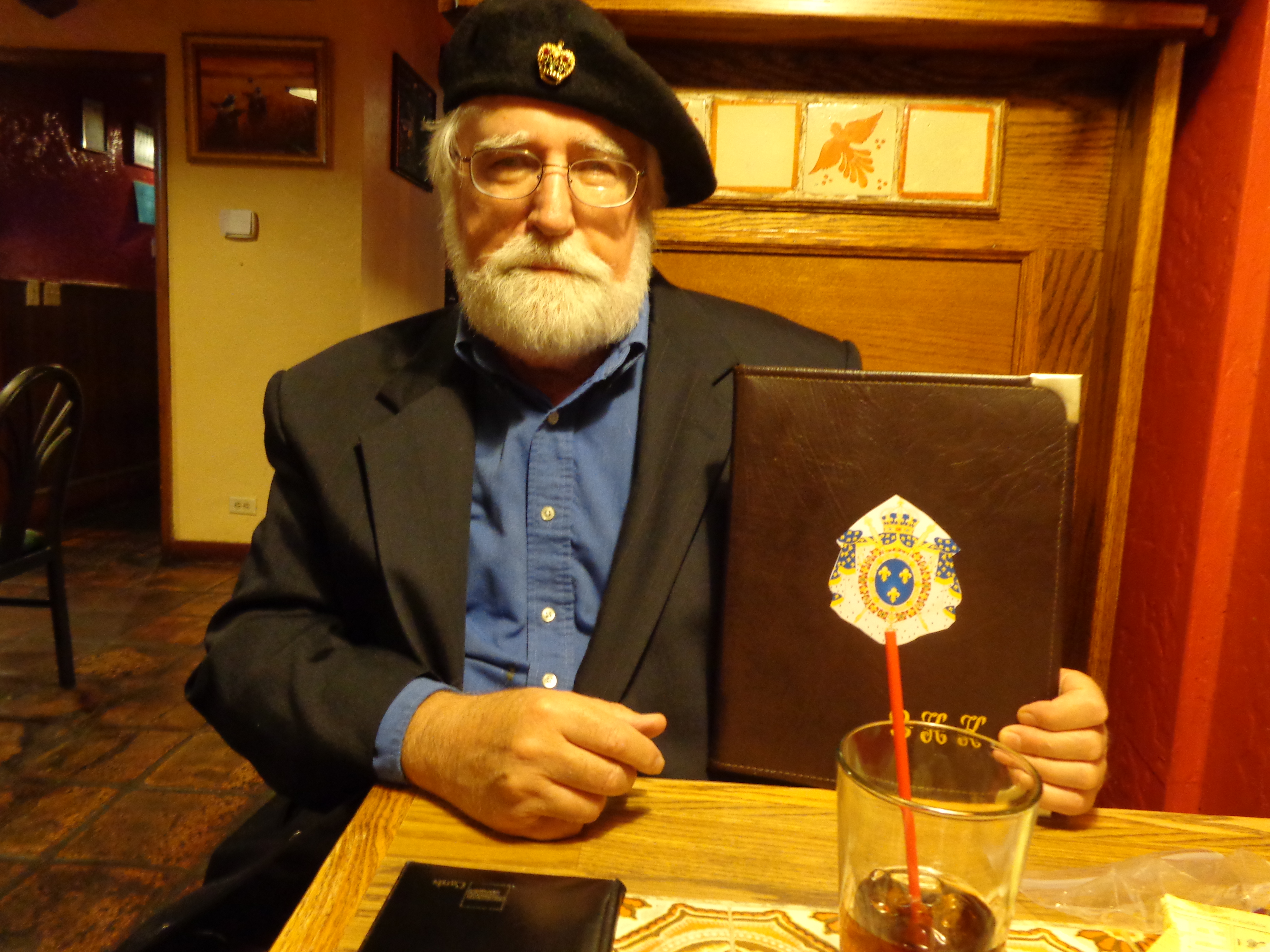
I hate it when I am not taken seriously. This appears to be the case with Alex Cippola and Jill Hartz. I sent these women a post on Virginia Hambley, who is mistakenly given a different father. And, prey-tell, what is in that cafe menu I am holding? My fiance is reading the document I carried inside, and…… presented it to her.
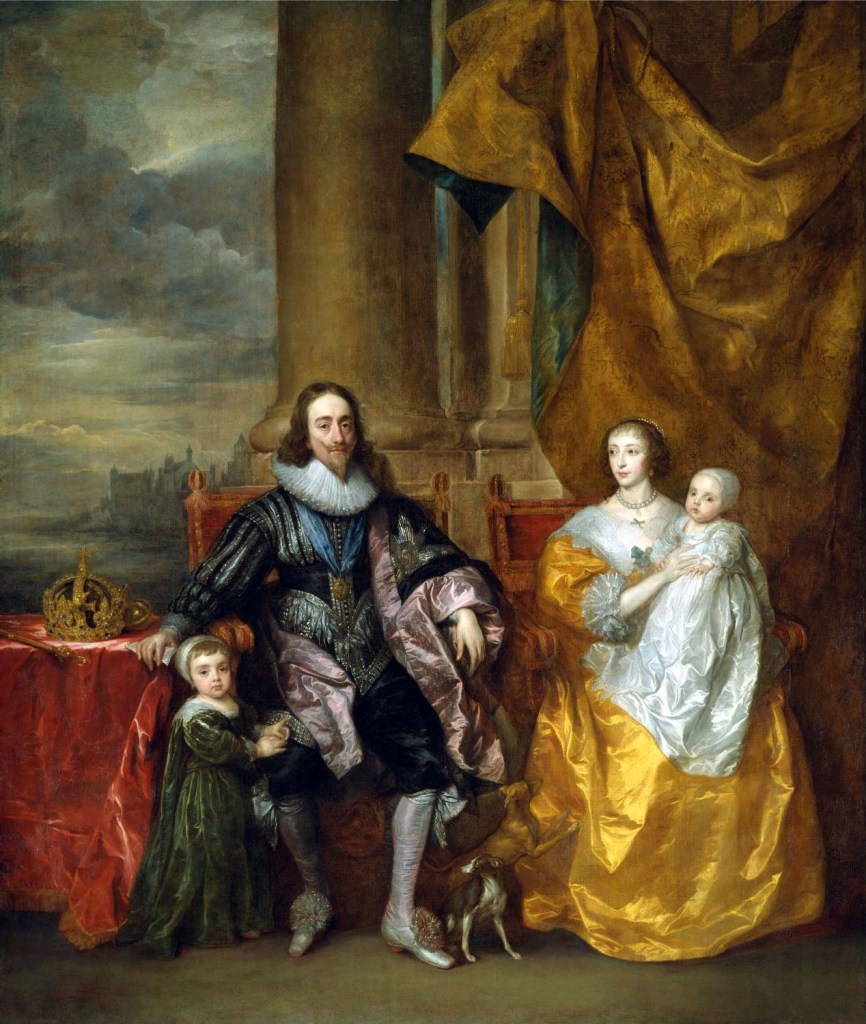
I must be guided by an Angel. An hour ago I discovered the King of Scotland was married to Henritta Maria of the House of Bourbon, who the State of Maryland in named. My ex-fiancé Virginia is kin to the Bourbons. On August 23, 2018 I named one of the Seven States after her. I foresaw the coming of the Duke and Duchess of Sussex to dwell in California.
I stuck my neck wayyyyyyyyyyyyyy out on this one! These are the posts that incited my lunatic neighbors to come as a mob to my door and cry:
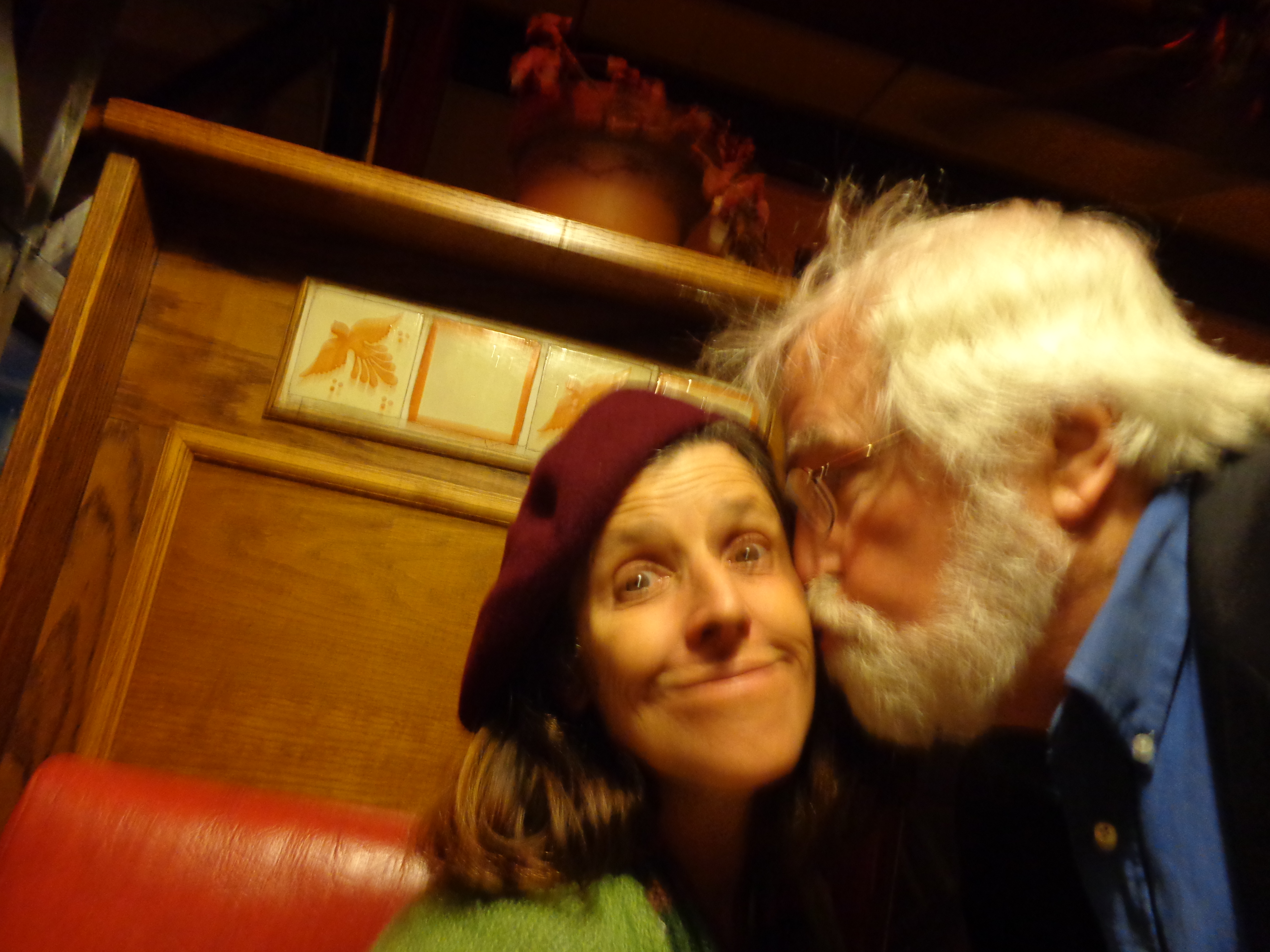
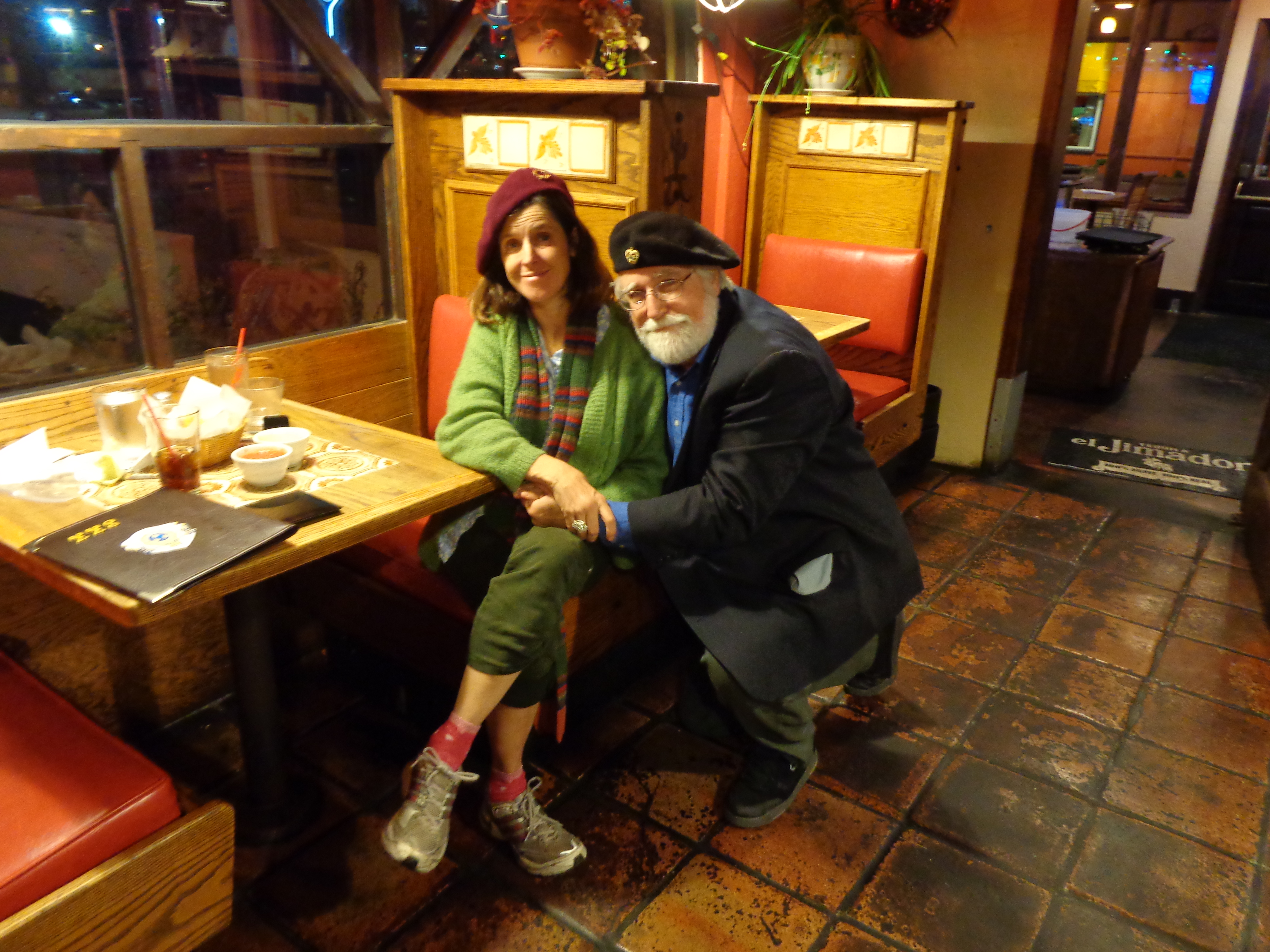
On October 1, 2013 on the day the Government of the United States ceased to exist due to the successful take-over of our Democracy by the Tea Party secessionists, I, John Presco, proposed to, Virginia Hambley de Bourmont, and she accepted.
With this proposal, I presented to my fiancé the Louisianans Territory as held by her illustrious French Ancestors.
Let it be known, that on this day, October 2, 2013, that I John Gregory Presco lay claim to the California and the Oregon Territory as it was known to my illustrious ancestors the Benton and Fremont family, who egregiously ignored the Constitution and the Economic Idealogy of Jeane-Baptise Say, who married into the de Bourmont Anjou family, who are this very day trying to restore the Monarchy of France. Good luck!
I believe the only chance the Orlean de Anjou claimants have, is to back the New Found Kingdoms in America that take in most of the land west of the Missouri River – that was illegally taken by the ideology of ‘Manifest Destiny’ as promoted by my kindred, Senator Thomas Hart Benton. Now that this democracy ceases to exist, I hereby make null and void the purchase of the Oregon Territory from Britain.
Let it be known, that I, the rightful King of California and Oregon, will return California to Mexico and the Mexican People, if they back my claim, and make my bride-to-be and her beloved kindred – the Titular and Dynastic Rulers of the New Kingdom of California-Mexico!
It is my desire to see my kindred merrily taking part in all festivities these great people are known for, with pomp, and royal flare that will be paid for by the Mexican people via a Royal Tax. This is a small price to pay for solving half of the immigration problem.
Sincerely
John Presco
Titular King of Oregon and California
P.S. also let it be known I am the Rightful Leader of the Republican Party – in exile!
The de Bourmonts are Anjou Legitimists who are in contention with the Orléanists for throne of France when, and if, the French Monarchy returns. If this happens, then all the de Bourmonts, even in America, will be line for the French Throne. The question is, are Clark and Elizabeth’s children and grandchildren being watched, looked after?
This is the real Game of Thrones, and the real ‘Pan’s Labyrinth’. Is Virginia saying;
Mormonism is not a Christian religion, and has no reality in the teaching of Jesus who restored the Jubilee in order to free slaves. My kindred, John and Jessie Fremont, would spit on Romeny if they were alive because he and his racist Tea Party Traitors have put Ameria in reverse, and their evil agenda knocks on the graves of the founding fathers of the Republican Party. I am the defender of my political family tradtions – and I don’t need a dime or a yacht to be so!
Get your fake Jesus, and your Cayman Ilsand Traitors, out of my families party, Mitt!
Jon Presco
I have long wondered if folks thought I was mad when I began to warn them the South is on the rise, and, I am heir to all that opposes, and opposed these traitors – born again! Like Jesus, I have been all alone in my quest to free everyone from the yokes of the slave masters, who will always find a way to defy God the Abolitionist, and force human beings to do their work for them – for free! Then, this Liars of Satan turn around an whine about paying taxes on the money they have earned from doing their own damn job!
In the beginning, there was only one Christian, and the slave masters crucified him!
Once again, get your Satanic symbol off Fremont’s flag, and get the hell out of Fremont’s party. Show some guts, you snakes from hell, and form your own party, and fly your evil flag over your treacherous heads.
One blogger wonders if the showdown between Perry and Obama is another Civil War. Below is my post written September, 19, 2009.
Jon Presco
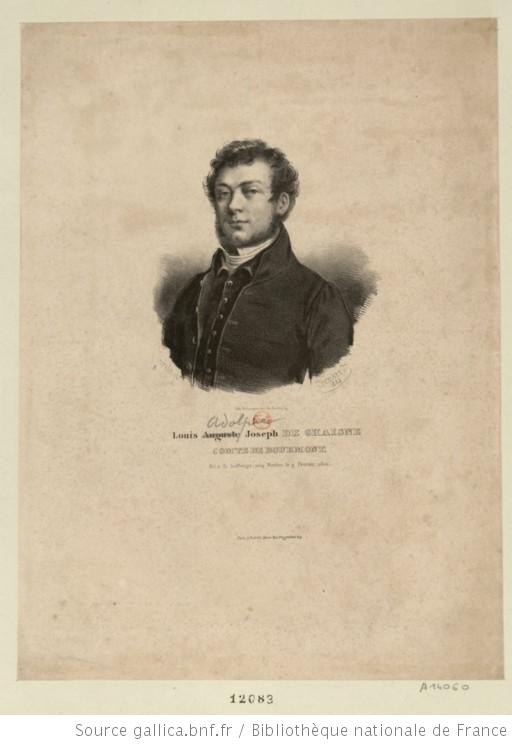
Drawing is of: Louis Auguste Joseph De Ghaisne Comte De Bourmont, Né à la Seilleraye, près Nantes, le 9 Février 1801
French Prince Ready and Waiting for Monarchy to Return
Published December 19, 2008 Wall Street Journal
More than two centuries after the French cut off their king’s head, a pretender to France’s throne is planning a royal wedding.
Prince Jean d’Orléans, Duke of Vendôme, announced earlier this month that, at the age of 43, he will soon marry, with the hope of extending his royal line. His descendants would then be ready if the French monarchy — which was toppled by the bloody Revolution of 1789 — is ever brought back.
Prince Jean d’Orleans is undeterred by Louis XVI and Marie Antoinette’s untimely demise. He believes a monarch is just what France needs right now.
“Maybe one day the monarchy will be restored in France,” said Prince Jean as he strolled around the gardens of the Palais Royal in central Paris. “The prince can’t just sit back and wait. He must make his mark.”
Europe has many families descended from old monarchies. But most are happy just to enjoy the social status their backgrounds confer.
Prince Jean’s ambitions are unusual — and perhaps far-fetched. France restored the monarchy in the 19th century as many as four times, depending on definitions, but has since chosen to stay a republic. Alliance Royale, a group that wants to choose a king by referendum, got just 0.031% of the vote in the 2004 European elections.
“The idea of going back 200 years is unthinkable,” says Charles Napoléon, a politician descended from a brother of Napoléon Bonaparte.
Moreover, even if France decided it wanted its monarchy back, Prince Jean would have to battle a claim from a rival family — the Bourbons, who share a family name with the executed king, Louis XVI. Meanwhile, his own dynasty is struggling to end years of decline.
Prince Jean does his best to live like a king.
He has no official status and little public recognition, and he has to work for a living. He has been a financial consultant, and he now works full time promoting French heritage.
“Victor de Bourmont is a member of one of the largest Angevin aristocratic families. He was born 1907 in Pontivy and died in March 1945 in Pomerania near Kolberg (Korlin). It comes down to many aristocratic families the region and Brittany, including de Cossé-Brissac, and Rohan. Many of his ancestors were under the former Regime, presidents or advisors of the Chamber of Auditors from Brittany and Normandy. Married in 1938, he left behind him, to his death four young children.”
Virginia’s grandmother is a Craven, and her grandfather is Joseph C M De Ghaisne De Bourmont.
“The term Angevin Empire is a modern term describing the collection of states once ruled by the Angevin Plantagenet dynasty. The Plantagenets ruled over an area stretching from the Pyrenees to Ireland during the 12th and early 13th centuries, located north of the kingdoms of Navarre and Aragon. This “empire” extended over roughly half of medieval France, all of England, and some of Ireland.”
Angevin is Anjou. Rene de Anjou was the Duke of Bar. The Bourmonts appear to be kin to the Kings of Jerusalem and Godfrey de Boullon. Here is his genealogy that ends with the Habsburgs, and almost begins with them. Above is a phot of Bourmont Castle.
In the de Bourmont cote of arms we see a blue field with fish that represent the Dukes of Bar. Johanne de Ferrette and Rougemont has blood ties to the Duke’s of Bar. Virginia Hambley and I are related – if it is true that the name Rosamond comes from Rougemont in the Alsace, and I am kin to Johanne. The chances that Virginia is “of the blood” is very high. We talked about having children, I sensing she was “the one”. If my daughter had not come into my life, we would have been childless together. I disowned my daughter who called me “insane” because of my study.
Rene de Anjou, and members of the de Bar family, are considered by some to be Grand Masters of the Priory de Sion. Until I have better proof, I suspect we are looking at another legend that certain people who falsly claimed they were Sinclairs, have attachted themselves to. Below is Denis de Rougemont’s essay on a United Europe.
Jessie and John fremont were friends with Louis Kossuth who lived with Mazzini in Britain for three years. The Fremont bodyguards were foreign socialists. Folks who think Obama is a socialist,are morons.
Jon
The Forty-Eighters were Europeans who participated in or supported the socialist revolutions of 1848 that swept Europe. In Germany, the Forty-Eighters favored unification of the German people, a more democratic government, and guarantees of human rights.[1] Disappointed at the failure of the revolution to bring about the reform of the system of government in Germany or the Austrian Empire and sometimes on the government’s wanted list because of their involvement in the revolution, they gave up their old lives to try again abroad. Many emigrated to the United States, England, and Australia after the revolutions failed. They included Germans, Czechs, Hungarians, and others. Many were respected, wealthy, and well-educated; as such, they were not typical migrants. A large number went on to be very successful in their new countries.
The rise to power of Louis-Philippe, following the revolution of 1830 which sees the establishment of a constitutional monarchy, will revive the ashes of the legitimist resistance in the West of the France and particularly in Mayenne. Supporters of the young Duke of Chambord (the legitimists named Henri V) organize themselves in anticipation of the outbreak of an insurrectional movement. In the campaigns, captains of parishes and division heads to toil to re-create the Organization of troops armed on the model of the chouanneries from 1799 and 1815. There among them to old figures chouannes as Pierre Gaullier, son of the famous “Grand Pierre”, or supporters aristocrats of the Bourbons as Arsène de Pignerolle, Mayor of Laval under the restoration. The clandestine landing in the Vendée of the duchesse de Berry, mother of the count of Chambord and legitimist resistance icon, will precipitate events. Order is given to the chouans take up arms in the night of 23 to 24 may 1832. But the royalist Committee in Paris, which is reluctant to provoke a new civil war, manages to convince Marshal Bourmont to disseminate an ordered that halts all military operations. Nevertheless, the South-Mayenne will be stirred up by fighting. On May 26, in the corridors of the castle of Chasnay to Grez-en-Bouère, a detachment of the 31st regiment of line, from Château-Gontier, collides with the custody of Clouet general who order the chouans of the right bank of the Loire. The latter manages to escape after a shootout that left 3 dead among government soldiers and 2 in chouans. Follows in the course of the month of June, a wave of arrests that will throw in jail individuals suspected of having participated in this uprising failed. Under the State of siege, ordained also because Republican riots which agitated the capital, war councils are established, but their installation does not occur smoothly. June 11, the judges of the Court of Laval refuse to divest itself of charges of chouans records. Nevertheless, despite this Act of protest, the death sentences, including that of journalist pamphleteer Karthik, are proclaimed. But these sentences will not be executed because the Court of cassation will a judgment invalidating the establishment of Councils of war as unconstitutional. Therefore, in the fall of 1832, the civil courts may begin to hear the trial of the insurgents. To remove these last to the condemnation of public opinion, the seats are generally held away from places of exaction of the chouans. Thus, in December 1832, it is 104 sarthois chouans who pass judgment in Orleans. The jury will be particularly clement to condemn only 7 individuals to imprisonment or deportation and by paying a large number of commoners from for most of the world agricultural or artisanal. The general amnesty proclaimed in 1837 will come to put an end to the judicial follow-up to this last chouannerie. Today, there is still much to learn about the uprising of 1832 and the consultation of judicial archives or the press of the time to go beyond the romantic myth born around the stories of the epic of the duchesse de Berry.
Château de Brézé is a small, dry-moated castle located in Brézé, near Saumur in the Loire Valley, France. The château was transformed during the 16th and the 19th centuries. The current structure is Renaissance in style yet retains medieval elements including a drawbridge and a 12th-century trogloditic basement. Today, it is the residence of descendants of the ancient lords. The château is a listed ancient monument originally dating from 1060.[1] A range of wines are produced at the château which has 30 hectares of vineyards.[2]
Purge of the Legitimists[edit source | editbeta] In the meantime, the government expelled from the administration all of the Legitimist supporters who refused to pledge allegiance to the new regime, leading to the return to political affairs of most of the staff of the First Empire that had been expelled during the Second Restoration. This renewal of political and administrative staff was humorously illustrated by a vaudeville of Jean-François Bayard.[3] The Minister of the Interior, Guizot, renewed all the prefectoral administration and the mayors of large cities. The Minister of Justice, Dupont de l’Eure, assisted by his secretary general, Mérilhou, dismissed most of the public prosecutors. In the Army, the General de Bourmont, a follower of Charles X who was commanding the invasion of Algeria, was replaced by Bertrand Clauzel. Generals, ambassadors, plenipotentiary ministers and half of the Conseil d’État were replaced. In the Chamber of Deputies, a quarter of the seats (119) were submitted to a new election in October, leading to the defeat of the Legitimists.
The Kingdom of France (French: Royaume de France), commonly known as the July Monarchy (French: Monarchie de Juillet), was a liberal constitutional monarchy in France under Louis Philippe I starting with the July Revolution of 1830 (also known as the Three Glorious Days) and ending with the Revolution of 1848. It began with the overthrow of the conservative government of Charles X and the House of Bourbon. Louis Philippe, a member of the traditionally more liberal Orléans branch of the House of Bourbon, proclaimed himself Roi des Français (“King of the French”) rather than Roi de France (“King of France”), emphasizing the popular origins of his reign. The new regime’s ideal was explicated by Louis Philippe’s famous statement in January 1831: “We will attempt to remain in a juste milieu (the just middle), in an equal distance from the excesses of popular power and the abuses of royal power.”[1]
Legitimists are royalists in France who adhere to the rights of dynastic succession of the descendants of the elder branch of the Bourbon dynasty, which was overthrown in the 1830 July Revolution.[1] They reject the claim of the July Monarchy of 1830–1848, whose king was a member of the junior Orléans line of the Bourbon dynasty. Following the movement of Ultra-royalists during the Bourbon Restoration of 1814, legitimists came to form one of the three main right-wing factions in France, which was principally characterized by its counter-revolutionary views (they rejected the 1789 French Revolution, the Republic and everything that went with it; thus, they progressively became a far-right movement, close to traditionalist Catholics). The other two right-wing factions are, according to historian René Rémond, the Orléanists and the Bonapartists. Legitimists hold that the king of France must be chosen according to the traditional rules of succession based in the Salic law. With the direct line of Charles X having become extinct in 1883 with the death of his grandson Henri, Count of Chambord, present-day legitimists also reject headship of the royal dynasty by members of the Orléans branch, arguing that members of the Spanish branch of the Bourbons descending from Philip V of Spain possess a more senior claim.
During the July Monarchy of 1830 to 1848, when the junior Orleanist branch held the throne, the Legitimists were politically marginalized, many withdrawing from active participation in political life. The situation was complicated before 1844 by debate as to who the legitimate king was: Charles X and his son Louis-Antoine the Dauphin had both abdicated during the 1830 Revolution in favor of Charles’s young grandson, Henri comte de Chambord. Until the deaths of Charles X and his son in 1836 and 1844, respectively, many Legitimists continued to recognize each of them in turn as the rightful king, ahead of Chambord.
Affected by sinistrisme, few conservatives explicitly called themselves right wing during the Third Republic: it became a term associated with the Counter-Revolution and anti-republican feelings, and by the 1900s (decade) was reserved for radical groups. Those Legitimists who had rallied to the Republic in 1893, after the comte de Chambord’s death ten years before, still called themselves Droite constitutionnelle or républicaine (Constitutional or Republican Right). But they changed their name in 1899, and entered the 1902 elections under the name Action libérale. By 1910, the only group which openly claimed descent from the right wing gathered only nostalgic royalists, and from 1924 on the term “right wing” practically vanished from the parliamentary right’s glossary. By this time, the vast majority of legitimists had retired to their country chateaux and abandoned the political arena.[citation needed] Although the Action française remained an influential movement throughout the 1930s, its motivations for the restoration of monarchy were quite distinct from older Legitimists’ views, and Maurras’ instrumental use of Catholicism set them at odds. Thus, Legitimists participated little in the political events of the 1920s and 1930s, in particular in the 6 February 1934 riots organized by far right leagues. The royalist aristocrats clearly distinguished themselves from the new ultra right, influenced by the emerging movements of fascism and nazism. However, Legitimists joined Maurras in celebrating the fall of the Third Republic after the 1940 Battle of France as a “divine surprise”, and many of them entered Pétain’s Vichy administration as a golden opportunity to impose a reactionary program in occupied France[citation needed]. Legitimists under Vichy and after World War II (1940–Present)[edit source | editbeta] Legitimists returned to prominence during Vichy France, according to historian René Rémond’s studies of the right-wing factions in France.[citation needed] Some would also support the OAS during the Algerian War (1954–62)[citation needed]. Marcel Lefebvre’s Society of St. Pius X, founded in 1970, especially in France, shares aspects with the legitimist movement, according to Rémond. As of 2006, some remain strongly attached to the traditionalist wing of the Catholic Church and were particularly encouraged by the theological conservatism of the former Pope, Benedict XVI.[citation needed] Such Legitimists are strongly opposed to the proposed European Constitution and anything else perceived as threatening the independence of France. Among French Legitimists, there is diversity of opinion. Some tend to gather around Traditionalist Catholic places, such as the Saint-Nicolas-du-Chardonnet church in Paris, or around far-right parties such as Jean-Marie Le Pen’s Front National or de Villiers’ Mouvement pour la France. Many others are true democrats, wishing France could have a parliamentary monarchy like the ones of the United Kingdom or Spain. There are small but active Legitimist circles throughout France.[citation needed]
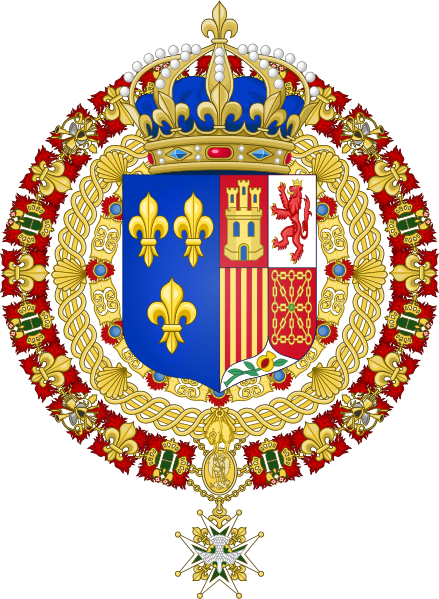
A remnant, known as the blancs d’Espagne (“Whites of Spain”), by repudiating Philip V’s renunciation of the French throne as ultra vires and contrary to the Fundamental French monarchical law, upheld the rights of the eldest branch of the Bourbons, represented as of 1883 by the Carlist pretender to the Spanish throne. This group was initially minuscule, but began to grow larger after World War II due both to the political leftism of the Orleanist Pretender, Henri, comte de Paris, and to the active efforts of the claimants of the elder line—Jaime, Duke of Segovia, the disinherited second son of Alfonso XIII of Spain, and his son, Alfonso, Duke of Anjou and Cádiz—to secure legitimist support, such that by the 1980s, the elder line had fully reclaimed for its supporters the political title of “Legitimists”. This means that the current legitimist claimant is the Spanish-born Louis-Alphonse de Bourbon (Luis-Alfonso de Borbón y Martínez Bordiú), styled duc d’Anjou, whom the French legitimists consider to be the de jure king of France under the name “Louis XX”. A 1987 attempt[2] by the Orleanist heir (and other Bourbons, none of the elder branch) to contest Louis-Alphonse’s use of the Anjou title[3] and to deny him use of the plain coat of arms of France was dismissed by the French courts in March 1989 for lack of jurisdiction (the courts did not address the merits of the claims). The duc d’Anjou, a French citizen through his paternal grandmother, is generally recognised as the senior legitimate representative of the House of Capet. Dynastic arguments[edit source | editbeta]
This section possibly contains original research. Please improve it by verifying the claims made and adding inline citations. Statements consisting only of original research may be removed. (October 2011) The Legitimist arguments on the succession to the French throne is based on the fundamental laws of the Ancien Régime which was formed in the early centuries of the Capetian monarchy. According to these rules, the succession to the throne is hereditary, passing by primogeniture in combination with the Salic law (which excludes females and descendants who wish to claim the throne through the distaff line). The King must also be Catholic. Unlike the other requirements, which are fixed, this can be overcome by conversion. Among the further tenets of the legitimist position are the following: Continuity (or immediacy) of the Crown: upon the death of a monarch, his heir automatically and immediately becomes king, without the need of any formal act of investiture, and even if political circumstances would not allow him to actually take power. Unavailability or (inalienability) of the crown: the crown is not the personal property of the king; therefore, nobody, not even the king himself, can alter the line of succession, through an act of abdication or renunciation, or by appointing an heir of his own choosing. This argument is crucial for the legitimists regarding the continuing validity of the rights of succession of the Spanish line of Philip V and his descendants. According to this view, Philip’s renunciation of his rights of succession in France in the Treaty of Utrecht of 1713 was null and void, and therefore his descendants still retain their claim to the French throne ahead of the Orléans line. It has been a point of contention within the legitimist camp to what extent French nationality constitutes a precondition for royal succession. While adherents of the Spanish (Anjou) line argue that princes of foreign nationality can still succeed to the French crown,[4] others hold that French nationality of both the claimant and his ancestors is a requirement.[5][6]
Those Legitimists who did not accept the Orléanist line as the successors of Chambord argued that the renunciation of the French throne by Philip V of Spain, second grandson of Louis XIV, was invalid, and that in 1883 (when Chambord died childless) the throne had passed to Philip V’s male heirs. This line had also lost the Spanish throne in favor of the non-Salic heiress Isabella II, and were known as the Carlist pretenders in Spain. The French claim was reunited with that of the Isabelline Spanish line when the Carlist branch died out in 1936, though Alfonso XIII of Spain had by that time been dethroned by the Second Spanish Republic. The French and Spanish claims separated again at Alfonso’s death, as his eldest surviving son Infante Jaime renounced his claim to the Spanish throne due to physical disability and, some years later, asserted a claim to the French succession based on Legitimist principles. The present French Legitimist claimant is descended from Jaime, while the present King of Spain is descended from his younger brother, Don Juan.
Louis Alphonse of Bourbon, Duke of Anjou[1][2] (French: Louis Alphonse Gonzalve Victor Emmanuel Marc de Bourbon;[3][4][5] born 25 April 1974, Madrid) is a member of the Royal House of Bourbon, and one of the current pretenders to the defunct French throne as Louis XX. As the senior male heir of Hugh Capet,[6] being the senior descendant of King Louis XIV of France (ruled 1643–1715) through his grandson King Philip V of Spain, he is recognized as the “Head of the House of Bourbon” and rightful claimant to the French crown by the Legitimist faction of French royalists. Louis Alphonse is a great-grandson of King Alfonso XIII of Spain and first cousin once removed of King Juan Carlos I of Spain. Through his mother, he is also a great-grandson of Spain’s former dictator Francisco Franco[3] and is expected to succeed to the Dukedom of Franco held by his grandmother, Carmen Franco.
The title “Duke of Anjou” was the last French title held by Philip V of Spain prior to his accession. It had long merged with the French crown, last granted by Louis XV to his grandson Louis Stanislas. Legitimist pretenders use this style as a courtesy title.[7][8] According to Legitimist usage, dynasts who are French nationals are accorded the style Prince of the Blood (prince du sang).
Alfonso, Duke of Anjou, Duke of Cádiz, Grandee of Spain (Alfonso Jaime Marcelino Manuel Víctor María de Borbón y Dampierre, French citizen as Alphonse de Bourbon) (20 April 1936 – 30 January 1989) was a grandson of King Alfonso XIII of Spain and a Legitimist claimant to the defunct throne of France as Alphonse II.
In 1987, Prince Henri of Orléans, Count of Clermont, eldest son of Henri, Count of Paris, the then Orléanist claimant to the defunct throne of France, initiated a court action against Alfonso for his use of the title Duke of Anjou and the coat-of-arms France Moderne (three fleur-de-lis or); Henri asked the court to fine Alfonso 50,000 French francs for each future violation. In 1988, Prince Ferdinand, Duke of Castro and Prince Sixtus Henry of Bourbon-Parma joined Henri’s lawsuit in reference to the use of the title Duke of Anjou, but not in respect to the coat-of-arms. On 21 December 1988, the Tribunal de grand instance of Paris ruled that the lawsuit was inadmissible because the title’s legal existence could not be proven; that neither the plaintiff (Henri) nor the intervenors (Fernando and Sixtus) had established their claims to the title; and that Henri was not injured from the use of the plain arms of France by the Spanish branch of the Bourbon family.[10]
The Orléanists were a French right-wing/center-right party which arose out of the French Revolution. It governed France 1830-1848 in the “July Monarchy” of king Louis Philippe. It is generally seen as a transitional period dominated by the bourgeoisie and the conservative Orleanist doctrine in economic and foreign policies. The chief leaders included Prime Minister François Guizot. It went into exile during the reign of Emperor Napoleon III and collapsed with the establishment of the Third Republic in 1870. It took its name from the Orléans branch of the House of Bourbon (descended from the youngest son of Louis XIII), who were its leaders. The faction comprised many liberals and intellectuals who wanted to restore the monarchy as a constitutional monarchy with limited powers for the king and most power in the hands of parliament. Orleanists were opposed by the more conservative Bourbon faction, who wanted the heirs of Louis XVI restored to the throne with great powers. Both Orleanists and Bourbons were opposed by republicans who wanted no king at all.
Henri d’Orléans, Count of Paris, Duke of France (Henri Philippe Pierre Marie d’Orléans; born on 14 June 1933), is a member of the former French ruling dynasty of the House of Bourbon, and one of the current pretenders to the defunct French crown as Henry VII. A descendant of King Louis-Philippe (ruled 1830–1848), he is the current head of the Orléans line of the Bourbon dynasty. As such he is recognized as the legitimate claimant to the throne by those French royalists who adhere to the succession of Louis-Philippe (“Orléanists”), as well as by the “Unionist” faction that rejects Louis-Philippe’s title but recognizes his grandson Philippe, Count of Paris (1838–1894), as the heir of the rival claimant Henry, Count of Chambord, the last direct agnatic descendant of King Louis XV. Henri of Orléans is a former military officer as well as an author and painter.



















 Rosamond Press
Leave a comment