
On this day, May 10, 2024….I declare the Encampment at the University of Oregon, a part of the Palestinian Diaspora. I hereby give this Historic Encampment a name….
The Mark Hatfield – Peace Encampment For Human Empathy
Oregon’s late Senator believe there was a Natural Empathy that humanity owns, that should supersede the need for humans to go to war. This Oregon Encampment is based upon the German and Israeli Turnverein. Max Nardou borrowed from the secular gymnasts originations in Germany, and invented Zionism. His goal was to make Jews strong again. However, because of the duality that is ingrain in human thinking, we tend to practice our strength on those who are weaker than us, resulting in our total demise. This was the case of Nazi Germany who used the Turner rallies to display the ambitions of one man, who slaughtered millions of Jews. It is my belief the Zionist ill-treatment of the Palestinian People, has led Israel to the brink of destruction.
Mark walked about the ruins of Hiroshima, and owned compassion for America’s enemies that launched a sneak attack on Pearl Harbor. I visited the Encampment two days and found it to be a very peaceful, and an intellectual oasis – that is thought-provoking, as were the Turnverein Halls. My grandfather, Carl Janke, built to of them in San Francisco. I include the PEFHFE in the history of the Turners, and thus – is worthy of a study. I would like to see the Department of Anthropology conduct a field study, and map out and measure the placement of tents on the lawn.
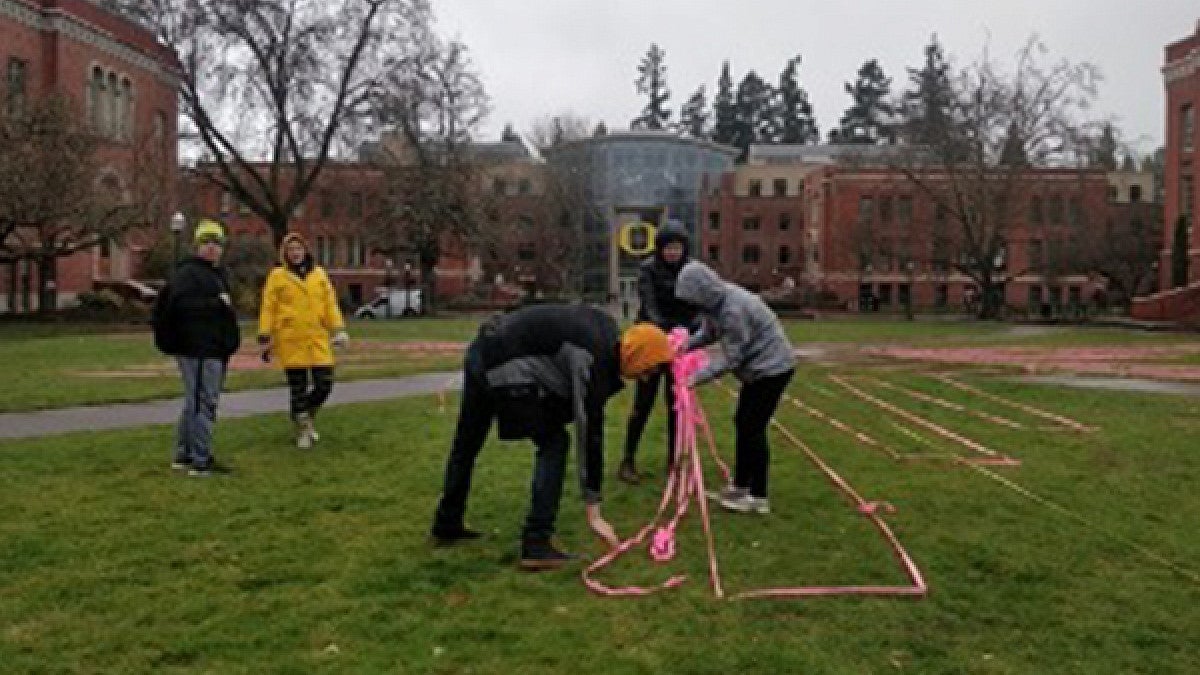
Below is a photo of this department measuring and recording a Indigenous American site. The study of the Indigenous People of Palestine can be conducted in the theological building seen in the photo above. How many religions – were born in a tent? The contents of the garbage cans should be recorded for prosperity. Several Nations are meeting to recognize Palestine as a sovereign Nation. If this happens, then the Hatfield Encampment will be like an Embassy to Palestine.
“According to Spanish government sources, May 21 is the date that is being considered by Spain and other European Union countries to recognize the Palestinian State.
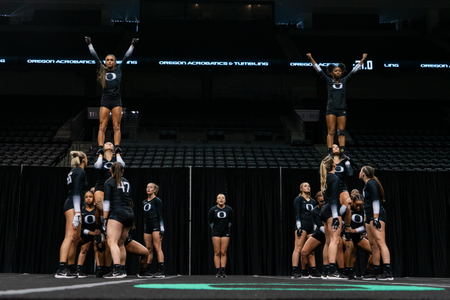
I would like to see the month of May be dedicated to Turner Sports, Dance, Gymnastics that would take place on the lawn in front of the Library and Museum. I have encouraged one tent monitor to take the vow of the Nazarite. If she does, then the Hatfield Camp will be a religious idea based upon Samson, Gideon, Samuel, and John the Baptist. We can be – all inclusive – for a change! We can all be strong!
John Presco ‘The Nazarite Friend of Jezebel;
EXTRA! I posted this then turned on the news and saw this – live!



American Mitchell Marks smiles for the crowd after a successful lift during the snatch segment of the Maccabiah’s weightlifting competition in Jerusalem on July 19, 2022. (Judah Ari Gross/T

ANTH 255 Atlantis, Aliens and Archaeology
Instructor: Alison Carter
Description: Critically examines pseudoscientific examples of archaeology using case studies from around the world (e.g. the lost city of Atlantis, ancient aliens) and explores how proper scientific archaeological research is conducted.
Build New Carthage In Gaza!
Posted on May 5, 2024 by Royal Rosamond Press

In Gaziantep, Turkey, archaeologists have excavated three stunning mosaics, shedding light on the grandeur of the ancient Greek city of Zeugma.
Oregon – The State Of Peace and Freedom
Posted on March 17, 2024 by Royal Rosamond Press

Letter To: Governor Kotek and Senator Ron Wyden.
Good morning my lawfully elected Representatives chosen by the People of Oregon, who are so blessed, because the late Senator Mark Hatfield laid the groundwork for our fellow citizens to begin the rebuilding. Senator Hatfield is the continuing drama of the making of nuclear bombs, and the dropping of these bombs on Hiroshima and Nagasaki, Mark was in Hiroshima shortly after Oppenhiemers bomb was dropped. Before that, he was on the beaches at Iwo Jima.
“Like every other man, I knew fear and terror on a level I couldn’t even fathom. As soon as the Marines disembarked, my tiny boat all but drowned. We took on water and my crew bailed as fast as they could, frantic, under fire every minute, deafening artillery right over our heads.”
https://socialsciences.uoregon.edu/anthropology
Anthropology is the study of humans, and at the University of Oregon we accomplish this through the integration of three distinct yet complementary subfields: archaeology, biological anthropology, and cultural anthropology.
The Department of Anthropology is dedicated to better understanding human cultural and biological origins and diversity through education and research. The faculty is committed to excellence in teaching and to the advancement of knowledge through local, national, and international programs of research. As anthropologists, we are engaged in understanding recent and historical developments in the world at large, and we also seek to bring anthropological perspectives to bear on the problems of a modern global society.
The department embraces a broad intellectual pluralism where different theoretical and methodological approaches are recognized and valued.
Only after the exclusion of Jewish members from “German” sports organizations in 1933, when girls and women poured into the newly established “Schild Sportbund des Reichsbundes jüdischer Frontsoldaten” (Sports Association in the Reichsbund of Jewish Front-Line Soldiers), did the “women’s question” become an issue. In accord with a clearly eugenic tendency, the yardstick for evaluating women’s sports was their compatibility with a woman’s duties as housewife and mother. Accordingly, the guidelines on women’s sports, drawn up by Martha Wertheimer, were predominantly warnings against achievement-oriented sports and against the destructive effects of competition and its negative impact on the family and community.
The women made full use of their decision-making powers: they demanded, for example, that the women’s sections should be headed by women. Even though in the Jewish gymnastics movement, too (as, for example, at the Second Jewish Gymnastics Meeting in 1906), the leadership qualities of women were questioned even by female members, the principle of entrusting women’s and girls’ gymnastics to female trainers and coaches was nevertheless established. Thus, the demand for “female leadership,” still to be heard in the bourgeois and proletarian sports movement in the 1920s, had already been met by the Jewish sports movement in Berlin even before World War I.
https://www.cnn.com/2024/05/09/middleeast/rafah-palestinians-refugees-fleeing-intl/index.html
In 1906, the first Jewish gymnastics club was formed in Palestine. Clubs later would spring up in other cities. By 1912, all of them joined the Maccabi Federation of Israel. That same year, the first relations were established between them and their European counterparts, when a decision was taken at the Maccabi Conference in Berlin to begin group trips to Palestine.
The discourse on gymnastics and sport for women was embedded in the overall concept of the Jewish gymnastics movement, whose ultimate goal was to promote health, strength, and self-awareness in the Jewish community. The early integration of women into the Jewish National gymnastic movement not only aimed at improving physical fitness among girls and women but also pursued political and ideological objectives. “Increasing the nation’s strength” seemed to depend on the physical constitution of women, who were expected to bear strong sons. Besides this, a good psychological constitution and a positive attitude toward physical fitness were imperative for mothers, since they were ultimately responsible for raising their children. Women were also encouraged to be strong in both mind and body in order to meet the requirements of paid employment, sought by increasing numbers of women. Moreover, gymnastics was considered a means of making girls and women aware of Judaism and of introducing them to the Zionist movement. Last but not least, strong and healthy women were needed for the emigration to Erez Israel.
Coalition of European countries consider recognizing Palestinian State on May 21
Spain, Ireland, Slovenia and Malta are discussing a simultaneous announcement ahead of the EU elections in order to remove the decision from the electoral debate

According to Spanish government sources, May 21 is the date that is being considered by Spain and other European Union countries to recognize the Palestinian State. On that day the last meeting of ministers will be held before the campaign for the elections to the European Parliament begins on June 9, and the sources consulted advocate taking a decision of this importance out of the electoral debate.
https://de.wikipedia.org/wiki/Deutsche_Turnerschaft
https://jwa.org/encyclopedia/article/sports-in-germany-1898-1938
https://socialsciences.uoregon.edu/anthropology
Anthropology is the study of humans, and at the University of Oregon we accomplish this through the integration of three distinct yet complementary subfields: archaeology, biological anthropology, and cultural anthropology.
The Department of Anthropology is dedicated to better understanding human cultural and biological origins and diversity through education and research. The faculty is committed to excellence in teaching and to the advancement of knowledge through local, national, and international programs of research. As anthropologists, we are engaged in understanding recent and historical developments in the world at large, and we also seek to bring anthropological perspectives to bear on the problems of a modern global society.
The department embraces a broad intellectual pluralism where different theoretical and methodological approaches are recognized and valued.
Satellite imagery shows Palestinians fleeing Rafah’s tent cities as threat of major attack looms

By Paul P. Murphy, CNN
3 minute read
Updated 7:55 AM EDT, Fri May 10, 2024

A satellite image show tent camps in Rafah, Gaza, on May 7. Planet Labs, PBCCNN —
Palestinians are fleeing Rafah’s tent cities in large numbers as the threat of a potential major Israeli assault in the southern Gaza city looms, new satellite imagery from Planet Labs shows.
CNN has identified several camps sheltering Gaza’s vast refugee population – including the main camp in central Rafah that housed thousands of tents – which have significantly decreased in size between Tuesday and Wednesday. Although some camps in Rafah did see a decrease in population earlier in the week, the majority of camps identified by CNN saw their greatest declines since Tuesday.


Satellite images show tent camps in Rafah, Gaza, on May 5 and May 8. Planet Labs, PBC
Oregon Turnverein
Posted on April 9, 2024 by Royal Rosamond Press
Here comes the Oregon Turners!
John
Secular-Socialist Foundation of Zion
Posted on December 21, 2011 by Royal Rosamond Press
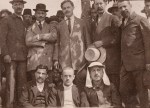
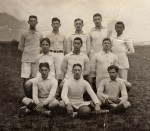

It was radical socialist Jews, who belonged to sports clubs, that founded the state of Israel, and not Rabbis or a Messiah. The only person giving the title ‘Messiah’ was Harry Truman, a Democrat. The group that gets most of the credit is the Israelitische Turnverein, a group of Jewish gymnasts who were expelled from the Berlin Turnverien. My Stuttmeiser, Janke kinfolk were members of the Tunrverein, and were radical Forty-Eighters who are also give credit for the founding of Israel. These Forty-Eighters made up John Fremont’s and Jessie Benton’s bodyguard. The Freemasons are here. Other clubs that followed were named after “Bar Kochba” who was seen as a Messiah until he failed to drive the Romans out of Judea. His name was changed to “Simon bar Kozeba” (Hebrew: בר כוזיבא, “Son of lies” or “Son of deception”).
Whne you add it all up, for some strange reason my kindred are right there at the center of the Zionist controversy that has overcome the Republican Party, all but destroying it. The Zionist Evangelicals – disguised as Patriots – have brought our Democracy to a halt. In order to keep the focus on them, budgets are not going to be passed. Millions will be hurt financially. These religious fanatics use our Federal Taxes like a secular tithe in order to spread their propaganda that backs the Hawks of Israel. The only thing that keeps them hidden in the wings, is they have failed to capture the White House. When they do, the Capitol building that houses the Senate and Congress, will be turned into the Evangelical Vatican. They do these things because they know their cosmology is not tenable, is based on delusions and lies. They are Decietful Parasites looking for a legitimate host. This is why I registered as a Republican two years ago.
Get out of the Republican Party founded by my kindred. Form you own party.
Jon the Nazarite
As early as the 19th century, Jewish sports clubs were founded in Eastern and Central Europe. The first club was the Israelite Gymnastic Association Constantinople (German: Israelitischer Turnverein Konstantinopel) founded in 1895 in Constantinople, Turkey by Jews of German and Austrian extraction who had been rejected from participating in other social sport clubs. Two years later, haGibor was formed in Philipople, Bulgaria and 1898 saw the founding of Bar Kochba Berlin along with Vivó és Athletikai Club in Budapest, Hungary.
Other clubs that followed were named after “Bar Kochba” or Hebrew names such as “Hakoah” or “Hagibor” that symbolized strength and heroism. One of the basic premises behind the founding of these clubs was Jewish Nationalism. The concept was that Jews were not only a religious entity, but also one based on a common historical and social background, having special cultural and psychological concepts that have been preserved to this day, resulting in a strong recognition of collective belonging.
In 1906, the first Jewish gymnastics club was formed in Palestine. Clubs later would spring up in other cities. By 1912, all of them joined the Maccabi Federation of Israel. That same year, the first relations were established between them and their European counterparts, when a decision was taken at the Maccabi Conference in Berlin to begin group trips to Palestine.
Simon bar Kokhba (Aramaic: שמעון בר כוכבא, also transliterated as Bar Kochba) was the Jewish leader of what is known as the Bar Kokhba revolt against the Roman Empire in 132 CE, establishing an independent Jewish state of Israel which he ruled for three years as Nasi (“Ruler”). His state was conquered by the Romans in 135 following a two-year war.
Documents discovered in the modern era[1] give us his original name, Simon ben Kosiba, (Hebrew: שמעון בן כוסבא) he was given the surname Bar Kokhba, (Aramaic for “Son of a Star”, referring to the Star Prophecy of Numbers 24:17, “A star has shot off Jacob”) by his contemporary, the Jewish sage Rabbi Akiva.
After the failure of the revolt, the rabbinical writers referred to bar Kokhba as “Simon bar Kozeba” (Hebrew: בר כוזיבא, “Son of lies” or “Son of deception”).
Despite the devastation wrought by the Romans during the First Jewish-Roman War (66–73 CE), which left the population and countryside in ruins, a series of laws passed by Roman Emperors provided the incentive for the second rebellion. The last straw was a series of laws enacted by the Roman Emperor Hadrian, including an attempt to prevent Jews from living in Jerusalem; a new Roman city, Aelia Capitolina, was to be built in its place. The second Jewish rebellion took place 60 years after the first and re-established an independent state lasting three years. For many Jews of the time, this turn of events was heralded as the long hoped for Messianic Age. The excitement was short-lived, however; after a brief span of glory, the revolt was eventually crushed by the Roman legions.
A complete Roman legion with auxiliaries was annihilated. The new state knew only one year of peace. The Romans committed no fewer than twelve legions, amounting to one third to one half of the entire Roman army, to reconquer this now independent state. Being outnumbered and taking heavy casualties, the Romans refused to engage in an open battle and instead adopted a scorched earth policy which reduced and demoralized the Judean populace, slowly grinding away at the will of the Judeans to sustain the war.
The first all Jewish gymnastic club was formed in 1895 known as the
Israelitische Turnverein Konstantinopel (Israelite Gymnastic
Association Constantinople), it was formed by German and Austrian
Jews residing in Constantinople (Istanbul – Kushta) who were
unwelcome at the German gymnastic societies with their “Aryan –
only” membership proclivities.
Modeling themselves on the very German organization which had barred
them, they adopted the slogan of the vigorous, devout, cheerful and
free.
Another milestone in the formation of the Jewish sport movement
occurred at a meeting of the permanent committee of the Second
Zionist Congress held in Basel in 1898. Dr. Max Nordau made an
impassioned plea for a Muscular Judaism noting that “We Jews possess
an exceptional gift for physical activity. It may by that this will
appear paradoxical since we have been accustomed for generations to
view ourselves in the mirror which our enemies have held up to so,
and to discover any number of physical blemishes. It is true that
our muscles have been weakened and that our attitudes and postures
are not always satisfactory… but when Jews do engage in sport their
defects vanish, their postures improve, their muscles become strong
and their general health gets better”. Similarly, Herzl stressed
that the derisive term coined by the anti-Semites, Judenjungen (akin
to “Jewboy”), should be reversed in both form and content, and give
way to the meritorious appellation Junge Juden (Young Jew).
Following Herzl’s and Nordau’s call, many clubs were quickly
organized. This nascent movement received an immeasurable boost with
the appearance in 1900 of the first periodical dedicated entirely to
Jewish sport, Die Juedische Turanzeitung, which was the official
publication of the pre-eminent Jewish gymnastic club, Juedische
Turnverein Bar Kochba – Berlin.
Bolstered by the newspaper’s daring proclamation, the by now
numerous Jewish gymnastic clubs banded together in 1903 under the
umbrella organization of Die Juedische Turnerschaft (Jewish
Gymnastic Association) with headquarters in Berlin. The constitution
of Die Juedische Turnerschaft permitted membership to every Jewish
gymnastic club that accepted that “the aim of the society is to
foster gymnastics as a medium to build up physical fitness as part
of the Jewish National Idea.”
On the fourth of May [1856] the regular annual festival of the Turnverein Association of San Francisco took place, with all the usual accompaniments of music, dancing, gymnastics, oratory, eating and drinking. The festival, which was inaugurated by a procession of the Society to welcome their brother Turners from the interior, lasted three days, and everybody passed off in the most orderly and agreeable manner. The gymnastic performances were excellent, and formed a large portion of the ceremonies.
The celebration of the “May festival,” although in the United States it is conducted under the control of the Turnverein Association, is a national festival in which all the Germans partake, and which is celebrated throughout all Germany. The origin of the Turner Association, which has now become so large and so important a one among our German citizens, was a political one. Germany is divided into thirty-six different States, with as many Governments of a despotic nature, and many of them hostile to each other.
Young Germany, deeply imbued with the spirit of freedom, has been for a long time anxious to throw off these yokes, and unite under one liberal, consolidated Government; but the rulers, in order to prevent this, have forbidden all assemblies or associations for political purposes, under heavy penalties. In order to avoid this prohibition an enthusiastic republican named Jahn made the meeting and associations for gymnastic exercises the occasion for the spread of democratic doctrines, and the Turnverein (or gymnastic association,) soon spread and grew into importance wherever Germans are found. This association now exists in, and exercises a great influence over the whole German population.
There is no secrecy about the association, neither is there any direct connection between the different associations, although a Turner of any one city considers himself, to all intents and purposes, a member of the Turnverein of any other city.
Why Muscular Judaism Should Make a Comeback
JAN 18, 2021, 11:58 PM
Please note that the posts on The Blogs are contributed by third parties. The opinions, facts and any media content in them are presented solely by the authors, and neither The Times of Israel nor its partners assume any responsibility for them. Please contact us in case of abuse. In case of abuse,
Report this post.
The modern conception of Muscular Judaism was born into existence through the words of Max Nordau in a 1898 speech to the Second Zionist Congress. In his speech, Nordau urged the creation of the “new Jew,” a Renaissance man with a refined mind, body, and spirit capable of leading the Jewish people out of diaspora and distress. He would be balanced, the antithesis of the overly spiritually-minded, esoteric Rabbinical scholars and the overly physically-minded, equally detached Haskalah intellectuals of the day, which Nordau dubbed “old Jews.”
This movement has largely been lost to the past, due to its overwhelming success. Muscular Judaism had an outsized effect on shaping the culture of modern Israel, influencing the early Halutzim, the Kibbutzniks, and the three pre-IDF paramilitary organizations alike. Sports organizations like Maccabi and Hapoel were created with Muscular Judaism in mind, still around today in varying capacities. Israeli youth groups like Maccabi Hatzair and Beitar were also founded with a heavy emphasis on Muscular Judaism, both still in existence. In the diaspora, the B’nai Brith Youth Organization gained prominence mainly through its basketball and debate competitions. Even today, many diaspora Jews live a few minutes drive from a JCC, typically complete with a basketball gym, a weight room, and sometimes swimming pools.
Jews of all types have a special and lasting affinity for their Jewish sports legends. Sandy Koufax, Hank Greenberg settling records and refusing to play ball on Yom Kippur, Daniel Mendoza developing boxing and paving the way for future Jewish champions Benny Leonard and Yuri Foreman, Lipman Pike developing baseball as the original homerun king, Jeff Halpern leading various NHL teams to victory, etc. In the present day, we have stars like Deni Avdija, Nili Block, Ryan Braun, Sagi Muki, Michael Schwartz, Julian Edelman, Dmitry Salita, Natan Levy, and many others to look up to as our Jewish sports legends.
The tremendous success of muscular Judaism has caused it to fade into the background, something that we have begun to take for granted, but the growing polarization of global Jewry necessitates its comeback into the global Jewish consciousness. Today, mainly in the diaspora, there is a rise in secularization. Typically from families who in previous generations identified as either Reform or Conservative now mark themselves down as “unaffiliated Jews.” Globally, there is a rise in Orthodoxy, becoming the fastest growing sect due to its kiruv (outreach) efforts and its towering birthrates. It is an incontrovertible statement that this polarization is building an increasing animosity within world Jewry.
A comeback for Muscular Judaism would provide the growing number of both secularized, unaffiliated Jews and yeshivish, intellectually-focused Orthodox Jews and a basic, grounding, real, unifying, tangible, necessary sense of Jewish identity and pride. This would be accomplished through two factors, religiosity, the sense of common holy purpose and duty, and practicality, the necessary uniting duty to fight for the survival and success of the Jewish people, with an additional optical benefit.
Rav Kook, one of the most influential rabbis of the 20th century, made the strongest religious case for Muscular Judaism, writing in Orot:
“Great is our physical demand. We need a healthy body. We dealt much with soulfulness; we forgot the holiness of the body. We neglected the physical health and strength; we forgot that we have holy flesh; no less than holy spirit… Our teshuva (repentance) will succeed only if it will be–with all its splendid spirituality–also a physical return, which produces healthy blood, healthy flesh, mighty solid bodies, a fiery spirit radiating over powerful muscles…”
Rav Kook’s religious appeal is twofold. We are made not only spiritual but physical, physical in the image of G-d, no less. To neglect your physical self is to neglect G-d, his image, and the gift which He has given to you. Conversely, to work towards this image, to cultivate your physical capabilities and appearance is a compliment to G-d. Eight centuries earlier in the Mishneh Torah Rambam hit this point home, arguing that “maintaining a healthy and sound body is among the ways of G-d” specifically stating that one “should engage one’s body and exert oneself in a sweat-producing task each morning” to meet the bare minimum of this end.
Rav Kook’s second argument is one that reflects the deep connection between the physical and the spiritual. The cultivation of physical health advocated here by Rav Kook and Rambam serves to demonstrate and cultivate spiritual health. Look at the virtues one needs to maintain and improve one’s physical wellbeing; strength, courage, discipline, etc. These are not just virtues, but prerequisite virtues, virtues necessary in order to exhibit any other virtues and fulfil any further mitzvot. In this way, the cultivation of physical health cultivates these basic prerequisite virtues, and opens the door to a more virtuous life of mitzvot.
Rav Kook’s case for the relationship between the physical deed and appearance and the spiritual value reflects the concept of Hiddur Mitzvah (beautification of a mitzvah vessel.) This is the principle that states it is preferable to, for example, make a Kiddush on an ornate Kiddush cup rather than a dixie cup. The reasons for a seemingly silly principle are, again, twofold; it is a compliment to the mitzvah and it makes the mitzvah more attractive to fulfil. Such is the case with our bodies, the greatest vessels of mitzvot. The more hygienic, strong, attractive we are, the more attractive the mitzvot we perform will become.
There is and always has been a counter-sentiment to this argument; favoring instead unattractiveness as a sign of righteousness, perspective, detachment from the sinful physical world. Such a sentiment is examined and decried in the Talmud (Shabbat 82:a), which recalls the story of a young Rabbah complaining to his father Rav Huna that his prospective teacher Rav Hisda focuses excessively on matters of hygiene and anatomy, which he calls secular matters. Rav Huna retorts, “he (Rav Hisda) speaks of health matters, and you call them secular!” Our job is not to detach ourselves from the physical world but immerse ourselves in it, not letting go of our spiritual holiness but rather installing it into the physical world making it holy. Promoting unattractiveness, poor health, bad hygiene, and physical detachment is counterproductive to our goal as Jews to be or l’goyim (a light upon the nations) and an offense to our Creator.
Finally, there is the case of practicality and necessity. There is a reason you maintain a Jewish identity; Torah, mitzvot, the sense of peoplehood and community, tradition, holidays, etc. Whatever it may be, whatever you care about as a Jew, it is good, but only as long as you can keep it. Every year at the seder we read the poem Vehi Sheamda, a reminder that every generation there will be an external threat to the existence to the Jewish people. What is standing in this way? Yes, bitachon, our reciprocal, spiritual love and faith for G-d, but equally so histadrut, our physical initiative, power, and strength, the tools G-d has given us to face down the constant threats of the physical world. Fitness is a central, necessary tool we must employ if we are to maintain our survival as a people, much less build our success.
While Nordau’s Muscular Judaism defiantly built the new Jew, the Jew that was able to build its own nation-state in its ancestral homeland for the first time in two millennia and the Jew that continues to defend and strengthen it to this day, the Muscular Judaism of the modern day should seek to bring those detached and alienated into its shelter. For those struggling to find something Jewish to connect with, fitness can be a constructive path to a stronger Jewish identity. For those struggling to find a place for their spiritual holiness in the physical world, Muscular Judaism can be your bridge. Together, under the banner of Muscular Judaism, world Jewry can once again find a common purpose, a common duty to both the spiritual and the physical, the material and the immaterial, the tangible and the intangible, a duty to ourselves, each other, and G-d.
One of the common – and mistaken – myths about the Jews is the claim that they did not excel at sports. Zionist leader Max Nordau, in his famous 1900 article about “muscular Judaism” (Muskeljudentum), a concept he coined in a speech at the Second Zionist Congress in 1898, played on this myth to promote the vision of a new Jew: the Zionist with physical might that would
https://blogs.timesofisrael.com/why-muscular-judaism-should-make-a-comeback/
TURNVEREIN HALL
Webmaster’s note: in German, Turnverein is a single word, and it means Gymnastics Club.
Per the Oregon History Project website under Ethnic Diversity in the City “Though Portland was described by journalists as a city dominated by native-born Americans, its ethnic diversity reflected that of most frontier cities. The proportion of foreign-born was less than in San Francisco, but by 1890, 59 percent of the population was either foreign-born or had at least one foreign-born parent. After 1890, Oregon’s foreign-born increasingly concentrated in Portland, which became far more segmented by class and ethnic districts.
The Germans were the largest foreign-language ethnic group, with a conspicuous social presence at the Turnverein Hall at First and Ash, and the Arion Society, the local branch of a national singing club dedicated to bringing German classical music to America. The officers of the Turnverein in 1874 were working men, including barber A. Staender, bookkeeper Peter Wagner, as well as a saloon keeper and a porter. The officers of the Arion Society in 1889 included the foreman of a harness shop, the owner of a machine shop, a printer at the Freie Presse, and a police captain. The German Aid Society drew men of more means, including several German Jewish merchants as trustees. Through the 1880s, Germans from the first ward elected small businessmen to represent them on the city council.”
N.E. corner of 4th and Yamhill. Also known as “Turn Hall” or the “Scandinavian Socialists Hall”, this was the site of a pioneering lecture on homosexuality. In August 1915, Emma Goldman was on her West Coast tour of the United States talking about birth control, socialism, Russian drama, Frederick Nietzsche, and included a lecture entitled, “The Intermediate Sex.” This was a contemporary term for homosexuals popularized by her contemporary and friend Edward Carpenter, who had published a book by the same name a few years earlier. Incredibly, the Oregonian published advertising of the event, and also covered in detail the controversy surrounding her arrest in Portland during the same lecture tour on charges of distributing “obscene” birth control literature.

13th/SW Jefferson


Emma Goldman’s series of lectures given in Portland, Oregon, are advertised on a handbill published August 1, 1915.
Courtesy of the Emma Goldman Papers.
Oregon Journal January 11, 1936, page 12

Research by GLAPN has discovered that one woman in particular, Mrs. Josephine Devore Johnson (wife of the prominent City Attorney for Oregon City, William Carey Johnson) instigated the City’s attempt to shut down Goldman’s soapbox. In a letter in William Warren, Secretary to Portland’s Mayor Albee, Johnson wrote: “Please present to the Mayor, the protest of myself and others against permitting Emma Goldman the anarchist from continuing her propaganda of atheism, anarchy and free love in this city to the extent and manner that she has planned…
Last year we who are kindly protesting, reported to the Mayor’s office, as he will doubtless remember the substance of Goldman lectures of the 1914 mission, those being practically the same as those of this year; and in consequence detectives were sent to the meetings to gather evidence, and in the end Miss Goldman and her manager, Reitman, were ordered out of the city. This cut short an advertised plan to have Miss Goldman deliver a six weeks’ course of lectures and to found an anarchist colony here, (similar to that on Puget Sound) all under the patronage of certain distinguished citizens.
This year the Goldman lectures continue the former lectures of atheism, anarchy and free love and emphasize what was introduced last year for the first time, “Birth Control.” Last year (which finally drew the city’s authorities attention), she was openly advocating to a mixed audience the use of certain precautions of conception to be bought in the drugstores; which communication was contrary to the law and against the public good.
This year the “lecture” course of Miss Goldman contains the “birth control” lecture (for Friday evening next) and supplements this, for the first time, by distributing at other lectures (as last Tuesday night at Col. C.E.S. Wood’s lecture on this anarchist Schmitt and Caplan, whom he expects to defend in the court, which lecture preceded Miss Goldman’s) printed leaflets containing specific directions for preventing conceptions, including articles to be bought at the drugstore. Such directions cannot be passed through the mail or printed in a book as is well known, and the distribution of them constitutes an unlawful act.
This year Miss Goldman has a new lecture (to be delivered next Saturday night, called “A Study in Homosexuality.”) She defined this to an inquirer as being the advocacy of self-use, that is, “self-abuse.” This advocacy is a new and startling note, and one that cannot be struck in the city without question being asked as to how it is permitted. I am taking it for granted that it will not be permitted for the certain above-described literature to be circulated long or… it to be publicly treated of, or for the last mentioned unspeakable suggestion to be more than made (There are some young boys who attend Miss Goldman’s lectures. And there is being an effort made through the “Collegiate Socialist Club,“ I believe to bring out the “intellectual” people through complimentary tickets. So it is especially detrimental to permit this propaganda.)
The suggestion that we make to you is for you to send from your force person who will give you full and accurate stenographic reports of Miss Goldman’s lectures of Friday and Saturday (perhaps sitting in the gallery to be inconspicuous) in order to obtain absolute and full evidence to be used by your office and also for a larger purpose, if you permit. The following are the lecture that we desire to refer to particularly,
Friday, August 7 The Birth Control (with instructions)
Saturday, August 8 – The Intermediate Sex (A Study of Homosexuality)
We would advice [sic] for the sake of gathering complete evidence, Miss Goldman be permitted to deliver both of the above lectures, and if she is stopped, it ought to be at the close of the second lecture (which certainly ought not to be repeated in this city).”
Although the above letter suggests that the police may have been present taking notes of her lecture, no such notes have been found in the City Attorney’s records at the Portland City Archives, and no copies of her lecture “The Intermediate Sex” are known to exist. We do know from Goldman’s autobiography, Living My Life, however, that her lecture was an extraordinary defense of the homosexual to live his/her life without society’s stigmatization. Goldman reports that “sexual inverts” used to stop and talk to her after her presentation, and they confessed to feeling “freed” by her talk. She described these people as being “of finer grain than those who’ve cast them out.” At the same time, her anarchist colleagues tried to pressure her to stop speaking on the subject, because “they felt that anarchists were already suspect as a class,” and they didn’t want any additional antagonism from society. These attempts to censor Emma Goldman made her even bolder and more resolved to see anarchism became a “freeing spirit” in every aspect of life including sexuality.
Check out other articles: Oregonlive article link Oregon’s Trails: Firebrand Emma Goldman left mark in Portland.
Sports in Germany: 1898-1938
In Brief
Sports were a way for the assimilated Jewish German community to publicly demonstrate its status. Women’s participation in Jewish gymnastics increased significantly during the first two decades of the twentieth century. Even before WWI, woman members of Jewish clubs had the same rights as their male counterparts, and female coaches were trusted to train woman gymnasts. Jewish women also founded their own clubs. The Jewish community grew its sports movement during the 1920s – women now participated in cross-country running, swimming, and tennis. After German sports clubs banned Jewish membership in 1933, women poured into Jewish sports groups, and membership continued to grow with the rise of National Socialism. Hitler only permitted “half-Jews” to represent Germany in the Olympics. After Kristallnacht in 1938, all remaining Jewish sporting activities were terminated.Contents
1
Sports & Assimilated Middle-Class Status
2
Women in the Jewish National Gymnastics and Sports Movement
3
4
Gender Equality in Jewish Gymnastics Clubs
5
6
Jewish Gymnastics During the Weimar Republic
7
Growth & Controversy in the Jewish Sports Movement
8
Reichsbund Jüdischer Frontsoldaten (Jewish Front-Line Soldiers)
9
Women Join the Jewish Front-Line Soldiers
10
Sports under National Socialism
Sports & Assimilated Middle-Class Status
From the 1890s, despite fierce resistance, German women increasingly participated in gymnastics, games and other sporting activities. Furthermore, in 1894 gymnastics lessons became obligatory at girls’ secondary schools in Prussia. Nevertheless, women were a tiny minority in athletics and sports organizations, in which they had no say.
Although even “Eastern Jewish” (Ostjüdische) women and girls encountered new opportunities for exercise, such as gymnastics and dance, the greatest impact of sport as a sign of modernity was on Jewish women who were already integrated into German culture—middle-class women with enough leisure time and wealth to engage in such activities as gymnastics, skating and tennis, many of which were also occasions for social gatherings. Sport became a way for the “assimilated” Jewish community to end its marginalization and publicly demonstrate its social status and aspirations. The fact that in the 1920s the list of highest-ranking German tennis players was headed by Jewish women indicates not only the sporting opportunities available to such women and their dedication to success, but also the recognition given them in the Weimar Republic.
It is not possible to estimate today how many Jewish women participated in non-Jewish gymnastics and sports clubs. Although Jews were rarely refused membership in a gymnastics or sports club, there is sufficient evidence in many clubs of antisemitic tendencies and discrimination towards Jewish members. Nevertheless, one can assume that far more Jews belonged to general sports clubs in which neither religious nor cultural affinities played a role than to strictly Jewish ones. For many Jews joining a purely Jewish gymnastics or sports club would not have been in keeping with their identity as Germans. Possible reasons for the attraction of non-Jewish sports clubs include the desire to be fully integrated into German culture on the one hand as well as the good training facilities of these clubs on the other. The top level athletes—Lilli Henoch, Gretel Bergmann and Helene Mayer—for example, were accepted and recognized members of non-Jewish athletic clubs before Hitler seized power.
Women in the Jewish National Gymnastics and Sports Movement

The Jewish gymnastics and sports movement propagated a new type of Jewish physical awareness. Its aim was to replace the stereotype of the feeble, stooped Jew by “muscular Jews,” the so-called “Muskeljudentum (muscular Jews).” Although the propagators of this new Jewish self-image argued that the poor state of health of large sections of the Jewish population had historical causes, it is clear that in principle they accepted biological arguments.
The discourse on gymnastics and sport for women was embedded in the overall concept of the Jewish gymnastics movement, whose ultimate goal was to promote health, strength, and self-awareness in the Jewish community. The early integration of women into the Jewish National gymnastic movement not only aimed at improving physical fitness among girls and women but also pursued political and ideological objectives. “Increasing the nation’s strength” seemed to depend on the physical constitution of women, who were expected to bear strong sons. Besides this, a good psychological constitution and a positive attitude toward physical fitness were imperative for mothers, since they were ultimately responsible for raising their children. Women were also encouraged to be strong in both mind and body in order to meet the requirements of paid employment, sought by increasing numbers of women. Moreover, gymnastics was considered a means of making girls and women aware of Judaism and of introducing them to the Zionist movement. Last but not least, strong and healthy women were needed for the emigration to Erez Israel.
Integrating Women
Only two years after its founding in 1898, women’s sections (first for adult women and soon afterward for girls) were set up by Bar Kochba Berlin, the first Jewish gymnastics club in Central Europe, which played a leading role in the Jewish gymnastics movement. In 1903 there were already 129 female members of the club, constituting 34 percent of its membership—a far higher figure than in most organizations in the Deutsche Turnerschaft (German Gymnasts’ Association). However, Bar Kochba Berlin was initially an exception: in 1906 not even a quarter of all Jewish gymnastics clubs had established female sections. But in 1907, at the third Jewish Gymnastics Meeting of the Jüdische Turnerschaft (Jewish Gymnasts’ Association), founded in 1903, an intensive publicity campaign was launched to promote female gymnastics. This campaign was so successful that by 1912 eighty percent of all Jewish sports clubs affiliated with the Association had women members. Overall female membership in 1912 was just under 38 percent. During World War I this figure increased to 63.4 percent in 1917. It is hard to estimate the significance that Jewish gymnastics clubs had in the integration of female Jewish immigrants from Eastern Europe. It is likely that the barriers facing Eastern Jewish women in becoming members of clubs were much greater than for the men because of their being strongly bound to traditional female roles. This is indicated at least by the fact that in 1903 Bar Kochba Berlin established a section for Eastern Jewish male gymnasts, while the opening of a section for Eastern Jewish female gymnasts was apparently not ever considered.
Despite their specific goals, the everyday organization of Jewish gymnastics clubs was very similar to that of non-Jewish clubs; the practice regimen for women was restricted to free-style and choreographed exercises, exercises with dance elements (Reigen) and gymnastic games as well as simple exercises on apparatus. Further obstacles confronting female gymnasts were phenomena that were equally widespread in the Deutsche Turnerschaft, such as ideals of beauty, medical and other prejudices, and the gymnasts’ attire commonly worn at that time—a quite impractical blouse and long skirt.
The misgivings about women performing gymnastics on apparatus and the criticism of the so-called “excesses” of physical exercise, both of which were prevalent in the Jewish gymnastics movement, too, culminated in the fear men had of women’s “masculinization”: “Our womenfolk should not be ‘masculinized’ through physical education, but should strive after health, strength, endurance and agility within the borders of femininity” (Jüdische Turnzeitung 3 [1902]: 137).

Despite these critical voices, the concepts of the games and sports movement as well as principles of performance were quickly adopted by female gymnasts in Jewish clubs. The games and exercises were gradually extended to include more difficult exercises on apparatus, and occasionally supplemented or even replaced by track and field disciplines. Clothes were also adapted to accommodate the changes in exercises. In 1913 the Jüdische Turnerschaft’s chief coach described the changes in female gymnastics in the following terms:
“The long skirts and high-heeled shoes of the dancing gymnasts have vanished; today, even in the most conservative clubs, trousers, running shoes and blouses are the prescribed athletic attire. It is no longer considered unladylike to swing daringly on the parallel bars, the horizontal bar or the rings, and to vault over the horse and buck with genuine gymnastic enthusiasm.”
The participation of women in gymnastic displays was rarely discussed in the Jewish gymnastics movement, in contrast to the Deutsche Turnerschaft, where this was a controversial issue. The appearance of female gymnastic teams had more to do with publicity and advertising than anything else, especially as the Jewish gymnastics movement, which had to compete with the traditional and well-equipped “neutral” clubs, was very much dependent on advertising. Even more publicity than in these gymnastic displays was to be gained by holding gymnastics or sports competitions—a fact soon recognized by the Jewish gymnastics movement. Although the participation of women in competitions was a controversial topic in the Jüdische Turnzeitung (Jewish Gymnasts’ Newsletter), there was a steady increase in the number of women’s competitions. It was primarily the female gymnasts themselves who demanded the admission of women to competitions.
Gender Equality in Jewish Gymnastics Clubs
Even before World War I, women members seem to have had the same rights and obligations as the male members of Jewish gymnastics clubs. In 1911 Betti Eger, a member of the executive committee of Bar Kochba Berlin, noted that “Every single female club member has active and passive voting rights. Women have sat on the committee for years” (JTZ 12 [1911]: 73).
Since 1900, moreover, the leaders of the women’s sections had had a place on the executive committees in accordance with the clubs’ statutes. Women’s voting rights were also anchored in the statutes of the umbrella organization, the Jüdische Turnerschaft, founded in 1903.

Encyclopedia: Laura Margolis Jarblum
The women made full use of their decision-making powers: they demanded, for example, that the women’s sections should be headed by women. Even though in the Jewish gymnastics movement, too (as, for example, at the Second Jewish Gymnastics Meeting in 1906), the leadership qualities of women were questioned even by female members, the principle of entrusting women’s and girls’ gymnastics to female trainers and coaches was nevertheless established. Thus, the demand for “female leadership,” still to be heard in the bourgeois and proletarian sports movement in the 1920s, had already been met by the Jewish sports movement in Berlin even before World War I.
Independent Women’s Clubs
Like non-Jewish gymnasts and sportswomen, Jewish women founded their own clubs, the largest and most important of which was the Jüdische Frauenbund für Turnen and Sport (Jewish Women’s Association for Gymnastics and Sport) (Ifftus), established in 1910 by the leaders of the women’s sections of Bar Kochba Berlin and many of its members.
According to the chronicler of Bar Kochba Berlin, Dr. Robert Atlasz (1898–1990), it was the “deep sense of dissatisfaction with the gymnastic leadership” that led to the “these undisciplined mass terminations of membership” (Atlasz 1977: 12). But it is also possible that conflicting political views and differing outlooks, specifically regarding Zionism, contributed to this. Ifftus, at any rate, was an unequivocal supporter of Zionism and very active in the Jewish National education of girls and women. This new club quickly found a large following, offering a new athletic home to women, such as Kaete Dan-Rosen, who did not feel as if they were “quite in the right place” in the Deutsche Turnerschaft. In 1912 Ifftus became affiliated with the Jüdische Turnerschaft and by 1914 it had 181 members. Each of the three women’s sections was run by a qualified female gymnast, and altogether there were fourteen exercise group leaders.
Ifftus offered its women members a diverse program which included fencing and tennis as well as gymnastics. Not only the club’s own members but also women’s gymnastics and sport as a whole profited from its activities, since its executive committee members had seats in various important sporting bodies. Although Atlasz may have regretted the split caused by Ifftus, all in all the new situation brought women more advantages, since Bar Kochba was now forced to intensify its work in furthering women’s gymnastics in order not to lose its female members to the rival club. Against the background of steadily worsening living conditions, Ifftus and Bar Kochba Berlin grew closer again during World War I. By the mid–1920s, the members of Ifftus rejoined Bar Kochba Berlin.
Jewish Gymnastics During the Weimar Republic
During World War I, women, whether as officials or as ordinary members, ensured the continuation of the Jewish gymnastics clubs. Nevertheless, after the war they were once again replaced by men in the club committees and association councils, with the result that women’s affairs were paid little attention. In 1930, in order to intensify its work in women’s gymnastics, Bar Kochba Berlin established the position of a “women’s commission in the executive committee” similar to those in “neutral” gymnastics and sports associations. The main responsibilities of these women’s commissions were publicity and education.
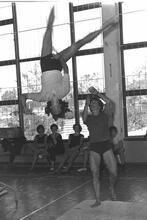
After World War I, female membership in Jewish gymnastics and sports clubs remained relatively high. In the German Makkabikreis (branch), the percentage of female members constituted thirty-eight percent according to figures published in 1924; the corresponding figure for the Deutsche Turnerschaft was only twenty percent. In Bar Kochba Berlin women actually constituted the majority of active adult members in 1924: in the over-eighteen age category, there were 142 female as compared to only one hundred male members.
With regard to the role of women in the German Makkabikreis, one can affirm that the percentage of female members was unusually high compared with non-Jewish clubs and associations, and that women were recognized as equal members relatively early. Moreover, the principle of “women as leaders” was established in many women’s sections. Nevertheless, even the women of the Jewish gymnastics and sports movement did not succeed in occupying powerful positions. Charlotte Ullmann, a member of Bar Kochba Berlin since 1931 and a participant in the first Maccabiah in Tel Aviv in 1932, stressed in a letter dated May 11, 1989, that “there was no discrimination of women in Bar Kochba. We all had the same rights and took part in all the sports we could.” However, in another passage she also mentioned that “the leadership of the Makkabikreis was in the hands of men and I don’t remember that there were any women in leading positions.”
Growth & Controversy in the Jewish Sports Movement
The victory of sport over other forms of physical culture and its spread throughout Germany in the 1920s did not fail to influence the Jewish gymnastics movement, which despite criticism about the “excesses” of sport progressively developed into a sports movement. Women, too, participated in ever greater numbers in the growing variety of sporting activities. Besides gymnastics on apparatus and the increasingly popular track and field disciplines, women in the Jewish gymnastics and sports movement now had the opportunity to go cross-country running or swimming, play team handball, hockey, “fistball,” or tennis, and take up fencing. Several women team handball and hockey players from Bar Kochba Berlin even participated in a New Year’s football match on Sunday, January 1, 1933.
The more popular women’s sports became, the less men were inclined to control women and limit them to “feminine” exercises. As late as 1924 Arthur Loewenstein had suggested putting restrictions on “strenuous exercises on apparatus” and replacing track-and-field disciplines with round-dancing gymnastics. This opinion soon seemed old-fashioned.
However, the participation of women in competitive sports was a controversial question in the Jewish sports movement, just as it was among the bourgeois public. The most important watchword was caution: in 1929, for example, it was suggested in an article published in Der Makkabi magazine that the effects of competitive sport on women’s health, physical development and “aesthetics” should be evaluated. The author comes to the conclusion that “too frequent participation in competitions” is to be rejected since its “consequences are deformations of the body structure, organ damage and the associated irritation of the nervous system” (Der Makkabi 1929, H9 12). However, the desire to prove Jewish athletic capability was evidently stronger than concerns about the effects of competitive sport. One finds repeated criticisms in the sports press about the lack of enthusiasm for training among female Jewish athletes, who in the 1920s took part in organized competitions in increasing numbers, but not always successfully. By 1919 women’s events in various track-and-field disciplines had already become a regular part of the program of Jewish sports meetings.
Encyclopedia: Modern Netherlands
Since Jewish gymnastics and sport clubs were fully integrated into the general sports movement, both male and female teams took part in the many sport festivals, competitions, and league games that were held in various ball games. One outstanding event in the Berlin sporting calendar, which was also particularly effective in terms of publicity, was the annual Potsdam to Berlin relay race, in which the important thing for Jewish clubs was to “defend the name and reputation of Bar Kochba-Hakoah and all Jewish sport besides” (Der Makkabi 1932, H2 14). For this reason, Bar Kochba Berlin recruited as many teams as possible, both male and female, to compete. Since success in the Potsdam to Berlin race was seen as proof of a club’s excellence and could also enhance its prestige for a long time afterward, the female runners were spurred on to give their last drop of energy, even though this ran counter to the traditional myths of femininity: “Every runner must be aware during the competition that each meter that they struggle for may be the deciding one. So from the first meter to passing the baton, there can be only one thought pounding through their heads: victory!” (Der Makkabi 1932, H2 14). Resistance in the Jewish gymnastic movement to extending the repertoire of exercises or to participation in gymnastic displays and competitions was significantly less than in the Deutsche Turnerschaft. This may be connected with the gender roles of Jewish culture, which were not based on the polarity of female weakness and male strength. The furthering of female sports in the Jewish gymnastics and sports movement may, however, also be seen in the light of Jewish political and social views and the Jews’ minority status. On the one hand, fulfillment of Jewish national and Zionist goals was possible only with the help and inclusion of women. Moreover, the achievements of female Jewish athletes could help to counteract antisemitic stereotypes. On the other hand, the Jewish gymnastics and sports clubs especially attracted those women of Jewish Nationalist orientation. They offered their members much more than an opportunity to participate in sporting activities: the celebration of Jewish festivals, the Heimabende (discussion evenings) with entertainment and talks, the trips and excursions all nurtured close-knit relationships among members, giving the individual a sense of shelter and support in an increasingly hostile environment.
Reichsbund Jüdischer Frontsoldaten (Jewish Front-Line Soldiers)
The participation and position of women in the Jewish National gymnastics and sports movement can be reconstructed, in broad outline at least, from such sources as the Jüdische Turnzeitung, which has come down to us in full and whose numerous reports and contributions also reveal something about its program and its goals. By contrast, the role of women in the sports groups of the Reichsbund jüdischer Frontsoldaten (Jewish Front-Line Soldiers) (RjF) as well as in the Verband jüdisch neutraler Turn- and Sportvereine (Association of Jewish Neutral Gymnastics and Sports Clubs) (Vintus) is still largely unknown due to insufficient documentation.
In 1919, the Reichsbund jüdischer Frontsoldaten was founded by former Jewish front-line soldiers in order to combat antisemitic attacks and to counter accusations that the Jews had shown themselves to be cowards during World War I. By definition, this was a men’s association; members were former Jewish soldiers who had taken part in the war, and thus excluded not only women but also young males.
The first sports groups of the RjF came into existence in 1923–1924 at a time of antisemitic violence and primarily served as “self-protection.” They were called Schild (shield). In the period that followed, systematic recruitment took place for the formation of sports groups. Since according to its statutes only former front-line soldiers were eligible to join the RjF, the sports groups were merely affiliated with the RjF, and were thus “not strictly part of the RjF” (Dunker 1977, 103). Now that their responsibilities were no longer limited to self-protection, they were expected to contribute not only to improving the general physical fitness and health of the Jews but also to recruiting young people and countering antisemitic prejudices. “The victorious Jew is the best propaganda against all the antisemitic lies” (Meisel 1926, 112). Unlike the Makkabi, the RjF and its sports groups professed their affinity with German culture and German national traditions. Their goal was to train members to adopt soldier-like virtues such as a readiness to defend the fatherland. With regard to sport, their goals were to be accomplished by playing those types of sport which were thought to build up courage and a fighting spirit. Emphasis was thus placed on “combative” sports such as boxing and jujitsu. However, the proponents of this movement failed to realize that they had succumbed at least implicitly to antisemitic patterns of thought: The hope that Jews would prove their “Gleichwertigkeit”—their equality in worth—through physical fitness and a soldier’s training was inseparably linked with the idea that physically weak or fearful people are indeed “inferior.”
The picture of the human being prevalent among the sports groups of the Schild, the values which were propagated, and the preferred sports were all obviously aimed at young men. Nevertheless, shortly after the formation of the first groups, women’s and girls’ sections were also established. Although the participation of girls and women in gymnastics was accepted and to some extent encouraged, from the mid–1920s on, female sports were not generally given much attention. Before 1933 women’s sport was treated as a side issue in the RjF’s newsletter, the Schild. The fact that women’s or girls’ sections existed at all can often be gleaned only from brief announcements of club events and their results. There is no information on either statistics or the clubs’ official policies on the role of women in sport, such as was quite common in the journals of other sports organizations in the 1920s.
Women Join the Jewish Front-Line Soldiers

Only after the exclusion of Jewish members from “German” sports organizations in 1933, when girls and women poured into the newly established “Schild Sportbund des Reichsbundes jüdischer Frontsoldaten” (Sports Association in the Reichsbund of Jewish Front-Line Soldiers), did the “women’s question” become an issue. In accord with a clearly eugenic tendency, the yardstick for evaluating women’s sports was their compatibility with a woman’s duties as housewife and mother. Accordingly, the guidelines on women’s sports, drawn up by Martha Wertheimer, were predominantly warnings against achievement-oriented sports and against the destructive effects of competition and its negative impact on the family and community.
The entire orientation of the RjF, especially its emphasis on male and soldierly values, ascribed only a marginal role to women in the sports groups before 1933. There is every reason to suppose that the establishment of women’s sections was attributable to the RjF’s eugenic objectives and possibly also the result of competition from the Jewish national clubs.
In the Vintus, too, women and girls were integrated with their own sections from the very beginning. However, it can also be assumed that here too, women’s sport played only a minor role. On the basis of the sources available, it is not possible to estimate with any accuracy which types of sports or athletic disciplines predominated in the club activities provided for girls and women. Track and field as well as swimming presumably played a significant role in addition to gymnastics.
Sports under National Socialism
When the National Socialist party seized power, sport was immediately made to conform to the new ideology. Without being compelled by legal regulations or by order of the authorities, gymnastics and sports organizations made the decision to exclude Jewish members, a measure that was carried out with unprecedented ruthlessness. In addition to the countless acts of discrimination which made the daily lives of Jews in Germany increasingly difficult, there was now the loss of their “home” in gymnastics and sports.
However, Jews were still able to participate in sports in the Jewish sports organizations, and there was a marked increase in the membership of the Makkabi clubs as well as in those of the Sportbund Schild. Despite the many restrictions and increasing emigration, between the end of 1933 and 1935 membership in the German Makkabikreis rose from approximately 10,000 to 22,000 and from approximately 7,000 to 18,500 in the Sportbund Schild. In consequence, the sporting activities of the clubs grew, and in many types of sport regular competitions and championships were organized in addition to the sports festivals.
The question of Jewish participation in sports in Germany became a volatile issue with the approach of the Olympic Games. Hitler finally had his way and succeeded in refusing to allow Jews to represent Germany in the Olympic stadium. Only Helene Mayer and Rudi Ball, who according to the National Socialist definition were “half-Jews,” were permitted to join the German team.
After the Olympic Games, the National Socialist regime no longer paid any heed whatever to opinion abroad. The Jewish sports movement was given only a brief “period of grace,” although this, too, was marked by further restrictions. With the pogrom of November 9 and 10 (“Kristallnacht”1938), any remaining sporting activities in Jewish clubs came to an end. The Jews were no longer fighting for athletic distinction; their everyday lives were now determined by their fight to survive.
 Rosamond Press
Leave a comment