
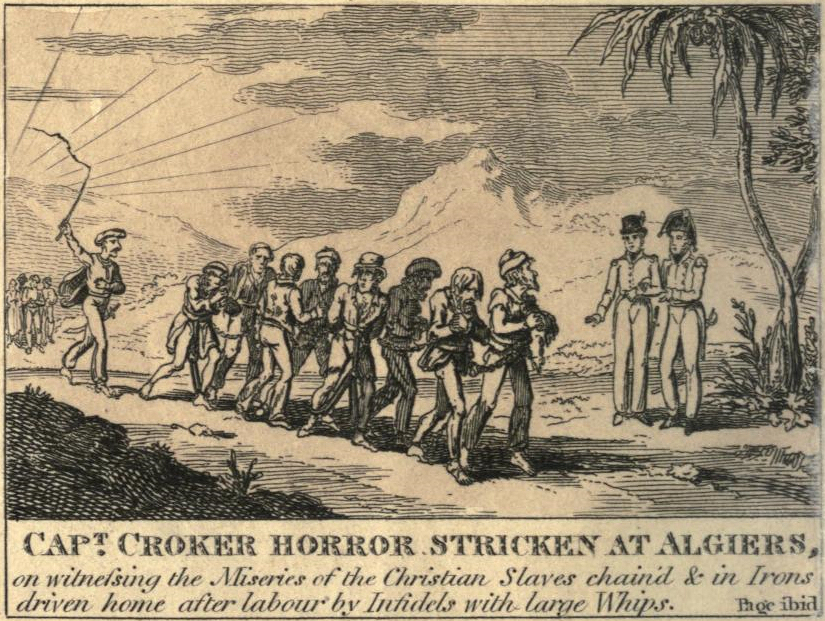
Why hasn’t Israel offered to come to the aid of American Sailors?
My great grandfather saved American Merchant Men when he sailed the U.S.S. Enterprise to the Barbary Coast where he ws given command of the U.S.S. Constition.
Today is Christmas Eve and all Americans are puzzled as to why Netanyahu is not doing what our President asks. Instead, Israel appears to be on a Holy Jihad to destroy the people of Gaza. The holy men of Israel reject Jesus – and hate Christmas. Americans are ALONE in this art of the world. There is no common union between Judaism and Christianity. All the Christian Churches in Jerusalem are locked. I had a vision of this.
John Presco
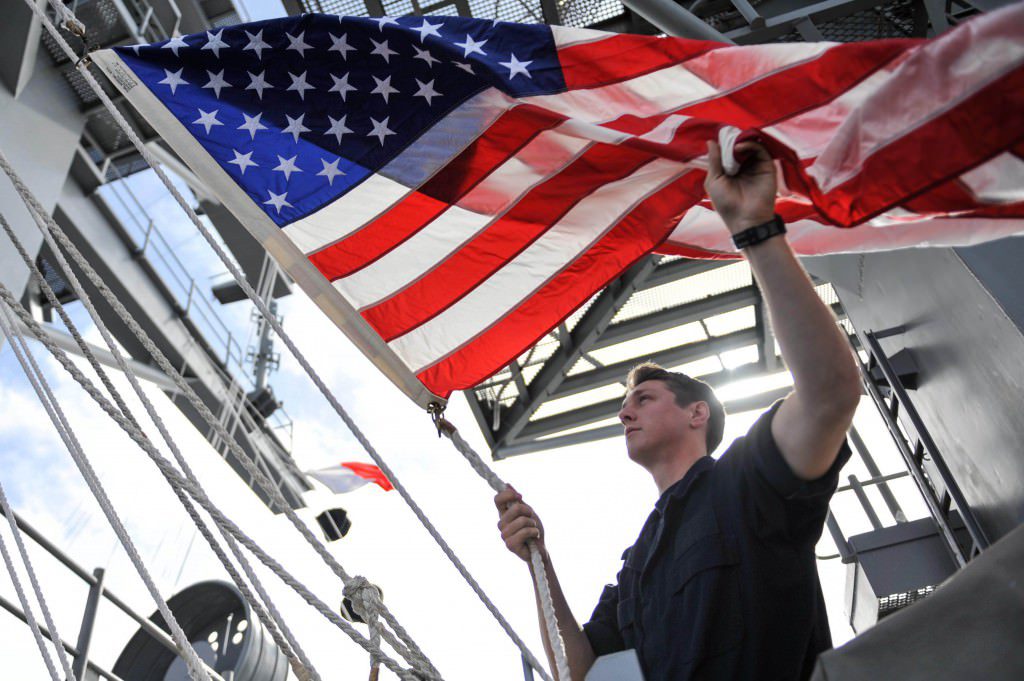
U.S. Navy Photo
US Sailors Stranded In Red Sea Deserve Immediate Military Support
Total Views: 126246
December 22, 2023
Share this article
1kShares
 373
373
 465
465


UPDATE: Scroll to the bottom for an update on the possible movement of US Flagged ships behind French naval convoy
gCaptain has received reports that the French Navy is withdrawing from the US lead Operation Prosperity Guardian over a dispute about which ships get escort priority. An urgent report by Dr. Sal Mercogliano shows they are already escorting French-owned merchant ships through while about a half dozen US Flag ships remain stranded – without adequate US Naval protection – within range of Houthi missiles.
The safety of US-flagged ships, particularly those stranded with military cargo near the Red Sea, is of immediate concern. The lack of adequate military protection has left these vessels – some have been waiting for naval escort for over a week – vulnerable, as evidenced by the recent rocket attack on a US-flagged tanker delivering explosive cargo to Israel. This situation raises serious questions about our commitment to safeguarding our maritime assets.
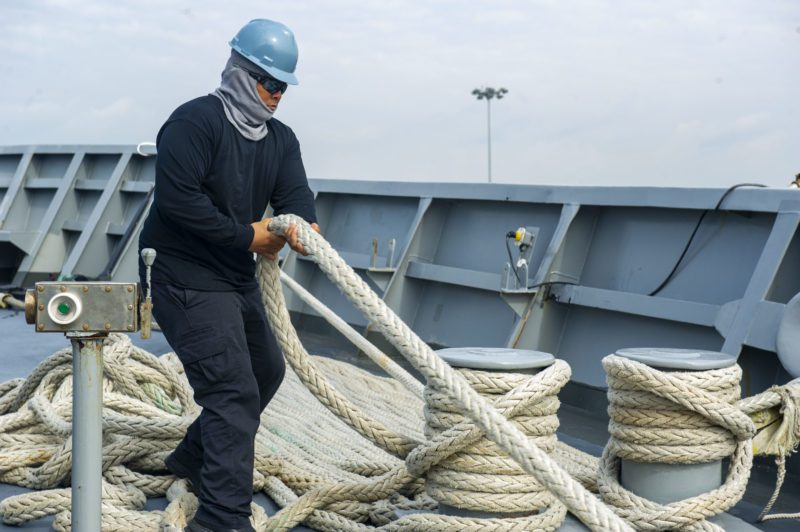
Historically Unprecedented Moment
Today’s lack of priority for US-flagged ships is historically significant. Since the founding of the republic, the US Navy has been the protector of the US Merchant Marine, a responsibility deeply embedded in our national defense strategy. In recent years too all five military branches have worked to protect American ships
2003 – Operation Iraqi Freedom
During Operation Iraqi Freedom in 2003, US merchant ships received comprehensive protection while navigating strategically important regions. As they passed through the Suez Canal, Air Force overflights offered an additional layer of security against potential threats. In the Persian Gulf, these ships benefited from close naval support, ensuring safe passage in these contentious waters. Additionally, US Army National Guard soldiers from Puerto Rico were deployed on these ships, providing an armed presence to deter and respond to any hostile actions.
2005 – Umm Qasr, Prestige New York Naval Escort
In 2005, the US Navy undertook a significant operation to escort the “Prestige New York”, a vessel carrying Department of Defense cargo. This operation underscored the Navy’s commitment to secure critical defense-related shipments and highlighted the strategic importance of naval escorts in ensuring the safe transit of valuable cargo.
2009 – Response to Piracy: “Liberty Sun” and “Maersk Alabama”
Responding to the surge in piracy, particularly off the coast of Somalia, the US Navy deployed 20-man SEAL detachments aboard the “Liberty Sun” and “Maersk Alabama” in April 2009. These teams, equipped with 50mm caliber weapons, were crucial in fortifying the ships against pirate attacks. The mounting of weapons on the bridge wings was a tactical measure to enhance the ships’ defensive capabilities, as demonstrated in video footage from the period.
2010-2017 – IRTC Gulf of Aden Piracy Convoys
Between 2010 and 2017, the US Navy played a pivotal role in the International Recommended Transit Corridor (IRTC) in the Gulf of Aden. In collaboration with various international maritime security organizations, the Navy helped arrange timed piracy convoys and prioritized US Merchant shipping. This initiative, under the umbrella of the Combined Task Force 151, was instrumental in mitigating piracy risks in a region notorious for such threats.
2019 – Present – Naval Escorts in the Straits of Hormuz
Since 2019, the US Navy has been actively escorting US-flagged vessels through the Straits of Hormuz. This strategic waterway, known for its geopolitical significance, has been a focal point for ensuring the safety of maritime traffic, particularly in light of regional tensions and potential threats to navigation.
2023 August – Proposed Military Embarkment (Cancelled)
In August 2023, there was a proposal by VADM Brad Cooper, Commander of the US Navy Central Command, to embark military security personnel on merchant ships in the Middle East, specifically focusing on tankers in and around the Strait of Hormuz. This initiative, however, was ultimately not implemented.
The consistent theme across these examples is the unwavering commitment of the US Navy to protect its commercial maritime interests. This protection has been adaptive, responding to evolving threats and geopolitical changes, and has played a critical role in ensuring the safe passage of US-flagged vessels in some of the world’s most challenging and dangerous waters… but today that once unwavering commitment has either been lost entirely or delayed for over a week.
This problem highlights a critical issue regarding the readiness and trust between the United States Navy and Merchant Marine. In times of national security crises, it’s essential that US Merchant Marine service members feel supported and protected by their leadership and the nation. If mariners lack confidence in the Navy’s response to crises, it will lead to a significant decline in morale and readiness, which is detrimental in times of conflict.
The immediate and decisive support from the Navy – TODAY – is crucial to maintaining the trust and willingness of mariners to serve during the war.
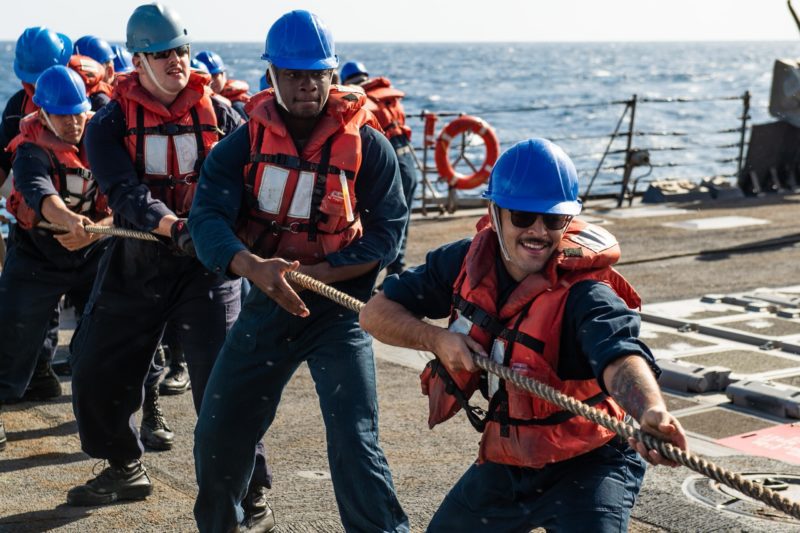
Urging Immediate Support
Sources inside US shipping companies inform gCaptain that the US Transportation Command (TRANSCOM) and the Navy’s Naval Cooperation and Guidance for Shipping (NCAGS), are working hard on a plan to escort and protect these ships. This work needs to be championed at the highest levels of government and expedited by the Joint Chiefs of Staff and White House as soon as possible because every moment US Flag ships remain in the area unnecessarily increases the risk they will be targeted by Houthis.
I urge our leaders, including Cabinet Secretary Pete Buttigieg and US Maritime Service Commandant Ann Phillips, to wake up and prioritize this situation with the urgency and seriousness it warrants. Our Merchant Mariners are not just a matter of national pride; they are a cornerstone of our national defense and economic stability.
The time for action is now. The United States military must reaffirm its commitment to protecting US Merchant Marine sailors and ensure that our naval strategy is in line with the evolving challenges of today’s geopolitical landscape.
Gunboat Diplomacy & War Against White Slavery
Posted on November 4, 2014 by Royal Rosamond Press



For a week now ‘The Masked Rose of Paris’ has been attacking Turkey and the old Ottoman Empire for seizing Cypress.
“The UN should focus on matters concerning Turkeys occupation of EU member Cyprus since 1974 , and must launch UN wide economic sanctions of Turkey, for its continued British State Sponsored Turkish military occupation of EU member Cyprus since 1974 Expel Britain from the European Union and Dissolve the Rogue Turkish ISIS State. Britain and Turkey are attacking the Euro Currency , via all the Turkish military violations on Greece and Cyprus since 1974.”
Today I took the time to see what she was upset about. As it turns out, fate has taken a seat at this table of high-stakes energy piracy. And, who is in the middle of it, Nobel Oil, and my arch enemy, Lawrence Chazen, a CEO of Noble, and ex-partner of the late sister, Rosamond, who I just introduced to the Rose because I want to do a drawing of her and bring her into the creative family fold.
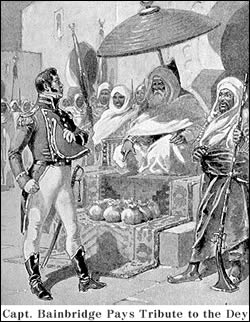
Our great, great, grandfather, Isaac Hull was the Captain of the U.S. Constitution that was built to battle the Cossaire Pirates of the Barbary Coast who took a million Europeans as their slaves. I have wondered why some Kurds have blue eyes. What became of the children of these women that were used as sex slaves? European slaves must have fathered children.
Muslim men have a problem with adultery. They are so afraid their wives will cheat on them, that they make them their prisoners. Then they kidnap the women of other men and make them their sex-slaves lest they commit adultery. In the Koran one can have sex with your slave.
In the war against the ISISlavers, one must not recognize national borders. We the people of the world must draw a line in the sand that separates them from all the women of the world. It is not a matter of white slaves, or black slaves when it comes to this World War of Liberation that frees womankind first! Let Old Ironsides fire the first volley in this battle!
For Lady Liberty!
“The USS Constitution, a 44-gun U.S. Navy frigate built to fight Barbary pirates off the coast of Tripoli, is launched in Boston Harbor. The vessel performed commendably during the Barbary conflicts, and in 1805 a peace treaty with Tripoli was signed on the Constitution‘s deck.Though Turkey has threatened to block extraction of natural gas offshore Cyprus, the Greek Cypriot government has vowed to move forward with exploration and drilling.”
Turkey mentions “gunboat diplomacy” and threatens war. What if a Turkish gunboat sinks Noble’s drilling platform.
Jon the Nazarite
Yet the bonanza could equally inflame conflict. Turkey has claimed the blocs to the south of Cyprus as far as Egyptian waters. “If poorly managed, Cypriot gas could harden political divisions. Ankara does not recognise the government in Nicosia and has threatened military force if Cyprus allows drilling in the disputed maritime zone,” said Rem Korteweg, an energy expert at the Centre for European Reform.
The US has begun to intervene, pushing the two sides to renew peace talks. The Greek and Turkish Cypriots have signed a document laying out general principles.
http://en.wikipedia.org/wiki/USS_Constitution
http://en.wikipedia.org/wiki/USS_Enterprise_(1799)
Cypriot Foreign Minister Ioannis Kasoulides said that while the two countries were nowhere near an agreement, he was hopeful that progress would be made, and in the meantime, drilling would continue. “Groups like Noble Energy, ENI and Total would not be investing billions in exploration here if they really thought Turkey was going to stop them,” the foreign minister said.
Turkey is opposed to Cyprus exporting oil and gas – saying the energy wealth also belongs to Turkish Cypriots — and been accused of “gunship diplomacy” by the Greek Cypriots. Turkey lays claim to the hydrocarbon blocks to the south of Cyprus and extending to the border of Egyptian waters.
The ongoing issue was resurfaced in international media earlier this month when a Norwegian ship exploring in Cypriot waters was intercepted by a Turkish warship and forced to retreat.
Cypriot officials believe that there may be as much as 60 trillion cubic feet (Tcf) of natural gas in Cypriot waters.
A second axis is the strategic relations cultivated between Greece, Cyprus and Israel, as evidenced by Israeli Foreign Minister Avigdor Lieberman’s upcoming visit to Nicosia next week and Prime Minister Benjamin Netanyahu following in late November.
A third axis concerns the deepening of cooperation with major powers, which involves providing support in various forms. In a letter sent to Cyprus President Nicos Anastasiades on Wednesday, French President Francois Hollande stressed that “the position of France with regard to the right of Cyprus to exploit freely the natural resources within its Exclusive Economic Zone is clear and firm,” adding that “international law, and specifically the Law of the Sea, must be respected by all states including Turkey.”
Finally, there is the energy dimension. Amid Turkey’s provocations in Cyprus’s EEZ – where several Western firms, including US company Noble Energy, are currently operating – Greek Energy Minister Yiannis Maniatis is set to visit the US for talks with his American counterpart Ernest Moniz and Under Secretary for Economic Growth, Energy, and the Environment Catherine Novelli. Maniatis will also meet with representatives of American energy giants and give a speech at the Center for Strategic and International Studies (CSIS), a prominent American think tank based in Washington DC, as well as Columbia University in New York, regarding energy developments in the Eastern Mediterranean. The Greek minister is expected to analyze the role of Greece and Cyprus in boosting Europe’s energy security, which is also a key strategic objective for Washington.
By invoking international law, being on military alert, strengthening strategic alliances with regional players, and harmonizing with the geostrategic interests of the US and EU (as well as the economic interests of large international companies) in the region, Athens and Nicosia are taking cautious and systematic steps during a difficult period hoping to find more substantial backing among their allies and partners.
http://www.ekathimerini.com/4dcgi/_w_articles_wsite3_1_30/10/2014_544165
| Holding Turkey to account for its violation of the United Nations Convention on the Law of the Sea is certainly the first step that Greece and Cyprus must take in response to Turkey’s growing assertiveness in the Eastern Mediterranean over the past few weeks. After Ankara sent the Barbaros, a seismic survey vessel, inside Cyprus’s exclusive economic zone (EEZ), and given its intention to set up a drilling platform within the island’s maritime borders, it makes sense to stress the recognition of Cyprus’s international status and national sovereignty. |
http://en.wikipedia.org/wiki/Turkish_invasion_of_Cyprus
The Barbary pirates, sometimes called Barbary corsairs or Ottoman corsairs, were pirates and privateers who operated from North Africa, based primarily in the ports of Salé, Algiers, Tunis, and Tripoli. This area was known in Europe as the Barbary Coast, a term derived from the name of its Berber inhabitants. Their predation extended throughout the Mediterranean, south along West Africa‘s Atlantic seaboard and even South America,[1] and into the North Atlantic as far north as Iceland, but they primarily operated in the western Mediterranean. In addition to seizing ships, they engaged in Razzias, raids on European coastal towns and villages, mainly in Italy, France, Spain, and Portugal, but also in the British Isles, the Netherlands and as far away as Iceland. The main purpose of their attacks was to capture Christian slaves for the Ottoman slave trade as well as the general Muslim market in North Africa and the Middle East.[2]
While such raids had occurred since soon after the Muslim conquest of the region, the terms Barbary pirates and Barbary corsairs are normally applied to the raiders active from the 16th century onwards, when the frequency and range of the slavers’ attacks increased and Algiers, Tunis and Tripoli came under the sovereignty of the Ottoman Empire, either as directly administered provinces or as autonomous dependencies known as the Barbary States. Similar raids were undertaken from Salé and other ports in Morocco.

Göke (1495) was the flagship of Kemal Reis at the Battle of Zonchio.
Corsairs captured thousands of ships, and long stretches of coast in Spain and Italy were almost completely abandoned by their inhabitants, discouraging settlement until the 19th century. From the 16th to 19th century, corsairs captured an estimated 800,000 to 1.25 million people as slaves.[2] Some corsairs were European outcasts and converts such as John Ward and Zymen Danseker.[3] Hayreddin Barbarossa and Oruç Reis, the Barbarossa brothers, who took control of Algiers on behalf of the Ottomans in the early 16th century, were also famous corsairs. The European pirates brought advanced sailing and shipbuilding techniques to the Barbary Coast around 1600, which enabled the corsairs to extend their activities into the Atlantic Ocean,[3] and the impact of Barbary raids peaked in the early to mid-17th century.
http://en.wikipedia.org/wiki/Order_of_Saint_Stephen
Until the American Declaration of Independence in 1776, British treaties with the North African states protected American ships from the Barbary corsairs. Morocco, which in 1777 was the first independent nation to publicly recognize the United States, became in 1784 the first Barbary power to seize an American vessel after independence. The Barbary threat led directly to the creation of the United States Navy in March 1794. While the United States managed to secure peace treaties, these obliged it to pay tribute for protection from attack. Payments in ransom and tribute to the Barbary states amounted to 20% of United States government annual expenditures in 1800.[21] The First Barbary War in 1801 and the Second Barbary War in 1815 led to more favorable peace terms ending the payment of tribute. However, Algiers broke the 1805 peace treaty after only two years, and subsequently refused to implement the 1815 treaty until compelled to do so by Britain in 1816.
When troubles with the Barbary states heated up in 1802, he went to the Mediterranean as First Lieutenant of the frigate Adams. Hull later commanded the schooner Enterprise and the brig Argus, receiving promotion to the rank of Master Commandant in 1804 and to Captain in 1806. During the next few years, he supervised the construction of gunboats and, in 1809 and 1810, was successively given command of the frigates, Chesapeake, President and Constitution.
 Rosamond Press
_the_flagship_of_Kemal_Reis.jpg)
Leave a comment