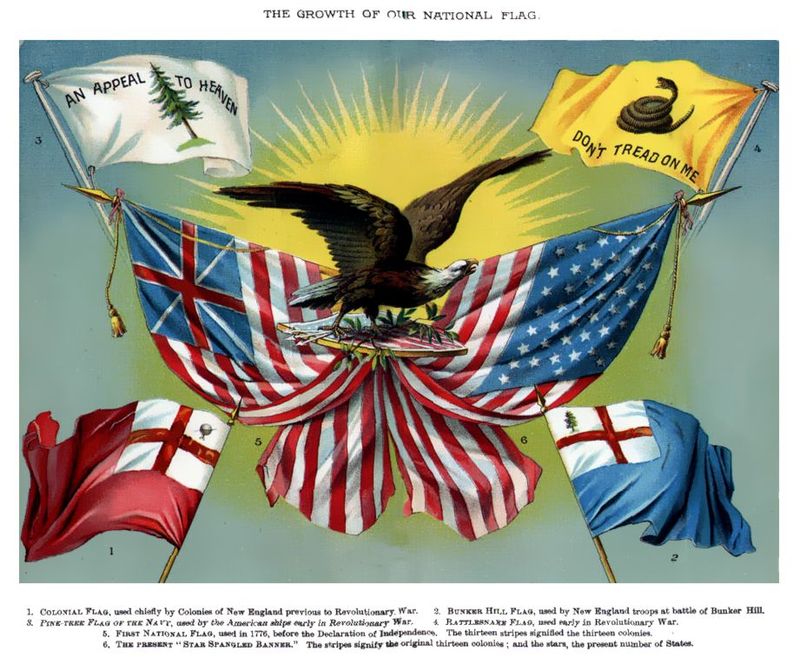
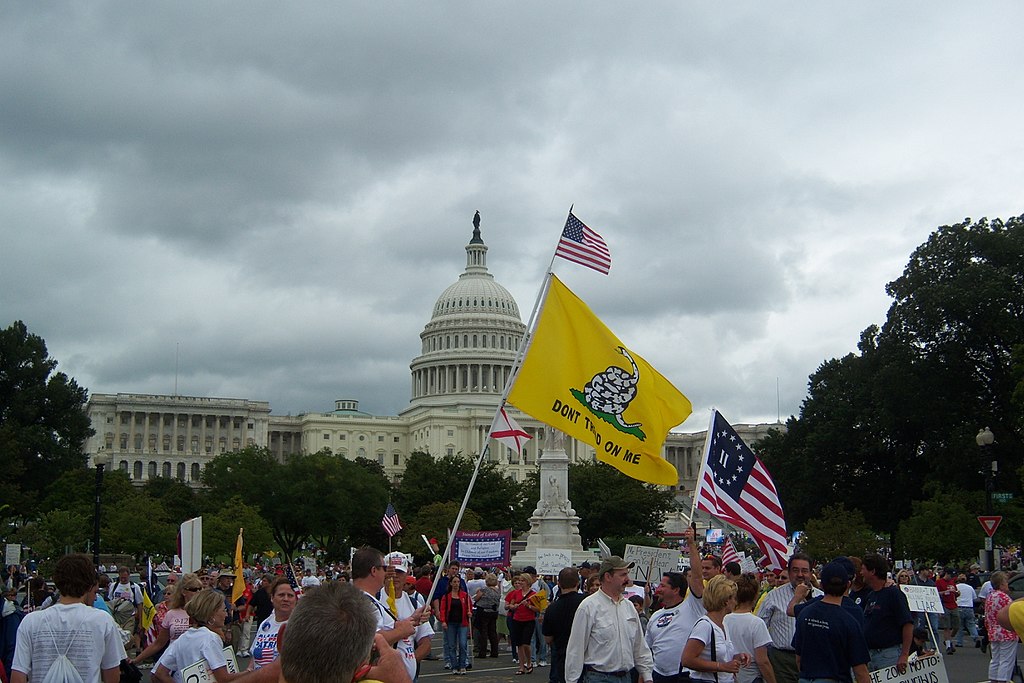
For seven years I tried to get Erik Richardson to include the history of my grandfathers in his lectures and presentations. My good friends did get why, or, my black neighbor. Tonight, CNN held a Town hall about Black Athletes kneeling during the National Anthem that is rooted in military action, as is the Gadsen flag that all-white Tea Party Rebels waved in the face of those who voted for our First Black President. These angry whites could not tolerate the results of our National Election, which is my more important than this mere warrior ditty that was inspired by victories in the Barbary Wars. My great grandfather captained the U.S.S. Enterprise in our first foreign war, because a Caliphate was taking American Merchantmen, prisoner, and selling them as slaves. White men were being sold as slaves! What an outrage, meanwhile, down in South Carolina, a new shipment of black slaves are being sold on the dock.
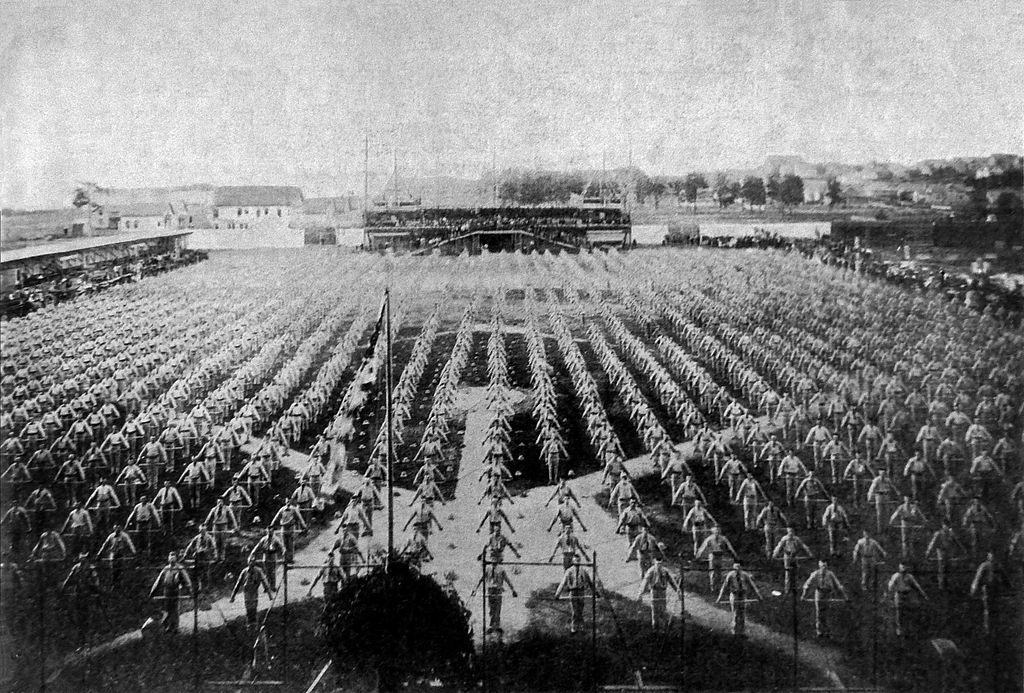
What I told my friends, was slaves would still be slaves if it were not for the German Turners who fought against the Slav system in Europe. They lost, and fled to America, and were shocked to see the Slave System in the South. They joined the Union Army and won their war against SLAVERY. It was not about Freedom as it applied to the White Revolutionaries who were in truth Unpatriotic Traitors. What they did to the Loyalists, was atrocious.
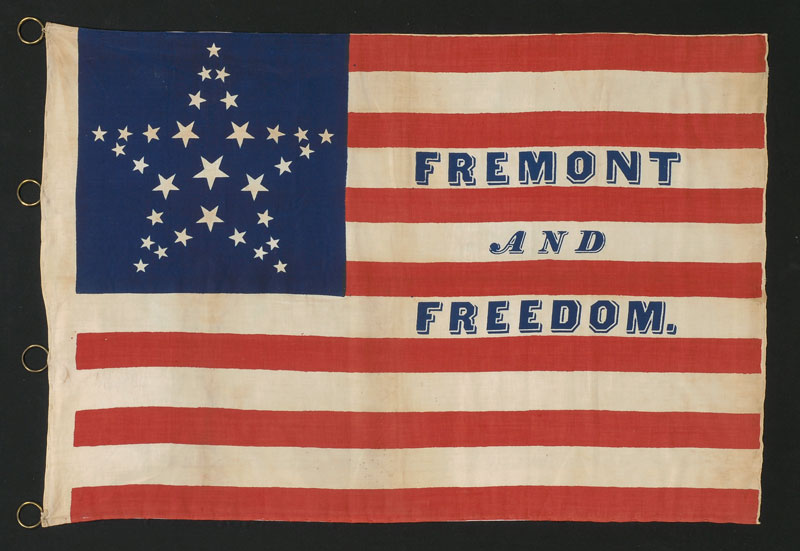
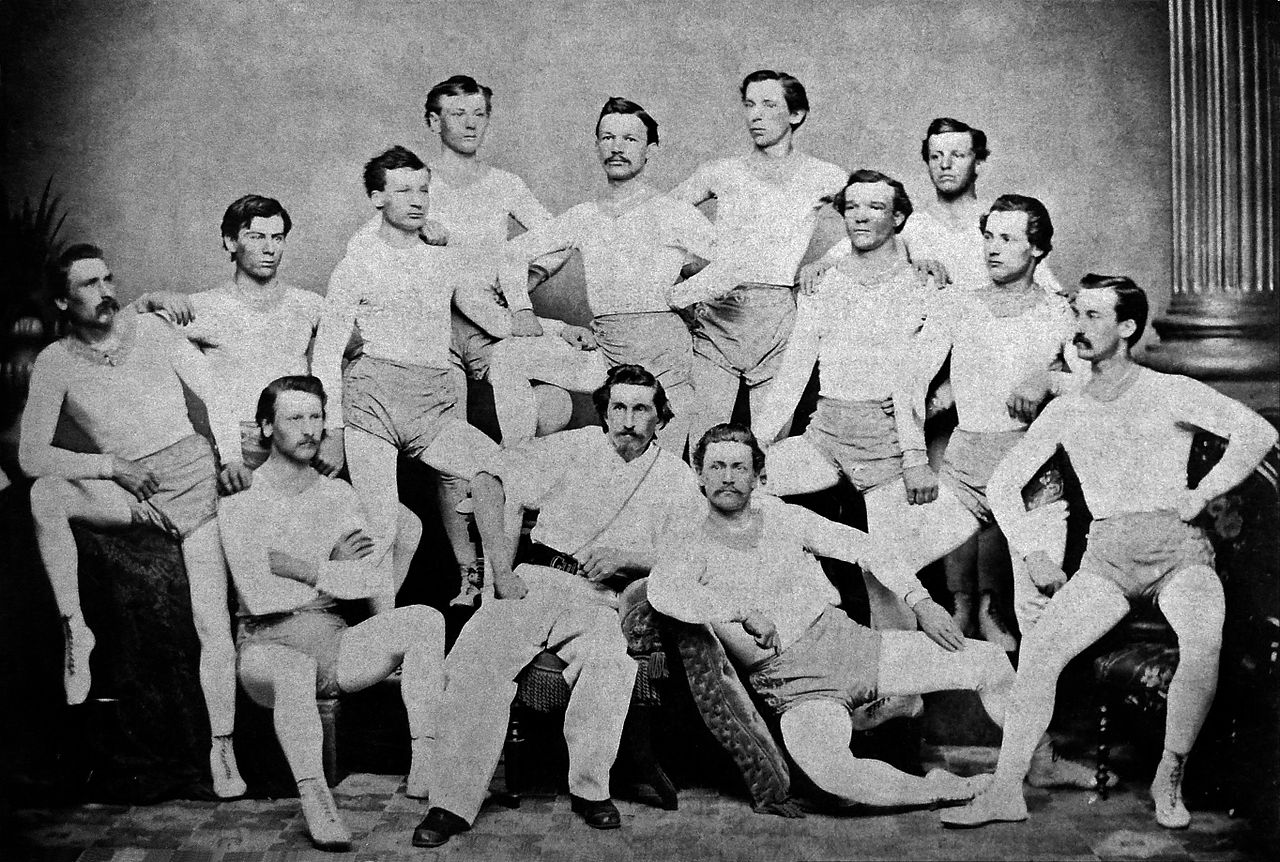
The Turners were Gymnasts who belonged to a powerful ATHLETIC CLUB. They found the Republican Party. I suggested The New Turners fly John Fremont’s flag, and honor this flag, ONLY, until every Confederate and Gadsen Flag is removed from all public places, and, until Neo-Confederates Traitors stop hunting down black people.
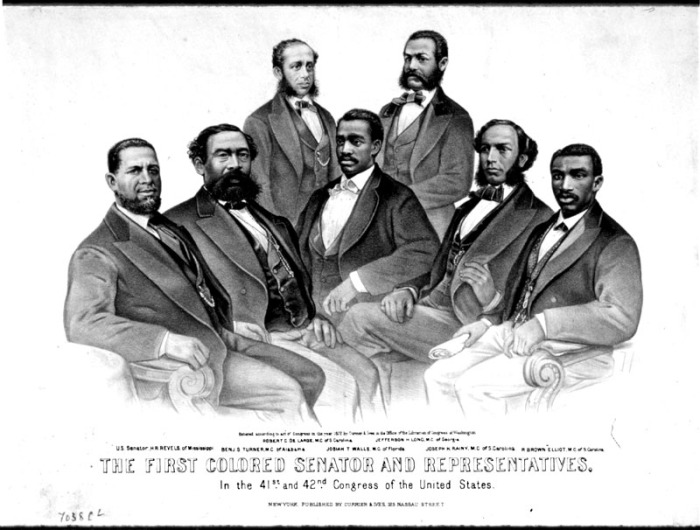
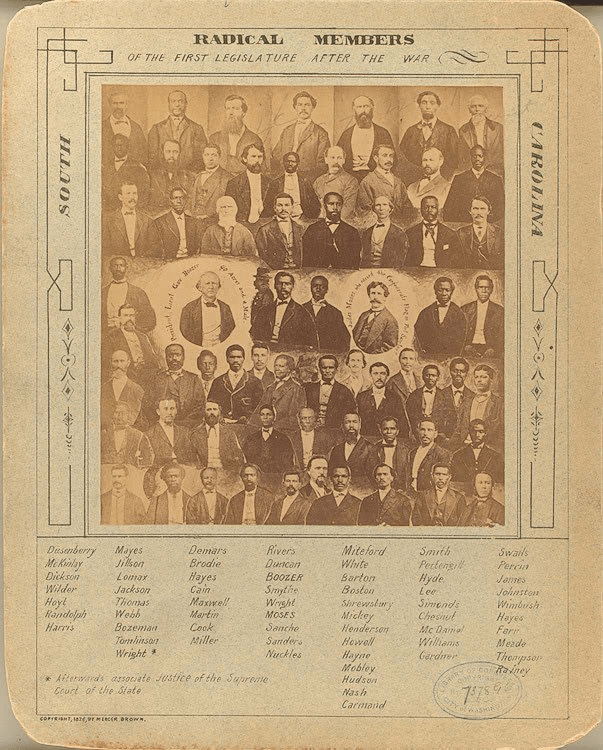
Americans are asking, what’s next? I suggest we adopt a new national anthem, or, have two songs. My kin captained Old Ironsides and fired at the Caliphate terrorists. The Turner and the Radical Republican went into the South, and with guns pointed at the Traitors and the Rebels, put black men in office. Black people were not allowed to own guns. The Radical German Immigrants, did much of the fighting for them so they would be set free. That’s more than the Patriots in Sought Carolina would do. I know, my Rosamond kindred were Patriots and Slave Owners.
Take a good look at the group photo of Radical Republicans next to elected back officials in South Carolina. Most of those white folks are Germans. This is their vision for America. Has the Republican Party upheld this traditional image? No! Then, they got nothing to say! Their president, should shut his goddamn mouth!
Jon Presco
https://en.wikipedia.org/wiki/Old_Ironsides_(poem)
Aye tear her tattered ensign down
Long has it waved on high,
And many an eye has danced to see
That banner in the sky;
Beneath it rung the battle shout,
And burst the cannon’s roar;—
The meteor of the ocean air
Shall sweep the clouds no more.
Her deck, once red with heroes’ blood,
Where knelt the vanquished foe,
When winds were hurrying o’er the flood,
And waves were white below,
No more shall feel the victor’s tread,
Or know the conquered knee;—
The harpies of the shore shall pluck
The eagle of the sea!
Oh, better that her shattered hulk
Should sink beneath the wave;
Her thunders shook the mighty deep,
And there should be her grave;
Nail to the mast her holy flag,
Set every threadbare sail,
And give her to the god of storms,
The lightning and the gale!
Much of the idea of the poem, including the flag imagery and some of the wording, is derived from an earlier song by Key, also set to the tune of “The Anacreontic Song“. The song, known as “When the Warrior Returns”,[6] was written in honor of Stephen Decatur and Charles Stewart on their return from the First Barbary War.
https://en.wikipedia.org/wiki/Gadsden_flag
Beginning in 2009 at Tea Party rallies, the Gadsden Flag has been adopted as a symbol of the American Tea Party movement.[17][18][19][20] It was also displayed by members of Congress at Tea Party movement rallies.[21] Some lawmakers have called it a “political symbol” because of this association.[19][22]
In March 2013, a resident of New Rochelle, New York, put up a Gadsden flag at the city’s vacant armory building. The city ordered its removal, fearing that the flag would
Since the first Patriot Day on September 11, 2002, which commemorates the lives lost in the September 11 attacks, the rattlesnake from the flag is also shown on the US Army‘s Drill Sergeant Identification Badge. After the Snake on Stripes Flag became the Navy’s symbol for the Global War on Terrorism, flag history professionals[vague] (vexillologists) have done extensive research papers that further question the claim that the flag ever flew during the American Revolution, yet it continues to fly at the bow of American warships today.[citation needed]
For historical reasons, the Gadsden flag is still popularly flown in Charleston, South Carolina, the city where Christopher Gadsden first presented the flag and where it was commonly used during the revolution, along with the blue and white crescent flag of pre-Civil War South Carolina.
https://en.wikipedia.org/wiki/Gadsden_flag
https://www.newyorker.com/news/news-desk/the-shifting-symbolism-of-the-gadsden-flag
https://en.wikipedia.org/wiki/Turners
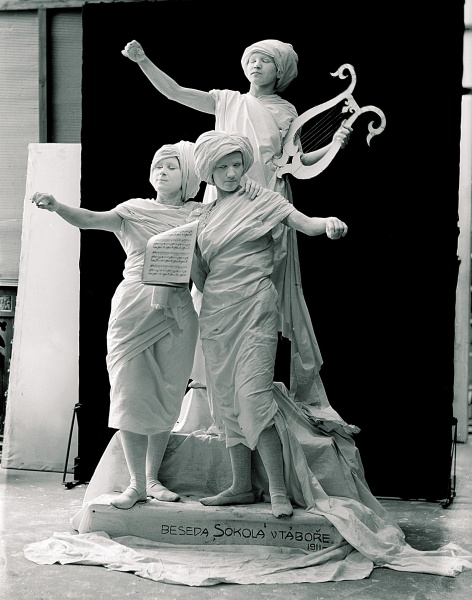
Turners (German: Turner) are members of German-American gymnastic clubs.
A German gymnastic movement was started by Turnvater (“father of gymnastics”) Friedrich Ludwig Jahn in the early 19th century when Germany was occupied by Napoleon. The Turnvereine (“gymnastic unions”) were not only athletic, but also political, reflecting their origin in similar “nationalistic gymnastic” organizations in Europe. The Turner movement in Germany was generally liberal in nature, and many Turners took part in the Revolution of 1848.[1]
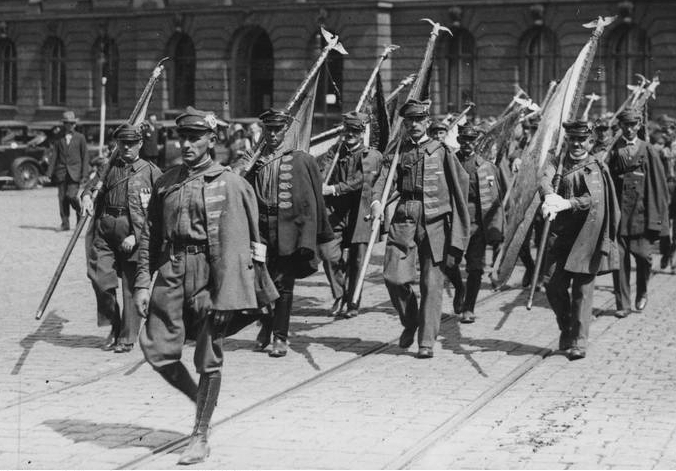
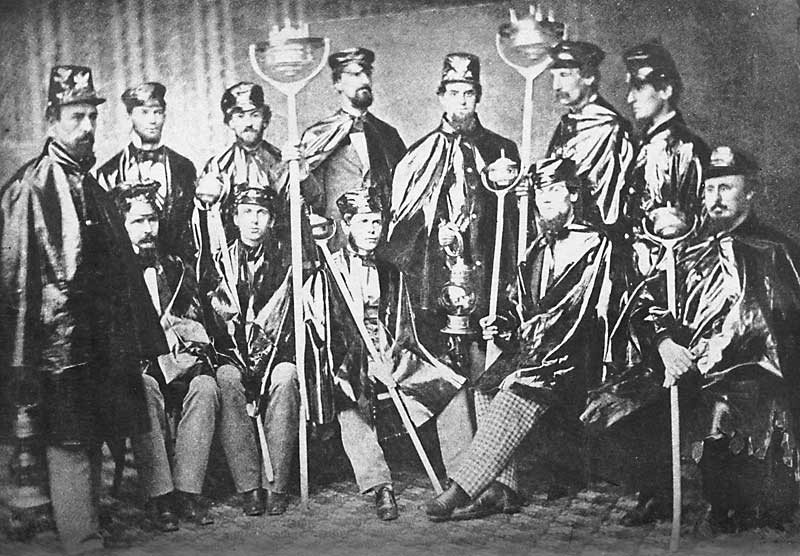
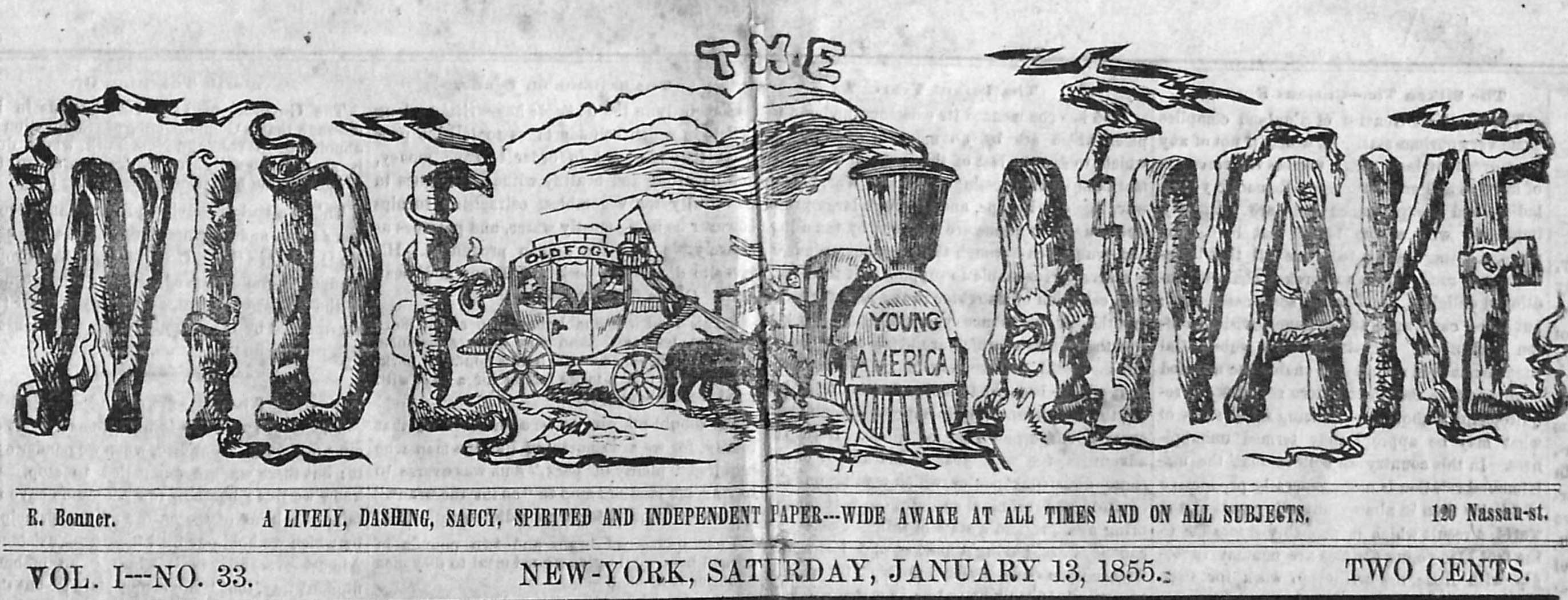
 Wide Awakes and the Turners

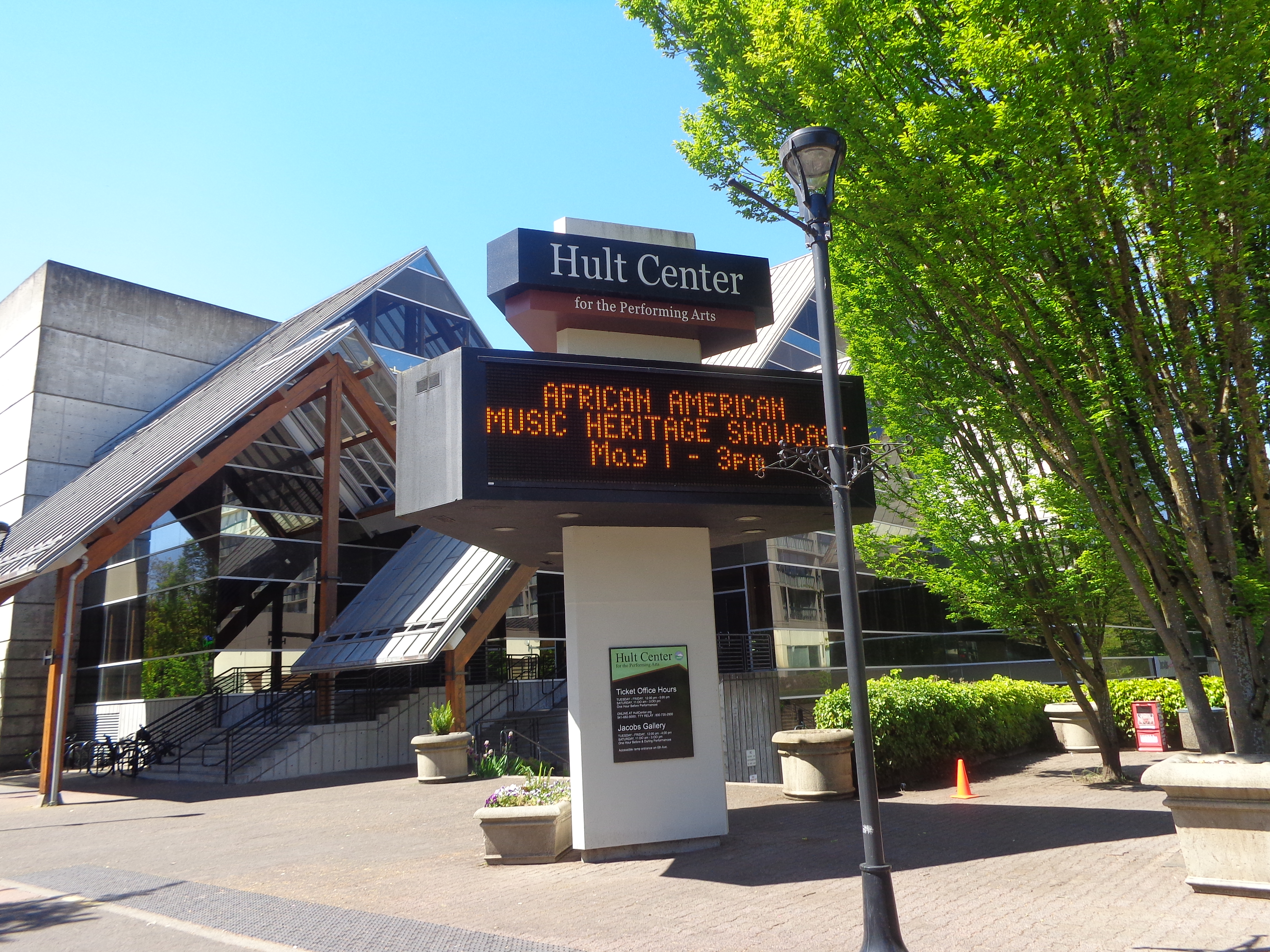
On May 1st. I attended ‘An African American Music Heritage Showcase’ at the Hult Center.
http://registerguard.com/rg/entertainment/arts/34293383-60/gospel-taken-back-to-its-roots.html.csp
“Eric Richardson, chairman of the Eugene-Springfield chapter of the NAACP, will be the master of ceremonies, with appearances by Habib Iddrisu and Friends of the UO School of Music and Dance, praise dancer Shakela Fortson, Stone Cold Jazz, and God in Charge, a Portland children’s gospel rap group.”
At the anniversary show of Inspirational Sounds Gospel Choir, I approached Eric and told him my kinfolk were Turnverien and Radical Republicans, and, should be included in some of the lectures he gives on Black History. I asked my friend, Marilyn Reed, if I could speak at the show she was co-producing. She was overwhelmed as it was. She helped produce a fantastic show – that claims it is all inclusive! I had helped produce a Hello to Obama show in 2008. Stone Cold Jazz played. My sister’s painting ‘Lena and Her Sisters’ looked down on the proceedings. Lena was our second mother. She would take Christine home with her when she was ten and eleven to spend the night with her sisters – not knowing three of our grandfathers were Turnverien!
https://rosamondpress.com/2012/12/29/oregons-hello-to-obama/
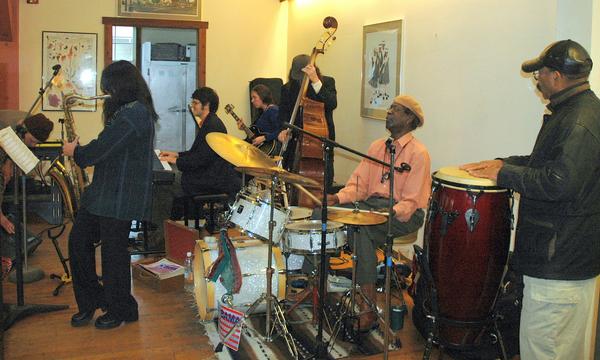
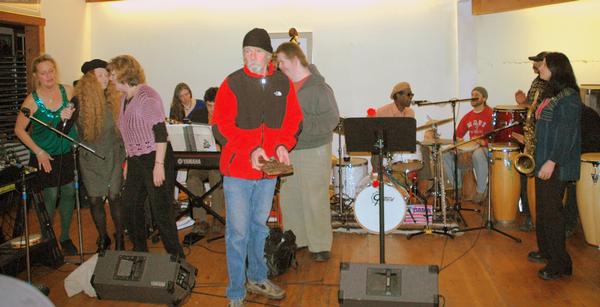

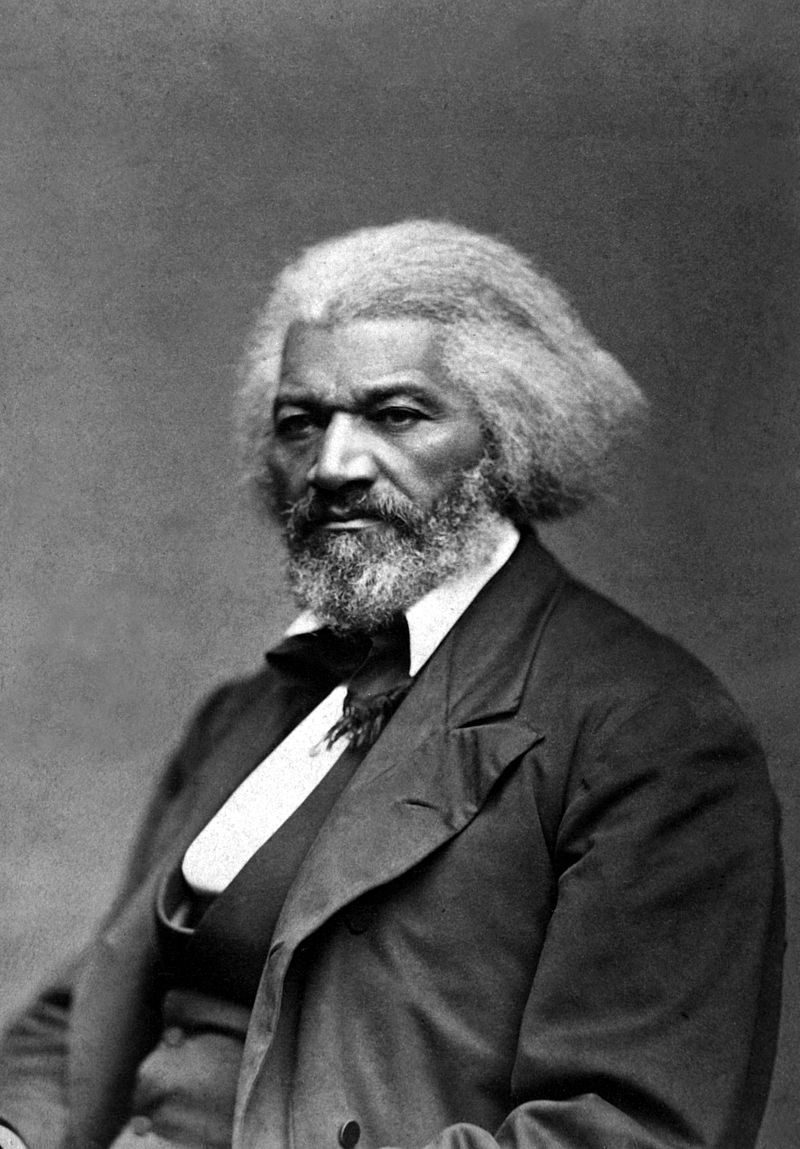
This morning I found the Hutchinson Family Singers. Kenny Reed spoke about the famous Reed Family Singers. They sang abolitionist songs and went on tour with Frederick Douglas. They could of come out of Berkeley in the 60s.
Here is the essay of a neo-Confederate about my kindred. He claims they were Communists who invaded the South as a mindless-mass who had willingly surrendered their freedom, and are hell-bent bent on taking away the Bible and coonskin caps of Red Neck (Christian) individuals – and stomping on them! I know members of the Crockett family. The plantation system was hated by real Red Necks who were Scots-Irish rebels who fled England after losing battles of liberation. My Rosamond ancestor’s were real Red Necks who settled in the Ozarks. Why would Northern farmers join an army just to go down and ruin the lives of Christian farmers in the South? They must be Godless, of the Evil Empire!
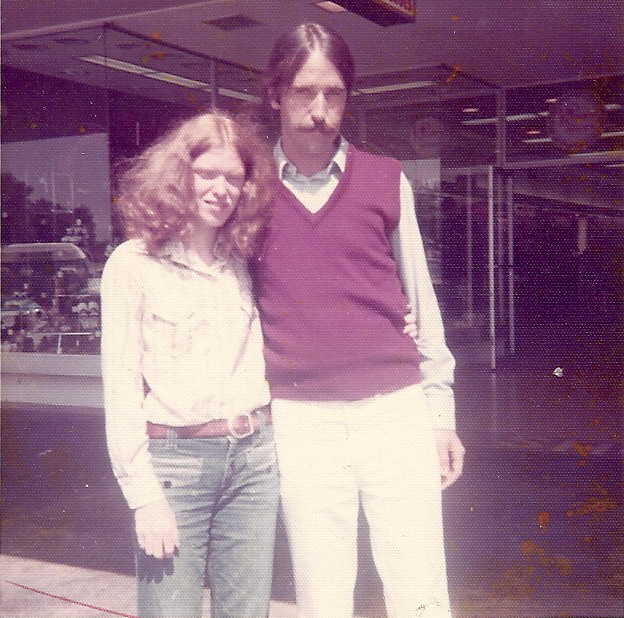
Here I am with my girlfriend, Dottie Withersppoon, the great, great granddaughter of Signer, John Witherspoon. She’s a Peckerwood, a name slaves applied to their masters because of their red hair. She became a member of the Lighthouse Ranch.
https://en.wikipedia.org/wiki/John_Witherspoon
If the Confederacy lost the Civil War, by their own reasoning, God and Jesus – was not on their side! Only the Army of Satan could defeat the Army of King Jesus!
This propaganda goes unchallenged, and will be used by Donald Trump, who will accuse Bernie Sanders of being a Communist. Hillary will also be labeled a Red traitor – with red blood coming from you know where! Angry White Men will eat this bullshit up. They want to see black people joining the Welfare Food Stamp Army of the North, and preparing for a Communist invasion. Sane people are not – prepared. White people will be – confused! They will not know right from wrong, and that crazy man will sit in the Oval Office rebuilding walls that took a hundred years to tear down.
The Republican Party is DEAD! Let us reclaim it in the name of those who made it!
BREAKING NEWS: Several hours after I posted this, Paul Ryan announced he can not back Trump – at this time! There is talk about a third party. It’s time for sane Republicans to return to their traditional roots – and give up their hateful alternative agenda.
Jon Presco
https://en.wikipedia.org/wiki/Hutchinson_Family_Singers
http://www.confederateamericanpride.com/LincolnPutsch.html
A forgotten chapter in the history of America is the influence of German communists in the Midwest in the years following 1848. Refugees numbering in the many thousands from the failed communist Revolution of 1848 settled there, bringing with them socialist ideas favoring large central government, land redistribution, and abolitionism.
These people avidly supported the election of Abraham Lincoln in 1860, providing what many believe was the margin of victory. In response to Lincoln’s call for troops, they joined the Union Army in large numbers, forming perhaps one out of eight of all Union troops in the field, a great many of them under German officers, themselves communist veterans. In the civilian sphere, socialists and communists formed a powerful element in the Republican Party, and Lincoln, himself a midwesterner who shared much of their worldview, awarded them with major appointments.
As far as enlisted men were concerned, the number of Germans, most of whom had also seen service in the Revolutionary armies, was, literally, legion. In New York City alone, thousands of Germans volunteered immediately after Fort Sumter. New York state had 10 purely German regiments during the war.
The Revolution of 1848 was in some respects a reverse image of the War for Southern Independence. Germany, which existed as hardly more than an abstraction, was in fact a decentralized collection of autonomous states. In keeping with the Marxist emphasis on the large, omnipotent, central government, these so called “revolutionaries” were actually intent on overthrowing local rule and setting up a totalitarian dictatorship.
An interesting phenomenon in 1860 was the “Wide-Awake Club” movement. Wide-Awake Clubs were paramilitary German and Scandinavian Republican organizations founded to promote the Lincoln cause. A Wide-Awake Club was founded in Washington, DC, and in three days signed up over 50 members, most of whom were German Jews.
https://en.wikipedia.org/wiki/Wide_Awakes
Yankee Doodle, Wide Awake,
Be silent you should never,
Until you drive the popish snake,
From off the soil, FOREVER

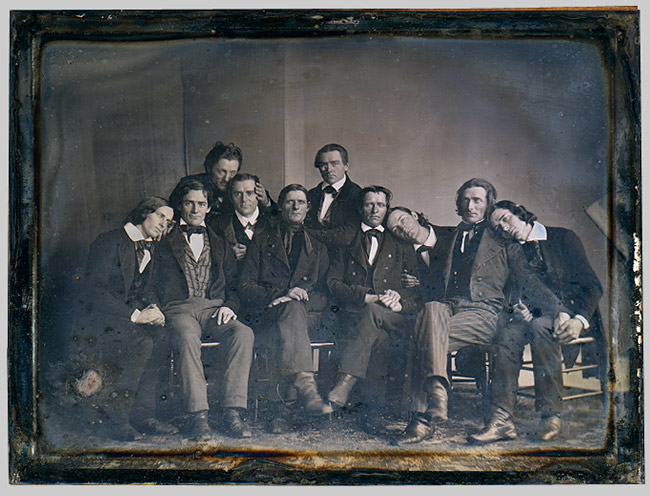
The Hutchinsons were a hit with both audiences and critics, and they toured the United States. They popularized closed four-part harmony. The group's material included controversial material promoting abolitionism, workers' rights, temperance, and women's rights.
They traveled with Frederick Douglass in England in 1845 and stayed for almost a year. Original songs such as “Get Off the Track!“, “Right over Wrong“, and “The Slave’s Appeal” addressed these issues.[17] Abby Hutchinson wrote “Song of Our Mountain Home” in 1850. It includes the line, “Among our free hills are true hearts and brave, / The air of our mountains ne’er breathed on a slave.”[18]
Behold the day of promise comes, full of inspiration:
The blessed day by prophets sung for the healing of the nation.
Old midnight errors flee away, they soon will all be gone,
While heavenly angels seem to say the good time’s coming on.
The good time, the good time, the good time’s coming on,
The good time, the good time, the good time’s coming on.
The captive now begins to rise and burst his chains asunder,
While politicians stand aghast in anxious fear and wonder.
No longer shall the bondman sigh beneath the galling fetters;
He sees the dawn of freedom nigh and reads the golden letters.
The good time, the good time, the good time’s coming on,
The good time, the good time, the good time’s coming on.
Sweet dawn of peace, that day will prove, to all the sons of labor;
For everyone will have enough and gladly lend his neighbor.
Already in the golden east the glorious light is dawning,
And watchmen from the mountaintops can see the blessed morning.
The good time, the good time, the good time’s coming on,
The good time, the good time, the good time’s coming on.
Whence come the wars and fightings dire among the various nations,
But the warring elements in ourselves: false habits and relations.
Reforms must all begin at home, reformers can’t deny it,
And men must cease from gnawing bones and take to a simple diet.
The good time, the good time, the good time’s coming on,
The good time, the good time, the good time’s coming on.
Still higher up the morning beams are spreading in their beauty,
While men, of every grade, begin to see more clear their duty.
They’ve suffered long in ignorance – the night was thick and hazy;
But now the cause is understood that made the world so crazy.
The good time, the good time, the good time’s coming on,
The good time, the good time, the good time’s coming on.
Oh, then will come the glorious day and may it last forever,
When all the nations of the earth in peace shall dwell together;
For right is right, since God is God, and right the day must win:
To doubt would be disloyalty, to falter would be sin.
The good time, the good time, the good time’s coming on,
The good time, the good time, the good time’s coming on.
https://www.ohio.edu/chastain/rz/turnvere.htm

https://archive.org/stream/orationbychancel00hart#page/14/mode/2up

https://en.wikipedia.org/wiki/Radical_Republican


http://www.confederateamericanpride.com/LincolnPutsch.html
The German Turnverein
Founded amid the nationalist enthusiasms of the War of Liberation, the German gymnastic movement, or Turnverein, had fundamentally changed by the time of the 1848 revolutions in the German lands.
The lifting of the Turnsperre in the more liberal atmosphere of the 1840s reawakened the Turnverein to a vigorous new life. The center of the revived movement shifted out of Prussia, which had been its heartland under Jahn’s leadership, to the South and West German States, where the Turnsperre had generally been shorter and less restrictive.
The membership of the new clubs was more inclusive, as the cor of students and academics which had made up the rank and file of the Turnverein in its early years was joined by a large contingent of craft workers, along with many Jewish members, often in positions of leadership. These gymnastic clubs were often closely aligned with workers’ organizations and democratic clubs with whom they shared a desire for reform and a rejection of traditional hierarchies.
In contrast to the organization Jahn had founded, almost one-half of the membership on the 1840s were non-gymnasts, the so-called “Friends of Turnen,” and because of this, the new clubs engaged in more non-gymnastic activities, such as funding libraries and reading rooms, and sponsoring lectures, often of a politically liberal nature. They joined the new volunteer firemen’s movement, and acted as a police force during the outbreaks of social unrest which characterized the revolutionary period. They even imparted a new spirit to their gymnastic program by initiating training sessions for children and, far more radical in light of the times, for women as well. Flaunting their rebellious spirit, the gymnasts of Vormärz wore their hair long and sported large black hats decorated with a rooster feather instead of the more formal attire of the Biedermeier period.
Spread throughout the geographic area of Germany, this more diverse gymnastic movement staged larger and more elaborate gymnastic festivals, which sometimes lasted several days and always culminated with a pledge for national unity. In an effort to realize this unity on a gymnastic level, an all-German gymnastic union was formed in April 1848, shortly after revolution had swept the German Confederation. Established as a demonstration of support for the Frankfurt Parliament, the new league was immediately controversial not the least because it avowed purpose, “to work for the unity of the German people and to uplift the brotherhood and the physical and spiritual power of the people,” failed to mention gymnastics. Impatient with the cautious program of the German Gymnastic Union, a group of radical clubs formed a second, rival union called the “Democratic Gymnastic Union,” and further schisms followed.
Given the radicalization of the movement in the 1840s, it is not surprising that the German gymnasts were directly involved in the 1848 revolutions. Turnverein leaders won renown for their leading roles in local uprisings, among them Gustav Struve in Baden, Otto Heubner in Dresden, and August Schärttner in Hanau. One Turnverein leader who was not in the forefront of radical change was Turnvater Jahn. Elected as a representative to the Frankfurt Parliament, Jahn was given honor, but no real influence, in the revived gymnastic movement.
Although a proposal to form a “Gymnastic Army” (Turnerschar) to supplement the National Guard was never realized, gymnasts manned barricades and participated in crucial fighting during the revolutions. Early in the revolutionary period, the eighty-odd members of the Kiel Turnverein took arms against Denmark in the conflict over Schleswig-Holstein. Although soon defeated, their actions won praise from moderates in the organization who contrasted their “unpolitical” dedication to the cause of the nation with the more radical social and political programs of gymnasts in other regions. Exemplifying this latter trend were the gymnasts in the mob that murdered Prince Felix Lichnowsky and General Hans von Auerswald in Frankfurt in September 1848, during a popular protest against the armistice with Denmark, and those who fought, often in the club uniform, to defend the city of Dresden against Prussian forces in May 1849. Turnverein clubs also participated in the veneration of Robert Blum, who had been killed by counter-revolutionary forces in Vienna, by holding services in his honor, marching in memorial parades, and helping to raise money for his family.
The Turnverein as an organization was most closely associated with the uprisings in Baden, the center of the radical sentiment in southwest Germany. Gymnasts had been among the defenders of the city of Freiburg in early disturbances in the province in April 1848. In the late spring and early summer of 1849, violence erupted again and brought about some of the most prolonged fighting of the revolutionary period. After agitation for a democratic nation-state had forced the Grand Duke to flee, other German states, led by Prussia, sent in troops to crush the movement. The gymnastic organization of the Rhineland province of Hanau organized a march to Baden to defend the province. Although this force gathered around 600 men along the way, it was poorly armed and led and easily outmatched by the regular armies it encountered. About 240 survivors of this effort managed to cross into neighboring Switzerland, where they received a hero’s welcome from Swiss gymnasts and students.
The aftermath of the 1848 revolutions devastated the German gymnastic movement. Clubs were disbanded, property confiscated and leaders lost to jail or exile. The various attempts to form a union of gymnastic clubs likewise fell victim to the Reaction. In these circumstances, the Turnverein turned away from politics to concentrate on its gymnastic program. It was only with the revival of the drivefor German unification in the late 1860s, that the gymnastic movement rediscovered its purpose and was able to regain he momentum of the revolutionary era.
Claire E. Nolte
The Lincoln Putsch: America’s Bolshevik Revolution
by George McDaniel
Regardless of how “conservative” the Republican Party may or may not be, it is easy to forget that there was a time when the Party was far from conservative, that in the early days of the party, socialists and outright communists played an active role. In fact, it can and will be argued here that the election of Abraham Lincoln in 1860 was made possible by communists and socialists, most of them German immigrants in the Midwest, and indeed the prosecution of the War depended in large part on those same alien people. Consider, for example, the following.
Union General Franz Sigel had been a leader in the communist Revolution of 1848, a revolution fought to destroy the individual state governments of Germany, and forciby unite them under an all-powerful central, socialist government. Thanks to some inept leadership, part of it provided by the young Sigel, that revolution failed and Sigel, along with thousands of other “forty-eighters,” fled Europe for America, bringing their revolutionary socialist ideas with them. During the War, his troops declared “I fights mit Sigel.” After his diastrous retreat at the Battle of Wilson’s Creek, a Confederate song made fun of Sigel and his Hessian troops this way:
Ven first I came from Lauterback
I works sometimes by bakin’
Und next I runs my beer saloon,
Und den I try shoe-makin’,
But now I march mit musket out
To save dot yankee eagle
Dey dress me up in soldier clothes
To go and fight mit Sigel.
Ralph Waldo Emerson, the Massachusetts Yankee transcendentalist and hater of the South, wrote so approvingly of Sigel and his countrymen: “This revolution has a feature new to history, that of socialism.”
Carl Shurz was another forty-eighter, who had met Karl Marx at the Democratic Club in Cologne. Schurz later went on to deliver the votes of 300,000 German immigrants to Lincoln in 1860. He was rewarded with an appointment as ambassador to Spain. War broke out just before his departure, but Lincoln prevailed upon him to go anyway. While in Spain, Schurz concluded (1) that the possibility of Europe recognizing the Confederacy was very real, and (2) that Lincoln should declare the War a crusade against slavery. It was Schurz’s ideas and influence that eventually held sway with Lincoln, and resulted in the Emancipation Proclamation.
Communist communities were numerous in the North and the Midwest in the 1850s: Fruitlands at Concord, Mass.; the Owenite community of New Harmony, Indiana; the various Amanite communities in Iowa. Emerson’s own personal favorite communitarian was Fourier , who inspired a number of communist utopian communities and became the spiritual leader of Horace Greeley, the editor of the New York Tribune. Students of the War are well-acquainted with the role of Greeley and his newspaper. They may not be aware that the Tribune had avidly covered the Revolution of 1848, and frequently employed Karl Marx as a correspondent. (In fact, Marx and Engels’ book, The Civil War in the U.S., consists of collected articles and dispatches from the Tribune. In those pieces, the two inventors of Communism fret over every Union setback and cheer every Union advance.)
Another communist community in the midwest was that of Communia, Iowa, founded by a German immigrant named Wilhem Weitling, who had been one of the principal revolutionary figures in Europe as a leader of the communist organization known as the League of the Just. Coming to America after the Revolution, he involved himself in a number of communist causes, included the Arbeiterbund, a German workers’ association, and in Communia. His life and ideals, which are detailed in his biography, The Utopian Communist, by Carl Wittke, present an excellent case study in communist revolutionary thought in America in the years leading up to the War.
These German immigrants were different, socially, religiously, and politically from those who had come before. Colonial German immigrants and those prior to 1848 were mainly farmers, a mixture of Lutherans and various small sects, all of whom were pious Christians. Most became Democrats. In America, they settled in Pennsylvania, then began to filter down the Great Wagon Road to places in the South such as Salem (now Winston-Salem), North Carolina. These Germans were hard-working and of sturdy stock, though considered somewhat dull and plodding.
Forty-eighters, on the other hand, came to America for its socialist promise, such as that of free land as was represented by the Homestead movement. Most settled in cities, however. They were rootless, with no particular attraction for a homeland. As Marx said, “the proletarian knows no fatherland.”These Germans coming after 1848 were more urban, more educated, less willing to work and more apt to look to the welfare state. They tended to be irreligious, even atheistic.
The government of the city of Chicago in the 1850s and 1860s came strongly under German socialist influence. A forty-eighter, Dr. Ernst Schmidt, called “the Red Schmidt,” ran for mayor on the Socialist party ticket in 1859 and received 12,000 of the 28,000 votes cast. When another forty-eighter, Friedrich Hecker, called on Lincoln at the 1861 inauguration, Lincoln is said to have asked: “What became of that long, red-haired Dutchman [German], Dr. Schmidt? Almost every Dutchman has been in here asking for a job; why doesn’t he come in?” Most of them, one might add, came away happy.
The Revolution of 1848 was in some respects a reverse image of the War for Southern Independence. Germany, which existed as hardly more than an abstraction, was in fact a decentralized collection of autonomous states. In keeping with the Marxist emphasis on the large, omnipotent, central government, these so called “revolutionaries” were actually intent on overthrowing local rule and setting up a totalitarian dictatorship. Such socialist “reformers” included, in addition to those already mentioned, one August von Willich, future brigadier of the Ninth Ohio and the 32nd Indiana. Von Willich had been an ardent follower of Karl Marx and had once led a Communist mob against the Cologne City Hall. Though at times a rabble rouser, Willich was a military man through and through. At Shiloh, he amazed his fellow officers (who included Gen. Lew Wallace, who described it) by putting his men through the manual of arms drill while under Confederate fire, even as many of them were being shot down. Willich, known for his regimental drills even after 20-mile marches, was prone to address his men as “Citizens of Indiana” and lecture them at length on the virtues of communism.
Alexander von Schimmelfennig was another German revolutionary who became a Union general. So was General Max von Weber, who had served as a colonel under Sigel in the revolution. So too was Karl Leopold Matthies of Iowa.
In the lower ranks, the former German revolutionaries were even better represented. Among them were Lt. Colonel Carl Gottfried Freudenberg, who had led insurgents at the age of 15 in an engagement near Mannheim, and the Austrian Ernest Fahtz, who became Lt. Colonel of the 8th Maryland. There was also Dr. Friedrich Hecker, who had been a leader in the Baden, Germany, rebellion. Another was Col. George von Amsberg, who had been a leader in the socialist revolt in Hungary. Adolf Dengler, a Baden Revolution veteran, was the colonel of the 43rd Illinois. Colonels Joseph Gerhardt, Carl Eberhard Salomon, Wilhelm Heine, Konrad Krez, Henry Flad, Fritz Anneke, Franz Mahler, Adolf von Hartung, Edward Kapff, August Mersey, Friedrich Poschner, Franz Wutschel, Rudolf von Rosa, and other such names form a list that goes on and on. All of them were socialists, all of them were Union officers. There were at least 50 German-born majors, though that number is probably far too low. Most of these men were from midwestern states: Ohio, Illinois, Missouri, Iowa, and Wisconsin.
As far as enlisted men were concerned, the number of Germans, most of whom had also seen service in the Revolutionary armies, was, literally, legion. In New York City alone, thousands of Germans volunteered immediately after Fort Sumter. New York state had 10 purely German regiments during the war. The NY German regiments included: the Steuben Rifles, Blenker’s 8th NY, the Astor Rifles, the German Rifles No. 5, the SchwarzeJager, and the German Rifles No. 3. Blenker’s Regiment was reviewed by Gen. Winfield Scott and Lincoln in June, 1861, during which Scott called them “the best regiment we now have.”
The preponderance of German-born officers and men in the Union armies is overwhelming. It is estimated that in 1860 there were approximately 1,204,075 Germans in the states that would remain in the Union. During the War, approximately 100,000 additional Germans entered. That makes for a total of about 1,300,000 Germans living in the Union during the War years. It is calculated that about 118,402 would have been subject to military service. The number who actually served was by some estimates around 216,000. This means the Germans were over-represented by nearly 100,000 men. Of the total of those serving, at least 36,000 served under German officers. If the total number of German troops is assumed to be 216,000 and we accept that the total of all foreign-born troops was nearly 500,000, which was about one-quarter of all Union troops, we see that as many as 1 in every 4 Union troops was actually of foreign birth, and that that foreigner was as apt to be a German as not. This is an astonishing statistic, and bears out the widely held Confederate belief that they were fighting an army of Hessians.
What were the political beliefs of these men? As noted above, a great many of the Germans, and virtually all those who had arrived since 1848, were former revolutionaries and socialist in political orientation. Many were imbued with the Liberal ideas that had come into prominence in Europe with the Jacobins in the French Revolution, and had remained around in various guises ever since. In America, these radicals retained their beliefs, finding encouragement in such something-for-nothing policies as the Homestead movement. Most of the recent immigrants came to be free-soilers. Combined with their Liberal antipathy to slavery, and their ideological devotion to omnipotent central government, they were thus natural-born Unionists.
An interesting phenomenon in 1860 was the “Wide-Awake Club” movement. Wide-Awake Clubs were paramilitary German and Scandinavian Republican organizations founded to promote the Lincoln cause. A Wide-Awake Club was founded in Washington, DC, and in three days signed up over 50 members, most of whom were German Jews.
A large number of German-language newspapers were published throughout the Union, particularly in the Midwest. An example was the Illinois Staats-Zeitung, which was virulently anti-Southern. In an ironic twist on the modern-day “Southern Swastika” slander, that newspaper coined a term for the Confederate flag: Klapperschangenflagge (rattlesnake flag). Throughout the war, it spewed forth hate for the South that rivaled any coming out of New England.
Lincoln realized the power of the Germans in this region. The German vote was viewed as essential in the election of 1860. Carl Schurz was the chairman of the Wisconsin delegation to the Republican convention in Chicago. Schurz, whose communist credentials in Germany were impeccable, was also a member of the Republican National Committee. Germans such as Gustav Korner, Francis Lieber, Friedrich Hassaurek, Frederick Munch, and Judge Krekel all spoke forcefully for Lincoln. Schurz alone traveled an astounding 21,000 miles speaking on behalf of Lincoln, for whom he promised and delivered 300,000 German votes.
Numerous historians have held that the foreign-born (primarily German) vote in the Upper Midwest decided the outcome of that election. For example, in a widely quoted essay in the American Historical Review, July 1911, entitled “The Fight for the Northwest, 1860,” William Dodd analyzed the 1860 vote. He concluded that the Republicans made a concerted effort to win over the votes of the new German immigrants, through their support of high tariffs and free homesteads, in addition to liberal ideologizing. Dodd wrote that Indiana, Illinois, and Iowa “would have given their electoral votes to Douglas but for the loyal support of the Germans and other foreign citizens led by Carl Schurz, Gustave Koerner, and the editors of the Staatszeitung of Chicago.” He concluded that had one voter in twenty switched from Lincoln to Douglas, Lincoln would have lost the upper midwest and hence the election. Dodd wrote: “The election of Lincoln and, as it turned out, the fate of the Union, were thus determined not by native Americans but by voters who knew least of American history and institutions.”
The chief exponent of the philosophy of most of these people was Karl Marx. The extremely pro-Union, anti-Southern writings of Marx and his colleague Friedrich Engels echo the attitude of his German followers as we have discussed here. In addition, his later followers, the Soviet Russians, adopted similar positions in their official histories of the WBTS. To quote one Soviet historian, D.B. Petrov, who commemorated the 150th anniversary of Lincoln’s birth by writing his biography (Abraham Lincol’n, Moscow, 1959): “Lincoln sincerely sympathized with the workers and sought the fulfillment of their most important demands. In this, lay the main reason for Lincoln’s authority among the common voters.” The Confederacy, on the other hand, is reviled in official Soviet history: “The secession movement was not a struggle for the sovereign rights of states but a reactionary rebellion of slaveholders, speculating on the ideal of states’ rights.” (R.F. Ivanov, The Civil War in the USA, Moscow, 1960). According to Ivanov, the secessionist slaveholders “vigorously suppressed” all opposition; therefore, secession was an “anti-peoples movement.” Notice that these Soviet writings were published at the height of the Cold War, yet the writers are adamant to defend the U.S. Federal government. Why would they defend their supposed arch-enemy?
A look at the events that took place thirty years later in the “Evil Empire” (one is tempted to refer to it as the “Other Evil Empire”) will reveal the answer. Aside from the fact that Lincoln has long been a hero in the Communist world (witness the Communist “Abraham Lincoln Brigade” on the Loyalist side in the Spanish Civil War), movements like the Confederacy are a threat to empires. Mega-states, regardless of their personal differences, must hang together to maintain the myth of omnipotent government.
Summary
A forgotten chapter in the history of America is the influence of German communists in the Midwest in the years following 1848. Refugees numbering in the many thousands from the failed communist Revolution of 1848 settled there, bringing with them socialist ideas favoring large central government, land redistribution, and abolitionism.
These people avidly supported the election of Abraham Lincoln in 1860, providing what many believe was the margin of victory. In response to Lincoln’s call for troops, they joined the Union Army in large numbers, forming perhaps one out of eight of all Union troops in the field, a great many of them under German officers, themselves communist veterans. In the civilian sphere, socialists and communists formed a powerful element in the Republican Party, and Lincoln, himself a midwesterner who shared much of their worldview, awarded them with major appointments.

 Rosamond Press
Leave a comment