
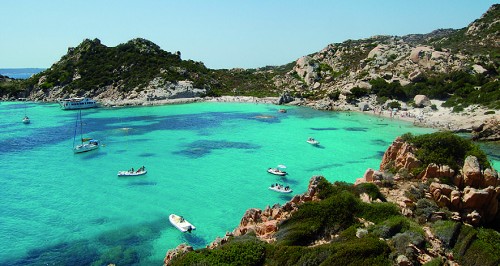
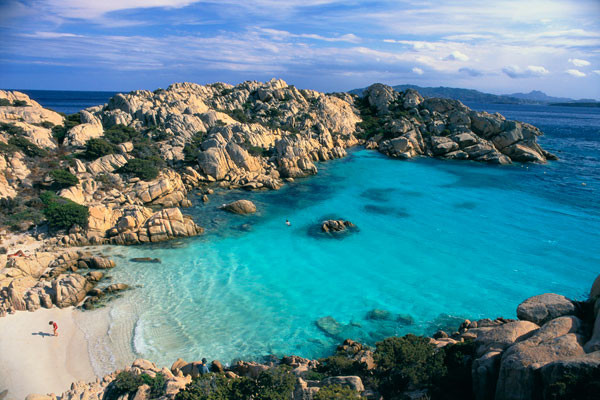

Every year tourists flock to San Francisco. New Yorkers used to flock to the Catskills in the summer. SFers used to go to Occidental and Camp Meeker for the summer months. I suggest citizens of the city named after Saint Francis, come to Sardinia for a Bohemian Be-in. Every year there will be a meeting of the Creative Alternative Minds from all over the world. Ways to save the planet will be discussed. Global Warming will be a paramount concern. Pioneers of the Internet can discuss the future of Cyber-Space.
As fate would have it, there are several statues of Saint Francis on Sardinia. One looks like the Statue of Liberty. Here is Destinies Welcome! We can save the Animals of the Earth.
Jon Presco
https://vinoconvistablog.me/2012/06/30/the-enchanting-church-of-saint-francis-in-alghero-sardinia/
http://www.sardegna.com/en/blog/st-francis-lula-1st-may-sardinia/

Tourism in Sardinia
Tourism in Sardinia is a relatively new phenomenon. Until recently, apart from the highly exclusive north eastern coast of the Costa Smeralda, there was little choice but to stay in modest hotels or private houses, especially away from the principal towns and a handful of seaside resorts. Today, the quality of Sardinian tourist accommodation has reached the same high standards as can be found in the rest of Italy.
The coastal areas are not the only parts of the island driving growth in tourism in Sardinia, there are also many areas once used exclusively for farmland that offer fabulous holiday accommodation, such as Fonni and Oliena. The variety of solutions for finding a dream holiday location in Sardinia is extensive, ranging from a traditional hotel, to relaxing and basic rural retreats, bed and breakfasts and farmhouses. The island is small, so invites exploration, which could include a combination of beach locations and its beautiful and diversified countryside, with impressive mountain ranges, views stretching as far as the horizon, and wide plains covered in wild flowers in the Spring. There really is something for every taste, on this ancient and enchanting island.
Another possibility for those who want to immerse themselves in the characteristic Mediterranean maquis, and breathtaking, inspirational landscapes of the Sardinian countryside is the campsite. This holiday solution is particularly recommended to those who love the outdoors and walking. The Sardinian sky at night is a spectacle to be experienced, from the beach or in the country, away from all lights. A fantastic alternative to hotels or resorts is the self-catering holiday home, often within hotel structures, with shared communal facilities, such as swimming pools and tennis counts. These are often located on the beach, with stunning seascapes, sunrises and sunsets to enjoy, for a really unforgettable holiday. If you are looking for a beach holiday, you will notice the various differences between the coastal areas. The renowned Costa Smeralda, including the famous holiday location of Porto Cervo, and the nearby Porto Rotondo, are very popular among celebrities and the international jetset, arriving in private jets at the nearby airport of Olbia. In contrast, stunning coastal areas such as Santa Margherita di Pula, Porto Conte, Baia Sardinia, Villasimius and Costa Rei are popular destinations for all inclusive package holidays, whereas Alghero, Santa Teresa di Gallura, La Maddalena, San Teodoro, Cala Gonone, Golfo Aranci and Muravera are popular among those visitors who enjoy independence and exploration. In addition to these well-known destinations, there are also lesser known coastal towns and characteristic villages where you can find great accommodation at excellent prices, especially in farmhouses, Bed and Breakfasts and hotels. These are now the rising stars of Sardinia tourism, giving visitors the opportunity to discover some really extraordinary places, experience true Sardinian hospitality, enjoy the rigorously high standards in its great and world renowned culinary traditions. Despite the growth of tourism in Sardinia in recent years, this remarkable Italian island has retained its wild, uncontaminated beauty, and visitors always enjoy a completely authentic experience. Come and see for yourselves!
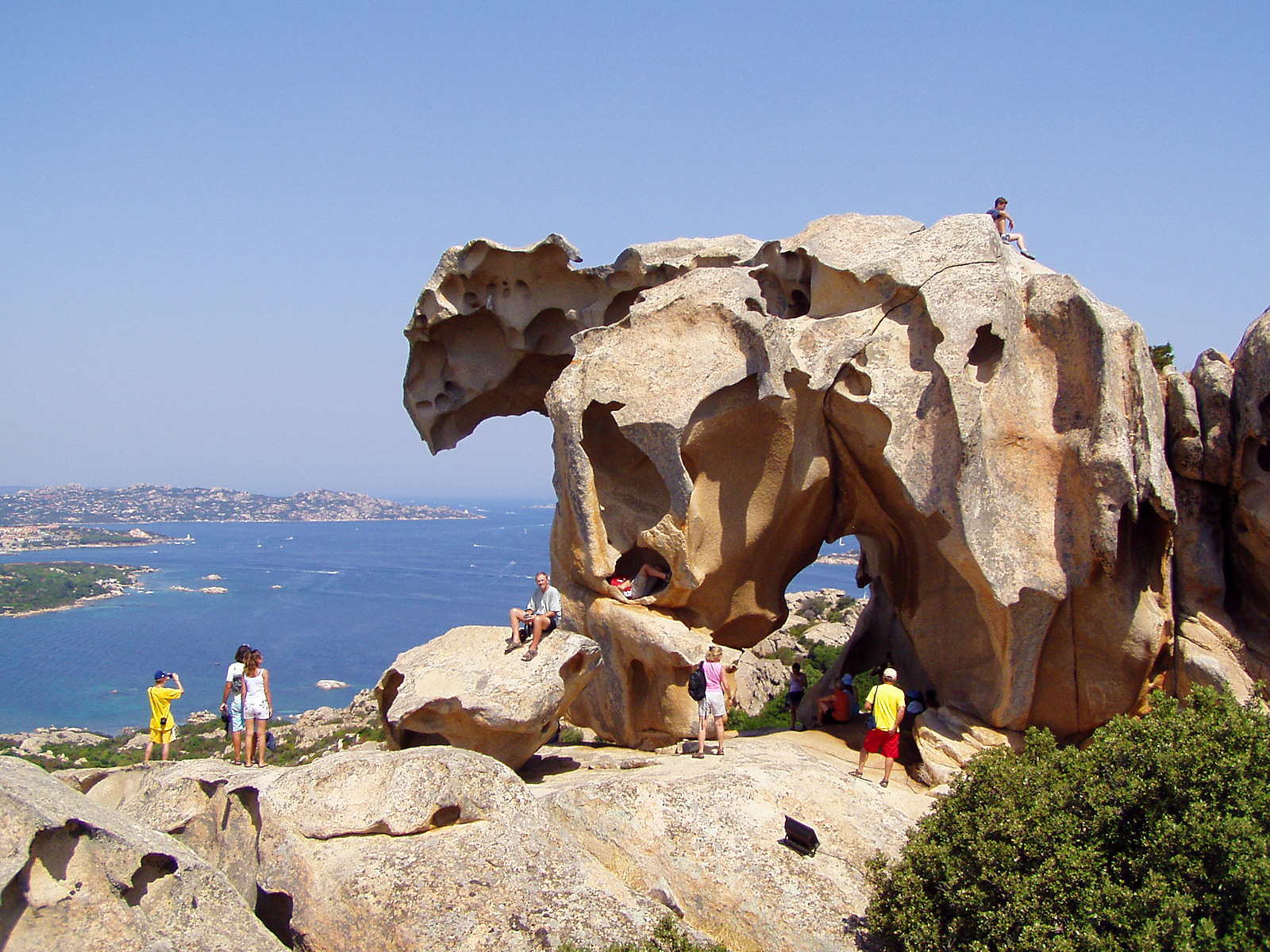
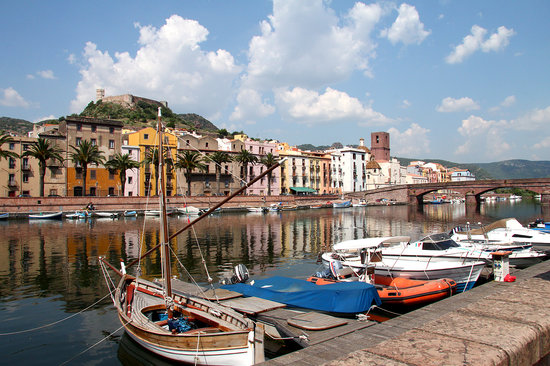


http://www.sardegna.com/en/sardinia-photos/archaeology/
https://angelafloris.wordpress.com/author/angelafloris/
February/March Shrove Tuesday ‘Carnival’ celebrating throughout the island – a 3 day event ending on Shrove Tuesday with music, dancing and fancy dress and typical local food and sweets for the children.
 ‘Sa Sartiglia’ in Oristano – the most spectacular and choreographed Carnival in Sardinia. An equestrian game with ancient origins in which brave horsemen compete with one another in a tournament to select the figure of Su Componidori, the horseman that wearing a mask of a mysterious God will pierce the star. Masked horsemen must pierce an iron star at a gallop with their drawn sword, and the more times they can accomplish this, the better as it is believed that the fate of the town hinges on the rider’s skill.
“Halloween” is not the only event about the ancient cult of souls of dead in the world. In fact, Sardinia has preserved a tradition that has much in common with those American and Anglo-Saxon.
This is the event which in Sardinian language is indicated by several names: Animeddas, Panixeddas in the south of the island, su ‘ene’e sas ànimas or Mortu Mortu in Nuoro, Prugadòriu in Ogliastra, etc. …
It is celebrated between 31th October and the first days of November. In the villages of Sardinia, the children go to ask, door to door, some gift for the “little souls” (is animeddas).
 Today the “little souls” come home with chocolates, lollipops and snacks, but in the past it was more common that the adults gave them Sardinian typical sweets: pabassinas, Ossus de mortu,pani ‘e saba, etc. …and then other gifts like pomegranates, chestnuts and dried fruit.
http://www.jstor.org/stable/25155579?seq=1#page_scan_tab_contents
Animeddas, Panixeddas
Tomb of Giants (Italian: Tomba dei giganti) is the name given by local people and archaeologists to a type of Sardinian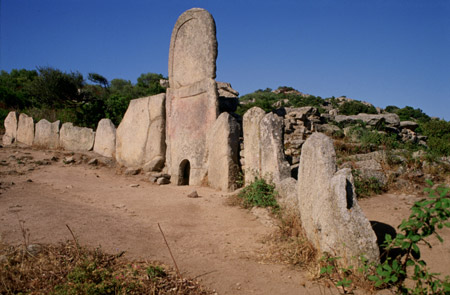 megalithic gallery gravebuilt during the Bronze Age by the Nuragic civilization. These kind of tombs were collective graves, probably without any class distinction. So they were probably used as charnel houses that could contain up to 200 skeletons.
They can be found throughout Sardinia, and so far 321 have been discovered.
There are two general types of giants’ tomb.
 In the so-called “slab type“, uncut slabs are buried into the ground, and are arranged side-by-side. There is usually a central slab, which is the largest (up to 4 m in height) and has a doorway cut through it. The sepulchres have a characteristic rectangular plan with an apse. The burial chamber is usually 5 to 15 metres long and 1 to 2 metres high. The structures were originally covered by a mound resembling the shape of an overturned ship. Often near the entrance was an obelisk (betile in Sardinian language), which symbolizes the gods or ancestors who watched over the dead.
In the more primitive slab – type giants’ tombs, the central slab is unmodified aside from the entrance that is cut through it at the base, or else there is a crude dolmen-like arrangement of 3 uncut rocks to form the entrance. In a more advanced slab-type giants’ tombs, the central slab is modified so as to be rounded on top, and has a simple design carved into the front surface.

 Rosamond Press
Leave a comment