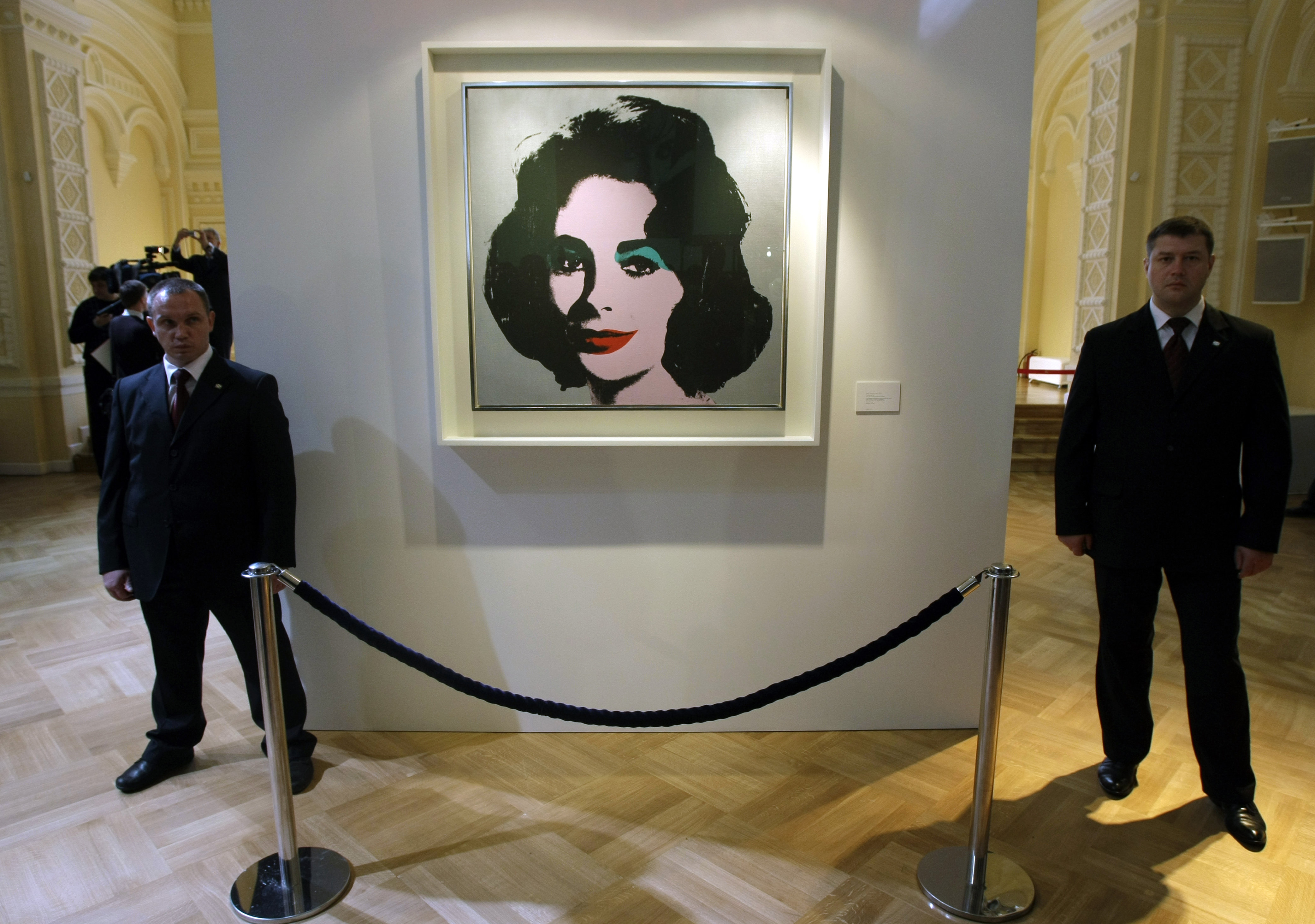


“Robotham, who works as an assistant curator at the New York City museum, set out to present both the private and public personas of Marilyn Monroe and Elizabeth Taylor, partially through the lens of their Jewish identities and partially through the lens of Andy Warhol’s famed portraits of them.”
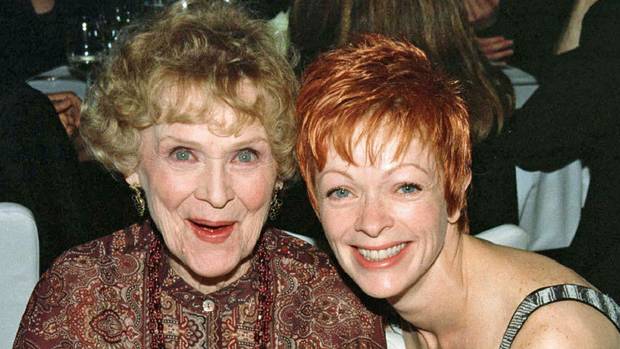
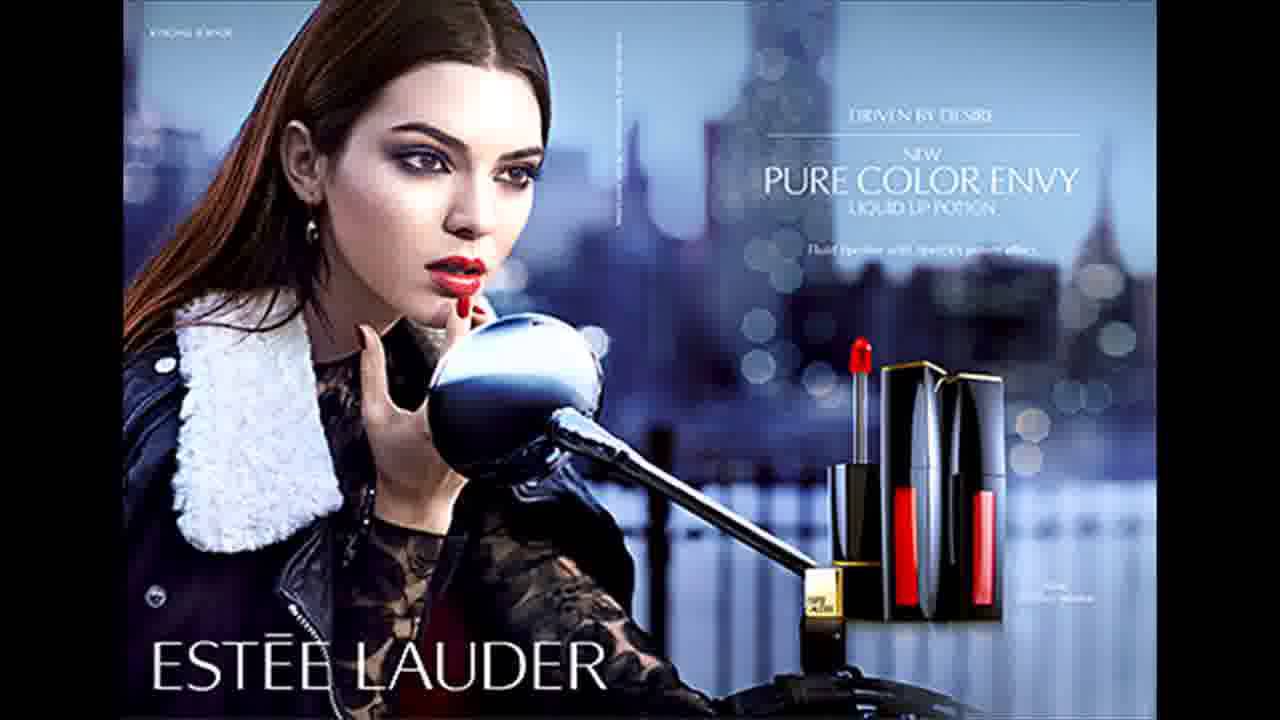
Estee Lauder’s mother was Rose Rosenthal. Rosenthal means ‘Valley of the Roses’. From Estee is born ‘The Modern Muse Le Rouge’. Elizabeth Rosemond Taylor had her rouge lipstic and line of cosmetics that was accented by the world famous artist, Andy Warhol. Tyler Shields is a well known artist who employed Francesca Eastwood as his Muse. Francesca’s mother, Francis Fisher, played Ruth, the mother of Rose. Ruth means “red”. Francesca talks about being made into another Kardashian in her new reality show. Kindal is the star of a new Estee Lauder lipstick, called ‘Modern Muse Le Rouge’. Taylor is my kindred and descends from the Rougemonts. Here is the Rose Line that I found in the Valley of Roses and Lillies. I am the teacher of the artist Rosamond.
Follow the Rouge Line! What is to stop me from suggesting this line descends from Mary Magdalene who is linked to other famous artists in many books?
I believe I own the copyright on these words “Muse Rouge”. Kendall Jenner is filling, or, has stolen, Rosemond Taylor’s rouge shoes – and bright red mouth!
Jon Presco
Copyright 2016
2. ELIZABETH MARY12 ROSEMOND (MOSES MORTON11, PHILIP10, WILLIAM9, JAMES8,
UNKNOWN7, JAMES “JACOB?”6, HANS ULRICH5, HANS4, FRED3, HANS2, ERHART1 DE ROUGEMONT) 9,10 was born Jun 1869 in Guernsey County, Ohio, and died 1937 in
Arkansas City, Cowley County, Kansas. She married FRANCIS MARION TAYLOR
Abt. 1895, son of PETER TAYLOR and MARGARET PERIGO. He was born Abt. 1860
in California, and died 1946.
https://rosamondpress.com/2012/05/17/drew-benton-and-the-rose-mouth-grail/
“Rosamund, Rosamond, Rosamunde, Rosemonde is of Teutonic origin,
having been formed from the Old male name Rhosmund, softened down
from Ruodmunt same as the Old and Middle high German name Hrothmond
(Icelandic Hrothmundr) old Gothis, Ratmund. Junius’ translation
Ruodmunt. “red mouth”. The name if from Ruod-munt for Rad-Mund “man
for counsel” councilor of Radmun, “protector in council”
Ruth DeWitt Bukater (born in 1860s) is the mother of Rose DeWitt Bukater and one of the main antagonists in Titanic. Consumed by her wealth, she was very snobby, rude, spoiled, and selfish. After her husband died and left her and Rose completely bankrupt, Ruth’s materialistic and gold-digging ways and snobby personality went to the extreme and targeted Cal for Rose so they could remain financially wealthy. She is portrayed by Frances Fisher.
http://jamescameronstitanic.wikia.com/wiki/Ruth_DeWitt_Bukater
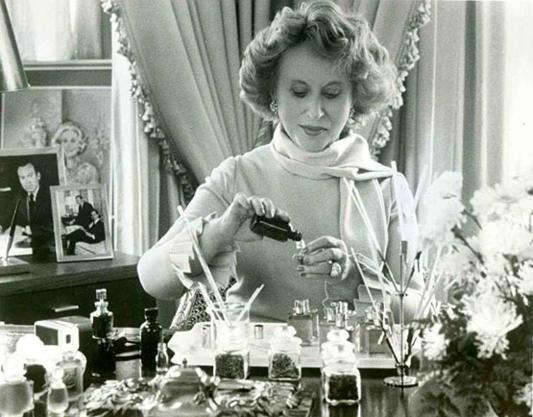
Lauder was born Josephine Esther Mentzer in 1908,[1][3] in Corona, Queens,[4] the second child born to Rose (Schotz) Rosenthal and Max Mentzer.[5][6] Her parents were Hungarian Jewish immigrants.[1][7][8] Rose emigrated from Hungary to the United States in 1898 with her five children to join her then husband, Abraham Rosenthal.[5] But, in 1905, she married Max Mentzer,[5] a
Estée’s father, Max Mentzer, a Hungarian Jew, owned a hardware store in Queens. Her mother, Rose Schotz Rosenthal, Czech-Catholic, took care of a huge brood of children. She was a gorgeous woman and little Estée always wanted to be looking like her. Rose was ten years older than her husband; therefore Estée believed that the difference in age could be the best way to save a marriage.
Estée Lauder, who died in 2004, wouldhave been 100 this year – probably.Like so many facts about her life, shekept her real age carefully concealed.Lindy Woodhead pays tribute toa remarkable woman who built a globalbeauty empire through application,force of character – and the odd fib
In the summer of 2004, just a few months after Estée Lauder had died, her granddaughter Aerin became the family-owned company’s senior vice-president of Global Creative Directions. It is no meaningless title. Aerin, a prominent Park Avenue princess – links to high society have always been an integral part of the Lauder brand – is in a position of real power and, like her impeccable wardrobe, she wears it well.
One of the first things she did was to bring the designer Tom Ford on board to put some zing back into the ageing brand, revamping the famous Youth Dew fragrance and bringing in new cosmetic colours and concepts. Not all the family were keen. Cousin William, who at 43 is the company’s chief executive, expressed doubts, as did the chairman, Aerin’s uncle Leonard, who grew up at his mother’s knee instilled with the mantra, ‘She is the company and the company is she.’ Adding any name, even Tom Ford’s, to the matriarchal memory was always going to be tricky.
Yet the Lauder family pulled together as they always do. Despite Ford’s fees – style-makers don’t come cheap – the company could definitely afford it. Last year Estée Lauder’s global sales were £1.9 billion. Through its own brands and via specialist acquisitions, the company controls nearly half of America’s high-end cosmetics business and accounts for one in three premium beauty products sold in Britain. Fortunes on this scale usually involve the production of some useful drill-bit or a lucky strike mining gold. In Estée Lauder’s case it came about because she mined the seam of every woman’s innermost dream: to be beautiful.
At the height of her personal power and prestige in the mid-1980s, one of Lauder’s set speeches involved her saying, ‘I did not get there by wishing for it or dreaming about it or hoping for it. I got there by working for it.’ She wasn’t exaggerating. She was one of the hardest working women in the business – probably, for that matter, in any business. She never stopped toiling, day or night.
Building the Estée Lauder brand was an overwhelming, all-enveloping obsession. Lauder wasn’t just a super-saleswoman: along the way to becoming the ‘queen of cream’ she showed all the tendencies of a mother hen defending her chicks, delighting in seeing off any competition that might encroach on her territory and demonstrating a forcefulness under her blonde and powder-blushed attractiveness that made strong men quake.
Stanley Marcus, the powerful retail entrepreneur who owned Neiman Marcus in Dallas, Texas, recalled that the first time he met her, ‘She came swinging into the store like the boxer Sugar Ray Robinson, utterly determined to fight her corner.’
This year the company she founded will celebrate the centenary of her birth. Estée Lauder outlived the three other giant personalities who, by the time she herself got properly started in 1946, had largely developed the modern beauty business – Helena Rubinstein, Elizabeth Arden and Charles Revson of Revlon. They were the dynamic quartet who took women’s fears of ageing and fantasies of beauty and parlayed them into a vast industry that touches the lives of women the world over.
Along the way, all four of them (each born in varying degrees of poverty) became as rich as they were ruthless, controlling empires that circled the globe – and each of them proved masters of re-invention, whether about their product or their personal backgrounds. In fairness to Revson, he never denied his immigrant parents or his Jewish background; rather, he ignored them.
Rubinstein spent all her life in denial about the fact that her Orthodox Jewish parents in the Krakow ghetto kicked her out of their crowded house at the age of 15, and claimed that she had lived the ‘happiest family childhood’, while the anti-semitic Elizabeth Arden – whose real name was Florence Nightingale Graham – tried to have the world believe her Scots-Canadian father was a champion jockey when in reality he was a peddler and a drunk.
What with Arden’s racehorses, Lauder’s houses (New York, Palm Beach, Belgravia and the French Riviera), Rubinstein’s fabled jewels and art, not to mention Revson’s triplex yacht with 16 bathrooms and a uniformed staff of 31, their lifestyles were legendary. None of them denied they were self-made but Rubinstein, Arden and Lauder tried desperately to imbue their parents with, respectively, intellectual, sporting or aristocratic pedigrees that were utter rubbish.
Lauder in particular showed a marked aptitude for glossing her past. Her favourite story was that she had been brought up by her Viennese mother in fashionable Flushing, Long Island, in a sumptuous home with stables, a chauffeured car and an Italian nurse. Other reports said she was a Catholic – something she rarely denied, even once going so far as to produce a ‘relative’ who was a nun. This story caused Revson to spit with fury. ‘Her name’s not Estée,’ he once screamed. ‘She’s Esther. Esther from Brooklyn.’
Actually he was wrong. She was Josephine Esther Mentzer and she grew up above her father’s shop in Corona, Queens, where she was born in either 1908 or, more likely, in 1906. Esther’s mother, Rose Schotz Rosenthal Mentzer, was from rural Hungary. She arrived in America in 1898 with five young Rosenthal children in tow, to join her husband who had travelled ahead.
A year or so after her arrival, there being no sign of Mr Rosenthal, Rose, an attractive woman of about 30, remarried. Her new husband, Max Mentzer, was another Hungarian immigrant. Unusually for a Jewish family, they settled in the Italian community of Corona, where their daughters Grace and Josephine were born.
Esther’s sales skills were honed at Plafker & Rosenthal, the grandly named ‘department store’ run by her stepsister-in-law, Freida, and Freida’s sister Fannie. In their well-stocked dry-goods store the two sisters also sold toiletries, which by the end of the First World War had evolved into a sizeable business, albeit one based on Pond’s cold cream and Vaseline.
Another Lauder story is that Esther worked with her uncle, John Schotz, ‘a famous skin specialist from Vienna’ who came to New York for the World’s Fair in 1939 and, finding himself trapped by the war, stayed on.
In fact Schotz, who was a Hungarian chemist, had settled in New York in 1900. He made own-label products for local pharmacists – everything from a muscle-building cream to freckle-remover. He even supplied embalming fluid.
By the time Esther left school in 1925 she had formed an affinity with her uncle’s products. She had learned to formulate in his little factory and had a fondness for fragrance – so much so that Freida and Fannie happily remembered her ‘adding a little something to the stock – you’d never know it was Pond’s!’
Summers were spent with an aunt who lived modestly in the elegant resort town of Oconomowoc in Milwaukee. Here the young Esther observed the Chicago and St Louis rich at play, determining that she would one day join them. Her wages came from working as a junior in a hairdressing salon, supplemented by cash earned selling her uncle’s cream.
Estelle – as she now called herself – met the amiable Joseph Lauter in about 1927, marrying him in 1930. Their first son, Leonard, was born in 1933. Thereafter Joe’s ailing career in the clothing industry strained the marriage to breaking point and she divorced him in 1939. Moving to Florida to forge a new life with her young son, she took a new name – Estée Lauder – and earned her living giving beauty demonstrations and selling her embryonic product range door-to-door to salons.
She also found a new man – albeit one already married – when she forged a close friendship with the wealthy industrialist Arnold Lewis van Ameringen, who went on to become the all-powerful chairman of IFF (International Flavours and Fragrances).
Van Ameringen, however, remained married and Estée headed back to New York where she started seeing Joe again. They remarried in 1942 and had a second, much-cosseted son, Ronald. Estée cajoled her husband to work with her and in 1946 they formed Estée Lauder Inc. Joe handled accounts and production, Estée masterminded sales and marketing, and Leonard, at the age of 13, was recruited to make deliveries after school on his bicycle.
Lauder astutely decided against opening beauty salons as flagships to drive wholesale sales, an expensive route taken by Arden and Rubinstein. Instead, she tackled shops direct with her small collection of lipsticks, eyeshadows, creams and cleansing products, working her way first into Saks, then Neiman Marcus. Money was tight with little to spare for advertising, so Lauder adopted the ‘gift with purchase’ concept – a marketing milestone she made uniquely her own.
Then came Youth Dew. The Roman philosopher Seneca said, ‘Luck is what happens when preparation meets opportunity.’ Lauder, at the age of 47, some 30 years into her life’s ambition, struck it rich when she came up with a highly scented, oily concoction that was launched in 1953 as a body oil and fragrance. Critics might have loathed it, but consumers took to it in droves – within months, the sales figures at Neiman Marcus alone went from a few hundred dollars to $5,000 a week. Lauder was now unstoppable.
I met her once in 1973 when she was recruiting a London press officer. Having waited for ten minutes in her immaculate Grosvenor Street showrooms, I noticed she was, all of a sudden, a presence in the room. Small, with orange-tinted hair, wearing bright blue crêpe de chine that matched her chlorine-blue eyes, she swept me up in the aura of her personality. It was like being in the presence of royalty, right down to the handbag over her arm just like the Queen.
Given the vast amounts of money she spent sponsoring polo matches so she could hobnob with the royal family, her persona wasn’t surprising. Lauder had a large bottle of perfume in her hand with which she sprayed me energetically. Unfortunately, it went straight up my nose and I started to sneeze. She asked me where I had gone to school, clearly hoping it was Benenden so that I could claim acquaintance with Princess Anne. It wasn’t, and I didn’t get the job.
When the author Lee Israel wrote an unofficial biography in 1985 Lauder’s penchant for aggressive social climbing was brutally exposed – alongside her humble background and her habit of sending excessive presents to the great and the good. In a move that showed all her natural skills at public-relations damage limitation, Estée countered by publishing her autobiography, in which she admitted to growing up in Corona and acknowledged John Schotz.
By now it didn’t really matter. She was the world’s undisputed beauty queen. Her rivals were dead (it was noted, at Arden’s funeral, that ‘Mrs Lauder spent the entire time with a smile on her face’) and the businesses they started had changed hands or were in disarray. Lauder herself withdrew from public life a decade before she died, living her final years, rather like her old friend the Duchess of Windsor had done before her, in a twilight world.
Many today acknowledge the strength and ability of Leonard Lauder in maintaining and developing his mother’s business; he moved it into acquisitions, and the company now owns Mac, Bobbi Brown and Aveda among others.
He once said: ‘Our credo is that we are not a family business, we are a family in business.’ It’s a legacy to be proud of.
Francesca Eastwood was questioned by cops after neighbors of her ex-BF Tyler Shields reported someone was burglarizing his L.A. home, TMZ has learned.
Sources close the situation tell us police got to Shields’ house Saturday evening, and found a front door window had been smashed … and Eastwood was carrying stuff out of the house. Shields was not home at the time.
A source close to Eastwood tells TMZ it wasn’t a burglary because Francesca’s name is still on the house lease, and she was merely retrieving her own personal belongings — including clothes and pictures.
Law enforcement sources tell us … Shields — a well-known celeb photographer — showed up at the house while Eastwood was collecting her stuff. Officers stuck around to maintain peace until she left.
We talked to Shields afterward — while he was cleaning up the mess from the broken glass.
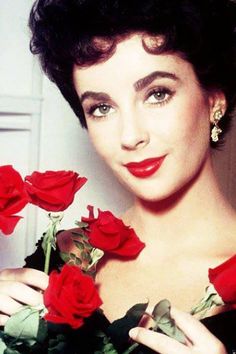
“Pour yourself a drink, put on some lipstick, and pull yourself together.” – Elizabeth Taylor
http://www.thehollywoodmuseum.com/admin/elizabeth-taylor-permanent-exhibit-at-the-hollywood-museum/
http://www.warhol.org/responsive/event.aspx?id=2807
In tribune to Warhol’s beloved subject Elizabeth Taylor, who passed away at age 79 on March 23, The Warhol has installed two of Warhol’s Liz paintings from 1963 in the Museum’s Entrance Gallery. Taylor fans can pay their respects to the Hollywood legend through March 25 at 4 pm.
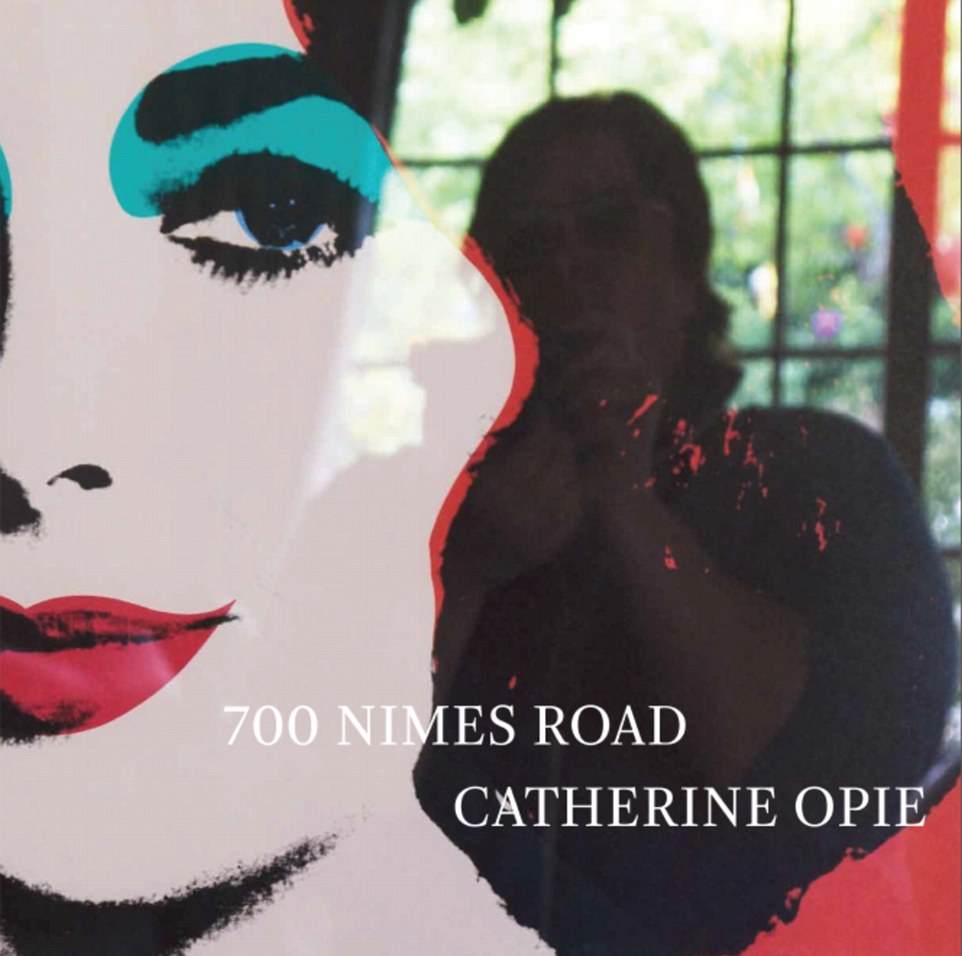
Warhol chose the source image for this painting of actress Elizabeth Taylor from a publicity photograph of her 1960 film, Butterfield 8. He created this portrait when Taylor was at the height of stardom, but was also very ill with pneumonia. Warhol remembered: “I started those [pictures of Elizabeth Taylor] a long time ago, when she was so sick and everyone said she was going to die. Now I’m doing them all over, putting bright colors on her lips and eyes.” Art historian Robert Rosenblum reflects on Warhol’s artistry both of technique and of selection: “the contradictory fusion of the commonplace facts of photography and the artful fictions of a painter’s retouchings was one that, in Warhol’s work, became a particularly suitable formula for the recording of those wealthy and glamorous people whose faces seem perpetually illuminated by the afterimage of a flash-bulb.
http://onpoint.wbur.org/2012/09/20/andy-Warhol
https://www.artsy.net/artwork/tyler-shields-the-red-shoes
https://www.artsy.net/artwork/tyler-shields-unicorn-blood
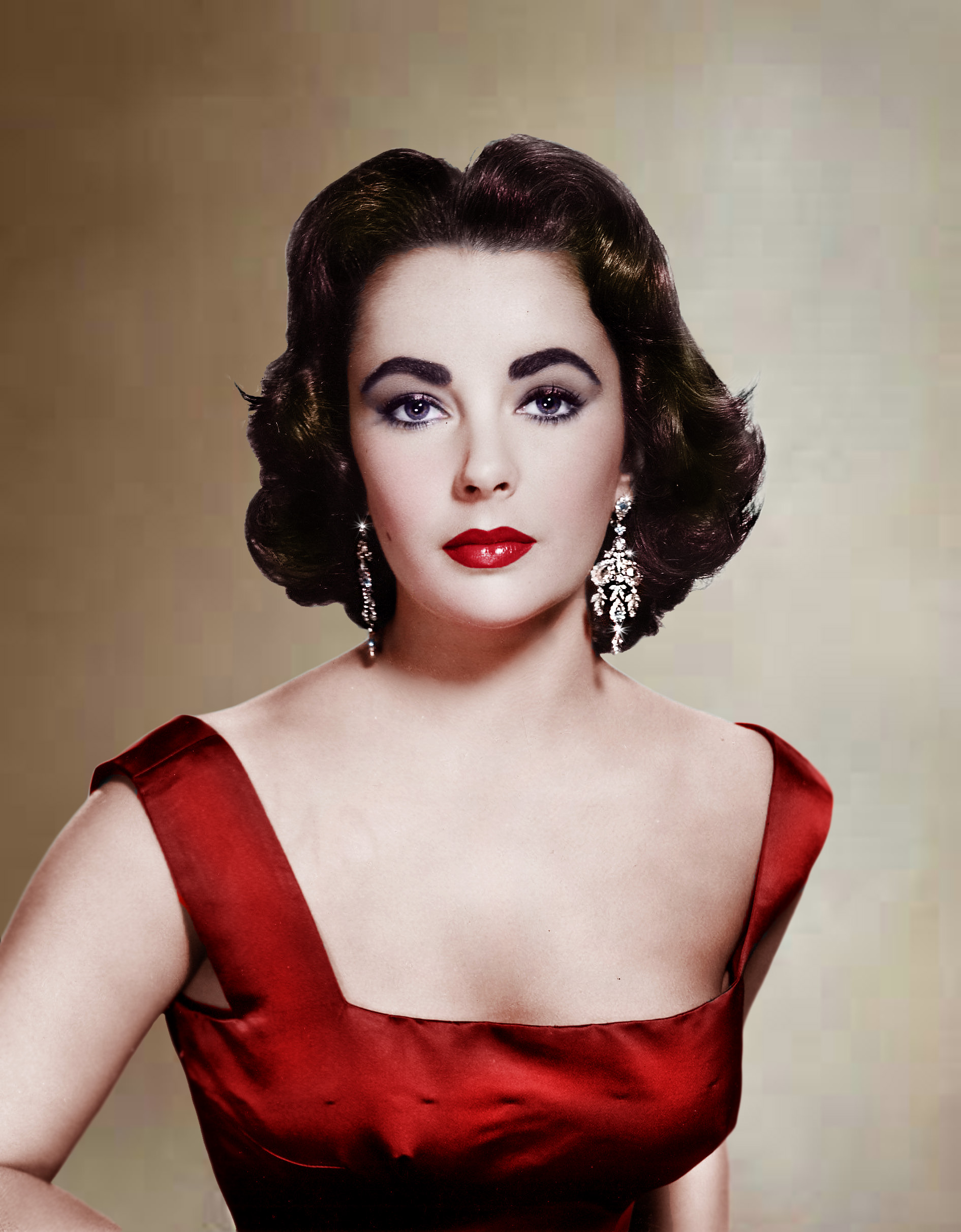
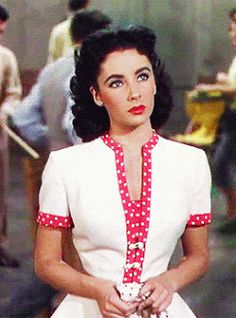
Elizabeth Taylor was a British-American actress whose film career spanned nearly sixty years. Famous for her beauty, her talent and her turbulent personal life which included a long list of husbands, Taylor made her film debut at age nine. Film-goers worldwide watched this lovely child with the legendary violet eyes grow up. She successfully transitioned to adult roles which would earn praise and recognition, including two Academy Awards and four Golden Globes over her lifetime.
Elizabeth Taylor was also a fashion icon with a passion for fine jewelry, which served as inspiration for the perfume line she would launch with Elizabeth Arden. The first fragrance in the line, women’s scent Passion, debuted in 1987. The men’s companion Passion scent was launched in 1989. In 1991, the enduring best-seller White Diamonds was introduced. Other gem-inspired fragrances followed, including the Fragrant Jewels collection—Diamonds and Emeralds, Diamonds and Rubies, Diamonds and Saphhires—which came on the market in 1993. A tribute to Taylor’s unique and celebrated eye color—Violet Eyes—is the newest fragrance in the line, and the last scent introduced before Taylor’s death in 2011.
n a spring day in 1956, Rabbi Robert E. Goldburg paid a visit to Marilyn Monroe’s New York City apartment. Before the 30-year-old actress tied the knot with playwright Arthur Miller that summer, she wanted to convert to Judaism.
In a neatly typed letter set inside a display case at the Jewish Museum’s new exhibit “Becoming Jewish: Warhol’s Liz and Marilyn,” Goldburg, who passed away in 1995, recounts the private conversion classes he gave Monroe, the discussions he had with her, the books they read, and her musings on religion and family.
His keen observations of the actress — from her skills as a pupil (“Marilyn was not an intellectual person,” he wrote, “but she was sincere in her desire to learn.”) to her fragile mental state — are, according to the curator of “Becoming Jewish,” Joanna Robotham, a crucial insight into a complicated performer.
Robotham, who works as an assistant curator at the New York City museum, set out to present both the private and public personas of Marilyn Monroe and Elizabeth Taylor, partially through the lens of their Jewish identities and partially through the lens of Andy Warhol’s famed portraits of them.
Featured Slideshow


“We thought it was a nice match,” Robotham said. “To show Warhol’s celebrity version of them and then this other, very deep private side to them.” She gestured to the gallery’s walls, adorned with Warhol’s portraits of the actresses: parted red lips, violently blue eye shadow, heavily contoured cheeks. Inches away lies a display case filled with decidedly more personal mementos: a photograph of Taylor, hair masked in a scarf, walking along the Western Wall, and a delicate musical menorah from Monroe’s personal collection. “Both actresses really took this conversion to Judaism very seriously,” Robotham added. “It meant something to them.”
Taylor, who was raised in a Christian Science household, had considered converting during her marriage to her third husband, Jewish film producer Mike Todd, but didn’t start the process until after Todd’s death in 1958. A devastated Taylor approached Rabbi Max Nussbaum of Temple Israel in Hollywood, California, saying she was ready to begin her conversion.
“Her marriage to [Todd] meant so much to her.” Robotham said. “I think [the conversion] was her way of honoring him.” Taylor spent six months in intensive study before officially converting. On the day of the ceremony, she gave herself the Hebrew name Elisheba (“dedicated to God”) and said she believed that Judaism would bring her happiness and fulfillment.
Goldburg’s early discussions with Monroe revealed that she, too, grew up in a religious household. The actress recounted, reportedly with great distaste, her childhood memories of living with devout fundamentalist foster parents. Judaism, she said, offered her something different. “She indicated that she was impressed by the rationalism of Judaism,” Goldburg said . “Its ethical and prophetic ideas and its concept of close family life.” Miller insisted that he played no part in the actress’s decision to convert.
When Monroe divorced the playwright in 1961, she told Goldburg that she had no plans to renounce Judaism. In what would be their final conversation, the rabbi recalls delving into more intimate matters, including her mental state and the psychiatric treatment she was undergoing. Goldburg noted that she appeared hopeful about the future. Later the rabbi wrote that he, along with Miller, believed Monroe’s death to be accidental. “With a little bit of luck, she could have made it,” Miller told the rabbi.
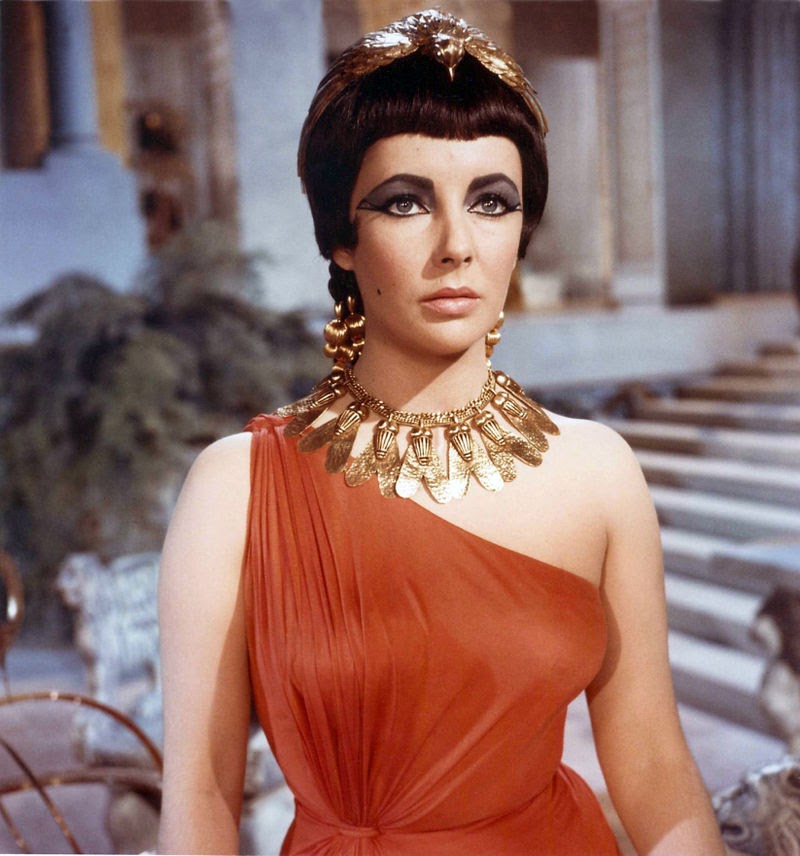
Although Warhol had met neither Monroe nor Taylor when he created the “Liz and Marilyn” paintings, he followed their stories closely. The portraits — screen printed and reproduced from publicity shots and magazine photos — were created in response to their personal tragedies. Taylor’s was born after the actress’s emergency tracheotomy during the filming of “Cleopatra,” Monroe’s after her death. When Taylor recovered from the surgery, Warhol returned to the portrait, applying bright colors over her lips and eyes.
Hanging beside the paintings of Taylor and Monroe in the exhibit is a framed front page of the New York Mirror with the words “Marilyn’s Last Day of Life” splashed across it. Pulled from Warhol’s personal collection, the clipping was just one the many fan magazines, paparazzi photographs, publicity stills and celebrity memorabilia that the artist collected. He was both a fan and a critic — fueled by a love for the salacious and a desire to comment on obsession.
On Robotham’s end, analysis of Warhol’s creations takes a back seat to the very real and significant impact that the work has had on Jewish consciousness as a whole. “The fact that Hollywood’s blond bombshell and violet-eyed siren were both converted Jews was significant: It signified a growing popular acceptance of Jewish public figures.” The curator writes in her exhibit statement. “Warhol’s images cemented their status as the most glamorous women of their era, the 20th century’s great myth and legend.”
“Becoming Jewish: Warhol’s Liz and Marilyn” will run at the Jewish Museum, in New York City, through February 7.

 Rosamond Press
Leave a comment