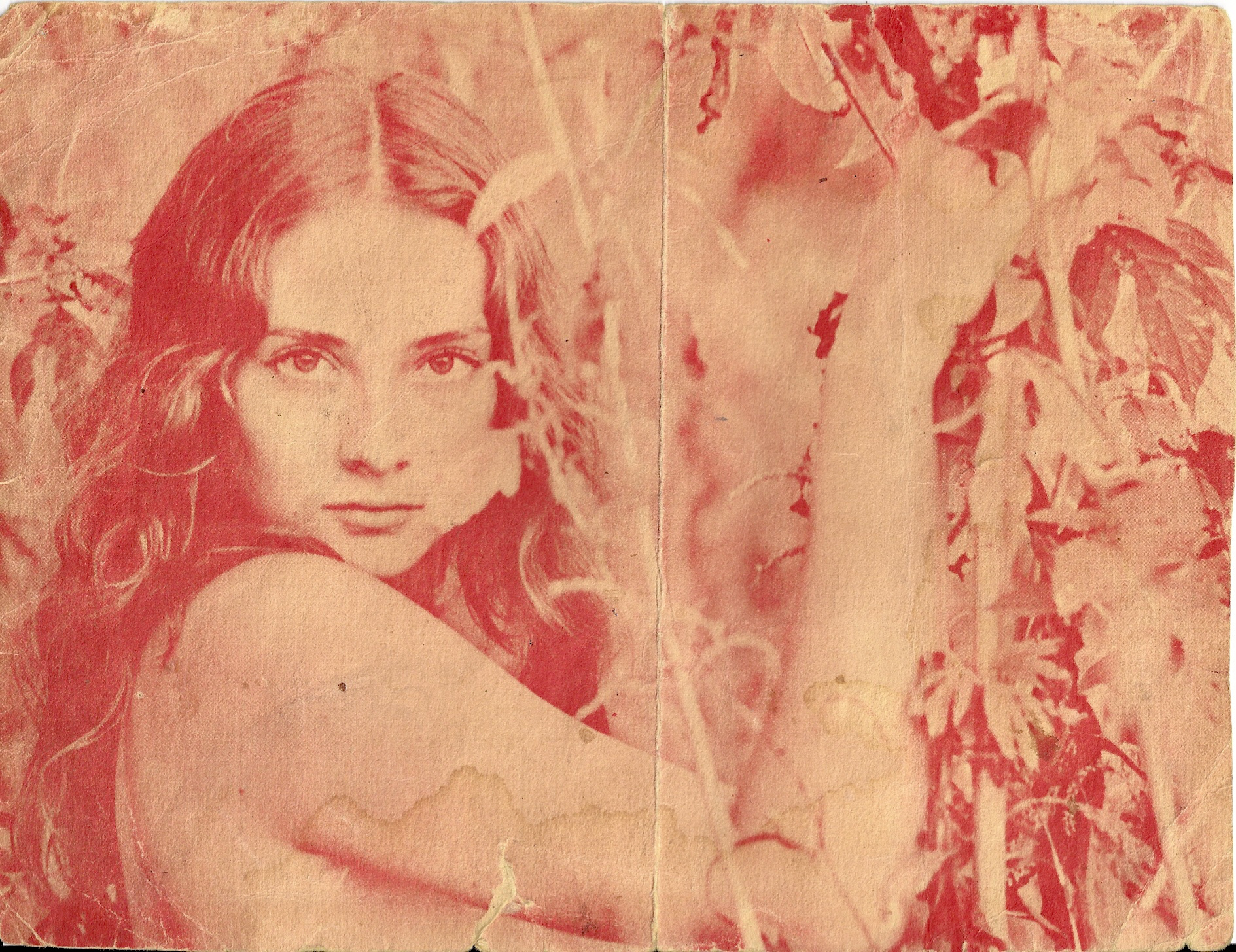
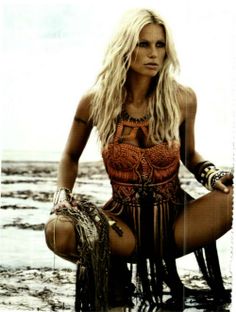
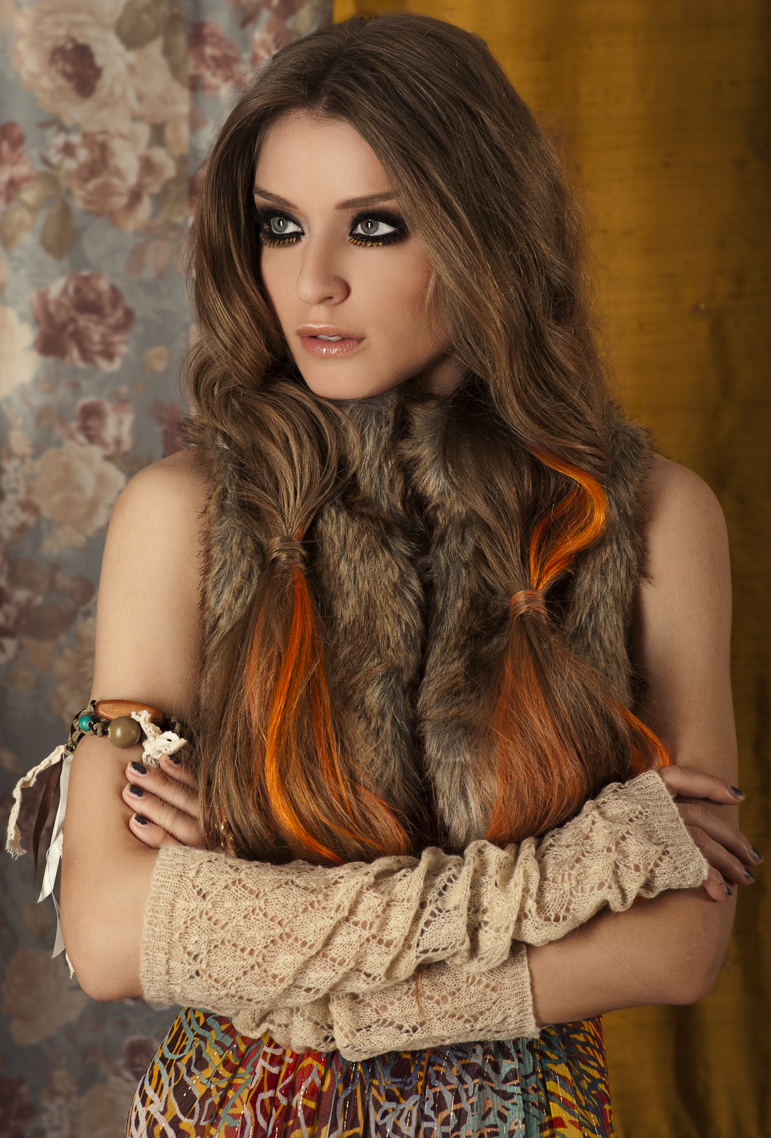
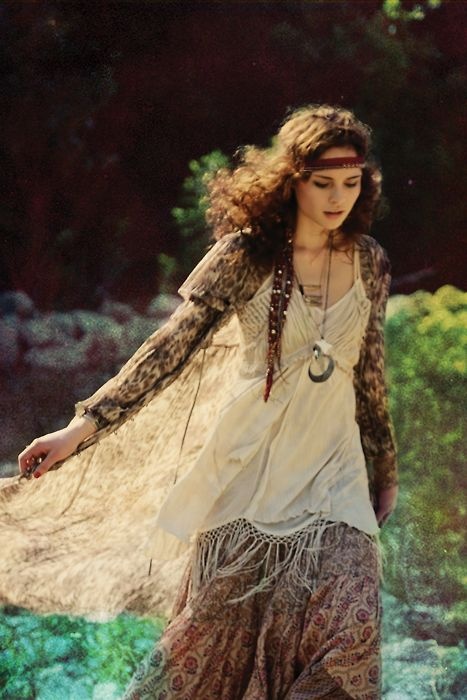
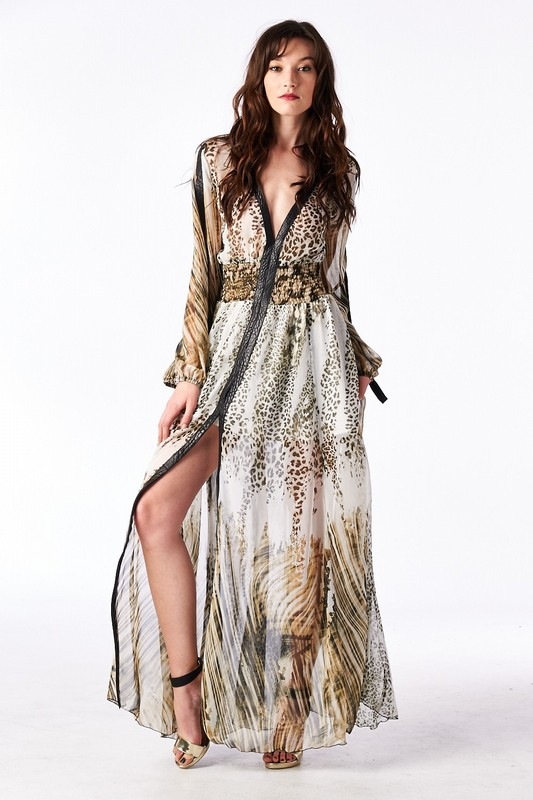
There is no doubt in my mind that Christine Rosamond, myself, and Rena Easton created Boho Chic. When I met Rena she was reading Jane Eyre. She was, and is a very literary person. Did she read the Middlemarch series? Did she identify with the Rosamond Vincy, a feminine form of Vincent that means ‘To Conquer’. In 1970, Rena set out to conquer the world with her beauty. She was a very narcissistic young woman when I met her, and at sixty-two, she still is. Her vanity lives on. Marilyn Reed suggested I turn Capturing Beauty into non-fiction so as to be free of conflicts that have plagued my endeavor. For ten years I have encouraged Marilyn to found a boutique. I suggested she use the name Rosamond. I believe I have found the solution. I am going to construct a Boho Chic character named…ROSAMOND DE VINCY. I will redo the painting I did of Rena in 1971, that inspired my late sister to take up art. Rena Easton will live again. She will never grow old.
Rosamond Clifford’s father was a Marcher Lord. I have little doubt that Mary Anne Evans based her story on Rosamund of the Middle Marches.
Jon Presco
Copyright 2015
http://mortimerhistorysociety.org.uk/index.php/the-marches-and-marcher-lords
https://en.wikipedia.org/wiki/Marcher_Lord
Rosamund is believed to have been the daughter of the marcher lord Walter de Clifford and his wife Margaret. Walter was originally known as Walter fitz Richard (i.e. son of Richard), but his name was gradually changed to that of his major holding, first as steward, then as lord. This was Clifford Castle on the River Wye. Rosamund had two sisters, Amice and Lucy. Amice married Osbern fitz Hugh of Richard’s Castle and Lucy, Hugh de Say of Stokesay. She also had three brothers, Walter II de Clifford, Richard and Gilbert. Her name, “Rosamund”, may have been influenced by the Latin phrase rosa mundi, which means “rose of the world.”[1]
Rosamund grew up at Castle Clifford, before going to Godstow Nunnery, near Oxford, to be educated by the nuns.[2] Henry publicly acknowledged the liaison with Rosamund in 1174.[citation needed] When the affair ended, Rosamund retired to Godstow Abbey, where she died, not thirty years old, in 1176. According to Mike Ibeji, “there is …no doubt that the great love of his life was Rosamund Clifford.”[3]
Mary Ann Evans (22 November 1819 – 22 December 1880; alternatively “Mary Anne” or “Marian”), known by her pen name George Eliot, was an English novelist, journalist, translator and one of the leading writers of the Victorian era. She is the author of seven novels, including Adam Bede (1859), The Mill on the Floss (1860), Silas Marner (1861), Middlemarch (1871–72), and Daniel Deronda (1876), most of them set in provincial England and known for their realism and psychological insight.
She used a male pen name, she said, to ensure her works would be taken seriously. Female authors were published under their own names during Eliot’s life, but she wanted to escape the stereotype of women only writing lighthearted romances. She also wished to have her fiction judged separately from her already extensive and widely known work as an editor and critic. An additional factor in her use of a pen name may have been a desire to shield her private life from public scrutiny and to prevent scandals attending her relationship with the married George Henry Lewes, with whom she lived for over 20 years.[1]
Her 1872 work Middlemarch has been described by Martin Amis[2] and Julian Barnes[3] as the greatest novel in the English language.
https://en.wikipedia.org/wiki/Boho-chic
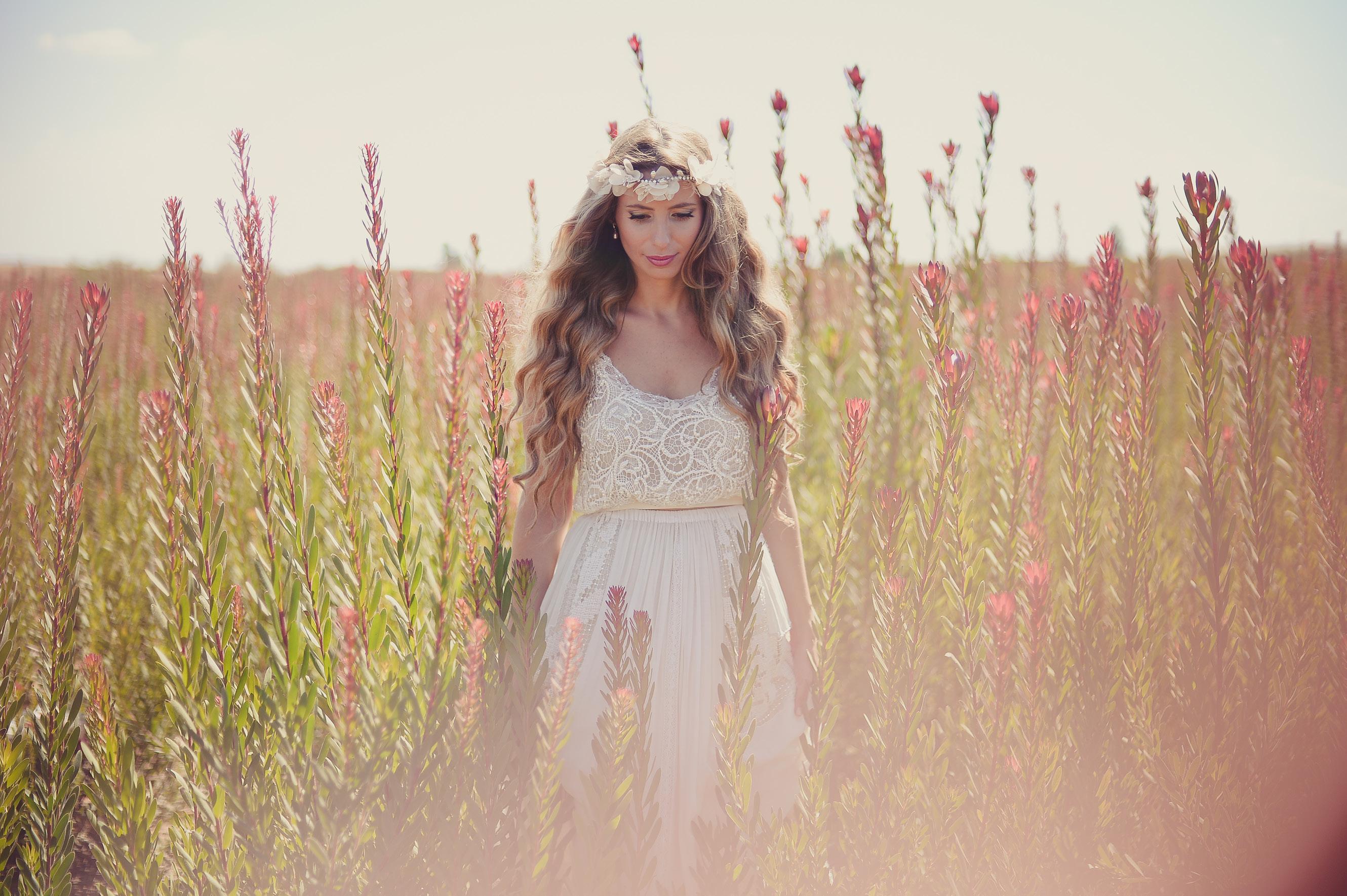

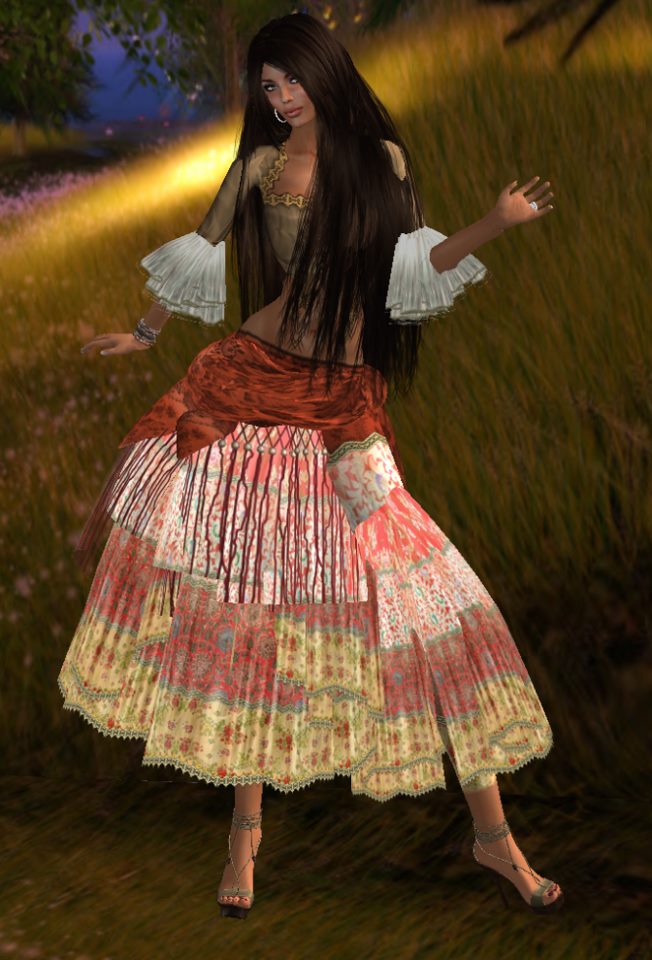
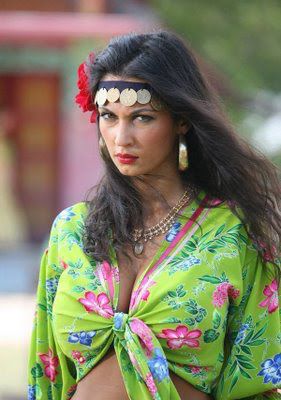





 Rosamond Press
Leave a comment