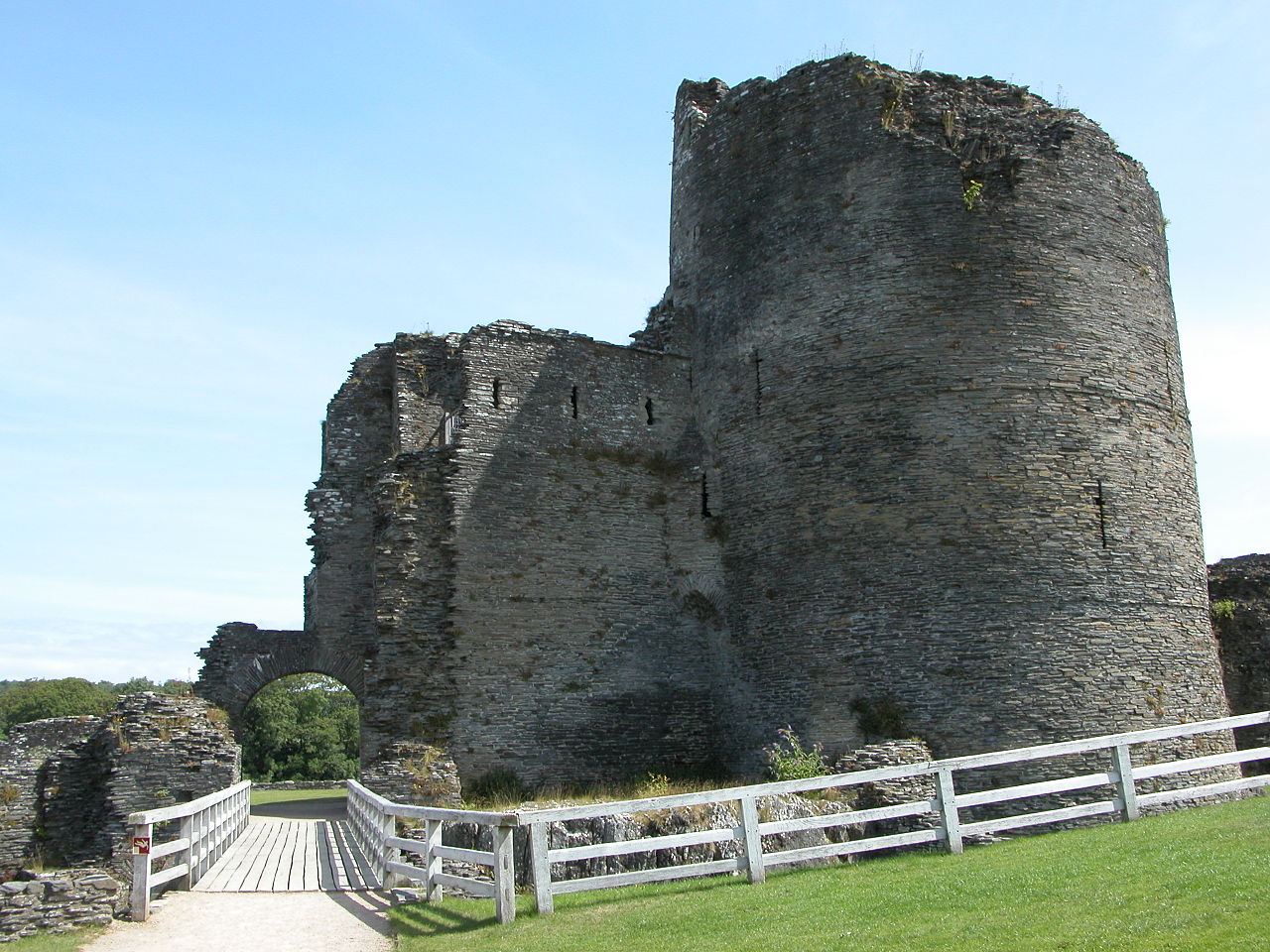
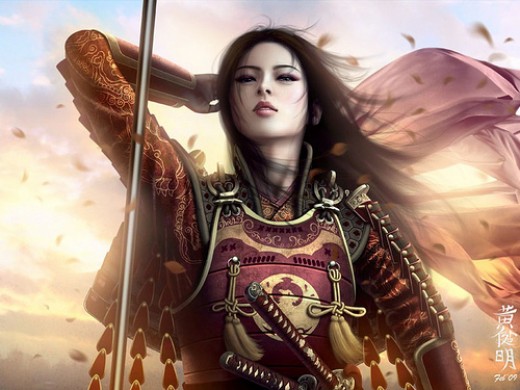
 On this day, June 6, 2015, I found a genealogy for my grandmother’s family. I am amazed! Ida Louisiana Rose was named, Louise, and, her surname is not Rose. It is a Welsh name that I will keep a secret because I have been led to unravel the greatest genealogical mystery of them all. Her father, John, came from Wales. Now I know why I am Dragon Born. My second Roseline comes from Wales, where I found a Princess with two roses in her name. She is named Rose Rose. Her mother was a famous CAPTIVE who was held prisoner because of her lineage. One blogger employs this image to her, a woman warrior that looks like Rena. This is the Keep she was kept in. She is kin to the Windsors! Was Royal telling common folks he was kin to Queen Elizabeth, the mother-in-law of ‘England’s Rose’?
Below is the story of Sara Hodges who married James Rosamond, my great, great grandfather, and Elizabeth Rosemond Taylor’s, who is in the Peerage. Sara was taken hostage by Indians. She was a White Squaw.
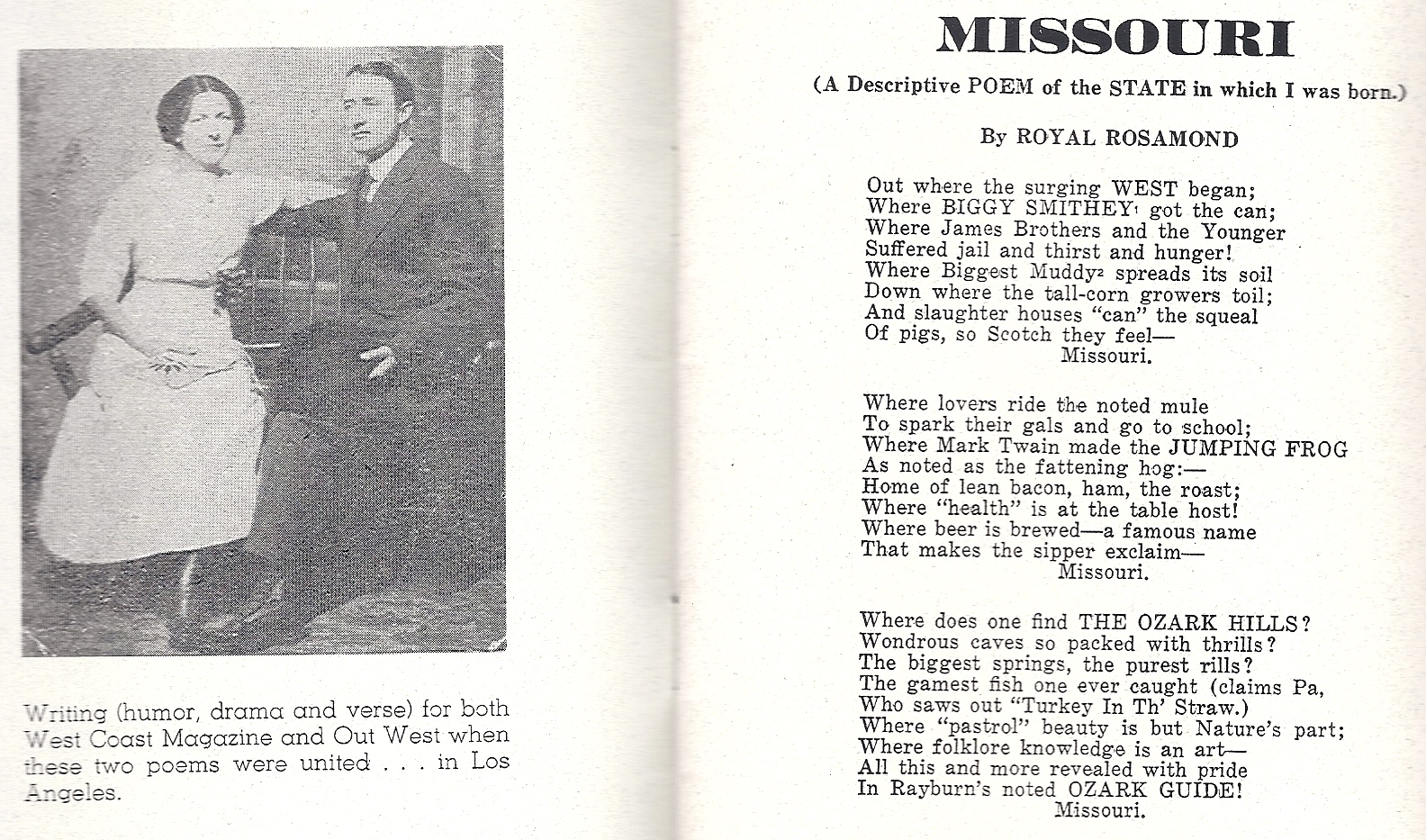
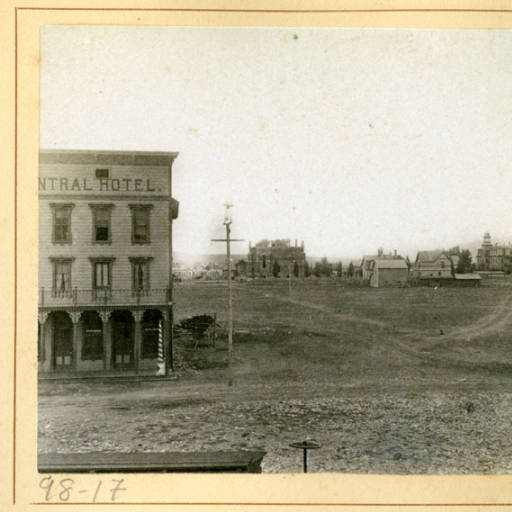
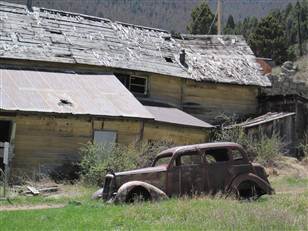
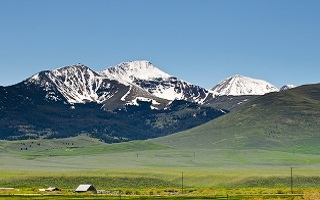
In his story ‘The Rhyming Miner’ Royal mentions the Grand Central Hotel in Montana, and, Dear Lodge Mountain, and Bald Butte, where Roy prospected, he trying to get away from the hard life of a cowboy.
Rena, send me a simple apology, and bless my endeavors. Your husband served Her Majesty. You do not want to be on the wrong side of the history I will reveal that is the real Game of Thrones that is based on the War of the Roses – two Roselines!
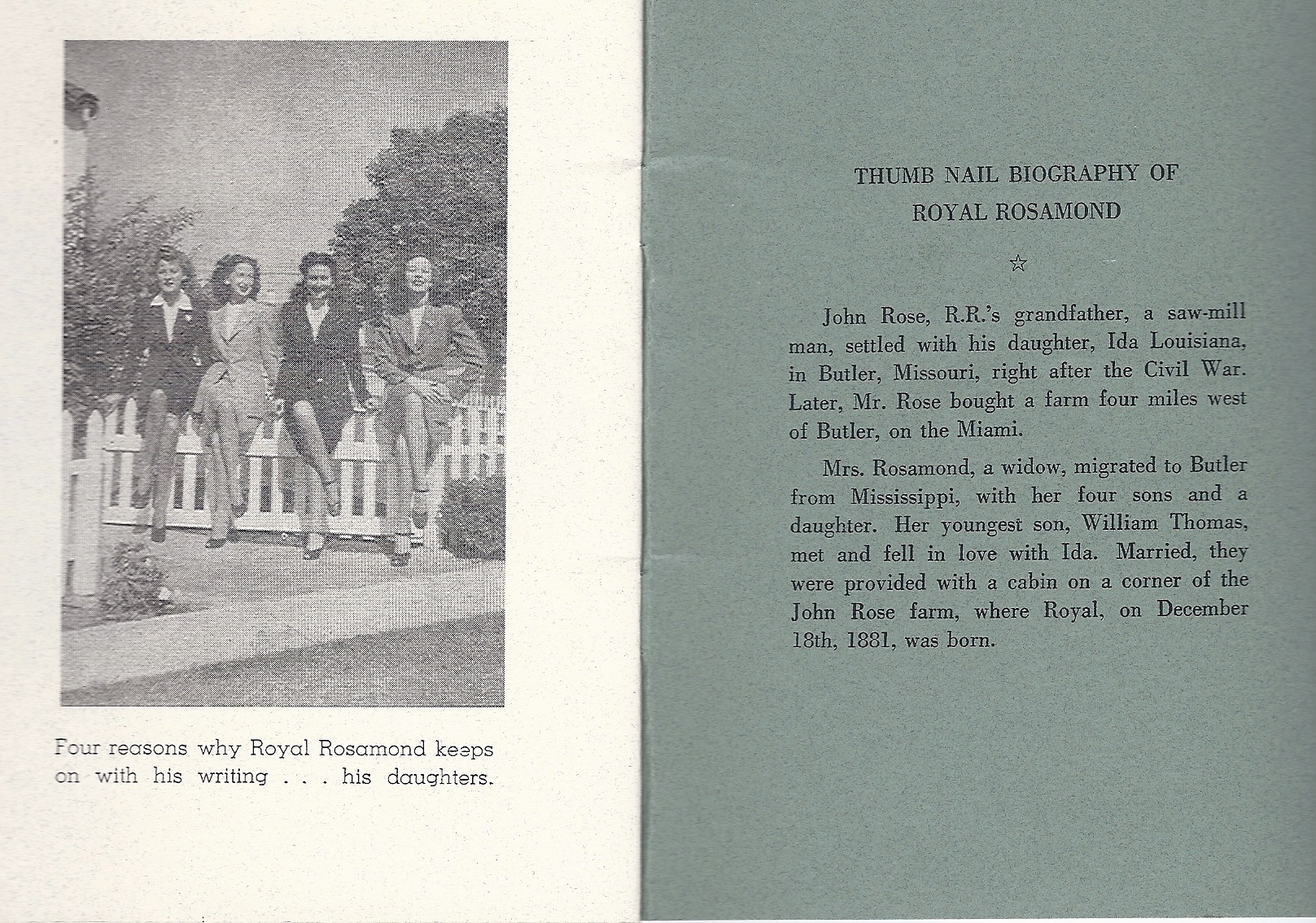
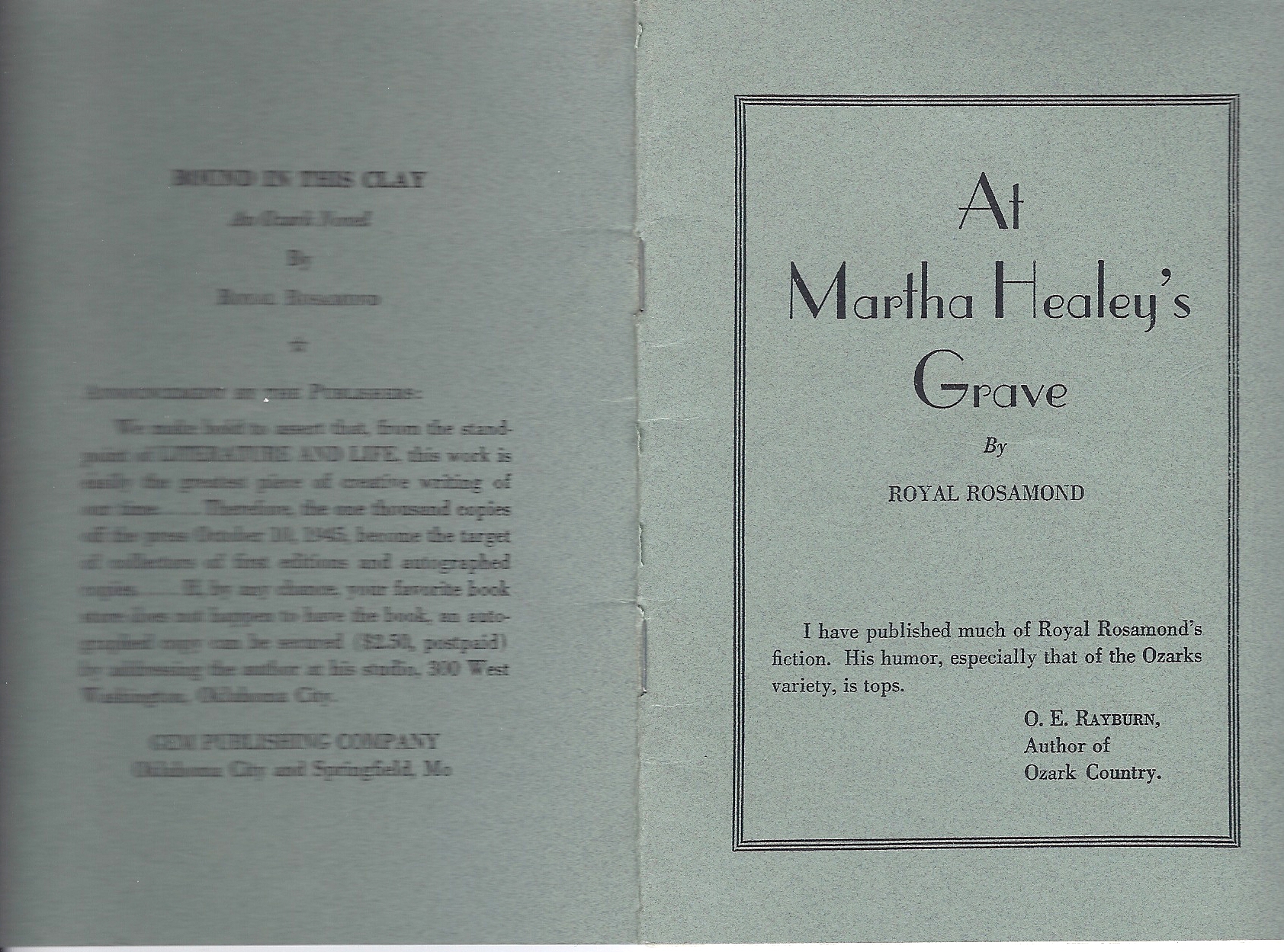
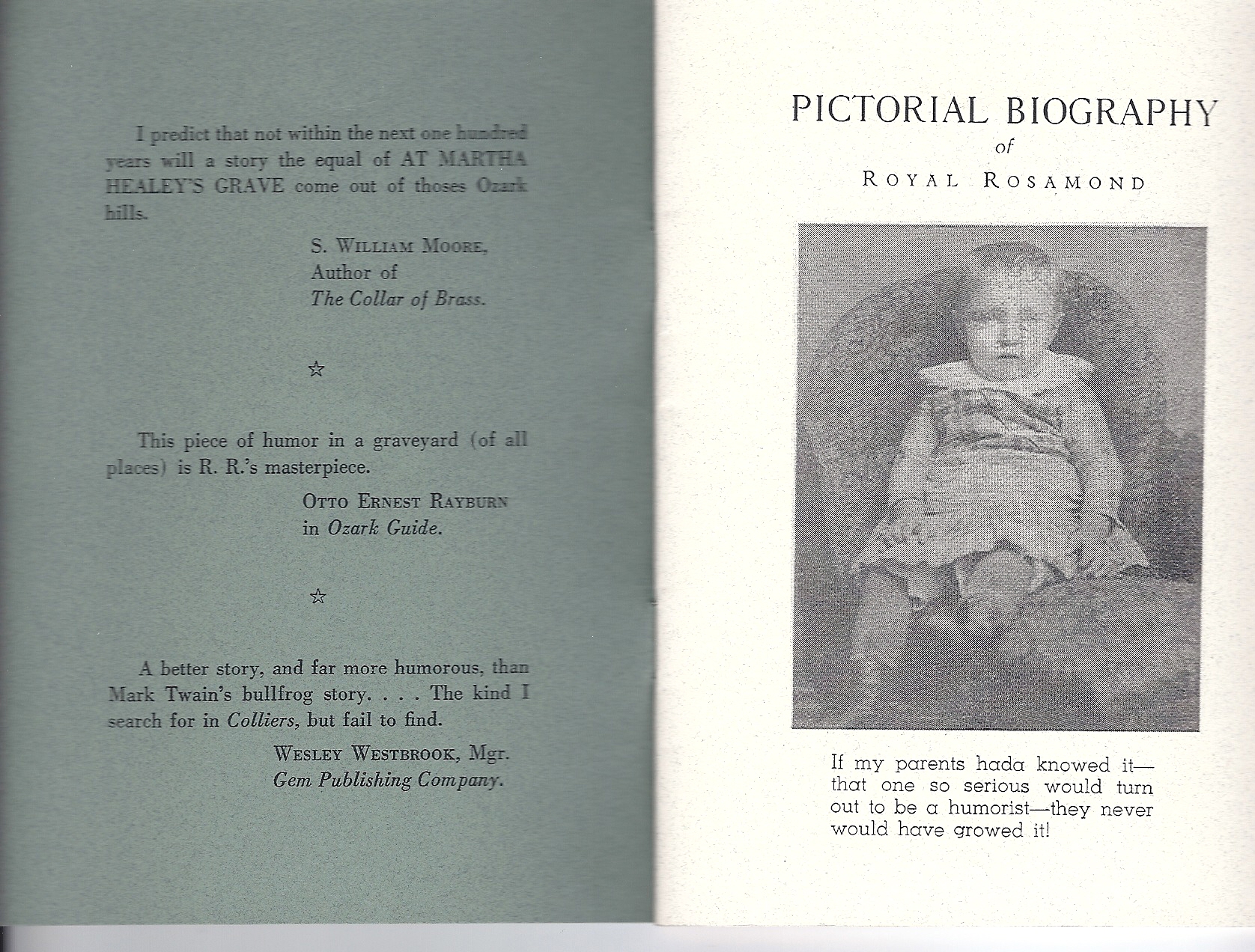
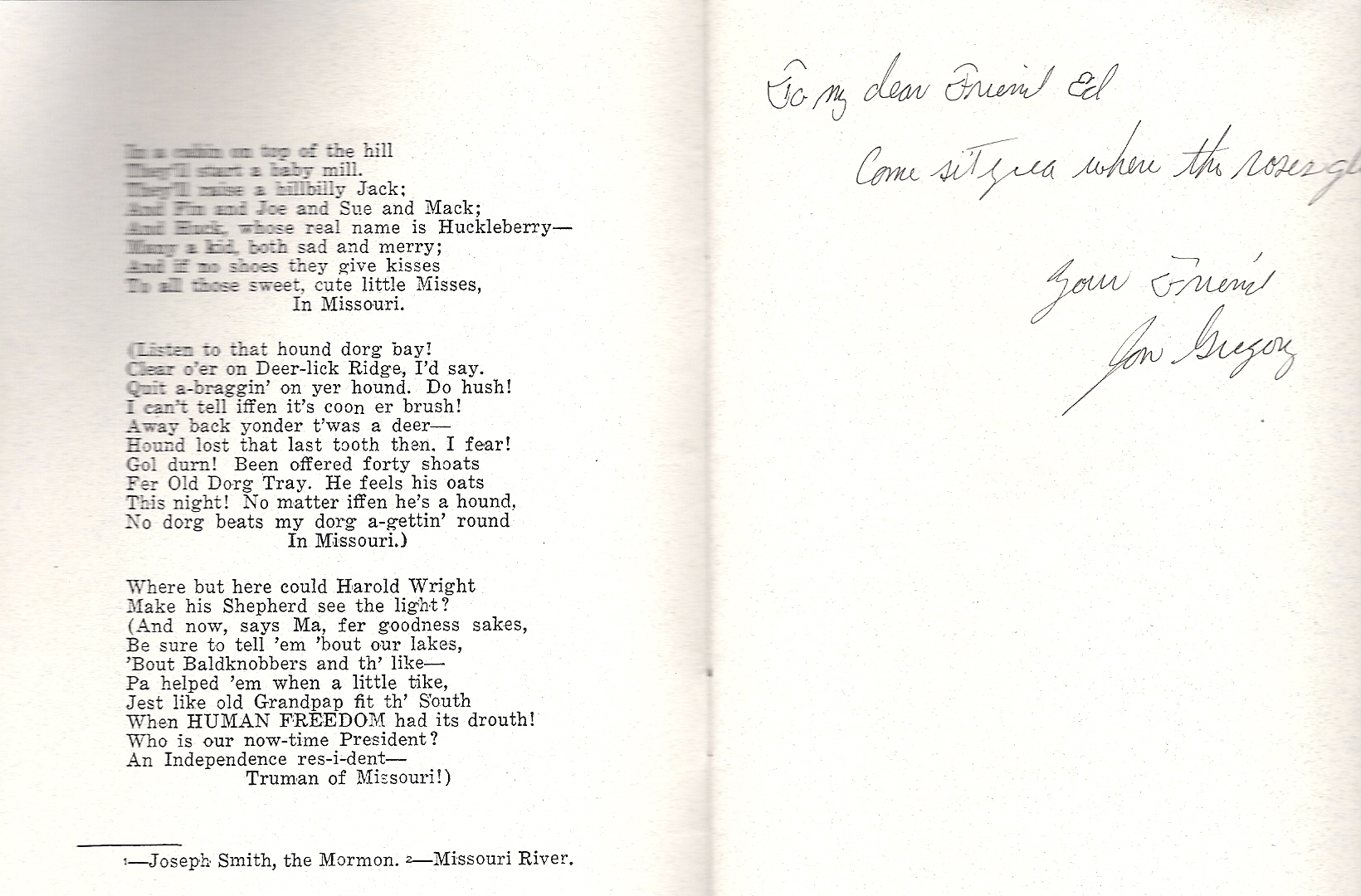
This little book Royal self-published could be considered the first Facebook, and Webpage.
Jon Presco
Copyright 2015

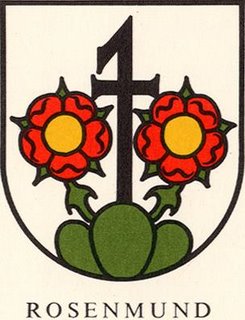
The Tudor rose (sometimes called the Union rose) is the traditional floral heraldic emblem of England and takes its name and origins from the Tudor dynasty.
When Henry VII took the crown of England from Richard III in battle (1485), he brought the end of the retrospectively-dubbed ‘Wars of the Roses‘ between the House of Lancaster (one monarch of which had sometimes used the badge of a red or gold rose) and the House of York (which had lately used a white-rose badge). Henry’s father was Edmund Tudor from the House of Richmond (maternally), and his mother was Margaret Beaufort from the House of Lancaster; in January 1486 he married Elizabeth of York to bring all factions together. (In battle, Richard III fought under the banner of the boar, and Henry under the banner of the dragon of his native Wales.) The white rose versus red rose juxtaposition was Henry’s invention.[1] The historian Thomas Penn writes:
The “Lancastrian” red rose was an emblem that barely existed before Henry VII. Lancastrian kings used the rose sporadically, but when they did it was often gold rather than red; Henry VI, the king who presided over the country’s descent into civil war, preferred his badge of the antelope. Contemporaries certainly did not refer to the traumatic civil conflict of the 15th century as the “Wars of the Roses”. For the best part of a quarter-century, from 1461 to 1485, there was only one royal rose, and it was white: the badge of Edward IV. The roses were actually created after the war by Henry VII.[1]
On his marriage, Henry VII adopted the Tudor rose badge conjoining the white rose of York and the red rose of Lancaster. The Tudor rose is occasionally seen divided in quarters (heraldically as “quartered”) and vertically (in heraldic terms per pale) red and white.[2] More often, the Tudor rose is depicted as a double rose,[3] white on red and is always described, heraldically, as “proper”.
Historical uses[edit]

16th century woodcut of the coronation of Henry VIII and Catherine of Aragon showing them with their badges: the Tudor rose and the pomegranate
During his reign, Henry VIII had the legendary “Round Table” at Winchester Castle – then believed to be genuine[4] – repainted. The new paint scheme included a Tudor rose in the centre.
The Tudor rose badge may appear slipped and crowned: shown as a cutting with a stem and leaves beneath a crown; this badge appears in Nicholas Hilliard‘s “Pelican Portrait” of Elizabeth I and As of 2014[update] serves as the Royal Floral emblem of England.
http://www.theweek.co.uk/uk-news/47166/oxford-historian-claims-tudor-era-never-happened
THE Tudor era is regarded as one of the most distinct in British history, encompassing the reigns of Henry VIII and Elizabeth I as well as the upheavals of the Reformation, but according to an Oxford University historian, the term is misleading and only came into popular use centuries later.
No-one at the time considered themselves to be living under a ‘Tudor’ monarchy as the term was rarely, if ever, used, according to Cliff Davies of Oxford’s Wadham College.
The first Tudor king was Henry VII, who ruled from 1485 to 1509. He took the throne after defeating Richard III at the Battle of Bosworth Field as the Wars of the Roses came to an end.
However, it is believed Henry may have played down his roots because the family originated in Wales and was relatively lowly.
His grandfather, Owen Tudor, was a page at the court of Henry V, but was promoted to squire and granted ‘English rights’ after fighting at the Battle of Agincourt. After Henry V died, Tudor secretly married his widow Catherine of Valois.
According to Davies, Henry VII presented himself as the embodiment of the “union of the families of Lancaster and York”.
Over a century later in 1603, when Elizabeth I died and James VI of Scotland inherited the throne it was barely remarked upon. The BBC reports that Davies found only one poem on the accession of James I that recognised the transition from the Tudor to Stuart families
“Dorothy (Hodges) being a young, tall, attractive woman was taken by an Indian Chief before the cabin was torched. She was gone for ten years. When she returned she brought her Indian son with her.”
With warfare all around them, the Rosamond and Hodge family conducted weddings, and from their unions sprang a Nation.
Samuel Rosamond
Place of Burial: Williamston, SC
Birth: circa 1751
Augusta County, Virginia
Death: August 11, 1814 (63)
Anderson District, SC
John Hodges Rosamond
Birth: September 16, 1789
Abbeville District, SC
Death: May 5, 1859 (69)
South Carolina
Elizabeth Rosamond
Birth: circa 1786
Abbeville District, SC
http://www.geni.com/people/John-Rosamond/6000000003263301262
Most of the information about John Hodges comes from his Revolutionary War application, W10117.
John Hodges was born in 1765 in Essex Co., Virginia. He is probably the son of John Hodges of Culpeper, VA, born about 1725, and wife Elizabeth.
Apparently sometime before the Revolution, the John Hodges family moved to SC. At the age of 15, on April 1, 1780, John Hodges joined the military as a private and served about 21 months. He was widely known as “Major” John Hodges later in life, perhaps from a position in the state militia.
His Revolutionary War pension application contains the following, summarized in Annie Walker Burns’ Revolutionary War Soldiers and Other Patriotic Records of Abbeville, County, SC (Washington, DC), pp. 17-18:
John Hodges, a resident of Abbeville District, S.C., age 67, states he entered service April 1, 1780 under command of Capt Samuel Rosamund, who commanded a beat or militia company in Ninety Six Direct, now Abbeville, S.C., and was marched t…
A family legend is that the father of John Hodges was a Revolutionary soldier and while at home on furlough, his cabin was attacked by Indians, and he was killed. The legend continued that the Indians captured four Hodges daughters,
bound them securely and put them inside the cabin which they prepared to burn.
However, an Indian warrior was reported attracted to one daughter, Dorothy, released her and took her with him, while the others perished in the flames.
(Another version has it that the mother and two daughters died in the fire.)
Many years later, Dorothy Hodges and her Indian son returned for a visit on her promise, the story went, that she would return to her Indian husband in Alabama territory. She yielded to pleadings of relatives to remain and eventually
married [ ] Rosamond. Her son attended the neighborhood school, but in his late teens went back to his father and was never heard from. Mr. and Mrs. Rosamond had children, lived for a time in Pickens, then went West, and South Carolina
kin lost contact with them.
With warfare all around them, the Rosamond and Hodge family conducted weddings, and from their unions sprang a Nation. The city of Hodges South Carolina was built on what was called
“the Jews land”. Then Dorothy Hodges was taken away by an Indian chief, and a child was born in the wilderness.
“The story of Dorothy being taken by Indians was so interesting, with the loss of her father and four younger sisters and all, that everybody told it faithfully. At least according to my grandfather who got it from his father and
compared it to other related Hodges family’s traditions in the1930s. It was his contention that the story was true because he had letters from six different families in six different locations. Each family gave the same basic story.
Dorothy being a young, tall, attractive woman was taken by an Indian Chief before the cabin was torched. She was gone for ten years. When she returned she brought her Indian son with her. He was nine when he arrived. The family talked
Dorothy into staying with them. They clothed, and educated, her son in the ways of his mother. They were shocked, and unbelieving when he told them he was going back to his father.Some of them thought it was rude and disrespectful for him to leave and they couldn’t understand why he would rather live with a bunch of savages.
The boy was seventeen when he left. Dorothy stayed with her family and married the widowed brother of Sarah Rosamond. They had a family of their own. The story ends with “They had a family of their own.”John M. Robinson put Dorothy in the
record as having been captured by Indians about 1781, he showed one son, no name, from the Chief. Then he shows a second husband as — Rosamond. I don’t know where he got his information. I believe it was from a tribute for General
George Washington Hodges, from two books; “Moragnes in America and Related Families” by Nell H. Howard and Bessie W. Quinn, and “Greenwood County Sketches” by Margaret Watson.
http://www.summitpost.org/deer-lodge-mountain/211918
http://en.wikipedia.org/wiki/List_of_mountains_in_Deer_Lodge_County,_Montana
http://hallhall.com/ranches-for-sale/properties/deer-lodge-mountain-ranch
Deer Lodge Mountain Ranch
$2,400,000
Deer Lodge, Montana
Deer Lodge Mountain Ranch consists of 3,373± deeded acres with timbered draws, aspen groves, grassy meadows, live water and dramatic views spread below the Flint Creek and Highland Mountain Ranges bordering forest service land. The ranch is currently used for summer grazing and several springs originate on the property providing quality habitat. Located in an often-overlooked area within western Montana, the ranch is found within 30± minutes of Butte, Montana and within a 90±-minute drive of Helena and Missoula, each of which provides amenities and a commercial airport. Deer Lodge Mountain Ranch is the possibility to own a great recreational property managed for its elk, deer, and wildlife within an ideal Montana location.
Deer Lodge County is the most consistently Democratic county in Montana when it comes to Presidential elections. It has not supported a Republican candidate since Calvin Coolidge in 1924.[12] In the last five elections the Democratic candidate has won by 21% to nearly 49% of Deer Lodge County’s vote.[13] In gubernatorial elections the only Republican to carry the county in the last twenty years was Marc Racicot in the 1996 election. In that election the original Democratic nominee, Chet Blaylock, died and Marc Racicot carried every county.[14]
http://www.deq.mt.gov/abandonedmines/linkdocs/100tech.mcpx



 Rosamond Press
Leave a reply to Royal Rosamond Press Cancel reply