


ISIS is destroying the art of the world, along with religious relics and manuscripts. They have blown up mosques and murdered cartoonists. They murdered museum goers in Tunisia. They need to be stopped!
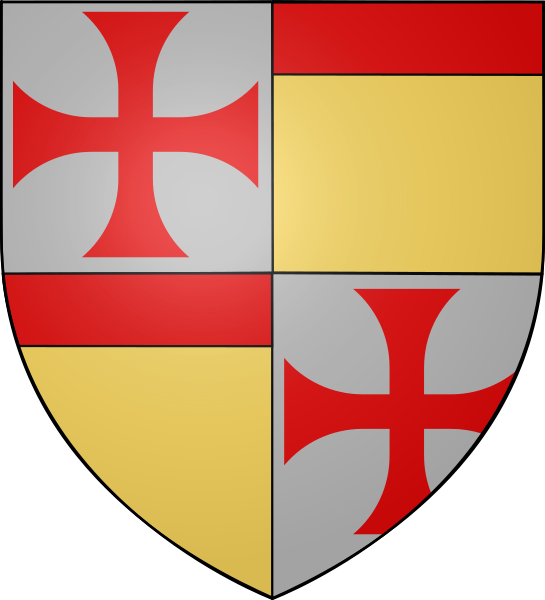
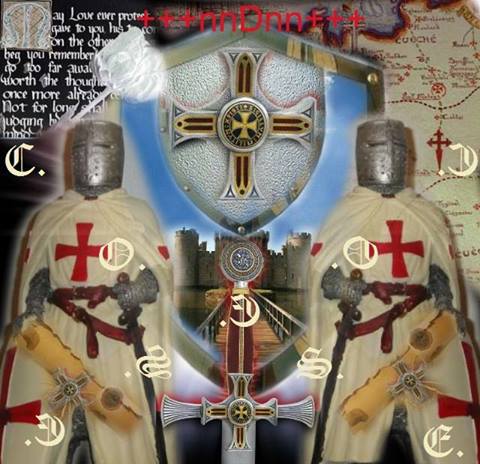
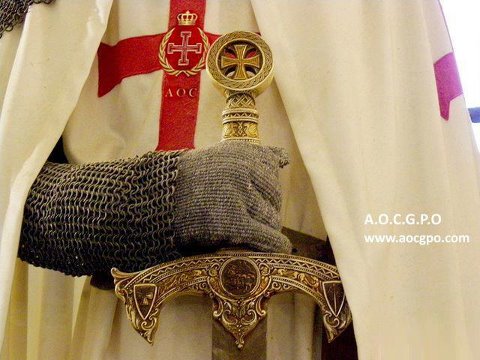
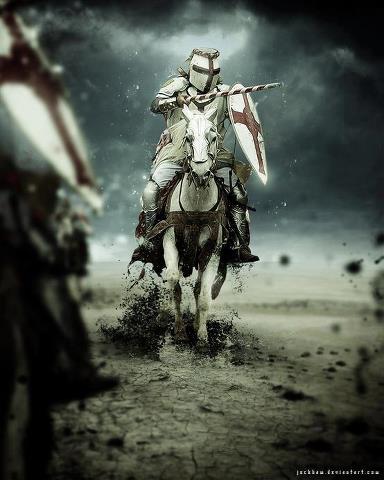
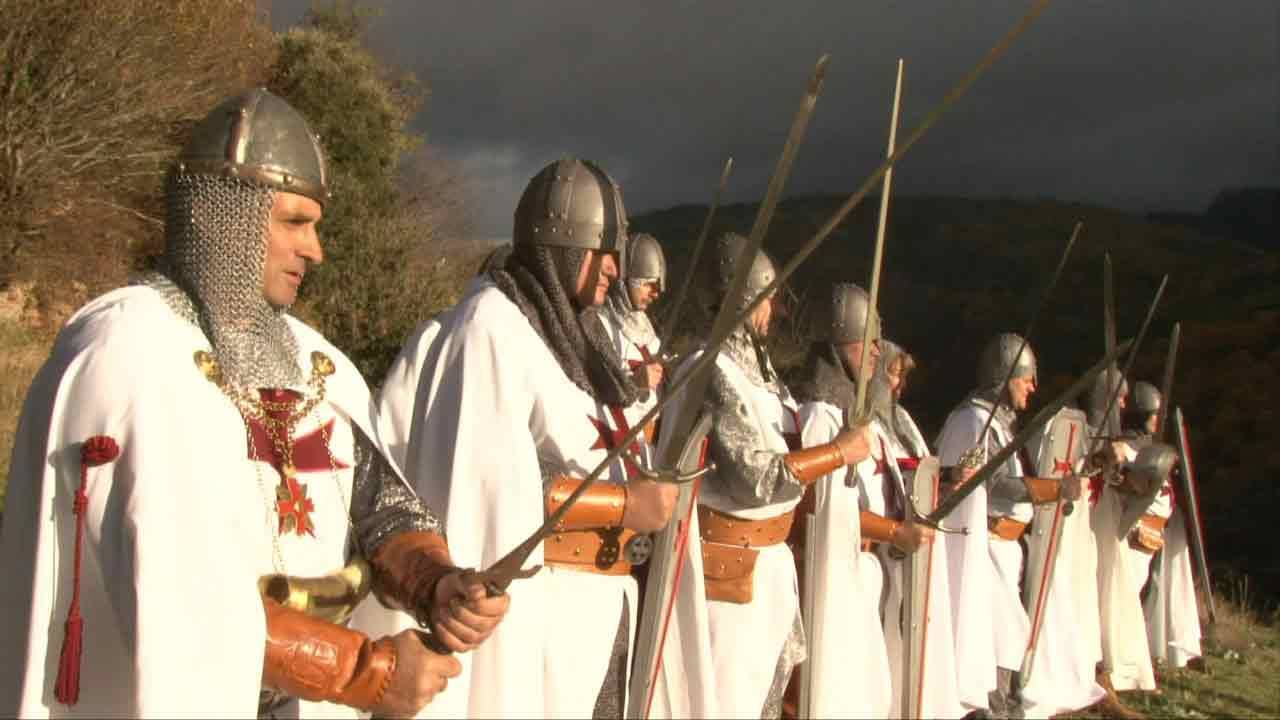
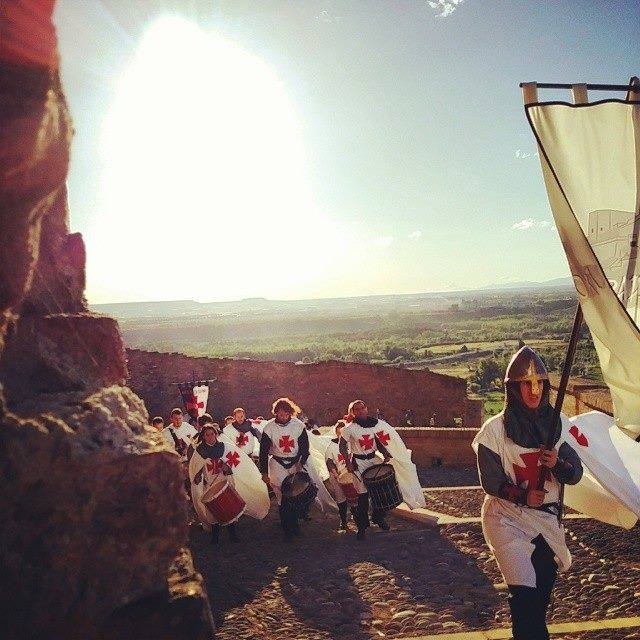
For a week now I have been debating whether or not to found a new order of the Knights Templar to protect the Art of the World, that is the Rose of World. If I do this, then ISIS might target these Guardian Knights of Art and turn museums into battlefields. In the word museum is found the word Muse. ISIS makes war on women. They began this war on the internet where I suggested a new Reformed Judaism make a home. Instead, our resources are being wasted on promoting the destructive heresy of the End Time Crazies who have formed a un-healthy bond with the Insane Jewish Zionist to wage holy war against the Democratic Party, and poor people. Why poor people?
Pope Francis declared a Jubilee on March 20th. This is the true empowerment of the Poor People of the World as established by the real Jesus.
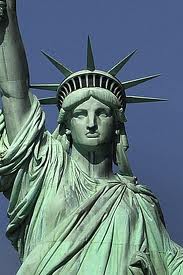
The cost of protecting the Art of the World with established police forces, and more hired security police, is going to be enormous. I am going to create a World Fund for the Protection of the Arts and Art Patrons, many whom are on a Pilgrimage to see much of the world’s art in their life time. The Templars were founded to protect pilgrims in the Holy Land. Alongside secular art, is religious art. The Muse of Democracy is our Guardian, our Guiding Light. Never allow her Torch of Inspiration to be put out. May her Knights vanquish the darkness that is spreading all over the world. Preserve our Creative Sanctuaries.
Jon Presco
Copyright 2015
Tunisia’s national museum was forced to delay its planned reopening on Tuesday over lingering security concerns after last week’s jihadist attack on foreign tourists that left 21 dead.
Hundreds gathered outside the National Bardo Museum in central Tunis to condemn the attack, many carrying placards encouraging foreigners to visit Tunisia, which is heavily reliant on tourism income.
“We have been surprised at the last minute, but the interior ministry says that for security reasons we cannot receive a large number of visitors,” the museum’s head of communications Hanene Srarfi told AFP.
An officer in charge of security at the Bardo was arrested and jailed, although no official explanation was given.
Several events were planned Tuesday to protest last week’s attack, with hundreds attending a demonstration outside the museum.
Some protesters held signs in English reading “Visit Tunisia”, while others carried banners that said “I will receive you with jasmine”.
A handful of tourists arrived at the Bardo unaware that its reopening had been put back.
“We were not told. We came here to visit the museum,” French tourist Eliane Cotton told AFP.
With feeble growth and a graduate unemployment rate of 30 percent, there are fears last week’s attack could impact Tunisia’s shaky economy by discouraging visitors.
An AFP reporter outside the museum said police had begun erecting additional barriers around its entrance.
Italian Foreign Minister Paolo Gentiloni was due to attend the afternoon ceremony, paying his respects to the four Italian tourists who died in the massacre.
President Beji Caid Essebsi said over the weekend that Tunisia was hunting a third suspect in the shooting, after two gunmen shot dead at the scene were revealed to have received training at militant camps in neighbouring Libya.
Authorities say as many as 3,000 Tunisians have gone to Iraq, Syria and Libya to join jihadist ranks, raising fears of returning battle-hardened militants plotting attacks.
“They return hardened, better-trained and capable of operations such as this,” Essid said. “This is a serious problem.”
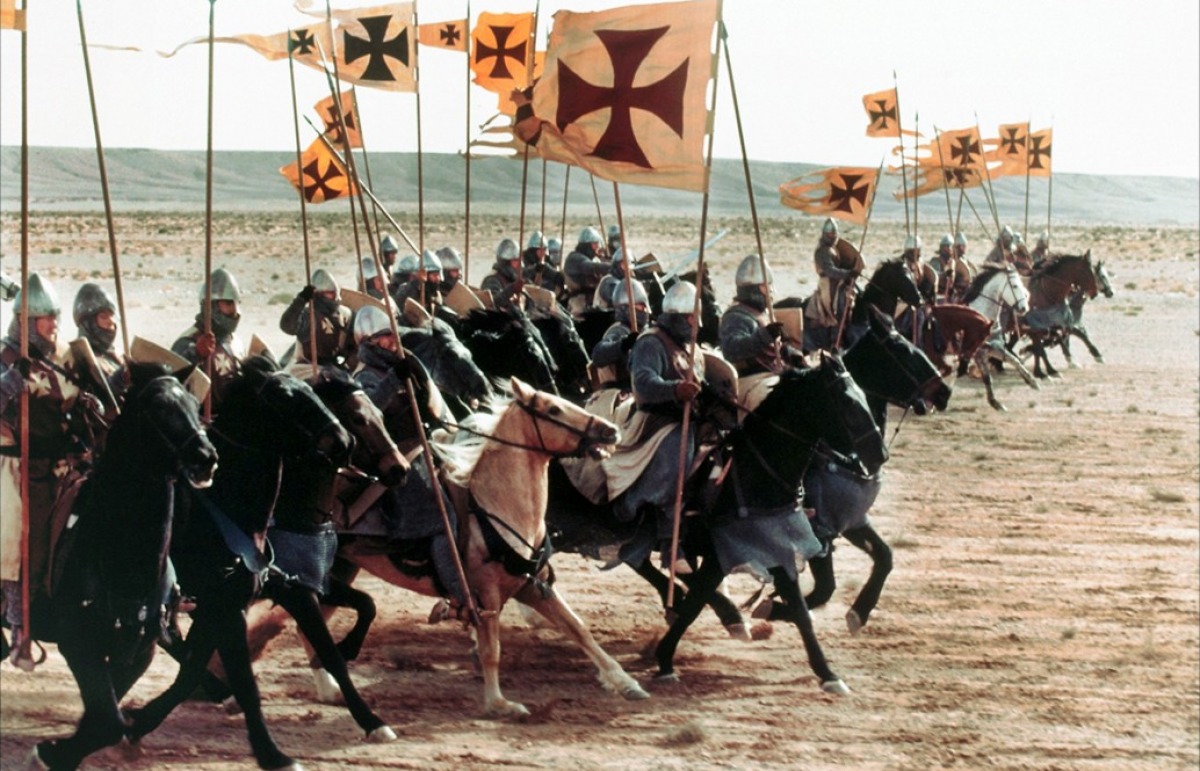
After the First Crusade recaptured Jerusalem in 1099, many Christians made pilgrimages to various Holy Places in the Holy Land. However, though the city of Jerusalem was under relatively secure control, the rest of Outremer was not. Bandits and marauding highwaymen preyed upon pilgrims who were routinely slaughtered, sometimes by the hundreds, as they attempted to make the journey from the coastline at Jaffa into the interior of the Holy Land.[10]
In 1119, the French knight Hugues de Payens approached King Baldwin II of Jerusalem and Warmund, Patriarch of Jerusalem and proposed creating a monastic order for the protection of these pilgrims. King Baldwin and Patriarch Warmund agreed to the request, probably at the Council of Nablus in January 1120, and the king granted the Templars a headquarters in a wing of the royal palace on the Temple Mount in the captured Al-Aqsa Mosque.[11] The Temple Mount had a mystique because it was above what was believed to be the ruins of the Temple of Solomon.[5][12] The Crusaders therefore referred to the Al Aqsa Mosque as Solomon’s Temple, and it was from this location that the new Order took the name of Poor Knights of Christ and the Temple of Solomon, or “Templar” knights. The Order, with about nine knights including Godfrey de Saint-Omer and André de Montbard, had few financial resources and relied on donations to survive. Their emblem was of two knights riding on a single horse, emphasising the Order’s poverty
The Poor Fellow-Soldiers of Christ and of the Temple of Solomon (Latin: Pauperes commilitones Christi Templique Salomonici), commonly known as the Knights Templar, the Order of Solomon’s Temple
 Rosamond Press
Leave a comment