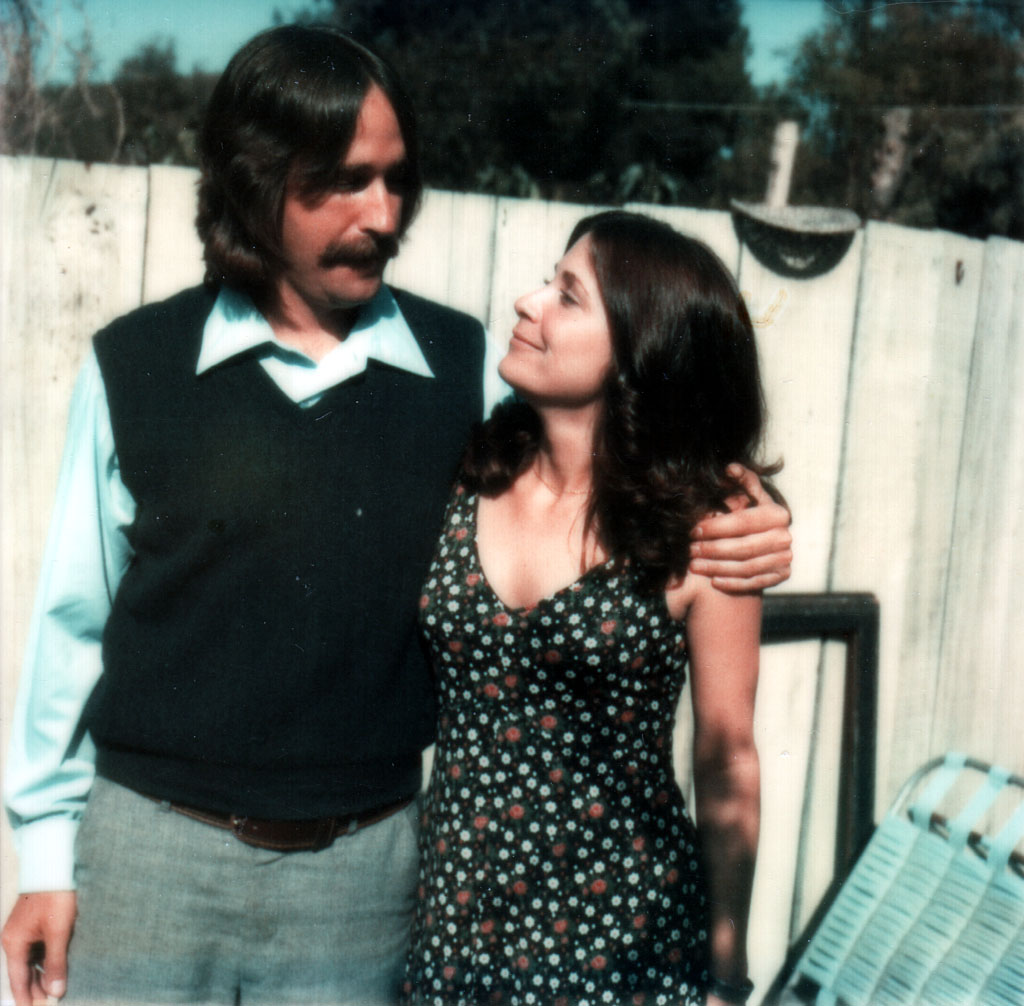
 Yesterday, I talked to a brother in AA about my late sister, Christine Rosamond. We both have twenty seven years of sobriety. His wife, who was Christine’s sponsor, has thirty-three years sober. This gentleman was hired by Rosamond, and worked in the Rosamond gallery. He wrote a poem and read it at the Family Funeral, that Stacey Pierrot turned into a self promotion event.
This gentleman expressed disgust at the terrible biography Pierrot hired a ghost writer to author. He said it did not sell – at all! He told me Tom Snyder “did” things he was not supposed to “do”. The use of the word “did” denotes, deeds, verses, words. I told my AA brother I forbid Snyder to use our family recovery to enrich Pierrot, or any member of my family who backed Pierrot, because she lied to me, and her ghost writer tried to get me to sign an exclusive rights contract that would have stopped me from authoring anything about my sister, including the words you are reading. Tom Snyder threatened me with a legal team is I did not sign. My brother banished me from his family after he insisted I sign that document. In the opinion of my AA brother, that biography did severe damage to the Estate. At the time my family was aware I was authoring my autobiography.
My brother in Recovery also named Garth as a villain of Christine’s sobriety that he was not supportive of. He would leave half-drunken glasses of wine in her presence. Apparently my sober sister spoke of this to her sponsor who was concerned she may relapse. Relapses are very dangerous for alcoholics in recovery. Brother and sisters in recovery sometimes end their life when they go back to drinking. When Pierrot put up the Rosamond Gallery website in 1997, the first biographer she hired said;
“Rosamond did not take her own life-like many people around her feared she would.”
What was Garth’s motive for trying to SABOTAGE my sister’s sobriety? Why was no one concerned about my sobriety, and alarmed that I might relapse? I had seven years of sobriety. I had not talked to Christine in seven years after she was verbally abusive to me on the phone. My sponsor bid me to stay way from my non-supportive family who did not like the Sober Christine – or her program! Mark and Vicki got to read the rough draft of Tom Snyder’s lying piece of shit.
They read the lie that unnamed family members, and their friends, looted Christine’s house after the funeral. Mark came a went. Garth had his good friend lurking in the background to make sure nothing was stolen. I have this man’s name. I spoke to him on the phone months after Christine was dead. He can be suboeoned to testify – forced to tell the truth under penalty of law!
THIS LYING IS GOING TO STOP! These lies have devastated my relationship with my daughter and grandson as you will soon read, and have DESTROYED the creative family legacy! If I should relapse behind the utter grief I own over not being able to see my grandson, I want to be damn sure blame falls upon the Guilty Ones – alas!
Jon Presco
Copyright 2014
Alcohol relapse is caused by one of three possible categories of triggers. The first trigger is exposure to small amounts of alcohol. This alcohol could be in food or otherwise consumed unknowingly. Sometimes people may also consume small amounts of alcohol after abstaining to test their own ability to drink moderately.
Alcohol relapse can also be caused by environmental triggers. These types of triggers often occur when someone visits a place, talks to a person, or attempts an activity that the recovering alcoholic once associated with drinking. Environmental triggers often remind recovering alcoholics of any good times they formerly associate with drinking. Because environmental triggers can be so far-reaching, they can be very difficult to completely avoid. One particular type of environmental pressure, social pressure, contributed to over 20 percent of relapse episodes, according to a 1996 study by G.A. Marlatt published in The American Psychiatric Press Textbook of Substance Abuse Treatment.
http://www.recovery.org/topics/preventing-alcohol-relapse-for-you-and-your-loved-ones/
Joe was a successful trial lawyer with an active practice in a small, well-respected firm. Colleagues, clients, and friends liked him and saw him as accomplished in every aspect of his life. Well known in his community, he served on the local school board, was active in his church, and directly worked on behalf of several charitable community organizations. His wife was a community leader; he had a daughter in law school and a son studying at an Ivy League college. He appeared to have the perfect life.
Only his wife and a couple of close friends remember the difficult days when Joe struggled with his alcoholism, but that was 24 years ago. Once he sought treatment and went to Alcoholics Anonymous (AA), his life turned around and he seemed unstoppable in his success—until the day so many years later when he was arrested for drunk driving, disorderly conduct, and resisting arrest. What happened to this life of recovery? Why did no one see it coming? What happened to the sobriety that gave Joe a good life?
Unfortunately, lawyer assistance programs confront this scenario more often than you might think. Every year or two, there is another story of a lawyer or judge who relapses to alcohol or drug addiction after long-term sobriety. With help, some get themselves back onto the road of recovery in spite of losses to reputation and to relationships. Unfortunately, some do not.
Relapse is the return to alcohol or drug use after an individual acknowledges the presence of addictive disease, recognizes the need for total abstinence, and makes a decision to maintain sobriety with the assistance of a recovery program. According to a survey of members of AA, 75 percent experience a relapse during their first year of recovery. For those who are sober five years, the rate drops to 7 percent. People who successfully complete a formal treatment program such as a 28-day inpatient program or an intensive outpatient program have significantly higher recovery rates than those who do not.
Addiction is cunning, baffling, and powerful—words direct from the “big book” of AA. This is never more evident than when someone whose life is so good returns to a destructive lifestyle. Could it be that those who experience success on so many levels of their lives forget that their sobriety is the reason for the success that has come in recovery?
There are also those who relapse during times of extreme difficulty—the loss of a loved one, the onset of serious or debilitating illness, or the loss of a career that has been important both for financial reasons and for a sense of well-being. During difficult times, it is more important than ever for these individuals to focus on a recovery program of openness and honesty with themselves and with those who can help and support them. It is the time to return to the skills that have kept them sober for so many years.
In some cases, physicians prescribe pain medications following surgery or other health issues without knowing the individual is in recovery. Although the use of addictive or mood-altering prescription drugs is sometimes necessary, it is important that the recovering person and the physician communicate openly and work together to prevent drug abuse. We have seen many instances where the abuse of prescription drugs leads a recovering lawyer back to alcohol or to another drug of choice.

 Rosamond Press
Leave a reply to Royal Rosamond Press Cancel reply