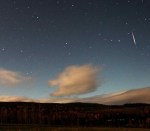
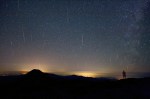
As Nation Now reported Friday, although DThe Draconid meteor shower came Saturday as predicted, lasting for There was a peak rate of about 660 meteors an hour, according to SpaceWeather.com. The site has reader photos from countries including Norway, Czech Republic and Britain. In Denmark, Jesper Gronneseveral hours and streaking the darkening sky with trails of light.
NASA had predicted a display that would be, at times, dazzling. Global observers were reporting that the show was more faint than expected, but there were some outstanding moments.
Too bad we missed it. The timing of the light show was lousy for the U.S., with the strongest activity in the afternoon Eastern timraconid meteors may be faint, they tend to move across the sky at a leisurely pace. The celestial outburst is a regular fall occurrence:
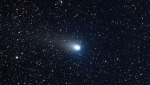
The Draconid occurs each October as Earth passes through a trail of dust left by the comet 21P/Giacobini-Zinner. The comet circles the sun every 6.6 years, and each time it circles, it leaves a ribbon — or filament — of space dust behind it. Here on Earth, we see streaks of light whenever a piece of that dust encounters Earth’s atmosphere.
 Rosamond Press
Leave a comment