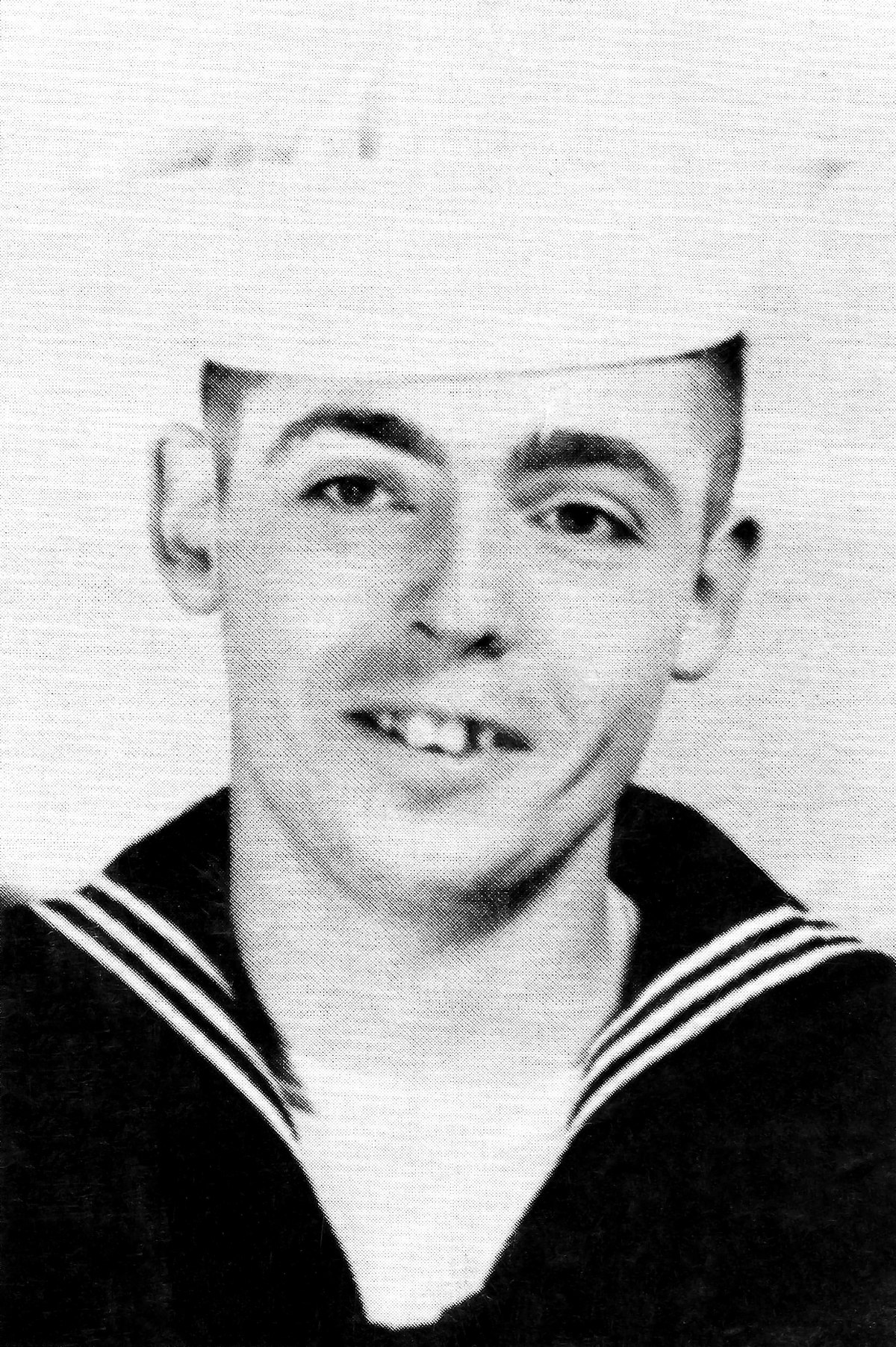
I just googled “Thomas Pynchon’s relationship with black people” and blew
A TRIPLE ZERO……NOTHING!
Paul ‘Peasoup’ said he had to be hard on Pynchon’s book when he adapted it to movie. Did he mean, he worked hard to turn a neurotic White Hero, into a Semi-Black psychotic killer? I’m going to refer to the term ‘White Negro’. Was Tom a closet White Negro? Someone said I should consult an attorney. If you Google “Pynchon” you might find this blog? Movie ideas pop into my brain. I love Black Pynchon!
John Presco
The origins of The White Negro (WN) date from the mid-1950s. According to the biography of Carl Rollyson, Mailer wanted to tap into the energy of the Beat Generation and the changes of consciousness members such as Allen Ginsberg and Jack Kerouac inspired.[8] Mailer used “Quickly: A Column for Slow Readers”, his column in The Village Voice, to develop and explore his philosophy of “Hip”, or “American existentialism”.[9] In the psychopathic character of Marion Faye from his 1955 novel The Deer Park, Mailer considered he had created a prototypical Hipster.[10][11] Mailer also tapped into the contemporary cultural dialogue about black male sexuality and, with the prompting of Lyle Stuart, published four paragraphs about black male super-sexuality in the Independent.[12] Mailer’s outrageous sentiment was not well received (notable critics included William Faulkner, Eleanor Roosevelt, and W. E. B. Du Bois) but the debate prompted him to begin work on WN.[13][14]
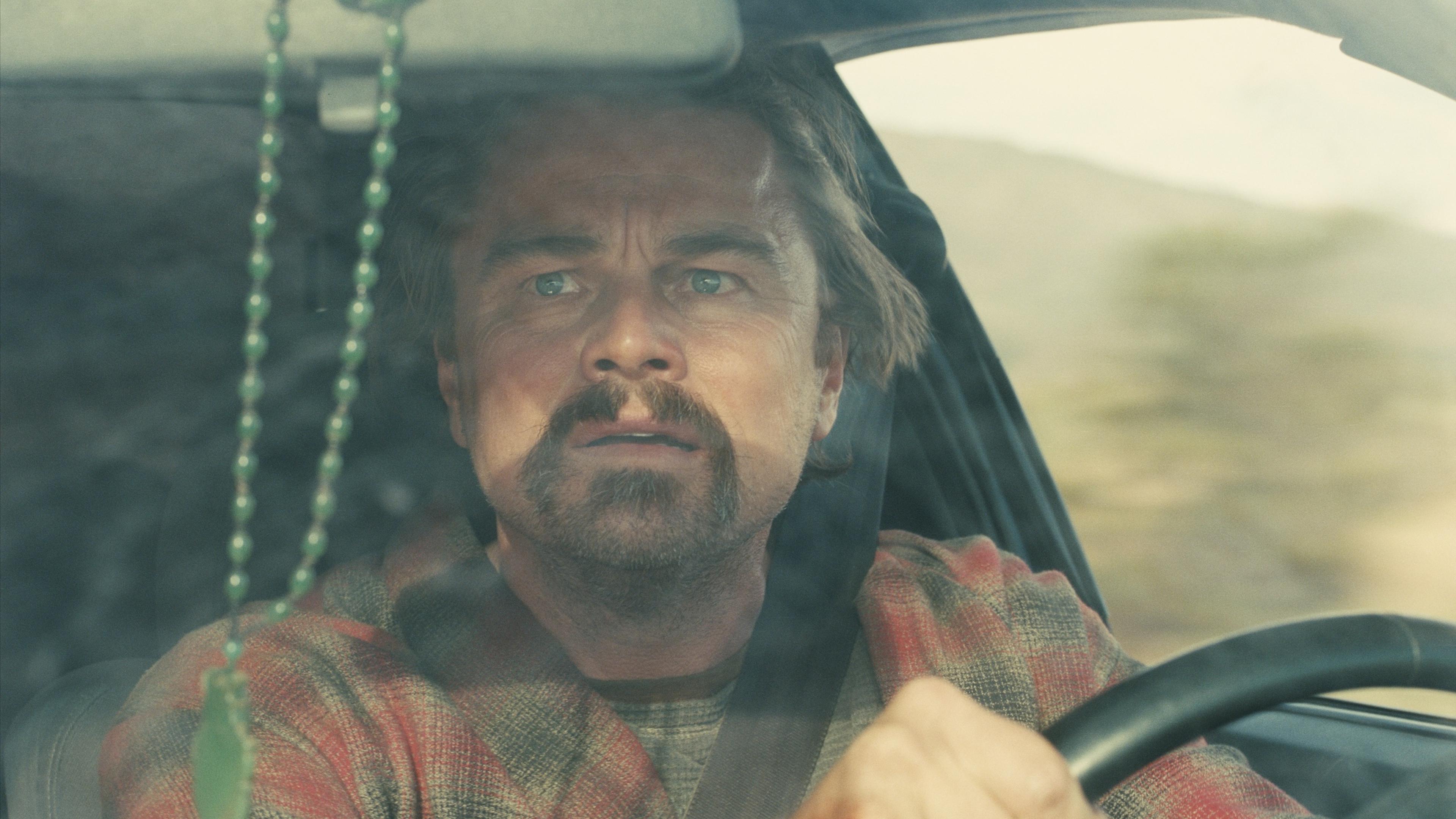
Of the three films, One Battle After Another is the most sympathetic to its white male protagonist. Anderson provides an understandable reason for Bob’s incompetence: a broken heart. Formerly known as Pat Calhoun a.k.a. Ghetto Pat, Bob was an explosives expert for the French 75—a resistance group akin to the Weather Underground—whose faith was shaken when, following a botched bank robbery, his fellow revolutionary and romantic partner Perfidia Beverly Hills (Teyana Taylor) ratted out their comrades to Lockjaw in return for witness protection
8/29/2018
Black Pynchon


When I read they were seriously considering having a black man play James Bond, I wondered what they were going to do with all those white man clichés and stereotypes – that I was having a problem with – with my white James Bond – even though I turned him – into a woman. Then there is the smashing of a white man’s icon. Who do we got left? How about, Thomas Pynchon? Why not kill him off and replace him with a – Black Pynchon?
Most of the black people I have known, and know, have very active and healthy social lives. So, the contrast is not in the change of skin color, but, being turned from a reclusive bug hiding in a damp log – into a social butterfly! Tom had a chance to be in the limelight of the Richard and Mimi Farina show. The Baez family were very tribal, and folksy. They are Irish and Mexican stock.
Tom is in my family tree. I married his ex, who said;
“In Mexico, Tharaldsen says, Pynchon wrote all night, slept all day, and kept mostly to himself. When he didn’t write, he read—mainly Latin American writers like Jorge Luis Borges, a big influence on his second novel, The Crying of Lot 49.”
Maybe Tom will write some of the script? How about a series that opens with Tom recalling his life as a writer. He might open up if he has an alias.
http://www.vulture.com/2013/08/thomas-pynchon-bleeding-edge.html
Black Pynchon
by
John Presco 007
Thomas Pynchon wakes up to the sound of his cellphone ringing. He reaches for it on his night stand, but, it is not there. Getting up, he follows the gospel tune to his writing table.
“When did I choose a gospel tune for my ringer. And, where is my computer!”
Reaching for his phone, Tom let’s out a startled cry when he sees a black hand pick it up.
“Hello!”
“Hi Daddy! Today’s the big day! Let’s go over your itinerary. Drop your mother off at the rest home, and bring your grandsons, Tyrel and Tee-Jay, with you. She won’t put up a fight if they are present. Then, drop them off at football practice. Then, pickup Willie’s bar-b-quer and drop it off at the church. Bring your truck. Then, practice your solo song with the choir. After that, pick up your granddaughter’s wedding cake, bring it home, and get ready for your retirement ceremony, at seven. You can leave the wedding early because the groom has so much family. As the chief of police of Watts, you will be swearing in new officers – before you receive your medal of heroism. Bring your speech. Did you order enough ribs for the choir picnic?
“I’m the chief of police of Watts?” Tom asks, as he checks out his great choppers he owns in the hall mirror.
‘That’s right. But, after tonight, you won’t be!” You’re 81 Daddy, time to spend more time with your 32 grandchildren who love you so much. They’re already fighting over you.
“How old is Momma?” Tom asks.
“Are you getting senile on me? She’s a 107.”
“Can I get a room next to her?”
“Oh, Daddy! You’re such a card! My warm, cuddly, clown! Oh, I almost forgot. Your nieces from Oakland want to see you and Momma do ‘The Bump’. So, get warmed up!”
“You want me to do the Bump – with my Momma?”
“No silly. I want you to do the Bump – with my Momma! Put her on. I want to see if she is done altering my dress.”
From the bathroom comes the sound of splashing in the tub.
“Is that Sharena? Bring the phone in here! I want to talk to her about the surprise party.”
“Who’s surprised party?”
“Never you mind. You don’t have to have your nose in everyone’s business. Now, get going. Go load up the seasoned hardwood for the Q-pot.”
“But, I don’t have any clothes on. Do you know where my clothes are?”
After Fariña’s wedding, Pynchon went up to Berkeley, where he met up with Tharaldsen and Seidler. For years, Pynchon trackers have wondered about Tharaldsen, listed as married to Pynchon in a 1966–67 alumni directory. The real story is not of a secret marriage but a distressing divorce—hers from Seidler. Pynchon and Tharaldsen quickly fell in love, and when Pynchon went back to Mexico City shortly after John F. Kennedy was assassinated, Tharaldsen soon followed.
In Mexico, Tharaldsen says, Pynchon wrote all night, slept all day, and kept mostly to himself. When he didn’t write, he read—mainly Latin American writers like Jorge Luis Borges, a big influence on his second novel, The Crying of Lot 49. (He also translated Julio Cortázar’s short story “Axolotl.”) His odd writing habits persisted throughout his life; later, when he was in the throes of a chapter, he’d live off junk food (and sometimes pot). He’d cover the windows with black sheets, never answer the door, and avoid anything that smelled of obligation. He often worked on multiple books at once—three or four in the mid-sixties—and a friend remembers him bringing up the subject of 1997’s Mason & Dixon in 1970.
Tharaldsen grew bored of the routine. Soon they moved to Houston, then to Manhattan Beach. Tharaldsen, a painter, did a portrait of Pynchon with a pig on his shoulder, referencing a pig figurine he’d always carry in his pocket, talking to it on the street or at the movies. (He still identified closely with the animals, collecting swine paraphernalia and even signing a note to friends with a drawing of a pig.) Once Tharaldsen painted a man with massive teeth devouring a burger, which she titled Bottomless, Unfillable Nothingness. Pynchon thought it was him, and hated it. Tharaldsen insists it wasn’t, but their friend Mary Beal isn’t so sure. “I know she regarded him as devouring people. I think in the sense that he—well, I shouldn’t say this, because all writers do it. Writers use people.”
Tharaldsen hated L.A., and decided to go back to school in Berkeley. “I thought they were unserious sort of beach people—lazy bums! But Tom didn’t care because he was inside all day and writing all night.”
 Rosamond Press
Leave a comment