
Capturing Beauty
Lord Trumpisser ‘The Tyrant’ threatened Britain, and other Nations, saying “We will remember!” There was a joke when I was a kid about Tonto and the Lone Ranger being surrounded by savages…
“We are surrounded! We will go down fighting!” says Lone!
“What do you mean by “We”…….white man?”
From now on I will address Republicans who wanted to go on another Crusade FOR THE LORD as……Lord! Lord Hesgeth is the head of the Department of War.
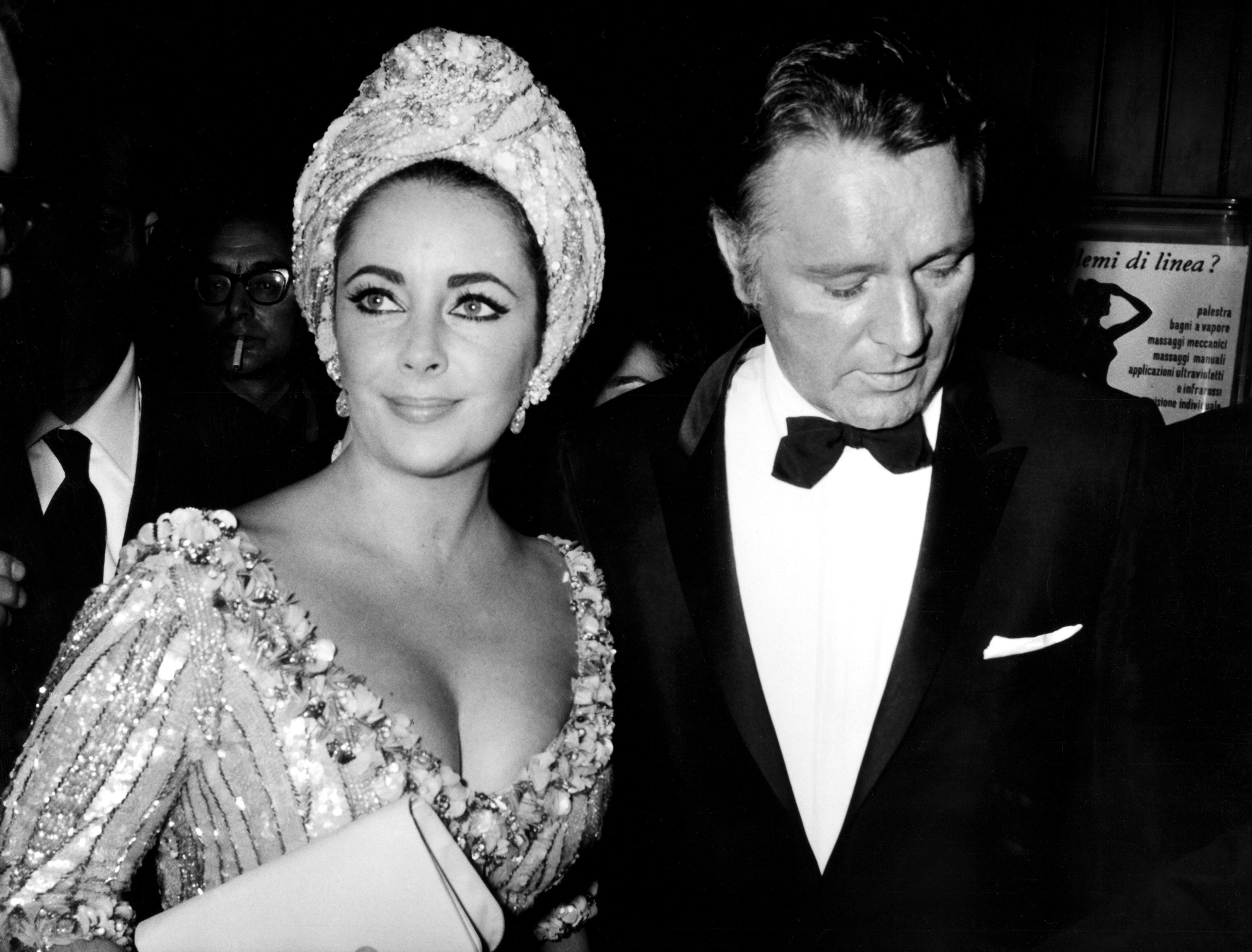
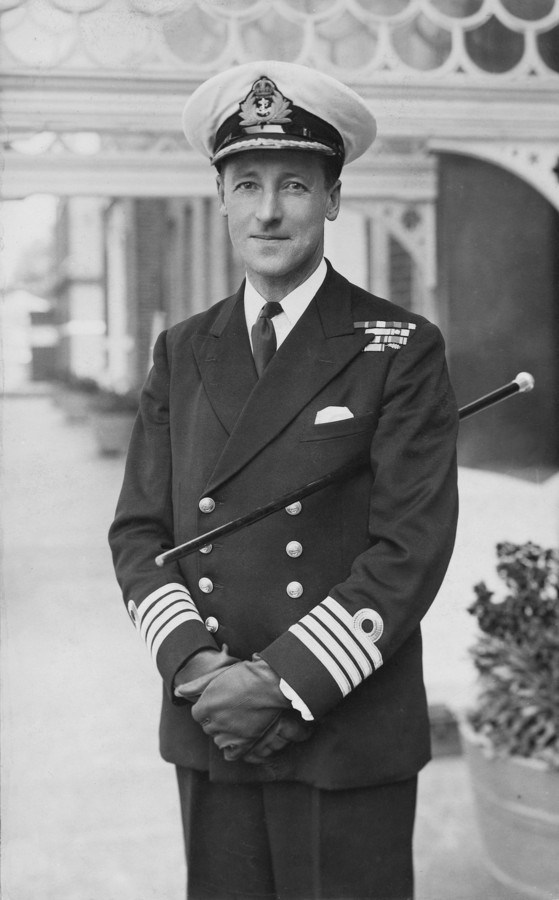
Above is a photograph of Elizabeth Rosemont Burton, and her husband, Richard Burton. Both actors died British Subjects. Both are in my Rosy Family Tree. Richard amost played the first James Bond. Below these Hollywood Stars is Sir Ian Easton and Rena Easton nee’ Christensen. Ian was the head of the British Defense Staff Washington, and would traditionally have been called to the White House to discuss all military plans with the President of the United States, a NATO Ally of Britain.
In April of 2018 I began a James Bond book inspired by the Eastons. I am related to Ian Fleming via Elizabeth Rosemond Taylor. Victoria Rosemond Bond hire a Amazon to be her bodyguard, and they dall in love and get married. Miriam Starfish Christling goes rogue, and becomes a Drone Ace. Starfish is provimg to be the most prophetic Bond character, and…..
THE GREAT HOLLYWOOD SEER
Starfish is my……Spirit guide! Will she come on stage at the next Oscars and accept my award to best script and best movie?
The Royal Janitor is the most Biblical novel written in many years. I wrote it with Christians in mind. It has…….come true!
JP
In the Bible, the concept of a “spirit guide” is primarily understood as the Holy Spirit, promised by Jesus to guide believers into truth, rather than the New Age concept of personalized, non-physical, or angelic guides. While some interpretations see angels as divine messengers offering encouragement, scripture largely prohibits seeking guidance from spirits, classifying “familiar spirits” as dangerous or deceptive.
Yes, Elizabeth Taylor died a British subject. Born in London to American parents, she held dual British and American citizenship throughout her life. While she briefly renounced her American citizenship in the 1960s, she maintained her status as a British subject until her death on March 23, 2011, in Los Angeles, California
Yes, the Welsh actor Richard Burton (1925–1984) was a British citizen, born in Pontrhydyfen, Wales, and a subject of the United Kingdom. Known as a renowned stage and screen actor, he was appointed a Commander of the Order of the British Empire (CBE) in 1970
Four months after initially threatening a 100% tariff on U.S. films that are produced in other countries other than the United States, President Donald Trump further advanced the plan by announcing his solution to the “never-ending problem” that is allegedly killing Hollywood.
“Our movie making business has been stolen from the United States of America, by other Countries, just like stealing ‘candy from a baby.’ California, with its weak and incompetent Governor, has been particularly hard hit!” Trump wrote on Truth Social on Monday. “Therefore, in order to solve this long time, never-ending problem, I will be imposing a 100% Tariff on any and all movies that are made outside of the United States.”
“Thank you for your attention to this matter. MAKE AMERICA GREAT AGAIN!,” he concluded.
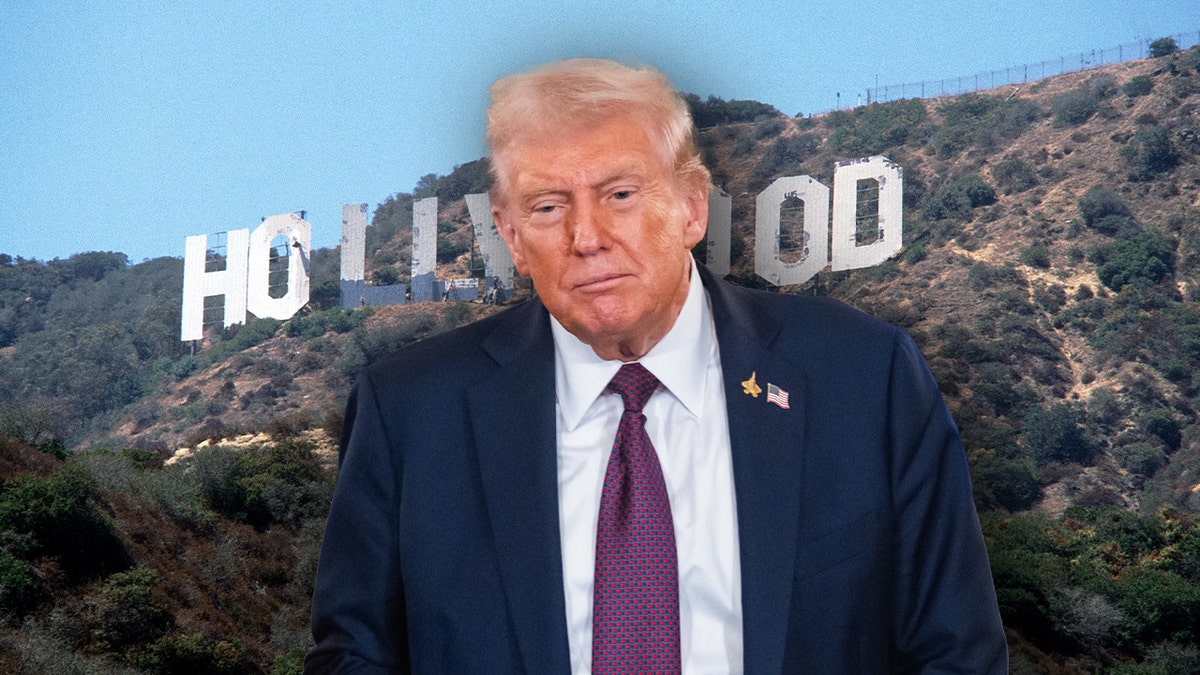
President Trump announced a 100% tariff on foreign-produced U.S. films. (Getty Images)
What is UK Citizenship by Marriage?
Spouses or civil partners of British citizens who would like to settle in the UK have the opportunity to apply for UK naturalization after living in the United Kingdom for three years. As opposed to other routes to UK citizenship which require at least 5 years of continuous residence in the UK, eligible spouses and civil partners of UK nationals who hold a UK Spouse Visa can apply for citizenship after 3 years if they have been granted Indefinite Leave to Remain or another type of Settle Status.
Once the spouse or civil partner has been granted British citizenship, he or she will be granted the right to live and work in the UK without immigration restrictions.
Lord is an appellation for a person or deity who has authority, control, or power over others, acting as a master, chief, or ruler.[1][2] The appellation can also denote certain persons who hold a title of the peerage in the United Kingdom, or are entitled to courtesy titles. The collective “Lords” can refer to a group or body of peers.
Etymology

According to the Oxford Dictionary of English, the etymology of the word can be traced back to the Old English word hlāford which originated from hlāfweard meaning “loaf-ward” or “bread-keeper”, reflecting the Germanic tribal custom of a chieftain providing food for his followers.[3] The appellation “lord” is primarily applied to men, while for women the appellation “lady” is used. This is no longer universal: the Lord of Mann, a title previously held by the Queen of the United Kingdom, and female Lord Mayors are examples of women who are styled as “Lord”.
Trump wants other countries to help reopen the Strait of Hormuz. That might not be so easy.
Trump, who has previously been bullish about reopening the shipping route, appeared to acknowledge it would be more challenging to stop Tehran attacking ships.
Trump calls for other nations to help reopen Strait of Hormuz
02:40
Get more newsonShare
Add NBC News to GoogleSavewith a NBCUniversal Profile
March 15, 2026, 6:44 AM PDT / Updated March 15, 2026, 7:35 AM PDT
By Freddie Clayton
Listen to this article with a free account
00:0006:571x
U.S. allies and rivals responded cautiously after President Donald Trump said they should police the Strait of Hormuz, as Iranian threats to strike shipping on the vital trade route continue to cause chaos in global markets.

Subscribe to read this story ad-free
Get unlimited access to ad-free articles and exclusive content.
“Many countries, especially those who are affected by Iran’s attempted closure of the Hormuz Strait, will be sending War Ships” to secure the shipping route, he posted Saturday on Truth Social, listing China, France, Japan, South Korea, the U.K. and “others” among the nations he hoped would provide support.
“The U.S. will also coordinate with those Countries so that everything goes quickly, smoothly, and well. This should have always been a team effort, and now it will be,” he added in a subsequent post.
The Strait of Hormuz, which links the Persian Gulf to the open ocean, is a key trade artery through which around a fifth of the world’s oil passes, carried by about 3,000 ships sailing through the corridor each month. But numerous ships have come under attack in the area since the war began two weeks ago, all but bringing a halt to the trade and leading to a dramatic rise in oil prices.
In a phone interview with NBC News on Saturday, Trump said several countries would help secure the strait. “They’ve not only committed, but they think it’s a great idea,” he said. Energy Secretary Chris Wright told NBC News’ “Meet the Press” on Sunday that he expects China to be a “constructive partner” in reopening the strait.
But the nations Trump listed in his original post, which have all been affected by the strait’s closure, have so far responded tepidly to Trump’s request for support.
Tokyo, a close ally of the U.S., has not officially responded to Trump’s call. Its foreign ministry told Japanese outlet NHK that Japan would not immediately dispatch naval vessels at Trump’s request, saying: “Japan decides its own response, and independent judgment is fundamental.”
The French government did not immediately respond to the request. While it has already deployed ships to reassure allies in the wider region, and French President Emmanuel Macron has previously raised the prospect of escorting ships through the strait in the future, its foreign ministry said on X Saturday that its ships would remain in a “defensive” posture in the eastern Mediterranean.
A spokesperson for the Chinese Embassy in Washington told CNN that China is calling for an immediate cessation of hostilities, without any direct response to Trump’s request.
British Energy Secretary Ed Miliband told NBC News’ British broadcasting partner Sky News on Sunday that “the best and most conclusive way to get the Strait reopened is to get this conflict to come to an end,” though he said the U.K. was “talking to our allies, including the U.S.” on any help that could be provided.
He said there are “a range of things” being looked at, including the provision of “autonomous minehunting equipment.”
South Korea’s presidential office said Sunday that it would carefully review the request.
“We are taking note of President Trump’s remarks on social media. South Korea and the United States will continue to communicate closely and carefully review the matter before making the decision,” South Korea’s presidential office told NBC News on Sunday.
While it remains to be seen what action these nations could eventually take in response to any looming economic crises, their lukewarm response appears to pour cold water on any hopes Trump may have had for a quick resolution to the blockade.
“The countries Trump named have all gone quiet, which is quite telling,” H.A. Hellyer, a senior associate fellow at the Royal United Services Institute in London, told NBC News. France is “the closest thing to a yes,” he said, though even Macron is talking about something “purely defensive.”
“That’s a long way from an actual mission, and I don’t expect one to happen. More investment will go into de-escalation efforts in my opinion,” he added.
Recommended

Middle East ConflictLive updates: Trump pressures NATO, China to reopen Strait of Hormuz; Israel launches ‘limited’ Lebanon ground operations

Middle East ConflictIranian soccer players accepted asylum in Australia. Now, they’re changing their minds.
Hellyer said that even if a coalition did form, “safe passage isn’t guaranteed,” with mines, drones, boats and anti-ship missiles all a threat, thoughts echoed by Michael A. Horowitz, a geopolitical and security analyst.
“Protecting ships is a very big gamble,” he said. “On the operational side, you’re putting military assets inside a very narrow corridor, giving Iran multiple opportunities to hit at short distance.”
To suppress these threats, Horowitz told NBC News, “you need more than aerial and naval power: You’d need boots on the ground, along key areas of the coast.”
In any case, Horowitz said he was skeptical that such a force could stabilize markets. “Just one attack is enough to suspend traffic,” he said. “The bar is really high to create enough confidence to lift the de facto closure.”
Some countries, meanwhile, appear to be attempting to negotiate safe passage with Iran.
Iran’s Foreign Minister Abbas Araghchi confirmed to CBS News on Sunday that “we have been approached by a number of countries who wants to have a safe passage for their vessels.” He said: “This is up to our military to decide, and they have already decided to let, you know, a group of vessels belonging to different countries to pass.”
Trump, who has previously been bullish about reopening the shipping route through military might as the U.S. bombs Iran, appeared to acknowledge Saturday that it would be more challenging to stop Tehran from attacking ships.
“We have already destroyed 100% of Iran’s Military capability, but it’s easy for them to send a drone or two, drop a mine, or deliver a close range missile somewhere along, or in, this Waterway, no matter how badly defeated they are,” he wrote on Truth Social.
The acknowledgement came a day after Defense Secretary Pete Hegseth suggested that the blocked strategic waterway was not a major concern. “We have been dealing with it and don’t need to worry about it,” he told a press conference on Friday.
Trump’s call on European allies for support in the war, meanwhile, comes a week after he told the U.K.’s Prime Minister Keir Starmer that British aircraft carriers were not needed in the region.
In a Truth Social post addressing Starmer last Saturday, Trump said: “We don’t need them any longer — But we will remember. We don’t need people that join Wars after we’ve already won!”
Tensions with European allies have been high amid the conflict, with Trump having earlier clashed with the U.K. and Spain over the use of their military bases.
“This is not Winston Churchill that we’re dealing with,” Trump said after Starmer refused to allow the U.S. to use British bases as part of its initial strikes, only later allowing the use of its bases for “defensive” actions.
A day later, after Spain barred U.S. military planes from using its jointly operated bases in Andalusia, Trump said the U.S. would seek to “cut off all trade with Spain,” a member of the European Union’s single market.
US president says it is ‘only appropriate’ for Europe to help, and warns failure to do so would be ‘very bad’ for Nato
Hannah Ellis-Petersen in Dubai, Virginia Harrison and Sarah Basford Canales in Canberra and Justin McCurry in TokyoMon 16 Mar 2026 06.07 EDTShare
Donald Trump has ratcheted up the pressure on European allies to help protect the strait of Hormuz, warning that Nato faces a “very bad” future if its members fail to come to Washington’s aid.
The de facto closure of the vital waterway by Tehran in retaliation for airstrikes by the US and Israel has proved catastrophic for global energy and trade flows, causing the largest oil supply disruption in history and soaring global oil prices.
The US president’s call for allies to enter the war by sending ships to the strait to protect commercial shipping vessels and unblock global oil supplies has met a muted response. Australia, France, Japan and the UK are among the countries to have said they have no plans to send ships.
Trump told the Financial Times in an interview: “It’s only appropriate that people who are the beneficiaries of the strait will help to make sure that nothing bad happens there. If there’s no response or if it’s a negative response, I think it will be very bad for the future of Nato.”
EU foreign ministers will discuss on Monday bolstering a small naval mission in the Middle East but are not expected to decide on extending its role to the strait.
Trump also told the FT he “may delay” a summit with China’s Xi Jinping as he ramped up the pressure on Beijing, an Iran ally, to help secure the strait. It was reported last week that China was in talks with Tehran to allow safe oil and gas passage.
Trump said he expected China to help unblock the strait before he flies to Beijing. “I think China should help, too, because China gets 90% of its oil from the straits,” he said, suggesting that waiting until the summit would be too late. “We’d like to know before that.”
 Rosamond Press
Leave a comment