Belmont History Lesson
A Historic Society should never supplant the historic study that is passed down in most families – who tend to dig deeper, and deeper! Here is the capstone of Belmont’s 126th celebration of its history, brought to you by the great great great grandson of Mutter Heinrich. The city of Hamburg once owned this Island which in interesting because Carl Janke is from Hamburg. Did he own property on Heligoland? Did he bring portable houses to our…Family Island?
I’m working on branding my Belmont Wedding Company – that will have honeymoons on Helegoland. I see an American Stage Coach there. I will see about celebrating Janke Day there! I must go there – and be with my people! They will love to know Mutter Heinrich’s great granddaughter is,,,,Christine Rosamond Benton!
That’s it! I will go there and spread Drew Benton’s ashes! Better yet – I will exhume the remains of Mutter, her daughter, and Cark Janke – and they will got with! Will someone start a GofundMe, so our people, of our beloved land, so these good people can conduct a righteous burial. How joyous the Helgoland people will be to learn their DNS founded…
BELMONT BY THE BAY
John Presco
President: Royal Rosamond Press
ETRA! I believe…..Heligoland is….Avalon! Is Radbod….King Arthur?
A Son of Arthur……is going home!
Between 690 and 692, Utrecht fell into the hands of Pepin. This gave the Franks control of important trade routes on the Rhine to the North Sea. Some sources say that, following this defeat, Radbod retreated, in 697, to the island of Heligoland. Others say he retreated to the part of the Netherlands that is still known as Friesland.
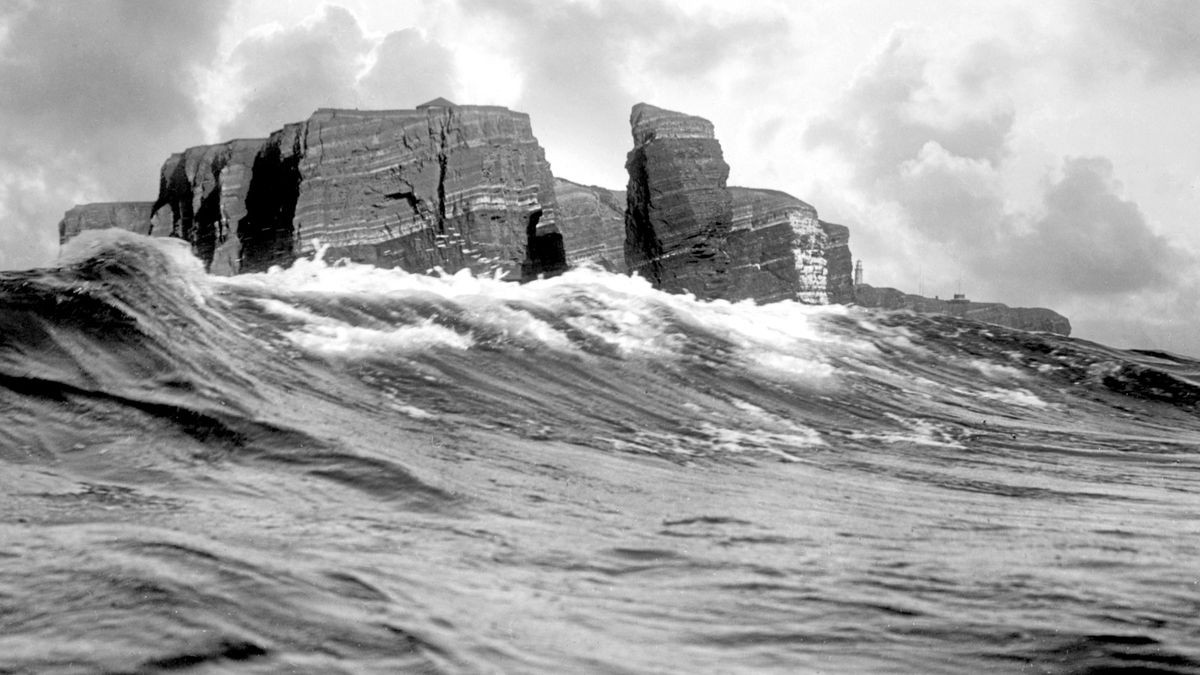
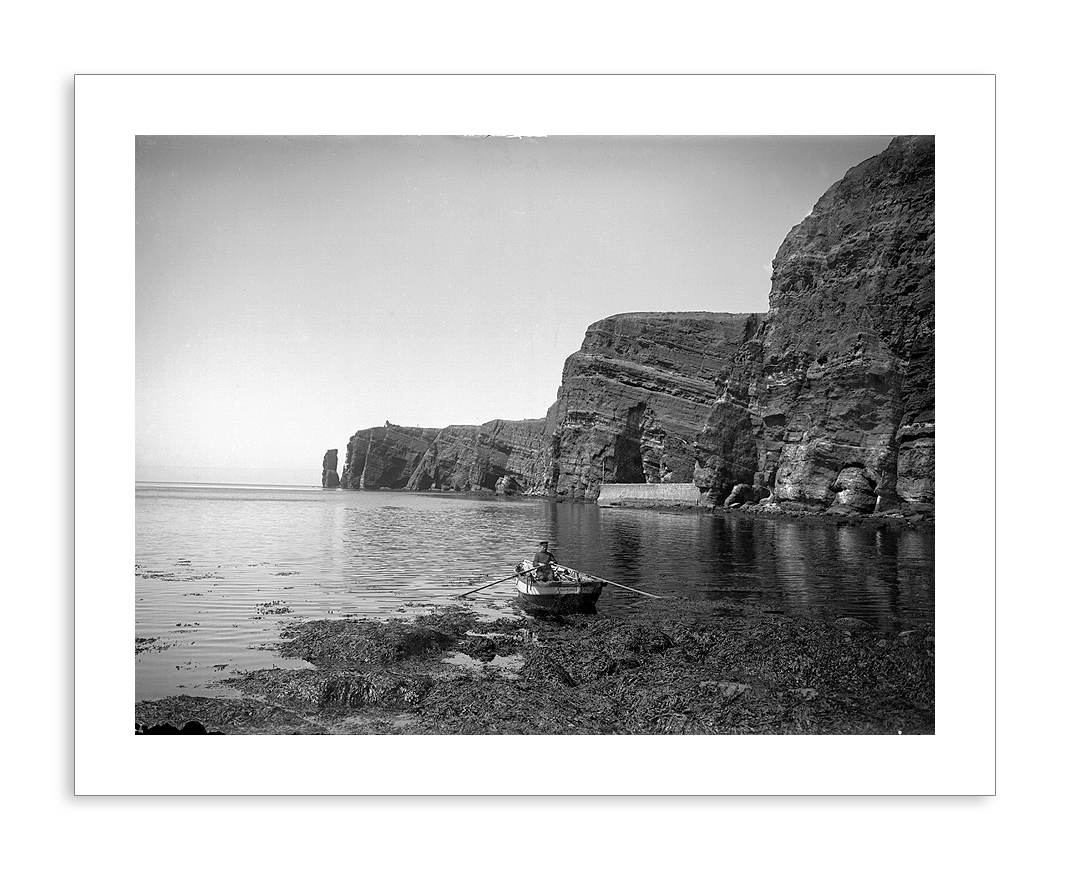
Station: [20] Franz Schensky – The Photographer
With his photographs, Franz Schensky has influenced people’s view of the island like no other. Born on Heligoland in 1871, young Schensky trained as a photographer in Thüringen and returned home at the age of 19.
Here, he opened a photographic studio in the Unterland – the lowlands. At first, Schensky made his living mainly as a portrait photographer. His speciality was taking photos of holiday visitors in a folksy setting. He’d have them dress in local Heligoland costume and take pictures in his studio – in a mock-up of a wooden boat with props borrowed from the fishing industry. But these amusing souvenirs didn’t reflect the photographer’s personal interests.
Whenever there was an opportunity, Schensky would sling his large format camera over his shoulder and go out and about on the island. He’d photograph the islanders’ everyday lives. His shots bear witness to the hard, and often poverty-stricken lives of the fishing families. They also give an insight into historical Heligoland with its prestigious resort architecture in the lowlands, and life in the uplands. The sea, the forces of nature, and the flora and fauna were his muse. He photographed them in a personal artistic style that was far ahead of his time.
Even during his life time, Schensky became internationally famous for his photographs. He won more than 50 awards and was given the title of court photographer.
His photographic work is also a pictorial atlas of Heligoland’s history. He was there with his camera in 1890, when Kaiser Emperor Wilhelm the Second personally took possession of the formerly British island. He recorded the military build-up on the island in preparation for two world wars, as well as the complete destruction of his home.
In 1944, when Royal Air Force fighter aircraft dropped incendiary bombs on the lowlands, Schensky grabbed his camera and took pictures from the uplands as his house and his life’s work went up in flames.
Born as a native of Heligoland under the UK flag, Schensky was no friend to the Nazis. He’d doubted their superiority and wisely moved an important part of his archive to the mainland during the war, where it was safe.
At the end of the war, Schensky and his family fled to the town of Schleswig. During several visits to the island, he created a photographic record of Heligoland’s reconstruction after 1952, though he was never able to return. Schensky died in Schleswig in 1957 at the age of 85.
All depictions: © Nordseemuseum Museum Helgoland
 Rosamond Press
Leave a comment