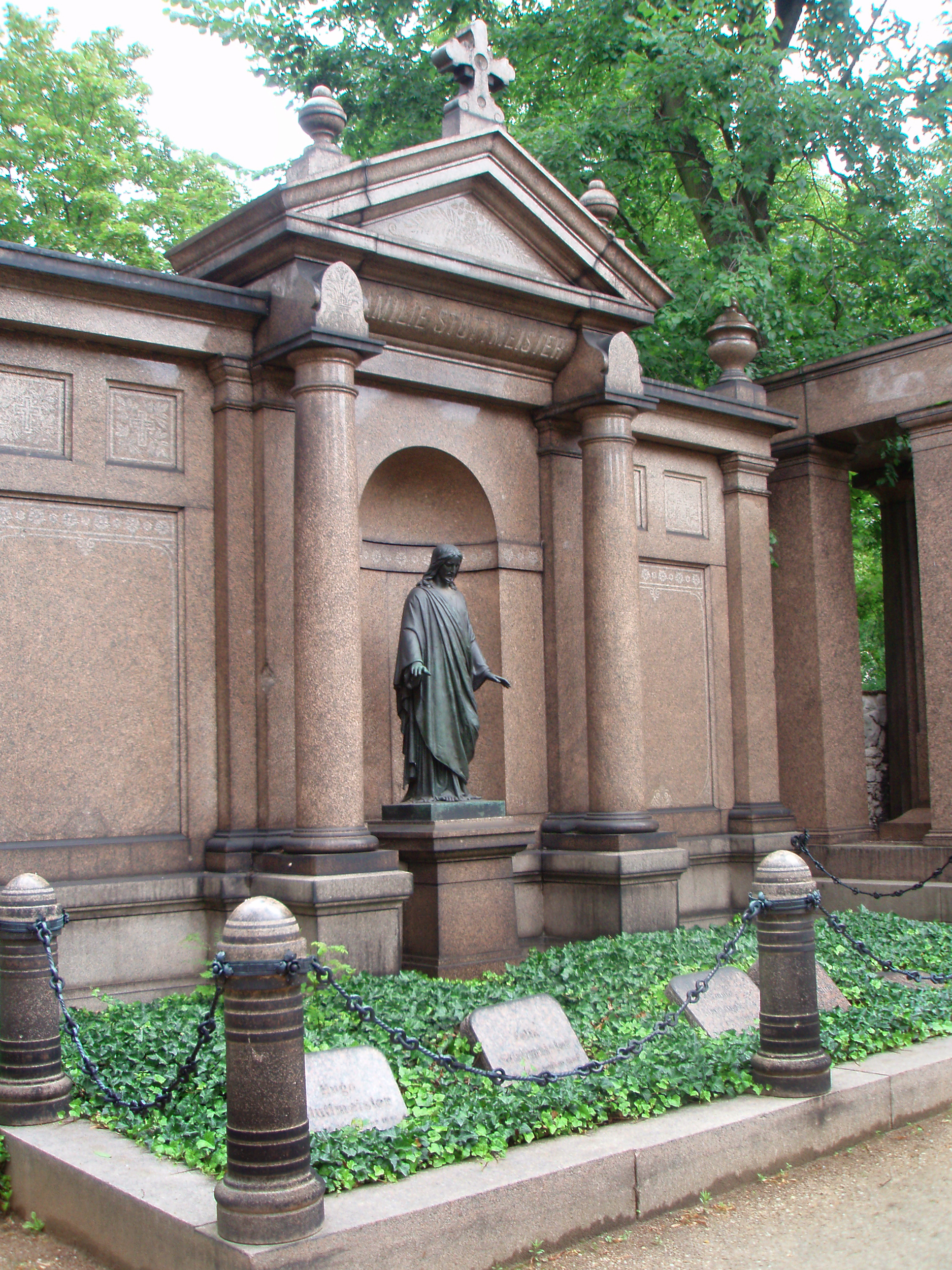
Life for London was unconstrained, but it had taken a turn contrary to his expansive dreams. He could see his current pursuits invariably leading to a dead end – death or jail — neither of which were the kind of romantic possibilities he sought. It was time to do something else.
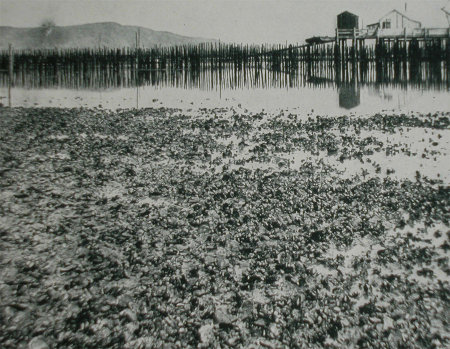
Oyster bed, San Francisco Bay, 1900
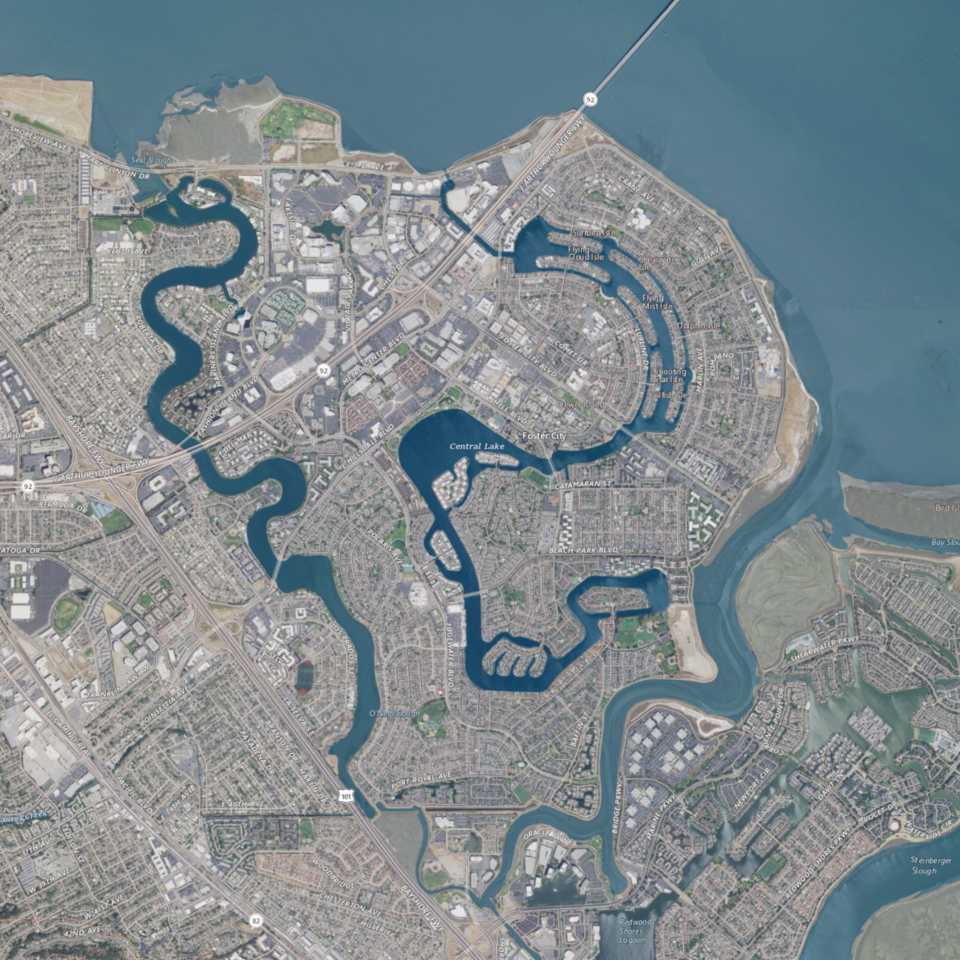
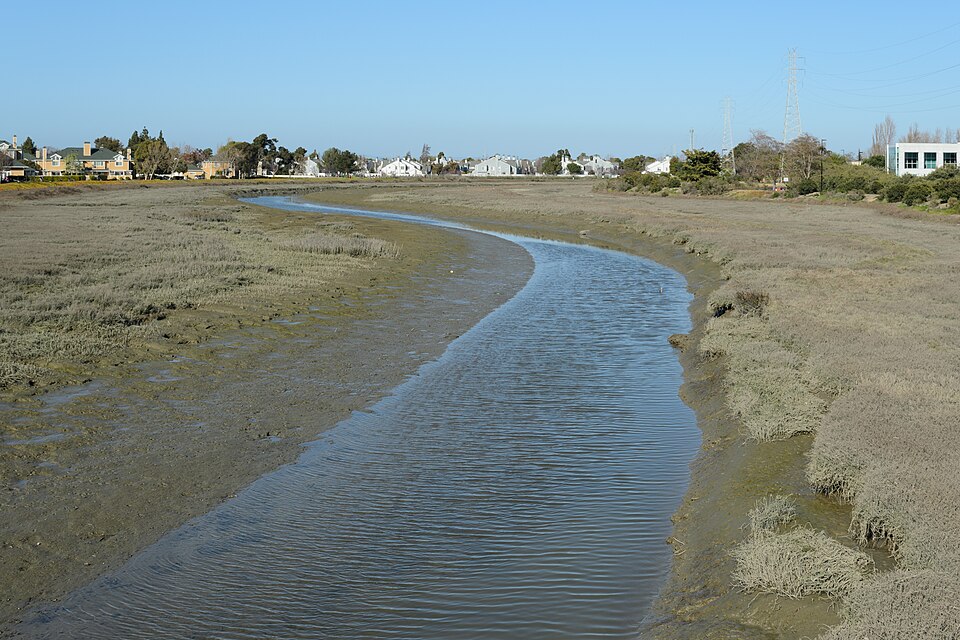
Belmont
by
John Presco
An idea for a Netflix Series
ALL RIGHTS RESERVED
On February 7, 2026, my Muse oke me with the image of Jack London looking at a large plank floateing in the Oakland Estuary. He had been fired by the luandry service that loaded dirty sheets on a barge, sailed across the bay to Oakland, unloaded them at the bottom of 13th. Street, then hauled them to S Creek where flow very clean water. The great grandchildren of Cark Janke and William Stuttmeister, played in this creek, We damned it up, countless time. Willian Broderick, an officer for the California Barrel Company, owned a beautiful Victorian on 13th. Gertrude Stein and her family lived two hundred yards down the street, They had to know each other. How many wagon loads did there see a day? Were they drawn by mules?
Thanks to my Muse, I am a History Detective. I lie in bed wondering why Jack did not get a job with the Dimond Laundry Co.? Was he fired after he got in a drunken fight. Hungover, he get on the plank and paddles it like a surfboard. It had to ve a very calm day. Then, I read about the Razzle Dazzle. London wrote a story based on this boat. Was it an oyster boat that…..docked in Belmont Creek to load the seasonal oysters destined for the finest hotels in Sn Francisco – built by William Ralston who lived in Belmont, and added to the humble hoke of Count Leonetta who returned to Italy with a goodly sum of money. Og course the Count kept the oysters a secret. Tehy were….a gold mine!
What I am looking at, is Ralston lived in Belmont to manage his pyster beds. Being an Oddfellow, he brought thousands of them on the train to Twin Pines Park, thst may have been called…..
OYDTER PARK
How many Germans believed oysters, with beer, a great aphrodisiac? Did Ralston build his famus hotel to cash in on the oyster craze. The poor folks would have to jhop a train to get their shate of the pie.Was there rivalry amonhs the Oddfellows. Was Ralston murdered while taking his daily swim in…..the Belmont Slough? Did William Janke hire that locamotive to keep Carl from selling ther useless oyster bed, because the orysters had died due to human extrment in the water. However, there was the Wastes and Landfill Compmay fron back East. They were……Italians!
For over a year I have been looking for a secret graveyard wgere famous Oyster Pirtate Capatins are buried. There were sea battles to e first to the markt. Tidal areas were seeded with orysters from Japan. They were guarded by Gangster who had a map of theor bed tttoed on theor body. This is the tip of the iceburg, Stay tuned.
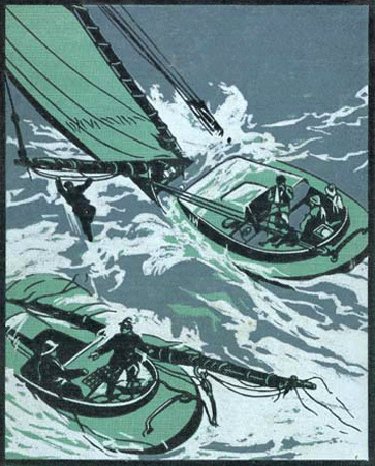
I see mhyself as The Dangling Captain on the cover of Crusie of the Dazzler – that almost got Jack killed! He revealed too much about the
BELMONT KAND AND OYSTER BATTLES
There has to be a record of Deeds. How much free land was created, and, who bought this land, till it was….
OUTLAWED?
JP

The Army Corps of Engineers dredged up the equivalent of 2½ million dump trucks of bay mud and sand to construct Treasure Island. (San Francisco History Center/San Francisco Public Library)
Jack London Slept (and Worked) Here
By Kimberly Chun, Chronicle Staff WriterMarch 6, 1998
1998-03-06 04:00:00 PDT PENINSULA — Jack London has a square named after him in Oakland and a whole state park in Glen Ellen. So why is the California Writers’ Club holding a Jack London Writers’ Conference in South San Francisco?
Watch More
Turns out the adventure writer, born in San Francisco in 1876, got his first taste of wild times and country living during his formative years on a Coastside truck farm. He also received a memorable dose of hard labor at a Belmont laundry near the College of Notre Dame.
London created the California Writers’ Club with the poet and close friend George Sterling, short story writer Herman Whitaker and “English civil libertarian” Austin Lewis, according to Mariann Jackson, president of the Peninsula branch of the club. After he gained international renown, London offered his name to the club in the hope of encouraging young writers. Ten years ago, the College of Notre Dame was the site of the first Jack London Writers’ Conference, an annual event put on by the Peninsula branch.
Article continues below this ad
“He lived here in San Mateo and sailed his boat out of here. Unfortunately you can’t tell where he moored his boat, because the shoreline has changed so much with all the landfill,” says Jackson, a Redwood City resident.
Still, no one associates London with San Mateo County, Jackson says, because “Monterey (and Sonoma) do a much better job of PR.”
TOASTING THE COAST
Greg Hayes, a London scholar and resident ranger at the Jack London State Historic Park in Glen Ellen, is definitely aware of London’s Peninsula connections. He will talk about London’s life in Northern California at the conference tomorrow, as he’s done for the past nine gatherings.
Make SFGATE a preferred source so your search results prioritize writing by actual people, not AI.
Yes, William Chapman Ralston (1826–1875), the prominent San Francisco financier and founder of the Bank of California, is listed among famous American Odd Fellows of the mid-1800s.
He is featured in historical records and digital paintings commemorating notable members of the Independent Order of Odd Fellows (IOOF) from that era, alongside figures like P.T. Barnum, Samuel Clemens (Mark Twain), and various U.S. presidents.
“It seemed the family moved so many times when he was a child, people don’t keep track of all of the residences,” Hayes says. London’s working-class family lived in San Francisco’s Bernal Heights before they moved down to Tobin Ranch, between Pedro Point and Moss Beach, in 1883. The author’s stepfather, John London, grew potatoes and raised horses on the 75 acres that he leased there.
Those rural years left an imprint on the 7-year-old London, who returned to ranch life in Glen Ellen until his death in 1916.
“One of (London’s) earliest memories as a boy takes place in San Mateo, and it shows up in ‘John Barleycorn,’ which is as close as he came to an autobiography,” Hayes says.
Advertisement
Article continues below this ad
In the 1913 book, which London called his “alcoholic memoirs,” he writes about the time he carried a pail of beer to his father, who was plowing on a hot day in a field a half a mile from the house. Curious about grown-ups’ intoxication with the so-called “John Barleycorn,” the young London buries his face up to his ears in foam, “gulping it down like medicine, in nauseous haste to get the ordeal over,” and becomes drunk for the first time.
Beer breaks aside, London’s father was so successful at Coastside farming that he earned enough money to buy an 87-acre chicken ranch in Livermore. Unfortunately, an epidemic in 1884 killed the flocks and the Londons lost the ranch to a foreclosure.
CLEANING UP BELMONT
The family then moved to Oakland, where they slid down the economic ladder. Jack London earned money as a child laborer and, at 21, worked in a laundry at Belmont School for Boys, where the Carlmont Village Shopping Center now stands. A plaque commemorates London’s time there.
Advertisement
Article continues below this ad
London himself recalled his Belmont experiences in “John Barleycorn.” He describes working “out in the country” in a “small, perfectly appointed steam laundry,” sorting, washing and ironing white shirts, collars, cuffs, ” ‘the fancy starch’ of the wives of professors” and the students’ summer duck trousers.
“We worked like tigers . . ,” he writes. “We sweated our way through long sizzling weeks at a task that was never done; and many a night, while the students snored in bed, my partner and I toiled on under the electric light at steam mangle or ironing board.”
London earned $30 a month and board, which he said was a slight increase over his coal-shoveling and cannery days, due perhaps to his age, skills and enthusiasm for books. “Judging by my rate of development, I might hope before I died to be a night watchman for sixty dollars a month, or a policeman actually receiving a hundred dollars with pickings,” London writes with some bitterness. He labored so hard at the laundry that, London writes, “by Saturday night (my partner and I) were frazzled wrecks.” The experience undoubtedly aided London and his writing when he covered a laundry workers’ strike and other union struggles in San Francisco for the Saturday Evening Post. Nonetheless London found himself so wearied by the work, he never succeeded in reading one book during his tenure there. Although he saw his studies as his only way out of the working class, he felt himself fit only for drink at the end of the week. Luckily, in turn-of-the- century Belmont, the nearest saloon was a mile and half from the school.
SAILING ON
Belmont also became the mooring point for young London’s first sloop, Razzle Dazzle, which he would sail all over the Bay and use to raid the oyster beds near San Leandro. But the Bay was ultimately only a point of departure for London’s adventures, Hayes believes: “It was thought of as a place to venture out from.”
Advertisement
Article continues below this ad
After signing on to a seven-month sealing expedition on the Japanese and Russian coast, where he experienced a typhoon, London wrote one of his first short stories. It won a prize from an Oakland newspaper.
By 29, with books like “Call of the Wild” and “The Sea-Wolf” under his belt, London was one of America’s most popular and highest paid authors. After a thwarted around- the-world sailing expedition, he turned his attention toward home and joined his literary peers in informal gatherings that became the Press Club of Alameda and later the California Writers’ Club. Other honorary early members included poet Joaquin Miller, environmentalist John Muir, and first California poet laureate and London’s early inspiration, Ina Coolbrith. London would also contribute to the organization’s first hardcover anthology of fiction, “West Winds.” The club’s original motto, “Sail on!,” must have pleased London. But Hayes says the club’s purpose also had appeal for London, who continued to correspond with many up-and-coming writers after he became successful.
“I think Jack London stayed associated with the conference because he would have been very supportive of what they’re doing there,” Hayes says. “He got his encouragement from the Oakland Public Library and got encouragement from a librarian who told him to keep going. That’s why he lent his name to the California Writers’ Club to tell the writers of the future to continue to strive for success.”
WRITERS’ CONFERENCE
The 10th annual Jack London Writers’ Conference runs from 8 a.m. to 5:30 p.m. tomorrow at the Holiday Inn, 275 S. Airport Blvd., South San Francisco.
It’s not always an economic picnic living on the Peninsula. It’s nothing new. Jack London found that out decades ago.
The acclaimed fiction writer, needing to find a job to support his creative juices, spent less than a year working in Belmont back in the late 19th century.
Related Articles
He made the princely sum of $30 per month laboring in the laundry room at the Belmont Academy. The work was hard and the compensation not nearly enough to keep body and soul together.
According to accounts provided by the Belmont Historical Society, London griped about long hours and meager pay. But he needed the cash.
He’s the player the Sharks could really use right now (hint: it’s not Panarin), and other top stories from February 01, 2026.
The budding novelist bailed once the 1897 spring session was over. He never returned. But he did go on to bigger and much better things. One of his celebrated novels, “Martin Eden,” is said to contain material related to his unsatisfactory time in Belmont.
The Belmont Academy is no more. By 1918, the property, located at what is now the intersection of Ralston Avenue and Alameda de las Pulgas, had been purchased by the Catholic Archdiocese of San Francisco; it became the St. Joseph’s Military Academy.
In 1952, that institution was replaced by today’s Immaculate Heart of Mary Church; and, across the Alameda, the other half of the property became Carlmont Village Shopping Center that opened in 1956. It’s been in operation ever since.
There is a plaque devoted to London’s very brief tenure at that general location; it can be found just south of the main entrance to the center’s Waterdog Tavern.
The hard-living London died young at the age of 40 in 1916 in Glen Ellen. There is no indication he ever returned to Belmont.
Posted on August 28, 2015 by Royal Rosamond Press

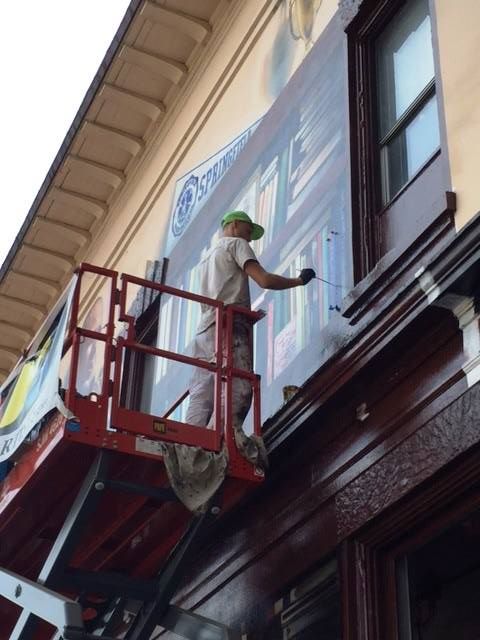
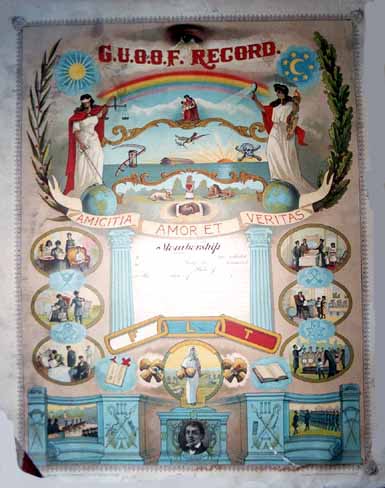

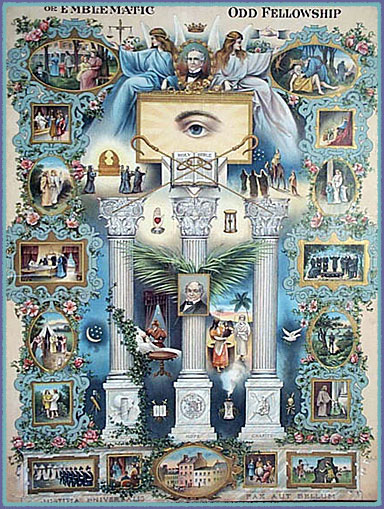
What is so odd about the Odd Fellows? Back in January I posted this prophetic post. ‘The Literary Bohemian Crusade With Grail’.
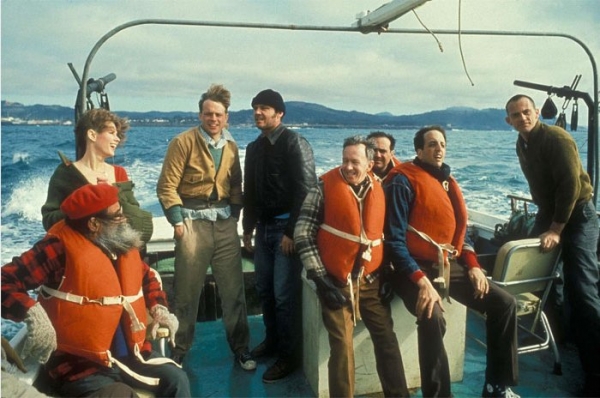
When I read Kesey’s mural was going to appear on the Odd Fellows building, I knew several portals were opening. This morning, Zane Kesey posted pics of his fishing trip. He left Depoe Bay and went under an arch out to sea. He did not know the fishing trip from the movie ‘One Flew Over the Cuckoo’s Nest’ was filmed here. McMurphy introduces his odd crew of madmen, as Doctors. The Pranksters are born.
https://en.wikipedia.org/wiki/Independent_Order_of_Odd_Fellows
I wrote this post at a low point of my life, when I felt forsaken. But, this is how the story goes, just when all seems lost, Perceval beholds the Grail.
At the end of my novel ‘The Gideon Computer’ Berkley Bill Bolagard is reunited with his book collection he thought he had lost. We had rare books in our home growing up thanks to my ancestors who conducted secret rituals non-members are not privy to, but, there I am, the Master Augur making a templum before a two-dimensional book-case.
The Pontifex Maximus is a ‘bridge builder’. Ken was a bridge builder to other dimensions. My Janke kindred built a theme park for the Oddfellows. Ken made a theme park in Springfield and Eugene – that spread all over the world! Consider Kesey Enterprises.
“The Jankes turned out to be entertainment entrepreneurs as well. They bought up a dozen acres on the south side of Belmont Creek and established Belmont Park and picnic grounds. Patterned after the beer gardens of their German heritage, it offered a 300 person dance pavilion, a carousel, a running track and walking trails, an ice cream parlor, plenty of picnicking space and of course drinks – beer and plenty of sarsaparilla (which might have been spiked with cocaine in that era). The Jankes made a mutually profitable deal with the Southern Pacific to run weekend picnic special trains from the city to Belmont Park. The place often hosted large crowds, with one notable affair being 8,000 people for an Odd Fellows fraternal gathering.”
A curtain hangs on the side of the Odd Fellows Hall that will part at 5:30 P.M. today. This image of Ken was taken at the Calliope Company warehouse where the Pranksters lived for a month. Ken is looking at the city my ancestors help build. I can see Oakland across the bay, reflected in the pupil of his eye.
And, the books fly off the shelf. The air is filled with the sound of rustling wings as the pages of time are turned. What a long strange trip it has been.
Jon Presco
Copyright 2015
Two days ago I found what constitutes the Literary Bohemian Holy Grail. I found an essay by titled ‘Kesey and Pynchon – A Trip to the Wasteland’.
http://www.persee.fr/web/revues/home/prescript/article/rbph_0035-0818_1986_num_64_3_3552
What the author contends is the novels ‘One Flew Over the Cuckoo’s Nest’ and ‘The Crying of 49’ by Thomas Pynchon are Grail Romances replete with Grail Knight and the Fisher King. Alas I have a credible author and scholar who I can refer to in regards to I owning credibility and being able to point to how two writers – who do not know each other – have arrived at similar conclusions. Consider Ken Kesey’s Search for Merlin in England which my newspaper has reported on.
The Holy Crusade and the Holy Grail go hand in hand. Islamic terrorists killed writers and cartoonist in Paris. I am a cartoonist who began a cartoon in 1986, titled ‘My Christ Complex’. That same year I began ‘The Gideon Computer’ after my childhood friend, Nancy Hamren, suggested I author the history of the Hippies because I could recall so much. I chose to write about the Last Hippie of the future, who helps destroy the shame-based computer that goes after all the Free Souls and Free Thinkers. I got sober when I noticed my novel was coming true.
https://www.facebook.com/people/Odd-Fellows-Springfield-Lodge-70/100087301005969/
California’s First Theme Park
Posted on June 9, 2014 by Royal Rosamond Press


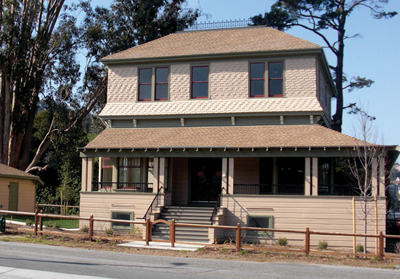
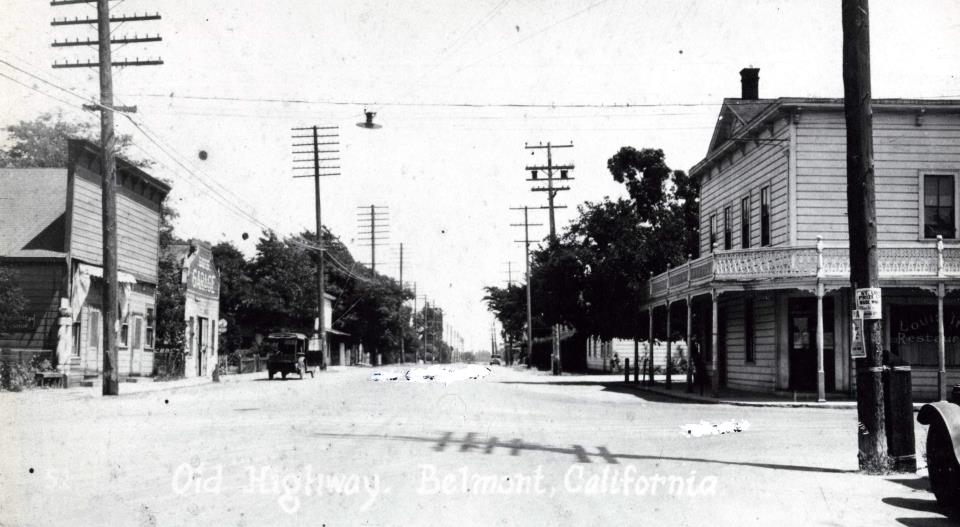

Beer breweries are finding a home in the Whiteaker that has its own celebration. My great grandfather brewed sarsaparilla in Belmont, a city my kindred co-founded. Fairmont and Belmont means ‘Beautiful Mountain’.
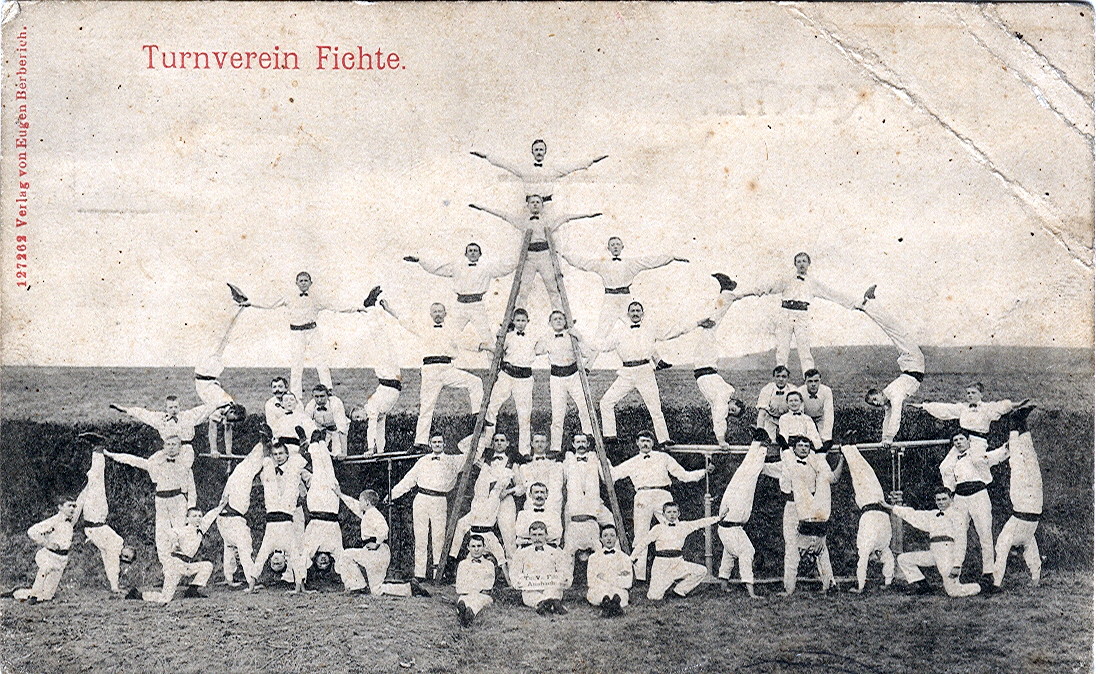
We operated a theme park and a Turnverein Hall. The Eugene Celebration should pay special attention to these breweries. I see gymnastics at near the Cuthbert. Check out the people in this giant tree house.
William August Janke, the son of Carl August Janke of Belmont, lived in a Victorian house at 320 Haight St. a a block and a half from Fillmore St. Carl founded what may be the oldest theme park in America that catered to members of the Odd Fellows who lived in San Francisco. Carl Janke hired a special train to bring people to his theme park modeled after a German folk town and beer garden. Carl owned the Belmont soda works and sold a drink that may have contained cocaine. Carl made a jail for his town because folks got out of hand. Consider the Haight-Ashbury that was the haven for the Hippie Movement. It became a theme-park that attracted folks from all over the world. The oldest homes in San Francisco were brought around the Cape in 1848 by Carl Janke.
JANKE – in this city, Nov. 22, 1902 at his residence 320 Haight St. William August Janke, beloved husband of Cornelia L. Janke, and beloved father of Mrs. W.O. Stuttmeister and Carl and W.E. Janke, a native of Hamburg Germany aged 59 years. Internment, Laurel Hill
“According to Belmont Historical Society records, Dorothea and Carl August Janke sailed around Cape Horn from Hamburg, Germany, in 1848. After landing in San Francisco, they settled in Belmont in 1860″
Google 320 Haight to see my great grandfather’s home (grey-blue) and 2795 Pine St. to see the second story apartment I lived in with Nancy Hamren, Keith Purvis, and Carrol Schurter. Two members of the Jefferson Airplane partied with us, and hung out the bay window while on acid trying to cause an accident – which they did!
Today’s Twin Pines Park in Belmont, a refuge for kids, families and the arts, conceals a rowdy past. Here’s an easy cache to introduce its history.
In the 1870s, Belmont was a whistle stop on the Southern Pacific railroad, an aspiring suburb to San Francisco and a base for tycoons like William Ralston who had built country mansions in the canyons and hills to the west. In 1876, two German immigrants brought some industry to town. Carl Augustus Janke and his son Carl Ferdinand founded the Belmont Soda Works just north of The Corners (now Ralston and El Camino). The Jankes manufactured a variety of fizzy drinks, most notably sarsaparilla, and delivered them to San Francisco and points south along the railroad.
The Jankes turned out to be entertainment entrepreneurs as well. They bought up a dozen acres on the south side of Belmont Creek and established Belmont Park and picnic grounds. Patterned after the beer gardens of their German heritage, it offered a 300 person dance pavilion, a carousel, a running track and walking trails, an ice cream parlor, plenty of picnicking space and of course drinks – beer and plenty of sarsaparilla (which might have been spiked with cocaine in that era). The Jankes made a mutually profitable deal with the Southern Pacific to run weekend picnic special trains from the city to Belmont Park. The place often hosted large crowds, with one notable affair being 8,000 people for an Odd Fellows fraternal gathering.
With drink and crowds came trouble. Drunken brawls were not uncommon, and on one occasion a shoot-out between gangs left a man dead (some modern problems are not new.) A private jail was installed at the park, beneath the dance hall floor, and the Southern Pacific put special police on its excursion trains. But as Belmont and other Peninsula settlements grew, the weekly influx of rowdies was seen as a problem that outweighed their commercial benefits. Under pressure from the locals, the railroad cancelled its party train specials by 1900. Belmont Park went into a quick decline, and was mostly subdivided for other uses. The present park and the civic center are part of its remains, with little to show of its checkered past.
Belmont’s party place got too wild
By Joan Levy, Daily Journal correspondent
Belmont Park was started to be a German biergarten, but it turned out to be a picnic ground in a more American style. Carl Janke bought ex-governor McDougal’s place in Belmont. He envisioned a bucolic spot where gentlemen could take their leisure, sip beer and talk. The 12-acre wooded strip along Belmont Creek seemed perfectly suited for this. Janke was born in Hamburg, Germany about 1814, came to California in 1850 and to the Peninsula in 1859. He wanted a home in Belmont.
The park opened around 1866 and soon was popular with people from San Francisco. It was not to be the typical biergarten that Janke envisioned. It attracted small American-style family picnics and huge organizational celebrations. Janke juggled his diverse clientele on the three days a week the park was open. Wednesday was the day for quiet Sunday School picnics. Sunday was for the bigger and more boisterous crowds. That was when they hired the bands and tapped the kegs.
The main entrance to Belmont Park was on Ralston Avenue near 6th Avenue. At the large white gate a fee was collected for the use of the grounds. Up Ralston Avenue was the carriage entrance and stables. To the South was Janke’s home.
Along the creek there was an amusement park with a merry-go-round. A dance pavilion that could accommodate 300 was built around a tree trunk. There was a bar at one end and an ice cream parlor at the other.
There was also a dining hall and some refreshment stands. Janke had a track built for foot racing and pony cart racing. There was a shooting gallery for sharpshooters.
Other early German immigrants to the Peninsula had started breweries to produce their favorite beverage, but Janke and his partner Henry Carstans manufactured soda. Their plant was located on Old County Road near Ralston Avenue in Belmont. They started the operation in 1875 and had a ready market at Janke’s place. They produced sarsaparilla of several different varieties.
Steamers brought people by way of Ralston’s pier at Belmont. At night they could return to the city by special train. One Sunday in 1876, a party of 8,000 members of the Odd Fellows Lodge made the trek in 75 railroad cars. Over time, the crowds became more unruly. It was the scene of a kidnapping, when little Annie Mooney disappeared and was never found. Then in 1880, there was a shoot-out between rival San Francisco gangs during which Dave Condon killed Jerry Stanton. Janke installed a private jail under the dance pavilion, and the Southern Pacific hired special police to monitor the excursion trains. Still, violence and vandalism plagued the peaceful picnickers.
Janke retired, and the management of the park fell to his sons.
Good Templars and Odd Fellows
Posted on July 26, 2012 by Royal Rosamond Press
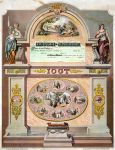
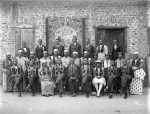
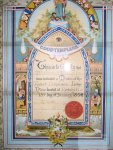
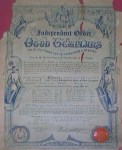
For years I have been considering refounding the Good Templars who were sometimes allied with Odd Fellows that my kinded belonged. This would be Christine and I rising from the ashes as Phoenix Birds.
Jon The Nazarite
The IOGT International (formerly known as the International Organisation of Good Templars and International Order of Good Templars and the Independent Order of Good Templars) is an international non-governmental organisation working in the field of temperance. It is based in Sweden, a country which had very strict alcohol policies and laws in the past.
The IOGT originated as one of a number of fraternal organizations for temperance or total abstinence founded in the 19th century and with a structure modeled on Freemasonry, using similar ritual and regalia. Unlike many, however, it admitted men and women equally, and also made no distinction by race.
In 1850, in Utica, New York, Daniel Cody founded one such organization, the Knights of Jericho. In 1851, a lodge of it in Oriskany Falls (then known as Castor Hollow), a village near Utica, was visited by 13 members of another Utica group. Under the leadership of Wesley Bailey, it was decided that these two lodges form the Order of Good Templars. The motto of the renamed organization was “Friendship, Hope and Charity”.
Over the next year, 14 additional lodges were established. By the summer of 1852, a convention was called in Utica to establish a Grand Lodge. During this, a dispute broke out between Wesley Bailey and Leverett Coon, who had established a lodge, Excelsior, in Syracuse. Coon left the meeting and his lodge supported his actions by seceding as the Independent Order of Good Templars, with the motto altered to “Faith, Hope and Charity”. They shortly merged back, the resulting group continuing under the name Independent Order of Good Templars.
Odd Fellows
History
In an effort to prove its antiquety, there are those who would claim its introduction into Great Britain in A.D. 98. ‘In fact, its descent is traced – unfortunately without historical corroboration – from a secret society existing among the captive Israelites in Babylon. ‘
In the year 79 there was a group of captives in Rome, having traditions, secret associations and signs, who repeatedly proved their fidelity to the Emperor and who were named Fellow Citizens and Odd Fellows. They formed themselves into a military legion and became part of the Roman hosts that invaded Britain…. From that time forward there is nothing of an authentic character to trace the Order down to the period in which the name ‘Odd Fellows’ again appears in British history.
The leaders of Odd Fellowship of the present century have not been much concerned about the antiquety of the Order, their aim being to adapt the society to the needs of modern times and conditions. The history of the Independent Order of Odd Fellows for which there exists authentic records, dates back two centuries. An excerpt from the minutes of Aristarchus Lodge No. 9, of March 12th, 1748, establishes the fact that this lodge had been operating for some time prior thereto, and its number indicates that at least eight other lodges had existed up to that time. (p.6)
For several years I have been looking the opening of Shell Mound Park as causing the demise of Carl Janke’s Twin Pine Parks – and not crazed drunken Germans out to hurt innocent folks – as The Belmont slanderers contend……so they can dig up my ancestors and thrown them in a mass grave in Redwood City where William Stuttmeister had a dentist office. Jank London, who worked in a aundry in Belmont, wrote a very long article about this park that was located near Captain Cogswell’s house. I’m sure he and his wife attended. How fun!
“From the beginning, transportation helped insure the success of the park. Beginning in late March. 1877, special trains ran from Oakland’s Long Wharf direct to Shell Mound Park. Visitors from San Francisco would ride a ferry to Oakland, board a train right on the wharf, and arrive soon enough at Shell Mound Station. These picnics or “excursions” were daylong events, and the ferry and train rides were incorporated as part of the day’s excitement.
Schüetzenfest No. 1
July 15, 1901 . The Goths have entered Rome ! Aye, it is so, but there was no cry in the night, no clamor of hasty flight, no scurrying with household gods to the citadel. Rather, did San Francisco throw wide her gates and fraternize with her Teutonic invaders. On the other hand, these descendants of Germanic Tribesmen who swept down out of the forest of middle Europe some two thousand years ago, are quite unlike their savage forbearers. They are not clad in the skins of wild beasts, and though they bear weapons in their hands, we do not fear; for they come not in war, but in love; not as foes, but as blood-brothers. And though their ancestors of old time looted many a fair city, we need keep no anxious eye on our possessions. We have but one thing they might appropriate if they were able–and that is our climate.
Our Oakland History
Posted on February 6, 2021 by Royal Rosamond Press
Vice President Kamala Harris and I were born in Oakland, she at Kaiser, and I at Merritt. On December 31, 2019 I announced I am the second coming of Martin Eden. I just made a astounding discovery about the Black Mask authors and tie them to London.
Oltman- Stuttmeister Genealogy | Rosamond Press
John Presco
06/06/11 at 9:44 PM
Hi Jon,
You are a good researcher! You remarked that someone lived in Pankow? That is new to me. This German family left Mecklenburg in 1732. They became citizens of Berlin. They started out selling pelts, and that grew into furs with a large warehouse in Berlin. One Stuttmeister, who was a builder/architect had his office at the Kaiser’s court. They grew quite wealthy. Kim went to the Records department and received a list of all the residences that the Stuttmeister had in Berlin, and she took pictures of all the churches, where they were baptized and the properties they had owned. . Freddie has always said that the Stuttmeister was not their true name, but the records in Germany indicate that Stuttmeister was their legal name.
Daryl Bulkley
Photographs: John Presco in Springfield Oregon. William Stuttmeister and family in Oakland Hills.


SHELL MOUND PARK
by Sandra Sher
Shell Mound Park opened, humbly enough, in 1876. with a 200-yard rifle range. Edward Wiard, the park owner, soon added a 500-yard range, and the shooting facilities quickly gained popularity. At the same time, Wiard was busy making improvements that would accommodate large excursions and picnics. The park land was bounded by the Northern Railroad tracks on the east, the bay shoreline on the west. and occupied approximately the middle third of the land between today’s Park Avenue and Powell Street-16 acres in all.
Back in 1859, when Wiard had bought the 115-acre property that would later become Shell Mound Park and the adjacent Oakland Trotting Park, the land was little more than a rough country estate. The previous owner of the property had erected a house and planted a garden; otherwise, the land was covered with grasses and shrubs, a grove of willow trees near the course of Temescal Creek. and one very large shellmound (between 32 and 40 feet high) and several smaller shellmounds. The shellmounds remained from the pre-European (native Indian) era. The house became one of the buildings on the Oakland Trotting Park property, while the largest of the shellmounds became a focal point of Shell Mound Park.
A VIEW OF THE COUNTRYSIDE
Wiard, who was born in New Haven, Connecticut in 1815, had arrived in California in 1850. After nine years of mining in Mariposa County, he had come to Alameda County and soon purchased the 115 acres in today’s Emeryville for $7,000. By January of 1877, Wiard had laid out avenues within the park and was in the process of building an octagonal dance pavilion on top of the large shellmound. The pavilion was finished and available for dancing at the opening of the 1877 picnic season (in March), and a restaurant near the park entrance was completed as well.
The dance pavilion was something of a novelty for park goers: 90 feet in diameter, 40 feet from the floor to the peak of the roof. and situated well above ground level, the pavilion provided a picturesque view of Oakland. the Bay and the surrounding countryside. The fact that native artifacts and burials lay beneath the floor, when considered at all, only seemed to heighten the curiosity and attraction of dancing in the pavilion.
On May 1, the Oakland Guard chose Shell Mound Park for their annual picnic and target excursion. Other groups having their picnics at the park early in 1877 included the Thompson Rifles, the Miners’ Protective Association, the Lafayette guard, and the employees of the Palace Hotel in San Francisco. Promoting itself as a “pleasure resort” or “picnic grounds,” Shell Mound Park (sometimes spelled “Shellmound Park”) became quite popular with both Oakland and San Francisco associations for their group picnics.
COMFORTS AND ATTRACTIONS
From the beginning, transportation helped insure the success of the park. Beginning in late March. 1877, special trains ran from Oakland’s Long Wharf direct to Shell Mound Park. Visitors from San Francisco would ride a ferry to Oakland, board a train right on the wharf, and arrive soon enough at Shell Mound Station. These picnics or “excursions” were daylong events, and the ferry and train rides were incorporated as part of the day’s excitement.
While Shell Mound Park was not the only public resort of its time, it could accommodate large crowds with a variety of comforts and attractions, could be reached directly by train, and was conveniently situated cheek by jowl with the Oakland Trotting Park, another major attraction. In February of 1877, less than a year after Shell Mound Park had opened, the Oakland Tribune reported that 35 group picnics had already been scheduled there for the season (The season ran from the first Sunday in March until the end of September, later extended through October).
CAPTAIN SIEBE
In 1879, Wiard leased the park to 33-year-old Ludwig Siebe, who proceeded to make many more improvements. A native of Germany who came to the United States when very young, Siebe had gone on to serve with the Northern army in the Civil War and had arrived in San Francisco in 1867.
By 1887, Capt. Siebe (as he was known), had added a 30-yard pistol range to the longer rifle ranges of 100 to 600 yards. All of the interstate shooting matches were held at Shell Mound Park at that time. He also built a second dance pavilion, 80 feet by 130 feet at ground level, as well as a bowling alley and dining room. A grandstand seating 3,000 people was constructed around a track that was used for races, athletic contests and exhibitions. Numerous smaller comforts and attractions—cold drink and fruit stands, skating rink, picture gallery, etc.—were also added. In the 1880’s, in a nod to the importance of the San Francisco patrons, Capt. Siebe established a branch office of the park at Fourth and Mission streets in San Francisco to reserve picnic dates for the San Francisco associations.
Capt. Siebe continued to lease the park after Wiard’s death in 1885 and the subsequent foreclosure sale of the park and racetrack properties in January, 1886. According to Wiard’s son, George E. Wiard, his father had lost the property due to an $81,000 mortgage and had died a broken and disappointed man. The sale was contested but became final on May 26, 1887. James Mee of San Francisco made the purchase of both properties together for $84,611.76. Meanwhile, the picnics went on as usual at Shell Mound Park, season after season. The Oakland Enquirer declared that the park’s Fourth of July picnic in 1890 was “the largest ever held on this side of the bay.”
Some of the groups holding their annual picnics at Shell Mound Park in the—1890 season were: the United Lodges of Orangemen, the Knights of Pythias of Berkeley, the Brick Layers’ Union of San Francisco, the Independent Rifles, and the California Sugar Refinery Mutual Aid Society. In 1891, an equally diverse group of organizations amused themselves at the park. Among them were the Swedish Society of San Francisco, the Caledonian clubs of San Francisco, the Catholic Ladies Aid Society of Oakland, the Placer County Reunion, the Garibaldi Guard and, to round things out, the Golden Gate Literary Society. Beer was frequently reported as having flowed abundantly at these picnics.
EMERYVILLE ISSUES
In 1896, several issues kept Emeryville almost constantly in the news. The massive renovation of the Oakland Trotting Park, begun in June and completed in October, was a project of newsworthy proportions, in and of itself. Additionally, in the process of digging and regrading for the new racetrack and auxiliary structures, many native Indian artifacts and burials were unearthed. For a while, the newspapers daily reported the finds and fueled public interest (however sensational, unsavory and superficial) in the digging. Speculation abounded regarding the native use and development of the local shellmounds, including the shellmound on top of which the park’s octagonal dance pavilion had been built.
When the fanfare about the new track opening in October began to die down, the issue of Emeryville’s incorporation rose to the forefront. Although the frequently voiced issues concerned the existence of the “Butchertown” (Emeryville) slaughterhouses and betting at the racetrack, the “California Sabbath Association” launched a criticism of Shell Mound Park for allowing shooting matches, bicycle races, concerts, picnics, dances, etc. to occur on Sundays. Nonetheless, with fewer than 200 total votes, incorporation still won by a landslide in December, 1896. One other event, specific to Shell Mound Park, occurred in 1896. The Columbia Pistol and Rifle Club, which used the park’s shooting ranges regularly, requested that two new targets on the west end of the range be set aside for the exclusive use of the club. In addition, a high partition between those ranges and the others was erected, partly because ladies were soon to be admitted to the Columbia club’s membership (we don’t know if the partition was to prevent distraction of the ladies or of those gazing upon them). On October 12, 1896, the San Francisco Call reported that ladies had participated in the Columbia’s shoot of the previous day.
SOMETHING FOR EVERYONE
At the end of 1896, Capt. Siebe put money into sprucing up the park’s attractions for the next picnic season. Buildings and fences were painted, one of the dance pavilions was renovated, the track and grandstand (also called “the athletic park”) were reconditioned, and new trees, shrubs and other plants were put in.
A typical day at the park in the 1890’s may be glimpsed, in the detailed newspaper account of the Knights of the Red Branch picnic on September 13, 1896. The picnic began in earnest just after noon when the ferry and train brought the participants from San Francisco. Dancing in both pavilions began in the early afternoon. A bugle announced the beginning of activities on the park’s track: bicycle racing, foot races, sack races, hurdle races, weight throwing, long-jumping, etc.
As family affairs, the day’s program included something for everyone. On the track, there were races for boys under 12, girls under 12, married ladies, married men, and even a race for “fat ladies” (Let it be noted that races for “fat men” were frequently held as well). First-place prizes could be as much as $4; other prizes were cigars, tea and various goods. First-place prize in the married ladies’ race was five pounds of English breakfast tea. In the “fat ladies” race, first-place prize was a half-ton of Wellington coal, and the second-place winner received a half barrel of flour—quite useful, and, yes, substantial prizes.
DANCE PAVILION BURNS
During the night of February 26, 1901, just prior to the annual opening of the park, the rectangular dance pavilion at ground level burned down in a fire of unknown origin. Hose companies from Emeryville and Berkeley responded to the alarm, as well as two detachments from the Oakland Fire Department. The fire companies did not arrive in time to save the pavilion, despite laying 1600 feet of hose to reach the fire, as well as laying hose from the racetrack. However, they were able to prevent the fire from spreading to any other buildings in the park.
Captain Siebe immediately declared that the pavilion would be rebuilt, and the opening of the 1901 picnic season proceeded as planned on March 3. While the pavilion was being rebuilt, dancers crowded the octagonal pavilion on the crest of the mound and also used the banquet hall of the Shell Mound Hotel (near the park entrance) under special arrangement. The pavilion was rebuilt in time for the National Shooting Bund competition and festival in July of 1901, an event that brought sharpshooters from almost every state in the Union and was perhaps the largest national shooting competition to be held up to that time. The 1902 picnic season opened with a rebuilt pavilion and additional renovations to the park grounds.
1,300 FED AND HOUSED
When the 1906 earthquake hit on April 18, the Emeryville racetrack and Shell Mound Park-like many other parks. churches, meeting halls, etc.-opened their gates to the stream of earthquake refugees. Gradually, most of the outlying camps were consolidated into the more organized (and sanitary) camps established by the Oakland Relief Committee (ORC). On April 29, the Oakland Tribune noted that the camp at Shell Mound Park was being broken up due to unsanitary conditions. Remaining camp residents were moved to the City Camp at Adams Point (Military Camp No.) established by the ORC. Meanwhile, on May 1, 300 people were still being fed and housed, with reportedly good sanitation, at the Jockey Club camp (Emeryville racetrack). Nonetheless, plans were made to have that camp, too, removed to the City Camp for more efficient delivery of goods and services. As of May 22, 1906. delivery of refugee supplies to the racetrack was discontinued.
It wasn’t long before Shell Mound Park was back in regular operation. On June 2, 1906, the 28th annual reunion of the State of Maine was held at the park, complete with music, “exercises” and food. An indication of the times, however, may be gleaned from the engagement of the “Refugee Band of San Francisco” to play for the occasion. The next day, the Swedish Society of San Francisco and Oakland was scheduled to hold their family reunions and picnic at the park.
By 1912, Capt. Siebe had added a children’s playground surrounded by trimmed cypress trees. Ice cream, candy and photographic booths also made their appearance in the park. Moreover, the park management boasted “of having one of the finest merry-go-rounds in the West, having cost in excess of $5,000.” Within the bowling alley, a 25-yard shooting gallery was kept up for winter weather.
Shell Mound Park had been used, from the beginning, not just by fraternal, labor and civic societies, but also by military companies and political groups. From the Workingmen’s Party of California, an amalgamation of San Francisco’s disenchanted who rallied under the cry of “The Chinese Must Gol” in 1878. to the Irish Nationalists in 1896, to a number of militia and rifle guards, a variety of causes were represented over the decades at picnics and rallies at Shell Mound Park. With American entry into World War I, patriotic rallies were frequently the order of the day.
WAR HEROES’ DAY
Under the sponsorship of the British California Dependents’ Association, a “War Heroes’ Day” was held at Shell Mound Park on May 30, 1918. Representatives of all the allied nations were present, and Lieut. J. C. Dagger, soldier orator of the British Army, gave a war talk entitled “Digging Kaiser Bill’s Grave.” Upstaging the event, as it were, was the participation of several grand opera stars (including Madame Lydia Sturtevant of the Italian Grand Opera Company) who sang several national anthems and other patriotic songs. A military drill was presented by the Oakland Boy Scouts drill team, an allegorical dance entitled “War Heroes of the Nations” was performed by 50 costumed dancers, and the Caledonian Kilties’ Band played several selections. The Caledonian Club of San Francisco, which had held its annual games at Shell Mound Park on May 30 for 35 years, graciously altered its date to allow for “War Heroes’ Day.”
Several organizations, including the Caledonian Club and the Butchers Association, had a long tradition of holding their annual picnics at Shell Mound Park. The Butchers’ groups would sometimes reserve both the park and the racetrack and manage to fill both. On the 1895 Butchers’ Day program, two tug-of-war contests were listed, both with $10 prizes: one between the Oakland and Butchertown (Emeryville) slaughterers, and the other between the Oakland and San Francisco journeymen butchers. At the 1899 outing by the butchers’ associations, a full days’ events were capped with a spectacular fireworks and electric light display at 9 o’clock in the evening.
The question of when Black-Americans and other ethnic minorities began to use Shell Mound Park for organization picnics—and if there ever was an admission barrier to ethnic minorities at the park—is still being researched. A notice appeared in Western Outlook on April 29, 1922 announcing an annual picnic by the Household of Ruth, the female Black-American (“colored”) chapter of the Odd Fellows. This chapter was formed in October, 1888 with 35 members. Lists of upcoming picnics reported in local newspapers indicated that Black Americans used the park for organizational gatherings at least since 1890.
NO LUSTER WITHOUT LIQUOR
In February, 1911, an anti-gambling law took effect and horse racing came to an end at the Emeryville racetrack. On January; 16, 1920, Prohibition took effect. Four and a half years later, Shell Mound Park closed, its demise garnering little news interest at the time. According to several accounts, and most vocally by Capt. Siebe himself, the park had begun to lose money with Prohibition. A day in the park, with dancing, picnics, games and other amusements, apparently lost its luster without the flow of liquor.
Immediately following the park’s closure in October, 1924, the large shellmound was removed by steam shovel. University of California anthropologist W. E. Schenck stood nearby and compiled data on the contents. Most of the park’s equipment was reportedly moved across the bay to California Park in San Rafael. Capt. Siebe, manager of the park for several decades, died six months after the park closed. Although Shell Mound Park had initially opened with a “bang” as a humble but popular shooting range in 1876, it closed 48 years later with barely a whimper.
Jack London’s Schützenfest Articles
Posted on August 6, 2022 by Royal Rosamond Press
During the Middle Ages, many towns had to find ways to defend themselves from gangs of marauders. For this reason, clubs and associations were founded, comparable to militias; these paramilitary associations were sanctioned for the first time in the Law for the Defensive Constitution of the Towns by King Henry I, and officially integrated into the towns’ defense plans. Accompanying the military exercises and physical examinations of the towns’ contingents, festivities were combined with festive processions. Participants from other parishes and, at times, even the feudal heads of state were also invited to these Marksmen’s Courts (Schützenhöfe). However, the self-confident spirit of the townsfolk that marked these festivities was not always regarded positively by the authorities. For this reason, different traditions developed in other regions. The military significance lessened over the centuries and became meaningless with the creation of regular troops and garrisons for national defense. The Schützenfests, however, continued in the form of a regional patriotic tradition.
Jack London’s Schützenfest Articles
Schüetzenfest No. 1
July 15, 1901 . The Goths have entered Rome ! Aye, it is so, but there was no cry in the night, no clamor of hasty flight, no scurrying with household gods to the citadel. Rather, did San Francisco throw wide her gates and fraternize with her Teutonic invaders. On the other hand, these descendants of Germanic Tribesmen who swept down out of the forest of middle Europe some two thousand years ago, are quite unlike their savage forbearers. They are not clad in the skins of wild beasts, and though they bear weapons in their hands, we do not fear; for they come not in war, but in love; not as foes, but as blood-brothers. And though their ancestors of old time looted many a fair city, we need keep no anxious eye on our possessions. We have but one thing they might appropriate if they were able–and that is our climate.
The Literary Bohemian Crusade With Grail
Posted on January 18, 2015 by Royal Rosamond Press


Two days ago I found what constitutes the Literary Bohemian Holy Grail. I found an essay by titled ‘Kesey and Pynchon – A Trip to the Wasteland’.
http://www.persee.fr/web/revues/home/prescript/article/rbph_0035-0818_1986_num_64_3_3552
What the author contends is the novels ‘One Flew Over the Cuckoo’s Nest’ and ‘The Crying of 49’ by Thomas Pynchon are Grail Romances replete with Grail Knight and the Fisher King. Alas I have a credible author and scholar who I can refer to in regards to I owning credibility and being able to point to how two writers – who do not know each other – have arrived at similar conclusions. Consider Ken Kesey’s Search for Merlin in England which my newspaper has reported on.
The Holy Crusade and the Holy Grail go hand in hand. Islamic terrorists killed writers and cartoonist in Paris. I am a cartoonist who began a cartoon in 1986, titled ‘My Christ Complex’. That same year I began ‘The Gideon Computer’ after my childhood friend, Nancy Hamren, suggested I author the history of the Hippies because I could recall so much. I chose to write about the Last Hippie of the future, who helps destroy the shame-based computer that goes after all the Free Souls and Free Thinkers. I got sober when I noticed my novel was coming true.
Today, the future……….has arrived! Europe and America are at war with the shame-based ISIS computer which sucks in marginalized men, and spits out murderous self-righteous prigs, who armed with their Koran and as AK=47, execute and stone people for the slightest infraction. These Islamic Puritans who lust after guilty people so they can do hideous things to them – and put gruesome images on the internet – are the mortal enemy of………..THE LAST HIPPIE STANDING!
For the reason the Battle of Ken Kesey Square has infected all those around me, I hereby declare I have no family or friends. Marilyn and her family, my family, and Casey Farrell have nothing to do with me, this blog, or my autobiography ‘Capturing Beauty’ who is the Beauty at the core of the Gideon Computer, and ultimately destroys it.
When it looked like I would not live long enough to finish by books, I sought a co-author. She has turned out to be My Enemy at the End of My Time. I have depicted Belle Burch as a Grail Woman. I was spot on, even though she tried to hijack this blog so she could be the Queen of Kesey Square. What she was destined to do was move closer to the core – as my enemy. Beauty is my beloved virus.
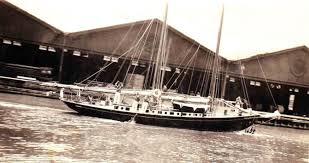
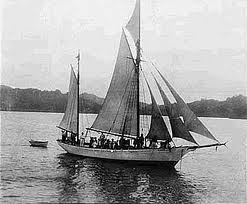
Above are pics of the schooner that ran marijuana shipments for the Brotherhood of Eternal Love. Some authors claim Pynchon was connected to BOEL. I knew the core members of the BOEL in Berkeley. We took on the United States Government and were in Europe. I bid the Brotherhood – rise!
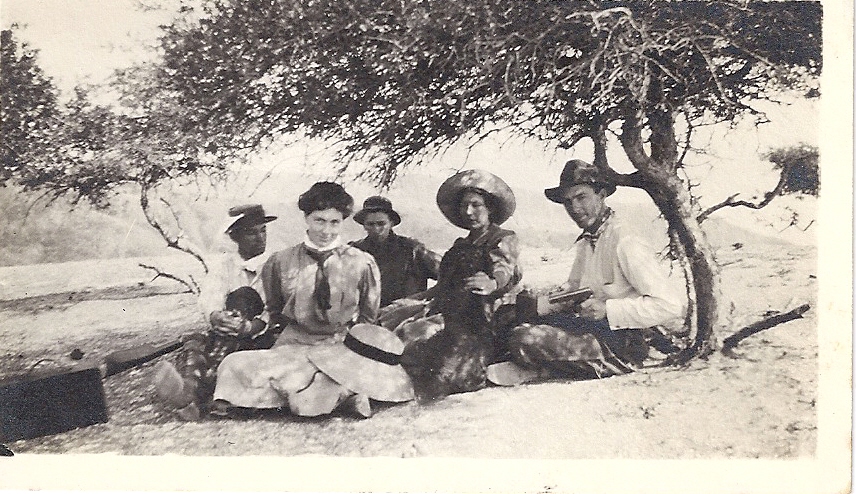
In the book and movie ‘Inherent Vice’ Doc ends up owning the scooner the Golden Fang, which I believe is based upon Jack London’s schooner ‘The Snark’ What’s in a name ‘The Narks’. I am a friend of Bruce Perlowin who had frieghters smuggle in pot un the Golden Gate bridge. I knew Owsley and Tim Scully, and Mr. Big who was behind them, in the dark. Above is a photo of my grandfather, Royal Rosamond, and his wife, Mary, camping on Santa Rosamond Island with members of the Black Mask.
Below is an article on my friend Bruce Perlowin ‘The King of Pot’. He was living with Michael Harkins who did a lot of PI work for Bruce. He was married to his ex-wife.
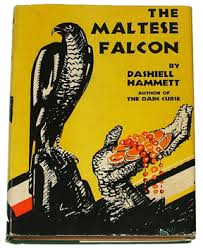
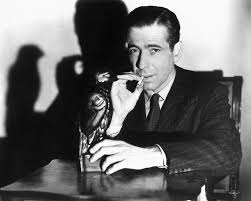
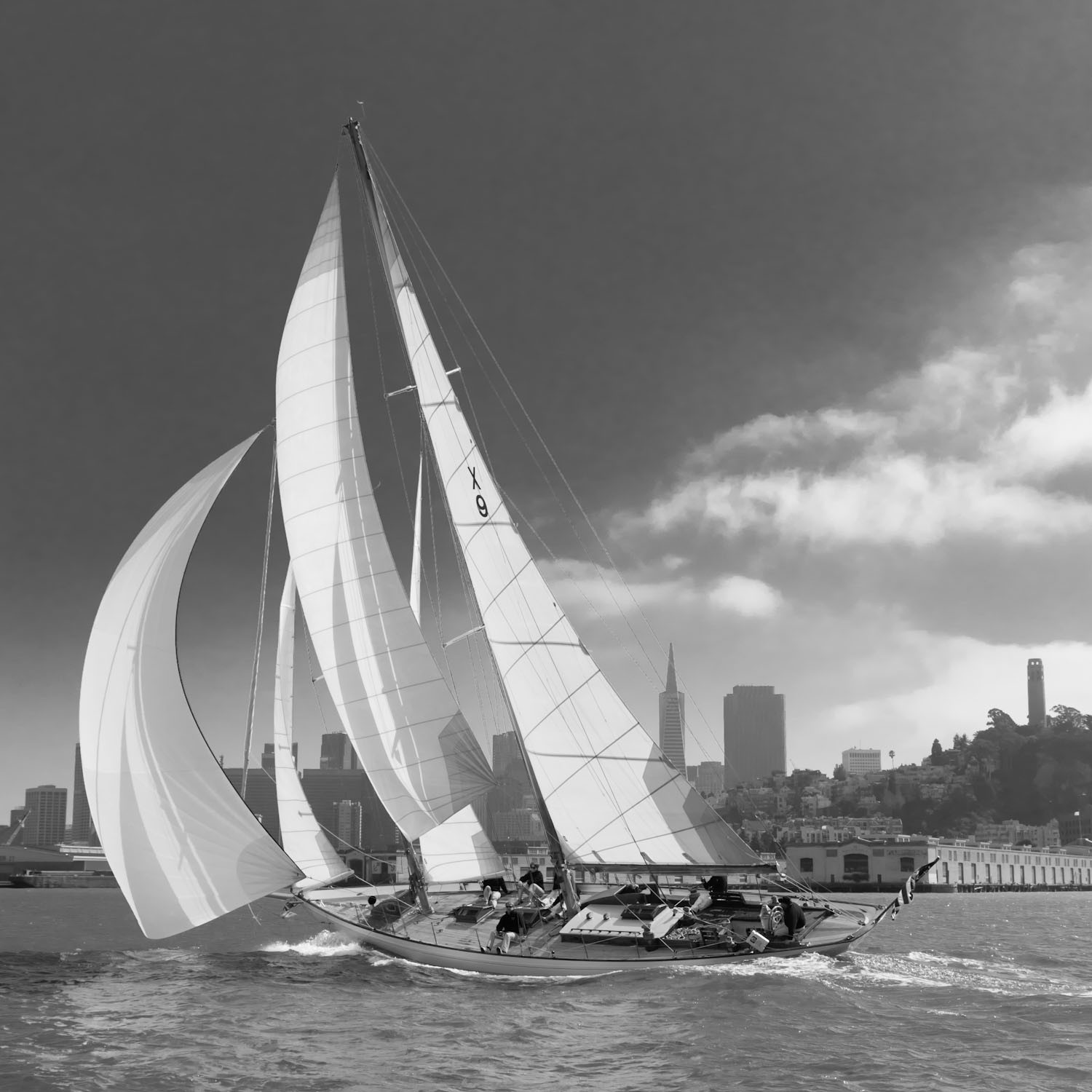
Royal and Dashiell Hammet, who wrote the Maltese Falcon, used t sail to the Channel Island together, and talk about their stories they were working on. Humphry Bogart owned a famous yacht named the Santana that sailed in San Francisco Bay. Was Bogy and London fan? Did he read White Fang?
Behold the Grail of Hollywood – The Maltese Falcon! I saw the movie ‘The Interview’ and one can make a strong case the CIA produced this movie that launched a cyber-attack against Sony.
Behold the Hand of a Knight Templar holding gold coins and gems next to the Falcon that is the Oscar of Film Noir. I own this falcon, and the Golden Fang that carried it in its hold.
Grail and ship upon the sea
the hand of male pointing the way
to Jonah’s tomb
and the true enemy
of our story
And, if anyone – including myself – have any doubts I am the King of Lone Mountain – BEHOLD – the last portal that the Rightful King passes through, to place the Grail of Hollywood in its rightful place. I raise Lazarus from the dead. He will lead my Grail Army against ISIS!
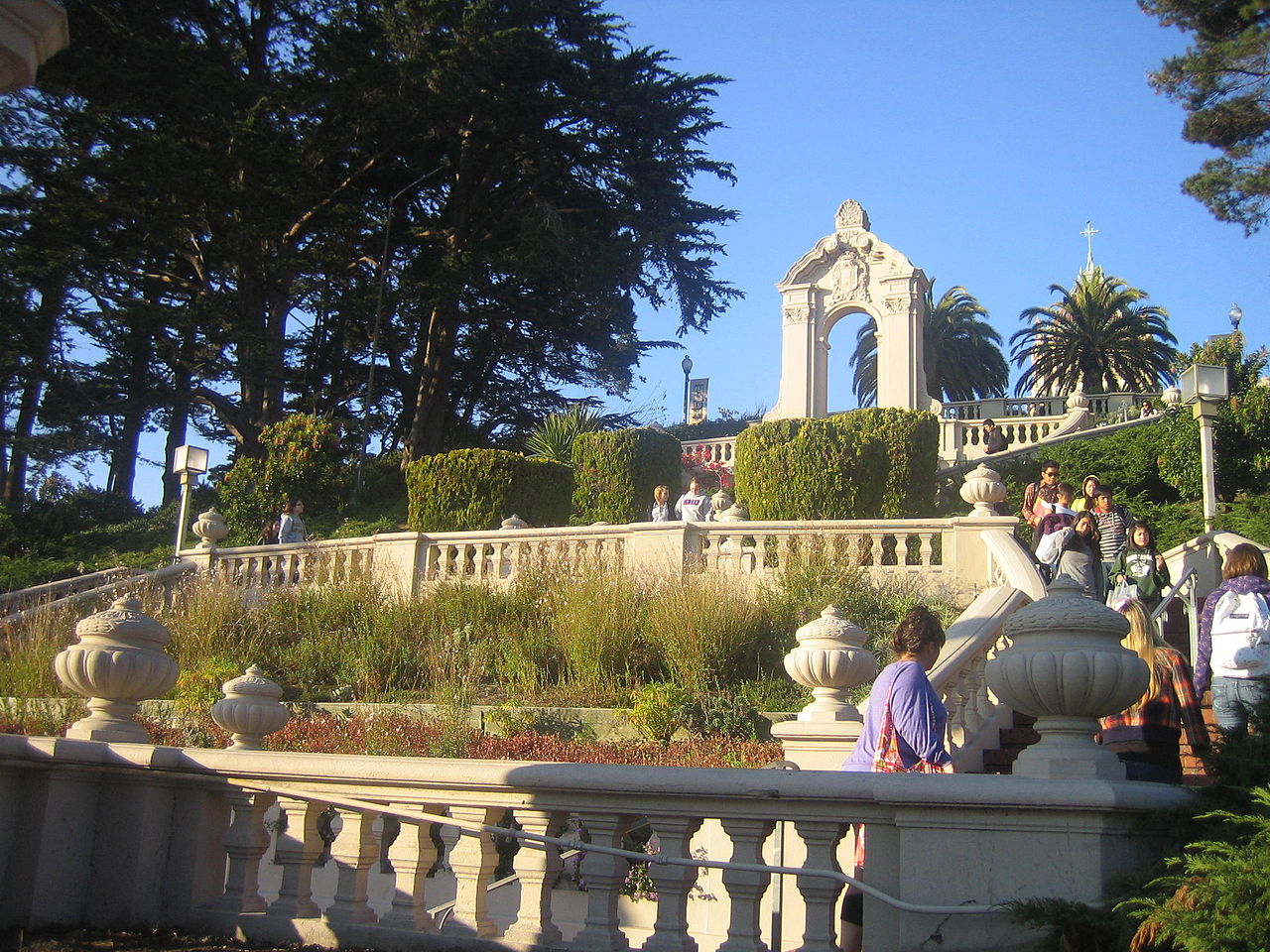
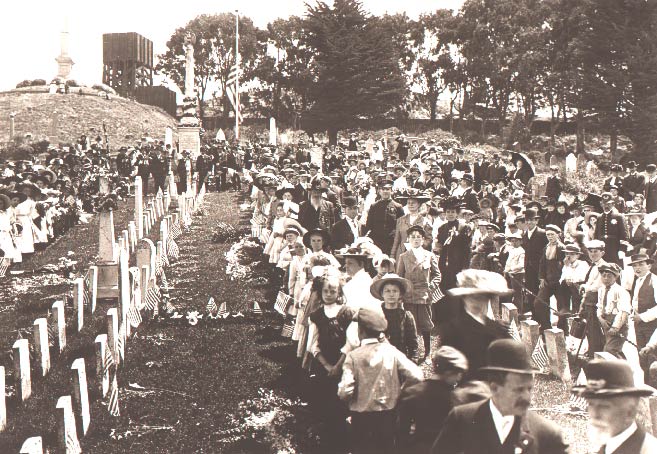
Below are some the lost souls that were evicted from Lone Mountain, they come to pay their respects to their dead ancestors. My kindred may be in this photograph taken at the foot of Lone Mountian.
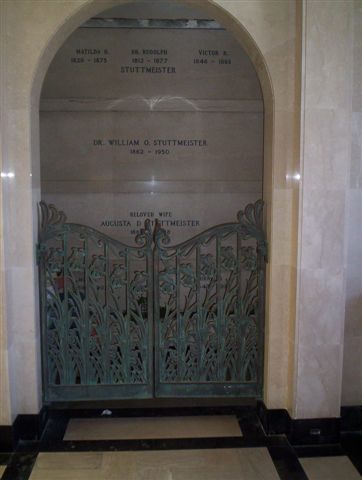
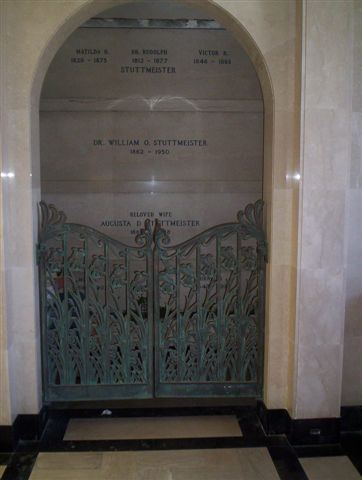
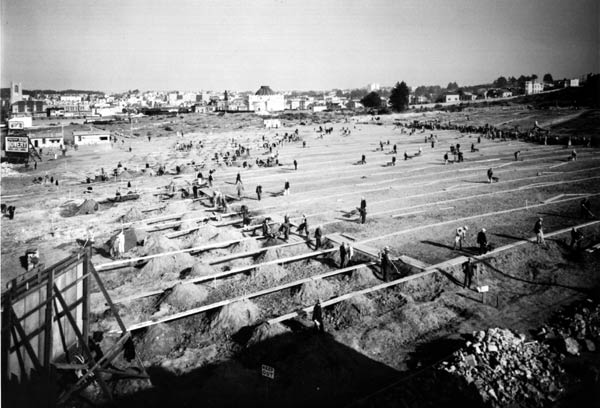
At great expense to himself, my great-grandfather, William Suttmeister, moved the bodies of his wife and kindred from the Laurel Hill cemetery in San Francisco to a tomb in Colma where I brought my daughter and grandson so they can own their heritage. These bodies were evicted from their graves. Many tombstones were used to make a sea wall.
Jon Presco
Copyright 2015


http://www.persee.fr/web/revues/home/prescript/article/rbph_0035-0818_1986_num_64_3_3552
Lone Mountain [1] is a historic hill in San Francisco, California, United States. It is immediately surrounded by the University of San Francisco (USF) campus, to the south of the Laurel Heights neighborhood. Lone Mountain is one of California’s historic hills. The hill is near to the former location of the Odd Fellows Cemetery, Masonic Cemetery, and Greek Orthodox Cemetery. The graves in these cemeteries, along with most graves in San Francisco, were moved to Colma by the 1940s. Lone Mountain is also home to the Angelo J. Rossi Playground and Rossi Pool at Arguello Boulevard and Anza Street.
Lone Mountain is also known as “University Terrace” because of the terraces that connect the two USF campuses.
Lone Mountain is a hill in west-central San Francisco, California and the site of the private University of San Francisco (USF) – Lone Mountain Campus, which in turn was previously the San Francisco Lone Mountain College for Women. It was once the location of Lone Mountain Cemetery, a complex encompassing the Laurel Hill, Calvary, Masonic, and Odd Fellows Cemeteries.[3]
In the early 20th century, San Francisco voted most of its cemeteries out of existence, ostensibly[clarification needed] for public health reasons; after decades of further dispute the transfer of Lone Mountain’s forty-seven thousand inhabitants began, primarily to Cypress Lawn Memorial Park in the city of Colma, immediately south of San Francisco. In what writer Harold Gilliam has described as “an act of civic vandalism,” thousands of crypts and mausoleums were unearthed, the granite and marble dumped along the Pacific shoreline to reinforce seawalls.[4]
The Spanish name for Lone Mountain was El Divisadero, from the Spanish divisadero, which means a point from which one can look far.[5]
Doc performs a switch operation[clarify] in order to hide the drugs and is later contacted by Crocker Fenway (father of Japonica) who acts as an intermediary for the Golden Fang. Doc arranges a handover, his only condition being that Coy is released from all of his obligations and allowed to return to his family. After the handover has taken place, Doc and his lawyer Sauncho hear that the Golden Fang schooner is leaving port. Along with the Coast Guard, they pursue the vessel, and watch as it is abandoned after encountering an enormous surf wave. Sauncho and Doc then decide to place a claim on the schooner.
http://www.tcm.com/mediaroom/video/16601/Maltese-Falcon-The-Original-Trailer-.html
Perlowin, who lives in Oakland, said he has sent out about 30 of the resumes so far, and gotten back about 10 positive responses.
He has not nailed down anything yet, but he said an “environmentally conscious” company handling a food product harvested in the rain forest has tentatively offered him a position as a national sales manager.
“I feel I’m highly qualified to enter the job market,” he said. “I’ve demonstrated my organizational skills.”
And quite an organization it was.
Perlowin–a slight, soft-spoken man of 41 who sounds more like a ’60s flower child than an entrepreneurial giant of the ’80s–cheerfully admits to running an operation that used a fleet of 90 boats and ships to haul 500,000 pounds of marijuana into California between 1974 and 1983. Sales totaled half a billion dollars.
He tells how he hired a research firm in Berkeley to study how other major drug dealers had operated, “finding out what mistakes they had made,” and seeking out the weak spots in law enforcement so he could set up his own counterintelligence system.
He talks about his hilltop surveillance centers that overlooked San Francisco Bay, crammed with sophisticated electronic gear used to monitor the FBI, Coast Guard, Drug Enforcement Administration, customs agents and police.
He mentions the 1,000-foot pier he bought in the bay, safely under the radar shadow cast by the Richmond Bridge, where he set up a dummy boat-building works to cover massive offloadings of marijuana, “right under their noses.”
Also, he describes an elaborate money-laundering scheme–involving a Las Vegas casino, a Luxembourg trust, a Panamanian corporation and a bank in the Grand Cayman Islands–that he used to process the vast flow of small-denomination “street bills” generated by his illicit business.
And he reminisces, a bit wistfully, about the $3-million mansion that he built in a lovely canyon in Mendocino County–complete with bulletproof walls, a stairway that could be electrified to repel invaders and a complex communications center that tied him to the disparate operations of his international smuggling ring.
Thirty months after federal agents closed down his marijuana operation in 1983, Perlowin told The Times in a jail interview that he had been “the biggest in California–one of the biggest anywhere. No one else came close to the scale we were operating on.”
Federal officials did not dispute any of this.
“He’s for real,” Assistant U.S. Atty. James Lassart, head of a drug task force in San Francisco, said at the time. “When you meet him, you think he’s kind of flaky. But after you get to know him, you realize what he says is true. We corroborated it.”
PORTSMOUTH — A 55-foot schooner known affectionately as “Bogie’s Boat” after its former owner, the late movie star Humphrey Bogart, arrived recently in Melville for a complete refit and restoration.
The yacht built in 1935 arrived at Loughborough Marine Interests LLC about three weeks ago after being hauled by truck in a custom-built cradle from San Francisco.
“We will be embarking on a huge refit and restoration of the yacht starting next month,” said Joseph Loughborough, owner of the company. “We basically have to take the boat apart and rebuild it stick by stick.”
Getting the contract for the restoration of the yacht, which Bogart named Santana, is very exciting because it is so historically significant, Loughborough said.
The owners of the boat surveyed it in California to find faults but they missed a lot of things that need replacing, he said.
“We have done a couple of her sister ships so we have a pretty good idea where to look a little harder,” he said.
He estimated the refit and restoration would take 18 months with crew of eight or 10 workers or even 15 experienced workers in some instances. The work is likely to cost about $1.5 million.
“She is going to be gorgeous but there is a lot of work to do,” Loughborough said of the Santana. “I mean really a lot of work.”
The druids were tree worshippers, especially the oak. The holly was their most sacred symbol because it was sacred to mother Holle or Hel, the [Norse] goddess of the underworld…
…thus we have Holle, or Holly-wood (Hel-wood, the “place of magic”) and home of the Illuminati’s mass propaganda and conditioning machine in California.
http://www.sfexaminer.com/sanfrancisco/colma-and-sf-have-lively-history-together/Content?oid=2916985
http://inherent-vice.pynchonwiki.com/wiki/index.php?title=Pynchon’s_California_Trilogy_and_the_CIA
WOODEN SHIPS ON THE WATER
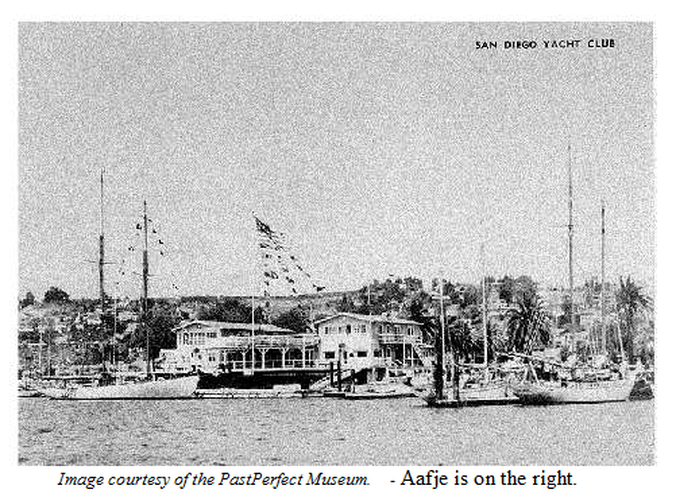
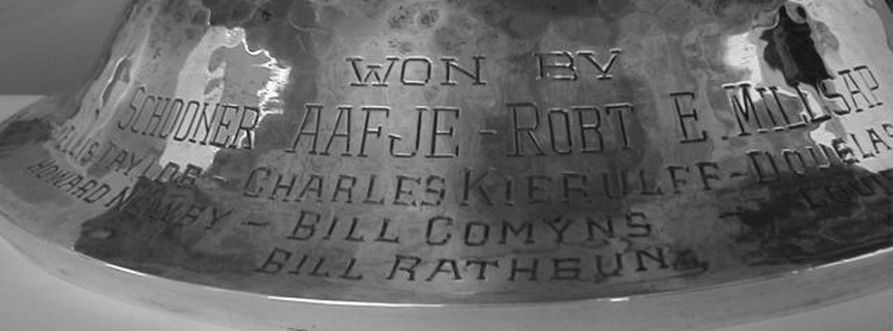
In early 1970, Padilla and Brotherhood associates purchased the historic Aafje schooner. Jimmy Dale, Joe Angeline, and Malcolm – all Brotherhood men – were on board, and had anchored offshore of Mexico, outside the twelve mile limit. Padilla arranged to load kilos of pot on the boat, with motor launch after motor launch loading the cargo. This 1500 kilograms of Mexican weed was the parent strain of “Maui Wowie”.
Schou reports in Orange Sunshine: The Brotherhood of Eternal Love and Its Quest to Spread Peace, Love and Acid to the World: “Padilla arrived on the island in May 1970 by the most arduous route imaginable. Along with a handful of friends, almost none of whom had any sailing experience, he sailed to Maui on the Aafje, a 70-foot yacht the Brotherhood had loaded with a ton of high-quality Mexican marijuana it dubbed “Lightning Bolt,” the clones of which, when planted on Maui, became the legendary “Maui Wowie” strain. Because the boat had no functioning navigational equipment, the Aafje strayed off course by hundreds of miles, surviving several tropical storms in the process; the trip was saved when a sympathetic Norwegian ship captain gave them fuel and food to complete their voyage.”
LONDON, Aug 6, 1999 — Ken Kesey and his psychedelic troupe of jesters, the Merry Prankster’s, took their historic intredpid journey to England today . Their magic bus “Further”, which had been shipped several weeks ago from San Francisco, safely navigated the Atlantic ocean and arrived for the first time on the European continent.
“The Search for Merlin Tour,” the Prankster’s official agenda while they will travel England and the British Isles for the next month, is a remarkable continuation of a legacy which began with the first bus trip in 1964 – a legendary journey that spawned the “Electric Kool-Aid Acid Tests” and was at the heart and soul of a psychedelic revolution.
The tour is being sponsored by Channel Four Films in London, which is producing a TV speries looking back on the Summer of Love. Two of the segments will focus exclusively on the Prankter’s travels in UK.
Here is a video of Bruce with Reverend Doug Van Dyke “Doctor of Divinity” I doubt the Doc can quote me one verse from the Bible, but, he is next to Bruce in oder to prove he has a spritual program of some kind – that might heal you! Doug is a secular Jesus pot-head. In many ways he is – me – the me I used to be, that hippie who grew up in Oakland, and who was adopted by the Robert Hamilton, the man behind Owsely, who with his brother Tim Hamilton, sold LSD all over the world.
Below is a vdio of Buzzy Linhart who had a legal marijuana orginization years before Bruce. Buzzy is a friend of Chris Wandel, and went to this show with Joe Marra who owned the Night Owl Cafe in the village. Chris dated Peter Shapiro of the Loading Zone.
Michael became friends with Bruce when he went with his wife and Bruces son to visit The King in prison. Michael was good friends with the beat poet Michael MacClure, and Jim Morrison. He was approached by Stone’s people and asked Michael about his friendship with Jim. They wanted material for the movie The Doors.
Michael told them their movie will suck, and they can go fuck themselves. The movie sucked, as will Bruces movie, as will the movie about my famous sister, will suck, because, Rosamond’s biography sucks, and the people who want to make money – suck the most!
Michael worked as a Private Investigator, and went with me to Carmel to attend the funeral of Christine Rosamond Benton. It was Michael who alerted me to things that were – fishy! If you put Rosamond’s, Bruces’s and Jim’s story-movie together, then you might have an interesting story about folks who like money, sex, drugs, and power!
Above is the price list mu ex-brpther-in-law sent out to steady customers of Rosamond images – a week after she drowned. The probate would ot get under way until a year later due to the huge legal battle over – money – because most folks who surrounded Christine believed the price of dead artist’s work would skyrocket! Instead of the Drunken Rosemary prints being worth $250,000 dollars, they might bring in a cool million. Then there are the book and movie sales. Carrie Fisher did one screenplay.
I am good to go if the outsider get a movie contract, I already acted when it came to one of Bruce’s most famous investors in Rain Crips ceral bars. I’m talking about Victoria from Chicago, the queen of the Blue Meanies, who after a couple of freakouts at the airport and motel, became convinced the Mafia was behind Bruce, and, she would be snuffed out because she got too close to Mr. Big. That’s when I got a urgent call from Michael;
“Get up to Wandas and meet me in the backyard. I’m bringing this woman to meet you. Pretend you are the Godfather. Reasure her I am not a hit man for the Mafia.”
I got in my gold Cadillac and headed for Wanda’s Hideaway. In the backyard I found a coffee cup, and prentended it was full of coffee. There was a newspaper I pretended to read, as she came through the gate. I could hear her gentle whimpering, she believing she had minutes to live. Then she saw me.
Before I could stand up to shake her hand, she has fallen to one knee, and is grasping my hand hard. I spoke gently to her, my blues eyes, bathing her in wisdom and understanding, that, told her things do not have to go badly, and, putting my hand on her shoulder I said;
“You’re under my protection now. (and Wanda’s) You need no longer worry! Michael, make sure no harm comes to Victoria.”
Vicki broke out in tears and cried;
“Oh! You are not what I expected at all. You are a gentle giant!”
Stuttmeister-Janke Wedding at Ralston Hall
Posted on September 9, 2011 by Royal Rosamond Press


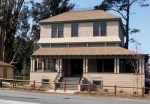


This morning I opened an email from my kin, Murray Oltman, and read the proof of what I have been saying for over ten years, being, Augusta Stuttmeister, the beloved wife of William Oltman Stuttmeister, is kin to Carl Arugusta Janke the co-founder, if not sole founder of the City of Belmont California.
William August Janke, native of Hamburg, Germany, born Dec. 25, 1842, died Nov. 22, 1902, son of Carl August & Dorette Catherine Janke.
Carl Janke came to San Francisco in 1848, one year before the Gold Rush. According to an article in the DAR, he brought six portable houses around the Cape and erected them in Belmont for gold miners who had struck it rich. As fate would have it, William Ralston ‘The Man Who Built San Francisco’ and his partner, lived in Belmont in a house that still stands, called Ralston Hall. I believe this is one of Janke’s homes that Coun Leonetto Cipriani purchased, and added on to. This house had 5,000 screws in it according to one (lost) article I read. Another lost article said these homes were manufactured in Mass. then shipped to California. I suspect two of these homes are found on Dolores Street in the Mission. One article said one house was moved a distance from the Tanforan ranch. The name Tanforan may have been the name of the Theme Park that Janke built in Belmont, perhaps the first in California. It also might be Turnverein, the German gymnastic clubs of the Forty-Eighters. There is much evidence the Stuttmeisters were members of the Turner Societies of Free-thinkers.
What is truly astounding, is that Sir Thomas Hesketh married Florence Sharon at Ralston Hall, and Florence Breckenridge married their son. Florence descends from John Witherspoon,and thus is kin to the Jessie Benton Fremont, thus the Presco family, when Christine Rosamond Presco married Garth Benton.
This is truly a Rags to Riches story. Christine and I used to take walks in Piedmont where the Sharon family lived. The Hesketh family are in the Peereage.
Then there is the Oddfellow gathering in Belmont that may have been staged by William Ralston. The Oddfellows were forming a union with the Freemasons and holding Knights Templar titles. Was the Stuttmeister-Janke union a Masonic-Odfellow marriage? If so, my family owns all those legends that Dan Brown gathered into his basket to create a money-making work of fiction.
When my daughter gets married, I will do all that is humanly and divinely possible to see that she ties the night at Ralston Hall, because; “All’s wll, that ends well!”
Jon Presco
Copyright 2011
Florence Louise Breckinridge was born in November 1881 at California, U.S.A..2 She married Thomas Fermor-Hesketh, 1st Baron Hesketh, son of Sir Thomas George Fermor-Hesketh, 7th Bt. and Florence Emily Sharon, on 9 September 1909 at British Embassy Church, Paris, France.
1888: From the Daily Alta, an article on the marriage of Dr. William O.
Stuttmeister and Augusta D. Janke.
Daily Alta California, Volume 42, Number 14175, 24 June 1888
STUTTMEISTER-JANKE.
One of the most enjoyable weddings of the past week took place at
Belmont, Wednesday morning last, the contracting parties being Miss
Augusta Janke, daughter of Mr. and Mrs. August Janke of Belmont,
and Dr. Wm. Stuttmeister of San Francisco. The house was
handsomely decorated with a rich profusion of ferns and flowers, and
at the appointed hour was filled with the relatives and intimate friends
of the contracting parties. At 11 o’clock the wedding march was played
and the bridal party entered the parlor. The bride was attended by Miss
Alice Stuttmeister, a sister of the groom, and Miss Minnie Janke, a
sister of the bride, as bridesmaids, and Dr. Muldownado and Wm.
Janke, a cousin of the bride, were groomsmen. The Rev. A. L. Brewer
of San Mateo performed the beautiful and impressive ceremony under
an arch composed of flowers and greens very prettily arranged, after
which the guests pressed forward and offered their congratulations.
The bride was attired in a very pretty and becoming costume of the
crushed strawberry shade, and wore a corsage bouquet of orange
blossoms. She carried a handsome bouquet of white flowers. After the
guests had paid their compliments the bride and groom led the way to
the dining-room, where the wedding dinner was served and the health
of the newly married pair was pledged. The feast over, the guests
joined in the dance, and the hours sped right merrily, interspersed with
music singing and recitations, until the bride and groom took their
departure amid a shower of rice and good wishes. Many beautiful
presents were received. Dr. and Mrs. Stuttmeister left Thursday
morning for Santa Cruz and Monterey, where they will spend the
honeymoon. On their return they will make their home in Belmont.
1911: Dr. Willian O. Stuttmeister was practicing dentistry in Redwood
City, CA. (Reference: University of California, Directory of Graduates,
1864-1910, page 133).
Records from Tombstones in Laurel Hill Cemetery, 1853-1927 – Janke
– Stuttmeister
Mina Maria Janke, daughter of William A, & Cornelia Janke, born
February 2, 1869, died March 1902.
William August Janke, native of Hamburg, Germany, born Dec. 25,
1642, died Nov. 22, 1902, son of Carl August & Dorette Catherine
Janke.
Frederick William R. Stuttmeister, native of Berlin, Germany, born
1612, died January 29, 1877.
Mrs. Matilda Stuttmeister, wife of Frederick W.R. Stuttmeister, born
1829, died March 17, 1875, native of New York.
Victor Rudolph Stuttmeister, son of Frederick W.R. & Matilda
Stuttmeister, born May 29, 1846, died Jan. 19, 1893, native of New
York.
http://www.ebooksread.com/authors-eng/daughters-of-the-americanrevolution-
california-s/records-from-tombstones-in-laurel-hill-cemetery-
1853-1927-gua/page-6-records-from-tombstones-in-laurel-hillcemetery-
1853-1927-gua.shtml
http://www.ralstonhall.com/tour/video.html

Independent Order of Odd Fellows
THE SOVEREIGN GRAND LODGE
History of American Odd Fellowship
Below is taken mostly from Odd Fellowship: Its History and Manual by Theo A Ross With additional updates added from the The Encyclopedia Americana.
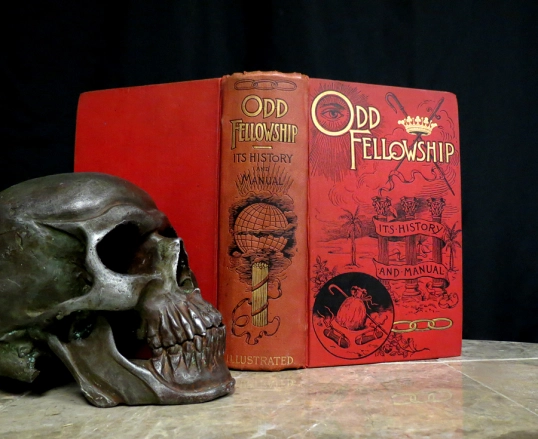
Rise of the American Order
The first lodge established on this continent was Shakespere, No. 1, New York city, 26 Dec. 1806. The five Odd Fellows composing this lodge were of the Loyal Independent Order and the moving spirits were Solomon Chambers and his son John C., English mechanics from the south of London.
The founders were three boat builders, a comedian, and a vocalist – a group befitting the name “Odd Fellows,” indeed. The lodge was self-instituted, a common practice in those times. Their first candidate was a retired actor who was the keeper of the tavern where they met. Accounts state that lodge meetings were accompanied by merry making and mirth and that the wares of the tavern were freely indulged in.
The early members were zealous workers and other lodges were soon organized. In 1809 the roll of membership, in the six New York City lodges, comprised 36 prominent citizens and business men, as well as many others of less influence. Shakespeare Lodge was dissolved in 1813 due to poor attendance brought on by controversy over the War of 1812. The other lodges of which little is known existed briefly until 1816. In 1818, Shakespeare Lodge in New York was re-instituted in the Red Cow tavern, operated by a former member who had in his keeping the books and papers of the former lodge.
Enter Thomas Wildey
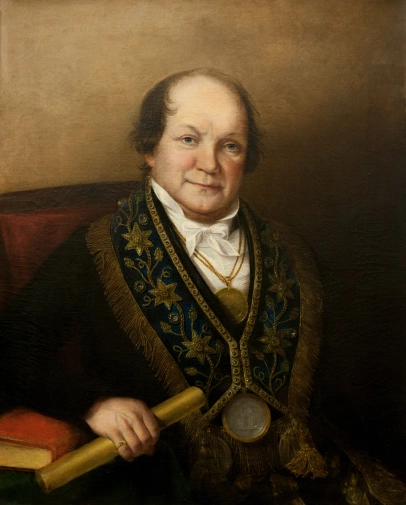
Washington Lodge, No. 1, of Baltimore, was organized 26 April 1819 under the leadership of Thomas Wildey, now recognized as the founder of American Odd Fellowship.
Thomas Wildey was born in London, England, January 15, 1782. He was left an orphan five years later – and the Odd Fellow pledge to “Educate the Orphan” sprang from his personal childhood experiences. At the age of 14, Wildey went to live with an uncle. After he had 9 years of schooling, he became an apprentice to a maker of coach springs. He was initiated into the Odd Fellows in 1804 on reaching manhood (age of 21) in which he distinguished himself by his zeal and integrity and quickly “passed the chairs”.
When restlessness brought Thomas Wildey to America in 1817, the British were still unpopular in the States because of the War of 1812. In that year Baltimore was suffering both a yellow fever epidemic and mass unemployment. An outgoing personality, Wildey missed companionship and was determined to find if there were any other Odd Fellows in Baltimore.


It took Wildey two attempts, on 13 Feb. 1819, when he advertised in the Baltimore American; and, again, 27 March 1819, before the required “five for a quorum” had been obtained. On the 26th of April 1819 in the Seven Stars Tavern the five self-instituted Washington Lodge No. 1. The minutes state that the manner of institution was “ancient usage.” This ceremony consisted of Wildey’s obligation of himself in the presence of the others, and, in turn, the obligation of his companions. Subsequent events would indicate that the Manchester Unity ceremonies of 1816 were used by Wildey and his four associates: John Welch, John Duncan, John Cheatham and Richard Rushworth.
A second lodge was formed in Baltimore in 1819, but these two lodges and those in New York were unaware of each others’ existence for some time, communications being slow in those days, and there being no reason such information would travel from one city to another except by pure chance.
On 26 Dec. 1821 Pennsylvania Lodge, No. 1, Philadelphia, was formed, like those in New York, Boston and Baltimore, on the self-institution principle, John Pearce being the leader and his associates were, likewise, English mechanics. While the Order had been planted in four States and the chief cities thereof according to ancient usage, an effort was soon made to frame constitutions and to obtain charters from the so-called regular bodies of Odd Fellows in England.
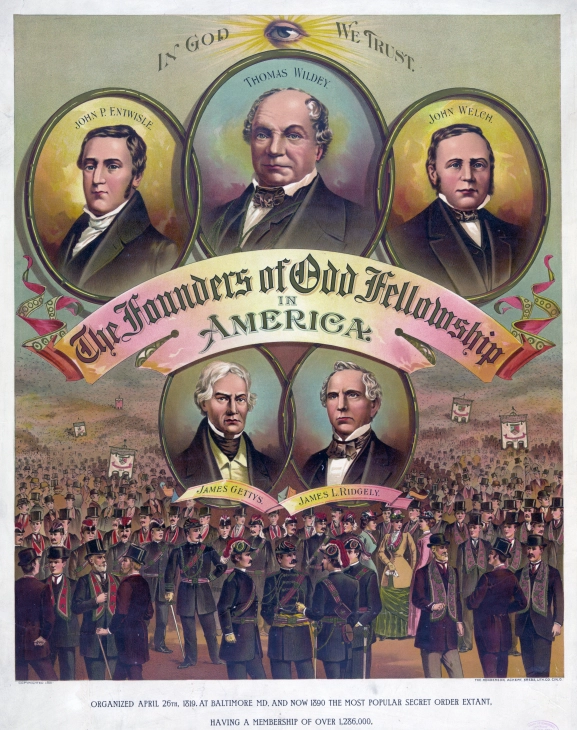
The consolidated Order became at once homogeneous and prosperous. As a prelude to these momentous events, coincident with the actual foundation of the American Order, the managers in Maryland had organized the Grand Lodge of Maryland and of the United States, 22 Feb. 1821, which relegated Washington N0. 1 and others, in Maryland, to the condition of subordinate lodges.
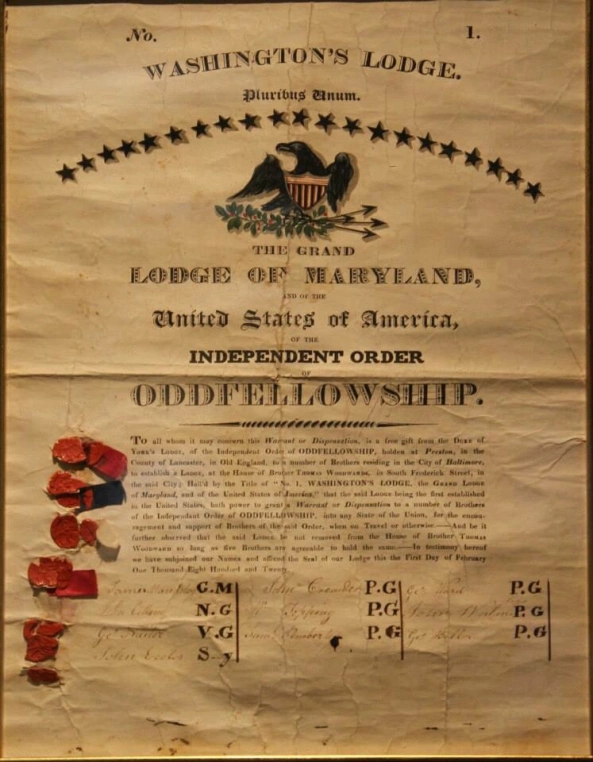
Following the centralization of the government of the four pioneer commonwealths, the “Grand Lodge of the United States” was evolved, on 15 Jan. 1825, by the representatives of the Grand Lodges of Massachusetts, New York, Pennsylvania and Maryland, the last-named taking her place with the State Grand bodies, subordinate to the sovereign head. This theory of a government composed of one head, the source and repository of all true Odd Fellowship, with subordinate State bodies and lodges subordinate, in contradistinction to the English system of a governing movable committee, was due to the genius of John Pawson Entwistle, who had joined the Order in 1820, becoming the brains of the young organization; Entwistle, the first Deputy Grand Master, was afterward Grand Secretary, but his career as a “builder” was cut short by his early decease.
The last link in the chain of regularity was forged 15 May 1826, when the American body was chartered by the Manchester Unity. Significant of this, the early charters were issued to the Order of Independent Odd Fellows and the branches originating in the United States were organized irrespective of the consent of the English body even prior to 1842-43, the date of official separation.
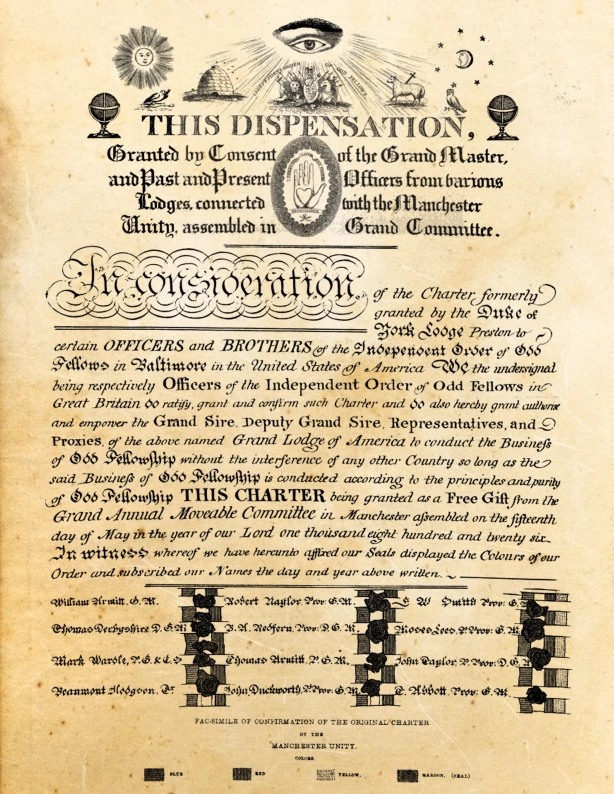
Thomas Wildey held the position of Grand Sire (Now referred to as Sovereign Grand Master) until 1833 when he retired from official station, though remaining an active working member of the Order, and a regular attendant at the sessions of the Grand Lodge of the United States.
With the official split from the Manchester Unity in 1843, the organization name was changed to Independent Order of Odd Fellows.
On September 20, 1851, IOOF became the first national fraternity to accept both men and women when it formed the Daughters of Rebekah. Schuyler Colfax(Vice President of the United States (1869–1873) under President Ulysses S. Grant) was the force behind the movement. This is a branch to which both sexes are admitted, but was made with a view to admitting women to the Order. Later the name was changed to Rebekahs.
In 1861, Thomas Wildey passed away. At the time of his death, there were more than 200,000 members of the IOOF. In April 1865 a monument was erected to Wildey in Baltimore, consisting of a statue on a Doric column that is 52 feet in height. The monument is located on North Broadway Street between East Baltimore and Fayette Streets.
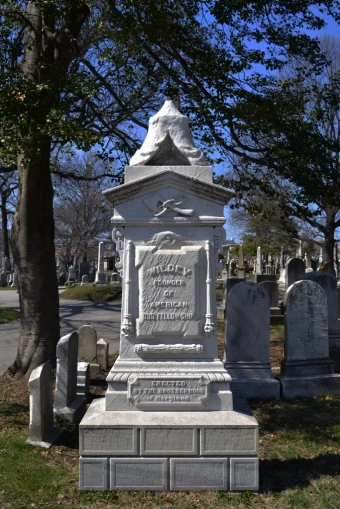
The American Civil War (1861–1865) shattered the IOOF in America; membership decreased and many lodges were unable to continue their work, especially in the southern States. During these years, the roll of the Southern jurisdictions was regularly called during the annual sessions of the Sovereign Grand Lodge. At the close of the war, the officers and members in the South were welcomed to the chairs and seats which had been held for them during the four years of strife and separation. The roll-call at Baltimore, 18 Sept. 1865, by the venerable Grand Secretary Ridgely, was notable even in fraternal circles. Every survivor answered to his name and appointments had been made to fill vacancies so that the representation was complete. Attempts had been made throughout the States composing the Southern Confederacy, with varying success, to keep up the organizations of the Order; but, at this reunion, measures were unanimously adopted whereby fraternal hands and hearts assisted in rebuilding the waste places. This was the first fraternization of the Blue and the Gray. The procession in the streets of Baltimore the next day, occupying more than one hour in passing any given point, attracted national attention. The marshals were Joseph Kidder of New Hampshire and John Q. A. Herring of Maryland.
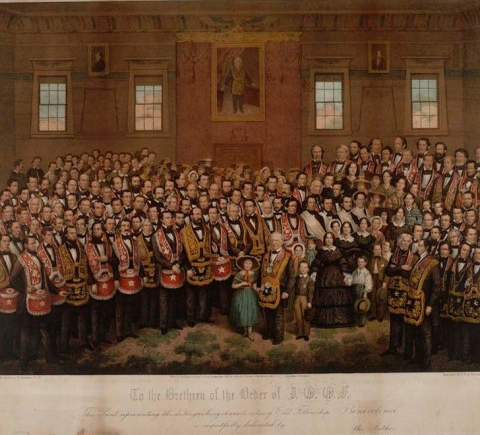
The Golden Age of Fraternalism
After the Civil War, with the beginning of industrialization, the deteriorating social circumstances brought large numbers of people to the IOOF and the lodges rallied.
Over the next half-century, also known as the “Golden age of fraternalism” in America, the Odd Fellows became the largest among all fraternal organizations, (at the time, even larger than Freemasonry). By 1889, the IOOF had lodges in every American state. In 1896, the World Almanac showed the Odd Fellows as the largest among all fraternal organizations.
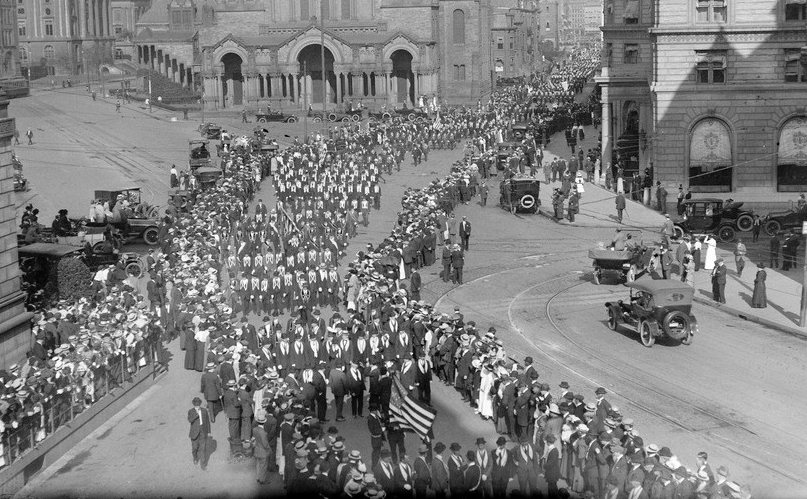
By the late nineteenth century, the Order had spread to most of the rest of the world, establishing lodges in the Americas, Australasia, and Europe. According to the Journal of the Annual Communication of the Sovereign Grand Lodge 1922, page 426, there were a reported 2,676,582 members. While this data from 1921 may not be the exact zenith of its membership, the organization experienced a loss in membership of 23.5% between 1920-1930. This shift was due to the Great Depression and the introduction of Franklin D. Roosevelt‘s New Deal which knelled the end of the Golden age of fraternalism and started a decline in membership. During the Depression, people could not afford Odd Fellows membership fees and many lodges closed, and when the New Deal’s social reforms started to take effect, the need for the social work of the Odd Fellows declined. The Modern Era
In 1971 the IOOF changed its constitution, removing its whites only clause. In 1979 the Order had 243,000 members.
In 2001 the IOOF voted to allow women to join the Odd Fellows itself.
Although there was a decline in membership in fraternal organizations in general during the 20th century, membership in the 21st century started to increase with new generations discovering the charitable fraternal experience with the Order, being drawn to its “History and its Mystery”. Several jurisdictions are experiencing a net growth in membership and the Order has been recently reestablished the Grand Lodge of the Philippines.
April 26, 2019 Marks the 200th anniversary of the self institution of Washington Lodge No. 1 by Thomas Wildey.
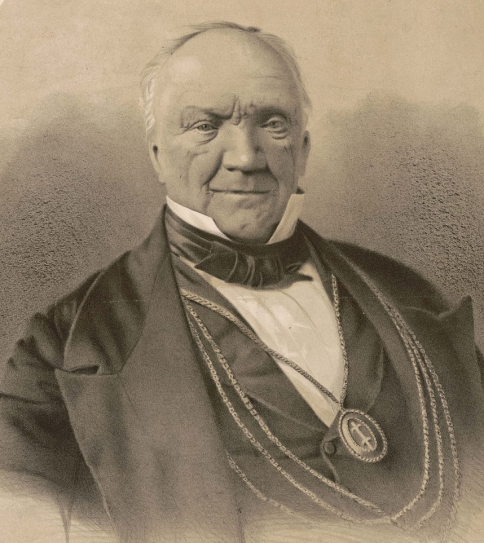
Government and Degrees
Between 1826 and 1885 the government of the Order had been evolutionary in its nature. The inheritance from England in ritualistic matters was the merest outline of a possible utility. The degrees were crude in structure and unsuited to the genius of a modern fraternal society, being copies from orders of other origin — notably from Masonry. When the foundations of government had become settled, attention began to be paid to degrees of higher significance than the lodge system. Entwistle gave the first impulse to this part of the fabric of Odd Fellowship.
After his death the work was continued by a long line of distinguished Odd Fellows, including such American citizens as James L. Ridgely, Grand Secretary from 1838 to 1881; James B. Nicholson, Isaac McKendree Veitch, Schuyler Colfax, who may be said to have been the “builders” of the Order; Rev. Edwin H. Chapin, D.D., Rev. James D. McCabe, D.D., Tal. P. Shaffner, who, together with Entwistle and Ridgely, were largely the authors of the present American ritual. Two English degrees and one American, finally, made up the encampment series. As early as 1821-25 these were conferred in connection with the lodge department. The final separation of the encampments into a distinct branch, higher than the lodge and governed by Grand Encampments, did not occur until 1841.
In 1851-52 the Rebekah degree was adopted, its author being Schuyer Colfax.
The sequence of degrees was completed in 1885 by the adoption of the Patriarchs Militant and organization of the uniform or display branch. The Grand bodies followed the sequences of the degrees.
In 1879 the name of the supreme body was changed to the Sovereign Grand Lodge, a title more in consonance with its inherent powers, especially in its jurisdiction without the United States of America. The Sovereign Grand Lodge is made up of Grand Representatives from the Grand Lodges and Grand Encampments of the United States and Canada. Grand Lodges possess jurisdiction over State and Provincial Rebekah Assemblies and Rebekah lodges, as well as in the government of subordinate lodges. The Patriarchs Militant, with the local unit, called Canton, is organized like the United States Army, with Department Councils, all under the immediate government of the Sovereign Grand Lodge.
In Australasia, Denmark, Germany, the Netherlands, Sweden and Switzerland, Quasi-Independent Grand Lodges govern the Order. These hold an allegiance to the Sovereign Grand Lodge, use the American ritual modified, and a common bond exists in connection therewith; but they do not enjoy a representation in the sovereign head. They, however, govern the Order in the countries named and conform to the laws and usages of the civil governments thereof. The development of this dual system was the labor of many years and varied experiments.
Other Organizations of Odd Fellows
The largest body is the Manchester Unity Manchester Unity, numbering 950,000 members. It has lodges throughout Great Britain and its colonies — a few in the United States — and is, in effect, a chartered benefit society. Annual reports are made to the government, under the laws regulating Friendly societies and actuaries determine the solvency or insolvency of the Order and license lodges accordingly. In ritual matters, likewise, it has nothing in common with American Odd Fellowship. The English Grand United Order ranks next in relative importance and is the parent body of the Grand United Order of Odd Fellows in the Americas, Caribbean, and Africa for members of color founded in 1843 by Peter Ogden. Other Friendly societies exist in Great Britain and are of more or less importance as health insurance associations.v
 Rosamond Press

Leave a comment