

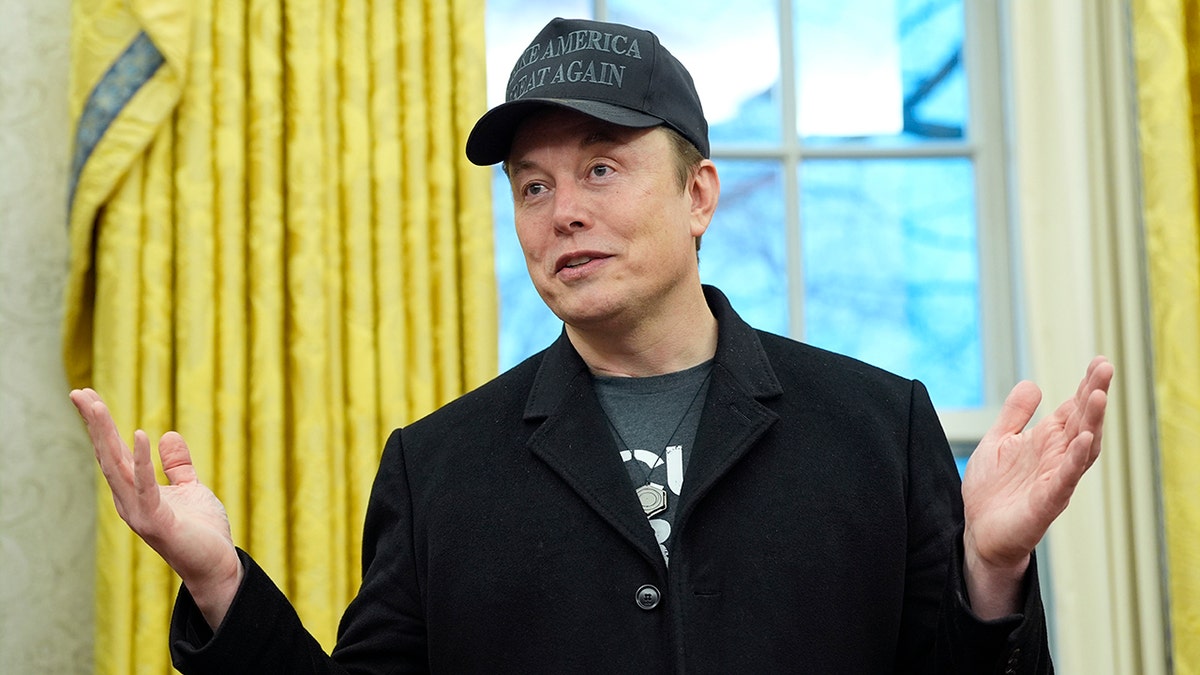
“I’m not armed. sheriff. If you insist on searching me, my boss, T-Bone Donny, can make life very difficult for you. I hear you sent your daughter to Cornell. How does she feel about the Republic of New Israel in Baja California?”
Royal Rosamond Press is studying if Rena Easton should be the model for the Middle America Statue of Beefy Montana Goodness. With the accusation Trump engaged in inside trading, we have the Robber Train Baron who knows where the trainline is going and buys up the land of ranchers and sheep herders. There are holdouts. Dirty T-Bone send his gunslinger to bully people, and scare them into selling.
Its hard to find any bad news about any Republican in Montana that is a Red State. My newspaper will take an honest look at the Cowboy Culture in America. Why are gambling saloons allowed? Hardworking cowboys go there to pay for whores, and lose their money to Card Sharks. This is better than cowpokes having a Woke relationship with each other, and saving their money to buy a small ranch. I see Western Saloons as the Stock Market.
John Presco
EXTRA! After I posted this, I turned on CNN and heard Brook Rollins give a glowing, UN-REAL report on The Beef. It is clear Trump has created an Un-Reality Show, where everyone is just an arm of the Giant Master Octopus. Trump has lost touch with reality. He may be planning a military parade on his birthday, like his Dictator Buddy enjoys.
https://www.facebook.com/greg.presco/videos/571272172046749
Senator Adam Schiff on Wednesday called on Congress to investigate whether President Donald Trump engaged in insider trading or market manipulation when he abruptly paused a sweeping set of tariffs, a move that sent stock prices skyrocketing.
“I’m going to do my best to find out,” Schiff, a California Democrat, tells TIME. “Family meme coins and all the rest of it are not beyond insider trading or enriching themselves. I hope to find out soon.”
Schiff’s comments regarding a formal inquiry, which has not been previously reported, came soon after the S&P 500 surged more than 9% Wednesday afternoon after Trump announced the tariff pause. “THIS IS A GREAT TIME TO BUY!!!” Trump posted on Truth Social minutes after the market opened on Wednesday, along with the letters “DJT,” which stands for both his initials and the ticker for his media company.
Baja Israel – Is Reborn!
Posted on May 29, 2024 by Royal Rosamond Press


Tariffs Hit Montana, Mixed Impacts on County, Crude Oil, Ag, Cars & Beer
Published: 7 April 2025
Written by Press Room
No comments
Categories: Business

By Evelyn Pyburn
President Trump’s tariffs on Mexico, Canada and China could have significant impacts on Montana. In fact, Montana could be the most impacted state in the nation because the state is the most dependent upon imports.
Montana tops a list of eight states that will see at least two-thirds of their imports impacted, according to Lending Tree.
Montana gets over 91% of its imports from Canada alone. LendingTree said that some states send a majority of their exports to these countries, making them vulnerable to retaliatory tariffs.
In 2024, Canada, Mexico and China accounted for 42 percent of total US imports. Mexico stood out as the top exporter with $466.6 billion, according to the US Census Bureau. Mexico and Canada account for more than 30 percent of total goods traded, exceeding $1.6 trillion.
Tariffs will impact Montana’s agriculture, energy and manufacturing industries.
Yellowstone County has refineries that process Canadian crude oil, the state’s largest import product from Canada. Montana farmers buy fertilizer from Canada. And, with a minimal remaining timber industry of our own, Montana buys lumber from Canada – and the list goes on to include farm equipment and machinery, foods and grain, and even Tequila from Mexico.
One business in Yellowstone County that might not spring readily to mind as being impacted by tariffs is Auto Auction of Montana. In the business of selling used cars, Jake Gertsch explained that they auction off about 500 vehicles each week, of which about 50 percent are imports from Canada. If the vehicles were built in Canada they are subject to the tariffs. About 10 percent of the vehicles Auto Auction gets from Canada were built in Canada. Gertsch, who has worked in the family-owned business for 22 years, said that they have already felt the impact of the tariffs in seeing a 10 percent drop in the number of vehicles they receive from Canada. Losing ten percent of their business, while “not significant is detrimental,” said Gertsch. It reduces supply. In keeping with “the law of supply and demand,” when the supply shrinks prices increase, which Auto Auction of Montana has also seen, according to Gertsch. “It will drive up the cost of used cars in our region for consumers,” he said. Gertsch adds that a lot of the parts for the vehicles is also made in Canada, which are also impacted by tariffs, also increasing costs to his business as well as area consumers.
But that’s not all — the cost of your favorite brew is also likely to increase, as Montana brewers scramble to find other sources for malt, a necessary ingredient in the production. Most brewers have been importing their malt from Canada, which is a top malt producer. Many brewers stocked up in advance but “rising prices are sure to come.”
Nearly 75% of Americans believe tariffs will lead to higher prices, and 44% think they’ll negatively impact their personal finances.
Montana farmers, worried about wheat and grain prices, fear that tariffs will plummet those markets. Montana farmers also export a high volume of commodity crops, such as wheat and pulse crops to China, which will likely purchase less of those commodities.
Montana imports live animal products – especially beef —from Canada, as well as selling product to both Canada and Mexico.
U.S. farmers export over 144 million metric tons of agricultural products, valued at more than $105 billion.
A recent television interview with two different beef growers in Montana clearly demonstrated that when tariffs go into effect some producers benefit and others lose. One cattleman pointed out that the tariff would benefit Montana beef by reducing foreign competition and another worried that the tariffs would reduce sales of Montana beef into Canada.
One of the greatest concerns for Montana ag producers is the impact on the cost of fertilizer. They purchase much of their fertilizer from Canada. There have been some reports that many producers have already purchased the fertilizer they think they will need in anticipation of prices increasing.
Fertilizer prices for Montana ag producers have risen 25 percent.
Gas prices could increase 5 to 10 cents per gallon while natural gas bills will likely rise 10 percent.
President Trump’s tariffs, as well as the amount, has been adjusted enough times to generate considerable confusion. Most went into effect on March 4, and he has promised the potential of retaliatory tariffs that will become effective April 2.
Tariffs have been set at 25 percent Mexico and Canada, and doubled on Chinese goods to 20 percent. Levies on Canadian energy are limited to 10 percent.
President Trump has said that the tariffs are efforts to prompt Canada and Mexico to take action to halt the flood of illegal immigrants and fentanyl into the US. Some economists suggest that Trump’s greatest angst is about the trade deficit that exists with Canada – a trade deficit in which the US purchases more from Canada than US producers sell to Canada.
Reports about both the Mexico and Canadian governments indicate that they are in fact taking action to deal with the illegal immigrant and drug issues.
If tariffs fail to get the response President Trump wants from Canada or Mexico the tariffs will generate revenue for the US government, pointed out President Trump.
While economists take issue with the tariffs proposed for Canada and Mexico, there seems to be little opposition to the tariffs imposed on China, because China is broadly considered as an “unfair” trading partner.
As seen with Montana beef producers, some US producers favor tariffs for their specific industry, because it protects them against competition. That’s why tariffs are sometimes called “protectionist.” While tariffs protect domestic industry, they impose what amounts to little more than a sales tax on domestic customers.
US producers who export products into Canada may be harmed by the retaliatory tariffs that Canada has threatened. US-made products will cost more in Canada in competition with Canadian products, and Canadian consumers will then be paying what essentially is a sales tax on those products.
President Trump has pointed out that many countries have all along had tariffs imposed on US products and there have been no retaliatory tariffs from the US. Trump has threatened reciprocal tariffs on the European Union, which exports products like pharmaceuticals, automobiles and alcohol to the U.S.
In general the broader impacts of tariffs over time are negative for consumers. They lower the standard of living for all on both sides of a border.
An interesting observation about the potential impact of the tariffs, published in “The Hill” on March 18: “This ‘tariff threat theater,’. . . might inadvertently accomplish something that conventional economic wisdom would consider paradoxical: helping to combat inflation. . . When Trump threatens new tariffs, consumers rationally react by pulling back on spending, out of fear that prices will soon rise. This psychological dampening of demand can exert significant downward pressure on inflation, even if the tariffs themselves never fully materialize or persist. Essentially, the president may be creating an economic placebo effect — generating the demand-cooling benefits of tariffs without their sustained price-increasing consequences.”
The article further points out: “. . persistent uncertainty creates a peculiar incentive structure. When tariffs are threatened but believed to be potentially temporary, companies are more likely to absorb temporary cost increases rather than pass them along to consumers.”
According to LendingTree the states with the highest percentage of imports from Canada, Mexico, and China are:
* Montana – 94.3%
* New Mexico – 76.9%
* Vermont – 75.0%
* Michigan – 69.7%
* Maine – 69.4%
* North Dakota – 63.5%
* Oklahoma – 57.2%
* Wyoming – 54.5%
Cattle Committee’s Checkoff Bill Tabled
A Montana beef marketing bill that caused waves in the agricultural community and would have created the Montana Cattle Committee was tabled in Senate committee on Tuesday, April 1.
House Bill 119, brought by House Speaker Brandon Ler, R-Savage, would have created a program to market Montana beef, called a checkoff. The United States Department of Agriculture’s “Got Milk” campaign is perhaps the most famous example of a “checkoff” program.
The bill sought to create a “favorable environment” for cattle producers in Montana to market their product both domestically and internationally.
Part of the debate was an additional tax on beef cattle, which opponents said would add up for producers, who didn’t want to be paying to help market their competitors’ products.
Proponents of the bill have said the program would have benefited cattle producers across the state.
There was a small amendment to the bill that would have required the governor to appoint members of the Cattle Committee.
One member of the Senate Agriculture committee, Sen. Dennis Lenz, R-Billings, said he was a supporter of the bill until the Senate hearing. He voted no both on the amendment and the bill itself.
“Ag leaders that I know (and) have worked with, were opposed to this,” Lenz said in the hearing. “I feel like this bill needs a lot of work.”
The bill passed the House 52-47 before the Senate ag committee tabled it in a 7-4 vote. Sens. Bruce Gillespie, R-Ethridge; Wendy McKamey, R-Great Falls, Cora Neumann, D-Bozeman and Mike Yakawich, R-Billings voted against tabling the bill.
Montana ranchers look at potential effects of tariffs on beef industry
Would tariffs help or cause uncertainty?

Photo by: KTVQ photo

By: David Jay
Posted 11:25 PM, Mar 11, 2025
and last updated 4:44 PM, Mar 12, 2025
BILLINGS – The talk of tariffs continues to dominate in Washington D.C.
The United States and Canada appeared to be dialing back some threats Tuesday night after discussions between the two countries.
That’s after President Donald Trump said he would raise tariffs up to 50 percent starting Wednesday.
One of the bigger industries watching what is happening is the beef industry.
Watch the full video of this story below:
Turk Stovall is the 1st vice president of the Montana Stockgrowers Association and is hearing from Montana ranchers.
He says feeder cattle out of Montana often cross the border to Canada, get fed and finished, and come back to a U.S. processor.
He says it is not known if a tariff will be applied each time the product crosses the border.
Canadians north of Montana weigh in on Trump’s tariff war

Photo by: MTN News
By: Russ Riesinger
Posted 6:15 PM, Mar 13, 2025
and last updated 7:21 PM, Mar 13, 2025
MILK RIVER, Alberta — All day and all night, big rigs roll both ways across the border transporting products that could soon cost more in both the United States and Canada.
About 12 miles, or 20 kilometers if you’re Canadian, from the crossing is the town of Milk River. This part of southern Alberta is very similar to much of Montana— mostly small towns that revolve around agriculture.
Watch the full video of this story below:
https://imasdk.googleapis.com/js/core/bridge3.692.0_en.html#fid=goog_1589286200The video player is currently playing an ad.
“We have been raising cattle out there for 85 years. We live right on the Montana border and our cows summer pasture right on the border, eh,” says rancher Ken Balog, who was in town to pick up a few things.
Like many here, he is perplexed by the tariffs and the possibility of a trade war between neighbors.
“I think they are crazy. They are our closest trading partners and we are fighting one another, so it is not going to end well. As far as the cattle go, we don’t know how it’s going to affect the industry. What a lot of people don’t realize is a lot of the cattle going down into the States originated in the US and are brought up to feedlots here in southern Alberta. Then they are sent back to killing plants in the US, which helps keep your plants in business and provide employment to your people,” he adds.

Trade between Canada and the US accounts for a large portion of both countries’ total trade and crosses all industries.
Twenty-five percent tariffs on all steel and aluminum were set to go into effect this week after President Donald Trump backed down on a threat of doubling that to 50 percent.
Trump has blamed Canada for not doing enough to stem the flow of both undocumented immigrants and fentanyl across the border as part of the reason for the tariffs.
Canada responded by adding $20 billion in tariffs on US imports Wednesday.
“I think he is destroying two countries, and I think it is terrible that one man can do that. I think your Congress needs to get off their hands,” said Jim, who did not want his last name used for this story.
Another Milk River resident named Jordan, who also did not want his last name used, said he does not have a problem with Trump’s tariffs.
“I don’t think it’s an unreasonable request to beef up security. And if we do that, the tariffs will go away,” he said.
Others have mixed feelings.
“I don’t know. I like that the American dollar is a little higher than ours and perhaps that will put us on level ground. Other than that I love Canada, and I’m proud to be Canadian,” said Paula Jack, a Milk River resident.

President Trump has also talked a lot about making Canada America’s 51st state– something a couple of the Canadians MTN News talked to said they would be willing to consider.
“We don’t have a voice here in eastern Canada. They take all our money and control all the spending, and we don’t see any in return,” said Jordan.
“ I actually would. I’d like to go to Florida or California and then I don’t have to cross the border. There you go. And cheaper taxes. I don’t know if that’s true or not, but cheaper taxes,” said David McGraw.
But others said they’d be willing to fight to keep that from happening.
“It isn’t going to happen. No. no,” Ken Balog said with a laugh.
https://imasdk.googleapis.com/js/core/bridge3.692.0_en.html#fid=goog_2106107974The video player is currently playing an ad.
“I was talking with a producer on the high-line who was selling a large string of cattle into Canada,” Stovall said. “And due to the announcements and due to the uncertainty, it stopped that sale.”
And Stovall also is worried about the impact tariffs could have.
“Depending on how they’re applied and what products they’re applied to, (tariffs) can have a negative effect of that (feeder cattle) system,” Stovall said.
But there are two sides to the tariff debate.
Bill Bullard, R-CALF USA C.E.O., says tariffs would help the beef industry to potentially expand production.
“If you put a tariff on and incentivize domestic production, you will increase jobs,” Bullard said. “You will increase tax payments. You will increase economic activity in rural America and all across America.”
According to the United States Department of Agriculture (USDA), the U.S. is expected to import $219.5 billion in agriculture products in 2025 while exporting $170.5 billion.
Tariffs, Bullard argues, would potentially help that $59 billion trade deficit.
“These products are coming in cheaper than our domestic producers are able to produce them for,” Bullard said. “And what the multinational meat packers have been doing is importing this cheaper product.”
Bullard says that trade deficit means the U.S. relies heavily on other countries for food and that affects food security.
The president’s executive order states the U.S. has the world’s largest trade deficit at $1 trillion and tariffs are a tool to help with national security.
“We certainly agree with the President that the United States needs to begin implementing tariffs, using tariffs as a legitimate economic tool,” Bullard said.
But others like Stovall say while he understands the strategy, he’s not sure tariffs will address national security.
“If this administration views that the tariffs are better for us in the long term, then I guess so be it, and we are going to have to work through that,” Stovall said.
Two takes on tariffs. One area where both of these men can agree is that other issues will continue for Montana farmers and ranchers.
“They are already faced with so many other challenges,” Stovall said.
“Tariffs are not the silver bullet,” Bullard said. “But they’re a very important step in the right direction for America.”
 Rosamond Press

Leave a comment