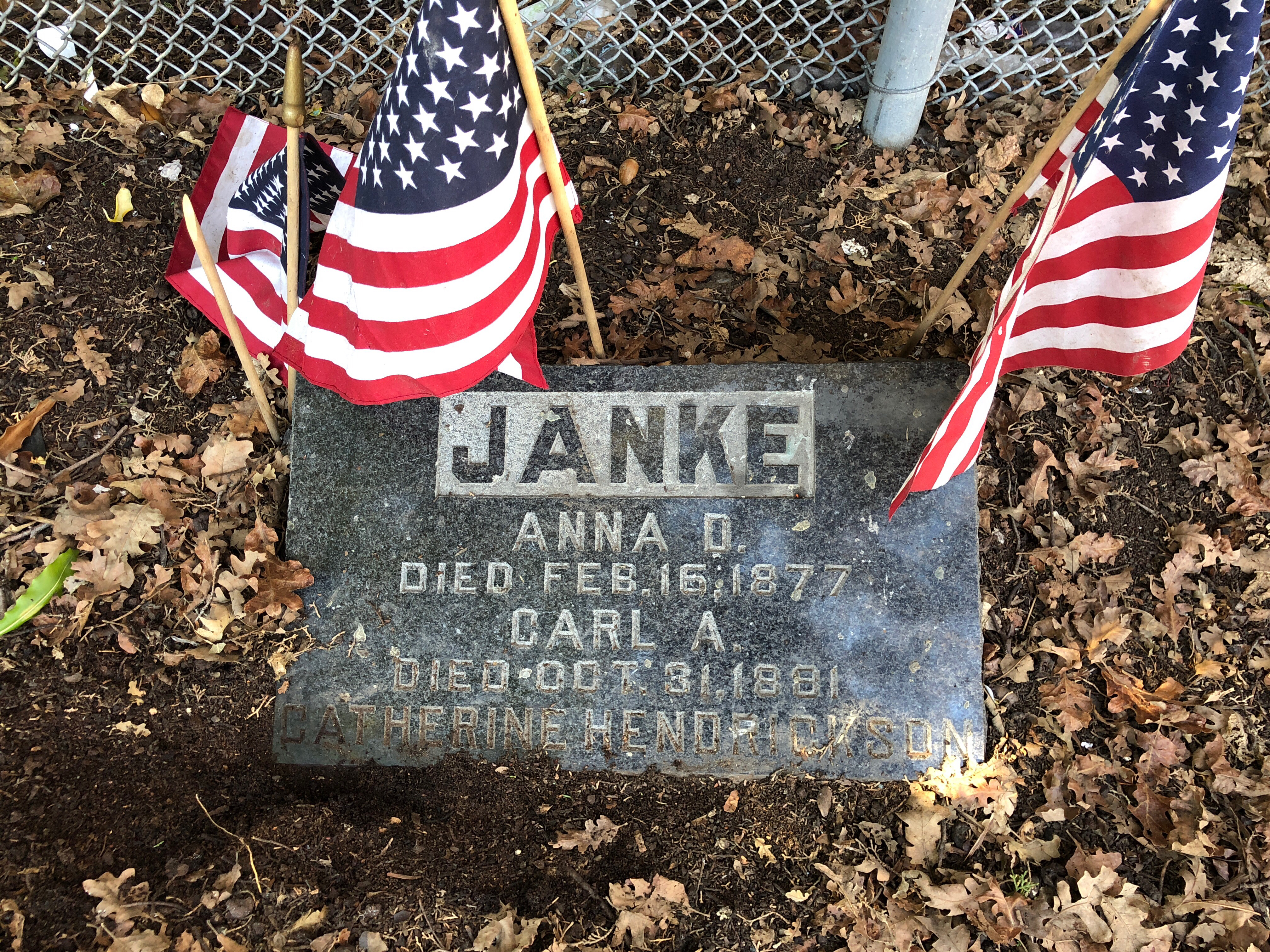


Working on a book about the Knight Templars, I talked to Tom Snyder on the phone about the book he had in mind. I told him I started ‘Bonds With Angels’ in 1992 and it was a sober-healing bio about my family. This book prompted him to send me a NDA to sign. I called him and asked if this agreement would prevent me from writing about my family. He said yes. I told him he was employing deception to silence me. He told me attorneys want to play hard ball with me, and I better sign it. He had no intention of having – further discussions. This fits with the tactics of Denny Lawhern and Cynthia McCarthy employed after they knew I was authoring a superior history book – that included the founders of Belmont and the Stuttmeister family – who were united in marriage and business. I hold Snyder, and these attorneys, responsible for the suicide of Drew Benton.
Vicki Presco showed me the autobiography our sister was working on. It was about 270 pages long. It was disappeared. Drew was eight years old when thus subterfuge was being applied to a member of her family – BY OUTSIDERS.! WHY? Because if Rosamond’s Story was listed as part of the estate, then it would belong to Christine Rosamond’s Daughters, and they would get the proceeds from the book, and the movie, based on the book. Was Drew mentioned in her mother’s book?
Cynthia McCarthy had to know all about Denny Lawhern’s obsession with genealogies, especially his own. It was a healing experience for him. How about me – and the family I used to have? If he were alive, I would write him and demand he pay for Drew’s cremation. I do not want Tom Snyder to have any more to do with the family he destroyed. To go after the surviving artist – and writer – to make it all work for Stacey Pierrot – who was sold our legacy by Executor Sydney Morris – is the most evil story the real Art World has ever been degraded by.
Where did Lawhern get all that money? He bought a Camper and traveled all over the world researching his Family Roots? He could have bought a plaque honoring Carl Janke and his wife, and got permission to put it on that Bay tree – with ease! He introduced himself to seniors near death, as Belmont’s Historian – while he TRASHED MY FAMILY – like Snyder did! Did Drew read his Book of Lies?
“He did original research around the country, united two branches of his Lawhern tree that had lost each other a few generations ago, and even travelled to Britain to accomplish some research there.“
I see Denny on one of his flights (how many did he take) thinking he should get a Janke plaque put on that Bay tree, as he looks down on the world he has conquered. But, now that Doris Vannier is dead, he’s home free. There is no one to interfere with his Total Rein of Belmont. Did Denny own a plane?
What became of the cremated remains of a world famous artist, known as ‘Rosamond’? Do any of my readers recall?
John Presco
President: Royal Rosamond Press
https://en.wikipedia.org/wiki/Christine_Rosamond
https://primo.getty.edu/primo-explore/fulldisplay/GETTY_ALMA21130190370001551/GRI
Bronze Plaques on a Budget: What’s the Average Cost?

Introduction: The beauty of bronze plaques
Bronze plaques have long been a popular choice for memorializing people, places, and events. Their timeless beauty and durability make them a perfect option for creating lasting tributes. Whether it’s a memorial plaque in a park, a dedication plaque on a building, or a commemorative plaque for an event, bronze plaques add a touch of elegance and sophistication to any setting.
The allure of bronze plaques lies in their ability to withstand the test of time. Unlike other materials that may deteriorate over the years, bronze plaques maintain their beauty and integrity for generations. The rich, warm tones of bronze create a sense of permanence and reverence, making them an ideal choice for honoring the past and preserving history.
Most Bronze Plaques can cost between $1,000.00 to $3,000.00 depending on customizations.
Learn more about the different factors below. For any questions or to schedule an appointment please visit our contact page or call us directly at 201-569-4455.
What are bronze plaques and why are they popular?
Bronze plaques are typically made from a combination of copper and tin, which gives them their distinctive golden-brown color. They can be cast or etched with intricate designs, text, and images to create a personalized tribute. Bronze plaques are commonly used to memorialize individuals, commemorate historical events, or honor significant places.
One of the reasons why bronze plaques are so popular is their ability to capture the essence of a person or event. The intricate details that can be achieved through casting or etching allow for a level of customization that is unmatched by other materials. From lifelike portraits to intricate patterns and designs, bronze plaques offer endless possibilities for creating a unique and meaningful tribute.
Bronze plaques also have a long history of use in memorialization. From ancient civilizations to modern times, bronze has been revered for its durability and beauty. The use of bronze plaques to honor the deceased dates back thousands of years, with examples found in ancient Egyptian tombs and Greek temples. This historical significance adds to the appeal of bronze plaques as a timeless and meaningful way to remember and honor loved ones.
Factors that affect the cost of bronze plaques
When it comes to the cost of bronze plaques, there are several factors that can influence the price. The size of the plaque is one of the main factors, as larger plaques require more materials and labor to create. The complexity of the design is another factor, as intricate patterns or detailed images may require more time and skill to produce. The material used can also affect the cost, as different alloys or finishes may be more expensive than others.
Size plays a significant role in determining the cost of a bronze plaque. Larger plaques require more materials and labor to create, which can drive up the price. Additionally, larger plaques may require additional support structures or installation methods, which can add to the overall cost.
The complexity of the design is another factor that can affect the cost of a bronze plaque. Intricate patterns or detailed images may require more time and skill to produce, which can increase the price. On the other hand, simpler designs with less detail may be more affordable.
The material used for the plaque can also impact the cost. Bronze plaques are typically made from a combination of copper and tin, but there are different alloys and finishes available that can affect the price. For example, a plaque made from a higher-quality bronze alloy may be more expensive than one made from a lower-quality alloy.
What is the average cost of bronze plaques?
The average cost of bronze plaques can vary depending on several factors, including size, design, and material. On average, a small to medium-sized bronze plaque can range from $500 to $2,000. Larger plaques or those with more intricate designs can cost anywhere from $2,000 to $10,000 or more.
For example, a simple 12×12 inch cast bronze plaque with basic text and no additional design elements may cost around $750 to $1,000. On the other hand, a larger 24×36 inch plaque with a detailed portrait or intricate design can cost upwards of $5,000 or more.
It’s important to note that these are just average estimates and prices can vary depending on the specific requirements of the project. Factors such as the complexity of the design, the material used, and any additional features or customization can all impact the final cost.
How to budget for bronze plaques
Budgeting for a bronze plaque can be a daunting task, but with some careful planning and consideration, it can be made more manageable. Here are some tips to help you budget for a bronze plaque:
1. Set a price range: Determine how much you are willing to spend on a bronze plaque and set a price range. This will help you narrow down your options and focus on plaques that fit within your budget.
2. Prioritize features: Consider which features are most important to you and prioritize them accordingly. If you have a limited budget, you may need to make some compromises on certain design elements or materials in order to stay within your price range.
3. Consider alternative materials: If the cost of a bronze plaque is beyond your budget, consider alternative materials such as aluminum or stainless steel. While they may not have the same level of elegance as bronze, they can still create a beautiful and durable tribute at a lower cost.
Tips for saving money on bronze plaques
While bronze plaques can be a significant investment, there are several ways to save money without compromising on quality. Here are some tips for saving money on bronze plaques:
1. Choose a simpler design: Intricate designs with detailed images or patterns can significantly increase the cost of a bronze plaque. Opting for a simpler design with basic text or a minimalistic image can help keep costs down.
2. Opt for a smaller size: Larger plaques require more materials and labor to create, which can drive up the price. Choosing a smaller size can help reduce costs while still creating a meaningful tribute.
3. Consider alternative materials: If the cost of a bronze plaque is beyond your budget, consider alternative materials such as aluminum. While aluminum may not have the same level of elegance as bronze, it can still create a beautiful and durable tribute at a lower cost.
Understanding the different types of bronze plaques
There are several different types of bronze plaques, each with its own unique characteristics and costs. Here are some of the most common types:
1. Cast bronze plaques: Cast bronze plaques are created by pouring molten bronze into a mold and allowing it to cool and solidify. This process allows for intricate designs and details to be captured in the plaque. Cast bronze plaques are typically more expensive due to the labor-intensive nature of the casting process.
2. Etched bronze plaques: Etched bronze plaques are created by chemically etching designs or text onto the surface of the plaque. This process allows for precise and detailed images or patterns to be created. Etched bronze plaques are generally less expensive than cast bronze plaques, but still offer a high level of customization.
3. Photo relief bronze plaques: Photo relief bronze plaques are created by combining casting and etching techniques to create a three-dimensional image on the surface of the plaque. This type of plaque is often used to create lifelike portraits or detailed images. Photo relief bronze plaques are typically the most expensive due to the complexity of the process and the level of detail that can be achieved.
How to choose the right bronze plaque for your needs
Choosing the right bronze plaque for your specific needs can be a daunting task, but with some careful consideration, it can be made easier. Here are some tips to help you choose the right bronze plaque:
1. Consider the purpose: Think about the purpose of the plaque and what you want to convey. Is it a memorial plaque for a loved one? A dedication plaque for a building? Or a commemorative plaque for an event? Understanding the purpose will help guide your decision-making process.
2. Consider the location: Consider where the plaque will be placed and how it will fit into its surroundings. The size, design, and material of the plaque should complement the location and create a cohesive aesthetic.
3. Consider the audience: Think about who will be viewing the plaque and what they will expect. If it’s a public memorial, for example, you may want to choose a design that is more traditional and timeless. If it’s a private tribute, you may have more freedom to personalize the design.
4. Consult with a professional: If you’re unsure about which type of bronze plaque is right for your needs, consider consulting with a professional. They can provide guidance and advice based on their expertise and experience.
The benefits of investing in a bronze plaque
Investing in a bronze plaque offers several benefits that make it a worthwhile investment. Here are some of the key benefits:
1. Durability: Bronze plaques are known for their durability and longevity. Unlike other materials that may deteriorate over time, bronze plaques can withstand the elements and maintain their beauty for generations.
2. Longevity: Bronze plaques have a long lifespan, making them an ideal choice for creating lasting tributes. They can withstand the test of time and continue to honor and remember loved ones or significant events for years to come.
3. Aesthetic appeal: The rich, warm tones of bronze create a sense of elegance and sophistication that is unmatched by other materials. Bronze plaques add a touch of beauty and class to any setting, making them a perfect choice for creating meaningful tributes.
4. Sentimental value: Bronze plaques hold sentimental value for many people, as they serve as a tangible reminder of loved ones or significant events. They can provide comfort and solace, and serve as a way to keep memories alive.
5. Historical value: Bronze plaques have a long history of use in memorialization, dating back thousands of years. They have been used to honor the deceased, commemorate historical events, and preserve the past. This historical significance adds to the value and appeal of bronze plaques.
Conclusion: Making bronze plaques affordable for everyone
Bronze plaques are a beautiful and timeless way to honor and remember loved ones or significant events. While they can be a significant investment, there are ways to make them more affordable without compromising on quality. By setting a budget, prioritizing features, and exploring different options, you can find a bronze plaque that fits within your price range.
Investing in a bronze plaque is not only a way to create a lasting tribute, but also a way to preserve history and honor the past. The durability, longevity, and aesthetic appeal of bronze plaques make them an ideal choice for memorialization. Whether it’s a small dedication plaque or a large memorial monument, bronze plaques offer a timeless and meaningful way to remember and honor loved ones or significant events.

(above: Raymond Dabb Yelland (1848-1900), Sunset at Cypress Point, Monterey (detail), not dated, Oil on canvas, 18 x 30 inches. Collection of W. Donald Head, Old Grandview Ranch, Saratoga, CA)
Laguna Art Museum will put the beauty of California’s Central Coast on display from June 18 through October 1, 2006, in Artists at Continent’s End: The Monterey Peninsula Art Colony, 1875-1907.This exhibition, organized by the Crocker Art Museum, is the first to present an in-depth examination of Monterey Peninsula painting and photography from this critical period in California’s art history. Featuring work by some of the most widely recognized early artists in California, including Jules Tavernier, Arthur Mathews and William Keith, among others, this show examines the three major styles associated with the colony: French Barbizon, Tonalism, and Impressionism.
Few regions rival the magnificence of California’s Monterey Peninsula. In the late 19th century, the beauty of the landscape, together with a mild climate, rich history, and simplicity of lifestyle, attracted artists of all disciplines and encouraged the development of one of the nation’s foremost art colonies.
Whereas previous accounts date the establishment of the Monterey Peninsula colony just after the 1906 San Francisco earthquake, this groundbreaking show reveals that the Monterey Peninsula was a gathering place for artists well before 1906. These kindred spirits shared their ideals and respective arts as they crafted a defining style of California art.
ABOUT THE CURATOR
Crocker Art Museum Chief Curator Scott A. Shields holds a M.A. and Ph.D. in art history from the University of Kansas. He has 12 years of professional experience in museums in the Midwest and San Francisco Bay Area and has curated numerous exhibitions and written articles for various scholarly journals. He was one of the contributing authors to a book on artist Percy Gray, published by the Carmel Art Association, and developed catalogues for various exhibitions including The Pilot Hill Collection of Contemporary Art and San Francisco and the Second Wave: The Blair Collection of Bay Area Abstract Expressionism. A major text authored by Shields, Artists at Continent’s End: The Monterey Peninsula Art Colony, 1875-1907, was released by The University of California Press in early 2006 in conjunction this statewide traveling exhibition. He is also one of three primary authors of a forthcoming exhibition catalogue entitled Dark Metropolis: Irving Norman’s Social Surrealism, published by Heyday Books, which will accompany a nationally traveling exhibition that opens at the Crocker Art Museum in fall 2006.
RELATED EVENTSSunday, June 18, 2006, 1:00 p.m.Dr. Scott Shields, chief curator at the Crocker Art Museum, and organizer of Artists at Continent’s End: The Monterey Peninsula Art Colony, 1875-1907 will give a lecture on the exhibition.
 Rosamond Press
Leave a comment