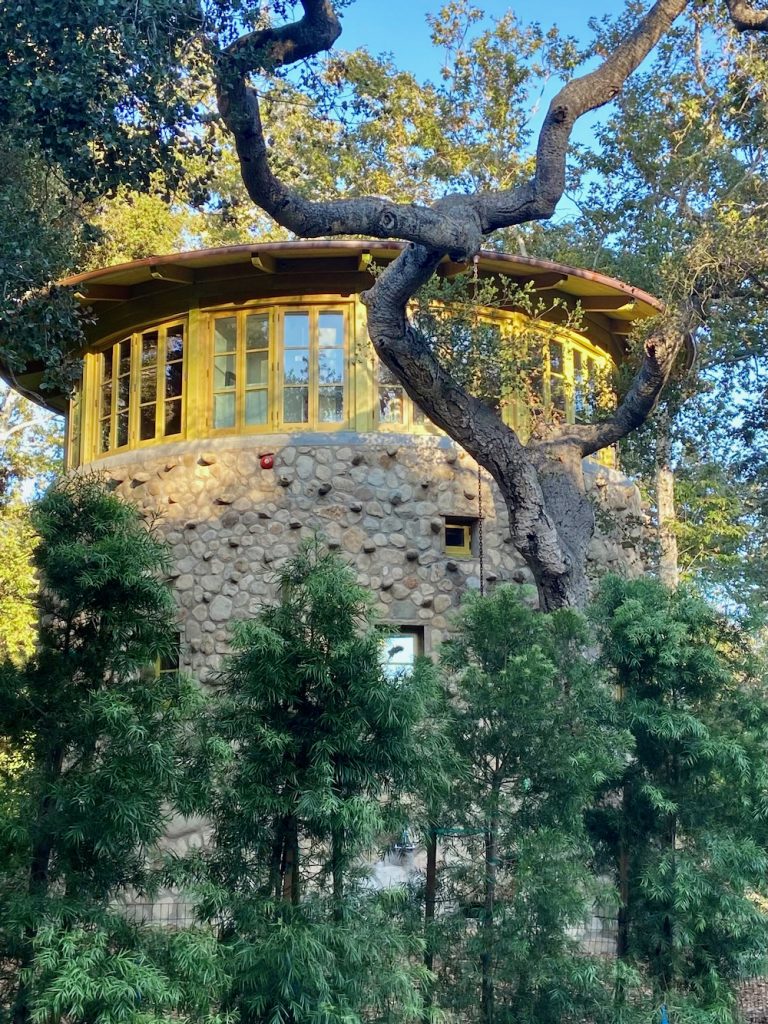
Dear Governor Newsom. Today is June 19th. and I am inspired to make a proposal to you and the people of California, where I was born – during an amazing star-shower! Earlier today I made a proposal to Notre Dame de Namur asking for creative and just sanctuary, after learning more of my ancestors were dug up out their graves – and relocated. This has left me with deep and stressful feeling of impermanence that hurtles beyond the feelings of enlightenment I have enjoyed via literary meditation. I believe I own the largest blog in the world – that needs protection – too.
I m kin to John and Jessen Fremont who authored the first emancipation of slaves. John was the first candidate for the Republicans’ Abolitionist Party. I want to declare my candidacy for Republican President – but I don’t feel safe. I’m too poor to move. There is no room for bodyguards. This is why I’m asking for the immediate construction of a sound stone home like the one I found on the internet. The Fremonts had their Black Point home taken from them by the U.S. Military. There was a court case that compensated most of the offspring of homeowners, but the Fremont home was not one of them.
I would like to see a tower – with large clock – honoring the Forty-Eighters, and the German Turners who went South with the Union Army and helped defeat the Confederacy. I have uncovered some amazing history about the Getty family, that are my kin due to the marriage of Christopher Wilding to Aileen Getty I m kin to Ian Fleming. From this tower I will direct cyber warfare against Putin and his brain. Mark Twain was a frequent visitor to Blackpoint. Consider his story; A Connecticut Yankee at King Author’s Court. I will be the caretaker of the San Francisco Magic in the years I have left. This proposal will be a part of The Great Story.
John Presco
President: Royal Rosamond Press
Copyright 2023
https://en.wikipedia.org/wiki/A_Connecticut_Yankee_in_King_Arthur%27s_Court
Jessie Benton Fremont at Blackpoint
Historical Essay
by Jo Medrano

Mrs. General Fremont on porch at Black Point, 1863.
Photo: San Francisco History Center, SF Public Library

Mrs. General Fremont on her porch at Black Point, c. 1863.
Photo: Jesse Brown Cook collection, online archive of California

Black Point (now Fort Mason), 1870. Spring Valley Water Co. brought water through the flume that skirts the cliffs. Small farms run down to the shore. Alcatraz is in the distance.
Photo: Private Collection, San Francisco, CA
John C. Fremont bought a farm for his wife Jessie on the north edge of San Francisco, on a small rocky peninsula then known as Blackpoint, about 1860. At the time of purchase, they were living in Bear Valley in the Sierras. In Bear Valley Jessie Fremont developed physical problems due to the intense heat. She wrote that a buried egg would cook in just a few minutes. One account states that it was 106 degrees at sunset–not an uncommon temperature that year. So we can probably imagine her delight when John C. came back from a business trip to San Francisco in 1861, and told her they were moving to the city. Blackpoint was a self-sustaining farm, and Jessie’s favorite home. She had relatives living with her, as well as visits from other relatives in addition to local and national celebrities.

Spring Valley Water Company flume is visible at right; Small farms on the hill above c. 1870
Photo: Private Collection, San Francisco, CA

View southeast from Fremonts’ residence to Pioneer Woolen Mills on site of present Aquatic Park.
Photo: OpenSFHistory.org wnp71.1607
As a matter of fact, a influential San Franciscan, I.W. Raymond, visited the Fremonts in Bear Valley and traveled with them to see the place that wasn’t yet named Yosemite. He was a key person in the 1864 action of President Lincoln which made Yosemite a protected place.
Black Point is described in “Jessie Benton Frémont: A woman who made history” as “a small headland jutting out into the channel entrance of the harbor, in fact directly opposite the Golden Gate, affording an unbroken view westward to the Pacific and eastward toward the mountains of Contra Costa.” Jessie said she “loved this sea home so much that I had joy even in the tolling of the fogbell”. It was here she planned and built her “sunset beach.”
The federal government took over Black Point soon after Jessie and John Fremont went back east to be involved in the civil war. John fought for compensation for the expropriated house and land until the day he died.

Black Point, 1869, Alcatraz in distance.
Photo: Eadweard Muybridge

Original shoreline at Black Point, one of the last places you can see it in San Francisco.
Photo: Chris Carlsson, 2010
https://www.ndnualumninetcommunity.org/RalstonHallMansionExhibit
https://picryl.com/media/ralston-hall-ralston-avenue-belmont-san-mateo-county-ca-17
The Fremonts moved to Black Point in 1860 and situated their house and grounds on the bluff. Their home, nicknamed Porter’s Lodge, became the center of San Francisco’s intellectual life, where Mrs. Benton invited likeminded writers, spiritual leaders, and artists to engage in lively conversation. When the Civil War broke out, the Union Army summoned John Fremont for active military service and the family moved to the east coast.
What is impermanence?
Everything changes.
This is one of the most fundamental teachings of Buddhism. The Buddha taught that the source of human suffering and discontent is that we crave and cling to the things of this world under the mistaken view that they will last forever. But nothing does.
Impermanence, anitya, or anicca in Pali, is one of the Buddha’s three marks of existence, three conditions that characterize all of life, and are always present. (The other two marks of existence are anatman (Pali: anatta), or not-self, and duhkha (Pali: dukkha), suffering, or dissatisfaction.)
Our bodies decline and decay. Hair and teeth fall out. Mental attitudes also change. Excitement and anger arise, then fade away. Our health and happiness are only temporary; we will eventually sicken, age, and die, as will our friends, enemies, relatives, and strangers. Human life is brief. In the Diamond Sutra, one of the Mahayana tradition’s central scriptures, life is compared to a flash of lightning in a summer cloud, or a bubble floating in a stream.
The world around us may appear solid and unchanging, but even rivers change course, mountains crumble, seas dry up, and stars burn out. The entire universe is in a process of constant flux, arising and falling away. Our brief lives give us the privilege of witnessing this grand procession for just a moment.
Understanding impermanence is key to understanding the chain of dependent origination, the idea of emptiness, and many other important Buddhist concepts. Because all of existence is conditioned by the three marks, Buddhist practices aim to loosen our attachment to the world as it is and help us comprehend impermanence and the way it touches all aspects of our lives. Meditations on death are plentiful: In one of the Buddha’s discourses, the Buddha urged his followers to consider before they go to sleep at night that they may not live until morning, and Tibetan practitioners are instructed to meditate at charnel grounds, where bodies are cremated or left to decompose. Other meditations on impermanence investigate the ever-changing nature of the breath and other bodily sensations, our shifting thoughts, or the passing of the seasons and other transformations in the natural world.
the state of not lasting for ever or not lasting for a long time:
the impermanence and fragility of life
She says that her paintings represent the impermanence of everything.
Related word
Synonym
Fewer examples
- Life is often shaped by impermanence and solitude.
- The impermanence of wood is in contrast to the permanence of stone.
- A sense of impermanence is contrary to the impulse to improve your environment.
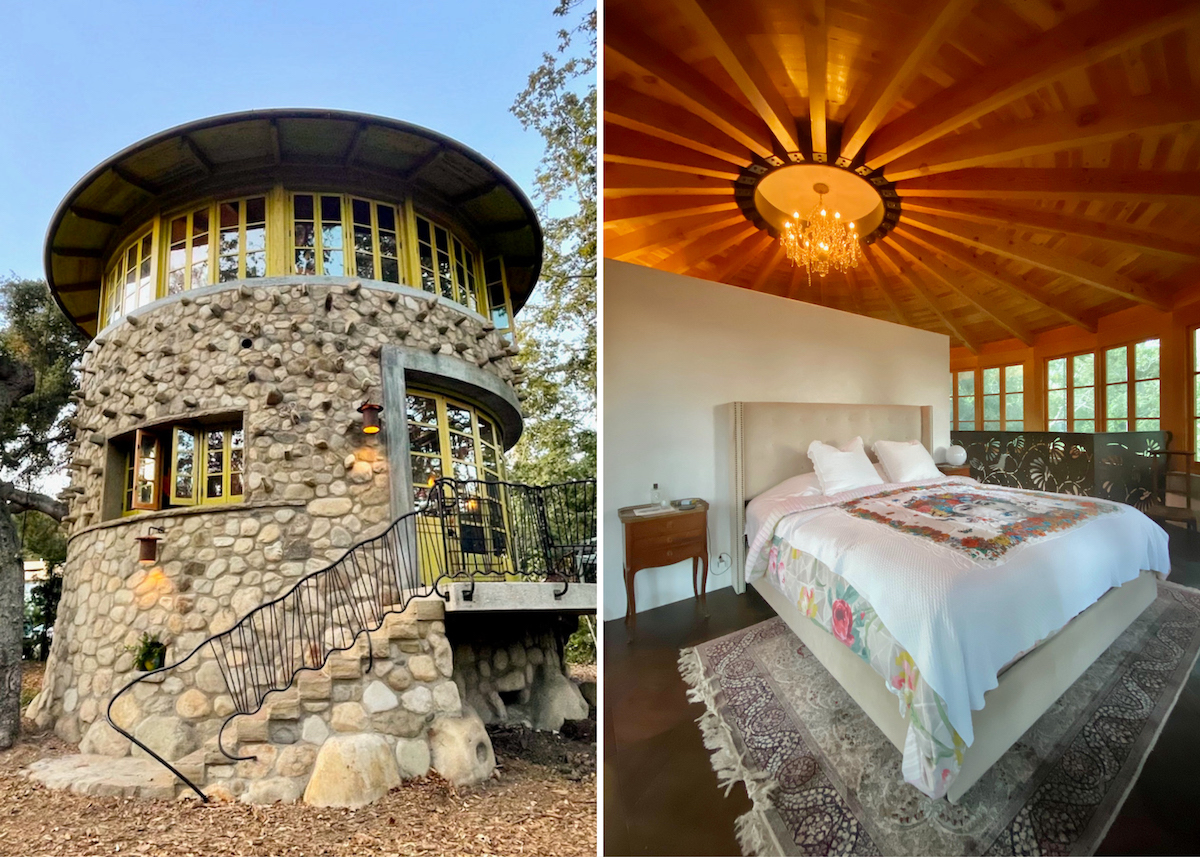
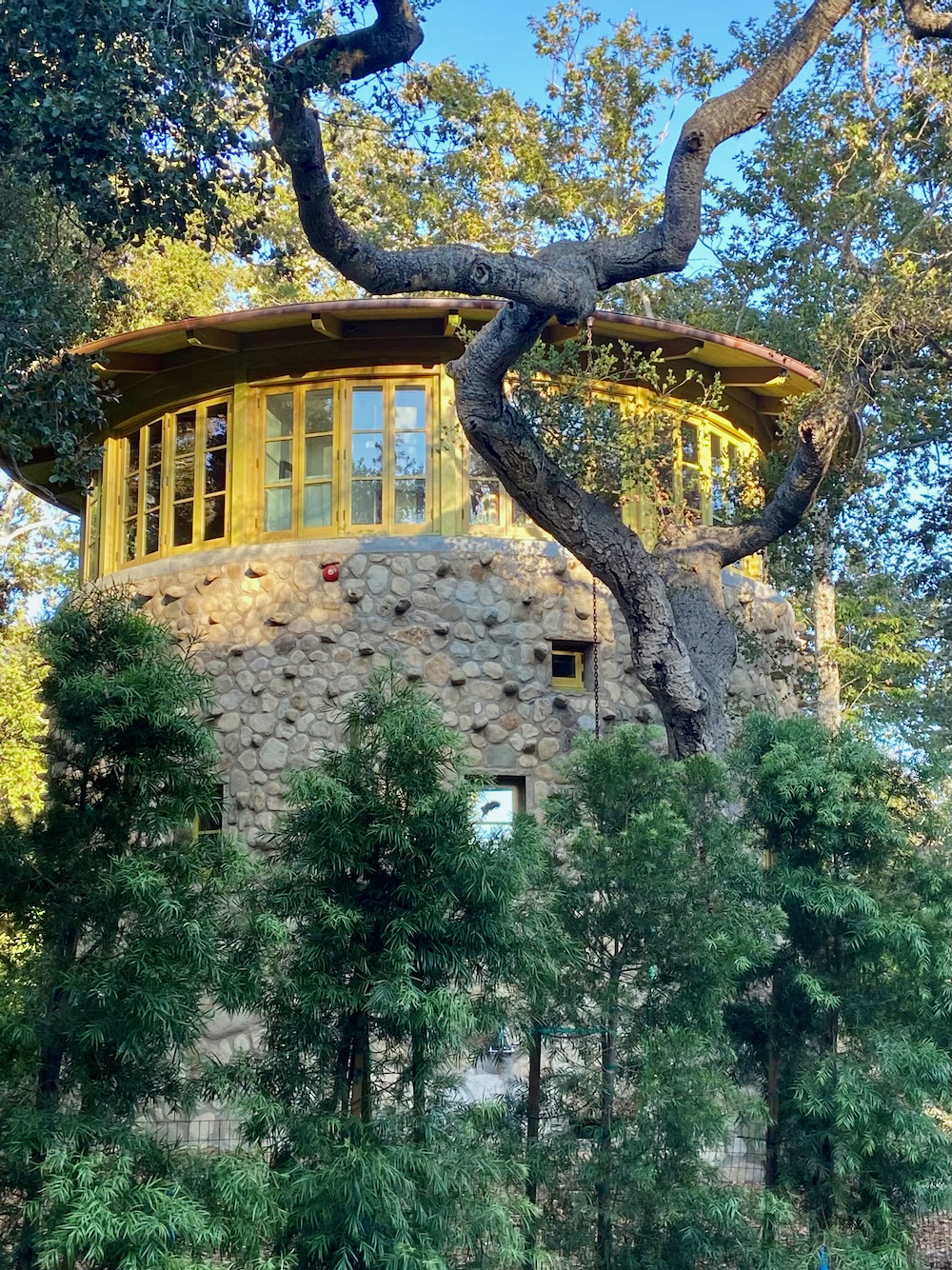
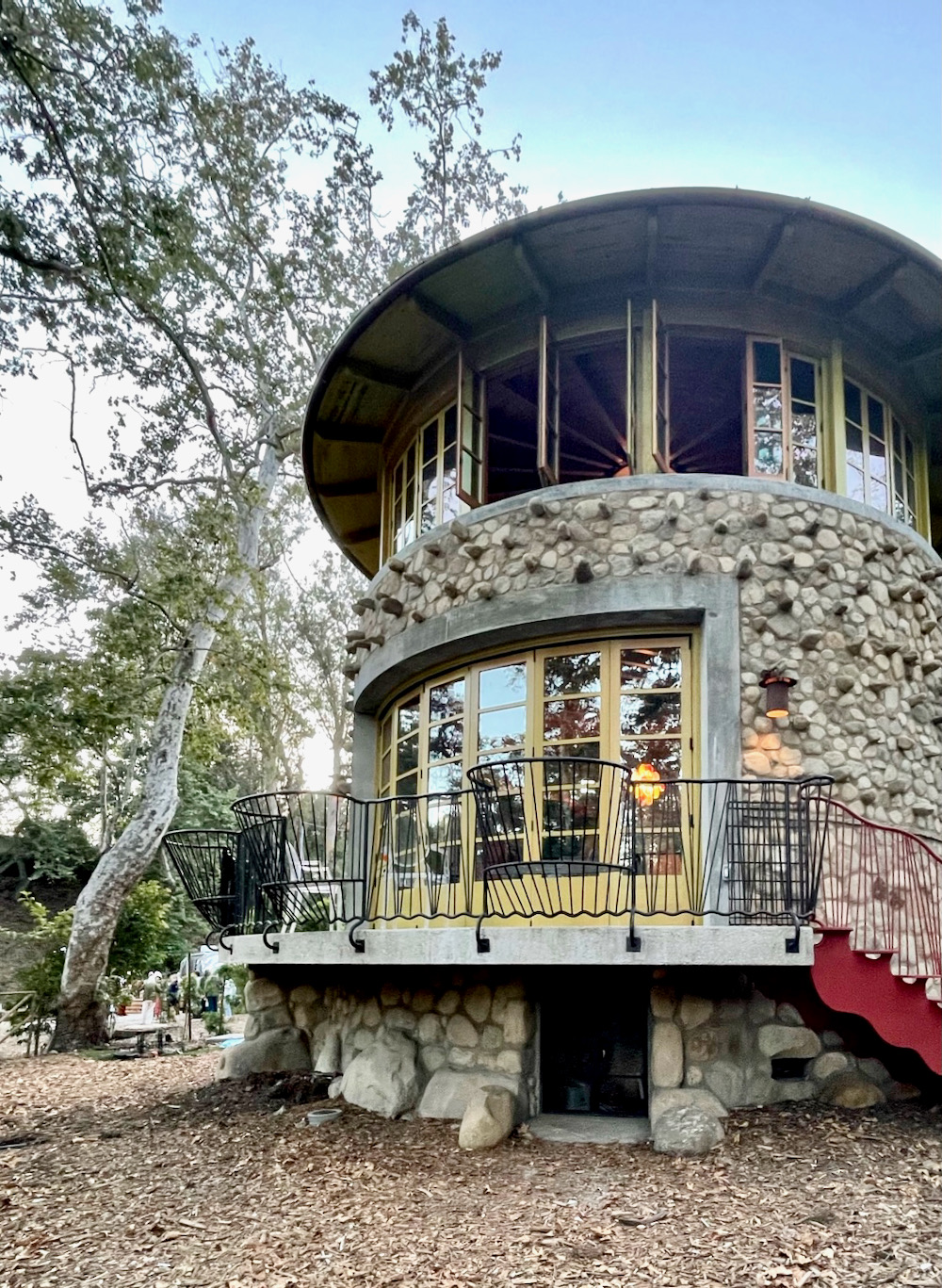
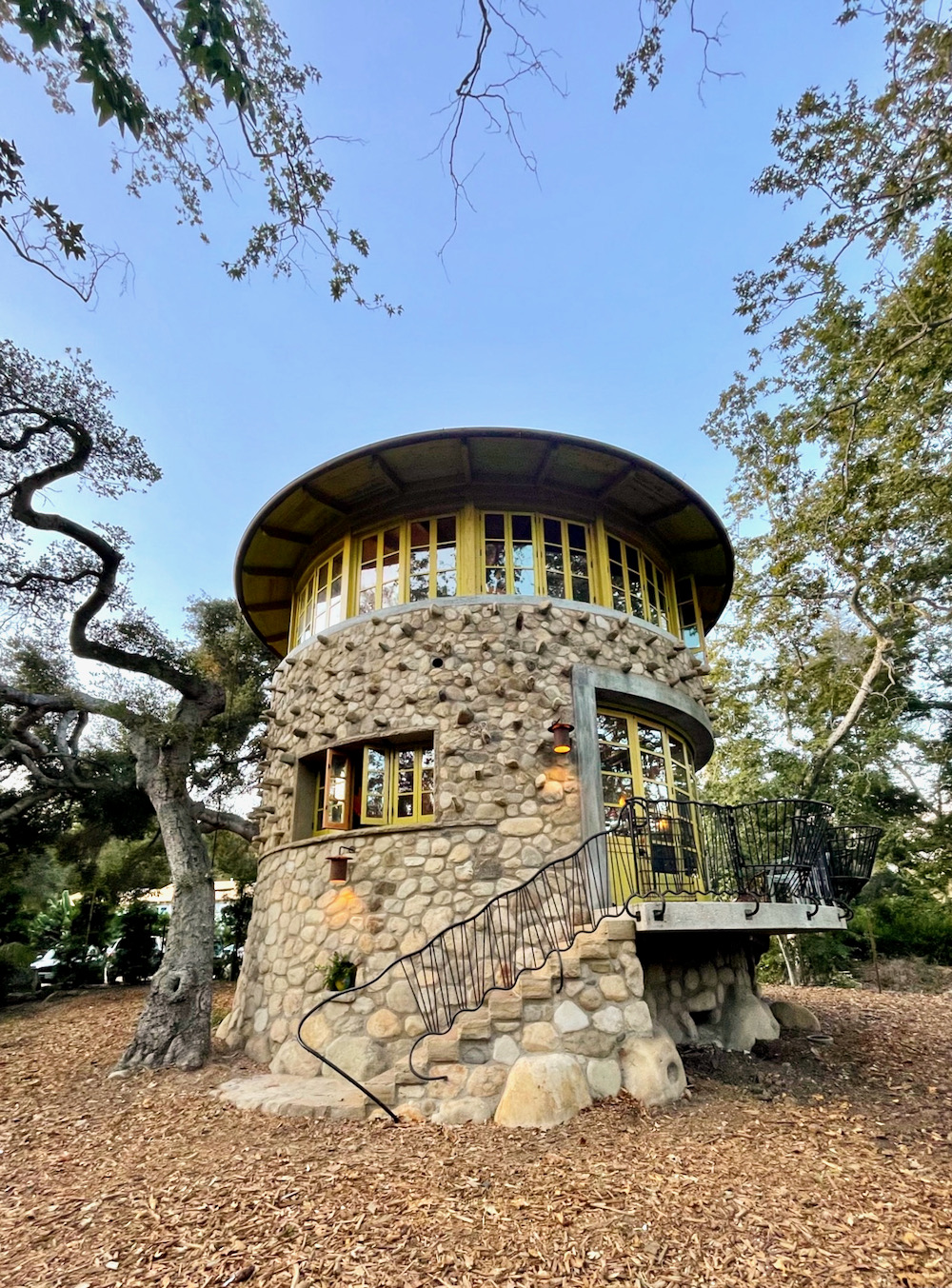
First Look at Montecito’s New Stone Tower House
OCTOBER 20, 2021|BY ERIK TORKELLS
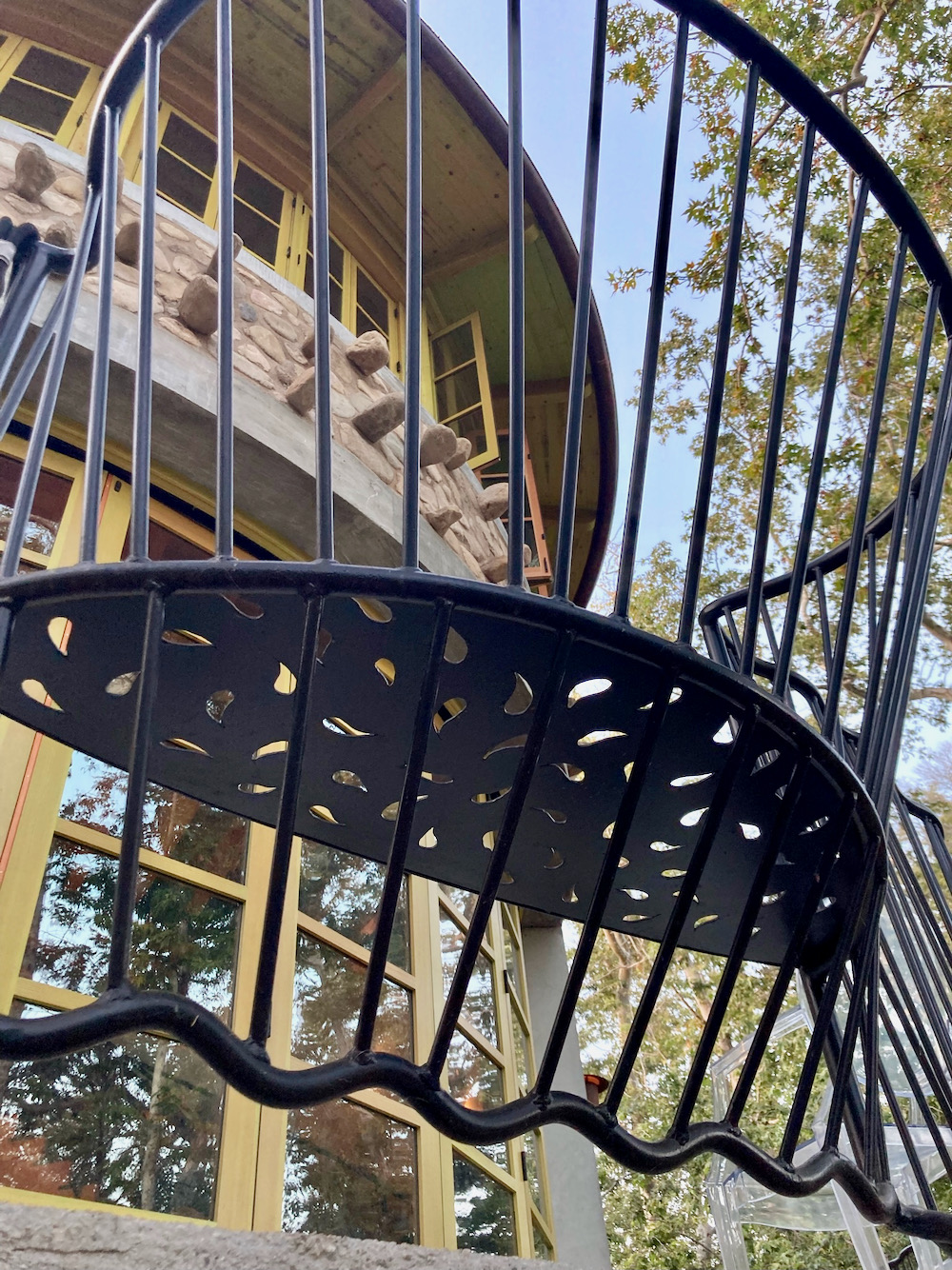
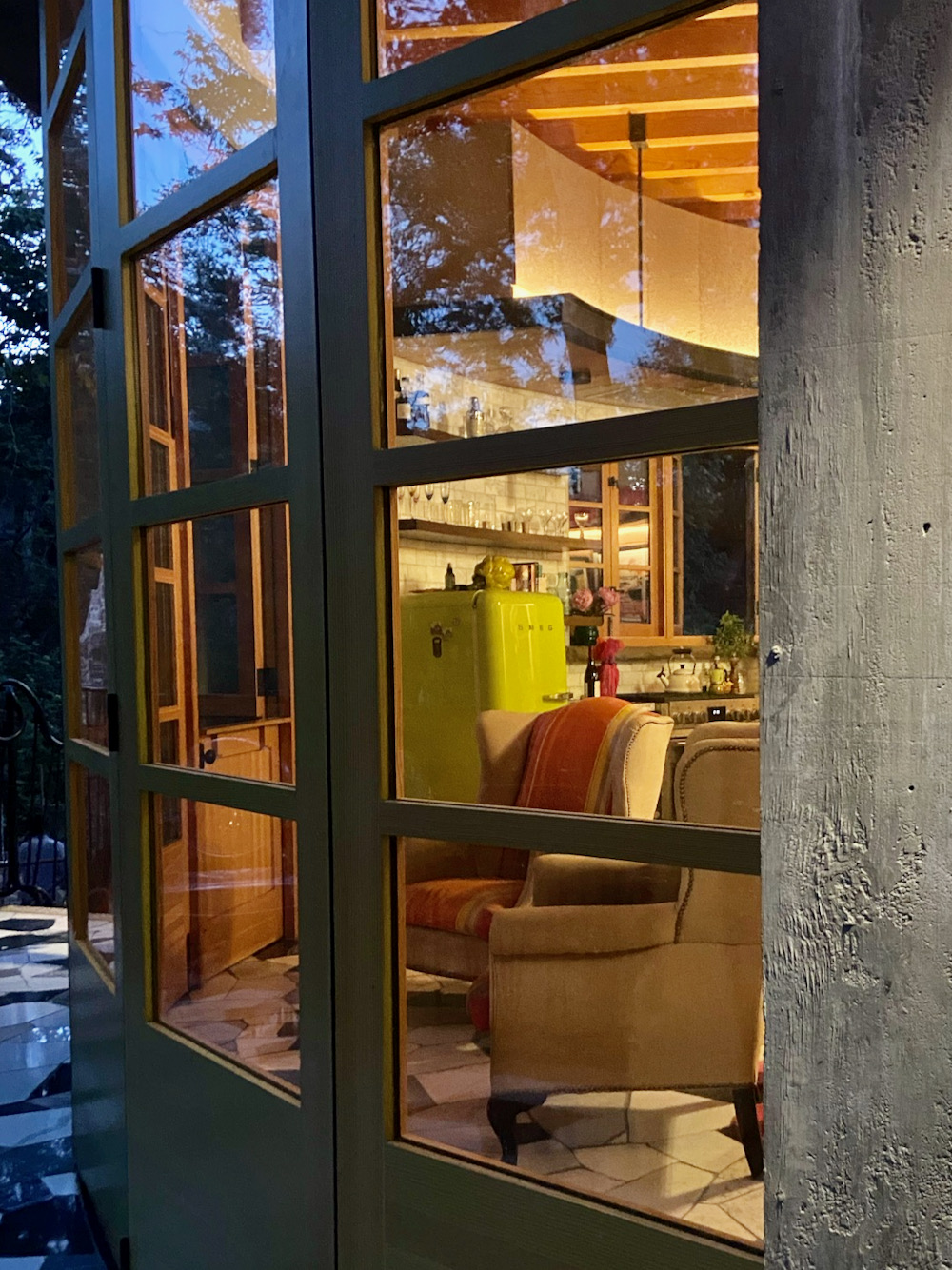
There was a time last year when, while driving on East Valley Road between Hot Springs and Sycamore Canyon, you might have suddenly noticed a cylindrical house under construction. Like a dream upon awakening, it soon disappeared behind vegetation and another new house. Lucky for us, the owner—interior designer Mary Beth Myers—and her architect, local legend Jeff Shelton, agreed to share photos of the completed Stone Tower project and answer a few questions. Let’s start with Shelton:
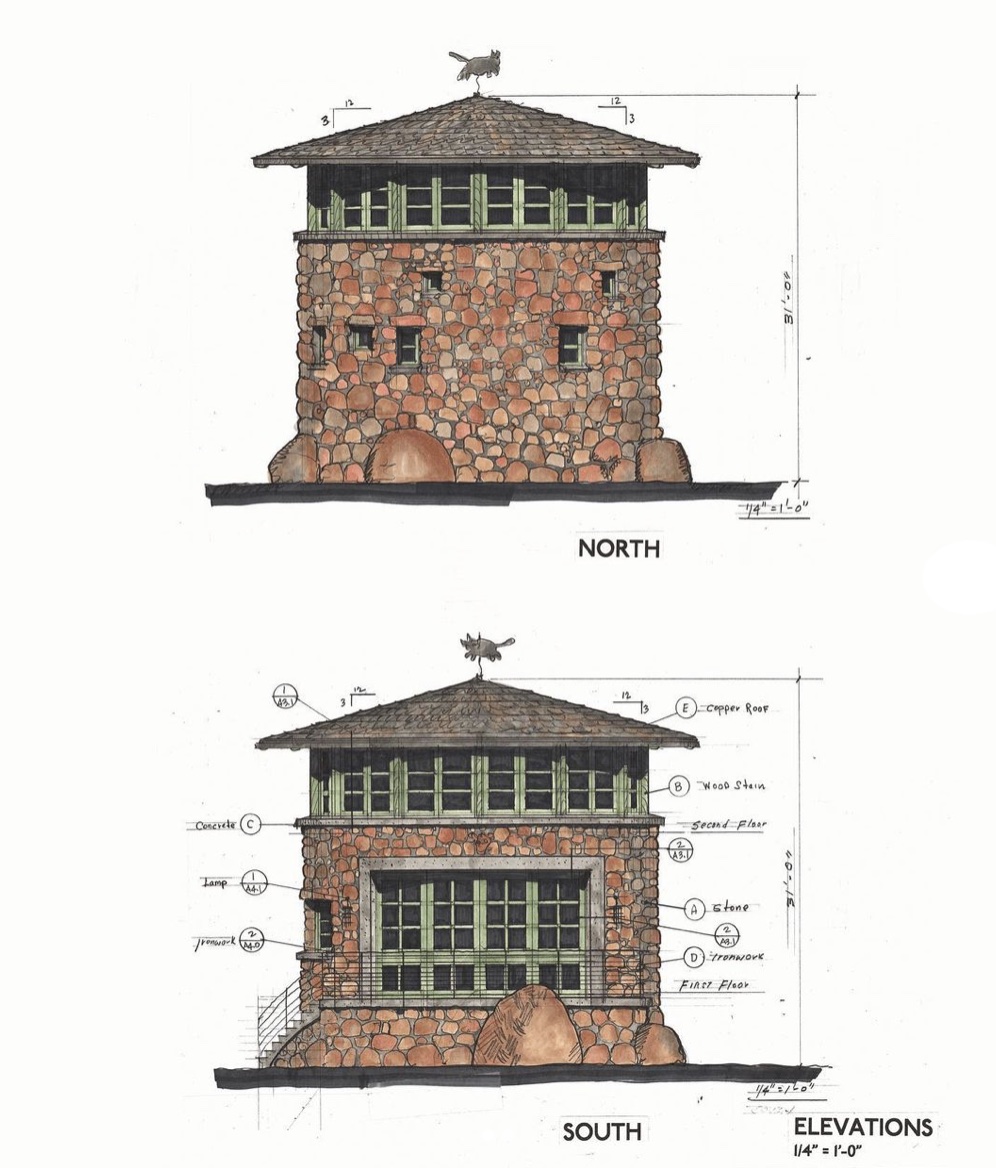
I understand there was a totally different design before the debris flow. What was it like?
There was already a 700-square-foot dilapidated house on the site, with a lot of charm, no foundation, and a great deal of rot. We designed a two-story house on the same footprint, and got it approved. We were not in the flood plain at that time. The new house that I designed was a simple rusty corrugated shed that fit with the Old Spanish Town vernacular.
Was there any specific inspiration for the Stone Tower design—the shape, the materials, etc.?
My client had just lost all her neighbors. The inspiration was dealing with the tragic debris flow. The round plan came from looking at islands in rivers. These islands have rounded or pointed ends facing upstream. If we do build back in a flood plain, how can we fit in? We tried to make something strong and small, and not create a dam.
Have you ever built a cylindrical building before? Why did it feel right for this spot?
Funny you say that. In college, they said that we could only design one circular building. They wanted us to understand the gravity of the circle. The circle dominates the entire thought process, and if it is hard to design, it is much harder to build. There is no momentum as the direction keeps changing. If you are a control freak, don’t do it. If you are willing to accept that the circle is your design god, then you just got to kneel.
Why the stone facade? Why the protruding stones?
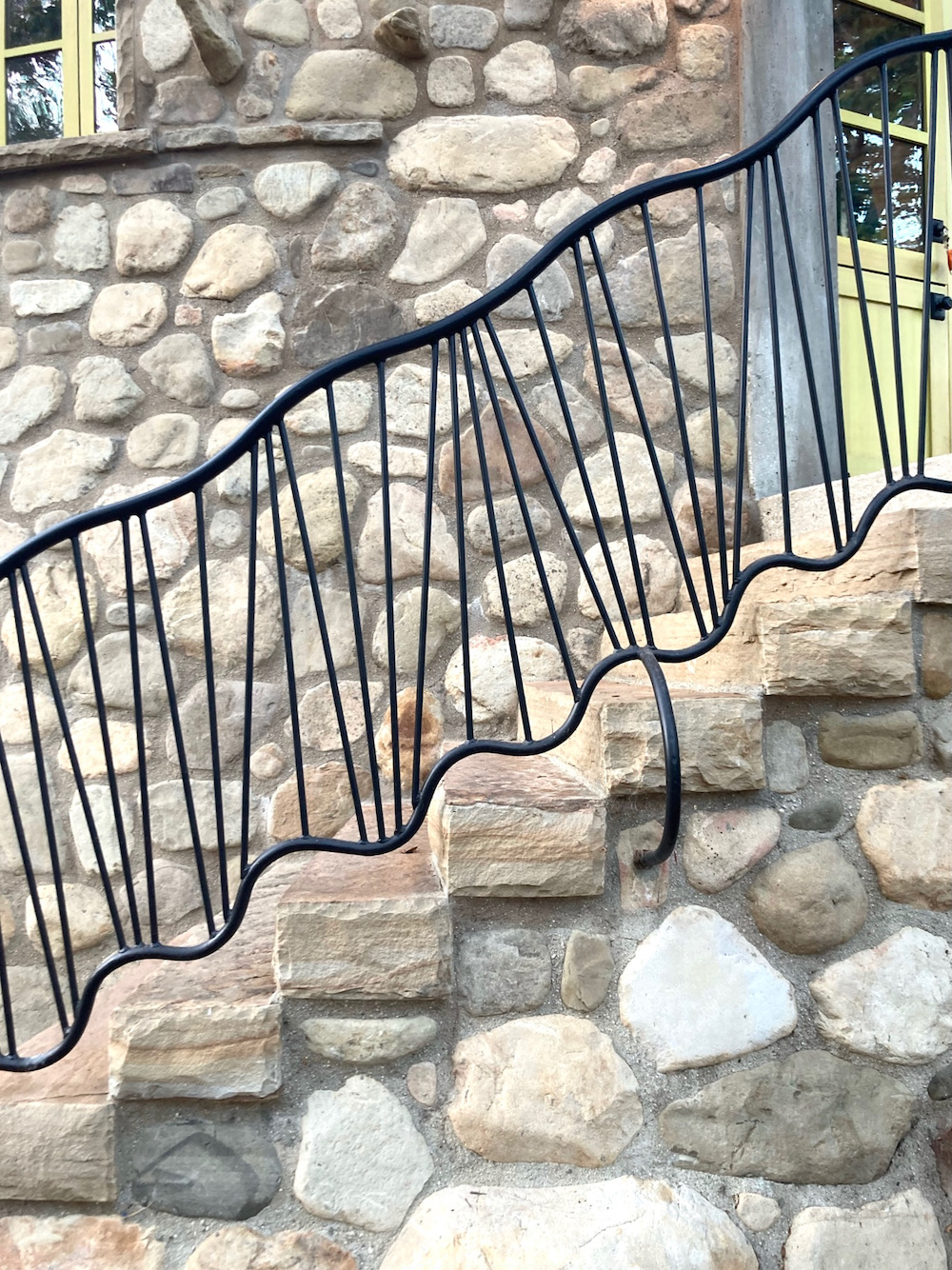
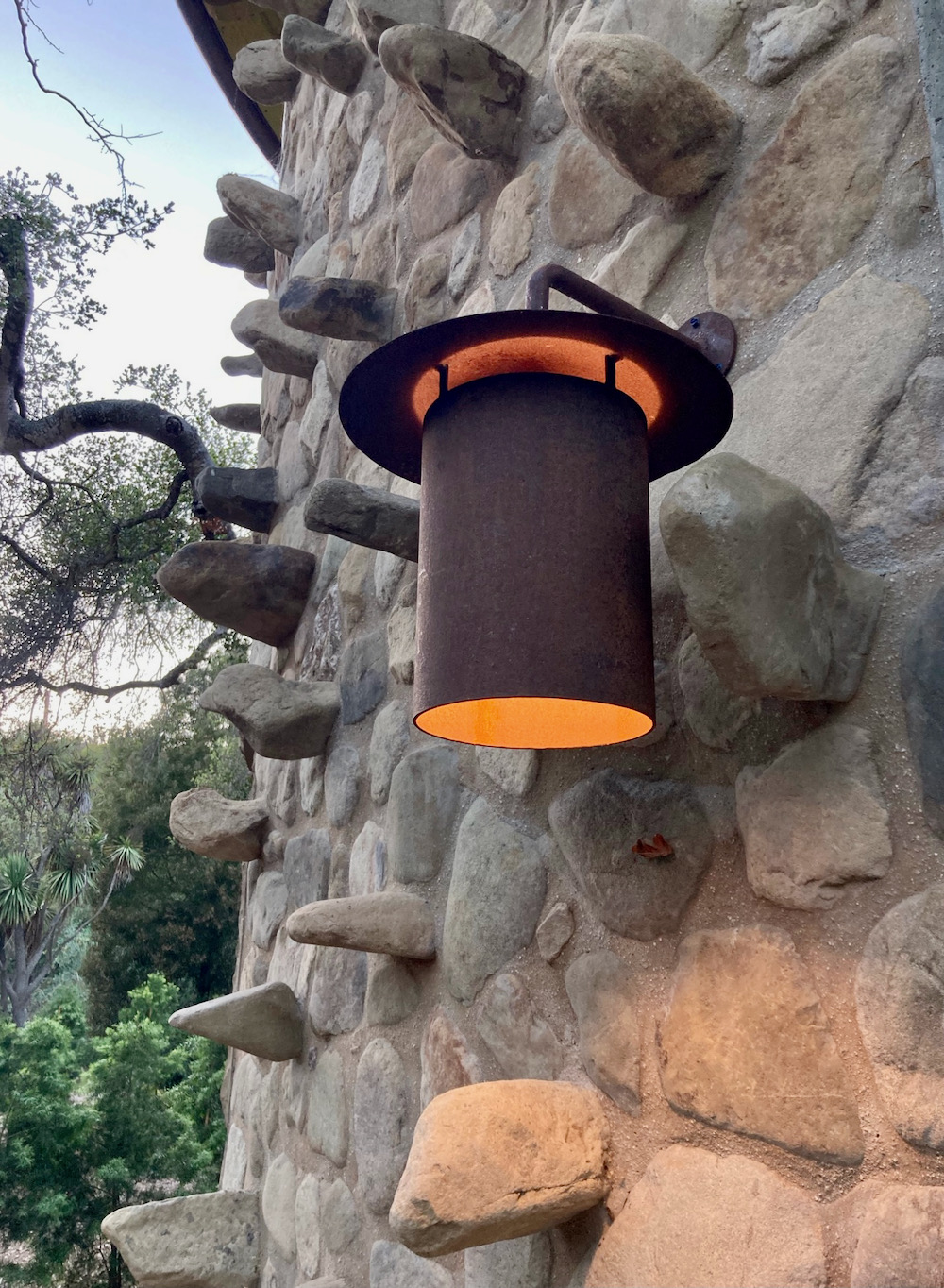
The sandstone from the Santa Ynez Mountains is sacred, and it is why the mountains are still there. Stone is everywhere, and the debris flow brought more down. It is durable, and the color is the natural color in this area, and specifically in the riparian zone. The whole flood plain is built up of sandstones that have washed down the mountains. The stone on this building came from the excavation directly under the footprint of the 28-foot diameter circle—stone wasn’t imported. Sometimes, if you let it, things just work out. With the stone halfway up the sides, my dearest friend Andy Johnson, stone mason extraordinaire, had a heart attack. He is still recovering. Andres Cintura was left to complete the project. I brought in the idea of changing the whole pattern at this juncture, as we couldn’t master Andy’s artistry, and I didn’t even want to try. The protruding stones give the tower great shadows that change throughout the day, like a sundial. I was just trying to have fun at this point, as there was not much to be happy about with Andy being in such a dire condition.
Were there any unexpected challenges during the construction of it?
The miracle is that Mary Beth stayed with this project. There are always issues or problems, and this house had its share. This project was one of the first rebuilds, so we were dealing with rules that seemed to change from day to day. Only people with a grand positive outlook on life, like Mary Beth, can help create projects like this.
Myers, meanwhile, took the questions and—to my delight—ran with them, writing up the following:
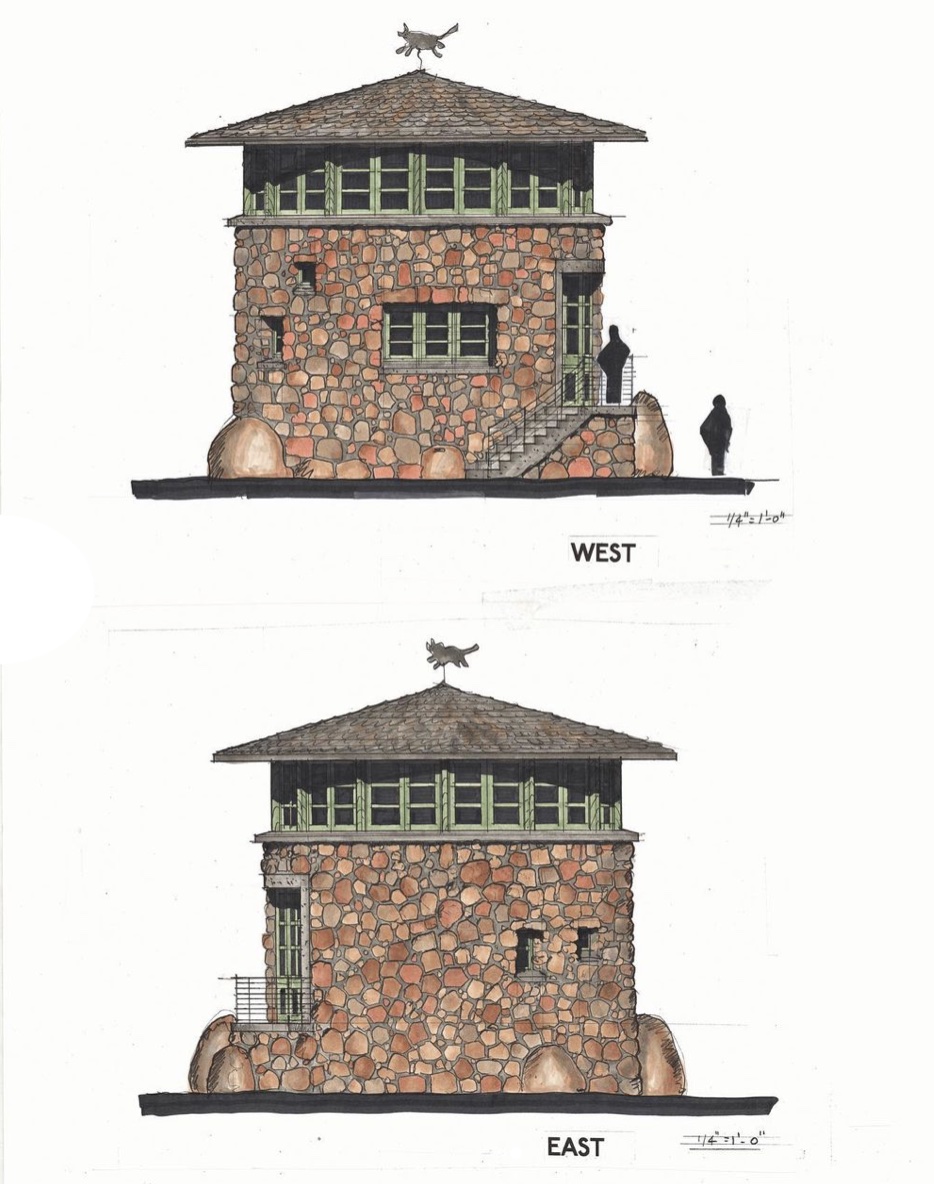
It’s a funny back story. Jeff designed two houses for me, the final plans for the first version, a corten steel–clad modern farmhouse, just a few days before the mudslide.
Afterward, and after waiting for surveys and the thumbs-up on being able to build at all, I asked Jeff, “What’s the strongest thing you can build?” His reply: “How do you feel about round?” Being a big fan of old stone homes in Europe, I thought of castles, mills, and lighthouses and said, “Let’s do it!”
Jeff and I worked closely together to make our vision come true. I asked for the moon, with French, Italian, and Japanese influences. The interior layout took a fair amount of thought, and I often considered boat design when figuring out how to have every luxury (in my opinion) tucked into a mere 936 square feet.
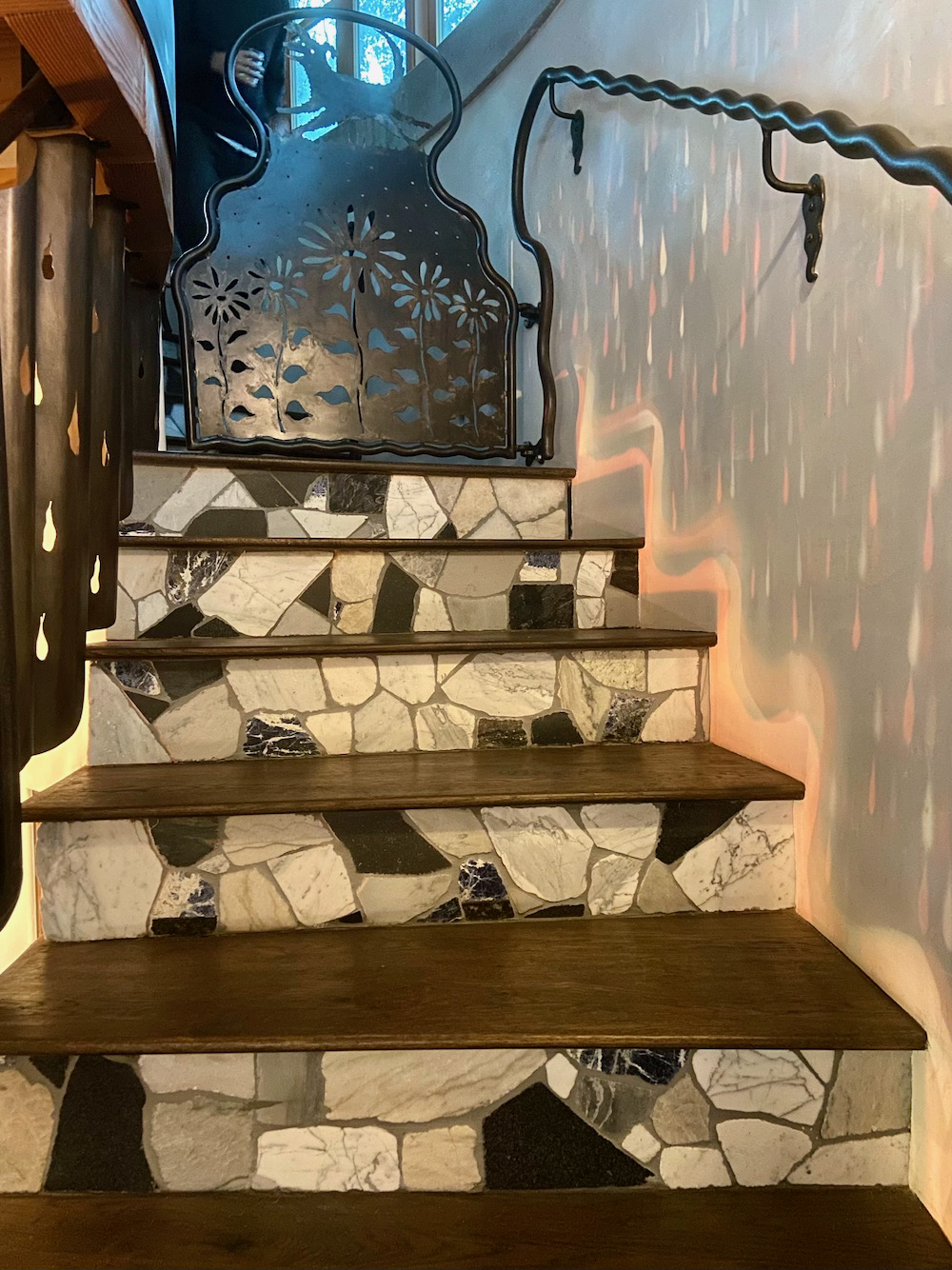
The first floor is a combination of kitchen, dining, and living space. Everything in the house is built on a curve and custom. There is a full tiny bath under the stairs, the kitchen island is on wheels, a Murphy bed and a pair of loft beds too, making it highly functional.
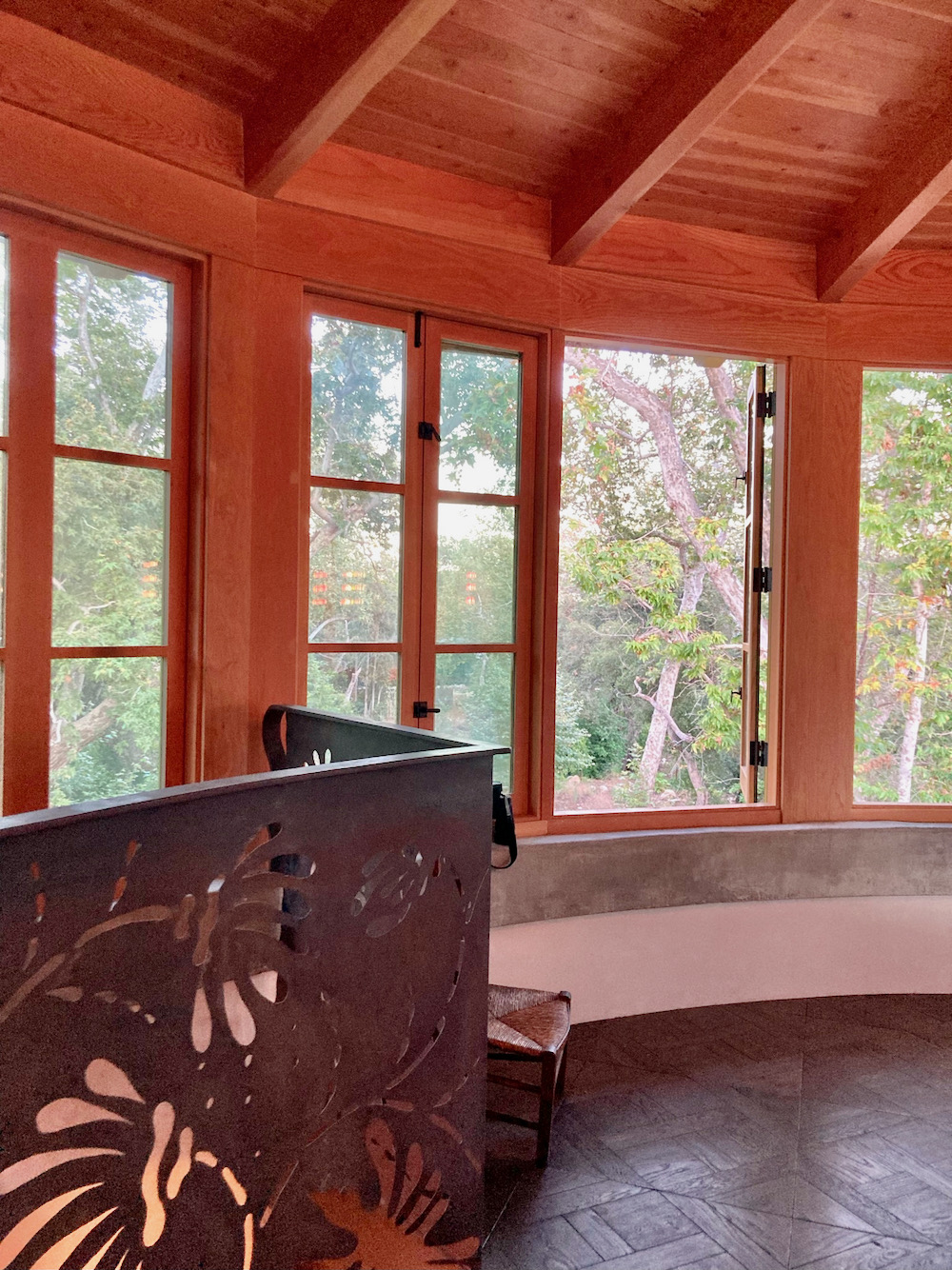
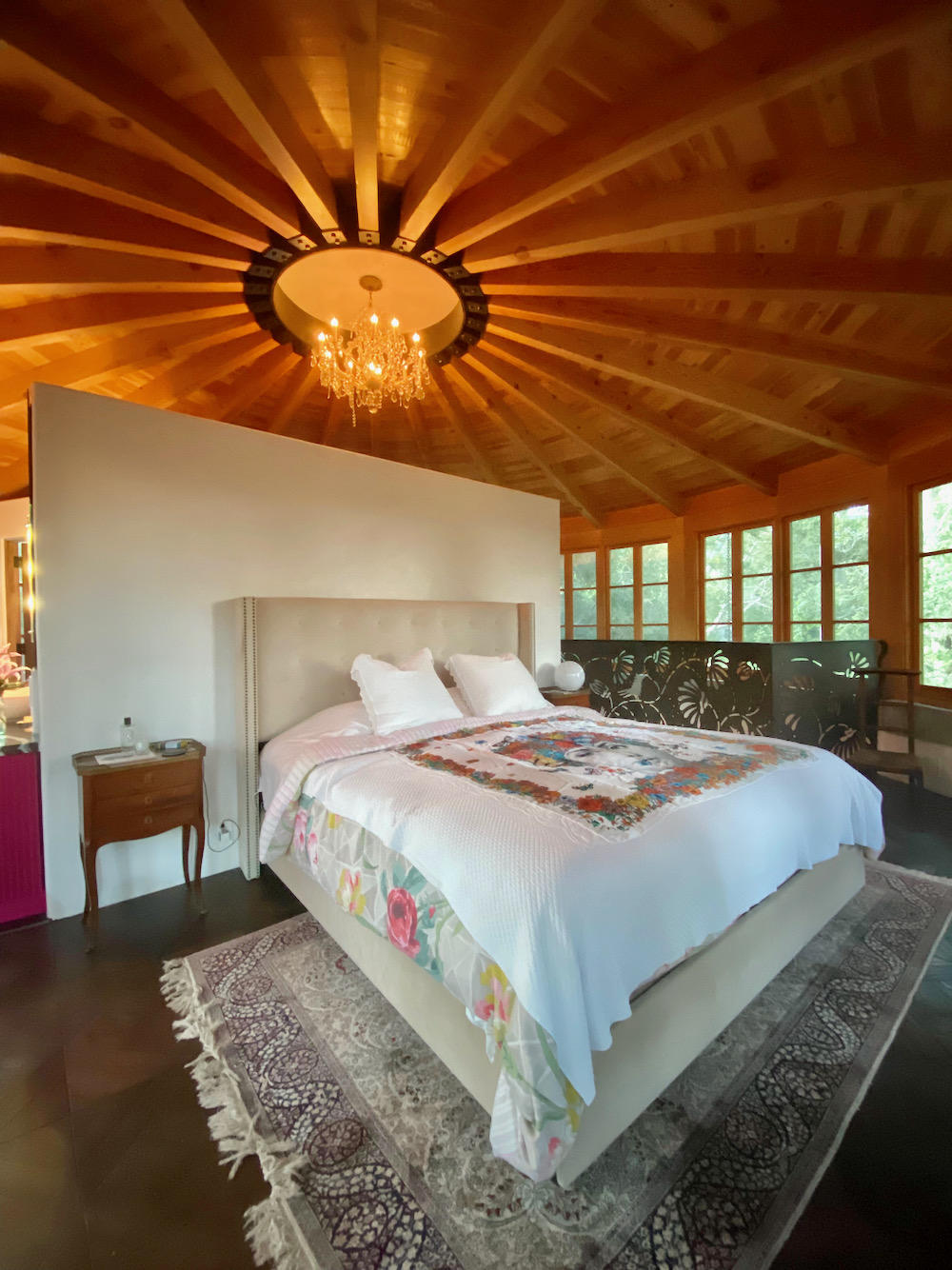
The second floor is the master suite with a floating tub, water closet, plus closet and laundry facilities.
Living in the house is a dream. It is open-air and so connected with nature—the ultimate in glamping. I am so happy and thankful to be in my sweet home after everything.

················
 Rosamond Press
Leave a comment