
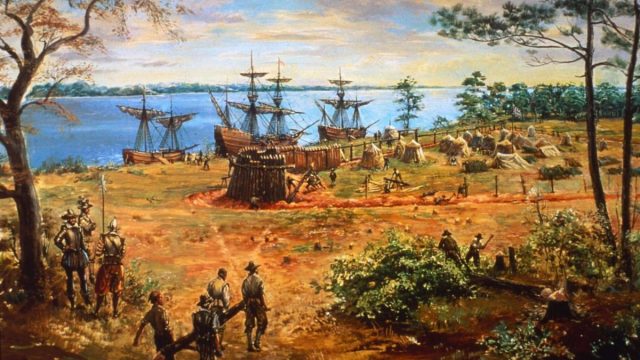
Jefferson and John Astor wanted to found a Pacific Empire. Thomas Hart Benton and Jessie Benton were close to the Astor family.
John
WASHINGTON — In the 19th Century, the giants of the U.S. Senate had a special affinity for constituent service: They drew salaries from powerful businessmen while serving on Capitol Hill.
Thomas Hart Benton of Missouri was paid by John Jacob Astor’s American Fur Co.; Henry Clay of Kentucky worked for James De Wolfe, a slave trader, and the great orator Daniel Webster of Massachusetts was on the payroll of the Bank of the United States. Webster even complained to the bank managers that “my retainer has not been renewed, or refreshed as usual.”
By today’s definition of morality, those payments would be considered bribery, and the senators who accepted them would be disgraced, if not indicted and convicted. Political ethics have changed remarkably since the days of…
View original post 570 more words
 Rosamond Press
Leave a comment