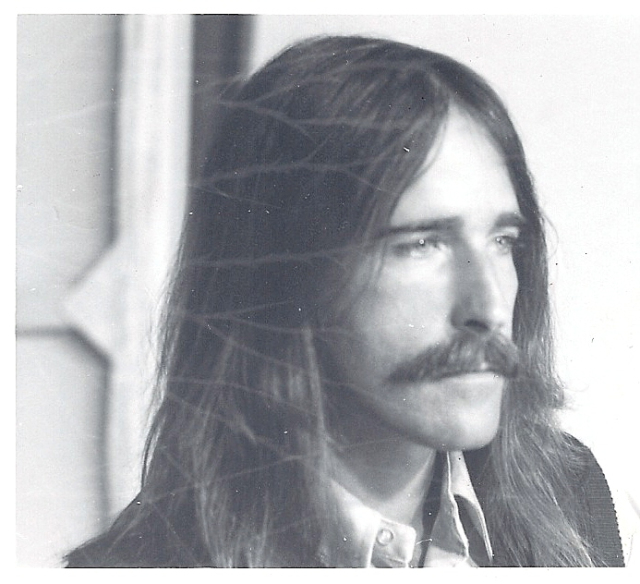
If Jesus was not a Nazarite when the adulteress was brought to him to be judged, then he became one afterwards, as did the other witnesses. If Jesus took the vow of the Nazarite, then it was a vow for life, because he refuses wine until the very instance of his death. The Jewish leaders, and Pharisees, knew the rules of judging the Sotah, and if they were trying to trip Jesus up, they would want to see whether he takes the vow. However, they may know he is a Nazarite, because of his long hair. But, because Paul got in trouble with his Nazarite vow, there may have been a controversy.
This is applicable to Mary Magdalene who is said to have her hair in a tower upon her head. Her hair was very long because she took the vow of the Nazarite. In this excellent study of the Nazarite vow, one could say;
“I am hereby a hair curler!”
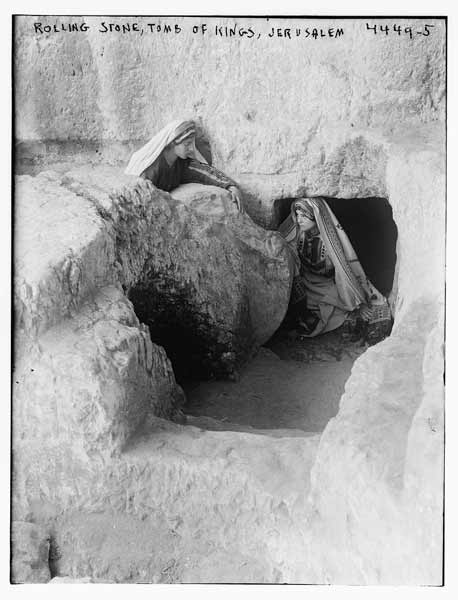
This would suggest the vow is taken for a long period of time, even, life! John the Baptist was a Nazarite for life. Mary Magdalene would know all there is the know about John. She would never defile her vow by getting near a corpse, thus setting her outside the tomb of Jesus, contributes to the flawed notion of his rising from the dead – not being a hoax.
Because Jesus was not yet a Nazarite may explain why Jesus entered the tomb of Lazarus. However, the raising of Lazarus also has its problems.
Paul, as Saul hunted down the Nazarite members of the first church. How did he know who they were? They had long, even…………towering hair!
Mary is the patron saint of hairdressers. She was not a harlot. She probably helped initiates manage their hair, physically, and, ritualistically. The vow was very prevalent and I suspect was outlawed after the fall of the Temple in 70 AD. My discoveries will resurrect the Nazarites.
The reason Jesus bids Mary not to touch him, is because he is partially dead, and her Nazarite vow would be broken. This suggest Mary was a Nazarite for life. What you have read on this page, will alter Christianity – forever! I was saving this for my book, but because of the world crisis and chaos Trump is putting the world in, we need a change we can believe in.
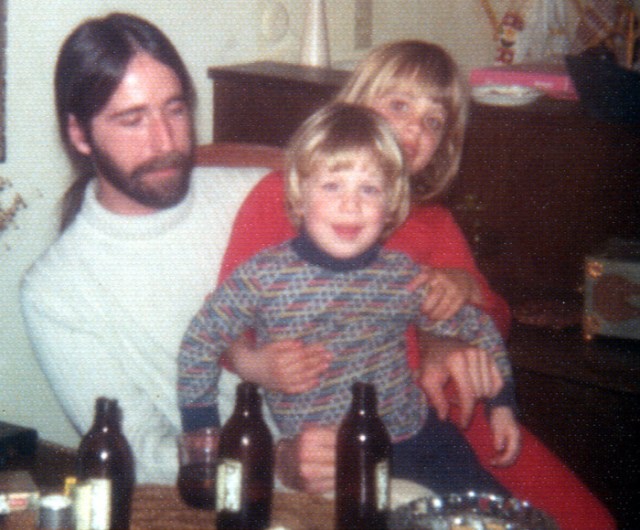
In 1967 I entered the New Hope Program after I admitted I had severe problems with alcohol. You can see how many beers I have consumed. My sponsor told me I need a higher power, so, I tried to become a Christian. I may be one of the few Nazarites in the world. I have thirty years of sobriety.
Jon Presco
Copyright 2018


https://www.sefaria.org/Nazir?lang=bi
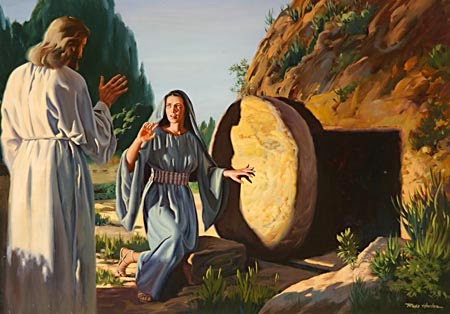
Rabboni!” (which means Teacher). 17 Jesus said to her, “Do not cling to me, for I have not yet ascended to the Father; but go to y my brothers and say to them, z ‘I am ascending to my Father and your Father, to a my God and your God.’” 18 Mary Magdalene b went and announced to the disciples, “I have seen the Lord” – and that he had said these things to me.” א
Anyone who sees a sota in her disgrace should abstain from wine.
In the four Gospels, Mary Magdalene is nearly always distinguished from other women named Mary by adding “the Magdalene” (ἡ Μαγδαληνή) to her name.[1] This has been interpreted to mean “the woman from Magdala“, a town on the western shore of the Sea of Galilee. Luke 8:2 says that she was actually “called Magdalene”. In Hebrew Migdal (מגדל) means “tower”, “fortress”; in Aramaic, “Magdala” means “tower” or “elevated, great, magnificent”.[8] Interpreters since the time of Saint Jerome have suggested that Mary was called Magdalene because of her stature and faith, i.e. because she was like a tower.[9] But some interpreters consider the name to refer to a towering hairdo, and believe that Mary Magdalene may have worked as a hairdresser. This translation stems from certain passages in uncensored versions of the Talmud, where a woman, esoterically identified as Jesus’s mother, is called “hamegadela se’ar nasha”, which has been translated “Miriam, the dresser of women’s hair”, possibly a euphemism for “prostitute”.[10][11]
הריני מסלסל: ממאי דהדין סלסול שערא כדאמרה ליה ההיא אמתא דבי רבי לההוא גברא עד מתי אתה מסלסל בשערך
The mishna rules that one who says: I am hereby a hair curler is a nazirite. The Gemara asks: From where is it known that this term is referring to the curling [silsul] of hair by allowing it to grow? The Gemara answers: As that maidservant of the house of Rabbi Yehuda HaNasi said to a certain man who grew his hair long: Until when will you curl [mesalsel] your hair? This shows that mesalsel means to grow hair.
ה גדל פרע וכתיב התם גבי כהן הדיוט (יחזקאל מד, כ) ופרע לא ישלחו
The Gemara answers: The tanna derives the meaning of this term based upon a verbal analogy of the term long locks [pera] written with regard to a nazirite and the term long locks [pera] written with regard to a priest. It is written here, with regard to a nazirite: “He shall be holy, he shall let the hair of his head grow [gadel] long locks [pera]” (Numbers 6:5). And it is written there, with regard to a common priest serving in the Temple: “And they will not let their locks grow long [pera lo yeshaleḥu]” (Ezekiel 44:20). Just as the word pera with regard to a nazirite indicates growing long hair, so too, in the case of a priest it is referring to growing long hair. This proves that the term shilu’aḥ means letting one’s hair grow.
מתני׳ כל כינויי נזירות כנזירות
MISHNA: One becomes a nazirite by taking a nazirite vow, in which he simply declares himself a nazirite, as detailed in the Torah (Numbers 6:1–21). Additionally, all substitutes for the language of nazirite vows are like nazirite vows and are binding. Furthermore, intimations of nazirite vows, i.e., incomplete statements that are understood from context to be meant as nazirite vows, are considered binding nazirite vows.
האומר אהא הרי זה נזיר או אהא נאה נזיר נזיק נזיח פזיח הרי זה נזיר הריני כזה הריני מסלסל הריני מכלכל הרי עלי לשלח פרע הרי זה נזיר
Consequently, one who says: I will be, without further clarification, is a nazirite, as this is his implied intention. Or, if he said: I will be beautiful, he is a nazirite. The substitutes for the language of nazirite vows are as follows: If one says: I will be a nazik, a nazi’aḥ, or a pazi’aḥ, he is a nazirite. If one says: I am hereby like this, I am hereby a hair curler, I am hereby growing my hair; or: It is incumbent upon me to grow long hair, he is a nazirite.
הרי עלי ציפורים ר”מ אומר נזיר וחכמים אומרים אינו נזיר:
If one says: An obligation is hereby incumbent upon me with regard to birds, Rabbi Meir says: He is a nazirite. A nazirite brings two bird-offerings if he inadvertently becomes ritually impure from a corpse (Numbers 6:10), and it is understood that the individual used this indirect phrase to take a vow of naziriteship. And the Sages say: He is not a nazirite.
גמ׳ מכדי תנא בסדר נשים קאי מאי טעמא תני נזיר
GEMARA: The Gemara begins by clarifying why this tractate appears in the order of Nashim within the six orders of the Mishna. Now, the tanna is engaged in the study of the order of Nashim, which discusses laws concerning marriage and the resulting obligations as well as with forbidden sexual relations. What then is the reason that he teaches the laws of the nazirite here?
תנא אקרא קאי (דברים כד, א) והיה אם לא תמצא חן בעיניו כי מצא בה ערות דבר וה”ק מי גרם לה לעבירה יין וקאמר כל הרואה סוטה בקלקולה יזיר עצמו מן היין
The Gemara answers: The tanna is engaged in the study of the verse pertaining to divorce: “Then it comes to pass, if she finds no favor in his eyes, because he has found some unseemly matter about her” (Deuteronomy 24:1). And this is what he is saying: What caused the woman to commit the transgression of adultery, alluded to in the verse by the phrase “unseemly matter”? It was wine. And the tanna is saying: Anyone who sees a sota in her disgrace should abstain from wine. Consequently, tractate Nazir is placed in the order of Nashim, immediately preceding tractate Sota, which is about a woman suspected by her husband of having been unfaithful, and tractate Gittin, which discusses divorce.
פתח בכינויין ומפרש ידות
§ The Gemara asks a question with regard to the mishna’s presentation of the different topics it addresses: The tanna began with the statement that all substitutes for the language of nazirite vows are considered nazirite vows, but then it explains the halakha of intimations of nazirite vows by providing examples of intimations rather than examples of substitutes for nazirite vows. Why didn’t the Gemara provide examples of substitutes immediately after stating the halakha concerning substitutes?
אמר רבא ואיתימא כדי חסורי מיחסרא והכי קתני כל כינויי נזירות כנזירות וידות נזירות כנזירות ואלו הן ידות האומר אהא הרי זה נזיר
Rava said, and some say this statement without attribution [kedi]: The mishna is incomplete and is teaching the following: All substitutes for the language of nazirite vows are like nazirite vows. And similarly, all intimations of nazirite vows are like nazirite vows. And these are examples of intimations: One who says: I will be, is a nazirite.
ולפרוש כינויי ברישא תנא מההוא דסליק ההוא מפרש ברישא כדתנן במה מדליקין ובמה אין מדליקין ומפרש אין מדליקין ברישא
The Gemara asks: But nevertheless, let the tanna explain the cases of substitutes first, before providing examples of intimations, as the halakha of substitutes is mentioned before the halakha of intimations. The Gemara answers: The tanna employs the general style of the Mishna, which is that the subject with which it concludes is the one that it explains first, as we learned in a mishna (Shabbat 20b): With what may one light the Shabbat lamp and with what may one not light it? And the mishna explains the details of what one may not light first, before providing examples of fuel that may be used to light the Shabbat lamp.
במה טומנין ובמה אין טומנין ומפרש אין טומנין ברישא
Similarly, another mishna (Shabbat 47b) states: In what may one insulate a pot of cooked food on Shabbat eve, and in what may one not insulate it? And the mishna explains the cases of material in which one may not insulate it first, before providing examples of materials in which one may insulate a pot of cooked food.
במה אשה יוצאה ובמה אינה יוצאה ומפרש לא תצא אשה ברישא
A third example of this style is in the following mishna (Shabbat 57a): With what items may a woman go out into the public domain on Shabbat and with what items may she not go out? And the mishna explains the items with which a woman may not go out first, before providing examples of items with which she may go out.
והתנן במה בהמה יוצאה ובמה אינה יוצאה ומפרש יוצא גמל ברישא
The Gemara challenges this explanation: But didn’t we learn in a mishna (Shabbat 51b): With what may an animal go out into the public domain on Shabbat, and with what may it not go out? And it explains the items with which a camel may go out first, before providing examples of items with which it may not go out.
יש נוחלין ומנחילין נוחלין ולא מנחילין מנחילין ולא נוחלין לא נוחלין ולא מנחילין ומפרש אלו נוחלין ומנחילין ברישא
Similarly, it is taught in another mishna (Bava Batra 108a): There are some relatives who inherit and bequeath, e.g., a father and son, who are heirs to each other; some who inherit but do not bequeath; some bequeath but do not inherit; and some do not inherit and do not bequeath. And the mishna explains the cases of those who both inherit and bequeath first, before providing examples of the other categories that were mentioned later in the opening clause of the mishna.
אלא לעולם תני הכי ותני הכי
Rather, the mishna actually teaches in this manner at times, and it teaches in that manner at other times. There are instances where the tanna begins by elaborating on the first principle mentioned in the mishna, while on other occasions he first elaborates upon the last principle mentioned.
אלא התם דאיסורא דנפשיה הוא מפרש איסורא דנפשיה ברישא גבי בהמה דאיסורא איידי בהמה הוא דאתי מפרש היתירא ברישא
However, there is a rationale as to when the tanna employs each style. There, in the passages concerning the fuels one may use to light the Shabbat lamp, the materials one may use to insulate a pot on Shabbat eve, and the items with which a woman may go out on Shabbat to the public domain, where it is the individual’s own prohibition that is being discussed, the tanna explains the cases pertaining to the individual’s own prohibition first. By contrast, with regard to the mishna that addresses an animal carrying into the public domain on Shabbat, where the prohibition comes by means of the animal, the tanna explains what is permitted first.
גבי יש נוחלין נמי מפרש עיקר נחלה ברישא
Similarly, with regard to the mishna that teaches that there are some relatives who inherit and bequeath, the tanna also had a reason for initially providing examples from the first category: He thereby explains the principal case of the Torah’s halakhot of inheritance first.
אלא [הכא] לפרוש כינויי ברישא אלא היינו טעם ידות הואיל ואתיין ליה מדרשא חביבין ליה
The Gemara now returns to its question: But here, let the tanna explain the cases of substitutes first. The Gemara explains: Rather, this is the reason: Since intimations are derived from the exposition of verses and are not explicitly mentioned in the Torah, they are dear to the tanna and he therefore mentions them first.
וליפתח בהון ברישא תנא כי מתחיל מתחיל בעיקר קרבן ולענין פירושי מפרש ידות ברישא:
The Gemara asks: But if that is so, then let him begin with them first in the opening clause of the mishna as well. The Gemara answers: When the tanna begins, he begins with the main offering of the nazirite, i.e., with the halakha that has a basis in the Torah. But with regard to the explanation of these halakhot, he explains the cases of intimations first, as he favors that topic.
האומר אהא הרי זה נזיר: דלמא אהא בתענית קאמר אמר שמואל כגון שהיה נזיר עובר לפניו
§ The mishna taught: One who says: I will be, is a nazirite. The Gemara asks: Perhaps he is saying: I will be fasting, i.e., his intention is to take a vow that will obligate himself to fast rather than to be a nazirite. The Gemara answers that Shmuel said: The mishna is describing a case where a nazirite was passing before him, so that it is clear that he is taking a nazirite vow.
לימא קסבר שמואל ידים שאינן מוכיחות לא הוויין ידים אמרי בזמן שנזיר עובר לפניו ליכא לספוקא במילתא אחרינא אבל ודאי אין הנזיר עובר לפניו אמרינן דלמא אהא בתענית קאמר
The Gemara asks: Shall we say that Shmuel holds as a principle that ambiguous intimations are not considered intimations, i.e., they are not considered vows? The Gemara rejects this suggestion: Say that when a nazirite is passing before him, there is no reason to doubt his intention. There is no possibility that he is referring to another matter, and therefore his statement is definitely an intimation of naziriteship. However, it is certainly the case that when a nazirite is not passing before him, and he states: I will be, we say that perhaps he is saying: I will be fasting. It is only in the latter case, where one’s intimation is so ambiguous that it offers no evidence whatsoever of his intentions, that Shmuel holds that one’s statement is not considered a vow.
ודלמא לפוטרו מן קרבנותיו קאמר דקאמר בלבו
The Gemara asks: But even if he made his statement when a nazirite was passing before him, perhaps he was saying that he intends to purchase the animals the nazirite will need for his offerings and thereby exempt the nazirite from paying for his own offerings. The Gemara answers: This is a case where he said in his heart that he accepts upon himself a nazirite vow.
אי הכי מאי למימרא מהו דתימא בעינן פיו ולבו שוין קמ”ל:
The Gemara asks: If that is so, then what is the purpose of stating this halakha? Isn’t it obvious that he becomes a nazirite? The Gemara answers: It is necessary to state this halakha, lest you say that we require his mouth and heart to be identical. If that were the case, then if one did not clearly articulate his nazirite vow, he would not become a nazirite even if he intended to become one. Therefore, the mishna teaches us that since his words can be interpreted as referring to a nazirite vow, and that was his intention, he becomes a nazirite.

 Rosamond Press
Leave a comment