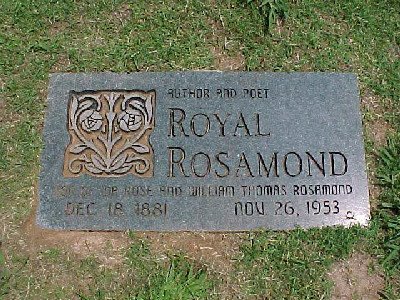
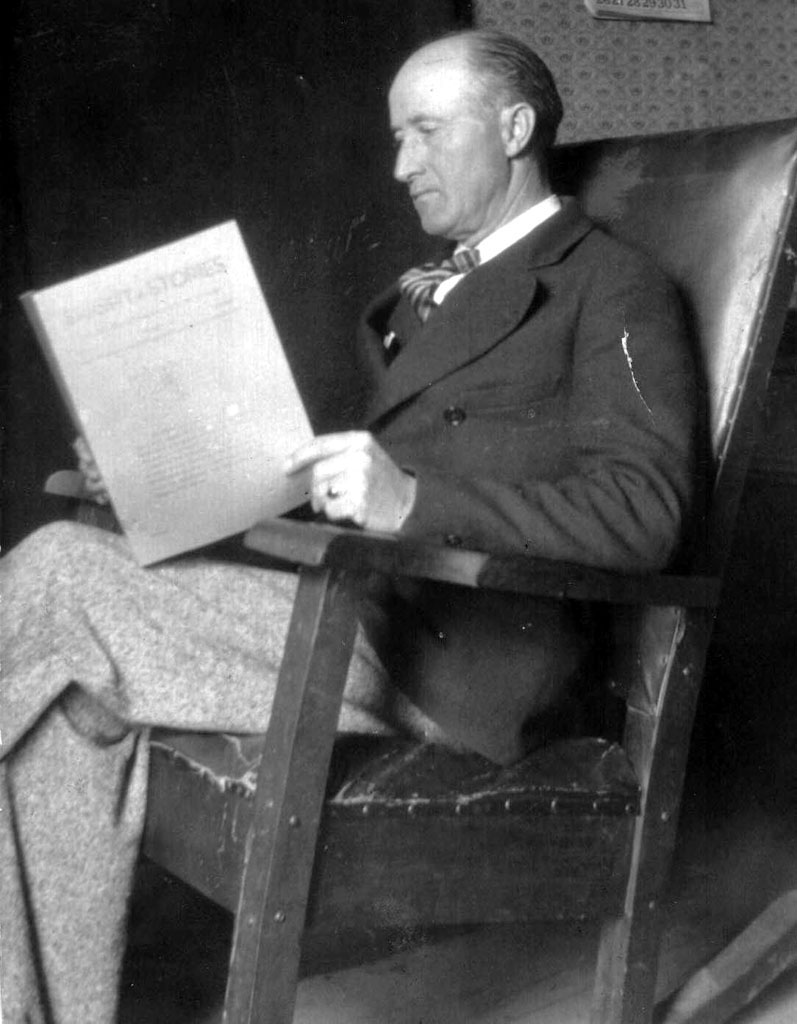

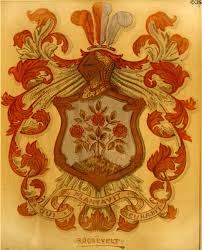

It is clear to me that my late sister and I chose to be born into the Rosamond family so that we could do important spiritual and creative work.
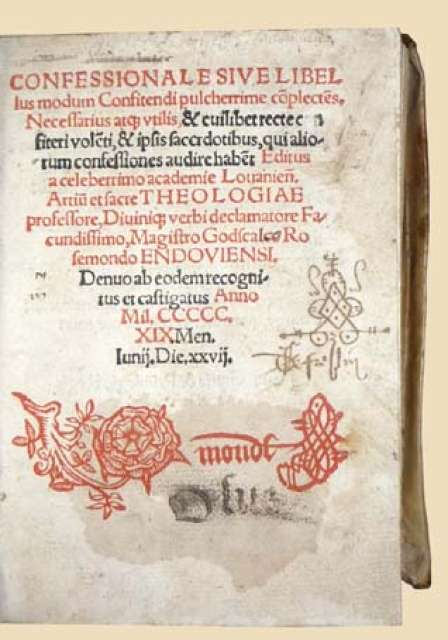
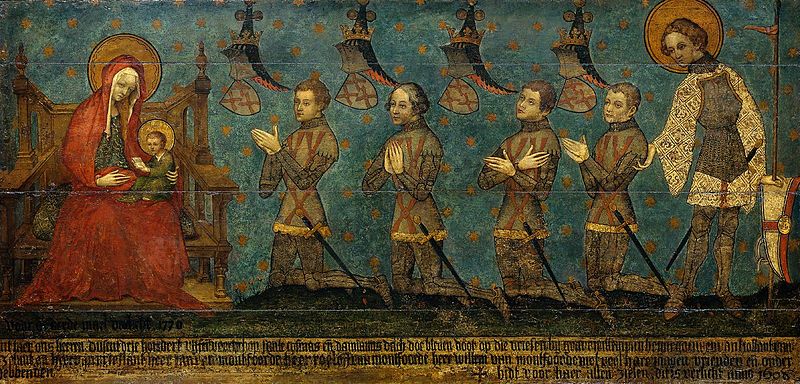
Rosemond is also spelled Roosemond in Holland. The Roosevelt family came from Holland to be America’s greatest family. They produced two Presidents who made sweeping social changes that were adopted by the Kennedy family, and President Barack Obama. The Rosemond family of Holland were members of the Swan Brethren, and played a huge role in the Dutch Renaissance by backing Hieronymus Bosch, and defending Erasmus. Being an original Hippie, who worked with Meher Baba on a level few understand, my generation helped changed the world, forever. Since the death of my beloved sister, Christine Rosamond Benton, I have gathered many roses from around the world. The artwork of Thomas Hart Benton flourished during the Depression, thanks to Roosevelts WPA program. Franklin Roosevelt was a Family Patron. Jessie Benton Fremont helped found the Republican Party that was the party of Theodor Roosevelt. Then there is Dame Elizabeth Rosemond Taylor, whose contributions to the world of art and politics, is part of family tradition. Her work with Victims of AIDS is well known.
Jon Presco
https://rosamondpress.com/2012/10/14/godeschalk-rosemondt-renaissance-man/
https://rosamondpress.com/2014/06/15/the-new-pre-raphaelite-family/
https://rosamondpress.com/2012/02/17/the-gooch-hart-benton-and-mcdowell-family/
Justus de Harduwijn
Justus de Harduwijn, also written as Hardwijn, Herdewijn, Harduyn or Harduijn (11 April 1582 – Oudegem, 21 June 1636), was a 17th-century Roman Catholic priest and poet from the Southern Netherlands. He was the poetic link between the Renaissance and the Contrareformation in the Netherlands.
De Harduwijn was born in a humanist, intellectual family in Ghent. His grandfather Thomas was a steward to Louis of Praet.[1] His father Franciscus owned a bookbinding shop in Ghent and was a member of the Council of Flanders, the highest judicial college in the County of Flanders. His father was a friend of writer Jan van der Noot who had introduced him to the French poets of La Pléiade, and is said to have been the first translator of Anacreon in Dutch.[1] Justus’ uncle, Dionysius de Harduwijn, was a historian, and Justus inherited his rich library. The humanist poet Maximiliaan de Vriendt was another uncle of his, and he was also related to Daniël Heinsius.
De Harduwijn studied at the Jesuit college which was recently established in Ghent. Ca. 1600 he went to the Catholic University of Leuven where he studied under Justus Lipsius and in 1605 became a Bachelor in Law. Subsequently he studied theology at the seminar of Douai. In April 1607 De Harduwijn was ordained a priest, and in December of the same year he became the parish priest of Oudegem and Mespelare, functions which he occupied until his death in Oudegem in 1636.
Work[edit]

Frontispice of Goddelijcke Wenschen (1629)
Justus de Harduwijn became a member of the chamber of rhetoric of Aalst. As a student, he composed the love sonnets De weerliicke liefde tot Roosemond, influenced by the poets of the Pléiade; it was the first book of sonnets written entirely in Dutch, while the earlier humanists writing in Latin. It was published anonymously in 1613 by Verdussen in Antwerp, with the poet Guilliam Caudron as the editor.[1]
Influenced by Henricus Calenus and Jacobus Boonen, who would become his maecenas, De Harduwijn found his inspiration in the divine contemplations. Ut was the start of his renaissance and contrareformation period. In 1614 he wrote Lof-Sanck des Heylich Cruys, a translation of a work by Calenus. In Goddelicke Lofsanghen, from 1620 and dedicated to Boonen, a number of earlier profane poems were reworked. The same year the biblical poetry of Den val en de Opstand van David/Leed-tuyghende Pasalmen was published as well.
His most important work of poetry, Goddelijcke Wenschen, appeared in 1629. It was a complete adaptation of the Pia desideria, a work from 1624 by the Jesuit Herman Hugo. In 1630 Cornelius Jansenius, who had just been promoted to professor in Leuven, called upon de Harduwijnto translate the contrareformational pamphlet Alexipharmacum in Dutch. Together with David Lindanus de Harduwijn wrote in 1635 Goeden Yever tot het Vaderland ter blijde inkomste van den Coninclijcken Prince Ferdinand van Oostenryck.
Influence[edit]
During his life, de Harduwijn was one of the most read poets of the Netherlands. He became mostly forgotten after his death but was rediscovered in the 19th century by Jan Frans Willems and the writer Johannes M. Schrant. During the 20th century, Oscar Dambre, a literary historian from Ghent, devoted several studies to de Harduwijn, and composer Arthur Meulemans put his text Clachte van Maria benevens het Kruis to music. Both in Ghent and in Sittard-Geleen, a road is named after him.
 Rosamond Press
Leave a comment