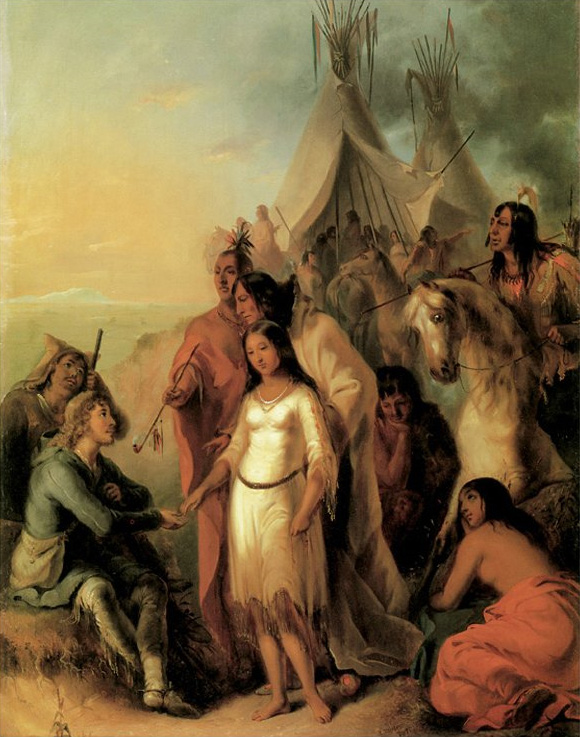
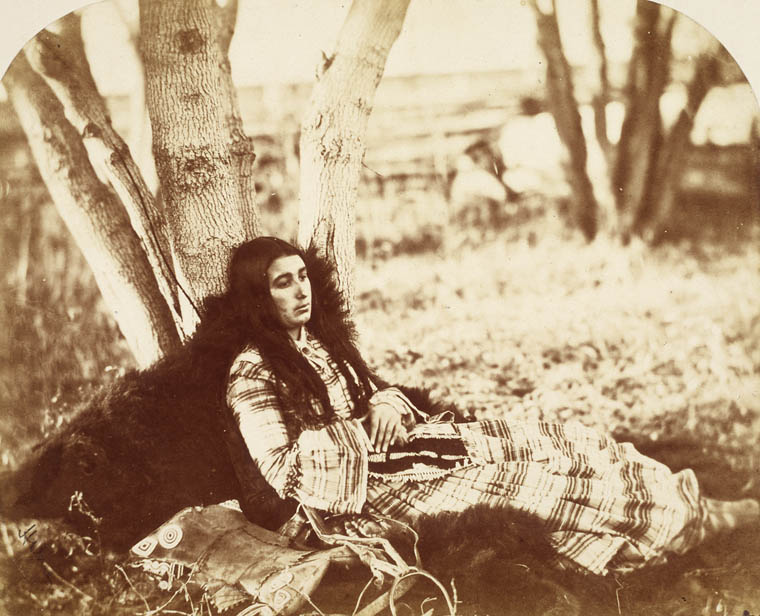

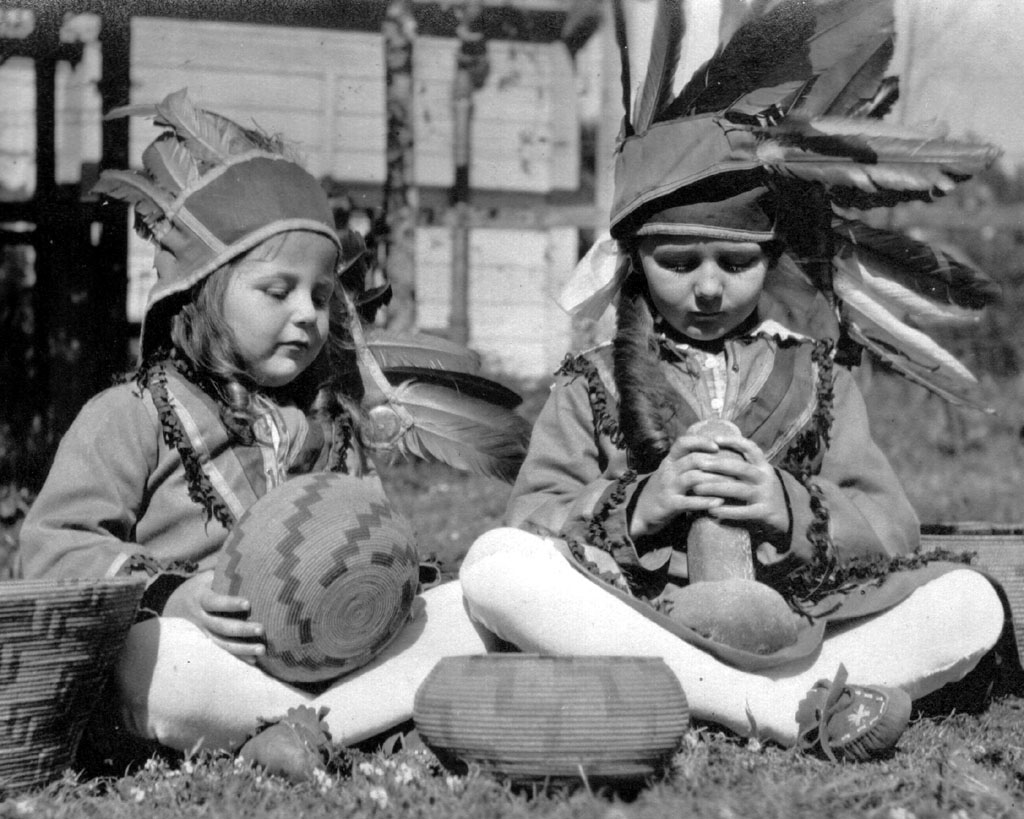
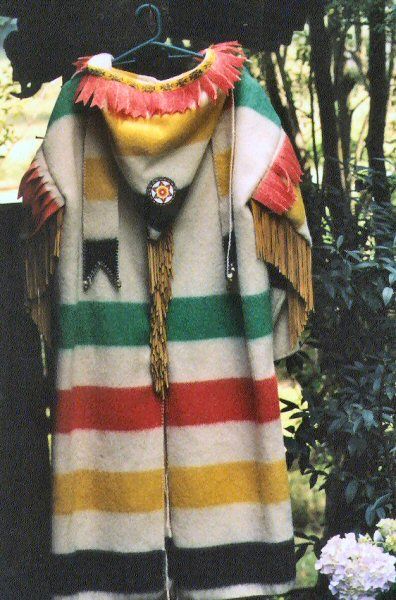
French fur trappers and traders may constitute the first Bohemians. Young men left France and went on a voyage in the New World seeking pelts, that were fashionable back home, that would make them wealthy. Often they married, or paired, with Native Americans and produced a peoples called the Metis. My childhood sweetheart come from the Metis. Marilyn’s great grandfather was a Frenchman surnamed Geoffrey. My great grandmother, Mary Heil, was full-blooded Cherokee, but I am thinking she might have been Metis. Mary Magdalene Rosamond had high cheekbones like Marilyn. I suspect her husband, Royal Rosamond, saw her as a half-breed, a name applied to the Metis. Here is a photo of Bonnie and June in Indian garb.

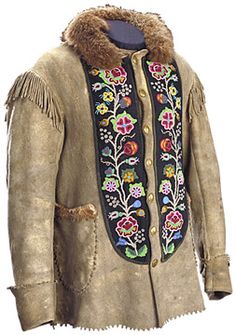
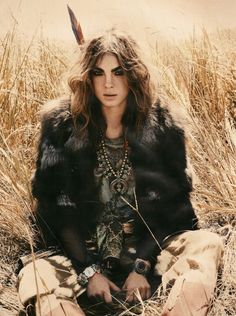
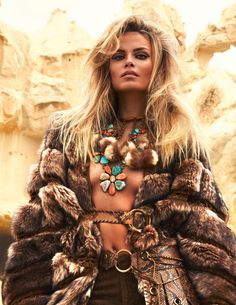
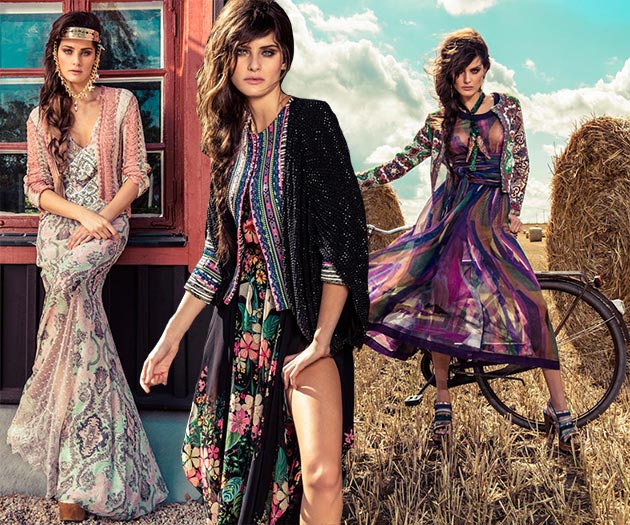
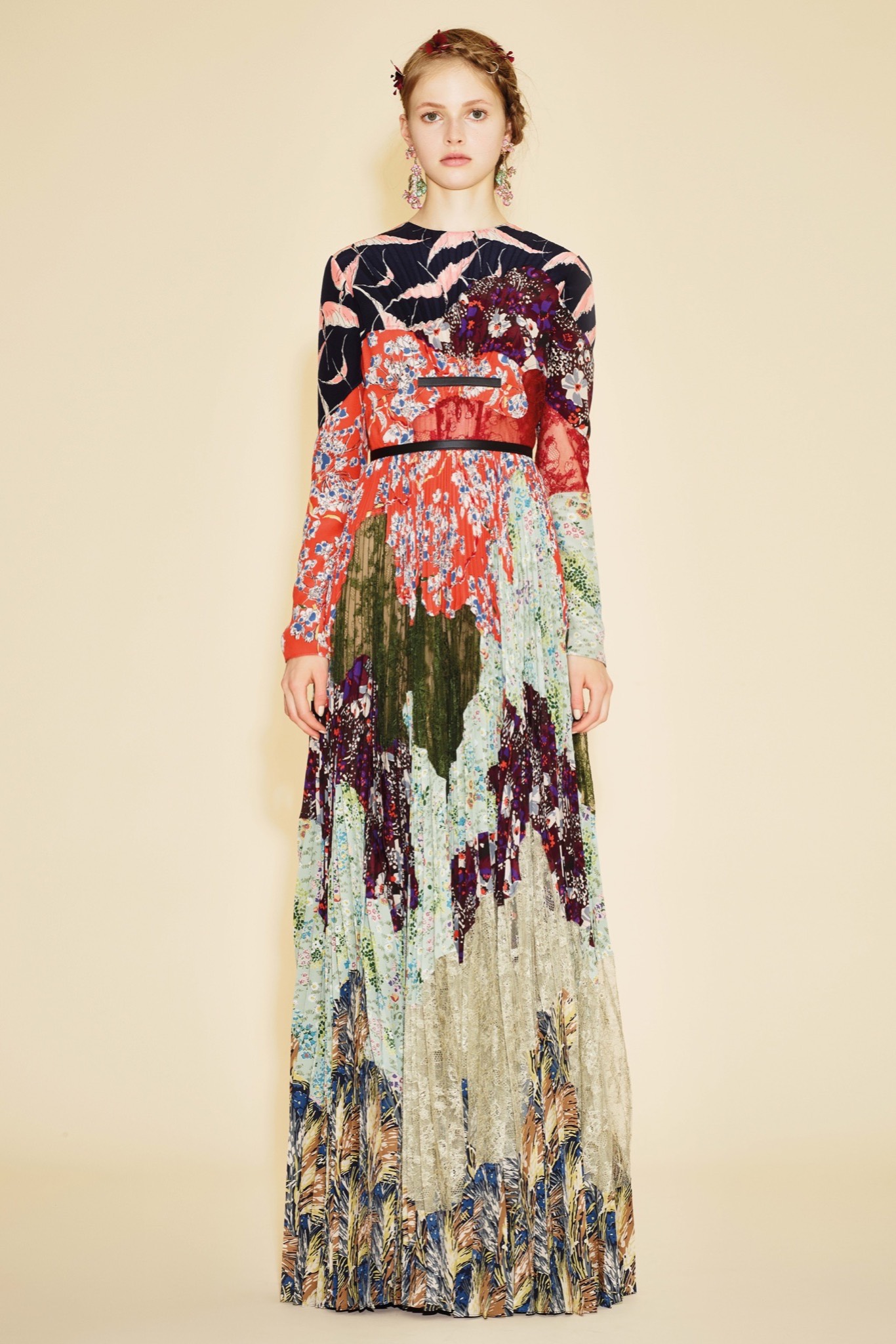
In 1966, I attended ‘The Gathering of the Tribes’ in Golden Gate Park, with my childhood friend, Nancy Hamren. Here the idea that we Hippies are tribal was presented. I believe this would constitute the birth of Boho Chic, because peoples all over the world are identified by their traditional clothing that we now developed, we adopting a Euro-Native apparel like the Metis did in the admixture of two cultures. A Metis woman has put her culture on the fashion runway.
I conclude, Boho Fashion, carved out a New World in Canada and America. The Black Robes (Jesuits) had a hand in spreading Bohemianism, which some title a ‘Religion’. In this light, I agree, for the Metis brides had long had a cosmology that was devoid of the God of the Jews, and the Savior of the Christians. When the well-to-do walked the streets of Paris with the latest book of Victor Hugo under their arm, they wore a pelt that was touched by a Metis Maiden. Their French husbands are having a mind-altering experience.
Jon Presco
Copyright 2015
“Coureurs des Bois came from all social ranks and all succumbed to the lure of the wilderness.” In 1680, the intendant Duchesneau estimated that there was not one family in New France who did not have a “son, brother, uncle or nephew” among the Coureurs des Bois.”
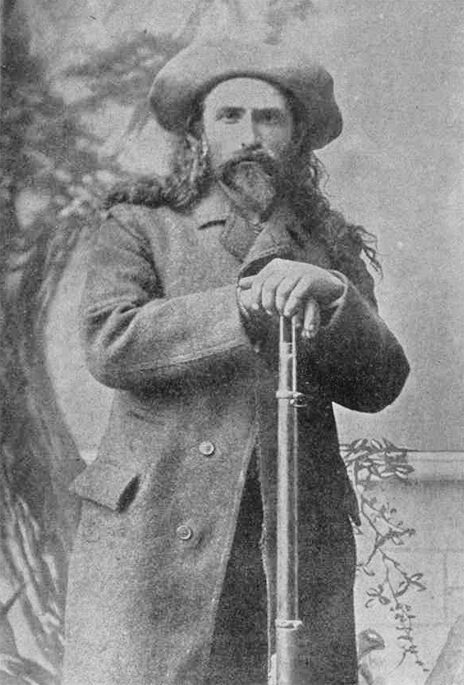
A coureur des bois (French pronunciation: [kuʁœʁ de bwa]) or coureur de bois (French pronunciation: [kuʁœʁ də bwa], runner of the woods; plural: coureurs de bois) was an independent entrepreneurial French-Canadian woodsman who traveled in New France and the interior of North America. They ventured into the woods usually to trade various European items for furs and along the way, learned the trades and practices of the Native people who inhabited there. These expeditions were fuelled by the beginning of the Fur Trade in the North American interior. Trade began with coat beaver, but as the market grew coureur des bois were trapping and trading prime beavers to be felted in Europe.[1] The term is often confused with voyageurs who, rather than being unlicensed entrepreneurs were the canoe travel workers for licensed fur traders. The most prominent Coureur des bois were also explorers and gained fame as such.
In 1534, Jacques Cartier discovered the Gaspé Peninsula and claimed the land in the name of Francis I of France.[2] For the better part of a century the Iroquois and French clashed in a series of attacks and reprisals.[3] As a result of this Samuel de Champlain arranged to have young French men live with the natives, to learn their language and customs and help the French adapt to life in North America. These men, known as coureurs des bois (runners of the woods), extended French influence in the south and west, and in 1609, New France controlled all of the Canadian Shield. “Coureurs des Bois came from all social ranks and all succumbed to the lure of the wilderness.” In 1680, the intendant Duchesneau estimated that there was not one family in New France who did not have a “son, brother, uncle or nephew” among the Coureurs des Bois.[4] It was not just the promise of adventure or the freedom to roam that enticed the Coureur des Bois; it was the profits earned by purchasing valuable pelts from natives in return for European goods.
A coureur des bois was an adventurer with many skills, including those of businessman, and of an expert canoeist.[4] They engaged in a range of activities including fishing, snowshoeing and hunting.[5] All these activities depended on skills learned through close contact with the indigenous peoples of North America. Native peoples were essential to the fur trade because they actually trapped the fur-bearing animals (especially beaver) and prepared the skins. Often transactions took the form of reciprocal gift-giving. Pierre-Esprit Radisson and his companions, for instance, “struck agreeable relations with Natives inland by giving European goods as gifts”.[6] Relations between the coureur de bois and the Natives often included a sexual dimension; Marriage ‘à la façon du pays’ (following local custom) was common.[7] As wives, indigenous women played a key role as translators, guides and mediators- becoming “women between”.[8] Although the term “Coureurs des Bois” is most strongly associated with those who engaged in the fur trade, the most prominent coureurs des bois gained fame as explorers.
http://metis-history.info/metis3b.shtml



Fort Detroit, New France had constructed a picket line palisade enclosing 1 arpent of land, about 800 feet in length, rising 12 to 15 feet to defend against the Indians. There were no women in the fort at this time.
Madam Cadillac and Tonty’s wife arrived in the spring of 1702 being the first white women.
Fort Detroit, New France (Michigan) planted Indian corn that grew to 8 feet tall, and each soldier (50 men) were required to plant 1/2 acre garden for their own use and the citizens planted 60 arpents of wheat. Wild grapes, fruit, berries and nuts were also harvested.
http://vintagehaberdashers.com/tag/metis/
http://www.harpersbazaar.com/fashion/trends/a1641/21-reasons-you-have-bohemian-style/
Canadian Metis visual artist Christi Belcourt can now add fashion to her list of achievements.
One of the world’s top fashion designers has partnered with Belcourt in their 2016 Resort collection.
The Italian-based Valentino collection revealed two weeks ago features stunning flowery, elegant pieces based upon Belcourt’s ‘Water Song’ painting found in the National Gallery of Canada.
“It was a very good experience,” said Belcourt. “It’s just been wonderful to work with them all around. They were extremely respectful.”
https://en.wikipedia.org/wiki/Human_Be-In
http://magicbussf.com/january-14-1967-the-human-be-in-aka-gathering-of-the-tribes-golden-gate-park/
The term Bohemianism emerged in France in the early nineteenth century when artists and creators began to concentrate in the lower-rent, lower class, Romani neighborhoods. Bohémien was a common term for the Romani people of France, who were mistakenly thought to have reached France in the 15th century via Bohemia,[4] at that time the only protestant and therefore heretic country among Western Christians.
Literary “Bohemians” were associated in the French imagination with roving Romani people (called “bohemians” because they were believed to have arrived from Bohemia[5][6]), outsiders apart from conventional society and untroubled by its disapproval. The term carries a connotation of arcane enlightenment (the opposite of Philistines), and also carries a less frequently intended, pejorative connotation of carelessness about personal hygiene and marital fidelity. The character of the title character in Carmen (1876), a French opera set in Seville, Spain, is referred to as a “bohémienne” in Meilhac and Halévy’s libretto. Her signature aria declares love itself to be a “gypsy child” (enfant de Bohême), going where it pleases and obeying no laws.
According to historian Jacob A. Schooley, the Métis developed over at least two generations and with different classes. In the first stage, “servant” (employee) traders of the fur trade companies, known as wintering partners, would stay for the season with First Nations bands, and make a “country marriage” with a high-status native woman. This woman and her children would move to live in the vicinity of a trading post, becoming “House Indians” (as they were called by the company men). House Indians eventually formed distinct bands. Children raised within these “House Indian” bands often became employees of the companies in turn. (Foster cites the legendary York boat captain Paulet Paul as an example). Eventually this second-generation group ended employment with the company and became “freemen” traders and trappers. They lived with their families raising children in a distinct culture based around free trading, buffalo hunting, and so on. He considered that the third generation, who were sometimes Métis on both sides, were the first true Métis. He suggests that in the Red River region, many “House Indians” (and even some non-“House” First Nations) were assimilated into Métis culture due to the Catholic church’s strong presence in that region. In the Fort Edmonton region, many House Indians never adopted a Métis identity but continued to identify primarily as “Cree” and so on.[21][22]
The Métis played a vital role in the success of the western fur trade. They were skilled hunters and trappers, and were raised to appreciate both Aboriginal and European cultures.[23] Métis understanding of both societies and customs helped bridge cultural gaps, resulting in better trading relationships.[23] The Hudson’s Bay Company discouraged unions between their fur traders and First Nations and Inuit women, while the North West Company (the English-speaking Quebec-based fur trading company) supported such marriages. Trappers typically took First Nations women as wives, too, and operated outside company strictures.[24] The Métis were respected as valuable employees of both fur trade companies, due to their skills as voyageurs, buffalo hunters, and interpreters, and their knowledge of the lands.

 Rosamond Press
Leave a comment